S1-05: How does coding fit in the science classroom? A conversation with Aryanna Trejo of Code.org
Podcast cover titled "Science Connections" featuring Aryanna Trejo, Season 1, Episode 5. It includes abstract illustrations of a globe and telescope, discussing coding in the science classroom.

In this episode, Eric sits down with Aryanna Trejo, a professional learning specialist of Code.org. Aryanna shares her journey from working as an elementary teacher in New York City and Los Angeles to teaching other educators at Code.org. Eric and Aryanna chat about computer literacy within the science classroom, problem-solving skills, and ways to model productive struggle for students. Aryanna also shares ways to teach coding and computer literacy in schools, no matter the classroom’s technology level. Explore more from Science Connections by visiting our main page.

Download Transcript

Aryanna Trejo (00:00):

I would hear teachers saying things like, “Well, I just can’t do coding; this is too hard for me; the time has passed.” And I would ask them, “Would you say that to your student about math or English?” And they would always sheepishly go, “No.” And I’d say, “Well, be as kind to yourself as you would be to your student.”

Eric Cross (00:19):

Welcome to Science Connections. I’m your host, Eric Cross. My guest today is Aryanna Trejo. Aryanna is a member of the professional learning team at Code.org. Before joining Code.org, Aryanna led computer science professional development for elementary school teachers, and served as an instructional coach for new educators. She also taught fourth and fifth grade in both New York City and in Los Angeles. In this episode, we discuss Aryanna’s journey to Code.org, where she helps educators connect coding to real life, how to use a rubber duck to solve problems, and how coding and computer science principles can be taught to students in areas without access to the internet…or even a computer. I hope you enjoy my conversation with Aryanna Trejo. So I was born and raised here, and I saw that you went to UC San Diego.

Aryanna Trejo (01:11):

I did, I did. I actually just put a deposit down on an apartment in University Heights, ’cause I’m moving back.

Eric Cross (01:16):

You’re coming back?

Aryanna Trejo (01:17):

I’m coming back. Yeah.

Eric Cross (01:19):

So if you need a classroom to visit….

Aryanna Trejo (01:21):

I would love to do more classroom observations!

Eric Cross (01:24):

Are we doing this? Let’s do—we’re making this happen.

Aryanna Trejo (01:26):

We are. Yeah. So I’ll be there. I’m moving there in April. I actually grew up in Orange County too, so I’m like a very diehard SoCal person.

Eric Cross (01:35):

So I feel like I know the answer to, hopefully—Tupac or Biggie? ‘Cause you’re on the East Coast, and you’re on the West Coast.

Aryanna Trejo (01:40):

Yeah. I like Tupac, but I have more Biggie songs committed to memory. Which is not a lot. I have “Juicy” and “Hypnotized” memorized.

Eric Cross (01:53):

All right. So you’re just memorizing, and you have the Biggie songs memorized, but not the Tupac ones.

Aryanna Trejo (01:58):

No, but I do love Tupac songs. You know, it’s like, Biggie has the flow, but Tupac has the lyrics. Nobody’s—they both have something really amazing about them.

Eric Cross (02:06):

You know, I can respect that you broke it down into both of their strengths.

Aryanna Trejo (02:11):

Thanks for buttering me up before this interview. And not….

Eric Cross (02:15):

<laugh> Oh, we already started.

Aryanna Trejo (02:16):

Huh? We already started?

Eric Cross (02:17):

We’re already started. Yeah. We’re already into this.

Aryanna Trejo (02:19):

We’re into it.

Eric Cross (02:21):

You were in the classroom, fourth and fifth grade, and you were doing TFA.

Aryanna Trejo (02:26):

I did. I did Teach For America. I was 2012, New York City Corps. Right after graduation. ‘Cause I graduated UC San Diego in 2012. So graduation was on June 17th, and I touched down at JFK on June 19th.

Eric Cross (02:40):

Even though I wasn’t in TFA, I know a lot of the fellows that are in it. And there’s just some phenomenal teachers in there. How long were you doing elementary school when you were teaching?

Aryanna Trejo (02:49):

Yeah, I taught for—well, I did, three years of teaching fourth grade. Then there happened to be an instructional coach opening in my fourth year. I took that, did some instructional coaching within the same network, and then I moved back to LA and I taught fifth grade for a year.

Eric Cross (03:11):

  1. And what was it like now? Did you go to Code.org right after the classroom?

Aryanna Trejo (03:17):

No, I didn’t. No. I transitioned after teaching fifth grade for a year in downtown Los Angeles, in the Pico-Union neighborhood. I ended up getting this email out of the blue from someone who had actually found me through the Teach for America job site. ‘Cause I was hitting the pavement; I was really looking to transition out of the classroom. And she invited me to interview with this company called 9 Dots. And they taught computer science to kids K–6 throughout Los Angeles and Compton. And I was like, “Sure, no problem. Let’s do it.” So I interviewed, I got the job, and yeah, that’s how I transitioned to 9 Dots. And then after almost four years there, I transitioned to Code.org, with the same person. Actually, she moved over to Code.org first, and then she helped me get this job.

Eric Cross (04:07):

Oh, that’s happened a lot—like, that relationship kinda carries over.

Aryanna Trejo (04:11):

Yeah. We’re meant to be coworkers.

Eric Cross (04:13):

Yeah. Are you still? Is she still there? Are you both still together?

Aryanna Trejo (04:17):

Yeah, we’re on the same team and it’s nice. I saw her last night for Happy Hour, with another coworker who’s in LA. So we’re tight. And she’s a wonderful, wonderful mentor to me.

Eric Cross (04:28):

That’s great. Did you have computer-science background, when you were doing elementary school teaching? Did you have—

Aryanna Trejo (04:34):

No. <laugh> Not at all. When I was teaching in New York City, I had like four desktop computers in my classroom, and we rarely used them. Which was such a shame. And then when I moved to Los Angeles and taught fifth grade there, we were a one-to-one school, and the joys of that are just amazing. It was just really wonderful to, you know, get the students used to typing on the computer, using different software to submit their assignments. Getting creative—as creative as you can get—with Google Slides. You know, to show off what they know. And stuff like that. That’s all I had, though. And you know, when I transitioned to 9 Dots I was like, “Sure, why not? Let’s give a shot.” And I learned a lot. It was really interesting, yeah.

Eric Cross (05:26):

And so now at Code.org you are…well, so my journey with Code.org, I’ve been in the classroom for eight years. Still in the classroom as of…an hour ago, I was there. <Laugh> And I use Code.org, and I feel like I’ve checked it periodically, and I feel like it’s evolved over the gaps. And I’ve seen it. It’s become more robust in the things that they offer, over the years I’ve been an educator. Just to kind of…could you give a thumbnail sketch? Like, what is Code.org? Who’s it for? Who’s the target audience? What resources are there?

Aryanna Trejo (06:00):

Yeah. So it’s for everyone. It is a nonprofit that provides curriculum and training and a platform for teachers and students. We provide curriculum for K through 12. It’s completely free. And it comes with lesson plans, slideshows, all that. We focus specifically on underrepresented groups. So we have targeted measures for Black students, for Native American students, for students who identify as female. That’s a huge part of our mission. But we’re really working to expand access to computer science to as many students as we can.

Eric Cross (06:41):

One of the things I’m hearing in your story is you were teaching in Compton; you were in Bronx, New York. One of the reasons why I got into the classroom is because of educators, and the impact they made on me in exposing me to science and technologies I’d never had access to. And that intentionality, that you’re going about it…are there…not just the code, but how you bring that across to different groups…are there strategies, or are there ways to connect this idea of coding to diverse groups and diverse audiences? Or is it kind of, the curriculum applies for everyone? ‘Cause in science, when I’m teaching, I’m always trying to make what I’m doing relevant to the backgrounds of my students.

Aryanna Trejo (07:28):

Sure.

Eric Cross (07:28):

So I’m teaching biology, and I’m trying to make this kind of connection. Sometimes it’s more organic; sometimes it feels kind of forced. Because it’s just not always a nice fit. But it sounds like Code.org is really about inclusion. And in the numbers that I’ve seen for representation, in especially computer science software engineers, the groups that you’re focusing on are not necessarily represented in the professional workforce. At least disproportionately.

Aryanna Trejo (07:54):

Yeah, absolutely. Yeah, that’s correct.

Eric Cross (07:57):

And so how do you go about being intentional about reaching groups that we don’t see in, you know, the Silicon Valley software engineers? How do you start that? Like, at a young age, do you look for specific schools in specific areas to say, “We are going to bring this to the school. We’re going out to these populations of the cities”? Because we’re just not seeing…you know, on the map, we’re not seeing anybody really doing anything with coding here. Or we’re not seeing the numbers come out of these areas, out of these cities, of students who are going into STEM or going into computer science fields.

Aryanna Trejo (08:41):

Yeah. I don’t necessarily work on the recruitment side of it, is the issue, in my position. But I do work on the professional learning, that is brought out to teachers. And we have a huge focus on equity throughout the workshops that we create from K–12. It’s something we’re really passionate about. We definitely aim to prepare teachers to teach computer science. That’s a huge part of it. Knowing the content, but also thinking through, “What does recruitment look like at your school to make sure that the demographics of your classroom match the demographics of your entire school?” Also, thinking through, “How can we make sure that female students feel included in your classroom? How can we make sure that we are, giving students creativity to think about, or we are setting students up to be creative and think about the problems that are in their community, and how they can use computer science to solve them, or at least work towards them?”

Eric Cross (09:39):

So solving real-world problems and that inclusion aspect…are there things like…you were saying “female or students who identify as female”…are there things that teachers can do to ensure that they’re being more inclusive? Or to recruit, or encourage more female students to take part? One of the things I was thinking of, that I’ve seen, is I’ve seen coding kind of camps.

Aryanna Trejo (10:06):

Sure.

Eric Cross (10:08):

That were specifically for a female audience. And that seemed to help with recruitment. Is that something that you see on your side?

Aryanna Trejo (10:16):

That’s not something that we set up, no. But the curriculum that I work with is CS Principles. And it’s offered as an Advanced Placement course, as well as an AP class. So that’s a curriculum that’s designed for students who are in grades 10 through 12. And so at that point, we can really talk to teachers and ask them what the recruitment strategy is. But in terms of strategies that teachers can use to recruit those students…I mean, I’ve heard over and over from lots of different teachers who identify as female that they didn’t think that computer science was for them, until they saw a role model in that position. And so just being a role model for those students is really wonderful.

Eric Cross (11:00):

And I see it too, with—like, we do “Draw a Scientist” activity, which is like a popular science thing—

Aryanna Trejo (11:05):

Sure, yeah, I’m familiar.

Eric Cross (11:05):

But it’s the same thing, right? Like, it fleshes out. My students don’t draw themselves as scientists. They draw what they perceive, based on what television says. I imagine with computer science, it’s probably really similar, when you think about “What’s a software engineer look like?” Do students tend to draw themselves? Or is it even a mystery? Because I don’t even know what a software engineer looks like.

Aryanna Trejo (11:28):

Yeah, absolutely. Well, one of the things we love to do with our professional learning workshops is talk about understanding yourself, your identities, how they show up in the classroom as biases. And, you know, things like stereotype threat. We see that as really important to understand, and think through, and consider, before you step into the classroom. So that you’re not, you know, coddling certain groups of students because you don’t believe that they are able to be successful in computer science. Holding all the students to the same expectations and believing that they can succeed. And computer science, I think a lot of the times people have this conception of it being this utopian, bias-less, technocratic field. When in reality, everything has bias. And people talk about algorithmic bias and facial recognition, but also the people who created computers and computer languages have their own bias that comes through. And I think it’s really important to show students that. So that they can, one, know what they’re working with, and two, make sure that they can create products that reduce that bias.

Eric Cross (12:50):

It’s like…it’s not objective, just because we’re creating software. Like, once it gets to a point of being so sophisticated…I think, like, AI software, right? With facial recognition? And we’re seeing more and more articles come out about, you know, predicting trends based on historical data.

Aryanna Trejo (13:12):

Sure.

Eric Cross (13:13):

But then, the trends and things that they’re seeing tend to target things that have happened in the past. But it also doesn’t take into consideration a lot of other factors that can lead to certain groups or populations being identified. And I’ve seen some articles lately about how your code is really just representation of what you put into it. And like you just said, your bias—if you have that, conscious or unconscious—you’re gonna put that into your code. And the input is gonna be an impact, is gonna impact the output.

Aryanna Trejo (13:44):

Yeah, absolutely. Or even just—and I’m ashamed to say this, ’cause this is an idea that came to me just recently, through an article that I read—but computers themselves have bias. The hardware assumes that you have vision, that you can see the screen, that you are able-bodied, that you can use your hands to work the keyboard, the mouse, et cetera, and that you don’t have to use assistive technology. You know, there are small things like that, where we think that technology, like I said, is this utopian, futuristic science…but there are biases throughout.

Eric Cross (14:19):

You’re absolutely right. I’ve never even—I’ve never even considered that. Even though I do use assistive tech, and figure it out, I’ve never thought from the ground up, the process is built for an able-bodied, sighted, hearing person.

Aryanna Trejo (14:31):

Exactly.

Eric Cross (14:32):

To be able to engage with the hardware. And then these other things, these tertiary things that we kind of add on, so that you can do this, but it’s not designed from the ground up for people who are, you know, different audiences, physically. So I’m glad you brought that up, though. Now I’ve seen—and I haven’t done this—but I know Hour of Code is a big thing. And this is something that’s ongoing. Can you talk a little bit about what Hour of Code is? I know it’s, it’s a big thing for the classroom teachers.

Aryanna Trejo (15:08):

Yeah. So Hour of Code is really exciting, and it’s just blossomed from something small to something tremendous. This year is gonna be the 10th Hour of Code. So what it is, is it happens during CS Education Week in December, during Grace Hopper’s—or to honor Grace Hopper’s birthday. She was a computer scientist and Navy Admiral. And basically the aim of it is to get as many students on the computer doing an hour of code, and demystify what coding is. You know, to do seed-planting. To show teachers that this is something that you can facilitate for your students. And also to show students like, “Hey, computer science is something you can absolutely do. Not just for an hour, but more if you want.” So, yeah. Now it’s worldwide, and it’s really exciting.

Eric Cross (15:58):

That’s awesome. And I think about teachers and I still hear the apologetic—when I’m helping teachers in the classroom with education technology—the self-deprecating “I’m a dinosaur; I’m not good with tech,” which is never true. Like, they’re better than they even realize. And I feel like sometimes there’s still a stigma, too. It’s like <laugh> The Simpsons’ Comic Book Store Guy. The condescending tech support person—

Aryanna Trejo (16:27):

Sure.

Eric Cross (16:28):

—who has that tone. And so I feel like some people have been so negatively impacted by that person. So I know when I’m helping people, I actually try to go full-spectrum the other side. But I’m thinking about teachers’ barrier to entry. Sometimes code is like, “Whoa.” And I don’t teach computer science. Do you see those barriers to entry, or at least the perception of them? And then, what’s the reality for like someone listening, and going, “I’m a fourth grade teacher,” or “I’m a humanities teacher in ninth grade.” What’s the perception that you see, versus reality, with the teachers that you train? Is it much more accessible than we think? Or is there a level of sophistication that you have to have coming into it?

Aryanna Trejo (17:10):

No, not at all. I know computer science, and that says a lot! <Laugh> You know, I know my own corner of computer science. And you know, that’s me being self-deprecating, too. But I think learning computer science has helped me in so many different ways that I wasn’t expecting. I recently took the GRE in hopes of, you know, getting back into grad school. And I think just the way that computer science teaches you to search for bugs in your code, or errors, and kind of tirelessly look at a problem from multiple different angles, I was able to carry that into the math that I was doing. And I noticed just a huge difference in the way that I approached it, and the way that I was open to it. But you asked a great question, in regards to the barriers to technology. In my position at 9 Dots, I was working directly with teachers to lead professional development with them. Sometimes it would be a full day; sometimes it would be an hour after school. And the one thing that I always had in my back pocket that was really useful is that I would hear teachers saying things like, “Well, I just can’t do coding; this is too hard for me; the time has passed.” And I would ask them, “Would you say that to your student about math or English?” And they would always sheepishly go, “No.” And I’d say, “Well, be as kind to yourself as you would be to your student.” You know, it takes some patience and nobody’s gonna get it perfect 100 percent of the time. Have I banged my head against the wall trying to solve one tiny little syntax error in my code? Absolutely! But it feels absolutely phenomenal to fix that. And I was an English major in undergrad, and I had never done computer science before. So it’s something that becomes really satisfying.

Eric Cross (19:07):

Yeah, I imagine. I had someone—a trainer or a presenter—one time bring up the fact that our students rarely get to see us learn in real time.

Aryanna Trejo (19:19):

Yeah.

Eric Cross (19:19):

So we don’t get to ever really model failure. I mean, unless we’re in a classroom situation <laughs> in our failures, with classroom management. Then they see it, they see it! But they don’t get to see us model learning failure. And I don’t mean like failure—and yes, I know, “first attempt is learning,” and “no such thing as failure”—that’s not what I’m talking about. But just when we’re not successful with our code, and then we experience real-time frustration.

Aryanna Trejo (19:42):

Yep.

Eric Cross (19:42):

And they said that is actually a great learning experience for your students to watch you go through productive struggle. And that was really liberating for me. Because now I’m in the classroom, and I’m trying to go through it with my students, and the beautiful thing was, they started helping me. We were all trying to solve the problem. And then we had this authentic problem-solving experience. I think it was like a Scratch program, where we were trying to solve, trying to embed it somewhere, or something. And then, in the background of the class: “Mr. Cross! I got it! I figured it out!” And it was this really neat bonding experience. And I felt that—your ears get red, and you get hot, ’cause you’re not—

Aryanna Trejo (20:19):

Oh yeah.

Eric Cross (20:20):

You don’t know it! And you’re in front of 36 kids! And I said, “OK, I need to tell them how I feel.”

Aryanna Trejo (20:25):

Yeah.

Eric Cross (20:26):

So I said, “Now I feel really frustrated.” Like, “I want to go through this, and here’s my thoughts.” ‘Cause I knew that it would be helpful if they saw and would hear my thoughts. So I just did a quick think-aloud and I said, “In my head, <laugh> I want to just quit,” I said, “But I realize that this is the part where my learning’s happening. So I just want you all to hear what’s going on in my brain.” And now I feel like when I’m doing coding with my students, and it’s just basic coding, I feel much more comfortable, like, not knowing. But I needed someone to release me from that “I have to be the expert in everything” to do it.

Aryanna Trejo (21:06):

And teachers are used to being the experts. Right? And they should be. And coding is just such a different landscape. But I think once you kind of give over to the power of tinkering, I think it’s really gratifying. I love being able to…you can revise a sentence, and then read your paragraph back to yourself in English, and say, “OK, I get it.” But there’s something so gratifying about changing a line of code or a block and then being able to hit play and watch your program come to life, and say, “Hmm, that’s not quite what I wanted. Let’s try something different.”

Eric Cross (21:39):

I love your connection to tinkering. ‘Cause—I had never thought about it—’cause I love tinkering with my hands. But I always think about physical things. But coding is exactly that. It’s tinkering.

Aryanna Trejo (21:47):

It’s exactly that.

Eric Cross (21:47):

That’s exactly what it is.

Aryanna Trejo (21:49):

And a lot of it is, for me, especially when I’m trying something new, it’s guess-and-check. It’s like, “OK, that didn’t work. What if I add a semicolon here? Will it finally work? Or what if I add a ‘for’ loop? Will this get me what I want?” And it’s wonderful because you have that with students as well. Like, you have that record of their thinking, and you can ask them to go step-by-step and tell you, you know, “First, I added this, because I wanted the program to do this,” and so on and so forth. And so you have that record, but you can always get rid of it. Students often wanna get completely get rid of it. That’s something that I’ve noticed a lot as I’ve taught computer science. But, once you can get them to target the specific parts of the program, tinker with that, and continue, that’s a really wonderful learning space. There was also something you said about modeling failure. I love the fact that in computer science you can model failure for your students. You said to your students, “I’m getting frustrated.” I love that, because I never got that in math. Nobody ever showed me what it was like to be frustrated with graphing a parabola. Right? Like, my math teachers were always like, “Doot, doot, doot, here you go, you’re done!” <Laugh> And I would get so frustrated, because it didn’t come that easily to me. And I think there’s two parts to that. So there’s modeling the learning and the thinking and the productive struggle, but also there’s the identity of being a computer scientist and modeling what that looks like. So for me, when I get really frustrated with a program, I walk away. I take five minutes. I take a deep breath. I say, “I’m not gonna think about it in these five minutes.” And I come back to it. And I think once you start teaching computer science, you can facilitate that for students. And there’s so many different strategies that they can pick up. They can pick up rubber ducking, which is where they pick up a rubber duck or a similar object, and they talk to it as if they were a partner and talk through their code. And oftentimes, as you’re rubber ducking, you’re gonna find that error, because you’re explaining it to someone who’s a stand-in for a novice. And rubber ducking is a well-known strategy for computer scientists who make it their career. You know, there’s pair programming. Some students love pair programming; some students hate it. But the students start to build this identity about how they problem-solve. And how they approach failure. And I just love that.

Eric Cross (24:31):

I’m writing this down. Because the rubber-ducking strategy, I love. I just imagine my seventh graders, a bunch of 13-year-olds with, like, rubber on the desk. And not necessarily in coding, but I was thinking in my science class. And they’re working through a challenge, and they’re all looking at this duck, and they’re talking to it. But I just love the the idea of externalizing your thought process and talking through it yourself so that you can hopefully arrive at a conclusion. But it’s such a great practice, and this is something that’s been around for a long time, apparently. So.

Aryanna Trejo (24:59):

Yeah. Yeah. It’s a real thing. And you know, you can go low-fi. It doesn’t have to be a rubber duck. You can have students talk to their pencils or their imaginary friends. That’s not the issue; the issue is, you know, talking to somebody.

Eric Cross (25:10):

I know you support teachers. But I just wanted to…I was just curious about your typical day, what that’s like. And then what you do, how you support ’em.

Aryanna Trejo (25:15):

So, at my previous job at 9 Dots, I was in there with the teachers in the classrooms. I was coaching our internal staff who went out to co-teach with teachers. And I loved that. And I had such a great impact on a local scale. But now at Code.org, I have a much broader impact. But I don’t get to interface with—that’s such a tech-y word!—I don’t get to interact with—

Eric Cross (25:42):

You work at Code.org! You get to—

Aryanna Trejo (25:42):

I know! But I’m a teacher at heart, forever, right? That’s my identity that I forged when I was 22 years old. And a typical day looks like opening up my computer, taking a look at my calendar. I often have meetings to talk about, different things that we’re doing to support our facilitators who go out to our teachers and lead their workshops for them. I recently worked on a product that was designed for CS principles, teachers, to onboard to the course if they weren’t able to get into an in-person workshop. And it’s completely self-paced, so it gives teachers an on-ramp into the course. And now I’m working on some in-person workshop agendas. So I feel really wonderful that my work is going out to thousands of teachers. But at the same time, I really, really miss talking to teachers. Because that’s something that energizes me so much.

Eric Cross (26:46):

When should students start learning computer science? I feel like we see it in this kind of narrow lane. Like, this is computer science if you make an app. Can it be more than that? As far as like the benefit of computer science? And—I guess two-part question—when should students, one, start being exposed to it? And then two, what are some of the benefits beyond just, “I wanna just make an app”?

Aryanna Trejo (27:08):

I taught coding to kindergartners. It can start as early as you as you want it to. And it doesn’t necessarily need to be on the computer. A lot of students that I worked with didn’t have computers at home, were interacting with computers for the first time. And that’s a huge barrier, of course, to a lot of teachers. But there are so many unplugged lessons that you can do to start to start to have students think about algorithms, which is just a series of steps to complete to solve a problem. As long as a student can use a computer, I think they can do computer science. There are products out there like codeSpark, where students—and Code.org has these products too—where students are moving an avatar around a board, kind of like a quadrant to…you know, they feed the directions to a computer and then the computer enacts it for them. And with that, they can learn algorithms. You know, that is computer science. And a lot of people don’t see it that way, but it really is. And it starts to set students up for more complex thinking as they move on.

Eric Cross (28:13):

One of the biggest underserved communities, geographically, are students in rural areas.

Aryanna Trejo (28:20):

Yep.

Eric Cross (28:21):

They can be reservations; they can be places just not an urban area. Is there a way to serve our communities of students and bring these skills in an unplugged way?

Aryanna Trejo (28:32):

Yeah. Yeah. If you typed in “unplugged computer science lessons” to Google, you’ll have a ton of hits. And there are so many students out there—not just in rural areas. But there’s incarcerated students. It hurts my heart to even say those words, but in urban areas too. Like in my classroom, where I only had four desktop computers. Access is a real struggle. And there’s things, like I said, instead of moving an avatar around a grid on the computer, I used to have an actual mat that I would take out to my kindergarten classrooms, lay it out, and it would have a grid on it. And we’d have one of the students act as the avatar and the rest of the students would give them directions to get to a different point on the grid. And there, you’re building an algorithm or just a series of steps. Like I said, it’s not some fancy term to solve a problem. And there’s multiple ways to solve that problem, too. And I think investigating that can be a really good way to stretch those lessons.

Eric Cross (29:32):

It almost sounds like an oxymoron, but this low-tech computer science strategy. Develop these skills and then transfer that once you have access to the tools.

Aryanna Trejo (29:39):

Yeah. Yeah. Absolutely. And I think it’s a good way for students who need kinesthetic means to start to understand something, or just different learning styles, to start transferring that over.

Eric Cross (29:53):

I probably have students in the classroom where those kinesthetic moving things would help be a great way—or WILL be a great way—for them to learn the principles and the fundamentals of coding. Instead of only giving the option to just do the computer, actually giving them some choice. Or giving them a way to be able to manipulate things. We’re still in the system of education that’s still very siloed. It’s been the same way for a hundred years. We got math and then we got science and we got English. I’m wondering, how can a teacher fit this into their daily lessons? And then, do you have any experiences or stories or things that you’ve seen, just really creative ways that you’ve seen teachers incorporate this? Outside the norm of, “This is a computer science class; we’re just gonna code.” But have you seen it branch out? In the trainings that you’ve done?

Aryanna Trejo (30:40):

I’ve seen examples of that. I’ve seen a teacher use Scratch to demonstrate different climates of California, and show the different climates. This past year for Hour of Code, my friend Amy—the one who helped me move to 9 Dots and at Code.org—she created this incredible tutorial called Poetry Bot. And it was a way to get students to match the mood of the poem to some of the elements that were happening in the stage. So they would have different backgrounds show up at different parts of the poem. When the words would show up, they would have different sprites show up. They would have, sometimes, sounds. Or the text would show up with different animations. So there are cross-curricular opportunities everywhere, if you can be creative enough to find them, or if you beg, borrow, steal from other educators who are doing this incredible work out there.

Eric Cross (31:36):

Yeah. I say this all the time, but I’m an educational DJ, not an MC.

Aryanna Trejo (31:44):

Oh yeah.

Eric Cross (31:45):

So MCs write their lyrics and DJs remix with things that other people have done.

Aryanna Trejo (31:48):

Absolutely.

Eric Cross (31:48):

I was like, I’m a DJ. I was like, all day. Sometimes I’ll write a lyric, once or twice, but most of the time I’m remixing things. So teachers, if you’ve been out there and you got an awesome interdisciplinary thing, or you’ve incorporated coding and it’s something that’s traditionally not seen, please send it to us. Share it with us.

Aryanna Trejo (32:03):

Yeah. And there are so many different places where you can find that. We have a forum for Code.org, but there’s also CSTA, the Computer Science Teachers Association. You can join your local chapter and get to know other computer science teachers out there.

Eric Cross (32:19):

I guess…to wrap up, I’ve been using Scratch programming, the MIT website. My students do the basic animated name, CS First, stuff. But over the years, I’ve noticed that my students are coming in with a higher level of sophistication in Scratch to where now the differentiation…some of my students are just doing very basic…and then I have other students who’ve created full-on video games with complex…like, you look at their Scratch page and it’s just an amazing amount of blocks and integrations and things that they have. Is there anything on Code.org that could be a next step? That takes them beyond, maybe like the visuals? And if so, what would be a good next step, to take students to advance them to another platform? There’s so many coding languages out there, I feel like. Or I might not even be thinking about that the right way.

Aryanna Trejo (33:20):

No, I think you are. You know, we have three different curricula out on our website right now. We have CS Fundamentals, which is probably more in line with what you’re talking about. We have a free CS Discoveries curriculum, and that is designed for, grades, I believe, 6 through 10. And that would be a really good entry point, for both teachers and for students.

Eric Cross (33:44):

There’s a lot of new stuff that I hadn’t seen yet, a few years ago.

Aryanna Trejo (33:49):

Yeah.

Eric Cross (33:49):

So I was really excited.

Aryanna Trejo (33:50):

One thing that I do know is that CS Discovery has just added an artificial intelligence slash machine-learning unit, that you can just pick up and give to your students. You don’t have to go in order with CS Discoveries, like you do with CS Principles. And I’ve gone through some of those lessons. They are really rad. And I would’ve loved to have learned that when I was in middle school or high school. So yeah, we’re constantly thinking of how we can make things one, relevant to our students, and two relevant to what’s going on in the world.

Eric Cross (34:20):

So would I be overselling it if I said, “If you go through this, you’ll be able to create an AI or a neural net to do all your homework”?

Aryanna Trejo (34:26):

You would be overselling it.

Eric Cross (34:27):

I would be? OK. So what I’ll do is, I’ll wait until the end of the school year, and then introduce it, and then by the time they’ve realized it’s not true, they’ll be eighth graders.

Aryanna Trejo (34:35):

There you go. Good old bait-and-switch.

Eric Cross (34:37):

You’re amazing. Thank you for serving teachers, and for being part of such a great organization that puts out great stuff. So much free curricula for teachers to be able to use. Especially nowadays we hunt and scour the internet for those types of things. And to be able to bring computer literacy into the classroom, and with your focus of serving communities of underrepresented groups, it feels good to know that not only is it high-quality material, but it’s also trying to raise everyone up. Because ultimately when we have more people trying to solve a common problem, we come up with better solutions. And I was talking to somebody who was a materials engineer somewhere in Europe, and he said one of the things about the U.S., As he was critiquing me on this flight, critiquing the U.S., He said, “One of the things about your country is that you have a heterogeneous group of people who, in a group, when you have multiple perspectives attacking a problem, you come up with more novel solutions.” He says, “That’s one of the great things, is that there’s not necessarily just a hive mind.” And I think that that’s one of the great things. We uplift different communities, and we uplift women, people of color, people who, have backgrounds that parents didn’t go to college but have these amazing qualities and strengths. And we put everybody focusing on the same issue. We come up with novel solutions that we wouldn’t have come up with if only select groups were trying to look at it and solve it. And so—.

Aryanna Trejo (36:22):

Yeah.

Eric Cross (36:23):

And we couldn’t do that without organizations like yours, that help empower teachers. So.

Aryanna Trejo (36:27):

Yeah! You really said it.

Eric Cross (36:29):

You’re coming to my classroom when you’re back in San Diego?

Aryanna Trejo (36:31):

Yeah! I totally will. Yeah. Let’s make it happen.

Eric Cross (36:34):

Last question. If you think back in your schooling, your own schooling, K through college, is there a person or a teacher that had a big impact on you? Or a learning experience that had an impact on you? And it could be, you know, positive or negative. But something that impacted you, even to this day, that stands out to you, that you remember?

Aryanna Trejo (36:56):

This is a big diversion from the topics that we’re talking about. But in grades 10 through 12, my drama teacher, Mr. Byler, who I still talk with, was such a huge impression on me. Really wonderful. And I couldn’t tell you the teaching moves that he did that were wonderful. I don’t know much about his management. But I can tell you that he gave me space to be confident, and grow into myself, through drama productions. They were high school productions, so they weren’t amazing. But I just really came into myself in high school, because I had the confidence to get on stage. And he was just such a wonderful mentor to all of us. So, props to Mr. Byler.

Eric Cross (37:39):

Shout out to Mr. Byler for creating space for Aryanna to fly! Thanks for making time, after your workday, to talk with us and to share Code.org with teachers.

Aryanna Trejo (37:54):

Of course. Happy to.

Eric Cross (37:59):

Thanks so much for joining me and Aryanna today. We want to hear more about you. If you have any great lessons or ways to keep student engagement high, please email us at stem@amplify.com. Make sure to click subscribe wherever you listen to podcasts. And join our brand new Facebook group, Science Connections: The Community for some extra content.

Stay connected!

Join our community and get new episodes every other Tuesday!

We’ll also share new and exciting free resources for your classroom every month.

What Aryanna Trejo says about science

“I would hear teachers saying things like, ‘Well I just can’t do coding, it’s just too hard for me.’ And I would ask them…Would you say that to your student about math or English? Be as kind to yourself as you would be to your student.”

– Aryanna Trejo

Professional Learning Specialist, Code.org

Meet the guest

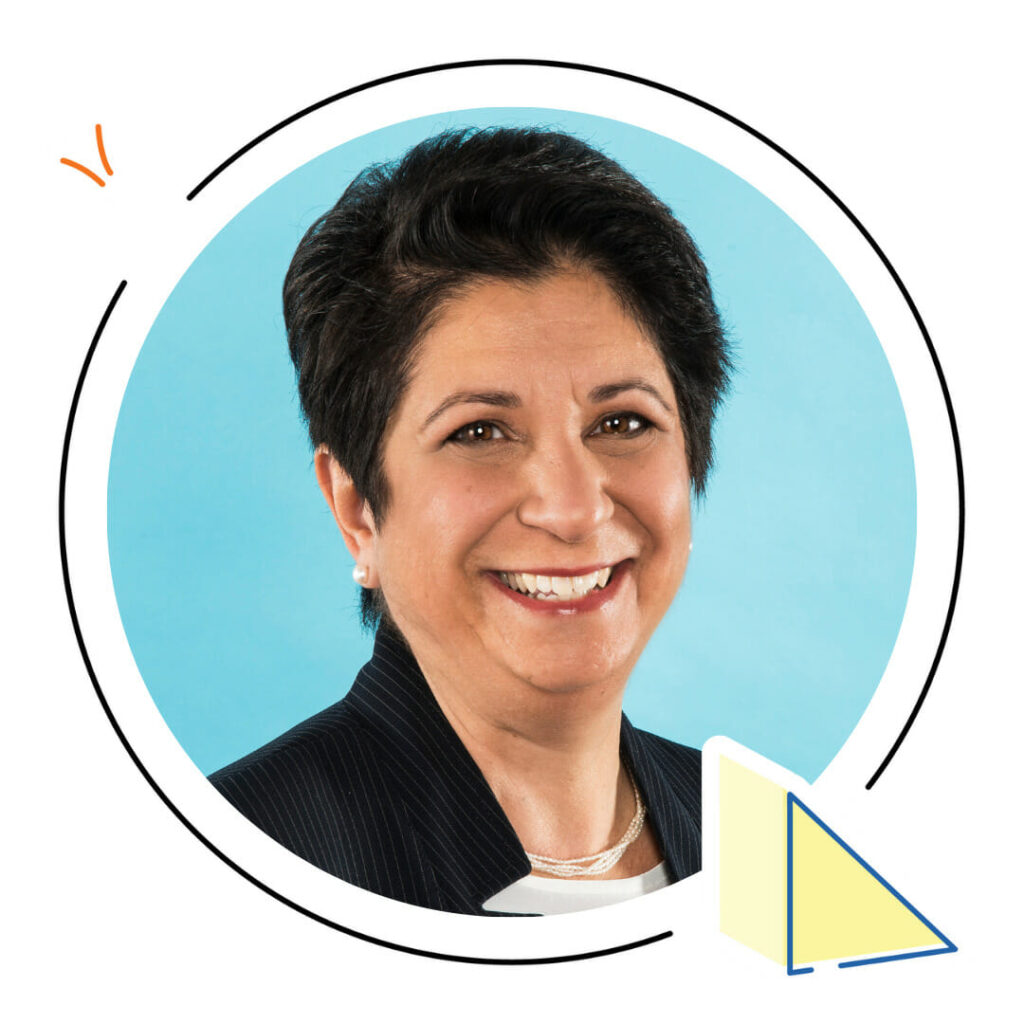
Aryanna is a member of the Code.org Professional Learning Team. Before joining Code.org, Aryanna led computer science professional development for K-6 teachers and served as an instructional coach for new educators. She also taught fourth and fifth grade in New York City and Los Angeles. In her spare time, Aryanna loves taking advantage of the California sunshine, creating wheel-thrown pottery, and hanging out with her dog Lola.

Person with curly hair smiling, standing in front of a brick wall. Circular frame with decorative star in the corner.

About Science Connections

Welcome to Science Connections! Science is changing before our eyes, now more than ever. So…how do we help kids figure that out? We will bring on educators, scientists, and more to discuss the importance of high-quality science instruction. In this episode, hear from our host Eric Cross about his work engaging students as a K-8 science teacher. Listen here!

Amplify Desmos Math New York

Amplify Desmos Math New York supports teachers in building students’ lifelong math proficiency. The program:

  • Supports social classrooms, invites mathematical creativity, and evokes wonder, creating a welcoming learning space where students are empowered to see themselves and their classmates as having brilliant mathematical ideas.
  • Provides teachers with clear step-by-step moves to build systematically from students’ prior knowledge to grade-level learning. 
  • Connects students to each other’s thinking and to an understanding that they can use math to make sense of the world.
  • Enables access to grade-level understanding for every student, every day.

Math that motivates

Picture a classroom where are so engaged in a math lesson that they protest when the teacher pauses their work on a problem. A classroom is buzzing with the sounds of natural curiosity. This is what we regularly see with Amplify Desmos Math.  This is math that motivates.

Experience Amplify Desmos Math New York

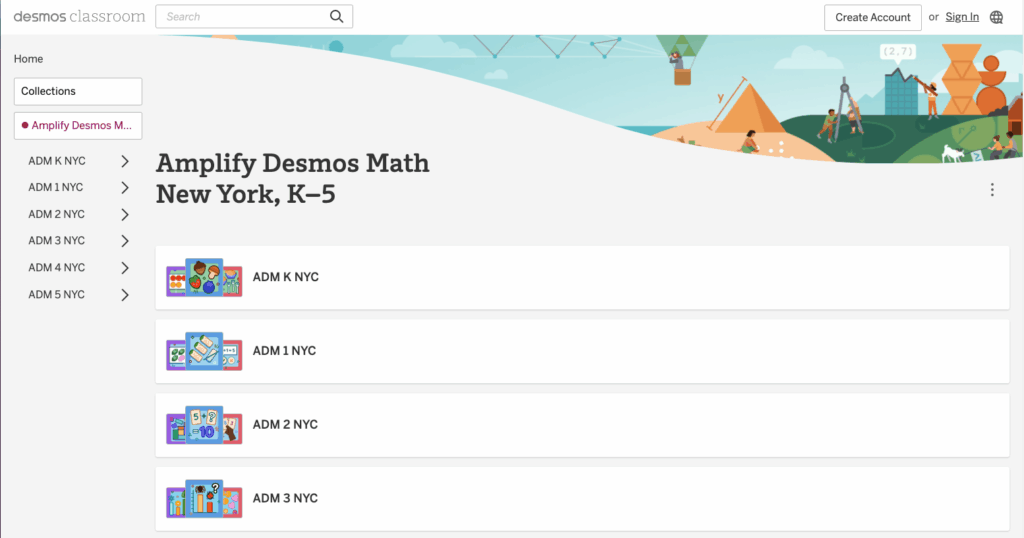
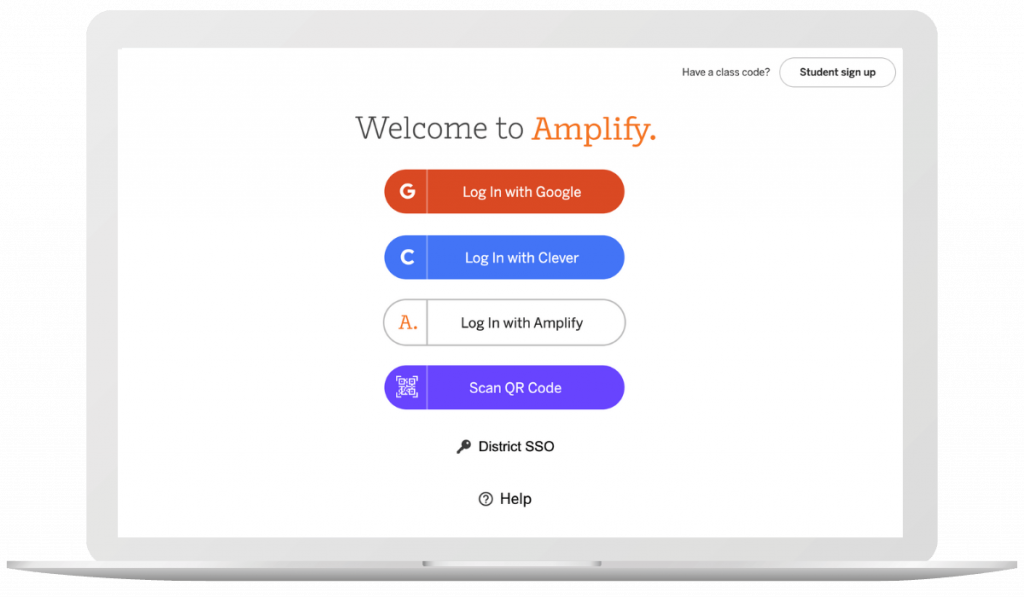
Explore our digital program to review content from all grades, K–5. Watch our quick walkthrough video for helpful navigation tips. To log in, click the orange “Review now” button below, select “Log in with Amplify” and use the following login credentials:

Username: t.nycadmsample-01@tryamplify.net

Password: AmplifyNumber1

[New!] Review access now includes one additional complete unit for Grades 1, 3, and 5.

To log in as a student, use the following credentials (you must first log out if you have already logged in as a teacher):

Username: s.nycadmsample-01@tryamplify.net

Password: AmplifyNumber1

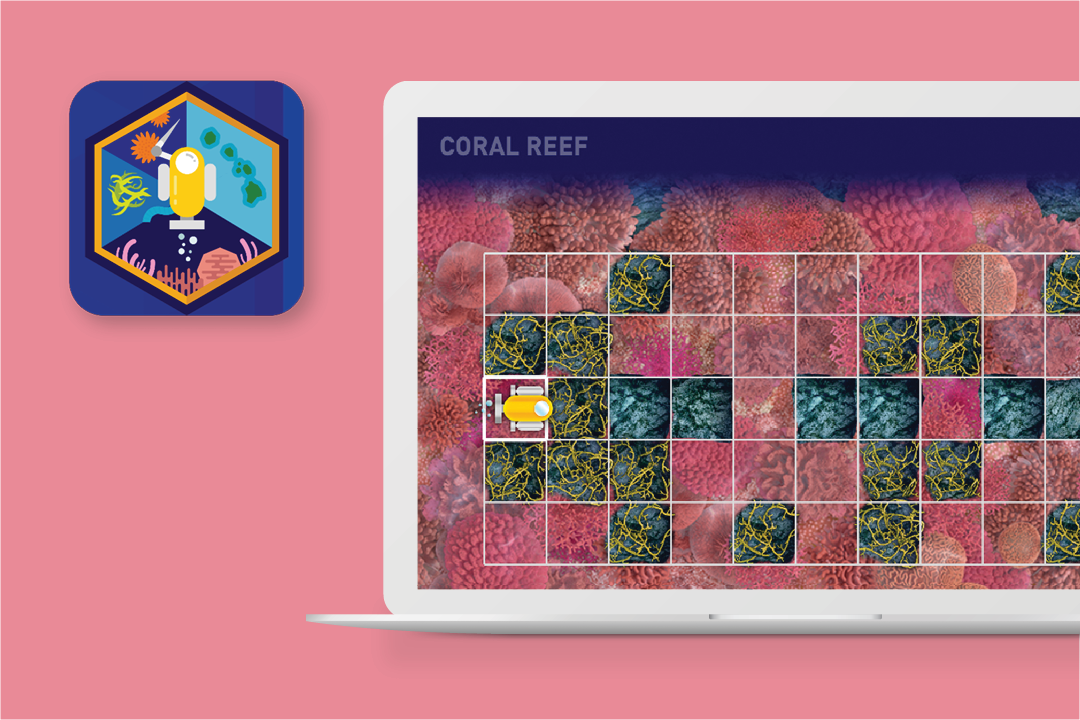
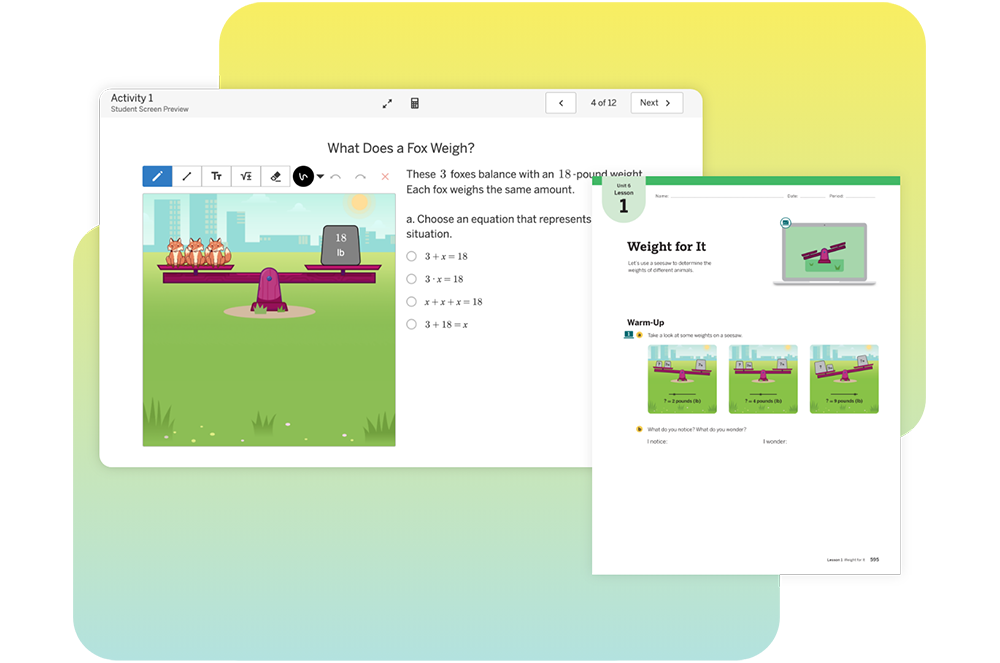
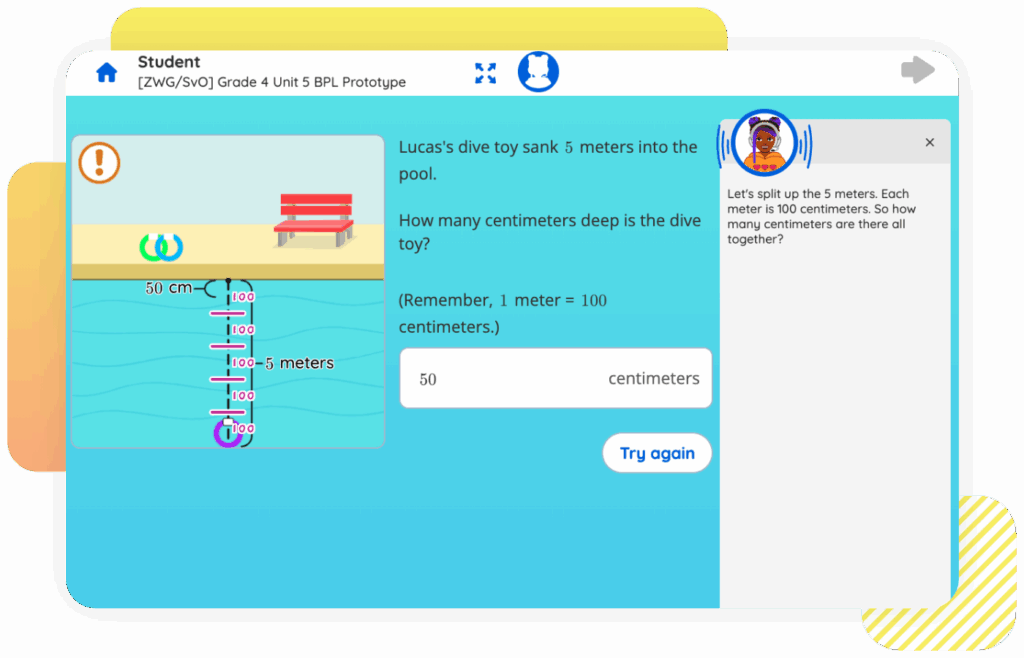
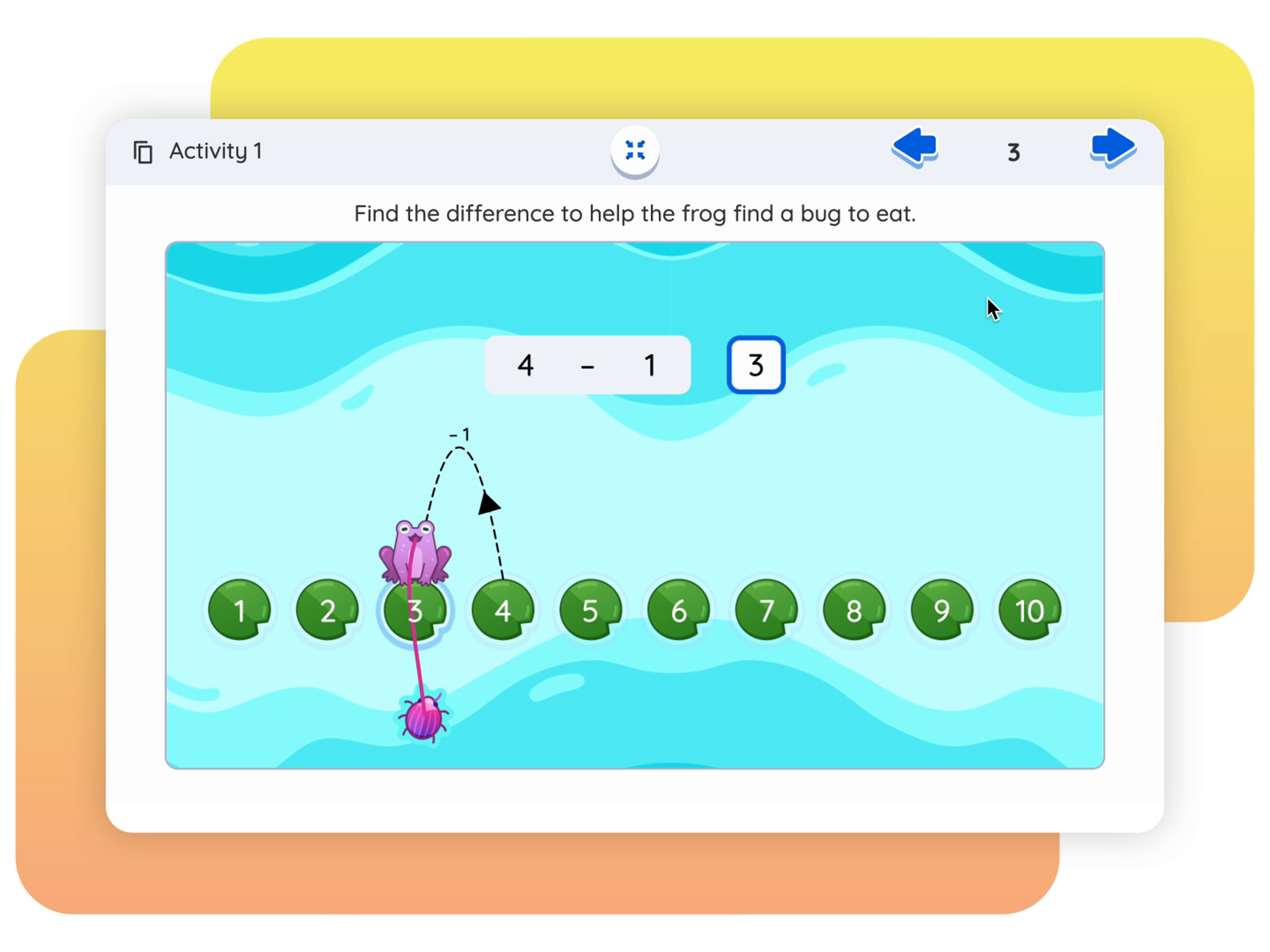
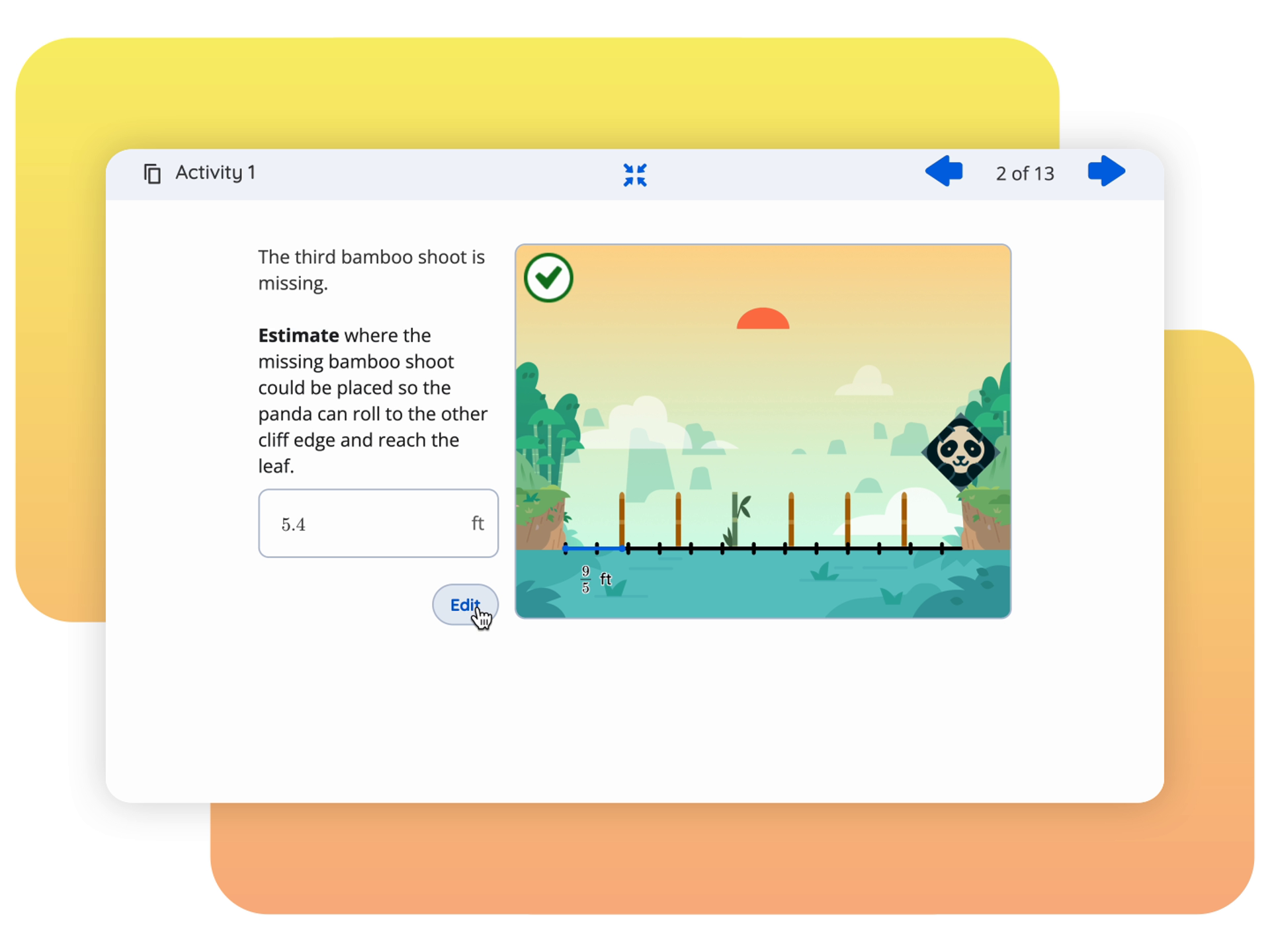
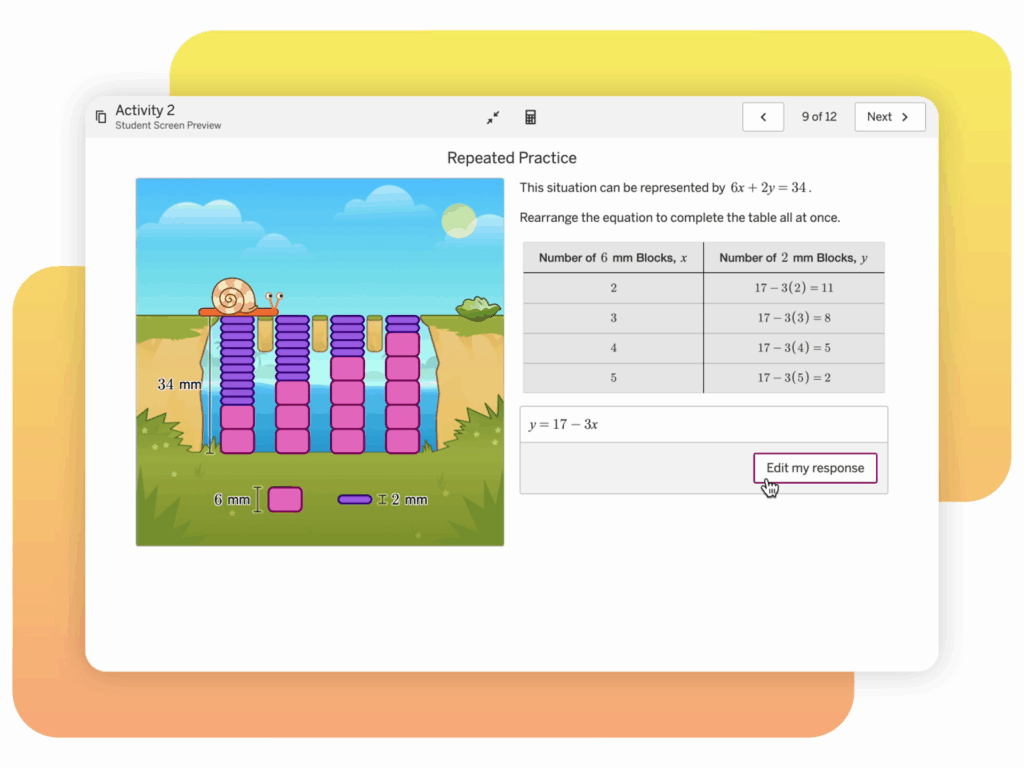
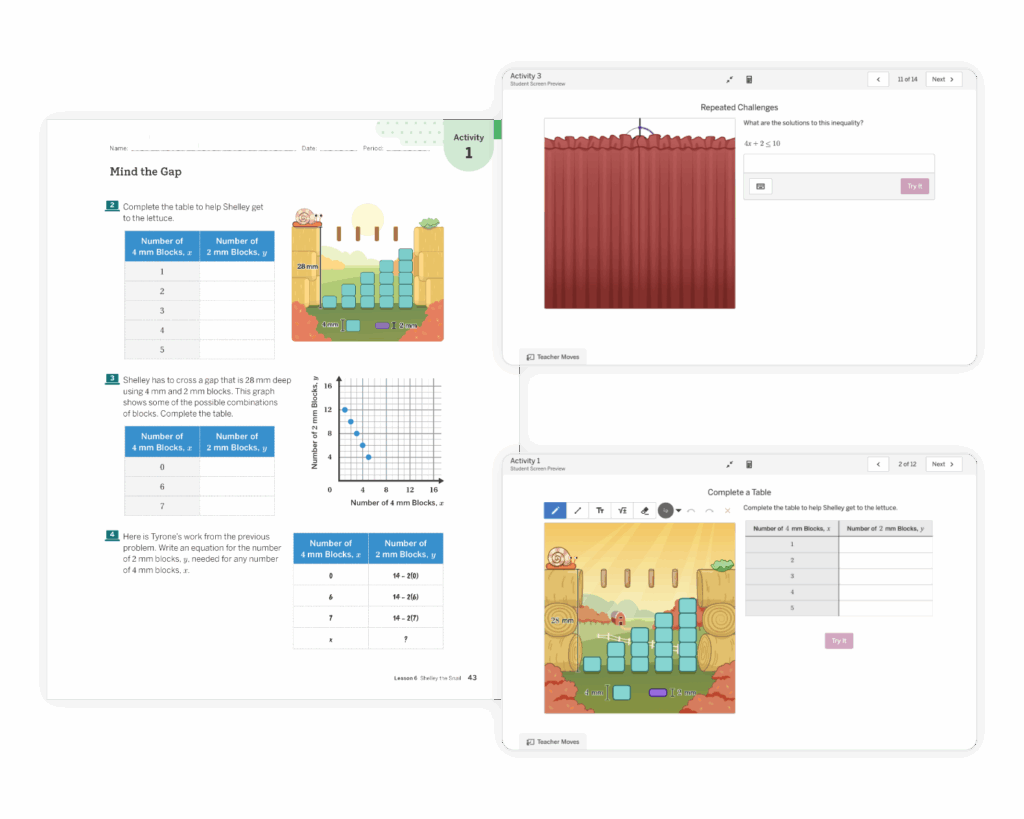
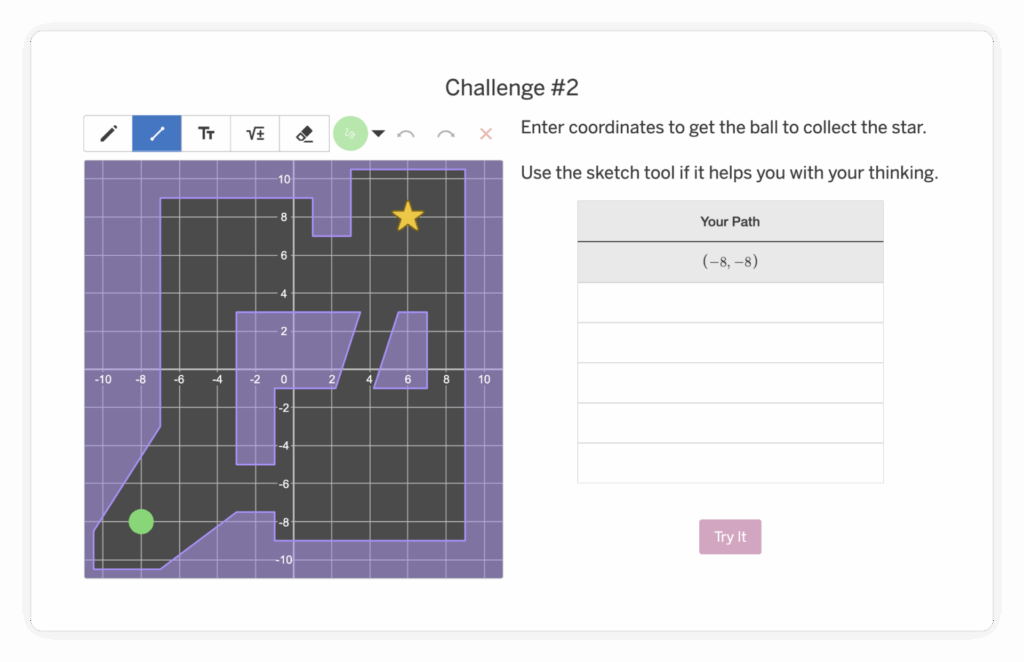
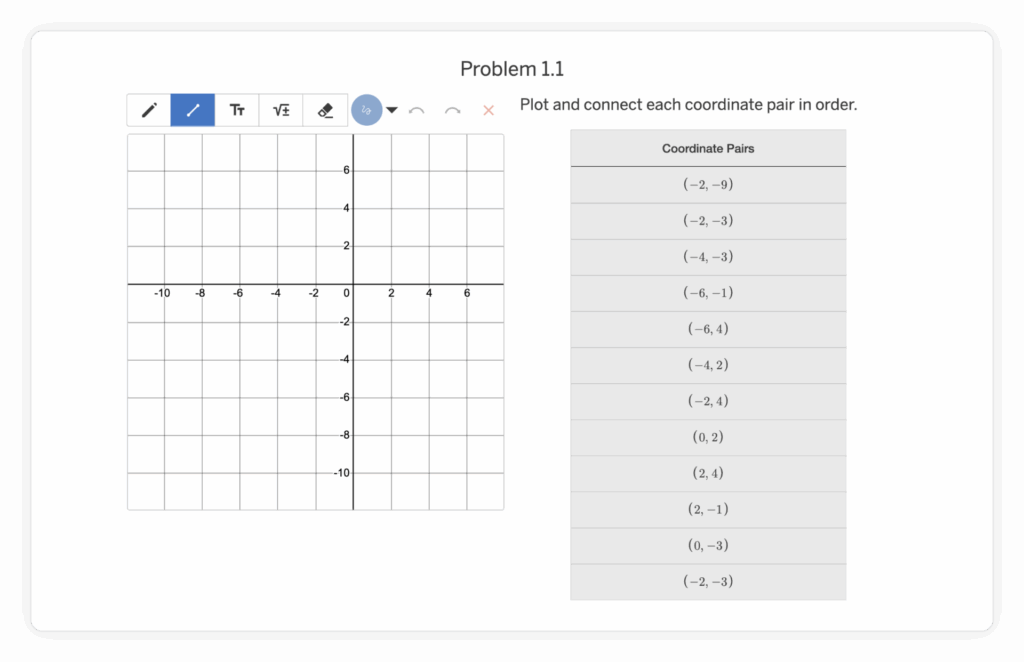
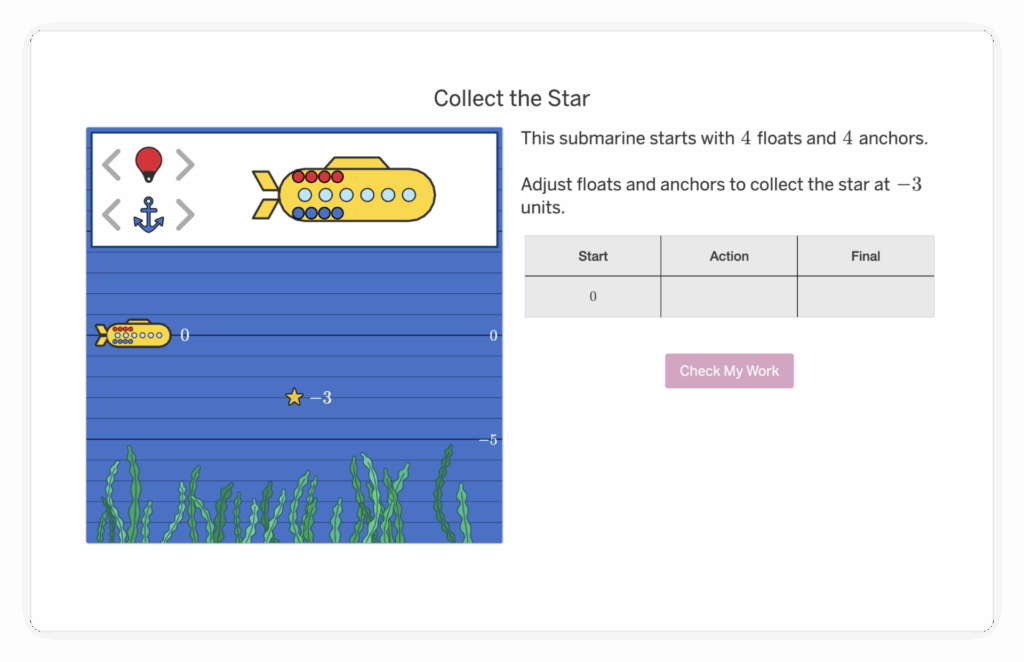
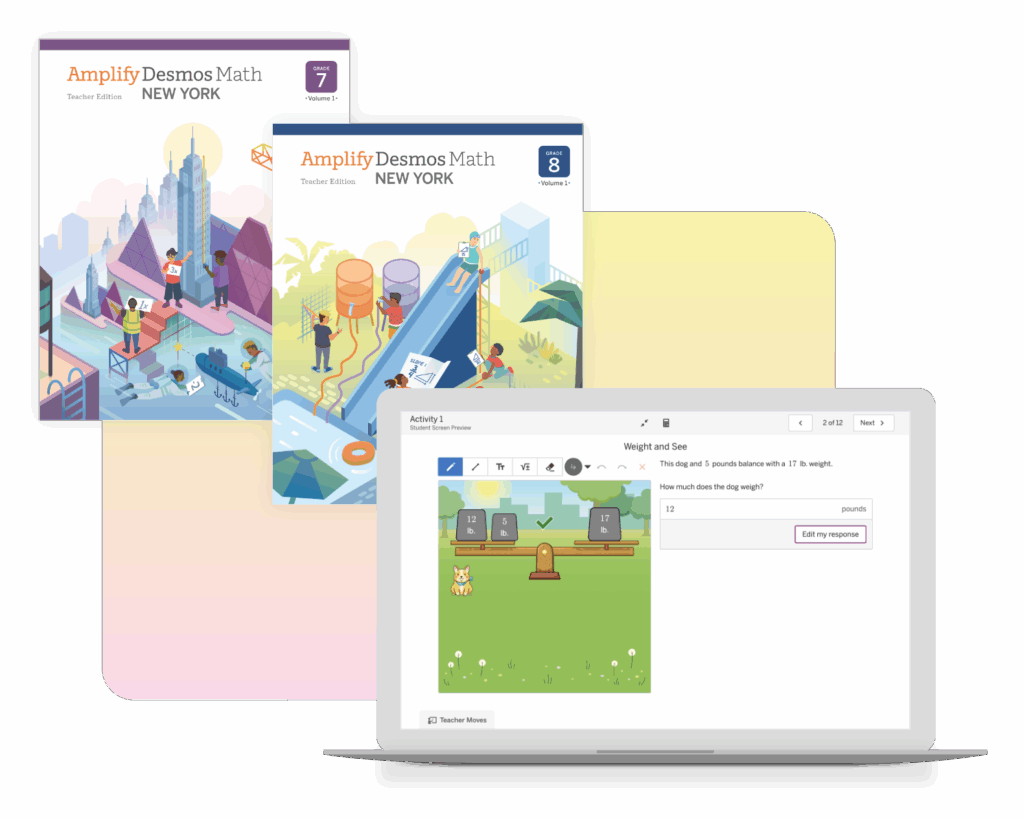
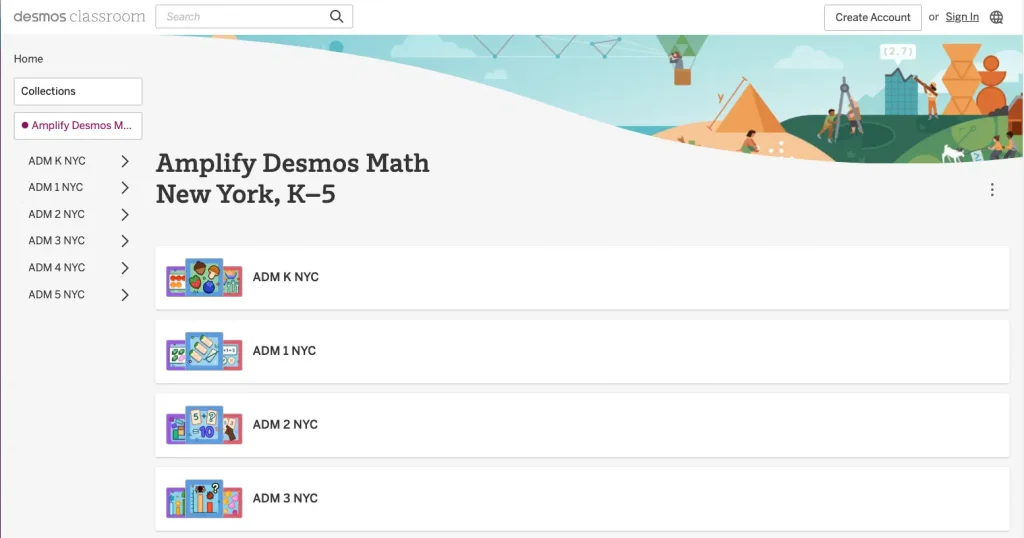
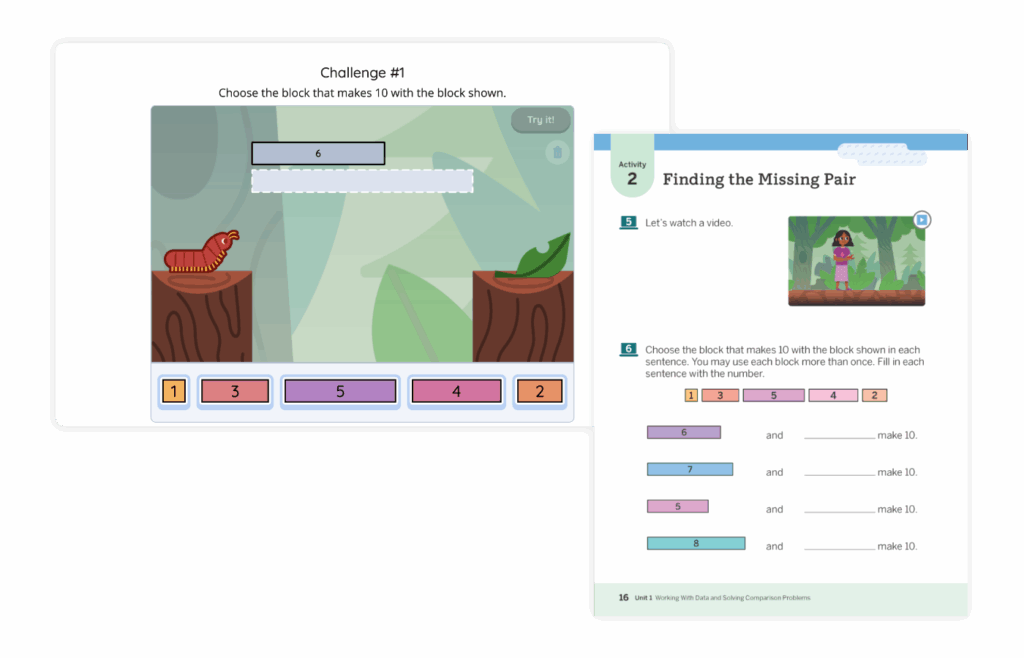
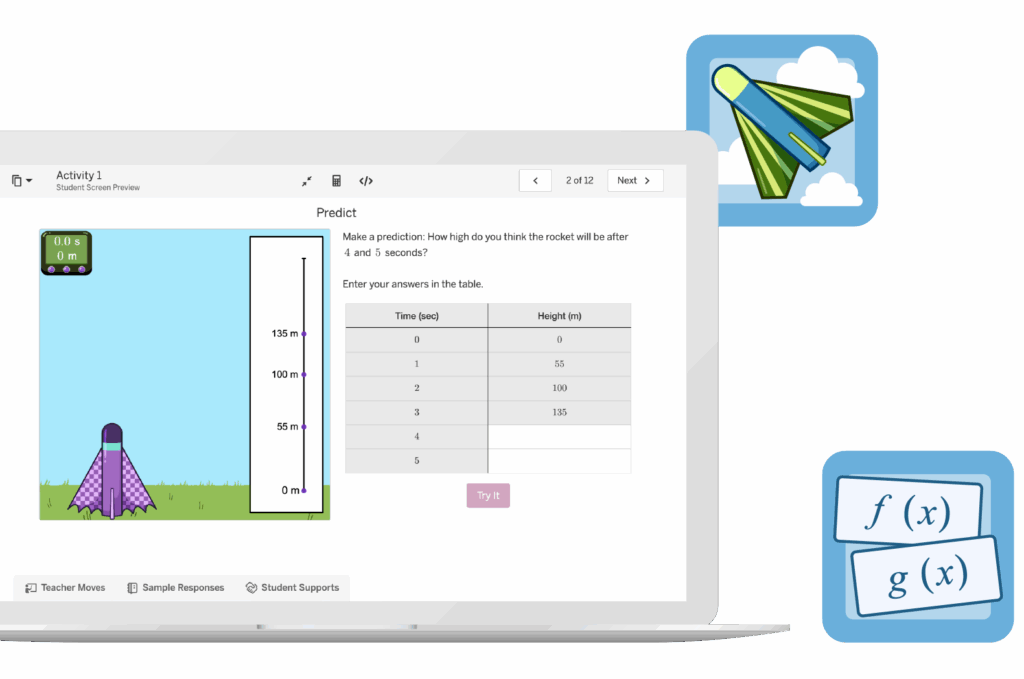
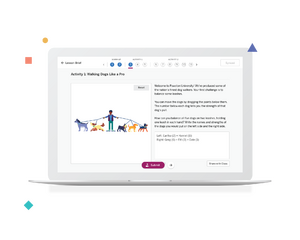
Illustration of the New York math digital learning platform, featuring a laptop displaying a math game and vibrant posters of classroom scenes with diverse students.
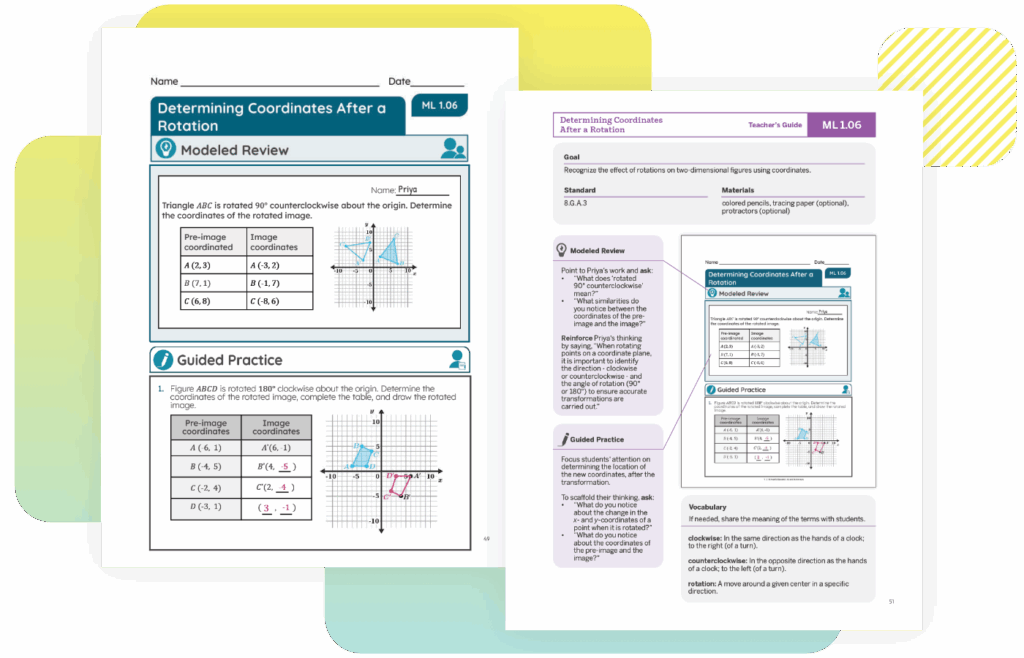
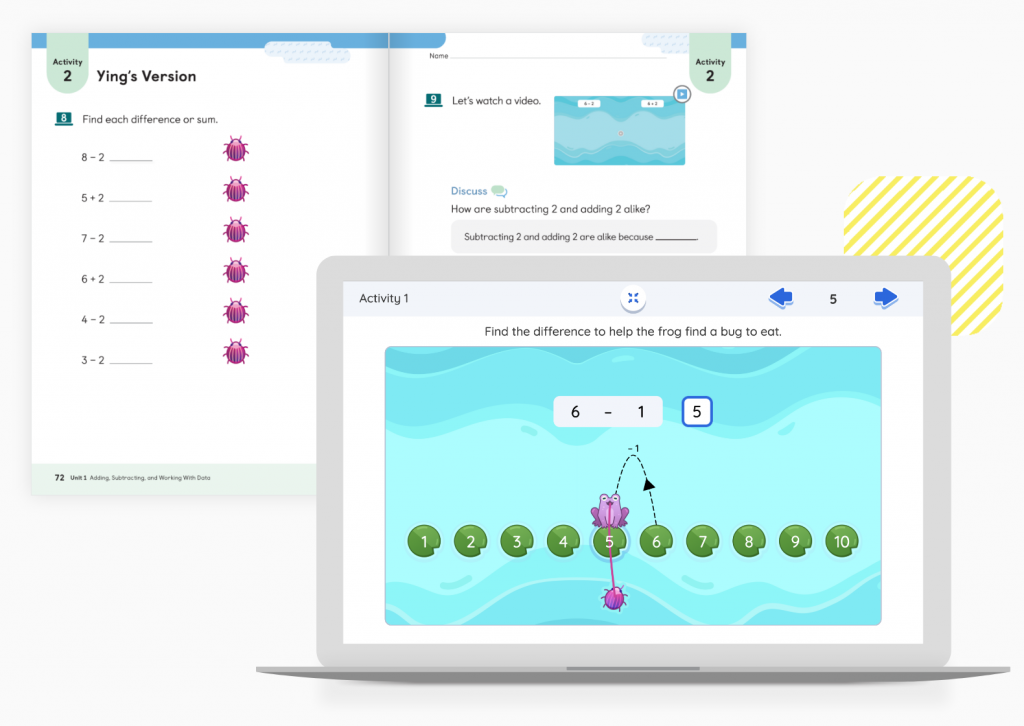
Two open educational workbooks with activities focused on New York math problems related to picnics, displayed on a neutral background.

About the program

To learn more about Amplify Desmos Math New York, including pedagogical philosophy, origins, implementation examples, and independent, nationally-recognized reviews, download the following documents:

Standards

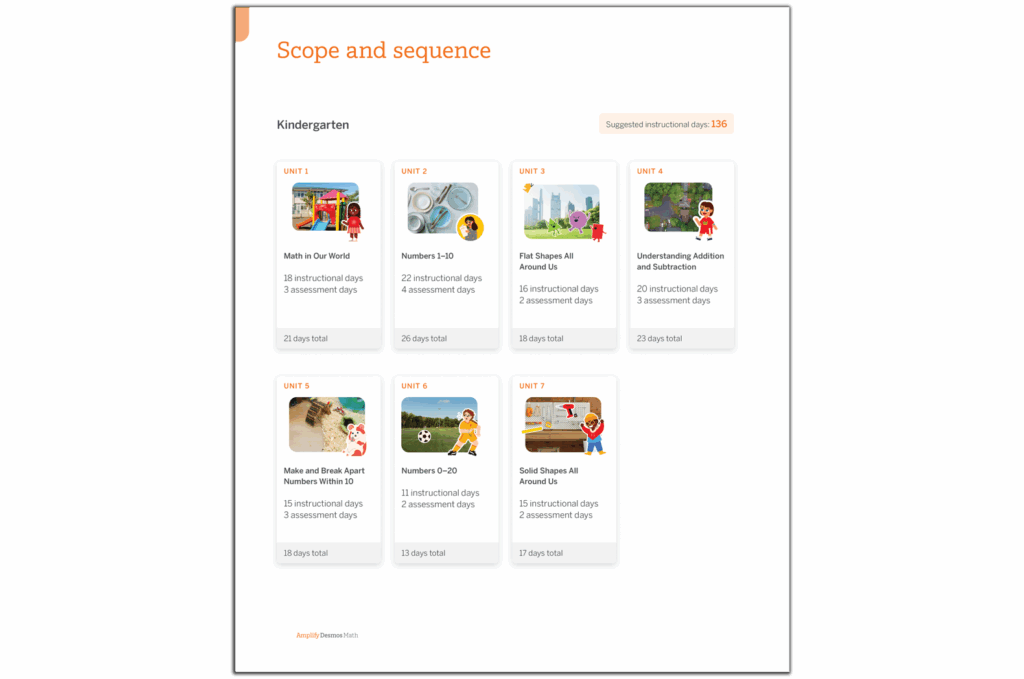
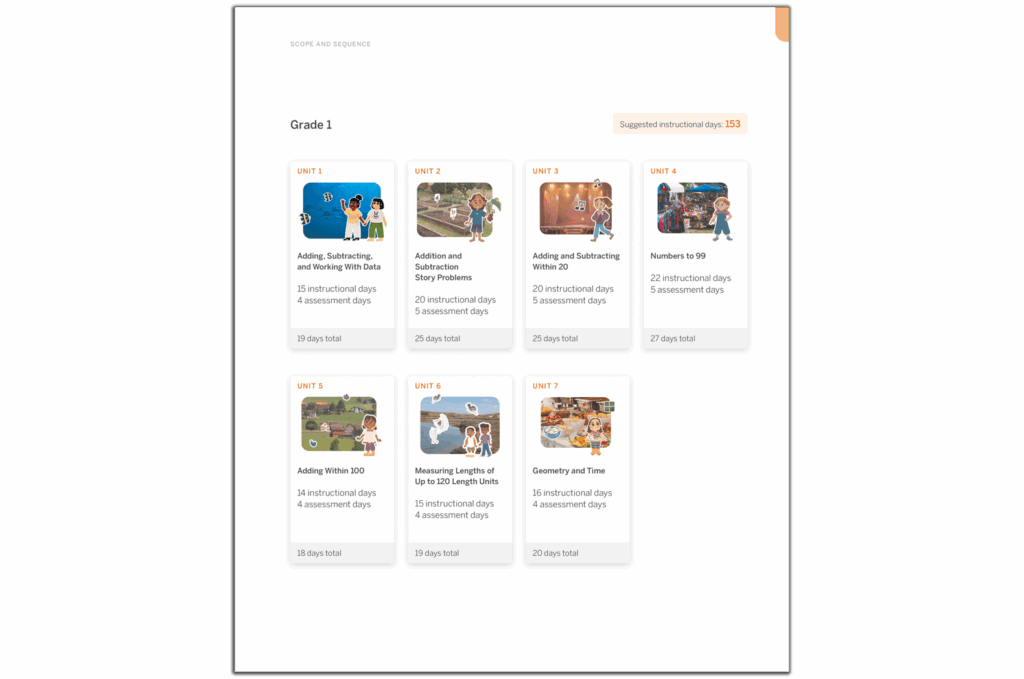
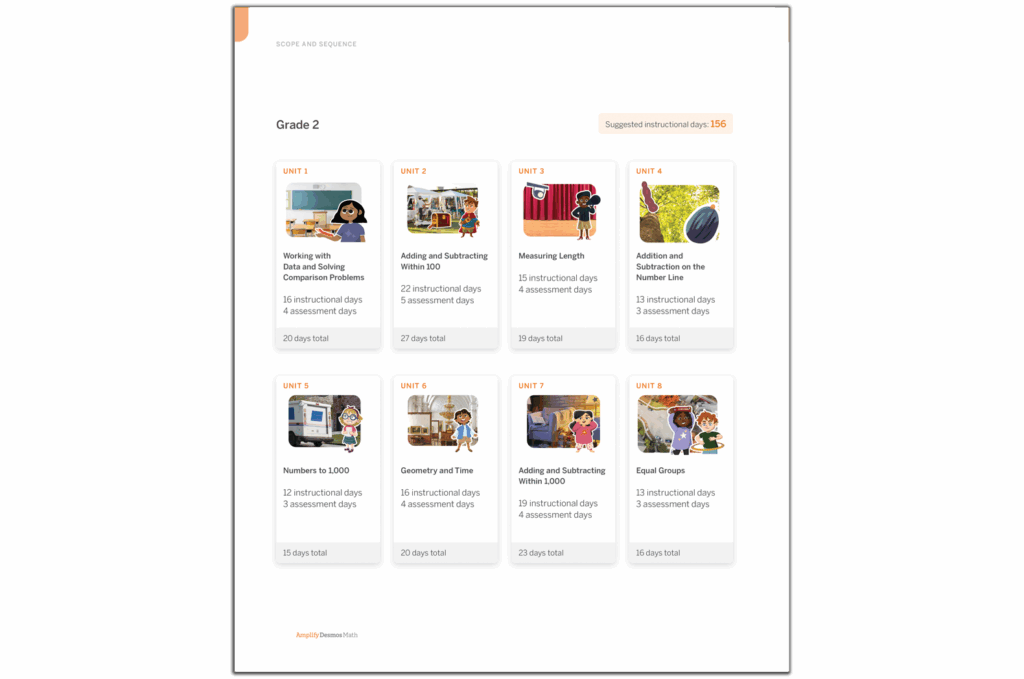
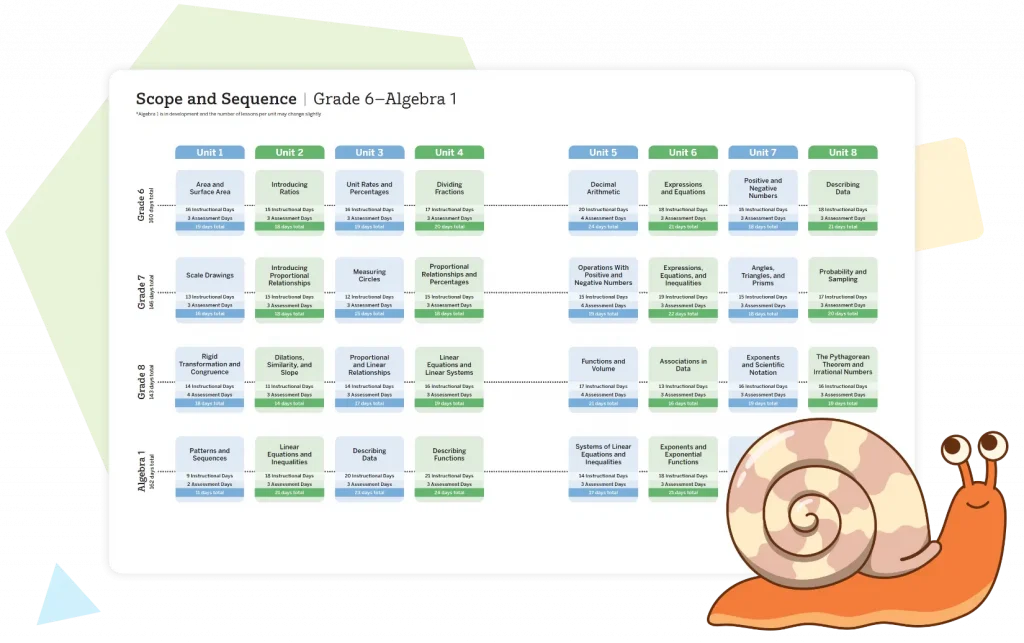
Once you’ve logged in to your reviewer account, download our program scope and sequence and a document correlating Amplify Desmos Math New York to the New York State Next Generation Math Learning Standards.

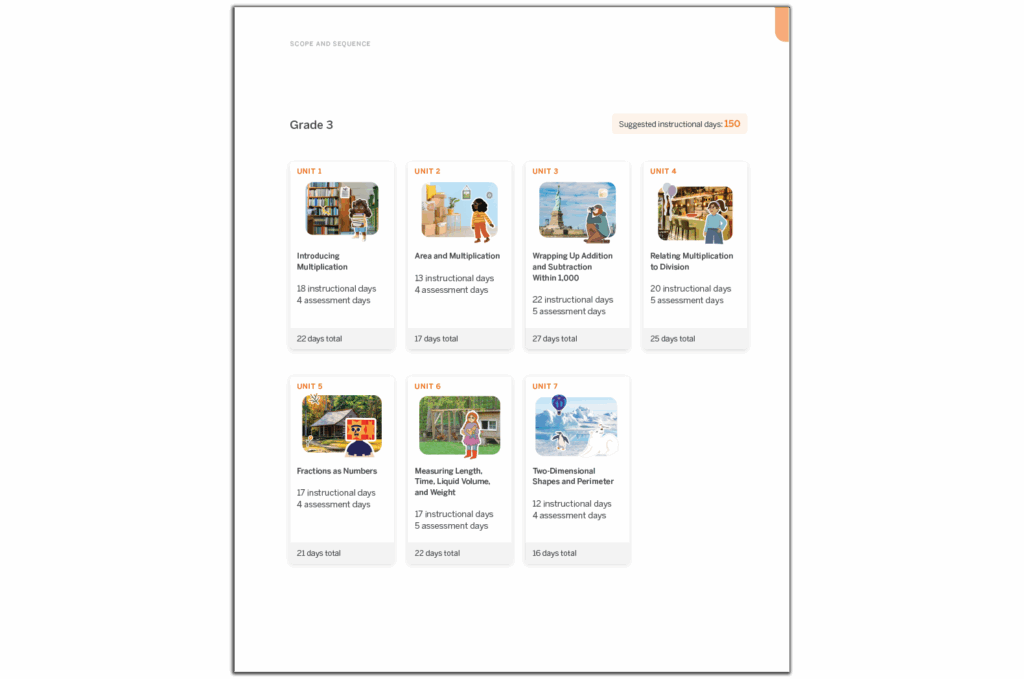
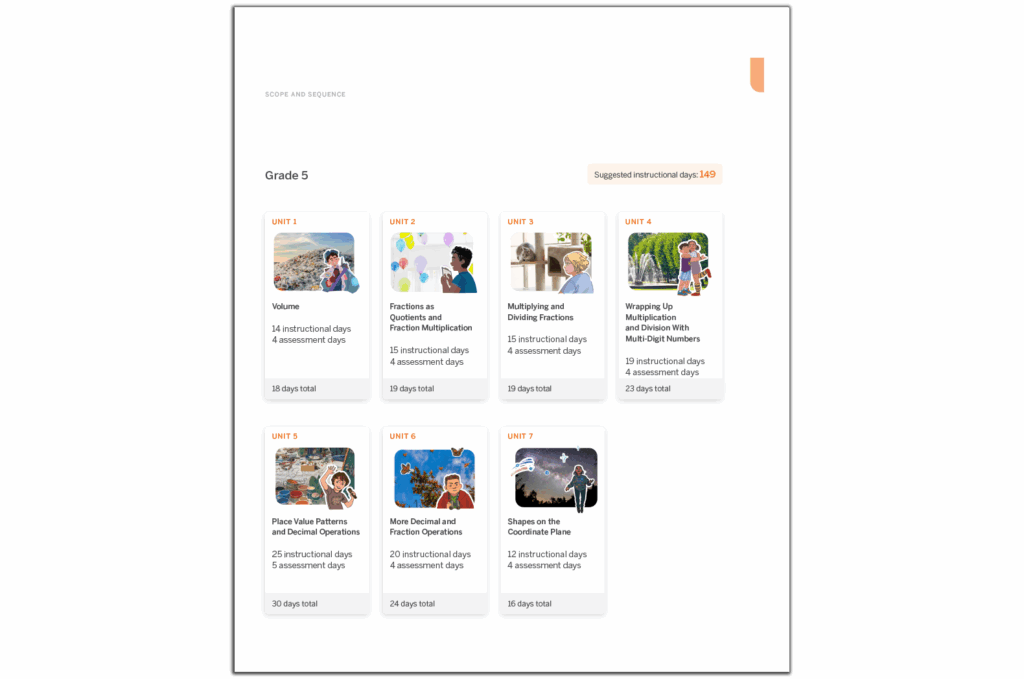
Grades K–5 scope and sequence

Grades K–5 standards correlation

The program is well aligned with the expectations outlined in the New York City Department of Education Definition of Culturally Responsive-Sustaining Education and the New York State Culturally Responsive-Sustaining Education Framework. Download the CR-SE alignment.

The program is also well aligned with the research-informed math practices outlined in the New York City Public Schools Shifts in Mathematics. Download the program’s alignment to the Shifts in Mathematics.

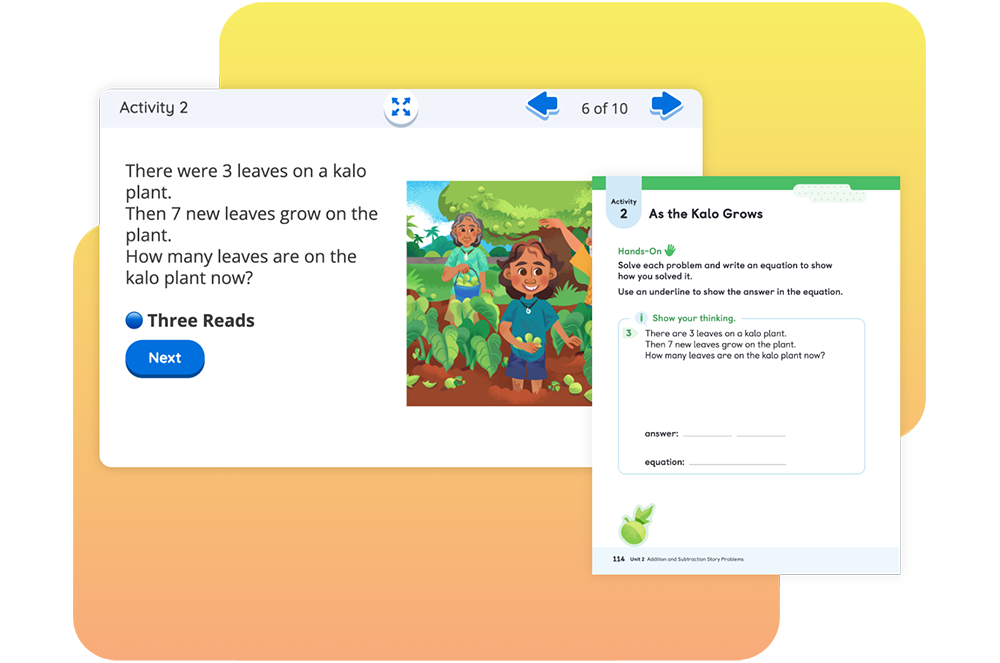
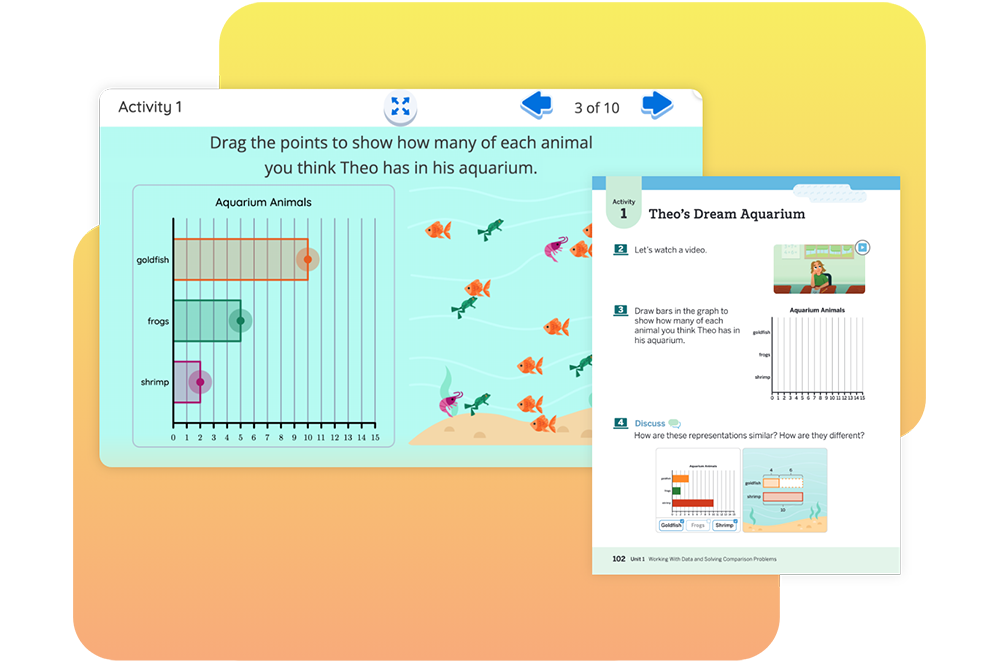
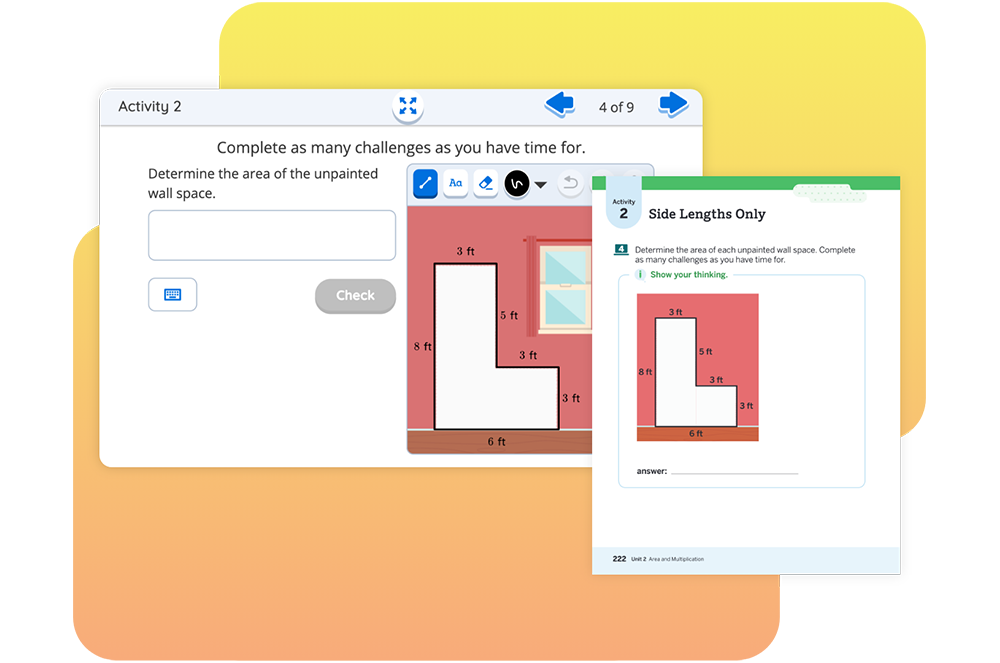
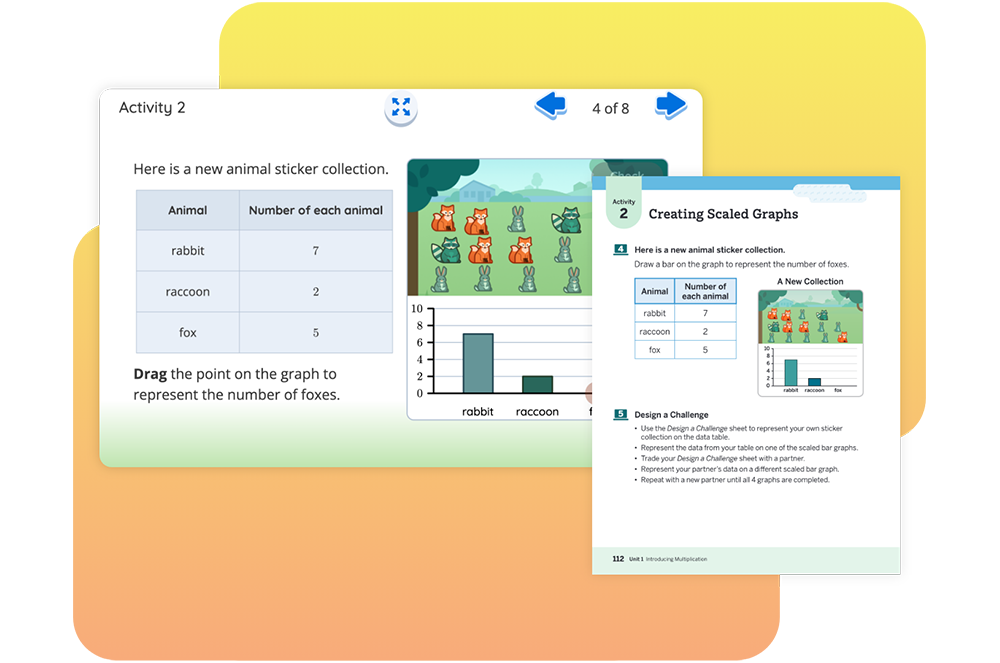
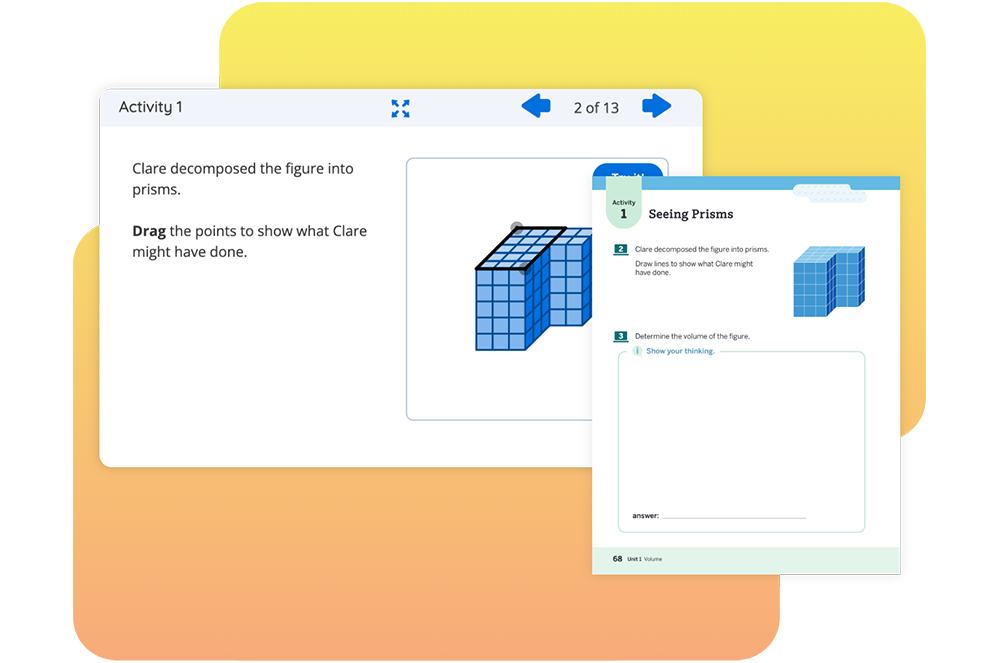
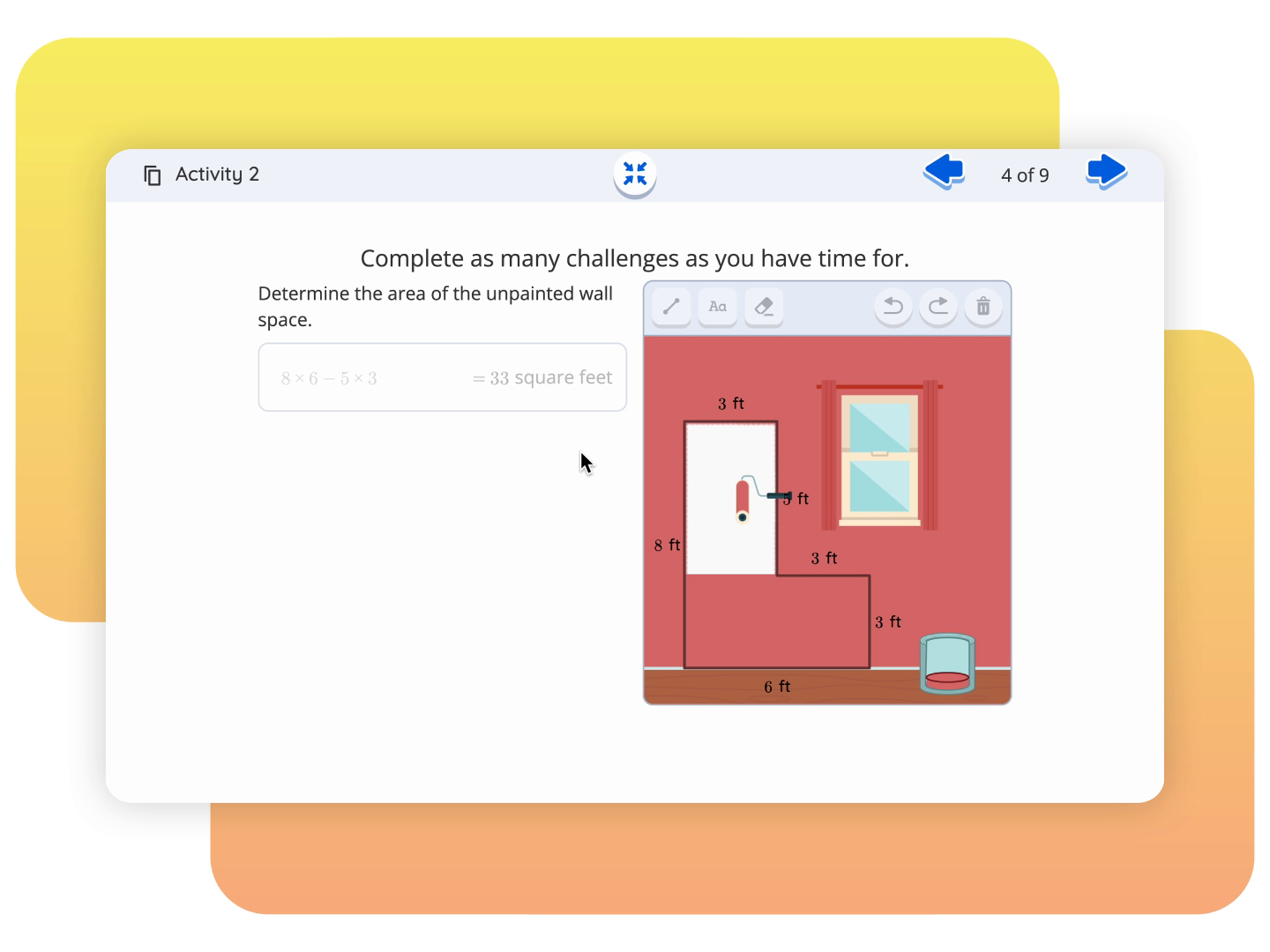
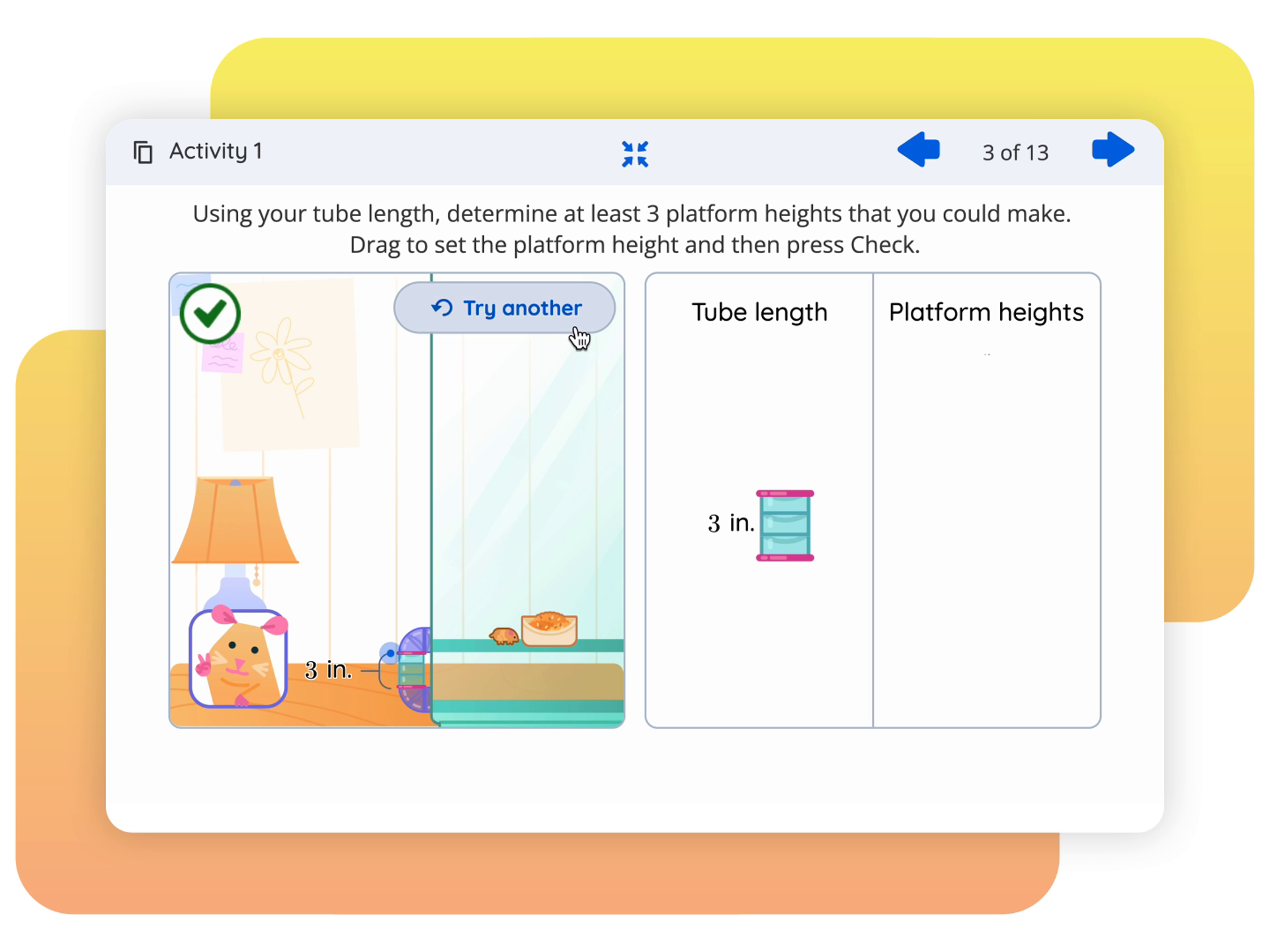
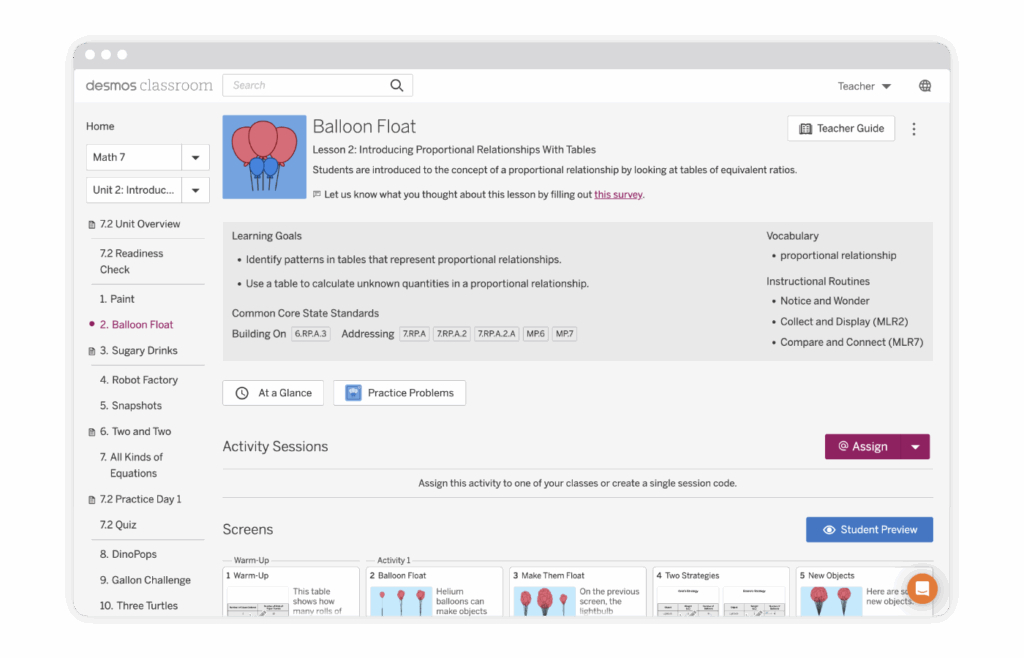
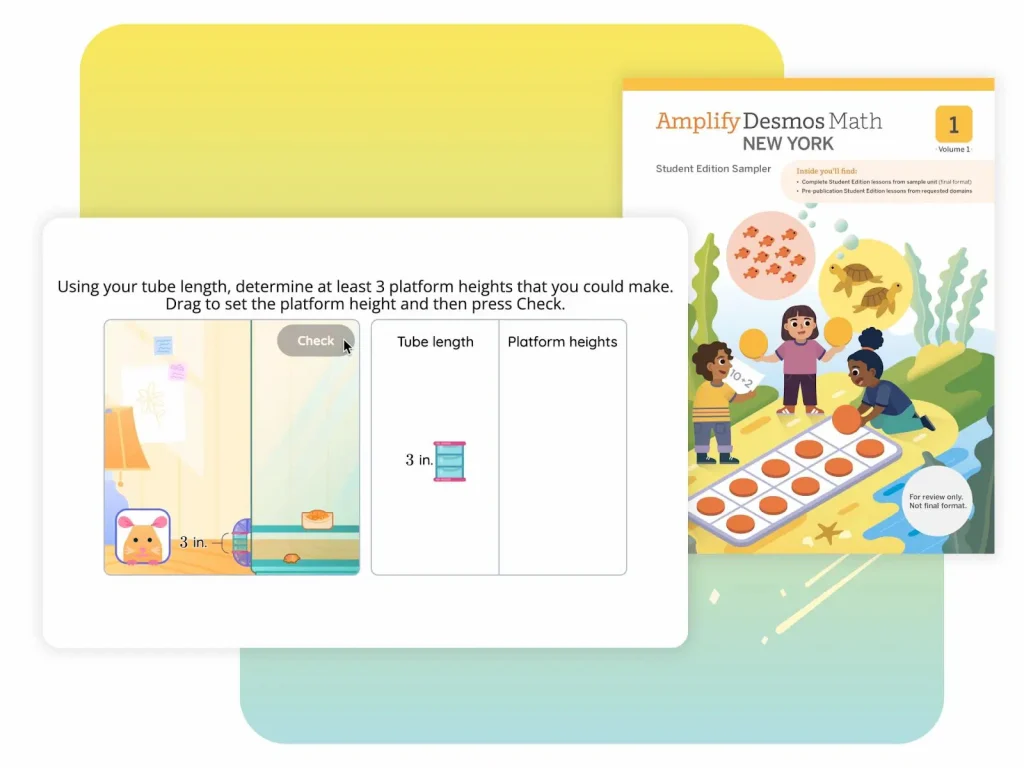
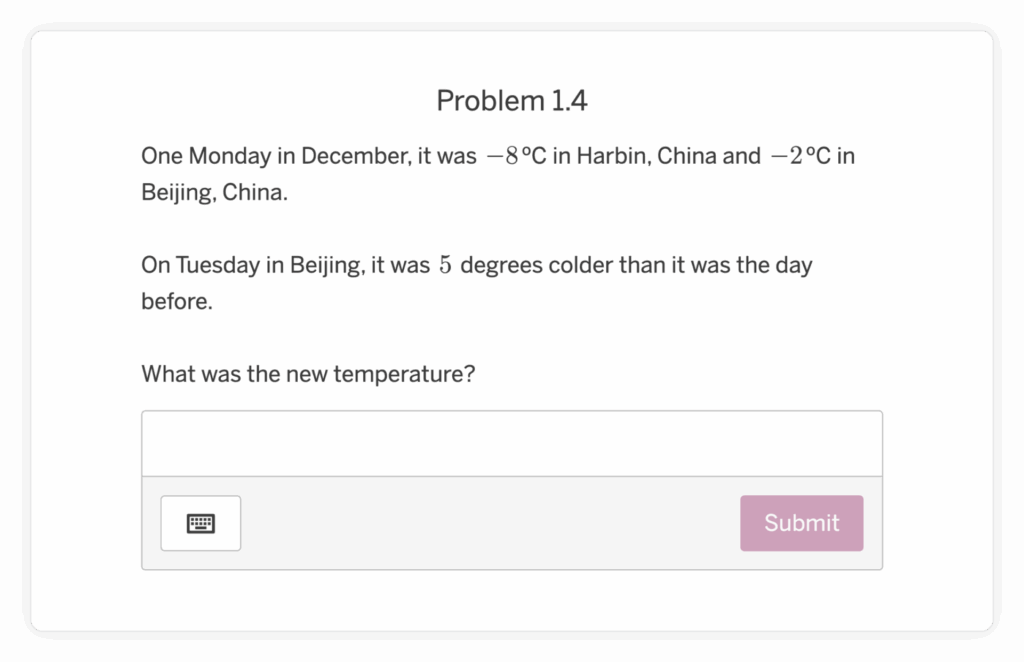
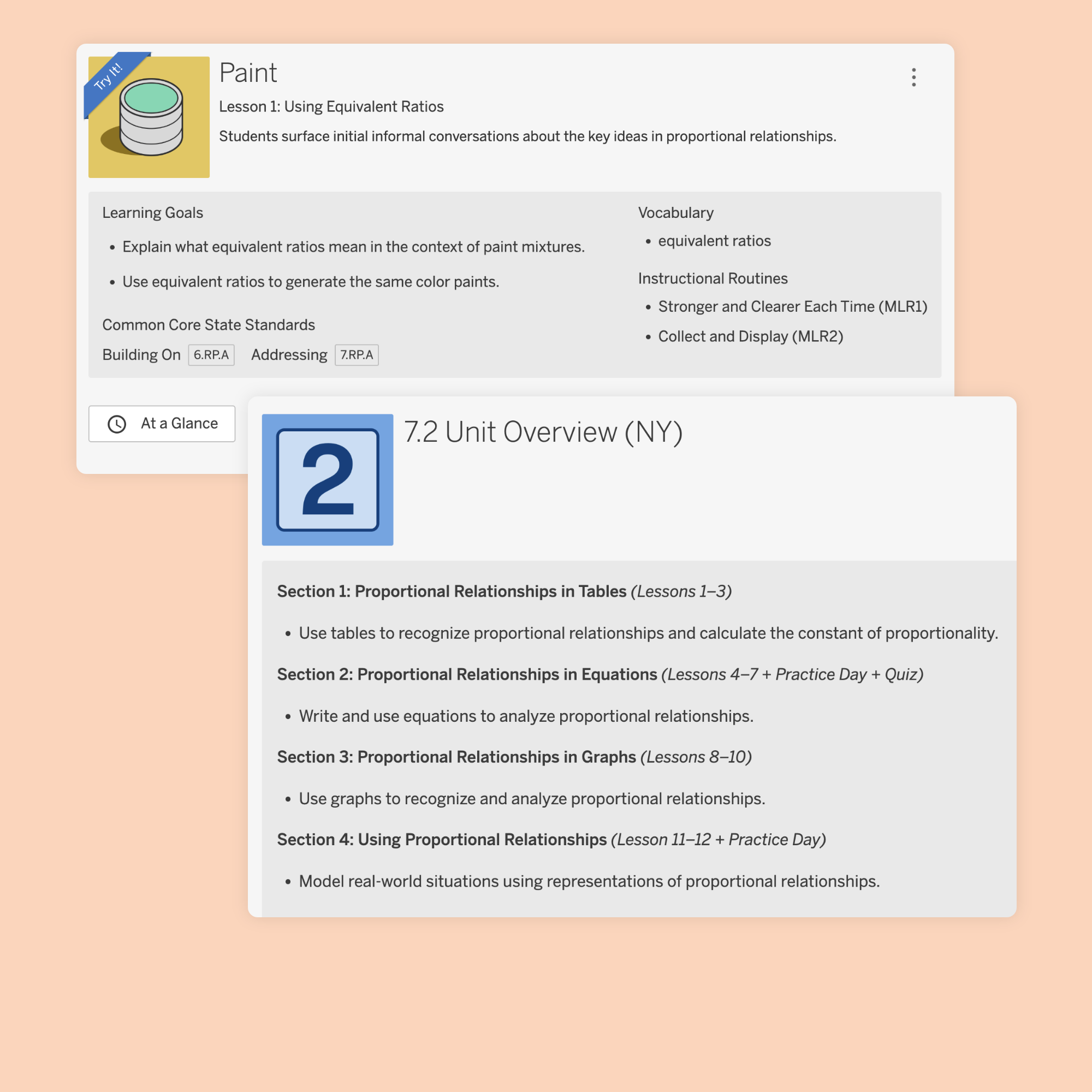
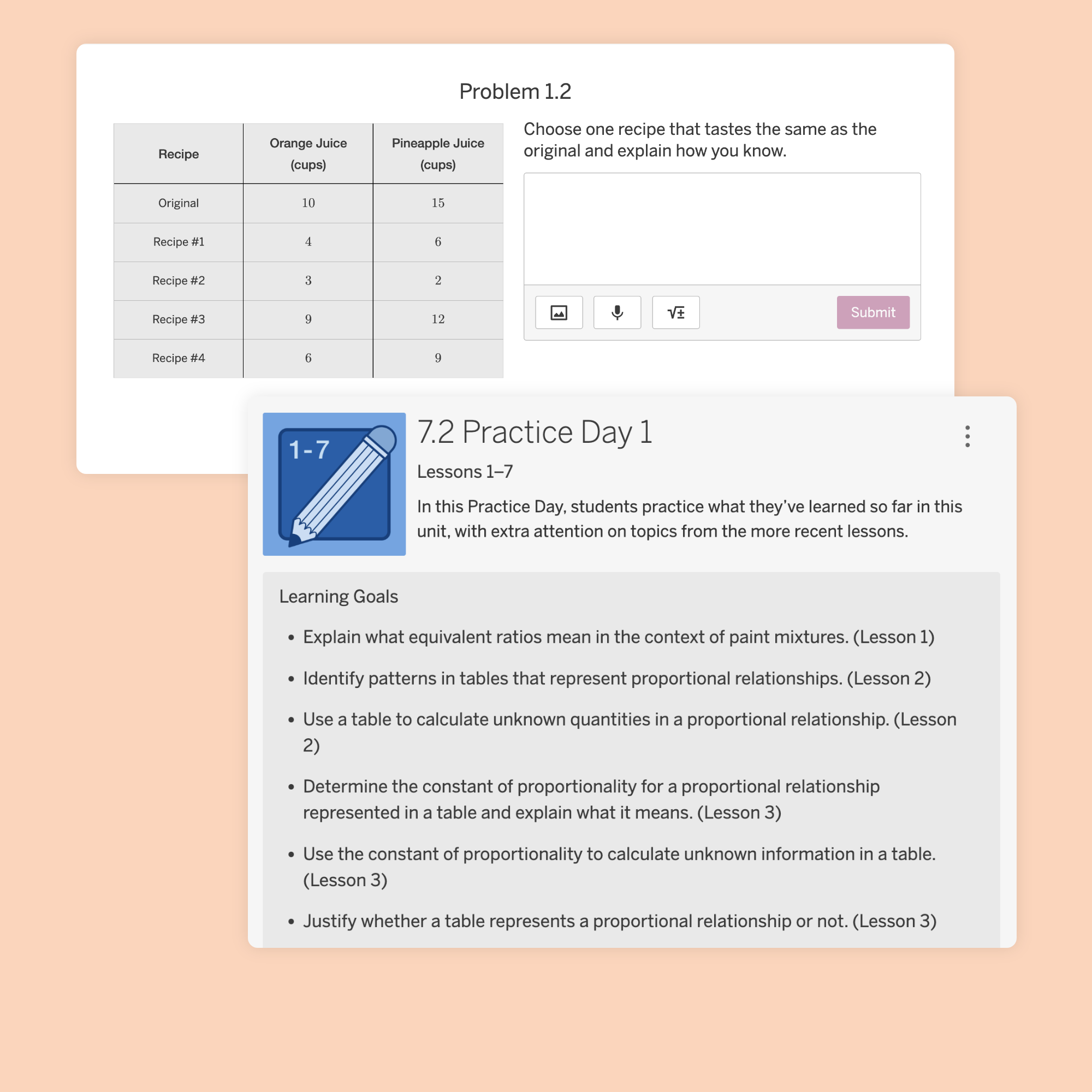
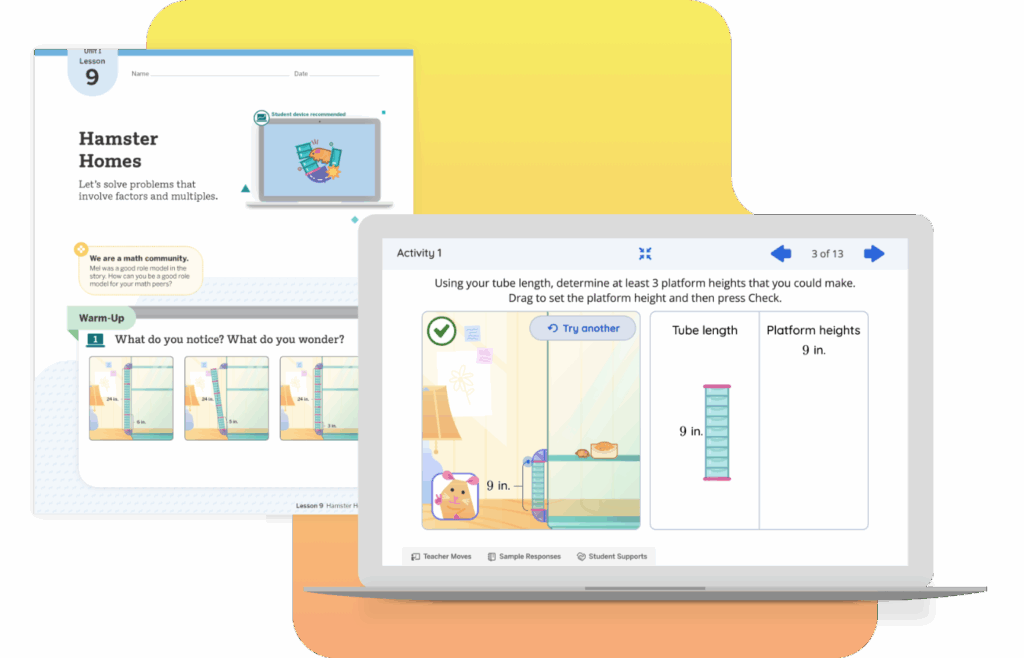
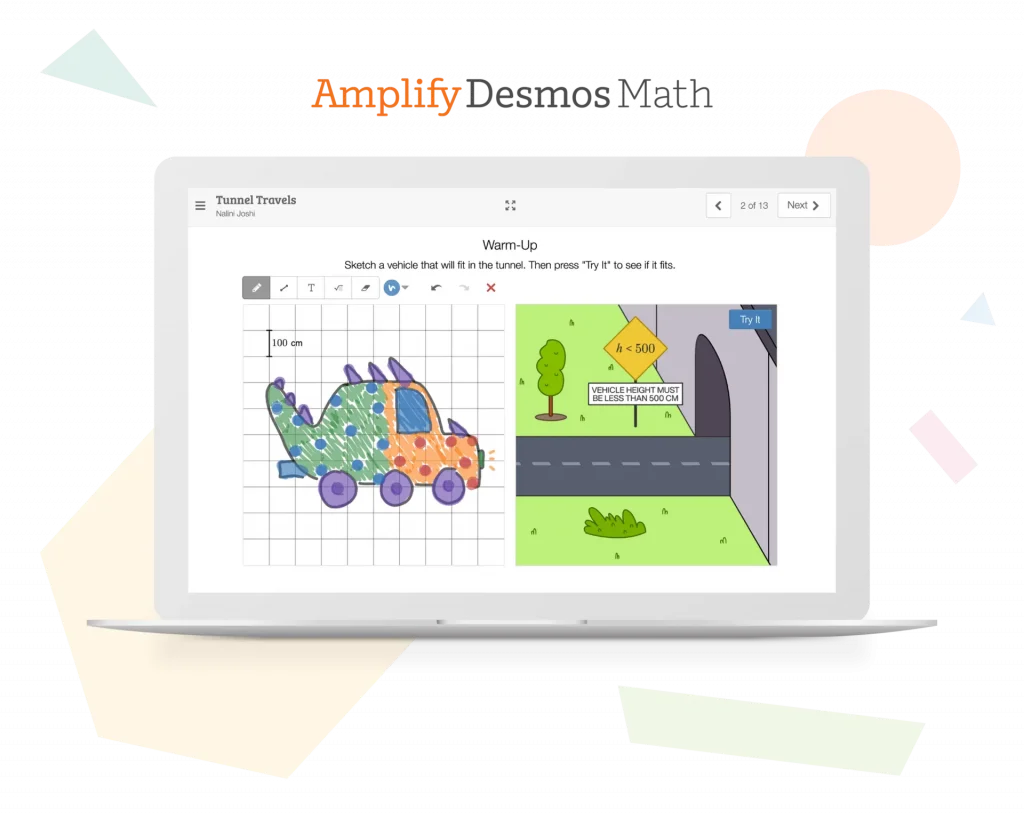
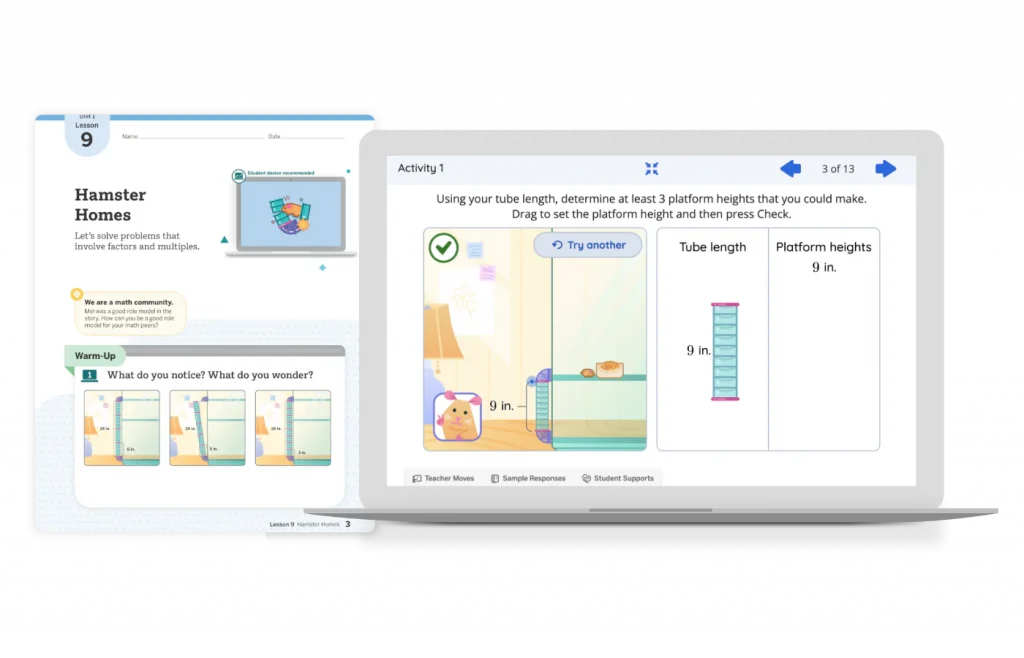
Educational software interface featuring a New York math problem about measuring platform heights using a 9-inch tube, illustrated with a playful, colorful design.
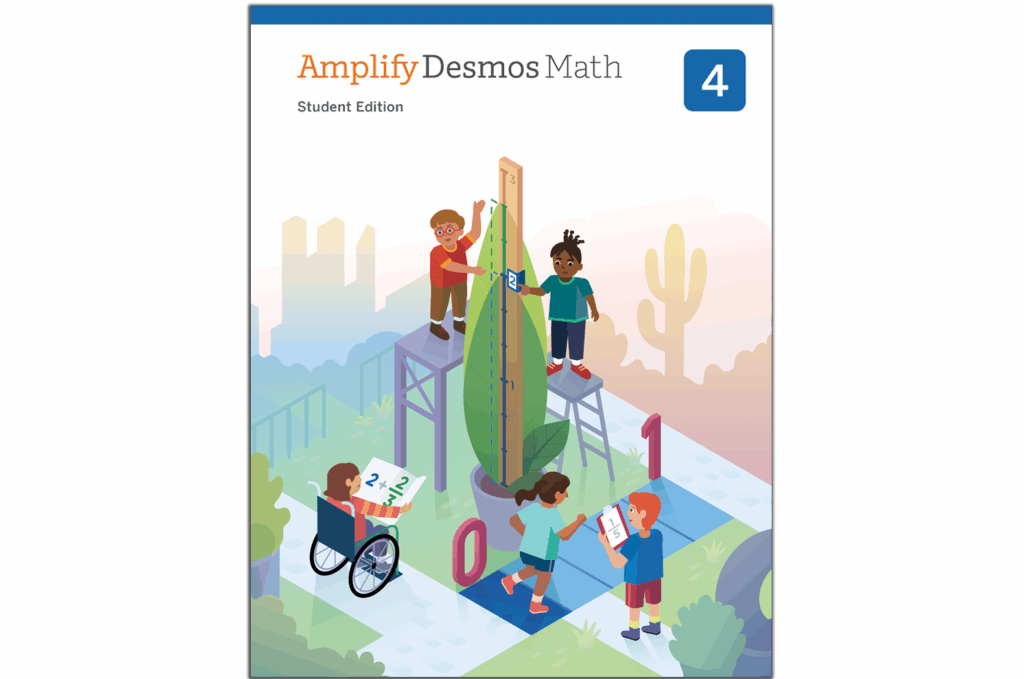
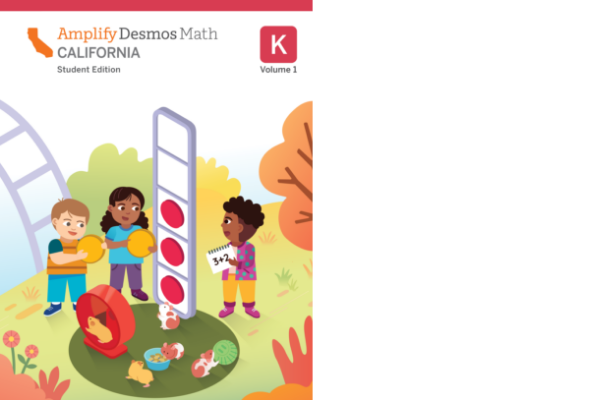
Three educational book covers for "Amplify Desmos Math New York Grade 3," including Teacher Edition, Student Supplement, and Assessment Resources, all featuring illustrated children and a large letter A—perfect for amplify desmos math new york classrooms.

Personalized Learning

Amplify Desmos Math includes digital, adaptive practice that provides the personalized support a student needs to access grade-level math every day. Personalized Learning activities target a skill or concept aligned to the day’s core lesson, with each student receiving personalized scaffolds based on what they already know. This technology complements daily learning and provides another layer of support to the in-lesson differentiation and instructional guidance provided to teachers. Try out a sample Boost Personalized Learning activity.

The Fluency Practice of Amplify Desmos Math uses an evidence-based approach to memory retention—spaced repetition—for the basic operations. Students around the world have answered more than 120 million multiplication questions within our application. Try it now! 

Help

Support is always within reach. Our team is dedicated to supporting you throughout your review and can be reached at any time by emailing or calling us directly.

  • Live chat: Click the orange icon while logged in to get immediate help.
  • Phone: Call our toll-free number: (888)-960-0380.
  • Email: Send an email to help@amplify.com. In the message body, please include your name and question. Provide as much detail as possible, so we can more quickly help you find a solution.
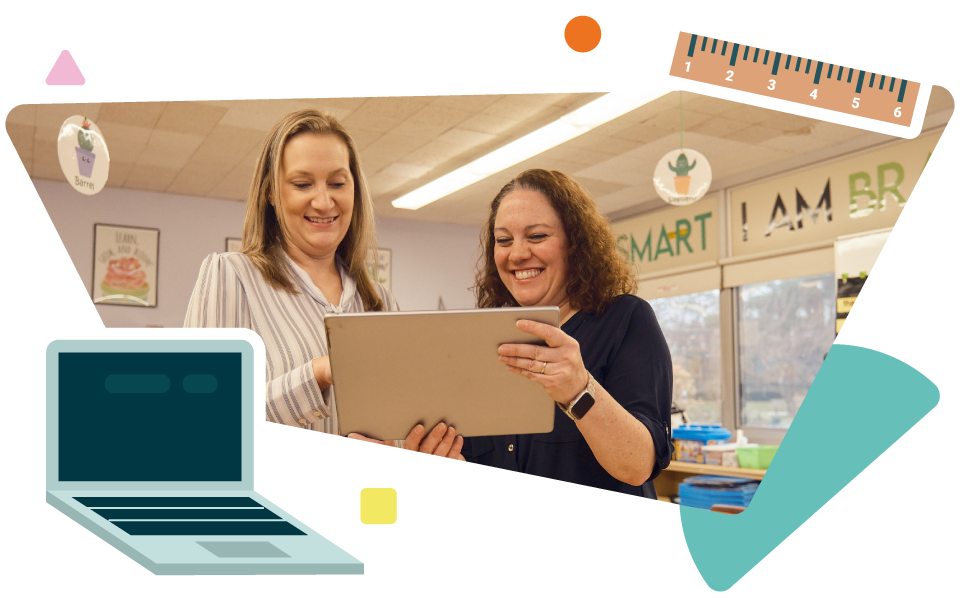
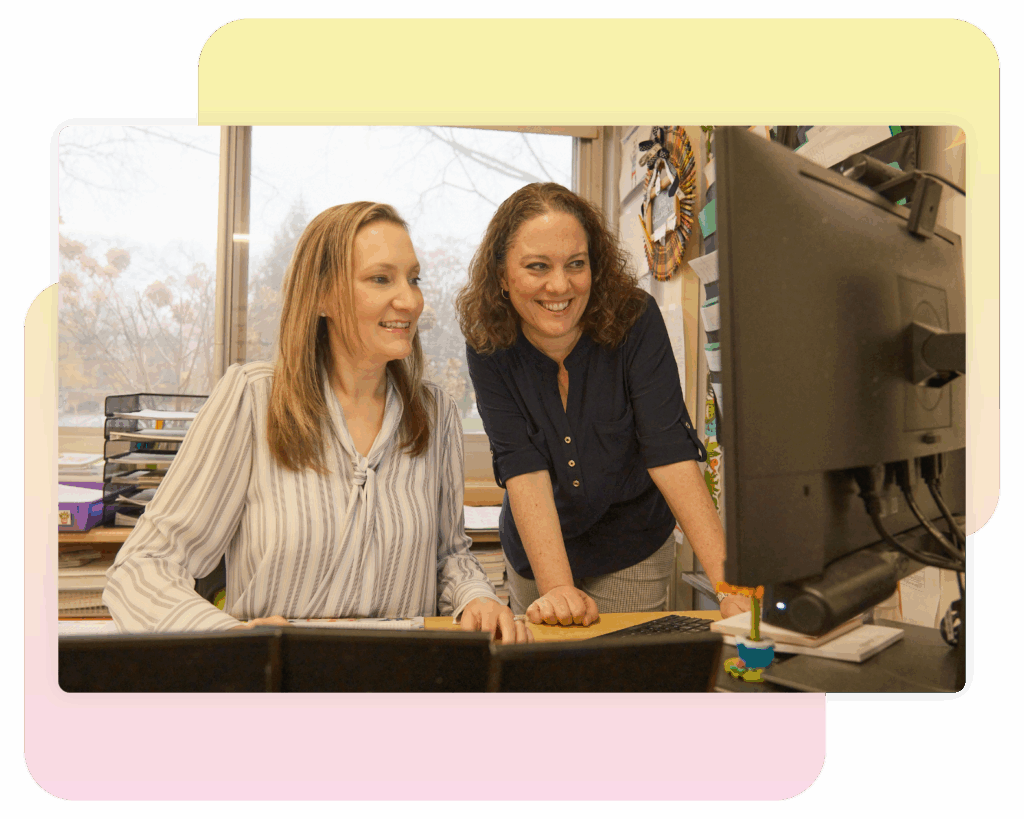
Two women smiling while working together at a computer on New York math in a bright office setting.

Amplify Desmos Math New York

Amplify Desmos Math New York supports teachers in building students’ lifelong math proficiency. The program:

  • Supports social classrooms, invites mathematical creativity, and evokes wonder, creating a welcoming learning space where students are empowered to see themselves and their classmates as having brilliant mathematical ideas.
  • Provides math teachers with clear step-by-step moves to build systematically from students’ prior knowledge to grade-level learning. 
  • Connects students to each other’s thinking and to an understanding that they can use math to make sense of the world.
  • Enables access to grade-level understanding for every student, every day.

Math that motivates

Picture a classroom where students are so engaged in a math lesson that they protest when the teacher pauses their work on a problem. A classroom is buzzing with the sounds of natural curiosity. This is what we regularly see with Amplify Desmos Math. This is math that motivates.

Three colorful educational posters showing different math concepts being taught in classrooms across New York, each with a distinct age group and activity setting.

Review program samplers (Grades K–5)

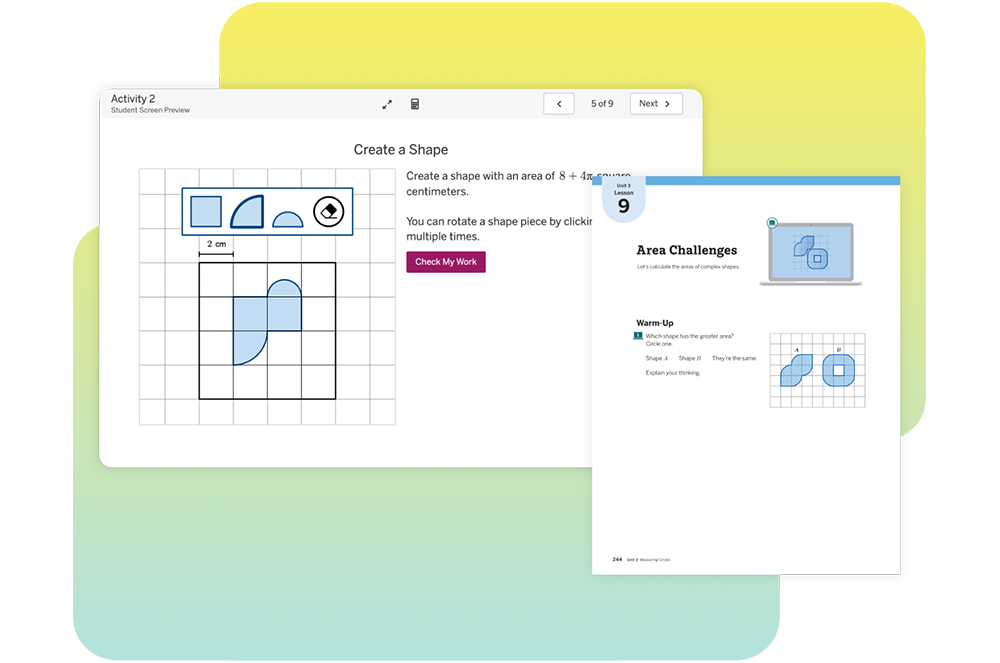
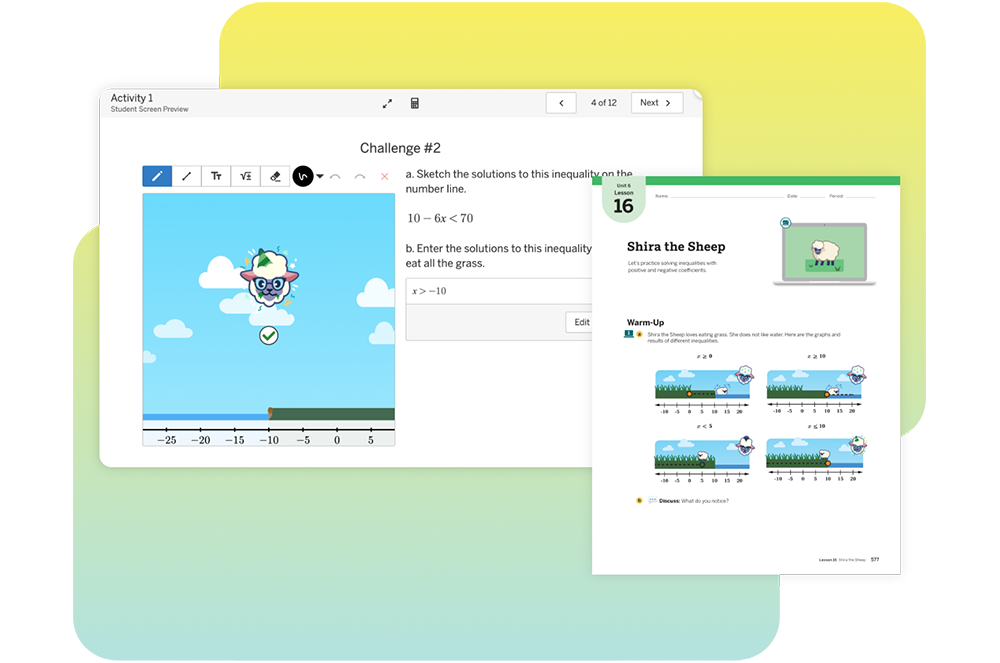
Experience the beautiful, easy-to-use print components that add to the power of Desmos Classroom technology and instruction by downloading the print samplers below. The samplers include print pages from Amplify Desmos Math New York lessons.

Grade 1

Grade 3

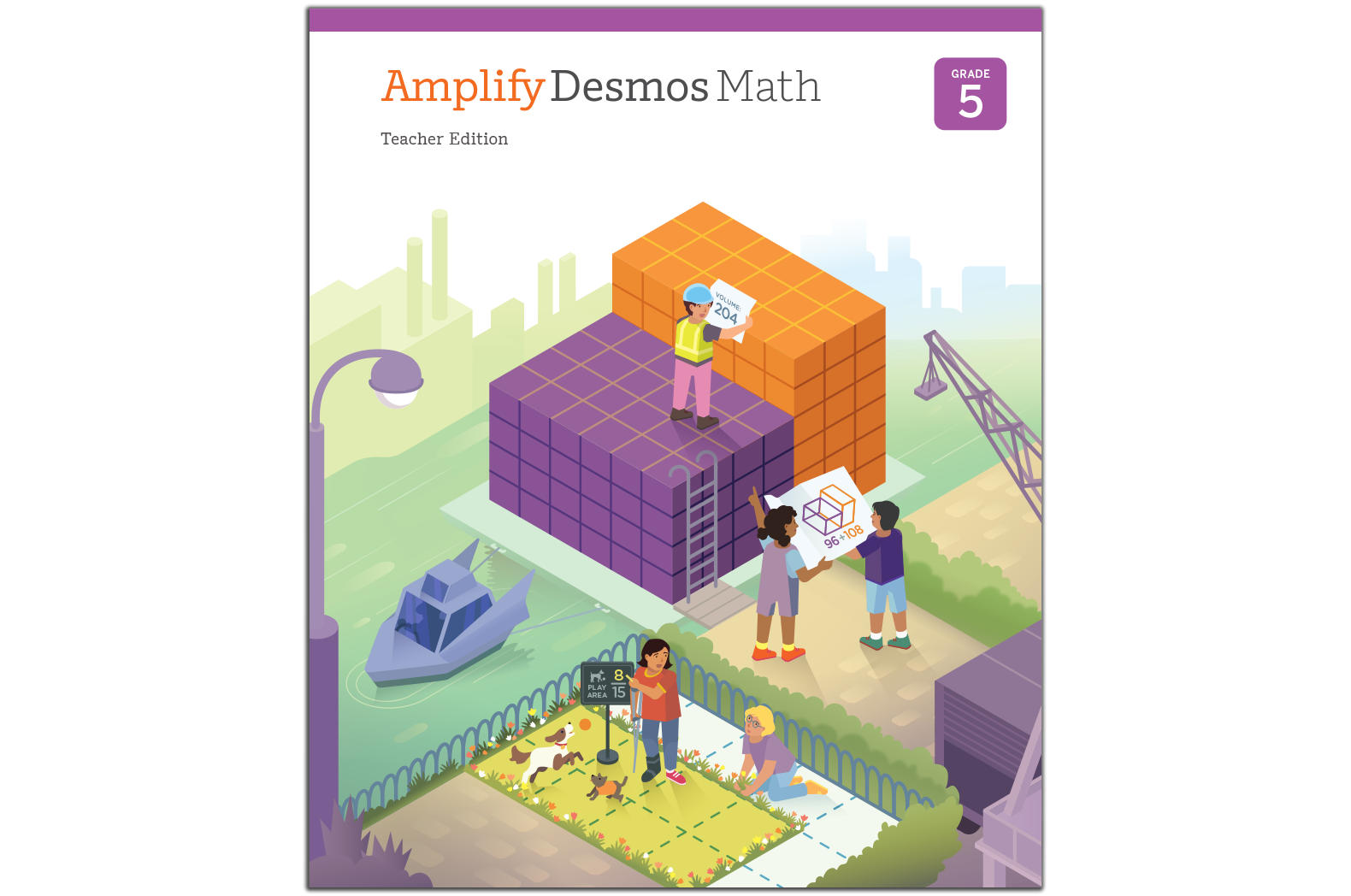
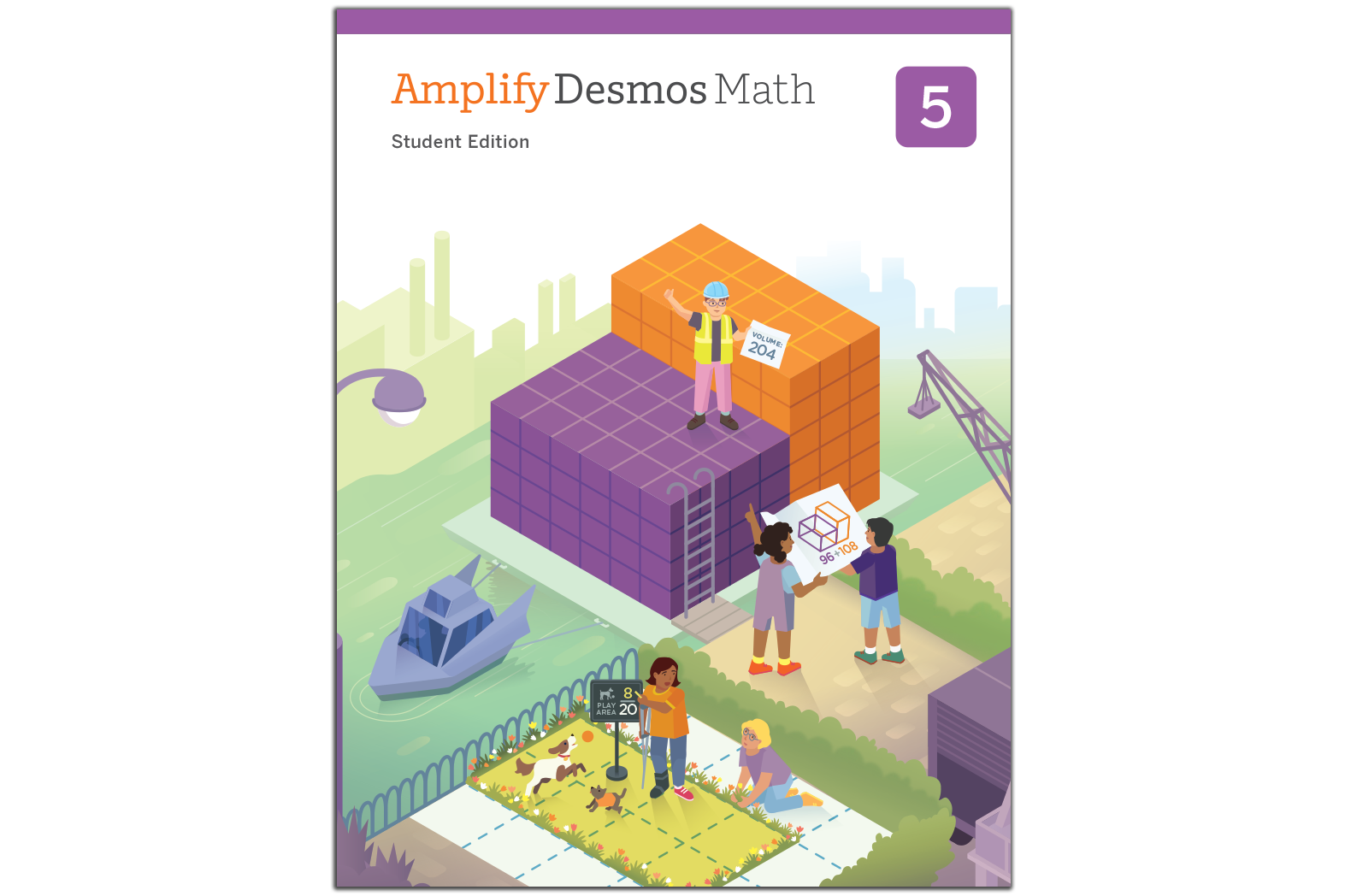
Grade 5

Review program samplers (Grades 6–8)

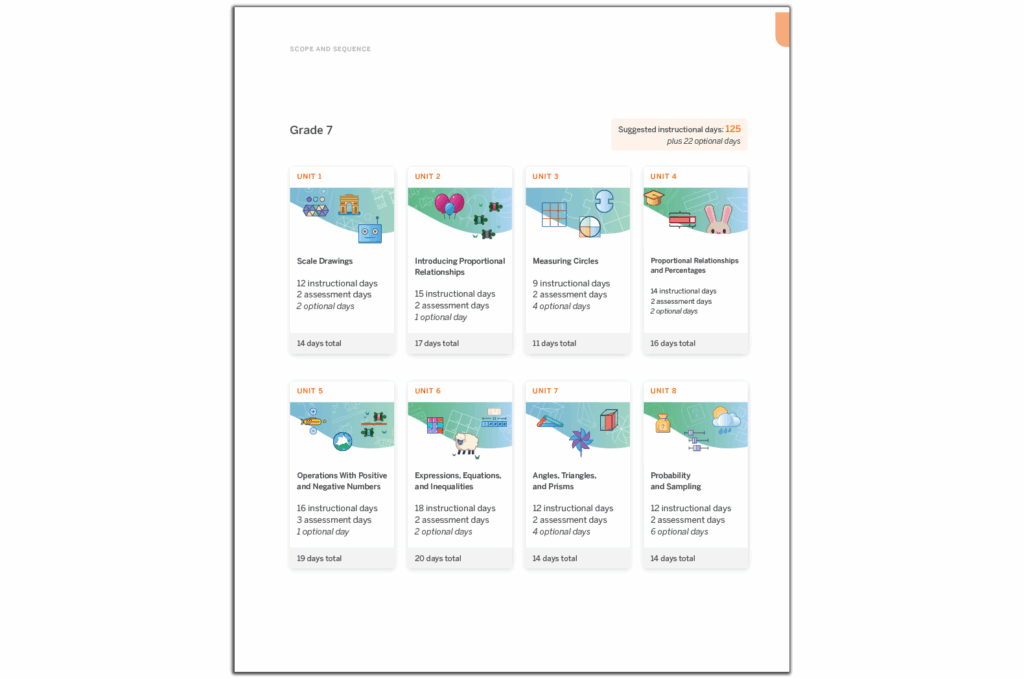
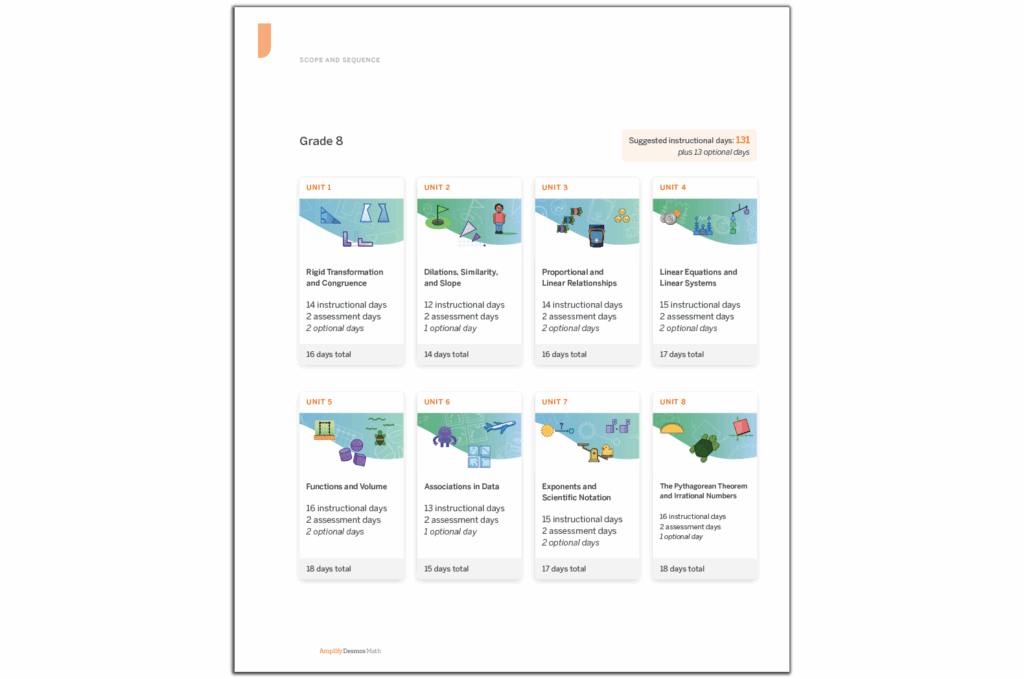
Experience the beautiful, easy-to-use print components that add to the power of Desmos Classroom technology and instruction by downloading the print samplers below. The samplers include print pages from Amplify Desmos Math New York lessons.

Grades 6–8
Mini-Lesson sampler

Grade 6
Teacher Edition sampler
Student Edition sampler
Assessment Guide sampler

Grade 7
Teacher Edition sampler
Student Edition sampler
Assessment Guide sampler

Grade 8
Teacher Edition sampler
Student Edition sampler
Assessment Guide sampler

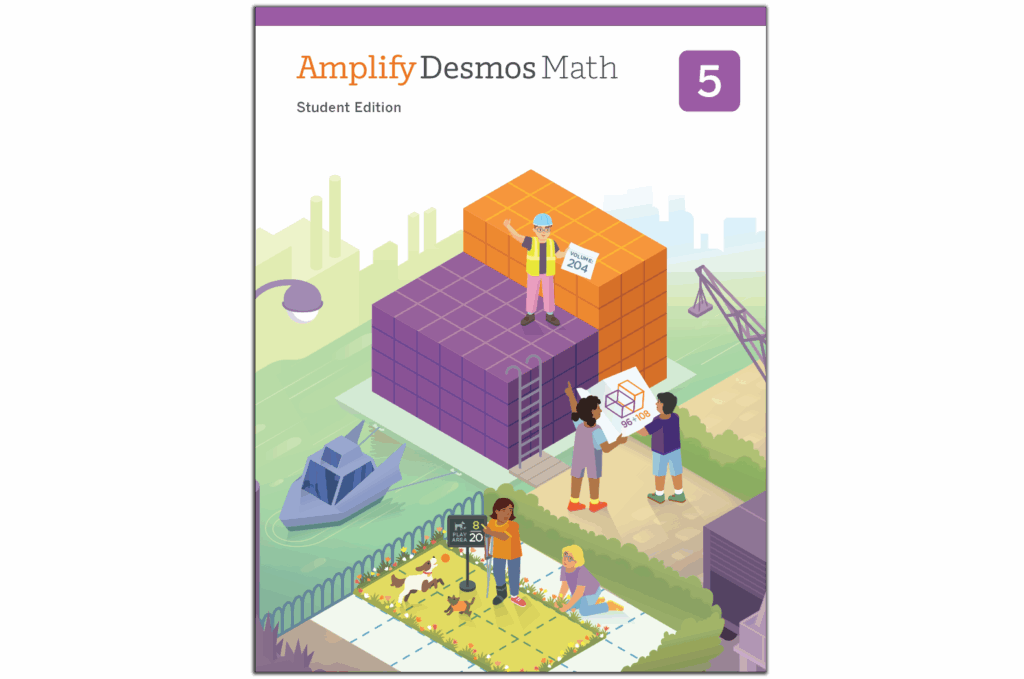
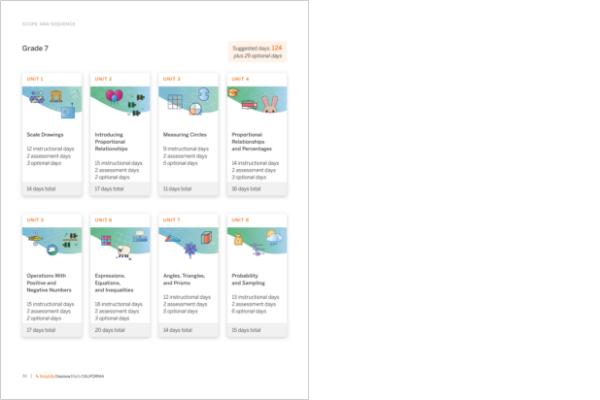
A set of six colorful educational book covers titled "Amplify Desmos Math New York," each featuring stylized math-themed illustrations and different pastel accent colors.

Experience Amplify Desmos Math New York

Explore our digital program to review content from grades K–8. Watch our quick walkthrough videos for helpful navigation tips: Grades K–5 and Grades 6–8.

To log in, click the orange “Review now” button below, select “Log in with Amplify” and use the following login credentials:
Username: t1.ny-state-adm@demo.tryamplify.net
Password: Amplify1-ny-state-adm

Illustration of the New York math digital learning platform, featuring a laptop displaying a math game and vibrant posters of classroom scenes with diverse students.
Educational software interface featuring a New York math problem about measuring platform heights using a 9-inch tube, illustrated with a playful, colorful design.


Standards

Once you’ve logged in to your reviewer account, download the documents correlating Amplify Desmos Math New York to the New York State Next Generation Math Learning Standards.

Personalized learning

Amplify Desmos Math includes digital, adaptive practice that provides the personalized support a student needs to access grade-level math every day. Boost Personalized Learning activities target a skill or concept aligned to the day’s core lesson, with each student receiving personalized scaffolds based on what they already know. This technology complements daily learning and provides another layer of support to the in-lesson differentiation and instructional guidance provided to teachers. Try out free Boost Personalized Learning activities.

The Fluency Practice of Amplify Desmos Math uses an evidence-based approach to memory retention—spaced repetition—for the basic operations. Students around the world have answered more than 120 million multiplication questions within our application. Try it now! 

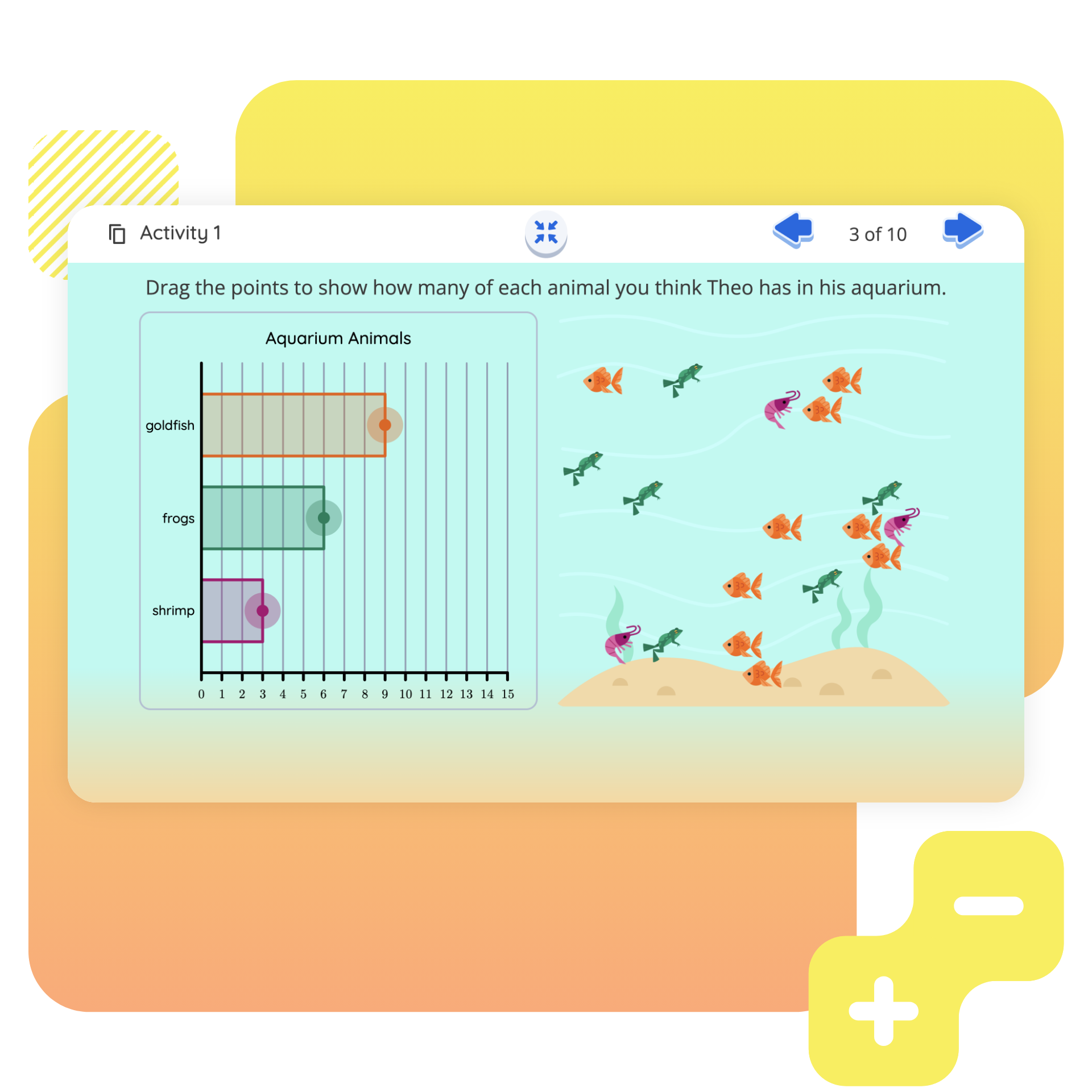
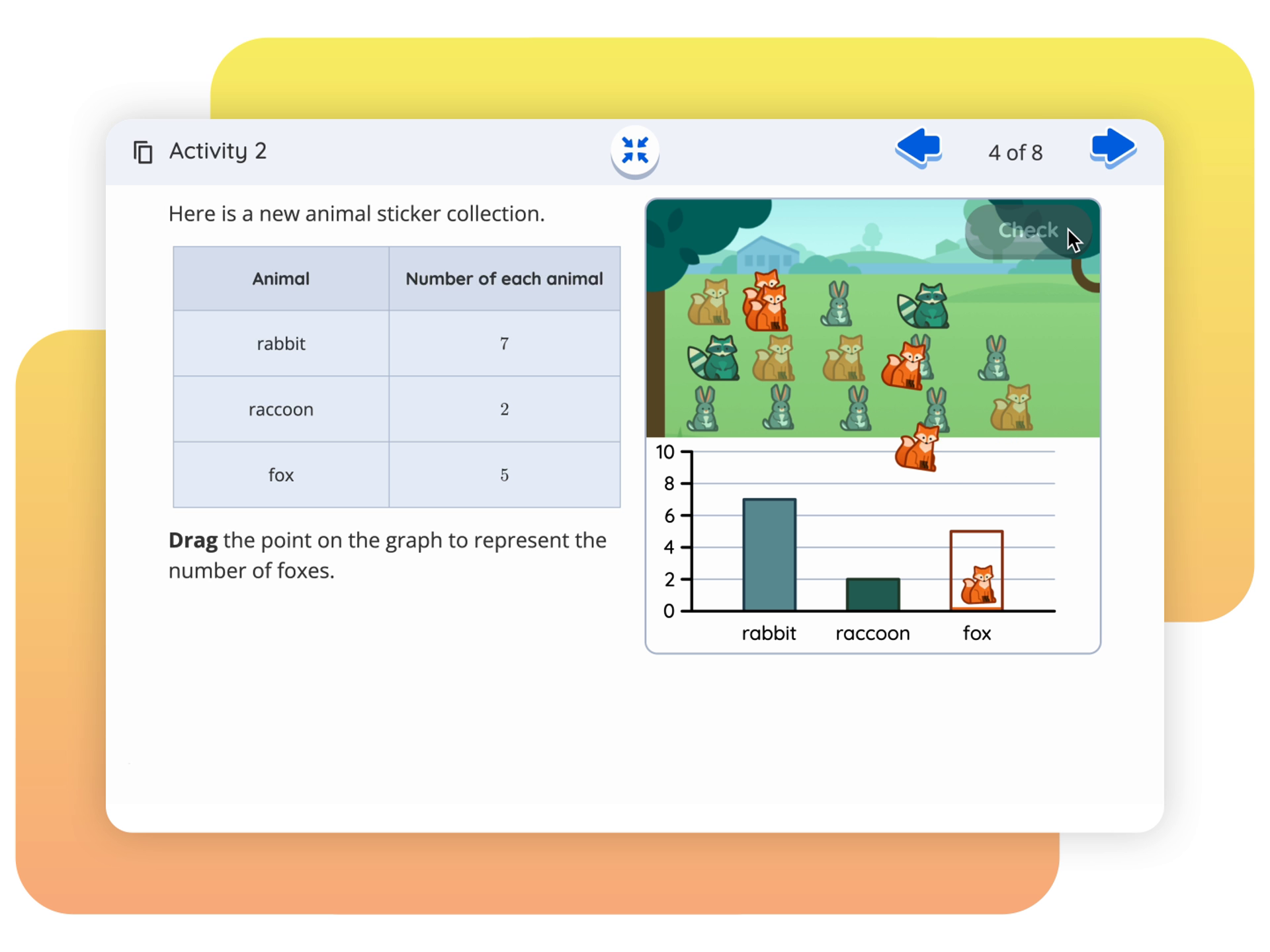
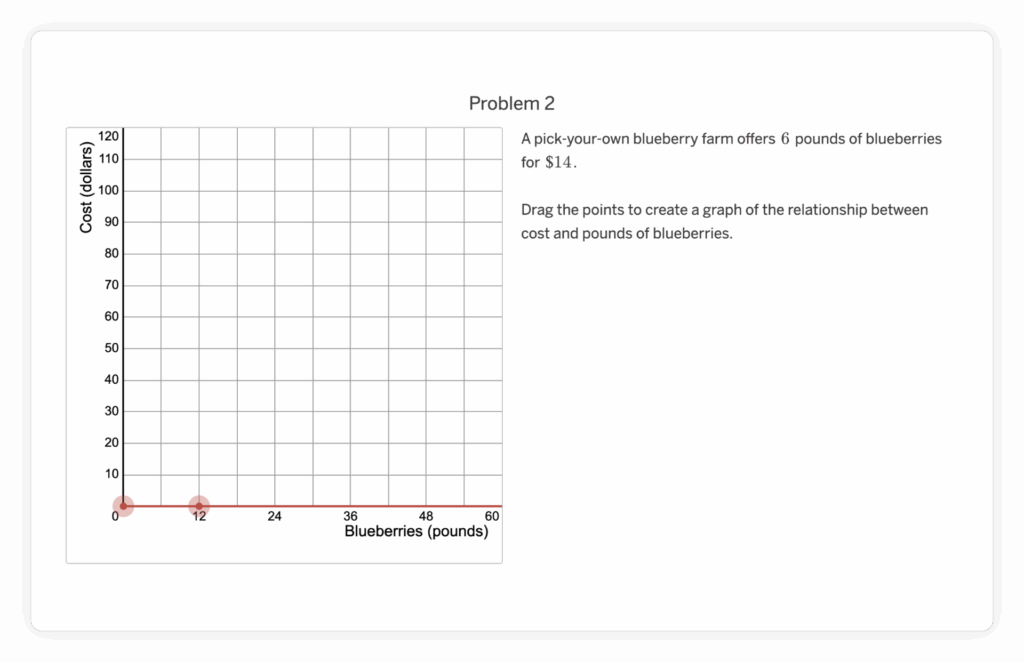
Educational software on a laptop screen showing a student activity to complete a bar graph by categorizing dragonflies, designed for the New York math curriculum.
Two women smiling while working together at a computer on New York math in a bright office setting.

Help

Support is always within reach. Our team is dedicated to supporting you throughout your review and can be reached by email or phone 7 a.m. to 7 p.m. ET.

  • Live chat: Once logged into the program, click the orange icon to get immediate help.
  • Phone: Call our toll-free number: (888) 960-0380.
  • Email: Send an email to help@amplify.com. In the message body, please include your name and question. Provide as much detail as possible, so we can more quickly help you find a solution.

Amplify Desmos Math for New York

Amplify Desmos Math New York helps teachers center student thinking and unlock students’ true potential.

With Amplify Desmos Math New York:

  • Students actively participate in productive, collaborative discussions as they work through scaffolded problem-solving lessons.
  • Teachers can build on student ideas, creating student-centered environments and helping students build connections to what they already know.
  • Lesson content is thought-provoking, relevant, and challenging, asking that students bring their whole selves to class and grapple with real-world problems they’ll care about.

With Amplify Desmos Math New York, students believe they can conquer any mathematical challenge they encounter.

Amplify Desmos Math New York is based on Illustrative Mathematics® IM K–12™ and expands on Desmos Math 6–8 (which received all-green ratings from EdReports) with beautiful print resources, and robust practice, differentiation supports, assessment and reporting. Read the review on EdReports.

A set of six colorful educational book covers titled "Amplify Desmos Math New York," each featuring stylized math-themed illustrations and different pastel accent colors.

Experience the beautiful, easy-to-use print components that add to the power of Desmos Classroom technology and instruction by downloading the print samplers below. The samplers include print pages from two full Amplify Desmos Math New York lessons.

Grades 6–8
Mini-lesson sampler

Grade 6
Teacher Edition sampler
Student Edition sampler
Assessment Guide sampler

Grade 7
Teacher Edition sampler
Student Edition sampler
Assessment Guide sampler

Grade 8
Teacher Edition sampler
Student Edition sampler
Assessment Guide sampler

Digital review

Ready to explore the program? Watch our quick walkthrough video and follow the instructions below to access your review account.

To log in, click the orange “Review now” button below, select “Log in with Amplify” and use the following login credentials:

Username: t1.desmos-math-nyc-review@tryamplify.net

Password: AmplifyNumber1

To log in as a student, click here and use the following credentials:

Username: s101.desmos-math-nyc-review@tryamplify.net

Password: AmplifyNumber1

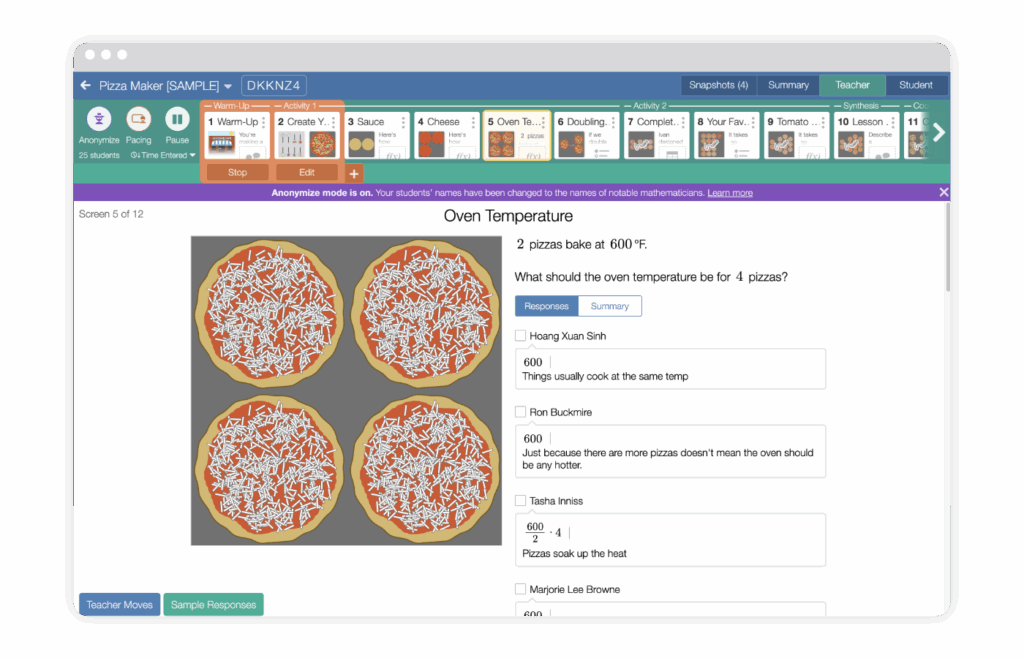
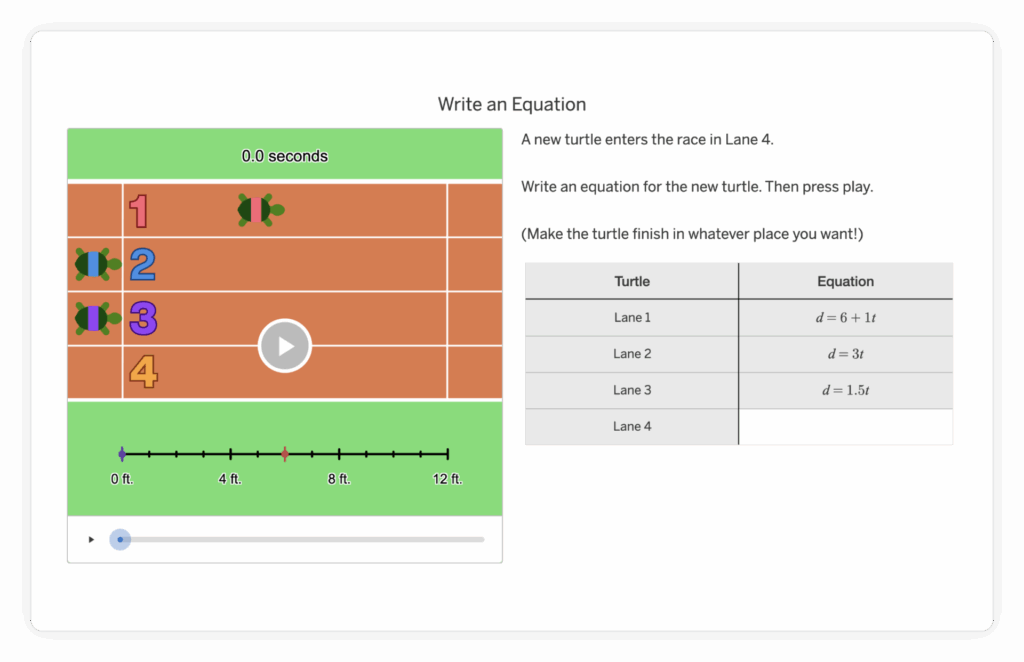
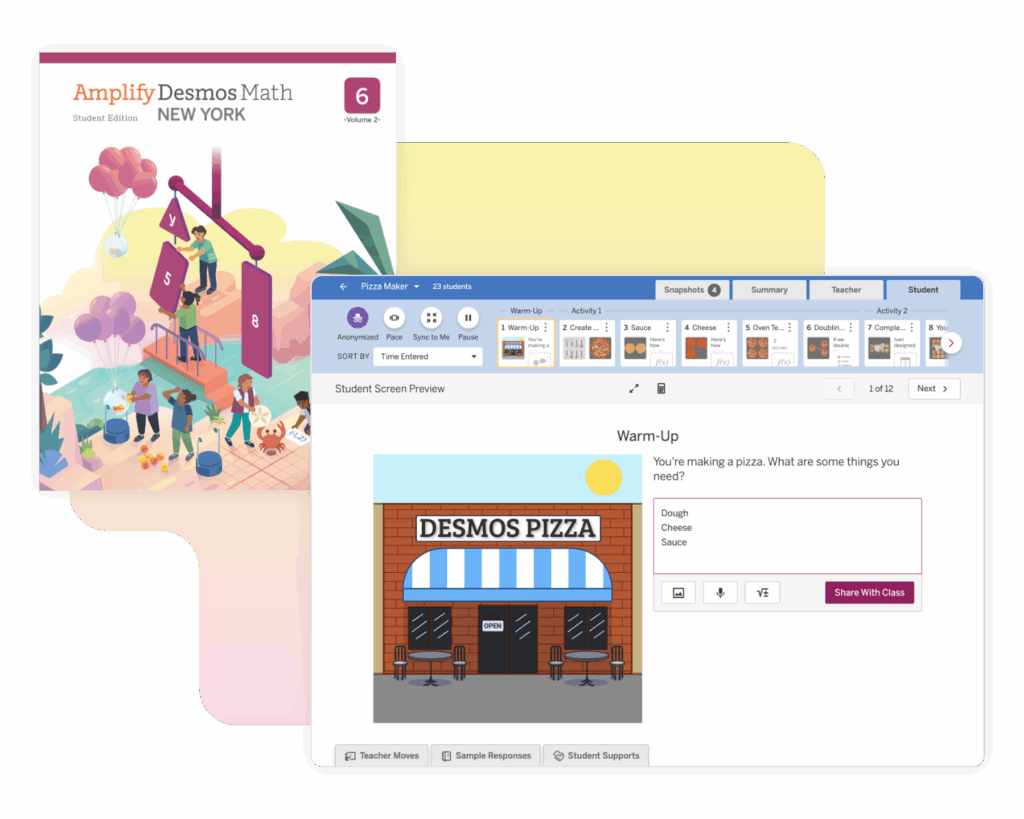
A Desmos Math textbook and a computer screen showing a Desmos Math digital activity about pizza ingredients.

Standards alignment

Once you’ve logged in to your reviewer account, download our documents correlating Amplify Desmos Math New York to the New York State Next Generation Math Learning Standards. Within each document, you’ll find direct links to lessons and activities where each individual standard is addressed.

Grade 6 correlation
Grade 7 correlation
Grade 8 correlation

The program is also aligned with the expectations outlined in the New York City Department of Education Definition of Culturally Responsive-Sustaining Education and the New York State Culturally Responsive-Sustaining Education Framework. Download the CR-SE alignment.

About the program

To learn more about Amplify Desmos Math New York, including pedagogical philosophy, origins, implementation examples, and independent, nationally-recognized reviews, download the following documents:

Curriculum overview and background
Examples of implementation
Implementation considerations
Independent curriculum reviews
Professional learning plan

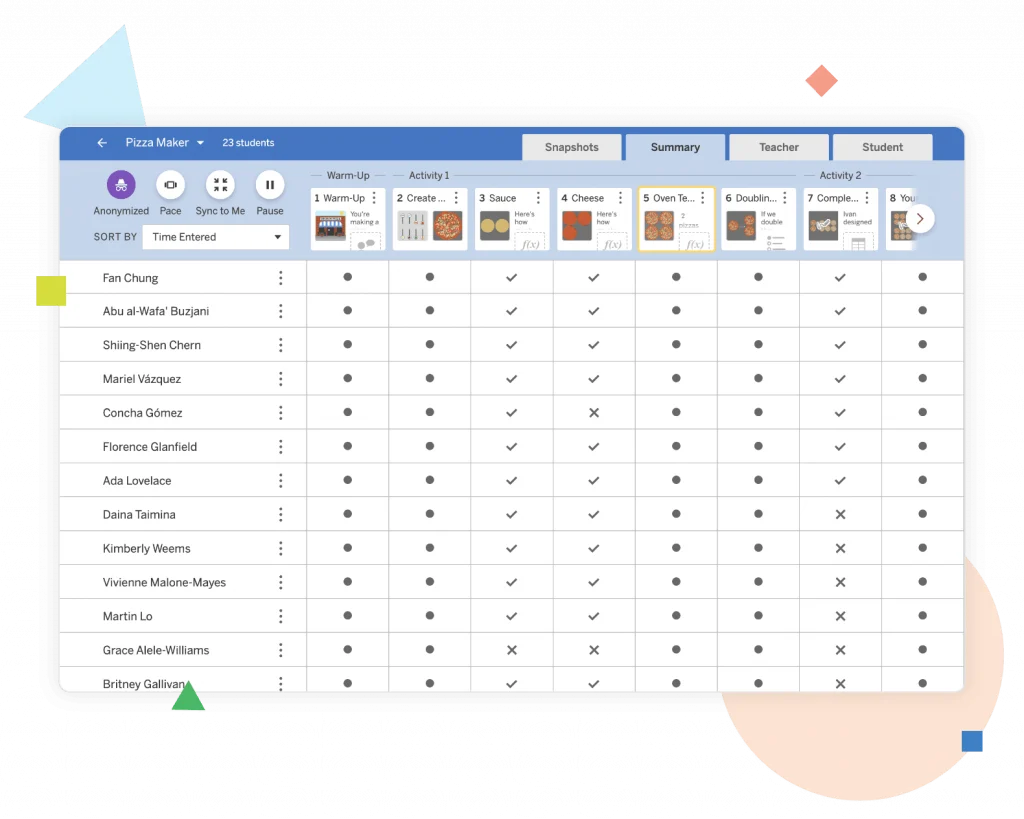
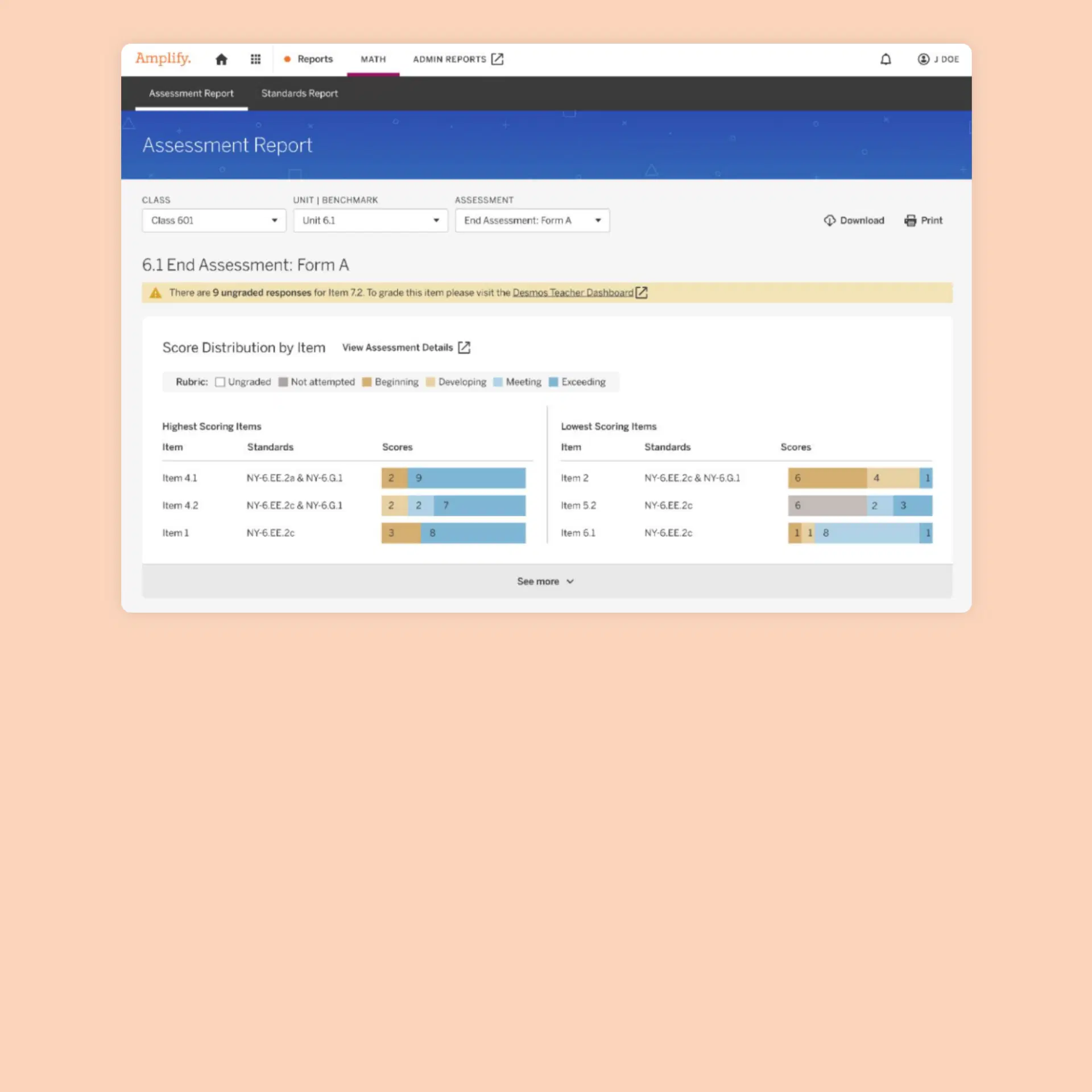
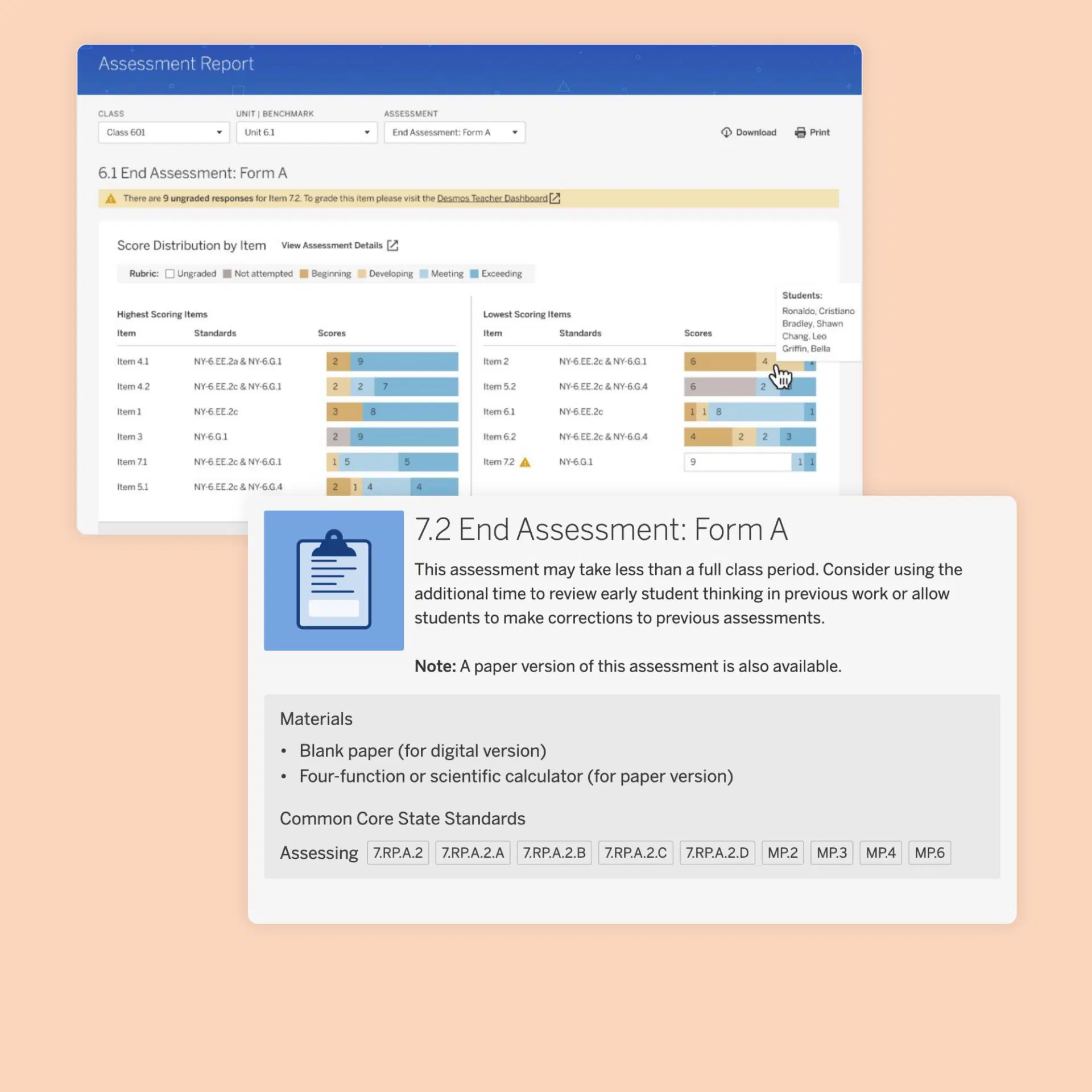
A classroom dashboard displays student names and their progress in activities, with checkmarks indicating completed tasks and circles showing ongoing or incomplete tasks.
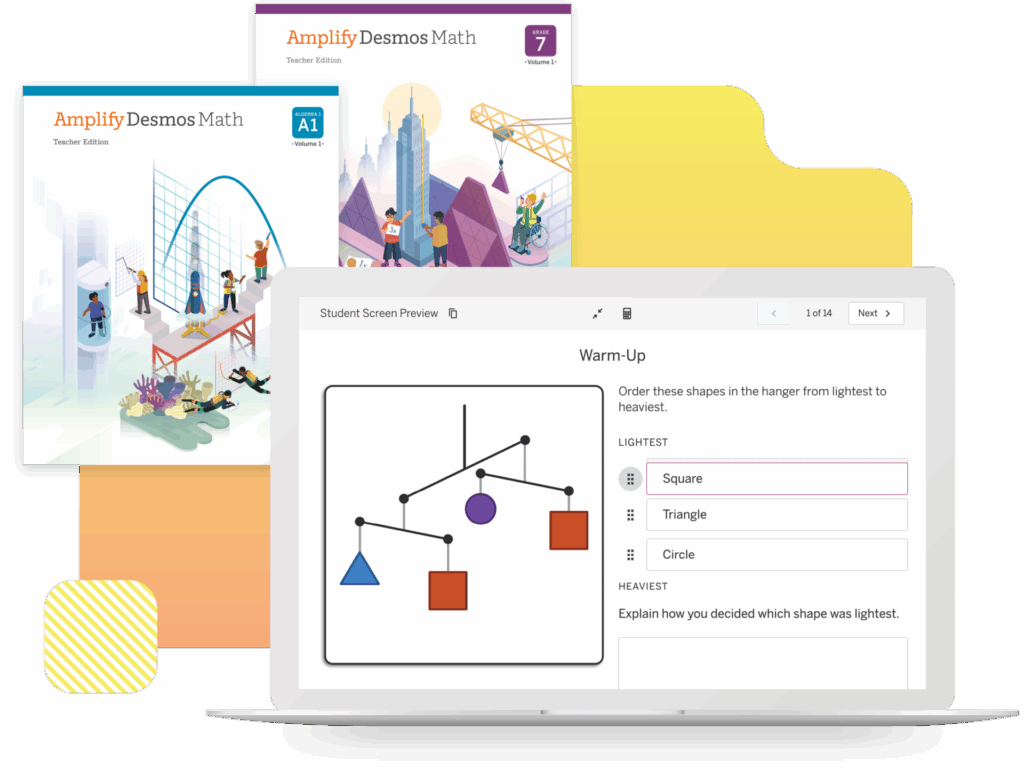
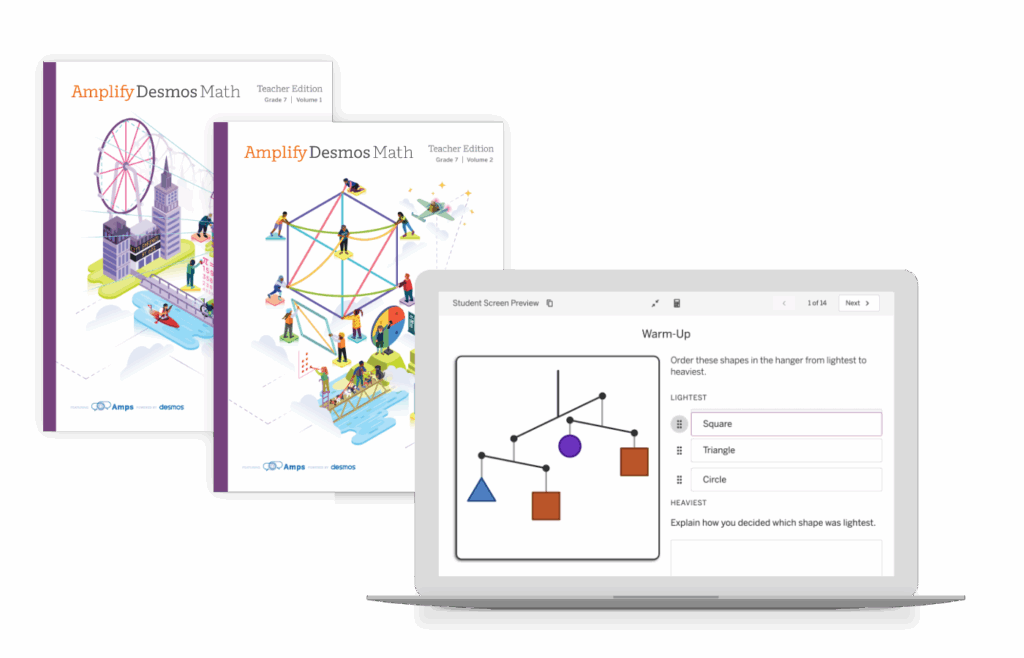
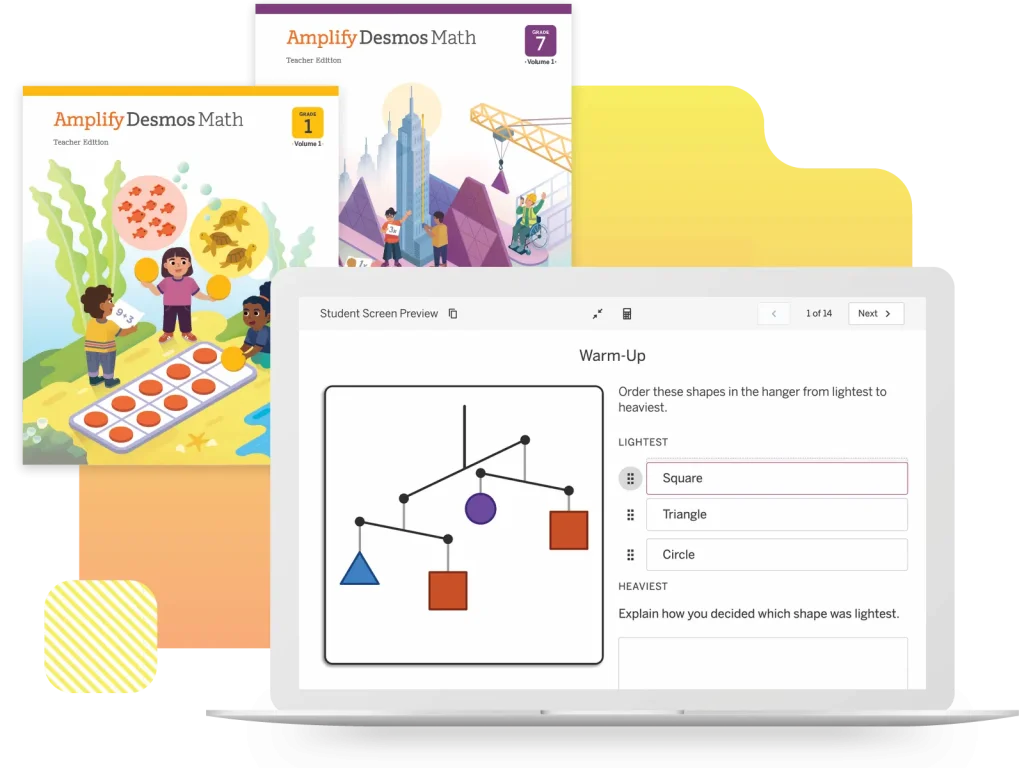
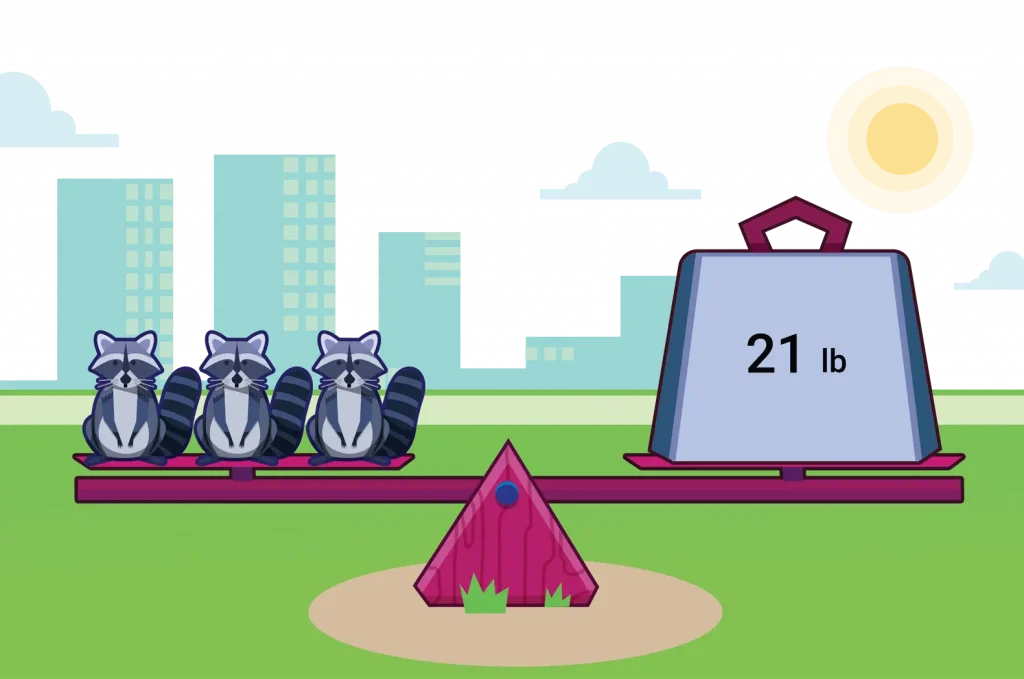
A laptop displays a math activity about shapes and weights, in front of two illustrated Amplify Desmos Math teacher edition books.

Support

Support is always within reach. Our team is dedicated to supporting you throughout your review and can be reached at any time by emailing or calling us directly.

  • Live chat: Click the orange icon while logged in to get immediate help.
  • Phone: Call our toll-free number: (800) 823-1969.
  • Email: Send an email to help@amplify.com. In the message body, please include your name and question. Provide as much detail as possible, so we can more quickly help you find a solution.

Students take on the role of a scientist or engineer every day.

Amplify Science is a blended curriculum developed to align with the New York City PK–8 Science Scope and Sequence that meets the New York State Science Learning Standards.

Amplify Science for grades K–8 has been rated all-green by EdReports.

Read the review on EdReports.

Check out the New York City Resource Site for supporting resources designed for the New York City Department of Education Amplify Science adoption for grades K–8.

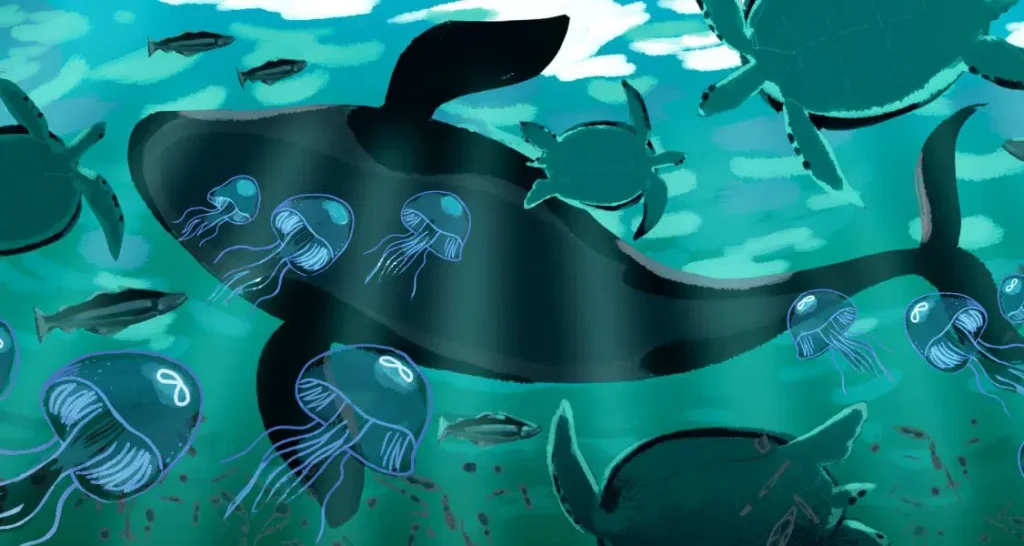
An illustration of a whale with jellyfish and turtles from Amplify Science

Begin your review

What sets Amplify Science apart?

  • Aligned to the New York City PK–8 Science Scope and Sequence, and meets New York State Science Learning Standards.
  • State-of-the-art, highly-engaging curriculum that invites students to take on the role of a scientist or engineer in every unit to solve relevant real-world problems.
  • Flexible, truly blended program that combines comprehensive print components and compelling online content with hands-on learning in every unit.
  • Robust teacher support for ease of use by a wide range of teachers in diverse classroom contexts, with carefully crafted lessons, standards alignment, differentiation strategies, and ELL supports throughout the program.
  • Embedded assessments throughout the program, including both formative and summative assessments for every grade level.
  • Authored by the industry-leading science curriculum team at U.C. Berkeley’s Lawrence Hall of Science, who have 50 years of experience in K–12 science education and who will continue to enhance and update the program for years to come. To learn more about how the Lawrence Hall of Science collected research, designed the curriculum, and field tested the program with teachers, download our research base document.

The Amplify Science approach

The scope and sequence of the program is designed to show that scientific concepts are interconnected and multifaceted. Each unit focuses on a specific learning goal in the form of an overarching unit question. Rather than following linear steps in an experiment, the program leaves room for students to make connections across concepts and make their own discoveries. In this way, Amplify Science replicates the realities and ambiguities of scientific research and thinking.

Each course in Amplify Science K–5 consists of 3–4 units, with each unit containing 22 lessons. Each lesson in grades K and 1 is written for a 45-minute session, while lessons in grades 2–5 are written for 60-minute sessions. Teachers can always expand or contract the timing to fit their needs.

Each course in Amplify Science 6–8 consists of 7-9 units, with each core unit containing 19 lessons, each launch unit containing 11 lessons, and each engineering internship containing 10 lessons. Each lesson in grades 6–8 is written for a 45-minute session. Teachers can always expand or contract the timing to fit their needs..

Download the K–5 unit sequence

Download the 6–8 unit sequence

Components overview

Amplify Science blends physical materials with a suite of digital tools, presenting students with the resources they need to investigate real-world problems, and empowering and supporting teachers as they lead instruction and gain insight into student growth and progress.

Grades K–5

  • Student Investigation Notebooks (K–2) for every unit allow students to interact with content while taking notes, answering questions, and conducting investigations. Review a sample from the Grade 2 Plant and Animal Relationships unit.
  • Student Books enhance science topics and allow students to practice reading within the science content area.
  • Instructional materials for teachers. The Amplify Science curriculum website hosts all lesson content, media, digital simulations, and more, and is the primary tool “open” for teachers during class time. Print Teacher’s Guides are included. You can view complete unit samples by accessing the curriculum at the bottom of this page.
  • Robust digital simulations and digital applications, developed exclusively for the Amplify Science program. Supported devices include: iPad 3+, Chromebook, Windows PC, and MacBook.
  • Unit Kits for each unit in the program including consumable and nonconsumable hands-on materials, printed classroom display materials, and the students books.
  • Embedded formative and summative assessments are meant to support and guide student instruction.
  • Pacing guides have been developed for teachers to support the implementation of the program.

Grades 6–8

  • New York City Student Editions enhance science topics and allow students to practice reading within the science content area.
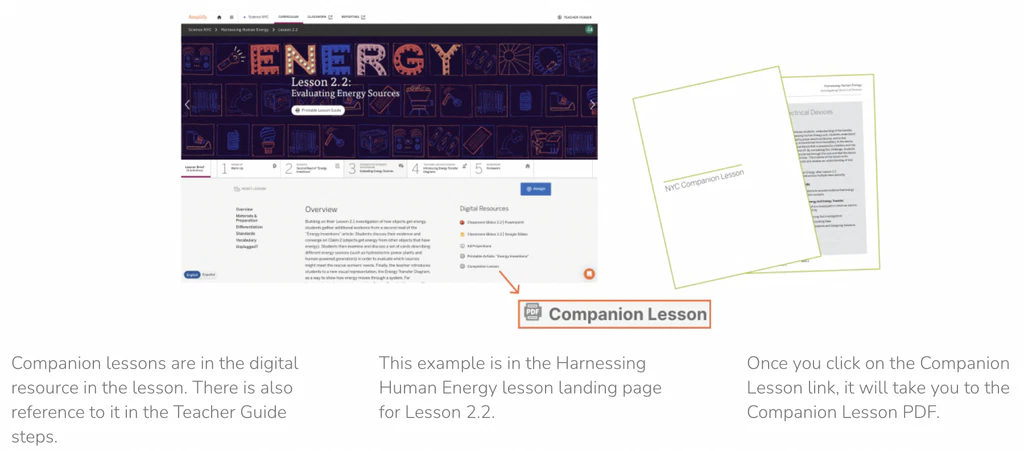
  • Special “NYC Companion Lessons” directly target the additional standards in NYSSLS not found in the NGSS.
  • Instructional materials for teachers. The Amplify Science curriculum website hosts all lesson content, media, digital simulations, and more, and is the primary tool “open” for teachers during class time. Print Teacher’s Guides are included. You can view complete unit samples by accessing the curriculum at the bottom of this page.
  • Robust digital simulations and digital applications, developed exclusively for the Amplify Science program. Supported devices include: iPad 3+, Chromebook, Windows PC, and MacBook.
  • Unit Kits for each unit in the program including consumable and nonconsumable hands-on materials and printed classroom display materials for 5 uses of a class of 40 students.
  • Embedded formative and summative assessments are meant to support and guide student instruction.
  • Pacing guides have been developed for teachers to support the implementation of the program.

Review grades K–5

Amplify Science K-5 is an elementary science curriculum that provides teachers with the tools and practices necessary to meet the expectations of the NYSED P–12 Science Learning Standards. The program also aligns to the new NYCDOE PK–8 Science Scope and Sequence. Learn more about Amplify Science K-5 by reviewing the following::

Click the orange button below to access the digital Teacher’s Guide and begin your review.

Review grades 6–8

Amplify Science 6–8 New York City Edition is a new blended curriculum developed to align to 100 percent of the New York City PK–8 Science Scope and Sequence 2018 that meets 100 percent of the New York State Science Learning Standards. Learn more about Amplify Science 6-8 New York City Edition by reviewing the following:

Click the orange button below to access the digital Teacher’s Guide and begin your review.

Watch an overview

Watch curriculum experts walk through the Amplify Science K–5 and 6–8 programs and share information on how you can start to make the shifts to the NGSS with a literacy-rich approach to science instruction.

Ready to order?

When you are ready to place an order for Amplify Science, please reference the ordering checklist on the Core Curriculum Ordering Guide, and then head to:

2025

September 18, 2025

Edutopia: “Using Virtual Manipulatives in Math Class”

Read Full Article

August 19, 2025

Education Week: “Here’s Why It’s Important for Teachers to Have a Say in Curriculum”

Read Full Article

August 18, 2025

Investors Hangout: “Amplify Classroom Revolutionizes K-12 Teaching Experience”

Read Full Article

August 5, 2025

WhaTech: “K-12 Online Education Market Set for Strong Expansion, Reaching $349.77 Billion by 2029”

Read Full Article

August 4, 2025

Education Week: “Districts Using ‘High-Quality’ Reading Curricula Still Supplement With Other Materials. Why?”

Read Full Article

July 9, 2025

K-12 Dive: “Youngest students see big reading gains post-COVID on DIBELS assessment”

Read Full Article

June 25, 2025

The 74: “How Districts in Georgia, Maryland and D.C. Are Raising Reading Proficiency”

Read Full Article

May 28, 2025

Open PR: “K-12 Online Education Market Forecast 2025-2034: Comprehensive Analysis And Growth Opportunities”

Read Full Article

May 27, 2025

District Administration: “Early literacy: How to implement programs that start strong”

Read Full Article

May 20, 2025

EdSource: “California schools prepare to introduce universal reading screening”

Read Full Article

April 23, 2025

The 74: “Eric Adams Expands Reading, Math Curriculum Mandates to All NYC Middle Schools”

Read Full Article

April 21, 2025

Daily News: “NYC expanding reading, math curriculum overhaul to more schools”

Read Full Article

March 19, 2025

Education Next: “School Reinvention in Practice”

Read Full Article

February 28, 2025

K-12 Dive, “Test yourself on this week’s K-12 news”

Read Full Article

February 26, 2025

K-12 Dive: “Only 56% of K-2 students are ready to read”

Read Full Article

January 24, 2025

Chalkbeat Philadelphia: “Two AI-powered charter schools could soon open in Pennsylvania”

Read Full Article

January 16, 2025

Tech & Learning: “What is Polypad and How Can Teachers Use It?”

Read Full Article

2024

December 18, 2024

EdSource: “State takes another step toward mandatory testing for reading difficulties in 2025”

Read Full Article

December 6, 2024

Chalkbeat Philadelphia: “Philadelphia is now spending over $100 million on its curriculum overhaul. Here’s a breakdown.”

Read Full Article

November 27, 2024

Lincoln Journal Star: “Lincoln Public Schools drops a classification rating on statewide assessment”

Read Full Article

November 6, 2024

EdNC: “New K-3 literacy data shows growth in skills for North Carolina students”

Read Full Article

October 1, 2024

The 74: “As NY District Implements Science of Reading, Parents Push for New Focus on Math”

Read Full Article

September 18, 2024

Tech & Learning: “Tech & Learning Announces Winners of Best for Back to School 2024”

Read Full Article

August 22, 2024

Chalkbeat Philadelphia: “Philadelphia school board renews charters, funds tutoring and a new science curriculum”

Read Full Article

August 2, 2024

EdNC: “‘Dedication of our teachers’ praised in an update on the state’s science of reading journey”

Read Full Article

July 31, 2024

The 74: “Classroom Case Study: To Maximize the Impact of Curriculum Mandates, Follow the Science of Reading”

Read Full Article

July 23, 2024

Chalkbeat: “Should teachers customize their lessons or just stick to the ‘script’?”

Read Full Article

July 7, 2024

The Economist: “Will artificial intelligence transform school?”

Read Full Article

June 24, 2024

Chalkbeat: “Math instruction overhaul: NYC unveils new curriculum mandate for middle and high schools”

Read Full Article

June 6, 2024

EdNC: “Perspective | Teachers are the heroes of the literacy story in North Carolina”

Read Full Article

May 24, 2024

The Dallas Morning News: “How Don Quixote changed a Dallas public school classroom”

Read Full Article

May 2, 2024

Akron.com: “Tutoring program at Summit Academy Akron Elementary School attracts national interest”

Read Full Article

April 25, 2024

Edutopia: “Using Tech Tools to Energize Young Students’ Math Learning”

Read Full Article

April 4, 2024

EdNC: “State Board hears update on district ESSER spending, literacy data, and Restart schools”

Read Full Article

March 22, 2024

Thomas B Fordham Institute: “Five takeaways from Ohio’s baseline survey of elementary reading curricula”

Read Full Article

March 15, 2024

The 74: “New Data: Despite K-2 Reading Gains, Students Face a ‘Much Harder Journey’ Ahead”

Read Full Article

March 5, 2024

The 74: “Case Study: How One Texas School District Is Repurposing Staff Development Time to Embrace the Science of Reading”

Read Full Article

February 21, 2024

Times Record News: “UPDATED: Texas Education Commissioner Mike Morath likes what he sees at local school”

Read Full Article

February 19, 2024

Chalkbeat: “Chicago Public Schools recover from pandemic declines more than other districts, study shows”

Read Full Article

February 7, 2024

The 74: “Building Oral Language Skills and Equity Through High-Quality Reading Curriculum”

Read Full Article

2023

December 19, 2023

The 74: “Best Education Articles of 2023: Our 23 Most Important Stories About Students, Schools & Learning Recovery ”

Read Full Article

December 8, 2023

Education Week: “Aligned Science Curriculum, Better Scores? Research Finds a Connection”

Read Full Article

December 6, 2023

WRAL News: “Reading readiness rises in NC’s K-3 classrooms, new data shows”

Read Full Article

November 27, 2023

The Dallas Morning News: “Dallas’ new lessons aim to keep kids on track, but some worry about limiting teachers”

Read Full Article

November 2, 2023

Fort Worth Report: “Black students in Fort Worth ISD still struggle to read at grade level”

Read Full Article

October 31, 2023

Chicago Tribune: “Lake Forest-area schools take stock of state grades; ‘While we celebrate our successes, we acknowledge that the journey … is ongoing’”

Read Full Article

October 19, 2023

Chalkbeat: “NYC eyes middle and high school literacy overhaul. It’s asking families to weigh in.”

Read Full Article

October 16, 2023

The 74: “As Virginia Rolls Out Ambitious Statewide High-Dosage Tutoring Effort This Week, 3 Keys to Success”

Read Full Article

October 6, 2023

Language Magazine: “Embracing Bilingual Assessment”

Read Full Article

September 18, 2023

Tech & Learning: “Best for Back to School 2023”

Read Full Article

September 18, 2023

Chalkbeat: “Chicago Public Schools hired hundreds of tutors with federal COVID money. Can they keep them?”

Read Full Article

September 7, 2023

EdNC: “Perspective | Union County Public Schools empowers educators, elevates readers”

Read Full Article

August 14, 2023

Chicago Parent: “Common Core Math: How to Help Your Kids”

Read Full Article

August 6, 2023

The News & Observer: “NC sees big increase in reading skills among K-3 students. Is the state back on track?”

Read Full Article

August 4, 2023

The 74: “Slow Literacy Gains, Long COVID in Kids: 7 Insights into Pandemic Recovery and Aftermath in U.S. Schools”

Read Full Article

August 3, 2023

EdNC: “State Board of Education: New reading data, parental leave, and a call to support public schools”

Read Full Article

July 28, 2023

Houston Public Media: “New literacy curriculum is among the many changes coming to HISD”

Read Full Article

July 17, 2023

Houston Chronicle: “Mike Miles says HISD schools will teach the ‘science of reading.’ Here’s what that means.”

Read Full Article

July 11, 2023

The 74: “‘Education’s Long COVID’: New Data Shows Recovery Stalled for Most Students”

Read Full Article

July 6, 2023

Houston Chronicle: “HISD superintendent gives voluntary schools one last chance to back out of New Education System”

Read Full Article

June 29, 2023

The Report Card: “Larry Berger on Curriculum”

Read Full Article

June 2, 2023

EdWeek Market Brief:”K-12 Dealmaking: Substitute Teaching Startup Secures $38M; Amplify Raises Undisclosed Series C”

Read Full Article

May 25, 2023

The 74: “Expanding Access to Tutors: Nonprofit Grants $6 Million to 32 Learning Organizations Across 20 States to Help More Students”

Read Full Article

April 21, 2023

The 74: “The ‘Transformation is Real’ as Science of Reading Takes Hold in N.C. Schools”

Read Full Article

April 18, 2023

The 74: “Louisiana District Ravaged by Hurricane & COVID is Bouncing Back with Science”

Read Full Article

April 5, 2023

WFAE: “NC midyear reading data shows gains, but third-grade goals remain elusive”

Read Full Article

April 5, 2023

EdNC: “K-3 students show growth in literacy skills, mid-year DPI data show”

Read Full Article

March 24, 2023

The 74: “COVID & School Recovery: Critics Warn Washington Bill Would Reduce Classroom Learning Time By 4 Hours a Week”

Read Full Article

March 24, 2023

Edutopia: “Using Collective Leadership to Make a Major Shift in Your District”

Read Full Article

March 15, 2023

K-12 Dive: “California at center of latest push for science-based reading approaches”

Read Full Article

March 7, 2023

District Administration: “ESSER pressure: How one district intends to spend wisely as deadline looms”

Read Full Article

March 3, 2023

The 74: “‘The Other Long COVID’ Affecting Kids: Missed Opportunities”

Read Full Article

March 2, 2023

3 WTKR: “More students on track to learn to read in 2022-2023 school year since start of pandemic, researchers say”

Read Full Article

March 2, 2023

ABC 7: “Reading skills rebounding for young students following pandemic disruptions”

Read Full Article

March 1, 2023

K-12 Dive: “By The Numbers: DIBELS testing shows improved reading progress over last two years”

Read Full Article

February 27, 2023

The 74: “Exclusive: Despite K-2 Reading Gains, Results Flat for 3rd Grade ‘COVID Kids’”

Read Full Article

February 27, 2023

Education Week: “Students’ Early Literacy Skills Are Rebounding. See What the Data Show”

Read Full Article

February 7, 2023

The 74: “Using High-Quality Curriculum Doesn’t Mean You Can’t Still Have Fun Learning”

Read Full Article

January 13, 2023

NPR: “Can a middle school class help scientists create a cooler place to play?”

Read Full Article

January 6, 2023

News & Record: “After a numbing low, NC students now heading in ‘right direction’ in reading, math”

Read Full Article

January 5, 2023

CBS17.com: “K-3 students in NC make significant strides on literacy exams, DPI says”

Read Full Article

2022

December 20, 2022

District Administration: “Literacy Under the Lights: 10 ways to bring the community back together”

Read Full Article

December 14, 2022

The 74: “14 Charts This Year That Helped Us Better Understand Covid’s Impact On Students Teachers and Schools”

Read Full Article

December 14, 2022

The 74: “Learning Loss Is Worse than NAEP Showed. Middle School Math Must Be the Priority”

Read Full Article

November 21, 2022

Voicebot.ai: “SoapBox Labs Brings Child-Centered Voice AI to Dyslexia Detection Assessment”

Read Full Article

October 24, 2022

Education Week: “Two Decades of Progress, Nearly Gone: National Math, Reading Scores Hit Historic Lows”

Read Full Article

October 20, 2022

The 74: “Exclusive Literacy Data: Small Gains Since Last Fall, But No Reading Rebound”

Read Full Article

August 30, 2022

The 74: “Test English Learners in the Languages They Speak at School and at Home”

Read Full Article

August 29, 2022

WTKR TV NC: “News 3 investigates childhood literacy rates, raising money to give books to local kids for new school year”

Read Full Article

August 28, 2022

EdNC: “Elementary students made growth last year in skills that lead to reading proficiency, new data show”

Read Full Article

August 18, 2022

SHRM Blog: “The Great Resignation Skipped Us. Here’s why.”

Read Full Article

August 16, 2022

Forbes: “Curious About Knowledge-Building Curricula? Check Out This Website”

Read Full Article

July 20, 2022

District Administration: “Out-of-school STEM learning is much more powerful when it’s inclusive”

Read Full Article

July 19, 2022

Chalkbeat: “The state of learning loss: 7 takeaways from the latest data”

Read Full Article

June 28, 2022

The Preschool Podcast: “Early literacy strategies that stick with Darryl from Run-DMC and Makeda from Nickelodeon [Podcast]”

Listen To The Podcast

May 24, 2022

Forbes: “States That Want To Boost Literacy Should Keep An Eye On Texas”

Read Full Article

April 24, 2022

Business Ecosystem Alliance: “Ecosystems in Education–Collaborating to Efficiently Serve the End User”

Watch Full Video

April 18, 2022

KQED Mind Shift: “Weighing the best strategies for reading intervention”

Read Full Article

April 15, 2022

Fordham Institute: “Assessing a standards-aligned physical science curriculum”

Read Full Article

March 23, 2022

The Baltimore Sun: “National test scores show student gains from in-person learning in all but a critical group: new and pre-readers | COMMENTARY”

Read Full Article

March 15, 2022

NPR: “Two years ago schools shut down around the world. These are the biggest impacts”

Read Full Article

March 11, 2022

The Hub – Dallas ISD: “Students at Greiner and Anson Jones Elementary find success in reading and writing with a new program”

Read Full Article

March 10, 2022

NY Daily News: “Read it and weep: The new reading instruction emergency”

Read Full Article

March 10, 2022

WISH TV Indianapolis: “Study shows student performance plummeted during pandemic”

Read Full Article

March 9, 2022

New York Post: “Young students have suffered ‘alarming’ drops in reading skills during pandemic”

Read Full Article

March 9, 2022

The Daily Caller: “Childhood Literacy Plummeted Following Pandemic Shutdowns, Studies Show”

Read Full Article

March 8, 2022

The New York Times: “It’s ‘Alarming’: Children Are Severely Behind in Reading”

Read Full Article

March 7, 2022

Education Next: “The Education Exchange: Pandemic Hurt Younger Students’ Learning Worse, Amplify Data Suggest”

Listen to the Podcast

February 28, 2022

The 74: “Our 12 Best Education Articles in February: Reflections on 700 Days of COVID Chaos, Setting a Bar for Unmasking in Schools, Burying Schools in Record Requests & More”

Read Full Article

February 24, 2022

The Daily Advertiser: “Reading scores improve slightly, but pre-COVID reading levels are ‘the wrong goal’”

Read Full Article

February 24, 2022

Wall Street Journal: “The School Shutdowns and Lost Literacy”

Read Full Article

February 23, 2022

K-12 Dive: “DIBELS data illustrates pandemic reading setbacks”

Read Full Article

February 22, 2022

ABC 7 Buffalo: “Children falling behind in reading”

Read Full Article

February 18, 2022

The Carolina Journal: “Report: Elementary students lag in literacy due to pandemic”

Read Full Article

February 16, 2022

The 74: “‘We Have First-Graders Who Can’t Sing the Alphabet Song’: Pandemic Continues to Push Young Readers Off Track, New Data Shows”

Read Full Article

February 16, 2022

Education Week: “More Than 1 in 3 Children Who Started School in the Pandemic Need ‘Intensive’ Reading Help”

Read Full Article

February 4, 2022

Literary Hub: “EXCLUSIVE: Watch Joshua Bennett Discuss A.R. Ammons’s poem “Cascadilla Falls”

Read Full Article

January 26, 2022

The Ross Kaminsky Show: “Susan Lambert and the Literacy Gap”

Listen to the podcast

January 19, 2022

K-12 Dive: “Report: Colorado reading law update boosts quality of literacy curriculum”

Read Full Article

2021

December 15, 2021

Chalkbeat: “How Denver plans to address a drop in early elementary reading scores”

Read full article

December 8, 2021

The SHRM Blog: “What’s the Best Work Perk of All? Contributing to the Social Good”

Read full article

November 13, 2021

Hechinger Report: ‘The Reading Year’: First grade is critical for reading skills, but kids coming from disrupted kindergarten experiences are way behind”

Read full article

October 20, 2021

Hechinger Report: “OPINION: Younger students were among those most hurt during the pandemic”

Read full article

September 2, 2021

EdSurge: “An Edtech User’s Glossary to Speech Recognition and AI in the Classroom”

Read full article

September, 2021

SIIA Education: “ED TECH SUCCESS STORIES”

Read full article

August 23, 2021

CNN: “Irish tech firm helps kids’ voices be heard”

Read full article

August 18, 2021

SoapBox Labs: “Can Speech Recognition Help Children Learn to Read?”

Read full article

August 12, 2021

FOX Chicago Broadcast Interview: “Pandemic widens literacy gap for students”

Read full article

August 3, 2021

T.H.E Journal: “More Students of Color at Risk in Reading After Pandemic”

Read full article

July 28, 2021

The 74: “Early Reading Skills See a Rebound From In-Person Learning, But Racial Gaps Have Grown Wider, Tests Show”

Read full article

July 28, 2021

K-12 Dive: “Reports: Math, reading progress slowed during first full school year of pandemic”

Read full article

July 20, 2021

EdNC: “The mCLASS reading assessment tool is back in North Carolina classrooms, but it’s going to look different”

Read full article

July 5, 2021

WBAL: “Baltimore students from all socio-economic backgrounds get a chance to ‘Amplify’ their learning skills”

Read full article

June 15, 2021

Language Magazine: “Using Evidence to Overcome Adversity”

Read full article

May 7, 2021

The Dallas Morning News: “How can a one-minute kindergarten test help teachers tackle the ‘COVID slide’?”

Read full article

April 20, 2021

Education Week: “How Teachers and Curriculum Will Shape Ed Tech’s Future: A CEO Makes the Case”

Read full article

March 24, 2021

The Hechinger Report: “OPINION: Children will need summer tutors to make up for pandemic learning loss”

Read full article

March 23, 2021

Education Week: “Most States Fail to Measure Teachers’ Knowledge of the ‘Science of Reading,’ Report Says”

Read full article

March 17, 2021

Axios: “How online education and tutoring could fight COVID learning loss”

Read full article

March 16, 2021

USA Today: “Students are struggling to read behind masks and screens during COVID-19, but ‘expectations are no different’”

Read full article

March 16, 2021

The 74: “Schools and COVID, a Year Later: 12 Months After Classrooms Closed, 12 Key Things We’ve Learned About How the Pandemic Disrupted Student Learning”

Read full article

February 25, 2021

K–12 Dive: “Reading gaps widen in mid-year data, especially for K-1 students of color”

Read full article

February 24, 2021

The 74: “One Year into Pandemic, Far Fewer Young Students are on Target to Learn How to Read, Tests Show”

Read full article

February 17, 2021

NBC Los Angeles: “Local Students Design Rovers in Mission to Mars Student Challenge”

Read full article

February 5, 2021

District Administration: “To save literacy, focus first on high-quality core instruction”

Read full article

February 4, 2021

The Hechinger Report: “5 ways schools hope to fight Covid-19 learning loss”

Read full article

January 5, 2021

The 74: “Science Matters Now More than Ever. The Time to Start Teaching It Is in Elementary School”

Read full article

2020

December 15, 2020

Education Week: “Students’ Reading Losses Could Strain Schools’ Capacity to Help Them Catch Up”

Read full article

December 9, 2020

Education Post: “How to Help Beginning Readers During the Pandemic”

Read full article

December 3, 2020

American Consortium for Equity in Education: “The Importance of Quality Curriculum With Industry Voice”

Read full article

September 29, 2020

The 74: “Beyond the Scantron: Ed Tech CEO Larry Berger on Why the Pandemic Is No Excuse to Abscond Accountability and ‘Disruptions Are Great Opportunities to Try Something New’”

Read full article

May 25, 2020

The 74: “Class Disrupted Podcast Episode 2: Why Is My Child Doing So Many Worksheets Right Now?”

Read full article

February 5, 2020

Getting Smart Podcast: “Larry Berger on EdTech Past and Future”

Read full article

Welcome to Amplify Desmos Math California!

California educators, welcome to math that motivates. Introducing Amplify Desmos Math California, a new, curiosity-driven TK–12 program that builds lifelong math proficiency. Each lesson poses problems that invite a variety of approaches before guiding students to synthesize their understanding of the learning goals. Students encounter math problems they are eager to solve; teachers spend more time where it’s most impactful: creating a collaborative classroom of learners.

Scroll to learn more about the program and explore sample materials.

About the program

Amplify Desmos Math California is a TK–12 core math program designed to meet the CA Math Framework and the Common Core State Standards for Mathematics. Offered in English and Spanish, Amplify Desmos Math California thoughtfully combines conceptual understanding, procedural fluency, and application through a structured approach to problem-based learning. Through engaging activities, Amplify Desmos Math California invites curiosity and math discourse into the classroom to create lifelong math proficiency.

Please scroll to learn more about the K–8 program and explore sample materials. (TK and high school materials are in development and will be available soon.)

A powerful math suite

Amplify Desmos Math California combines the best of assessment, problem-based core lessons, personalized practice, and intervention into a coherent and engaging experience for both students and teachers.

Laptop displaying a math problem interface with student assessment reports in the background.

Assessment

mCLASS benchmark assessments, along with daily formative checks, measure not only what students know, but also how they think. The asset-based assessment system provides teachers with targeted, actionable insights, linked to core instruction and intervention resources. Unit- and lesson-level core assessments give teachers data at their fingertips to guide and differentiate instruction. In grades 3–8, core assessments and performance tasks are designed to prepare students for success on the Smarter Balanced Assessment Consortium (SBAC) testing.

Core instruction

Amplify Desmos Math California core lessons pair problems students are eager to solve with clear instructional moves for teachers. Each lesson is designed to tell a story by posing problems that invite a variety of approaches before guiding students to synthesize their understanding of the learning goals. With built-in differentiation and Multilingual / English Learner support, Amplify Desmos Math California will allow every student to find success in the math classroom.

An educational game screen with a worm on a log and numbered blocks. Adjacent is a worksheet titled "Finding the Missing Pair" with instructions and incomplete equations.
A digital educational screen showing a math problem about converting meters to centimeters. It involves a diving toy sinking 5 meters into a pool. Text prompts users to input the conversion.

Personalized learning

Boost Personalized Learning activities help students access grade-level math through engaging, independent digital practice. Responsive Feedback adjusts to students’ work, providing item-level adaptivity to further support their learning.

Intervention

Integrated resources like Mini-Lessons, Fluency Practice, and Math Adventures provide targeted intervention on a specific concept or skill connected to the daily lesson. Extensions are also available to stretch students’ understanding.

Two pages of a math workbook displaying exercises on determining coordinates after rotation. The pages include diagrams, tables, and practice problems.
Network diagram with interconnected nodes labeled: Measure and Compare Objects, Represent Data, Dollars and Cents, Problem Solving with Measure, Skip Counting to 100, Number Strategies, Squares in an Array, Seeing Fraction in Shapes.

Big Ideas

The CA Mathematics Framework encourages a shift from power standards to thinking about math as a series of connected Big Ideas. Each Amplify Desmos Math California lesson supports one or more Big Ideas and the connections between Big Ideas. The grade-level diagram changes through the course based on the math concepts being addressed.

Focus, coherence, and rigor

Each lesson highlights why the content being covered is important, how students will engage with the mathematics, and what students will do with the learning. Our lesson opener helps teachers understand the most important concepts of the lesson, and includes the Drivers of Investigation (DI), Content Connections (CC), and Standards for Mathematical Practice (SMP) that drive learning in each lesson.

An educational slide on addition story problems, detailing goals for solving problems, language goals, and strategies using equal expressions, tens and ones, and number sense.
A screen titled "Match the Score" with a 2D target graph showing various scores. Instructions request four ordered pairs to total 400. Four pairs are listed: (4, 2), (7, 4), (7, 6), (10, 6). A "Try again" button is shown.

Built-in authentic tasks

Mathematics is not learning in isolation. Students are connected to each other’s thinking and can use math to understand the world. With accessible invitations to authentic tasks, all students can experience mathematical success. Amplify Desmos Math California provides these authentic invitations in a variety of ways:

Each unit begins with an “Explore” lesson, which allows students to engage with authentic exploration in low-floor, high-ceiling tasks. These tasks are designed in such a way that all students can access the basic mathematical concepts, but they also offer possibilities for advanced exploration and problem-solving for those ready for more complex work, promoting an inclusive and differentiated learning environment.

Our innovative course-level investigations are designed to facilitate multipart exploration. Students grapple with Big Ideas, diving deep into key concepts that encourage comprehensive understanding. Data science is infused into the approach, equipping students with a strong foundation in interpreting and applying data-driven solutions. The Environmental Principles and Concepts (EP&Cs) are also a focus of our investigations, enabling students to understand and appreciate the coherence and interrelationship of Earth’s environmental systems.

A focus on multilingual and English learners

Children sitting at desks in a classroom with a large illustrated caterpillar on the wall. Beside them are printed educational materials labeled “Amplify Desmos Math” and “Ying’s Aquarium Story.”.

In building Amplify Desmos Math California, we partnered with the English Learner Success Forum (ELSF) to provide guidance on our multilingual/English learner support for teachers. ELSF is a national nonprofit organization that advocates for high-quality instructional materials that are inclusive of multilingual learners. ELSF’s guiding documents reflect research-based instructional strategies that are critical to curriculum design and were created by researchers, linguists, and practitioners from across the country. ELSF reviewed our materials and provided directional guidance and feedback to ensure that the program fully supports multilingual/English learners.

A component of our K–5 curriculum is the engaging unit stories that interweave mathematics with real-life situations and relatable narratives. These unit stories are specifically crafted to inspire curiosity and foster a deep connection between the learner and the math concepts being explored. This unique approach not only makes learning fun and interesting, but also allows our young learners to see themselves in the math.

To help students grow their domain-specific and academic vocabulary, Amplify Desmos Math California provides embedded vocabulary routines, such as prompting teachers to use a Frayer Model. These routines allow students to make connections to new language and offer repeated opportunities to develop and refine language.

Amplify Desmos Math California recognizes the diverse language needs of our students and is designed to be inclusive. Each lesson in the program features a parallel language activity, designed to be available to all students, in the form of teacher guidance and student activities. The activities in the Math Language Development Resource has leveled ELD (Emerging, Expanding, Bridging) differentiation to support all levels of Multilingual and English Learners. This approach ensures that all students, regardless of their language skills, can participate fully, grasp the material, and excel in their mathematical journey.

Uploaded digital glossary for languages other than Spanish. Up to nine languages of translations will be provided for.

Amplify Desmos Math California will include support resources for Spanish-speaking students across TK–Algebra 1/Integrated I beginning in the 20262027 school year.

A computer displays an educational activity about measuring platform heights. A notebook page is layered behind it, with a colorful hamster-themed illustration.

K–5 sample materials

Click the links in the drop-down sections below to explore sample materials from each grade. 

For helpful navigation tips and more program information, download the Amplify Desmos Math Program Guide.

You can also watch a product expert walk through a lesson and the available program components.

Screenshot of a kindergarten curriculum outline featuring units like Math in Our World, Numbers 1-10, Positions and Shapes, Understanding Addition, Making 10, and Shapes All Around Us. This comprehensive program utilizes New York Math standards to build foundational skills.
Program structure

Get to know the content and structure of Kindergarten Amplify Desmos Math California.

Cover of Amplify Desmos Math Grade K Teacher Edition featuring three children playing with math-related objects and a group of rabbits sitting nearby, aligning with the engaging curriculum seen in New York math classrooms.
Teacher Edition pages

Planning and instructional guidance is visual, organized, and easy-to-follow. To help you review the program, we have included samples from a complete sub-unit on this site: Unit 2, Sub-Unit 1: Counting and Comparing Objects.

Digital educational activity showing a blue backpack illustration with dots, a task to match dots on cards, and printed sheet featuring a similar dot-matching exercise.
Digital experience

Explore our digital experience! Every lesson in Amplify Desmos Math California has student print materials and digital recommendations.

Cover of "Amplify Desmos Math: Student Edition Kindergarten," featuring an illustration of three children playing with math-related toys. A group of small white animals, possibly hamsters, play nearby. The scene brilliantly captures the joy of New York math exploration for young learners.
Student Edition pages

Motivate students with mathematics that is both rigorous and delightful.

Cover of "Amplify Desmos Math Grade K Centers Resources" featuring a large, stylized red and pink "C" on a light pink background with simple geometric designs. This distinctive cover complements New York math curriculums with its engaging visual elements.
Centers Resources

Engaging, hands-on games for students to play collaboratively to strengthen their understanding of key skills and concepts.

Cover of "Amplify Desmos Math: Grade K." The title is displayed with a geometric "I" illustration in the center. Subtitle reads "Intervention and Extension Resources" on a pink and white background, ideal for New York math standards.
Intervention and Extension Resources

Additional resources to reinforce and extend key concepts, including Mini-Lessons and Extensions.

Illustration of a bear choosing a path with more mushrooms. Activity book page titled "A Furry Feast" with groups of objects to compare quantities.

In this lesson, students apply their understanding of how to compare groups of images as they determine which group has more or fewer and then compare their strategies by guiding a bear through a path that has more mushrooms than the other.

A clear plastic box contains various math manipulatives, including counting cubes, geometric shapes, rulers, and dice, displayed outside the box.
Hands-on manipulative kit

An optional add-on to your Amplify Desmos Math California program, the manipulative kit provides hands-on learning tools designed to simplify and illustrate complex mathematical concepts.

Grade 1 math curriculum overview displaying six units with instructional and assessment days: counting, addition, subtraction, numbers to 10, comparing numbers, measuring length, and geometry—aligned with the New York Math standards.
Program structure

Get to know the content and structure of Grade 1 Amplify Desmos Math California.

Children interact with math activities on a large tablet while observing fish illustrations. The text reads "Amplify Desmos Math Grade 1 Teacher Edition, aligned with New York Math standards.
Teacher Edition pages

Planning and instructional guidance is visual, organized, and easy-to-follow. To help you review the program, we have included samples from a complete sub-unit on this site: Unit 2, Sub-Unit 1: Story Problems in Maui.

A digital educational activity showing a math problem about leaves on a kalo plant with a related worksheet on plant growth.
Digital experience

Explore our digital experience! Every lesson in Amplify Desmos Math California has student print materials and digital recommendations.

Illustration of three children engaged in math activities from the "Amplify Desmos Math: Student Edition 1" textbook. One child holds a number card, while the others manipulate counters and images, experiencing an exciting approach inspired by New York math techniques.
Student Edition pages

Motivate students with mathematics that is both rigorous and delightful.

Centers Resources

Engaging, hands-on games for students to play collaboratively to strengthen their understanding of key skills and concepts.

Intervention and Extension Resources

Additional resources to reinforce and extend key concepts, including Mini-Lessons and Extensions.

Interactive math activity for kids featuring a frog and number line for subtraction problems, asking to find differences to locate bugs.

In this lesson, students find differences when subtracting 1 and 2 from the same number by helping a frog reach a lily pad where it can eat a bug.

A clear plastic box contains various math manipulatives, including counting cubes, geometric shapes, rulers, and dice, displayed outside the box.
Hands-on manipulative kit

An optional add-on to your Amplify Desmos Math California program, the manipulative kit provides hands-on learning tools designed to simplify and illustrate complex mathematical concepts.

A curriculum overview for Grade 2 in New York Math displaying 8 units, including topics like comparisons, addition, subtraction, and geometric shapes, with details on the number of instructional and assessment days. This plan integrates resources from Amplify Desmos Math to enrich learning experiences.
Program structure

Get to know the content and structure of Grade 2 Amplify Desmos Math California.

Cover of the "Amplify Desmos Math" Grade 2 Teacher Edition, showcasing children measuring with rulers and a poster displaying a mathematical equation, set against whimsical scenery with a colorful dragon. Perfect for New York math classrooms.
Teacher Edition pages

Planning and instructional guidance is visual, organized, and easy-to-follow. To help you review the program, we have included samples from a complete sub-unit on this site: Unit 2, Sub-Unit 1: Adding and Subtracting.

Two digital worksheets about Theo's aquarium with tasks to estimate animal quantities using draggable graphs and illustrations of fish, frogs, and shrimps.
Digital experience

Explore our digital experience! Every lesson in Amplify Desmos Math California has student print materials and digital recommendations.

Cover of "Amplify Desmos Math Student Edition 2" showing three children performing a New York math activity with blocks and measurements.
Student Edition pages

Motivate students with mathematics that is both rigorous and delightful.

Cover of an educational book titled "Amplify Desmos Math Grade 2 Centers Resources" featuring a green "C" on a light green background, perfect for enhancing New York math education.
Centers Resources

Engaging, hands-on games for students to play collaboratively to strengthen their understanding of key skills and concepts.

Cover of "Amplify Desmos Math Grade 2: Intervention and Extension Resources" featuring a green numeral 1 on a light green background, aligning with the New York math standards.
Intervention and Extension Resources

Additional resources to reinforce and extend key concepts, including Mini-Lessons and Extensions.

Educational activity on a screen showing a worm and blocks with numbers. Another page shows an activity titled "Finding the Missing Pair," with numbered options and a video prompt.

Students continue to develop fluency by finding the number that makes 10 by helping a millipede reach its favorite food – a clump of leaves!

A clear plastic box contains various math manipulatives, including counting cubes, geometric shapes, rulers, and dice, displayed outside the box.
Hands-on manipulative kit

An optional add-on to your Amplify Desmos Math California program, the manipulative kit provides hands-on learning tools designed to simplify and illustrate complex mathematical concepts.

An educational curriculum outline for Grade 3 with seven units covering various mathematics topics, including multiplication, shapes, fractions, and measurement. Suggested instructional days are provided. The New York Math approach ensures a thorough understanding of each concept.
Program structure

Get to know the content and structure of Grade 3 Amplify Desmos Math California.

Cover of a "Grade 3 Amplify Desmos Math Teacher Edition" book, featuring a cutaway building with diverse students and a teacher working on New York math problems and organizing materials.
Teacher Edition pages

Planning and instructional guidance is visual, organized, and easy-to-follow. To help you review the program, we have included samples from a complete sub-unit on this site: Unit 2, Sub-Unit 1: Concepts of Area Measurement.

Math activity screenshot showing a problem to calculate the area of an unpainted wall space with given side lengths in a room diagram.
Digital experience

Explore our digital experience! Every lesson in Amplify Desmos Math California has student print materials and digital recommendations.

Cover of "Amplify Desmos Math Student Edition 3" showcasing illustrated children engaged in various mathematical activities inside a glass house structure, reflecting the dynamic energy of New York math.
Student Edition pages

Motivate students with mathematics that is both rigorous and delightful.

Cover of the Amplify Desmos Math Grade 3 Centers Resources book, featuring a 3D letter "C" in blue and white on a minimalistic background, perfect for aligning with New York math standards.
Centers Resources

Engaging, hands-on games for students to play collaboratively to strengthen their understanding of key skills and concepts.

Cover of an "Amplify Cover of the "Amplify Desmos Math" Grade 3 book featuring intervention and extension resources, with a blue geometric "I" on a light blue background, aligning with New York Math standards.
Intervention and Extension Resources

Additional resources to reinforce and extend key concepts, including Mini-Lessons and Extensions.

Activity sheets showing a bar graph and a table for counting animal stickers: 7 rabbits, 5 raccoons, and 2 foxes. Includes instructions for arranging data points on a graph.

Students compare data represented on bar graphs with different scales by using animal stickers to create scaled bar graphs.

A clear plastic box contains various math manipulatives, including counting cubes, geometric shapes, rulers, and dice, displayed outside the box.
Hands-on manipulative kit

An optional add-on to your Amplify Desmos Math California program, the manipulative kit provides hands-on learning tools designed to simplify and illustrate complex mathematical concepts.

A course outline for Algebra 1 with 8 units, each detailing the number of instructional and optional days. The total suggested instructional days are 144 and 28 optional days, aligning with New York Math standards.
Program structure

Get to know the content and structure of Grade 4 Amplify Desmos Math California.

Cover of "Amplify Desmos Math: Teacher Edition Grade 4" showing children learning New York Math outdoors, using large mathematical tools and numbers, with one child in a wheelchair.
Teacher Edition pages

Planning and instructional guidance is visual, organized, and easy-to-follow. To help you review the program, we have included samples from a complete sub-unit on this site: Unit 2, Sub-Unit 1: Size and Location of Fractions.

Screenshot of a digital math activity showing a fraction number line task with a log-cutting visual and an instruction page titled "Locating Fractions.
Digital experience

Explore our digital experience! Every lesson in Amplify Desmos Math California has student print materials and digital recommendations.

Cover of "Amplify Desmos Math, Student Edition, Grade 4," showcasing students collaborating on math problems involving shapes and numbers against a vibrant backdrop that blends cityscapes and natural scenery, capturing the essence of New York math learning.
Student Edition pages

Motivate students with mathematics that is both rigorous and delightful.

Cover of the "Amplify Desmos Math" Grade 4 Centers Resources book, featuring a large, stylized blue letter "C" on a light blue background. This essential resource for New York math educators ensures engaging and effective instruction.
Centers Resources

Engaging, hands-on games for students to play collaboratively to strengthen their understanding of key skills and concepts.

Cover of "Amplify Desmos Math, Grade 4: Intervention and Extension Resources," featuring a geometric illustration and a blue and orange color scheme inspired by New York math standards.
Intervention and Extension Resources

Additional resources to reinforce and extend key concepts, including Mini-Lessons and Extensions.

An educational activity displays a drag-and-drop task to determine platform heights using tube lengths, showing a room scene and instructions on a digital interface.

Students choose tube lengths to connect to platform heights for hamster homes, identifying possible heights using what they know about multiples.

A clear plastic box contains various math manipulatives, including counting cubes, geometric shapes, rulers, and dice, displayed outside the box.
Hands-on manipulative kit

An optional add-on to your Amplify Desmos Math California program, the manipulative kit provides hands-on learning tools designed to simplify and illustrate complex mathematical concepts.

A Grade 5 curriculum scope and sequence chart with units covering volume, fractions, multiplication, shapes, place value, and measurement. Each unit lists instructional and assessment days to amplify Desmos Math activities.
Program structure

Get to know the content and structure of Grade 5 Amplify Desmos Math California.

Illustration of three students engaging with various math activities outdoors and around large blocks. Text at the top reads "Amplify Desmos Math, Grade 5, Teacher Edition" - a perfect resource for New York math educators.
Teacher Edition pages

Planning and instructional guidance is visual, organized, and easy-to-follow. To help you review the program, we have included samples from a complete sub-unit on this site: Unit 2, Sub-Unit 1: Fractions as Quotients.

Activity worksheet and digital screen showing a panda on a cliff, with instructions about placing a missing bamboo shoot to help it reach the leaf.
Digital experience

Explore our digital experience! Every lesson in Amplify Desmos Math California has student print materials and digital recommendations.

Cover of "Amplify Desmos Math: Student Edition, Grade 5" featuring students engaged in various mathematical activities outside, such as block building, measuring, and gardening—a perfect resource aligning with New York math standards.
Student Edition pages

Motivate students with mathematics that is both rigorous and delightful.

Cover image of "Amplify Desmos Math Grade 5 Centers Resources" featuring a large purple letter C on a light purple background, showcasing the innovative approach of Amplify Desmos Math that's making waves in New York math education.
Centers Resources

Engaging, hands-on games for students to play collaboratively to strengthen their understanding of key skills and concepts.

Cover of "Amplify Desmos Math Grade 5: Intervention and Extension Resources," featuring a large, stylized number five in purple against a light purple background with minimal geometric patterns, ideal for New York math curriculum support.
Intervention and Extension Resources

Additional resources to reinforce and extend key concepts, including Mini-Lessons and Extensions.

Screen showing a student activity about decomposing a figure into prisms, with a drag-and-drop exercise and an adjacent worksheet labeled "Seeing Prisms.

Students decompose a figure into rectangular prisms and determine the volume of the figure by adding the volumes of the individual prisms.

A clear plastic box contains various math manipulatives, including counting cubes, geometric shapes, rulers, and dice, displayed outside the box.
Hands-on manipulative kit

An optional add-on to your Amplify Desmos Math California program, the manipulative kit provides hands-on learning tools designed to simplify and illustrate complex mathematical concepts.

6–A1 sample materials

Click the links in the drop-down sections below to explore sample materials from each grade. 

For helpful navigation tips and more program information, download the Amplify Desmos Math Program Guide.

You can also watch a product expert walk through a lesson and the available program components.

Laptop showing a math activity with geometric shapes. Two textbooks titled "Amplify Desmos Math" are displayed above.
An educational document titled "Scope and Sequence" for Grade 6 math, designed in collaboration with Amplify Desmos Math, outlining six units with instructional and optional days for topics such as fractions, integers, and expressions.
Program structure

Get to know the content and structure of Grade 6 Amplify Desmos Math California.

Cover of the Grade 6 Amplify Desmos Math Teacher Edition, showcasing students engaging in various mathematical activities around a balance scale with variables, inspired by New York math educational standards.
Teacher Edition pages

Planning and instructional guidance is visual, organized, and easy-to-follow. To help you review the program, we have included samples from three sub-units on this site: Unit 1, Sub-Unit 1: Area; Unit 3, Sub-Unit 1: Units and Measurement; and Unit 6, Sub-Unit 1: Solving Equations.

A digital activity showing two model trains on a track with a question about speed. A printed page on the right is titled "Model Trains" with warm-up instructions.
Digital experience

Explore our digital experience! Every lesson in Amplify Desmos Math California has student print materials and digital recommendations.

Cover of “Amplify Desmos Math, Student Edition, Grade 6” featuring an illustration of children engaging in various New York math-related activities outdoors.
Student Edition pages

Motivate students with mathematics that is both rigorous and delightful.

Cover image of "Amplify Desmos Math" for Grade 6, featuring a 3D pink letter "I" and the text "Intervention and Extension Resources." This New York math edition supports students with comprehensive resources.
Intervention and Extension Resources

Additional resources to reinforce and extend key concepts, including Mini-Lessons and Extensions.

A digital illustration of math balancing scales featuring boxes and a fox, alongside a worksheet displaying similar content and activities for learning math concepts.

Students use equations and tape diagrams to represent seesaw situations and to determine unknown animal weights, helping them make connections between diagrams that represent equations of the form `x+p=q` or `px=q`.

A clear plastic storage box filled with educational math manipulatives, including colorful blocks, shapes, measuring tools, and counting cubes displayed outside the box.
Hands-on manipulative kit

An optional add-on to your Amplify Desmos Math California program, the manipulative kit provides hands-on learning tools designed to simplify and illustrate complex mathematical concepts.

A Grade 7 math curriculum outline, featuring units on scale drawings, proportional relationships, measuring circles, rational numbers, operations, equations, angles, area, and probability with sequencing and days allocated. Perfectly aligned with Amplify Desmos Math for New York Math standards.
Program structure

Get to know the content and structure of Grade 7 Amplify Desmos Math California.

Cover image of "Amplify Desmos Math Teacher Edition Grade 7" featuring an illustration of students engaging in math-related activities with geometric shapes and construction elements against a New York cityscape background.
Teacher Edition pages

Planning and instructional guidance is visual, organized, and easy-to-follow. To help you review the program, we have included samples from three sub-units on this site: Unit 1, Sub-Unit 1: Scaled Copies; Unit 4, Sub-Unit 1: Percentages as Proportional Relationships; and Unit 6, Sub-Unit 1: Equations and Tape Diagrams.

Activity page showing a grid for shape creation with an area of 8 square centimeters. Includes shape options and instructions on rotation. A booklet page displays area challenges and warm-up tasks.
Digital experience

Explore our digital experience! Every lesson in Amplify Desmos Math California has student print materials and digital recommendations.

Cover of "Amplify Desmos Math, Student Edition, Grade 7" showing students engaged in math activities against a cityscape reminiscent of New York, with purple geometric structures and a crane in the background.
Student Edition pages

Motivate students with mathematics that is both rigorous and delightful.

Cover of "Amplify Desmos Math: Grade 7 – Intervention and Extension Resources" featuring a stylized 3D "I" on a light purple background, ideal for both New York math and national curricula.
Intervention and Extension Resources

Additional resources to reinforce and extend key concepts, including Mini-Lessons and Extensions.

Screenshot of an educational website showing a math activity featuring a sheep named Shira. There is a graph and a worksheet on inequalities displayed.

Students solve inequalities with positive and negative coefficients to solve a variety of challenges featuring a fictional sheep who eats grass according to an inequality.

A clear plastic storage box filled with educational math manipulatives, including colorful blocks, shapes, measuring tools, and counting cubes displayed outside the box.
Hands-on manipulative kit

An optional add-on to your Amplify Desmos Math California program, the manipulative kit provides hands-on learning tools designed to simplify and illustrate complex mathematical concepts.

Grade 8 math curriculum chart featuring 9 units, such as Rigid Transformations and Congruence, with Suggested Instructional days. Each unit outlines instructional days, assessment days, and optional days—complemented by insights from Amplify Desmos Math to enhance your New York math learning experience.
Program structure

Get to know the content and structure of Grade 7 Amplify Desmos Math California.

Illustration of children engaging in learning activities outdoors near a large slide. The title "Amplify Desmos Math Grade 8 Teacher Edition" is shown at the top, highlighting its relevance to New York math curriculum standards.
Teacher Edition pages

Planning and instructional guidance is visual, organized, and easy-to-follow. To help you review the program, we have included samples from three sub-units on this site: Unit 1, Sub-Unit 1: Rigid Transformations; Unit 3, Sub-Unit 2: Linear Relationships; and Unit 6, Sub-Unit 2: Analyzing Numerical Data.

Image of a digital math activity titled "Line Capture #2" featuring a grid, equations, and instructions. A paper worksheet with graphs and a "Line Zapper" title is displayed alongside.
Digital experience

Explore our digital experience! Every lesson in Amplify Desmos Math California has student print materials and digital recommendations.

Cover of the "Amplify Desmos Math" Student Edition for Grade 8, featuring students engaging in various mathematical activities in a stylized outdoor New York setting.
Student Edition pages

Motivate students with mathematics that is both rigorous and delightful.

Cover of "Amplify Desmos Math Grade 8: Intervention and Extension Resources" featuring a stylized "I" on a gray background, tailored for New York math standards.
Intervention and Extension Resources

Additional resources to reinforce and extend key concepts, including Mini-Lessons and Extensions.

An educational worksheet on robots, featuring a graph with red, purple, and blue robot icons, and instructions for a warm-up activity.

Students connect points on a scatter plot with individuals in a population and rows of data in a table. The analysis of scatter plots continues with data about the eye distances and heights of robots.

A clear plastic storage box filled with educational math manipulatives, including colorful blocks, shapes, measuring tools, and counting cubes displayed outside the box.
Hands-on manipulative kit

An optional add-on to your Amplify Desmos Math California program, the manipulative kit provides hands-on learning tools designed to simplify and illustrate complex mathematical concepts.

A course outline for Algebra 1 with 8 units, each detailing the number of instructional and optional days. The total suggested instructional days are 144 and 28 optional days, aligning with New York Math standards.
Program structure

Get to know the content and structure of Algebra 1 Amplify Desmos Math California.

Cover of "Amplify Desmos Math: Algebra 1, Teacher Edition" featuring diverse characters engaged in mathematical activities, with a graph and a bridge in the background, illustrating the vibrant energy of New York math.
Teacher Edition pages

Planning and instructional guidance is visual, organized, and easy-to-follow. To help you review the program, we have included samples from two complete sub-units on this site: Unit 2, Sub-Units 1–2: One-Variable Equations and Multi-Variable Equations.

A digital educational interface shows a graph with data points and textual instructions comparing year and breeding pairs. Adjacent is a page discussing penguin populations with charts and illustrations.
Digital experience

Explore our digital experience! Every lesson in Amplify Desmos Math California has student print materials and digital recommendations.

Cover of "Amplify Desmos Math" Student Edition A1, featuring an illustration of diverse characters engaging in New York math activities against a backdrop of graphs and mathematical concepts.
Student Edition pages

Motivate students with mathematics that is both rigorous and delightful.

A digital math activity screen showing block arrangements and a worksheet page titled "Shelley the Snail" with related graphics.

Students represent the solutions of a situation using a table, a graph, and multiple forms of an equation to identify multiple combinations of blocks that can help Shelley the Snail cross a gap.

Contact us

For questions, samples, or more information, please contact your local Amplify Account Executive:

Erin King
Sales Director, CA
(512) 736-3162
eking@amplify.com

Northern CA
Wendy Garcia
Senior Account Executive
(510) 368-7666
wgarcia@amplify.com

Bay Area
Lance Burbank
Account Executive
(415) 830-5348
lburbank@amplify.com

Central Valley and Central Coast
Demitri Gonos
Senior Account Executive
(559) 355-3244
dgonos@amplify.com

Ventura and L.A. County
Jeff Sorenson
Associate Account Executive
(310) 902-1407
jsorenson@amplify.com

Orange and L.A. County
Lauren Sherman
Senior Account Executive
(949) 397-5766
lsherman@amplify.com

San Bernardino and L.A. County
Michael Gruber
Senior Account Executive
(951) 520-6542
migruber@amplify.com

Riverside and L.A. County
Brian Roy
Account Executive
(818) 967-1674
broy@amplify.com

San Diego County
Kirk Van Wagoner
Senior Account Executive
(760) 696-0709
kvanwagoner@amplify.com

Under 2300 students in Bay Area, Sacramento Valley, and Northern Counties
Kevin Mauser
Lead Account Executive
(815) 534-0148
kmauser@amplify.com

Under 2300 students in Southern CA, Central Coast, and Southern Central Valley Counties
Charissa Snyder
Account Executive
(720) 936-6802
chsnyder@amplify.com

Request additional samples.

Ready to learn more? Connect with an Amplify Desmos Math California expert to request additional program samples.

Welcome, Central Kitsap, to Amplify Desmos Math!

Amplify Desmos Math K-5 thoughtfully combines conceptual understanding, procedural fluency, and application. Each lesson is designed to tell a story by posing problems that invite a variety of approaches before guiding students to synthesize their understanding of the learning goals.

Scroll to learn more about the program and explore sample materials.

About the program

We believe in math that motivates. Our structured approach to problem-based learning builds on students’ curiosity to develop lasting grade-level understandings for all students. 

The program motivates students with interesting problems they are eager to solve. Teachers can spend more time where it’s most impactful: creating a collaborative classroom of learners.

A powerful suite of math resources

Amplify Desmos Math combines the best of problem-based lessons, intervention, personalized practice, and assessments into a coherent and engaging experience for both students and teachers.  Feel free to explore our grade-level ancillary samplers to learn more about assessment and reporting, intervention, and differentiation:

Grade K Ancillary Sampler

Grade 1 Ancillary Sampler

Grade 2 Ancillary Sampler

Grade 3 Ancillary Sampler

Grade 4 Ancillary Sampler

Grade 5 Ancillary Sampler

A digital interface displays a math screener report on the left and a math problem involving division, alongside a visual representation of students lined up on the right, integrating rich math resources from Amplify Desmos Math.

Assessment

mCLASS® Assessments, along with daily formative checks, measure not only what students know, but how they think. The asset-based assessment system provides teachers with targeted, actionable insights, linked to core and intervention resources. Visit our mClass Math site to learn more.

Two side-by-side math activities for children: on the left, a caterpillar-themed block challenge, and on the right, a worksheet for finding pairs that sum to 10. These exercises are fantastic ways to amplify children's engagement with math concepts.

Core instruction

Amplify Desmos Math lessons pair problems students are eager to solve with clear instructional moves for teachers. With low-floor, high-ceiling tasks every student can actively participate and be a part of the math community. Unit- and lesson-level core assessments give teachers data at their fingertips to guide and differentiate instruction.

A math lesson screen shows a toy sinking 5 meters into a pool. A textbox asks how many centimeters that is, with space for an answer and a "Try again" button. An avatar explains the question, using Desmos math tools to amplify understanding.

Differentiation

Boost Personalized Learning activities help students access grade-level math through engaging, independent digital practice. Responsive Feedback adjusts to students’ work, providing item-level adaptivity to further support their learning and offer personalized differentiation. Visit our Boost Math site to learn more. 

Two pages from a New York math textbook on determining coordinates after a rotation. Includes sections on modeled review, guided practice, and teacher's notes, with diagrams and examples that amplify the learning experience.

Embedded intervention

Integrated resources like Mini-Lessons, Fluency Practice, and Math Adventures provide targeted intervention on a specific concept or skill connected to the daily lesson. Extensions are also available to stretch students’ understanding.

Multilingual Learners

To support multilingual/English learners, Amplify Desmos Math incorporates research-based Math Language Routines (MLRs) by providing language modality strategies like sentence frames where appropriate, both in the teacher language provided for each task and in the differentiation support section found throughout the program. For further information on math language development, please see pg. 82 of the Amplify Desmos Math Program Guide.

A male teacher in a red shirt explaining a lesson to a focused young female student in a classroom. other students are in the background.

Review Resources

To support your review of Amplify Desmos Math here are links to important K-5 review resources:

Two women in an office setting are smiling while looking at a tablet. Various educational icons surround the image.

K-5 sample materials

Click the links in the drop-down sections below to explore sample materials from each grade.  To see sample student responses, please click on the Teacher Edition pages and scroll to “Sample Student Work” (first one is about 30 pages in) or click on Intervention and Extension resources.   

For helpful navigation tips and more program information, download the Amplify Desmos Math Program Guide.

You can also watch a product expert walk through a lesson and the available program components.

Digital educational material showing an activity named "Hamster Homes" involving tube length and platform heights for a hamster cage. Includes a diagram with platforms measuring 9 inches.
Screenshot of a kindergarten curriculum outline featuring units like Math in Our World, Numbers 1-10, Positions and Shapes, Understanding Addition, Making 10, and Shapes All Around Us. This comprehensive program utilizes New York Math standards to build foundational skills.
Program structure

Get to know the content and structure of Kindergarten Amplify Desmos Math.

Cover of Amplify Desmos Math Grade K Teacher Edition featuring three children playing with math-related objects and a group of rabbits sitting nearby, aligning with the engaging curriculum seen in New York math classrooms.
Teacher Edition pages

Planning and instructional guidance is visual, organized, and easy-to-follow. To help you review the program, we have included samples from a complete sub-unit on this site: Unit 2, Sub-Unit 1: Counting and Comparing Objects.

Educational activity screen displaying a blue backpack with icons, dot groups on the left, and a grid background. Prompt reads, "Look inside the backpack. Then choose the group with the same number of dots." A great tool to amplify Desmos math learning in line with New York math standards.
Digital experience

Explore our digital experience! Every lesson in Amplify Desmos Math has student print materials and digital recommendations.

Cover of "Amplify Desmos Math: Student Edition Kindergarten," featuring an illustration of three children playing with math-related toys. A group of small white animals, possibly hamsters, play nearby. The scene brilliantly captures the joy of New York math exploration for young learners.
Student Edition pages

Motivate students with mathematics that is both rigorous and delightful.

Cover of "Amplify Desmos Math Grade K Centers Resources" featuring a large, stylized red and pink "C" on a light pink background with simple geometric designs. This distinctive cover complements New York math curriculums with its engaging visual elements.
Centers Resources

Engaging, hands-on games for students to play collaboratively to strengthen their understanding of key skills and concepts.

Cover of "Amplify Desmos Math: Grade K." The title is displayed with a geometric "I" illustration in the center. Subtitle reads "Intervention and Extension Resources" on a pink and white background, ideal for New York math standards.
Intervention and Extension Resources

Additional resources to reinforce and extend key concepts, including Mini-Lessons and Extensions.

A digital activity screen, crafted in the style of Amplify Desmos Math, shows two paths with different quantities of mushrooms. The user is prompted to choose the path with more mushrooms. A bear is on the left side of the screen.

In this lesson, students apply their understanding of how to compare groups of images as they determine which group has more or fewer and then compare their strategies by guiding a bear through a path that has more mushrooms than the other.

Grade 1 math curriculum overview displaying six units with instructional and assessment days: counting, addition, subtraction, numbers to 10, comparing numbers, measuring length, and geometry—aligned with the New York Math standards.
Program structure

Get to know the content and structure of Grade 1 Amplify Desmos Math.

Children interact with math activities on a large tablet while observing fish illustrations. The text reads "Amplify Desmos Math Grade 1 Teacher Edition, aligned with New York Math standards.
Teacher Edition pages

Planning and instructional guidance is visual, organized, and easy-to-follow. To help you review the program, we have included samples from a complete sub-unit on this site: Unit 2, Sub-Unit 1: Story Problems in Maui.

A digital math exercise, amplified by Desmos Math, showcases a story problem about adding kalo plants with three illustrations and a filled-out number sentence 3 + 4 = 7. A "Check" button is present. This tool aligns perfectly with New York math standards.
Digital experience

Explore our digital experience! Every lesson in Amplify Desmos Math has student print materials and digital recommendations.

Illustration of three children engaged in math activities from the "Amplify Desmos Math: Student Edition 1" textbook. One child holds a number card, while the others manipulate counters and images, experiencing an exciting approach inspired by New York math techniques.
Student Edition pages

Motivate students with mathematics that is both rigorous and delightful.

Cover of "Amplify Desmos Math Centers Resources" for Grade 1, featuring a yellow and white 3D letter "C" on a light background.
Centers Resources

Engaging, hands-on games for students to play collaboratively to strengthen their understanding of key skills and concepts.

Cover of "Amplify Desmos Math, Grade 1: Intervention and Extension Resources" depicting a large, blocky number one and a yellow-themed design. Ideal for enhancing New York math curriculum.
Intervention and Extension Resources

Additional resources to reinforce and extend key concepts, including Mini-Lessons and Extensions.

An educational game screen, inspired by New York math standards, shows a subtraction problem, "4 - 1," with a frog moving along numbered lily pads to reveal the answer "3.

In this lesson, students find differences when subtracting 1 and 2 from the same number by helping a frog reach a lily pad where it can eat a bug.

A curriculum overview for Grade 2 in New York Math displaying 8 units, including topics like comparisons, addition, subtraction, and geometric shapes, with details on the number of instructional and assessment days. This plan integrates resources from Amplify Desmos Math to enrich learning experiences.
Program structure

Get to know the content and structure of Grade 2 Amplify Desmos Math.

Cover of the "Amplify Desmos Math" Grade 2 Teacher Edition, showcasing children measuring with rulers and a poster displaying a mathematical equation, set against whimsical scenery with a colorful dragon. Perfect for New York math classrooms.
Teacher Edition pages

Planning and instructional guidance is visual, organized, and easy-to-follow. To help you review the program, we have included samples from a complete sub-unit on this site: Unit 2, Sub-Unit 1: Adding and Subtracting.

Activity screen displaying a task to estimate the number of animals in an aquarium, featuring a bar chart for goldfish, frogs, and shrimp. Utilizing Desmos math tools, an illustration of an aquarium with various animals is also included to amplify learning.
Digital experience

Explore our digital experience! Every lesson in Amplify Desmos Math has student print materials and digital recommendations.

Cover of "Amplify Desmos Math Student Edition 2" showing three children performing a New York math activity with blocks and measurements.
Student Edition pages

Motivate students with mathematics that is both rigorous and delightful.

Cover of an educational book titled "Amplify Desmos Math Grade 2 Centers Resources" featuring a green "C" on a light green background, perfect for enhancing New York math education.
Centers Resources

Engaging, hands-on games for students to play collaboratively to strengthen their understanding of key skills and concepts.

Cover of "Amplify Desmos Math Grade 2: Intervention and Extension Resources" featuring a green numeral 1 on a light green background, aligning with the New York math standards.
Intervention and Extension Resources

Additional resources to reinforce and extend key concepts, including Mini-Lessons and Extensions.

An educational activity where users must select the block with the correct number to make a total of 10 using the given block numbers. The UI, inspired by New York math standards, features a caterpillar and two tree stumps to amplify engagement with Desmos Math tools.

Students continue to develop fluency by finding the number that makes 10 by helping a millipede reach its favorite food – a clump of leaves!

An educational curriculum outline for Grade 3 with seven units covering various mathematics topics, including multiplication, shapes, fractions, and measurement. Suggested instructional days are provided. The New York Math approach ensures a thorough understanding of each concept.
Program structure

Get to know the content and structure of Grade 3 Amplify Desmos Math.

Cover of a "Grade 3 Amplify Desmos Math Teacher Edition" book, featuring a cutaway building with diverse students and a teacher working on New York math problems and organizing materials.
Teacher Edition pages

Planning and instructional guidance is visual, organized, and easy-to-follow. To help you review the program, we have included samples from a complete sub-unit on this site: Unit 2, Sub-Unit 1: Concepts of Area Measurement.

Educational software displays a challenge to determine the area of an unpainted wall. The wall features a door and window with given dimensions, and a mouse pointer hovers near the question, amplifying the student's engagement.
Digital experience

Explore our digital experience! Every lesson in Amplify Desmos Math has student print materials and digital recommendations.

Cover of "Amplify Desmos Math Student Edition 3" showcasing illustrated children engaged in various mathematical activities inside a glass house structure, reflecting the dynamic energy of New York math.
Student Edition pages

Motivate students with mathematics that is both rigorous and delightful.

Cover of the Amplify Desmos Math Grade 3 Centers Resources book, featuring a 3D letter "C" in blue and white on a minimalistic background, perfect for aligning with New York math standards.
Centers Resources

Engaging, hands-on games for students to play collaboratively to strengthen their understanding of key skills and concepts.

Cover of an "Amplify Cover of the "Amplify Desmos Math" Grade 3 book featuring intervention and extension resources, with a blue geometric "I" on a light blue background, aligning with New York Math standards.
Intervention and Extension Resources

Additional resources to reinforce and extend key concepts, including Mini-Lessons and Extensions.

A page titled "Activity 2" features a table showing counts of rabbits, raccoons, and foxes, an image of animal stickers, and a bar graph representing the number of each animal, designed to amplify your New York math lesson with engaging visual data.

Students compare data represented on bar graphs with different scales by using animal stickers to create scaled bar graphs.

A course outline for Algebra 1 with 8 units, each detailing the number of instructional and optional days. The total suggested instructional days are 144 and 28 optional days, aligning with New York Math standards.
Program structure

Get to know the content and structure of Grade 4 Amplify Desmos Math.

Cover of "Amplify Desmos Math: Teacher Edition Grade 4" showing children learning New York Math outdoors, using large mathematical tools and numbers, with one child in a wheelchair.
Teacher Edition pages

Planning and instructional guidance is visual, organized, and easy-to-follow. To help you review the program, we have included samples from a complete sub-unit on this site: Unit 2, Sub-Unit 1: Size and Location of Fractions.

Educational screen showing an interactive activity from Amplify Desmos Math where a user drags a point to cut a log into quarters. The progress is 2 out of 10.
Digital experience

Explore our digital experience! Every lesson in Amplify Desmos Math has student print materials and digital recommendations.

Cover of "Amplify Desmos Math, Student Edition, Grade 4," showcasing students collaborating on math problems involving shapes and numbers against a vibrant backdrop that blends cityscapes and natural scenery, capturing the essence of New York math learning.
Student Edition pages

Motivate students with mathematics that is both rigorous and delightful.

Cover of the "Amplify Desmos Math" Grade 4 Centers Resources book, featuring a large, stylized blue letter "C" on a light blue background. This essential resource for New York math educators ensures engaging and effective instruction.
Centers Resources

Engaging, hands-on games for students to play collaboratively to strengthen their understanding of key skills and concepts.

Cover of "Amplify Desmos Math, Grade 4: Intervention and Extension Resources," featuring a geometric illustration and a blue and orange color scheme inspired by New York math standards.
Intervention and Extension Resources

Additional resources to reinforce and extend key concepts, including Mini-Lessons and Extensions.

Interactive educational activity asking users to determine platform heights using a 3-inch tube. The interface, inspired by Desmos math tools, features a dragging function and feedback system with a checkbox and "Try another" option, amplifying the learning experience.

Students choose tube lengths to connect to platform heights for hamster homes, identifying possible heights using what they know about multiples.

A Grade 5 curriculum scope and sequence chart with units covering volume, fractions, multiplication, shapes, place value, and measurement. Each unit lists instructional and assessment days to amplify Desmos Math activities.
Program structure

Get to know the content and structure of Grade 5 Amplify Desmos Math.

Illustration of three students engaging with various math activities outdoors and around large blocks. Text at the top reads "Amplify Desmos Math, Grade 5, Teacher Edition" - a perfect resource for New York math educators.
Teacher Edition pages

Planning and instructional guidance is visual, organized, and easy-to-follow. To help you review the program, we have included samples from a complete sub-unit on this site: Unit 2, Sub-Unit 1: Fractions as Quotients.

A digital activity prompt showing a scenic landscape with bamboo shoots and a panda. Using Desmos math tools, the task is to estimate the length where the third bamboo shoot should be placed for the panda to reach a leaf. This exercise is designed to amplify your understanding of spatial reasoning.
Digital experience

Explore our digital experience! Every lesson in Amplify Desmos Math has student print materials and digital recommendations.

Cover of "Amplify Desmos Math: Student Edition, Grade 5" featuring students engaged in various mathematical activities outside, such as block building, measuring, and gardening—a perfect resource aligning with New York math standards.
Student Edition pages

Motivate students with mathematics that is both rigorous and delightful.

Cover image of "Amplify Desmos Math Grade 5 Centers Resources" featuring a large purple letter C on a light purple background, showcasing the innovative approach of Amplify Desmos Math that's making waves in New York math education.
Centers Resources

Engaging, hands-on games for students to play collaboratively to strengthen their understanding of key skills and concepts.

Cover of "Amplify Desmos Math Grade 5: Intervention and Extension Resources," featuring a large, stylized number five in purple against a light purple background with minimal geometric patterns, ideal for New York math curriculum support.
Intervention and Extension Resources

Additional resources to reinforce and extend key concepts, including Mini-Lessons and Extensions.

An interactive screen showing an activity about decomposing a figure into prisms, with a touch of Desmos Math integration. The user is asked to drag points to demonstrate the decomposition. Two prism illustrations are displayed, offering a glimpse of New York Math's approach.

Students decompose a figure into rectangular prisms and determine the volume of the figure by adding the volumes of the individual prisms.

Contact Us

If you have any questions throughout your review process or need additional samples, please don’t hesitate to contact:

Alicia O’Neil

Account Executive

425-890-6103

aoneil@amplify.com

Request additional samples

Ready to learn more? Connect with an Amplify Desmos Math expert to request additional program samples.

Archived Professional Learning Resources for NYC (K-8)

Welcome! This page contains archived professional learning resources designed for the New York City Department of Education Amplify Science adoption for grades K–8.

2023-24 Sessions

Previous Years

Winter 2021 materials:

Fall 2020 materials:

Summer 2020 materials:

Fall 2019 materials:

Summer 2019 materials:

  • Needs of Plants and Animals Presentation (Year 1 schools)
  • Needs of Plants and Animals Presentation (Year 2 schools)

Winter 2021 materials:

Fall 2020 materials:

Summer 2020 materials:

Fall 2019 materials:

Summer 2019 materials:

Winter 2021 materials:

Fall 2020 materials:

Summer 2020 materials:

  • K-5 New Teacher Orientation with Participant Notebook
  • Grades 2-3 Utilizing Program Assessments Effectively Webinar
  • Reaching All Learners for Grades 2-3 Webinar
  • Grade 2 Returning Teacher Remote Learning: Guided Planning Workshop Webinar

Fall 2019 materials:

Summer 2019 materials:

  • Plant and Animal Relationships Presentation (Year 1 schools)
  • Plant and Animal Relationships Presentation (Year 2 schools)

Spring 2021 materials:

  • Unit 4: Focusing on Evidence of Learning for New Teachers Webinar

Winter 2021 materials:

Fall 2020 materials:

Summer 2020 materials:

  • Grade 3 New Teacher Orientation Webinar with Participant Notebook
  • Grades 2-3 Utilizing Program Assessments Effectively Webinar
  • Reaching All Learners for Grades 2-3 Webinar
  • Grade 3 Returning Teacher Remote Learning: Guided Planning Workshop Webinar

Fall 2019 materials:

Summer 2019 materials:

Winter 2021 materials:

Fall 2020 materials:

Summer 2020 materials:

  • Grade 4 New Teacher Orientation Webinar with Participant Notebook
  • Grades 4-5 Utilizing Program Assessments Effectively Webinar
  • Reaching All Learners for Grades 4-5 Webinar
  • Grade 4 Returning Teacher Remote Learning: Guided Planning Workshop Webinar

Fall 2019 materials:

Summer 2019 materials:

  • Energy Conversions P(Year 1 schools)
  • Energy Conversions Energy Conversions (Year 2 schools)

Winter 2021 materials:

Fall 2020 materials:

Summer 2020 materials:

  • Grade 5 New Teacher Orientation Webinar with Participant Notebook
  • Grades 4-5 Utilizing Program Assessments Effectively Webinar
  • Reaching All Learners for Grades 4-5 Webinar
  • Grade 5 Returning Teacher Remote Learning: Guided Planning Workshop Webinar

Fall 2019 materials;

Summer 2019 materials:

Winter 2022 materials:

Spring 2021materials:

Winter 2021materials:

Fall 2020 materials:

Summer 2020 materials:

Fall 2019 materials:

Summer 2019 materials:

Winter 2022 materials:

Spring 2021 materials:

Winter 2021 materials:

Fall 2020 materials:

  • Grade 7: Progress Builds & Embedded Assessments Webinar
  • Grade 7: Amplify Science Remote & Hybrid Resources Webinar

Summer 2020 materials:

Fall 2019 materials:

Summer 2019 materials: 

Winter 2022 materials:

Spring 2021 materials:

Winter 2021 materials:

Fall 2020 materials:

  • Grade 8: Progress Builds & Embedded Assessments Webinar
  • Grade 8: Amplify Science Remote & Hybrid Resources Webinar

Summer 2020 materials:

Fall 2019 materials:

Summer 2019 materials:

Welcome, Ellensburg, to Amplify Desmos Math!

Amplify Desmos Math K-5 thoughtfully combines conceptual understanding, procedural fluency, and application. Each lesson is designed to tell a story by posing problems that invite a variety of approaches before guiding students to synthesize their understanding of the learning goals.

Scroll to learn more about the program and explore sample materials.

About the program

We believe in math that motivates. Our structured approach to problem-based learning builds on students’ curiosity to develop lasting grade-level understandings for all students. 

The program motivates students with interesting problems they are eager to solve. Teachers can spend more time where it’s most impactful: creating a collaborative classroom of learners.

A powerful suite of math resources

Amplify Desmos Math combines the best of problem-based lessons, intervention, personalized practice, and assessments into a coherent and engaging experience for both students and teachers.  Feel free to explore our grade-level ancillary samplers to learn more about assessment and reporting, intervention, and differentiation:

Grade K Ancillary Sampler

Grade 1 Ancillary Sampler

Grade 2 Ancillary Sampler

Grade 3 Ancillary Sampler

Grade 4 Ancillary Sampler

Grade 5 Ancillary Sampler

A laptop displays a math problem with illustrated students and a virtual keyboard. Behind it, a chart shows percentages for a Math 2 Beginning-of-Year Screener assessment.

Assessment

mCLASS® Assessments, along with daily formative checks, measure not only what students know, but how they think. The asset-based assessment system provides teachers with targeted, actionable insights, linked to core and intervention resources. Visit our mClass Math site to learn more.

Two side-by-side math activities for children: on the left, a caterpillar-themed block challenge, and on the right, a worksheet for finding pairs that sum to 10. These exercises are fantastic ways to amplify children's engagement with math concepts.

Core instruction

Amplify Desmos Math lessons pair problems students are eager to solve with clear instructional moves for teachers. With low-floor, high-ceiling tasks every student can actively participate and be a part of the math community. Unit- and lesson-level core assessments give teachers data at their fingertips to guide and differentiate instruction.

A math lesson screen shows a toy sinking 5 meters into a pool. A textbox asks how many centimeters that is, with space for an answer and a "Try again" button. An avatar explains the question, using Desmos math tools to amplify understanding.

Differentiation

Personalized Learning activities help students access grade-level math through engaging, independent digital practice. Responsive Feedback adjusts to students’ work, providing item-level adaptivity to further support their learning and offer personalized differentiation. Visit our Boost Math site to learn more. 

Two pages from a New York math textbook on determining coordinates after a rotation. Includes sections on modeled review, guided practice, and teacher's notes, with diagrams and examples that amplify the learning experience.

Embedded intervention

Integrated resources like Mini-Lessons, Fluency Practice, and Math Adventures provide targeted intervention on a specific concept or skill connected to the daily lesson. Extensions are also available to stretch students’ understanding.

Multilingual Learners

To support multilingual/English learners, Amplify Desmos Math incorporates research-based Math Language Routines (MLRs) by providing language modality strategies like sentence frames where appropriate, both in the teacher language provided for each task and in the differentiation support section found throughout the program. For further information on math language development, please see pg. 82 of the Amplify Desmos Math Program Guide.

Una profesora con un polo rojo ayuda a una estudiante con cabello largo y rizado que está leyendo un libro en su escritorio en un salón de clases. En la pared detrás de ellos se exhiben carteles con temas educativos.

Review Resources

To support your review of Amplify Desmos Math here are links to important K-5 review resources:

Two women in an office setting are smiling while looking at a tablet. Various educational icons surround the image.

K-5 sample materials

Click the links in the drop-down sections below to explore sample materials from each grade.  To see sample student responses, please click on the Teacher Edition pages and scroll to “Sample Student Work” (first one is about 30 pages in) or click on Intervention and Extension resources.   

For helpful navigation tips and more program information, download the Amplify Desmos Math Program Guide.

You can also watch a product expert walk through a lesson and the available program components.

Digital educational material showing an activity named "Hamster Homes" involving tube length and platform heights for a hamster cage. Includes a diagram with platforms measuring 9 inches.
Screenshot of a kindergarten curriculum outline featuring units like Math in Our World, Numbers 1-10, Positions and Shapes, Understanding Addition, Making 10, and Shapes All Around Us. This comprehensive program utilizes New York Math standards to build foundational skills.
Program structure

Get to know the content and structure of Kindergarten Amplify Desmos Math.

Cover of Amplify Desmos Math Grade K Teacher Edition featuring three children playing with math-related objects and a group of rabbits sitting nearby, aligning with the engaging curriculum seen in New York math classrooms.
Teacher Edition pages

Planning and instructional guidance is visual, organized, and easy-to-follow. To help you review the program, we have included samples from a complete sub-unit on this site: Unit 2, Sub-Unit 1: Counting and Comparing Objects.

Educational activity screen displaying a blue backpack with icons, dot groups on the left, and a grid background. Prompt reads, "Look inside the backpack. Then choose the group with the same number of dots." A great tool to amplify Desmos math learning in line with New York math standards.
Digital experience

Explore our digital experience! Every lesson in Amplify Desmos Math has student print materials and digital recommendations.

Cover of "Amplify Desmos Math: Student Edition Kindergarten," featuring an illustration of three children playing with math-related toys. A group of small white animals, possibly hamsters, play nearby. The scene brilliantly captures the joy of New York math exploration for young learners.
Student Edition pages

Motivate students with mathematics that is both rigorous and delightful.

Cover of "Amplify Desmos Math Grade K Centers Resources" featuring a large, stylized red and pink "C" on a light pink background with simple geometric designs. This distinctive cover complements New York math curriculums with its engaging visual elements.
Centers Resources

Engaging, hands-on games for students to play collaboratively to strengthen their understanding of key skills and concepts.

Cover of "Amplify Desmos Math: Grade K." The title is displayed with a geometric "I" illustration in the center. Subtitle reads "Intervention and Extension Resources" on a pink and white background, ideal for New York math standards.
Intervention and Extension Resources

Additional resources to reinforce and extend key concepts, including Mini-Lessons and Extensions.

A digital activity screen, crafted in the style of Amplify Desmos Math, shows two paths with different quantities of mushrooms. The user is prompted to choose the path with more mushrooms. A bear is on the left side of the screen.

In this lesson, students apply their understanding of how to compare groups of images as they determine which group has more or fewer and then compare their strategies by guiding a bear through a path that has more mushrooms than the other.

Grade 1 math curriculum overview displaying six units with instructional and assessment days: counting, addition, subtraction, numbers to 10, comparing numbers, measuring length, and geometry—aligned with the New York Math standards.
Program structure

Get to know the content and structure of Grade 1 Amplify Desmos Math.

Children interact with math activities on a large tablet while observing fish illustrations. The text reads "Amplify Desmos Math Grade 1 Teacher Edition, aligned with New York Math standards.
Teacher Edition pages

Planning and instructional guidance is visual, organized, and easy-to-follow. To help you review the program, we have included samples from a complete sub-unit on this site: Unit 2, Sub-Unit 1: Story Problems in Maui.

A digital math exercise, amplified by Desmos Math, showcases a story problem about adding kalo plants with three illustrations and a filled-out number sentence 3 + 4 = 7. A "Check" button is present. This tool aligns perfectly with New York math standards.
Digital experience

Explore our digital experience! Every lesson in Amplify Desmos Math has student print materials and digital recommendations.

Illustration of three children engaged in math activities from the "Amplify Desmos Math: Student Edition 1" textbook. One child holds a number card, while the others manipulate counters and images, experiencing an exciting approach inspired by New York math techniques.
Student Edition pages

Motivate students with mathematics that is both rigorous and delightful.

Cover of "Amplify Desmos Math Centers Resources" for Grade 1, featuring a yellow and white 3D letter "C" on a light background.
Centers Resources

Engaging, hands-on games for students to play collaboratively to strengthen their understanding of key skills and concepts.

Cover of "Amplify Desmos Math, Grade 1: Intervention and Extension Resources" depicting a large, blocky number one and a yellow-themed design. Ideal for enhancing New York math curriculum.
Intervention and Extension Resources

Additional resources to reinforce and extend key concepts, including Mini-Lessons and Extensions.

An educational game screen, inspired by New York math standards, shows a subtraction problem, "4 - 1," with a frog moving along numbered lily pads to reveal the answer "3.

In this lesson, students find differences when subtracting 1 and 2 from the same number by helping a frog reach a lily pad where it can eat a bug.

A curriculum overview for Grade 2 in New York Math displaying 8 units, including topics like comparisons, addition, subtraction, and geometric shapes, with details on the number of instructional and assessment days. This plan integrates resources from Amplify Desmos Math to enrich learning experiences.
Program structure

Get to know the content and structure of Grade 2 Amplify Desmos Math.

Cover of the "Amplify Desmos Math" Grade 2 Teacher Edition, showcasing children measuring with rulers and a poster displaying a mathematical equation, set against whimsical scenery with a colorful dragon. Perfect for New York math classrooms.
Teacher Edition pages

Planning and instructional guidance is visual, organized, and easy-to-follow. To help you review the program, we have included samples from a complete sub-unit on this site: Unit 2, Sub-Unit 1: Adding and Subtracting.

Activity screen displaying a task to estimate the number of animals in an aquarium, featuring a bar chart for goldfish, frogs, and shrimp. Utilizing Desmos math tools, an illustration of an aquarium with various animals is also included to amplify learning.
Digital experience

Explore our digital experience! Every lesson in Amplify Desmos Math has student print materials and digital recommendations.

Cover of "Amplify Desmos Math Student Edition 2" showing three children performing a New York math activity with blocks and measurements.
Student Edition pages

Motivate students with mathematics that is both rigorous and delightful.

Cover of an educational book titled "Amplify Desmos Math Grade 2 Centers Resources" featuring a green "C" on a light green background, perfect for enhancing New York math education.
Centers Resources

Engaging, hands-on games for students to play collaboratively to strengthen their understanding of key skills and concepts.

Cover of "Amplify Desmos Math Grade 2: Intervention and Extension Resources" featuring a green numeral 1 on a light green background, aligning with the New York math standards.
Intervention and Extension Resources

Additional resources to reinforce and extend key concepts, including Mini-Lessons and Extensions.

An educational activity where users must select the block with the correct number to make a total of 10 using the given block numbers. The UI, inspired by New York math standards, features a caterpillar and two tree stumps to amplify engagement with Desmos Math tools.

In this lesson, students find differences when subtracting 1 and 2 from the same number by helping a frog reach a lily pad where it can eat a bug.

An educational curriculum outline for Grade 3 with seven units covering various mathematics topics, including multiplication, shapes, fractions, and measurement. Suggested instructional days are provided. The New York Math approach ensures a thorough understanding of each concept.
Program structure

Get to know the content and structure of Grade 3 Amplify Desmos Math.

Cover of a "Grade 3 Amplify Desmos Math Teacher Edition" book, featuring a cutaway building with diverse students and a teacher working on New York math problems and organizing materials.
Teacher Edition pages

Planning and instructional guidance is visual, organized, and easy-to-follow. To help you review the program, we have included samples from a complete sub-unit on this site: Unit 2, Sub-Unit 1: Concepts of Area Measurement.

Educational software displays a challenge to determine the area of an unpainted wall. The wall features a door and window with given dimensions, and a mouse pointer hovers near the question, amplifying the student's engagement.
Digital experience

Explore our digital experience! Every lesson in Amplify Desmos Math has student print materials and digital recommendations.

Cover of "Amplify Desmos Math Student Edition 3" showcasing illustrated children engaged in various mathematical activities inside a glass house structure, reflecting the dynamic energy of New York math.
Student Edition pages

Motivate students with mathematics that is both rigorous and delightful.

Cover of the Amplify Desmos Math Grade 3 Centers Resources book, featuring a 3D letter "C" in blue and white on a minimalistic background, perfect for aligning with New York math standards.
Centers Resources

Engaging, hands-on games for students to play collaboratively to strengthen their understanding of key skills and concepts.

Cover of an "Amplify Cover of the "Amplify Desmos Math" Grade 3 book featuring intervention and extension resources, with a blue geometric "I" on a light blue background, aligning with New York Math standards.
Intervention and Extension Resources

Additional resources to reinforce and extend key concepts, including Mini-Lessons and Extensions.

A page titled "Activity 2" features a table showing counts of rabbits, raccoons, and foxes, an image of animal stickers, and a bar graph representing the number of each animal, designed to amplify your New York math lesson with engaging visual data.

Students compare data represented on bar graphs with different scales by using animal stickers to create scaled bar graphs.

A course outline for Algebra 1 with 8 units, each detailing the number of instructional and optional days. The total suggested instructional days are 144 and 28 optional days, aligning with New York Math standards.
Program structure

Get to know the content and structure of Grade 4 Amplify Desmos Math.

Cover of "Amplify Desmos Math: Teacher Edition Grade 4" showing children learning New York Math outdoors, using large mathematical tools and numbers, with one child in a wheelchair.
Teacher Edition pages

Planning and instructional guidance is visual, organized, and easy-to-follow. To help you review the program, we have included samples from a complete sub-unit on this site: Unit 2, Sub-Unit 1: Size and Location of Fractions.

Educational screen showing an interactive activity from Amplify Desmos Math where a user drags a point to cut a log into quarters. The progress is 2 out of 10.
Digital experience

Explore our digital experience! Every lesson in Amplify Desmos Math has student print materials and digital recommendations.

Cover of "Amplify Desmos Math, Student Edition, Grade 4," showcasing students collaborating on math problems involving shapes and numbers against a vibrant backdrop that blends cityscapes and natural scenery, capturing the essence of New York math learning.
Student Edition pages

Motivate students with mathematics that is both rigorous and delightful.

Cover of the "Amplify Desmos Math" Grade 4 Centers Resources book, featuring a large, stylized blue letter "C" on a light blue background. This essential resource for New York math educators ensures engaging and effective instruction.
Centers Resources

Engaging, hands-on games for students to play collaboratively to strengthen their understanding of key skills and concepts.

Cover of "Amplify Desmos Math, Grade 4: Intervention and Extension Resources," featuring a geometric illustration and a blue and orange color scheme inspired by New York math standards.
Intervention and Extension Resources

Additional resources to reinforce and extend key concepts, including Mini-Lessons and Extensions.

Interactive educational activity asking users to determine platform heights using a 3-inch tube. The interface, inspired by Desmos math tools, features a dragging function and feedback system with a checkbox and "Try another" option, amplifying the learning experience.

Students choose tube lengths to connect to platform heights for hamster homes, identifying possible heights using what they know about multiples.

A Grade 5 curriculum scope and sequence chart with units covering volume, fractions, multiplication, shapes, place value, and measurement. Each unit lists instructional and assessment days to amplify Desmos Math activities.
Program structure

Get to know the content and structure of Grade 5 Amplify Desmos Math.

Illustration of three students engaging with various math activities outdoors and around large blocks. Text at the top reads "Amplify Desmos Math, Grade 5, Teacher Edition" - a perfect resource for New York math educators.
Teacher Edition pages

Planning and instructional guidance is visual, organized, and easy-to-follow. To help you review the program, we have included samples from a complete sub-unit on this site: Unit 2, Sub-Unit 1: Fractions as Quotients.

A digital activity prompt showing a scenic landscape with bamboo shoots and a panda. Using Desmos math tools, the task is to estimate the length where the third bamboo shoot should be placed for the panda to reach a leaf. This exercise is designed to amplify your understanding of spatial reasoning.
Digital experience

Explore our digital experience! Every lesson in Amplify Desmos Math has student print materials and digital recommendations.

Cover of "Amplify Desmos Math: Student Edition, Grade 5" featuring students engaged in various mathematical activities outside, such as block building, measuring, and gardening—a perfect resource aligning with New York math standards.
Student Edition pages

Motivate students with mathematics that is both rigorous and delightful.

Cover image of "Amplify Desmos Math Grade 5 Centers Resources" featuring a large purple letter C on a light purple background, showcasing the innovative approach of Amplify Desmos Math that's making waves in New York math education.
Centers Resources

Engaging, hands-on games for students to play collaboratively to strengthen their understanding of key skills and concepts.

Cover of "Amplify Desmos Math Grade 5: Intervention and Extension Resources," featuring a large, stylized number five in purple against a light purple background with minimal geometric patterns, ideal for New York math curriculum support.
Intervention and Extension Resources

Additional resources to reinforce and extend key concepts, including Mini-Lessons and Extensions.

An interactive screen showing an activity about decomposing a figure into prisms, with a touch of Desmos Math integration. The user is asked to drag points to demonstrate the decomposition. Two prism illustrations are displayed, offering a glimpse of New York Math's approach.

Students decompose a figure into rectangular prisms and determine the volume of the figure by adding the volumes of the individual prisms.

Contact Us

If you have any questions throughout your review process or need additional samples, please don’t hesitate to contact:

Alicia O’Neil

Account Executive

425-890-6103

aoneil@amplify.com

Request additional samples

Ready to learn more? Connect with an Amplify Desmos Math expert to request additional program samples.

Amplify Desmos Math NY Pilot

To view this protected page, enter the password below:


Amplify Desmos Math for NYC

Welcome! This site contains supporting resources for the New York City Department of Education Amplify Desmos Math adoption for grade 6–A1.

What’s new?

  • New reporting views will be available for district and school leaders by February 10th. Review the resources below for more.
  • Have a question about Amplify Desmos Math? this FAQ doc answers top questions about access, implementation, and features.
  • Need help? Check here for who can help! Our dedicated phone number, just for NYC, has team members ready to help! 1-888-960-0380
amplify math middle schoolers in classroom

About the program

Amplify Desmos Math New York is based on Illustrative Mathematics® IM K–12™ and expands on Desmos Math 6–8 (which received all-green ratings from EdReports) with beautiful print resources, and robust practice, differentiation supports, assessment and reporting. Read the review on EdReports.

Amplify Desmos Math provides:

  • Engaging, discourse-rich math lessons that are easier to teach.
  • Flexible, collaborative problem-solving experiences both online and off.
  • Real-time insights that make student thinking more transparent.

Program highlights to know about

Screenshot of a Desmos Classroom lesson page titled "Balloon Float," showing lesson objectives, standards, vocabulary, and navigation menu on the left.

Desmos Classroom digital lessons

Digital lessons should be powerful in their ability to surface student thinking and spark interesting and productive discussions. We’ve joined forces with Desmos Classroom to bring this vision to life with a complete library of interactive, collaborative lessons.

Screenshot of an educational interface showing a turtle race with lanes labeled 1 to 4, a play button, timer, and a table for writing equations for each lane.

Engaging student experience

Relevant content and interactive math tools create an intuitive and engaging student experience. Plus, working together in real time allows students to see that communicating their ideas and learning from each other are important parts of math class.

A digital activity interface showing hexagonal mosaics, a "Scale Factor = 3" label, and students' text responses about scaling and color patterns in the mosaic shapes.

Visibility into student thinking

Imagine having more visibility into your students’ mathematical thinking. Now imagine that students have access to this same information. With our collaborative lesson interface and teacher dashboard, students have awareness their own thinking and that of their peers—exposing them to a wider variety of approaches to solving the same problem.

A computer screen displays a math lesson about baking pizzas at 600°F, showing four uncooked pizzas and student response boxes below the question.

Ready-to-teach lessons

Each grade level includes 150 ready-to-teach lessons, complete with slides, step-by-step teaching notes, suggested student and teacher responses, tips for incorporating instructional routines, support for developing mathematical language, and links to useful resources. Teachers can manage what slides students see, controlling the pace of the lesson to suit the needs of the class.

Planning for instruction

Amplify Desmos Math is customized specifically to meet the New York State Next Generation Math Learning Standards. Within each document below, you’ll find direct links to lessons and activities where each individual standard is addressed.

The program is also aligned with the expectations outlined in the New York City Department of Education Definition of Culturally Responsive-Sustaining Education and the New York State Culturally Responsive-Sustaining Education Framework. Download the CR-SE alignment.

Amplify Desmos Math Scope and Sequence

Amplify Desmos Math Accelerated Scope and Sequence

Ready to plan for the 2025-26 school year? These pacing guides are designed to provide structure, not rigid mandates and resources for NYC.     

Experience Amplify Desmos Math New York

Explore our digital program to review content from all grades, 6–A1. Watch our quick walkthrough video for helpful navigation tips.

Try out Amplify Desmos Math by following these steps.

A digital screen displays a rocket graphing activity, and an open textbook shows diagrams, charts, and text on building quadratics in factored form.

Lesson Sampler

Amplify Desmos Math delivers the instructional power of student-centered learning packaged in a lesson format that’s teacher-friendly and manageable.

With easy-to-follow instructional support, implementing a problem-based program becomes more effective and enjoyable for both you and your students. Paired with the Desmos Classroom digital experience, math class is suddenly fun and dynamic, with plenty of opportunities for students to talk through their reasoning, work with their peers, and gain new understanding.

Three children and several penguins stand around a large thermometer on an icy landscape with mountains in the background. The cover is labeled "Grade 6 Sample lesson.

Grade 6 Lesson Sampler

learn more

Three people stand next to a large thermometer in a snowy landscape with mountains and penguins; cover page reads "Grade 7 Sample lesson" for Amplify Desmos Math.

Grade 7 Lesson Sampler

learn more

Three people and several penguins stand on ice near a large thermometer, with snowy mountains in the background. The thermometer shows temperatures from -30°C to 50°C.

Grade 8 Lesson Sampler

learn more

Universal design

Every student is brilliant, and every student has brilliant mathematical ideas worth sharing and cultivating. Incorporating principles of Universal Design for Learning (UDL) into lessons brings students’ brilliance to the forefront. UDL is a research-based framework designed to ensure that all learners can access and participate in meaningful, challenging learning opportunities.

A feedback form with two questions, "How well did you understand the math in this lesson?" and "How did you feel about learning math in this lesson?" with corresponding emoji options for responses, perfectly complements the New York Math curriculum.

Diversity and representation

Helping students develop strong, healthy, and flexible math identities is a cornerstone of our program. Throughout the curriculum, students are taught that they themselves are mathematicians, that today’s math has been shaped by a diverse range of mathematicians who deserve to be celebrated, and that learning is never finished.

Illustration of a laptop displaying various colorful icons and graphics representing diverse professions and historical figures on its screen, emphasizing illustrative mathematics and desmos math concepts through its displayed content.

Assessments

Less exciting, but essential for learning: assessments. Amplify Desmos Math features a robust variety of formative and summative assessments, including readiness checks, exit tickets, quizzes, end-of-unit tests, and benchmarks aligned with New York State Next Generation Mathematics Learning Standards.

Illustration of a laptop displaying various colorful icons and graphics representing diverse professions and historical figures on its screen, emphasizing illustrative mathematics and desmos math concepts through its displayed content.

Reporting

Not only do our reports reveal progress toward standard mastery, but they also include details on how students performed against the standard in the past and how many encounters are yet to come. This feature alone helps teachers prioritize instruction and intervene with additional resources when necessary.

A computer screen displays a New York math skills tracking interface, highlighting standard 6.EE.C.9, with progress indicators and a class average score of 74% shown in a yellow pie chart.

NYC webinar series

Figuring out how to implement a problem-based learning approach to mathematics can be fun—and challenging. Rest assured that you won’t be alone on this journey; Amplify will be by your side every step of the way. Our back-to-school math webinar series for K–8 administrators and teachers:

  • Introduces the new NYC Solves initiative.
  • Establishes the foundation for all educators to effectively understand and implement the NYCPS Shifts in Mathematics in their classrooms.
  • Provides an overview of Amplify Desmos Math, the pre-approved NYCPS curriculum chosen to ensure that every school can successfully implement these math shifts and is supported with high-level, tailored professional development and coaching throughout the process.

Please see the specific webinars and the recordings below to learn more!

Two Amplify Desmos Math teacher edition books are shown next to a laptop displaying a digital math activity with shapes and a prompt about ordering by lightest weight.

On-demand webinar 1

Would you like to learn more about the NYCPS Shifts in Mathematics and enhance your understanding of each of the five shifts?

Explore how the NYCPS math shifts are transforming mathematics education from a procedural approach to a more engaging, discoverable, and connected learning experience.

Listen to the Understanding the NYCPS Shifts in Mathematics session recording.

On-demand webinar 2

Let’s unpack the why, what, and how to unlock every student’s mathematical mind and build math proficiency for life! In this webinar, we discuss the power of teaching our children to be skilled mathematicians through a structured approach to problem-solving.

Listen to the Unlocking Mathematical Minds: A Structured Approach to Problem-Based Learning session recording.

On-demand webinar 3

For some educators, transitioning to problem-based learning might seem daunting. There’s often concern that the open-ended nature of the approach could derail students from achieving mathematical goals. However, by finding the right balance between open-ended opportunities and structured classroom activities, teachers can encourage students to share their thinking while meeting key learning targets. Uncover simple shifts that educators can implement to foster the perfect balance of open-ended student thinking and focus on mathematical instructional goals.

Listen to the Making the Shift to Problem-Based Learning session recording.

On-demand webinar 4

Amplify Desmos Math New York K–A1 is math that motivates! During this session recording, you’ll experience a grade 6 lesson that captures the essence of NYC Solves.

Listen to the Learn More and Experience Amplify Desmos Math LIVE, an NYCPS-Approved Math Curriculum session recording.

Looking for help?

Support is always within reach. Our team is dedicated to supporting you throughout your review. You can be reached at any time by emailing or calling us directly.

  • Support pathways for NYC Core Orders
  • Chat: Click the orange icon while logged in to get immediate help.
  • Support Portal: Fill out this form, and we will get back to you as soon as possible.
  • Phone: Call our toll-free NYC Support number: (888) 960-0380.
  • Email: Send an email to AmplifyNYC@amplify.com.
A computer screen displaying an educational platform with various course thumbnails including science and art topics.

Amplify Desmos Math for NYC

Welcome! This site contains supporting resources for the New York City Department of Education Amplify Desmos Math adoption for grade 6–A1.

What’s new?

  • Prepare for 2025–26! Get everything you need to teach Amplify Demos Math with this checklist.
  • Use this guide to learn about the materials included through Core Curriculum purchases.
  • Need help? Check here for who can help! Our dedicated phone number, just for NYC, has team members ready to help! 1-888-960-0380
amplify math middle schoolers in classroom

About the program

Amplify Desmos Math New York is based on Illustrative Mathematics® IM K–12™ and expands on Desmos Math 6–8 (which received all-green ratings from EdReports) with beautiful print resources, and robust practice, differentiation supports, assessment and reporting. Read the review on EdReports.

Amplify Desmos Math provides:

  • Engaging, discourse-rich math lessons that are easier to teach.
  • Flexible, collaborative problem-solving experiences both online and off.
  • Real-time insights that make student thinking more transparent.

Program highlights to know about

Screenshot of a Desmos Classroom lesson page titled "Balloon Float," showing lesson objectives, standards, vocabulary, and navigation menu on the left.

Desmos Classroom digital lessons

Digital lessons should be powerful in their ability to surface student thinking and spark interesting and productive discussions. We’ve joined forces with Desmos Classroom to bring this vision to life with a complete library of interactive, collaborative lessons.

Screenshot of an educational interface showing a turtle race with lanes labeled 1 to 4, a play button, timer, and a table for writing equations for each lane.

Engaging student experience

Relevant content and interactive math tools create an intuitive and engaging student experience. Plus, working together in real time allows students to see that communicating their ideas and learning from each other are important parts of math class.

A digital activity interface showing hexagonal mosaics, a "Scale Factor = 3" label, and students' text responses about scaling and color patterns in the mosaic shapes.

Visibility into student thinking

Imagine having more visibility into your students’ mathematical thinking. Now imagine that students have access to this same information. With our collaborative lesson interface and teacher dashboard, students have awareness their own thinking and that of their peers—exposing them to a wider variety of approaches to solving the same problem.

A computer screen displays a math lesson about baking pizzas at 600°F, showing four uncooked pizzas and student response boxes below the question.

Ready-to-teach lessons

Each grade level includes 150 ready-to-teach lessons, complete with slides, step-by-step teaching notes, suggested student and teacher responses, tips for incorporating instructional routines, support for developing mathematical language, and links to useful resources. Teachers can manage what slides students see, controlling the pace of the lesson to suit the needs of the class.

Planning for instruction

Amplify Desmos Math is customized specifically to meet the New York State Next Generation Math Learning Standards. Within each document below, you’ll find direct links to lessons and activities where each individual standard is addressed.

The program is also aligned with the expectations outlined in the New York City Department of Education Definition of Culturally Responsive-Sustaining Education and the New York State Culturally Responsive-Sustaining Education Framework. Download the CR-SE alignment.

Amplify Desmos Math Scope and Sequence

Amplify Desmos Math Accelerated Scope and Sequence

Ready to plan for the 2025-26 school year? These pacing guides are designed to provide structure, not rigid mandates and resources for NYC.     

Screenshot of the Desmos Classroom interface showing the sidebar menu with "Featured Collections" highlighted and math course options displayed at the top.

Experience Amplify Desmos Math New York

Explore our digital program to review content from all grades, 6–A1. Watch our quick walkthrough video for helpful navigation tips.

Try out Amplify Desmos Math by following these steps.

A digital screen displays a rocket graphing activity, and an open textbook shows diagrams, charts, and text on building quadratics in factored form.

Lesson Sampler

Amplify Desmos Math delivers the instructional power of student-centered learning packaged in a lesson format that’s teacher-friendly and manageable.

With easy-to-follow instructional support, implementing a problem-based program becomes more effective and enjoyable for both you and your students. Paired with the Desmos Classroom digital experience, math class is suddenly fun and dynamic, with plenty of opportunities for students to talk through their reasoning, work with their peers, and gain new understanding.

Three children and several penguins stand around a large thermometer on an icy landscape with mountains in the background. The cover is labeled "Grade 6 Sample lesson.

Grade 6 Lesson Sampler

learn more

Three people stand next to a large thermometer in a snowy landscape with mountains and penguins; cover page reads "Grade 7 Sample lesson" for Amplify Desmos Math.

Grade 7 Lesson Sampler

learn more

Three people and several penguins stand on ice near a large thermometer, with snowy mountains in the background. The thermometer shows temperatures from -30°C to 50°C.

Grade 8 Lesson Sampler

learn more

Additional features

Universal design

Every student is brilliant, and every student has brilliant mathematical ideas worth sharing and cultivating. Incorporating principles of Universal Design for Learning (UDL) into lessons brings students’ brilliance to the forefront. UDL is a research-based framework designed to ensure that all learners can access and participate in meaningful, challenging learning opportunities.

A feedback form with two questions, "How well did you understand the math in this lesson?" and "How did you feel about learning math in this lesson?" with corresponding emoji options for responses, perfectly complements the New York Math curriculum.

Diversity and representation

Helping students develop strong, healthy, and flexible math identities is a cornerstone of our program. Throughout the curriculum, students are taught that they themselves are mathematicians, that today’s math has been shaped by a diverse range of mathematicians who deserve to be celebrated, and that learning is never finished.

Illustration of a laptop displaying various colorful icons and graphics representing diverse professions and historical figures on its screen, emphasizing illustrative mathematics and desmos math concepts through its displayed content.

Assessments

Less exciting, but essential for learning: assessments. Amplify Desmos Math features a robust variety of formative and summative assessments, including readiness checks, exit tickets, quizzes, end-of-unit tests, and benchmarks aligned with New York State Next Generation Mathematics Learning Standards.

Illustration of a laptop displaying various colorful icons and graphics representing diverse professions and historical figures on its screen, emphasizing illustrative mathematics and desmos math concepts through its displayed content.

Reporting

Not only do our reports reveal progress toward standard mastery, but they also include details on how students performed against the standard in the past and how many encounters are yet to come. This feature alone helps teachers prioritize instruction and intervene with additional resources when necessary.

A computer screen displays a New York math skills tracking interface, highlighting standard 6.EE.C.9, with progress indicators and a class average score of 74% shown in a yellow pie chart.

NYC webinar series

Figuring out how to implement a problem-based learning approach to mathematics can be fun—and challenging. Rest assured that you won’t be alone on this journey; Amplify will be by your side every step of the way. Our back-to-school math webinar series for K–8 administrators and teachers:

  • Introduces the new NYC Solves initiative.
  • Establishes the foundation for all educators to effectively understand and implement the NYCPS Shifts in Mathematics in their classrooms.
  • Provides an overview of Amplify Desmos Math, the pre-approved NYCPS curriculum chosen to ensure that every school can successfully implement these math shifts and is supported with high-level, tailored professional development and coaching throughout the process.

Please see the specific webinars and the recordings below to learn more!

Two Amplify Desmos Math teacher edition books are shown next to a laptop displaying a digital math activity with shapes and a prompt about ordering by lightest weight.

On-demand webinar 1

Would you like to learn more about the NYCPS Shifts in Mathematics and enhance your understanding of each of the five shifts?

Explore how the NYCPS math shifts are transforming mathematics education from a procedural approach to a more engaging, discoverable, and connected learning experience.

Listen to the Understanding the NYCPS Shifts in Mathematics session recording.

On-demand webinar 2

Let’s unpack the why, what, and how to unlock every student’s mathematical mind and build math proficiency for life! In this webinar, we discuss the power of teaching our children to be skilled mathematicians through a structured approach to problem-solving.

Listen to the Unlocking Mathematical Minds: A Structured Approach to Problem-Based Learning session recording.

On-demand webinar 3

For some educators, transitioning to problem-based learning might seem daunting. There’s often concern that the open-ended nature of the approach could derail students from achieving mathematical goals. However, by finding the right balance between open-ended opportunities and structured classroom activities, teachers can encourage students to share their thinking while meeting key learning targets. Uncover simple shifts that educators can implement to foster the perfect balance of open-ended student thinking and focus on mathematical instructional goals.

Listen to the Making the Shift to Problem-Based Learning session recording.

On-demand webinar 4

Amplify Desmos Math New York K–A1 is math that motivates! During this session recording, you’ll experience a grade 6 lesson that captures the essence of NYC Solves.

Listen to the Learn More and Experience Amplify Desmos Math LIVE, an NYCPS-Approved Math Curriculum session recording.

Looking for help?

Support is always within reach. Our team is dedicated to supporting you throughout your review. You can be reached at any time by emailing or calling us directly.

  • Support pathways for NYC Core Orders
  • Chat: Click the orange icon while logged in to get immediate help.
  • Support Portal: Fill out this form, and we will get back to you as soon as possible.
  • Phone: Call our toll-free NYC Support number: (888) 960-0380.
  • Email: Send an email to AmplifyNYC@amplify.com.
A computer screen displaying an educational platform with various course thumbnails including science and art topics.

Welcome Reviewers, to Amplify Desmos Math!

Amplify Desmos Math thoughtfully combines conceptual understanding, procedural fluency, and application. Each lesson is designed to tell a story by posing problems that invite a variety of approaches before guiding students to synthesize their understanding of the learning goals.

Scroll to learn more about the program and explore sample materials.

About the program

We believe in math that motivates. Our structured approach to problem-based learning builds on students’ curiosity to develop lasting grade-level understandings for all students. 

The program thoughtfully combines conceptual understanding, fluency, and application, motivating students with interesting problems they are eager to solve. Teachers can spend more time where it’s most impactful: creating a collaborative classroom of learners.

A powerful suite of math resources

Amplify Desmos Math combines the best of problem-based lessons, intervention, personalized practice, and assessments into a coherent and engaging experience for both students and teachers.

A digital interface displays a math screener report on the left and a math problem involving division, alongside a visual representation of students lined up on the right, integrating rich math resources from Amplify Desmos Math.

Screening and progress monitoring

mCLASS® Assessments, along with daily formative checks, measure not only what students know, but also how they think. The asset-based assessment system provides teachers with targeted, actionable insights, linked to core instruction and intervention resources.

Two side-by-side math activities for children: on the left, a caterpillar-themed block challenge, and on the right, a worksheet for finding pairs that sum to 10. These exercises are fantastic ways to amplify children's engagement with math concepts.

Core instruction

Amplify Desmos Math lessons provide a structured approach to problem-based learning, helping teachers create a collaborative math community with students at its center. Each lesson systematically builds on students’ curiosity to develop lasting grade-level understandings for all students.

Two pages from a New York math textbook on determining coordinates after a rotation. Includes sections on modeled review, guided practice, and teacher's notes, with diagrams and examples that amplify the learning experience.

Differentiation and intervention

Integrated resources like Mini-Lessons, Fluency Practice, and Math Adventures provide targeted intervention on a specific concept or skill connected to daily instruction. Extensions are also available to stretch students’ understanding.
Boost™ Personalized Learning activities help students access grade-level math through engaging, independent digital practice. Responsive Feedback™ adjusts to students’ work, providing item-level adaptivity to further support their learning.

Two pages from a New York math textbook on determining coordinates after a rotation. Includes sections on modeled review, guided practice, and teacher's notes, with diagrams and examples that amplify the learning experience.

An approach that supports teachers

Clear, step-by-step instructional moves help teachers plan and teach student-centered lessons that use student thinking to differentiate instruction and guide to grade-level understanding. They include:

  • Guidance on what to listen for and how to respond.
  • Clear learning objectives to keep learning on track for each activity and lesson.
  • Daily reinforcement activities to provide direct instruction when needed.

A structured approach to problem-based learning

Problem-based learning asks students to make sense of and think strategically about mathematically interesting problems. This approach allows students’ ideas to take
center stage, so they are active and engaged in their learning process. Teachers are able to hear and respond to student thinking in real time, guiding and differentiating instruction right in the moment.

Moving from “I do, We do, You do” to “You do, We do, I do”
Lessons begin by activating student’s prior knowledge and curiosity, inviting them to explore the math, collaborate, and refine their thinking. By focusing on developing student thinking first, teachers can better connect ideas, guide learning, and synthesize learning objectives.

Lessons that are rigorous and delightful

Every lesson in Amplify Desmos Math is designed to put students at the center of their learning. Utilizing research-based best practices, students engage in meaningful work based on rich problems and real-world experiences.

Two young girls build with colorful blocks at a table while an adult woman observes and assists them in a classroom setting.

Warm-Up

Lessons begin by inviting every student to contribute to the mathematical discussion. Instructional routines are often used to build fluency, set the context, activate prior knowledge, or highlight a strategy that may be helpful in the lesson. 

Rich learning activities

Math knowledge is built through experiences and meaningful interactions. Students notice, wonder, explore, calculate, predict, measure, explain their thinking, use math to settle disputes, create challenges for their classmates, and more. Teachers serve as a guide, using a Launch, Monitor, Connect framework:

  • Launch: Teachers offer a short introduction to the problem or challenge
  • Monitor: As students work individually, in pairs, or in groups, teachers ask questions and provide support to move student thinking closer to the intended math goal.
  • Connect: Teachers connect student ideas to the Key Takeaway of the activity to help students synthesize and solidify the big ideas.

Synthesis

Teachers ensure that students end the lesson with accurate and enduring understandings of the math goal through synthesis of student ideas, explicit instruction, and reflection.

A short Show What You Know assessment allows students to show what they know about the learning goals of the lesson and reveal what they are still learning.

Differentiation and practice

Lasting understanding requires reinforcement. Every lesson offers Lesson Practice instructional recommendations to Support, Strengthen, and Stretch learning.

Two side-by-side math activities for children: on the left, a caterpillar-themed block challenge, and on the right, a worksheet for finding pairs that sum to 10. These exercises are fantastic ways to amplify children's engagement with math concepts.

Print for every lesson with engaging digital experiences

Whether in print or digital form, engaging interactions enable students and teachers to openly exchange ideas. Each lesson includes student print materials, interactive teacher Presentation Screens, and digital resources for practice and differentiation. Some lessons also use manipulatives or provide options for students to use devices individually or in pairs. Device recommendations for student use are age-appropriate, with more frequent usage in middle and high school.

Demo access

Please login to the digital platform to experience our full program as part of your review. In order to access the digital platform, you’ll need to log into using your unique login credentials below.

  • Click the orange button below to access the platform.
  • Click “Log in with Amplify.”
  • Enter the username and password:
    • Username:
    • Password:
  • View the video for helpful platform navigation tips.

Assessments

By starting with what students already know, Amplify Desmos Math helps build a strong foundation for success to guide and support future learning. Teachers are empowered to transform every classroom into an engaged math community that invites, values, and develops student thinking. With explicit guidance on what to look for and how to respond, teachers can effectively support students as they develop their understanding.

Open math workbook showing an End-of-Unit Assessment with multiple-choice and written response questions on fractions and equivalent values.

Program assessments

A variety of performance data in Amplify Desmos Math provides evidence of student learning while helping students bolster their skills and understanding.

Unit-Level Assessments

Our embedded unit assessments offer key insights into students’ conceptual understanding of math. These assessments provide regular, actionable information about how students are thinking about and processing math, with both auto-scoring and in-depth rubrics that help teachers anticipate and respond to students’ learning needs.

Lesson-Level Assessments

Amplify Desmos Math lessons are centered around sense-making and in-the-moment feedback. Daily moments of assessment provide valuable evidence of learning for both the teacher and student.

Data and reporting

Amplify Desmos Math provides teachers and administrators with unified reporting and insights so that educators have visibility into what students know about grade-level math—and can plan instruction accordingly for the whole class, small groups, and individual students.

A table displays students' performance levels across various items, with a detailed score distribution for a specific assessment shown in a separate overlay. Geometric design elements accented the background, providing an engaging visual touch ideal for any math classroom using Amplify Desmos Math.

Assessment reports

Reporting functionality integrates unit assessments, lesson assessments, personalized learning, Benchmark assessments, and Progress Monitoring for a comprehensive look at student learning.

Our reports show proficiency and growth by domain, cluster, standard, and priority concept using performance data from unit assessments. Then our reports highlight areas of potential student need to allow teachers to modify their instruction and target differentiated support.

At-a-glance views of unit-level assessment results inform your instructional planning, and you can also drill down to item-level analysis.

Standards reports

Our standards report allows you to monitor proficiency at the class and individual student levels. Proficiency and growth are shown by domain, cluster, standard, and priority concepts. Areas of potential student need are highlighted to allow teachers to modify their instruction and target differentiated support.

Administrator reports

Amplify Desmos Math provides a complete picture of student, class, and district performance, allowing administrators to implement instructional and intervention plans.

  • Track student, class, and district performance with usage, completion, and assessment data.
  • Accurately group students and classes with the Benchmark and Progress Monitoring data of mCLASS Assessments and allow teachers to reliably implement and track the progress of Tier 2 and Tier 3 intervention.
  • Provide one data-driven solution that educators can rely on for high-quality math instruction.

Differentiation and intervention

Amplify Desmos Math views differentiation as an ongoing process where teachers are both reactive and proactive to student needs, ensuring that all students have clear pathways to proficiency. Through rich data and teacher support, Amplify Desmos Math uses flexible categories of intervention and enrichment that adjust daily according to student thinking.

In-the-moment differentiation supports are available for every lesson, both digitally and in the print Teacher Edition.

A teacher sits at a table with two students, using small objects and a workbook to provide individualized instruction during a Boost Math lesson in a classroom with large windows.
A table showing differentiation teacher moves with examples of representing groups in different ways, support prompts, and a stretch question about patterns with more teams.

In-lesson differentiation

Within every lesson activity, teachers can use the suggestions in the Differentiation Teacher Moves table to provide in-the-moment instructional support while students are engaged in the work of the lesson. This table can help teachers anticipate the ways students may approach the activity, and provides prompts that they can use during the lesson to Support, Strengthen, and Stretch individual students in their thinking. Teachers are provided with clear student actions and understanding to look for, each matched with immediately usable suggestions for how to respond to the student thinking illustrated in each row of the table. In addition to using these suggestions in the moment as teachers monitor student work, teachers can review the Differentiation table in advance to help them anticipate how students are likely to approach the activity.

Differentiation: Beyond the Lesson

Teachers are provided with recommendations for resources to use with each group of students needing support, strengthening, and stretching after each lesson. Support, Strengthen, and Stretch resources include:

  • Mini-Lessons: 15-minute, small-group direct instruction lessons targeted to a specific concept or skill
  • Item Banks: Space for teachers to create practice and assessments by using filters and searching for standards, summative-style items, and more
  • Fluency Practice: Adaptive, personalized practice built out for basic operations and more
  • Centers (K–5): Lesson-embedded routines and practice for students that are vertically aligned across grade levels
  • Extensions: Lesson-embedded Teacher Moves including possible stretch questions and activities for students
  • Lesson Practice: Additional practice problems support every lesson
  • Math Adventures: Strategy-based math games where students engage with math concepts and practice skills in a fun digital environment
Two pages from a math workbook on determining coordinates after a rotation, with diagrams, problem sets, and instructional text, displayed on a yellow and gray background.
A classroom teaching guide displays strategies for discussing pre-image and image in math, goals for a parallelogram lesson, and tips for supporting multilingual learners.

Multilingual/English Learner supports

Supports for multilingual/English learners (ML/ELs) are called out at intentiSupports for multilingual/English learners (ML/ELs) are called out at intentional points within each lesson. These suggested supports are specific, targeted actions that are beneficial for ML/ELs. They often describe a modification to increase access to the task or provide support with contextual or mathematical language development that can often be helpful to all learners. ML/EL supports may also be attached to Math Language Routines.onal points within each lesson. These suggested supports are specific, targeted actions that are beneficial for ML/ELs. They often describe a modification to increase access to the task or provide support with contextual or mathematical language development that can often be helpful to all learners. ML/EL supports may also be attached to Math Language Routines.

Math Language Development

Every lesson in Amplify Desmos Math includes opportunities for all students to develop mathematical language as they experience the content. Amplify Desmos Math purposefully progresses language development from lesson to lesson and across units by supporting students in making their arguments and explanations stronger, clearer, and more precise. This systematic approach to the development of math language can be broken down into the following four categories of support:

  • Vocabulary: Units and lessons start by surfacing students’ language for new concepts, then building connections between their language and the new vocabulary for that unit.
  • Language goals: Language goals attend to the mathematics students are learning, and are written through the lens of one or more of four language modalities: reading, writing, speaking, and listening.
  • Math Language Routines: Math Language Routines are used within lessons to highlight student-developed language and ideas, cultivate conversation, support mathematical sense-making, and promote meta-cognition.
  • Multilingual/English learner supports: Supports for multilingual/English learners (ML/ELs) are called out at intentional points within each lesson.
Two girls sit at a table with open books, one making hand gestures while smiling, the other looking at her and giving a thumbs up. Behind them are shelves filled with books, capturing the lively atmosphere of a math classroom.
Digital educational material showing an activity named "Hamster Homes" involving tube length and platform heights for a hamster cage. Includes a diagram with platforms measuring 9 inches.

K-5 sample materials

Click the links in the drop-down sections below to explore sample materials from each grade. For a full program review, please login to the digital platform or request physical samples.

For helpful navigation tips and more program information, download the Amplify Desmos Math Program Guide.

You can also watch a product expert walk through a lesson and the available program components.

Cover of Amplify Desmos Math Grade K Teacher Edition featuring three children playing with math-related objects and a group of rabbits sitting nearby, aligning with the engaging curriculum seen in New York math classrooms.

Teacher Edition

Planning and instructional guidance is visual, organized, and easy-to-follow. To help you preview the program, we have included samples from a complete sub-unit on this site: Unit 2, Sub-Unit 2: Counting and Comparing Images.

Cover of "Amplify Desmos Math: Student Edition Kindergarten," featuring an illustration of three children playing with math-related toys. A group of small white animals, possibly hamsters, play nearby. The scene brilliantly captures the joy of New York math exploration for young learners.

Student Edition

Motivate students with mathematics that is both rigorous and delightful. To help you preview the program, we have included samples from a complete sub-unit on this site: Unit 2, Sub-Unit 2: Counting and Comparing Images.

Cover of "Amplify Desmos Math Grade K Centers Resources" featuring a large, stylized red and pink "C" on a light pink background with simple geometric designs. This distinctive cover complements New York math curriculums with its engaging visual elements.

Ancillary sampler

Included in the ancillary sampler are examples from the program Assessment Resources, Intervention and Extension Resources, Centers Resources, Additional Practice, and Math Language Development Resources.

A digital activity screen, crafted in the style of Amplify Desmos Math, shows two paths with different quantities of mushrooms. The user is prompted to choose the path with more mushrooms. A bear is on the left side of the screen.

In this lesson, students apply their understanding of how to compare groups of images as they determine which group has more or fewer and then compare their strategies by guiding a bear through a path that has more mushrooms than the other.

Children interact with math activities on a large tablet while observing fish illustrations. The text reads "Amplify Desmos Math Grade 1 Teacher Edition, aligned with New York Math standards.

Skills Unit 2 Teacher Guide

Planning and instructional guidance is visual, organized, and easy-to-follow. To help you preview the program, we have included samples from a complete sub-unit on this site: Unit 1, Sub-Unit 1: Adding and Subtracting Within 10.

Illustration of three children engaged in math activities from the "Amplify Desmos Math: Student Edition 1" textbook. One child holds a number card, while the others manipulate counters and images, experiencing an exciting approach inspired by New York math techniques.

Student Edition

Motivate students with mathematics that is both rigorous and delightful. To help you preview the program, we have included samples from a complete sub-unit on this site: Unit 1, Sub-Unit 1: Adding and Subtracting Within 10.

Cover of "Amplify Desmos Math Centers Resources" for Grade 1, featuring a yellow and white 3D letter "C" on a light background.

Ancillary sampler

Included in the ancillary sampler are examples from the program Assessment Resources, Intervention and Extension Resources, Centers Resources, Additional Practice, and Math Language Development Resources.

An educational game screen, inspired by New York math standards, shows a subtraction problem, "4 - 1," with a frog moving along numbered lily pads to reveal the answer "3.

In this lesson, students find differences when subtracting 1 and 2 from the same number by helping a frog reach a lily pad where it can eat a bug.

Cover of the "Amplify Desmos Math" Grade 2 Teacher Edition, showcasing children measuring with rulers and a poster displaying a mathematical equation, set against whimsical scenery with a colorful dragon. Perfect for New York math classrooms.

Teacher Edition

Planning and instructional guidance is visual, organized, and easy-to-follow. To help you review the program, we have included samples from a complete sub-unit on this site: Unit 1, Sub-Unit 1: Adding and Subtracting.

Cover of "Amplify Desmos Math Student Edition 2" showing three children performing a New York math activity with blocks and measurements.

Student Edition

Motivate students with mathematics that is both rigorous and delightful. To help you preview the program, we have included samples from a complete sub-unit on this site: Unit 1, Sub-Unit 1: Adding and Subtracting.

Cover of an educational book titled "Amplify Desmos Math Grade 2 Centers Resources" featuring a green "C" on a light green background, perfect for enhancing New York math education.

Ancillary sampler

Included in the ancillary sampler are examples from the program Assessment Resources, Intervention and Extension Resources, Centers Resources, Additional Practice, and Math Language Development Resources.

An educational activity where users must select the block with the correct number to make a total of 10 using the given block numbers. The UI, inspired by New York math standards, features a caterpillar and two tree stumps to amplify engagement with Desmos Math tools.

Students continue to develop fluency by finding the number that makes 10 by helping a millipede reach its favorite food – a clump of leaves!

Cover of a "Grade 3 Amplify Desmos Math Teacher Edition" book, featuring a cutaway building with diverse students and a teacher working on New York math problems and organizing materials.

Teacher Edition

Planning and instructional guidance is visual, organized, and easy-to-follow. To help you review the program, we have included samples from a complete sub-unit on this site: Unit 1, Sub-Unit 3: Data on Scaled Graphs.

Cover of "Amplify Desmos Math Student Edition 3" showcasing illustrated children engaged in various mathematical activities inside a glass house structure, reflecting the dynamic energy of New York math.

Student Edition

Motivate students with mathematics that is both rigorous and delightful. To help you preview the program, we have included samples from a complete sub-unit on this site: Unit 1, Sub-Unit 3: Data on Scaled Graphs.

Cover of the Amplify Desmos Math Grade 3 Centers Resources book, featuring a 3D letter "C" in blue and white on a minimalistic background, perfect for aligning with New York math standards.

Ancillary sampler

Included in the ancillary sampler are examples from the program Assessment Resources, Intervention and Extension Resources, Centers Resources, Additional Practice, and Math Language Development Resources.

A page titled "Activity 2" features a table showing counts of rabbits, raccoons, and foxes, an image of animal stickers, and a bar graph representing the number of each animal, designed to amplify your New York math lesson with engaging visual data.

Students compare data represented on bar graphs with different scales by using animal stickers to create scaled bar graphs.

Cover of "Amplify Desmos Math: Teacher Edition Grade 4" showing children learning New York Math outdoors, using large mathematical tools and numbers, with one child in a wheelchair.

Teacher Edition

Planning and instructional guidance is visual, organized, and easy-to-follow. To help you review the program, we have included samples from a complete sub-unit on this site: Unit 1, Sub-Unit 2: Using Factors and Multiples.

Cover of "Amplify Desmos Math: Teacher Edition Grade 4" showing children learning New York Math outdoors, using large mathematical tools and numbers, with one child in a wheelchair.

Student Edition

Motivate students with mathematics that is both rigorous and delightful. To help you preview the program, we have included samples from a complete sub-unit on this site: Unit 1, Sub-Unit 2: Using Factors and Multiples.

Cover of the "Amplify Desmos Math" Grade 4 Centers Resources book, featuring a large, stylized blue letter "C" on a light blue background. This essential resource for New York math educators ensures engaging and effective instruction.

Ancillary sampler

Included in the ancillary sampler are examples from the program Assessment Resources, Intervention and Extension Resources, Centers Resources, Additional Practice, and Math Language Development Resources.

Interactive educational activity asking users to determine platform heights using a 3-inch tube. The interface, inspired by Desmos math tools, features a dragging function and feedback system with a checkbox and "Try another" option, amplifying the learning experience.

Students choose tube lengths to connect to platform heights for hamster homes, identifying possible heights using what they know about multiples.

Illustration of three students engaging with various math activities outdoors and around large blocks. Text at the top reads "Amplify Desmos Math, Grade 5, Teacher Edition" - a perfect resource for New York math educators.

Teacher Edition

Planning and instructional guidance is visual, organized, and easy-to-follow. To help you review the program, we have included samples from a complete sub-unit on this site: Unit 1, Sub-Unit 3: Volume of Solid Figures.

Cover of "Amplify Desmos Math: Student Edition, Grade 5" featuring students engaged in various mathematical activities outside, such as block building, measuring, and gardening—a perfect resource aligning with New York math standards.

Student Edition

Motivate students with mathematics that is both rigorous and delightful. To help you preview the program, we have included samples from a complete sub-unit on this site: Unit 1, Sub-Unit 3: Volume of Solid Figures.

Cover image of "Amplify Desmos Math Grade 5 Centers Resources" featuring a large purple letter C on a light purple background, showcasing the innovative approach of Amplify Desmos Math that's making waves in New York math education.

Ancillary sampler

Included in the ancillary sampler are examples from the program Assessment Resources, Intervention and Extension Resources, Centers Resources, Additional Practice, and Math Language Development Resources.

An interactive screen showing an activity about decomposing a figure into prisms, with a touch of Desmos Math integration. The user is asked to drag points to demonstrate the decomposition. Two prism illustrations are displayed, offering a glimpse of New York Math's approach.

Students decompose a figure into rectangular prisms and determine the volume of the figure by adding the volumes of the individual prisms.

6-A1 sample materials

Click the links in the drop-down sections below to explore sample materials from each grade. For a full program review, please login to the digital platform or request physical samples. 

For helpful navigation tips and more program information, download the Amplify Desmos Math Program Guide.

You can also watch a product expert walk through a lesson and the available program components.

A laptop displays a math warm-up activity with shapes and a scale, in front of two Amplify Desmos Math teacher edition books for grades 1 and 7.
Cover of the Grade 6 Amplify Desmos Math Teacher Edition, showcasing students engaging in various mathematical activities around a balance scale with variables, inspired by New York math educational standards.

Teacher Edition

Planning and instructional guidance is visual, organized, and easy-to-follow. To help you preview the program, we have included samples from a complete sub-unit on this site: Unit 6, Sub-Unit 1: Solving Equations.

Cover of “Amplify Desmos Math, Student Edition, Grade 6” featuring an illustration of children engaging in various New York math-related activities outdoors.

Student Edition

Motivate students with mathematics that is both rigorous and delightful. To help you preview the program, we have included samples from a complete sub-unit on this site: Unit 6, Sub-Unit 1: Solving Equations.

Cover image of "Amplify Desmos Math" for Grade 6, featuring a 3D pink letter "I" and the text "Intervention and Extension Resources." This New York math edition supports students with comprehensive resources.

Ancillary sampler

Included in the ancillary sampler are examples from the program Assessment Resources, Intervention and Extension Resources, Additional Practice, and Math Language Development Resources.

A digital math activity shows foxes on a seesaw balanced with 18-pound weights. A multiple-choice question and text box ask for the weight of a fox in pounds.

Students use equations and tape diagrams to represent seesaw situations and to determine unknown animal weights, helping them make connections between diagrams that represent equations of the form `x+p=q` or `px=q`.

Cover image of "Amplify Desmos Math Teacher Edition Grade 7" featuring an illustration of students engaging in math-related activities with geometric shapes and construction elements against a New York cityscape background.

Teacher Edition

Planning and instructional guidance is visual, organized, and easy-to-follow. To help you preview the program, we have included samples from a complete sub-unit on this site: Unit 6, Sub-Unit 3: Inequalities.

Cover of "Amplify Desmos Math, Student Edition, Grade 7" showing students engaged in math activities against a cityscape reminiscent of New York, with purple geometric structures and a crane in the background.

Student Edition

Motivate students with mathematics that is both rigorous and delightful. To help you preview the program, we have included samples from a complete sub-unit on this site: Unit 6, Sub-Unit 3: Inequalities.

Cover of "Amplify Desmos Math: Grade 7 – Intervention and Extension Resources" featuring a stylized 3D "I" on a light purple background, ideal for both New York math and national curricula.

Ancillary sampler

Included in the ancillary sampler are examples from the program Assessment Resources, Intervention and Extension Resources, Additional Practice, and Math Language Development Resources.

A digital math activity screen shows a character above a number line and a box with the inequality "x > -10" entered. A cursor points to the "Edit my response" button.

Students solve inequalities with positive and negative coefficients to solve a variety of challenges featuring a fictional sheep who eats grass according to an inequality.

Illustration of children engaging in learning activities outdoors near a large slide. The title "Amplify Desmos Math Grade 8 Teacher Edition" is shown at the top, highlighting its relevance to New York math curriculum standards.

Teacher Edition

Planning and instructional guidance is visual, organized, and easy-to-follow. To help you preview the program, we have included samples from a complete sub-unit on this site: Unit 6, Sub-Unit 2: Analyzing Numerical Data.

Cover of the "Amplify Desmos Math" Student Edition for Grade 8, featuring students engaging in various mathematical activities in a stylized outdoor New York setting.

Student Edition

Motivate students with mathematics that is both rigorous and delightful. To help you preview the program, we have included samples from a complete sub-unit on this site: Unit 6, Sub-Unit 2: Analyzing Numerical Data.

Cover of "Amplify Desmos Math Grade 8: Intervention and Extension Resources" featuring a stylized "I" on a gray background, tailored for New York math standards.

Ancillary sampler

Included in the ancillary sampler are examples from the program Assessment Resources, Intervention and Extension Resources, Additional Practice, and Math Language Development Resources.

A graph plots four robot colors by height and eye distance; on the right, matching colored robots stand side by side, labeled Red, Purple, Blue, and Green.

Students connect points on a scatter plot with individuals in a population and rows of data in a table. The analysis of scatter plots continues with data about the eye distances and heights of robots.

Cover of "Amplify Desmos Math: Algebra 1, Teacher Edition" featuring diverse characters engaged in mathematical activities, with a graph and a bridge in the background, illustrating the vibrant energy of New York math.

Teacher Edition

Planning and instructional guidance is visual, organized, and easy-to-follow. To help you preview the program, we have included samples from two complete sub-units on this site: Unit 2, Sub-Units 1–2: One-Variable Equations and Multi-Variable Equations.

Cover of "Amplify Desmos Math" Student Edition A1, featuring an illustration of diverse characters engaging in New York math activities against a backdrop of graphs and mathematical concepts.

Student Edition

Motivate students with mathematics that is both rigorous and delightful. To help you preview the program, we have included samples from two complete sub-units on this site: Unit 2, Sub-Units 1–2: One-Variable Equations and Multi-Variable Equations.

Cover of an Amplify Desmos Math Algebra 1 ancillary sampler, featuring students interacting with graphs and mathematical models, including a rocket and a parabola.

Ancillary sampler

Included in the ancillary sampler are examples from the program Assessment Resources, Intervention and Extension Resources, Additional Practice, and Math Language Development Resources.

A math activity screen shows a cartoon snail, purple blocks, and a table comparing blocks and a math equation; a cursor hovers over the "Edit my response" button.

Students represent the solutions of a situation using a table, a graph, and multiple forms of an equation to identify multiple combinations of blocks that can help Shelley the Snail cross a gap.

Amplify Desmos Math for the Archdiocese of Miami

Welcome Catholic school educators, 

Amplify Desmos Math thoughtfully combines conceptual understanding, procedural fluency, and application. Each math lesson is designed to tell a story by posing problems that invite a variety of approaches before guiding students to synthesize their understanding of the learning goals.

What is Amplify Desmos Math?

Amplify Desmos Math supports teachers in building students’ lifelong math proficiency. The program:

  • Supports social classrooms, invites mathematical creativity, and evokes wonder, creating a welcoming learning space where students are empowered to see themselves and their classmates as having brilliant mathematical ideas.
  • Provides teachers with clear, step-by-step moves to build systematically from students’ prior knowledge to grade-level learning.
  • Connects students to each other’s thinking and to an understanding that they can use math to make sense of the world.
  • Enables access to grade-level understanding for every student, every day.

A powerful suite of math resources

Amplify Desmos Math combines the best of problem-based lessons, intervention, personalized practice, and assessments into a coherent and engaging experience for both students and teachers.

Data informs instruction. Comprehensive student profiles provide full data on students’ assets and skills, empowering teachers to provide just-in-time scaffolds throughout core instruction and targeted intervention when needed.

Ready to Explore?

Ready to explore as a teacher? Follow these instructions:

Ready to explore as a student? Follow these instructions:

Educational software interface featuring a New York math problem about measuring platform heights using a 9-inch tube, illustrated with a playful, colorful design.

Experience Amplify Desmos Math

Click the links below to explore our interactive digital lessons, where you’ll also find print Teacher Edition and Student Edition pages for each lesson.

For helpful navigation tips and more program information, download our Grades K–5 and Grades 6–Algebra 1 program guides.

You can also watch a product expert walk through a lesson and the available program components with a lesson walkthrough video.

Personalized learning and support

Amplify Desmos Math includes digital, adaptive practice that provides the personalized support a student needs to access grade-level math every day. Personalized Learning activities target a skill or concept aligned to the day’s core lesson, with each student receiving personalized scaffolds based on what they already know. This technology complements daily learning and provides another layer of support to the in-lesson differentiation and instructional guidance provided to teachers. Click here to try a Boost Personalized Learning activity. More activities coming soon!

The Fluency Practice of Amplify Desmos Math uses an evidence-based approach to memory retention—spaced repetition—for the basic operations. Students around the world have answered more than 120 million multiplication questions within our application. Try it now! 

Educational software on a laptop screen showing a student activity to complete a bar graph by categorizing dragonflies, designed for the New York math curriculum.

Contact us

Support is always available. Our team is dedicated to helping you every step of the way. Contact your dedicated Florida representative here for program access, samples, and additional information.

A smiling man with short hair wears a green polo shirt against a plain background, exuding the kind of confidence that comes from teaching an inspiring math lesson.

Jeff Rutter

Field Manager
Miami-Dade and Monroe Counties
jrutter@amplify.com
(727) 407-5801

A smiling person with long blonde hair wears a textured blue top against a plain background, embodying the essence of personalized learning.

Amanda Shelley

Account Executive
Broward County Schools
ashelley@amplify.com
(321)-693-3518

A man with short, dark hair and a full beard smiles confidently. He is wearing a pink patterned shirt and a green jacket, reminiscent of an engaging math lesson. The light gray background subtly complements his dynamic style.

Tom Gantt

District Manager
Miami Resident
tgantt@amplify.com
(305)-546-2979

Amplify Tutor Fingerprinting

To view this protected page, enter the password below:


New York

To view this protected page, enter the password below:


Families & Caregivers — Welcome to Amplify Desmos Math New York for grades K–5!

This is the initial version of the Caregiver Hub for Amplify Desmos Math New York. Para la versión en español, haga clic aquí.

Welcome to the Amplify Desmos Math New York K–5 Caregiver Hub for grades K–5. We’re so excited your student’s school has chosen our program! We designed this space to help you support your student in their math journey this year. Your hard work plays an essential role in your student’s math experience.

We hope your student enjoys using technology to explore math, working with friends to solve problems, and learning all sorts of new and interesting concepts. And we hope you love experiencing it with them!

Excited to learn together,
—The Amplify Desmos Math team

A math activity interface instructs to determine platform heights using a tube length. A student workbook titled "Amplify Desmos Math, New York, Volume 1" featuring children playing is also visible.

Introducing Amplify Desmos Math

Amplify Desmos Math is a core math curriculum built for kindergarten through grade 5. We developed the program around the idea that a structured approach to problem-based learning builds on students’ curiosity to develop lasting grade-level understandings for all students. Each lesson offers opportunities to develop students’ understanding; connect their ideas; grow their skill fluency; and empower them to ask questions, explore, and make discoveries.

Amplify Desmos Math uses a student-centered approach to instruction, which has been proven to significantly increase math learning. Our mission is for your students to learn math—and to love learning math!

In every lesson, the Amplify Desmos Math curriculum poses engaging and relevant problems to solve, giving students daily opportunities to think critically, work collaboratively, and actively participate in their own learning.

Screenshot of the Amplify Desmos Math New York, K-5 section on the Desmos Classroom website displaying a list of ADM lessons for different grade levels.

About student-centered math instruction

Student-centered instruction may look different from the way students have learned math in the past, and perhaps from the way you learned math. Instead of memorizing formulas and tricks, student-centered learning focuses on giving students opportunities to figure out how math works. Research shows that students and teachers alike prefer this method, and teachers report that student-centered instruction has helped their students learn more math.

A diverse group of students, one wearing a unicorn headband, looks at a teacher pointing to an amplify math bar graph on a board.

This way of learning helps students:

  • Understand how math concepts work.
  • Remember what they learn in class and apply their knowledge to new situations.
  • Perform better on standardized tests and have more growth in their grades than their peers who learn through other methods.
  • Learn to communicate in writing and verbally, understand and challenge the opinions of others, and build confidence in solving new problems.
  • Develop key skills for success in college and the workplace, like using technology, completing projects independently and with others, and persevering through difficult problems.

What materials do students use?

Amplify Desmos Math supports blended learning with supportive print materials and a unique digital experience. All Amplify Desmos Math K–5 lessons are available in a write-in Student Edition book. Many of the lessons are designed to include hands-on activities with manipulatives. An age-appropriate number of lessons are designed for students to use digital devices like laptops or tablets. These include enhanced digital experiences that teachers can assign to students.

Three animated women of diverse ethnicities smiling and discussing a math curriculum around a laptop at a table, with colorful abstract shapes in the background.

Here’s what you can expect for your students from Amplify Desmos Math:

  • Lessons that drive classroom discussions so students can work toward a shared understanding and sense of community.
  • Responsive feedback that interprets student responses in context and encourages perseverance and revision.
  • Easy-to-follow lesson plans tested in classrooms across the country, with clear teaching suggestions, strategies, and Math Language Routines.
  • Practice problems to support fluency and help students review previous topics.
  • Recommended differentiation suggestions for teachers so that they can meet the needs of diverse learners.
  • Formative assessments that provide information on student understanding so that they can adjust their instruction to meet the needs of all students in their class.
  • Summative assessments that help teachers understand what students know about the math content they have been learning.
  • Daily lesson-level assessments so that teachers can frequently check for understanding.
  • A caregiver resource for each unit that includes explanations of key math concepts and problems to try with your student.

When students use devices, teachers can monitor students’ work in real time, making sure they get the exact support that they need at every part of the lesson, in and outside of class. Here is a sample of what a teacher sees on their dashboard to help them monitor thinking and support student learning.

Screenshot of a digital class attendance and activity tracker with student names and checkboxes indicating their participation in various New York math tasks.

Students are also able to access their digital work at home. Here’s an article on how to navigate the student home page.

What does a lesson look like?

Students in an Amplify Desmos Math classroom can be seen (and heard!)—asking questions, debating answers, justifying their thinking, grappling with problems, and working together and independently.

Two students, one male and one female, are sitting at a desk with a laptop, discussing a project under a "math club" sign, with speech bubble icons above them.

Here’s what a typical Amplify Desmos Math lesson includes:

  • Warm-up: A short, attention-getting problem to get students interested in the lesson.
  • Activities: 1-2 mini-activities that challenge students’ problem-solving skills.
  • Synthesis: Discussion to review and bring together the important concepts from the lesson.
  • Show What You Know and Reflection: Questions for students to show what they know from the lesson. (Note: The “Show What You Know” lesson assessment is optional for the teacher to assign in kindergarten and grade 1)
  • Centers: Student-led activity stations that reinforce the math learned during lesson activities through interactive and often game-like formats. In kindergarten and grade 1, time for Centers is built into the last 15 minutes of every lesson.

Here’s what is available after the lesson to support, strengthen, and stretch students’ learning:

  • Differentiation: Mini-lessons, Centers, extensions, personalized learning, and fluency practice.
  • Practice: Additional problems your student’s teacher may assign for classwork or homework.

How can caregivers support math learning at home?

Use our Unit Support for Caregivers

We’ve created a Caregiver Resource for every unit of the program that provides a summary of key concepts, plus a problem from the lesson practice set you can work through with your student. Within each of the grade-level links below, you’ll find a Caregiver Resource document for each unit, in both English and Spanish.

Grade 1
Unit 1: Adding, Subtracting, and Working With Data
English
Spanish

Grade 3
Unit 1: Introducing Multiplication
English
Spanish

Grade 5
Unit 1: Volume
English
Spanish

Review practice problems together

Your student’s teacher may assign practice problems at the end of each lesson for classwork or homework. If your student has already completed the practice problems for the lesson, ask your student to walk you through how they solved each problem, or talk about any parts that were challenging for them. Ask your students follow-up questions to encourage the use of math language as they explain their thinking, such as: “How do you know?,” “How can you show your thinking?,” or “How would you describe that?” If students are stuck, ask support questions such as, “What information do you know here?” or “How could you represent this problem?”

Getting stuck is okay!

Emphasize that getting stuck is part of the process and a necessary part of learning. Many students (and adults!) fear making mistakes. However, research shows that making mistakes helps your brain grow more. When your student gets stuck on a problem, encourage them to try different strategies, even if they are not sure if they are right.

Find the math in everyday life.

Relate math to daily activities at home, whether grocery shopping, preparing a meal, or planning for a trip to the store. Your student can help you figure out how many more apples there are than oranges in the grocery cart, show how to split a sandwich into fourths, or figure out how much change you’ll receive in exchange for a ten dollar bill. Encourage your student to point out ways that you use math in daily tasks.

Read the Unit Story with your student.

Each unit in Amplify Desmos Math K–5 begins with a read-aloud story to engage students and provide context for the math of the unit. Elements and characters from the Unit Story then appear in lessons throughout the rest of the unit.

Access our Featured Collection of free K–5 Lessons and Activities.

Explore our latest free K–5 content in our Desmos Classroom Featured Collection. With our free collection, you can access:

  • Digital Lessons: Engaging interactive lessons
  • Mini-Lessons: A mix of print and digital activities designed for small-group instruction
  • Math Routines: Short digital activities to kick-start instruction and encourage math discussions
  • Bite-Sized Math Moments: Digital practice activities that use Polypad virtual manipulatives, designed to be used flexibly

Click here to access the collection and sign up for a free account.

How do caregivers access the program at home?

Your student will have access to all learning, practice, and assessment materials through the Amplify platform. Students can access the digital curriculum in school and at home by following these simple instructions.

  • Click the orange Login to Amplify Desmos Math button below.
  • Select Log in with Amplify.
  • Enter your student’s username and password provided by your student’s teacher.
  • Select your student’s grade level.

Welcome!

As the 2021-2022 school year continues to pose new challenges, you’re likely thinking about making your classroom responsive to student needs due to the covid-19 pandemic.

Got additional questions? Use Zoom to attend office hours with Nadya Awadallah, the DOE’s Elementary Science Lead on Fridays from 12-1pm.

Meeting ID: 835 9458 3142

Passcode: 263518

NYC Newsletters

Educator Spotlight Submission

Calling all NYC DOE educators! Do you know an educator who has gone above and beyond? Would you like to highlight your teaching experience for others? Submit nominations here to see them featured as a spotlight in a future edition of our monthly newsletter and on our Instagram pages!

Introduction

This page includes planning, implementation, and professional learning resources for NYC schools using Amplify Science. Please take a moment to familiarize yourself with the categories in the navigation bar on the left side of the page so that you’ll be able to easily find what you need.

Most New York City educators come here looking for specific information, but if you’re new to Amplify Science, we recommend you read through the program guide to learn a little about the program. 

New to Amplify? – Start HERE!

Teachers and Administrators 

Step 1: Review the Amplify Science Navigation Essentials K-5 Video 

Step 2: Review your Scope and sequence/course structure calendar

Step 3: Review the Unpacking the Kit Videos listed below to understand what’s in your unit 1 kit

Step 4: Access your unique log in information to log-in to the Amplify Science Curriculum outlined below under Login support

Step 5: Log into the platform and access our Program Hub.  Select Using this site for self study for a complete suite of training videos and resources for an initial orientation video series

Step 6: Log into the curriculum and begin studying the Unit Map and Teacher’s Guide resources and begin planning your first lesson. Print out the NYC Program Guide for essential program information.

Step 7: Administrator’s ONLY – Review the K-5 Admin Orientation presentation for an overview on the program. Review materials under Admin Resources. 

NOTE: Should you need any additional guidance on how to get started with prep (or anything else!), please feel free to get in touch with our pedagogical support team. They are available Monday-Friday from 7AM-7PM EST. You can reach them via the chat icon in the lower right- hand corner of your screen when logged in, through email (help@amplify.com), or via phone (800-823-1969).

Getting started resources

NYC Resource Site overview – quick links

Technology requirements

Login support

Materials

  • Materials lists – lists of kit contents by unit
    K | 1 | 2 | 3 | 4 | 5
  • Spanish materials lists – lists of Spanish print kit contents by unit
    K | 1 | 2 | 3 | 4 | 5
  • Kit-level packing detail (chart) – high-level information regarding kits including dimensions, weights, etc. 

Unpacking your first Amplify Science classroom kit

All Amplify Science units coming with kits that include hands-on and print materials. The number of boxes (sometimes referred to as “tubs”) varies depending on the unit.

21-22 Login Update

The temporary login credentials for fall ’21 have been deactivated. 

Please make sure you check out the Getting started resources > Login support below for instructions around teacher and the NYC shared student logins.

If there are any issues, please confirm with your STARS programmer that your classes are finalized and then contact the Amplify Help Desk at help@amplify.com or at 1-800-823-1969.

Planning and implementation resources

Use our NYC Field Trip List to plan an engaging field trip for your students!

Use the resources below to plan out your year and ensure you are teaching each standard to mastery.

NYC DOE Supplemental Guiding Documents: Curriculum Gaps

Admin resources

Remote and hybrid learning resources

In response to the shifts towards remote learning, Amplify has created resources for using our programs remotely. Please visit our Program Hub accessible via your Teacher Platform for all of our hybrid and remote learning supports which includes guidance for teachers and parents/guardians.

Additionally, please see below where you’ll find the recordings from our recently held webinars on our remote learning resources and some best practices for implementing Amplify Science in a distance learning setting.

Resource guides

  1. K-8 Remote and hybrid learning guide

On-demand remote learning videos

Professional Learning Opportunities

Interested in attending training? Check out and sign up for this year’s PL offerings here!

All 2021-2022 PL session materials will be uploaded below under Professional learning resources.

Amplify Science Back-to-School Recorded Webinars – Amplify held a series of national office hours throughout the summer and fall to share information about our new resources to support remote and hybrid learning– including recommendations about what to prioritize from your curriculum and essential refresher topics, such as how to navigate your program and find the best planning resources. Feel free to watch all recorded sessions at your convenience.

21-22 Professional learning resources

Fall 2021 materials:

Summer 2021 materials:

Fall 2021 materials:

Summer 2021 materials:

Fall 2021 materials:

Summer 2021 materials:

Fall 2021 materials:

Summer 2021 materials:

Fall 2021 materials:

Summer 2021 materials:

Fall 2021 materials:

Summer 2021 materials:

20-21 Professional learning resources

Winter 2021 materials:

Fall 2020 materials:

Summer 2020 materials:

Winter 2021 materials:

Fall 2020 materials:

Summer 2020 materials:

Winter 2021 materials:

Fall 2020 materials:

Summer 2020 materials:

  • K-5 New Teacher Orientation with Participant Notebook
  • Grades 2-3 Utilizing Program Assessments Effectively Webinar
  • Reaching All Learners for Grades 2-3 Webinar
  • Grade 2 Returning Teacher Remote Learning: Guided Planning Workshop Webinar

Spring 2021 materials:

  • Unit 4: Focusing on Evidence of Learning for New Teachers Webinar

Winter 2021 materials:

Fall 2020 materials:

Summer 2020 materials:

  • Grade 3 New Teacher Orientation Webinar with Participant Notebook
  • Grades 2-3 Utilizing Program Assessments Effectively Webinar
  • Reaching All Learners for Grades 2-3 Webinar
  • Grade 3 Returning Teacher Remote Learning: Guided Planning Workshop Webinar

Winter 2021 materials:

Fall 2020 materials:

Summer 2020 materials:

  • Grade 4 New Teacher Orientation Webinar with Participant Notebook
  • Grades 4-5 Utilizing Program Assessments Effectively Webinar
  • Reaching All Learners for Grades 4-5 Webinar
  • Grade 4 Returning Teacher Remote Learning: Guided Planning Workshop Webinar

Winter 2021 materials:

Fall 2020 materials:

Summer 2020 materials:

  • Grade 5 New Teacher Orientation Webinar with Participant Notebook
  • Grades 4-5 Utilizing Program Assessments Effectively Webinar
  • Reaching All Learners for Grades 4-5 Webinar
  • Grade 5 Returning Teacher Remote Learning: Guided Planning Workshop Webinar

19-20 Professional learning resources

Summer 2019 materials:

Fall 2019 materials:

Spring 2020 materials:

  • Reaching ALL Learners: Utilizing Program Assessments Effectively in Grades K & 1 – Participant Notebook

Summer 2019 materials:

Fall 2019 materials:

Spring 2020 materials:

  • Reaching ALL Learners: Utilizing Program Assessments Effectively in Grades K & 1 – Participant Notebook

Summer 2019 materials:

Fall 2019 materials:

Spring 2020 materials:

  • Reaching ALL Learners: Utilizing Program Assessments Effectively in Grades 2 & 3 – Participant Notebook

Summer 2019 materials:

Fall 2019 materials:

Spring 2020 materials:

  • Reaching ALL Learners: Utilizing Program Assessments Effectively in Grades 2 & 3 – Participant Notebook

Summer 2019 materials:

Fall 2019 materials:

Summer 2019 materials:

Fall 2019 materials;

Caregiver Resources

Caregiver letters – information about Next Generation Science Standards by grade level

K | 1 | 2 | 3 | 4 | 5

Caregiver Hub

Questions

Amplify Science K–5 FAQs

For general questions about the Amplify program (navigation, pedagogy, login), please reach out:

Email – scihelp@amplify.com
Phone – call toll-free at (800) 823-1969, Monday to Friday 7 a.m.–7 p.m. ET

Amplify Chat – click the Amplify Chat icon within the individual teacher account

NYC Solves Regents Prep A1

Hello NYC high school math educators!

Welcome to Amplify Desmos Math NYC Solves Regents Prep A1. This sequence of lessons is specifically designed for students who passed Algebra 1 in eighth grade but did not pass the NYS Regents exam in June. The instructional resources are accessed through the Amplify Desmos Math platform, affording students a highly engaging experience to prepare them for the January administration of the Regents by reinforcing conceptual understanding.

On this site, you’ll find a variety of resources to guide you in learning more about the course and how to get started.

Ready to jump in? This quick start guide will help you take the first steps to get started. Remember to use your NYCDOE email for access. 

Laptop displaying a math website called Desmos Math 6–A1, featuring an interactive exercise involving a sketch of a car and graphs.
amplify math middle schoolers in classroom

About Amplify Desmos Math

Amplify Desmos Math 6–A1 is based on the highly rated IM K–12™ curricula from Illustrative Mathematics, with extensive enhancements that include teacher supports, interactivity, assessments, and reporting.

The program is aligned with the expectations outlined in the New York City Department of Education Definition of Culturally Responsive-Sustaining Education and the New York State Culturally Responsive-Sustaining Education Framework.

Download the CR-SE alignment.

Your NYC Solves Regents Prep A1 course uses key lessons and activities from Amplify Desmos Math to prepare students for the A1 Regents.

NYC webinar series

Figuring out how to implement a problem-based learning approach to mathematics can be fun—and challenging. Rest assured that you will not be alone on this journey. Amplify will be by your side every step of the way. Our back-to-school math webinar series for K–8 administrators and teachers:

  • Introduces the new NYC Solves initiative.
  • Establishes the foundation for all educators to effectively understand and implement the NYCPS Shifts in Mathematics in their classrooms.
  • Provides an overview of Amplify Desmos Math, the pre-approved NYCPS curriculum chosen to ensure every school can successfully implement these math shifts and is supported with high-level, tailored professional development and coaching throughout the process.

Please see the specific webinars and the recordings below to learn more!

On-demand webinar 1
[Aug. 29 and Sept. 3, 2024]

Would you like to learn more about the NYCPS Shifts in Mathematics and enhance your understanding of each of the five shifts?

Explore how the NYCPS math shifts are transforming mathematics education from a procedural approach to a more engaging, discoverable, and connected learning experience.

Listen to the Understanding the NYCPS Shifts in Mathematics session recording.

On-demand webinar 2
[Sept. 10 and Sept. 12, 2024]

Let’s unpack the why, what, and how to unlock every student’s mathematical mind and build math proficiency for life! In this webinar, we discuss the power of teaching our children to be skilled mathematicians through a structured approach to problem solving

Listen to the Unlocking Mathematical Minds: A Structured Approach to Problem-Based Learning session recording.

On-demand webinar 3
[Sept. 17 and Sept. 19, 2024]

For some educators, transitioning to problem-based learning might seem daunting. There is often concern that its open-ended nature could derail students from achieving mathematical goals. However, by finding the right balance between open-ended opportunities and structured classroom activities, students can be encouraged to share their thinking while meeting key learning targets. Uncover simple shifts that educators can implement to foster open-ended student thinking while maintaining focus on mathematical instructional goals.

Listen to the Making the Shift to Problem-Based Learning session recording.

Live webinar 4
[Oct. 1 and Oct. 3, 2024]

Learn More and Experience Amplify Desmos Math LIVE, an NYCPS Approved Math Curricula.

This is the final session of the series. Amplify Desmos Math New York K–A1 is math that motivates! During this session, you’ll experience a Grade 6 lesson that captures the essence of NYC Solves.

Choose from two convenient times and register below:

Program features to know

Screenshot of an educational module titled "Balloon Float" on Desmos Classroom. It focuses on proportional relationships with tables and lists goals related to quantities, patterns, and numerical relationships.

Desmos Classroom digital lessons

Digital lessons should be powerful in their ability to surface student thinking and spark interesting and productive discussions. We’ve joined forces with Desmos Classroom to bring this vision to life with a complete library of interactive, collaborative lessons.

A screenshot of an educational software showing a turtle race. Users write equations for four turtles to determine their speed. Lane 4 is empty, waiting for an equation to be written. Graph and table included.

Engaging student experience

Relevant content and interactive math tools create an intuitive and engaging student experience. Plus, working together in real-time allows students to see that communicating their ideas and learning from each other are important parts of math class.

Laptop screen displaying an illustrative mathematics pattern on a grid in a graphics editing software interface, with annotations and tool icons visible.

Visibility into student thinking

Imagine having more visibility into your students’ mathematical thinking. Now imagine students have access to this same information. With our collaborative lesson interface and teacher dashboard, students stay engaged. What’s more, they have visibility into the thinking of their peers—exposing them to a wider variety of approaches to solving the same problem.

A screenshot displays a Pizza Maker educational tool. Four pizzas are shown, and a question about oven temperature for multiple pizzas is posed. Various student responses are visible below.

Ready-to-teach lessons

The two tracks for scope and sequence include ready-to-teach lessons to prepare students for the A1 Regents. Lessons come complete with slides, step-by-step teaching notes, suggested student and teacher responses, tips for incorporating instructional routines, support for developing mathematical language, and links to useful resources. Teachers can also control what slides students see, giving teachers the ability to control the pace of the lesson to suit the needs of the class.

Planning for instruction

To start using the program quickly in your classroom, check out the following onboarding videos, guide, and planning resources. They cover what you need to know to get going fast.

Amplify Desmos Math Regents Prep Course Session I

NYC Solves Regents Prep A1 is customized specifically to meet the needs of students in ninth grade preparing for the Algebra 1 Regents exam. Within each document below, you’ll find the scope and sequence with course structure and lessons.

Screenshot of an educational website's dashboard, displaying colorful banners for math 6, math 7, math 8, and algebra 1 courses under the featured collections section.

Logging in to access the program

Login instructions:

Questions? Check out this Tech FAQ for more information.

Additional support:

A desktop screen displaying various educational graphs and charts, including trajectory and bar graphs, with icons and text details related to Desmos math lessons.

Lesson Sampler

Amplify Desmos Math delivers the instructional power of student-centered learning in a lesson format that’s teacher-friendly and manageable.

With easy-to-follow instructional support, implementing a problem-based program is effective and enjoyable for both you and your students. Paired with the Desmos Classroom digital experience, math class becomes fun and dynamic, with plenty of opportunities for students to talk through their reasoning, work with their peers, and gain new understanding.

Cover of "Amplify Desmos Math, Algebra 1, Teacher Edition" depicting students interacting with mathematical graphs and geometric shapes in a futuristic setting.

Algebra 1 [A1] Teacher Edition Sampler

LEARN MORE 

A math worksheet titled "Working Backwards" featuring a warm-up exercise involving a number machine, with a table to complete for different values of x and an illustration of machine operations.

Algebra 1 [A1] Student Edition Sampler

LEARN MORE 

Additional features

Universal design

Every student is brilliant, and every student has brilliant mathematical ideas worth sharing and cultivating. Incorporating principles of Universal Design for Learning (UDL) into lessons brings students’ brilliance to the forefront. UDL is a research-based framework designed to ensure that all learners can access and participate in meaningful, challenging learning opportunities.

A feedback form with two questions, "How well did you understand the math in this lesson?" and "How did you feel about learning math in this lesson?" with corresponding emoji options for responses, perfectly complements the New York Math curriculum.

Diversity and representation

Helping students develop strong, healthy, and flexible math identities is a cornerstone of our program. Throughout the curriculum, students are taught that they themselves are mathematicians, that today’s math has been shaped by a diverse range of mathematicians who deserve to be celebrated, and that learning is never finished.

Illustration of a laptop displaying various colorful icons and graphics representing diverse professions and historical figures on its screen, emphasizing illustrative mathematics and desmos math concepts through its displayed content.

Assessments

Less exciting, but essential for learning: assessments. Amplify Desmos Math features a robust variety of formative and summative assessments, including readiness checks, exit tickets, quizzes, end-of-unit tests, and benchmarks aligned with New York State Next Generation Mathematics Learning Standards.

Illustration of a laptop displaying various colorful icons and graphics representing diverse professions and historical figures on its screen, emphasizing illustrative mathematics and desmos math concepts through its displayed content.

Reporting

Not only do our reports reveal progress toward standard mastery, they also include details on how students performed against the standard in the past and how many encounters are yet to come. This feature alone helps teachers prioritize instruction and intervene with additional resources when necessary.

A computer screen displays a New York math skills tracking interface, highlighting standard 6.EE.C.9, with progress indicators and a class average score of 74% shown in a yellow pie chart.

Looking for help?

Throughout your implementation, you can reach our support team by live chat, phone, or email Monday through Friday,
7 a.m. to 7 p.m. ET.

  • Chat: Click the orange icon while logged in to get immediate help.
  • Phone: Call our dedicated support line for NYCPS (888) 960-0380.
  • Email: Send an email to help@amplify.com. In the message body, please include your name and question. Provide as much detail as possible, so we can help you find a solution.
A laptop screen displays an educational curriculum interface with a list of core units and colorful illustrated unit tiles for sixth grade ELA.

Amplify Science Resources for NYC (6-8)

This page has been archived. For the latest information, please visit the NYC Resource Site.

Welcome!

As the 2021-2022 school year kicks into full gear, you’re likely thinking about making your classroom responsive to student needs due to the covid-19 pandemic.

Got additional questions? Use Zoom to attend office hours with Adaliz Gonzalez, the DOE’s Middle School Science Lead on Thursdays from 3-4pm.

Meeting ID: 852 2280 0969

Passcode: 528986

A powerful partnership

Amplify Science was developed by the science education experts at UC Berkeley’s Lawrence Hall of Science and the digital learning team at Amplify.

The word "Amplify" is written in large, orange letters with a period at the end on a light background.
The logo for The Lawrence Hall of Science, University of California, Berkeley, features blue text on a light background and is recognized by educators using Amplify Science for middle school science programs.

NYC Newsletters

Educator Spotlight Submission

Calling all NYC DOE educators! Do you know an educator who has gone above and beyond? Would you like to highlight your teaching experience for others? Submit nominations here to see them featured as a spotlight in a future edition of our monthly newsletter and on our Instagram pages!

Introduction

This page includes planning, implementation, and professional learning resources for NYC schools using Amplify Science. Please take a moment to familiarize yourself with the categories in the navigation bar on the left side of the page, so that you’ll be able to easily find what you need.

Most New York City educators come here looking for specific information, but if you’re new to Amplify Science, we recommend you read through the program guide to learn a little about the program. 

New to Amplify? – Start HERE!

Teachers and Administrators 

Step 1: Review the Amplify Science Overview Video.

Step 2: Review the NYC Scope and sequence for 21-22 school year.

Step 3: Review the Unpacking the Kit Videos listed below to understand what’s in your unit 1 kit.

Step 4: Access your unique Log-in information to log-in to the Amplify Science Curriculum outlined below under Login support

Step 5: Log into the platform and access our Program Hub.  Select Using this site for self study for a complete suite of training videos and resources for an initial orientation video series.

Step 6: Log into the curriculum and begin studying the Unit Map and Teacher’s Guide resources and begin planning your first lesson. Print out the NYC Program Guide for essential program information.

Step 7: Administrator’s ONLY – Review the new administrator orientation presentation for an overview of the program. Review other materials under Admin Resources

NOTE: Should you need any additional guidance on how to get started with prep (or anything else!), please feel free to get in touch with our pedagogical support team. They are available Monday-Friday from 7AM-7PM EST. You can reach them via the chat icon in the lower right- hand corner of your screen when logged in, through email (help@amplify.com), or via phone (800-823-1969).

Getting started resources

Login Support

Materials

Unpacking your first Amplify Science classroom kit

21-22 Login Update

The temporary login credentials for fall ’21 have been deactivated. 

Please make sure you check out the Getting started resources > Login Support below for instructions around teacher and student logins. If there are any issues, please confirm with your STARS programmer that your classes are assigned correctly and then contact our Amplify Help Desk at help@amplify.com or at 1-800-823-1969 for further assistance.

Implementation resources

21-22 NYC Scope and Sequence and Pacing Guide

Use our NYC Field Trip List to plan an engaging field trip for your students!

NYC Companion Lesson Guides 

The format of the NYC Companion Lessons is similar to other Amplify Science lessons. Some companion lessons are designed to require more than a single class period to teach, so each lesson includes pacing suggestions. Science Background sections support teachers with the science content introduced in the lessons. For students’ written work, possible student responses are included at the end of each lesson guide.

The Lesson Guides are available in the last section of each unit’s print Teacher’s Guide and can be downloaded from the tables in the downloads section below.

NYC Companion Lesson Copymasters
Each NYC Companion Lesson has an accompanying Copymaster (for creating student sheets) that can be copied and distributed to students or used as a visual reference. The NYC Companion Lessons require students to have physical copies of the student sheets. The copymasters are available to download as printable PDF files from the tables in the downloads section below.

Grade 6 Lesson guides and Copymasters

  • Companion lesson: Insert after Lesson 2.2
  • Time frame: 60 minutes (can spread across multiple class periods)
  • NYSP–12SLS: PE: MS-PS3-6, DCI: PS3.B
  • Links (click to download):
  • Companion lesson: Insert after Lesson 3.3
  • Time frame: Two 45-minute class periods
  • NYSP–12SLS: PE: MS-PS2-3, MS-PS2-5, DCI: PS2.B
  • Links (click to download):
  • Companion lesson: Insert after Lesson 3.3 and after Investigating Non-Touching Forces
  • Time frame: 60 minutes (first and second reads can be spread across two class periods)
  • NYSP–12SLS: PE: MS-PS2-5, MS-PS2-3, DCI: PS2.B
  • Links (click to download):
  • Companion lesson: Insert after Lesson 2.5
  • Time frame: 105 minutes (can be spread across multiple class periods)
  • NYSP–12SLS: PE: MS-PS1-6, DCI: PS1.B
  • Links (click to download):
  • Companion lesson: Insert after Lesson 3.4
  • Time frame: 60 minutes (first and second reads can be spread across two class periods)
  • NYSP–12SLS: PE: MS-LS2-5, DCI: LS2.C, LS4.D
  • Links (click to download):
  • Companion lesson: Insert after Lesson 1.3
  • Time frame: 60 minutes (first and second reads can be spread across two class periods)
  • NYSP–12SLS: PE: MS-ESS2-4, DCI: ESS2.C
  • Links (click to download):
  • Companion lesson: Insert after Lesson 3.3*
  • Time frame: 90 minutes (can be spread across multiple class periods)
  • NYSP–12SLS: PE: MS-PS1-7, MS-ESS2-6, DCI: PS1.A, ESS2.C
  • Links (click to download):

*Note: The homework assignment for Ocean, Atmosphere, and Climate Lesson 3.3 (reading the article “Deep Ocean Currents: Driven by Density”) should be assigned after the Investigating Deep Ocean Currents companion lesson rather than after Lesson 3.3.

Grade 7 Lesson Guides and Copymasters

  • Companion lesson: Insert after Lesson 3.2
  • Time frame: 60 minutes (first and second reads can be spread across two class periods)
  • NYSP–12SLS: PE: MS-LS1-3, DCI: PS3.D, LS1.A
  • Links (click to download):
  • Companion lesson: Insert after Lesson 3.3 or later
  • Time frame: Three 45-minute class periods, each several days apart
  • NYSP–12SLS: PE: MS-LS1-8, DCI: LS1.D
  • Links (click to download):
  • Companion lesson: Insert after Lesson 3.5
  • Time frame: 60 minutes (first and second reads can be spread across two class periods)
  • NYSP–12SLS: PE: MS-LS1-6, MS-LS1-7, DCI: LS1.C, PS3.D
  • Links (click to download):
  • Companion lesson: Insert after Lesson 2.2
  • Time frame: 60 minutes (first and second reads can be spread across two class periods)
  • NYSP–12SLS: PE: MS-PS1-4, DCI: PS3.A
  • Links (click to download):
  • Companion lesson: Insert after Lesson 1.3
  • Time frame: 60 minutes
  • NYSP–12SLS: PE: MS-PS1-7, DCI: PS1.A
  • Links (click to download):
  • Companion lesson: Insert after Lesson 2.3, 2.4, or 2.5
  • Time frame: Two 45-minute class periods
  • NYSP–PE: MS-PS1-8, MS-PS1-2 DCI: PS1.A, PS1.B
  • Links (click to download):

Grade 8 Lesson Guides and Copymaster

  • Companion lesson: Insert after Lesson 2.2
  • Time frame: 90 minutes (can be spread across multiple class periods)
  • NYSP–12SLS: PE: MS-PS3-2, MS-PS3-5
  • Links (click to download):

NYC Companion Kits

Materials needed to teach Amplify Science lessons are provided in a kit for each unit. While some materials used in the NYC Companion Lessons are also found in a unit’s kit, materials specific to the companion lessons are provided in NYC Companion Kits. The contents of each kit and any additional materials needed to teach the companion lessons are listed in the PDFs provided below. Please select your grade to view or download the list.

NYC Student Editions (print)
The NYC Student Editions are durable student references that compile all reading material required for a grade level, including the articles students read for NYC Companion Lessons. Students reading in the Student Edition should annotate the text directly with sticky notes to achieve the full benefits of Active Reading. The Active Reading approach was designed as an interactive process in which students highlight and annotate digital or hard copies of articles directly. Printable versions of the articles are available in the downloads section below.

It is recommended that NYC teachers insert this additional lesson between Lessons 3.1 and 3.2 in order to have students complete a reading assignment in class along with an additional Sim activity.

  • Lesson: Earth, Moon and Sun: Modeling Seasons
  • Lesson Placement: Insert between Lessons 3.1 and 3.2*
  • Links (click to download):

*If teaching this Modeling Seasons lesson, do not assign reading “The Endless Summer of the Arctic Tern” article for homework in Lesson 3.1. However, students should still model a lunar eclipse with the Modeling Tool for homework, as they will be revisiting and revising this model in Lesson 3.3.

NYC Investigation Notebooks (for teacher download)

* includes NYC Companion Lesson Copymaster(s)

* includes NYC Companion Lesson Copymaster(s)

  • Geology on Mars
  • Earth, Moon, and Sun
  • Force and Motion
  • Engineering Internship: Force and Motion
  • Magnetic Fields*
  • Light Waves
  • Traits and Reproduction
  • Natural Selection
  • Evolutionary History

* includes NYC Companion Lesson Copymaster(s)

Admin resources

Remote and hybrid learning resources

In response to the shifts towards remote learning, Amplify has created resources for using our programs remotely. Please visit our Program Hub accessible via your Teacher Platform for all of our hybrid and remote learning supports which includes guidance for teachers and parents/guardians.

Additionally, please see below where you’ll find the recordings from our recently held webinars on our remote learning resources and some best practices for implementing Amplify Science in a distance learning setting.

Resource guides

Professional learning opportunities

Interested in attending training? Check out and sign up for this year’s PL offerings here!

Election Day 21-22 PL

Grade 6 Guided Planning Presentation and Webinar

Grade 7 Guided Planning Presentation and Webinar

Grade 8 Guided Planning Presentation and Webinar

Grades 6-8 Unpacking Phenomena Presentation and Webinar

All 2020-2021 PL session materials can be found below under Professional learning resources.

Amplify Science Back-to-School Recorded Webinars – Amplify held a series of national office hours throughout the summer and fall to share information about our new resources to support remote and hybrid learning– including recommendations about what to prioritize from your curriculum and essential refresher topics, such as how to navigate your program and find the best planning resources. Feel free to watch all recorded sessions at your convenience.

Archived Professional Learning Resources

Winter 2022

Spring 2021

Winter 2021

Fall 2020

Summer 2020

Summer 2019- Harnessing Human Energy and Thermal Energy

Fall 2019- Population and Resources with Participant Notebook

Winter 2022

Spring 2021

Winter 2021

Fall 2020

  • Grade 7: Progress Builds & Embedded Assessments Webinar
  • Grade 7: Amplify Science Remote & Hybrid Resources Webinar

Summer 2020

Summer 2019 – Microbiome and Metabolism

Fall 2019 – Phase Change with Participant Notebook

Winter 2022

Spring 2021

Winter 2021

Fall 2020

  • Grade 8: Progress Builds & Embedded Assessments Webinar
  • Grade 8: Amplify Science Remote & Hybrid Resources Webinar

Summer 2020

Summer 2019 –  Geology on Mars and Earth, Moon, Sun

Fall 2019 – Force and Motion with Participant Notebook

Caregiver resources

Caregiver Hub

Questions

For general questions about the Amplify program (navigation, pedagogy, login), please reach out:

Email – scihelp@amplify.com
Phone – call toll-free at (800) 823-1969, Monday to Friday, 7 a.m.–7 p.m.  ET

Amplify Chat – click the Amplify Chat icon within the individual teacher account

S3-01: Science as the underdog, and the research behind it

A graphic with the text "Science Connections" and "Amplify" features colorful circles and curved lines on a dark gray background.

Get ready for season 3 of Science Connections: The Podcast!

In our first episode, we unpack the research around our season theme of science as the underdog with Horizon Research, Inc. Vice President Eric R. Banilower and  Senior Researcher Courtney Plumley. Eric and Courtney dive into the research they’ve found and their experiences as former educators to show how science is often overlooked in K–12 classrooms. We discuss how the science classroom compares to other subjects in terms of time and resources, how schools are a reflection of society, and what’s needed to change science and its impact on a larger scale.

We hope you enjoy this episode and explore more from Science Connections by visiting our main page!

DOWNLOAD TRANSCRIPT

Courtney Plumley (00:00):

We asked teachers how much science, professional development, they’ve had in the last three years, and nearly half of elementary teachers said none.

Eric Cross (00:10):

Welcome to Science Connections. I’m your host, Eric Cross. I am super-excited to be kicking off the third season with the show. This entire season will be exploring the theme of science as the underdog. And we’re gonna make the case for science, by showing how and why it can be used more effectively. In the coming episodes, we’re gonna talk about how science can be better integrated into other content areas like literacy and math, and explore some of the benefits that you might not be thinking about good science instruction. But first, science as the underdog. I bet some of you out there feel like science is the underdog in your community at school. I know I have at times. To kick off this season, I’m gonna talk to two people who really studied this question by looking at the state of science instruction across the US. Eric Banilower is Vice President of Horizon Research and Courtney Plumley is Senior Researcher at Horizon Research. Eric was the principal investigator and Courtney an author of the latest in a series of studies called “The National Survey of Science and Mathematics Education.” We’re gonna dive into the findings of their most recent report to see what the data’s showing us. Please enjoy my discussion with Eric Banilower and Courtney Plumley. Courtney, hello. And thank you so much for joining us.

Courtney Plumley (01:25):

Hi Eric. It’s nice to be here.

Eric Cross (01:26):

And Eric, welcome.

Eric R. Banilower (01:27):

We’re thrilled to be here, so thank you for having us.

Eric Cross (01:30):

I was reading through the report. Four hundred…a very thorough report, 471 pages, I think, as I got it?

Eric R. Banilower (01:37):

And that’s only one of the many reports from that study.

Eric Cross (01:40):

Yeah. You all have done your work, so I’m really excited to to talk to you about this. And on this season of the show, we’re exploring the theme of science as the underdog. And I think a lot of our listeners, we feel like science is an underdog either in their school or in their district. But you’ve actually done some research on this, in a 2018 study, “The National Survey of Science and Mathematics Education.” So I wanna talk about this report. But first I was hoping you can kind of set the stage. How did you come to work on this report, and then, big picture, what were you hoping to find out?

Eric R. Banilower (02:10):

So the 2018 study that you just mentioned was actually the sixth iteration of a series of studies dating back to 1977. And we collect data every decade or so—you know, plus or minus a few years. And really, what we’re trying to do is get a snapshot of what the science and math education system looks like in in the nation. So my role grew. I started working at Horizon in about 1998, after teaching high school for five years in California. And then going to graduate school. And right about that time, the company was doing the 2000 iteration of the survey. And I worked on it with the team here at Horizon. And then we did it again in 2012. And I had a much more prominent role in that study, and became the kind of leader of the study. And in 2018, the most recent version, we just did it again. So the goal of this study is really to kind of examine key aspects of the K–12 STEM education system. And the main audience of the work has traditionally been policy makers, researchers, and practitioners who work at the federal, state, and district level.

Eric Cross (03:30):

So this study, you took kind of a sample size, but it’s reflective of trends that we tend to see across the nation as a whole. Would that be fair to say?

Eric R. Banilower (03:38):

Yes, definitely it is. It is a random sample of schools in the country. So we start with a list of all the public and private schools in the nation, and then do a random sample of those schools, and then work really, really hard to recruit schools to agree to be in the study. And that has gotten harder every time we’ve done the study, for many understandable reasons. And then once we have schools on board, we sample teachers within schools. So we don’t even survey every teacher in a school. It’s really a sub-sample. So that we can make inferences about the nation as a whole.

Eric Cross (04:14):

Makes sense. And so Courtney, what did you find out about the time spent on science instruction in US schools?

Courtney Plumley (04:22):

So, I’m gonna talk about elementary teachers to begin with.

Eric Cross (04:26):

Because that was your past life, right?

Courtney Plumley (04:28):

I am a former elementary teacher, yeah. So that’s kind of where my head is. And that’s relatable for me. Right? So we asked teachers, like, how many days of the week or weeks of the year that they teach elementary school. And fewer than 20% teach science every day of the school year. They kind of do one or two things, for the most part. They teach a couple days a week or they teach every day of the week, but only for, like, maybe six weeks, and then they swap with social studies and they kind of do that across the school year. Which is really different from, like, math, right? We also asked elementary teachers, how often do they teach math, and it’s every day of the year. Then we also asked them how many minutes they teach when they’re teaching, and we kind of did the math to figure out, all right, if they taught science every day of the school year, how many minutes would it be in a single day, so that we could make a more comparable comparison with math and ELA. If you were to work it out, how many minutes of science an elementary teacher teaches across the year, and break it down to per day, it’s like 18 minutes for the lower elementary grades, 27 for the upper elementary grades. Which is not a lot. But it’s pretty much an hour a day in math, and 80 plus minutes in ELA. So, a lot less. And then, you know, when I was teaching, the first thing to go was always science, right? If there was an assembly, if there was early release or whatever, that was the first thing to go. So those numbers might even be higher. Just because they aren’t factoring that kind of thing in, too.

Eric Cross (06:05):

So, now I’m curious. That is something that I’ve seen just anecdotally, science being the first thing to go. I feel like I’ve seen that almost…it’s almost become a meme, that I’ve heard that so often. Just in your experience, why do you think that is that huge disparity between the two?

Courtney Plumley (06:26):

Well, I mean, when I was teaching, I was teaching third grade. I had an end-of-grade test in math and ELA for my kids. I didn’t have one in science. So the administration said, “Hey, if you’re gonna drop something, drop something that’s not tested.”

Eric Cross (06:41):

Simple as that. And Eric, you, past life: physics teacher. High school. What did you see? ‘Cause our listeners run the gamut from elementary all the way up to high school. What did you see, as far as relative science instruction in the secondary level?

Eric R. Banilower (07:00):

Sure. You know, secondary is just a whole different situation than elementary. Rght? Because you have departmentalization. I taught science. I didn’t have to teach other subjects. And students had periods, and they still do, sorry, they still have periods, even though it’s been a long time since I taught. And you know, they rotate from one class to another. So all the classes were essentially the same length. So, you know, when I was teaching, it was about 50-minute periods. So in terms of minutes of a class or minutes on a subject, it’s not really different. But what is different is what students are required to take in order to graduate high school. One of the things we asked schools about in this study was how many years of a subject do students have to take in order to graduate? And what we saw was in mathematics, over half the schools in the nation require students to take four years of mathematics to graduate. OK? And the vast majority of the rest, about 44%, require three years in science. Most schools require three years. Very few require four years. And many, or a fair number, still only require two years to graduate. So the expectation of what students are taking is lower in science than it is in mathematics.

Eric Cross (08:20):

So you were seeing the same trend in secondary, essentially.

Eric R. Banilower (08:24):

Yes.

Eric Cross (08:24):

The amount of time devoted to the instruction of science…we’re kind of seeing it mirrored just across K–12 across the board.

Eric R. Banilower (08:33):

That’s correct.

Eric Cross (08:34):

And that’s across the country. ‘Cause the sample size represents teachers from Alaska, Hawaii, the South, SoCal, everywhere. So what’s been the reaction to that number? Like 18 to 20 minutes is…I mean, it’s, it’s half of my lunch at our school. What’s been the reaction to that number since this data has been published?

Eric R. Banilower (08:58):

I don’t know, Courtney, if you want to take that…

Courtney Plumley (09:00):

It’s a lot of what you just did. Like, what??? Like, how is it possible to teach all the things you need to teach in such a little amount of time?

Eric R. Banilower (09:08):

What’s really kind of surprising to me, though — though now that I’ve worked on three iterations of the study, it no longer surprises me, but it did at first — is that these numbers really aren’t changing since we’ve started doing this study. You know, people thought maybe with No Child Left Behind and the increase in accountability, time on science might actually go down, because there was more testing in math and English Language Arts. It didn’t happen. It was pretty much constant, that this has been kind of the state of science education for a long time.

Eric Cross (09:44):

So Eric, if I’m hearing you right: The past studies, we’re not seeing an increase or a decline. This has been this way for how many years, roughly, would you say? Since it’s been studied?

Eric R. Banilower (09:54):

You know, I’d have to go back to the 1977 report to get the numbers, but I’m gonna say since then, it has not changed much, if at all.

Eric Cross (10:03):

So this has kind of been entrenched. This has been the norm for almost for the career of a teacher, almost generationally. We’re looking at anyone who’s been in the highest levels of leadership to someone just entering the classroom, this has been the way it’s always been. This is kind of for many people what they’ve only known.

Eric R. Banilower (10:20):

Right.

Eric Cross (10:21):

Kind of become the norm.

Courtney Plumley (10:21):

We didn’t even have science when I was in elementary school. We had science on a cart that came by, you know, every other week.

Eric Cross (10:28):

Was that like a food truck, but like the science version of it? It shows up and does quick science and takes off?

Courtney Plumley (10:35):

And New York was, I mean — we always watched Voyage of the Mimi. I don’t know if you ever watched that. But that’s what we watched every single time the Science on the Cart came. So it’s like a marine biology show. Ben Affleck was on it when he was a kid.

Eric Cross (10:48):

<laugh> Really? For me it was, Mr. Wizard. For some of my students, even now, Bill Nye. You know, the Bill Nye show or something would come on. So what happens when you look at less wealthy districts? Is there a relationship between community resources and science instruction, or is it pretty much equal no matter what the district resources are, the school’s resources are? Did you see any data there?

Eric R. Banilower (11:12):

Yes. We actually did a lot of disaggregating the data by community type, student demographics in the schools, to look to see whether there were areas of inequities across the country. And, you know, one of the factors we looked at was kind of a measure of socioeconomic status. You know, wealth in the community. By looking at percentage of students eligible for free or reduced-price lunch. And interestingly, in terms of time on science instruction, there is actually not a relationship between income level and how much time is spent at the elementary level on science, which actually surprised us.

Eric Cross (11:54):

Because you might have expected it to be the other way now. And granted, it’s 18 to 20 minutes, there isn’t much more to shave off off of that. But were there other differences, like when you compared those communities? Maybe it wasn’t the amount of science instruction, but was there anything else, like teacher preparedness, resources? Were there anything else that you did see discrepancies in? Or was it equal across the board?

Eric R. Banilower (12:13):

No, unfortunately there, there have been, and still are, a number of areas where community resources are related to pretty substantial differences in educational opportunities that students have. So, you know, we’re talking about the high school science requirements. One of the things that we saw was that high schools in less wealthy communities tend to offer less rigorous science courses than high schools in better-off-financially communities. So they may not be AP courses or second year advanced courses to the same extent that there are in the wealthier communities. That’s one big difference that we saw. Another one was what you were just saying about, sort of, the teachers who teach in these communities. You know, I think that for many years people have had a feeling that the best teachers go to the better off schools because it’s easier to teach there. Well, we see that the schools with the most poverty, they tend to have the newer teachers, who are just starting their career. They tend to have teachers who are less well prepared to teach their subject. And there’s a host of other differences we found. And you know, you mentioned the report being 400 pages. This other report that looks at these differences is also quite long, and, you know, identified a number of areas where there are these disparities in the system.

Eric Cross (13:43):

Well, we appreciate you synthesizing this for us, because this is super-important. And you’ve fleshed out a lot of things. And the fact that it’s driven by data, we as science teachers, we as scientists, being objective, really, really value that. Because this is actually validating a lot of the things that our listeners and myself, we experience anecdotally. But you don’t have a lot of things to network you. And sometimes, when you see this, you wonder if it’s just you, or is are other people experiencing this? And so as you start talking about this data, realizing, oh wow, this is not something in isolation. This is systemic. This is something that’s impacted. And then Eric, what you said about schools that were lower-income, that were under-resourced, and didn’t offer those advanced classes, what are some of the impacts of that, maybe downstream, of doing that? Not having those AP classes? I just kind of wanted to put that out there and ask you.

Eric R. Banilower (14:31):

You know, this is a really…this is a current debate right now, about what the goals of schooling K–12 should be. You know, are all kids meant to go to college? Should there be alternative paths? And you know, I know when I was teaching, I would have students say, “Why do I need to know this? I’m not gonna go into science. I’m not gonna study physics. Why do I need to take this?” And, you know, the answer I used to give them was, “You never know where your life is gonna end up and what opportunities you’ll have. And by having these educational experiences, you have more opportunities available to you. Whether or not you choose to go down those paths, you have opportunities. And when you don’t take this kind of coursework, you know, even if you don’t want to go to college, you limit your potential careers. Because so many careers nowadays require some technical knowledge, some knowledge of science, even if it’s not explicitly a science job. It is embedded in our society now. We are a technological and science-based society.”

Eric Cross (15:37):

It reminds me of something that I’ve told my students, that if you become a scientist, that’s awesome. I love that. But if you don’t, and you want to be a dancer or an actor or a lawyer or anything that may not be directly related to STEM, I want you to choose it because it was a choice, and not a lack of options. So as long as you’re choosing not to go in STEM, and you don’t make that decision because you can’t, or because you weren’t given the opportunity. So that’s how I’ve always had this mindset as a teacher. And I’ve explained it to my students. So if you say, “Cross, you know what I want to do, I wanna be an awesome chef,” which, you know, low-key that’s science, right? <laugh> Molecular gastronomy, we know that. But like, you be the best chef. But as long as you’re being a chef because you choose that, and you’re like, “I love science, but I don’t wanna go that direction,” we’re good.

Eric R. Banilower (16:26):

Right. And if you think about, a lot of social justice issues with pollution and climate change, and you look at which communities are more affected by some of these larger environmental problems and challenges, it tends to be the lower socioeconomic communities, the more poverty-stricken communities have worse water, have worse air quality. And so if, if people from these communities are going to make informed decisions about who they’re gonna vote for, about what policies they’re gonna support, those are science topics that you have to have some understanding in order to make informed decisions in your life.

Eric Cross (17:09):

Courtney, you were one of the Swiss Army Knife teachers. This is how I perceive it for elementary. You had to teach everything. And shout out to all of my elementary school teachers that have to be mathematicians and grammar whizzes and scientists and PE instructors and social emotional, all of those different things. you also looked at teacher preparedness. How did teachers feel about teaching science compared to other subjects like language arts and math? Did you see anything there?

Courtney Plumley (17:39):

We did, we did. And I’m glad you said, “How did they feel about it?” Because one thing that, you know, in a survey you can’t really do is capture how someone actually…how good someone actually…the quality of someone’s instruction. But you can ask them how prepared they feel. And you can even ask them like stats, like, “What did you major in in college?” You know. But you really are going on based on what what they say. So we ask them how prepared they feel to teach all the core subjects. And two-thirds of elementary teachers felt very well prepared to teach reading. They felt very well prepared to teach math. But when it comes to science, it’s less than a third felt very well prepared. And you know, like you said, when you’re teaching elementary school, you’re teaching all the subjects. But also in science, there’s usually four main instructional units in a school year. And they’re all from different science disciplines. So not only are you going on, like, “Maybe in college took a lot of bio classes, but I didn’t take any physics classes, and now I have to teach physics to my kids and I have no experience there.” So, you know, we also ask them how well-prepared they felt in these different disciplines. And the numbers are even smaller, you know. Fewer than a quarter felt very well-prepared in life science. And like 13% felt very well-prepared in physical science. So there’s definitely a big difference between how much teachers feel prepared for ELA and math versus science.

Eric Cross (19:08):

And just from a human perspective, when we don’t feel prepared for something, we’re not really gonna probably lean into it as much as we are into our strengths. Like, that’s just kind of how we are across the board.

Courtney Plumley (19:18):

Yeah.

Eric Cross (19:18):

I’m even like that with my own chores in the house. Or when I have things I need to get done, and I might not be as good at doing those things—it’s gonna be a heavy cognitive load; I’m gonna have to do some background research—I tend to find other areas to excel in. Like, I’m gonna be productive in this other area. I’m gonna really crush it here. But this other thing gets put to the back burner.

Courtney Plumley (19:36):

Totally. And the same reason I might skip science today, <laugh> ’cause it’s scary.

Eric Cross (19:41):

Yeah, exactly. But I love this book. <Laugh> Or we could do this math, and let’s really, really dive deep into it. Now, did you also look at professional development and instructional resources that are being provided?

Courtney Plumley (19:53):

We did.

Eric Cross (19:54):

And on the whole, how was the amount—and I’m seeing a trend here, so I’m kind of feeling like I know where this might go—but I wanted to ask it, did the amount of professional development and resources for science, was there much of a difference between that and other subjects?

Eric R. Banilower (20:10):

Well, I’ll start on this, and Courtney, feel free to jump in. You know, one of the things that we asked was how much kind of discretionary funding do schools devote to science and how much to mathematics? So, for consumables or equipment and supplies or computer software for teachers to use in the classroom. And it’s hard to compare, I think, across subjects because the demands for this kind of supplies, et cetera, is very different, I think, in science than it is in mathematics. Right? We have a lot of, you know, equipment for doing investigations, consumable supplies in science. And those things need to be replenished on a regular basis. It turns out, when we look at the data for school discretionary spending on this kind of stuff, the median school spends less than $2 per student at the elementary level on science, compared to over $6 for mathematics. At the high school level, it’s kind of reversed. Schools spend more money on high school science than they do on high school math. but even still, at the high school, it’s less than $7 per student. Which is not a lot of money being devoted to thinking about all the materials, supplies, chemicals, et cetera, that you need to teach science well, at the high school level. More disturbing is the fact that, you know, we were talking about inequities before, schools that serve less well-off communities spend less than schools that serve wealthier communities, by quite a big amount.

Eric Cross (21:46):

So essentially the per-student thing just kind of popped out to me: So, like, an expensive Starbucks drink is what we’re spending on science per student.

Eric R. Banilower (21:57):

At the high school level. Yes.

Eric Cross (21:58):

At the high school level. And I get those catalogs in the mail, from all of those big science companies. You can’t get much for seven bucks. At least, nothing high-level. And I know I do a lot of 99-cent store science. I go down the street, go to the 99-cent store. Thankfully we could do a lot of awesome science with just, you know, cheap things. But a lot of the higher level experiences, they’re pricey. But the experiences are so rich! And $7 at the high school level is nothing. It’s not much at all.

Eric R. Banilower (22:28):

Yeah. It is definitely, you know, kind of shocking to think about what we’re investing in our children’s future.

Eric Cross (22:37):

Now, just to put you both on the spot, ’cause I feel like that we’ve identified some…we’re seeing a trend here, we’re seeing a pattern. We’re talking about, you know, being science teachers. There’s a pattern going on here. Do you think it’s fair to characterize science as the underdog?

Courtney Plumley (22:52):

I think in elementary school, it is a fair statement. Because, like we said before, I mean they’re gonna preference math and ELA almost all the time. I mean, the other thing you’d asked a little bit ago was about professional development, too. And we do have some data on that. And we ask teachers, you know, how much science professional development they’ve had in the last three years. And nearly half of elementary teachers said none. And I know I didn’t have any science professional development. If I was gonna pick from among the catalog, I was picking one that I needed more, like math. Math and ELA. I keep making that statement, but just over and over, it’s the truth.

Eric Cross (23:31):

And going back to what you said earlier, because that’s where the accountability was, right? And that kind of came top-down.

Courtney Plumley (23:38):

Yes.

Eric Cross (23:38):

And influenced everything else.

Eric R. Banilower (23:40):

Yeah. Now, really interesting thing that we did, a year or so ago, ’cause someone asked us, you know, “Hey, could you look at this?” is we compared elementary science instructional time among states where science counted towards accountability versus states where science doesn’t count towards accountability. And at the upper elementary grades, more time was spent on science in schools in states where they had science accountability. Now I’m not arguing for adding science to accountability systems. But that’s a pretty telling piece of data.

Eric Cross (24:19):

What gets measured gets done.

Eric R. Banilower (24:20):

Yeah.

Eric Cross (24:20):

Or what was getting evaluated was getting done. And that raises, that opens up a myriad of other questions about testing, and what that reveals, and all of those different things. But at the end of the day, what you’re finding is that the things that were getting tested were the things that were getting the priority.

Eric R. Banilower (24:36):

That’s right.

Eric Cross (24:37):

How did we get to this point? And Eric, you said it goes back at least to ’77, but we look at society and we’re…I wanna say we’re post-pandemic, but we’re we’re not. but we’re trying to, we’re trying to get past that. But we’re looking at…we had innovations in biology, we have innovations right now in green energy and electric cars and all of these things that are STEM-based. We know that these are things that have moved humanity forward. And we look at the pipeline of people who are in STEM and we, we see the disparities and things like that. Why was science given less of a priority? I’m just curious. Maybe, Courtney, we could start with you, if you have any ideas. Or Eric. Either one. But how did we get here?

Eric R. Banilower (25:22):

<laugh> I think Courtney wants me to take that one. I’m older so I’ve seen more <laugh>. So, you know, I have the gray hair. She doesn’t. I think it’s complicated. And I know this sounds cliche, but but schools are a reflection of society, right? And, and so science education, you know, if you think back when Sputnik was launched, there became this great demand in America to improve and produce more scientists and engineers in response to this Cold War threat. Right? And then in the ’80s there was rising, oh, the gathering storm was an economic argument that we needed to increase science and math, you know, education and people going into those fields in order to compete economically against the global competitors. And I think that America has always produced a fair number, a large number, of high-quality scientists and engineers, you know. And we still lead the world in many ways. But where we’ve identified as a problem is who has those opportunities to go into those fields. You know, it used to be a very select, a very male-dominated, white male-dominated field. Right? And other people didn’t have the opportunity, or they were shown the way out pretty early. And we, I think, have come to realize as a country that, you know, the, the greater the diversity of thought that we can get into these discussions, the more innovative we can be and the more productive as a society we can be. And so I think we’ve had this shift in the country to, instead of thinking about just the quality for the select few, but to be thinking about the quality for everyone. And so that makes it seem like some of these challenges are greater than they used to be. And I think they’re different challenges, right? We’ve evolved as a society and I think schools have evolved.

Eric Cross (27:40):

There is a conversation I was in on a plane with a person who was a materials manager for a company that made the adhesive for sandpaper. And we were flying…I was flying to Denmark and he was flying to some other Scandinavian country. And we were just talking about it. And he came from another industry, and somehow the conversation led to science. I don’t know how that happened. But somehow I just started talking about science and I asked him about, Eric, kind of what you said about the US kind of leading the way in science innovation versus the rest of the world. And I asked him why. And he said one of the reasons why is because the heterogeneous thought. The different groups of people that are coming to a problem actually create more innovative and novel solutions. Versus when it’s more homogeneous. And everyone’s either culturally or just for whatever reason, kind of thinks a certain way. While they might have a more efficient way, the variety of solutions are not as varied and not as novel. I was reminded of that story based on what you just said. So it’s really interesting. So it seems to be that it benefits if we have more heterogeneous groups, more folks who are contributing to STEM, because that’s gonna be solving the next problem more efficiently. Or I guess maybe in my head it seems like the next we need…we do really well when we have a dragon to slay. I mean, it seems like we come together when that’s the case, right? Like, I dunno.

Eric R. Banilower (29:06):

No, I think that’s…I think that’s accurate.

Eric Cross (29:09):

Later on the season of the podcast, we’re gonna explore ways to better integrate science with other subjects like literacy and math. Were you able to study at all any more integrated approaches to science instruction? Does any of your research support that approach?

Courtney Plumley (29:25):

Not on the national survey, we didn’t study that. And it’s something that we’ve talked about before, because it’s difficult to get teachers to…we were talking about instructional time. It’s hard for teachers to put a number on it when they’re integrating, because, you know, it’s not like I have my science block from 3 to 3:30 anymore. Now it’s kind of scattered about. But it’s something that has been in the ether. We’ve been looking at it in a couple of projects. So there’s some evidence that it can be effective, especially for getting more, you know…the idea is you can get more time for science if you are integrating with other subjects. But one thing to kind of caution is like, students need to have opportunities to learn each discipline when they’re doing integrated instruction. So you don’t wanna just have, like, math in your science. Kids already know to just, like, support it. Then it’s hard to take time from math to put it into science when they’re not actually learning anything new. That’s the easy thing to do, though, is say, “Oh, my kids already know how to measure. We did that in a previous unit. So now we’ll we’ll do it as part of our science instruction.” So it’s a lot of work to make it so they’re learning something new, mathematics and science, at the same time. And it’s not really something that we think that teachers should be having to do on their own, with all the other things that teachers have to do. The last thing they need to do is be creating their own, you know, curriculum. Something that’s already…you know, it’s not straightforward. So we’ve been talking about it, we think it’s really something that instructional materials maybe need to be focusing on instead of teachers having to do that on their own,

Eric Cross (31:01):

Teachers would implement it, but asking them to create it is a whole different thing, and it’s a huge ask.

Courtney Plumley (31:08):

Yes.

Eric Cross (31:08):

Yeah. And, did I hear you right? So the ideal situation would’ve been the students learning a newer math concept, but embedded in a science kind of context? Or was that the better way? Versus, “I’m gonna take a math concept they already know and then just put it into the science setting?”

Courtney Plumley (31:26):

Well, if the idea is that you can get more science time if you’re, you know, integrating things, so you can maybe take time away from a specific math block by putting it with science, or whatever, then if the math is something that the kids already know, now you’re just taking away. I think that that has to be new in both cases, in order to justify having more time.

Eric Cross (31:49):

Right. Eric, in the secondary level, any thoughts on that? On integrating these disciplines together?

Eric R. Banilower (31:56):

I think, you know, just like at the elementary level, it can be challenging to do it well. When I taught, I taught my last couple years in a kind of school-within-a-school kind of situation, where our goal was to try to integrate science, mathematics, and language arts. And it’s hard to do that in a meaningful way. And we did not have curriculum materials given to us to help us do this. We were trying to figure out how to do this on our own, while we were teaching 200 kids a day in our subjects. Right? And five preparations. And you know, it’s a big ask of any teacher. And there are teachers who thrive on this and are great at this. And, you know, that’s one thing I wanna, make clear: our data is about the system, and we are former teachers. Almost everyone who works at Horizon is a former teacher. We have the greatest respect for teachers and what they do. And what our data is showing is are kind of like areas where the system isn’t providing teachers and their students the opportunities to do great things. I think at the high school level, there has been this idea of project-based learning where students are bringing together different skills, different ideas from across disciplines. And I think there’s, again, a lot of potential in doing that. But trying to develop those experiences so that they are doing service to the different subjects, so students are learning what they’re supposed to learn in English Language Arts, that they’re learning, important mathematics, and that this is in a science context, where they are getting to do and understand what science is and how science, as a discipline, operates…that’s just a really hard thing to develop.

Eric Cross (33:53):

So what I’m hearing—and I really appreciate the nuance in this, because it’s not a simple “Yes. Integrated is better,”—I’m hearing “Yes. Quality control.” “Yes. It needs to be written not by teachers; they’re the practitioners.” It’s “Yes. And,” not just simply binary. Which…it’s so easy to wanna chunk things and say yes or no on things. But this one seems a much more nuanced approach. And in a future episode, you mentioned project-based learning, we’re gonna try and talk to people who have thoughts on this. And I really appreciate that you talked about project-based learning, because also, how do you evaluate that? How do you evaluate whether or not it is high quality? Is this is something I see? You know, high-quality standards, highest quality science teaching, highly qualified teachers. It’s something that I see often. Now, based on all your research, this is kind of the 30,000-foot view. What advice might you have for people who are thinking about changing the way science is taught in this country? Which hasn’t changed since 1977, at least since we’ve been measuring it. Any advice for people who do want to act? Another way to ask, it might be, if you were given a magic wand, <laugh>, you have all power, what might you do if you can control the entire vertical system?

Eric R. Banilower (35:07):

Yeah, so a clarification, I do think science instruction has changed. It has evolved. I think there’s a lot of really good things going on in different pockets of the country. One of the challenges is bringing those good ideas and good practices to scale. Right? There are approximately 1.2 million teachers of science K–12 in this country. That’s a lot of people. And about 80% of those are elementary teachers who are responsible for teaching other subjects as well. So my thinking is often about, “How do we take what we know and that we’ve learned through decades of research is effective, and impact a large number of teachers, and therefore a large number of students?” And you know, Courtney I think has hinted at this already. And you’ve mentioned it too, Eric, is that teaching is a profession, right? And it’s a craft. But in no other profession do practitioners have the expectation that they’re developing their own tools and methods for their work. I know when I was in my teacher preparation program, and it’s still extremely common, one of the assignments perspective teachers are given is to develop a unit and develop a lesson, right? You don’t have doctors being asked to develop new treatments and new tests to use. Their job is to get to know their patient, assess what’s going on, and then using research-based methods to develop a plan of action, right? And I think that analogy works really well in education and is a way that we could have a scalable approach for kind of raising the floor across the country for the quality of science education. Giving teachers research-based materials, high-quality instructional materials, that they can then use and adapt to meet the needs of their students, would allow them to focus on getting to know their students, seeing what their strengths are, seeing where they have room for growth, and using the materials they’re given to help those students progress. And I think that is definitely a way where we could have a big impact at a large scale.

Eric Cross (37:39):

Courtney, same question: Magic wand, all power. You can change systems from the elementary perspective. What would you do? I’m assuming part of it’s gonna be changing that 18 to 20 minute time. But even for that to happen, what would you do? What would you change?

Courtney Plumley (37:57):

Well, I don’t know. Like, for it to change, I don’t know the answer to that. But yes, increasing the time would be great. And like Eric was saying, giving teachers— ’cause again, I’m coming in, not enough probably background in science—and then, you know, when I was, when I was teaching, we had one set of textbooks for the entire grade. Six classes, right? Like, share them. But third graders aren’t gonna read textbooks anyway, right? So instead I’m going to the teacher store. I’m pulling things off the shelf. And like, “OK, yeah, sure, I’ll use this.” And nowadays, teachers are going to Teachers Pay Teachers or whatever. Because I didn’t have anything good to use. So like Eric is saying, if I had instructional materials that were good instructional materials that were gonna teach my kids, that they were gonna be engaged, that they weren’t sitting and listening to science, but they were doing science, you know, and I had professional development to actually help me do it? That’s what I think we need to have. And I mean, I know there are some people out there that are working on that, but it’s not a lot. I mean, if you look at Ed Reports, they rate how well-aligned science curriculum are to standards. And there are two right now that have Ed Reports green lights. There’s Amplify and there’s OpenSciEd. You know, so there’s not much out there for teachers to use. And, so it’s hard. It’s hard. Where am I gonna go and get this stuff if it doesn’t exist? And so I’m making it up by myself. Which we already said is not the best use of teachers’ time, when they’ve got so many other demands on their time.

Eric Cross (39:27):

Eric and Courtney, listening to both of your responses, it created a visual in my mind. And Eric, I loved your analogy of…I started thinking of a chef, a welder, and a farmer. And I thought about the chef saying like, “You’re a great chef! Now, can you go farm, and make your own food, so that you can cook it?” Or the welder who has to make his own welding tools and go smelting. You know, making the different rods. I’m not a welder. But you know, all those different parts. Or the farmer who has to build his own tractor and innovate all that stuff. You’re absolutely right, the way you articulated that. And then Courtney, you essentially said, “Give them the tools and then teach them how to use it so they can go and actually be effective with it, because you’re in front of kids doing so many different things.” There’s only so much time in the day, and teachers want to do these things; they want to, but you end up having to triage when you’re asked to. Going back to Eric’s analogy, if you’re in the ER, but you’re also creating the vaccines and you’re also doing the research on which types of vaccines are gonna be the most effective, that’s, that’s a lot to ask. And so, I appreciate both your responses on that. Now, last question, what are you both working on now? This report came out in 2018. What’s, what’s next on the horizon? Actually literally, that’s no pun intended. <laugh> What’s next? <laugh> What’s next for, for you both? What are you working on?

Eric R. Banilower (40:42):

Well, you know, we would love to do another national survey, in a few years. We have to get funding to do it. And you know, that’s always something that takes effort and isn’t a guarantee. We’ve written grants to do these studies in the past, and there’s also the dealing with the reality of the situation. I think a lot of schools, still coming off the tail end of dealing with Covid, are overwhelmed. And we’ve had a hard time, I mentioned before, recruiting schools, and it gets harder every time, just ’cause they have so much on their plate. And I couldn’t see going to a school now and saying, “Hey, one more thing. Do you mind?” So I think we have to kind of wait a little bit for things to settle down before we can do another one of these studies. It just doesn’t seem feasible right now. But we’d love to in the not-too-distant future. Other than that, Courtney and I actually work on some projects together and some projects not together. One of the things that we’re working on together is a study of a fifth grade science curriculum that was developed by Okhee Lee at NYU and her colleagues, that is both aligned with the NGSS and purposely designed to support multilingual learners in developing both their science knowledge and skills as well as their language skills. And we’ve been working with the crew at NYU to study this curriculum and try to figure out, how well it’s working and under what circumstances. So that’s been a really interesting project that’s going on right now.

Courtney Plumley (42:26):

I recently worked on a report with the Carnegie Corporation in New York that actually I think, compliments what we’ve been talking about a lot. It’s about the status of K–12 education in the US—or science education in the US! <Laugh>—and so as part of that report we interviewed like 50 science education experts across the country. We surveyed teachers, people in the university settings, researchers, and everything to kind of get a little bit more update of the state of science education right now. And so a lot of the things we’ve been talking about, we still are talking about with the people in this report four years later. So, work in progress. <Laugh>

Eric Cross (43:09):

And again, going back to 1977, based on what Eric was saying earlier, we’re looking at these large systems, these systemic changes don’t happen overnight.

Eric R. Banilower (43:20):

That’s right.

Eric Cross (43:21):

It’s very slow-moving.

Eric R. Banilower (43:22):

That’s right. I would say there is progress. I think we’ve learned a lot. We are getting better. Are we there yet? No, we’re not happy with where we are. But I think, you know, I think it’s important to be hopeful about the direction things are going in.

Eric Cross (43:37):

Well-said. I agree. Courtney. Eric, thank you so much for unpacking that report that speaks to, that validates what so many teachers across the country are experiencing. And thank you for your advocacy for high-quality science education and your passion for supporting teachers and being that voice from a data-driven perspective of what teachers experience and then advocating for solutions for them. It’s super-encouraging for me, and I know it’s gonna be really encouraging for a lot of our listeners. So thank you.

Eric R. Banilower (44:10):

Thank you for having us.

Courtney Plumley (44:12):

Yeah. Thank you, Eric.

Eric Cross (44:15):

Thanks so much for listening to my conversation with Eric Banilower, Vice President of Horizon Research, and Courtney Plumley, Senior Researcher at Horizon Research. For much more, check out the show notes for a link to the 2018 National Survey of Science and Mathematics Education. And please remember to subscribe to Science Connections wherever you get podcasts, so that you’re not missing any of the upcoming episodes in Season three. Next time on the show, we’re gonna start laying out the road map for using science more effectively. And we’ll start by looking at the how and the why of integrating literacy instruction.

Susan Gomez Zwiep (44:49):

When we look at Science First and build language development around it, the experience tends to be more authentic and organic.

Eric Cross (44:58):

That’s next time on Science Connections: The Podcast. Thanks so much for listening.

Stay connected!

Join our community and get new episodes every other Wednesday!

We’ll also share new and exciting free resources for your classroom every month!

What Eric R. Banilower says about science

“Our data is showing us places where the system needs to provide teachers and their students the opportunities to do great things.”

– Eric R. Banilower

Vice President of Horizon Research, Inc.

Meet the guests

Eric R. Banilower is a Vice President at Horizon Research, Inc. (HRI), and has worked in education for over 30 years. Eric was previously a high school physics and physical science teacher before he joined HRI in 1997, where he has worked on a number of research and evaluation projects. Most recently, he has been the Principal Investigator of the 2012 and 2018 iterations of the National Survey of Science and Mathematics Education, a nationally representative survey focusing on the status of the K–12 STEM education system.

A middle-aged man with light hair, glasses, and a short beard is smiling, wearing a plaid shirt. The photo has a circular frame with a star and decorative lines.

Courtney Plumley is a Senior Researcher at Horizon Research, Inc. She began her career in education as an elementary school teacher before starting at HRI in 2009. In her time at HRI she has worked on many K-12 STEM research and evaluation projects. Most recently, Ms. Plumley has worked with Carnegie Corporation of New York on mapping the landscape of K-12 science education in the US and is managing the field test for the OpenSciEd elementary materials.

A woman with wavy brown hair and a red top smiles at the camera, framed by a circular graphic with a star and accent lines.
A laptop screen displays the “Science Connections: The Community” private group page, with science-themed icons decorating the background and edges.

About Science Connections

Welcome to Science Connections! Science is changing before our eyes, now more than ever. So…how do we help kids figure that out? We will bring on educators, scientists, and more to discuss the importance of high-quality science instruction. In this episode, hear from our host Eric Cross about his work engaging students as a K-8 science teacher. 

Amplify Desmos Math New York high school

Welcome to Amplify Desmos Math! Below, you’ll find information about the program, login credentials to access the digital curriculum, and additional resources to support your review.

A laptop screen displays a math activity showing a machine representing the function h(x) = f(x + 2) and a table for input and output values.

About the program

Our structured approach to problem-based learning builds on students’ curiosity to develop lasting grade-level understandings for all students.  The program thoughtfully combines conceptual understanding, fluency, and application, motivating students with interesting problems they are eager to solve. Teachers can spend more time where it’s most impactful: creating a collaborative classroom of learners.

A geometry activity shows a circle intersected by several lines, with a shaded quadrilateral inside. Questions and answer options appear on the right.

Structured approach to problem-based learning

  • Easy-to-follow instructional guidance
  • Robust assessments and reports
  • Explicit guidance for teachers on what to look for and how to respond
A classroom activity tracker shows a grid with students’ names in the left column and progress checkmarks or crosses for seven activities across the top.

Math that motivates

  • Powerful teacher-facilitation supports and tools
  • Students talking and building from each other’s ideas 
  • Compatible print and digital materials for every lesson to foster a collaborative classroom
A design challenge interface shows two side-by-side diagrams with interlocking purple circles; the left is editable with 3 objects, the right is the design to match.

Student thinking is made evident

  • Curiosity-driven lessons that motivate students with interesting problems they are eager to solve
  • Technology that provides Responsive Feedback and is designed to reveal mathematical thinking
  • Student Notes pages to prepare students for college-level skills

Scope and sequence and standards alignment

Click the link below to view the program scope and sequence, alignment to standards, and alignment to the NYC DOE Definition of Culturally Responsive-Sustaining Education and the New York State Culturally Responsive-Sustaining Education Framework

A two-page chart outlines the scope and sequence for Algebra 1, Geometry, and Algebra 2 units, with a vector graphic of lab equipment in the lower right corner.
A laptop displays a graph of a diver's path above water, with two printed math worksheets featuring graphs, tables, and practice problems in the background.

Experience Amplify Desmos Math New York.

Explore our digital program to review content from Algebra 1, Geometry, and Algebra 2. To log in, click the orange “Review now” button below, select “Log in with Amplify” and use the following login credentials:

Username: t.math-adm-ny-hs@tryamplify.net

Password: AmplifyNumber1

Resources to support your review

To learn more about Amplify Desmos Math New York, including pedagogical philosophy, origins, implementation examples, and nationally recognized independent reviews, please download the following documents:

A worksheet and two digital screens show math activities involving tables and blocks, focusing on comparing numbers and filling in missing values.

Looking for help?

Support is always within reach. Our team is dedicated to supporting you throughout your review and can be reached at any time by emailing or calling us directly.

  • Live chat: Click the orange icon while logged in to get immediate help.
  • Phone: Call our toll-free number: (800) 823-1969.
  • Email: Send an email to help@amplify.com. In the message body, please include your name and question. Provide as much detail as possible, so we can more quickly help you find a solution.

Amplify Desmos Math
for New York

Welcome to Amplify Desmos Math, a powerful new core program from Amplify and Desmos Classroom built for NYC teachers and students.

Amplify Desmos Math is built on four core tenets:

  • Math can motivate students.
  • A structured approach to problem-based learning can best tend to all aspects of rigor.
  • Student thinking is valuable and visible.
  • Students can catch up while keeping up with grade-level math.
A worksheet and two digital screens display a math activity involving tables and blocks, with one screen showing a challenge hidden behind a red curtain.

What if your students asked to do more math?

Amplify Desmos Math lessons are powerful in their ability to elicit student thinking and spark interesting, productive discussions.

The lessons pose problems that invite a variety of approaches with their dynamic and interactive learning experiences on devices, as well as experiences on paper that are flexible, creative, and engaging.

As students work online, they interact with visuals and simulations that show their thinking and decisions. When appropriate, students see other students’ responses and engage in collaborative math discussions.

A Responsive Feedback feature responds to student thinking by showing the mathematical meaning behind it. This is more powerful than simply evaluating thinking as right or wrong, because it motivates and engages students in the learning process.

A grid-based puzzle showing a green ball at (-8, -8) and a yellow star at (5, 6); user is prompted to enter coordinates to reach the star.

In this Grade 6 activity, students internalize the coordinate plane by plotting points to navigate the marble through the maze to collect the star.

A blank coordinate grid is shown next to a list of coordinate pairs to plot, ranging from (–2, –9) to (3, –3). Instructions are to plot and connect each pair in order.

This prepares students to accurately and efficiently plot points with positive and negative coordinates on grids with different scales and explain the relationship between ordered pairs that differ only by the signs of the coordinates.

A yellow submarine with floats and anchors must be adjusted to reach and collect a star positioned at -3 units in the water. A table and "Check My Work" button appear to the right.

In this Grade 7 activity, students explore positive and negative integer operations using the up and down movement of a submarine.

Screenshot of a math problem asking for the new temperature in Beijing after it drops 5°C from –2°C, with a text box and a "Submit" button for the answer.

Students are then prepared apply this understanding in a variety of word problem contexts.

A math activity interface showing four lanes with turtles, labeled 1 to 4, on a track. A prompt asks to write an equation for the turtle in lane 4 to control its movement.

In this Grade 8 activity, students create rate, distance, and time equations based on turtle races.

A blank graph with cost in dollars on the y-axis and blueberries in pounds on the x-axis, labeled for a problem about blueberry pricing.

This prepares students to understand that a graph representing a proportional relationship is a line through (0, 0) and (1, k). They also begin to see connections between a context and features of a corresponding graph, equation, and table.

Data at your fingertips on the road to mastery

Digital assessment report with tabs for Reports, WAT, and Admin Reports. Displays classes, units, assessments, and scoring details for high and low-performing items, including raw scores.

1

Pre-Unit Checks show the range of student mastery for the entire class and identify strengths and needs by standard.

Two overlapping cards detail a math unit overview and learning goals, focusing on equivalent ratios and proportional relationships in tables, equations, and graphs.

2

In each unit, lessons are designed and sequenced to help students fully master critical standards and build computational fluency. Each lesson is part of a carefully constructed instructional sequence that scaffolds students’ cognitive mathematical development.

A math problem prompt is displayed above, with a table comparing orange and pineapple juice recipes below. Another box describes "7.2 Practice Day 1" learning goals.

3

Daily practice problems and frequent practice days reinforce concepts and build fluency.

Screenshot of an assessment report and instructions for Assessment Form A, highlighting score distribution, student performance, and requirements like blank paper and a calculator.

4

End-of-Unit Assessments and reporting analysis pinpoint students requiring remediation with specific standards and concepts.

Facilitate a collaborative, connected classroom community.

The powerful teacher facilitation tools in Amplify Desmos Math give teachers insight into student thinking in real time. Teachers can select student work to display and discuss quickly and easily, leading to better questions that guide more productive discussions.

Amplify Desmos Math helps guide the learning process by connecting students to each other and to an understanding that they can use math to make sense of the world. Students learn and collaborate in every lesson. Whether using print, digital, or a mix of both, students stay connected to each other’s ideas and thinking, fueling classroom conversations and a shared understanding of math.

A screenshot of a classroom management app displaying progress for 13 students across multiple pizza-making activities, with checkmarks indicating completed tasks.
An illustrated Amplify Desmos Math textbook and a computer screen showing a digital math activity about making pizza ingredients.

Standards alignment

Amplify Desmos Math is customized specifically to meet the New York State Next Generation Math Learning Standards. Within each document below, you’ll find direct links to lessons and activities where each individual standard is addressed.

Grade 6 correlation
Grade 7 correlation
Grade 8 correlation

The program is also aligned with the expectations outlined in the New York City Department of Education Definition of Culturally Responsive-Sustaining Education and the New York State Culturally Responsive-Sustaining Education Framework. Download the CR-SE alignment.

Digital review

Ready to explore the program? To log in, click the orange “Review now” button below, select “Log in with Amplify” and use the following login credentials:

Username: t.nycadmsample-01@tryamplify.net

Password: AmplifyNumber1

To review Algebra 1 content from Desmos Math 6–A1, which serves as the foundation for Amplify Desmos Math, click this link after logging in using the credentials above.

Two illustrated math textbooks labeled Amplify Desmos Math for grades 7 and 8, shown above a laptop displaying a digital balance scale activity.
Two women in an office setting look at a computer monitor together, both appearing focused and engaged. One is seated while the other stands beside her.

Support

Throughout your review, you can reach our support team by email or phone. We are available any time over:

Live chat: Click the orange icon while logged in to get immediate help.

Phone: Call our toll-free number: (888)-960-0380.

Email: Send an email to help@amplify.com. In the message body, please include your name and question. Provide as much detail as possible, so we can help you find a solution.

NO PURCHASE NECESSARY. A PURCHASE DOES NOT INCREASE YOUR CHANCES OF WINNING. VOID WHERE RESTRICTED OR PROHIBITED BY LAW.

These Terms and Conditions (the “T&Cs”) apply to each sweepstakes offered by Amplify Education, Inc. (the “Sponsor”) on a webpage, email, or other document that links to these T&Cs (the “Entry Page”). For detailed rules for each sweepstakes, please review the sweepstakes rules on the Entry Page (such rules, the “Sweepstakes Rules”). These Terms and Conditions, together with the Sweepstakes Rules, will comprise the “Official Rules” for the sweepstakes.

To enter

Fill out the entry form on the Entry Page. Limit of one (1) entry per person using only one (1) email address for each drawing conducted during the sweepstakes period. Eligibility of individual entries will be at the sole discretion of the Sponsor, for any reason or for no reason, though specific reasons for disqualification may include use of inappropriate language. Entries generated by script, macro, mechanical or other automated means and entries by any means which subvert the entry process are void. Multiple entries received from any person in excess of the stated limitation will be void. Sponsor is not responsible for incomplete, lost, late, stolen, misdirected, damaged, illegible entries, for address changes of entrants, or for malfunctions of electronic or telephone equipment, computer hardware or software, failure of any entry to be received on account of technical problems or traffic congestion on the Internet, or any combination thereof, including any injury or damage to any entrant’s or any other person’s computer or other property related to or resulting from participation in the sweepstakes, or for other problems related to electronic entries. All entries become the property of Sponsor and will not be returned.

Eligibility

In addition to any eligibility restrictions contained in the Sweepstakes Rules, each sweepstakes is open only to individual legal residents of the states of the United States or the District of Columbia, except for residents of Rhode Island, who are at least 13 years of age or older as of the time of entry.

  • Minors – Parents and Guardians: An eligible person under the age of majority in such person’s jurisdiction must have his/her parent’s or legal guardian’s consent to enter this sweepstakes. The parent(s) or legal guardian(s) of an entrant under the legal age of majority in his/her jurisdiction of residence (a) will ensure that the entrant in respect of whom they agree to the Official Rules will comply with the Official Rules; and (b) warrants that he/she agrees to the Official Rules and gives the consents contained herein, including permission for his/her child/ward to participate in this sweepstakes. The parents(s) or legal guardian(s) of each such entrant agrees to indemnify the Released Parties (as defined below) for and against: (i) any claims made by the entrant, his or her legal guardian(s), or any member of his or her family against the Released Parties in connection with this sweepstakes; and (ii) any losses (including any liability) caused by any conduct of the entrant that is inconsistent with the Official Rules.
  • Teachers/School Personnel: By entering this sweepstakes, you represent and warrant that your participation in this sweepstakes complies with your school, institution, school board and school district policies. Any entry submitted in violation of such policies may result in disqualification. Verification: Amplify reserves the right to verify an individual’s eligibility, compliance with applicable policies in the case of teachers and school personnel and, if applicable, a parent’s or legal guardian’s consent to enter the sweepstakes by requesting proof of identity, compliance, or eligibility in the form acceptable to Amplify. Failure to provide such proof may result in disqualification, such that entrant will no longer be eligible to participate in the sweepstakes and will have no recourse or other opportunity to submit an entry.
  • Entrant: In the event of a dispute regarding any entry, the entry will be deemed made by the authorized account holder of the e-mail address submitted at the time of entry (i.e., the natural person who is assigned to an email address by an Internet access provider, online service provider or other organization responsible for assigning email addresses for the domain associated with the submitted e-mail address).
  • Ineligibility: Employees of Amplify, its advertising and promotion agencies, its contest administration agents, and each of Amplify’s and such agencies’ respective parent companies, subsidiaries and affiliates (all of the foregoing, the “Sweepstakes Entities”), and such employees’ immediate family and household members, are not eligible.

Drawing

Winners will be selected on the date(s) specified in the Sweepstakes Rules (the “Drawing Dates”). Each winner be selected in a random drawing, from all eligible entries received since the beginning of the sweepstakes period or the prior Drawing Date, as applicable. Winner does not need to be present to win. The drawing(s) will be conducted by Sponsor or its designee, the judge of the sweepstakes, whose decisions are final and binding on all matters relating to the sweepstakes. Winner will be required to sign and return an affidavit of eligibility/liability and publicity release, or the prize will be forfeited and an alternate winner selected.

Prize and odds of winning

The Prizes and number to be awarded are specified in the Sweepstakes Rules. Odds of winning depend on the number of eligible entries received. Prizes will be awarded. No prize substitutions, upgrades or cash equivalents, except at the sole discretion of the Sponsor if an advertised prize becomes unavailable. Prizes are non-transferable. All taxes, if any, associated with the prize are the winner’s sole responsibility.

General

By entering, entrants agree to: (1) release the Sponsor, its agents, and any platforms used to conduct the sweepstakes, such as Facebook, Twitter, or others (each, a “Platform” and together with Sponsor and its agents, the “Released Parties”), from all liability, injuries, loss and/or damage of any kind arising from their participation in the sweepstakes and the acceptance, possession and use/misuse of any prize; (2) to be bound by the Official Rules and the decisions of the judge; and (3) to be contacted by Sponsor by mail, telephone and/or email regarding the sweepstakes. The sweepstakes is in no way sponsored, endorsed or administered by, or associated with, any Platforms used to promote it. By accepting a prize, winner consents to the use of his/her name and likeness for advertising and promotional purposes without additional compensation in all media worldwide (except where prohibited by law). The sweepstakes is subject to all applicable federal, state and local laws and regulations. If for any reason the sweepstakes is not capable of running as planned, including due to an infection by computer virus, bugs, tampering, unauthorized intervention, fraud, technical failures, or any other causes which corrupt or affect the administration, security, fairness, integrity, or proper conduct of this sweepstakes, Sponsor and its agents reserve the right, at their sole discretion, to modify, suspend or terminate the sweepstakes, and select the winner from all eligible entries received prior to the termination and/or to disqualify any individual who is responsible or who tampers with the entry process. This sweepstakes is governed by the laws of the State of New York, with venue in New York County, New York, and all claims must be resolved in the state or federal courts in New York County, New York.

Removal for future mailings

To have your name and address removed from Sponsor’s future mailings, please select the unsubscribe link in any email you receive from Sponsor. Sponsor will process your request within 60 days.

Winner’s name

For the name of the winner, email mail@amplify.com or send a stamped, self-addressed envelope to be postmarked within 15 days and received within 30 days of the relevant Drawing Date to: Amplify, Marketing Department, Winner’s Name, 55 Washington Street, Suite 800, Brooklyn, NY 11201.

Sponsor

Amplify Education, Inc., 55 Washington Street, Suite 800, Brooklyn, New York 11201.

Welcome, New York City Educators!

Welcome! This site contains supporting resources for the New York City Department of Education’s Amplify Science adoption for grades K–8.

What’s new?

A person wearing safety goggles examines a glass of water. The background includes illustrations of space exploration, a rocket, a polar bear, and weather symbols such as clouds and raindrops.

Assessment Videos for Leaders

See overview of the new Amplify NYC Benchmarks here.

Archived PD Supports

Professional learning recordings

  • Click here to access the professional learning recordings and materials.
  • Would you like to purchase school based professional learning? Contact Michael Kasloff and Carly Kriss at mkasloff@amplify.com and ckriss@amplify.com.

Archived professional learning resources

Responsive Classroom Resources

Amplify Science supports creating a responsive classroom environment. Click below to explore resources to help aid your responsive launch.

Explore Amplify CKLA K–5 Phonics

Thank you for reviewing the top-rated Amplify CKLA for grades K-3 phonics instruction. Built on the Science of Reading, Amplify Core Knowledge Language Arts (CKLA) is a highly-effective, foundational phonics program that will give NYC teachers unmatched support in delivering systematic, explicit, and research-based phonics instruction.

Amplify CKLA is systematic – built on a scope and sequence of sound-spelling patterns to ensure all students have access to the same instruction – and Amplify CKLA is explicit – delivering instruction with learning goals that are clear to teachers and students. Beginning with phonological awareness and progressing through phonemic awareness and phonics instruction, Amplify CKLA comprehensively covers foundational skills.

As you explore the Amplify CKLA Grades K-3 phonics materials, you will see high-quality instructional support needed for every child to master the 44 sounds and 150 sound-spellings of the English language by the end of third grade.

Illustration of a suspension bridge connecting a cityscape with both modern high-rises and traditional buildings in the foreground.
Laptop screen displaying a login page for "amplify" with multiple sign-in options including google, clever, a qr code, and district sso.

Access your demo account

To explore the Amplify CKLA Skills digital experience and Boost Reading K-3, visit learning.amplify.com and select Log in with Amplify; using the credentials provided here:

  • Username: t.nyc-ckla-skills@tryamplify.net 
  • Password: AmplifyNumber1

Click here for demo login and Amplify CKLA navigation support.

Principles of Amplify CKLA phonics instruction

Amplify CKLA phonics instruction ensures students learn to read words automatically and achieve complete coverage of the Reading Standards for Foundational Skills in the Common Core State Standards.

Explicit instruction in the spelling patterns of the English language transitions students from spending excess mental energy on decoding (learning to read) to fluent automaticity so they can focus on comprehension and analysis (reading to learn).

Amplify CKLA designs reading experiences to maximize practice in newly taught sound spellings, which is achieved in three ways:

  1. Organization of Instruction: CKLA teaches the most frequent sound spellings first in order to maximize the words students can read and move them into engaging, well-written, decodable texts halfway through Kindergarten. 
  2. Systematic Coverage: Students who master both the Basic and Advanced Code taught in CKLA Skills will have all the decoding skills necessary to succeed. Lessons teach print and phonological awareness, sound-letter patterns (or sound spellings), decoding and encoding, writing mechanics, and writing structure and processes for 60 minutes each day.
  3. Decodable Readers: CKLA Decodable Readers are uniquely designed to provide intensive practice with the CKLA code while engaging students with authentic, compelling, and varied stories.  
Educational timeline chart showing foundational skills development by year from kindergarten to grade 3, categorized into print concepts, phonological awareness, and phonics and word recognition.
Cover of "amplify core knowledge language arts" teacher guide for grade 3 featuring a simple, stylized illustration of a ribbon badge.

Grade 3 phonics support

In grades K-2, Amplify CKLA Skills offers explicit and systematic foundational skills and language instruction. Explicitly teaching foundational skills from the early grades is essential to helping students master the code and learn to read words automatically and effortlessly. 

In grade 3, CKLA recognizes that instructional needs will vary widely, particularly for students with gaps in code knowledge and fluency. Through a more integrated language arts approach, students have daily opportunities for ​explicit, teacher-led phonics instruction as they transition to developing and applying literacy skills and deepening background knowledge. 

By the end of grade 2, Amplify CKLA has covered all basic and advanced code, while grade 3 provides differentiated instruction and assessment resources to best support all students in becoming fluent, automatic readers:

  • Unit 1 instruction reviews the phonics instruction from the previous year
  • The Assessment and Remediation Guide provides hundreds of activities and assessments to determine the ideal instructional path for each student
  • Fluency Packet supplements instruction with additional text selections and opportunities for students to practice reading with fluency and expression (prosody)
  • Spelling Cards support decoding and encoding lessons 
  • Individual Code Chart gives students practice recording the consonant and vowel sound-spelling correspondences they’ve learned

If selected, Amplify would welcome the opportunity to partner with the New York City DOE on updating our program with a standalone skills program for grade 3.

The Amplify CKLA digital experience

Amplify CKLA offers an easy to use and interactive teaching and learning experience for grades K-3 that supports teachers with ready-made and student friendly lesson presentation slides.

Everything needed to teach the lesson is included within the slides that teachers project and students access. Students engage directly with the slides via embedded Activity Pages. Students can respond in multiple ways, including drawing, writing, typing, audio recording, or uploading pictures. They can even engage with the sound library, with fun songs and videos that develop phonological awareness and the eReader library of decodable texts.

The digital experience makes instruction easier, more immersive, and flexible for both students and teachers!

Illustration of diverse children jumping rope in a park with a bridge in the background, displayed on a digital tablet.
Eight illustrated book covers depicting diverse themes and characters, including family moments, job hunting, sports, and personal adventures.

Instruction for students from all walks of life

Our goal is to make education, and thereby the world, more accessible to all students, regardless of background.

As part of our commitment to creating richer and more wide-ranging curricula, Amplify CKLA K-2 Skills Readers have been designed to increase student engagement and students’ sense of connection with the decodable stories and their characters. Stories with human characters introduce students to individuals with a broad range of identity factors, including socio-economic status, age, ability, race, ethnicity, country or origin, religion and more.  Other decodable stories have fantastical creatures to bring more excitement and whimsy to the tale. These readers reflect New York City classrooms, giving students windows and mirrors while they practice and apply their skills with 100% decodable texts.

Learn more about the decodable readers here. 

View the Amplify CKLA K-3 alignment to NYC Culturally Responsive-Sustaining Education Framework..

The power of Amplify CKLA + Boost Reading

Boost Reading is a student-driven skill practice program that pairs with Amplify CKLA, to provide differentiated, digital instruction in both foundational skills and comprehension strategies. Because Boost Reading is built on the same approach to reading as Amplify CKLA and shares an aligned scope and sequence, students are able to extend their learning from the core program, at their own pace. 

In Boost Reading, students enter a captivating narrative where each storyline requires them to apply foundational skills to navigate a series of games. Each game focuses on a specific skill learned in CKLA, allowing students to practice that skill to mastery. Progression from game to game is based on individual student learning needs—a personalized path where they gain expertise by unlocking new quests at just the right time. This path ensures that each student gets the amount of practice they need to master foundational skills.

Embedded benchmark and progress-monitoring assessments give educators actionable data insights on how their students are progressing through their literacy journey. Easy-to-use reports provide proficiency, growth and risk data individually and in aggregate to further drive classroom instruction.

In a recent study, students who used Boost Reading outperformed non-Boost students on all DIBELS 8th Edition measures.

Explore the Boost Reading teacher and student experience:

  • Visit learning.amplify.com and select Log in using the same Amplify credentials provided in the demo access section above:
    • Username:t.nyc-ckla-skills@tryamplify.net 
    • Password:AmplifyNumber1
  • Select the Reading icon; this will open the program without data as your class has not yet played Boost Reading. Select Explore Demo in the pop up.
  • In the navigation bar, choose the grade band and experience (Educator or Student) you wish to demo.
  • The Educator experience will show you the Teacher Dashboard with sample student data and a recommended guided tour.
  • The Student experience will bring you to a start screen; simply select PLAY to begin.
A tablet screen displaying a children's educational game, focusing on spelling the word "farm," with cartoon-style graphics and a female character.
Silhouette of a city skyline with various building outlines against a black background.

Welcome, Flowing Wells, to Amplify Desmos Math!

Amplify Desmos Math thoughtfully combines conceptual understanding, procedural fluency, and application. Each lesson is designed to tell a story by posing problems that invite a variety of approaches before guiding students to synthesize their understanding of the learning goals.

Keep reading to learn more about the program and explore sample materials.

A collage of educational software screens, featuring Desmos Math with vibrant graphs and animations, amplifies mathematical comparisons alongside engaging plant growth simulations. Perfect for educators in New York math classrooms seeking dynamic learning tools.

About the program

Our structured approach to problem-based learning builds on students’ curiosity to develop lasting grade-level understandings for all students.  The program thoughtfully combines conceptual understanding, fluency, and application, motivating students with interesting problems they are eager to solve. Teachers can spend more time where it’s most impactful: creating a collaborative classroom of learners.

Screenshot of an educational activity page using Amplify Desmos Math to present a function machine and a table for calculating outputs of ( h(x) = f(x + 2) ) with given inputs for ( x ), offering an engaging approach to New York math standards.
The geometry activity screen features a circle with intersecting lines and a shaded area. Instructions prompt users to explore Sam's construction and determine if a square was formed, all enhanced by the innovative tools of Amplify Desmos Math.

Structured approach to problem-based learning

  • Easy-to-follow instructional guidance
  • Robust assessments and reports
image of Amplify Desmos Math

Math that motivates

  • Powerful teacher-facilitation supports and tools
  • Students talking and building from each other’s ideas 
  • Every lesson has compatible print and digital materials for a collaborative classroom
Screenshot of a design challenge interface from Amplify Desmos Math, featuring overlapping purple circles. The left shows 3 circles, and the right displays 5. Task: match the two designs as if solving a New York math puzzle.

Student thinking is made evident

  • Curiosity-driven lessons that motivate students with interesting problems they are eager to solve
  • Explicit guidance for teachers on what to look for and how to respond
  • Technology that provides Responsive Feedback and is designed to reveal mathematical thinking
A chart titled "Scope and Sequence" for Algebra 1, Geometry, and Algebra 2, with colorful units and topics, overlaid by an illustration of lab equipment with a gauge and liquid.

Scope and sequence

Click the link below to view the program scope and sequence.

Preview lessons

Check out the links below to explore our interactive digital lessons. Download a navigation guide for tips on navigating the print and digital program components.

A laptop showcases a mathematical graph using Desmos Math, amplifying the learning experience. Behind it lie two papers with printed graphs and text, reflecting a bustling New York math classroom environment.

Looking for help?

We are dedicated to supporting you throughout your review. Get help at any time by getting in touch with your account executive directly:

Tommy Gearhart, Account Executive
tgearhart@amplify.com
(505) 206-7661

Welcome, Amplify Math families and community to Amplify Desmos Math High School (AGA, Integrated 1–3)!

Welcome to Amplify Desmos Math! Below, you’ll find links to sample lessons, scope and sequence, and more information about our AGA and Integrated high school math programs.

Algebra 1, Geometry, Algebra 2, and Integrated 1 are available for Beta implementations and pilots in 2025–26. Integrated 2–3 will be available for the 2026–27 school year.

A collage of educational software screens, featuring Desmos Math with vibrant graphs and animations, amplifies mathematical comparisons alongside engaging plant growth simulations. Perfect for educators in New York math classrooms seeking dynamic learning tools.

About the program

Our structured approach to problem-based learning builds on students’ curiosity to develop lasting grade-level understandings for all students.  The program thoughtfully combines conceptual understanding, fluency, and application, motivating students with interesting problems they are eager to solve. Teachers can spend more time where it’s most impactful: creating a collaborative classroom of learners.

Screenshot of an educational activity page using Amplify Desmos Math to present a function machine and a table for calculating outputs of ( h(x) = f(x + 2) ) with given inputs for ( x ), offering an engaging approach to New York math standards.
The geometry activity screen features a circle with intersecting lines and a shaded area. Instructions prompt users to explore Sam's construction and determine if a square was formed, all enhanced by the innovative tools of Amplify Desmos Math.

Structured approach to problem-based learning

  • Easy-to-follow instructional guidance
  • Robust assessments and reports
  • Spanish student materials (available 2026–27)
A classroom dashboard displays student names and their progress in activities, with checkmarks indicating completed tasks and circles showing ongoing or incomplete tasks.

Math that motivates

  • Powerful teacher-facilitation supports and tools
  • Students talking and building from each other’s ideas 
  • Every lesson has compatible print and digital materials for a collaborative classroom
Screenshot of a design challenge interface from Amplify Desmos Math, featuring overlapping purple circles. The left shows 3 circles, and the right displays 5. Task: match the two designs as if solving a New York math puzzle.

Student thinking is made evident

  • Curiosity-driven lessons that motivate students with interesting problems they are eager to solve
  • Explicit guidance for teachers on what to look for and how to respond
  • Technology that provides Responsive Feedback and is designed to reveal mathematical thinking
A chart titled Scope and Sequence for Algebra 1, Geometry, and Algebra 2, with colorful units and topics, overlaid by an illustration of lab equipment with a gauge and liquid.

Scope and sequence

Click the link below to view the program scope and sequence.

Preview lessons

Check out the links below to explore our interactive digital lessons. Download a navigation guide for tips on navigating the print and digital program components.

A laptop showcases a mathematical graph using Desmos Math, amplifying the learning experience. Behind it lie two papers with printed graphs and text, reflecting a bustling New York math classroom environment.

Looking for help?

Support is always within reach. Our team is dedicated to supporting you throughout your review and can be reached at any time by emailing or calling us directly.

  • Live chat: Click the orange icon while logged in to get immediate help.
  • Phone: Call our toll-free number: (800) 823-1969.
  • Email: Send an email to help@amplify.com. In the message body, please include your name and question. Provide as much detail as possible, so we can more quickly help you find a solution.
A laptop screen displays a curriculum dashboard with a list of core units and colorful thumbnails for a sixth-grade ELA program.

Ready to learn more?

Inspiring the next generation of Rochester scientists, engineers, and curious scholars

Dear Rochester educator,

We’re extremely excited to be part of your science review process.

Built from the ground up for three-dimensional, phenomena-based learning, Amplify Science helps your Rochester scholars go from learning about to figuring out scientific concepts.

Explore the sections below and learn how Amplify creates rigorous, relevant learning experiences for the next generation of scientists, engineers, and curious citizens.

—Jennifer Fosegan, Rochester Senior Account Executive

Standards-based and grounded in research

Amplify Science is an engaging new core curriculum designed for three-dimensional, phenomena-based learning. Developed by the science education experts at UC Berkeley’s Lawrence Hall of Science and the digital learning team at Amplify, our program is used by hundreds of schools across the country, including New York City Public Schools, Chicago Public Schools, and Denver Public Schools.

Amplify Science was designed from the ground up to meet the Next Generation Science Standards. To ensure alignment to the New York State Science Learning Standards (NYSSLS), our partners at the New York City Department of Education created additional resources that can be made available for RCSD to implement.

Instructional model

The Amplify Science program is rooted in the proven, research-based pedagogy of Do, Talk, Read, Write, Visualize. Here’s how each element works:

Phenomena-based approach

In each Amplify Science unit, students take on the roles of scientists or engineers in order to investigate a real-world problem. Students work to define the problem and collect and make sense of evidence. Once the context is clear, students collect evidence from multiple sources and through a variety of modalities.

At the end of the unit, students are presented with a brand-new problem, giving them an opportunity to apply what they’ve learned over the course of the unit to a new context. This represents a shift from asking students to learn about science to supporting students in figuring out the science.

Resources to support your review

What’s included

COMPONENT

FORMAT

Teacher’s Guides and digital experience

Available digitally and in print, the Teacher’s Guides contain all of the information teachers need to facilitate classroom instruction, including detailed lesson plans, classroom slides, high-level overview documentation, differentiation strategies, standards alignments, materials and preparation steps, teacher support strategies, and in-context professional development, possible student responses, and more.

Print and digital

Hands-on materials kits

Hands-on learning is integrated into every unit of Amplify Science. Each hands-on activity is supported through clear instructions for the teacher, as well as easily accessible materials in unit-specific kits. Each kit contains hands-on materials, both consumable and nonconsumable, and various print materials (e.g., Vocabulary and Key Concept cards). With Amplify Science, students can actively participate in science: gathering evidence, thinking critically, making observations, and communicating their claims

Kit

COMPONENT

FORMAT

Student Investigation Notebooks

Available for every unit, the Student Investigation Notebooks contain instructions for activities and space for students to record data, reflect on ideas from texts and investigations, and construct explanations and arguments.

Print and digital

Student books

The age-appropriate Student Books in Amplify Science allow students to engage with content-rich text, obtain evidence, develop research and close reading skills, and construct arguments and explanations about the ideas they are learning in class.

Print and digital

Student digital experience

Students can easily engage with the student digital experience, so effective learning can occur in every type of classroom environment.

In grades 4–5, students are introduced to digital simulations. Developed exclusively for Amplify Science, these digital tools serve as venues of exploration and data collection, allowing students to discover and construct their understanding of science concepts and phenomena.

Digital

Spanish parity

Amplify Science is committed to providing support to meet the needs of all learners. For Spanish-speaking students, greater access to rich science content is achieved with Amplify Science through the use of a pedagogical approach that offers multiple points of entry. In addition, Spanish language supports are available across the curriculum, including Spanish kits that offer Spanish versions of all student-facing print materials, as well as Spanish digital licenses for teachers. Learn more about the Spanish components available across Amplify Science.

The same rigor in terms of scientific accuracy, literacy development, and the use of rich content and language in the creation of the Amplify Science Spanish materials. To ensure equity, all Spanish materials were carefully translated using academic Spanish, paying particular attention to consistency and the use of grade-level-appropriate language in order to support language development.

Review online

Ready to explore on your own? Follow the instructions below to access your demo account.

First, watch this navigation video. Then, click the orange button “Log in to Amplify Science” to log in.

  • Select Log in with Amplify.
  • Enter username and password:
    • Teacher username: t1.rcsdtrial@demo.tryamplify.net
    • Student username: s1.rcsdtrial@demo.tryamplify.net
    • Password (both teacher and student): Amplify1-rcsdtrial

Disciplinary Core Ideas (DCI) review
Each Amplify Science unit is designed around a unit-specific learning progression that aligns with NGSS disciplinary core ideas (DCI) and crosscutting concepts. The levels that comprise the unit’s learning progression are cumulative. As students progress through the unit, they are able to integrate prior understandings with new insights, and there are continuing opportunities for students to master conceptual understanding of early unit content in subsequent chapters of the unit.

This means that standards are often addressed across entire units instead of in one particular activity or lesson. Thus, the lessons noted below are examples of where the concept represented in the listed DCI is addressed, but this list should not be considered exhaustive. Instead, students have frequent opportunities to engage with these ideas throughout the unit, the grade, and the grade band. 

To view the specified lessons, explore our RCSD Digital Review Guide or select a grade level below.

DCI ESS2.D: Weather and Climate
Before you begin reviewing these lessons, make sure to locate the following Student Books from your Unit Kit: What is the Weather Like Today? and Tornado! Predicting Severe Weather

Select the Sunlight and Weather unit, click Chapter 1, and locate the lessons below:

Lesson 1.1

  • Activities 2 and 3, Step-by-step tab
  • Student bookWhat is the Weather Like Today? (note: located in your Unit Kit)

Lesson 1.2

  • Activities 1 and 3, Step-by-step tab

Lesson 1.3

  • Activities 1 and 2, Step-by-step tab

Lesson 1.4

  • Lesson Brief, Digital Resources, “Playground Weather Calendars and Playground Weather Graphs (Completed)”
  • Activity 1, Step-by-step tab (especially steps 5, 9, and 10) and Teacher Support tab (“Assessment, Assessment Opportunity: Assessing Students’ Understanding of Types of Weather”)

Lesson 5.1

  • Activity 1, Step-by-step tab (especially steps 6–7) and Teacher Support, Assessment tab (“Assessment Opportunity: Assessing Students’ Understanding of Weather and Why We Measure It”)
  • Student book, Tornado! Predicting Severe Weather (note: located in your Unit Kit), pages 6–9

DCI PS4.A: Wave Properties
Before you begin reviewing these lessons, make sure to locate the following materials from your Unit Kit: Light and Sound Student Investigation Notebook; Student Book: What Vibrates?

Select the Light and Sound unit, click Chapter 4, and locate the lessons below:

Lesson 4.1

  • Lesson Brief, Digital Resources, “Assessment Guide”
  • Activity 3, Step-by-step tab (especially steps 1–12)
  • Light and Sound Student Investigation Notebook, page 24 (note: located in your Unit Kit)

Lesson 4.2

  • Activity 2, Step-by-step tab and On-the-Fly Assessment (hummingbird icon)
  • Activity 3, Step-by-step tab and On-the-Fly Assessment (hummingbird icon)
  • Activity 4, Instructional Guide
  • Student bookWhat Vibrates? (note: located in your Unit Kit)
  • Light and Sound Student Investigation Notebook, page 25 (note: located in your Unit Kit)

Lesson 4.3

  • Lesson Brief, Digital Resources, “I Hear a Sound. What Vibrates? Mini-Book copymaster”
  • Activity 1, Step-by-step tab (especially steps 5–11, 13), and Teacher Support tab (“Instructional Suggestion, Going Further: Sound Can Cause Vibrations”)
  • Activity 3, Step-by-step tab
  • Activity 4, Step-by-step tab and On-the-Fly Assessment (hummingbird icon)

DCI LS2.A: Interdependent Relationships in Ecosystems
Before you begin reviewing these lessons, make sure to locate the following materials from your Unit Kit: Plant and Animal Relationships Student Investigation Notebook; Student book A Plant is a System.

Select the Plant and Animal Relationships unit, click Chapter 1, and locate the lessons below:

Lesson 1.6

  • Activities 2–4, Step-by-step tab
  • Plant and Animal Relationships Student Investigation Notebook (note: located in your Unit Kit), pages 15–19

Lesson 1.7

  • Activity 2, Step-by-step tab, Possible Responses tab, and Critical Juncture Assessment (hummingbird icon)
  • Activity 3, Step-by-step tab

Lesson 2.2

  • Activity 2, Step-by-step tab (especially steps 4–12) and Possible Responses tab
  • Student bookA Plant is a System (note: located in your Unit Kit)

DCI ESS2.D: Weather and Climates
Before you begin reviewing these lessons, make sure to locate the following materials from your Unit Kit: Weather and Climate Student Investigation Notebook; Student Books Dangerous Weather Ahead and Sky Notebook.

Select the Weather and Climate unit, click Chapter 4, and locate the lessons below:

Lesson 1.4

  • Activity 2, Step-by-step tab 
  • Student bookSky Notebook (note: located in your Unit Kit)

Lesson 2.3

  • Activity 3, Step-by-step tab and Possible Responses tab
  • Weather and Climate Student Investigation Notebook, page 28 (note: located in your Unit Kit)

Lesson 3.2

  • Lesson Brief, Digital Resources, “Anchorage, Queenstown, and Saint Petersburg Graphs copymaster”
  • Activities 2 and 3, Step-by-step tab

Lesson 3.3,

  • Activity 2, Step-by-step tab, Possible Responses tab, and On-the-Fly Assessment (hummingbird icon)

Lesson 3.6

  • Activity 1, Step-by-step tab (especially steps 3–5) and On-the-Fly Assessment (hummingbird icon)

Lesson 3.7

  • Lesson Brief,  Digital Resources, “End-of-Unit Writing: Arguing About Future Island Weather Version A copymaster” and “Assessment Guide”
  • Activity 3, Step-by-step tab (especially steps 3–7)

Lesson 4.2

  • Activity 2, Step-by-step tab, Possible Responses tab, and On-the-Fly Assessment (hummingbird icon)
  • Student book, Dangerous Weather Ahead (note: located in your Unit Kit)

DCI PS4.A: Wave Properties
Before you begin reviewing these lessons, make sure to locate the following materials from your Unit Kit: Student books Warning: Tsunami! and Patterns in Communication.

Select the Waves, Energy, and Information unit, click Chapters 1 and 3, and locate the lessons below:

Chapter 1

Lesson 1.4

  • Activity 1, Step-by-step tab (especially steps 1, and 4)
  • Student bookWarning: Tsunami! (note: located in your Unit Kit)
  • Activity 2, Step-by-step tab, On-the-Fly Assessment (hummingbird icon), and Teacher Support tab (“Instructional Suggestion, Providing More Experience: Waves in Water”)

Chapter 3

Lesson 3.1

  • Activity 2, Step-by-step tab (especially steps 4–8) and On-the-Fly Assessment (hummingbird icon)
  • Activity 3, Step-by-step tab and Waves, Energy, and Information Simulation

Lesson 3.2

  • Activity 3, Step-by-step tab, On-the-Fly Assessment (hummingbird icon), and Waves, Energy, and Information Simulation 

Lesson 3.3

  • Activity 4, Step-by-step tab and On-the-Fly Assessment (hummingbird icon)
  • Student bookPatterns in Communication (note: located in your Unit Kit), pages 6–7

DCI LS2.A: Interdependent Relationships in Ecosystems
Before you begin reviewing these lessons, make sure to take out the following materials from your Unit Kit: Student books Restoration Case Studies and Walk in the Woods; Organism Print Name Cards: Set 1.

Select the Ecosystem Restoration unit, click Chapters 1, 2, and 3, and locate the lessons below:

Lesson 1.6

  • Activity 2, Step-by-step tab, Possible Responses tab, and Ecosystem Modeling Tool (Box 2 on student apps page, “1.6 Healthy Ecosystem Model”)
  • Activity 3, Step-by-step tab (especially steps 2 and 3), Possible Responses tab, and Critical Juncture Assessment (hummingbird icon)

Lesson 1.7

  • Activity 2, Step-by-step tab
  • Activity 3, Step-by-step tab (especially steps 3–7) and On-the-Fly Assessment (hummingbird icon)
  • Printable Resources, Print Materials (8.5” x 11”), Organism Name Cards: Set 1, pages 12–17 (note: located in your Unit Kit)

Lesson 1.8

  • Activity 3, Step-by-step tab (especially steps 6–8) and Possible Responses tab

Lesson 2.3

  • Activity 3, Step-by-step tab (especially steps 1–4), Possible Responses tab, and Ecosystem Modeling Tool (Box 3 on student apps page, “2.3 Plant Needs Model”)

Lesson 2.5

  • Activity 3, Step-by-step tab
  • Student bookRestoration Case Studies (note: located in your Unit Kit)

Lesson 3.2

  • Activity 2, Step-by-step tab
  • Student bookWalk in the Woods (note: located in your Unit Kit), pages 6–10

Lesson 3.3

  • Activity 4, Step-by-step tab and Ecosystem Restoration Simulation

Lesson 3.4

  •  Activity 2, Step-by-step tab, Possible Responses tab, On-the-Fly Assessment (hummingbird icon), and Ecosystem Restoration Simulation

Lesson 3.5

  • Activity 2, Step-by-step tab and Teacher Support tab (“Instructional Suggestion, Going Further: Balance and Interdependence of Ecosystems: Impacts of Invasive Species”)
  • Student bookRestoration Case Studies (note: located in your Unit Kit), pages 11, 31, and 47

Lesson 3.6

  • Activity 2, Step-by-step tab (especially steps 4–5), Possible Responses tab, and Critical Juncture Assessment (hummingbird icon)

Lesson 3.7

  • Activity 1, Step-by-step tab, Possible Responses tab, and Ecosystem Modeling Tool (Box 5 on student apps page, “3.7 No Decomposers Model”)

Looking for help?

Contact your Rochester Account Executive:

Jennifer Fosegan
(585) 590-4200
jfosegan@amplify.com

Welcome, New York City Educators!

Welcome! This site contains supporting resources for the New York City Department of Education’s Amplify Science adoption for grades K–8.

What’s new?

A person wearing safety goggles examines a glass of water. The background includes illustrations of space exploration, a rocket, a polar bear, and weather symbols such as clouds and raindrops.

Assessment Videos for Leaders

See overview of the new Amplify NYC Benchmarks here.

Archived PD Supports

Professional learning recordings

  • Click here to access the professional learning recordings and materials.
  • Would you like to purchase school based professional learning? Contact Michael Kasloff and Carly Kriss at mkasloff@amplify.com and ckriss@amplify.com.

Archived professional learning resources

Responsive Classroom Resources

Amplify Science supports creating a responsive classroom environment. Click below to explore resources to help aid your responsive launch.

Amplify Desmos Math high school (AGA, Integrated 1–3)

Welcome to Amplify Desmos Math! Below, you’ll find links to sample lessons, scope and sequence, and more information about our AGA and Integrated high school math programs.

Algebra 1, Geometry, Algebra 2, and Integrated 1 are available for Beta implementations and pilots in 2025–26. Integrated 2–3 will be available for the 2026–27 school year.

A collage of educational software screens, featuring Desmos Math with vibrant graphs and animations, amplifies mathematical comparisons alongside engaging plant growth simulations. Perfect for educators in New York math classrooms seeking dynamic learning tools.

About the program

Our structured approach to problem-based learning builds on students’ curiosity to develop lasting grade-level understandings for all students.  The program thoughtfully combines conceptual understanding, fluency, and application, motivating students with interesting problems they are eager to solve. Teachers can spend more time where it’s most impactful: creating a collaborative classroom of learners.

Screenshot of an educational activity page using Amplify Desmos Math to present a function machine and a table for calculating outputs of ( h(x) = f(x + 2) ) with given inputs for ( x ), offering an engaging approach to New York math standards.
The geometry activity screen features a circle with intersecting lines and a shaded area. Instructions prompt users to explore Sam's construction and determine if a square was formed, all enhanced by the innovative tools of Amplify Desmos Math.

Structured approach to problem-based learning

  • Easy-to-follow instructional guidance
  • Robust assessments and reports
image of Amplify Desmos Math

Math that motivates

  • Powerful teacher-facilitation supports and tools
  • Students talking and building from each other’s ideas 
  • Every lesson has compatible print and digital materials for a collaborative classroom
Screenshot of a design challenge interface from Amplify Desmos Math, featuring overlapping purple circles. The left shows 3 circles, and the right displays 5. Task: match the two designs as if solving a New York math puzzle.

Student thinking is made evident

  • Curiosity-driven lessons that motivate students with interesting problems they are eager to solve
  • Explicit guidance for teachers on what to look for and how to respond
  • Technology that provides Responsive Feedback and is designed to reveal mathematical thinking
A chart titled "Scope and Sequence" for Algebra 1, Geometry, and Algebra 2, with colorful units and topics, overlaid by an illustration of lab equipment with a gauge and liquid.

Scope and sequence

Click the link below to view the program scope and sequence.

Preview lessons

Check out the links below to explore our interactive digital lessons. Download a navigation guide for tips on navigating the print and digital program components.

A laptop showcases a mathematical graph using Desmos Math, amplifying the learning experience. Behind it lie two papers with printed graphs and text, reflecting a bustling New York math classroom environment.

Looking for help?

Support is always within reach. Our team is dedicated to supporting you throughout your review and can be reached at any time by emailing or calling us directly.

  • Live chat: Click the orange icon while logged in to get immediate help.
  • Phone: Call our toll-free number: (800) 823-1969.
  • Email: Send an email to help@amplify.com. In the message body, please include your name and question. Provide as much detail as possible, so we can more quickly help you find a solution.

Ready to learn more?

Welcome, New York City educators!

To view this protected page, enter the password below:


Welcome, New York City reviewers

On this site, you will find the following information to assist you as you review Amplify Science: a guided tour to help you navigate both our K–5 and 6–8 programs, an overview video of our 6–8 program, a Getting Started guide, a program guide, unit maps and correlations to New York State standards for each of the units Amplify is submitting to the New York City Department of Education for review.

Amplify Science was developed by the science education experts at UC Berkeley’s Lawrence Hall of Science and the digital learning team at Amplify.

Getting started

Welcome to Amplify Science, a breakthrough curriculum designed from the ground up for new science standards and three-dimensional learning. Amplify is pleased to submit our next-generation K–8 science curriculum for review as a core instructional resource to the New York City Department of Education. We recommend watching the below video and walking through the Guided Tour for the level you are reviewing to get started.

Watch the video

View the guided tour

Learn how to navigate our online curriculum by clicking through the guided tour for the level(s) you’re reviewing:

Elementary school program
Middle school program

Units for review

Amplify Science has kindergarten through eighth grade units available for review.

Please note: for the K–5 units, the teacher accesses the digital curriculum for daily instruction (or a printed version of the teacher guide), while students use a variety of print and hands-on materials. When lessons call for students to access simulations and other digital tools (about once a week in grades 2–5), they will share devices and be logged-in via teacher credentials.

For the 6–8 program, both teachers and students access the digital curriculum, with students requiring devices for about 50 percent of lessons (either on shared devices or 1:1). Printed teacher guides and student notebooks are also available as downloadable PDFs in the program, or printed and bound from Amplify.

To access the digital curriculum, simply click on the link below to access the unit(s) you will be reviewing and related materials. View Technology Requirements.

Familias y cuidadores, ¡les damos la bienvenida a Amplify Desmos Math New York para los grados K–5!

Les damos la bienvenida a Amplify Desmos Math Caregiver Hub de Amplify New York, para los grados de kindergarten a 5.º. ¡Nos entusiasma que la escuela de su estudiante haya elegido nuestro programa! Hemos diseñado este espacio para ayudarle a incentivar en su estudiante el aprendizaje de las matemáticas este año. El esfuerzo que usted realice cumple un rol fundamental en la experiencia que el estudiante tenga con las matemáticas.

Esperamos que el estudiante disfrute de explorar las matemáticas usando la tecnología a su disposición, tanto como colaborar con amigos para resolver problemas y aprender todo tipo de conceptos nuevos e interesantes. ¡Y esperamos que a usted le encante acompañarlo en esta experiencia!

Reciban un afectuoso saludo, con mucho entusiasmo por este aprendizaje conjunto.

—El equipo de Amplify Desmos Math

A math activity interface instructs to determine platform heights using a tube length. A student workbook titled "Amplify Desmos Math, New York, Volume 1" featuring children playing is also visible.

Presentación de Amplify Desmos Math

Amplify Desmos Math es un plan de estudios básico de matemáticas, diseñado para estudiantes de kindergarten a 5.º grado. Desarrollamos el programa con la idea de que todo método estructurado de aprendizaje que se centra en la resolución de problemas debe tomar como base la curiosidad de los estudiantes para poder desarrollar conocimientos perdurables al nivel que corresponde en cada grado. Cada lección ofrece oportunidades de desarrollar los conocimientos de los estudiantes, conectar sus ideas, mejorar su dominio de las destrezas y darles la autonomía de plantear preguntas, explorar y hacer descubrimientos. 

Amplify Desmos Math utiliza un método de enseñanza centrado en el estudiante, el cual ha demostrado mejorar significativamente el aprendizaje de las matemáticas. Nuestra misión es que su estudiante aprenda matemáticas ¡y que le encante aprenderlas! 

En cada lección, el plan de estudios de Amplify Desmos Math plantea problemas entretenidos y relevantes que solucionar, dando diariamente a los estudiantes oportunidades para pensar críticamente, colaborar y participar activamente en su propio aprendizaje.

Página web de Desmos Classroom que muestra una lista de los módulos de Amplify Desmos Math para Nueva York, K-5, con opciones ADM K NYC, ADM 1 NYC, ADM 2 NYC y ADM 3 NYC.

Sobre la enseñanza de las matemáticas centrada en el estudiante

La enseñanza centrada en el estudiante puede parecer distinta a las formas de aprender matemáticas del pasado y a la manera en que usted aprendió matemáticas. En lugar de memorizar fórmulas y trucos, el aprendizaje centrado en el estudiante se enfoca en ofrecer oportunidades para descubrir cómo funcionan las matemáticas. Las investigaciones revelan que tanto estudiantes como maestros prefieren este método, además de que los maestros informan que la enseñanza centrada en el estudiante ha ayudado a los suyos a aprender más matemáticas.

A diverse group of students, one wearing a unicorn headband, looks at a teacher pointing to an amplify math bar graph on a board.

Esta forma de aprendizaje ayuda a los estudiantes a:

  • Comprender cómo funcionan los conceptos matemáticos.
  • Recordar lo que aprenden en clase y aplicar sus conocimientos a situaciones nuevas.
  • Obtener mejores resultados en exámenes estandarizados y tener mejores calificaciones que los estudiantes que aprenden con otros métodos.
  • Aprender a comunicarse tanto por escrito como verbalmente, comprender y replicar las opiniones de los demás y adquirir confianza para resolver nuevos problemas.
  • Desarrollar habilidades clave para la vida, por ejemplo, aprovechar la tecnología, completar proyectos de forma individual y en grupo y perseverar ante problemas difíciles.

¿Qué materiales utilizan los estudiantes?

Amplify Desmos Math promueve el aprendizaje por medio de materiales impresos de apoyo combinados con experiencias digitales singulares. Todas las lecciones de Amplify Desmos Math K-5 están disponibles en un libro de Edición del estudiante que usan para escribir. Muchas de las lecciones están diseñadas para incluir actividades prácticas que incorporan materiales manipulables, y una cierta cantidad de lecciones se diseñó para que los estudiantes usen dispositivos digitales como computadoras portátiles o tabletas, en función de sus edades. Dichas lecciones incluyen experiencias digitales enriquecidas que se recomienda que los maestros asignen a sus estudiantes.

Three animated women of diverse ethnicities smiling and discussing a math curriculum around a laptop at a table, with colorful abstract shapes in the background.

He aquí algunas características que puede esperar de Amplify Desmos Math para su estudiante: 

  • Lecciones que impulsan el debate en el aula para que los estudiantes puedan colaborar y así, lograr un aprendizaje conjunto y experimentar un sentido de comunidad.
  • Feedback receptivo que interpreta las respuestas de los estudiantes en el contexto apropiado y fomenta la perseverancia y la rectificación.
  • Planes de clase fáciles de seguir, probados en aulas de todo el país, con sugerencias y estrategias didácticas claras y rutinas de lenguaje matemático.
  • Problemas de práctica para lograr dominio y ayudar a los estudiantes a repasar temas anteriores.
  • Sugerencias de diferenciación para que los maestros puedan cubrir las necesidades de estudiantes diversos.
  • Evaluaciones formativas que proporcionan información sobre la comprensión de cada estudiante y permiten hacer ajustes a la enseñanza para atender las necesidades de toda la clase.
  • Evaluaciones sumativas que ayudan a los maestros a comprender qué saben los estudiantes sobre los contenidos matemáticos que han estudiado. 
  • Evaluaciones diarias en cada lección, con las cuales los maestros pueden verificar constantemente la comprensión. Un recurso para cuidadores en cada unidad, el cual incluye explicaciones de conceptos matemáticos clave y problemas para resolver con el estudiante.

Cuando los estudiantes utilizan dispositivos, los maestros pueden supervisar su trabajo en tiempo real para asegurarse de que cuentan con el apoyo que necesitan en cada sección de la lección, tanto dentro como fuera del aula. Aquí le presentamos un ejemplo de lo que un maestro ve en su panel de control para ayudarle a supervisar los razonamientos y estimular el aprendizaje de los estudiantes.

A classroom dashboard displays student names and their progress in activities, with checkmarks indicating completed tasks and circles showing ongoing or incomplete tasks.

Los estudiantes también pueden acceder a su trabajo digital en casa. He aquí un artículo sobre cómo navegar por la página de inicio para estudiantes.

¿Cómo es una lección?

En una clase de Amplify Desmos Math, se puede ver (¡y oír!) a los estudiantes al hacer preguntas, debatir respuestas, justificar sus razonamientos, resolver problemas y trabajar juntos o de forma individual.

Two students, one male and one female, are sitting at a desk with a laptop, discussing a project under a "math club" sign, with speech bubble icons above them.

Esto es lo que normalmente incluye una lección de Amplify Desmos Math:

  • Calentamiento: Un problema breve e interesante para que los estudiantes se sientan atraídos por la lección.
  • Actividades: Una o dos actividades cortas que desafían las habilidades de los estudiantes para resolver problemas.
  • Síntesis: Un debate que repasa y reúne los conceptos importantes de la lección.
  • Demuestra lo que sabes y Reflexión: Preguntas para que los estudiantes demuestren lo que aprendieron en la lección. (Nota: La evaluación “Demuestra lo que sabes” se imparte a criterio del maestro en kindergarten y 1.er grado).
  • Centros: Estaciones de actividades dirigidas por los estudiantes, las cuales refuerzan los conceptos matemáticos que se aprendieron durante las actividades de la lección a través de formatos interactivos, usualmente similares a juegos. En kindergarten y 1.er grado, el tiempo destinado a los Centros se incorpora a los últimos 15 minutos de cada lección. 

Este es el material disponible al término de la lección para apoyar, consolidar y ampliar el aprendizaje de los estudiantes:

  • Diferenciación: Minilecciones, Centros, actividades complementarias, aprendizaje personalizado y práctica de dominio. 
  • Práctica: Problemas adicionales que el maestro puede asignar como trabajo en clase o tareas para casa.

¿Cómo pueden los cuidadores incentivar el aprendizaje de las matemáticas en casa?

Utilice nuestros Recursos de apoyo de la unidad para cuidadores

Hemos agregado un recurso para cuidadores a cada unidad del programa, el cual proporciona un resumen de los conceptos clave, junto con un problema extraído del conjunto de ejercicios de práctica de la lección para que lo resuelva junto con el estudiante. 

En cada uno de los enlaces de los grados académicos a continuación, encontrará un documento con los recursos para cuidadores correspondientes a cada unidad, tanto en inglés como en español.

1.er grado
Unidad 1: Sumar, restar y trabajar con datos
English
Spanish

3.er grado
Unidad 1: Introducción a la multiplicación
English
Spanish

5.º grado
Unidad 1: Volumen
English
Spanish

Repasen juntos los problemas de práctica

El maestro puede asignar problemas de práctica al final de cada lección, como trabajo en clase o como tarea. Si el estudiante ya ha completado los problemas de práctica de la lección, pídale que le explique cómo resolvió cada problema o que le hable sobre las partes que le resultaron más difíciles. 

Haga preguntas de seguimiento al estudiante para fomentar el uso del vocabulario matemático al explicar sus razonamientos, por ejemplo, “¿cómo lo sabes?”, “¿cómo puedes mostrar tu razonamiento?” o “¿cómo describirías eso?”. 

Si el estudiante no consigue avanzar, hágale preguntas de apoyo, por ejemplo, “¿qué información de aquí conoces?” o “¿cómo podrías representar este problema?”.

Recuerde que es válido bloquearse

Haga hincapié en que bloquearse forma parte del proceso de aprendizaje e incluso es fundamental. Muchos estudiantes (¡al igual que adultos!) temen equivocarse. Sin embargo, las investigaciones demuestran que cometer errores ayuda a que el cerebro se desarrolle mejor. Cuando el estudiante no logre avanzar en un problema, anímelo a probar distintas estrategias, aunque no tenga certeza de si son correctas.

Descubran las matemáticas en la vida cotidiana

Relacionen las matemáticas con las actividades cotidianas del hogar, ya sea al ir de compras, preparar una comida o planificar una visita a una tienda. El estudiante puede ayudarle a calcular cuántas manzanas más que naranjas hay en el carrito; puede mostrarle cómo dividir un sándwich en cuartos o calcular cuánto cambio recibirán de un billete de diez dólares. Anime al estudiante a mencionar de qué forma la familia utiliza las matemáticas en sus tareas diarias.

Lea el Cuento de la unidad con el estudiante

Cada unidad de Amplify Desmos Math K–5 comienza con un cuento leído en voz alta que captura el interés de los estudiantes y contextualiza los conceptos matemáticos de la unidad. Los elementos y personajes del Cuento de la unidad aparecen en las lecciones de toda la unidad.

Acceda a nuestra colección de lecciones y actividades gratuitas para K–5

Explore nuestros contenidos gratuitos más recientes para estudiantes de kindergarten a 5.º grado en nuestra colección de destacados de Desmos Classroom. En nuestra colección gratuita, puede acceder a:

  • Lecciones digitales: interesantes lecciones interactivas.
  • Minilecciones: una mezcla de actividades impresas y digitales, diseñadas para la enseñanza a grupos pequeños.
  • Rutinas matemáticas: actividades digitales breves para iniciar la enseñanza y fomentar los diálogos matemáticos.
  • Momentos matemáticos manejables: actividades digitales de práctica que utilizan materiales manipulables virtuales de Polypad, que por su diseño, pueden usarse de forma flexible. 

Haga clic aquí para acceder a la colección e inscribirse gratuitamente.  

¿Cómo accede la familia al programa desde casa?

El estudiante tendrá acceso a los materiales de aprendizaje, práctica y evaluación a través de la plataforma de Amplify. El estudiante puede acceder al plan de estudios digital en la escuela y en casa siguiendo estas sencillas instrucciones.

  • Haga clic en el botón de color naranja Login to Amplify Desmos Math a continuación.
  • Seleccione Log in with Amplify.
  • Introduzca el nombre de usuario y la contraseña del estudiante que el maestro proporcionó.
  • Seleccione el grado del estudiante.

Core Principles:

These core principles guide our operations, employee behavior and product development:

  • Customer Control: We help school districts securely manage their personally identifiable student information. The districts direct our use of the data, and control who has access to that data and with whom it is shared.
  • Educational Purpose: Personal student information can only be used for customer-authorized purposes to support student learning through the secure and effective operation of our educational tools. 
  • Transparency: School districts, teachers, parents and students have the right to know what information is collected by school technology, how it is used and by whom, as clearly described in our privacy policy.
  • Commitment: Privacy and security are thoroughly embedded into our organizational practices. We dedicate substantial resources to systems, processes and personnel required to protect student information.

Amplify Data Privacy and Security Practices:

Amplify maintains a customer data privacy policy that explains our data collection, handling and use practices. 

Amplify also maintains a data security policy that explains how student data is protected from unauthorized access.  Data security practices at Amplify are developed and maintained in accordance with the internationally recognized ISO27002 security standards.  In addition, Amplify has successfully completed the SOC 2 Type 2 examination of controls relevant to security and conducts such examination on an annual basis. 

For more information, please review our customer privacy policy and security practices. If you have additional questions, please contact us at privacy@amplify.com.  

State Law Compliance

Amplify has entered into Data Privacy Agreements (DPAs) with districts across the country to facilitate compliance with applicable laws governing student data privacy. These DPAs can be applied to any Amplify product.

Unless otherwise noted, the DPAs are based on the Student Data Privacy Consortium’s (SDPC) model agreement which was created to simplify the contracting process between providers and local education agencies (LEAs) while ensuring LEAs have the necessary data protection obligations in place with providers. For additional information please visit the SDPC website and select your state.

General Offer of Privacy Terms:
To expedite your district’s need for a DPA and streamline the contracting process, we have compiled the following DPAs, listed by state.

By executing the General Offer of Privacy Terms, your LEA can “piggy back” off an existing DPA that other LEAs in your state have already agreed to. If you do not see your state below, please contact privacy@amplify.com.

Instructions: 
(i) Please download the General Offer of Privacy Terms, (ii) sign and send the executed copy to your Amplify account representative, and (iii) retain a copy for your records. If you have any questions please reach out to privacy@amplify.com.

*Please note, states marked with an asterisk do not have a General Offer of Privacy Terms; however, please review the instructions below on how to quickly implement a DPA in compliance with your LEA’s state law.

Arizona: To enter into Amplify’s AZ-NDPA-V1, please sign the General Offer of Privacy Terms

Arkansas: To enter into Amplify’s AR-NDPA-V1, please sign the and General Offer of Privacy Terms

California: To enter into Amplify’s CA-NDPA, Version 1.5, please sign the General Offer of Privacy Terms

Connecticut*
To facilitate your district’s compliance with the requirements of Connecticut’s student data privacy law (Connecticut General Statutes §§ 10-234aa through 10-234dd), Amplify is proud to offer our “Connecticut Terms of Service Addendum” linked below. This Addendum supplements Amplify’s Terms and Conditions for use of Amplify products licensed by the district available at https://amplify.com/customer-terms.
Addendum: Connecticut Terms of Service Addendum
Instructions: Please retain a copy for your records – no further action is required.

Florida: To enter into Amplify’s FL-NDPA, Version 1.0, please sign the General Offer of Privacy Terms

Hawaii*
Amplify has entered into a Data Sharing Agreement with the Hawaii State Department of Education (HIDOE) which applies to any LEA associated with HIDOE. If your LEA is not a part of the HIDOE and you require a data privacy agreement, please reach out to privacy@amplify.com.

Illinois: To enter into Amplify’s IL-NDPA (which includes the IL State Supplemental Terms), please sign the General Offer of Privacy Terms

Iowa: To enter into Amplify’s IA-NDPA (which includes the IA State Supplemental Terms), please sign the General Offer of Privacy Terms

Maine: To enter into Amplify’s MA-ME-MO-NH-NY-OH-RI-VT DPA, Version 1 (which includes the ME State Supplemental Terms), please sign the General Offer of Privacy Terms 

Massachusetts: To enter into Amplify’s MA-ME-MO-NH-NY-OH-RI-VT DPA, Version 1 (which includes the MA State Supplemental Terms), please sign the General Offer of Privacy Terms

Missouri: To enter into Amplify’s MO-NDPA, Version 1.0, please sign the General Offer of Privacy Terms

Montana: To enter into Amplify’s MT DPA, Version 3, please sign the General Offer of Privacy Terms

Nebraska: To enter into Amplify’s NE NDPA (which includes the NE State Supplemental Terms), please sign the General Offer of Privacy Terms

New York*
Option 1:
To facilitate your district’s compliance with the requirements of New York State Education Law § 2-D and regulations promulgated thereunder, Amplify is proud to offer our “New York Data Privacy and Security Addendum” linked below. This Addendum supplements Amplify’s Terms and Conditions for use of Amplify products licensed by the educational agency available at https://amplify.com/customer-terms.
Addendum: New York Data Privacy and Security Addendum
Instructions: Please retain a copy for your records- no further action is required.
Option 2:
To enter into Amplify’s MA-ME-MO-NH-NY-OH-RI-VT DPA, Version 1 (which includes the NY State Supplemental Terms), please sign the General Offer of Privacy Terms

New Hampshire: To enter into Amplify’s MA-ME-MO-NH-NY-OH-RI-VT DPA, Version 1 (which includes the NH State Supplemental Terms), please sign the General Offer of Privacy Terms

North Carolina*
The Data Confidentiality and Security Agreement issued by the North Carolina Department of Public Instruction (NCDPI) is not applicable to Amplify’s services given Amplify does not have a direct integration to any state system via API/plugin. You can review the NCDPI guidance here: https://www.dpi.nc.gov/about-dpi/technology-services/third-party-data-integration. However, Amplify can sign this form with some revisions. As such, we have prepared an Addendum which supplements the Data Confidentiality and Security Agreement.
Instructions: Please download a copy of the Data Confidentiality and Security Agreement with Amplify Addendum, return an executed copy to your account executive, and retain a copy for your records.

Ohio: To enter into Amplify’s OH-NDPA Version 1.0, please sign the General Offer of Privacy Terms

Oregon: To enter into Amplify’s OR-NDPA-V1, please sign the General Offer of Privacy Terms

Rhode Island: To enter into Amplify’s MA-ME-MO-NH-NY-OH-RI-VT DPA, Version 1 (which includes the RI State Supplemental Terms), please sign the General Offer of Privacy Terms

Tennessee: To enter into Amplify’s TN-NDPA-V1, please sign the General Offer of Privacy Terms

Texas: To enter into Amplify’s TX-NDPA-V1R6, please sign the General Offer of Privacy Terms

Utah: To enter into Amplify’s UT-NDPA, Version 1, please sign the General Offer of Privacy Terms

Vermont: To enter into Amplify’s MA-ME-MO-NH-NY-OH-RI-VT DPA, Version 1 (which includes the VT State Supplemental Terms), please sign the General Offer of Privacy Terms

Virginia: To enter into Amplify’s VA-DPA, please sign the General Offer of Privacy Terms

Washington: To enter into Amplify’s WA-NDPA, Version 1, please sign the General Offer of Privacy Terms

Wisconsin: To enter into Amplify’s WI SDPA, Version 1, please sign the General Offer of Privacy Terms

Wyoming: To enter into Amplify’s WY-NDPA-V1, please sign the General Offer of Privacy Terms

A curiosity-driven K–12 program that builds lifelong math proficiency

Amplify Desmos Math thoughtfully combines conceptual understanding, procedural fluency, and application. Each math lesson is designed to tell a story by posing problems that invite a variety of approaches before guiding students to synthesize their understanding of the learning goals.

What is Amplify Desmos Math?

Amplify Desmos Math supports teachers in building students’ lifelong math proficiency. The program:

  • Supports social classrooms, invites mathematical creativity, and evokes wonder, creating a welcoming learning space where students are empowered to see themselves and their classmates as having brilliant mathematical ideas.
  • Provides teachers with clear, step-by-step moves to build systematically from students’ prior knowledge to grade-level learning.
  • Connects students to each other’s thinking and to an understanding that they can use math to make sense of the world.
  • Enables access to grade-level understanding for every student, every day.

A powerful suite of math resources

Amplify Desmos Math combines the best of problem-based lessons, intervention, personalized practice, and assessments into a coherent and engaging experience for both students and teachers.

Data informs instruction. Comprehensive student profiles provide full data on students’ assets and skills, empowering teachers to provide just-in-time scaffolds throughout core instruction and targeted intervention when needed.

Educational software interface featuring a New York math problem about measuring platform heights using a 9-inch tube, illustrated with a playful, colorful design.

Experience Amplify Desmos Math

Click the links below to explore our interactive digital lessons, where you’ll also find print Teacher Edition and Student Edition pages for each lesson.

For helpful navigation tips and more program information, download our Grades K–5, Grades 6–Algebra 1, and Grades 9–12 program guides.

You can also watch a product expert walk through a lesson and the available program components with a lesson walkthrough video.

Diagnostic screening and progress monitoring assessments

Integrated mCLASS® Assessments go beyond accuracy to reveal students’ math thinking through an asset-based approach. This data provides better insights about what students know, what math assets to leverage, and where students need support.

A laptop displays a math problem with illustrated students and a virtual keyboard. Behind it, a chart shows percentages for a Math 2 Beginning-of-Year Screener assessment.

Personalized learning and support

Amplify Desmos Math includes digital, adaptive practice that provides the personalized support a student needs to access grade-level math every day. Boost Personalized Learning activities target a skill or concept aligned to the day’s core lesson, with each student receiving personalized scaffolds based on what they already know. This technology complements daily learning and provides another layer of support to the in-lesson differentiation and instructional guidance provided to teachers. Click here to try a Boost Personalized Learning activity. More activities coming soon!

The Fluency Practice of Amplify Desmos Math uses an evidence-based approach to memory retention—spaced repetition—for the basic operations. Students around the world have answered more than 120 million multiplication questions within our application. Try it now! 

Contact us

Support is always available. Our team is committed to helping you every step of the way. Contact your dedicated Indiana representative here for program access, samples, and additional information.

A woman with long brown hair and a white top smiles at the camera in front of an orange background, showcasing her passion for the Science of Reading and dedication to Indiana middle school education.

Elizabeth Sillies Callahan

Southern IN
(513) 407-5801

A woman with long brown hair and blue eyes smiles gently at the camera. The background is a light purple circle, reflecting her passion for the Science of Reading and dedication to Indiana middle school education.

Jody Kammer

Central IN
(310) 402-7837

Woman with long brown hair, large black glasses, and a nose ring, wearing a striped shirt and dark blazer, posing in front of a neutral background—professional style suited for the Indiana Department of Education.

Amanda Knipper

Northern IN
(260) 894-5123

A woman with wavy red hair and blue eyes, dressed in a purple turtleneck, smiles at the camera against a dark background—reflecting the approachable spirit of Indiana middle school teachers.

Paige Lawrence

District enrollment below 1200
(980) 421-2608

Amplify Desmos Math for Washoe County

To view this protected page, enter the password below:


Amplify Science Resources for NYC

Amplify Science is a brand-new, engaging core curriculum designed for three-dimensional, phenomena-based learning.

Two middle school girls conduct a science experiment

Welcome to Amplify Science

A powerful partnership

Amplify Science was developed by the science education experts at UC Berkeley’s Lawrence Hall of Science and the digital learning team at Amplify.

Getting Started

We are excited to start the 2021-2022 school year with you! For support with where to begin, please take a look at our NYC Getting Started documents below.

NYC Getting Started – Administrators

NYC Getting Started – Teachers 

For all login instructions, including password reset instructions, please visit Getting started resources > Login Support on the K-5 or 6-8 NYC Resource Site.

Advanced Literacy Instruction

Authored by UC Berkeley’s Lawrence Hall of Science, Amplify Science is a comprehensive program that blends literacy-rich activities, hands-on investigations, and engaging digital experiences to empower New York City students to think, read, write, and argue like 21st-century scientists and engineers. Highly adaptable and user-friendly, the program offers schools and individual teachers flexibility based on their technology resources and preferences. 

Amplify Science meets higher expectations for science teaching and learning in New York City in a variety of ways: 

  • Anchor phenomena, explored through diverse interdisciplinary contexts, serve as the foundation for compelling, coherent storylines. 
  • Research-based multimodal learning allows students to develop expertise in all Science and Engineering Practices (SEPs) and deep understanding of Disciplinary Core Ideas (DCIs) and Crosscutting Concepts (CCCs) through repeated experiences within a wide variety of contexts. 
  • Integrated literacy support allows students to build the reading, writing, listening, and speaking skills necessary to obtain, evaluate, and communicate information about the natural world.
  • Modeling tools enable students to create, and later revise, visualizations of their ideas of key scientific phenomena at critical points in the curriculum. 
  • Embedded engineering in units focused on engineering and technology emphasize that there’s not always one right answer, as students balance competing constraints to design the best justifiable solutions. 

COVID-19 Remote and Hybrid Resources

As part of the response to the ongoing covid-19 pandemic, Amplify has created guidance for using our programs remotely. Please visit our Program Hub accessible via your Teacher Platform for all of our hybrid and remote learning supports.

For additional remote learning resources specifically for NYC DOE, please visit the respective K-5 or 6-8 pages (links at the bottom of this page) for more information.

Select Your Grade-Level

Welcome to Amplify Desmos Math!

To view this protected page, enter the password below:


Welcome to Amplify Desmos Math Cherokee CSD!

To view this protected page, enter the password below:


Two young girls sit at a table in a library, smiling and making gestures with their hands, with open books and educational materials in front of them.

Welcome, New York City educators!

Amplify Desmos Math New York supports teachers in building students’ lifelong math proficiency. Select your grade band below to learn more about the program, begin your review, or access implementation resources:

New York City Spotlight (clone)

To view this protected page, enter the password below:


Assessments

Credible. Actionable. Timely. The assessment system for each Amplify Science unit is designed to provide teachers with actionable diagnostic information about student progress toward the learning goals for the unit. Assessment of unit learning goals is grounded in the Unit Progress Build (PB), which describes how student understanding is likely to develop and deepen through engagement with the unit’s learning experiences. The assessment system includes formal and informal opportunities for students to demonstrate understanding and for teachers to gather information throughout the unit – all while giving teachers flexibility in deciding what to score and what to simply review. Built largely around instructionally-embedded performances, these opportunities encompass a range of modalities that, as a system, attend to research on effective assessment strategies and the NRC Framework for K-12 Science Education.

The variety of assessment options for Amplify Science include:

  • Pre-Unit Assessment (formative): discussion, modeling, and written explanations to gauge students knowledge.
  • On-the-Fly Assessments (OtFA) (formative): each OtFA includes guidance on what to look for in student activity or work products, and offers suggestions on how to adjust instruction accordingly.
  • End-of-Chapter Problem Context Explanations (formative): Three-dimensional performance tasks to support students’ consolidation of ideas encountered in each chapter and provide insight into students’ developing understanding.
  • Self-Assessments (formative): One per chapter; brief opportunities for students to reflect on their own learning, ask questions, and reveal ongoing wonderings about unit content.
  • Critical Juncture Assessment (CJ) (formative): Occurring at the end of each chapter similar in format to the Pre-Unit and End-of-Unit assessments.
  • End-of-Unit Assessment (summative): discussion, modeling, and written explanations to gauge students’ knowledge and growth.

Hands-On and Print Materials (“Kits”)

There is a box of materials associate with every unit of Amplify Science, containing a variety of hands-on activities and print materials that are called for in the various lessons in the unit. Each box, commonly called a “kit,” is associated with a given unit, and each teacher should ideally have their own kit for each unit.

Hands-on brochures

*One blackline master Student Investigation Notebook is included in each unit kit, grades 3–5.

Within the kit there are two types of materials:

  1. Physical manipulatives
  2. Printed materials

The physical manipulatives are the hands-on items used in various lessons in the unit. For example, the Balancing Forces kit contains balloons, batteries, magnets, fasteners, rubber balls, and various other materials.

There are two types of physical manipulatives: consumables and nonconsumables. Nonconsumables are durable and, if cared for properly, can be used over the course of several years. Consumables are used up with each use and must be replenished.

There are also print materials in the kits, including:

  • Key concepts: Teachers designate an area of the classroom wall to post “Key Concept” printed cards. These cards contain short sentences that explicitly identify an important idea or concept learned in the unit. By posting that card to the wall, the classroom has a visual anchor – a physical representation of “what we’ve learned so far.”
  • Vocabulary wall: Like the Key Concepts, Vocabulary cards are provided in your unit’s kit. These, too, are posted to a designated area of the classroom wall, and more and more vocabulary cards are added to the wall as we progress through the unit.
  • Unit and Chapter Questions: Printed cards with the unit question and individual chapter questions are also provided in the kit. These cards help students to remember exactly what we are investigating over the course of the chapter, and ultimately, over the course of the unit.
  • Card Sets: Printed cards, specific to a unit, are in each kit (though not all units have Card Sets). Often, students are sorting these cards on their desks, ranking them, ordering them, etc. For example, in the Metabolism unit, students take “Evidence Cards,” each with a piece of evidence, and then rank and arrange the evidence cards from strong-> weak->irrelevant, thereby providing a visualization of their thinking and reasoning.

Preview Amplify Science: NYC

Start your view by simply selecting “Preview the Curriculum” and then selecting either Teacher or Student access. We recommend selecting Teacher access as you will also be able to see the student resources.

Looking for help reviewing the program? Reach out to a New York City Amplify Science curriculum expert.

Reading and Literacy Integration

Amplify Science units provide strategy-based literacy instruction that aims to develop students’ facility with reading, writing, and talking about science. Each unit provides many authentic opportunities for students to learn about and practice the ways of communicating and learning that characterize science as a discipline. The following are the Amplify Science Guiding Principles for Literacy:

  1. Students acquire literacy expertise through the pursuit of science knowledge and by engaging in scientific and engineering practices.
  2. Attention to discipline literacy instruction should begin as soon as students enter school and should continue throughout the grades.
  3. Participation in a disciplinary community is key to acquiring disciplinary expertise and literacy.
  4. Since the purpose of science is to better explain the natural world, argumentation and explanation are the central enterprises of science. Therefore, these practices are central foci of reading, writing, and talk in science.

Literacy instruction in the Amplify Science program utilizes a Gradual Release of Responsibility approach (Pearson and Gallagher 1983). In this approach, instruction begins with the teacher assuming primary responsibility for modeling strategy or skill and explicitly instruction how to use each strategy or skill. As instruction proceeds, the teacher offers as much support as needed so students can practice using the target strategy more independently. Over time, students take on more responsibility for using the strategy more independently. Depending on the goal, the path from teacher modeling to student independence will vary. Over the course of a unit, students may not achieve independence for every literacy goal, but they will move along the continuum toward flexible use of a wide range of reading, writing, and learning strategies that have been incorporated throughout the program.

Each Amplify Science Elementary Unit includes five books that students use to build an understanding of science ideas, practices, and crosscutting concepts. While the program does not take on responsibility for providing all literacy instruction required for students’ reading development (e.g., skill-based or fluency-oriented literacy instruction), it is designed to support vocabulary, language, and reading comprehension development.

Amplify Science provides students with a series of content-rich nonfiction and informational texts that are read for a variety of purposes throughout the unit. The five books in each unit include one book for approximately every five days of instruction and one reference book that students draw upon throughout the 22-lesson units (20 instructional lessons & 2 assessment days for pre/post). Students are encouraged to read books as independently as possible so they can apply the comprehension strategies they are learning in order to understand what they read. In each Amplify Science reading session, comprehension is supported at three stages: before, during, and after reading. At each stage, students engage in planned tasks that build an understanding of the key concepts and themes in a book. The teacher’s role is to scaffold comprehension and provide opportunities for practicing the strategies and skills that are being taught. At each stage, these include:

  • Before-reading activities designed to help students activate their background knowledge, prepare to use particular comprehension strategies, and set a purpose for reading.
  • During-reading activities intended to help students monitor their comprehension, make connections, and read and understand important science vocabulary in context.
  • After reading activities intended to help students reflect on their learning and connect their reading to their firsthand science investigations.

Nonfiction and informational text. The Amplify Science program is designed to help students gain familiarity with the structures and functions of nonfiction and informational texts by extending students’ exposure to these texts in a rich learning environment. The program uses nonfiction and informational texts because it is an important component of content learning in school; it helps build knowledge of the natural and social world, and it provides students with a purposeful context for learning key concepts and vocabulary. Nonfiction and informational text are also engaging and motivating as it answers genuine questions and capitalizes on student interests and background knowledge. Reading a wide variety of texts have been shown to affect students’ interest in reading overall (Duke 2004). Nonfiction and informational genres are also the genres students are most likely to encounter when reading and writing inside and outside of school. For adults, nonfiction and informational texts are read more often than other genres (Duel 2004; Smith 2000). In order for students to become successful information gatherers as adults, we need to provide opportunities for them to engage with nonfiction and informational texts in school.

Reading comprehension. Reading instruction in Amplify Science is designed to promote students’ capacity to read for meaning. Guided instruction and a supportive classroom context help students learn to employ powerful comprehension strategies that are critical for gaining a better understanding of text and becoming skilled readers (Duke and Pearson 2002). Comprehension strategies included in the Amplify Science program include posing questions, making inferences, setting goals for reading, summarizing, synthesizing, and using text features. Across units, students are guided to use these strategies flexibly as they read and make sense of a wide range of nonfiction and informational texts. Students also gain critical experience with understanding texts and experiences in relation to one another as they make connections between the books they read and the science they do. These connections then extend their growing conceptual understanding. Reading instruction in Amplify Science also encourages students to reflect on the utility of comprehension strategies, including when, why, and how these strategies helped them. One important way students make connections is through sustained classroom discussion of text with their peers (Nystrand 1997). Students regularly discuss both content and comprehension use before, during, and after reading, learning more about both as they engage in discussions with their peers. The Amplify Science approach also draws on research that demonstrates the benefits of instructional coherence (connected reading, writing, listening, and talk), particularly in the content area of science (Romance and Vitale 2001; Cervetti et. al. 2007; The Directed Reading Model supports reading comprehension before, during, and after reading. Cervetti et. al. 2006). Reading comprehension is enhanced as students connect what they read to what they are investigating and learning in science. The Amplify Science student books provide many opportunities for students to practice their developing reading skills in context, engage in authentic discourse around text, make connections, and support their understandings with textual evidence.

Digital Simulations

Digital Sims are digital tools that serve as venues of exploration and means for collecting data and evidence, and present students with opportunities to make observations and manipulate variables of key scientific processes and mechanism. Sims allow students to explore scientific concepts that might otherwise be invisible or impossible to see with the naked eye. Much like real scientists do, students of Amplify Science will use these computer simulations to gain insight into processes that occur on the microscopic scale, or alternatively, to speed up processes that might otherwise take thousands or millions of years to observe.

In grades 4–8, Amplify Science offers a unique sim which students will use throughout the unit. And each time a sim appears in a lesson, there are clear instructions for both teachers and students on its use.

Digital simulation from Ecosystem Restoration unit

Spanish Resources

Amplify Science is committed to providing support to meet the needs of all learners, including multiple access points for Spanish-speaking students. Developed in conjunction with Spanish-language experts and classroom teachers, multiple components are available in Spanish across the Amplify Science curriculum.

Spanish-language materials include:

ComponentTeacher/student
Student Investigation Notebooks (K–8)Student
Science articles (6–8)Student
Student Books (K–5)Student
Video transcripts (6–8)Student
Digital simulation translation key (6–8)Student
Printed classroom materials (K–8)
(Unit and chapter questions, key concepts, vocabulary cards, etc.)
Teacher and student
Copymasters (K–8)Teacher
Assessments (K–8)Teacher

Supporting ELLs

English language learners (ELLs) bring a lifetime of background knowledge and experiences to everything they do. As they work to acquire a new language and new academic knowledge simultaneously, they may need specific linguistic support. In the instruction, the Differentiation Brief points out activities that could pose linguistic challenges for English learners or reduce their access to science content, and suggests supports and modifications accordingly.

The Lawrence Hall of Science authorship team believes that it is essential for students to develop both a deep understanding of science concepts and facility with disciplinary practices that are essential to the work of scientists and engineers. It is also important to recognize that in a single classroom, students have an array of learning needs and preferences. In particular, English language learners can benefit from learning opportunities designed to meet their needs from additional support then needed as they tackle the language and content demands of science.Five principles helped the Lawrence Hall of Science curriculum developers design instructional sequences to meet the goals of bolstering students who develop understanding of science content, decreasing language demands without diluting science content, and allowing students to more fully engage in disciplinary literacy practices. The five principles are based on research on best practices in the field and have been reviewed by Amplify Science ELL advisors.

  1. Leverage and build students’ informational background knowledge.
  2. Capitalize on students’ knowledge of language.
  3. Provide explicit instruction about the language of science.
  4. Provide opportunities for scaffolded practice.
  5. Provide multimodal means of accessing science content and expressing science knowledge.

Back to Amplify Science

Welcome NYC Literacy Collaborative and Division of Multilingual Learners!

To view this protected page, enter the password below:


S5-03. Cultivating a joy of learning with Sesame Workshop

A blue graphic with text reading "Math Teacher Lounge" in multicolored letters and "Amplify." at the bottom, with abstract geometric shapes and lines as decoration.

Listen as we chat with Dr. Rosemarie Truglio, senior vice president of curriculum and content for Sesame Workshop! Continuing our theme of math anxiety this season, we sat down with Dr. Truglio to chat about Sesame Street and her thoughts on how to spread a growth mindset to young children and put them on course to academic achievement and long-term success.
 
Listen today and don’t forget to grab your MTL study guide to track your learning and make the most of this episode!

Download Transcript

Dr. Rosemarie Truglio (00:00):
Children don’t come with this math anxiety. Math anxiety is learned.

Bethany Lockhart Johnson (00:07):
Welcome back to Math Teacher Lounge. I’m Bethany Lockhart Johnson.

Dan Meyer (00:11):
And I’m Dan Meyer.

Bethany Lockhart Johnson (00:12):
Hello, Dan Meyer.

Dan Meyer (00:14):
Great to see you, Bethany. We are on episode three. Can you believe it?

Bethany Lockhart Johnson (00:18):
So, I feel like we’ve just started scratching the surface about math anxiety. We’ve talked to two amazing researchers. We’ve talked about what math anxiety is, how it’s often screened for some of the causes, some of the consequences … I mean, we’ve had some good conversations. Dan, what do you think?

Dan Meyer (00:38):
Definitely, I think that the consequences have only grown more dire in my head. I’m not sure how you feel about the consequences. But, you know, it is enough for me that we ask students to take mathematics for much of their childhoods, to worry about their anxiety, taking that. But to hear about from these researchers about all the different things that correlate with math achievement and math anxiety—talking about future careers, certainly, but even some other, more serious lifelong concerns? That gives me a lot of motivation to continue this study of math anxiety here with you on the show.

Bethany Lockhart Johnson (01:14):
It is really widespread. It has a big impact, not only on students, but on parents, on educators. You know, it’s—

Dan Meyer (01:23):
Multi-generational.

Bethany Lockhart Johnson (01:25):
Yes. And you know, so often when folks think of math anxiety, what I hear them say is, “Oh, yeah, in high school is when math really ramps up. That’s when anxiety starts.” But we know that it starts in our youngest learners. And our research has already backed that up. We know it. I’ve seen it in my classroom. You may have seen it with some students you work with. And let me tell you, it starts young.

Dan Meyer (01:52):
It does start early. Right now, I have a son that’s just started kindergarten, and he seems relatively math-positive, but we’ve known from our interviews on this show and other kinds of experiences that oftentimes, that feeling —that math is for me, and I am for math, and we are all friends — can turn on a single moment. It seems like one teacher says a thing that changes a student’s perception of themselves as a mathematician or of math itself. So I keep waiting with bated breath, hoping not to find that one moment that changes our current open posture towards mathematics. So now it’s time to really dive into some strategies for combating math anxiety.

Bethany Lockhart Johnson (02:34):
To help us out, we’ve called on a pretty exciting guest. I am so excited, Dan Meyer! We are being joined by Dr. Rosemarie Truglio. She is Senior Vice President of Curriculum and Content at Sesame Workshop. Sesame Workshop! As in, “Tell me how to get to Sesame Street.” Dan, I have to tell you, I spent many, many hours of my childhood watching Sesame Street. I have to ask, do you have happy Sesame Street memories? Is this part of your formation, Dan Meyer?

Dan Meyer (03:08):
At this point? In my advancing years, and the brain cells that I have left, Sesame Street is really kind of just a vibe in my head. But that vibe is such a pleasant one. One in which like nothing bad could happen. One in which learning is common and normalized and fun. And you just kind of feel at home, constantly.

Bethany Lockhart Johnson (03:33):
I don’t know about the “just the vibe” part, because for me, it is visceral. I’m there. I am actually … I mean, I might still be there.

Dan Meyer (03:42):
You could reenact some of the skits?

Bethany Lockhart Johnson (03:44):
. You didn’t watch Sesame Street with your kiddos when they were younger?

Dan Meyer (03:49):
We watched a lot of Elmo. A lot of Elmo. Yeah.

Bethany Lockhart Johnson (03:52):
Next-generation Sesame Street. Well, I think it’s so perfect that we’re gonna be talking about what Sesame Workshop does to help combat math anxiety and create a positive connection and relationship with mathematics. So I’m really excited to hear what Dr. Truglio and her team have been working on. And here’s our conversation with Dr. Truglio.

Dan Meyer (04:15):
Welcome to the show, Dr. Truglio. It is an honor.

Dr. Rosemarie Truglio (04:18):
Great to be here. Thank you for inviting me.

Dan Meyer (04:20):
You are Senior Vice President of Curriculum and Content at Sesame Workshop, which definitely sounds like the coolest job in the world to both four-year-old me and also Now me. Would you just help us help us with some backstory of how you ended up here, and what you do at Sesame Workshop?

Dr. Rosemarie Truglio (04:38):
Sure. It is a pretty cool job. And I am very fortunate that I’ve been in this position for the past 26 years. So, I am a developmental psychologist, and my job is to help Sesame Workshop identify curriculum needs, so that we could address them in the content that we create on the show and across our various platforms. So, Sesame Street is currently in its 53rd season. And we just, wrapped production for the 54th season, which we’ll debut next fall. And Sesame Street began with an experiment: Can television actually teach children school readiness skills, to have them better prepared for school? Especially those children who did not have access to formal education during the preschool years? And it is what we call a whole-child curriculum, because we’re dealing with all of the school readiness needs. So that that includes the academic needs, their social-emotional needs, and their health needs, as well as what we call these cognitive processing skills—how children learn content. Right? So it’s not just content skills, but how you approach learning and how you actually learn content. So as a grad student, I was fortunate to work at the Center for Research on the Influences of Television on Children. Very special center. It was at the University of Kansas. And my advisors, developmental psychologists, they studied the effects of television on children, both the positive effects and the negative effects. And so part of their research was to actually look at the longterm educational effects of Sesame Street. So I was working with Sesame Street content as a grad student, and then came to New York City. My first job was Assistant Professor at Teachers College, Columbia University. And when this position became available, Director of Research at the time, it was called, I took that job. And so my job was to oversee both the curriculum and the implementation of the curriculum, as well as the research. Because what we know, our co-founder, Joan Ganz Cooney has always said, for Sesame Street to be a successful educational program, production has to work closely with early childhood educators. They are the ones who know the curriculum and, and develop the curriculum goals, as well as the developmental psychologists who actually study how children are paying attention to the content. But more importantly, what are they comprehending from the content? And we all have to work together. Because even though we are the experts, the real experts are the children themselves. So nothing is deemed final until we actually show the children and see what they are learning from the content that we are producing.

Dan Meyer (07:54):
Are you referring to like, test audiences of kids then?

Dr. Rosemarie Truglio (07:57):
Yeah, I guess you could call it test audiences. I mean, I don’t. I don’t like to call it that because I see them as co-collaborators. I don’t see them as a test audience. Because, as I said, they’re the experts. It’s a collaboration. I mean, they’re the experts. And so I wanna know—

Dan Meyer (08:12):
As collaborators. I got it now. Yeah.

Dr. Rosemarie Truglio (08:14):
They help us. So that’s exactly what we tell the children too. So it’s called formative research. You know, we, we do what we call, um, storybook testing, an animated version of a storybook to have some little movement and see are they finding the story engaging, but more importantly, are they picking up on the intended educational lesson that we’re trying to teach in the story. So they are co-collaborators. they’re the ones who are helping us get the story just right for them.

Dan Meyer (08:46):
That’s really exciting, and makes me think about what classes might be like if students were regarded in that kind of lens as well. I just wanna say that my four-year-old self is on this interview as well, and is re-contextualizing all the stuff I saw as a kid. And it just felt like, at the time, you folks turned the camera on and went down to the street and we just had this real natural time. And it’s great to hear about all the intense preparation and co-construction at work and work that went into that time. Yeah,

Dr. Rosemarie Truglio (09:12):
It’s about a year preparation from start to finish. From the start of identifying, “What is the educational need? Is it an academic need? Is it a social-emotional need? Is it a health need? Is it a cognitive-processing need?” And then once we have the need identified, we have what we call a curriculum seminar. We bring in the experts who are studying this topic with preschoolers, because we wanna get it, we wanna get it right.

Bethany Lockhart Johnson (09:41):
Which, by the way, little behind the scenes: How often do you get to go to set?

Dr. Rosemarie Truglio (09:46):
So we’re in a production probably about six weeks out of the year. Covid really messed things up. ‘Cause we have to be really—we have very strict Covid protocols, but there is someone on my team—and sometimes we have to, you know, rotate for availability—but there’s always an educator on set.

Bethany Lockhart Johnson (10:06):
Awesome.

Dr. Rosemarie Truglio (10:07):
Because even though you stick to the script, questions arise; they wanna make changes; sometimes they have to cut; things are running too long and they have to cut and we gotta figure out where to cut. So there’s always an educator on set.

Bethany Lockhart Johnson (10:19):
But sometimes you go and have lunch, like—.

Dr. Rosemarie Truglio (10:21):
Oh, I go, yes. Sometimes I go—

Bethany Lockhart Johnson (10:23):
And just hang out with Big Bird, right?

Dr. Rosemarie Truglio (10:24):
Sometimes I go hang out with Big Bird. No, those are my friends!

Bethany Lockhart Johnson (10:27):
They are!

Dr. Rosemarie Truglio (10:28):
No, no, I go hang out with them. They’re my friends. Yes.

Bethany Lockhart Johnson (10:32):
When I think about Sesame Street and I think about … like, I can’t help but smile. Because I think I have such fond memories of the characters. I mean, we invited them, my mom invited them, into our home, right? And, you know, now I have a two-year-old and there’s no doubt that I’m gonna introduce him to Sesame Street. And I see how it really does feel like the folks who are doing this work, you and your team, you have a deep respect for children. So it makes sense that you call your test collaborators “collaborators,” right? They’re a part of it. And you know, I love that. And Sesame Street makes me smile. However, I’m like, we’re talking about math anxiety. And it’s so interesting, because as Dan and I were talking about our memories of Sesame Street … you know, it’s like Sesame Street feels like there’s not much anxiety. I mean, there are problems, and there’s problem solving, and it’s not like everything is perfect. But we figure it out. And it’s OK to make mistakes and it’s OK to try again. And a lot of times, we don’t see that in the math classroom—or at least, how folks talk about math. So, how do you all think about anxiety, about how to prevent it? Like, when you’re doing your work, you know that math anxiety is a real thing. But then that’s not translated in these experiences and the relationships with math that you’re building with your viewers.

Dr. Rosemarie Truglio (12:07):
Yeah, that’s a really good question, because it’s really easy, because our core audience are two- to four-year-olds and they love math. And what’s not to love, right? Because they are figuring the world out as they’re exploring the world. So you said something really interesting, that when you turn on the TV—when you turned on the TV when you were a child, and now you’re a mom of a two-year-old, we wanna make sure that the show represents content that is relevant and meaningful to our target audience. And that comes through with the characters. So all of our characters have very specific personalities, as all children do. And our characters represent all children, in terms of not only personality, but interest and learning styles, ’cause we wanna see—we wanna make sure that children see themselves in these characters. And we have a character who actually loves math. And he’s The Count.

Bethany Lockhart Johnson (13:12):
I’m like, “I know! I know who it is!” I will save you my impression. Although I have done it for my child. But I’ll save our listeners .

Dr. Rosemarie Truglio (13:20):
And you know, he’s an adult character. Some of our characters are preschoolers, like Elmo and Abby—they’re preschoolers—and Zoe. But The Count is an adult. He lives in the castle and he just loves numbers. But what’s really important is while we have The Count to explain—not explain to, but to portray to children, cause we don’t explain anything; we show children that math is more than number, right? Math is a pretty wide concept. Which is what I love about math. And the other thing about math is math language. The language of math. ‘Cause when we’re teaching children vocabulary words, we’re also teaching children the concept. Be it a math concept or a science concept or a social-emotional concept. So children don’t come with this math anxiety. Math anxiety is learned and it’s unfortunate. It’s picked up by their observations of the adults in their lives, who sometimes say out loud, “I don’t like math,” or “Math is hard,” or even worse, “I’m not good at math.” Or may even label it as math anxiety. That word won’t mean anything to a young child. But it then provides a, whaddya call it, like a negative valence for something that they never felt negative about. Because as they’re growing and interacting with the world, math is all around them. And there’s that sense of awe and wonder and joy, especially as they’re learning and they’re figuring it out. So I think we have to reframe math. Instead of saying “math anxiety,” we have to talk about the joy of math and all the wonderful joys that come with the exploration of these math concepts. Number is great. We know kids love numbers. We know that they love to count and use a big word here: enumerate . Because so many parents don’t make this distinction. They’ll say, “Oh, my child is counting!” Well, there’s rote counting, 1, 2, 3, 4, 5, 6, 7, 8, 9, 10, which is important. But then it’s like there’s an item for each number. So it’s one Cheerio, two Cheerios. And then as you point to each number, you are then figuring out what the set is, of the number of objects that you have. And then you get at what I love to call the meaningfulness of math. Right? Number has meaning. And as I said, it’s all part of your everyday activities. It’s part of—it’s in your kitchen; you’re following recipes; you’re measuring; you’re weighing. It’s at bath time, right? You could have the sorting of nested cups and you could, you know, and once again, the math language: big, bigger, biggest. These are relational concepts. You could then count what sinks and what floats, if you’re doing science. And then you could put them in two different buckets, and count. These are the items that sunk and these are the items that float. So math and bath time could be a lot of fun. And then there’s math and music. Music is so rich with math, as you talk about rhythm and tempo and dynamics and pitch and duration. That’s all math.

Bethany Lockhart Johnson (16:57):
The way that you talk about it, it is so rich, right? It is so multi-layered. And you know, I’ve shared on the podcast before: I’ve actually had parents in parent-teacher conferences say that, “Well, I wasn’t good at math either,” or “Math’s really not my thing.” And it’s really—it is, it’s rooted in that fear. And so I do see the way that you’re talking about it; I see that come through in Sesame Street. That, in a lot of ways, it’s reeducating parents, right? Because we hope that our caregivers are sitting next to their kiddo and enjoying it together and having conversations about it later. And there’s a way that parents then are also getting their own sense of what math can be, expanded. And I think there’s such a beauty in that. And I love the way that you talk about that, that you really are looking at, “Well, we wanna celebrate counting and the joyfulness of that. And let’s use math talk, you know, and let’s use these words and try out these ideas.” And it’s not because you’re trying to check some list. But you’re really exploring it and having fun together.

Dr. Rosemarie Truglio (18:03):
And you’re embracing it. And you mentioned the word “mistake.” So often when it comes to math, if you make a mistake—you make a mistake in counting or, you know, we’re not doing a lot of math equations on Sesame Street, but that’s when people feel like they can’t do math. ‘Cause they made a mistake. And that’s something that we are trying to address on Sesame Street, that it’s OK to make mistakes and you learn through mistakes. But you have to have—and I’m gonna come up with this other phrase now—you have to have what we call a growth mindset. What that means is that I may not be able to do this yet. Like, it’s called “the power of yet.” So we know that learning any concept, it takes time and practice. And how do we have children embrace the process, right? So often we focus on right and wrong. Now, there is right and wrong with math, of course. You know, there’s a right answer and there’s a wrong answer. But how do we focus, not on the end product, but the process through which you are engaging in? So let’s talk about measurement. Let’s talk about measuring the length and the width or the height of something. You might make some mistakes along the way, but you’re processing it. My son used to make all of these little structures for all his little play animals. Well, you know, he would measure and think he got it right. And then when he put the animals in, of course, you know, either the animal was too wide or it was too tall. And he would have to redo it. But you’re not redoing it from scratch, you’re redoing it now from experience. “I realize that if I’m gonna put the giraffe in with the elephant, I’m gonna need something wide as well as high.” Right? For the length, tall. And that’s process. And then, for children, when they figure it out, that “oops” and “aha”—the “aha” was like, “I did it!” And it’s so empowering, you know, giving them agency—not swooping in and saying, “All right, I’ll fix it for you. You know, we got the wide elephant and the tall giraffe and I’ll you know…”. NO! Having them do it. And another fun activity is in what we call informal measurement. And that’s like getting something of an equal size. It could be paper clips or it could be same-size blocks, and then measuring how long something is. So if it’s measured by blocks versus paperclips, you’re gonna have a lot more paperclips than you are blocks. And that kind of comparison is so fascinating for children. And so that’s measurement. And now we have counting. Like, how many paperclips long is something versus how many blocks long is something.

Dan Meyer (21:02):
So checking my understanding here, you’ve talked about how caregivers and other adults can transmit math anxiety by naming it and claiming it for themselves. And you’ve talked about, some really exciting ways that adults can involve students and kids in different kinds of math. I’d love to go upstream with you a little bit and wonder out loud, where does this anxiety come from initially? It’s gotta be more than adult one to kid two talking about anxiety, and transmitting it from human to human. What is the original spring from which all this anxiety flows?

Dr. Rosemarie Truglio (21:36):
Yeah. I do think it does—a lot of it does come from the adults in their lives. It’s unfortunate, because there is a lot of math talk about it, right? I can’t do math; I’m not good at math. Even when you’re at a restaurant and you get the bill and someone’s figuring out the tip, I can’t tell you how often it’s like, “Pass the bill, because I can’t do math.” Or if you actually then bring gender into it, you know, “Oh, girls aren’t good at math,” and that’s not true. There’s no evidence of that whatsoever, right? So in the younger grades, there’s no gender difference in terms of math ability. What’s also interesting about even socioeconomic status differences, you don’t see a lot of differences between low-income and middle-income children when it comes to math skills. Where you see differences is children’s ability to talk about their mathematical thinking. So if a child doing a math problem is asked, “How did you solve the problem?”, low-income children don’t often have the language to explain their thinking. So that’s something that we did on Sesame Street, where we focused a lot on what we call math talk. So, not just show number and show doing math, but actually narrate and giving the language. Because math literacy is one of the predictors of overall school achievement. So there’s that. They’re getting it from the adults in their lives. They’re getting it, unfortunately, sometimes from their teachers. But I think the anxiety comes from the fear of making mistakes. Because math, there is right and wrong, and always wanting to get the right answer. So that’s why this whole idea of reframing, and saying, “But really, it’s in the process.” So, you know, my son, math is not his strong suit. And I’ve been doing a lot of growth mindset with him as well. And there was a teacher that he had—I think in like 10th or 11th grade—who said, “In a test, I don’t wanna—I’m not even gonna look at the answer. I wanna see the process through which you GOT to this answer. And I’m going to grade the process. So the process could yield a right answer; it could yield a wrong answer. But you’re gonna get graded on the process. Because I wanna see how you are approaching the problem and how you’re thinking it through.” And I think that is a great example of, maybe, to try to reduce math anxiety. Because if you can get people excited about the process through which you’re learning—and that applies to all subjects, it’s not just math!

Bethany Lockhart Johnson (24:36):
I’m like, that applies to life! Right?

Dr. Rosemarie Truglio (24:38):
That applies to life!

Bethany Lockhart Johnson (24:39):
That’s so spot on. Wow. Yeah.

Dr. Rosemarie Truglio (24:41):
But I think that there’s so much focus on right and wrong, and not really understanding the value of the process. So on Sesame, we’ve been doing a lot of “oops” and “ahas.” You know, we’re gonna make mistakes, but what’s important is what do you DO when you make a mistake? So there’s a great episode with The Count. A couple of years ago. The Count was counting. Something he does every day. A lot of time, every day, ’cause he’s obsessed with counting and numbers. And he was counting an array of items.

Gladys the Cow (25:17):
I need 10 sandwiches all together.

The Count (25:22):
Well, of course.

Dr. Rosemarie Truglio (25:23):
And he made a mistake.

Elmo (25:25):
The Count?

The Count (25:25):
Hmm?

The Count (25:25):
Elmo thinks The Count made a little mistake.

The Count (25:31):
No mistake.

The Count (25:32):
Mm-hmm. Yeah.

Dr. Rosemarie Truglio (25:33):
And first time ever, did he make a mistake. And he fell apart.

The Count (25:38):
I must make sure that that never happens again. So I shall never count again.

Dr. Rosemarie Truglio (25:46):
And that’s an example of showing that, you know, you could get upset when you make a mistake, but what’s important is you gotta come back and you gotta come back to doing what you love. In his case, is counting and letting him know that it was an “oops.” But you learn that mistakes are OK. It’s OK to make a mistake and continue to do what you love.

The Count (26:13):
I must keep trying and you should, too.

Elmo (26:17):
Yeah!

The Count (26:17):
So come, let’s count the carrots together!

Elmo (26:18):
Oh, cool!

Bethany Lockhart Johnson (26:19):
And what a beautiful gift to show kiddos. Show that to kiddos, right? And to the adults. I wanna, you know, really acknowledge it, and say, “Hey look this, it’s OK.” And again, you’re giving them that language. That’s such a gift.

Dr. Rosemarie Truglio (26:34):
Thank you.

Dan Meyer (26:34):
We spend a lot of time wondering why other subjects don’t seem to suffer from this negative perception. And I think you’ve unlocked a lot of that. You’ve mentioned that there are issues that cut across different subject areas, but I think from my own experience and research and interviews, it seems that in ELA and the social sciences, there’s this aspect where you need to come up with a claim and “how are you seeing this?” And there are multiple defensible claims. And I love how you imported that generous pedagogy over into math with this example of a teacher who says, “You know what? It’s about the process here.” Disassociating answer and process.

Dr. Rosemarie Truglio (27:09):
And I think the other thing is like, when children are engaged in a project, for parents to point out: “You’re doing math!” Because they don’t realize that they’re doing math. Once again, math is so often equated solely with numbers and mathematical computations. So it was really interesting—the same is true for science. You know, when we’re talking to parents about the use of everyday—like, going to the supermarket or making dinner or bath time, there’s so much math and science in the everyday. And then when you point it out to them—”you’re doing math”—it’s like, “I’m doing math!” Like, you’re setting the table for a family of six: you’re doing math. That’s called one one-to-one correspondence. “I’m doing math: I’m setting the table.” Yeah, but you’re doing math. You can’t set the table because you have to know how many people are gonna be sitting at the table for dinner. You can’t follow a recipe without doing math. You can’t go shopping without doing math. There’s quantity; you gotta figure out how many peppers you gotta buy, or pounds. “I gotta get a bunch of potatoes and I gotta put ’em in the scale. And I have to get two pounds of potatoes.”

Bethany Lockhart Johnson (28:29):
So your book Ready for School: A Parent’s Guide to Playful Learning for Children Ages Two to Five. First, as a parent of a young toddler, I gotta say it’s such a tool; it’s such a resource. It’s very conversational. And I think about these ideas a lot, both in my work and, you know, just for fun. And yet, even if this wasn’t my chosen field, I still feel like it’s just so accessible. And I wanna flag something.

Dr. Rosemarie Truglio (29:01):
Thank you.

Bethany Lockhart Johnson (29:01):
Yeah, no. Thank YOU. . I wanna flag something that you said in the math chapter You were talking about the joy of math, and you said when it comes to our children, caregivers: “take pleasure in reading stories together, especially at bedtime, which in many households is a regular part of a child’s routine. But somehow the notion of introducing math concepts to our children seems daunting. In fact, some studies have shown that parents harbor a strong belief that while it’s important and pleasurable to support their child’s reading skills, it’s the responsibility of the schools to take care of teaching math.” And that quote, I highlighted it, I starred it! And I would love for you to say a little more about that, because you have given us already, like, a bounty of ideas that as caregivers we can do with our kiddos or the kiddos in our lives. And we’ve seen that even what they’re learning in school, it may not be the freeing, joyful math language that we hope our kiddos have access to.

Dr. Rosemarie Truglio (30:05):
Yeah, I’m glad you brought that up. Because a lot of our focus is on how children learn through playful experiences, and how they learn through play in particular. And there are so many playing, either a game or even playing ideas—like we talked about building, you know, a house for animals or building a fort. It’s just so filled with math. And I wish I could narrate for every young parent how I would hope that they would talk as they are co-engaged in this activity. And I think … we asked about, with the anxiety, the adults have to find the joy in math first. They have to see the math. That’s the problem. That’s why I hope that my book provides that. I want you to know that you are doing math and I want you to know that your child is what we call a mathematician—or in the science chapter, is a STEMist. Your child is already doing science, technology, engineering, and math. STEM is so integrated. So to acknowledge them—because babies are doing math! Babies know, they can distinguish between a small quantity and something that is a of a larger quantity and want the larger. Right? So, it’s natural for them. And they are taking it all in. I mean, the joy of watching a child just early counting: you know, one, two. And trying to then figure out the meaningfulness of two. It’s not three objects. There are actually two. And for a parent to see the joy in that I think is step one. And then to see the richness and how expansive math is, and that power of, oops, “I made a mistake, don’t freak out,” and then [not] say, “See, I’m not good at math,” but say, “Let me try again. I know I could figure this out.” Right? It’s all of that supportive language and supportive experiences that builds this mindset, a positive mindset. So that you hope that when you get into the higher grades, they’re not walking in and saying, “I can’t, I can’t do math.”

Dan Meyer (32:26):
Yeah. Super helpful. I think you point at one of the grownups—great powers in the world of kids, which is to label. To name things. And you know, you’ve talked about how grownups should ideally downplay some of their negative experiences with mathematics for the sake of the kid, but also to play up the positive stuff that they’re doing as mathematics. Like that right there, that’s math. I would love to know … you have an extremely loud megaphone to communicate messages about math and the world and everything through Sesame Street. One of the biggest that there is—and I just wonder if you could step out and imagine you had a magic wand to wave over the world in which students grow up, play and learn—what would you do like to help students have better associations or less math anxiety? And, you know, learn more about math itself?

Dr. Rosemarie Truglio (33:19):
If I had a magic wand, I would give everyone what we call a growth mindset that nothing is fixed and everything can be changed if you put the time and effort into the process, and enjoy the process. The joy of learning. I think, you know, it’s really sad. I don’t wanna be sad on your show. But when we were getting ready for the 50th anniversary, I was wondering, “What is gonna be the curriculum focus?” You know, we just came off of literacy and math literacy and social-emotional development. And we talked about the power of play. Playful learning. And building careers. Give children sophisticated play scenarios so that they could explore what they may wanna be when they grow up. Because there’s a concept: If I can see it, I can play it, I can be it. Right? So where are those portrayals? And it’s like, “What are we gonna do for the 50th?” And I had a convening of experts across all disciplines, and brought them into a room. And I said, you know, “What keeps you up at night? Like, what are you worried about?” Sort of like the State of the Union of Child Development. And this is where the sad part is. They talked about how that sense of joy, that sense of wonder, that sense of curiosity, that sense of flexible thinking and creative thinking, was disappearing in early childhood. Wow. If it’s disappearing in early childhood, we are in big, big trouble . ‘Cause I could see it disappearing later on, you know, as you advance in grade. But what do you mean, it’s disappearing in childhood? And then they talked about the fear of making mistakes. And that goes against—it’s the opposite of a growth mindset. And so we have to bring back that sense of joy, wonder, asking those why questions and embracing them. So it’s another problem parents have. They’re fine with the “why” questions until the “whys” become so difficult they don’t have the answers. And then they don’t want the “why” questions, because now they feel like they’re not smart enough to answer their child’s “why” questions. How do I flip that around to be much more positive and say, “You know, I don’t know! But let’s find out together. Let’s explore together; let’s experiment together.” That’s what I mean about the shift in the mindset, that growth mindset. We should not know all of the answers, but where’s the joy of, “Wow, I don’t know, let’s go find out together”? And that applies to math too. But you have to have that open mindset. You have to—you, as yourself, have to have that growth mindset.

Bethany Lockhart Johnson (36:20):
I love that magic wand. I want that magic wand! And I think what—like Dan said about this megaphone, this opportunity to reach so many young people, so many caregivers—what a gift! And I’m so grateful that you took time to be in the lounge with us, and that you have shared these ideas. Because truly, I think, like you said, it’s really our youngest learners, right? How can we create and cultivate these opportunities for our youngest learners to find the joy in mathematics and just in learning, right?

Dr. Rosemarie Truglio (36:54):
Yeah.

Bethany Lockhart Johnson (36:55):
So thank you. Thank you so much, Dr. Truglio. We are deeply grateful for your insight and for all the work you do. And we continue to invite the world of Sesame Street into our homes.

Dr. Rosemarie Truglio (37:08):
Thank you. Thank you for allowing us to come into your home, and for you to re-learn with your child as you’re watching Sesame Street. Because it’s very much a parenting show, as it is for a child-directed show, because we are blessed to have these wonderful human cast members who are the stand-ins for parents. And so we are often giving you the language for how to talk about and how to problem-solve together. So thank you.

Dan Meyer (37:43):
Thanks so much for listening to our conversation with Dr. Rosemarie Truglio, Senior Vice President of Curriculum and Content at Sesame Workshop.

Bethany Lockhart Johnson (37:51):
Dr. Truglio is also the author of Sesame Street Ready for School, A Parents Guide to Playful Learning for Children Ages Two to Five, and we’re gonna make sure we put a link to that in the show notes because it is really, really a rich resource. I’m diving in. I have so many ideas bookmarked that I wanna try out with my kiddo.

Dan Meyer (38:09):
Yeah, it’s really exciting to see—like, for a classroom educator, I just kinda assumed that a lot of math learning happens in the classroom context. That’s my lens. So yeah, I loved reading the book and seeing all the different opportunities for parents for just out there in the world, in front of your house, at the supermarket. All the different opportunities there are for mathematical thinking, and then to think about how to bring that into some of those routines and ideas into the classroom, into formal schooling.

Bethany Lockhart Johnson (38:35):
Exactly. Exactly. Like Dr. Truglio said, the caregivers’s disposition about mathematics matters so deeply. Your teachers’ dispositions about mathematics, their beliefs, the way that you hear people talking about math, that impacts our learners. That impacts—like, as a student, that impacts what you think is possible for yourself. So I love this, re-educating ourselves about what math can look like out in the world, in everyday conversations. I don’t know. I really, really appreciated this conversation with Dr. Truglio.

Dan Meyer (39:12):
Same. Yeah. We’d love to hear what you folks think about the work. the book, her ideas. Definitely get in touch with us. Subscribe to Math Teacher Lounge, wherever you get podcasts. And keep in touch with us on Facebook at Math Teacher Lounge Community, and on Twitter at MTL show.

Bethany Lockhart Johnson (39:27):
Also, if you haven’t already, please subscribe to Math Teacher Lounge wherever you get your podcast. And if you like what you’re hearing, please leave us a rating and a review. It’ll help more listeners find the show. And while you’re at it, let a friend know about this episode, because you enjoyed it; they might enjoy it. On our next episode, we’re gonna be chatting with Dr. Heidi Sabnani and taking a closer look at best practices for coaching teachers to reduce their own math anxiety.

Dr. Heidi Sabnani (39:56):
One of the teachers that I worked with had done her student teaching with a teacher who had math anxiety and who never taught math. And so she entered her teaching career never having taught math before or seeing it taught.

Dan Meyer (40:10):
Thanks again for listening, folks.

Bethany Lockhart Johnson (40:12):
Bye.

Stay connected!

Join our community and get new episodes every other Tuesday!

We’ll also share new and exciting free resources for your classroom every month.

What Dr. Rosemarie Truglio says about math

“We all have to work together, because even though we are the experts [on curriculum and education], the real experts are the children themselves.”

– Dr. Rosemarie Truglio

Senior Vice President of Curriculum and Content, Sesame Workshop

Meet the guest

Rosemarie T. Truglio, Ph.D. is the Senior Vice President of Curriculum and Content at Sesame Workshop. Dr. Truglio is responsible for the development of the interdisciplinary curriculum on which Sesame Street is based and oversees content development across platforms (e.g., television, publishing, toys, home video, and theme park activities).  She also oversees the curriculum development for all new show production, including  Bea’s Block, Mecha BuildersEsme & RoyHelpsters, and Ghostwriter. Dr. Truglio has written numerous articles in child and developmental psychology journals and presented her work at national and international conferences. Her current book is Ready for School! A Parent’s Guide to Playful Learning for Children Ages 2 to 5, published by Running Press (2019).

A person with short dark hair, wearing a dark blazer and white top, smiles at the camera against a blue background with graphic elements, evoking the inviting atmosphere of a math teacher lounge and highlighting useful math teacher resources.
A laptop displaying a Facebook group page for "Math Teacher Lounge Community," featuring profile photos, a group banner, and geometric shapes in the image background.

About Math Teacher Lounge

Math Teacher Lounge is a biweekly podcast created specifically for K–12 math educators. In each episode co-hosts Bethany Lockhart Johnson (@lockhartedu) and Dan Meyer (@ddmeyer) chat with guests, taking a deep dive into the math and educational topics you care about.

Join the Math Teacher Lounge Facebook group to continue the conversation, view exclusive content, interact with fellow educators, participate in giveaways, and more!

Families and caregivers, welcome to Amplify Desmos Math California
6–12!

Welcome to the Amplify Desmos Math California Grade 6–12 Caregiver Hub. We’ve designed this space to help you support your student at every stage of their math journey.

In class, your student engages with digital lessons using devices as well as write-in Student Edition books. They also may be assigned digital or print practice outside of class. Below, you’ll find some suggestions and resources for how you can support their learning at home.

Learn more about Amplify Desmos Math California.

Para la versión en español, haga clic aquí.

Ilustración de una persona en silla de ruedas con un casco que dirige la colocación de una pieza triangular, rodeada de símbolos matemáticos.

Caregiver Unit Resources

For every unit of the program, we’ve created a Caregiver Resource that provides a summary of each lesson, plus a problem to try with your student (and an answer key). These resources will be available in both English and Spanish, as well as a glossary of key terms in both languages.

  • Coming soon!
  • Coming soon!

Unit refresh videos

Unit 1

  • Sub-Unit 1a – Calculating the Area of Parallelograms
  • Sub-Unit 1b – Calculating the Area of Triangles
  • Sub-Unit 2 – Determining the Surface Area of Rectangular Prisms

Unit 2

Unit 3

Unit 4

  • Sub-Unit 1 – Dividing Fractions Using Tape Diagrams
  • Sub-Unit 2 – Dividing Fractions Using Common Denominators
  • Sub-Unit 3 – Determining the Volume of Prisms With Fractional Dimensions

Unit 5

  • Sub-Unit 1 – Adding and Subtracting Decimals
  • Sub-Unit 2 – Multiplying Decimals Using Area Models
  • Sub-Unit 3 – Dividing Decimals Using Fractions
  • Sub-Unit 4 – Converting Between Fractions, Percents, and Decimals

Unit 6

  • Sub-Unit 1 – Writing and Solving Equations
  • Sub-Unit 2 – Writing Equivalent Expressions Using the Area Model
  • Sub-Unit 3 – Evaluating Expressions With Exponents
  • Sub-Unit 4 – Interpreting Graphs

Unit 7

  • Sub-Unit 1 – Ordering and Comparing Positive and Negative Numbers
  • Sub-Unit 2 – Identifying Solutions to Inequalities
  • Sub-Unit 3 – Plotting Points on the Coordinate Plane

Unit 8

  • Sub-Unit 1 – Creating Dot Plots
  • Sub-Unit 2 – Calculating Mean Absolute Deviation
  • Sub-Unit 3 – Interpreting Box Plots
  • Sub-Unit 4 – Predicting Population Using Sample Data (For use with Amplify Desmos Math New York)
  • Sub-Unit 5 – Predicting Sample Spaces Using Proportional Relationship (For use with Amplify Desmos Math New York)

Unit 1

  • Sub-Unit 1 – Using Ratios to Determine the Scale Factor Between Scaled Copies
  • Sub-Unit 2 – Using Ratios to Determine Unknown Scales in Scale Drawings

Unit 2

  • Sub-Unit 1 – Determining the Constant of Proportionality
  • Sub-Unit 2 – Writing Equations for Proportional Relationships
  • Sub-Unit 3 – Comparing Proportional Relationships
  • Sub-Unit 4 – Representing Proportional Relationships with Multiple Representations

Unit 3

  • Sub-Unit 1 – Determining the Circumference of a Circle
  • Sub-Unit 2 – Calculating Areas of Complex Shapes

Unit 4

Unit 5

  • Sub-Unit 1 – Adding and Subtracting Positive and Negative Number
  • Sub-Unit 2 – Dividing Integers
  • Sub-Unit 3 – Solving Real-World Problems Involving Positive and Negative Numbers

Unit 6

  • Sub-Unit 1 – Writing Equations from Descriptions and Tape Diagrams
  • Sub-Unit 2 – Solving Equations With Positive and Negative Numbers
  • Sub-Unit 3 – Solving Inequalities

Unit 7

  • Sub-Unit 1 – Determining Unknown Angle Measures
  • Sub-Unit 2 – Determining If Three Segments Form a Triangle
  • Sub-Unit 3 – Calculating the Surface Area of Prisms

Unit 8

  • Sub-Unit 1 – Predicting Sample Spaces Using Proportional Relationships
  • Sub-Unit 2 – Predicting Population Using Sample Data

Unit 1

  • Sub-Unit 1 – Determining Coordinates After a Rotation
  • Sub-Unit 2 – Using Rigid Transformations to Determine if Two Figures on the Grid are Congruent
  • Sub-Unit 3 – Determining Unknown Interior and Exterior Angles

Unit 2

  • Sub-Unit 1 – Performing Dilations on a Square Grid
  • Sub-Unit 2 – Determining Missing Side Lengths in Similar Triangles
  • Sub-Unit 3 – Calculating Slope By Drawing Similar Triangles on a Coordinate Plane

Unit 3

  • Sub-Unit 1 – Writing Equations to Represent Proportional Relationships
  • Sub-Unit 2 – Interpreting Slope and Intercepts of Linear Relationships
  • Sub-Unit 3 – Calculating Slope Given Two Points

Unit 4

  • Sub-Unit 1 – Solve Single-Variable Equations with Parentheses
  • Sub-Unit 2 – Solving Systems of Linear Equations by Graphing

Unit 5

  • Sub-Unit 1 – Justifying Whether a Graph Represents a Function
  • Sub-Unit 2 – Comparing Properties of Linear Functions
  • Sub-Unit 3 – Calculating Volumes of Cylinders

Unit 6

  • Sub-Unit 1 – Interpreting Points on a Scatter Plot
  • Sub-Unit 2 – Using Lines of Fit to Make Predictions
  • Sub-Unit 3 – Calculating Missing Values in Two-Way Tables

Unit 7

Unit 8

  • Sub-Unit 1 – Approximating Square Roots
  • Sub-Unit 2 – Calculating Unknown Side Lengths
  • Sub-Unit 3 – Identifying Rational and Irrational Numbers

Unit 1

  • Sub-Unit 1 – Determining If a Sequence is Arithmetic, Geometric or Neither
  • Sub-Unit 2 – Using Visual Patterns or Terms in the Sequence to Write Explicit Expressions for Arithmetic and Geometric Sequences

Unit 2

  • Sub-Unit 1 – Solving Linear Equations
  • Sub-Unit 2 – Solving Multi-Variable Linear Equations
  • Sub-Unit 3 – Graphing Solutions of Two-Variable Linear Inequalities

Unit 3

  • Sub-Unit 1 – Calculating Values in Two-Way and Relative Frequency Tables
  • Sub-Unit 2 – Comparing Data Using Mean and Standard Deviation
  • Sub-Unit 3 – Interpreting Slope and y-intercept in Context

Unit 4

  • Sub-Unit 1 – Evaluating Function Notation
  • Sub-Unit 2 – Writing Domain and Range with Inequalities
  • Sub-Unit 3 – Graphing Piecewise-Defined Functions
  • Sub-Unit 4 – Writing Recursive Definitions in Function Notation

Unit 5

  • Sub-Unit 1 – Solving Systems of Linear Equations by Substitution
  • Sub-Unit 2 – Graphing Solutions to Systems of Inequalities

Unit 6

  • Sub-Unit 1 – Writing Exponential Functions from Graphs
  • Sub-Unit 2 – Calculating Percent Change in Exponential Functions
  • Sub-Unit 3 – Writing Equivalent Expressions Using Radicals and Rational Exponents
  • Sub-Unit 4 – Writing Exponential Functions Involving Compound Interest

Unit 7

  • Sub-Unit 1 – Describing Key Features of Parabolas
  • Sub-Unit 2 – Graphing Quadratic Functions in Factored Form
  • Sub-Unit 3 – Writing Quadratic Functions in Vertex Form

Unit 8

  • Sub-Unit 1 – Rewriting Factored-Form Expressions in Standard Form
  • Sub-Unit 2 – Solving Quadratic Equations by Graphing
  • Sub-Unit 3 – Solving Quadratic Equations by Completing the Square
  • Sub-Unit 4 – Solving Quadratic Equations Using the Quadratic Formula

Unit 1

  • Sub-Unit 1 – Determining If a Sequence is Arithmetic, Geometric or Neither
  • Sub-Unit 2 – Using Visual Patterns or Terms in the Sequence to Write Explicit Expressions for Arithmetic and Geometric Sequences

Unit 2

  • Sub-Unit 1 – Solving Linear Equations
  • Sub-Unit 2 – Solving Multi-Variable Linear Equations
  • Sub-Unit 3 – Graphing Solutions of Two-Variable Linear Inequalities

Unit 3

  • Sub-Unit 1 – Solving Systems of Linear Equations by Substitution
  • Sub-Unit 2 – Graphing Solutions to Systems of Inequalities
  • Sub-Unit 3 – Writing Equations for Parallel and Perpendicular Lines

Unit 4

  • Sub-Unit 1 – Evaluating Function Notation
  • Sub-Unit 2 – Writing Domain and Range with Inequalities
  • Sub-Unit 3 – Writing Recursive Definitions in Function Notation

Unit 5

  • Sub-Unit 1 – Writing Exponential Functions from Graphs
  • Sub-Unit 2 – Calculating Percent Change in Exponential Functions
  • Sub-Unit 3 – Writing Exponential Functions Involving Compound Interest

Unit 6

  • Sub-Unit 1 – Drawing Perpendicular Bisectors
  • Sub-Unit 2 – Determining Coordinates After a Rotation
  • Sub-Unit 3 – Using Rigid Transformations to Determine if Two Figures on the Grid are Congruent

Unit 7

  • Sub-Unit 1 – Calculating Values in Two-Way and Relative Frequency Tables
  • Sub-Unit 2 – Comparing Data Using Mean and Standard Deviation
  • Sub-Unit 3 – Interpreting Slope and y-intercept in Context

Access Amplify Desmos Math California at home.

Your student will have access to all learning, practice, and assessment materials through the Amplify platform. Students can access the digital curriculum in school and at home by following these simple instructions.

  • Click the Amplify Desmos Math California button.
  • Select Log in with Amplify.
  • Enter the username and password provided by your student’s teacher.
  • Select the desired grade level.

Once logged in, you and your student can view work by opening previous assignments.

Learn how to navigate the student home page.

Support math learning at home.

You can support your student’s math learning outside of school in many ways:

Relate math to daily activities at home, whether you’re baking, grocery shopping, or planning a trip. Your student can help you calculate the prices when you use a coupon, figure out how to cut a recipe in half, or determine the amount of gas you’ll need to make it to your destination.

Invite your student to walk you through how they solved each problem or talk about any parts that were challenging for them. To encourage the use of math language, consider asking, “How do you know?,” “How can you show your thinking?,” or “How would you describe that?” If students get stuck, consider asking questions like, “What information do you know here?” or “How could you represent this problem?”

Emphasize that getting stuck is part of the process and a necessary part of learning. Many students (and adults!) fear making mistakes, but research shows that making mistakes helps your brain grow. When your student gets stuck on a problem, encourage them to try different strategies, even if they think they can’t do it or will get it wrong.

We hope your student enjoys exploring math, working with friends to solve problems, and learning new and interesting concepts. And we hope you enjoy this exciting math journey with them!

Get more information.

Have a question about Amplify Desmos Math California? Visit our Help Library to search for articles with answers to your program questions. For additional support, please contact your student’s teacher.

Connecticut K-5 ELA: Explore Amplify CKLA (English) and Caminos (Spanish)

Thank you for visiting Amplify’s Core Knowledge Language Arts (CKLA) and Caminos website designed exclusively for you. We are very excited for you to further explore Amplify CKLA and Amplify Caminos and discover more about our proven, phonics-based literacy programs in English and Spanish.  Begin your journey with the Introduction below and explore Amplify CKLA and Caminos.

Introduction

We are excited for you to see how Amplify CKLA and Amplify Caminos provide parallel, high-quality resources in both English and Spanish for all students and multilingual learners across NYC! Both programs are flexible, offering stand-alone foundational skills instruction as well as comprehensive core English Language Arts.

Amplify CKLA Skills and Caminos Lectoescritura are entirely built on the latest reading science and provide comprehensive instruction in all foundational reading skills. These programs feature:

  • Phonological awareness, phonics, and word recognition
  • Strong, systematic sound-first instruction to support students in learning to decode
  • Language skills, including conventions, spelling, and grammar
  • Reading comprehension
  • Writing instruction

CKLA and Caminos for grades K–2 provides a two-strand approach – the first strand is the Foundational Skills Strand (as described above) and the second is the Knowledge Strand, in which students build rich background knowledge through multidisciplinary Read-Alouds in both English and Spanish. Additionally, in Grades 3-5, CKLA and Caminos take an Integrated Approach, meaning everything is focused on rich worldly context. 

We highly encourage you to check out the Grades K-2 Knowledge Strand section of the website and the 3-5 Integrated Approach section to explore these components further, gain access to the engaging, worldly, and diverse texts students and teachers are using in their classrooms daily, and discover so much more!

Access the program

Every day in the CKLA/Caminos classroom, students will practice their existing reading skills while stretching themselves toward new goals. In K–2, each day includes dedicated skills time to help you give students a solid foundation. In the upper grades, skills instruction becomes integrated with Knowledge lessons, and students engage with increasingly complex content-rich texts and writing activities.

All instruction starts with phonological awareness, which research has shown to benefit the greatest number of students.

Students begin by learning to recognize sounds, as well as to articulate them.

All instruction starts with phonological awareness, which research has shown to benefit the greatest number of students. Students begin by learning to recognize sounds, as well as to articulate them.

Once students can recognize sounds, they learn to form the corresponding letter codes. CKLA starts by teaching the sound-spellings that appear most frequently in English, which lets your students read and write as many words as possible, as soon as possible.

The lessons continue to challenge students as they progress, introducing complications like multisyllabic words, “tricky words,” and homophones. In each case, students encounter complications as they become ready for them.

While students are learning how to read, Knowledge Domains give them authentic and engaging reasons to read. Students will use their skills to explore domains that relate to storytelling, science, and the history of our world as seen through the eyes of many different groups. With these domains, you’ll bring the world to your students, showing them how reading can become an exciting, rewarding, and useful part of their lives.

Each CKLA/Caminos Knowledge Domain gives students a base of vocabulary and concepts, building on what they’ve learned in previous domains. This helps students make connections within and across grades, building a base of background knowledge that will help them navigate new and more complex texts.

Students learn to listen and understand before they learn to read. By delivering knowledge through classroom Read-Alouds, we teach students the key comprehension skills they’ll use throughout their reading lives.

We emphasize interactions with students, challenging them and encouraging them to think about the material rather than simply receive it. Each lesson includes many options for formative assessment and immediate adjustment to your class’s needs.

End-of-domain digital assessments for Knowledge Domains are fully voice acted, ensuring that each student’s comprehension skills are being authentically tested. This not only helps build student test-taking confidence, but also gives you a more accurate picture of your class.

Step 1: Watch this video walkthrough of the CKLA/Caminos Teacher Resource Site.

Step 2: Explore the Teacher Resource Site.

  • Click the CKLA/Caminos Teacher Resource button below.
  • Select Log in with Amplify.
  • Enter your teacher usernamet.nyc-ckla-caminosK2@tryamplify.net
  • Enter your password: AmplifyNumber1
  • Toggle to access either English and Spanish

Step 3: Watch this video walkthrough of the CKLA/Caminos Student Hub.

Step 4: Explore the CKLA/Caminos Student Hub for Grades K-2.

  • Click the CKLA/Caminos Student Hub button below.
  • Select Log in with Amplify.
  • Enter your student usernames.nyc-ckla-caminosK2@tryamplify.net
  • Enter your password: AmplifyNumber1
  • Select a grade level.

By grades 3–5, students have mastered the basics of decoding and are hungry to use what they’ve learned to reach out to the world. Although Read-Alouds remain an important part of lessons, students are also encouraged to practice independent reading starting in grade 3—striking a balance between strong teacher support and developing their autonomy and confidence as readers.

As students progress from K–2, writing activities start to emphasize analysis, creativity, and independent thinking about the material students are learning.

Each of the levels in grades 3–5 contains a Core Quest. In these special
units, all the normal rules of the classroom change, and students engage
with language in surprising new ways. Here in this grade 5 example, they
learn to love the dense Shakespearian language of A Midsummer Night’s
Dream through imagery, close reading, and performance.

Step 1: Watch this video walkthrough of the CKLA/Caminos Teacher Resource Site.

Step 2: Explore the CKLA/Caminos Teacher Resource Site for Grades 3-5.

  • Click the CKLA/Caminos Teacher Resource button below.
  • Select Log in with Amplify.
  • Enter your teacher usernamet.nyc-ckla-caminos35@tryamplify.net
  • Enter your password: AmplifyNumber1
  • Toggle to access either English and Spanish

Step 3: Watch this video walkthrough of the CKLA/Caminos Student Hub.

Step 4: Explore the CKLA/Caminos Student Hub for Grades 3-5.

  • Click the CKLA/Caminos Student Hub button below.
  • Select Log in with Amplify.
  • Enter your student usernames.nyc-ckla-caminos35@tryamplify.net
  • Enter your password: AmplifyNumber1
  • Select a grade level.

Key program features

The student body of our country has been changing, and it’s changing fast. Over 10% K-12 students are english language learners who speak other languages. This skews heavily to primary grades with 15-16% in grades K-3.  In 2021-2022, New York City Public Schools enrolled over 147,000 English language learners across K-12 or about 14% of students.  Over 52% of those students are in elementary schools across the district with 23% in grades K-3. 

Amplify Caminos uses spiral learning to reinforce every student’s ability to develop skills like reading, writing, speaking, and listening in Spanish that can be transferred to English. As students engage with their lessons, they explore the similarities and differences in grammar, vocabulary, writing, and language use between Spanish and English. This bridge helps students learning two languages to strengthen their knowledge in both. 

Through cross-curricular content, students explore units that relate to storytelling, science, and the history of our world in a holistic and thoughtful way. With these units, you’ll bring the world to your students, showing them how reading can become an exciting, rewarding, and useful part of their lives.

Amplify Caminos al Conocimiento Esencial, a Spanish language arts program for Grades K–5 that will inspire and engage your students to become confident readers, writers, and thinkers.

It is designed to support any biliteracy model, including English as a Second Language (ESL), transitional bilingual programs, dual language strands, and Spanish immersion programs.

When used in tandem with Amplify CKLA, Amplify Caminos provides an one-to-one English and Spanish solution.

Built out of the latest research in the Science of Reading, Amplify CKLA delivers explicit instruction in both foundational literacy skills (systematic phonics, decoding, and fluency) and background knowledge in grades K–2 with an integrated approach to explicit instruction in grades 3–5.

Review this Science of Reading Toolkit to learn more about the Science of Reading best practices integrated throughout CKLA.

Great reading instruction starts with helping kids develop great decoding skills. By building a solid foundation of phonological awareness and phonics, reading the words on the page becomes automatic so that comprehension and critical thinking can happen.

Our instruction is supported by:

  • Step-by-step lessons with multisensory approaches, clear lesson objectives, and embedded formative assessments.
  • Decodable books and student readers with ebook and audiobook versions that feature engaging plots and relatable characters.
  • An engaging sound library with fun songs and videos that develop phonological awareness.
  • An interactive Vocab App featuring engaging activities with immediate feedback and automated, customized instruction based on student performance.

Students build grade-appropriate subject-area knowledge and vocabulary in history, science, literature, and the arts while learning to read, write, and think creatively and for themselves.

Our instruction is supported by:

  • Knowledge builders that provide a quick overview of each domain with its key ideas.
  • Interactive read-alouds designed to build knowledge and vocabulary.
  • Content-rich anchor texts that support students as they tackle increasingly complex text and sharpen their analytical skills.
  • Social and emotional learning paired with lessons in civic responsibility.

From the printed page to the screen, we bring foundational skills and knowledge of the world to your young learners, and make the transition from classroom to home learning seamless.

Download the Amplify CKLA Components Guide to see components by grade.

Additional materials to support your review

Families and caregivers, welcome to Amplify Desmos Math 6–12!
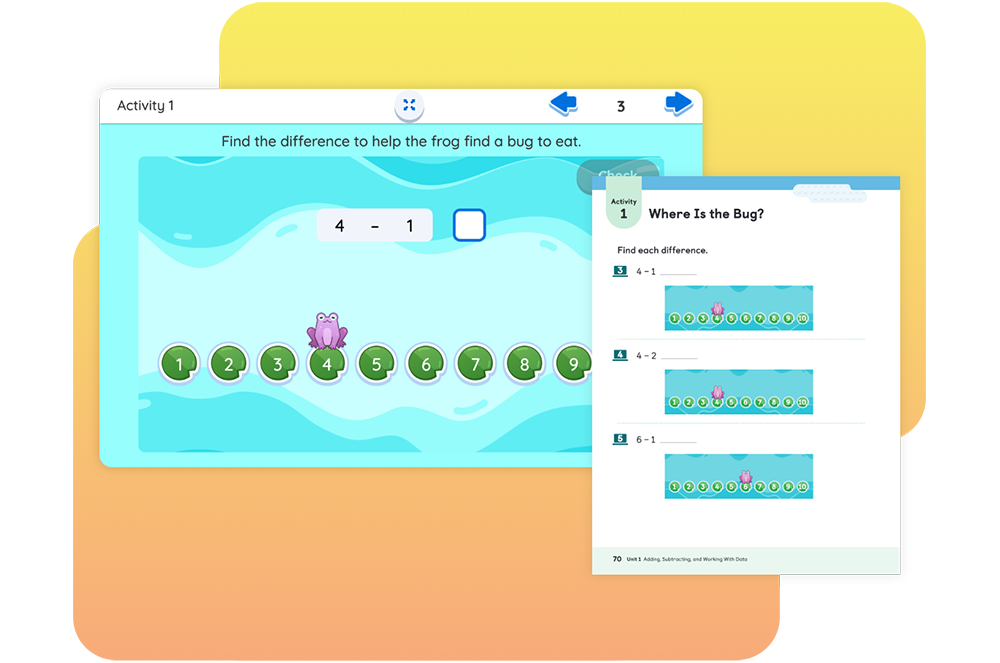
Welcome to the Amplify Desmos Math Grade 6–Algebra 2 Caregiver Hub. We’ve designed this space to help you support your student at every stage of their math journey. 

In class, your student engages with digital lessons using devices as well as write-in Student Edition books. They also may be assigned digital or print practice outside of class. Below, you’ll find some suggestions and resources for how you can support their learning at home.

Learn more about Amplify Desmos Math.

Para la versión en español, haga clic aquí.

Person wearing a construction hat and safety vest in a wheelchair, discussing with a phone and controlling the placement of a large triangular piece in a construction setting, with math symbols around.

Caregiver Unit Resources

For every unit of the program, we’ve created a Caregiver Resource that provides a summary of each lesson, plus a problem to try with your student (and an answer key). These resources are available in both English and Spanish, as well as a glossary of key terms in both languages.

Unit 1: Area and Surface Area

Unit 2: Introducing Ratios

Unit 3: Rates and Percentages

Unit 4: Dividing Fractions

Unit 5: Decimal Arithmetic

Unit 6: Expressions and Equations

Unit 7: Positive and Negative Numbers

Unit 8: Describing Data

Unit 1: Scale Drawings

Unit 2: Introducing Proportional Relationships

Unit 3: Measuring Circles

Unit 4: Proportional Relationships and Percentages

Unit 5: Operations With Positive and Negative Numbers

Unit 6: Expressions, Equations, and Inequalities

Unit 7: Angles, Triangles, and Prisms

Unit 8: Probability and Sampling

Unit 1: Rigid Transformations and Congruence

Unit 2: Dilations, Similarity, and Slope

Unit 3: Proportional and Linear Relationships

Unit 4: Linear Equations and Linear Systems

Unit 5: Functions and Volume

Unit 6: Associations in Data

Unit 7: Exponents and Scientific Notation

Unit 8: The Pythagorean Theorem and Irrational Numbers

Unit 1: Area and Surface Area

Unit 2: Introducing Ratios and Rates

Unit 3: Fractions and Decimals

Unit 4: Expressions and Equations

Unit 5: Proportional Relationships

Unit 6: Percentages

Unit 7: Positive and Negative Numbers

Unit 8: Data Sets and Distributions

Course Glossary

Unit 1: Rigid Transformations and Congruence

Unit 2: Scale Drawings, Dilations, and Similarity

Unit 3: Equations and Inequalities

Unit 4: Linear Relationships and Systems of Linear Equations

Unit 5: Functions

Unit 6: Associations in Data

Unit 7: Volume and Surface Area

Unit 8: Exponents and Scientific Notation

Unit 9: Pythagorean Theorem and Irrational Numbers

Course Glossary

Unit 1: Patterns and Sequences

Unit 2: Linear Equations and Inequalities

Unit 3: Describing Data

Unit 4: Describing Functions

Unit 5: Systems of Linear Equations and Inequalities

Unit 6: Exponential Functions

Unit 7: Quadratic Functions

Unit 8: Quadratic Equations

Unit refresh videos

Unit 1

  • Sub-Unit 1a – Calculating the Area of Parallelograms
  • Sub-Unit 1b – Calculating the Area of Triangles
  • Sub-Unit 2 – Determining the Surface Area of Rectangular Prisms

Unit 2

Unit 3

Unit 4

  • Sub-Unit 1 – Dividing Fractions Using Tape Diagrams
  • Sub-Unit 2 – Dividing Fractions Using Common Denominators
  • Sub-Unit 3 – Determining the Volume of Prisms With Fractional Dimensions

Unit 5

  • Sub-Unit 1 – Adding and Subtracting Decimals
  • Sub-Unit 2 – Multiplying Decimals Using Area Models
  • Sub-Unit 3 – Dividing Decimals Using Fractions
  • Sub-Unit 4 – Converting Between Fractions, Percents, and Decimals

Unit 6

  • Sub-Unit 1 – Writing and Solving Equations
  • Sub-Unit 2 – Writing Equivalent Expressions Using the Area Model
  • Sub-Unit 3 – Evaluating Expressions With Exponents
  • Sub-Unit 4 – Interpreting Graphs

Unit 7

  • Sub-Unit 1 – Ordering and Comparing Positive and Negative Numbers
  • Sub-Unit 2 – Identifying Solutions to Inequalities
  • Sub-Unit 3 – Plotting Points on the Coordinate Plane

Unit 8

  • Sub-Unit 1 – Creating Dot Plots
  • Sub-Unit 2 – Calculating Mean Absolute Deviation
  • Sub-Unit 3 – Interpreting Box Plots
  • Sub-Unit 4 – Predicting Population Using Sample Data (For use with Amplify Desmos Math New York)
  • Sub-Unit 5 – Predicting Sample Spaces Using Proportional Relationship (For use with Amplify Desmos Math New York)

Unit 1

  • Sub-Unit 1 – Using Ratios to Determine the Scale Factor Between Scaled Copies
  • Sub-Unit 2 – Using Ratios to Determine Unknown Scales in Scale Drawings

Unit 2

  • Sub-Unit 1 – Determining the Constant of Proportionality
  • Sub-Unit 2 – Writing Equations for Proportional Relationships
  • Sub-Unit 3 – Comparing Proportional Relationships
  • Sub-Unit 4 – Representing Proportional Relationships with Multiple Representations

Unit 3

  • Sub-Unit 1 – Determining the Circumference of a Circle
  • Sub-Unit 2 – Calculating Areas of Complex Shapes

Unit 4

Unit 5

  • Sub-Unit 1 – Adding and Subtracting Positive and Negative Number
  • Sub-Unit 2 – Dividing Integers
  • Sub-Unit 3 – Solving Real-World Problems Involving Positive and Negative Numbers

Unit 6

  • Sub-Unit 1 – Writing Equations from Descriptions and Tape Diagrams
  • Sub-Unit 2 – Solving Equations With Positive and Negative Numbers
  • Sub-Unit 3 – Solving Inequalities

Unit 7

  • Sub-Unit 1 – Determining Unknown Angle Measures
  • Sub-Unit 2 – Determining If Three Segments Form a Triangle
  • Sub-Unit 3 – Calculating the Surface Area of Prisms

Unit 8

  • Sub-Unit 1 – Predicting Sample Spaces Using Proportional Relationships
  • Sub-Unit 2 – Predicting Population Using Sample Data

Unit 1

  • Sub-Unit 1 – Determining Coordinates After a Rotation
  • Sub-Unit 2 – Using Rigid Transformations to Determine if Two Figures on the Grid are Congruent
  • Sub-Unit 3 – Determining Unknown Interior and Exterior Angles

Unit 2

  • Sub-Unit 1 – Performing Dilations on a Square Grid
  • Sub-Unit 2 – Determining Missing Side Lengths in Similar Triangles
  • Sub-Unit 3 – Calculating Slope By Drawing Similar Triangles on a Coordinate Plane

Unit 3

  • Sub-Unit 1 – Writing Equations to Represent Proportional Relationships
  • Sub-Unit 2 – Interpreting Slope and Intercepts of Linear Relationships
  • Sub-Unit 3 – Calculating Slope Given Two Points

Unit 4

  • Sub-Unit 1 – Solve Single-Variable Equations with Parentheses
  • Sub-Unit 2 – Solving Systems of Linear Equations by Graphing

Unit 5

  • Sub-Unit 1 – Justifying Whether a Graph Represents a Function
  • Sub-Unit 2 – Comparing Properties of Linear Functions
  • Sub-Unit 3 – Calculating Volumes of Cylinders

Unit 6

  • Sub-Unit 1 – Interpreting Points on a Scatter Plot
  • Sub-Unit 2 – Using Lines of Fit to Make Predictions
  • Sub-Unit 3 – Calculating Missing Values in Two-Way Tables

Unit 7

Unit 8

  • Sub-Unit 1 – Approximating Square Roots
  • Sub-Unit 2 – Calculating Unknown Side Lengths
  • Sub-Unit 3 – Identifying Rational and Irrational Numbers

Unit 1

  • Sub-Unit 1 – Determining If a Sequence is Arithmetic, Geometric or Neither
  • Sub-Unit 2 – Using Visual Patterns or Terms in the Sequence to Write Explicit Expressions for Arithmetic and Geometric Sequences

Unit 2

  • Sub-Unit 1 – Solving Linear Equations
  • Sub-Unit 2 – Solving Multi-Variable Linear Equations
  • Sub-Unit 3 – Graphing Solutions of Two-Variable Linear Inequalities

Unit 3

  • Sub-Unit 1 – Calculating Values in Two-Way and Relative Frequency Tables
  • Sub-Unit 2 – Comparing Data Using Mean and Standard Deviation
  • Sub-Unit 3 – Interpreting Slope and y-intercept in Context

Unit 4

  • Sub-Unit 1 – Evaluating Function Notation
  • Sub-Unit 2 – Writing Domain and Range with Inequalities
  • Sub-Unit 3 – Graphing Piecewise-Defined Functions
  • Sub-Unit 4 – Writing Recursive Definitions in Function Notation

Unit 5

  • Sub-Unit 1 – Solving Systems of Linear Equations by Substitution
  • Sub-Unit 2 – Graphing Solutions to Systems of Inequalities

Unit 6

  • Sub-Unit 1 – Writing Exponential Functions from Graphs
  • Sub-Unit 2 – Calculating Percent Change in Exponential Functions
  • Sub-Unit 3 – Writing Equivalent Expressions Using Radicals and Rational Exponents
  • Sub-Unit 4 – Writing Exponential Functions Involving Compound Interest

Unit 7

  • Sub-Unit 1 – Describing Key Features of Parabolas
  • Sub-Unit 2 – Graphing Quadratic Functions in Factored Form
  • Sub-Unit 3 – Writing Quadratic Functions in Vertex Form

Unit 8

  • Sub-Unit 1 – Rewriting Factored-Form Expressions in Standard Form
  • Sub-Unit 2 – Solving Quadratic Equations by Graphing
  • Sub-Unit 3 – Solving Quadratic Equations by Completing the Square
  • Sub-Unit 4 – Solving Quadratic Equations Using the Quadratic Formula

Access Amplify Desmos Math at home.

Your student will have access to all learning, practice, and assessment materials through the Amplify platform. Students can access the digital curriculum in school and at home by following these simple instructions.

  • Click the Amplify Desmos Math button.
  • Select Log in with Amplify.
  • Enter the username and password provided by your student’s teacher.
  • Select the desired grade level.

Once logged in, you and your student can view work by opening previous assignments.

Learn how to navigate the student home page.

Support math learning at home.

You can support your student’s math learning outside of school in many ways:

Relate math to daily activities at home, whether you’re baking, grocery shopping, or planning a trip. Your student can help you calculate the prices when you use a coupon, figure out how to cut a recipe in half, or determine the amount of gas you’ll need to make it to your destination.

Invite your student to walk you through how they solved each problem or talk about any parts that were challenging for them. To encourage the use of math language, consider asking, “How do you know?,” “How can you show your thinking?,” or “How would you describe that?” If students get stuck, consider asking questions like, “What information do you know here?” or “How could you represent this problem?”

Remind your student that getting stuck is part of the process and a necessary—beneficial, even!—part of learning. Many students (and adults) fear making mistakes. But research shows that making mistakes helps our brains grow. When your student gets stuck on a problem, encourage them to keep trying different strategies, even if they’re not sure they’re right.

We hope your student enjoys exploring math, working with friends to solve problems, and learning new and interesting concepts. And we hope you enjoy this exciting math journey with them!
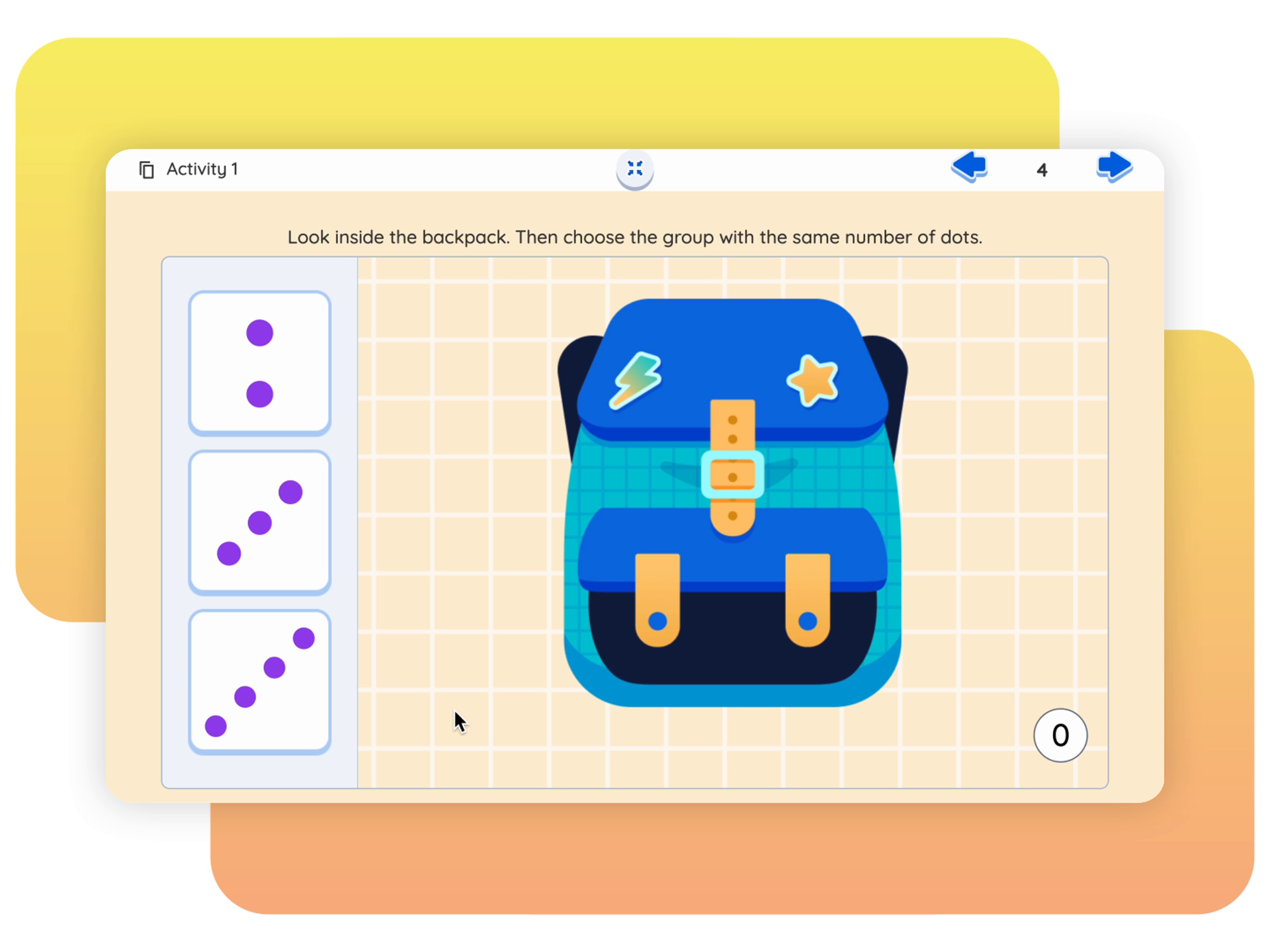
Get more information.

Have a question about Amplify Desmos Math? Visit our help library to search for articles with answers to your program questions. For additional support, please contact your student’s teacher.

Inspiring the next generation of scientists, engineers, and curious citizens

Amplify Science is a breakthrough curriculum designed to address the NYS Science Learning Standards. Authored by the industry-leading team at the Lawrence Hall of Science, Amplify Science is a highly-engaging, phenomena-based curriculum for grades K–8 that integrates the latest research and practices in science education, as well as interactive digital tools and hands-on activities, to teach students to think, read, write, and argue like real scientists and engineers.

Illustration of a futuristic space station with large solar panels, orbiting in deep space, emitting a blue glow from its propulsion system.

Amplify Science for elementary school

Our complete program for grades K–5 recognizes the importance of students’ engagement with hands-on experiences, and amplifies those with literacy-rich activities, closely aligned digital materials and award-winning, informational books.

Amplify Science for middle schools

Our complete program for grades 6–8 is a new curriculum that integrates the latest strategies in science teaching and learning with phenomena-driven storylines, hands-on investigations, and interactive digital tools to inspire the next generation of scientists and engineers.

Ready to learn more?

Ready to take a closer look? Request a sample of Amplify Science.

A continuous line drawing of three people sitting at a table, appearing to look at or discuss something on the tabletop.

Careers

We’re looking for innovators and optimists to join us in developing next-generation curriculum and assessment programs for K–12 schools.

Who we are

Remote first. Brooklyn based. In person sometimes. Amplify is powered by a collaborative team of education, technology, and creative professionals who develop next-generation programs that inspire teachers and students to do their best work.  Apply for one of our open positions.

A simple line drawing of a magnifying glass and large circle, connected by a continuous, looping line on a plain white background.

People and culture

Amplify is a purpose-driven community where cross-functional teams work together to create high-quality programs.

Share our view.

With headquarters in Brooklyn’s DUMBO neighborhood, we’re at the center of New York’s thriving tech and creative community.

View of the Manhattan Bridge framed between two brick buildings under a blue sky with clouds.
Two men stand in an office, one in a blue shirt and the other in a red-checked shirt, looking at computer monitors and appearing engaged in conversation.

Get inspired.

We take an agile approach that enables us to adapt our programs to the needs of teachers and students. Collaboration helps us stay innovative.

Meet the team.

Our common purpose drives us to work across disciplines to develop next-generation solutions for the classroom. Meet some of our team members.

Image showing headshots of thirteen diverse adults, each smiling, against a neutral background.
Three people smiling, each in a circular frame on a light grey background.

Leadership

Amplify’s leadership includes executives and board members from the fields of education, technology, design, business, and media.

Hiring practices

We hire and develop people with the broadest range of talents, life stories, and experiences, and together we build a cohesive team. We follow fair hiring practices and create an environment where team members feel valued, empowered, and heard.

A man in a yellow shirt works on a laptop at a desk in an office with other people in the background.

Amplify workplace awards

What we offer

Amplify employees report feeling engaged and eager to come to work every day. They’re motivated by our mission of improving the lives of teachers and students. And learning isn’t just for the students we serve—we are dedicated to providing our employees opportunities for ongoing growth. Explore our benefits in detail.

A simple line drawing shows an apple on the left and three overlapping rectangles on the right, connected by a looping continuous line on a plain background.
An orange outline of a heart with a solid orange dot on the lower right curve.

Full benefits

Our health insurance options include health, dental, and vision coverage for spouses, domestic partners, and children—effective on your date of hire. We make a generous contribution to all employee HSA plans, which can be used to cover eligible health expenses. We offer unlimited paid time off, a 401(k) plan with an employer match, long- and short-term disability, and employer-sponsored employee life insurance. We offer paid parental leave, backup childcare and backup eldercare. On top of all that, we also provide our full-time employees with a robust voluntary benefits program that includes coverage options for everyone in the family, including pets.

Simple orange outline of a lightbulb with three small lines above it, symbolizing an idea or inspiration, on a white background.

Opportunities for inspiration

Amplify believes in the importance of supporting charitable nonprofits in the communities where we live and work. We encourage employees to support organizations that promote the welfare of children and families in the areas of education, health, and social services. One way for employees to give back is through our Volunteer Time Off program, which allows employees to take 16 hours each year to contribute to an eligible charitable or nonprofit organization.

An orange outline of a graduation cap with a tassel hanging down and ending in a filled orange circle.

Tuition reimbursement

Full-time employees who are enrolled in an accredited college or university course related to their areas of work are eligible to receive tuition reimbursement.

We’re hiring.

Want to use your talents to make a real difference—and have fun doing it? Come join us.

View open positions

Amplify enters supplemental curriculum market

New York, NY – (June 25, 2018) Amplify, a company that creates next-generation curriculum and assessment programs, announced today that it is entering the digital supplemental market in reading and math with two new supplemental programs, Amplify Close Reading and Amplify Fractions. These new supplemental products join Amplify’s growing portfolio of core curriculum and assessment programs for grades K-8.

“Digital supplemental programs in reading and math are widely used, but they’re often repetitive and focused on drilling students in skills versus developing conceptual understanding that take kids deeper and deeper into a particular field,” said Larry Berger, CEO of Amplify. “We have found that teachers and students love Amplify’s conceptually rich, story-based programs that provide both high-quality instruction and practice.”

Amplify Close Reading takes the form of a digital graphic novel adventure, engaging students in a suspenseful story while helping them master close reading skills covered by ELA standards in grades 6-8. Titled “The Last Readers,” the graphic novel is set in a dystopian future world run by machines that tell people what they can and can’t read. Recruited for the rebellion, students are trained in the powerful ways authors convey meaning and affect their audience.

Close reading, the practice of analyzing a text to determine what it says and how it says it, is a skill prioritized by recent middle school ELA standards, which have placed renewed emphasis on text-dependent analysis of literary and informational texts. Amplify Close Reading was developed in partnership with literacy expert Tim Shanahan, Distinguished Professor Emeritus at the University of Illinois at Chi­cago.

“I recommend it all the time to colleagues because it’s such a great program,” said Kris Wren, a 7th-grade ELA teacher at Central Middle School in New Madrid, MO. “My students are very focused when they are playing the program. They don’t realize they are building skills and developing close reading skills. They enjoy it and ask for it.”

Amplify Fractions covers math standards in grades 3–6 and offers a new approach to learning fractions through a blend of adaptive learning and interactive storytelling. Students learn fractions through playful storylines and real-world contexts, with lessons that adapt to individual student need. To ensure that students are set up for success in math, Amplify Fractions includes personalized feedback via digital tutor, along with unlimited practice opportunities.

A research team led by Carnegie Mellon University’s Robert Siegler found that 5th graders’ understanding of fractions and division predicted high school students’ knowledge of algebra and overall math achievement and that U.S. students’ inadequate knowledge of fractions and division is a major source of the stagnant growth in the subject.

“Fractions are one of the most difficult concepts for students,” said Rebecca Gilbreath-Levan, a 4th-grade teacher at Double Churches Elementary School in Columbus, GA. “With Amplify Fractions, I found a program that actually excites my students to want to learn and practice fractions. Students remembered the characters and stories in the program, which is a great thing to fall back on to remember the concept.”

Educators were able to sign up for the beta version of both programs for the 2017-18 school year. The full versions are now available.

Amplify entered the core curriculum market in 2012 with the launch of Amplify CKLA, a knowledge-based elementary language arts program. It launched its middle school Amplify ELA program in 2014 and its K–8 Amplify Science program in 2017. Amplify Close Reading and Amplify Fractions are the company’s first supplemental curriculum programs.

About Amplify
A pioneer in K–12 education since 2000, Amplify is leading the way in next-generation curriculum and assessment. Our captivating core and supplemental programs in ELA, math, and science engage all students in rigorous learning and inspire them to think deeply, creatively, and for themselves. Our formative assessment products turn data into practical instructional support to help all students build a strong foundation in early reading and math. All of our programs provide teachers with powerful tools that help them understand and respond to the needs of every student. Today, Amplify serves more than three million students in all 50 states. For more information, visit amplify.com.

Contact: media@amplify.com

Welcome to Amplify Desmos Math California!

California educators, welcome to math that motivates. Introducing Amplify Desmos Math California, a curiosity-driven TK–12 program that builds lifelong math proficiency. Each lesson poses problems that invite a variety of approaches before guiding students to synthesize their understanding of the learning goals. Students encounter math problems they’re eager to solve, while teachers spend more time where it’s most impactful—creating a collaborative classroom of learners.

Keep reading to learn more about the program and explore sample materials.

About the program

Amplify Desmos Math California is a TK–12 core math program designed to meet the CA Math Framework and the Common Core State Standards for Mathematics. Amplify Desmos Math California thoughtfully combines conceptual understanding, procedural fluency, and application through a structured approach to problem-based learning. Through engaging activities, Amplify Desmos Math California invites curiosity and math discourse into the classroom to create lifelong math proficiency.

Continue reading to learn more about the K–8, Algebra 1, and Math 1 programs and to explore sample materials. (Spanish, TK and high school materials are in development and will be available in the 2026–27 school year. Geometry and Algebra 2 beta pilots will be available in the 2025–26 school year.)

A powerful math suite

Amplify Desmos Math California combines the best of assessment, problem-based core lessons, personalized practice, and intervention into a coherent and engaging experience for both students and teachers.

Laptop displaying a math problem interface with student assessment reports in the background.

Screening and progress monitoring

mCLASS Math benchmark assessments, along with the embedded program assessments, measure not just what students know, but how they think. The asset-based assessment system provides teachers with targeted, actionable insights, linked to core instruction and intervention resources. Unit- and lesson-level core assessments give teachers data at their fingertips to guide and differentiate instruction. In grades 3–8, core assessments and performance tasks are designed to prepare students for success on the Smarter Balanced Assessment Consortium (SBAC) testing.

Core instruction

Amplify Desmos Math California core lessons pair problems students are eager to solve with clear instructional moves for teachers. Each lesson is designed to tell a story by posing problems that invite a variety of approaches before guiding students to synthesize their understanding of the learning goals. With built-in differentiation and multilingual/English learner support, Amplify Desmos Math California enables every student to find success in the math classroom.

A digital math activity asks users to choose a block that makes 10 with a given number; a worksheet shows a similar "make 10" math exercise with blank spaces to fill in.
A digital educational screen showing a math problem about converting meters to centimeters. It involves a diving toy sinking 5 meters into a pool. Text prompts users to input the conversion.

Personalized Learning

Boost Personalized Learning activities help students access grade-level math through engaging, independent digital practice. Responsive Feedback adjusts to students’ work, providing item-level adaptivity to further support their learning.

Differentiation and intervention

Amplify Desmos Math views differentiation as an ongoing process where teachers are both reactive and proactive to student needs, ensuring that all students have clear pathways to proficiency. Through rich data and teacher support, Amplify Desmos Math uses flexible categories of intervention and enrichment that adjust daily according to student thinking.

In-the-moment differentiation supports are available for every lesson, both digitally and in the print Teacher Edition.

Two pages of a math worksheet and teacher’s guide about determining coordinates after a rotation, featuring diagrams, tables, and step-by-step problem-solving instructions.

An approach that supports teachers

Clear, step-by-step instructional moves help teachers plan and teach student-centered lessons that use
student thinking to differentiate instruction and guide to grade-level understanding. They include:

  • Guidance on what to listen for and how
    to respond.
  • Clear learning objectives to keep learning on
    track for each activity and lesson.
  • Daily reinforcement activities to provide direct
    instruction when needed.
A woman writes on a whiteboard using math teaching resources while a man sits at a desk, smiling. There are books and papers on the desk.
Network diagram with interconnected nodes labeled: Measure and Compare Objects, Represent Data, Dollars and Cents, Problem Solving with Measure, Skip Counting to 100, Number Strategies, Squares in an Array, Seeing Fraction in Shapes.

Big Ideas

The CA Mathematics Framework encourages a shift from power standards to thinking about math as a series of connected Big Ideas. Each Amplify Desmos Math California lesson supports one or more Big Ideas and the connections between them. The grade-level diagram changes through the course based on the math concepts addressed within.

Please refer to the following Keeping the Big Ideas at the Center documents to review specific lesson designs and alignments with the Big Ideas for each grade level.

Click here to see how the Big Ideas are represented within the K–8 core lessons.

Focus, coherence, and rigor

Amplify Desmos Math California incorporates the Drivers of Investigation (DIs) and Content Connection (CCs) throughout the program. Throughout the year, students engage with open and authentic tasks of varying durations—from lesson activities to unit-level Explore lessons and longer course-level Investigations. Every lesson and investigation opportunity is grounded in the why, how, and what of the learning experience, and helps teachers bring mathematical concepts to life.

An educational slide on addition story problems, detailing goals for solving problems, language goals, and strategies using equal expressions, tens and ones, and number sense.

Please refer to the following Amplify Desmos Math California alignments to the Standards for Mathematical Practice, provided by grade level.

A screen titled "Match the Score" with a 2D target graph showing various scores. Instructions request four ordered pairs to total 400. Four pairs are listed: (4, 2), (7, 4), (7, 6), (10, 6). A "Try again" button is shown.

Built-in authentic tasks

Mathematics is not learning in isolation. Students are connected to each other’s thinking and can use math to understand the world. With accessible invitations to authentic tasks, all students can experience mathematical success. Amplify Desmos Math California provides these authentic invitations in a variety of ways:

Each unit begins with an “Explore” lesson, which allows students to engage with authentic exploration in low-floor, high-ceiling tasks. These tasks are designed to promote an inclusive and differentiated learning environment—allowing all students to access basic mathematical concepts, while offering advanced exploration and problem-solving for those ready for more complex work.

Our innovative course-level investigations are designed to facilitate multi-part exploration. Students grapple with Big Ideas, diving deep into key concepts that encourage comprehensive understanding. Data science is infused into the approach, giving students a solid foundation from which to interpret and apply data-driven solutions. They’re also encouraged to understand and appreciate the interrelatedness of Earth’s environmental systems via our lesson’s focus on the Environmental Principles and Concepts (EP&Cs).

Explicit support for multilingual/English learners

Three overlapping educational worksheets for first grade math, including a cover page, a list of learning goals, and a lesson plan with bilingual English and Spanish text.

Amplify partnered with the English Learner Success Forum (ELSF), a national nonprofit organization that advocates for high-quality instructional materials that are inclusive of multilingual/English learners (ML/ELs). ELSF reviewed Amplify Desmos Math California, and provided directional guidance and feedback to ensure that the program reflects their research-based instructional strategies for multilingual/English learners.

Amplify Desmos Math California recognizes the diverse language needs of our students and is designed to be inclusive. Each lesson in the program features a parallel language activity, designed to be available to all students, in the form of teacher guidance and student activities. The activities in the Math Language Development Resources have level ELD differentiation to support all levels of ML/ELs. This approach ensures that all students, regardless of their language skills, can participate fully, grasp the material, and excel in their mathematical journey.

Our Multilingual Glossary includes, in addition to Spanish, nine languages: Simplified Mandarin, Tagalog, Vietnamese, Arabic, European French, Russian, Brazilian-Portuguese, Haitian-Creole, and Urdu.

Amplify Desmos Math California will include Spanish student-facing materials beginning in the 2026–27 school year.

Assessments

By starting with what students already know, Amplify Desmos Math helps build a strong foundation for success to guide and support future learning. Teachers are empowered to transform every classroom into an engaged math community that invites, values, and develops student thinking. With explicit guidance on what to look for and how to respond, teachers can effectively support students as they develop their understanding.

Open math workbook showing an End-of-Unit Assessment with multiple-choice and written response questions on fractions and equivalent values.

Program assessments

A variety of performance data in Amplify Desmos Math provides evidence of student learning while helping students bolster their skills and understanding.

Unit-Level Assessments

Our embedded unit assessments offer key insights into students’ conceptual understanding of math. These assessments provide regular, actionable information about how students are thinking about and processing math, with both auto-scoring and in-depth rubrics that help teachers anticipate and respond to students’ learning needs.

Lesson-Level Assessments

Amplify Desmos Math lessons are centered around sense-making and in-the-moment feedback. Daily moments of assessment provide valuable evidence of learning for both the teacher and student.

Data and reporting

Amplify Desmos Math provides teachers and administrators with unified reporting and insights so that educators have visibility into what students know about grade-level math—and can plan instruction accordingly for the whole class, small groups, and individual students.

A table displays students' performance levels across various items, with a detailed score distribution for a specific assessment shown in a separate overlay. Geometric design elements accented the background, providing an engaging visual touch ideal for any math classroom using Amplify Desmos Math.

Assessment reports

Reporting functionality integrates unit assessments, lesson assessments, personalized learning, Benchmark assessments, and Progress Monitoring for a comprehensive look at student learning.

Our reports show proficiency and growth by domain, cluster, standard, and priority concept using performance data from unit assessments. Then our reports highlight areas of potential student need to allow teachers to modify their instruction and target differentiated support.

At-a-glance views of unit-level assessment results inform your instructional planning, and you can also drill down to item-level analysis.

Standards reports

Our standards report allows you to monitor proficiency at the class and individual student levels. Proficiency and growth are shown by domain, cluster, standard, and priority concepts. Areas of potential student need are highlighted to allow teachers to modify their instruction and target differentiated support.

Administrator reports

Amplify Desmos Math provides a complete picture of student, class, and district performance, allowing administrators to implement instructional and intervention plans.

  • Track student, class, and district performance with usage, completion, and assessment data.
  • Accurately group students and classes with the Benchmark and Progress Monitoring data of mCLASS Assessments and allow teachers to reliably implement and track the progress of Tier 2 and Tier 3 intervention.
  • Provide one data-driven solution that educators can rely on for high-quality math instruction.

Elementary review resources

To learn about the elementary program, please start by watching the Amplify Desmos Math California Elementary Program Overview video.

For additional program information and helpful navigation tips, download the Amplify Desmos Math California Elementary Program Guide.

View the Elementary Program Components Guide here. 

View the Hands-on manipulatives brochure here.

Middle School review resources

To learn about the middle school program, please start by watching the Amplify Desmos Math California Middle School Program Overview video.

For additional program information and helpful navigation tips, download the Amplify Desmos Math California Middle School Program Guide.

View the Middle School Program Components Guide here.

View the middle school manipulative kit components here.

The digital experience

In Amplify Desmos Math, embedded interactions and animations allow students to test predictions, get feedback, share ideas, and connect representations.

The digital interactions included in lesson activities are designed to elicit student thinking in a way that feels fun and inviting. As students play and explore math concepts, teachers can highlight the ideas that students share, connect those ideas to other students’ ideas, and build on their thinking through productive class discussion.

Watch the video to preview the digital experience and for helpful platform navigation tips.

A laptop displays a math activity about platform heights and tube length, while a worksheet titled "Hamster Homes" is visible in the background.

Explore grade level samples

All lessons in Amplify Desmos Math California include print materials and rich digital experiences. Every lesson is supported with Student Edition pages, teacher presentation screens, and interactive digital resources for practice and differentiation. Some lessons also enable students to use devices to interact with lesson content.

You’ll find sample materials by grade level in the following drop-downs. Please refer to your physical samples and the digital platform (accessed through the demo account provided by your account executive) for a comprehensive program review.

Scope and Sequence

Math 2–3 is currently being developed and will be available in the 2026–27 school year.

Cover of "Amplify Desmos Math California Teacher Edition GEO Volume 1" featuring abstract geometric illustrations and people engaged in mathematical activities.
Scope and Sequence (National Edition)

The Amplify Desmos Math Geometry Beta National Edition is available for piloting in the 2025–26 school year. Amplify Desmos Math California Geometry will be available in the 2026–27 school year.

Cover of "Amplify Desmos Math California Geo Volume 1 Student Edition" featuring geometric shapes and small illustrated people interacting with mathematical elements.
Geometry sampler

This sampler includes Teacher Edition front matter for program overview information, plus Teacher Edition and Student Edition pages for Units 1–2.

Cover of "Amplify Desmos Math California A2 Teacher Edition," featuring a Ferris wheel, math graphs, and students interacting with mathematical concepts.
Scope and sequence (National Edition)

The Amplify Desmos Math Algebra 2 Beta National Edition is available for piloting in the 2025–26 school year. Amplify Desmos Math California Algebra 2 will be available in the 2026–27 school year.

Cover of "Amplify Desmos Math California Student Edition A2 Volume 1" featuring mathematical graphs, a Ferris wheel, and students interacting with math concepts.
Algebra 2 sampler

This sampler includes Teacher Edition front matter for program overview information, plus Teacher Edition and Student Edition pages for Units 1–2.

Contact us

For questions, samples, or more information, please contact your local Amplify account executive:

Erin King
Sales Director, CA
(512) 736-3162
eking@amplify.com

Northern CA
Wendy Garcia
Senior Account Executive
(510) 368-7666
wgarcia@amplify.com

Bay Area
Lance Burbank
Account Executive
(415) 830-5348
lburbank@amplify.com

Central Valley and Central Coast
Demitri Gonos
Senior Account Executive
(559) 355-3244
dgonos@amplify.com

Ventura and L.A. County
Jeff Sorenson
Associate Account Executive
(310) 902-1407
jsorenson@amplify.com

Orange and L.A. County
Lauren Sherman
Senior Account Executive
(949) 397-5766
lsherman@amplify.com

San Bernardino and L.A. County
Michael Gruber
Senior Account Executive
(951) 520-6542
migruber@amplify.com

Riverside and L.A. County
Brian Roy
Senior Account Executive
(818) 967-1674
broy@amplify.com

San Diego County
Kirk Van Wagoner
Senior Account Executive
(760) 696-0709
kvanwagoner@amplify.com

Under 2300 students in Bay Area, Sacramento Valley, and Northern Counties
Kevin Mauser
Lead Account Executive
(815) 534-0148
kmauser@amplify.com

Under 2300 students in Southern CA, Central Coast, and Southern Central Valley Counties
Charissa Snyder
Account Executive
(720) 936-6802
chsnyder@amplify.com

Welcome to Amplify Desmos Math!

Your Amplify Desmos Math Experience Kit includes teacher and student materials for one sub-unit of instruction to try in your classroom. Click the orange button below to access the digital lessons for your grade.

A laptop displays a math problem on its screen with illustrations of fish and a clock, alongside two math activity books titled "Amplify Desmos Math" for grades 3 and 5.

About the program

Our structured approach to problem-based learning systematically builds on students’ curiosity to develop lasting grade-level understanding.

Amplify Desmos Math combines and connects conceptual understanding, procedural fluency, and application. Lessons are designed with the Proficiency Progression™, a model that provides teachers with clear instructional moves to build from students’ prior knowledge to grade-level learning.

Educational materials featuring various graphs and applications, including rocket motion and quadratic functions, displayed on Desmos and paper.
Interactive digital math lesson interface with colorful graphics showing parabola exploration and plotting tools on screen, enhanced by the New York math curriculum.

Structured approach to problem-based learning

  • Differentiation and personalized practice
  • Easy-to-follow instructional guidance
  • Robust assessments and reports
  • Spanish student materials
A classroom dashboard displays student names and their progress in activities, with checkmarks indicating completed tasks and circles showing ongoing or incomplete tasks.

Math that motivates

  • Powerful teacher-facilitation supports and tools
  • Students talking and building from each other’s ideas 
  • Every lesson has fully compatible print and digital materials for a collaborative classroom
Illustration of an Amplify Desmos math learning tool on a student screen showing abacus representations for the sums 8+7, 7+4+5, 3+8+4

Student thinking is made evident

  • Curiosity-driven lessons that motivate students with interesting problems they are eager to solve
  • Explicit guidance for teachers on what to look for and how to respond
  • Technology that provides Responsive Feedback and is designed to reveal mathematical thinking

Experience Kit digital lessons

Use the grade-specific links below to explore our interactive digital lessons. Learn more about assigning a lesson to your class using a single-session code.

In addition to the sample lessons below, you can view the Experience Kit brochure, which includes helpful print and digital navigation tips.

Grades K–5 brochure

Grades 6–A1 brochure

A digital math activity screen showing block arrangements and a worksheet page titled "Shelley the Snail" with related graphics.
A girl in a red and pink uniform kicks a soccer ball while two players in yellow attempt to block, showcasing teamwork akin to problem-solving strategies in Amplify Desmos Math. Another player runs in the background.
Kindergarten, Unit 6: Numbers 0–20

Sub-Unit 1: Counting Teen Numbers

A crowd gathers outdoors near a path lined with blueberry displays; musicians play on a stage, and people interact as a woman and child stand in the foreground holding drinks.
Grade 1, Unit 5: Adding Within 100

Sub-Unit 1: Adding Without Making a Ten

A family stands by a mailbox labeled "Three Hundred Two." In New York, a child holds a letter as an adult pats their head. Another adult, with a desmos math guide in hand, looks on proudly.
Grade 2, Unit 5: Numbers to 1,000

Sub-Unit 1: The Value of Three Digits

In an outdoor setting, a girl with glasses attentively washes a chicken in soapy water, surrounded by hills, trees, and buildings. Soap bubbles and leaves float in the air as she ponders New York math challenges amidst this tranquil scene.
Grade 3, Unit 6: Measuring Length, Time, Liquid Volume, and Weight

Sub-Unit 1: Measurement Data on Line Plots

In "Pat's Lei Shop," amidst the floral artistry, one can almost sense the precision akin to solving a New York math problem, with each lei meticulously assembled on a table with scissors, thread, and flowers.
Grade 4, Unit 6: Multiplying and Dividing Multi-Digit Numbers

Sub-Unit 1: Multi-Digit Multiplication

At a bustling puzzle stand, a person interviews a young individual holding a puzzle box. Various puzzles, including "Autumn Day," catch the eye. A sign proudly boasts, "Jonathan & Omar's Pleasing Puzzles!"—where New York math enthusiasts find joy in every challenge.
Grade 5, Unit 5: Place Value Patterns and Decimal Operations

Sub-Unit 1: Numbers to Thousandths

Three raccoons on a seesaw balance with a 21-pound weight in a city park setting under a clear sky.
Grade 6, Unit 6: Expressions and Equations

Sub-Unit 1: Solving Equations

A sheep stands on grass near a number line, with an orange point at zero; a festive sheep with a hat and party blower appears in a thought bubble.
Grade 7, Unit 6: Expressions, Equations, and Inequalities

Sub-Unit 3: Inequalities

Four colorful robots stand in front of a whiteboard with a graph in a classroom setting.
Grade 8, Unit 6: Associations in Data

Sub-Unit 2: Analyzing Numerical Data

A laptop screen displays a math activity with a question about a rocket's height. Icons of a rocket and mathematical functions are on the side.
Algebra 1, Unit 7: Quadratic Functions

Sub-Unit 1: Introduction to Quadratic Functions

Looking for help?

Support is always within reach. Our team is dedicated to supporting you throughout your review and can be reached at any time by emailing or calling us directly.

  • Live chat: Click the orange icon while logged in to get immediate help.
  • Phone: Call our toll-free number: (800) 823-1969.
  • Email: Send an email to help@amplify.com. In the message body, please include your name and question. Provide as much detail as possible, so we can more quickly help you find a solution.
A laptop screen displays a curriculum dashboard with a list of core units and colorful thumbnails for a sixth-grade ELA program.

Ready to learn more?

Sign up to be among the first to receive updates about Amplify Desmos Math.

A collage shows adults interacting with children in learning environments, including reading, discussing, and a child celebrating in a classroom. A simple city skyline is at the bottom.

Hello, NYC!

This site contains supporting resources designed for New York City implementation of Amplify programs.

Amplify creates high-quality programs that make it easier for you to teach inspiring, impactful lessons that celebrate and develop the brilliance of your students.

Get advice and answers from the Amplify team.

Contact us

Monday through Friday, 7 a.m.–7 p.m. ET

1-888-960-0380

Contact Amplify Support

Support Channels for NYC

Professional learning materials

Find Amplify Science PD recordings from school year 24-25 sessions for teachers and leaders below. Learn more about Amplify Science through short videos found in the PD Library.

Quick links: 

  • Click here to access all archived professional learning resources
Logo for the lawrence hall of science at university of california, berkeley, featuring a green circular design next to the institution's name and the word

Professional learning recordings and resources 2025-26

Access the 2025-26 and 2024-25 session recordings below.

Looking for a past resource? Click here to access all archived professional learning resources.

Professional development sessions 2024-25

Planning and instructional resources

Using the Amplify NYC Science Benchmarks

Planning and Implementation Guides

NYC Field Trip List

Implementation Rubric for Administrators

6-8 Look-for tool

K-5 Look-for Tool (1 page)

NYSED Investigations and Amplify Alignment

For more guidance on the New York state investigations and suggested pacing, please log in to your NYC account and check out the NYC Public Schools Science Collaborative Website for Elementary and for Intermediate.

NYC Companion resources

6-8 Companion Lessons can be found in the Amplify Science platform!

A screenshot of a digital lesson on harnessing energy with an arrow pointing to a "Companion Lesson" button. The inset shows the companion PDF. The text provides instructions for accessing the lesson.

Grade 6 Lesson guides and Copymasters

  • Companion lesson: Insert after Lesson 2.2
  • Time frame: 60 minutes (can spread across multiple class periods)
  • NYSP–12SLS: PE: MS-PS3-6, DCI: PS3.B
  • Links (click to download):
  • Companion lesson: Insert after Lesson 3.3
  • Time frame: Two 45-minute class periods
  • NYSP–12SLS: PE: MS-PS2-3, MS-PS2-5, DCI: PS2.B
  • Links (click to download):
  • Companion lesson: Insert after Lesson 3.3 and after Investigating Non-Touching Forces
  • Time frame: 60 minutes (first and second reads can be spread across two class periods)
  • NYSP–12SLS: PE: MS-PS2-5, MS-PS2-3, DCI: PS2.B
  • Links (click to download):
  • Companion lesson: Insert after Lesson 2.5
  • Time frame: 105 minutes (can be spread across multiple class periods)
  • NYSP–12SLS: PE: MS-PS1-6, DCI: PS1.B
  • Links (click to download):
  • Companion lesson: Insert after Lesson 3.4
  • Time frame: 60 minutes (first and second reads can be spread across two class periods)
  • NYSP–12SLS: PE: MS-LS2-5, DCI: LS2.C, LS4.D
  • Links (click to download):
  • Companion lesson: Insert after Lesson 1.3
  • Time frame: 60 minutes (first and second reads can be spread across two class periods)
  • NYSP–12SLS: PE: MS-ESS2-4, DCI: ESS2.C
  • Links (click to download):
  • Companion lesson: Insert after Lesson 3.3*
  • Time frame: 90 minutes (can be spread across multiple class periods)
  • NYSP–12SLS: PE: MS-PS1-7, MS-ESS2-6, DCI: PS1.A, ESS2.C
  • Links (click to download):

*Note: The homework assignment for Ocean, Atmosphere, and Climate Lesson 3.3 (reading the article “Deep Ocean Currents: Driven by Density”) should be assigned after the Investigating Deep Ocean Currents companion lesson rather than after Lesson 3.3.

Grade 7 Lesson Guides and Copymasters

  • Companion lesson: Insert after Lesson 3.2
  • Time frame: 60 minutes (first and second reads can be spread across two class periods)
  • NYSP–12SLS: PE: MS-LS1-3, DCI: PS3.D, LS1.A
  • Links (click to download):
  • Companion lesson: Insert after Lesson 3.3 or later
  • Time frame: Three 45-minute class periods, each several days apart
  • NYSP–12SLS: PE: MS-LS1-8, DCI: LS1.D
  • Links (click to download):
  • Companion lesson: Insert after Lesson 3.5
  • Time frame: 60 minutes (first and second reads can be spread across two class periods)
  • NYSP–12SLS: PE: MS-LS1-6, MS-LS1-7, DCI: LS1.C, PS3.D
  • Links (click to download):
  • Companion lesson: Insert after Lesson 2.2
  • Time frame: 60 minutes (first and second reads can be spread across two class periods)
  • NYSP–12SLS: PE: MS-PS1-4, DCI: PS3.A
  • Links (click to download):
  • Companion lesson: Insert after Lesson 1.3
  • Time frame: 60 minutes
  • NYSP–12SLS: PE: MS-PS1-7, DCI: PS1.A
  • Links (click to download):
  • Companion lesson: Insert after Lesson 2.3, 2.4, or 2.5
  • Time frame: Two 45-minute class periods
  • NYSP–PE: MS-PS1-8, MS-PS1-2 DCI: PS1.A, PS1.B
  • Links (click to download):

Grade 8 Lesson Guides and Copymaster

NYC Companion Kits

Materials needed to teach Amplify Science lessons are provided in a kit for each unit. While some materials used in the NYC Companion Lessons are also found in a unit’s kit, materials specific to the companion lessons are provided in NYC Companion Kits. The contents of each kit and any additional materials needed to teach the companion lessons are listed in the PDFs provided below. Please select your grade to view or download the list.

NYC Student Editions (print)
The NYC Student Editions are durable student references that compile all reading material required for a grade level, including the articles students read for NYC Companion Lessons. Students reading in the Student Edition should annotate the text directly with sticky notes to achieve the full benefits of Active Reading. The Active Reading approach was designed as an interactive process in which students highlight and annotate digital or hard copies of articles directly. Printable versions of the articles are available in the downloads section below.

It is recommended that NYC teachers insert this additional lesson between Lessons 3.1 and 3.2 in order to have students complete a reading assignment in class along with an additional Sim activity.

  • Lesson: Earth, Moon and Sun: Modeling Seasons
  • Lesson Placement: Insert between Lessons 3.1 and 3.2*
  • Links (click to download):

*If teaching this Modeling Seasons lesson, do not assign reading “The Endless Summer of the Arctic Tern” article for homework in Lesson 3.1. However, students should still model a lunar eclipse with the Modeling Tool for homework, as they will be revisiting and revising this model in Lesson 3.3.

NYC Investigation Notebooks (for teacher download)

* includes NYC Companion Lesson Copymaster(s)

* includes NYC Companion Lesson Copymaster(s)

  • Geology on Mars
  • Earth, Moon, and Sun
  • Force and Motion
  • Engineering Internship: Force and Motion
  • Magnetic Fields*
  • Light Waves
  • Traits and Reproduction
  • Natural Selection
  • Evolutionary History

* includes NYC Companion Lesson Copymaster(s)

Remote and hybrid learning resources

Explore Amplify CKLA and Amplify Caminos

Thank you for reviewing the top-rated Amplify Core Knowledge Language Arts (CKLA) and its new Spanish-language partner Amplify Caminos. 

Built on the Science of Reading, Amplify CKLA and Amplify Caminos sequence deep content knowledge with research-based foundational skills to help New York City students become strong readers, writers, speakers, and thinkers. As part of our commitment to creating richer curricula that is more diverse and culturally responsive, we’ve built on the foundation of our 1st Edition to create a new Amplify CKLA, complete with program enhancements that better help you reach every student.

Jump directly to requested NYC review materials

Illustration of a suspension bridge connecting a cityscape with both modern high-rises and traditional buildings in the foreground.
Laptop screen displaying a login page for "amplify" with multiple sign-in options including google, clever, a qr code, and district sso.

Access your demo account

Access your NYC demo account to perform a full program review and explore the digital features that enhance instruction and save educators valuable time.

CKLA.amplify.com/home

Username: t.nyc-ckla-demo@tryamplify.net

Password: Demo1234

Click here for demo login and navigation support.

Built on the Science of Reading

Through a unique, evidence-based two-strand approach, Amplify CKLA helps students master foundational skills and build a robust knowledge base–both of which are necessary for accessing and comprehending complex texts.

Grades K–2: Dedicated knowledge building and explicit skills instruction
Every day, students in Grades K–2 complete one full lesson that builds foundational reading skills in the Amplify CKLA Skills Strand, as well as one full lesson that builds background knowledge in the Amplify CKLA Knowledge Strand. Through learning in each of these strands, students develop the early literacy skills necessary to help them become confident readers and build the context to understand what they’re reading.

Grades 3–5: Integrated instruction
In Grades 3–5, Knowledge and Skills are integrated in one set of instructional materials. Lessons begin to combine skills and knowledge with increasingly complex texts, close reading, and a greater writing emphasis. Students can then use their skills to go on their own independent reading adventures.

Reading rope showing knowledge-building and skill development strands, and the merging of language comprehension and word recognition
Illustration split in two: left side shows children diving underwater with marine life, labeled "kit"; right side shows children playing jump rope on a court, labeled "kids excel.

Illustrated for engagement

All of the Amplify CKLA K–2 Skills Readers have been redesigned and reillustrated to increase student engagement and students’ sense of connection with the decodable stories and their characters. Stories with human characters now have improved inclusivity and authenticity and feature individuals with a broad range of identity factors, including socioeconomic status, age, ability, race, ethnicity, country of origin, religion, and more. Other stories feature fantastical creatures to bring excitement and whimsy to the tales.

These new readers better reflect New York City classrooms and give students intensive practice with 100% decodable text.

Learn more.

Inspire inquiry and spark curiosity

New Knowledge Research Units in each grade of Amplify CKLA and Amplify Caminos provide a collection of high-interest authentic trade books that will spark your students’ curiosity and inspire more inquiry. The rich topics and highly visual components featured in these units provide students with new perspectives and additional windows and mirrors as they work to build knowledge.

In these units students will soar to new heights with Dr. Ellen Ochoa, Amelia Earhart, and the Tuskegee Airmen. They’ll feel the rhythm as they learn about Jazz legends Miles Davis, Tito Puente, and Billie Holiday. And they’ll explore the far reaches of the world with Jacques Cousteau, Matthew Henson, and Eugenie Clark.

Illustration of diverse people engaged in different activities: a black woman listening to music, two astronauts in space, and a man reading a book by a plant.
Five illustrated children's books with colorful covers, featuring titles in Spanish and cartoon characters including a llama, children, dancers, and a large cactus.

Parallel Spanish literacy instruction

Like Amplify CKLA, Amplify Caminos provides a two-strand approach to instruction via authentic Spanish foundational skills instruction sequenced with the same knowledge-building content found in Amplify CKLA. Every day in Grades K–2, students complete one full lesson that builds foundational reading skills in the Amplify Caminos Lectoescritura strand, as well as one full lesson that builds background knowledge in the Amplify Caminos Conocimiento strand.

When used with Amplify CKLA, Amplify Caminos provides parity across English and Spanish that’s suitable for any Spanish and English biliteracy implementation model.

New York City review materials

The Amplify CKLA Program Guide and the Amplify Caminos Program Guide provide you with more details on how these programs work, how they’re structured, and why they’re uniquely capable of helping you bring English and Spanish reading instruction built on the Science of Reading to your classroom. 

NYC DOE requested review information:

For an even more in-depth review, access the following materials:

Ilustración que muestra una "campaña de alfabetización temprana" con niños participando en actividades educativas y de lectura en diferentes carteles.

Amplify Science

Benchmark assessments

The Next Generation Science Standards Benchmark Assessments by Amplify give you insight into how your students are progressing toward mastery of the standards ahead of high-stakes end-of-year assessments. The Benchmark Assessments measure and report on the three dimensions and performance expectations of the NGSS.

The NGSS Benchmark Assessments are designed to test all standards, with multiple assessment opportunities per year. The assessment forms are paced to align with the Amplify Science curriculum sequence. Assigned digitally or as PDFs, the assessments are designed to be given three or four times per year.

Click below to preview the NGSS Benchmark Assessments:

Note: the NGSS Benchmark Assessments were developed for the national edition of Amplify Science, and we will work with the New York City Department of Education to modify for New York City.

The Amplify NGSS Benchmark Assessments were authored by Amplify and were not developed as part of the Amplify Science program or created by the Lawrence Hall of Science.

Top professional development picks for the summer

First priority for your summer? A bit of a break, and maybe a beach read. But summer is also the perfect time to prepare for the year ahead, and to invest in your professional growth.

During summer PD, you can take your time exploring the research-backed strategies essential to effective literacy instruction. There are lots of opportunities out there to dive deeper into everything from foundational skills and evidence-based practices to instruction based on the Science of Reading. Investing this time in your professional growth will help you not only align your methods with the most current research, but also equip you with tools to meet the individual needs of your students and create supportive learning environments in the fall.

Summer school for you: Teacher professional development

That said, we know you’d probably rather spend your summer building sandcastles than digging around for the right PD. That’s why we asked Amplify Ambassadors—educators like you—to share their top teaching resources and professional development picks for the summer. Keep reading to hear their excellent recommendations!

Danielle Hawkins, former principal of Newfane Central School District in New York, shares the value of professional development opportunities offered by Amplify for educators.

“To support the teachers I coach and deepen my knowledge of the Science of Reading, I joined the beta test of Amplify’s Science of Reading: The Learning Lab courses to monopolize on the flexibility that summer provides.”
—Miracle Foster, Literacy Coach, Armada Area Schools, Michigan

“If you haven’t listened to the Sold a Story or Knowledge Matters podcasts, they are great places to start! I purchased The Knowledge Gap and The Writing Revolution books before the school year was even over! I have Shifting the Balance in my cart as well.”
—Stephanie Schuettpelz, Teacher, Marion School District, Wisconsin

If you have a chance to participate in curriculum development, it’s a wonderful way to dig deeper and get to know different features of each unit better.

—Kim Eich, Grade 6 Teacher, Anoka Hennepin ISD #11, Minnesota

“Any online PD from The Reading League or Cox Campus is good. There are a TON of great podcasts out there, including Amplify’s Science of Reading podcast, and also Shanahan on Literacy, Melissa and Lori Love Literacy, and All for Literacy. Some great books are the Shifting the Balance books, The Knowledge GapSpeech to Print, or Structured Literacy Interventions with Spear-Swerling.”
—Lori Gray, Program Coordinator, Office of Student Learning, Yelm Community Schools, Washington

“A book study.”
—Carla Cruse, Teacher, Rock Falls Middle School, Illinois

Back to school for teachers: Webinars to get you ready

Join our Amplify experts as they walk you through all of your program essentials and share their guidance on everything from getting started in the new school year to leveling up your implementation. These series are for everyone—whether this is your first or fourth year with Amplify, you’ll walk away having learned something new. There will be a webinar for each of the following Amplify programs:

  • Amplify Science
  • mCLASS® DIBELS® 8th Edition and mCLASS Lectura
  • Amplify CKLA and Caminos
  • Amplify ELA
  • Boost Reading and Boost Lectura

About the program

We believe in math that motivates. Our structured approach to problem-based learning builds on students’ curiosity to develop lasting grade-level understandings for all students. 

The program thoughtfully combines conceptual understanding, fluency, and application, motivating students with interesting problems they are eager to solve. Teachers can spend more time where it’s most impactful: creating a collaborative classroom of learners.

Educational materials featuring various graphs and applications, including rocket motion and quadratic functions, displayed on Desmos and paper.
Interactive digital math lesson interface with colorful graphics showing parabola exploration and plotting tools on screen, enhanced by the New York math curriculum.

Structured approach to problem-based learning

  • Differentiation and personalized practice
  • Easy-to-follow instructional guidance
  • Robust assessments and reports
  • Spanish student materials
A classroom dashboard displays student names and their progress in activities, with checkmarks indicating completed tasks and circles showing ongoing or incomplete tasks.

Math that motivates

  • Powerful teacher-facilitation supports and tools
  • Students talking and building from each other’s ideas 
  • Every lesson has fully compatible print and digital materials for a collaborative classroom
Illustration of an Amplify Desmos math learning tool on a student screen showing abacus representations for the sums 8+7, 7+4+5, 3+8+4

Student thinking is made evident

  • Curiosity-driven lessons that motivate students with interesting problems they are eager to solve
  • Explicit guidance for teachers on what to look for and how to respond
  • Technology that provides Responsive Feedback and is designed to reveal mathematical thinking

Figuring out Problem-Based Learning

Figuring out how to implement a problem-based learning approach to mathematics can be fun and challenging. Rest assured that you will not be alone on this journey. Amplify will be by your side every step of the way.

In the short videos below, Fawn Nguyen (Math Teaching and Learning Team, Former Math Coach and Teacher) and John Hoogestraat (Math Product Specialist, Former Math Coach and Teacher) share their thoughts about the power of Amplify Desmos Math.

Promotional graphic with the text “Figure it out with Fawn and John” and photos of a smiling man and woman in circular frames.
Illustration of a New York math curriculum map for grade 6-algebra 1, divided into 8 units with topics and a cartoon snail next to it.


Scope and sequence

Click the link below to view the program scope and sequence for grade 6–Algebra 1.

Program Preview lessons

Check out the links below to explore our interactive digital lessons.

In addition to the sample lessons below, you can view a sampler of Amplify Desmos Math mini-lessons. Amplify Desmos Math mini-lessons are 15-minute lessons aligned to the most critical topics throughout a unit. Teacher-led mini-lessons are used to provide targeted intervention to small groups of students who need additional support or to re-engage students with content that they may need more time on.

An illustration of various educational settings; on the left is a colorful, simplified cityscape with educational icons, and on the right, a laptop displaying an Amplify Desmos math lesson interface.
Three raccoons on a seesaw balance with a 21-pound weight in a city park setting under a clear sky.

Grade 6, Unit 6: Expressions and Equations

Sub-Unit 1: Solving Equations

A sheep stands on grass near a number line, with an orange point at zero; a festive sheep with a hat and party blower appears in a thought bubble.

Grade 7, Unit 6: Expressions, Equations, and Inequalities

Sub-Unit 3: Inequalities

Four colorful robots stand in front of a whiteboard with a graph in a classroom setting.

Grade 8, Unit 6: Associations in Data

Sub-Unit 2: Analyzing Numerical Data

A snail sits on a ledge 28 mm high, next to a series of vertical stacks of purple and blue blocks, with a sun and lettuce in the background.

Algebra 1, Unit 2: Linear Equations and Inequalities

Sub-Unit 1–2: One-Variable Equations and Multi-Variable Equations

Review full-year content

The login information provided below enables you to preview the complete mathematical content by grade level in less-than-final format. This content will be updated to the final Amplify Desmos Math format for the 2024-25 school year with the robust instructional supports shown in the Program Preview lessons.

To begin your review:

1. Review the Amplify Desmos Math Program Preview lessons.

2. Click here and use the following credentials to log in:
Username: t1.sfmath@demo.tryamplify.net
Password: Amplify1-sfmath

3. Use the following links to begin your review:

An illustration of various educational settings; on the left is a colorful, simplified cityscape with educational icons, and on the right, a laptop displaying an Amplify Desmos math lesson interface.

Looking for help?

imSupport is always within reach. Our team is dedicated to supporting you throughout your review and can be reached at any time by emailing or calling us directly.

  • Live chat: Click the orange icon while logged in to get immediate help.
  • Phone: Call our toll-free number: (800) 823-1969.
  • Email: Send an email to help@amplify.com. In the message body, please include your name and question. Provide as much detail as possible, so we can more quickly help you find a solution.
A laptop screen displays a curriculum dashboard with a list of core units and colorful thumbnails for a sixth-grade ELA program.

Ready to learn more?

Meet the Illustrator Edel Ferri

We believe that all students have the right to read complex texts and engage in rich classroom discussions. They should also see themselves reflected and experience new worlds through reading.

This commitment guides our text selection, unique artwork, and dedication to reaching every student where they are.

A woman in a red blazer and floral blouse speaking during an interview, with illustrations and photos in background. play button icon overlay.
Young woman in a red blazer smiling at camera, holding a purple tumbler, seated at a desk with sketches on the wall behind her.

What is your name and pronoun?
Edel, she/her

What would we never be able to know about you, just by looking at you?
I have an extensive knowledge of reef aquariums. I also do a really good Jerry Seinfeld impression.

Where are you from?
I currently live in Greenpoint, Brooklyn. Throughout my life I’ve found myself constantly drifting between New York and New Jersey. I would spend many summers in the city as a child, as well as swimming and building sandcastles on the Jersey shore.

What is illustration?
Hm! The term itself is pretty expansive and ever changing, so this is a tough one. On a personal level, illustration is what happens when art meets narrative. It can take many forms: comics, editorial, storyboarding.

How does that differ from “fine art”?
Oof. I could write an entire book on this. For the sake of brevity, I would say that my main take would be that the line between illustration years that the terms could be interchangeable at this point.

Were you making art as a kid?
I’ve been drawing as long as I could hold a pencil in my hand. In many ways it was an escape, thinking up characters in my head, creating worlds where anything was possible. I continue to do that to this day.

Was your environment—your family, friends, teachers—supportive of your interest in art?
Growing up, I was mostly told to stop by many adults and even some of my peers, but I’m glad I didn’t. I am very thankful to have had close friends and parents that understood that art is what made me feel whole, and encouraged me to continue.

Illustration of a stylized white hand casting a spider web, followed by an animated warrior character wielding a spear.

The illustrating of: The Space Race

What is this unit about?
This unit has absolutely revived that wonder and fascination in me. It’s about the technological competition that took place between two superpowers, the United States and the USSR, to get human beings into space. There’s something so inspiring about the space race, ethics; the fact that our different societies were constantly looking to the future with such hope. That all feels so distant now.

How did you relate to the subject matter?
When I was a kid I was extremely fascinated by astronomy, I remember in particular buying an
atlas-sized book on nebulae, thinking that they were the most beautiful thing I’ve ever seen.

A hand holds a postcard reading "Greetings from Mars" with an image of a Mars rover on a rocky surface; simple sky elements are in the background.
Four illustrated panels show animals in space helmets floating progressively farther from a broken spaceship, ending with them drifting in open space against a starry background.
A sequence of four images shows a satellite with antennas orbiting Earth, progressing from a rough sketch to a detailed, colored rendering.

Amplify Science releases substantial, free enhancements based on teacher feedback

Brooklyn, NY (September 26, 2019) Amplify, a publisher of next-generation curriculum and assessment programs, announced substantial new enhancements to Amplify Science, its core science program authored by the University of California, Berkeley’s Lawrence Hall of Science. Teachers can now prepare and present lessons with Classroom Slides for grades K–5; review and grade student work with an intuitive Classwork tool in grades 6–8; and use new digital Spanish-language resources, accessibility supports, and additional hands-on activities. In addition, Amplify rolled out Amplify Science Transitional Kindergarten, a new program designed to introduce young students to real-world phenomena and jumpstart a lifelong love of science. 

Based on feedback from teachers, which the Amplify team gathers on a regular basis through a variety of channels, the new elements available as part of Amplify Science this 2019-2020 school year include:

  • Classroom Slides, fully editable time-saving supports for teachers, with lesson visuals, activity instructions, animations, investigation setup videos, technology support and more.
  • Classwork, a feedback and grading tool that gives teachers easy access to unreviewed work, student portfolios and groups based on student performance.
  • New digital Spanish-language supports (available as purchased add-on licenses) that enable educators to toggle between English versions online. Educators can also select which resources students can see. 
  • New accessibility supports, including screen-readable content, keyboard navigation improvements and read-aloud support for assessments.
  • Hands-on Flextensions, new additional investigations that give teachers the flexibility to incorporate more hands-on focused activities into select units, if time permits.

The company also debuted Amplify Science Transitional Kindergarten, a new program from UC Berkeley’s Lawrence Hall of Science that is developmentally and pedagogically appropriate and designed to foster a lifelong love of science in young students.

Looking ahead to Back to School 2020, Amplify is already hard at work on Classroom Slides for grades 6–8 and more enhancements to the digital platform that make planning and delivering instruction even easier.

“One of the best parts about working with K–8 educators is listening to how they actually use our program, taking their feedback seriously, and doing something with it,” said Steven Zavari, senior vice president and general manager of science curriculum at Amplify. “We are already hearing great things about the Classroom Slides and other new features available this school year, and we can’t wait to share more details with educators soon about what’s coming next year.”

Amplify Science is a breakthrough K–8 curriculum designed from the ground up for the Next Generation Science Standards by the curriculum experts at UC Berkeley’s Lawrence Hall of Science. In each Amplify Science unit, students inhabit the role of a scientist or engineer to investigate a real-world problem, using relevant, 21st-century contexts to investigate scientific phenomena. Educators who adopt Amplify Science receive a comprehensive curriculum that includes literacy-rich activities, hands-on investigations, digital simulations, embedded assessments and robust teacher supports. Amplify Science for grades 6–8 was the only program to receive all-green ratings on EdReports.org in 2019. The K-5 program is currently in review by EdReports.

Currently in use by more than two million students, Amplify Science has been adopted by the New York City Department of Education, Chicago Public Schools, Denver Public Schools, San Francisco Unified School District, Seattle Public Schools, the KIPP charter network, and hundreds of other districts across the country.

About Amplify

A pioneer in K–12 education since 2000, Amplify is leading the way in next-generation curriculum and assessment. Our captivating core and supplemental programs in ELA, math, and science engage all students in rigorous learning and inspire them to think deeply, creatively, and for themselves. Our formative assessment products turn data into practical instructional support to help students at every skill level build a strong foundation in early reading and math. Our programs provide teachers with powerful tools that help them understand and respond to the needs of all their students. Today, Amplify serves five million students in all 50 states. 

For more information, visit Amplify.com.

Contact: media@amplify.com

New Mexico approves Amplify Science for grades K–8

Amplify, a company that creates next-generation curriculum and assessment programs, announced today that its science curriculum has been approved by the New Mexico Public Education Department and can now be purchased and implemented in classrooms across the state.   

Each grade level was evaluated by the Department and required to meet an average 90% score threshold in order to be adopted. Amplify Science exceeded expectations and was the only program to get a 100% on an individual grade level.

Developed in partnership with UC Berkeley’s Lawrence Hall of Science, Amplify Science puts students in the roles of scientists and engineers every day, engaging them in understanding and explaining compelling real-world phenomena. Educators who adopt Amplify Science receive a comprehensive curriculum complete with detailed lesson plans, embedded formative assessments, hands-on activities, digital simulations, and robust teacher supports.

“We are eager to begin talking to educators across New Mexico about our highly-rated program,” said Steven Zavari, senior vice president and general manager, science curriculum, at Amplify. “Our pedagogy invites students to explore phenomena with the purpose of solving authentic problems. We want to create a generation of students who think like scientists and engineers, and who will become the innovators and informed citizens that New Mexico needs.”  

Amplify Science is currently in use by more than one million students after launching in spring 2017. In addition to being adopted in California, Amplify Science has been adopted by the New York City Department of Education, Chicago Public Schools, Denver Public Schools, San Francisco Unified, the KIPP charter network, and hundreds of districts across the country.

For more information about Amplify Science, visit www.amplify.com/programs/amplify-science.

About Amplify

A pioneer in K–12 education since 2000, Amplify is leading the way in next-generation curriculum and assessment. Our captivating core and supplemental programs in ELA, math, and science engage all students in rigorous learning and inspire them to think deeply, creatively, and for themselves. Our formative assessment products turn data into practical instructional support to help all students build a strong foundation in early reading and math. All of our programs provide teachers with powerful tools that help them understand and respond to the needs of every student. Today, Amplify serves four million students in all 50 states. For more information, visit amplify.com.

Contact: media@amplify.com

New efficacy study finds Desmos Math 6-8 significantly improves student learning outcomes in middle grades

Brooklyn, NY (March 24, 2023) – A new study from WestEd, an education research nonprofit organization, found that schools using the Desmos Math curriculum for 6th, 7th, and/or 8th grade math instruction had significantly higher math achievement compared to similar schools that did not use Desmos Math. The Desmos Math 6–8 curriculum became part of the Amplify suite of high-quality instructional programs last spring, along with the Desmos Classroom teaching and learning platform. With a focus on helping teachers celebrate student brilliance, build flexible mathematical understanding and create the conditions for every student to be successful, the Desmos Math 6-8 lessons are standards-aligned, easy-to-use, and fully customizable by educators.

The WestEd retrospective study looked at data from the 2021-2022 school year and used a matched comparison design of almost 900 schools (~150 experimental sites and ~750 control sites) in nine focal states–California, Colorado, Connecticut, Massachusetts, Minnesota, Missouri, New York, North Carolina and Texas. The study found that use of the Desmos Math 6-8 curriculum correlated with increased average math achievement. These results show that there is a positive effect with even a basic usage of Desmos Math 6-8 in increasing middle-grade-wide math achievement.

“We are thrilled with the results of this study, which validate the power of teachers putting student ideas at the center of instruction in order to build strong math proficiency,” said Dan Meyer, dean of research, Desmos Classroom, at Amplify. “We believe that all students – and teachers – deserve to experience engagement, challenge, and success in their math classrooms every day, and we are excited to build out a comprehensive K-12 curriculum to make that vision a reality in more and more classrooms.”

The schools in this study were from nine states with a concentration of Desmos Math 6-8 usage, and the schools used it with varying levels of fidelity. As such, the WestEd researchers believe the full impact of Desmos Math 6-8 may be higher than the effect reported in this study.

“The results are encouraging for educators in search of curricular materials designed to help students meet more rigorous math content standards,” says Kirk Walters, senior managing director, WestEd. “Most state standards and assessments emphasize conceptual understanding and application, which are key features of the Desmos Math Curriculum. Further research could determine the causal effects of the program, which may be even larger if the program is implemented under ideal conditions.”

About Amplify and Desmos Classroom
A pioneer in K–12 education since 2000, Amplify is leading the way in next-generation curriculum and assessment. In June 2022, Desmos split into two entities: “Desmos Studio,” a Public Benefit Corporation that builds and supports the Desmos Calculators, and “Desmos Classroom,” the team and technology behind Desmos Math 6-A1. Together Amplify and Desmos Classroom are building a comprehensive core math curriculum called Amplify Desmos Math that will build off of Desmos Math 6–A1 and be available for pilot and review in Fall 2024. Today, Amplify and Desmos Classroom serve more than 18 million students in all 50 states. For more information about Desmos Math 6-A1, visit amplify.com/desmosmath. For more information about the in-development Amplify Desmos Math, visit amplify.com/math.

About WestEd
WestEd is a nonpartisan, nonprofit agency that conducts and applies research, develops evidence-based solutions, and provides services and resources in the realms of education, human development, and related fields, with the end goal of improving outcomes and ensuring equity for individuals from infancy through adulthood. For more information, visit WestEd.org.

Contact: Kristine Frech; media@amplify.com

Inspiring the next generation of scientists, engineers, and curious citizens

Amplify Science is a breakthrough curriculum designed to address the NYS Science Learning Standards. Authored by the industry-leading team at the Lawrence Hall of Science, Amplify Science is a highly-engaging, phenomena-based curriculum for grades K-8 that integrates the latest research and practices in science education, as well as interactive digital tools and hands-on activities, to teach students to think, read, write, and argue like real scientists and engineers.

  • Dos niños están sentados en una mesa redonda en un salón de clases, mirando juntos la pantalla de una computadora portátil. Ambos parecen comprometidos y están sonriendo.
  • Dos niñas en un salón de clases realizan un experimento científico con agua y una pajita, una sostiene una taza y la otra observa. Las hojas de trabajo y los materiales están sobre la mesa.
  • Ocean, Atmosphere, and Climate digital simulation

Explore Amplify Science

Explore Amplify Science

Amplify Science for elementary school

Our complete program for Grades K-5 recognizes the importance of students’ engagement with hands-on experiences, and amplifies those with literacy-rich activities, closely aligned digital materials and award-winning, informational books.

Amplify Science for middle school

Our complete program for grades 6-8 is a new curriculum that integrates the latest strategies in science teaching and learning with phenomena-driven storylines, hands-on investigations, and interactive digital tools to inspire the next generation of scientists and engineers.

Transitioning to the NGSS and 3-Dimensional Learning

Join us for the “Transitioning to the NGSS and 3-Dimensional Learning” workshop!

While at the event:

  • Build your knowledge around the NGSS and 3-Dimensional learning
  • See how Amplify Science embodies the instructional shifts
  • Enjoy lunch with colleagues and Amplify Science partners
  • Get preview access to Amplify Science K–8 for your school

Thursday, October 18, 2018
Sheraton Niagara Falls
300 3rd St
Niagara Falls, NY 14303

See the full agenda and register today!

Amplify Desmos Math for San Diego

Hello San Diego math educators,

Welcome to Amplify Desmos Math! We’re confident you’ll find this to be a powerful and effective program for getting all your students talking and thinking about math concepts together.

On this site, you’ll find a variety of resources to guide you in learning more about what Amplify Desmos Math has to offer. 

A laptop displays a math activity showing a dinosaur-shaped car on a grid and a tunnel with a height restriction sign and a tree.

Figuring out Problem-Based Learning

Figuring out how to implement a problem-based learning approach to mathematics can be fun and challenging. Rest assured that you will not be alone on this journey. Amplify will be by your side every step of the way.

In the short videos below, Fawn Nguyen (Amplify Math Specialist, Former Math Coach and Teacher) and John Hoogestraat (Desmos Product Specialist, Former Math Coach and Teacher) share their thoughts about the power of Amplify Desmos Math.

Promotional graphic with the text “Figure it out with Fawn and John” and photos of a smiling man and woman in circular frames.

Amplify Desmos Math: Supporting Math Practices

Amplify Desmos Math: Teacher Time-Saving Tools

Amplify Desmos Math: Capturing Student Thinking

Amplify Desmos Math: What a Classroom Looks and Sounds Like

About Amplify Desmos Math

Amplify Desmos Math, based on the highly-rated Illustrative Mathematics curriculum IM K–12 Math™, is designed around the idea that a core math curriculum needs to serve 100 percent of students in accessing grade-level math every day.

By joining forces with Desmos Classroom, Amplify is changing the conversation around math instruction—for both students and teachers.

  • Engaging, discourse-rich math lessons that are easier to teach.
  • Flexible, collaborative problem-solving experiences both online and off.
  • Real-time insights that make student thinking more transparent.
amplify math middle schoolers in classroom

Program highlights

Taking the IM content further

Planning for instruction

To start using Amplify Desmos Math quickly in your classroom, check out the following onboarding videos, guide, and planning resources. They cover what you need to know to get started fast.

Onboarding videos and guides

Standards Correlation

Screenshot of an educational website's dashboard, displaying colorful banners for math 6, math 7, math 8, and algebra 1 courses under the featured collections section.

Lesson Sampler

Amplify Desmos Math delivers the instructional power of student-centered learning packaged in a lesson format that is teacher-friendly and manageable.

With easy-to-follow instructional support, implementing a problem-based program becomes more effective and enjoyable for both you and your students. Paired with the Desmos Classroom digital experience, math class becomes fun and dynamic, with plenty of opportunities for students to talk through their reasoning, work with their peers, and gain new understandings.

A desktop screen displaying various educational graphs and charts, including trajectory and bar graphs, with icons and text details related to Desmos math lessons.

Additional features

Universal design

Every student is brilliant, and every student has brilliant mathematical ideas worth sharing and cultivating. Incorporating principles of Universal Design for Learning (UDL) into lessons brings their brilliance to the forefront. UDL is a research-based framework designed to ensure that all learners can access and participate in meaningful, challenging learning opportunities.

A feedback form with two questions, "How well did you understand the math in this lesson?" and "How did you feel about learning math in this lesson?" with corresponding emoji options for responses, perfectly complements the New York Math curriculum.

Diversity and representation

Helping students develop strong, healthy, and flexible math identities is a cornerstone of our program. Throughout the curriculum, students will be taught that they themselves are mathematicians, that today’s math was largely shaped by a diverse range of mathematicians who deserve to be learned about, and that learning is never finished.

Illustration of a laptop displaying various colorful icons and graphics representing diverse professions and historical figures on its screen, emphasizing illustrative mathematics and desmos math concepts through its displayed content.

Assessments

Less exciting, but essential for learning—assessments. Amplify Desmos Math will feature a robust variety of formative and summative assessments, including: readiness checks, exit tickets, quizzes, end-of-unit tests, benchmarks, and CAASPP practice.

Illustration of a laptop displaying various colorful icons and graphics representing diverse professions and historical figures on its screen, emphasizing illustrative mathematics and desmos math concepts through its displayed content.

Reporting

Not only will our reports show progress toward standards mastery, they will include detail on how students performed against the standard in the past and how many more encounters are yet to come. This feature alone helps teachers prioritize instruction and intervene with additional resources when necessary.

A computer screen displays a New York math skills tracking interface, highlighting standard 6.EE.C.9, with progress indicators and a class average score of 74% shown in a yellow pie chart.

Featuring Desmos Math 6–A1

Desmos Math 6–8 is based on the highly rated IM K–12™ curricula from Illustrative Mathematics. It has also earned a perfect all-green rating by EdReports.

Read the review on EdReports.

Unlike other IM-based lessons, ours require less prep and are easier to teach. Plus, our more visually rich activities and engaging on-ramps to learning make our lessons accessible to all students.

Digital educational slide adhering to the core curriculum, showcasing a fishbowl on a table, clock on the wall at 8:00, and window with curtains, next to a math problem about

Desmos Classroom digital lessons

Digital lessons should be powerful in their ability to surface student thinking and spark interesting and productive discussions. We’ve joined forces with Desmos Classroom to bring this vision to life with a complete library of interactive, collaborative lessons.

Screenshot of an educational module titled "Balloon Float" on Desmos Classroom. It focuses on proportional relationships with tables and lists goals related to quantities, patterns, and numerical relationships.

Engaging student experience

Relevant content and interactive math tools create an intuitive and engaging student experience. Plus, working together in real-time allows students to see that communicating their ideas and learning from each other are important parts of math class.

A screenshot of an educational software showing a turtle race. Users write equations for four turtles to determine their speed. Lane 4 is empty, waiting for an equation to be written. Graph and table included.


Visibility into student thinking

Imagine having more visibility into your students’ mathematical thinking. Now imagine students have access to this same information. With our collaborative lesson interface and teacher dashboard, students can’t hide. What’s more, they have visibility into the thinking of their peers—exposing them to a wider variety of approaches to solving the same problem.

Laptop screen displaying an illustrative mathematics pattern on a grid in a graphics editing software interface, with annotations and tool icons visible.

Ready-to-teach lessons

Each grade-level includes 150 ready-to-teach lessons complete with slides, step-by-step teaching notes, suggested student and teacher responses, tips for incorporating instructional routines, support for developing mathematical language, and links to useful resources. Teachers can also control what slides students see, giving teachers the ability to control the pace of the lesson to suite the needs of the class.

A screenshot displays a Pizza Maker educational tool. Four pizzas are shown, and a question about oven temperature for multiple pizzas is posed. Various student responses are visible below.


Looking for help?

Our chat agents are standing by to assist you!
Simply log in at learning.amplify.com and click the orange button in the bottom right corner to chat live with our support team.

Important to Note
Our support hours are Monday through Friday, 4 a.m. to 4 p.m. PT.

Don’t have a login yet?
Email us: help@amplify.com
Call us: +1 (800) 823-1969

A laptop screen displays a curriculum dashboard with a list of core units and colorful thumbnails for a sixth-grade ELA program.

Amplify Desmos Math for Hawai’i

Welcome, Hawai’i educators!

Amplify Desmos Math is a new, curiosity-driven program that supports teachers in building their students’ math proficiency for life. On this site, you’ll find a variety of resources to guide you in learning more about what Amplify Desmos Math has to offer.

About the program

We believe in math that motivates. Our structured approach to problem-based learning builds on students’ curiosity to develop lasting grade-level understandings for all students. 

The program thoughtfully combines conceptual understanding, fluency, and application, motivating students with interesting problems they are eager to solve. Teachers can spend more time where it’s most impactful: creating a collaborative classroom of learners.

Amplify Desmos Math is built on the highly-rated Desmos Math 6-8 program. Explore the all-green edReports review of Desmos Math 6-8.

Two girls sit at a table with open books, one making hand gestures while smiling, the other looking at her and giving a thumbs up. Behind them are shelves filled with books, capturing the lively atmosphere of a math classroom.
A laptop displays a math activity with a frog on a number line, while two printed math worksheets are shown in the background.

Structured approach to problem-based learning

  • Differentiation and personalized practice
  • Easy-to-follow instructional guidance
  • Robust assessments and reports
  • Spanish student materials
Screenshot of a digital class attendance and activity tracker with student names and checkboxes indicating their participation in various New York math tasks.

Math that motivates

  • Powerful teacher-facilitation supports and tools
  • Students talking and building from each other’s ideas 
  • Every lesson has fully compatible print and digital materials for a collaborative classroom
Illustration of an Amplify Desmos math learning tool on a student screen showing abacus representations for the sums 8+7, 7+4+5, 3+8+4

Student thinking is made evident

  • Curiosity-driven lessons that motivate students with interesting problems they are eager to solve
  • Explicit guidance for teachers on what to look for and how to respond
  • Technology that provides Responsive Feedback and is designed to reveal mathematical thinking
Chart displaying the Grade 6–Algebra 1 math scope and sequence, organized by units and grade levels, with a snail illustration in the bottom right corner.

Scope and sequence

Click the links below to view the program scope and sequence for your grand band.

Start your digital review

To review Amplify Desmos Math lessons, click the orange button below, then select “Log in with Amplify” and use the following login credentials:

Username: t1.hawaiimath@demo.tryamplify.net
Password: Amplify1-hawaiimath

A digital learning activity on a laptop displays a task about determining the height of a platform by measuring the length of a tube. The screen shows a 9-inch tube, a platform with a height set to 9 inches, and instructions for the activity.

Preview lessons

Explore how Amplify Desmos Math combines the best of problem-based lessons, intervention, personalized practice, and assessments into a coherent and engaging experience for both students and teachers. View real pieces of the program, here.

A math activity screen shows a cartoon snail, purple blocks, and a table comparing blocks and a math equation; a cursor hovers over the "Edit my response" button.

Meet your Hawai’i Team

Woman with long brown hair and light skin smiling, wearing gold earrings, in front of a light-colored brick wall.

Laina Armbruster

Senior Account Executive – Hawai’i
larmbruster@amplify.com
602-791-4135

A man with glasses, a shaved head, and a short beard, wearing a light gray shirt and black tie, smiles at the camera against a plain white background.

Francis Ogata

Senior STEM Specialist – Hawai’i
fogata@amplify.com

Amplify partners with Core Knowledge; acquires rights to new language arts program

Known for its scientifically based content and approach, Core Knowledge’s influential work anticipated the Common Core State Standards, so its practices and philosophy are true to the rigorous spirit of the standards and exemplify the manner in which they ought to be implemented.

Through this partnership with Core Knowledge, Amplify Learning will develop and market to schools nationwide a unique, effective reading and language arts program for grades K–3 that will expand to include grades 4 and 5. Amplify Learning is one of three divisions within Amplify, a company committed to re-imagining the way teachers teach and students learn.

The Core Knowledge approach teaches students about the world with engaging fiction and nonfiction content from the sciences, history, and the arts. As students acquire skills in reading and writing, they also develop the broad vocabulary and background knowledge that will allow them to read with comprehension and think critically. From Aztecs to fables to the solar system, from basic sound and spelling patterns to essays based on close reading, Core Knowledge Language Arts® has everything students need to get on the path to college and career readiness—and everything teachers need to meet the Common Core standards.

The rigorous and engaging Core Knowledge Language Arts® program will initially be offered as a print product, to be supplemented with digital enhancements as early as by the next school year. Through its ongoing digital strategy to build dynamic, interactive and academically rigorous curriculum, Amplify Learning will evolve the Core Knowledge Language Arts® program to a full digital format over time.

Amplify Learning is building a fully integrated, adaptive, digital curriculum that will enable educators to meet the rigorous goals set by the Common Core standards and strive to narrow the achievement gap. Its products are designed for tomorrow’s promise and today’s realities. The company is creating exciting new approaches to teaching and learning that are: as immersive as the best films; as compelling as the best video games; as social as the best networking applications; as personal as the best tutors; and as analytically sophisticated as the best search engines.

Together, Amplify and the Core Knowledge Foundation are looking forward to ensuring that students across the country meet the Common Core standards and graduate from high school college and career ready.

Using its long-term rights to the Core Knowledge Language Arts® program, Amplify will continue its work as a leading education innovator and bring additional fresh, technologically advanced products to the marketplace that are founded upon this highly regarded and academically robust material.

Said Josh Reibel, Chief Executive of Amplify Learning and Amplify Insight, “With its deep academic experience, Core Knowledge has spent years addressing the same set of educational issues that today drive the Common Core. We’re excited to now have the exclusive opportunity to market these resources more widely and to use them over time to offer even more transformative educational products that are all Common Core aligned.”

Added Reibel, “What’s more, the Core Knowledge Sequence, and its esteemed, knowledge-building language arts program, are an especially good fit with our groundbreaking development of an all new digital curriculum that is academically rigorous and engaging for kids.”

The path to college, or a rewarding career, begins in early childhood. Core Knowledge puts all students on that path. Combining well-established findings from cognitive science with classroom-based feedback from hundreds of teachers, Core Knowledge has created a successful academic model for preschool through eighth grade. Researchers established decades ago that reading comprehension and critical thinking are only possible with relevant prior knowledge. Over the past 25 years, the organization has identified the essential, foundational knowledge, vocabulary and skills children need to learn and organized them for efficient and effective teaching in a grade-by-grade, age-appropriate sequence.

Said Linda Bevilacqua, president of the Core Knowledge Foundation. “As we surveyed the landscape of education innovators to work with us on expanding Core Knowledge and incorporating our philosophy into new digital tools, we determined that Amplify had extraordinary capacity to enhance and deepen the Core Knowledge learning experience. Unlike its competitors, Amplify understands that in order to improve teaching and learning, technology must be a means to an end, not an end in itself—a means to enhancing effective educational practice, as they have demonstrated with their successful assessment and intervention tools for teachers, such as mClass.” Bevilacqua said, “Amplify’s approach will give teachers and students an even more efficient and effective platform for building essential knowledge. Their digital expertise with the Foundation’s expertise in curriculum development will provide the basis for extraordinary collaboration.”

About Amplify
Amplify is working to transform the way teachers teach and students learn. We are changing the realities of today’s classroom experience by leading the way in data-driven instruction, breaking new ground in mobile learning and paving the way for the next generation of digital curriculum and assessment. We’ve helped over 200,000 educators and three million students in all 50 states begin their digital transition through mobile assessment solutions, adaptive curricula, and tools that harness the power of data for classroom teachers. Headquartered in New York City with more than 1,000 employees across the country, Amplify is led by a team of digital education experts and has provided industry-leading instructional tools, data analytics and assessment solutions to the K–12 market for more than a decade as Wireless Generation, now a part of Amplify. Learn more at www.Amplify.com.

About Core Knowledge

Educational excellence and equity demand a strong foundation of knowledge for all children—and a coherent plan for teaching what every child needs to know. The Core Knowledge Foundation publishes and distributes a wide variety of education books and materials for educators and parents. At the heart of all of our products is the Core Knowledge Sequence, a detailed outline of recommended curricular content to be taught in language arts, history and geography, mathematics, science, music, and the visual arts from preschool through grade eight. We also support a nationwide network of Core Knowledge schools with instructional materials and professional development workshops. Learn more at www.coreknowledge.org.

California approves Amplify Science for grades K–8

New York, NY – (November 15, 2018) Amplify, a company that creates next-generation curriculum and assessment programs, announced today that its science curriculum has been approved by the California State Board of Education and can now be purchased and implemented in classrooms across the state.   

Developed in partnership with UC Berkeley’s Lawrence Hall of Science, Amplify Science puts students in the roles of scientists and engineers every day, engaging them in understanding and explaining compelling real-world phenomena. Educators who adopt Amplify Science receive a comprehensive curriculum complete with detailed lesson plans, embedded formative assessments, hands-on activities, digital simulations, and robust teacher supports.

Amplify Science was built from the ground up to address California’s Next Generation Science Standards, as well as several California Common Core State Standards for ELA and math. The developers brought together experts in science and literacy education to ensure the program meets the high standards set by the California Framework for Science Education.  

“We are eager to begin talking to science educators across the state about our curriculum, which was created for California teachers and students by experts in California,” said Steven Zavari, senior vice president and general manager, science curriculum, at Amplify. “Our pedagogy invites students to explore phenomena with the purpose of solving authentic problems. We want to create a generation of students who think like scientists and engineers, and who will become the innovators and informed citizens that California needs.”  

Amplify Science is currently in use by more than one million students after launching in spring 2017. In addition to being adopted in California, Amplify Science has also been adopted by the New York City Department of Education, Chicago Public Schools, Denver Public Schools, San Francisco Unified, the KIPP charter network, and hundreds of districts across the country.

For more information about Amplify Science, visit www.amplify.com/programs/amplify-science.

About Amplify

A pioneer in K–12 education since 2000, Amplify is leading the way in next-generation curriculum and assessment. Our captivating core and supplemental programs in ELA, math, and science engage all students in rigorous learning and inspire them to think deeply, creatively, and for themselves. Our formative assessment products turn data into practical instructional support to help all students build a strong foundation in early reading and math. All of our programs provide teachers with powerful tools that help them understand and respond to the needs of every student. Today, Amplify serves four million students in all 50 states. For more information, visit amplify.com.

Contact: media@amplify.com

Amplify Science was named a 2018 SIIA CODiE Award finalist in the Best Science Instructional Solution and Best Emerging Instructional Technology Solution categories

New York, NY – (May 3, 2018) Amplify, a company that creates next-generation curriculum and assessment programs, announced that Amplify Science was named a 2018 SIIA CODiE Award finalist in the Best Science Instructional Solution and Best Emerging Instructional Technology Solution categories. Finalists represent applications, products, and services from developers of educational software, digital content, online learning services, and related technologies across the PreK-20 sector.

Amplify Science is a breakthrough K–8 curriculum designed from the ground up for the Next Generation Science Standards by the curriculum experts at University of California, Berkeley’s Lawrence Hall of Science. In each Amplify Science unit, students inhabit the role of a scientist or engineer to investigate a real-world problem, providing them with relevant, 21st-century contexts through which to investigate scientific phenomena.

The SIIA CODiE Awards are the premier awards for the software and information industries and have been recognizing product excellence for over 30 years. The awards offer 91 categories that are organized by industry focus of education technology and business technology. Amplify Science was honored as one of 152 finalists across the 39 education technology categories.

“We are honored that Amplify Science has been recognized as a CODiE Award finalist for the strength of our K-8 science program and for our use of technology in science education. The CODiE judges are experts in education and technology, so this recognition is very meaningful and deeply appreciated,” said Steven Zavari, Senior Vice President and General Manager of Science at Amplify.

“I am impressed by the level of innovation and creativity demonstrated by the 2018 CODiE award finalists. These products are opening doors for learners of all ages by developing and utilizing new technologies to respond to student and educator needs.” said Ken Wasch, President of SIIA.

The SIIA CODiE Awards are the industry’s only peer-reviewed awards program. Educators and administrators serve as judges and conduct the first-round review of all education nominees. Their scores determine the SIIA CODiE Award finalists, and SIIA members then vote on the finalist products. The scores from both rounds are tabulated to select the winners. Winners will be announced during a CODiE Award Celebration at the SIIA Annual Conference & CODiE Awards in San Francisco on June 13.

Details about each finalist are listed at http://www.siia.net/codie/Finalists

About Amplify A pioneer in K-12 education since 2000, Amplify is leading the way in next-generation curriculum and assessment. Our captivating core and supplemental programs in ELA, math, and science engage all students in rigorous learning and inspire them to think deeply, creatively, and for themselves. Our formative assessment products turn data into practical instructional support to help all students build a strong foundation in early reading and math. All of our programs provide teachers with powerful tools that help them understand and respond to the needs of all their students. Today, Amplify serves more than three million students in all 50 states. For more information, visit amplify.com.

About the SIIA CODiE™ Awards The SIIA CODiE Awards is the only peer-reviewed program to showcase business and education technology’s finest products and services. Since 1986, thousands of products, services and solutions have been recognized for achieving excellence. For more information, visit siia.net/CODiE.

Contact: media@amplify.com

Amplify Core Knowledge Language Arts, 2nd Edition, given Tier 1 Rating in Louisiana

New York, NY – (May 30, 2018) Amplify, a company that creates next-generation curriculum and assessment programs, announced today that Louisiana rated the second edition of Amplify Core Knowledge Language Arts (Amplify CKLA) as Tier 1, the top rating in the state. Amplify CKLA is the only K–5 Tier 1 ELA program in Louisiana that includes foundational skills.

Amplify CKLA is a comprehensive curriculum that brings a proven, systematic approach to foundational skills together with knowledge-rich reading, writing, speaking, and listening activities. Based on widely recognized cognitive science and reading research, Amplify CKLA offers two distinct strands (knowledge and skills) for grades K–2 and integrates them into one for grades 3–5.

Amplify CKLA 1st Edition materials had been previously listed as Tier 1 in Louisiana. According to the Louisiana Department of Education website, Tier 1 materials exemplify quality, meet all non-negotiable criteria, and scored the best possible on all indicators of superior quality.

“We are thrilled that Louisiana recognized the strength of Amplify CKLA and gave it a Tier-1 rating,” said Alexandra Clarke, senior vice president and general manager of ELA curriculum at Amplify. “Many educators in Louisiana have seen exciting progress in their classrooms with Amplify CKLA, and we hope that this Tier-1 rating will enable more schools in the state to bring the world to their students with our knowledge-rich curriculum.”

About Amplify
A pioneer in K-12 education since 2000, Amplify is leading the way in next-generation curriculum and assessment. Our captivating core and supplemental programs in ELA, math, and science engage all students in rigorous learning and inspire them to think deeply, creatively, and for themselves. Our formative assessment products turn data into practical instructional support to help all students build a strong foundation in early reading and math. All of our programs provide teachers with powerful tools that help them understand and respond to the needs of all their students. Today, Amplify serves more than three million students in all 50 states. For more information, visit amplify.com.

Contact: media@amplify.com

First-of-its-kind voice-powered assessment to help educators understand and accelerate the literacy development of remote learners

BROOKLYN, New York—August 25, 2020—Amplify, a publisher of next-generation curriculum and assessment programs, today announced the release of a voice-enabled reading assessment for grades 1–6, created in collaboration with Dublin-based SoapBox Labs, which develops accuracy and privacy driven voice technology for children. Text Reading Online is the first literacy assessment of its kind to enable remote evaluation of oral reading fluency, accuracy, and comprehension—critical indicators of reading development for young readers.

“Given the realities of teaching and learning in a pandemic, educators are seeking approaches to assessing a child’s independent reading when they cannot be together in person,” said Larry Berger, chief executive officer at Amplify. “We are pleased to offer Text Reading Online as a part of the overall mCLASS literacy suite to help educators assess their students’ reading development remotely, including the accurate identification of learning loss and how best to address it, this year.”

Reading accuracy, fluency, and comprehension are important indicators of whether students are making the transition from learning to read to reading to learn. Like most early literacy assessments, however, evaluation of oral reading fluency typically requires direct in-person observation of students by trained educators. By enabling educators to understand and evaluate fluency, accuracy, and comprehension development, even in a remote setting, Text Reading Online can help educators tailor instruction and avoid reading loss during a critical developmental stage.

To perform the assessment, students read two texts aloud: the first text is at the student’s grade level, the second is adapted based on the student’s performance on the initial text. Students then answer a set of text-dependent comprehension questions to evaluate their degree of understanding. Data from the assessment, including reading rate and specific error types, provides educators with near real-time feedback, which they can use to identify areas of focus and cater lessons to each child’s needs.

Named one of Europe’s hottest startups by Wired UK in 2019, SoapBox Labs was founded by Dr. Patricia Scanlon, whose popular TEDx talk explains the ways in which technology can “transform a child’s reading journey.” In 2018, Scanlon was named to the Forbes list of Top 50 Women in Tech globally.

“This is about making educators’ lives just a little bit easier by providing them with tech-enabled tools that allow them to engage in accurate and private literacy assessment for all their students,” said SoapBox Labs CEO Dr. Patricia Scanlon. “But the implications are even more far reaching. The moment for voice tech in learning has arrived, and we view our work as essential in the development of a more inclusive, equitable education future.”

Text Reading Online will be available for free to all of Amplify’s mCLASS customers during the 2020-2021 school year. Visit the Text Reading Online page on Amplify.com to learn more.

***

About Amplify
A pioneer in K–12 education since 2000, Amplify is leading the way in next-generation curriculum and assessment. Our captivating core and supplemental programs in ELA, math, and science engage all students in rigorous learning and inspire them to think deeply, creatively, and for themselves. Our formative assessment products turn data into practical instructional support to help all students build a strong foundation in early reading and math. All of our programs provide teachers with powerful tools that help them understand and respond to the needs of every student. Today, Amplify serves five million students in all 50 states. For more information, visit amplify.com.

About SoapBox Labs
SoapBox Labs develops award-winning voice technology for kids modeled on kids’ speech, language, and behaviors. Proprietary and built from the ground up, our accurate, private, and age-appropriate voice technology powers immersive play and learning experiences, including literacy and language learning tools, for children ages 2 to 12 years old. To view demos, download reports and white papers, or learn more about how our technology powers third party education and toy companies, go to www.SoapBoxLabs.com.

Amplify Reading wins award for 2021 best remote and blended learning tools

(Brooklyn, New York – March 5, 2021) Amplify, a publisher of next-generation curriculum and assessment programs, today announced that Amplify Reading has been named a winner in Tech & Learning’s 2021 Best Remote & Blended Learning Tools awards for the Primary Grades (K–6) category. The award celebrates high-quality technologies that have helped students and teachers adapt to remote and hybrid learning environments.

Amplify Reading is a state-of-the-art supplemental digital literacy program that combines captivating storytelling, the latest literacy research, and sophisticated adaptivity to provide students with the exact instruction they need when they need it. Research has shown that the program enables students to make better-than-expected progress, reduces students’ risk for reading difficulty, and helps close achievement gaps for students learning English. With a completely student-centered design, Amplify Reading is the perfect program to bridge learning gaps while in the classroom and at home. Students can use it in any environment.

“We are honored to be named a winner of Tech & Learning’s Best Remote & Blended Learning Tools awards, especially during such a pivotal time in education” said Melissa Ulan, senior vice president and general manager, supplementals, at Amplify. “Amplify Reading helps provide targeted practice in foundational reading skills no matter where learning is happening. We are thrilled to be recognized.”

“Despite the many challenges schools have had to face this past year, technology continues to be one of the key drivers for innovation,” says Tech & Learning Group Publisher Christine Weiser. “The winning products recognized here have supported continuous instruction throughout the pandemic, and we expect this momentum to continue into next year and beyond.”

About Amplify

A pioneer in K–12 education since 2000, Amplify is leading the way in next-generation curriculum and assessment. Our captivating core and supplemental programs in ELA, math, and science engage all students in rigorous learning and inspire them to think deeply, creatively, and for themselves. Our formative assessment products turn data into practical instructional support to help all students build a strong foundation in early reading and math. All of our programs provide teachers with powerful tools that help them understand and respond to the needs of every student. Today, Amplify serves more than seven million students in all 50 states.

Jason Zimba joins Amplify as Chief Academic Officer of STEM

BROOKLYN, NY (January 11, 2022) — Amplify, a publisher of next-generation curriculum and assessment programs, announced today the appointment of Jason Zimba, Ph.D., as chief academic officer of STEM. Zimba, who most recently founded Student Achievement Partners, a nonprofit organization dedicated to helping teachers and school leaders implement equitable, high-quality, college- and career-ready standards, has spent his career as a researcher, educator, and advocate for high-quality curriculum and instruction for all students.

Over the last 30 years, Zimba has participated in numerous endeavors related to the advancement of excellent STEM education for all students, including his work with Engage New York Math, Illustrative Math and the Next Generation Science Standards. In 2019, Zimba created Math Milestones, a nonprofit subsidiary of Student Achievement Partners, that provides educators with a carefully crafted set of tasks that make mathematics learning easy and accessible to diverse communities, including Black students, English learners, and students in poverty. He also worked with the nonprofit Learning Heroes on a series of resources to inspire and equip parents with information to help their children succeed in school.

“Jason has been one of the most influential and incisive voices about math and science education in the last 20 years, and we could not be happier that Jason has joined the Amplify team,” said Amplify Chief Executive Officer Larry Berger. ”Jason’s immense expertise in STEM education will help us create the next generation of high-quality math and science programs that engage all students in the beauty and rigor of STEM subjects.”

“I’m thrilled to be joining the passionate and talented Amplify team,” stated Zimba. “In the past two years educators have gone above and beyond for their students, and they deserve all the support we can provide. I look forward to working with my math and science colleagues to deliver excellent and innovative tools for teachers.”

A Rhodes scholarship recipient and former professor of physics and mathematics, Zimba holds a bachelor’s degree from Williams College, with a double major in mathematics and astrophysics; a master’s degree in mathematics from the University of Oxford; and a doctorate in mathematical physics from the University of California at Berkeley. He has worked as a researcher and educator, teaching mathematics and physics to university and high school students, and incarcerated adults. Zimba is also the author of the book “Force and Motion: An Illustrated Guide to Newton’s Laws,” which presents the laws not only in mathematical form but also visually. This unique approach allows students to appreciate the conceptual underpinnings of each law before moving on to qualitative descriptions of motion and, finally, to the equations and their solutions. Finally, as the first person in his family to attend college, Zimba has a deep commitment to giving all students access to a high-quality education and the opportunity to excel in STEM and other fields.

###

About Amplify
A pioneer in K–12 education since 2000, Amplify is leading the way in next-generation curriculum and assessment. Our core and supplemental programs in ELA, math, and science engage all students in rigorous learning and inspire them to think deeply, creatively, and for themselves. Our formative assessment products turn data into practical instructional support to help all students build a strong foundation in early reading and math. All of our programs provide teachers with powerful tools that help them understand and respond to the needs of every student. Today, Amplify serves ten million students in all 50 states. For more information, visit amplify.com.

Amplify acquires School Yourself, leading provider of online math lessons

(NEW YORK, December 17, 2015) Today Amplify announced it has acquired School Yourself, a leading provider of interactive, online math lessons. School Yourself team members will join Amplify, where they will continue to build innovative learning solutions, leveraging their experience in the hard sciences, game design and adaptive learning.

As part of the acquisition, Amplify will incorporate School Yourself’s adaptive authoring program as a component of its next-generation curriculum. The current School Yourself content, which includes more than 250 interactive math lessons, will remain freely available at schoolyourself.org and via edX.

“We were impressed by the passion and creativity of the School Yourself team, and believe their interactive software and high-quality lessons complement our math work, and help us provide a greater degree of personalization,” said Amplify CEO Larry Berger. “We’re pleased to welcome them to the team.”

“Our mission has always been to improve education through innovation,” said School Yourself CEO Zach Wissner-Gross. “By joining with Amplify, we’ll be able to continue that mission, while continuing to support active users of schoolyourself.org.”

About Amplify

Amplify is leading the way in data-driven instruction and setting the standard for next-generation digital curriculum and assessment. Our products and services help educators improve the way they integrate technology and use data in the classroom. We’ve helped more than 200,000 educators and 3 million students in all 50 states.

Contact: media@amplify.com

Two books titled "The Knowledge Gap" and "The Writing Revolution" by Natalie Wexler, beside a portrait of a woman with short, curly hair and a blue top.

Leadership and literacy brunch with Natalie Wexler

with Amplify and Riverside USD 

Thursday, February 27, 2020

9:30–11:30 a.m. PST

Location:
Benjamin Franklin Elementary School – Library
19661 Orange Terrace Parkway
Riverside, CA 92508

Registration deadline: Space is limited at this free event! RSVP by February 20 to secure your spot. 

Who should attend: Supervisors, ELA and reading directors, curriculum coordinators, and principals. 

About the event

Join us for a free brunch, author talk, and book signing with education writer and author Natalie Wexler on February 27 from 9:30–12 a.m.

During our time together, Natalie will discuss the latest research around reading, writing, and engagement in elementary school, along with the key findings of her book The Knowledge Gap: The Hidden Cause of America’s Broken Education System—and How to Fix It (2019).

As our guest, you’ll:

  • Meet and hear from education writer and author Natalie Wexler.
  • Mingle with other district leaders from Riverside USD and surrounding areas.
  • Enjoy a delicious brunch with colleagues.
  • Leave with a signed copy of Natalie Wexler’s book The Knowledge Gap: The Hidden Cause of America’s Broken Education System—and How to Fix It (2019).

Agenda:

9:30 a.m.: Arrive, check in, and visit our brunch buffet.
10–11 a.m.: Hear from Natalie Wexler
11–11:15 a.m.: Q&A with Natlie Wexler
11:15–11:30 a.m.: Book signing

Banquet room set up for an event with round tables, black chairs, floral centerpieces, and place settings, next to large windows and doors overlooking an outdoor patio.
A woman with short curly blonde hair is smiling next to the cover of the book "The Knowledge Gap" against a background with blue, yellow, and orange curved stripes.

Natalie Wexler

Natalie Wexler is an education writer and the author of The Knowledge Gap: The Hidden Cause of America’s Broken Education System—and How to Fix It (2019). She is also the co-author, with Judith C. Hochman, of The Writing Revolution: A Guide to Advancing Thinking Through Writing in All Subjects and Grades (2017) and a senior contributor to Forbes. Her articles and essays have appeared in The New York Times, The Washington Post, The Atlantic, and other publications. Before turning to education, Wexler worked as a freelance writer and essayist on a variety of topics, and as a lawyer and legal historian. She lives in Washington, D.C.

Submit this form to register for the event!

Two books titled "The Knowledge Gap" and "The Writing Revolution" by Natalie Wexler, beside a portrait of a woman with short, curly hair and a blue top.

Leadership and literacy brunch with Natalie Wexler

with Amplify and Riverside USD 

Thursday, February 27, 2020

9:30–11:30 a.m. PST

Location:
Benjamin Franklin Elementary School – Library
19661 Orange Terrace Parkway
Riverside, CA 92508

Registration deadline: Space is limited at this free event! RSVP by February 20 to secure your spot. 

Who should attend: Supervisors, ELA and reading directors, curriculum coordinators, and principals. 

About the event

Join us for a free brunch, author talk, and book signing with education writer and author Natalie Wexler on February 27 from 9:30–12 a.m.

During our time together, Natalie will discuss the latest research around reading, writing, and engagement in elementary school, along with the key findings of her book The Knowledge Gap: The Hidden Cause of America’s Broken Education System—and How to Fix It (2019).

As our guest, you’ll:

  • Meet and hear from education writer and author Natalie Wexler.
  • Mingle with other district leaders from Riverside USD and surrounding areas.
  • Enjoy a delicious brunch with colleagues.
  • Leave with a signed copy of Natalie Wexler’s book The Knowledge Gap: The Hidden Cause of America’s Broken Education System—and How to Fix It (2019).

Agenda:

9:30 a.m.: Arrive, check in, and visit our brunch buffet.
10–11 a.m.: Hear from Natalie Wexler
11–11:15 a.m.: Q&A with Natlie Wexler
11:15–11:30 a.m.: Book signing

Natalie Wexler

Natalie Wexler is an education writer and the author of The Knowledge Gap: The Hidden Cause of America’s Broken Education System—and How to Fix It (2019). She is also the co-author, with Judith C. Hochman, of The Writing Revolution: A Guide to Advancing Thinking Through Writing in All Subjects and Grades (2017) and a senior contributor to Forbes. Her articles and essays have appeared in The New York Times, The Washington Post, The Atlantic, and other publications. Before turning to education, Wexler worked as a freelance writer and essayist on a variety of topics, and as a lawyer and legal historian. She lives in Washington, D.C.

Submit this form to register for the event!

Meet Reena Mathew, a changemaker supporting early literacy with the Science of Reading.

Two women standing side by side and smiling at a conference booth, featuring early literacy promotional materials and a display screen in the background.

For years, Reena Mathew taught reading the way many educators were trained to—using traditional practices that were familiar and common, but not grounded in up-to-date research.

That changed when she began studying how children actually learn to read. What she discovered reshaped not only her instruction, but her approach to supporting teachers.

Today, Mathew is the K–2 literacy coach helping Suffern Central School District in New York State make a major shift toward research-based early literacy instruction.

Her leadership, dedication, and hands-on support—as well as the key role she plays in creating measurable student success—have earned her a 2025 Amplify Science of Reading Star Award, which specifically recognizes her as Changemaker of the year. These awards honor outstanding educators, schools, and districts who are transforming classrooms and students with literacy practices grounded in the Science of Reading.

“Once I dug into the science,” Mathew says, “I realized that explicit, systematic instruction in phonemic awareness, phonics, vocabulary, and knowledge building isn’t just beneficial, it’s essential.”

Helping teachers shift to research-based instruction

Suffern Central serves nearly 4,000 students in grades K–12, and Mathew has been a leading force in strengthening early literacy development across the district’s youngest grades.

“I shifted my focus to supporting both foundational skills and language comprehension,” she says. “Students need both pieces, phonics and content-rich instruction, to truly become strong, confident readers.” Mathew also dedicated herself to targeted professional development, helping teachers implement the University of Florida Literacy Institute (UFLI) Foundations and the Amplify Core Knowledge Language Arts (CKLA) Knowledge strand.

To lead that shift for teachers, Mathew approached change collaboratively, not prescriptively. She modeled lessons, coached side-by-side, and broke big shifts into manageable steps.

It didn’t take long. “Within weeks, teachers saw students who had struggled with decoding and spelling [already] reading and spelling words with more accuracy and fluency,” she says.

From early literacy skills to independence and confidence for all

What’s more, students figured out that they could use those same strategies elsewhere.

“[Teachers] saw kids using the strategies they were taught not just during the phonics lessons,” Mathew says, “but in their independent reading and writing as well.”

Incorporating Amplify CKLA’s Knowledge strand helped deepen student learning, as well as teachers’ confidence in the approach.

“Teachers shared stories of students using academic vocabulary in ways they never had before and making connections between read-alouds and real-world discussions,” Mathew says. “When a classroom teacher sees a student who is struggling suddenly apply a decoding strategy or use academic vocabulary in conversation, they realize their instruction is working.”

According to Mathew, her greatest achievement has been helping teachers see the impact of using research-based instruction in real time.

A commitment beyond instruction

Mathew is driven not just by the science, but by what she believes every child deserves. Students arrive at school with different levels of language exposure and background knowledge, and research-based instruction provides the explicit foundational skills and systematic knowledge-building all students need to read.

“We can’t control our students’ home lives, what experiences they come in with, and what support they have outside of school, but we can control what happens in our classrooms. We can make sure they get explicit instruction in foundational skills, build the vocabulary and knowledge they need to comprehend complex texts, and leave our schools as confident readers,” Mathew says. “Educators should make the shift to the Science of Reading because good instruction levels the playing field and gives every child an equal opportunity to succeed.”

More to explore