Georgia Teachers and Leaders
Get two years of mCLASS for the price of one!
mCLASS® is an all-in-one system for Science of Reading-based universal screening, dyslexia screening, progress monitoring, and instruction for grades K–3. mCLASS® is state-approved for literacy. Powered by DIBELS® 8th Edition, mCLASS helps you measure and strengthen the foundational skills that all students need to become confident readers.
Ready to learn more? Register below and learn more about our special offer for Georgia.
Ready to learn more?
This session will inform educators about how DIBELS 8th Edition measures and help them use this data to enhance their classroom instruction.

Introduction to mCLASS DIBELS 8th Edition
How the program works
mCLASS with DIBELS 8th Edition is an English universal screener and progress monitoring reading assessment tool. It measures foundational literacy skills, creates instant groups, and includes targeted teacher-led instructional plans.
The power to know every student
Precise one-minute measures based on predictive data allow mCLASS to provide individualized instruction.
Immediate support for at-risk students
Universal and dyslexia screening in one validated assessment tool identifies your at-risk students at the earliest levels.
Deep insights
Intuitive reporting for teachers and administrators supports data-driven decisions to achieve student growth.
Rigorous, teacher-led intervention
Receive the analytical tools and resources needed to deliver targeted, staff-led intervention to students.
Explore more programs
Unlock the power of our full literacy suite with programs designed to build robust foundational skills, enabling student growth at all reading levels. Learn more about our related programs here.

mCLASS Intervention
Follows a research-based, targeted skills progression and uses mCLASS benchmark and progress monitoring data to create groups and daily lesson plans for 10-day cycles.

Amplify CKLA
Built on the Science of Reading, Amplify CKLA features an explicit, systematic approach that leverages multisensory instruction and provides equitable instruction for all.

Boost Reading
Delivers adaptive instruction, practice, and intervention support through highly engaging games and activities, freeing educators up to work with small groups.


What’s new in Amplify CKLA 3rd Edition
Experience the next chapter in the Science of Reading with Amplify CKLA 3rd Edition.
In this edition, you’ll enjoy an enhanced knowledge-building sequence, more differentiation to reach all learners, digital assessments and reports, and enriched writing instruction grounded in the Science of Writing, the research behind how kids learn to write.

Enhanced knowledge-building sequence
We’ve added new units and updated existing ones to include a broader range of people, perspectives, and high-quality texts. New Choice Units even enable districts to select topics that best reflect their community’s values while maintaining standards coverage.
New units include:
- Geography in K–1
- Poetry units now starting in Grades 2–3
- Novel Study Units in Grades 3–5
- Oceans in Grade 5
- Research Units in every grade!
Instruction based on the Science of Writing
Our writing instruction is fully integrated and grounded in the Science of Writing, the research behind how kids learn to write effectively. Systematic daily lessons align with the Simple View of Writing and make it easier to help students develop writing proficiency—without additional programs.

K–2 writing
The Skills Strand covers all text types, and every Knowledge Strand unit now has high-impact writing activities, including sentence combining, sentence expanding, and pre-writing exercises like graphic organizers.
3–5 writing
Writing instruction remains explicit and systematic in Grades 3–5, with added high-impact writing activities to deepen learning.
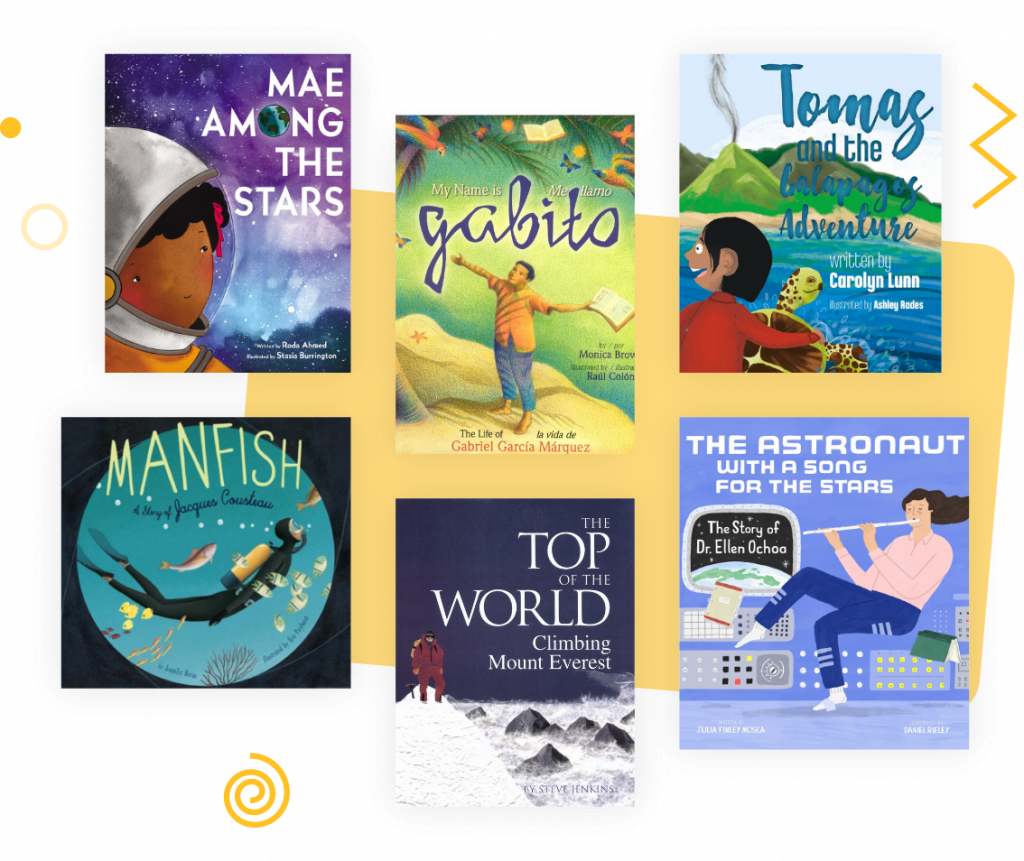
More authentic, diverse texts
A variety of texts—from complex read-alouds and decodable chapter books to trade books and content-rich readers—connect to learning goals. Amplify CKLA 3rd Edition also features new Culminating Research and Novel Study Units!
Culminating Research Units
Each grade now includes a core Culminating Research Unit featuring carefully selected trade books. These units build critical thinking and research skills, from selecting topics to presenting findings.
Novel Study Units
Novel Study Units are part of district-level Choice Units in Grades 3–5. Districts can select one novel per grade, from classic or contemporary options, choosing the book that best reflects their community’s goals and values while still covering all required standards.
Easy-to-use materials, pacing for real classrooms
Running out of instructional time? We understand! Our streamlined units now cover all standards within 165 days, leaving more time for enrichment and remediation.

All-in-one digital platform
Amplify CKLA 3rd Edition is part of a digital platform that enables seamless integration across all Amplify programs.
The platform includes familiar tools like lesson slides—now Presentation Screens—along with new features such as skill-building games, assessments, and detailed reports.
Digital assessments
Auto-scored K–2 Knowledge and 3–5 End-of-Unit assessments deliver immediate insights to enable quick, data-driven decisions.
Standards-based reports
Detailed reports highlight strengths and growth opportunities at individual, group, and class levels, all aligned to standards.
Embedded support to reach all learners
We’ve worked with experts and practitioners to enhance our differentiation strategies, making content more accessible to all students—including multilingual/English learners. Improved iconography helps you quickly find in-the-moment support, ensuring these strategies are seamlessly integrated.
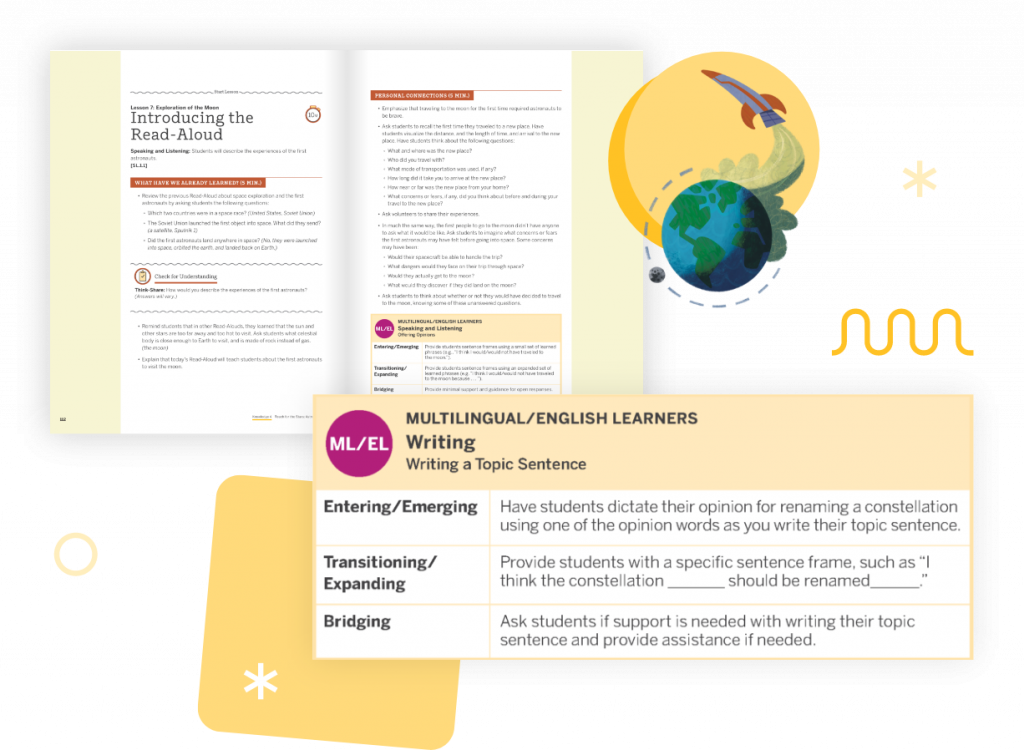
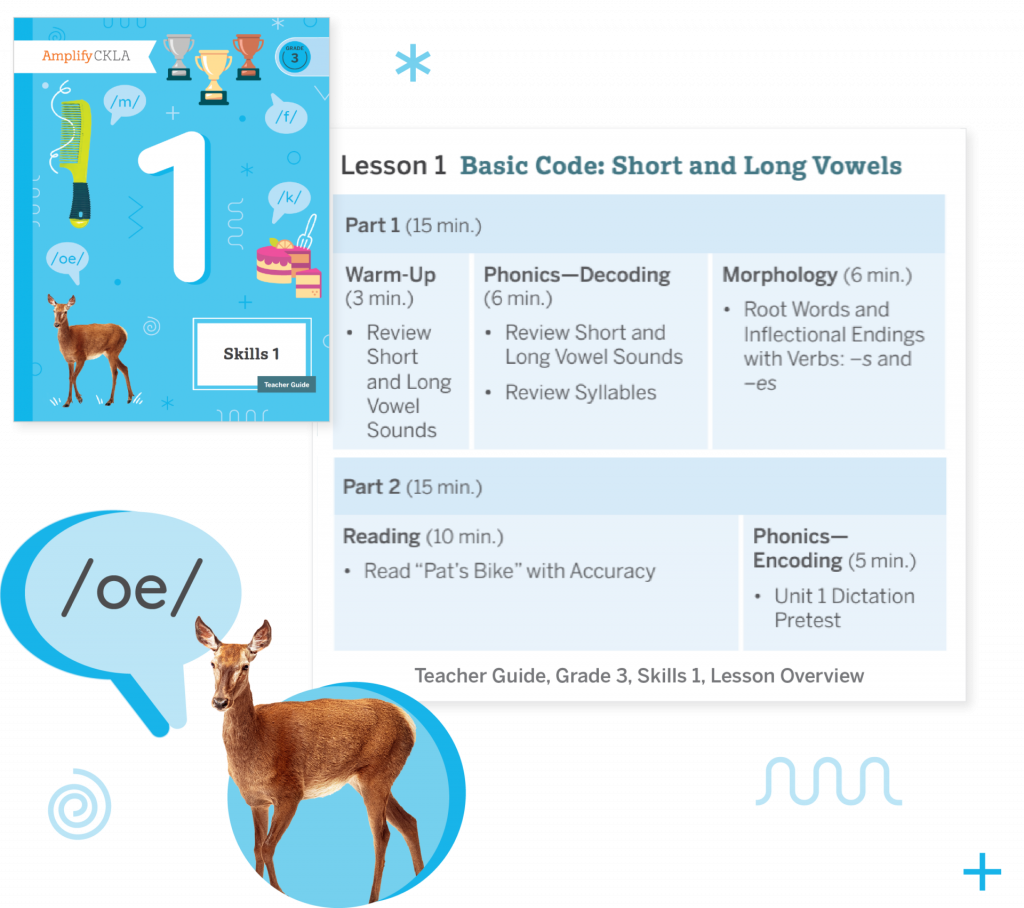
Grades 3–5 foundational skills instruction
Recognizing the ongoing need for foundational skills instruction beyond Grade 2, we’ve introduced Grades 3–5 Skills to reinforce and build on the K–2 Skills Strand. Use it to support core lessons or serve as an intervention, depending on your students’ needs.
The instruction follows a familiar sequence and offers flexibility: It can be taught in two 15-minute sessions or one 30-minute session.
Grades 3–5 Skills resources are included in core classroom kits, although the instruction isn’t required for Grades 3–5 standards coverage.
Bold new look and feel
With modernized covers, full-color interiors, and enhanced iconography, Amplify CKLA 3rd Edition materials are not only visually appealing, but also easier to navigate.

Welcome, California educators!
Thank you for taking the time to review Amplify’s complete early literacy system for TK–5.
Our curriculum, assessment, practice, and intervention solutions work in tandem to ensure classroom teachers have what they need to provide multi-tiered literacy support to every student.
On this site, you’ll find a variety of resources designed to support your review and evaluation, including links to sample materials, demo access, and additional materials.

Complete literacy system
Strong core instruction is crucial–but in isolation, even that’s not enough. A truly effective literacy system needs to bring together assessment, core instruction, personalized practice, targeted intervention, and ongoing professional development.
Together with leading experts in reading instruction, Amplify has built a proven early literacy system grounded in the latest reading research and designed to ensure every student receives the multi-tiered support they need to grow as a reader. Our partners include:
- The University of Oregon
- Core Knowledge Foundation
- Recognized language, literacy, and biliteracy experts such as Dr. Lillian Durán, Dr. Desiree Pallais, Dr. Catherine Snow, and others.
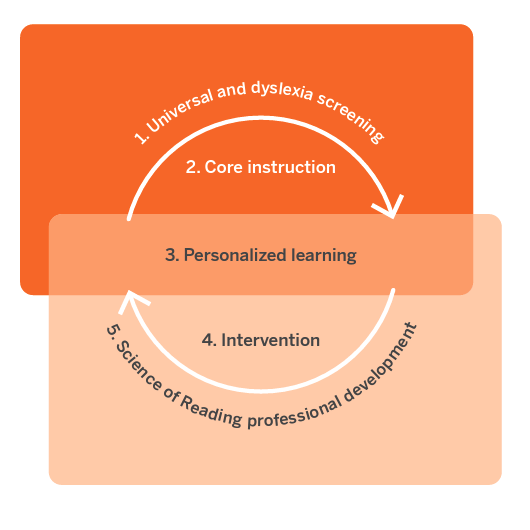
Assessment
Not only should an assessment systems include universal screening, dyslexia screening, diagnostic assessments, and progress monitoring, it must also be easy and efficient to administer, and provide classroom teachers with actionable data that guides instruction.
The mCLASS® Assessment System delivers all that and more!
When the DIBELS® 8th Edition assessment is paired with:
- The Text Reading and Comprehension (TRC) assessment, teachers unlock the ability to record reading behaviors through running digital records.
- The Vocabulary, Encoding, and Rapid Automatized Naming (RAN) measures, teachers are empowered to screen for dyslexia risk.
- mCLASS Lectura, teachers gain a holistic view of their students with biliteracy insights that support students in both English and Spanish.
Ready to learn more? Click the buttons below to review mCLASS with DIBELS 8th Edition with TRC and mCLASS Lectura.
Core instruction
Core instruction should include explicit, systematic lessons in foundational skills and a coherent approach to building background knowledge, developing vocabulary, and reading complex text with confidence.
With Amplify Core Knowledge Language Arts® (CKLA) and Amplify Caminos, all students have the opportunity to become strong readers, writers, speakers, and thinkers. Through a powerful combination of proven, evidence-based practices and engaging, interactive content, these core curricula enable students to develop a deep mastery of foundational skills as well as a robust knowledge base–both of which are necessary for accessing and comprehending complex texts.
Ready to learn more? Click the buttons below to review Amplify CKLA and Amplify Caminos.
Personalized practice
Student needs are multidimensional, which is precisely why practice must be personalized and provide opportunities for remediation and acceleration across multiple dimensions.
Through its integration with mCLASS and Amplify CKLA, Boost Reading’s adaptive personalized pathway makes practice more purposeful and productive. mCLASS automatically places students on an adaptive path within Boost Reading, which provides them the exact practice they need. That very practice follows the same approach and scope and sequence as Amplify CKLA, which further reinforces the core instruction.
Ready to learn more? Click the button below to review Boost Reading.
Targeted intervention
Getting students caught up on reading skills requires more than just “extra help” in small groups. It requires data-informed instruction focused directly on the specific skills each group needs to learn next.
mCLASS® Intervention is a staff-led reading intervention that does the heavy lifting of data analysis and lesson sequencing, freeing up teachers to teach the reading skills each student needs. mCLASS Intervention connects directly to mCLASS data, automatically groups students with similar needs, follows a research-based skills progression, includes ready-to-teach engaging lessons, and updates skill profiles and groups every ten days.
Ready to learn more? Click the button below to review mCLASS Intervention.
Review resources
- Amplify’s Early Literacy Suite
- Science of Reading Roadmap
- Making the Shift to the Science of Reading
- Science of Reading: The Podcast
Program-specific review resources can be found within each of the review microsites referenced above.

Your California team
Looking to speak directly with your local representative? Get in touch with a California team member to learn more about our early literacy suite or request a demo account. Simply email HelloCalifornia@amplify.com or email a team member directly.

Dan Pier
Vice President, West
(415) 203-4810
dpier@amplify.com

Erin King
Sales Director
(512) 736-3162
eking@amplify.com

NORTHERN CA
Wendy Garcia
Senior Account Executive
(510) 368-7666
wgarcia@amplify.com

BAY AREA
Lance Burbank
Account Executive
(415) 830-5348
lburbank@amplify.com

CENTRAL VALLEY and CENTRAL COAST
Demitri Gonos
Senior Account Executive
(559) 355-3244
dgonos@amplify.com

VENTURA and L.A. COUNTIES
Jeff Sorenson
Associate Account Executive
(310) 902-1407
jsorenson@amplify.com

ORANGE and L.A. COUNTIES
Lauren Sherman
Senior Account Executive
(949) 397-5766
lsherman@amplify.com

SAN BERNARDINO and L.A. COUNTIES
Michael Gruber
Senior Account Executive
(951) 520-6542
migruber@amplify.com

RIVERSIDE and L.A. COUNTIES
Brian Roy
Senior Account Executive
(818) 967-1674
broy@amplify.com

SAN DIEGO COUNTIES
Kirk Van Wagoner
Senior Account Executive
(760) 696-0709
kvanwagoner@amplify.com

BUTTE, DEL NORTE, HUMBOLDT, and SHASTA COUNTY and DISTRICTS UNDER 2250 ENROLLMENT
Kevin Mauser
Lead Account Executive
(815) 534-0148
kmauser@amplify.com
Welcome, Oregon educators!
Thank you for taking the time to review Amplify’s K–8 science programs for Oregon. This site will allow your committees to easily access grade-level teacher and student resources digitally, and experience all that our high-quality instructional materials have to offer.
Amplify Science for grades K–8 has been rated all-green by EdReports. Read the review on EdReports.

Contact us
Support is always within reach. Our team is dedicated to supporting districts across Oregon and can be reached at any time by emailing HelloOregon@amplify.com or by calling us directly.

Erin Elfving-Strayhan
Senior Account Executive
Districts over 3,000 students
(971) 291-9854

Kristen Rockstroh, M.Ed.
Account Executive
Districts under 3,000 students
(480) 639-8367
Welcome, Utah educators!
Thank you for taking the time to review Amplify Science K-8! This site will allow you to easily access grade-level teacher and student resources digitally, and experience all that our high-quality instructional materials have to offer.
Amplify Science for grades K–8 has been rated all-green by EdReports. Read the review on EdReports.
Contact us
Support is always within reach. Our team is dedicated to supporting districts across Utah. For questions or samples please contact:
Bob McCarty
Senior Account Executive
(435) 655-1731
Welcome, Jefferson County, to Amplify Science!
Thank you for taking the time to review Amplify’s K–8 science programs for Jefferson County Public Schools. This site will allow your committees to easily access grade-level teacher and student resources digitally, and experience all that our high-quality instructional materials have to offer.

Contact us
Want to speak to your Amplify representative for Jefferson County Public Schools? Please contact…

Monty Lammers
Senior Account Executive
(719) 964-4501
S1-07: Overcoming adversity in the science classroom: A conversation with Joe McCormick

In this episode, Eric sits down with Joe McCormick, director of engineering at SplitSpot. Joe shares about the experience of losing his central vision in high school and the transition into college at Harvard. Eric and Joe chat about self advocacy within the classroom, and scaffolds that worked for Joe as he learned how to navigate the world with his disability. Eric also learns about beep baseball, the adapted national pastime for the blind and visually impaired, and the importance its community for Joe’s journey to become an engineer. Lastly, Joe shares about accessibility tools, college acceptance, and how to motivate students to love computer science. Explore more from Science Connections by visiting our main page.
Joe McCormick (00:00):
Being disabled. It’s like trying to find some way to be flexible and find some workaround. There’s always a way to get there. It’s just going to be maybe a little bit different or a little out of the box.
Eric Cross (00:12):
Welcome to science connections. I’m your host. Eric Cross. My guest today is Joe McCormick. When Joe is applying to Ivy League schools and leading the robotics team, he suddenly started losing his vision. By the end of his senior year, he had completely lost his central vision in both eyes due to a rare genetic condition. Joe ultimately went to Harvard to study engineering while navigating his new world with vision loss. Eventually, he graduated and fulfilled his dream of becoming an engineer. One of the things I was inspired by in this conversation was Joe’s resilient optimism. This theme arose again and again, as he shared his story and gave his reflections on how educators can support students with visual impairments. And now please enjoy this great discussion with Joe McCormick. So you’re in the middle of school. And how did that realization come about that something was wrong?
Joe McCormick (01:10):
Yeah, so I was definitely more student than athlete and student-athlete. So my primary thing was robotics club. So I was like really big in robotics. We did a program called Botball and so that was like my primary sport. The board that we play on is built of PVC pipe. And so I went to like, look through a PVC pipe and then I went to take the cap off of it. And there was no cap. It was just literally, I just couldn’t see through like a 12-inch tube. And then I quickly realized something was wrong here. And so I had to kind of go through the motions of trying to figure out like what was wrong. And luckily I was diagnosed fairly quickly for it being a super rare disease and they figured out within a couple weeks.
Eric Cross (01:47):
What’s the name of it.
Joe McCormick (01:48):
It’s called, Leber Hereditary Optic Neuropathy. People just call it LHON for short. It’s like super, super rare. I think the last stats I saw is that there’s like 60 new cases a year in the U.S.
Eric Cross (01:59):
I figured the advancements in genetic testing since it was first diagnosed ’til now, have there been treatments for gene therapy?
Joe McCormick (02:08):
So I got lucky that I’m in a trial. I got in a trial when I first started losing my sight. So I was the third person in the world to get this particular drug to treat it, and it actually was pretty effective for me. But on the unfortunate side, because I was the third person in the world to get it, I couldn’t really get the dosage I needed for a while. From the time that I got kind of what my current dosage is, my site has not gotten any worse and this is typically a degenerative disease, but it took them like two months to legally get me to the right limit. And in that time period I lost a decent amount of sight.
Eric Cross (02:39):
And you’re still currently in that trial.
Joe McCormick (02:41):
I still am. Yeah. They stopped enrolling patients maybe seven years ago. So there’s, I think 10 of us left in the trial, but luckily I’m still in it, which is awesome.
Eric Cross (02:50):
You were humble as far as like your athletic skills, like you played sports. You know, in high school and that’s like a big feat ,and then you, you did Botball, which I’m pretty familiar with is that the building the robots to be able to …
Joe McCormick (03:00):
The games were, I would say, made up, but revolved around, trying to usually move like POM POM balls or small items through some sort of obstacle course. So our team finished on our best season. We finished third internationally.
Eric Cross (03:16):
How early did you get involved in that?
Joe McCormick (03:17):
I started my freshman year of high school, so, back in 2006. And pretty quickly was able to kind of get to captain on the team, I think, in my sophomore year. And so they’ll pursue that for, for all four years in the process.
Eric Cross (03:32):
So you make it through high school, you’re in college now and now you’re navigating college. Now, have you lost your vision or is it a slow progression?
Joe McCormick (03:41):
It was interesting, because obviously the spring of senior year is also when you have to commit to college. So I found out I lost sight in one eye first and basically with this disease, it’s kind of a ticking time bomb that I was going to lose sight in my other eye. It was just a matter of, is it days, weeks, or months? I found out about this disease at the beginning of March of 2010 and two weeks later I found out I got into MIT. So that was super exciting. And right around that time, when I started to lose my sight, I got in this clinical trial. I also found out I got into Harvard off the wait list, which was now an interesting decision, because obviously Harvard is probably less strong historically in the engineering side, but really strong in computer science and really strong at everything else.
Joe McCormick (04:24):
And so Harvard, I think gave me a much more vast array of choices, where again, if it turns out that after losing my sight, I can’t do engineering well, I could fall back into like anything that Harvard offers because it kind of offers everything and it was an awesome fit for everything I wanted to do at the time. And, the other thing that is interesting is obviously on the accessibility side is Harvard had a really, really awesome accessible education office and did a really good job of making sure I’d be able to integrate with the rest of the students, get the books I needed, get everything I needed, accessibly. And MIT surprisingly did not. I mean, they had something, but it was as one big concept. They say, I won’t be able to read any printed material once you lose your sight. And at Harvard they say, okay, cool. We’ll look at your course and we’ll know that you need these books. We’ll go get all those books, turn them into PDFs and send them over to you.
Eric Cross (05:13):
During those first couple years, what was it like having to transition with a new kind of learning style using these accessibility tools?
Joe McCormick (05:21):
Harvard very much did not want me to start immediately. They were very much like, oh, take a gap year, go learn all the tooling, or at least take the first semester off and come and start afterwards. And I was extremely adamant that I did not want to do that. In that I wanted to be able to kind of start college with the rest of my friends and finish college with my friends, the timeline kind of worked out was I started to lose sight in my second eye in may and obviously school starts in end of August. And so it was a very quick turnaround where I had to learn these tools. For me, It was like, okay, like I can’t work on a piece of paper anymore ’cause I can’t read my own handwriting at all. So what, what can I do?
Joe McCormick (05:54):
And so, I thought of, okay, let me just get a whiteboard. And so we installed the whiteboard in my dorm room and then I worked with a whiteboard and a whiteboard marker, so I could write whatever font that I could see. And then what I did is after I filled up the board, I would just take a picture on digital camera and I would basically then wipe the board, do all over again. And at the end of a lesson, I would just connect that to my printer and print out eight and half by 11 sheets of paper with my work on it that started on a four-foot by four-foot board and now ends up on eight and a half by 11. I hand that into the professors. Ultimately I think, especially, being disabled, it’s like trying to find some way to be flexible and find some work around, because I think there’s always a way to get there. It’s just going to be maybe a little bit different or a little out of the box.
Eric Cross (06:33):
The question I wanna ask is like, was there an emotional component for you in this as you were going through trying to find these solutions or did you just find it as another thing to tinker with?
Joe McCormick (06:44):
Yeah, I think I’m relatively unique in that I am like, optimistic to a fault. I always think that something is going to work out in my favor and maybe something’s eventually going to blow up my face, but, usually they don’t. And so I think from my side, it was like, well, this is, is just another challenge that I have to work through. One night in the very beginning, when I first found out the actual prognosis being kind of permanent loss of central vision, and that’s one where it’s like, oh wow, this, this hits you hard. And at that point in time, I was really thinking about the future and like I’m never gonna see my children’s face. I’m never gonna do all that stuff. And I now have a son to look at his face and yeah, I can’t see him from across the room, but if I’m a few feet in front of him, I can still see that smile and see him be excited about stuff.
Eric Cross (07:22):
What advice if you’re thinking about teachers that are working with students who are visually impaired, what advice would you give them or, teachers with IEPs or disabilities in general? Is there anything that you kind of looking back would, would tell them?
Joe McCormick (07:35):
Yeah, it’s interesting. I think it’s an interesting factor too, because I also myself was a teacher in that I was a teaching assistant for computer science courses. And so obviously then on the other side, I need to be accommodating to my students in the process. So I was a teaching assistant for two years, for the intro CS course at Harvard. And I think the same thing that probably teachers are doing on a daily basis, just in non-disability scenarios, of being flexible is key, right? As you mentioned, like not everyone’s gonna receive information the same way, whether that’s due to any number of disabilities or just that, I don’t know, they’re not feeling it that day or different people are visual learners versus auditory learners versus hands-on learners. Like I think for everybody there’s some different way that they probably best process that information and best work.
Joe McCormick (08:21):
And I think for teachers, it’s trying to find the strength and find it in each person. And I think it’s a collaborative effort, right? I don’t think it’s the teacher’s job be like, hey, this is exactly how you should do it. It’s like, oh, let’s talk about some different ways that we can solve this. And that’s much easier to do when it’s a high school student than if it was like a second grade student. But as a high school student who’s particularly, I’d say, if they’re motivated, they’re gonna collaborate with the teacher to help brainstorm different ways to do it. But I think really starting to think outside the box. And when I would join classes in college, one of the first things I’d say to a professor was like, hey, I can’t see anything you’re gonna write on the board. So anything you ever write, as long as you say what you’re writing, I’ll be able to follow along. But if you don’t say it, I’ll have no idea what you’re talking about.
Eric Cross (09:05):
Is that something you would say in the beginning, like when you met them, you’d lead with that?
Joe McCormick (09:09):
I would, ’cause I would say, basically you have the equivalent to an IEP, but I would have like a letter of accommodations, which is what I was by the university kind of permitted to be accommodated for. And that included like, extra time for testing, private room for testing so I could do this whiteboard setup, use of my computer in the classroom to take notes. And so I would come to them after the first day and I would say like, hey, like just so you know, like these are accommodations that I have, but I was like, here’s some basic tips that would work well for me. And again, the saying what they wrote on the board is super important in math and science classes. I wouldn’t need to tell that to the literature class right?
Joe McCormick (09:46):
Everyone would be talking anyways in the process. But again, for most professors, all they needed was that little prompt and then they were fine, and maybe they needed a reminder after a little bit. But the other thing is like people get into teaching because they want students to learn. They want them to succeed. So having an accommodation, I don’t think is going to feel for them to be like this huge burden. It’s like, oh yeah. If I did this little thing, your life gets better. And then they quickly realize like, yeah, that’s not too hard. Like I can gladly do that in the process. And so for me again, maybe it’s just me being lucky, but I never got any pushback from any professor ever in my four years to do any of the things I was asking for in the process. And I think some of that is again being flexible for both directions, but also just kind of presenting the why behind the what, right? Like it’s not saying like, hey, you need to do this. It’s like, hey, this will help me because X, Y, Z. And I think for motivating anybody, if they know why they should be doing something, they’ll be much more interested in doing it than if they’re just told what to do
Eric Cross (10:40):
And hearing that self-advocacy, like when you are in college, I’m thinking about how do I encourage my students to also advocate for themselves and own what they need. I’m teaching middle school science students. And they’re at an age where they know if they have a special learning need or a health impairment. They know these different contexts that they live in that impact their learning and then advocating for their self and saying, this is my learning, how do I communicate that to an adult, which at that age just can be tough because the adult, there’s this huge power difference and age difference, but them knowing like, no, it’s about me, I’m going to advocate for myself and speak to this teacher and let them know this is what I need for my support.
Joe McCormick (11:19):
I can’t picture myself as a 10-year-old or a 12-yearold being able to advocate like I can as an 18, 19, 20-year-old, right? So it’s definitely a lot tougher from that side. And I think it will probably require much more work as the teacher to help pull that out of the students more than when it’s basically having as a college student, basically an adult in the process.
Eric Cross (11:36):
It is. And demystifying that even though they’re adults and we’re adults, that it is okay to speak about the things that you need. And everybody comes to it from a different background and perspective on that. Especially children, they look at adults in different ways. And if you come from a family that says whatever they do is right, then you’re not gonna be as likely to speak up for yourself. And if you come from a family that encourages you to engage in inter-generational dialogue and things like that, you’re gonna be more active in participating, and as teachers, it’s important that we empower our students to use voice and to advocate for themselves. And right. It is a process of allowing them the permission and feel like they can do this. And it is okay to do.
Eric Cross (12:19):
It’s not disrespectful. It’s not, they always know best. It’s something that I always try to do with my own students. And I know many teachers who are listening, it’s one thing that we want to do, ’cause once they’re away from us, once, you know, especially the teachers who are trying to make sure they’re serving and differentiating the various needs, they may not always have someone like that in the classroom. They might always be that person or be with that teacher who’s doing those things. And so because you know, our kids see what 60, 70 different teachers throughout their career as K-12, I mean, so many different educators around. Shifting gears a little bit. I read that you’re a beast at beat ball.
Joe McCormick (12:58):
Yeah. So as mentioned on the sports side, I feel like I am a significantly better blind athlete than I ever was a sighted athlete.
Eric Cross (13:05):
People who are visually impaired, you said, there’s a spectrum. Like you have your peripheral vision. Does that give you a little edge in beat ball?
Joe McCormick (13:11):
No. So the way beat, well, somewhat, but the way that beat works, beat baseball is its full name. It’s an adaptive version of baseball for the vision impaired, but every player wears a blindfold. So it equals the playing field. When it comes to the actual game, often being more sighted is a disadvantage because you’re not used to using your ears, which is a key part of, of beat baseball. The ball is beeping and that’s how we can follow it and play in the process I’ve been playing now for, this would be my 10th season. Our team is pretty good, so we finished as high as second place. Last we finished in third place and I’ve made the offensive all-star team in the process. So it’s a ton of fun, again, a way to kind of get back out there after playing sports. Again, another fear of losing sight is like oh, can I still do the stuff I used to do? And the answer is like, not exactly, but again, flexibly, yes. Like I can’t go and play regular baseball with my friends, but I can play this version and have a ton of fun doing it.
Eric Cross (14:04):
People say when they lose one sense, another one gets enhanced. Has that been your story or your feeling? Is that true?
Joe McCormick (14:10):
I’d say it’s generally true. For me again, because I still have peripheral vision, I definitely not seen like the crazy increase in hearing or something in the process, but definitely I can hear a train off in the distance that most people can’t, type stuff. But it is also interesting to see typically the best defensive players in the league are folks with no vision and they’ve never had vision, because they’re used to listening and using their ears constantly. And so picking up a beeping ball is much easier for them where they can hear it and just stick their hand out and pick it up. And I think with all this too, and I didn’t mention enough in the beginning is like even beat baseball is heavily based on support from sighted people in the process, right? Like as I mentioned upfront, the pitcher and catcher in the sport are both sighted.
Joe McCormick (14:53):
It’d be far too hard if they were also blind and blindfolded, ’cause they’d have no way of hitting the bat. There are teams all over the country, if you are particularly keen in sports, definitely look up if there is a team near you, likely there is. Most teams are always looking for volunteers to help. I’d recommend the national beat baseball association nbba.org and looking to see if there is a local team that you can help out in the process. Sighted people are a key part of that sport. I think it kind of goes back to the theme upfront and the same as when I was back at Harvard, having a lot of support is like, there’s no way to go through these journeys alone. Or if you do, it’s just significantly harder. And so whether that’s friends taking me to class for the first time to find where in this building the classroom, or my girlfriend at the time, now wife, helping me by driving me to places or doing all this stuff. No matter where you are on this journey, I feel like it’s hard to go through it without some form of support.
Joe McCormick (15:41):
I think, for me, even just finding this blind baseball team, the Boston Renegade, when I first lost my sight is ,I had never met someone who was visually impaired before losing my own sight, right? So it’s like, I had no idea what it was even like to be blind, but finding this team pretty quickly then gives you friends with that same experience and a shared experience can make it much easier, but then also helps you to figure out these ideas, right? Like, I can give an idea to someone else and they can give me an idea on how to best find the train or whatever it is. And I think finding people with shared experiences will make, whatever is, whether that’s because it’s also impairment or other disabilities or yeah, It’s just like anything, finding people with common interests and common backgrounds is going to make your life probably a little more successful in the process.
Eric Cross (16:22):
Looking back on your education, are there any teachers that inspired you or who stand out to you as you think back?
Joe McCormick (16:28):
Yeah, and I think, so the drama teacher I mentioned, his name is Mr. Gleason, obviously a strong influence ’cause that pushed me towards the robotics side, which ultimately, at the end day, I’m now a computer or software engineer, a computer science major by trade that I would’ve never been probably into that area at all without the robotics background. So I think that that clue is a big influence and then jumping onto the college side, I started in mechanical engineering, but that turned out to be not as interesting and also harder once losing sight. Like, that is a very, very visual and very hands on thing, which I was super interested in, but not being able to then do those hands on things, once I lost my sight was a much less interesting journey when I can’t be using the AutoCAD machine or can’t be doing all these different things in the process.
Joe McCormick (17:17):
And so from there, I took the intro to computer science course because it was a requirement to be a mechanical engineer and I kind of immediately fell in love with that experience. And a lot of that was thanks to the professor, who, who offered the course, his name’s David Malan. He’s pretty well known amongst the computer science industry. He teaches CS 50, which is the intro CS course at Harvard. And that definitely got me interested in computer science, which now has been my career for the past eight years. And he ended up offering me a teaching assistant position. I then taught that course, and without his influence, wouldn’t have been as interested in the computer science aspects and made that major switch, and then a career switch after that.
Eric Cross (17:56):
You said mechanical engineering was harder being visually impaired because there’s so much that maybe visually and spatially you have to see, but you’re a software engineer and there’s lines of code that you have to be able to go through. And so how do you navigate that? And you’re a successful dude, like you you’re doing this well.
Joe McCormick (18:17):
Yeah. So I’d say there are two main strategies that I use. So one is a technology called a screen reader, and what that software’s job is, it’s named pretty well, it reads your screen, right? So its job is to take everything that’s visibly displayed on the screen and read it to you, for you to then interpret. The other thing I use is a screen magnifier. And so if I want to see something, I will zoom it in substantially for it to be useful for me. So if I’m using my computer, I’m typically zoomed in between eight and 10X zoom. So I’m only seeing whatever 12 and a half to 10% of the screen at a time. And in front of me is a 34-inch monitor. So, here’s not a lot of characters on that screen at once if I do wanna look, but obviously that’d be pretty hard to be able to like physically be scrolling and reading that. So most of the time, if I’m writing code or reading code, it’s all listening to it. When I’m typing, every single key that I press, it tells me. So if I’m typing out Joe, it’s gonna say J O E and then I hit the space bar, say space. And so it sounds both annoying and hard, but after you’ve been doing that for a few months, and now for me, 11 or 12 years later, it’s totally normal to just be like used to listening all day every day to everything that is being shown on my computer. But the other thing is it’s crazy the work that Apple has done for accessibility. All of Apple products are fully accessible and for free. So you don’t need to install extra software, it’s just built in, it’s called Voiceover and Magnifier on those. And so I use an iPhone and that is a total life changer.
Eric Cross (19:49):
So there are tools beyond Snapchat, Instagram,
Joe McCormick (19:52):
Definitely. And if not those tools just make Snapchat, Instagram, more usable as well, especially the bigger companies have put the time in to make them accessible and usable to people who are visually impaired. And for me, especially even like the Google suite of products, which I’m sure a lot of teachers are using, those type of things, Google has made all of those fully accessible.
Eric Cross (20:09):
On that conversation about software. Have you heard of the apps–there’re two of them that I share with teachers in the grad school that I work in. One of them is called, Be My Eyes. And for teachers who are listening, it’s, it’s an app that allows people who are visually impaired and people who are sighted to be paired so that the sighted person could tell, using the camera almost like FaceTime, they can be called, and they’re a volunteer, and the person needs them to identify two different brands of something in the grocery store, could be like cans of soup, you know, chicken noodle versus tomato soup.
Joe McCormick (20:38):
Yep. That’s one I’m a huge fan of, I use that multiple times a week. Yeah. Be My Eyes is obviously great, but requires you both to talk to a human and there’s a little bit of delay. Obviously you have to, to connect to somebody, talk to them in the process, Seeing AI is Microsoft’s, it’s the equivalent of kind of OCR, optical character recognition. But it does even more than that in that, as I mentioned, like, if I want to make a burrito, right, I can go into the fridge and find that burrito, but like, how do I know how long to cook it? I can go into seeing AI and scan it by its barcode. And it will look up the instructions on how I can cook that burrito and just tell me, oh, it’s 90 seconds in the microwave.
Eric Cross (21:13):
The part of the app, one of the features that excites me the most, and kind of the where can we go with this technology, is the scene feature where you take a photo and it identifies what’s in the picture with amazing accuracy.
Joe McCormick (21:25):
Yeah. It’s, it’s beneficial. I think the other thing that’s interesting, it’s kind of same technology, but an extension of that, is for things like, let’s say you’re posting on Facebook, can you just post a picture, or on Instagram, and there’s no caption. It’s like for someone who visually impaired is that’s meaningless, right? Like, well, what did you post a picture of? And so built in to some of these platforms now, and basically all these platforms just like put a caption, describe, put in what’s called alt text, alternative text, where it describes it to someone who’s visually impaired with like, image of a baby or image of a mountain. But now that software can do that for you. And it’s like, well, yeah, maybe I don’t know exactly where they are, but it’s like, oh, they posted a picture of a mountain. They’re probably someone who’s traveling.
Eric Cross (22:03):
And for folks listening. So the apps that we’re talking about are Be My Eyes, that’s the one we talked about where it pairs folks up. But then the other one we’re talking about, which you can run by yourself, is Microsoft Seeing AI.
Joe McCormick (22:14):
There’s a whole bunch of other apps in this space too. Right? We’ve, we’ve named two of them. There’s a whole bunch. There’s one called Blind Square, there’s one I use called Via Opt to Nav, which is a navigation app. And for someone who sighted, it sounds basic, right? Like, oh, you bust Google apps, but for the visually impaired, like that’s, that’s not easy to know where you are, especially in a city where it’s, or there could be three streets all within that a hundred feet, that tells you to turn for it. So it’s like, which one is it? And these apps now, the step beyond these other tools, will give you more information you can use to figure out where you are.
Eric Cross (22:44):
I have one question. Is there any tech that’s out, that’s either in this embryonic stage or ready to be launched, that that excites you?
Joe McCormick (22:52):
Yeah. I mean, for me, I think the obvious one is self-driving cars. I think it’s gonna be a long time before the government would allow a vision impaired person to get behind the wheel of a self-driving car. But for me, that one was always super interesting.
Eric Cross (23:04):
When I get to meet folks like you, I think about, through the lens of my students, many of whom will be the first generation to graduate college and things like that. Is there something that you would encourage someone to focus on? Like for instance, my students code and scratch, and some of them are interested in Python. If you could give advice to like your younger self, like seventh grade, like to develop a skill, is there like a route or something to explore that you would, you know, if you had like a nephew or somebody who’s like, I wanna do what you do, like, what would you tell them to like start exploring?
Joe McCormick (23:29):
I mean, I think both are awesome. Like scratch, was the first thing they teach in the intro CS course at Harvard. Right? Like that’s how they weed out the students at first, it’s like, if you don’t like Scratch, you’re not gonna like actually writing the code. So, I think Scratch is great. Python’s great. Computer science is super lucrative. I don’t see a world where it’s not super lucrative in the future still. Like, we are still at a huge world where there are way more job opportunities than there are people to fill them. It is something though that I wouldn’t say is for everybody. Don’t force it because there’s an eventual path to money there because I think, obviously like that’s not gonna be happiness at the end of the day. I think especially as a seventh grader, it’s gonna feel, if you’re just like forced to do this thing, and it’s not interesting to you, that’s probably gonna repel you and push you away from that thing forever. Where it’s like, yeah, maybe seventh grade, isn’t the right time. Maybe you try again in ninth grade, you try again, 11th grade. And I didn’t write a line of code before 10th grade of high school, and it was totally fine, I was super, super successful. And the code I was writing in 10th grade and high school was not anywhere near good codes. I really didn’t write much code until sophomore in college.
Eric Cross (24:32):
What you said is very validating because from my perspective, it’s wanting to create opportunities for students to practice skills or be exposed to things that could be useful later. You know, so kind of like you want to give them, I guess, breadth, especially at the younger age you wanna give them like access and exposure to as much as possible and go, hey, these are all different things. And so Scratch and Python are things that I expose my students to, and, and I appreciate you saying that those are good ones, because then I feel like I’m at least choosing the right technologies to let them try out. In addition to all the other things that we do.
Joe McCormick (25:03):
But I think with all this stuff too, it’s like finding activities that are interesting to them within those frameworks. Like, I was writing the Python code that I did last year. As a seventh grader, I’d have no interest. It wouldn’t make any sense. Like, it’s, it’s not interesting to me, but if I’m using Python to build something that I could actually use as a seventh grader, then it’s gonna be much more interesting. My first Scratch program I ever wrote was air hockey. I was 18 years old and it was fun. But like the first Python code I wrote, as a senior in college, was doing AI as machine learning to figure out Netflix ratings of movies. Super interesting as a 20-year-old, but as a seventh grader, could not care less about that. But with all these tools, you can use them in many different ways.
Joe McCormick (25:43):
So trying to find the way that you take that tool and it best connects with the seventh grade minds. And I think kids are just much more tech-friendly now, where like you could use Python to build an Instagram clone or something. So then it gets more interesting, because they can connect with it. But for me as a seventh grader, when tech was not as big a thing, like, I don’t know what I would’ve been able to build that would’ve been as interesting to me. I think games would’ve been it, and trying to build something that I could play with. But for me, I see satisfaction on a day-to-day basis when I see people using what I’ve built. And I think even that as a kid, I had a similar satisfaction of like, when people get joy out of what you are doing or, again that’s kind of that shared community of like, oh, this is fun. That will be interesting. So kids being able to build games that their other friends could use, I feel like is probably gonna make that feel rewarding and keep that like cycle of satisfaction going for years to come,
Eric Cross (26:30):
No, you nailed it. They, they start off by animating their name. And thankfully Google has a whole curriculum called CS first where it’s all kind of like canned lessons. So teachers who aren’t computer science teachers have no background can take this, there’s videos, multiple languages, and they can animate their name, they can build a video game, they can tell a story and then they learn step by step, how to use all of the different tools and Scratch to kind of make what they’re trying to do. And then I have the students beta test, and this week we brought in some robots and they’re coding these robots that have these ultrasonic sensors and all these different things on them. We just started that. But you’re absolutely right, the embedding it in a real context, that’s engaging and interesting as opposed to like learning it in the abstract. Like, why am I doing this? It’s huge.
Joe McCormick (27:17):
Yeah. I think the robots is a big thing. I think there’s something about switching from the technical world to the real world that like, even today, as an adult, I get more, I mean, obviously I write software every single day, but when the software starts to do stuff that pings outside of itself, or like if the software sends me an email, it’s so much more interesting, cause it now is like switched mediums or something. And I know in college, I got to do a class where we built a smart light switch where you could text and it would turn the lights on. And it’s like the actual code required there is not that complex, but the fact that it now gets into the real physical world and I could control the light in my room was just like mind-blowing to me and excitement.
Eric Cross (27:54):
That’s awesome here. I could tell that you’re passionate about it and that you’re one of those people who got into it because of just a genuine interest and love for it. So, your story and your perspective and your outlook on the life is just incredibly inspiring and empowering. I know as I was listening to you and just thinking about how you persevered through things and it really just, also this heart of an athlete, like overcoming adversity, I appreciate you sharing your story. Stories like this help empower teachers to help their students have better access, to help their students have an example of someone who was able to just start knocking down walls, being someone who kind of created a pathway for yourself to be able to succeed. And I just wanna thank you for being here.
Joe McCormick (28:41):
Thank you. Thanks for having me.
Eric Cross (28:44):
Thanks so much for joining me and Joe today. And now we want to hear more about you. If you have any great lessons or ways to keep student engagement high, please email us@stemamplifycom.wpengine.com. That’s STEM amplifycom.wpengine.com and make sure to click, subscribe wherever you listen to podcast until next time.
Stay connected!
Join our community and get new episodes every other Tuesday!
We’ll also share new and exciting free resources for your classroom every month.


Meet the guest
Joe McCormick is the Director of Engineering at Splitspot. In his senior year of high school, Joe started to lose his vision due to a rare genetic condition, Leber Hereditary Optic Neuropathy (LHON). Rather than letting that stop him, Joe went on to study Computer Science at Harvard University, advocating for the support he needed. Joe is heavily involved in beep baseball, an adapted national pastime for the blind and visually impaired. He currently plays for the Boston Renegades in his spare time. He lives in Massachusetts with his wife and son.

About Science Connections
Welcome to Science Connections! Science is changing before our eyes, now more than ever. So…how do we help kids figure that out? We will bring on educators, scientists, and more to discuss the importance of high-quality science instruction. In this episode, hear from our host Eric Cross about his work engaging students as a K-8 science teacher. Listen here!


Subscribe now!
Looking for a digestible way to keep up with the latest Science of Reading research, events, and resources? Search no further. Subscribe to our quarterly newsletter and receive all the tips and trends you need to foster your students’ literacy skills development, delivered straight to your inbox.

Fill out the form to subscribe to our quarterly Science of Reading newsletter!
Subscribe to the free newsletter.
Welcome, Atlanta reviewers!
Welcome, San Diego reviewers!
Get struggling K–6 readers on track with our reading intervention program.
mCLASS® Intervention is a staff-led reading intervention that does the heavy lifting of data analysis and lesson sequencing, freeing up teachers to teach the reading skills each student needs.


Research-based, classroom-tested
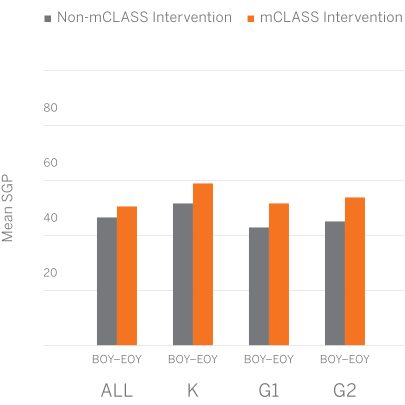
K–2 students in mCLASS® Intervention grew by up to 8 student growth percentile points more in early literacy skills than similar peers not enrolled in mCLASS Intervention, according to a study by the Institute of Education Sciences (IES).
PROVEN RESULTS
K–2 students in mCLASS® Intervention grew by up to 8 student growth percentile points more in early literacy skills.

About mCLASS Intervention
Getting students caught up on reading skills requires more than just “extra help” in small groups. It requires teaching that directly targets the specific skills each group needs to learn next. How does mCLASS Intervention help? It does the heavy lifting of data analysis and lesson generation.
Our approach
mCLASS® Intervention follows a research-based skills progression and uses software to analyze results, form small groups, build engaging lessons for each group, and update skill profiles and groups every 10 days.
Measure skills
Every 10 days, educators progress-monitor students on the skills they’re working to build. mCLASS Intervention analyzes these results, updates students’ placement on the learning progression, and identifies what they should focus on next.
Group students
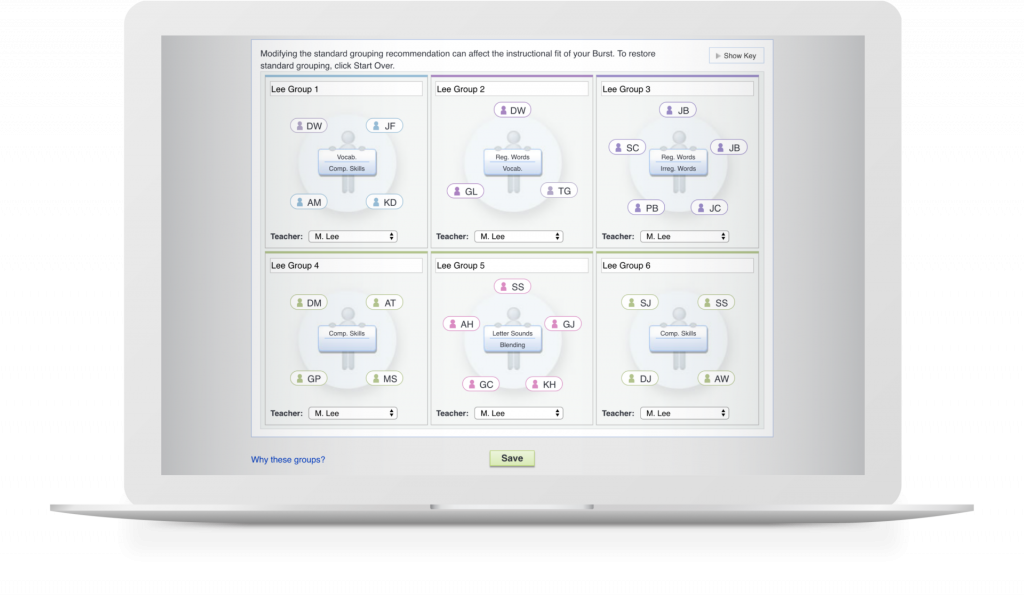
Once each student’s profile is updated, mCLASS® Intervention analyzes the results of other students and arranges students by skill into small groups of 4–6.
Generate lessons
Once groups are formed, mCLASS® Intervention determines the ideal focus for each group and automatically prepares two weeks of targeted lessons. See a sample here.


Teach students
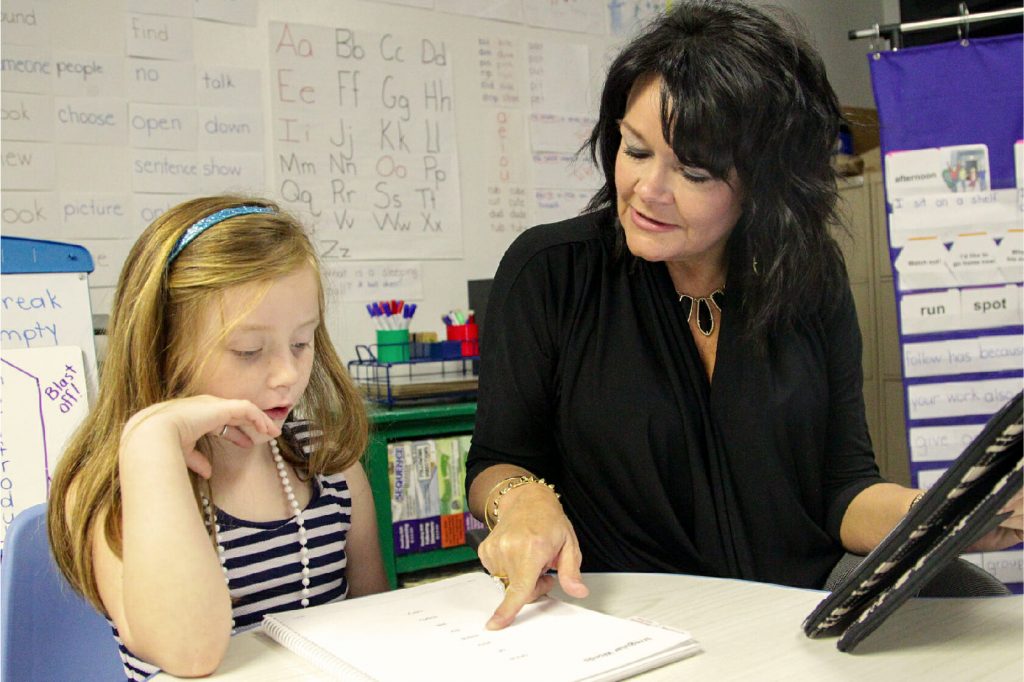
Staff then deliver the lessons to the small group of students—either with the interventionist coming into the room or the students going to a different room.
What’s included
mCLASS Intervention covers the five big ideas of reading: phonological awareness, phonics, fluency, vocabulary, and comprehension. The program comes with a mix of print and digital components to help you serve students.
Targeted lesson plans
mCLASS Intervention provides a bank of more than 4,000 research-backed activities, including multisensory activities that use auditory, visual, tactile, and kinesthetic techniques.
Lesson builder
The lesson builder automatically assembles activities into detailed lessons that target the skills each group is ready to learn.

Easy-to-use lesson materials
mCLASS Intervention provides both print kit materials and a digital card app to help you streamline lesson preparation.
Practice app
The practice app allows students to continue to improve their automaticity in decoding with engaging games.

Progress monitoring
Standardized diagnostic probes allow educators to closely monitor progress.
Educator and administrator reports
Analytical reporting allows educators to see each student’s progress throughout the year.

Training resources
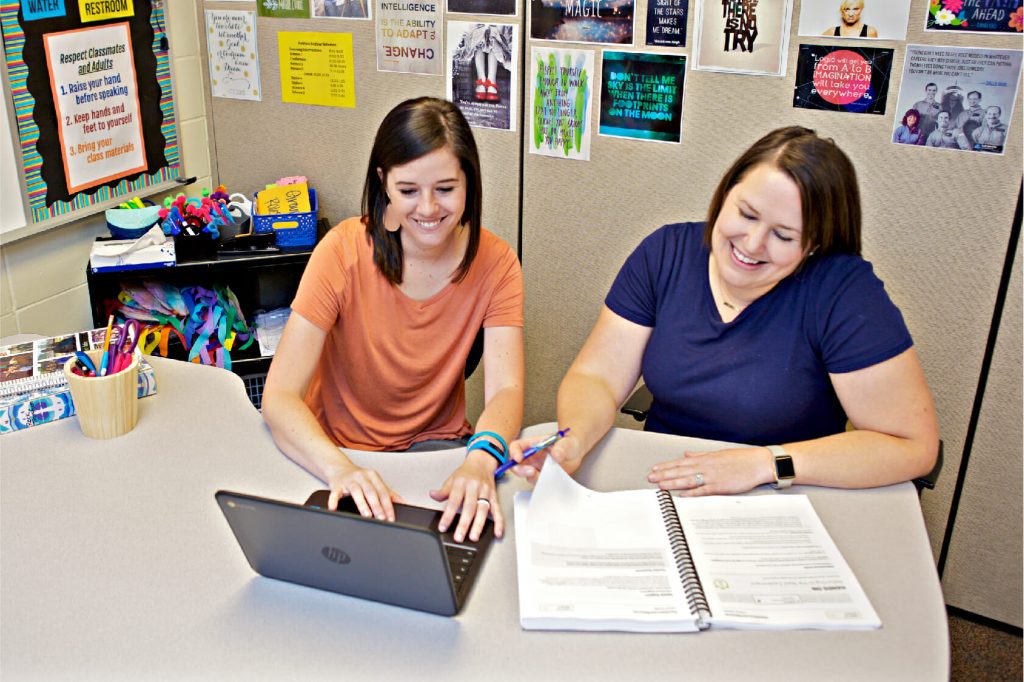
Embedded training modules and a pedagogical help desk get you started and maximize your students’ success.
Explore more programs based on the Science of Reading
Our literacy programs are designed to support and complement each other. Learn more about our related programs.


Read about our all-green programs on EdReports.
See what the evaluators at EdReports have to say about Amplify’s high-quality curriculum.
Explore our programs
Amplify CKLA
Using a fundamentally different approach to language arts, Amplify Core Knowledge Language Arts (CKLA) is a PreK–5 program that sequences deep content knowledge with research-based foundational skills. CKLA met expectations and received green ratings from EdReports. Learn more about the program.

Amplify CKLA Skills
Built on a systematic scope and sequence, Amplify CKLA Skills offers the explicit skills instruction needed in today’s classrooms. Amplify CKLA Skills earned a perfect score on foundational skills criteria from EdReports. Learn more about the program.
Amplify ELA
Built specifically for middle school, Amplify ELA is an interactive core curriculum that engages students by bringing complex texts to life. ELA received near-perfect scores from EdReports. Learn more about the program.


Amplify Desmos Math K–12
A comprehensive math suite for grades K–12, Amplify Desmos Math received an all-green rating from EdReports in grades K–8. Learn more about the program.
Amplify Science
Amplify Science empowers students to think, read, and write like real scientists and engineers. Amplify Science K–8 received all-green ratings in EdReports’ review of national science curricula. Learn more about the program.
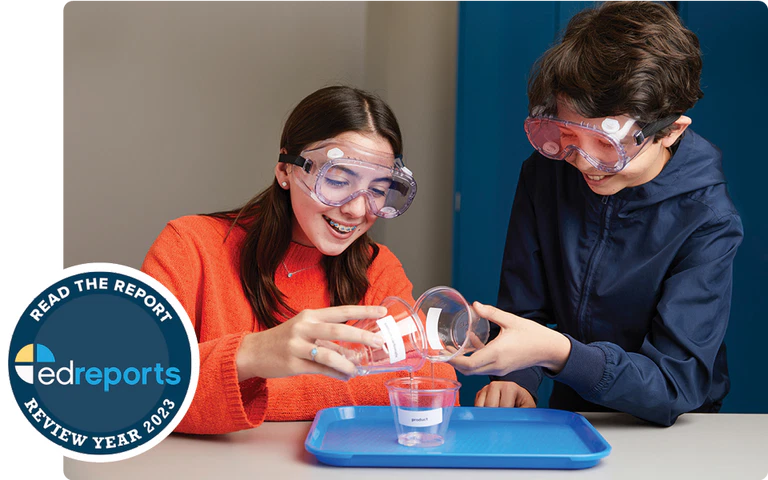
We are the program for Tennessee’s middle school students and teachers.
Amplify ELA is a blended curriculum designed specifically for grades 6–8. With Amplify ELA, students learn to tackle any complex text and make observations, grapple with interesting ideas, and find relevance for themselves.


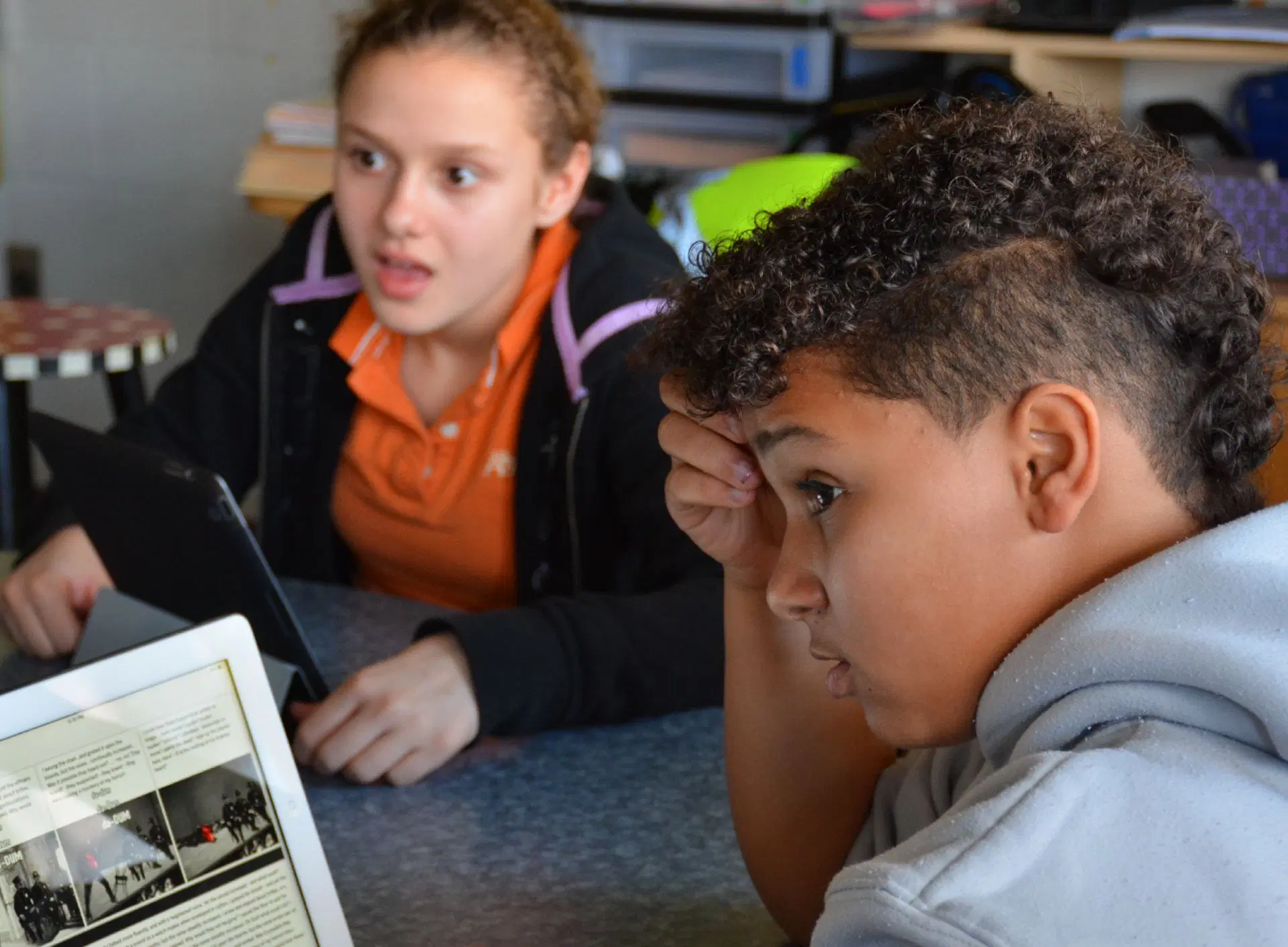

Built for middle school teachers and students
We are the program for Tennessee’s teachers, offering rich texts that are a delight to teach, better connections with your students through powerful differentiation and assessment tools, and step-by-step instructional guides that save you time and simplify your day.

All-green rating on EdReports
The results are in! Amplify ELA earned an-all green rating from the independent review group.
Our approach
Amplify ELA lessons follow a structure that is grounded in regular routines but flexible enough to allow for a variety of learning experiences. Each grade includes six units centered on literary or informational texts, delivered in several forms of media. Your classroom will also benefit from two to three immersive learning experiences called Quests and a dedicated Story Writing unit. With our new hybrid design, teachers can make choices about when their students use devices without compromising learning and providing 100% standards coverage.
We empower students to become critical thinkers.
With text always at the center, students are encouraged to make meaning for themselves. They develop ideas and opinions on real-world, relevant texts, instead of focusing on right or wrong answers.
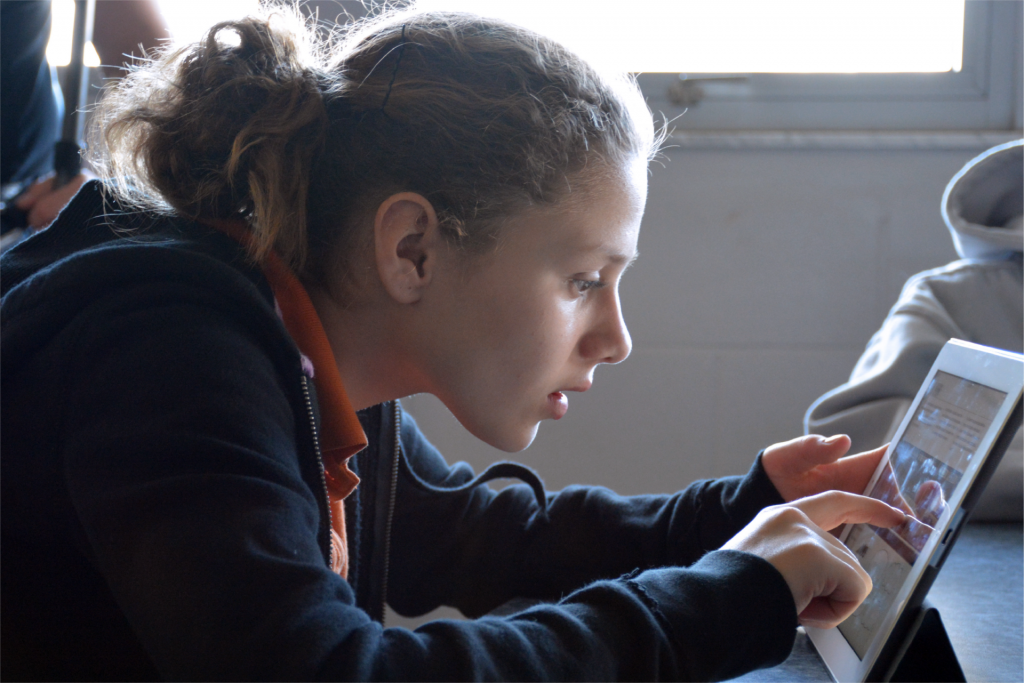
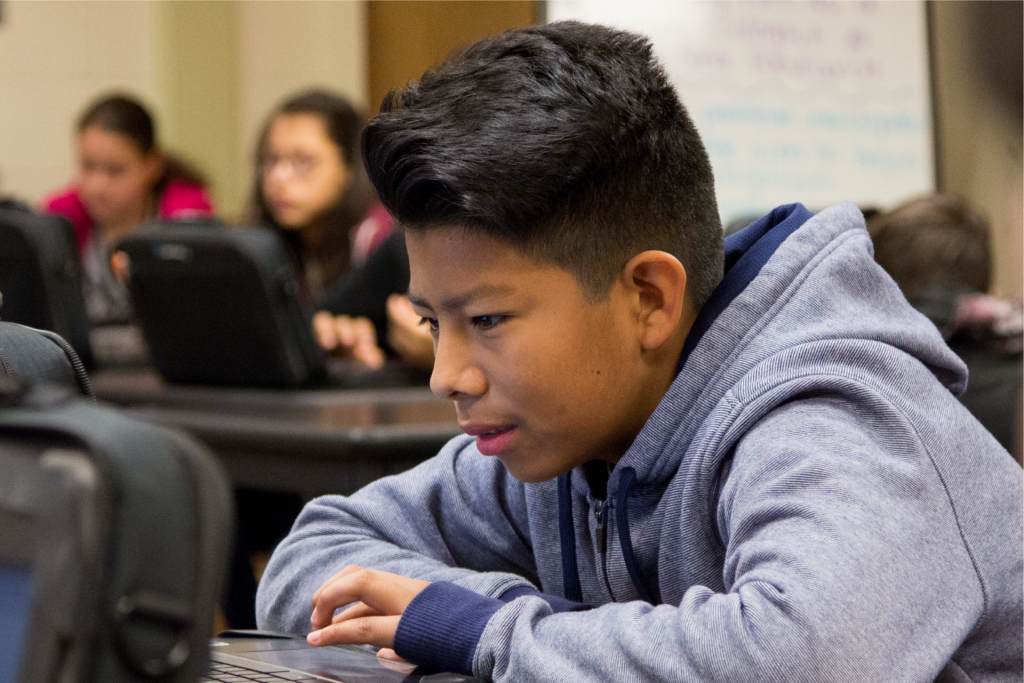
We provide opportunities for all students to work “up.”
Multiple entry points and differentiated supports allow every student, regardless of fluency or ability level, to engage deeply with the same complex texts and rigorous curriculum.
We assess while you instruct.
Formative assessment reports provide a continually updated picture of how each student is progressing with key skills and standards. Each learning moment provides a small piece of data, allowing you to keep teaching while building a clear understanding of student performance.


Download a free white paper
Beyond “make it fun”: Four principles of true engagement in middle school ELA
Download the white paperWhat’s included
Rigorous core curriculum that empowers teachers and engages middle school students
Student Edition
Available digitally and in print, the student materials guide middle schoolers through complex texts and writing by:
- engaging students with high-quality narrative and informational texts
- providing videos, audio supports, and digital experiences that capture their attention
- keeping all of their writing in one place with the personal writing journal
Teacher Edition
Available digitally and in print, the Teacher’s Edition contains all of the information teachers need to facilitate classroom instruction, including:
- detailed lesson plans
- video teacher tips embedded in the lesson
- standards alignment and exit tickets
- real-time differentiation strategies
- robust reporting
Interactive Quests
Quests are fun, week-long explorations where students practice analytical reading, writing, speaking, and listening skills all while building a strong classroom community.
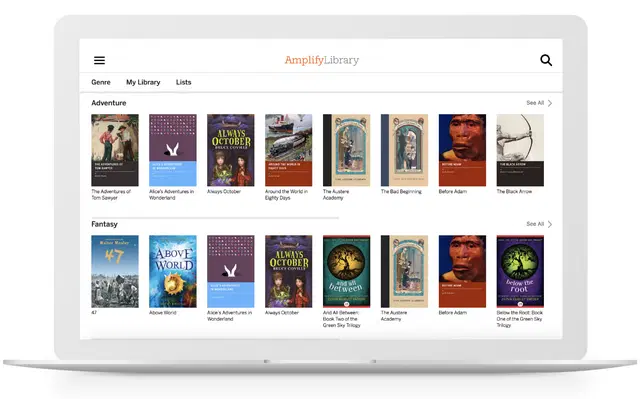
Digital library for independent reading
Amplify Library: Our expansive digital library includes more than 650 fiction and nonfiction, classic, and contemporary titles.
Amplify ELA makes teachers’ lives easier
Our program ensures that standards are covered, skills are taught, and students are prepared with proper scaffolding and encouragement.
- Embedded differentiation to support all readers.
- Informative and streamlined assessment system.
- Robust reporting that tracks progress.
- Powerful feedback tools.
Explore more programs
Our programs are designed to support and complement one another. Learn more about our related programs.


Our research
Desmos Math 6–A1
A year-long, blended middle school math curriculum delivered through the Desmos Classroom platform. Desmos Math 6–A1 lessons are aligned to scope and sequence and include assessments, teacher supports, an English/Spanish toggle, and much more.
Efficacy
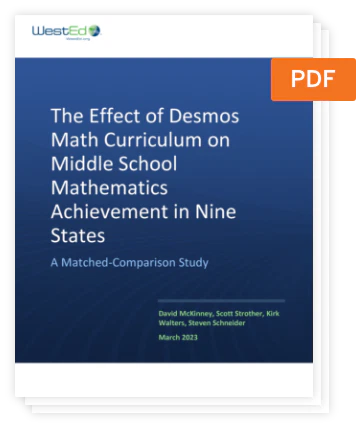
The Effect of Desmos Math Curriculum on Middle School Mathematics Achievement in Nine States

Explore more of our research.
Learn more about the research behind our programs.


Our research and case studies
Our programs benefit millions of students every day using methods that are evidence-based, ESSA-aligned, and showing efficacy in a variety of contexts. All Amplify programs meet the criteria for ESSA Tiers I–IV, demonstrating statistically significant and positive results for learners. All Amplify programs are eligible for ESSER funding.





Our K–12 programs inspire students around the world.
At Amplify, we believe all teachers and students deserve high-quality materials. That’s why we partner with schools globally to meet their core curriculum, assessment, and intervention needs.
With solutions grounded in research and evidence-based practices, Amplify is making an impact around the globe.
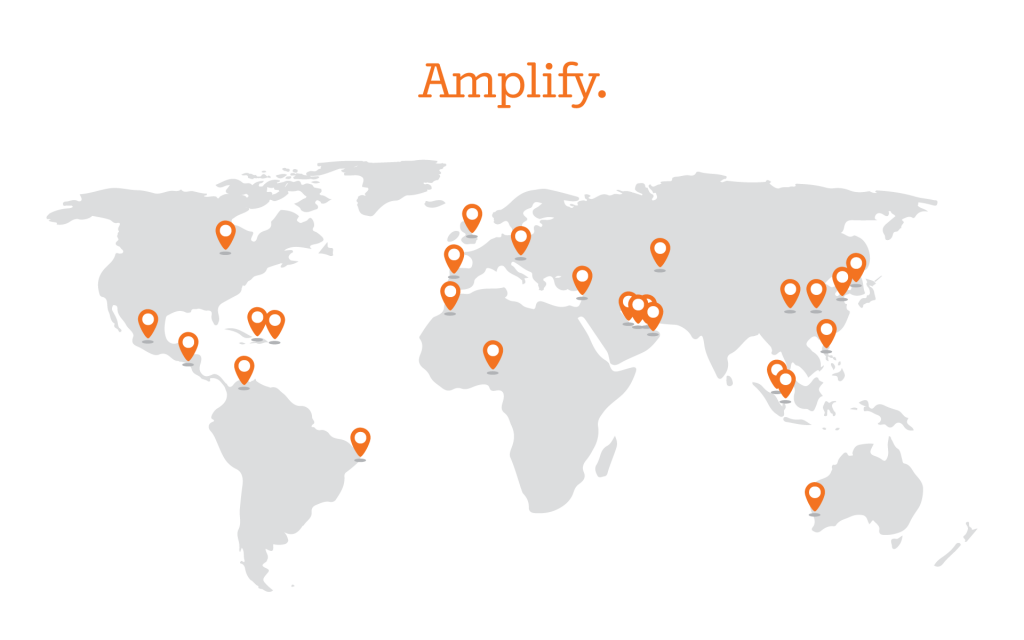
We are making an impact around the globe
6
continents
50
U.S. states and D.C.
4000+
school districts in the U.S.
10,000,000+
students in 2021
We publish high-quality curriculum and assessments.
Amplify is leading the way in next-generation curriculum and assessment. Our captivating core and supplemental programs in ELA, math, and science engage all students in rigorous learning and inspire them to think deeply, creatively, and for themselves. Our formative assessment products turn data into practical instructional support to help all students build a strong foundation in early reading and math.
All of our programs provide teachers with powerful tools that help them understand and respond to the needs of every student.

Amplify Science K–8
A hands-on, phenomena-based curriculum for grades K–8 featuring:
- Robust teacher and student support for remote, hybrid, and in-person learning environments.
- Evidence-based instructional model with standards alignment to global curricula such as International Baccalaureate and the Central Board of Secondary Education.
- Literacy-rich science instruction that enables young scientists to become excellent readers, writers, and speakers.

Do, Talk, Read, Write students outperform their peers.

English language learners who use Do, Talk, Read, Write outperform their ELL peers.

Do, Talk, Read, Write increases learning outcomes.
Amplify Math K–12
Amplify Math is designed around the idea that a core math curriculum needs to serve 100 percent of students in accessing grade-level math every day. To that end, the program delivers:
- Real-time insights, data, and reporting that inform instruction.
- Engaging, discourse-rich math lessons that are easier to teach.
- Flexible, social problem-solving experiences both online and off.


Flexible, social problem-solving experiences
Digital lessons should be powerful in their ability to surface student thinking and spark interesting and productive discussions. We’ve partnered with Desmos to bring this vision to life with our complete library of Amps—social, collaborative lessons powered by Desmos technology.

Amplify Core Knowledge Language Arts K–5
Built on the Science of Reading, Amplify Core Knowledge Language Arts® (CKLA) sequences deep content knowledge with research-based foundational skills.
- Engaging topics and immersive learning support students wherever they are.
- Explicit, systematic foundational skills lessons are easy to use and set every student up to succeed.
- Knowledge-building across units and grades helps access complex text, so real comprehension can happen.
Students love CKLA. But don’t just take our word for it.
Amplify CKLA is impactful for teachers, administrators, families, and most of all– students! Hear what students think about Amplify CKLA.
Amplify Reading K–8
Amplify Reading is a personalized, digital supplemental reading tool for grades K–8 featuring:
- Research-based instruction that is proven to accelerate reading growth in just 30 minutes per week.
- Captivating storylines and games with powerful individualized reading instruction and practice to bridge learning gaps while learning independently.
- Immersive narratives and engaging skill games that kids can’t wait to play,
- Easy-to-implement and easy-to-use, with virtually no additional work for the teacher.

Amplify Reading keeps all students playing and motivated to learn.
Amplify Reading includes age-appropriate storylines that excite students’ curiosity. Regardless of their reading ability, students are placed in a year-long storyline that is developmentally appropriate for them. As students grow, so do the immersive worlds around them.

mCLASS assessment and intervention K–6
mCLASS® is the gold-standard K–6 assessment and intervention suite for early literacy that helps every child learn to read confidently.
- Universal and dyslexia screening in a single powerful tool—no additional assessment system required.
- Precise one-minute measures based on over three decades of predictive data enable mCLASS to provide the right instruction for each student.
- Eliminate the manual assessment process and gives you instant results and clear next steps for each student.
The power of mCLASS
Based on decades of leading literacy research, mCLASS lets you know exactly which part of a skill a student is struggling with, then gives you effective next steps and lesson plans.
Watch how mCLASS can help teachers:
- Save hours of time.
- Catch at-risk students earlier.
- Connect data to personalized learning.
TEA announces additional innovative learning solutions for K-12 English and Spanish and K-5 science to support schools across Texas
AUSTIN, Texas—October 5, 2020—The Texas Education Agency today announced the next set of instructional materials—covering K-12 English Language Arts and Reading (ELAR), K-5 Spanish Language Arts and Reading (SLAR), and K-5 Science—that will be made available to school systems through the Texas Home Learning 3.0 (THL 3.0) initiative. Like other THL 3.0 offerings, these instructional materials are optional, digitized, customized for Texas, and aligned to Texas Essential Knowledge and Skills (TEKS)—the state standards for what students should know and be able to do.
TEA has partnered with Amplify for K-8 ELAR and K-5 SLAR, Odell Education for 9-12 ELAR, and Great Minds for K-5 Science to develop and deliver this next set of high-quality resources including TEKS-aligned unit and lesson plans. Additional materials will be released on a continuous basis. Before release, all THL 3.0 instructional materials undergo a rigorous review that includes Texas teacher feedback to confirm alignment with TEKS and quality standards. Additional THL 3.0 instructional materials for other subjects and grade levels will be announced over the coming weeks.
“As the pandemic continues to disrupt public education across our state, TEA is committed to supporting schools with effective distance learning resources,” said Texas Education Commissioner Mike Morath.
Amplify’s K-5 Texas Elementary Literacy Program for ELAR and SLAR and 6-8 Amplify ELAR Texas are TEKS-aligned language arts curriculum designed to support Texas learners in the classroom, at home, or wherever learning takes place. Built on the science of teaching reading, the K-5 Amplify Texas Elementary Literacy Program combines foundational skills with content knowledge—so that learning to read and reading to learn develop together. The 6-8 Amplify ELAR Texas program is a TEKS-aligned, blended language arts curriculum that places text at the center of every lesson. Designed specifically for Texas middle schools, this flexible program supports digital, print, and hybrid classrooms.
“We are thrilled to partner with TEA to provide Texas teachers and students with the highest quality reading and language arts programs that align to TEKS standards,” said Larry Berger, chief executive officer of Amplify. “Amplify’s flexible core and supplemental materials will support Texas educators and students whether learning is happening at home, in school, or some of each.”
Odell Education’s Texas High School Literacy Program, which covers 9-12 ELAR, is an innovative program created specifically for Texas high school students and educators. It is designed to support seamless learning in a variety of contexts. The program empowers teachers and students through dynamic activities centered on rich texts and topics as they develop TEKS-aligned literacy skills, habits, and knowledge.
“We are thrilled to partner with Texas educators to develop an exciting new literacy program for the high school students in Texas,” says Odell Education CEO Judson Odell. “Thanks to the tremendous commitment of the Texas Education Agency, Texas high schoolers will have a flexible program for this year and beyond that fosters the literacy they need to thrive wherever their path may lead them.”
Great Minds’ K-5 PhD Science TEKS Edition is a phenomenon-based program in which teachers facilitate the learning, but students own it. In every module, students explore authentic phenomena to build an enduring understanding of core science concepts through hands-on investigations and evidence-based learning. And now it is being adapted to align with the TEKS and, in partnership with TEA through its Texas Home Learning initiative, will be available as an open education resource for all schools and districts in the state.
“Science education should start early, and it should be comprehensive,” says Pam Goodner, Great Minds Chief Academic Officer for Science. “Texas recognizes that students need coherent instruction that builds knowledge from lesson to lesson to develop deep scientific understanding. PhD Science TEKS Edition will deliver what the state is seeking to help students act as scientists to observe, model, investigate, and understand the world around them.”
THL 3.0 is a comprehensive initiative to support school systems, teachers, parents, and students during the public health crisis and beyond with high-quality instructional materials, technology solutions, and professional development resources. TEA previously announced that it will offer all Texas school systems a world-class Learning Management System (LMS) from PowerSchool’s Schoology for two years at no cost. Nearly 400 Texas school systems have already signed up, with another 200 currently engaging with the Schoology team.
For more information on Texas Home Learning 3.0, please click here.
The Texas Education Agency news release is available here.
Welcome, Indiana review committees!
Dear Indiana teachers and educators,
We’re excited to be part of your adoption process.
Amplify Desmos Math is a curiosity-driven program for grades K–12 that builds lifelong math proficiency. Through a structured approach to problem-based learning, Amplify Desmos Math helps teachers create a collaborative math community with students at its center. Grades K–8 courses rated perfect scores on EdReports. Read the review on EdReports.
With great respect for what you do,
The Indiana Amplify team


Amplify CKLA
Using a fundamentally different approach to language arts, Amplify Core Knowledge Language Arts® (CKLA) is a PreK–5 program that sequences deep content knowledge with research-based foundational skills. Amplify CKLA met expectations and received all-green ratings from EdReports. Read the review on EdReports.
Amplify ELA
Amplify ELA is the only program truly designed to support middle school students at this critical developmental moment. We ensure that skills are taught, standards are covered, and the test is prepped – all while bringing texts to life and differentiating instruction. Read the review on EdReports.


mCLASS
mCLASS® is an all-in-one system that integrates universal and dyslexia screening, progress monitoring, and targeted instruction for grades K–8. Built on Science of Reading principles and powered by DIBELS® 8th Edition, mCLASS provides educators with the tools to assess and develop the essential reading skills that Indiana students need to build reading confidence and proficiency.
Amplify Science
Amplify Science empowers Indiana students to think, read, and write like real scientists and engineers. Amplify Science K–8 received all-green ratings in EdReports’ review of national science curricula. Read the review on EdReports.

Amplify Desmos Math
Amplify Desmos Math is a curiosity-driven program for grades K–12 that builds lifelong math proficiency. Through a structured approach to problem-based learning, Amplify Desmos Math helps teachers create a collaborative math community with students at its center. Grades 6–8 courses rated perfect scores on EdReports. Read the review on EdReports.
Looking for help?
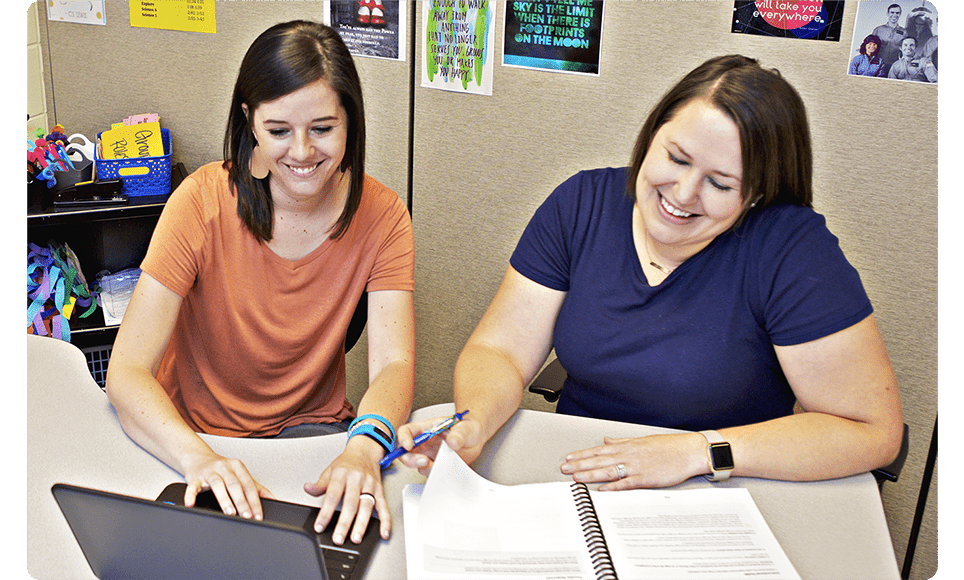
Powerful pedagogical and technical support
Amplify provides a unique kind of support you won’t find from other publishers. We have developed an educational support team of former teachers and administrators who provide pedagogical support for every Amplify curriculum, assessment, and intervention program. This service is completely free for all educators who are using our programs, and includes:
- Guidance for developing lesson plans and intervention plans.
- Information on where to locate standards and other planning materials.
- Recommendations and tips for day-to-day teaching with Amplify programs.
- Support with administering and interpreting assessment data and more.
To reach our pedagogical or technical team, try the following options:
- Live chat: Click the orange icon while logged in to any program to receive immediate help.
- Phone: Call our toll-free number: (800) 823-1969.
- Email: Send an email to help@amplify.com. In the message body, please include your name and question. Provide as much detail as possible, so we can more quickly help you find a solution.
Contact us
Support is always available. Our team is committed to helping you every step of the way. Contact your dedicated Indiana representative here for program access, samples, and additional information.

Elizabeth Sillies Callahan
Southern IN
(513) 407-5801

Jody Kammer
Central IN
(310) 402-7837

Amanda Knipper
Northern IN
(260) 894-5123

Paige Lawrence
District enrollment below 1200
(980) 421-2608
Amplify virtual sampling
Bring the world to students with Amplify CKLA 2nd Edition!
Amplify Core Knowledge Language Arts (CKLA) 2nd Edition is a comprehensive early literacy curriculum grounded in the Science of Reading. With Amplify CKLA, you’ll have the instruction and guidance of proven, evidence-based practices to help all of your students become strong readers, writers, and thinkers.
Start your review
Digital samples for Grades K–5 are included here, along with other helpful materials for completing your review.
Watch the program overview video, in which Susan Lambert, host of Science of Reading: The Podcast, provides an overview of the unique structure and components of Amplify CKLA for Grades K–5.
The Amplify CKLA Program Guide provides you with an in-depth view of how Amplify CKLA works, how it’s structured, and why it’s uniquely capable of helping you bring reading instruction based on the Science of Reading to your classroom.
For an even more in-depth look at Amplify CKLA, review the following materials:
Click here to access materials!
K–5 Materials
Grades K–2: Dedicated knowledge building and explicit skills instruction
Every day, students in Grades K–2 complete one full lesson that builds foundational reading skills in the Skills Strand, as well as one full lesson that builds background knowledge in the Knowledge Strand. Through learning in each of these strands, students develop the early literacy skills necessary to help them become confident readers and build the context to understand what they’re reading.
Grades 3–5: Integrated instruction
In Grades 3–5, Knowledge and Skills are integrated in one set of instructional materials. Lessons begin to combine skills and knowledge with increasingly complex texts, close reading, and a greater writing emphasis. Students can then use their skills to go on their own independent reading adventures.


Amplify CKLA is more engaging than ever!
Fascinating subjects and cool tools captivate students. An intentional approach to background knowledge invites students to dig deeper, inspiring curiosity and driving results. With a cutting-edge digital experience, beautiful and newly-designed decodable Readers, and fascinating extended-learning units that take students all over the world, Amplify CKLA is more engaging than ever before—for both teacher and student!
The Amplify Digital Experience
With the Amplify CKLA digital experience, it’s never been easier to deliver engaging lesson presentations. Your students will love features that allow them to interact with their reading instruction like never before, and you will love the tools that help you keep their attention!
These ready-made, customizable, slides-based lesson presentations enhance instruction and save you time. With the Amplify CKLA digital experience, you’ll have everything you need in one place to plan and present high-quality, engaging early literacy instruction.

Authentic texts and extending learning
As part of our commitment to creating even richer and more diverse curricula, we now offer newly redesigned decodable Readers and six new supplemental learning units. Stories with human characters now have improved inclusivity and authenticity, and other stories feature fantastical creatures to bring excitement and whimsy to the tales. Supplemental Knowledge Research Units extend learning for Grades K–5, incorporating Amplify CKLA’s powerful and evidence-based instructional approach while also adding more diversity, authentic literature, and flexibility. The authentic trade books in each of these units will inspire your students’ curiosity and grow their capacity for research and inquiry.
Introducing Amplify Caminos!
Amplify Caminos is an authentic elementary Spanish language arts program. Like its English language partner, Amplify CKLA, Amplify Caminos provides explicit, systematic foundational skills instruction sequenced with deep knowledge-building content to foster comprehension. When used with Amplify CKLA, Amplify Caminos provides full parity across English and Spanish that’s suitable for any dual language implementation model.
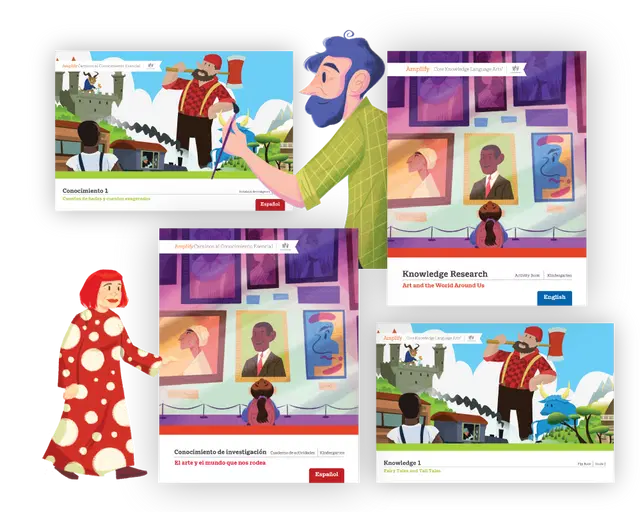
Amplify ELA – Review for grades 6-8
Welcome, Indiana literacy educators!
Amplify ELA is built specifically for the needs of middle school teachers and students. This blended curriculum is designed to help teachers implement the Indiana Academic Standards for ELA by delivering a structured yet flexible instructional approach grounded in the Science of Reading.
Looking for core instruction for Grades K–5? Click here.

Designed to prepare Indiana middle schoolers for high school and beyond
After watching the Amplify ELA 6–8 video to the left, scroll down to learn even more, download resources, and access a demo.
What is ELA?
Amplify ELA is a core program for Grades 6–8 that delivers:
- A unique, research-based approach designed to get all students reading grade-level text together.
- An instructional design that inspires students to read more deeply, write more vividly, and think more critically.
- A rich combination of dynamic texts, lively discussions, and interactive Quests that truly engages middle schoolers and inspires them to participate in learning.


How ELA works
Amplify ELA lessons follow a structure that’s grounded in regular routines, yet flexible enough to allow for a variety of learning experiences. You can find more information in our ELA Program Guide.
What students explore
Amplify ELA provides everything you need to deliver a full year’s worth of instruction.
Each grade level of Amplify ELA consists of six multimedia units. Four or five of the units are focused on complex literary texts and one or two are collections based on primary source documents and research. Each grade also provides a dedicated story-writing unit, a poetry unit, and two or three immersive learning experiences called Quests.
Download the Unit Overview and explore a model lesson below to learn more.


Science of Reading
Watching students mature into adolescents? Inspiring. Knowing how to engage and motivate their changing brains? Science.
The middle school years are marked by a period of tremendous growth and change—physically, emotionally, and socially. Amplify ELA understands and embraces these changes, and delivers instruction specifically designed to tap into adolescents’ natural inclinations toward collaboration, exploration, and autonomy.


Differentiation
We believe all students are capable of reading grade-level text together.
Amplify ELA ensures all students have access to the same text. With six distinct levels of differentiation, every student is supported or challenged in a way that meets their unique needs. This includes multilingual/English learners (ML/ELs) at the Developing, Expanding, and Bridging levels, as well as students needing substantial support or an extra challenge.


Assessment
Amplify ELA not only includes captivating content, but also provides clear and actionable measurement data about student performance.
Our embedded formative and summative assessment tools maximize teaching time, while allowing teachers to make confident, data-driven decisions about the instruction and support students need to grow continually as readers and writers.


Get access
Ready to explore as a teacher? Follow these instructions:
- Visit learning.amplify.com.
- Select Log in with Amplify.
- Enter your provided teacher username and password.
- Select ELA.
Ready to explore as a student? Follow these instructions:
- Visit learning.amplify.com.
- Select Log in with Amplify.
- Enter your provided student username and password.
- Select ELA.
Contact us
Support is always available. Our team is committed to helping you every step of the way. Contact your dedicated Indiana representative here for program access, samples, and additional information.
Elizabeth Sillies Callahan
Southern IN
(513) 407-5801
Jody Kammer
Central IN
(310) 402-7837
Amanda Knipper
Northern IN
(260) 894-5123
Paige Lawrence
District enrollment below 1200
(980) 421-2608
Amplify ELA – Atlanta Review3
Core curriculum programs
We strive to create low floors and high ceilings for students in our core curriculum programs, to borrow a phrase from learning theorist and Massachusetts Institute of Technology professor Seymour Papert. In other words, we engage all students with challenging content by creating multiple entry points and different modalities to access the content. We also empower teachers with tools to provide robust scaffolding and differentiated instruction (the stairs to climb up to the high ceiling), to ensure that all of their students can fully engage with rigorous subject matter.
See what the evaluators at EdReports have to say about Amplify’s high-quality core curriculum.

Amplify CKLA
Using a fundamentally different approach to language arts, Amplify Core Knowledge Language Arts (CKLA) is a PreK–5 program that sequences deep content knowledge with research-based foundational skills. CKLA met expectations and received green ratings from EdReports. Learn more about the program.
Amplify ELA
Built specifically for middle school, Amplify ELA is an interactive core curriculum that engages students by bringing complex texts to life. ELA received near-perfect scores from EdReports. Learn more about the program.
Amplify Science
Amplify Science empowers students to think, read, and write like real scientists and engineers. Amplify Science K–8 received all-green ratings in EdReports’ review of national science curricula. Learn more about the program.
Amplify Desmos Math
Coming soon: Amplify Desmos Math is designed around the idea that a core math curriculum needs to serve 100 percent of students in accessing grade-level math every day. The program delivers engaging math lessons that are easier to teach, collaborative problem-solving experiences both online and off, and data that drives performance. (Amplify Desmos Math grades K–Algebra 1 are available to pilot starting back-to-school 2024.)

A curiosity-driven K–12 program that builds students’ lifelong math proficiency
Meet Amplify Desmos Math. Our structured, problem-based approach builds on students’ curiosity while strategically developing math fluency and lasting grade-level understanding. Amplify Desmos Math for grades K–8 has been rated all-green by EdReports.
Math that motivates
Picture a classroom where students are so eagerly engaged in a lesson, they wish it wouldn’t end. The room is buzzing with the sounds of natural curiosity. This is what an Amplify Desmos Math classroom looks and sounds like.
Request a demo to see how math can motivate.
A structured approach to problem-based learning
Amplify Desmos Math combines and connects conceptual understanding, procedural fluency, and application. Lessons are designed with the Proficiency Progression™, a model that provides teachers with clear instructional moves to build from students’ prior knowledge to grade-level learning.

A powerful suite of math resources
Amplify Desmos Math fuses problem-based lessons, intervention, personalized practice, and assessments to create a cohesive and engaging experience that maintains academic rigor while meeting the needs of both students and teachers.
Data informs instruction. Comprehensive student profiles provide full data on students’ assets and skills, empowering teachers to provide just-in-time scaffolds throughout core instruction and targeted intervention when needed. Connect with a product expert to see it in action.

Student thinking is valuable and can be made evident.
We believe that math class is a place where teachers can elicit, celebrate, and build on their students’ interesting ideas. Those ideas fuel meaningful classroom conversations and drive the learning process.
Robust assessments that drive learning and inform instruction
A variety of performance data in Amplify Desmos Math provides evidence of student learning, while helping students bolster their skills. With explicit guidance on what to look for and how to respond, teachers can effectively support students as they develop their understanding.


Diagnostic screening and progress monitoring assessments identify what students know and can do.
Integrated mCLASS® Math assessments go beyond accuracy to reveal students’ math thinking through an asset-based approach. This data provides better insights about what students know, what math assets to leverage, and where students need support.
Reporting and insights
Teachers and administrators have visibility into what students know about grade-level math with a variety of data reports. By evaluating not only what students know about grade-level math but also providing insight into how they think, teachers can confidently plan whole-class instruction and targeted intervention.

Access to grade-level math for every student, every day
Amplify Desmos Math provides teachers with lessons, strategies, and resources to eliminate barriers and increase access to grade-level-content without reducing the mathematical demand of tasks—all while supporting students in building strong number sense, fluency, and conceptual understanding.

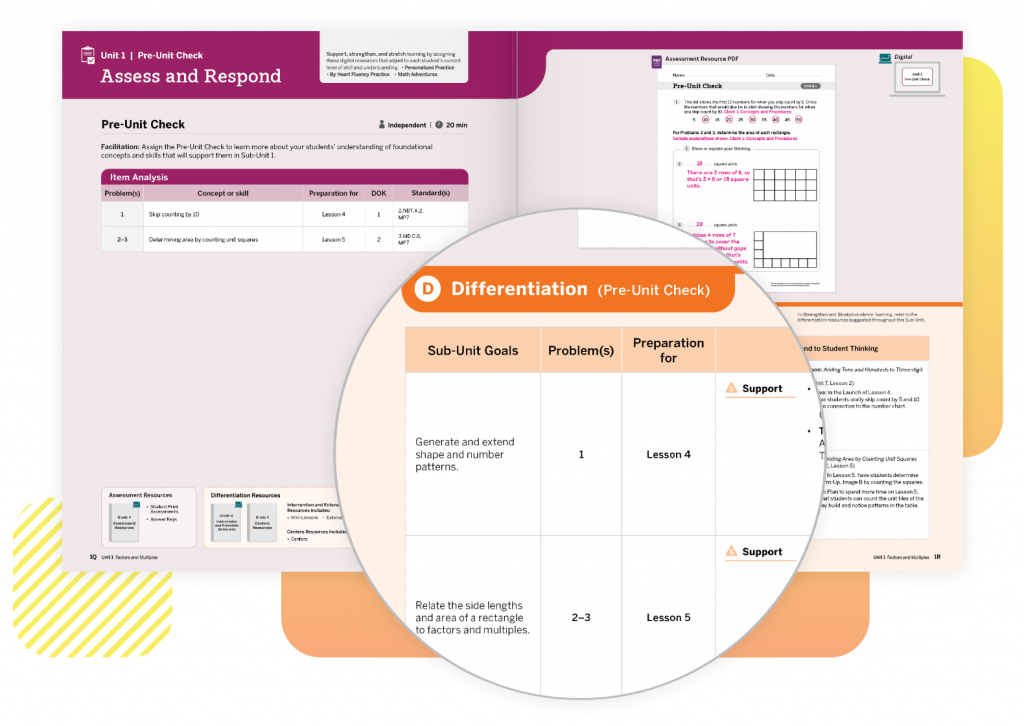
Differentiation when and where it matters most
Teachers are provided with clear student actions to look for, matched with immediately usable suggestions for how to respond to student thinking. Each lesson also includes recommendations for resources to use with students to support, strengthen, and stretch their understanding of the lesson goal.
Connect with a product expert to learn more.
Boost Math
Boost Math® drives tiered intervention and practice for grades K–8, bringing grade-level math within reach of every learner. Students are grouped into learning pathways based on assessment data for key math topics.
Visit Boost Math to learn more.

Personalized Learning
Personalized Learning™ extends each Amplify Desmos Math lesson with short, targeted digital activities designed around the day’s core concepts. Students receive just-in-time support based on their current understanding, helping them build fluency and confidence in the exact skills they’re working on in class.
Intervention Mini-Lessons aligned to core instruction
Amplify Desmos Math Mini-Lessons are aligned to the most critical topics throughout a unit and provide targeted intervention for small groups of students who need additional support or need more time.


Elevate math instruction with Amplify PD.
Amplify Desmos Math offers targeted professional development (PD) sessions designed to enhance teaching strategies, improving student engagement and mastery of mathematical concepts. Gain insights and techniques to maximize instructional effectiveness.
What’s included
The program integrates print and digital resources, along with manipulatives and Centers Kits in grades K–5, to help students build mathematical understanding, reason through mathematical ideas, and express their mathematical thinking. Resources are designed to support the educational rigor of daily core math instruction.

For students
- Print Student Edition (two-volume)
- Digital access to lesson resources and practice
- Interactive Student Activity Screens
- Responsive Feedback™
- Collaboration tools
- Personalized Learning
- Hands-on manipulative kits
- Additional Practice

For teachers
- Print Teacher Edition (two-volume)
- Digital access to planning and instruction resources
- Presentation Screens
- Facilitation and progress monitoring tools
- Assessment and reporting suite, featuring mCLASS Assessments (grades K–8)
- Assessment Resources
- Center Resources (grades K–5)
- Intervention and Extension Resources (grades K–A1)
- Math Language Development Resources
- Additional Practice

Visual and dynamic interactions pique student interest and invite all students to engage in the mathematics.
- Engaging interactions
- Social, collaborative experiences
- Teacher Dashboard
- Teacher Presentation Screens
- Digital facilitation tools
- A powerful conversation toolkit
Amplify Classroom
Amplify Classroom is a free teaching and learning platform that places student engagement at the center of instruction.
Amplify Classroom features free lessons, lesson-building tools, sharing features, and more. Built by math educators, the platform makes leaning into good pedagogy easier for teachers—which makes the lesson a more interactive experience for students.
Create your teacher account at classroom.amplify.com.
Our free lessons can be used alongside any core math program. Click here to view crosswalks to core programs.
Explore more programs.
Our programs are designed to support and complement one another. Learn more about our related programs.
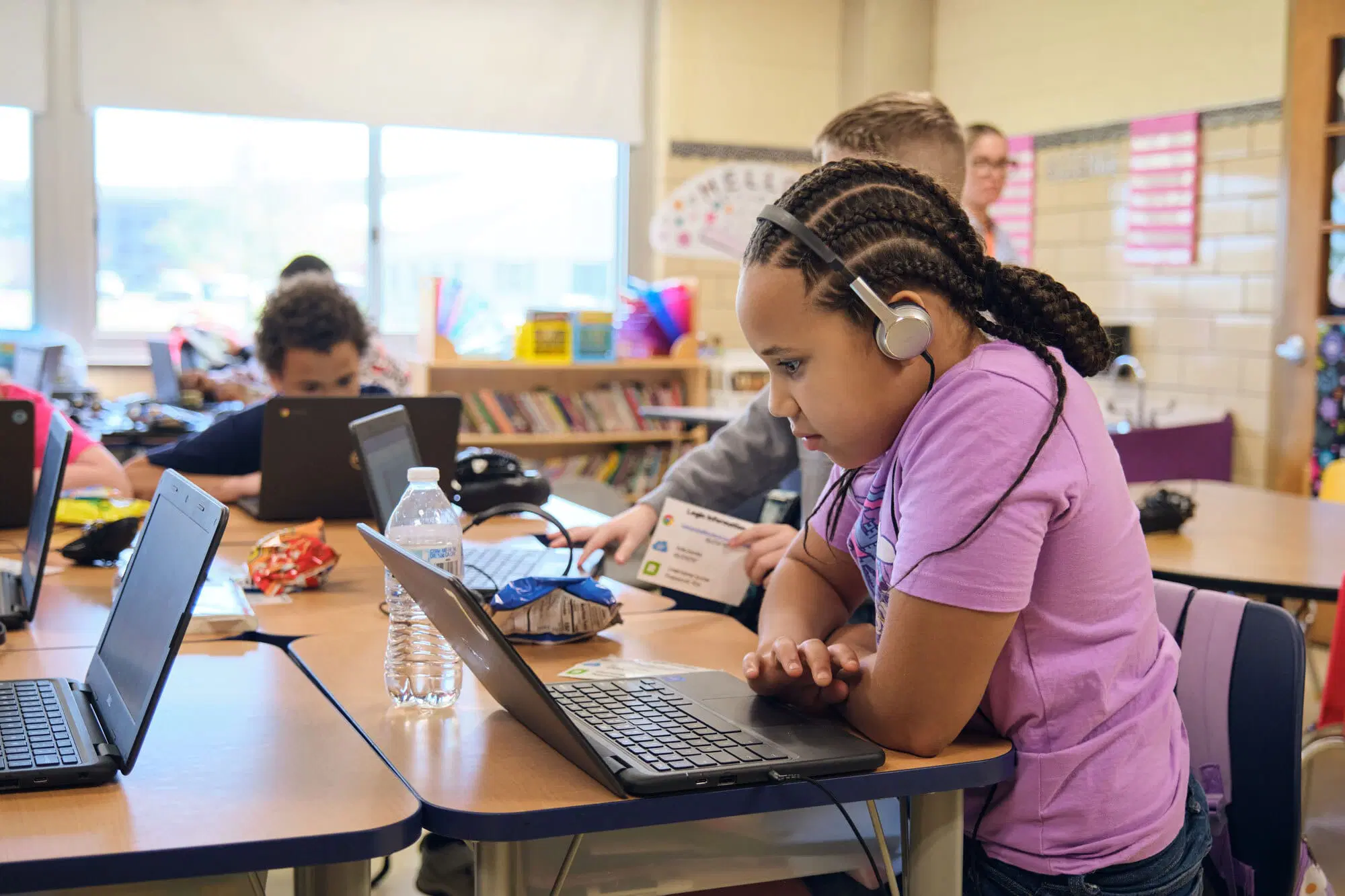
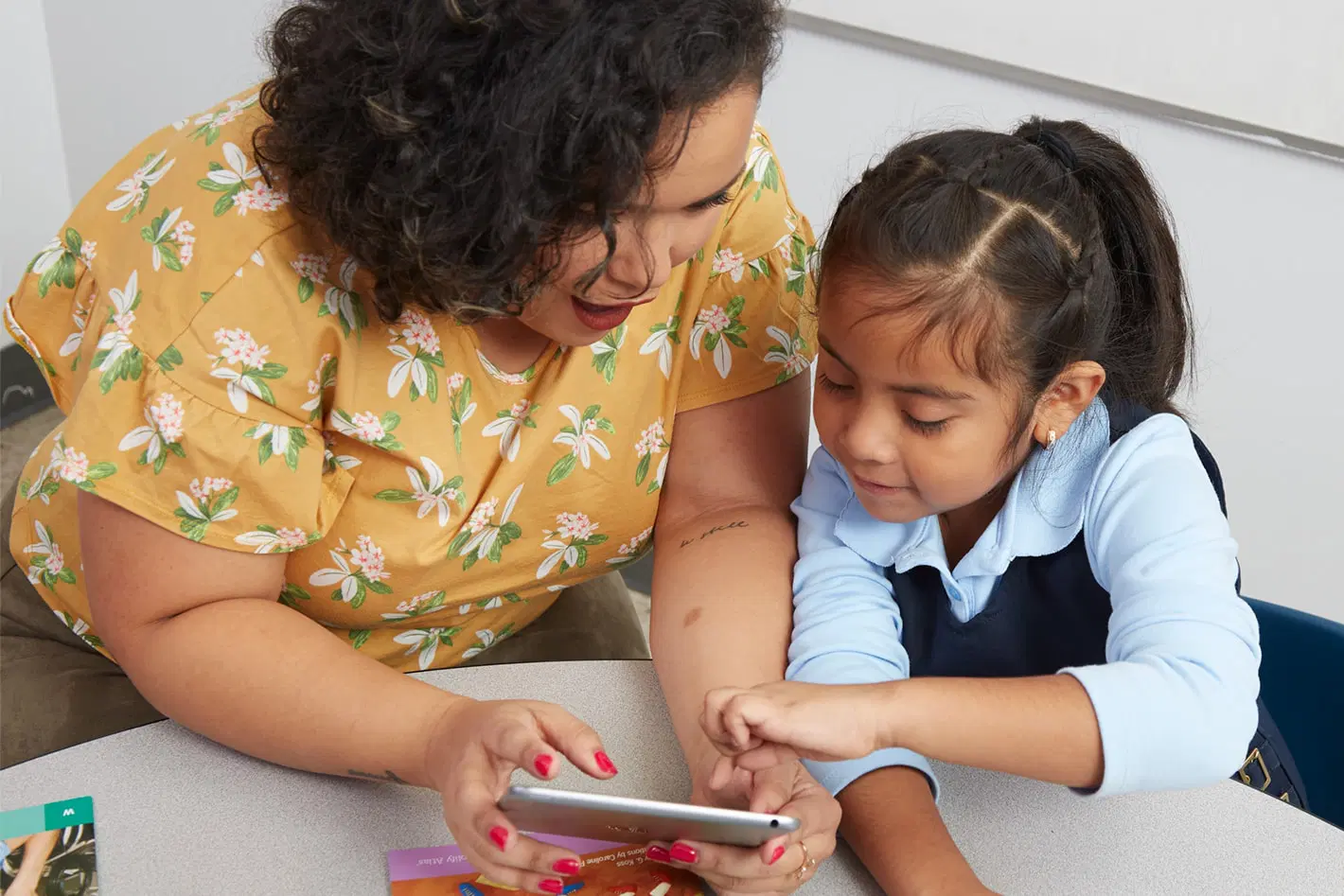

A curiosity-driven K–12 program that builds students’ lifelong math proficiency
Meet Amplify Desmos Math. Our structured, problem-based approach builds on students’ curiosity while strategically developing math fluency and lasting grade-level understanding. Amplify Desmos Math for grades K–8 has been rated all-green by EdReports.
Math that motivates
Picture a classroom where students are so eagerly engaged in a lesson, they wish it wouldn’t end. The room is buzzing with the sounds of natural curiosity. This is what an Amplify Desmos Math classroom looks and sounds like.
Request a demo to see how math can motivate.
A structured approach to problem-based learning
Amplify Desmos Math combines and connects conceptual understanding, procedural fluency, and application. Lessons are designed with the Proficiency Progression™, a model that provides teachers with clear instructional moves to build from students’ prior knowledge to grade-level learning.

A powerful suite of math resources
Amplify Desmos Math fuses problem-based lessons, intervention, personalized practice, and assessments to create a cohesive and engaging experience that maintains academic rigor while meeting the needs of both students and teachers.
Data informs instruction. Comprehensive student profiles provide full data on students’ assets and skills, empowering teachers to provide just-in-time scaffolds throughout core instruction and targeted intervention when needed. Connect with a product expert to see it in action.
Student thinking is valuable and can be made evident.
We believe that math class is a place where teachers can elicit, celebrate, and build on their students’ interesting ideas. Those ideas fuel meaningful classroom conversations and drive the learning process.
Robust assessments that drive learning and inform instruction
A variety of performance data in Amplify Desmos Math provides evidence of student learning, while helping students bolster their skills. With explicit guidance on what to look for and how to respond, teachers can effectively support students as they develop their understanding.
Diagnostic screening and progress monitoring assessments identify what students know and can do.
Integrated mCLASS® Math assessments go beyond accuracy to reveal students’ math thinking through an asset-based approach. This data provides better insights about what students know, what math assets to leverage, and where students need support.
Reporting and insights
Teachers and administrators have visibility into what students know about grade-level math with a variety of data reports. By evaluating not only what students know about grade-level math but also providing insight into how they think, teachers can confidently plan whole-class instruction and targeted intervention.
Access to grade-level math for every student, every day
Amplify Desmos Math provides teachers with lessons, strategies, and resources to eliminate barriers and increase access to grade-level-content without reducing the mathematical demand of tasks—all while supporting students in building strong number sense, fluency, and conceptual understanding.
Differentiation when and where it matters most
Teachers are provided with clear student actions to look for, matched with immediately usable suggestions for how to respond to student thinking. Each lesson also includes recommendations for resources to use with students to support, strengthen, and stretch their understanding of the lesson goal.
Connect with a product expert to learn more.
Boost Math
Boost Math® drives tiered intervention and practice for grades K–8, bringing grade-level math within reach of every learner. Students are grouped into learning pathways based on assessment data for key math topics.
Visit Boost Math to learn more.
Personalized Learning
Personalized Learning™ extends each Amplify Desmos Math lesson with short, targeted digital activities designed around the day’s core concepts. Students receive just-in-time support based on their current understanding, helping them build fluency and confidence in the exact skills they’re working on in class.
Intervention Mini-Lessons aligned to core instruction
Amplify Desmos Math Mini-Lessons are aligned to the most critical topics throughout a unit and provide targeted intervention for small groups of students who need additional support or need more time.
Elevate math instruction with Amplify PD.
Amplify Desmos Math offers targeted professional development (PD) sessions designed to enhance teaching strategies, improving student engagement and mastery of mathematical concepts. Gain insights and techniques to maximize instructional effectiveness.
What’s included
The program integrates print and digital resources, along with manipulatives and Centers Kits in grades K–5, to help students build mathematical understanding, reason through mathematical ideas, and express their mathematical thinking. Resources are designed to support the educational rigor of daily core math instruction.
For students
- Student Edition (two-volume)
- Digital access to lesson resources and practice
- Interactive Student Activity Screens
- Responsive Feedback™
- Collaboration tools
- Personalized Learning
- Hands-on manipulative kits
For teachers
- Teacher Edition (two-volume)
- Digital access to planning and instruction resources
- Presentation Screens
- Facilitation and progress monitoring tools
- Assessment and reporting suite, featuring mCLASS Assessments (grades K–8)
- Assessment Resources
- Center Resources (grades K–5)
- Intervention and Extension Resources (grades K–8)
Visual and dynamic interactions pique student interest and invite all students to engage in the mathematics.
- Engaging interactions
- Social, collaborative experiences
- Teacher Dashboard
- Teacher Presentation Screens
- Digital facilitation tools
- A powerful conversation toolkit
Amplify Classroom
Amplify Classroom is a free teaching and learning platform that places student engagement at the center of instruction.
Amplify Classroom features free lessons, lesson-building tools, sharing features, and more. Built by math educators, the platform makes leaning into good pedagogy easier for teachers—which makes the lesson a more interactive experience for students.
Create your teacher account at classroom.amplify.com.
Our free lessons can be used alongside any core math program. Click here to view crosswalks to core programs.
Explore more programs.
Our programs are designed to support and complement one another. Learn more about our related programs.
Classroom -TEST PAGE
S5-05. Math technology & hacks for math anxiety: research-based tips for caregivers
We’ve been very lucky to have so many prolific and brilliant researchers on this season of Math Teacher Lounge, and our next guest is no exception.
Listen as we sit down with Dr. Marjorie Schaeffer to discuss what causes math anxiety, math hacks, and how the right math technology can make an incredible impact in children and caregivers coping with math anxiety.
Listen today and don’t forget to grab your MTL study guide to track your learning and make the most of this episode!
Marjorie Schaeffer (00:00):
I think the most important thing we know from literature right now is that high math-anxious parents, when they interact with their children, their children learn less math over the course of the school year.
Bethany Lockhart Johnson (00:12):
Welcome back to Math Teacher Lounge. I’m Bethany Lockhart Johnson.
Dan Meyer (00:15):
And I’m Dan Meyer.
Bethany Lockhart Johnson (00:16):
We’re onto Episode 5, Dan, of our series on math anxiety. And I wanna say it feels so lovely to imagine all of these people out there doing work to help combat math anxiety. I dunno, it just makes me feel excited about the possibilities. This work is out there; it’s happening! Kids and teachers and caregivers are being impacted by these conversations. Not just — I mean, I don’t just mean the conversations we’re having on Math Teacher Lounge, but I mean, that these researchers are doing. Like, yes, we can change this!
Dan Meyer (00:53):
This is great. Yeah. We have people who are extremely smart, who have dedicated their professional lives to studying math anxiety and resolving it. And each of them that we’ve chatted with — they share lots of ideas in common, but I’ve loved how they each have their own different flavor or take or area of emphasis on a problem that hits everybody everywhere. It’s in your home, with kids and caregivers. It’s in schools. It’s in our places of teacher preparation and professional learning. Every place is a place where we can focus on resolving issues of math anxiety. It’s exciting.
Bethany Lockhart Johnson (01:26):
Yeah, I feel like … if there could be a course in — we all know that our teacher prep programs, in MOST teacher prep programs, there’s not nearly enough math methods or time to cover <laugh> — it’s like ready, set, go! And depending on who your mentor teacher is or what your math methods course … I mean, it can totally shape the way that you are prepared or really not prepared for going out there to teach math! And so I love that we’re having these conversations.
Dan Meyer (01:55):
What I love about today’s conversation is, one, it’s got a little bit of a technology flavor, so there’s that. But I also love, it’s got one of my favorite features about change, which is that it focuses on change to action, change to routine, rather than change to belief. Rather than saying like, “OK, everybody! Everybody stop thinking bad beliefs about math and transmitting them to your kids!” Instead, it says, “What we’ll do is just, hey, we’ll set that aside for a second and we’re gonna do a certain thing every day and watch as those actions make your beliefs change.” That to me is extremely cool. And I think it has a higher likelihood of success than just, like, me telling parents, “Hey, stop thinking these thoughts!”
Bethany Lockhart Johnson (02:37):
“Ready, set, stop being anxious!”
Dan Meyer (02:39):
Exactly. Exactly. So it’s an exciting conversation we’re gonna have here.
Bethany Lockhart Johnson (02:43):
Right. So it’s not a, you know, “wave the wand and all of a sudden, you’re not anxious about math anymore.” But these incremental changes, these incremental conversations, this validation, can really, really impact change. I’m with you on it, Dan. I hear what you’re saying.
Dan Meyer (03:01):
To help us talk through all of these ideas and more, we’re joined by Dr. Marjorie Schaeffer, Assistant Professor of Psychology at St. Mary’s College in Indiana.
Bethany Lockhart Johnson (03:10):
Enjoy. <Jaunty music> So, yes, Dan, we are so excited to welcome Marjorie Schaeffer. She’s Assistant Professor of Psychology at St. Mary’s College. Dr. Schaeffer, we’re so excited you’re here. Hello!
Marjorie Schaeffer (03:28):
Thank you so much for inviting me.
Dan Meyer (03:29):
Yeah. We are super-lucky to have had so many prolific and brilliant researchers about math anxiety on our show. You’ll be no exception. And every time, we love to find out about how you came to study math anxiety, which winds up being a really interesting glimpse into your backstory bio. So tell us, what is the route by which you came toward studying math anxiety?
Marjorie Schaeffer (03:51):
Oh, I love that question. I’m really interested in how the attitudes and beliefs of parents and teachers influence children, especially around math. And I actually became interested in this idea in college, when no Child Left Behind was actually first starting to be implemented in schools with high-stakes standardized testing. So much so that I actually did my thesis on this thinking about, “Do children understand the importance of high-stakes testing? Do they have anxiety around that idea?” And so that was really my first foray into the anxiety literature. And that was kind of the entry point into math anxiety for me.
Dan Meyer (04:28):
So you started by studying a very high-stakes assessment, like our students connecting with this. And the assessment is once per year. And classroom instruction is every day. So how did you move from the assessments to the everyday instruction?
Marjorie Schaeffer (04:44):
That’s a great question. So, after college, I actually taught kindergarten. And so from that, I saw the day-to-day impact of instruction and the day-to-day impact of children’s individual attitudes and beliefs. And so I really became interested in thinking about, “How do we understand why some children are really successful from the instruction happening in classrooms and why other children need a little bit more support?” And so math anxiety was one way for me to really think about the individual differences I saw in my kindergarten classroom.
Dan Meyer (05:18):
It feels like you headed … you went farther upstream, is what it feels like. Where assessment … there’s like some kind of anxiety around assessment, let’s say. And then you ventured farther up the stream to classroom instruction and then still farther into kids’ homes. It seems like your research invokes a lot of curiosity about the sources of a kind of amorphous, flowing phenomenon called math anxiety. And I’d love to hear a bit about what you know about how caregivers transfer, transmit — whatever the word is — math anxiety to their kids.
Marjorie Schaeffer (05:55):
For parents … we think that the attitudes and beliefs of parents matter. And we see that for lots of areas, not just math anxiety. But I think math anxiety, we see that really clearly. And so, we can think about it both in terms of what kind of input parents provide. So, how do families talk about math with their children? What kind of support do they provide around homework? And those are ones that I think are a little obvious. But we can also think about the offhanded comments that parents say to children when they’re talking about math generally. Right? So, we see lots of memes going around, talking about how hard math homework is. And so, I think when parents say offhanded comments like, “I’m not a math person,” or “We’re just bad at math,” that communicates values to children. I think the most important thing we know from literature right now is that high math-anxious parents, when they interact with their children, their children learn less math over the course of the school year. And this specific mechanism by which that happens is still an area for a lot of research. And so some people think it’s about input. So maybe if I’m math anxious, I’m avoiding math. And so, when I have an option to read a picture book that has math content, I focus on the colors instead. And so, my child is actually getting less math than other children. We can also think it’s about these messages that are provided. So, when I talk about math, I send the message to my child, it’s not for them, and therefore the child wants to engage in it less. And some of my work looks at things like expectations and values. So, thinking about, “Do math-anxious families actually value math less than other families unintentionally?” And so, we have some support for this idea that they expect less of their children. And so maybe when they struggle, they respond in different ways than a family who’s lower in math anxiety.
Bethany Lockhart Johnson (07:53):
This is so fascinating to me. I also was a kindergarten teacher. And I remember a mom who just … she had such like palpable math anxiety. And during one of our conversations, she was talking about these homework sessions with her daughter. And I may have mentioned this on the podcast before. But she was talking about how every night they would sit together and they would do all this math. They’d do, like, extra math together. And it always ended in tears. And despite her math anxiety, she didn’t want her daughter to experience the math anxiety that she did. So she was trying to pile it on, so her daughter was more proficient and comfortable. And instead, it was perpetuating this anxiety about it. And so, it’s a phenomenon then, right? Even if a parent is saying, like you said, maybe completely unwilling, this mother was actually trying to do the opposite. She was trying to help, you know, imbue the love and comfort with math. Right?
Marjorie Schaeffer (09:01):
Absolutely. This is why I think in my research, it’s really important that we find low-stakes, low-stress ways for high math-anxious families to do math. They absolutely can support their children in doing math. But they need a little support. We want it to be a fun, low-stakes environment, right? So maybe that’s the connection back to high-stakes testing, that I want children to have fun math experiences.
Dan Meyer (09:28):
Yeah. This is challenging, because it feels like the more caregivers know about math anxiety, and its pernicious effects on students, and how easily transmitted it is, one could become quite anxious about math anxiety. And, you know, no one makes great decisions when they’re anxious. So if I’m recalling our various episodes we’ve done, we’ve heard from people say, “Well, you need to validate students’ math anxiety. This is not something to just ignore or brush past. But also, not validate it in a way that says, you know, ‘This is OK and generational and inevitable.’” Which presents parents with a very thin path to follow, it seems like. So I love what you’re saying about how we gotta just de-stress the whole process.
Bethany Lockhart Johnson (10:11):
You’re avoiding the whole, “I wasn’t a math person either” kind of thing. <laugh>
Dan Meyer (10:15):
Right, right, right. Yeah. So I’d love to know more. We’re excited about the technology that you have studied and helped develop, presumably, called Bedtime Math, anapp for caregivers. And I’d love to know more about what that is and what it offers parents who know enough about math to know that they don’t want to transmit math anxiety to their children, but also want to support. So what does that offer them?
Marjorie Schaeffer (10:39):
So Bedtime Math is an app. It’s freely available on iTunes or the Apple Store or Google Play. And what it’s designed to do is to provide a nightly topical passage. So one of my favorites is the one about Groundhogs Day. And so it talks a little bit about the history of Groundhogs Day, and then it asks math-related follow-up questions. So starting at a preschool level, going through late fifth grade. And it’s really meant for parents to pick the one that meets their children where they are. And so the preschool-level question asks children to pretend to be a groundhog and walk to the left and walk to the right. So a skill that families might not think about as being math, but we actually think that IS part of understanding math. Understanding left and right directionality. And then the next question can ask questions like, “If it took the groundhog three seconds to climb out of the hole, and then two more seconds to see its shadow, how much time did it take all together?” So a simple addition problem, but it’s phrased in a fun way. And so the hope is that for high math-anxious families, these interactions are fun and playful. They don’t look like fights over homework. They’re just conversations that families can have around topics that are naturally interesting to children. And our hope is that when families have lots of these positive low-stakes interactions, they actually can see that we can talk about math in unstressful ways. In lots of ways, right? We can also do this at the grocery store. We can also do this while we’re cooking in the kitchen. It doesn’t just have to be fights over homework.
Bethany Lockhart Johnson (12:14):
And I actually have the Bedtime Math — one of the Bedtime Math books. And I was so excited to find out that there’s an app. And I think one of the things that I loved about the book is that these are invitations, right? They’re exactly that. Low pressure <laugh>, and they’re invitations to have a conversation. And if we were just to tell parents, “Oh, just count!” or, “Hey, just count wherever you go!” You know? No. It’s, in a way, I think, like you said, it’s retraining the parents on what math could look like. Like, “Oh, I didn’t even think we could just kind of have this conversation and we’re actually doing math together.”
Marjorie Schaeffer (12:55):
Yes, absolutely. I absolutely agree. We want it to be fun and playful and not stressful. And we want it to also be things that are meaningful to children’s lives. So these are topics children are interested in. It’s not that we are using flashcards or making children practice math facts over and over again. These are things children should wanna do that can naturally fit into a child’s routine. So almost all families read books before bed, and what we hope is that math can also be a part of the nighttime routine.
Dan Meyer (13:27):
There’s something really subtle here going on that I just wanna name and ask a question about. First of all, it’s cool that you started with studying high-stakes stuff and now you are developing low-stakes stuff. And I’m really curious what makes a thing low-stakes? Like, a few things I’m hearing from you is that there’s, like … I have a small child that I read literature to on a nightly basis. And I feel very anxiety-free doing that. And it’s almost as though, because each of the — tasks is the wrong word for this, but experiences — involve some reading, it puts me, the parent, in a mode that is comfortable and familiar to me. I’m curious: Are there other, as you design, what, one per day for a year? All these different experiences. What are some of the principles that you lean on that help make a thing low-stakes for kids and for parents?
Marjorie Schaeffer (14:17):
Yeah, that’s a great question. So one thing we wanted to be really intentional about is that our app doesn’t look like a lot of traditional apps. There isn’t noises that go off. You don’t enter an answer. And so one of the things that we thought made it low-stakes is that while there is a right or wrong answer — there is a correct answer — we aren’t giving children upsetting feedback. Instead, what we wanna encourage families to do is, if you struggle to remember how many seconds it took the groundhog to come out of the hole, you can work through that with a parent. So it doesn’t feel like you’re getting negative feedback; you’re being told you’re bad at math; you did it wrong. Instead, you’re just getting natural support moving forward. And so that’s one thing we wanted to be really intentional about, was that it wasn’t going to be a negative experience for children. And we are trying to build on all of the positive interactions families are having around nightly book reading. So many ways this can look very similar. You get to read another story that’s topical and hopefully interesting. And then do these little questions together. And so for a lot of families, their children don’t actually really look at the question. It almost feels like the parent is just asking them on their own. Like, they just came up with it. They just wanted to know what would happen to the groundhog. If there were three more groundhogs? How many groundhogs would we have all together? Not like it’s gonna be like homework or other parts.
Dan Meyer (15:38):
So my understanding is that there isn’t a blank into which people type a number in, press “submit” for evaluation, receive the red X, the green check. That’s a key part of the design here.
Marjorie Schaeffer (15:50):
Yes, absolutely. And for research purposes, we would’ve loved to know what families were saying. But we think it’s really important that it’s fun, interactive, that families are working together to get to the right answer, that it’s not a test for children.
Bethany Lockhart Johnson (16:03):
In your research, when you were — maybe you could walk us through the study a little bit. But I’m also curious if you heard from parents that it was carrying over beyond the bedtime routine. Because I would imagine, if I am building these skills and reading these questions and learning that I could talk to my kid like this about math in a fun way, that’s gonna happen then, like you said, when I’m in the grocery store. Or when I’m waiting in line for at the bank. Or whatever, you know? People go into banks now still, right?
Marjorie Schaeffer (16:35):
Yeah, absolutely. So in our study, we recruited almost 600 families and we randomly assigned them. So they had an equal chance of getting both our math app and what we call our control app. And that’s really just a math app without the math. We think of it as a reading control app. And that’s because we wanna make sure that families are having a similar experience, that it’s not just that having high-quality, fun interactions with your child is actually impacting children’s math achievement. And so what we then did is followed those children over the course of early elementary school. And so we worked with them in schools in the fall and spring of first, second, and third grade, really to look at their math learning. And so what we find is that children of high math-anxious adults, when they have the reading app, so what we think of as what’s happening in the real world, we see that really classic gap between children of high math-anxious adults and children of low math-anxious adults. So if you have a high math-anxious parent, you’re learning about three months less math over the course of first grade. But for children who receive this math app, we see this gap as closed. Those children look no different than a low math-anxious parent. And so that’s leading us to think that we’ve helped families talk about math in fundamentally different ways. We did a little bit of just talking to families to see a little bit about what might be going on. And a lot of families do report exactly what you’re describing, where they say this did help them talk about math in different ways they were doing it other times.
Dan Meyer (18:10):
That’s a really extraordinary study design. I don’t know … I love that you folks gave the control group not nothing. Like it’s possible that just parents and kids bonding over a thing regularly would be enough to provoke some kind of academic gain. But you gave the control group a thing that had them interacting socially, bonding, and still this large common gap between high-anxious and low-anxious parents, their kids shrunk together. Is that what I’m gathering here?
Marjorie Schaeffer (18:41):
Yeah, absolutely. So we’re basically seeing we can no longer, when we look at children’s data, say that parents’ math anxiety explains individual differences. So these children look really similar. They’re learning more than children who has a high math-anxious parent and just got our reading control app.
Dan Meyer (19:01):
just diving into the study a little bit more here, what is the time commitment? Or, did you guide parents to say, “All right, we’re gonna do this do this delightful story about a badger for an hour”? Or did people do it for five minutes? And what was the time commitment, roughly, for people?
Marjorie Schaeffer (19:17):
So we tell families to do it however they see fit. Because it is an app, we are able to get some sense of how long, and we are talking about three to six minutes for many families. For a lot of families, they’re reading a paragraph, the paragraph and a half, and then answering one or two questions. They’re not going through every possible question. They’re just doing a little bit, really meeting their kids where they are.
Dan Meyer (19:39):
Roughly how many times per week was that?
Marjorie Schaeffer (19:41):
So we asked families to do it as much as it fit. But we’re seeing about two and a half on average in the first year. And so families are fitting it in a couple of nights a week. It’s not every night.
Bethany Lockhart Johnson (19:52):
So what it sounds like you’re saying is what really was powerful about this app is that it was the space and time and prompts between the caregiver and the child, that chance to really sit down and have some of these meaningful and positive math interactions. How did it shift those relationships?
Marjorie Schaeffer (20:12):
So one of the things I think that makes the app effective is the changing of expectations. After a year, families are really using the app a lot less. And I think that’s OK, that they have found other ways to incorporate math into their lives. And we find that we don’t see an impact on their math anxiety, that they aren’t becoming less math anxious from this experience. Which I think makes sense, because they have had a lifetime of math anxiety. But we do see a change in parents’ expectations and value of math. So they expect their children will be better at math, and they also report that math is more important in their children’s lives. And so I think that’s an important part of it, which is, we can change these values for families, even if we aren’t able to change the math anxiety of the adults in children’s lives.
Bethany Lockhart Johnson (21:01):
I want to for a second before — because I’m loving this idea of the app, and I’m excited to find out more ways to cultivate these conversations in my home and also share this with other folks. Because even folks who don’t even maybe realize they have math anxiety … like you said, so often it’s unconscious. So often we’re putting these little snippets into our everyday conversation, like, “Oh yeah, I’m not a math person.” And we don’t even realize how much is impacting our kiddos and ourselves, right? So I am really curious: What do you think … in your research, what were some other takeaways that you feel like are really strategies that we can think about for combating math anxiety in general?
Marjorie Schaeffer (21:47):
So I’m particularly interested in thinking about how math-anxious adults can help tone down their anxiety so that they can have high-quality interactions with their children, that they interact with. And so one of the big takeaways for my research, I think, is that math-anxious families can help their children with math. They just need support. And so I think there are lots of ways for that support to look like. One, I think it can be an app, but I also think reading a little bit about math can be really helpful. So it’s not new. So the first time you aren’t thinking about some of these ideas is as your child has their homework open in front of you. And so you can process your own feelings separately before you have to do it with a child. I also think reminding parents that math is everywhere and that math is actually lots of things that we all love to do. Math isn’t just calculus. Not that calculus isn’t wonderful. But that math is measuring, math is counting ducks at the park. Math is talking about how many times did I go down this slide. And talking about math in this way, I think reminds families that they are great at that. That even if maybe they’ve had bad math experiences before, they can do math. Especially the way their preschool or early childhood, early elementary school student needs them to. And I think that can then set the foundation for being really successful later.
Dan Meyer (23:13):
So is your research then, your subsequent studies, your line of inquiry, is moving more towards how to support parents, then? Is that what I’m hearing?
Marjorie Schaeffer (23:22):
Yeah. So I’m really interested in both understanding how the math anxiety of parents and teachers influences children. And so math anxiety is really common and we know that it’s particularly common in early elementary school teachers. And so it’s very likely that children are interacting with a highly math-anxious adult. And so I’m really interested in thinking about how we can support those individuals in doing it. And so both, I think, things like Bedtime Math, which provide fun, unscripted ways to do that, but I’m also interested in the teacher equivalent. So, thinking about whether having things like a math coach can help teachers have more positive experiences with math. So if you see someone else play math games with your students, can that help you do it as well?
Dan Meyer (24:09):
It makes me wonder a lot about an app for teachers or an app for parents, one that’s not designed to be co-consumed with kids and their parents. But what that would look like … yeah, that’s really interesting.
Bethany Lockhart Johnson (24:21):
If we have a parent who, let’s say they have a third grader, fourth grader, fifth grader, or a middle schooler, right? Outside of early education. And they say, “OK, but what do I do? I’m with my kiddo; I don’t remember this math.” And they’re realizing that their anxiety may be influencing their kiddos’ disposition of mathematics, Or maybe they’re just in the midst of the battle <laugh>. What would you say to those folks, especially if it’s math that maybe they’re not comfortable with?
Marjorie Schaeffer (24:56):
One, I think we should like tone down the stress, right? Remind ourselves that it’s homework and homework feels really high-stakes, but these other outcomes are really high-stakes too, right? And so I’m really interested in the idea that can we help parents feel more comfortable about math by watching their own children teach it to them. So what’s a concept that the fourth grader actually feels really good about? And can they remind their parent how to do it? Can, together, they problem-solve the math homework? And so it’s not just on the parent to give the child the right answer. We know that’s a recipe for communicating some negative things about math. But instead, help the parent-child pair figure it out together. So what are some resources we can do? Can we look it up on the internet together? Can we write an email to the teacher together? Can we think about what are other problems that maybe we know how to do, and therefore we can use that same model here? So I want parents to feel like they are not solely responsible for it. That they can help figure it out with their child together. And so it’s a fun interaction.
Bethany Lockhart Johnson (26:02):
I love that. I love that.
Dan Meyer (26:03):
Yeah. Yeah. That’s wonderful. Yeah. A conviction that I have, and I think it’s true, is that any math that we’re learning at middle school, the attraction can be dialed down to a degree that a very small child, or a parent who has a very small child’s understanding of math, can appreciate. So instead of calculation, estimation. Instead of proof, just make a claim about something. And it makes me wonder about a companion to the work that’s happening in schools that parents feel inadequate to support, that students might not want to teach their parents. But which they could both, on a daily basis, say, “Here’s a way we can engage in this at a level that is comfortable to both of us.” Just dreaming out loud here. No question asked. No response needed. I just love your work. And made me wonder about that. Can you let me know your thoughts about technology? It is very rare that we have someone on the call who is an academic and very well-versed in research, but who also is published not just in in papers and textbooks, but also in digital media. It’s consumed by lots of people. So I am trusting that you have opinions about how math looks in technology. And I wonder if you’d offer some thoughts about how it goes, right? How it goes wrong from your own eyes.
Marjorie Schaeffer (27:14):
OK. That’s a great question. I think that we need more research. I first wanna say that I think that technology has really exploded in the last few years. How children have access to technology and screen times has really changed. And what we need is high-quality research happening. That said, I think that all of the things we know from child-development research still apply to technology. And so we know that children learn best when they are engaging in interactions with their parents. And so when families can use technology together, or at least can talk about what’s happening, it can be really effective. I also think technology, especially math apps, are best at teaching concrete skills with very clear answers. So I think practicing math facts is a great use of technology. So I love that Sushi math app where you solve multiplication problems and then get to quickly pull the sushi off the cart, right? But for higher-level questions, where we’re thinking about word problems or where what we’re helping to teach students is complex thinking, apps have a harder time doing that. Because students can often figure out the answer without engaging in the thinking that we are hoping that they’ll learn. And so I think technology absolutely has a piece. I think technology is helpful for parents. I think the logistics of helping parents live their lives is a good reason to use technology. But I think we need to be conscious of what it’s replacing. And so I think a world in which we think fourth graders can learn math only from apps is not realistic. But absolutely apps can be a great supplement to what’s already happening in the classroom.
Dan Meyer (28:56):
Yeah, that’s super-helpful. We have done a lot of work in digital curriculum here at Amplify, and often face the question on a daily basis, “Should this math be digital or on paper? Should we have the students stand up and talk or type something?” And those decisions are way too crucial and way more sensitive than a lot of the app-based education gives credit to. So appreciate your perspective there.
Marjorie Schaeffer (29:22):
OK. And I don’t think there’s one answer, or one answer for all classrooms. I think it’s like always a balancing act. I do think that one of the reasons our work is successful is because the parent-child interaction. And we want parents to learn from these experiences. And I think the same thing is true for for teachers.
Bethany Lockhart Johnson (29:41):
Dr. Schaeffer, thank you so much for being with us today and for sharing about your research, and again, for inviting us to reconsider ways that we can develop a more positive relationship with math. And that parent or caregiver or teacher relationship with a child, we’re seeing just how incredibly impactful that is. And I really appreciate your work and your voice on this. Thank you so much for your time.
Dan Meyer (30:07):
Thank you.
Marjorie Schaeffer (30:08):
Thank you for having me.
Bethany Lockhart Johnson (30:12):
Thank you again, Dr. Schaeffer, and thank you all for listening to our conversation. You can check out the show notes for more on Dr. Schaeffer’s work and to see a link to the app that we shared about Bedtime Math.
Dan Meyer (30:25):
Please keep in touch with us on Facebook at Math Teacher Lounge Community, and on Twitter at MTLShow.
Bethany Lockhart Johnson (30:32):
We would love to hear … you’ve been listening to this series; we’re dipping our toe into all these aspects of math anxiety. Is there something that you’re still wondering about? Something you wanna share about your own story with math anxiety?
Dan Meyer (30:43):
And if you haven’t already, if this is your first exposure to the Math Teacher Lounge podcast, please subscribe to Math Teacher Lounge, wherever you get your fine podcast products. And if you like what you’re hearing, please rate us! Leave us a review. You’ll help more listeners find the show.
Bethany Lockhart Johnson (31:01):
And let a friend know. But you know, it’s, it’s nice and cozy here in the Lounge, right? There’s no pressure. We’re hanging out. It’s all about learning. We’re learning together. We’re glad you’re here and we want others in your community to join us in the Lounge as well. You can find more information on all of Amplify’s shows at our podcast hub. Go to amplifycom.wpengine.com/hub. Next time on Math Teacher Lounge, we’re gonna be chatting about where we are today that we weren’t a few months ago in this topic.
Dan Meyer (31:31):
We’ll be chatting about this last series about math anxiety, and trading our favorite insights and observations from the run of the season.
Bethany Lockhart Johnson (31:41):
I just love this series, Dan. And thanks, all, for listening. We really appreciate having you in the Lounge.
Stay connected!
Join our community and get new episodes every other Tuesday!
We’ll also share new and exciting free resources for your classroom every month.
Meet the guest
Marjorie Schaeffer is an assistant professor of psychological sciences at Saint Mary’s College. She received her Ph.D in developmental psychology from the University of Chicago. Marjorie is interested in the role parents and teachers play in the development of children’s math attitudes and performance. She is specifically interested in the impact of expectations and anxiety and on children’s academic performance. Her work has been published in outlets including Science, Journal of Experimental Psychology: General, and Developmental Science.
About Math Teacher Lounge
Math Teacher Lounge is a biweekly podcast created specifically for K–12 math educators. In each episode co-hosts Bethany Lockhart Johnson (@lockhartedu) and Dan Meyer (@ddmeyer) chat with guests, taking a deep dive into the math and educational topics you care about.
Join the Math Teacher Lounge Facebook group to continue the conversation, view exclusive content, interact with fellow educators, participate in giveaways, and more!
You might also like:

Welcome to Amplify CKLA 3rd Edition, Utah Reviewers!
We’re excited to share everything you need to review Amplify CKLA 3rd Edition, our K–5 core literacy program. On this site, you’ll find a comprehensive collection of resources and overviews to get you started, as well as a range of materials to explore the program, including Teacher Guides, Activity Books, Student Readers, and more, organized by grade and unit.
Please note that the files on this site are static representations of the high-quality materials you’ll review on the digital platform.
Reviewer resources
Access key materials designed to support your review of Amplify CKLA 3rd Edition.
- Utah Instructional Strategies and Routines
- Utah Science of Reading Evidence-Informed Core Criteria Checklist
- Utah State Standards for English Language Arts and 3rd Edition Core Knowledge Language Arts Alignment
- Program Guide
- Components Guide
- Amplify Technology Requirements
- Choice Units Overview
- Text Types and Text Complexity Guide
- Writing Brochure
- Assessment Overview
- K–5 Knowledge Map
- Scope and Sequence by Grade and Strand:
- Text Types and Range of Writing by Grade:
Digital platform access
Amplify CKLA’s all-in-one platform offers essential tools that streamline instruction for teachers and engage students with meaningful content.
In order to access your digital materials, you’ll need to log into our platform using your unique login credentials found on the Start Here flyer inside of your Reviewer Binder. Once you have located the flyer:
- Click the orange button below to access the platform.
- Click “Log in with Amplify.”
- Enter the username and password provided on your Start Here flyer.
The video below will provide you with instructions on how to access and navigate the digital platform.
Teachers can plan and deliver lessons efficiently, while students can access assignments, assessments, and fun practice games within the CKLA digital platform. The digital experience includes:
Presentation Screens
Deliver interactive lessons with ready-made, customizable slides for every lesson.
Auto-scored digital assessments
Assess vocabulary, comprehension, and knowledge development at the end of each K–2 Knowledge and 3–5 Integrated Unit.
Standards-based reports
Identify strengths and growth areas for individuals, small groups, or your entire class. Interactive dashboards offer detailed results from assessments and activities.
Skill-building practice games
Engage students with interactive games that reinforce concepts and make learning fun. Powered by Boost Reading™, these games align with lessons and provide real-time feedback.
eReader
Students access texts, take notes, and use audio-enabled eReaders to enhance their reading experience.
Sound Library
Students watch articulation videos and listen to songs for each sound to support phonological awareness.
Vocab App
Helps students in Grades 3–5 practice Amplify CKLA Tier 2 vocabulary words with fun, interactive games.
Intervention Toolkit
Offers user-friendly resources designed to aid educators in identifying and addressing deficiencies in students’ foundation skills.
Kindergarten
Explore all available resources for Kindergarten, organized by strand and unit.
Knowledge Strand
|
Unit 1: Star Light, Star Bright: Nursery Rhymes and Fables |
Unit 2: See, Hear, Smell, Taste, Touch: The Five Senses |
Unit 3: Underdogs and Heroes: Stories |
|
Unit 4: See How They Grow: Plants |
Unit 5: Moo, Cluck, Oink: Farms |
Unit 6: Deep Roots: Introduction to Native American Cultures |
|
Unit 7: All Around the World: Geography |
Unit 8 (Choice): Royal Tales: Monarchs |
Unit 8 (Choice): National Icons: Presidents and American Symbols |
|
Unit 9 (Choice): Our Planet: Taking Care of the Earth |
Unit 9 (Choice): Rain and Rainbows: Seasons and Weather |
Unit 10: Shaped by Nature: Art and the World Around Us
|
Skills Strand
|
Unit 1 |
Unit 2 |
Unit 3 |
|
Unit 4 |
Unit 5 |
Unit 6 |
|
Unit 7 |
Unit 8 |
Unit 9 |
Grade 1
Explore all available resources for Grade 1, organized by strand and unit.
Knowledge Strand
|
Unit 1: The Moral of the Story: Fables and Tales |
Unit 2: From Nose to Toes: How Your Body Works |
Unit 3: Common Threads: Different Lands, Similar Stories |
|
Unit 4: Reach for the Stars: Astronomy |
Unit 5: Charting the World: Geography |
Unit 6: A World of Homes: Animals and Habitats |
|
Unit 7: A New Nation: American Independence |
Unit 8 (Choice): Once Upon a Time: Fairy Tales |
Unit 8 (Choice): Our Planet: The History of the Earth |
|
Unit 9 (Choice): From Babylon to the Nile: Early World Civilizations |
Unit 9 (Choice): Early Americas: Maya, Aztec, and Inca |
Unit 10: Adventure Stories: Tales from the Edge
|
Skills Strand
|
Unit 1 |
Unit 2 |
Unit 3 |
|
Unit 4 |
Unit 5 |
Unit 6 |
|
Unit 7 |
Ancillary Components |
Grade 2
Explore all available resources for Grade 2, organized by strand and unit.
Knowledge Strand
|
Unit 1: Fortunes and Feats: Fairy Tales and Tall Tales |
Unit 2: The Birthplace of Democracy: Ancient Greece |
Unit 3: Legends and Heroes: Greek Myths |
|
Unit 4: Our Planet: Cycles in Nature |
Unit 5: Butterflies, Bees, and Beetles: Insects |
Unit 6: A House Divided: The American Civil War |
|
Unit 7: Sounds and Stanzas: Poetry |
Unit 8 (Choice): Journeys to America: Immigration |
Unit 8 (Choice): Making a Difference: Creating Change |
|
Unit 9 (Choice): Building Blocks: All About Nutrition |
Unit 9 (Choice): Early Asian Civilizations: India and China |
Unit 10: Taking Flight: The Age of Aviation
|
Skills Strand
|
Unit 1 |
Unit 2 |
Unit 3 |
|
Unit 4 |
Unit 5 |
Unit 6 |
|
Ancillary Components |
Grade 3
Explore all available resources for Grade 3, organized by unit.
Core Units
|
Unit 1: Timeless Tales: Classic Stories |
Unit 2: Fur, Fins, and Feathers: Animal Classification |
Unit 3: Rhythm and Rhyme: Poetry |
|
Unit 4: Rise and Fall: Ancient Rome |
Unit 5: Our Solar System and Beyond: Astronomy |
Unit 6: Regions and Cultures: Native Americans |
|
Unit 7 (Choice): Novel Study: Charlotte’s Web
|
Unit 7 (Choice): Novel Study: Stella Díaz Has Something to Say
|
Unit 8 (Choice): Systems and Senses: The Human Body |
|
Unit 8 (Choice): From Glow to Echo: Light and Sound |
Unit 9: From Blues to Bebop: All That Jazz
|
Supplemental Skills
Grade 3 Skills resources are included in core classroom kits, although the instruction isn’t required for Grade 3 standards coverage.
|
Unit 1 |
Unit 2 |
Unit 3 |
|
Unit 4 |
Grade 4
Explore all available resources for Grade 4, organized by unit.
|
Unit 1: My Story, My Voice: Personal Narratives |
Unit 2: Knights and Castles: Europe’s Middle Ages |
Unit 3: Meaning and Metaphor: Poetry |
|
Unit 4: Eureka! Student Inventor |
Unit 5: Our Planet: Geology |
Unit 6: Road to Independence: The American Revolution |
|
Unit 7 (Choice): Novel Study: From the Mixed-Up Files of Mrs. Basil E. Frankweiler
|
Unit 7 (Choice): Novel Study: The Season of Styx Malone
|
Unit 8 (Choice): Crafting Stories: A World of Tales |
|
Unit 8 (Choice): Adventure on the High Seas: Treasure Island |
Unit 9: Inspiration and Ingenuity: American Innovation
|
Grade 5
Explore all available resources for Grade 5, organized by unit.
|
Unit 1: In My Own Words: Personal Narratives |
Unit 2: Early Americas: Maya, Aztec, and Inca |
Unit 3: Visions in Verse: Poetry |
|
Unit 4: A Knight’s Tale: Don Quixote
|
Unit 5: The Deep Blue World: Oceans |
Unit 6: Cultures and Histories: Native Americans |
|
Unit 7 (Choice): Novel Study: The Phantom Tollbooth
|
Unit 7 (Choice): Novel Study: The Science of Breakable Things
|
Unit 8 (Choice): Arts and Culture: The Renaissance |
|
Unit 8 (Choice): Through the Forest: A Midsummer Night’s Dream |
Unit 9: Building Up the World: Global Architecture
|
Supporting Catholic schools to inspire students and improve outcomes with high-quality programs
At Amplify, we understand the unique mission of Catholic schools—to educate the whole child through academic excellence, faith formation, and a commitment to lifelong learning. Our research-backed curriculum in literacy, science, and math supports Catholic school educators in delivering rigorous and engaging instruction that empowers students to thrive.

Amplify CKLA
Using a fundamentally different approach to language arts, Amplify Core Knowledge Language Arts (CKLA) is a PreK–5 program that sequences deep content knowledge with research-based foundational skills. Amplify CKLA met expectations and received all-green ratings from EdReports. Read the review on EdReports.
Amplify ELA
Amplify ELA is truly designed to support middle school students at this critical developmental moment. We ensure that skills are taught, standards are covered, and the test is prepped—all while bringing texts to life and differentiating instruction. Read the review on EdReports.

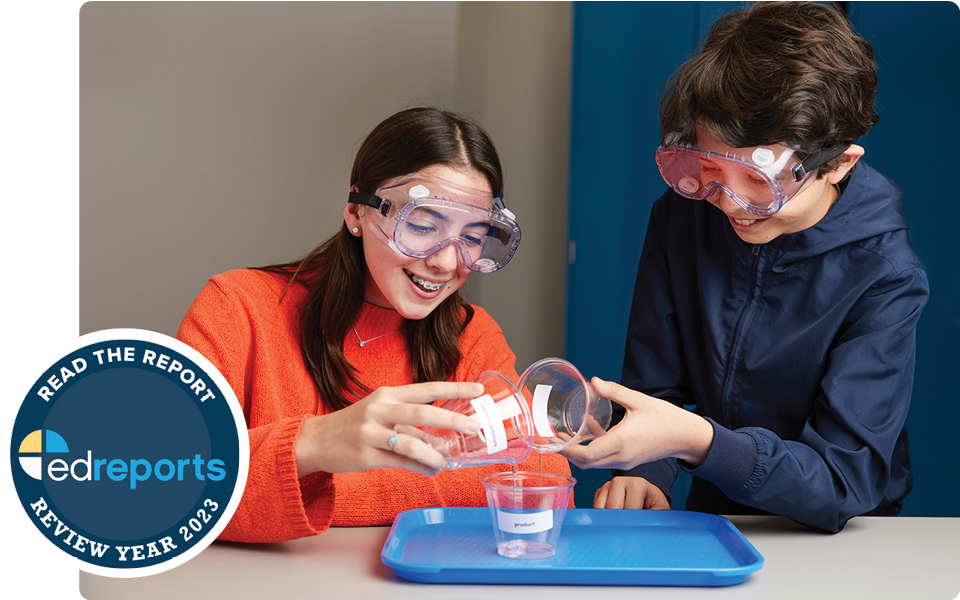
Amplify Science
Amplify Science empowers Catholic school students to think, read, and write like real scientists and engineers. Amplify Science K–8 received all-green ratings in EdReports’ review of national science curricula. Read the review on EdReports.
Amplify Desmos Math
Amplify Desmos Math is a new, curiosity-driven program for grades K–12 that builds lifelong math proficiency. Through a structured approach to problem-based learning, Amplify Desmos Math helps teachers create a collaborative math community with students at its center. Courses in grades 6–8 received perfect scores on EdReports. Read the review.


Assessment and intervention
We understand that Catholic schools are dedicated to nurturing the whole child—academically, spiritually, and socially. That’s why our assessment and intervention programs provide educators with the tools they need to identify learning gaps early, personalize instruction, and ensure that every student reaches their full potential.
Equip your teachers with powerful insights.
Our research-backed assessment and intervention solutions help Catholic school educators:
- Pinpoint student needs with precision:
Quickly identify students who need extra support and tailor instruction accordingly. - Provide data-driven support:
Ensure every child receives the right intervention while maintaining the values of Catholic education. - Engage students in meaningful learning:
Use interactive and evidence-based strategies to strengthen foundational skills in literacy. - Monitor progress and strengthen outcomes:
Track student growth over time with real-time data that informs instruction and intervention.
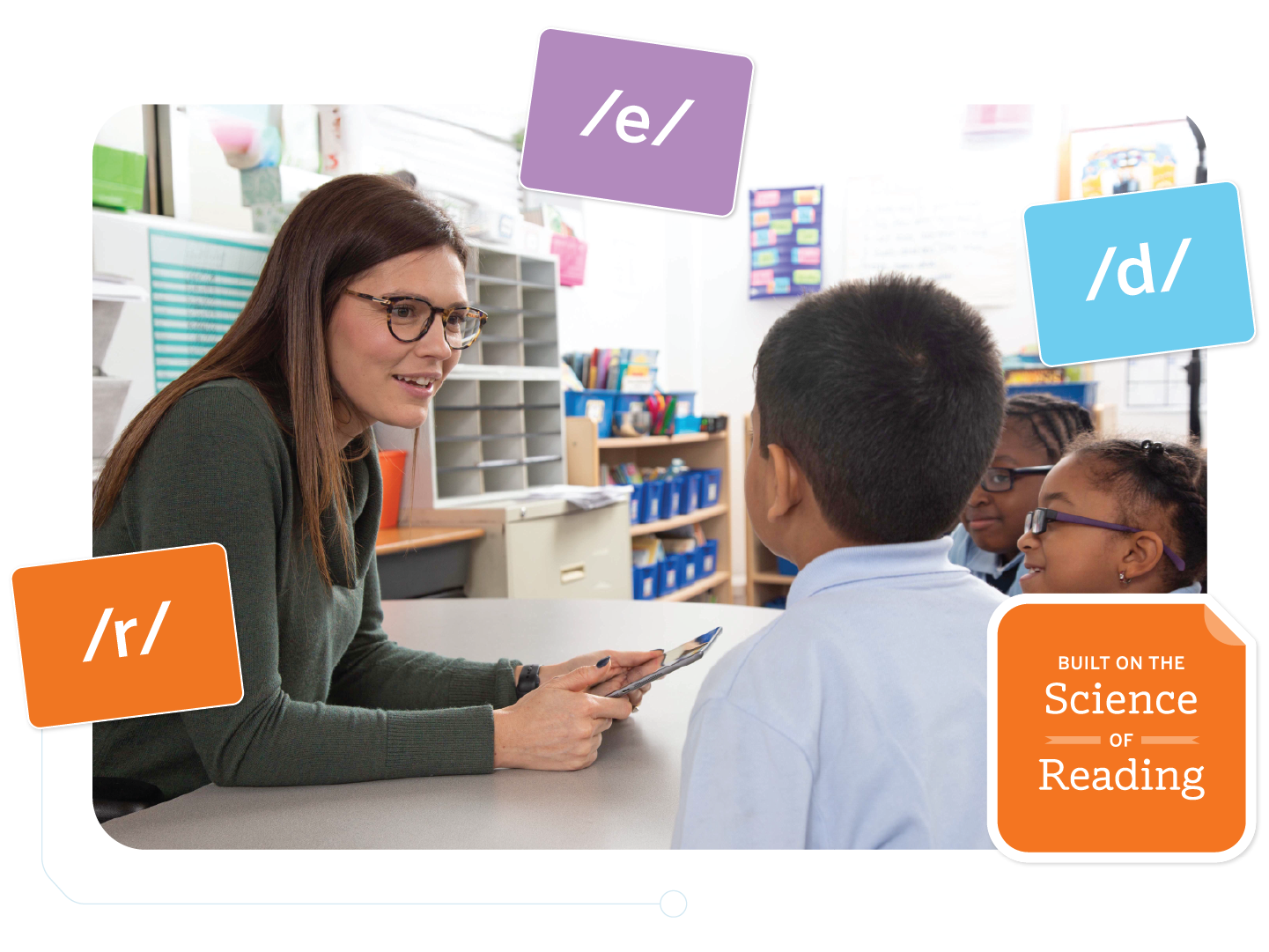

A powerful pedagogical approach for Catholic schools
Join the growing number of Catholic schools using Amplify to ensure that every student receives the support they need to succeed. All Amplify programs include services such as:
- Guidance for developing lesson plans and intervention plans.
- Information on where to locate standards and other planning materials.
- Recommendations and tips for day-to-day teaching with Amplify programs.
- Support with administering and interpreting assessment data and more.

Support is always available.
Our team is dedicated to helping you every step of the way.
K–5 personalized reading curriculum to accelerate literacy growth in your classroom
Boost Reading Texas helps K–5 educators meet the needs of every reader with personalized literacy instruction based in the Science of Teaching Reading. Our efficacy data, measured by DIBELS® 8th Edition, shows that Boost Reading helped 26% more students reach benchmark than those not using the program. This Amplify reading curriculum fits into any learning model and provides actionable growth insights along the way.

Evidence-based personalized instruction
Boost Reading Texas is a student-led supplemental reading curriculum that provides additional time to support other students. It reinforces instruction across all tiers through true differentiation of skill development. It’s your digital assistant in literacy instruction—extending core instruction, addressing remediation needs, and constantly adapting activities to help every reader flourish.
Our approach
Proven efficacy
Did you know that you can supercharge reading growth with Boost Reading Texas? Texas students using Boost Reading Texas are showing phenomenal growth…and we have the data to prove it!

Instructional cohesion across all tiers
Amplify’s comprehensive early literacy suite—comprising Amplify ELAR Texas core instruction, mCLASSⓇ Texas assessment and intervention, and Boost Reading Texas personalized practice—provides seamless alignment and a strong Science of Teaching Reading foundation for a Multi-Tiered System of Supports within your classroom. For Amplify ELAR Texas students who start the year below benchmark reading levels, Boost Reading Texas increases the likelihood of meeting benchmark by 34% by end of year, compared to non-Boost Reading users.
Targeted, systematic reading practice for all
The highly adaptive technology creates individual skill maps for each student—whether they’re reading below, at, or above grade level—providing simultaneous remediation and advancement in different skill domains. The program is an effective component of your classroom’s remediation and intervention solutions, with explicit instruction for all students, including those with dyslexia or in special education classes.

Closing the gap for K–5 multilingual/English learners
Boost Reading Texas’ Spanish literacy partner, Boost Lectura Texas, supports multilingual/English learners (ML/ELs) learning to read in their native language. When used together, the two programs drive literacy growth in English and Spanish and provide teachers with side-by-side reporting on skills progression in both languages.

What’s included

Next-generation technology
Boost Reading Texas is constantly adapting to tailor instruction and scaffold foundational skills for students, building proficiency one engaging activity at a time. Students will never get stuck in static practice activities.
Comprehensive skill coverage
The scope and sequence is based on the Science of Teaching Reading and includes explicit instruction in phonics, phonological awareness, comprehension, vocabulary, and all skills critical to fluent and confident reading.
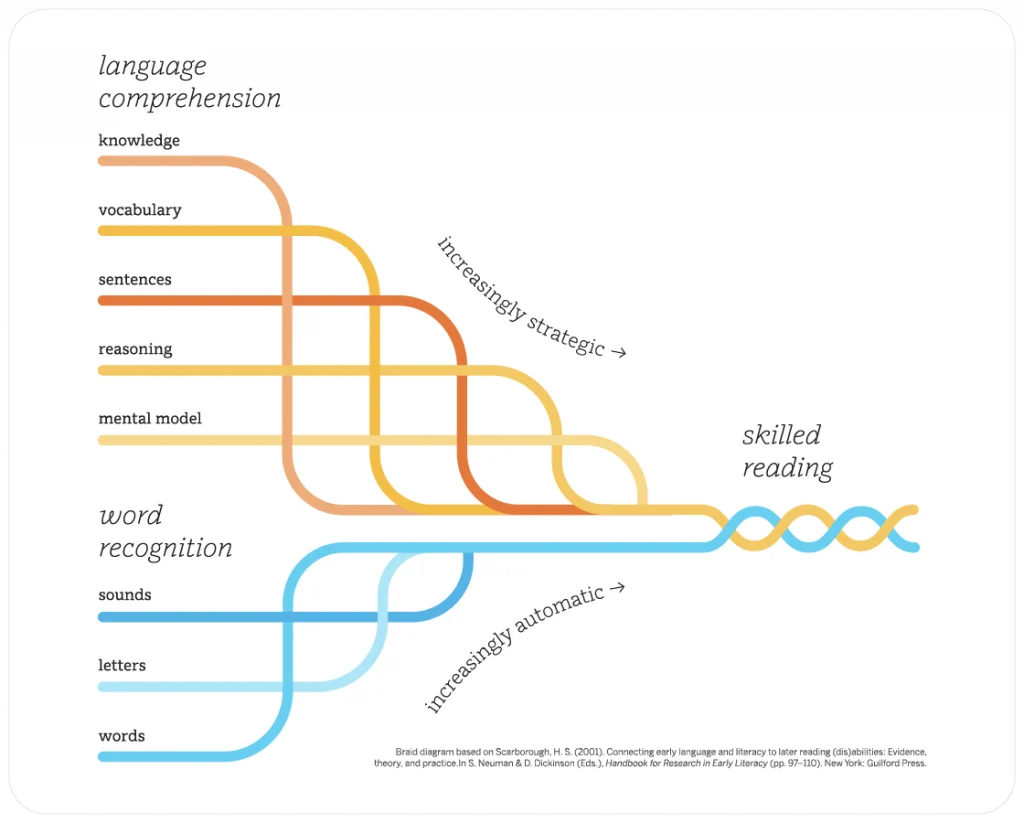

Benchmark and growth assessments
Built-in benchmark assessments measure student proficiency at beginning-, middle-, and end-of-year, and Curioso Skill Scans measure monthly growth in students using the program without interrupting engagement.
Easy-to-use growth and proficiency reports
Embedded assessments give teachers actionable insights into students’ reading journeys. Visibility into performance gives teachers peace of mind that students are making meaningful progress in their literacy development.
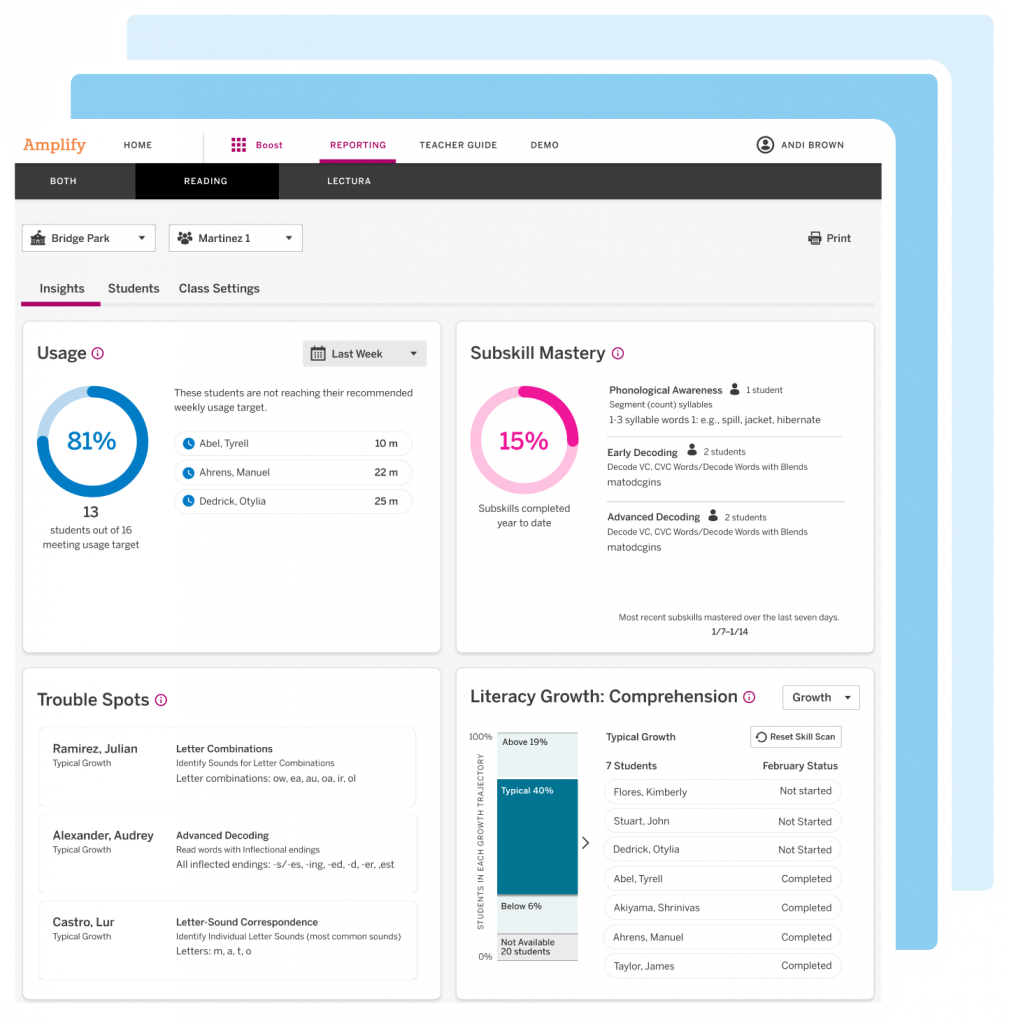

Administrator and caregiver reports
Administrators and caregivers are welcomed into the student reading journey with data on program usage, reading progress, and skill mastery.
Research-based activities to reinforce skills
Boost Reading Texas alerts educators to trouble spots students encounter in their skill development and offers additional K–5 literacy resources and lessons for teachers to address and fortify reading skills.


Boost Reading is a proud winner of the Tech & Learning Awards of Excellence: Best for Back to School 2023.
Learn moreExplore more programs based on the Science of Teaching Reading.
Learn more about our related Texas programs at texas.amplify.com.
Frequently asked questions
Still have questions? We have answers. Check out the following FAQ.

Overview
- Amplify CKLA is based on research showing that closing the background knowledge gap is necessary for supporting the literacy development of all students. To that end, Amplify CKLA teaches literacy through the lens of cross-curricular domains in science, history, literature, and culture. It was developed in response to research that shows the critical impact of background knowledge on reading comprehension and college- and career-readiness.
- The program also reflects the latest early reading research showing the importance of explicit foundational skills instruction. The program develops students’ foundational literacy skills through a systematic scope and sequence with a focus on phonics.
Our research-based language arts curriculum is built on findings showing that higher-level reading comprehension depends on both automatic, fluent decoding and background knowledge. Combining well-established findings from the field of early literacy research with classroom-based feedback, Amplify CKLA ensures that children will learn to listen, speak, read, and write confidently and proficiently. For more information, view the Amplify CKLA Research Guide.
Amplify CKLA is a PreK–5 program. While the PreK and K–2 materials respect the important differences between early childhood education and formal schooling, the Grades 3–5 materials ensure a smooth transition to the academic rigors of middle school.
PreK
The focus in PreK is to maintain a developmentally appropriate early childhood setting; the structures, routines, and activities are engaging and children receive a solid foundation for future language arts instruction.
K–2
The focus in K–2 is developing fluent reading and writing skills, and enhancing language comprehension by building background knowledge and vocabulary. This is accomplished through two strands: the Skills Strand and the Knowledge Strand.
The Skills Strand focuses on decoding, encoding, grammar, handwriting, and the writing process, and it contains decodable chapter books for students to practice just-learned sound-spellings.
The Knowledge Strand builds background knowledge and vocabulary through carefully sequenced read-alouds and complex texts. Teachers read aloud stories that are more complex than the text students can decode on their own, enabling children to engage with complex texts and build background knowledge of a variety of connected topics in history, science, literature, and the arts.
3–5
In Grades 3–5, students are still focused on building reading and writing skills as well as knowledge and vocabulary, but the program no longer has two strands. The various lessons in each unit include read-alouds; whole-group, small-group, and partner reading; close reading; literal, inferential, and evaluative comprehension questions; vocabulary; grammar; writing; morphology and spelling (10–15 words per week); and unit assessments.
Program design
The Skills strand provides intentional and systematic support in building decoding skills. The lessons support learning related to phonemic awareness, sound-letter patterns (or spelling patterns), decoding (both in explicit lessons and with engaging decodable texts), writing mechanics, and writing structure and processes, for 60 minutes daily.
The Knowledge Strand develops young children’s language and background knowledge. By exposing children to rich and complex texts through daily read-alouds, engaging in text-based and analytic discussions of the text and content, and building connections from the text to the work of the classroom through extension activities, the Knowledge Strand provides daily, extensive (60 minutes) broadening and deepening of children’s oral language and comprehension.
Teaching the Skills Strand and Knowledge Strand in parallel helps students avoid cognitive overload and acquire advanced, complex vocabulary in the Knowledge Strand—in essence, reading to learn from day one—while becoming expert decoders in the Skills Strand. The program is designed to bring these two strands together in grades 3–5, as foundational skills and higher-level comprehension and meaning-making gradually intertwine.
The CKLA program takes a comprehensive approach to teaching the code of the English language in the Skills strand. While the English language has only 26 letters, these letters combine to create 150 spelling patterns that represent 44 sounds of language. In most reading programs, children are explicitly taught only a fraction of this information and must glean the rest from ad hoc and incidental exposure to these spelling patterns through text. CKLA focuses on explicitly teaching each of the 44 sounds and the 150 ways that these sounds are represented (via letters and letter combinations). This comprehensive approach assures educators that children have the knowledge they need to address any text and any word.
The Knowledge Strand reflects the fact that knowledge, comprehension, and vocabulary are intimately related. The materials are designed to provide children sustained time on a variety of domains (bodies of knowledge) through shared read-alouds and discussions. This coherent organization of content is critical to building knowledge, inferring new vocabulary, and enabling comprehension. The content-rich, intentionally sequenced nature of the read-alouds within the Knowledge Strand creates the optimal context for incidental and explicit vocabulary-learning opportunities. After the read-aloud, children analyze the text through interactive discussion questions, engage in activities that foster their comprehension of complex sentences and ideas, and extend the ideas of the read-aloud into other activities in the classroom. In this way, the lessons create rich, academically oriented, oral language experiences that promote both receptive and expressive language skills.
Amplify CKLA embeds a variety of diagnostic and classroom assessments into the program materials.
There are curriculum-based assessments of both foundational skills and content knowledge, placement assessments in Grades 1 and 2 for the Skills Strand, and end-of-year Skills Strand assessments in Grades K–3. These assessments are built into the units of instruction/domains within the Teacher Guides. In Grades 4–5, there are beginning-of-year assessments, frequent spelling assessments, and comprehensive unit assessments.
Formative Assessments are integrated into every lesson, allowing teachers to understand exactly how students are doing on meeting lesson goals and standards-based objectives.
Writing in multiple genres is taught through a process that builds from three highly scaffolded steps to seven flexible steps.
In addition to explicit lessons in handwriting, spelling, and grammar, writing is taught throughout K–5. Instruction begins with a three-step writing process: plan, draft, and edit. The process is reinforced as each new writing genre is addressed. Each genre is taught through a gradual reduction in scaffolding over a set of six lessons that includes teacher modeling, group practice, independent practice, and independent application. This systematic approach allows for continued support and predictable learning as children progress in their knowledge of text types and complexity of writing. By Grade 3, students have worked their way up to a five-step writing process: planning, drafting, revising, editing, and publishing. Beginning in Grade 4, the writing process expands to seven components: planning, drafting, sharing, evaluating, revising, and editing (and the optional component of publishing). An important change between the writing process in Grades 3–5 is that the writing process is no longer conceptualized as a series of scaffolded, linear steps that students follow in a set sequence. Rather, students move back and forth between components of the writing process in a flexible manner, similar to the process that mature and experienced writers follow. In addition to specific writing lessons, there are numerous writing opportunities for students throughout the curriculum.
Alignment to the CCSS
Fully implementing the Common Core Standards requires some shifts in prevailing instructional approaches. For early grades language arts, these shifts can be summarized as (1) balancing fiction and nonfiction text, (2) building knowledge, (3) supporting students’ capacity to learn from increasingly complex texts, (4) giving text-based answers, (5) writing from sources, and (6) explicitly supporting the acquisition of academic vocabulary. The following sections document the primary ways that Amplify CKLA meets the demands of these shifts.
- The amount of nonfiction gradually increases, reaching the 50-50 balance of fiction and nonfiction by grade 3.
- Read-alouds in the Knowledge Strand are designed according to the latest research to build knowledge and vocabulary in history, science, the arts, and more.
- The texts in both the Knowledge Strand and the Skills strand increase in complexity as the program progresses within and across grades.
- In the Skills Strand, the language and knowledge demands of the texts increase, but remain decodable based on the aspects of the code that have been taught to date.
- Both strands engage students in appropriate means of providing text-based answers—orally, pictorially, and eventually in writing.
- Together, the Skills and Knowledge Strands enable students to read and digest various sources and then write by drawing on those sources.
- In both strands of the program, Amplify CKLA teaches children the process of using the text as a springboard for understanding.
- The Knowledge Strand offers repeated exposures to academic vocabulary through authentic texts and explicit word instruction.
Materials
PreK
- Teacher Guides, Student Activity Pages, 3–4 Trade Books per domain, Flip Books, Image Cards, Transition and Center Cards, Nursery Rhymes and Songs Posters, and a Big Book (Classic Tales)
Grades K–2
- Knowledge Strand: Teacher Guides, Flip Books, Student Activity Books, Image Cards, and online resources including supplemental lessons
- Skills Strand: Teacher Guides, Activity Books, Student Readers, Big Books, Letter Cards, Spelling Cards, Individual Code Sheets, Code and Chaining Resources (Vowel/Consonant Code Flip Books, Student Chaining Folders), Blending Cards, and online resources including differentiation and remediation guides
Grades 3–5
- Teacher Guides, Student Readers, Activity Books, Poet’s Journal, Writer’s Journal, Core Quests (The Viking Age in Grade 3, Eureka: Student Inventor in Grade 4 and “A Midsummer Night’s Dream” in grade 5) and Writing Quests (The Contraption in Grade 4, The Robot in Grade 5)
What’s included in our Grades 3–5 language arts curriculum
Grounded in the science of reading, Amplify CKLA for grades 3–5 integrates foundational skills students have learned in grades K–2 while continuing to build rich content knowledge. With Amplify CKLA, you’ll have the instruction and guidance of proven, evidence-based practices to help all of your students become strong readers, writers, and thinkers.
Year at a glance
The Amplify CKLA curriculum is modeled after proven research in early literacy that supports a two-strand approach to literacy instruction in the early years. With this approach, students in Grades K–2 complete one full lesson per day that builds foundational reading skills in the Skills Strand, as well as one full lesson that builds background knowledge in the Knowledge Strand. The deep content knowledge is sequenced together with research-based foundational skills in Grades K–2 so that students develop the early literacy skills necessary to help them become confident readers, as well as build the context to understand what they’re reading.
In Grades 3–5, lessons combine skills and knowledge with increasingly complex texts, close reading, and a greater emphasis on writing. Students start to use their skills to go on their own independent reading adventures, further opening up their worlds.
Units at a glance
Students move fluidly between reading, writing, speaking and listening, and language activities, with increasingly complex texts, close reading, and a greater writing emphasis.
Unit 1
Classic Tales: The Wind in the Willows
Students explore international classic tales, including The Wind in the Willows, Alice in Wonderland, and “Aladdin and the Wonderful Lamp.”
Number of Lessons: 15

Unit 2
Animal Classification
Students learn how scientists use animals’ characteristics to classify and study them; students apply knowledge through text-based discussions and writing exercises.
Number of Lessons: 15

Unit 3
The Human Body: Systems and Senses
This unit involves the study of the human body, building students’ understanding of its senses and skeletal, muscular, and nervous systems.
Number of Lessons: 14

Unit 4
The Ancient Roman Civilization
Students dive into ancient Rome, studying its history, culture, and myths about Roman gods and goddesses.
Number of Lessons: 15

Unit 5
Light and Sound
Students learn the science behind light and sound, read biographies of Alexander Graham Bell and Thomas Edison, and write newspaper articles.
Number of Lessons: 17

Unit 6
The Viking Age (with Core Quest)
This unit’s informational and literary texts convey information about the Vikings, their culture, and their exploration.
Number of Lessons: 11

Unit 7
Astronomy: Our Solar System and Beyond
Students learn about astronomy, the universe, and important figures in the history of space exploration, including Nicolaus Copernicus and Mae Jemison.
Number of Lessons: 20

Unit 8
Native Americans: Regions and Cultures
Students compare, contrast, assemble information, and reflect on what they have learned about Native Americans and their ways of life.
Number of Lessons: 13

Unit 9
Early Explorations of North America
Students explore reasons for European exploration, what exploration was like, and who went exploring; then students write opinion pieces using this information.
Number of Lessons: 14
Unit 10
Colonial America
Students learn about colonies in early America, including how colonies were started and the progress colonists made after settling.
Number of Lessons: 16
Unit 11
Ecology
Students learn about different aspects of ecology, including food chains, the balance of nature, changes to the environment, and protecting the environment.
Number of Lessons: 12

Unit 1
Personal Narratives
This unit examines the genre of personal narratives, including nonfiction works written by a first-person narrator involved in the events being described.
Number of Lessons: 15

Unit 2
Empires in the Middle Ages
This unit covers the history of various empires and geographical regions throughout the Middle Ages.
Number of Lessons: 25

Unit 3
Poetry
Students explore poetry, training in methods and devices poets use and learning to read, write, and interpret formal and free verse poems.
Number of Lessons: 15

Unit 4
Eureka! Student Inventor
This Core Quest, a narrative-driven unit, immerses students in close-reading adventures and scientific and historical content about inventions. Students write and read opinion, informational, and narrative texts.
Number of Lessons: 10

Unit 5
Geology
This unit focuses on the composition of Earth and the forces that change its surface.
Number of Lessons: 15

Unit 6
Contemporary Fiction with excerpts from The House on Mango Street
This unit explores narrative literature and writing, using excerpts from The House on Mango Street as its anchor text.
Number of Lessons: 13

Unit 7
American Revolution
Students learn that disagreements about principles of government led colonists in North America to seek independence from Great Britain.
Number of Lessons: 17

Unit 8
Treasure Island
Students focus on character development, setting, plot, and literary devices while reading an abridged version of a classic novel, Treasure Island.
Number of Lessons: 19
Unit 5
Writing Quest (supplemental): The Contraption
In this supplemental Quest, students interact with a mysterious machine fueled by their writing and solve the machine’s puzzles. This Quest features a digital environment controlled by the teacher.

Unit 1
Personal Narratives
This unit examines the genre of personal narratives, including nonfiction works written by a first-person narrator involved in the events being described.
Number of Lessons: 15

Unit 2
Early American Civilizations
Students study the geography, climate, flora, and fauna of the Americas and the rise and fall of the Maya, Aztec, and Inca civilizations.
Number of Lessons: 15

Unit 3
Poetry
Students explore poetry, training in methods and devices poets use and learning to read, write, and interpret formal and free verse poems.
Number of Lessons: 13

Unit 4
Adventures of Don Quixote
In this unit students trace the development of plot, characters, and literary elements while reading a full-length, adapted version of Don Quixote.
Number of Lessons: 15

Unit 5
The Renaissance
This unit provides students with a broad exposure to the art and literature of the Renaissance through the works of renowned masters.
Number of Lessons: 19
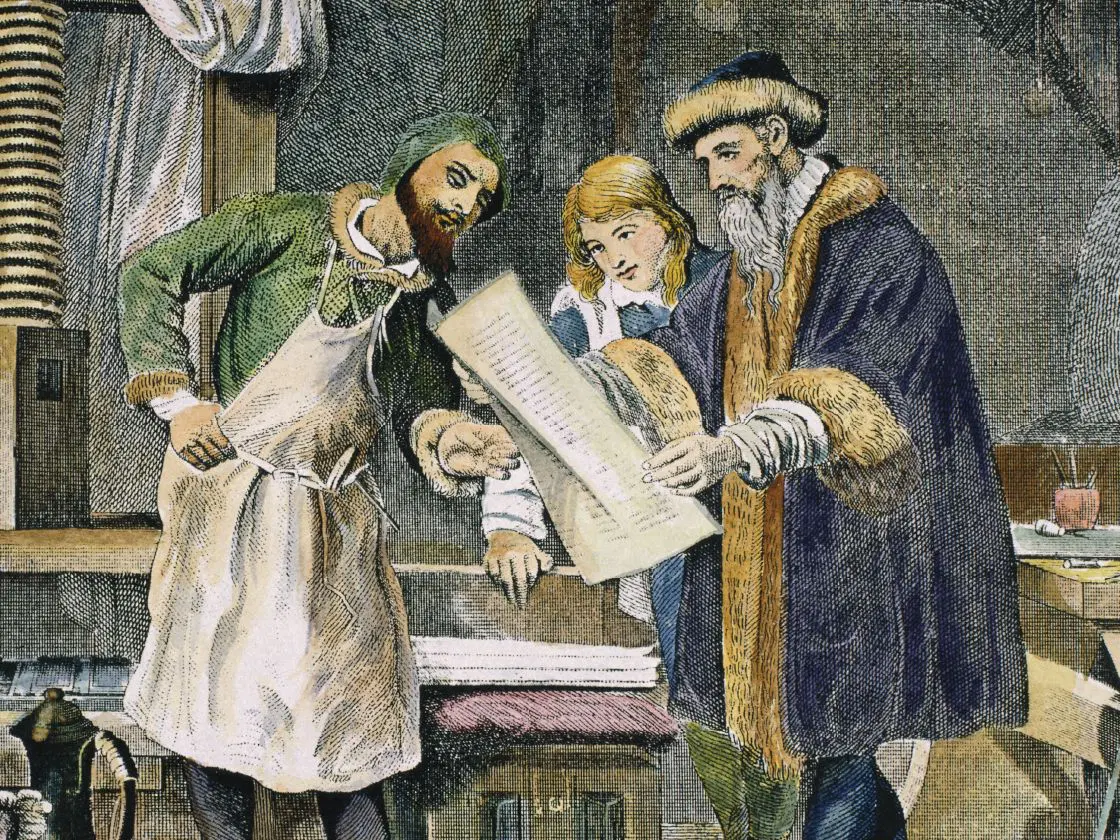
Unit 6
The Reformation
This unit teaches students about the Reformation, a movement involving religious and political upheaval that shifted the political power in Europe.
Number of Lessons: 10

Unit 7
A Midsummer Night’s Dream (Core Quest)
This unit is an immersive Quest that treats Shakespeare’s comedy as both literature and a living text for interpretation and performance.
Number of Lessons: 15

Unit 8
Native Americans
Students learn how settlers, explorers, and the American government in the 1800s affected Native American cultures and their relationship with the land.
Number of Lessons: 15
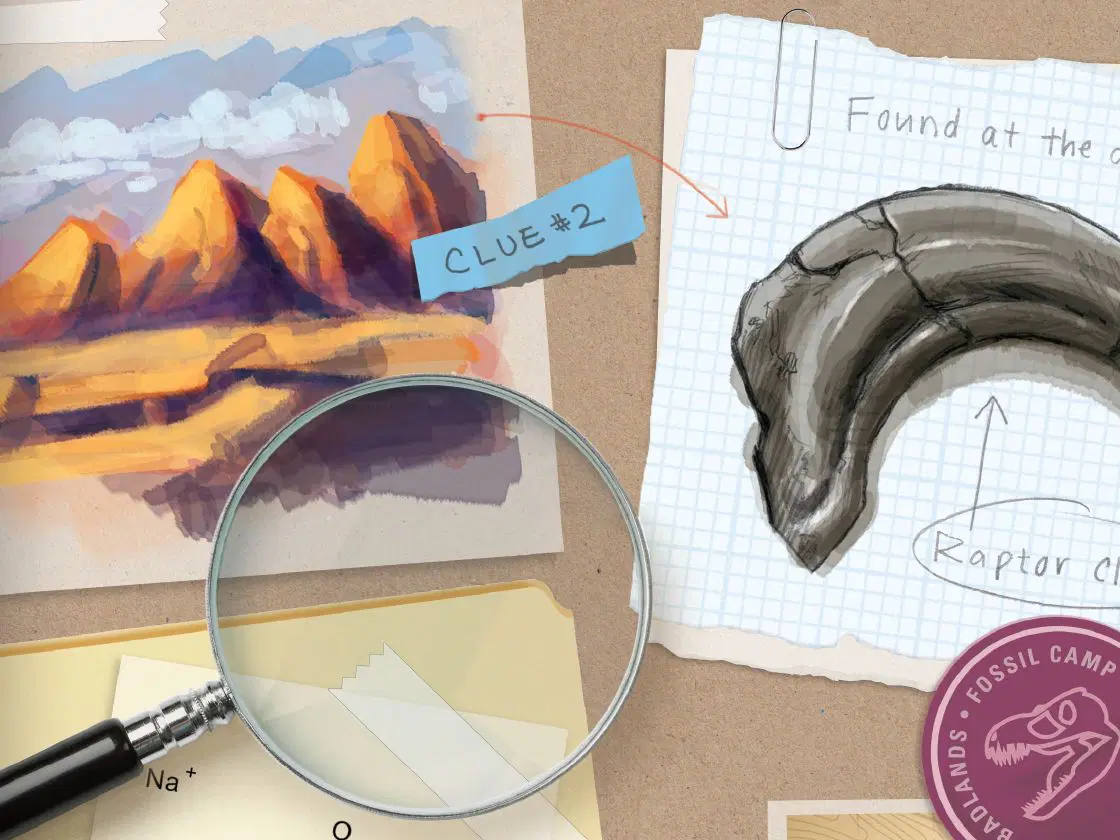
Unit 9
Chemical Matter
Students learn about chemistry and close-reading through a literary and informational work, The Badlands Sleuth, in which the protagonist uses chemistry to solve mysteries.
Number of Lessons: 15
Unit 10
Writing Quest (supplemental): The Robot
Students interact with a classroom pet that learns and grows with their writing. This Quest features a digital environment controlled by the teacher.
Program components
The program includes instructional guidance and student materials for a year of instruction, with lessons and activities that keep students engaged every day.
Component
FORMAT
Teacher Guides
Teacher Guides for each unit provide engaging lessons with standards-based objectives and formative assessments that empower teachers with proven strategies and research-based tools.
Print or digital
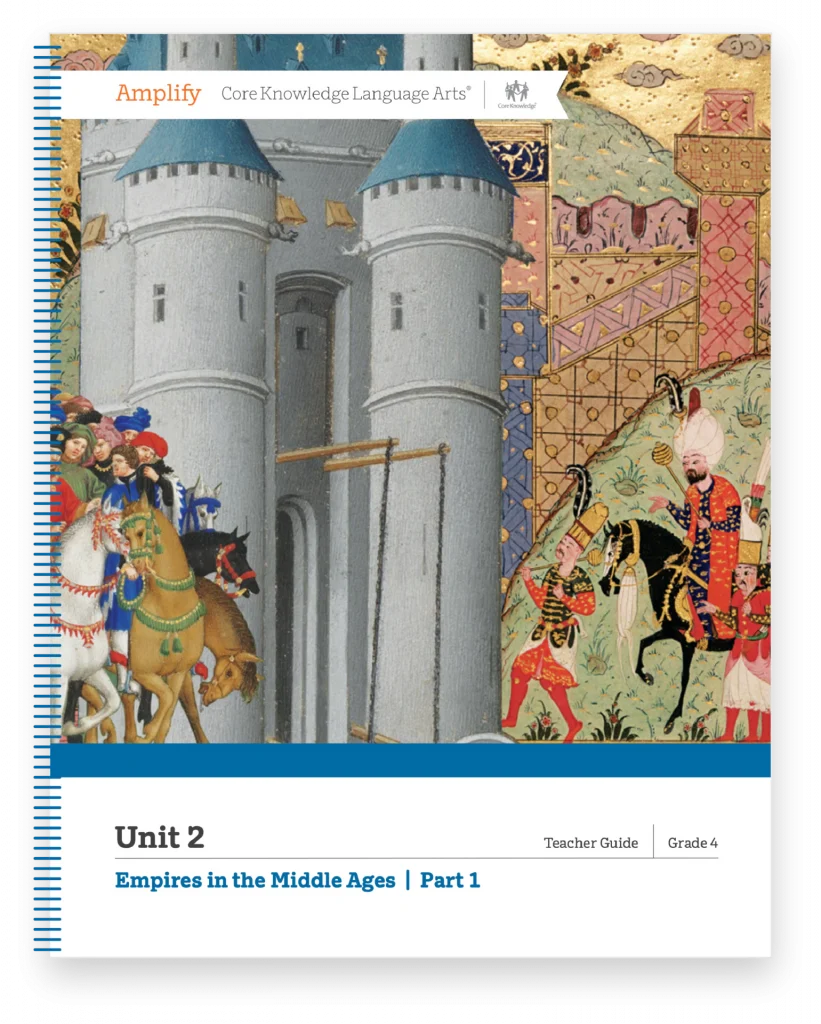
Differentiation resources
The online Assessment and Remediation Guide (Grade 3) and the Decoding and Encoding Supplement (Grades 4–5) provide thousands of pages of targeted activities in decoding, spelling, and other core literacy skills. Supplemental Guides provide opportunities for enrichment.
Digital

Writing Studio
A riveting connected writing program for more time, practice, and challenge in writing, with a focus on informative, narrative, and opinion modes of writing.
Print or digital

Digital experience
The Amplify CKLA digital experience delivers ready-made, customizable, slides-based lesson presentations to enhance instruction and save time. Everything needed to plan and present high-quality, engaging early literacy instruction is in one convenient place.
Digital
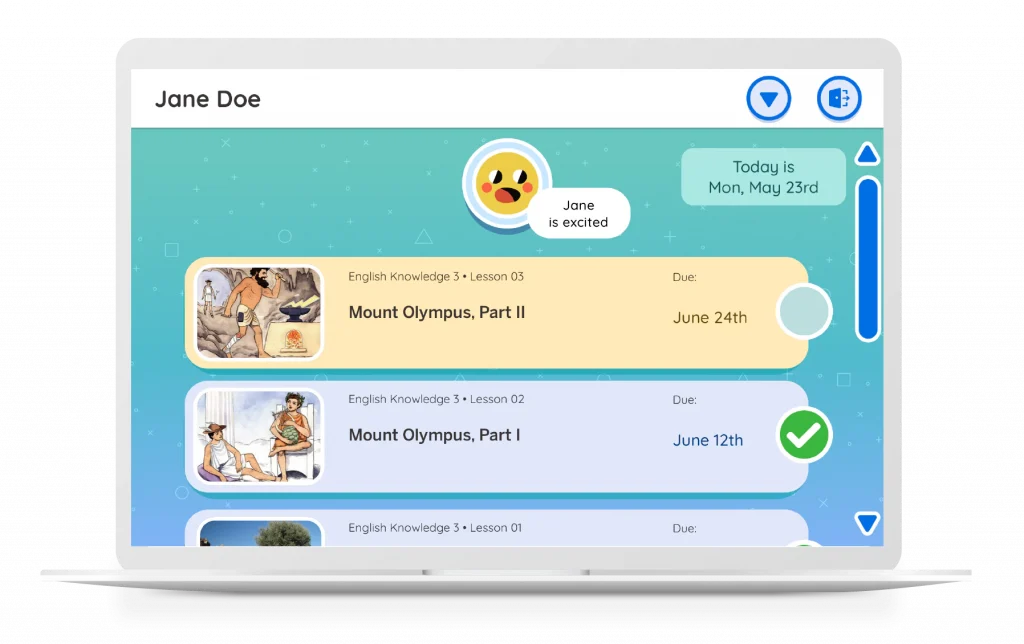
Component
FORMAT
Student Readers
Amplify CKLA’s Student Readers anchor each of the content-based units, providing a close-reading experience fueled by rich background knowledge that inspires students to dig deeper.
Activity Books
In addition to providing daily opportunities for students to respond to text and apply skills and knowledge, Activity Books feature formative assessments for each day’s objectives.
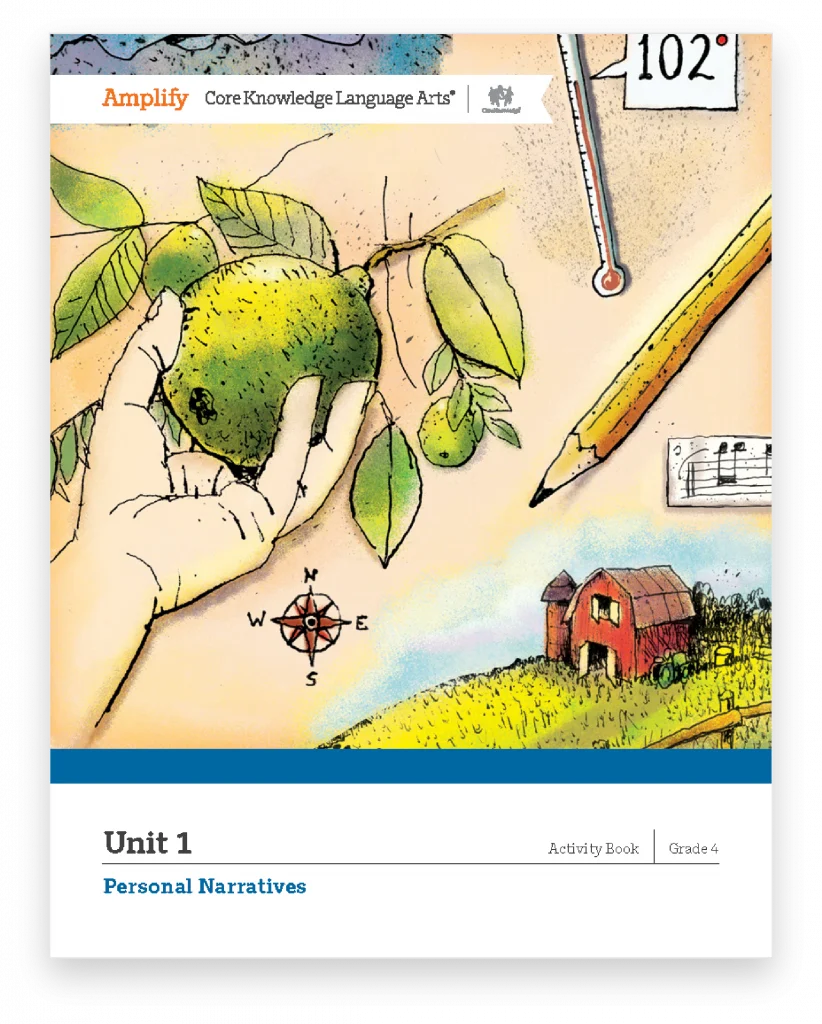
Digital experience
The Amplify CKLA digital experience delivers ready-made, customizable, slides-based lesson presentations to enhance instruction and save time. Everything needed to plan and present high-quality, engaging early literacy instruction is in one convenient place.
Digital
Explore more programs
Our programs are designed to support and complement one another. Learn more about our related programs.

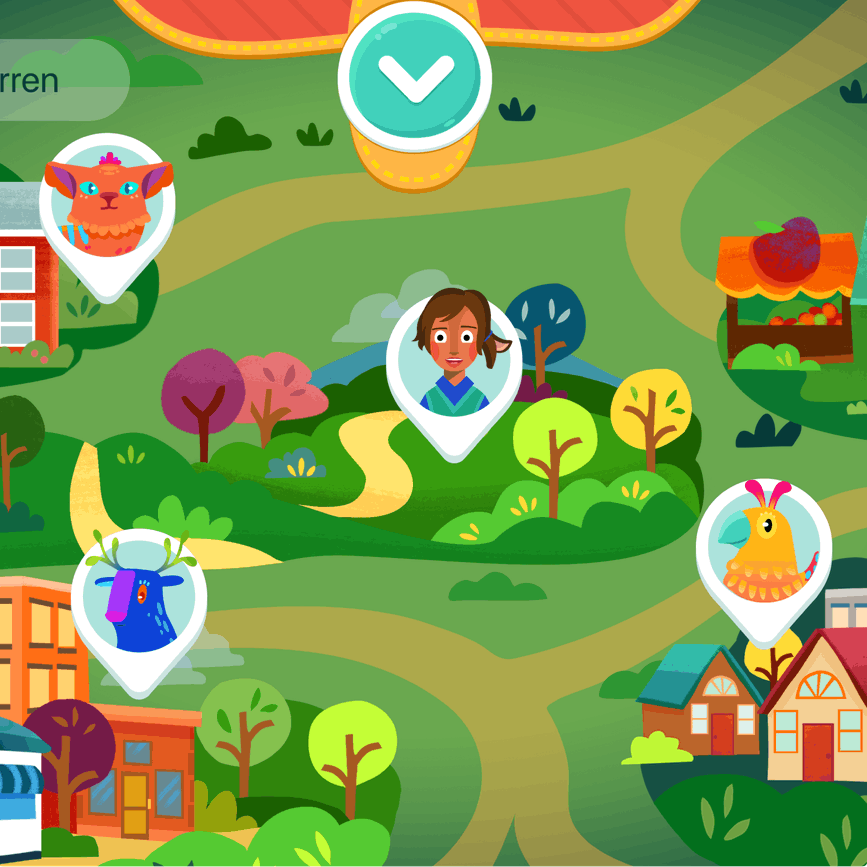
Start for free today. Adopt for your school or district when ready.
Explore free interactive lessons, and then elevate instruction with a comprehensive, highly rated curriculum complete with print, onboarding, reporting, PD, and more.
Individual educators
For educators looking for hundreds of free, high-quality lessons and tools across K–12 math, literacy, and science
You’ll gain access to the following free resources:
- Free lessons across K–12 math, literacy, and science
- A Teacher Dashboard that lets you control the flow of instruction and view student thinking
- Instructional tools like Polypad virtual manipulatives and Fluency by Heart
- Partial content customization tools
School or districts
For administrators interested in core, supplemental, or assessment programs across K–12 math, literacy, and science
In addition to all of our free resources, your educators will have:
- A comprehensive, highly-rated, standards-aligned curriculum, including print and digital instructional resources
- Full content customization tools
- Physical and digital manipulatives
- Assessments and reporting at the class, school, and district level
- Differentiation and intervention resources
- Personalized, customer success and professional development services
Free, high-quality lessons without the scavenger hunt.
Discover more than a thousand free lessons bursting with interactivity—across K–12 math, literacy, and science.



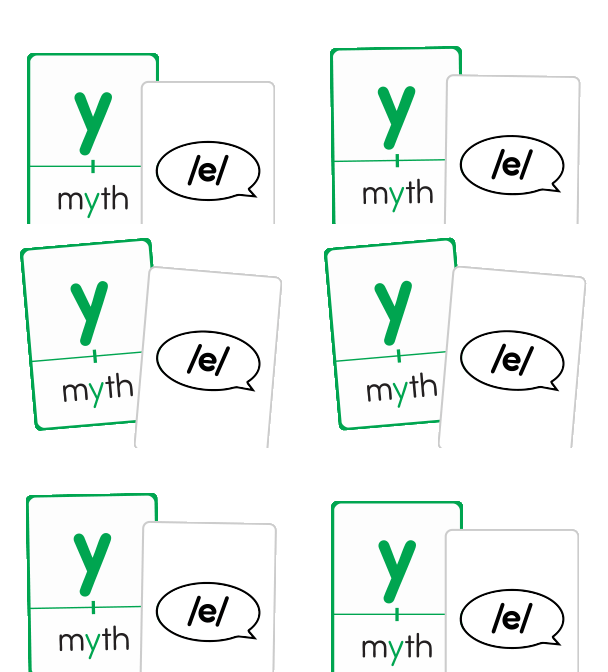

More than 300,000 teachers turn to Amplify Classroom for captivating lessons and virtual manipulatives.
Get your classroom buzzing with our powerful teaching tools.
Tailor lessons to fit your needs.
Easily customize premade lessons or create your own with our drag-and-drop lesson builder.
Share and celebrate student ideas.
Take snapshots of class work to foster discussion and highlight student thinking.
Gain insights into student thinking.
Monitor your students’ ideas in real-time so you can adapt instruction on the fly.
Control the flow of instruction.
Pace students to specific parts of the lesson, or pause to explore concepts more deeply.
What are people saying?
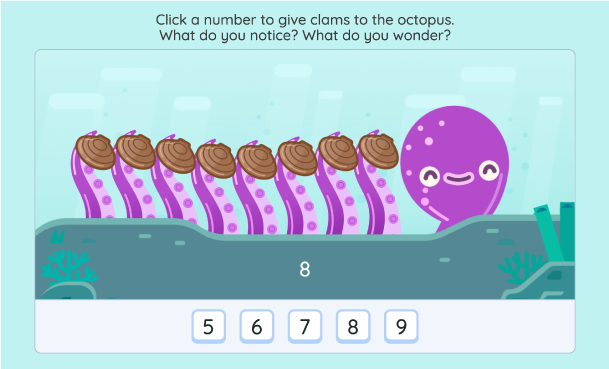
Martin Joyce
@martinsean
Love this #AmplifyClassroom kindergarten activity! First the octopus checks sums of 8 then the sea urchin comes out. Great job. I’ve been wary about making my kids not hate math (no drill n kill) and they’re asking can we do math on the computer before bed. Yes! Cc @ddmeyer
Traci Jackson
@traciteacher
After an audible groan b/c the activity was paused, Ss made sense of ordered pairs through a purposeful #AmplifyClassroom experience! This S pair wrote without any prompting. Great collaboration and learning in 5th grade today!
Mark Labuda
@mrmlabuda
Hands down the best virtual manipulatives I’ve ever come across.
Interested in learning about the benefits of being an Amplify customer?
Powerful, personalized reading instruction that engages students and saves teachers time
Boost Reading is our personalized reading program for grades K–5. Its captivating storylines engage students in powerful reading instruction and practice. Whether students are learning to read fluently or sharpening their comprehension skills, Boost Reading accelerates their growth while freeing educators up to work with small groups or individual students.
We’ve aligned Boost Reading to the Arkansas English Language Arts standards: Boost Reading Skill Games and Texts: Alignment to Arkansas English Language Arts Standards
Science of Reading-based support for every student
Students come to school with a range of abilities and achieve mastery at different rates. Providing each learner with the specific support they need to progress can be challenging. Enter Boost Reading’s personalized reading literacy program.
Our approach
Leveraging compelling storytelling and the latest research, Boost Reading helps students achieve true mastery of the concepts they need to become strong, life long readers. See the research behind the program.
More than a digital worksheet
Built on the Science of Reading, Boost Reading offers a fresh, modern program that builds on student strengths while adapting to their needs.


A program students love
Boost Reading offers an out-of-this world learning experience for students. The program’s age-appropriate narratives create a learning experience that leaps off the screen.
The right experience for every student
The program meets all students where they are with powerful individualized instruction and practice, enabling student growth at all reading levels.

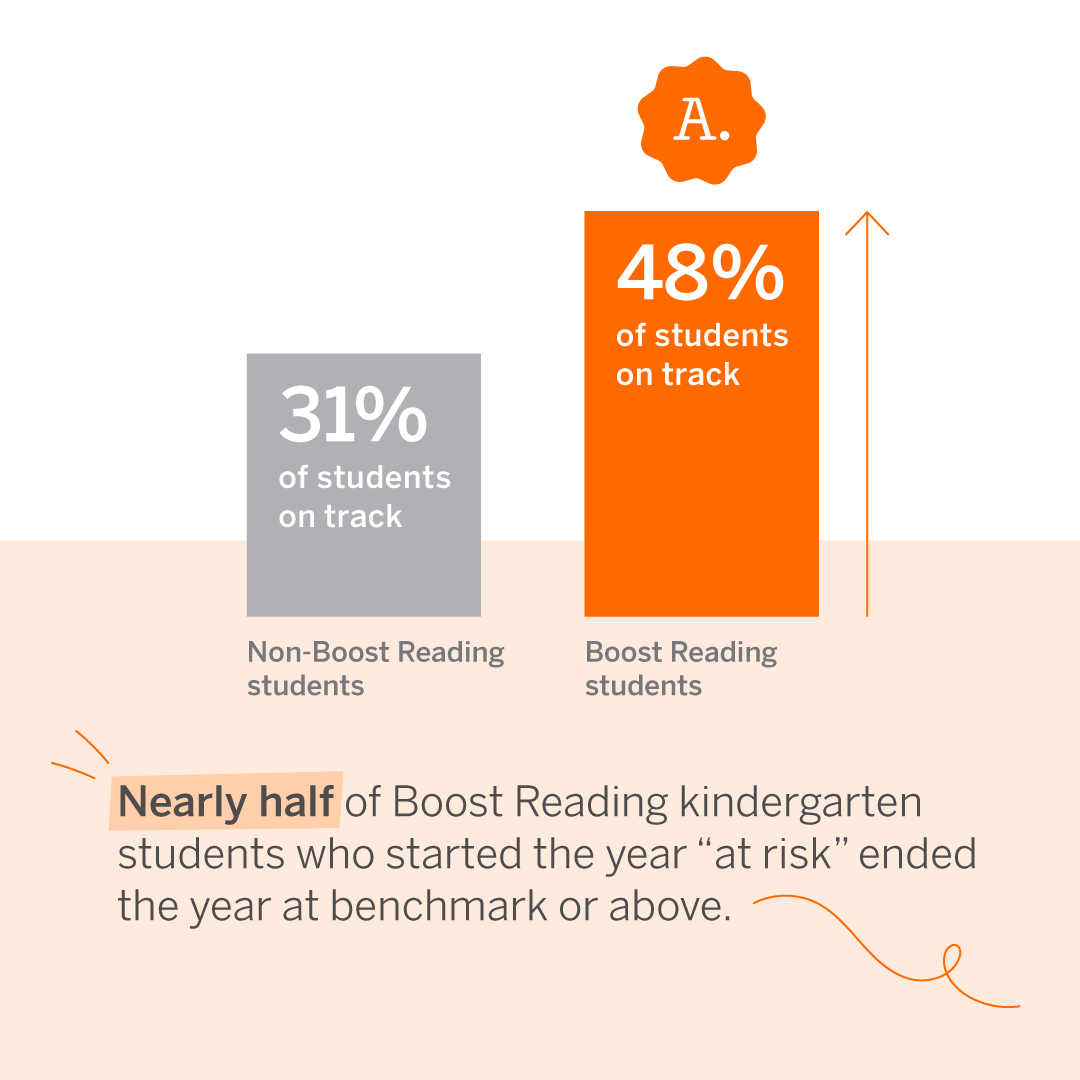
Proven results
Boost Reading works. Efficacy studies show significant growth for students using Boost Reading. In as little as 30 minutes a week, Boost Reading accelerates growth for all students and helps multilingual learners close the gap with their peers. Learn more here.
Program highlights

Full adaptivity
Students of Boost Reading use digital texts that adapt to their needs via an adaptive algorithm that unlocks each book at the exact right point in a reader’s development.
Personalized instruction
Boost Reading adapts to each reader’s unique needs across 13 skill areas, sending students on their own personalized reading journey. The programs offer both remediation and enrichment through a comprehensive range of instruction—from foundational skills to comprehension to close reading.


Engagement engineering
Using the science behind engagement and motivation, Boost Reading is built to deliver compelling narrative experiences that speak to students’ stories of growth and development. This personal connection allows students to directly map their progress in the storyline to their reading effort and growth, helping them understand the value of effort and practice.
Based on the Science of Reading
Boost Reading is built on the latest research in the Science of Reading. It provides the explicit, systematic foundational skills essential for every student—and it goes beyond. It’s the only program that focuses on the things our brain does while we’re reading that allow us to make sense of text—also known as comprehension processes. Learn more about comprehension processes on Science of Reading: The Podcast.

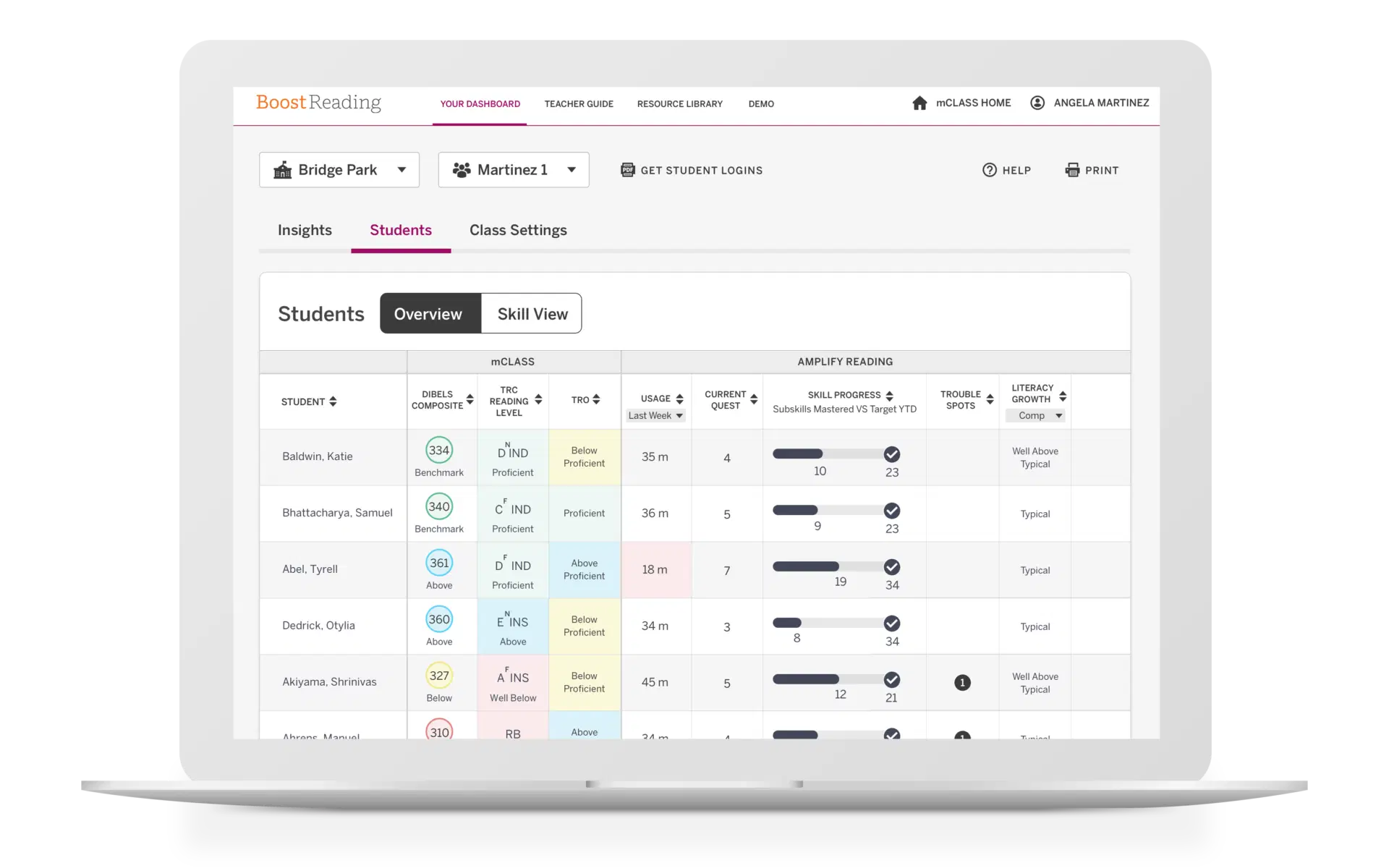
Instruction based on student data
Boost Reading features an automatic placement tool that requires no prior assessment. The program is able to pinpoint the most effective starting point for each student and provide them an engaging reading program personalized for their exact individual needs. The program also integrates directly with Amplify’s mCLASS® with DIBELS® 8th Edition assessment as well as other third party assessments.
Reports at every level
Boost Reading provides actionable insights into students’ reading development across 13 literacy skill domains. The program creates reports for classroom teachers, literacy specialists, principals and district leaders, and even parents and caregivers at home.

Explore more Science of Reading-based programs.
Our programs are designed to support and complement one another. Learn more about our related programs.
Universal screening built on the Science of Reading
Based on over 30 years of research, mCLASS® is the universal K–6 assessment and intervention suite for early literacy that helps every child learn to read confidently.


What is mCLASS?
mCLASS, powered by DIBELS® 8th Edition, offers teacher-administered literacy assessments and intervention for grades K–6.
When you use mCLASS, you can be assured your students are getting the best the Science of Reading has to offer. Our assessments have been built on decades of research in curriculum-based measurement science, delivering a proven approach that screens for at-risk students and provides deep insight into individual students’ reading development.
Based on decades of leading literacy research
We partner with experts at the University of Oregon’s Center on Teaching and Learning, a recognized leader in early literacy assessment.
The University of Oregon are the creators of DIBELS® (Dynamic Indicators of Basic Early Literacy Skills) and mCLASS is the only licensed digital provider of the research-based DIBELS 8th Edition assessment. See more of our research.
Our approach
The comprehensive mCLASS system includes efficient DIBELS 8th Edition’s one-minute measures, a built-in dyslexia screener, intervention, and robust reports for teachers and administrators. It’s all you’ll need to monitor and support every student in your classroom.
Save hours of time
As the only digital provider of DIBELS 8th Edition’s one-minute measures, mCLASS eliminates the manual assessment process— saving you hours of time and giving you instant results and clear next steps for each student. Learn more about mCLASS’S efficient measures.


Catch at-risk students early.
Early intervention is critical. mCLASS offers universal and dyslexia screening in a single powerful tool—no additional assessment system required. Your most vulnerable readers are identified at the earliest levels. Learn more about mCLASS’s dyslexia screening.
Connect student data to personalized learning.
mCLASS connects with Boost Reading (formerly known as Amplify Reading), a K–5 student-driven literacy program that provides both remediation and enrichment for all students, leveraging the power of compelling storytelling to engage students in personalized reading instruction and practice. Learn more about Boost Reading.


Better data means better instruction.
mCLASS lets you know exactly which aspect of a skill a student is struggling with, and then gives you effective lesson plans for each student powered by reliable universal screening based on one-minute measures. Learn more about mCLASS reporting.
We’re making an impact
2,000,000
students
120,000+
teachers
1,200+
districts
6,000+
schools
What’s included
mCLASS provides benchmark and progress-monitoring assessments for grades K–6. Its ecosystem of elementary reading resources works to target skill gaps and provide the right instruction at the right time.

DIBELS 8th Edition
mCLASS is powered by DIBELS 8th Edition, enabling you to automate scoring and receive instant targeted instructional recommendations. DIBELS 8th Edition measures:
- Phonemic awareness
- Phonics
- Fluency
- Vocabulary
- Comprehension
Data you can trust
mCLASS’s teacher-administered assessment provides you with valid and reliable data that allows you to make informed decisions on instruction. Our assessments follow a one-on-one observational model.


Comprehensive literacy assessment
mCLASS provides benchmark assessments, ongoing progress monitoring, and voice recognition technology to comprehensively support each student’s literacy development.
- Foundational skills assessments
- Comprehension assessments
- Dyslexia screening assessments
Valid and reliable reporting
mCLASS gives educators detailed insight into your students’ reading development across foundational literacy skills. It provides a wealth of valuable reporting information for everyone—from classroom teachers and literacy specialists to principals and district leaders and parents and guardians at home.
- Skill-based reporting view for each student
- Real-time growth reports for each student
- Class summary reports
- School and district reports
- Parent and guardian reports


Embedded dyslexia screening
Included at no additional cost, mCLASS’s DIBELS 8th Edition measures are validated to provide information about dyslexia risk. mCLASS also offers supplemental measures to screen for risk related to dyslexia.
- Vocabulary
- Encoding
- Rapid Automatized Naming (RAN)
Easy to use, targeted lessons
mCLASS provides targeted instruction in all the critical foundational reading skills by automatically analyzing data to place students in skill-based groups with targeted activities.


Seamless student intervention
mCLASS connects to mCLASS Intervention, a proven companion intervention program that provides the analytical tools and resources educators need to make targeted, staff-led intervention a daily reality throughout the school year.
Explore more programs
Our programs are designed to support and complement one another. Learn more about our related programs.
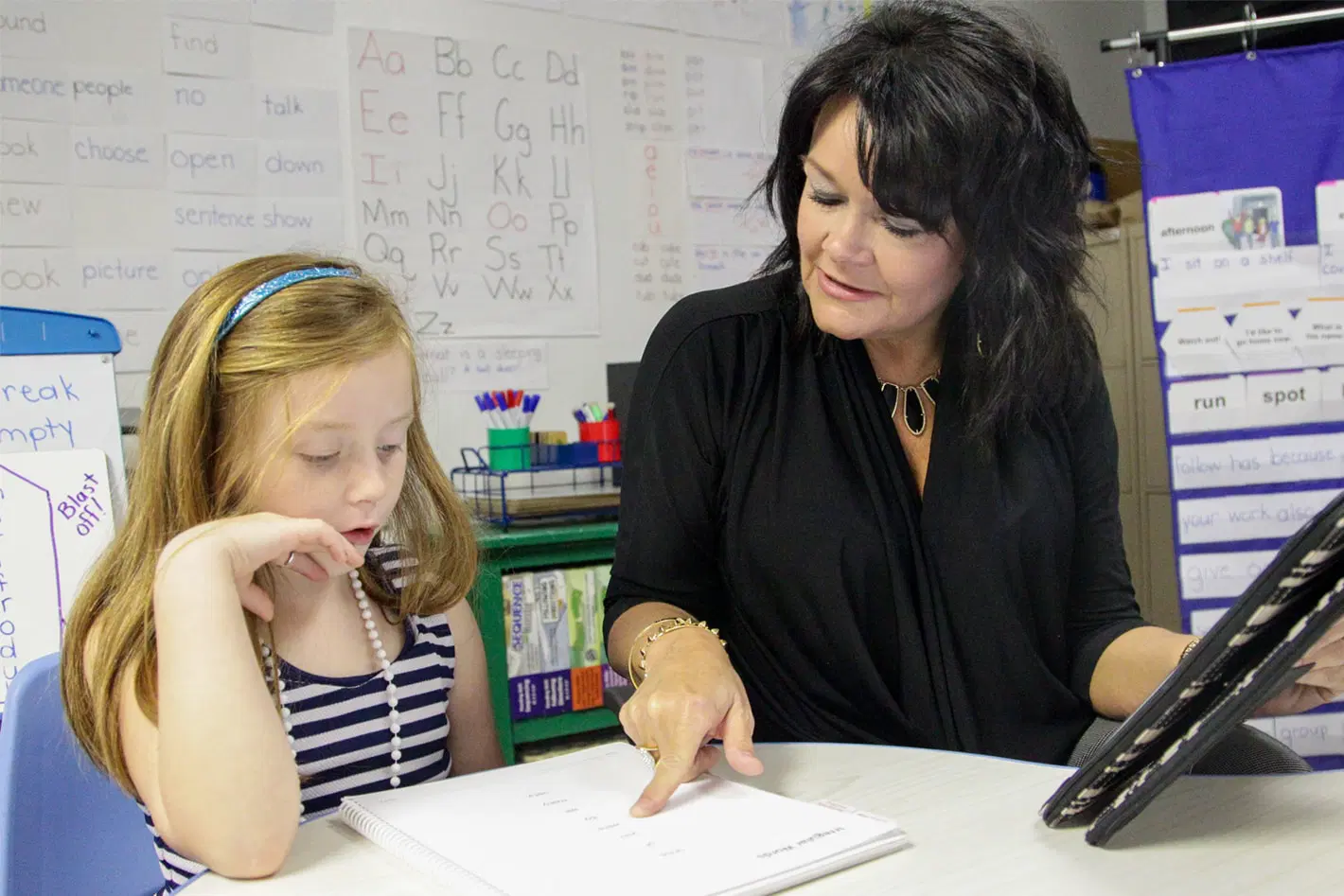

STEM Forum on Equity and Inclusion – Science
Once you submit this form, it will take a few days to generate and send your personalized certificate. That email will come directly from support@credential.net.

Get your certificate
Welcome to Amplify ELA!
Amplify ELA is a cutting-edge and effective program that engages middle school students through a unique blend of digital and print lessons, dynamic texts, lively discussions, and interactive Quests. Not only is it the only ELA curriculum truly built for the needs of middle school teachers and students, its instructional approach is designed to extend the Science of Reading into the middle grades.
Note: We’re continually adding information to this site, including specific details regarding our alignment with your non-negotiables. Keep checking back with us between now and April 20, 2023.

Getting started
On this site, you’ll find a variety of resources designed to support your review and evaluation of the program. Before you start scrolling, watch the video below to learn about Amplify ELA’s alignment to Nevada’s literacy initiatives as well as where to find key program resources.
Curriculum overivew
Amplify ELA helps students develop the essential skills of reading, writing, speaking, and listening, and features:
- Comprehensive print materials, including Teacher Editions, Student Editions, and Writing Journals for grades 6–8.
- A year’s worth of instruction for each grade.
- Complex, content-rich literary and informational texts.
- Differentiation that supports all students with reading complex texts, and an interactive eReader with an array of multimedia tools.
- Embedded assessments that allow for uninterrupted instructional time.
- The Amplify Library—a digital collection of more than 700 full-length texts.
In the videos below, hear about current educators’ experience with Amplify ELA and the positive impact it has made in their classrooms.
Engaging and effective content
Powerful digital tools and assessments
Program features
Amplify ELA’s hybrid curriculum empowers teachers to decide when and how their students use technology without the worry of compromising learning. Whether implemented in high tech or low tech classrooms, teachers can easily and confidently provide 100% standards coverage.
Amplify ELA’s structured yet flexible lessons are grounded in regular routines while still allowing for a variety of learning experiences and continuous student engagement.
Take a closer look at the program’s structure and the sequence of activity types that appear in a typical lesson.
There is never a dull moment on a middle school campus. For that reason, some schools appreciate having a flexible pacing option. Our abridged lesson pathways ensure full coverage of the standards in just 100 lessons.
Amplify ELA features high-quality lessons grounded in great books, with powerful multimedia tools to immerse young adolescents in reading, writing, and speaking.
Our rich and relevant texts are more than just excerpts. With more than 700 full titles in our digital library plus a variety of Novel Guides, Amplify ELA engages and inspires middle schoolers with great works, including poetry, rhetoric, and Spanish selections.
Based on individual student needs and performance measures within Amplify ELA reports, teachers are able to select the differentiation level that’s best for each student. When students reach an activity, the platform delivers the assigned differentiation, allowing all students to experience the same lesson with supports tailored to their unique needs.
- Our close reading apps bring texts to life for students. Students zoom in on specific moments of the text and trace characters’ emotions throughout a text, gather evidence to build a case, and create storyboards that render their understanding of a text.
- The Vocab App strengthens vocabulary skills with fun and fully differentiated adaptive games, repeated encounters with new words across multiple contexts, and an interactive stats page that helps students track their own progress.
- Quests are fun, week-long explorations that help students practice analytical reading, writing, speaking, and listening skills while building a strong classroom community. In each Quest, students step into the world of the text they have been reading. They interact with different complex texts in multiple formats and media, gather evidence from these texts and interactions with classmates, and work together to achieve the Quest goal.
With Amplify ELA, your students will benefit from embedded assessments that maximize instructional time and allow them to keep learning without the disruption of step-away performance tests.
In addition, as students complete activities within lessons and units, Amplify ELA teacher and admin reports provide a continuously updated picture of how each student is progressing with key skills and standards. Data is gathered from daily learning moments, allowing you to keep teaching while building a clear understanding of student performance.
Providing feedback has never been easier. With Classwork, teachers can review student writing and multiple choice answers and easily add scores and comments (and even emojis) all in one place, giving students the immediate feedback they need to further develop their confidence and literacy skills.
Curriculum review
Digital navigation walkthrough
Physical materials walkthrough
Curriculum implementation
See our Science of Reading solutions in action! Click here to see a real example of how one Ohio district is implementing and educating their K–8 community on the Science of Reading as a response to Ohio’s Plan to Raise Literacy Achievement Initiative.
Access the program
Before logging in, download and review this digital navigation guide.
Explore as a teacher
Ready to explore as a teacher? Follow these instructions:
- Click the ELA Digital Platform button below.
- Select Log in with Amplify.
- Enter the username: t1.ccsd-68-ela@demo.tryamplify.net
- Enter the password: Amplify1-ccsd-68-ela
- Click the ELA icon
- Select a grade level
Explore as a student
Ready to explore as a student? Follow these instructions:
- Click the ELA Digital Platform button below.
- Select Log in with Amplify.
- Enter the username: s1.ccsd-68-ela@demo.tryamplify.net
- Enter the password: Amplify1-ccsd-68-ela
- Click the ELA icon
- Select a grade level
Check out these additional resources
Nevada submission resources:
- Amplify ELA Program Alignment to the Standards (Nevada Rubric: Category 1)
- Amplify ELA Program Social Justice Alignment (Nevada Rubric: Category 2)
- Amplify ELA Lesson Alignment to the Nevada Academic Content Standards for English Language Arts
Amplify ELA review resources:
Pasco County’s review of Florida’s B.E.S.T. program for grades K-5, Amplify CKLA Florida Edition
Science of Reading:
The Podcast seeks
student voices
The next season of Science of Reading: The Podcast will be focused on the importance of knowledge-building, so we want to hear from students about their favorite classroom topics!
If you know a student who might want to be a podcast star, use the form below to submit a short video or voice recording of them answering the question: What’s your favorite classroom topic and why?
Recordings should be 30 seconds or less.
Caregivers must complete the “consent and release” section of the form in order for student recordings to be considered.

We want to hear from you!
Screen and intervene faster with mCLASS DIBELS 8th Edition.
California educators, did you know mCLASS® DIBELS® 8th Edition is the industry’s first all-in-one universal and dyslexia screener? This means with just one screener, you’ll gain a complete picture of your students’ grade-level reading abilities and dyslexia risk factors. Our gold-standard assessment identifies students who need more support, then recommends targeted instruction they’ll love.
About the program
mCLASS offers teacher-administered assessment, intervention, and personalized instruction for grades K–6. Know exactly how to monitor and support every student in your classroom, with features like:
- Precise one-minute measures based on over three decades of predictive data.
- Universal and dyslexia screening in one tool.
- Instruction that highlights observed patterns and recommends activities.
- Robust reports for teachers, specialists, administrators, and parents.

The right measures at the right time
With mCLASS DIBELS 8th Edition, you’ll assess students based on grade-specific curriculum and instructional standards, in accordance with International Dyslexia Association (IDA) guidelines.
mCLASS DIBELS 8th Edition offers one-minute, easy-to-administer measures of processing speed, phonological awareness, alphabetic principle, and word reading.
| DIBELS® 8th Edition subtest alignment with IDA Guidelines | ||||||
|---|---|---|---|---|---|---|
| Dyslexia Screening Area | mCLASS DIBELS 8th Edition Measure | Grade K | Grade 1 | Grade 2 | Grade 3 | Grade 4–6 |
| Rapid naming ability | Letter Naming Fluency (LNF) |  | | |||
| Phonological awareness | Phoneme Segmentation Fluency (PSF) | | | |||
| Alphabetic principle | Nonsense Word Fluency (NWF) | | | | | |
| Word reading | Word Reading Fluency (WRF) | | | | | |
| Word reading | Oral Reading Fluency (ORF) | | | | | |
| Comprehension | Maze | | | | ||
Validated as a universal screener and a dyslexia screener
Strong reliability and validity evidence shows that DIBELS 8th Edition can effectively assess students in key skills linked to both dyslexia and broader reading difficulty. The research supporting DIBELS 8th Edition, conducted by the University of Oregon, is rigorous, meets high technical standards, and empowers educators to make well-informed decisions.
Read the DIBELS 8th Edition Dyslexia White Paper.

A complete system for data-based decision making

mCLASS DIBELS 8th Edition provides rich data that helps you make informed instructional decisions and seek out further dyslexia screening evaluation if needed:
- Assess skills: mCLASS DIBELS 8th Edition and optional dyslexia screenings in Rapid Automatized Naming (RAN), Spelling, Vocabulary, and Oral Language accurately assess students’ abilities.
- Identify risk: The DIBELS 8 composite score shows each student’s risk level, with ‘Well Below Benchmark’ indicating a need for intensive support. Students who are also ‘Well Below Benchmark’ in RAN and/or Spelling have an additional Risk Indicator icon next to their name.
- Provide instruction: The mCLASS Instruction feature analyzes student error patterns to key dyslexia-related subtests, then recommends small groups and explicit, multi-sensory activities for reinforcing skills.
- Progress monitor: mCLASS includes progress-monitoring measures to track student growth in letter sounds, alphabetic principle, word reading, oral reading fluency, and comprehension, so that informed instructional decisions can be made.
- Adapt instruction: mCLASS displays indicators based on progress monitoring performance that indicate when a change in instruction may be needed. It also updates instruction recommendations using the latest data.
Differentiated literacy instruction
mCLASS DIBELS 8th Edition lays the groundwork for a strong Multi-Tiered System of Supports (MTSS).
In addition to identifying students with symptoms of dyslexia, mCLASS DIBELS 8th Edition data recommends early intervention, personalized instruction, and core instruction within Amplify’s early literacy suite. Based on the Science of Reading, Amplify’s early literacy suite programs follow an explicit and systematic structure, build knowledge, and instruct on all of the foundational skills essential to literacy development.
- Intervene with mCLASS Intervention and Amplify Tutoring: Staff-led Tier 2 and 3 intervention for intensive support.
- Practice with Boost Reading: Personalized learning program to extend and reinforce core instruction.
- Instruct with Amplify Core Knowledge Language Arts (CKLA): Core curriculum to build foundational skills and knowledge.

Bilingual dyslexia screening
By assessing with mCLASS DIBELS 8th Edition and its Spanish counterpart, mCLASS Lectura, you’ll know with confidence whether a student truly shows signs of dyslexia or is experiencing difficulties learning a new language.
When used together, mCLASS DIBELS 8th Edition and mCLASS Lectura feature a Dual Language Report that analyzes dyslexia screening results in both languages. The report also details how each student can leverage their strengths from one language to support growth in the other.

Equal skill coverage in English and Spanish
| Dyslexia screening areas | English measure | Spanish measure | Description* |
| Letter Naming and RAN | Letter Naming Fluency (LNF) | Fluidez en nombrar letras (FNL) | Grades K–1: Naming letters in print. 1 minute, 1:1 administration. |
| Phonological Awareness (Segmentation) | Phonemic Segmentation Fluency (PSF) | Fluidez en la segmentación de sílabas (FSF) & Fluidez en la segmentación de fonemas (FSF) | Grades K–1: Hearing and using sounds or syllables in spoken words. 1 minute, 1:1 administration. |
| Phonological awareness (Elision) | ¿Qué queda? (QQ) | Grades K–2: Produce the part of a word that remains after deleting a syllable or phoneme. 1 minute, 1:1 administration. | |
| Letter-Sound Knowledge | Nonsense Word Fluency Correct Letter Sounds (NWF-CLS) | Fluidez en los sonidos de letras (FSL) | English: Grades K–3: Identify letter-sound correspondences in the context of pseudo-words. Spanish: Grades K-1: Identify letter-sounds in isolation. 1 minute, 1:1 administration. |
| Letter-Sound Knowledge (Receptive) | Fluidez en los sonidos de las letras K-Inicio (FSL K-Inicio) | Grade K: Identify (point to) which letter makes a certain sound. Untimed, 1:1 administration | |
| Decoding | Nonsense Word Fluency Words Recoded Correctly (NWF-WRC) | Fluidez en los sonidos de las sílabas (LSS) | English: Grades K–3: Decode orthographically regular pseudo-words Spanish: Grades K-1: Decode orthographically regular syllables 1 minute, 1:1 administration |
| Word Reading | Word-Reading Fluency (WRF) | Fluidez en la lectura de palabras (FEP) | Grades K–3: Reading common words easily, quickly and correctly.1 minute, 1:1 administration. |
| Fluency | Oral Reading Fluency (ORF) | Fluidez en la lectura oral (FLO) | Grades 1–6: Reading connected text with accuracy and automaticity. 1 minute, 1:1 administration. |
| Reading Comprehension | Maze | ¿Cuál palabra? (CP) | Grades 2–6: Understanding meaning from texts. 3 minutes, group administration. |
| Vocabulary | Vocabulary | Vocabulario | Grades K–3: Knowledge of grade-specific words. 15 minutes, group administration. |
| Encoding | Spelling | Ortografía | Grades K–3: Arranging letters correctly to spell words with grade appropriate features 15 minutes, group administration. |
| RAN (Numbers) | Rapid Automatized Naming | – | Grades K–3: Correctly and quickly naming visual symbols, such as numbers. 3-4 minutes, 1:1 administration. |
| Language Comprehension | Oral Language | Lenguaje oral | Grades K–2: Demonstrate the ability to use words and phrases acquired through conversations, reading and being read to, and responding to texts. 5 minutes, 1:1 administration. |
Dyslexia resources for families
Families play a crucial role in helping children overcome reading challenges. mCLASS DIBELS 8th Edition and mCLASS Lectura provide a Home Connect letter after each dyslexia screening to explain the results in family-friendly language, recommend activities, and direct families to a free website for additional at-home support.

Developmentally appropriate
Computer-based assessments that require students to complete tasks silently or independently may over-identify students for intervention services, especially young learners who are still developing focus and attention abilities.
mCLASS requires students to actively demonstrate their proficiency in producing letter sounds, forming words, and reading texts. This approach to assessment aligns with IDA guidelines for effective screening of reading challenges. By choosing mCLASS for dyslexia screening, you’ll gain accurate information about a student’s risk for dyslexia, and gain the capability to monitor every student’s path to reading proficiency.
Additional resources
- 4 tools to help teachers better understand dyslexia
- Science of Reading: The Podcast, Season 7, Episode 7: Debunking the “gift” of dyslexia in children, with Dr. Tim Odegard
- Science of Reading: The Podcast, Season 1, Episode 6: The facts and myths of dyslexia, with Emily Lutrick
- Dyslexia Fact vs. Fiction
- mCLASS Dyslexia Toolkit
- mCLASS Research Hub
- mCLASS Program Guide
- mCLASS Digital Access Guide
- mCLASS Reporting Guide
- mCLASS Help Site
- Supporting multilingual and English learners in literacy
Demo access
Watch the navigation video above and then follow the instructions below to access your demo account.
TEACHER ASSESSMENT LOGIN
- Click the mCLASS Demo button below.
- Select Log in with Amplify.
- Enter this username and password:
- Username: mflores1800
- Password: 1234
- For more demo teacher logins and for detailed navigation instructions, please click here and start at page 1.
STUDENT ASSESSMENT LOGIN
- Click the mCLASS Demo button below.
- Select Log in with Amplify.
- Enter the username and password for each particular grade:
- Grade K username / password: mfloresk / matthew-k
- Grade 1 username / password: mflores1807 / matthew-1
- Grade 2 username / password: mflores1808 / matthew-2
- For more demo student logins and for detailed navigation instructions, please click here and scroll to page 17.
Questions?
For questions about mCLASS or the CA RFP review, please contact:
Erin King
Sales Director, CA
(512) 736-3162
eking@amplify.com
and CC: proposals@amplify.com
Request a certificate
Once you submit this form, it will take a few days to generate and send your personalized certificate. That email will come directly from support@credential.net

Get your certificate
Amplify Science
A new core curriculum designed from the ground up for the NGSS.
Grades 6–8 Integrated Model
- Microbiome Investigation Notebook with Article Compilation
- Metabolism: Making the Diagnosis Investigation Notebook with Article Compilation
- Metabolism Engineering Internship: Health Bars for Disaster Relief Engineering Notebook with Article Compilation
- Traits and Reproduction: The Genetics of Spider Silk Investigation Notebook with Article Compilation
- Thermal Energy: Using Water to Heat a School Investigation Notebook with Article Compilation
- Ocean, Atmosphere, and Climate: Cold Years in New Zealand Investigation Notebook with Article Compilation
- Weather Patterns: Severe Storms in Galetown Investigation Notebook with Article Compilation
- Earth’s Changing Climate: Vanishing Ice Investigation Notebook with Article Compilation
- Earth’s Changing Climate Engineering Internship: Rooftops for Sustainable Cities Engineering Notebook with Article Compilation
- Geology on Mars Investigation Notebook with Article Compilation
- Plate Motion: Mystery of the Mesosaurus Fossils Investigation Notebook with Article Compilation
- Plate Motion Engineering Internship: Tsunami Warning Systems Engineering Notebook with Article Compilation
- Rock Transformations: Geologic Puzzle of the Rockies and Great Plains Investigation Notebook with Article Compilation
- Phase Change: Titan’s Disappearing Lakes Investigation Notebook with Article Compilation
- Phase Change Engineering Internship: Portable Baby Incubators Engineering Notebook with Article Compilation
- Chemical Reactions: Mysterious Substance in Westfield’s Water Investigation Notebook with Article Compilation
- Populations and Resources: Too Many Moon Jellies Investigation Notebook with Article Compilation
- Matter and Energy in Ecosystems: Biodome Collapse Investigation Notebook with Article Compilation
- Harnessing Human Energy Investigation Notebook with Article Compilation
- Force and Motion: Docking Failure in Space Investigation Notebook with Article Compilation
- Force and Motion Engineering Internship: Pods for Emergency Supplies Engineering Notebook with Article Compilation
- Magnetic Fields: Launching a Spacecraft Investigation Notebook with Article Compilation
- Light Waves: Skin Cancer in Australia Investigation Notebook with Article Compilation
- Earth, Moon, and Sun: An Astrophotographer’s Challenge Investigation Notebook with Article Compilation
- Natural Selection: Poisonous Newts Investigation Notebook with Article Compilation
- Natural Selection Engineering Internship: Fighting Drug-Resistant Malaria Engineering Notebook with Article Compilation
- Evolutionary History: Advising a Paleontology Museum Investigation Notebook with Article Compilation
Spanish Student Books and Student Investigation Notebooks
About the program
mCLASS offers teacher-administered assessment, intervention, and personalized instruction for grades K–6. Know exactly how to monitor and support every student in your classroom, with features like:
- Precise one-minute measures based on over three decades of predictive data.
- Universal and Reading Difficulties screening in one tool.
- Instruction that highlights observed patterns and recommends activities.
- Robust reports for teachers, specialists, administrators, and parents.
The right measures at the right time
With mCLASS DIBELS 8th Edition, you’ll assess students based on grade-specific curriculum and instructional standards, in accordance with International Dyslexia Association (IDA) guidelines.
mCLASS DIBELS 8th Edition offers one-minute, easy-to-administer measures of processing speed, phonological awareness, alphabetic principle, and word reading.
| DIBELS® 8th Edition subtest alignment with SB 114 requirements | ||||||
|---|---|---|---|---|---|---|
| RDRP Screening Area | mCLASS DIBELS 8th Edition Measure | Grade K | Grade 1 | Grade 2 | Grade 3 | Grade 4–6 |
| Rapid naming ability | Letter Naming Fluency (LNF) | | | |||
| Phonological awareness | Phoneme Segmentation Fluency (PSF) | | | |||
| Alphabetic principle | Nonsense Word Fluency (NWF) | | | | | |
| Word reading | Word Reading Fluency (WRF) | | | | | |
| Word reading | Oral Reading Fluency (ORF) | | | | | |
| Comprehension | Maze | | | | ||
| Language Comprehension | Oral Language | | | | ||
| Vocabulary | Vocabulary | | | | | |
| RAN | Rapid Automatized Naming (Numbers) | | | | | |
| Encoding | Spelling | OPTIONAL | ||||
Validated as a universal screener and a dyslexia screener
Strong reliability and validity evidence shows that DIBELS 8th Edition can effectively assess students in key skills linked to both dyslexia and broader reading difficulty. The research supporting DIBELS 8th Edition, conducted by the University of Oregon, is rigorous, meets high technical standards, and empowers educators to make well-informed decisions.
Read the DIBELS 8th Edition Dyslexia White Paper.
A complete system for data-based decision making
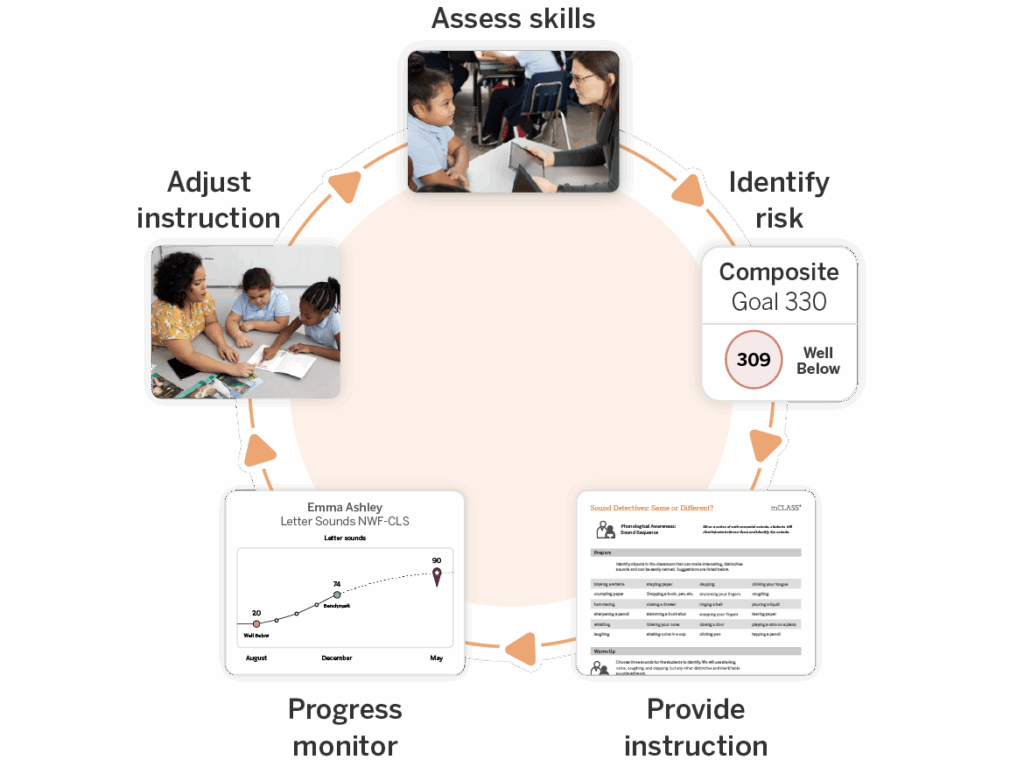
mCLASS DIBELS 8th Edition provides rich data that helps you make informed instructional decisions and seek out further dyslexia screening evaluation if needed:
- Assess skills: mCLASS DIBELS 8th Edition and optional dyslexia screenings in Rapid Automatized Naming (RAN), Spelling, Vocabulary, and Oral Language accurately assess students’ abilities.
- Identify risk: The DIBELS 8 composite score shows each student’s risk level, with ‘Well Below Benchmark’ indicating a need for intensive support. Students who are also ‘Well Below Benchmark’ in RAN and/or Spelling have an additional Risk Indicator icon next to their name.
- Provide instruction: The mCLASS Instruction feature analyzes student error patterns to key dyslexia-related subtests, then recommends small groups and explicit, multi-sensory activities for reinforcing skills.
- Progress monitor: mCLASS includes progress-monitoring measures to track student growth in letter sounds, alphabetic principle, word reading, oral reading fluency, and comprehension, so that informed instructional decisions can be made.
- Adapt instruction: mCLASS displays indicators based on progress monitoring performance that indicate when a change in instruction may be needed. It also updates instruction recommendations using the latest data.
Differentiated literacy instruction
mCLASS DIBELS 8th Edition lays the groundwork for a strong Multi-Tiered System of Supports (MTSS).
In addition to identifying students with symptoms of dyslexia, mCLASS DIBELS 8th Edition data recommends early intervention, personalized instruction, and core instruction within Amplify’s early literacy suite. Based on the Science of Reading, Amplify’s early literacy suite programs follow an explicit and systematic structure, build knowledge, and instruct on all of the foundational skills essential to literacy development.
- Intervene with mCLASS Intervention and Amplify Tutoring: Staff-led Tier 2 and 3 intervention for intensive support.
- Practice with Boost Reading: Personalized learning program to extend and reinforce core instruction.
- Instruct with Amplify Core Knowledge Language Arts (CKLA): Core curriculum to build foundational skills and knowledge.
Bilingual Reading Difficulties screening
By assessing with mCLASS DIBELS 8th Edition and its Spanish counterpart, mCLASS Lectura, you’ll know with confidence whether a student truly shows signs of of reading difficulties or is experiencing difficulties learning a new language.
When used together, mCLASS DIBELS 8th Edition and mCLASS Lectura feature a Dual Language Report that analyzes Reading Difficulties screening results in both languages. The report also details how each student can leverage their strengths from one language to support growth in the other.
Equal skill coverage in English and Spanish
mCLASS Lectura subtest alignment with SB114
| RDRP screening areas | English measure | Spanish measure | Description* |
|---|---|---|---|
| Letter Naming and RAN | Letter Naming Fluency (LNF) | Fluidez in nombrar letras (FNL) | Grades K–1: Naming letters in print. 1 minute, 1:1 administration. |
| Phonological Awareness (Segmentation) | Phonemic Segmentation Fluency (PSF) | Fluidez en la segmentación de sílabas (FSS) & Fluidez en la segmentación de fonemas (FSF) | Grades K–1: Hearing and using sounds or syllables in spoken words. 1 minute, 1:1 administration. |
| Phonological Awareness (Elision) | – | ¿Qué queda? (QQ) | Grades K–2: Produce the part of a word that remains after deleting a syllable or phoneme. 1 minute, 1:1 administration. |
| Letter Sound Correspondence Knowledge | Nonsense Word Fluency Correct Letter Sounds(NWF-CLS) | Fluidez en los sonidos de letras (FSL) | English: Grades K–3: Identify letter-sound correspondences in the context of pseudo-words. Spanish: Grades K-1: Identify letter-sounds in isolation. 1 minute, 1:1 administration. |
| Letter-Sound Knowledge (Receptive) | – | Fluidez en los sonidos de las letras K-Inicio (FSL K-Inicio) | Grade K: Identify (point to) which letter makes a certain sound. Untimed, 1:1 administration. |
| Decoding | Nonsense Word Fluency Words Recoded Correctly (NWF-WRC) | Fluidez en los sonidos de las sílabas (FSL) | Grades K–3: Identify letter-sound correspondences in the context of pseudo-words. Spanish: Grades K–1: Identify letter-sounds in isolation. 1 minute, 1:1 administration. |
| Word Reading | Word-Reading Fluency (WRF) | Fluidez en las palabras (FEP) | Grades K–3: Reading common words easily, quickly and correctly.1 minute, 1:1 administration. |
| Fluency | Oral Reading Fluency (ORF) | Fluidez en la lectura oral (FLO) | Grades 1–6: Reading connected text with accuracy and automaticity. 1 minute, 1:1 administration. |
| Reading Comprehension | Maze | ¿Cuál palabra? (CP) | Grades 2–6: Understanding meaning from texts. 3 minutes, group administration. |
| Vocabulary | Vocabulary | Vocabulario | Grades K–3: Arranging letters correctly to spell words with grade appropriate features. 15 minutes, group administration. |
| Encoding | Spelling | Ortografía | Grades K–3: Arranging letters correctly to spell words with grade-appropriate features. 15 minutes, group administration. |
| RAN (Numbers) | Rapid Automatized Naming | – | Grades K–3: Correctly and quickly naming visual symbols, such as numbers. 1-2 minutes, 1:1 administration. |
| Language Comprehension | Oral Language | Lenguaje oral | Grades K–2: Demonstrate the ability to use words and phrases acquired through conversations, reading and being read to, and responding to texts. 5 minutes, 1:1 administration. |
*Students can be assessed using off-grade measures when information on specific skills is needed.
Resources for families
Welcome California Caregivers! Please click here to learn more about mCLASS assessments.
Families play a crucial role in helping children overcome reading challenges. mCLASS DIBELS 8th Edition and mCLASS Lectura provide a Home Connect letter after each screening to explain the results in family-friendly language, recommend activities, and direct families to a free website for additional at-home support.
Developmentally appropriate
Computer-based assessments that require students to complete tasks silently or independently may over-identify students for intervention services, especially young learners who are still developing focus and attention abilities.
mCLASS requires students to actively demonstrate their proficiency in producing letter sounds, forming words, and reading texts. This approach to assessment aligns with IDA guidelines for effective screening of reading challenges. By choosing mCLASS for universal screening, you’ll gain accurate information about a student’s risk for reading difficulties, and gain the capability to monitor every student’s path to reading proficiency.
Additional resources
mCLASS Resources
- mCLASS Research Hub
- mCLASS Program Guide
- mCLASS Digital Access Guide
- mCLASS Reporting Guide
- mCLASS Help Site
- mCLASS self-guided walkthrough
Dyslexia Resources
- mCLASS Dyslexia Toolkit
- Dyslexia Fact vs. Fiction ebook
- Blog post: 4 tools to help teachers better understand dyslexia
- Science of Reading: The Podcast, Season 7, Episode 7: Debunking the “gift” of dyslexia in children, with Dr. Tim Odegard
- Science of Reading: The Podcast, Season 1, Episode 6: The facts and myths of dyslexia, with Emily Lutrick
Multilingual and English learners Resources
Your California team
Looking to speak directly with your local representative?
Get in touch with a California team member to learn more about our early literacy suite or request a demo account.
Dan Pier
Vice President, West
(415) 203-4810
dpier@amplify.com
Erin King
Sales Director, CA
(512) 736-3162
eking@amplify.com
NORTHERN CA
Wendy Garcia
Senior Account Executive
(510) 368-7666
wgarcia@amplify.com
BAY AREA
Lance Burbank
Account Executive
(415) 830-5348
lburbank@amplify.com
CENTRAL VALLEY and CENTRAL COAST
Demitri Gonos
Senior Account Executive
(559) 355-3244
dgonos@amplify.com
VENTURA and L.A. COUNTY
Jeff Sorenson
Associate Account Executive
(310) 902-1407
jsorenson@amplify.com
ORANGE and L.A. COUNTY
Lauren Sherman
Senior Account Executive
(949) 397-5766
lsherman@amplify.com
SAN BERNARDINO and L.A. COUNTY
Michael Gruber
Senior Account Executive
(951) 520-6542
migruber@amplify.com
RIVERSIDE AND L.A. COUNTY
Brian Roy
Senior Account Executive
(818)967-1674
broy@amplify.com
SAN DIEGO COUNTY
Kirk Van Wagoner
Senior Account Executive
(760) 696-0709
kvanwagoner@amplify.com
BUTTE, DEL NORTE, HUMBOLDT, and SHASTA COUNTY and DISTRICTS UNDER 2250 ENROLLMENT
Kevin Mauser
Lead Account Executive
(815) 534-0148
kmauser@amplify.com
Welcome, Amplify ELA families!
We’re excited to welcome you and your student to the Amplify ELA program for the new school year, and to provide you with exceptional learning opportunities through ELA. We’ve assembled the following resources and guides to help you support your student and enable them to have the most productive experience with our platform throughout the year.
Para la versión en español, haga clic aquí.

What is Amplify ELA?
Amplify ELA helps students in grades 6–8 read and understand complex texts that encourage them to grapple with interesting ideas and find relevance for themselves. Amplify ELA is a blended program that includes both digital and print materials, but can also be used as a print-only version. Students using Amplify ELA read text passages closely, interpret what they find, discuss their thinking with peers, and develop their ideas in writing. The lesson structure is easy to follow, but flexible enough to allow for a variety of learning experiences and varied enough to keep students engaged.
Features include:
- Functionality that allows individual students to work at their own level while also being challenged appropriately.
- Built-in tools that allow teachers to track and respond to student work.
- The digital Amplify Library, which contains more than 700 downloadable, full-length fiction and nonfiction books.
- The Vocab App, which uses game-like activities to help students master keywords from the program’s texts. (Students using print materials will see keywords highlighted.)
- Independent writing assignments called Solos, available on mobile devices.
- Interactive projects called Quests that accompany certain units to provide additional practice with analytical reading, writing, speaking, and listening skills.
Getting started
How you can support the child in your care:
- If possible, read with your student daily; even 15 minutes of reading together each day can make a huge impact. You can read aloud sections of the text together—many middle grade students enjoy performing sections of dialogue by taking on the role of a character in a play, or adding some dramatic flair to a poem with which they are working. If your student struggles with reading aloud, you might try reading the text to them with expression, then having them read it back to you. For additional practice, there are an array of fluency activities in the program’s Flex Days. Ask your student to help you find these activities.
- Find moments to discuss what they are reading and discovering. Examples of questions you could ask: What stood out to you from what you read today? Were any sentences or words confusing? What was most surprising? What do you think the writer was trying to communicate? Do you agree with the writer’s ideas or descriptions? What connections can you make between what you are reading and your own life, or other issues you’ve heard about?
- Listen to your student read their written responses or have them share with a friend over the phone or video chat.
- Browse the Amplify Library with your student to find books they’ll enjoy and be able to read fluently and independently.
- Review this Protecting Kids Online website by the Federal Trade Commission addressing digital safety.
Accessing texts in the Amplify Library
We encourage students to utilize the core texts from the Amplify Library while at home! Please follow these steps to download a text for offline reading:
1. Navigate to the Program & Apps menu at the top of your screen and scroll through to find the Amplify Library icon. When you select it, the Amplify Library will open in a new tab.
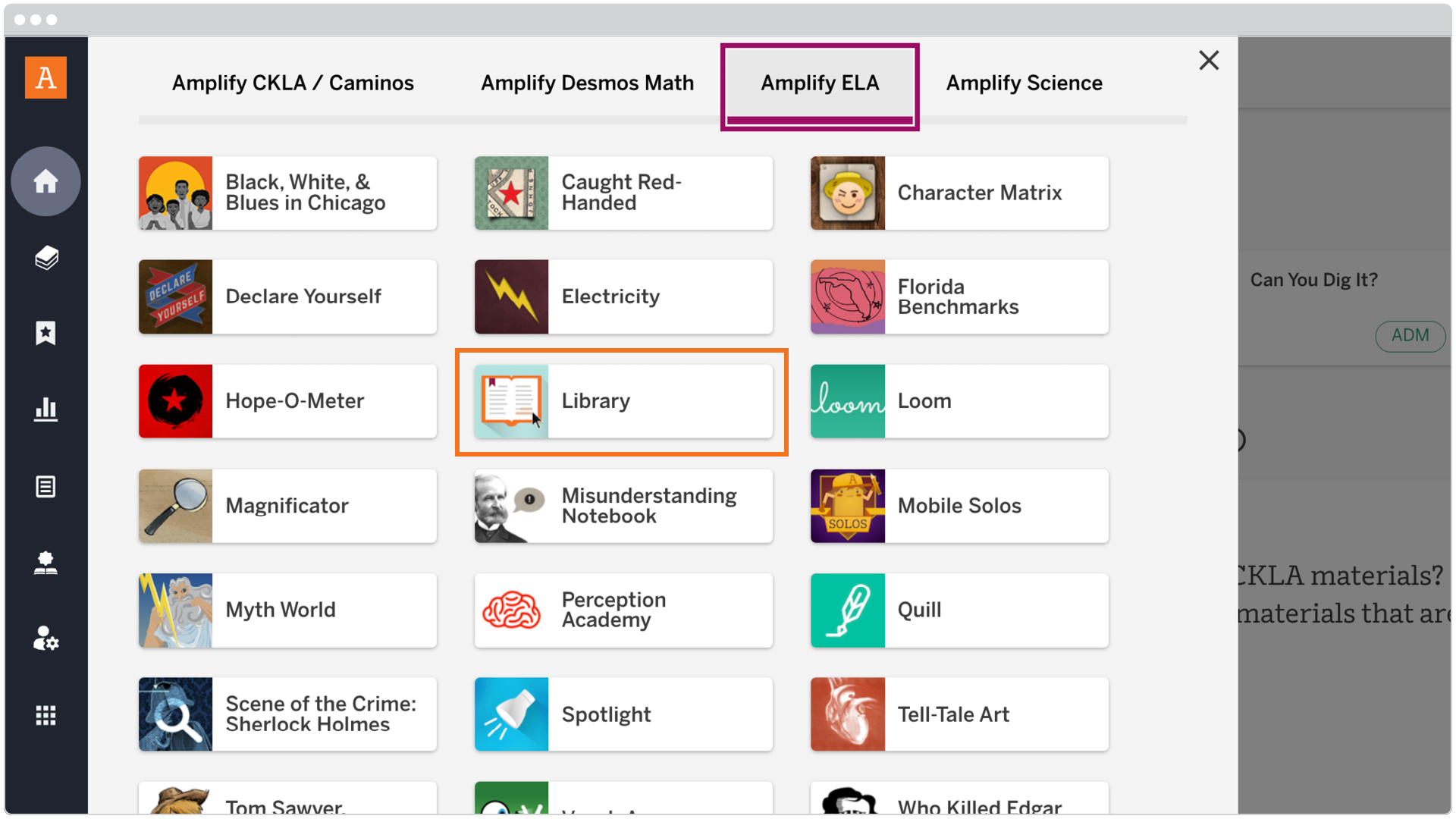
2. If prompted, follow the directions to set up a pin for the Amplify Library; otherwise, proceed to the next step.
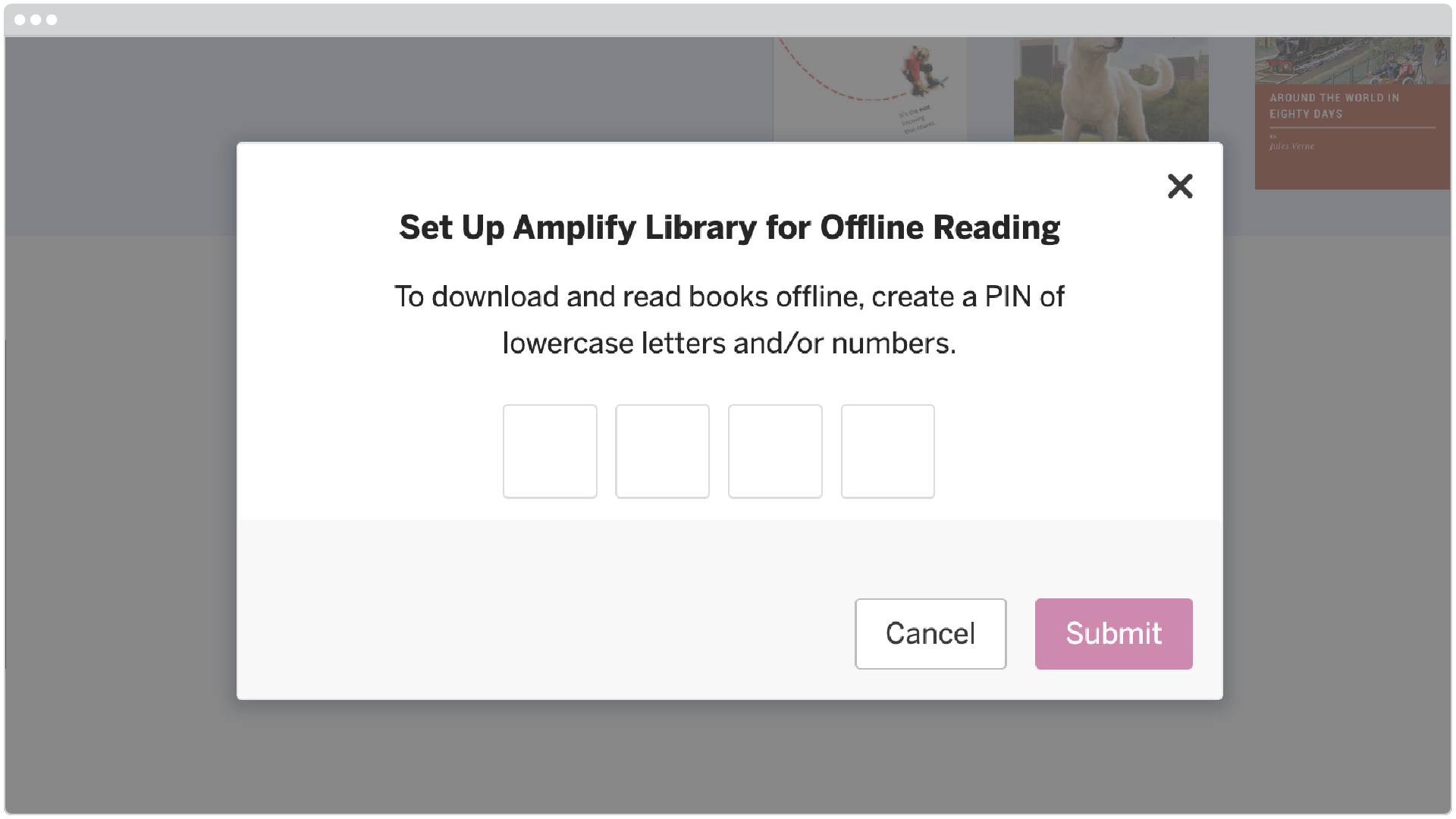
3. In the upper right corner of your screen, search for the book you would like to download. Example: The Secret of the Yellow Death: A True Story of Medical Sleuthing.
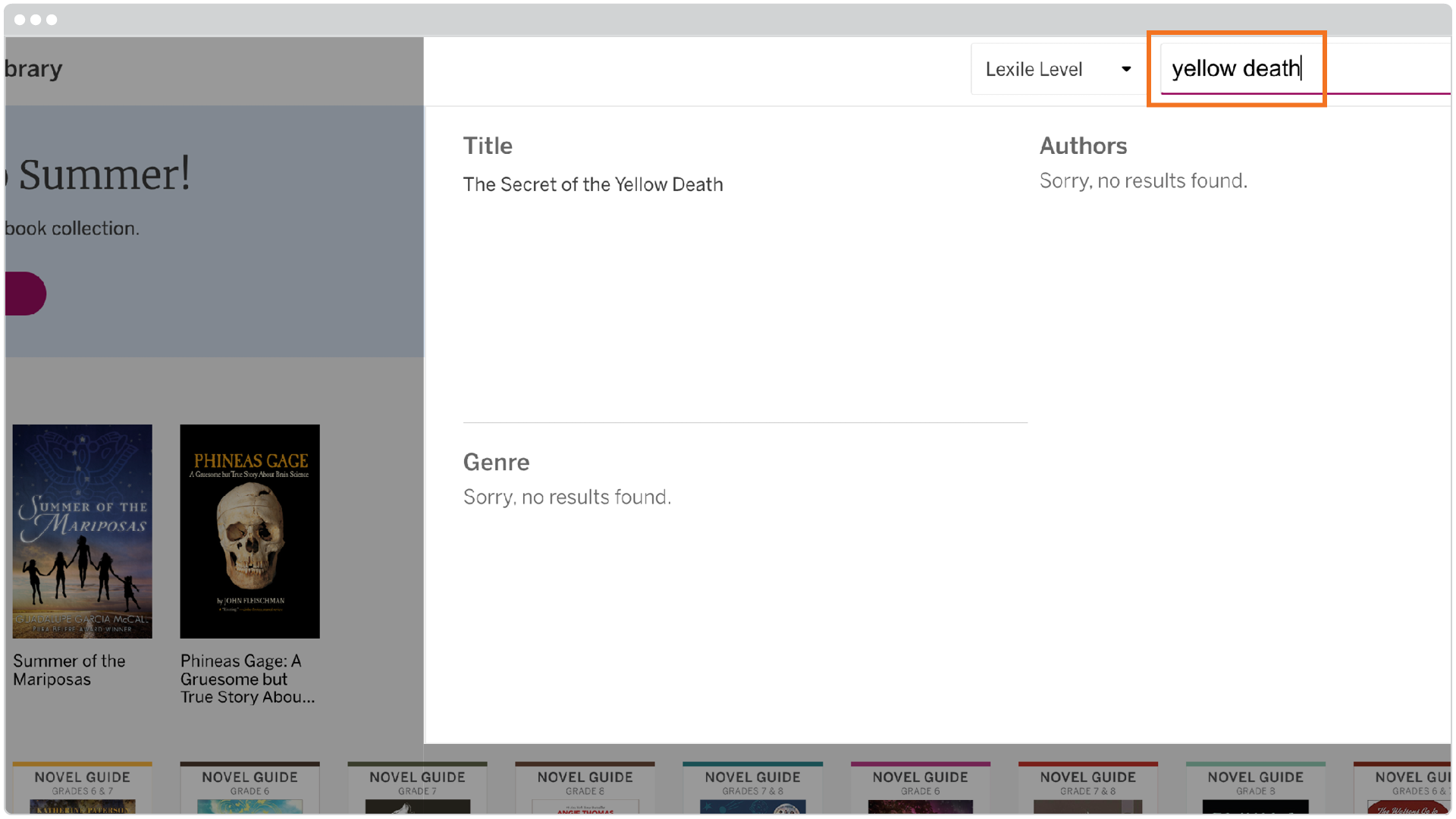
4. Select the Download button.
5. If you lose connection while still in the Amplify Library, you can continue to access and read the downloaded book(s). If the page refreshes without internet access, or you try to login on another device without internet access, you will lose access to the downloaded book(s) until the internet connection is restored.
To retrieve your downloaded texts:
- In the Amplify Library app, open the My Library drop-down menu in the upper left corner.
- Select Downloaded.
- Choose the text you wish to read from all of your pre-downloaded texts.
Materials overview
Not every school will operate the same way, but students attending schools that have both the print and digital editions of the program will likely have the following print materials at home:
- Student Edition: This includes all of the readings and activities necessary for instruction throughout the year. Students can read the selections both digitally and in print, annotating in either format. The lessons in the print Student Edition reflect each digital lesson, but have been modified to work effectively in print.
- Writing Journals: This provides space for students to respond to Writing Prompts and complete other written assignments.
In the case that students are without access to devices or the internet, they can continue to complete key reading and writing assignments using the print Student Editions and student Writing Journals.
Teachers can also access, print, and mail student Novel Guides for up to 12 commonly taught novels. Six of these novels are available in the Amplify Library, and most should be available in a public library.
Unit overviews
Below are quick overviews of each unit your student will be working through in their grade throughout the year. Included along with each unit is a downloadable guide that provides a more in-depth look at what content is covered and how you can help your student advance their understanding of the topics.
- Unit 6A: Dahl & Narrative
- Students begin with narrative writing to quickly boost their writing production, learn the foundational skill of focus, and become comfortable with key classroom habits and routines they will use all year. Students then apply their new observational focus to some lively readings from Roald Dahl’s memoir Boy and learn how to work closely with textual evidence.
- Unit 6B: Mysteries & Investigations
- Students read like an investigator to embark on a multi-genre study of the mesmerizing world of scientific and investigative sleuthing. At the end of the unit, students write an essay explaining which trait is most useful to problem-solving investigators.
- Unit 6C: The Chocolate Collection
- The Aztecs used it as currency. Robert Falcon Scott took it to the Antarctic. The Nazis made it into a bomb designed to kill Churchill. The 3,700-year-long history of chocolate is full of twists and turns, making it a rich and rewarding research topic. In this unit, students explore primary source documents and conduct independent research to better understand the strange and wonderful range of roles that chocolate has played for centuries around the world.
- Unit 6D: The Greeks
- Greek myths help us understand not only ancient Greek culture but also the world around us and our role in it. Drawing on the routines and skills established in previous units, these lessons ask students to move from considering the state of a single person—themselves or a character—to contemplating broader questions concerning the role people play in the world and the communities they inhabit within it.
- Unit 6E: Summer of Mariposas
- The borderlands between the United States and Mexico are the place of legends, both true and fictional. Summer of the Mariposas, by Guadalupe Garcia McCall, plants a retelling of the Odyssey into this setting, launching five sisters on an adventure into a world of heroes and evildoers derived from Aztec myths and Latinx legends. On the journey, the sisters reconcile the dissolution of their parent’s marriage and find new strength in their identity and connection to Aztec lineage. Students consider how McCall uses the structure of the hero’s journey to celebrate women, heritage, and a broad definition of family. Students also have the opportunity to compare these characters’ fictional journey into Mexico to a description of one boy’s true journey into the United States.
- Unit 6F: The Titanic Collection
- In this research unit, students learn to tell the difference between primary, secondary, and tertiary sources; determine if a given source is reliable; and understand the ethical uses of information. Students then construct their own research questions and explore the internet for answers. They also take on the role of a passenger from the Titanic’s manifest to consider gender and class issues as they research and write narrative accounts from the point of view of their passenger.
- Unit 6G: Beginning Story Writing
- In this unit, students get to practice their creative writing skills and learn the elements of storytelling and character development, as well as the importance of vivid language. Students gain a sense of ownership over their writing as they experiment with the impact of their authorial choices on sentences, language, character traits, and plot twists.
- Grade 6: Grammar
- In this unit, students complete self-guided grammar instruction and practice that teachers assign to them throughout the year. Sub-units are organized by key grammar topics, so teachers can assign the content that best meets their student’s needs while making sure students work with the key grammar topics for their grades.
- Unit 7A: Red Scarf Girl & Narrative
- In this study of a highly engaging memoir of a young woman growing up in China during the Cultural Revolution, students quickly learn the history and politics of this tumultuous period by focusing on the story of someone living through the upheaval. As students follow her journey through a world turned upside down, they will track the changes in her feelings and motivations over time.
- Unit 7B: Character & Conflict
- By reading the play A Raisin in the Sun and the short story “Sucker,” students explore how people facing hardships can inflict unintentional harm on the people around them. The two narratives work together to provide opportunities for students to analyze characters’ responses to conflict and the author’s development of ideas over the course of a piece of fiction.
- Unit 7C: Brain Science
- Could you survive an iron rod through your skull? Phineas Gage did, and his gruesome-but-true story allows students to build background information and analyze other informational texts, including the contemporary The Man Who Mistook His Wife For A Hat and the relevant Demystifying the Adolescent Brain.
- Unit 7D: Poetry & Poe
- Poe’s texts always offer so much to notice, decipher, talk about—and creep us out. Since things are not always what they seem, students must use close reading skills to question whether they should believe what Poe’s narrator is telling them … or not.
- Unit 7E: The Frida & Diego Collection
- Mexico’s most famous and provocative artists, Diego Rivera and Frida Kahlo, were an extraordinary couple who lived in extraordinary times. They were both soul mates and complete opposites. Their multifaceted lives and work offer students rich and fascinating subjects to study as they examine primary source documents and conduct independent research.
- Unit 7F: The Gold Rush Collection
- In this research unit, students choose from a large collection of primary and secondary sources to learn about the wide range of people who took part in the California Gold Rush. They also take on the role of someone who lived during the gold rush and write journal entries from their perspective.
- Unit 7G: Intermediate Story Writing
- In this unit, students get to practice their creative writing skills and learn the elements of storytelling and character development, as well as the importance of vivid language. Students gain a sense of ownership over their writing as they experiment with the impact of their authorial choices on sentences, language, character traits, and plot twists.
- Grade 7: Grammar
- In this unit, students complete self-guided grammar instruction and practice that teachers assign to them throughout the year. Sub-units are organized by key grammar topics, so teachers can assign the content that best meets their student’s needs while making sure students work with the key grammar topics for their grades.
- Unit 8A: Perspectives & Narrative
- This unit aims to teach students to read like writers. They practice paying attention to the craft of writing and to the moves a good writer makes to shape the way we see a scene or feel about a character—to stir us up, surprise us, or leave us wondering what will happen next. Students closely read examples of rich, layered narrative nonfiction, analyze the techniques each author uses to make their writing resonate, and practice applying these techniques to their own narrative writing.
- Unit 8B: Liberty & Equality
- In this unit, students look at the words of a range of creators—from poet Walt Whitman to abolitionist Frederick Douglass to President Abraham Lincoln—to see how their writing contributed to an extreme shift in social organization: a whole new concept of what it means for people to be considered “equal.” They also study multiple perspectives on the Civil War, including the memoir of a girl who was enslaved, a confederate girl’s diary, and a nonfiction account of the young boys who served as soldiers during the war.
- Unit 8C: Science & Science Fiction
- Students read Gris Grimly’s Frankenstein, a graphic novel that adds captivating illustrations to an abridgment of the 1818 edition of Mary Shelley’s book. Paired with Shelley’s text, Grimly’s haunting—and, at times, horrific—representations of Frankenstein’s creature push students to wrestle with some of the text’s central themes: the source of humanity and the root of evil. Students then write an essay in which, after arguing both sides of the question, they determine whether or not Frankenstein’s creature should ultimately be considered human.
- Unit 8D: Shakespeare’s Romeo & Juliet
- Romeo and Juliet combines romance with action, offering a wide range of themes and scenes for students to read about and act out. Your middle schoolers are at the right age to identify with the lovers’ strong feelings—and also old enough to think critically about the choices Romeo and Juliet make.
- Unit 8E: Holocaust: Memory & Meaning
- This unit uses a range of primary source articles, images, and videos, as well as literary nonfiction and graphic nonfiction, to study what made the atrocities of the Holocaust possible. Students investigate how propaganda was generated and employed to create a political environment that ultimately corrupted a society. The Olympics are seen through the lens of an international propaganda campaign, providing cover for Nazis to begin eliminating non-Aryans from their culture. The final sub-unit examines the outcomes of Nazi doctrine and the impact on Jewish victims and survivors.
- Unit 8F: The Space Race Collection
- In this unit, students to put their research and close-reading skills to the test to distinguish between reliable and unreliable sources, explore primary documents, and conduct independent research to better understand the space race that took place between two of the world’s superpowers. This dramatic story offers students a rich research topic to explore as they build information literacy skills, learn how to construct their own research questions, and explore the internet for answers.
- Grade 8: Grammar
- In this unit, students complete self-guided grammar instruction and practice that teachers assign to them throughout the year. Sub-units are organized by key grammar topics, so teachers can assign the content that best meets their student’s needs while making sure students work with the key grammar topics for their grades.
- Unit 8G: Advanced Story Writing
- In this unit, students get to practice their creative writing skills. They’ll learn the elements of storytelling and character development, and the power of vivid language to grab readers and pull them into a story.
Additional activities
Quests:
You may notice your student working with peers on the same interactive project over several days, trying to solve a mystery or explain a historical event. That’s what happens when a teacher assigns a Quest: an in-depth week-long exploration that requires collaboration and deepens engagement with texts and topics.
Vocab App:
The Vocab App helps students master vocabulary words through game-like activities that challenge them to think through morphology, analogy, and synonyms/antonyms, and to decipher meaning through context.
Have a question about Amplify ELA?
Visit our help library to search for articles with answers to your program questions.
For additional curriculum support, please contact your student’s teacher.
Prepare for the new school year with your student!
We’re excited to welcome you and your student to Amplify for the new school year, and to provide exceptional learning opportunities through our programs. We’ve assembled the following resources and guides for you to reference to ensure your student has the most productive experience with our platform and curriculum throughout the year. Select your Amplify program below to get started!
Para la versión en español, haga clic aquí.

Select a program below:






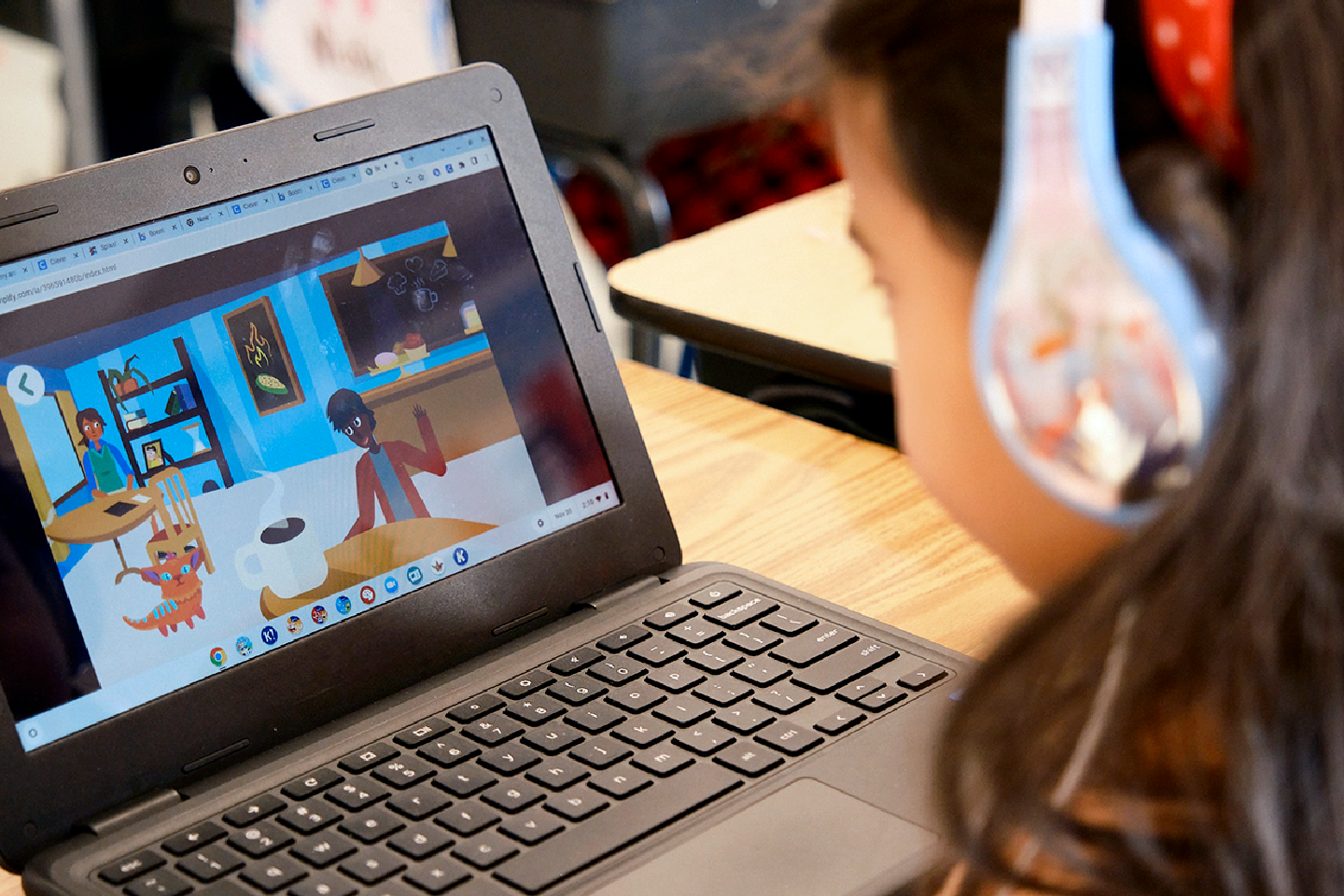
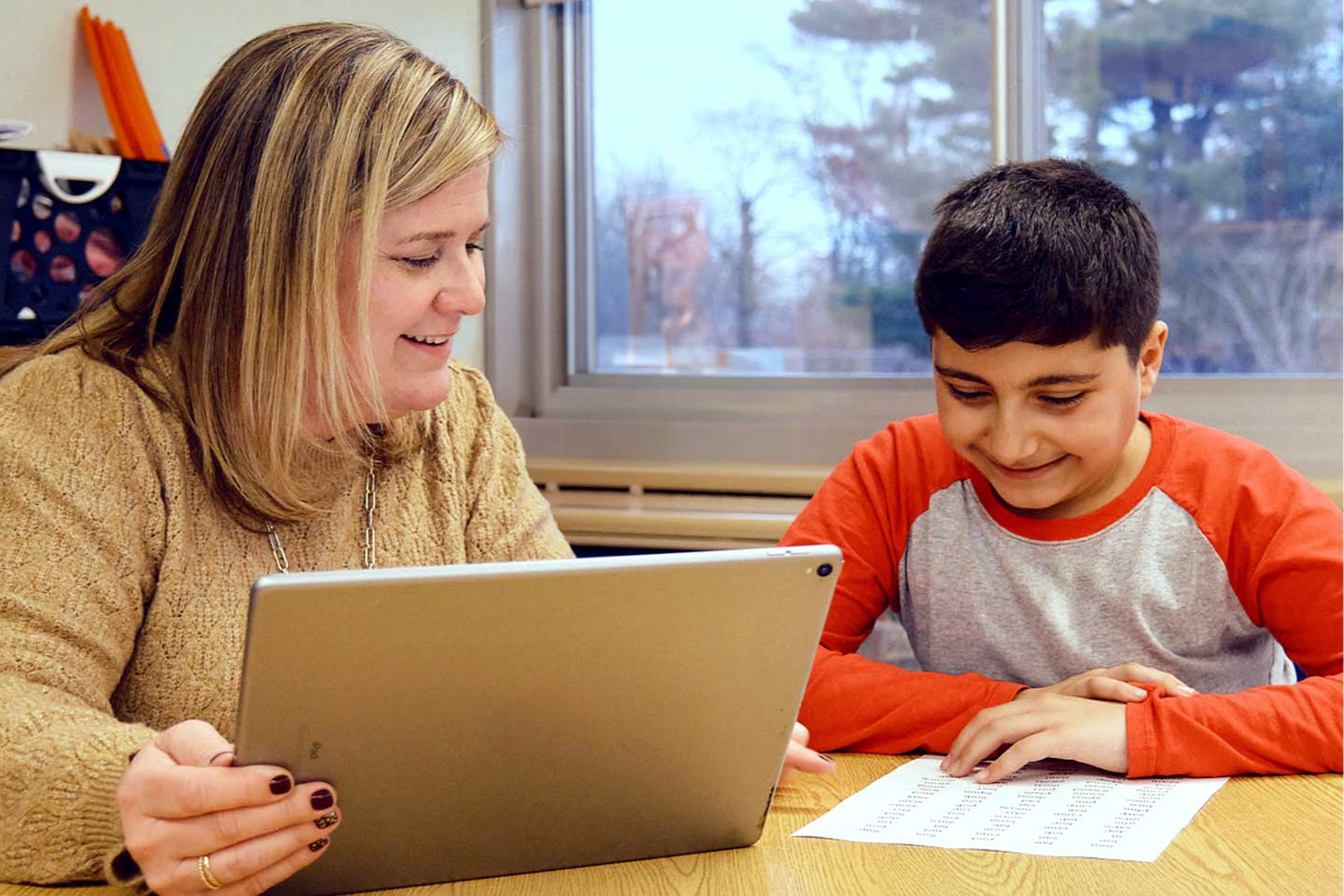



Tennessee’s review of Amplify ELA student materials
Thank you for taking the time to review Amplify ELA for middle school. The items below will allow you to experience our blended program with access to our student print materials and digital curriculum.
Amplify ELA’s blended model enables teachers to design instruction based on their classroom needs and resources. Our engaging print edition highlights the many digital experiences that can be shared with students through classroom projections. Teachers can make choices about when their students use devices while providing 100% standards coverage and without compromising learning.

Digital Program
The content and instruction in Amplify ELA’s digital program mirrors the content provided in the print Teacher Edition and Student Edition. However, the digital program offers more opportunity to engage students through the use of multimedia and a variety of learning apps.
To access the Student Edition within the digital program, visit learning.amplify.com and enter the following credentials when logging in with Amplify:
USERNAME: t.elav2-autologin@tryamplify.net
PASSWORD: Demo1234
Grade 6

Grade 7

Grade 8

The science behind our skills instruction
Every day in the Amplify CKLA K–2 classrooms, students practice their existing reading skills while stretching themselves toward new goals.
Regardless their grade level, all students will experience Skills instruction that is:
- Reserach-based: The program is built out of an exhaustive review of reading research, with special emphasis on the findings of the National Reading Panel, Diane McGuinness, Marilyn Jager Adams, and Louisa Moats.
- Explicit: All 44 sounds and their 150 spellings in the English language are taught, practiced, and mastered in diverse settings.
- Sequential: An intentional sequence of instruction that gradually builds in complexity ensures students master concepts and gain independence before moving forward.
- Rewarding: Decodable chapter-books and engaging stories featuring dynamic plots and characters inspire kids to read more.
In addition, Skills instruction within the program reflects four key principles.
All Amplify CKLA skills instruction starts with phonological awareness, which research shows benefits the greatest number of students. Students begin by learning to recognize sounds, as well as to articulate them.

Sound Library
The Sound Library provides additional digital support and practice. Sound videos show mouth movements to help students practice articulating new sounds, while sound songs have fun, catchy lyrics that help kids learn to recognize the sounds they’ve just learned.
Once students are familiar with a sound, they’ll learn to analyze it in terms of phonemes, which begins to build the bridge between sounds and letter codes. We support you and your students with a variety of techniques and remediations designed to integrate well into your existing classroom.
Once students can recognize sounds, they learn to form the corresponding letter codes. Amplify CKLA starts by teaching the sound-spellings that appear most frequently in English, which lets your students read and write as many words as possible, as soon as possible.
Amplify CKLA lessons continue to challenge students as they progress, introducing complications like multisyllabic words, “tricky words,” and homophones. In each case, students encounter complications as they become ready for them.

In addition, as students progress through the grades, skills practice continues but becomes integrated with the overall curriculum.
Proven resources for practicing skills
Great reading instruction starts with helping kids develop great reading skills.
In addition to separating skill development lessons from lessons that emphasize comprehension, Amplify CKLA utilizes carefully crafted resources that give kids confidence. As a result, the program helps student develop the foundational skills they need without delaying them from learning key vocabulary and critical thinking skills.
As students move through the curriculum, their understanding of the code becomes more sophisticated. That’s in large part due to Amplify CKLA’s decodable readers that grow more advanced along with students’ skills.

Throughout the K–2 Skills units, we ask students to practice their writing skills along with their reading. Student book reports on the readers and other reflective assignments help build good writing habits early and prepare students for the challenges ahead.
Skills scopes and sequences by grade
Download scopes and sequences for each grade below.
- Grade K Skills Scope and Sequence
- Grade 1 Skills Scope and Sequence
- Grade 2 Skills Scope and Sequence
- Grade 3 Skills Scope and Sequence
- Grade 4 Skills Scope and Sequence
- Grade 5 Skills Scope and Sequence
Dyslexia supports within Amplify CKLA
Amplify CKLA is based on decades of cognitive science and classroom-based research and includes phonological awareness, phonics, vocabulary, comprehension, and fluency as central literacy components.
The International Dyslexia Association defines Structured Literacy as an approach that focuses on systematic and explicit instruction in word identification and decoding, and includes the following elements: phonology, sound-symbol association, syllables, morphology, syntax, semantics. Further, Structured Literacy calls for evidence-based teaching principles such as:
- Systematic and cumulative instruction.
- Explicit instruction that includes multisensory teaching.
- A diagnostic element so teachers can use evidence from formal and informal assessments to make adjustments in the classroom.
Amplify CKLA not only includes all of these elements, it was built on them.
In Grades K–2, the program uses a unique two-strand instructional approach to target knowledge and skills. The scope and sequence intentionally builds foundational skills by:
- Beginning with critical phonological awareness and phonemic awareness instruction before moving into letter-sound knowledge and basic and advanced decoding and encoding.
- Giving students opportunities to practice decoding and word recognition skills both in isolation and in connected text using 100% decodable readers.
- Ensuring new skills are taught explicitly, practiced and reviewed regularly, and assessed frequently with checks for understanding, formative assessments, and formal assessments, including diagnostic/placement assessments and benchmark assessments.
For students who need more help with decoding and encoding words Amplify CKLA provides activities and materials for targeted reinforcement and intervention by way of two online resources:
- Assessment and Remediation Guides for K-3
- Intervention Toolkit
Contact us
Have a question about the program? Your Account Executive, Tommy Gearhart, is happy to help.
Tommy Gearhart
Senior Account Executive
505-206-7661
tgearhart@amplify.com
Welcome Amplify Science educators! Test
Welcome, Louisiana reviewers
To begin your review, click the button below for more information about Amplify Science Louisiana and to access the online digital curriculum.

Review the digital teacher’s guide
- Sign in with this username and password:
- Click on the orange button below.
- Select “Log in with Amplify”.
Username: t.LouisianaReview@tryamplify.net
Password: AmplifyNumber1
Navigational Guides
Watch the video
Get an overview of the program as a whole.

Take the guided tour
Click through to learn how to navigate around our program.
Preview the Student Books and Investigation Notebooks
Kindergarten
Needs of Plants and Animals
- Needs of Plants and Animals: Milkweed and Monarchs Investigation Notebook
- Science Walk
- Handbook of Plants
- Investigating Monarchs
- A Plant in the Desert
- Above and Below
Pushes and Pulls
- Pushes and Pulls: Designing a Pinball Machine Investigation Notebook
- Talking About Forces
- A Busy Day in Pushville
- Room 4 Solves a Problem
- Forces in Ball Games
- Building With Forces
Sunlight and Weather
- Sunlight and Weather: Solving Playground Problems Investigation Notebook
- Handbook of Models
- Cool People in Hot Places
- Tornado! Predicting Severe Weather
- What Is the Weather Like Today?
- Getting Warm in the Sunlight
Grade 1
Animal and Plant Defenses
- Animal and Plant Defenses: Spikes, Shells, and Camouflage Investigation Notebook
- Whose Lunch Is This?
- Tortoise Parts
- Parents and Offspring
- Frog Models
- Spikes, Spines, and Shells
Light and Sound
- Light and Sound: Puppet-Theater Engineers Investigation Notebook
- Let’s Test!
- Engineering with Light and Sound
- Can You See in the Dark?
- What Vibrates?
- What Made This Shadow?
Spinning Earth
- Spinning Earth: Investigating Patterns in the Sky Investigation Notebook
- A Walk Through the Seasons
- After Sunset
- Nighttime Investigation
- What Spins?
- Patterns of Earth and Space
Grade 2
Plant and Animal Relationships
- Plant and Animal Relationships: Investigating Systems in a Bengali Forest Investigation Notebook
- My Nature Notebook
- A Plant is a System
- Habitat Scientist
- Investigating Seeds
- Handbook of Habitats
Properties of Materials
- Properties of Materials: Designing Glue Investigation Notebook
- Jelly Bean Engineer
- What If Rain Boots Were Made of Paper?
- Handbook of Interesting Ingredients
- Jess Makes Hair Gel
- Can You Change It Back?
Changing Landforms
- Changing Landforms: The Disappearing Cliff Investigation Notebook
- Landform Postcards
- Handbook of Land and Water
- Gary’s Sand Journal
- What’s Stronger?
- Making Models of Streams
Grade 3
Balancing Forces
- Balancing Forces: Investigating Floating Trains Investigation Notebook
- Forces All Around
- What My Sister Taught Me About Magnets
- Hoverboard
- Explaining a Bridge
- Handbook of Forces
Environments and Survival
- Environments and Survival: Snails, Robots, and Biomimicry Investigation Notebook
- Earthworms Underground
- Mystery Mouths
- Environment News
- Cockroach Robots
- Biomimicry Handbook
Inheritance and Traits
- Inheritance and Traits: Variation in Wolves Investigation Notebook
- Scorpion Scientist
- How the Sparrow Learned Its Song
- Handbook of Traits
- Blue Whales and Buttercups
- The Code
Weather and Climate
- Weather and Climate: Establishing An Orangutan Reserve Investigation Notebook
- Seeing the World Through Numbers
- Sky Notebook
- What’s Going On with the Weather?
- Dangerous Weather Ahead
- World Weather Handbook
Grade 4
Energy Conversions
- Energy Conversions: Blackout in Ergstown Investigation Notebook
- Energy Past and Present
- Sunlight and Showers
- Blackout
- It’s All Energy
- Systems
Earth’s Features
- Earth’s Features: An Astrophotographer’s Challenge Investigation Notebook
- Clues From The Past
- Through the Eyes of a Geologist
- Arguing to Solve a Mystery
- Rocky Wonders
- Fossil Hunter’s Handbook
Vision and Light
- Vision and Light: Investigating Animal Eyes Investigation Notebook
- Investigating Animal Senses
- I See What You Mean
- Crow Scientist
- Seeing Like a Shrimp and Smelling Like a Snake
- Handbook of Animal Eyes
Waves, Energy, and Information
- Waves, Energy and Information: Investigating How Dolphins Communicate Investigation Notebook
- Sound on the Move
- The Scientist Who Cracked the Dolphin Code
- Seeing Sound
- Warning: Tsunami!
- Patterns in Communication
Grade 5
Patterns of Earth and Sky
- Patterns of Earth and Sky: Analyzing Stars on Ancient Artifacts Investigation Notebook
- How Big Is Big? How Far Is Far?
- Which Way Is Up?
- Dog Days of Summer
- Star Scientist
- Handbook of Stars and Constellations
Ecosystem Restoration
- Ecosystem Restoration: Matter and Energy in a Rain Forest Investigation Notebook
- Matter Makes It All Up
- Walk in the Woods
- Energy Makes It All Go
- Restoration Case Studies
- Why Do Scientists Argue?
The Earth System
- The Earth System: Investigating Water Shortages Investigation Notebook
- Chemical Reactions Everywhere
- Water Shortages, Water Solutions
- Drinking Cleopatra’s Tears
- Engineering Clean Water
- How the Earth System Explains Dinosaur Extinction
- Water Encyclopedia
Modeling Matter
Preview the Student Books and Investigation Notebooks
Kindergarten
Needs of Plants and Animals
- Needs of Plants and Animals: Milkweed and Monarchs Investigation Notebook
- Science Walk
- Handbook of Plants
- Investigating Monarchs
- A Plant in the Desert
- Above and Below
Pushes and Pulls
- Pushes and Pulls: Designing a Pinball Machine Investigation Notebook
- Talking About Forces
- A Busy Day in Pushville
- Room 4 Solves a Problem
- Forces in Ball Games
- Building With Forces
Sunlight and Weather
- Sunlight and Weather: Solving Playground Problems Investigation Notebook
- Handbook of Models
- Cool People in Hot Places
- Tornado! Predicting Severe Weather
- What Is the Weather Like Today?
- Getting Warm in the Sunlight
Grade 1
Animal and Plant Defenses
- Animal and Plant Defenses: Spikes, Shells, and Camouflage Investigation Notebook
- Whose Lunch Is This?
- Tortoise Parts
- Parents and Offspring
- Frog Models
- Spikes, Spines, and Shells
Light and Sound
- Light and Sound: Puppet-Theater Engineers Investigation Notebook
- Let’s Test!
- Engineering with Light and Sound
- Can You See in the Dark?
- What Vibrates?
- What Made This Shadow?
Spinning Earth
- Spinning Earth: Investigating Patterns in the Sky Investigation Notebook
- A Walk Through the Seasons
- After Sunset
- Nighttime Investigation
- What Spins?
- Patterns of Earth and Space
Grade 2
Plant and Animal Relationships
- Plant and Animal Relationships: Investigating Systems in a Bengali Forest Investigation Notebook
- My Nature Notebook
- A Plant is a System
- Habitat Scientist
- Investigating Seeds
- Handbook of Habitats
Properties of Materials
- Properties of Materials: Designing Glue Investigation Notebook
- Jelly Bean Engineer
- What If Rain Boots Were Made of Paper?
- Handbook of Interesting Ingredients
- Jess Makes Hair Gel
- Can You Change It Back?
Changing Landforms
- Changing Landforms: The Disappearing Cliff Investigation Notebook
- Landform Postcards
- Handbook of Land and Water
- Gary’s Sand Journal
- What’s Stronger?
- Making Models of Streams
Grade 3
Balancing Forces
- Balancing Forces: Investigating Floating Trains Investigation Notebook
- Forces All Around
- What My Sister Taught Me About Magnets
- Hoverboard
- Explaining a Bridge
- Handbook of Forces
Environments and Survival
- Environments and Survival: Snails, Robots, and Biomimicry Investigation Notebook
- Earthworms Underground
- Mystery Mouths
- Environment News
- Cockroach Robots
- Biomimicry Handbook
Inheritance and Traits
- Inheritance and Traits: Variation in Wolves Investigation Notebook
- Scorpion Scientist
- How the Sparrow Learned Its Song
- Handbook of Traits
- Blue Whales and Buttercups
- The Code
Weather and Climate
- Weather and Climate: Establishing An Orangutan Reserve Investigation Notebook
- Seeing the World Through Numbers
- Sky Notebook
- What’s Going On with the Weather?
- Dangerous Weather Ahead
- World Weather Handbook
Grade 4
Energy Conversions
- Energy Conversions: Blackout in Ergstown Investigation Notebook
- Energy Past and Present
- Sunlight and Showers
- Blackout
- It’s All Energy
- Systems
Earth’s Features
- Earth’s Features: An Astrophotographer’s Challenge Investigation Notebook
- Clues From The Past
- Through the Eyes of a Geologist
- Arguing to Solve a Mystery
- Rocky Wonders
- Fossil Hunter’s Handbook
Vision and Light
- Vision and Light: Investigating Animal Eyes Investigation Notebook
- Investigating Animal Senses
- I See What You Mean
- Crow Scientist
- Seeing Like a Shrimp and Smelling Like a Snake
- Handbook of Animal Eyes
Waves, Energy, and Information
- Waves, Energy and Information: Investigating How Dolphins Communicate Investigation Notebook
- Sound on the Move
- The Scientist Who Cracked the Dolphin Code
- Seeing Sound
- Warning: Tsunami!
- Patterns in Communication
Grade 5
Patterns of Earth and Sky
- Patterns of Earth and Sky: Analyzing Stars on Ancient Artifacts Investigation Notebook
- How Big Is Big? How Far Is Far?
- Which Way Is Up?
- Dog Days of Summer
- Star Scientist
- Handbook of Stars and Constellations
Ecosystem Restoration
- Ecosystem Restoration: Matter and Energy in a Rain Forest Investigation Notebook
- Matter Makes It All Up
- Walk in the Woods
- Energy Makes It All Go
- Restoration Case Studies
- Why Do Scientists Argue?
The Earth System
- The Earth System: Investigating Water Shortages Investigation Notebook
- Chemical Reactions Everywhere
- Water Shortages, Water Solutions
- Drinking Cleopatra’s Tears
- Engineering Clean Water
- How the Earth System Explains Dinosaur Extinction
- Water Encyclopedia
Modeling Matter
Contact your New York City science representative directly
Michael Kasloff
Regional Vice President
Email: mkasloff@amplify.com
Phone: (862) 215-4505
Learning disabilities and their emotional impact

Welcome back to Science of Reading: The Podcast! How can we as educators better understand what the process of being diagnosed with a learning disability looks and feels like for children? Beyond that, what does it feel like to go through school undiagnosed and how does that impact how students relate to themselves, their peers, and school in general?
Find your child’s interests, or your student’s strengths … pursue those and give them opportunities to let those feed their soul.
Dr. Sheila Clonan, Psychologist and founding Board Member of The Reading League
This episode features Dr. Sheila Clonan discussing her work with identifying learning disabilities (particularly dyslexia) in children. Dr. Clonan also explores the mental and emotional effects of learning to read with dyslexia and how it impacts behavior and self-concept, providing two insightful analogies that illustrate what it feels like for students who aren’t given explicit instruction but are still expected to know how to read. She then ends the episode with practical advice for educators and parents on how to support and encourage children.
Listen below!
For more wisdom and research on the best ways to teach reading, subscribe to Science of Reading: The Podcast.
Learning to read digitally vs. in print

Welcome back to Science of Reading: The Podcast!
We often assume children are digital natives, but research shows that many are not being taught to use technology even when they’re surrounded by it. And though some students prefer to read digitally, research has demonstrated that this doesn’t necessarily mean they’re reading more effectively. How can we, as educators, best utilize the strengths of both technology and print to build strong foundational skills in reading?
As we saw in this pandemic, reading digitally is not going anywhere … and, in fact, is what made learning even a possibility the past year and a half.
—Dr. Lauren Trakhman, Professor, University of Maryland, College Park
In this episode, Susan Lambert sits down with Lauren Trakhman and Patricia Alexander, professors from the Department of Human Development and Quantitative Methodology within the College of Education at the University of Maryland, College Park, to discuss their research on the effectiveness of teaching reading in print vs. digitally.
Their conversation explores the ways in which teaching reading in print remains vital even in a digital world. Trakhman and Alexander also explain why it’s important to avoid making assumptions about students’ abilities to use technology and how that can be a detriment to reading success. Lastly, they discuss strategies for using technology to boost children’s foundational skills.
Listen below!
For more wisdom, research, and practices on the best ways to teach reading, subscribe to Science of Reading: The Podcast.
Found in translation–the power of cross-linguistic transfer

¿Verdadero o falso? You must be bilingual to support emergent bilingual students in their literacy development.
¡Falso!
An essential component of supporting emergent bilinguals in developing literacy is understanding cross-linguistic transfer (CLT): when emergent bilinguals use knowledge of one language to support learning another.
Educators do not need to be fluent in both languages to identify—and teach—which elements of one transfer to the other.
“Teachers should not feel discouraged in supporting their students who are Spanish-speaking, because there are ways that they can still support cross-linguistic transfer without actually speaking the language,” says Amplify senior PD strategist in biliteracy Lauren Birner.
But CLT doesn’t just happen—it requires explicit instruction. So we do need to ensure that this takes place if we want to support equity in education, especially in early childhood education.
How can educators bring the power of CLT into instruction? And support equity and excellence in education?
Making connections: The impact of CLT
Our recent webinar Making Connections: The Importance of Cross-Linguistic Transfer in Biliteracy Instruction—led by Lauren Birner and Amplify’s Kajal Patel Below—explored answers to these questions.
In the webinar, Birner and Patel Below describe similarities and differences between English and Spanish, discuss how those similarities and differences can impact instruction, and explain why CLT helps English learners leverage skills from both languages to build their biliteracy.
They also underscore why it matters—namely, that it’s about supporting equity in early childhood education and beyond.
More than 15% of our K–3 students in this country are emergent bilinguals, and we have a responsibility to help them cultivate and expand that superpower.
—Kajal Patel
The Simple View of Reading and biliteracy
The idea behind the Simple View of Reading is that the combination of language comprehension and word recognition is what leads students to gain meaning from text. If either language comprehension skills or word recognition skills are lacking, students cannot become skilled readers, and this is true in both English and Spanish.
“Research shows that when teachers explicitly teach students what transfers from one language to the other,” says Patel Below, “students are able to devote more cognitive processing time toward the more complex orthography and morphology systems of English that require more time than the more transparent systems of Spanish.”
Birner had this to add: “While components of these domains might overlap, it can be helpful to think of them individually, and how they’ll impact language and literacy development.”
So let’s take a look at the areas of language where we can leverage cross-linguistic transfer.
- Phonetics and phonology: 92% of all of the sounds in English and Spanish have a direct correlation. That means that teachers can focus explicit instruction only on the remaining 8% of sounds—such as the rolled r in Spanish. Meanwhile, we can also encourage them to be language detectives and recognize where the languages do connect and how they can use their skills in one to understand the other. That approach, says Birner, “will not only save valuable time and energy, but it’ll also help [educators] recognize bilingualism as an asset for all of our students.”
- Morphology: Students can explore cognates like hospital/hospital and celebration/celebración, while also exploring similarities and differences in pronunciation. “Whether or not they are Spanish-speaking, teachers can look to cross-linguistic transfer guidance and start to recognize things, the prefixes and suffixes that are similar across the two languages,” says Birner.
- Syntax and grammar: Spanish and English do have rules and structures that differ from each other, in the areas of word order, gender, conjugation, and possession. As students progress in learning these distinctions, teachers can seize opportunities for explicit instruction. For example, let’s say a student constructs the sentence: “The flower of Ana is pretty.” This is not an error, but an approximation “to be celebrated.” Birner says. “It’s a comprehensible sentence in English that just needs a minor adjustment. We can use this type of sentence as an opportunity to provide explicit instruction on possessives.”
- Semantics: Semantics is the study of word meaning and is critical for language learners. Exploring idioms, homonyms and homophones, and other nuances of usage across language can give students the chance to build from similarities and identify differences. “You might do something like hang a chart of idiomatic phrases in each language,” says Birner. “Looking at both languages side by side is a really great way to support your students in learning a second language.”
- Pragmatics: Pragmatics encompass the ways people communicate that are nuanced or unsaid. They’re often rooted in cultural norms, which include both physical norms (looking someone in the eye when speaking) and social norms (using euphemisms). “Providing students with explicit instruction on how communicating may differ from culture to culture and situation to situation can help avoid misunderstandings,” says Birner. “It’s also a great way to allow students to see the world in perspective.”
More to explore
Amplify’s biliteracy programs, rooted in the Science of Reading, can help all educators engage with multilingual learners and make the most of cross-linguistic transfer and dual language education. Here are some additional resources for you:
Biliteracy principles, as shared by biliteracy experts (students!)
”The Importance of Dual Language Assessment in Early Literacy” (white paper)
The Importance of Dual Language Assessment in Early Literacy (infographic)
The importance of vocabulary in effective literacy instruction
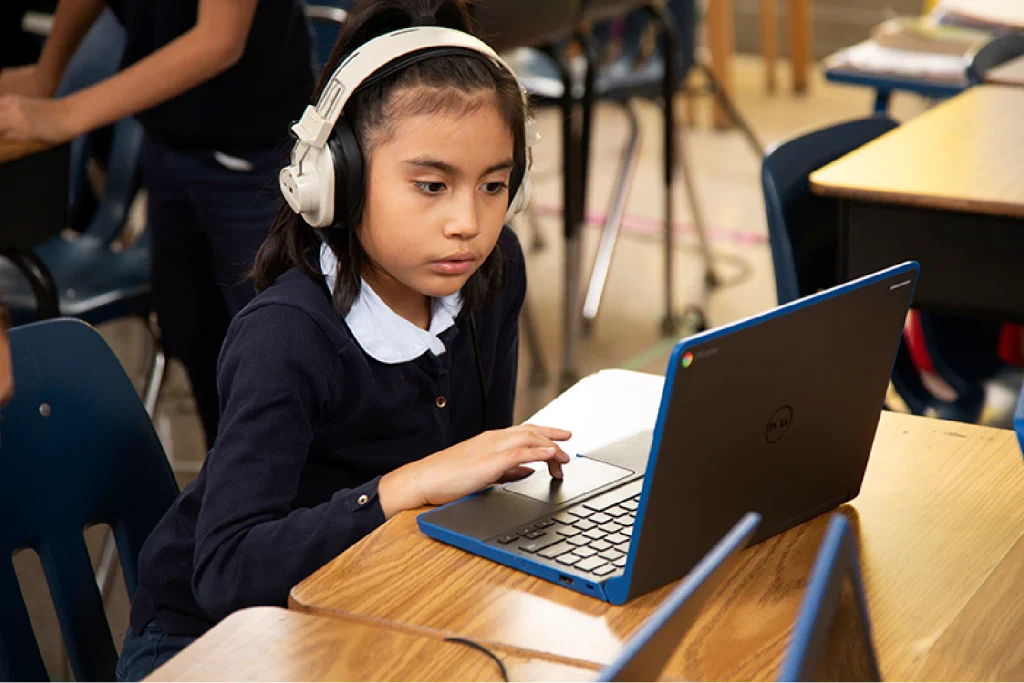
When you learn to read, you don’t learn just to pronounce words—you learn to understand them, and how they work together to convey meaning. In fact, it almost goes without saying that vocabulary is an essential, non-negotiable building block of literacy.
But there’s actually a lot to say about vocabulary. And in the context of literacy instruction, it’s about much more than memorizing and amassing words and definitions.
If there’s one word we need to better understand to explore the importance of vocabulary, it’s…vocabulary. So let’s explore the word’s full definition, as well as how it fits into best practices in literacy instruction.
Why is teaching vocabulary important?
Vocabulary is one of the five foundational skills in reading and a key strand in the Reading Rope. As a word, it refers to the collection of words that we understand and use in language.
Vocabulary includes both the words we recognize and comprehend when reading or listening (receptive vocabulary) and the words we can use accurately and effectively when speaking or writing (expressive vocabulary).
But our vocabulary isn’t just a list of words and their definitions. “Words are interrelated,” says Nancy Hennessey, former president of the International Dyslexia Association, on Science of Reading: The Podcast. “We’re storing words in networks of meaning.”
Entwined in those networks is background knowledge. We can memorize words in a vacuum, but they’re not really part of our vocabulary until and unless they’re grounded in what we know.
“Background knowledge and vocabulary are the main support beams in the comprehension house,” says Hennessey.
How to teach vocabulary as students grow
First, it’s important to note that tactics and emphasis can and should shift as readers develop skills. As Hennessey notes, we can measure vocabulary in terms of both breadth and depth. These elements play distinct yet complementary roles in literacy development.
Vocabulary breadth refers to the sheer number of words a reader knows and recognizes. A broad vocabulary enables readers to understand a wide range of texts and communicate effectively in various contexts.
In the early stages of reading development, educators might emphasize increasing vocabulary breadth—exposing readers to diverse texts, books, conversations, and experiences. In this way, new readers start building a foundation of familiar words that they can understand and use.
As students learn more, instruction can shift from breadth to depth. Here’s where educators dig into the intricacies of word meanings—exploring synonyms, antonyms, contexts, and connotations. A deep vocabulary allows readers to grasp subtle nuances in language and engage in more sophisticated forms of expression and comprehension.
Vocabulary activities and instruction
Hennessey has developed a four-pronged approach to vocabulary instruction, grounded in the Science of Reading. The four prongs are:
- Intentional instruction: explicitly teaching the meaning of specific words.
- “Incidental-on-purpose” instruction: helping students understand new words as they come up.
- Intentional teaching of independent word learning strategies: giving students tools to help them determine the meaning of words on their own (e.g., using morphology, context clues, or even glossaries).
- Development of “word consciousness”: getting students interested in how words work to convey meaning, uses of figurative language, etc.
“These approaches are based on the fact that we know we need to explicitly teach words,” Hennessey says, “but we also need to continue developing vocabulary through oral experience and reading, because we can’t teach all the words that our students need to know.”
In the context of literacy development, vocabulary instruction is not rote memorization of lists of words. And, according to Hennessey, that’s not the way kids relate to it either. Students bring natural interest and curiosity to exploring figurative language, playing with palindromes, and finding and learning what she calls “$20 words.”
When we integrate these activities into incidental or incidental-on-purpose instruction, Hennessey says, “we can embed this excitement and understanding of how words play such an important role in our lives.”
More to explore
Strengthening critical thinking with a content-first approach: How Amplify CKLA is closing gaps in an elementary classroom

In my first-grade classroom, we’ve been studying early world civilizations. My students and I have pretended to hop in our time machines and travel back—first to ancient Mesopotamia, then to ancient Egypt. We’ve written our names on clay tablets in cuneiform and learned what it means for a religion to be polytheistic. We’ve compared and contrasted early farming systems and places of worship. As I prepared to read aloud another lesson a few days ago, I mentioned to the class that it was the eleventh lesson in the unit of study, prompting widened eyes and a chorus of “Already!?”
I teach eighteen six- and seven-year olds in a Title I school, where half of the students are low-income, 75% are non-white, and over half are multilingual/English learners or speak another language at home. In my job, I’m honored to empower students who schools and society have not always served well. I became a teacher to help end that inequity—to close the knowledge gap and ensure that low-income, non-white, and immigrant children receive the tools they need to build a bright future. A growing body of research tells us that a strong base of content knowledge is essential for student growth and success in literacy. We also know that students who come from low-income backgrounds are less likely to come to school possessing the academic background knowledge of their peers, presumably because they have more limited opportunities to come across this type of knowledge at home. For this reason, I’m grateful that around a year and a half ago, my district adopted the knowledge-based literacy curriculum CKLA.
Scenes from a knowledge-based curriculum
What does knowledge-based learning look like in practice? Here’s one powerful example of how a knowledge-forward lesson helped my students succeed in practicing an important literacy skill. We were reading about Howard Carter, the British archaeologist who wanted to locate Tutenkhaman’s tomb. The lesson lends itself well to one of our state’s curriculum standards for the quarter: to make and confirm predictions about nonfiction text. Part one of the Read-Aloud ends on a cliffhanger: After a years-long search with no success, encountering dead ends and tomb robbers, Carter uncovers a hidden door marked with a royal seal.
“A prediction,” I explained, “is a careful guess about what you think might happen, based on the clues you already know. Think about what you know from the story, and predict what Carter might find behind the door.” We quickly reviewed some of the main points as I scribed on chart paper: Carter had been searching for Tutenkhaman’s tomb for six years, pharaohs were often buried with treasure or gold, the door they found was in the last possible place to look in the Valley of the Kings. I handed out papers I’d prepared with sentence frames for students to record or dictate their ideas. We hadn’t yet spent much time this year explicitly practicing prediction-making—in fact, I wondered how many of my students even knew what the word prediction meant—but I could see the wheels already turning behind most of my students’ eyes as they wiggled with excitement, envisioning gold, ghosts, King Tut’s tomb, or a pile of bones.
“Maybe nothing,” one student—a six-year-old who speaks primarily Spanish at home—told me with a shrug as I helped him write down his ideas. “Maybe the tomb robbers took it all.”
How to improve critical thinking—with knowledge
Even though my students might or might not have been familiar with the literacy skill of making and confirming predictions, the rich and meaty Read-Aloud set them up for success. It was rife with topics of interest to many a six- or seven-year-old—exploration, tomb robbers, golden treasure, mummies—which kept them engaged. And it included plenty of details through which they could actually draw a meaningful inference about what Carter might have found. I had to explain only once that a prediction should be based on information you already have—not a random guess—and every one of my eighteen students successfully generated a plausible idea.
This is the magic of a knowledge-based curriculum. It levels gaps in learning by generating a rich, shared base of content knowledge that supports the development of key literacy skills. My students were successful in plausibly guessing what might happen next in the story because they had a strong grasp of the information about Howard Carter. I might have chosen to teach an entire mini-lesson on prediction-making first and then asked my students to apply the skill to a less thoughtfully selected text, or to an independently selected book on their own, but if they weren’t already familiar with the topics it covered, my guess is that they would have been far less successful.
The curriculum standards for literacy in both the Common Core and Virginia (my school’s state) emphasize critical thinking skills and specific comprehension strategies, such as inferencing, over content knowledge. This is understandable: Students must learn to make meaning of a text in front of them, not just read the words on the page. But as Natalie Wexler puts it, “The ability to think critically…is inextricably linked to how much knowledge you have about the situation at hand” (The Knowledge Gap, 39). How could my students make a prediction about a future event in a text if they didn’t understand the textual clues they were given in the first place? Especially given that students from low-income homes are likely to possess less background knowledge about the curriculum they will encounter in school, a focus on teaching skills in isolation can contribute to a far-from-level playing field.
Teaching “comprehension skills” first and then expecting students to apply them is common practice in the method of literacy instruction frequently referred to as balanced literacy. Though the conversation about literacy is, thankfully, moving toward a research-backed approach focused on the Science of Reading, we still have a long way to go. While student teaching during my education master’s program less than three years ago, I was encouraged to teach mini-lessons on topics such as “finding the main idea” and “using topic headings to understand,” which students would then practice with independently selected texts. This approach is not supported by research as a best practice—and it assumes a shared base of cultural knowledge. In that way, it entrenches inequality by privileging students who may already possess more background knowledge, allowing our most vulnerable learners to fall even further behind.
By contrast, a knowledge-based curriculum creates that base together, giving all students a better chance at success. My own experience confirms the research. CKLA empowers my students to take ownership of their learning, expand their vocabularies, make connections, and passionately engage. I’m grateful to use an evidence-based curriculum designed to ensure that every student—including those too often left behind by our schools and other institutions—can learn to read.
More to explore
- Join thousands of educators like you and subscribe to Science of Reading: The Podcast!
- Science of Reading Star Awards: Meet and celebrate other educators who are leading the way!
Teaching tips for educators, from educators

Every teacher remembers one piece of advice they received from a mentor or colleague. And maybe every teacher has a couple of priceless nuggets they love to offer others.
It probably won’t surprise you, then, to learn that there’s also loads of research proving the power of teacher collaboration and co-learning—including its positive impact on students. That’s why we’re excited to present Teacher Connections, our new and always-growing collection of videos with practical advice and tools from educators just like you.
Whether you want advice on bringing literacy instruction into the science classroom, or introducing new high-quality instructional materials (HQIM) or approaches based on the Science of Reading, there’s an educator in our portal with something to offer.
Keep reading to hear more about this exciting new tool!
Educators sharing advice: A win-win
John Hattie’s seminal book, Visible Learning: A Synthesis of Over 800 Meta-Analyses Relating to Achievement, brings together numerous studies to identify the strongest influences on student success. Key among them? Teachers working collaboratively and sharing their expertise with one another.
Hattie’s book is part of a body of research that shows that when teachers engage in collaborative practices such as sharing advice, exchanging ideas, and reflecting on their teaching practices, they become better teachers—which translates to better outcomes for students.
Bonus: When teachers collaborate and support one another, they develop a shared belief in their ability to make a difference in students’ lives. That belief motivates them to continuously adapt and improve to meet the diverse needs of their students.
Professional development on demand
Professional development for teachers comes in many forms. And it’s important that educators get opportunities to take quality time out of the classroom to dive into trainings, seminars, webinars, structured mentorships, professional learning communities, and more. But now, with Teacher Connections, educators can also get advice whenever they like. You can look specifically for advice by academic topic or program, or surprise yourself with tips you didn’t know you needed—such as California 6th-grade teacher Ryan Rudkin’s unique reward system she calls “phone Fridays.” You can also grab coffee and a snack and binge-watch them all.
Suite success: How we support early literacy

Educators are expected to balance and deliver assessment, differentiated curriculum, opportunities for higher-level thinking, and remediation—not to mention engaging content that holds student interest and hones early literacy skills. We’ve got to become efficient in numerous systems and platforms in order to pull it all off and help students succeed in early reading. It sounds nearly impossible—and I can honestly say that earlier in my career, it felt that way, too.
What changed that? The Amplify literacy suite. These products have not only fostered incredible growth among our students, but also transformed my experience as a teacher and, now, a literary coach.
I started my journey with Amplify products as a seasoned mCLASS® DIBELS® customer, where I put a lot of stock in the reading foundations’ measures and the data this system offers. The program led to rich data discussions and conversations around appropriate interventions and necessary classroom supports, yet it sometimes felt out of alignment with the curriculum content we used at the time. Our students weren’t always able to put their skills into practice in real time.
Then, a couple of years ago, the Science of Reading became a priority and we adopted Amplify CKLA. This program brought us worldly topics to expand our learners’ experiences, levels of rigor, differentiation, cyclical units of study, and science-based methods. This was the systematic, explicit early literacy curriculum we needed to connect skills and content!
Extending that connection, we found that mCLASS DIBELS paired with Boost Reading provided another layer of support for our students. This combo creates a personalized pathway to strengthen and challenge each learner at their level through engaging, interactive play. Together, these programs provide the perfect blend of actionable data and customized learning.
And just when I thought one platform could never meet the needs of all my students, we added mCLASS Intervention—the culminating piece to the suite, which serves our Tier 3 students (a group that includes even those who have received the Dyslexia Indicator through the mCLASS DIBELS assessment).
Balancing the needs of our readers can be overwhelming. We’re operating in a time of heightened need for proper reading instruction. Our world has never been more connected, and communication has never been a more important skill. The Amplify literacy suite is truly the most effective, balanced approach I have found. It meets your needs from start to finish—whether you’re the student, educator, interventionist, administrator, or parent.
More to explore
- Want to learn more about Amplify’s early literacy suite? Request your free sample or demo to start exploring.
- Listen to inspiring advice for educators, from educators at Teacher Connections—a collection of videos with practical advice and tools from your very own Amplify Ambassadors.
- Join thousands of educators like you by subscribing to Science of Reading: The Podcast.