Expect more from your assessments with mCLASS Math.

Understanding student thinking is the key to accelerating student performance.

Welcome to mCLASS® Math, the benchmarking and progress monitoring system for grades K–8 that measures proficiency, reveals underlying mathematical thinking, and informs instructional support for every learner. Analyzing student responses to reveal valid underlying mathematical thinking—even in wrong answers—helps better target individualized instructional recommendations that build grade-level proficiency.

Meet mCLASS Math.

mCLASS Math’s research-based benchmark and progress monitoring assessment system tracks performance against grade-level expectations to help predict later growth outcomes.

With screening and diagnostic capabilities and empirically established cut scores to assess risk, mCLASS Math reporting helps educators pinpoint strengths and areas of growth for individualized instructional support for every student. Together, these establish a strong Multi-Tiered System of Supports (MTSS).

This powerful assessment is digitally assigned to the whole class three times annually: beginning-of-year (BOY), middle-of-year (MOY), and end-of-year (EOY). The open responses of the assessment give more robust data-points gathered from each item, and it only takes 30 to 40 minutes to complete.

Designed to target critical grade-level skills that predict success, the rich data can be used as a diagnostic tool for Tier 2 and Tier 3 intervention and flags for the potential risk of dyscalculia.

mCLASS Progress Monitoring assessments help teachers chart students’ progression between benchmark assessment windows. For students receiving targeted support, mCLASS Progress Monitoring determines if intervention is effective or adjustments are needed to enhance student learning.

These short yet effective assessments enable teachers to monitor a student’s math performance between mCLASS Benchmark assessments. mCLASS Progress Monitoring assessments can be assigned to a select group of students needing targeted support in a specific skill or Tier 2 or Tier 3 intervention, and are aligned around crucial math domains for each grade level.

Assess in less time.

With the groundbreaking digital analysis of student thinking, mCLASS Math teachers can rely on the predictive validity of assessments in less time.

The powerful Student Response Analysis of open-ended questions provides deep insight into what and how students think—faster and with fewer questions.

A laptop displays a classroom results dashboard for supplemental math, featuring a table of student scores, colored rating bars, and side labels showing numbers 250, 310, and 320.

Access deeper insights.

mCLASS Math’s dynamic data reports offer a window into student thinking, reliably guiding intervention across Tiers 1–3.

The more teachers understand how their students think, the better they can support their growth. The assessment system recognizes students’ individual strengths, experiences, understandings, and strategies—or assets, as we collectively refer to them—to inform the robust data that powers mCLASS Math.

Educator and caregiver reports

Empirically established cut scores and domain-specific measures help teachers plan for tiered intervention with classroom, school, and district-level performance reports set to predict end-of-year outcomes.

To reinforce learning at home, Home Connect letters provide caregivers with easy-to-use reports on their child’s math development.

Student Thinking Report

The Student Thinking Report gives teachers actionable recommendations tailored to how individual students or groups of students approach problems. By understanding the different ways of thinking in skimmable, yet robust, reports, teachers have the tools they need to efficiently plan differentiation to achieve instructional targets.

Actionable recommendations enable teachers to quickly differentiate with intervention resources aligned to common misconceptions.

Research behind mCLASS Math

Based on decades of research for best practices in math, mCLASS Math efficiently assesses students’ skills and thinking to give teachers instant recommendations for small group and individualized instruction.

Following research from leading math experts and an in-depth validation analysis through WestEd, a technical report will be released summer 2025.

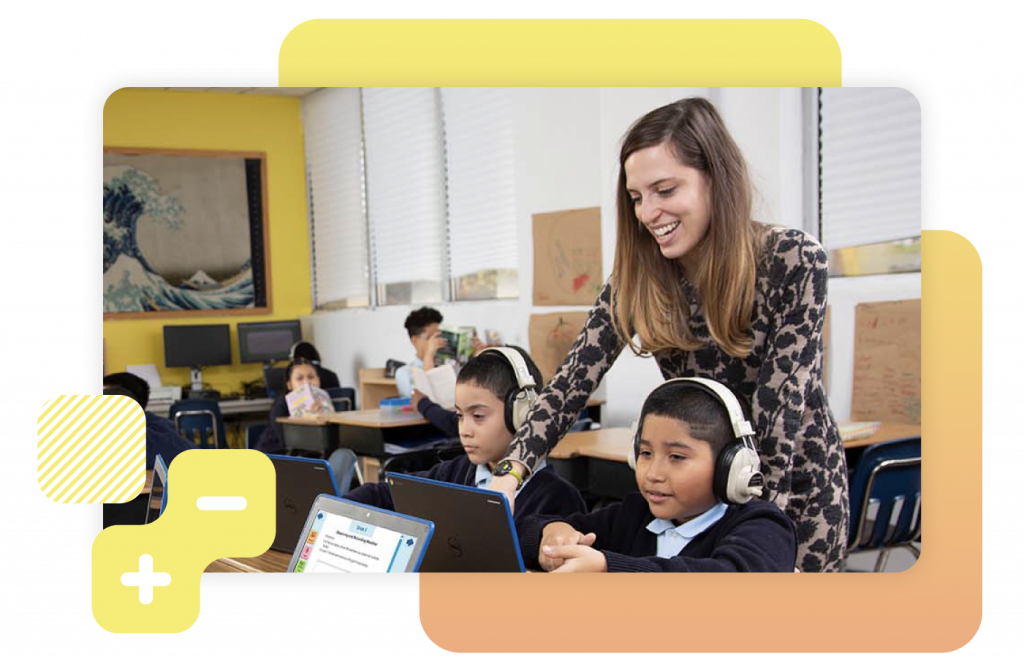
A teacher provides instructional support to students wearing headphones as they work on laptops during a math intervention session. Other students are visible in the background.

A dedicated team at Amplify with over 500 combined years of classroom teaching, school leadership, and assessment experience thoughtfully created mCLASS Math with teachers and students in mind.

Following research from leading math experts and an in-depth validation analysis through WestEd, data will be continuously released starting in spring 2025.

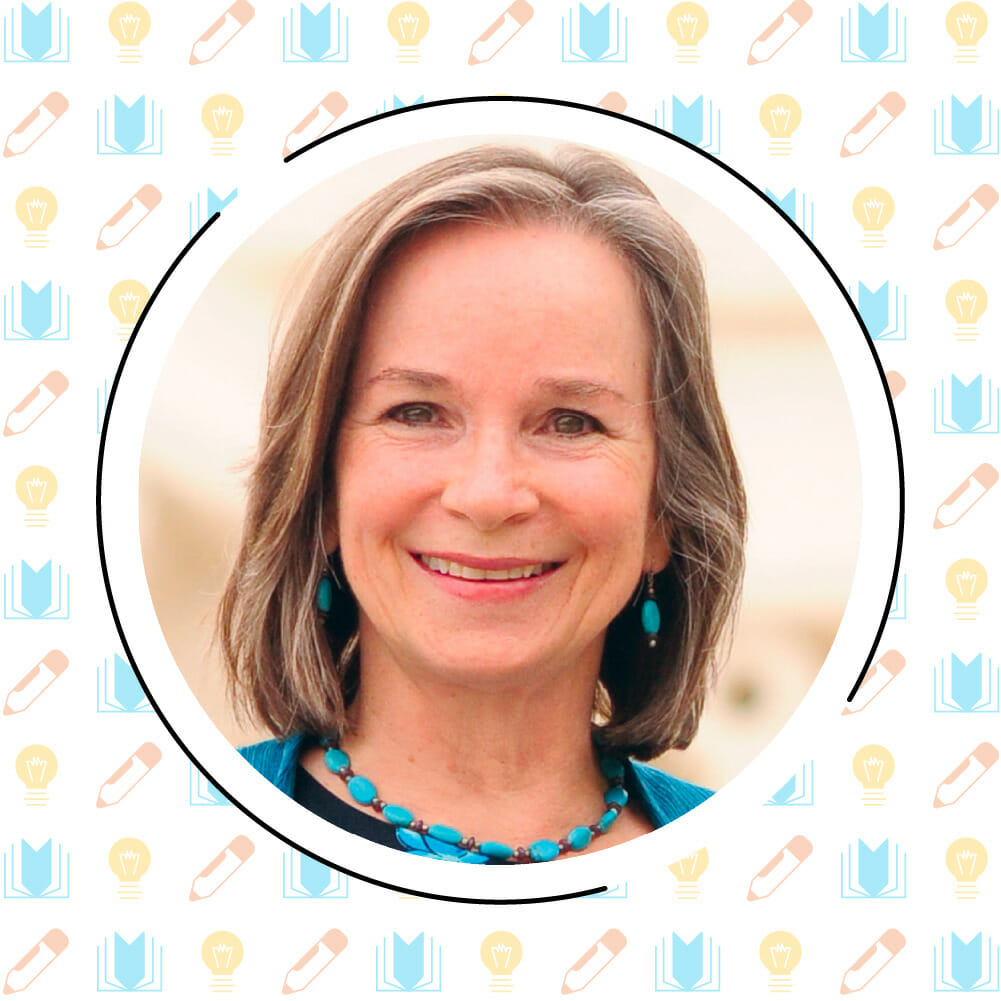
A woman with long dark hair, smiling and wearing a dark top, embodies the essence of individualized instruction against a neutral background.

Sandra Pappas

Associate Director of Research

A person in a suit and tie smiles while standing in front of a wall with ivy, embodying the essence of individualized instruction and progress monitoring.

Patrick Callahan, Ph.D.

Educator and Founder of Math ANEX

A man in a suit and tie stands against a gray background, arms crossed, exuding confidence as if ready to offer instructional support. He gazes at the camera with an air of determination and expertise.

Jason Zimba, Ph.D.

Chief Academic Officer of STEM
at Amplify

The mCLASS Math K–5 assessment system is designed to provide educators with reliable and valid measures to identify students needing additional support in mathematics and to inform instructional decisions. Preliminary data presents evidence supporting the psychometric quality of the assessment using the technical standards outlined by the National Center on Intensive Intervention (NCII) and state requirements for screening measures.

Data informs
instruction

mCLASS Math works alongside your core instruction, differentiation, and intervention. The data model behind mCLASS Math provides comprehensive data for each student across grades K–8, easily connecting teachers to the immediate next steps that will support, strengthen, and stretch all learners.

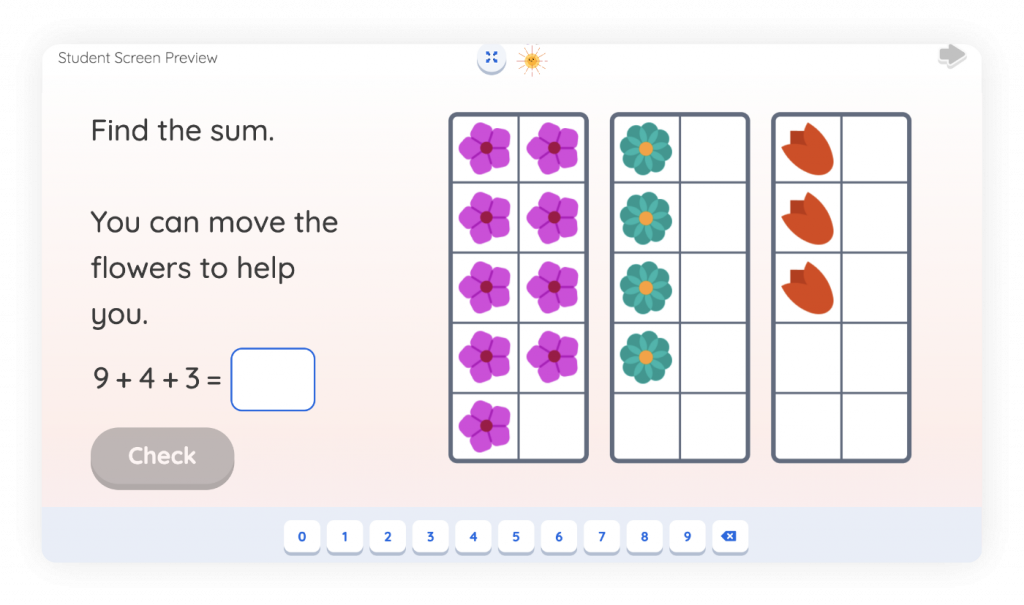
Math activity interface with three ten-frames showing flowers and leaves, a prompt to find the sum 9 + 4 + 3, and movable flowers for counting—ideal for math intervention and progress monitoring.

Personalized Learning accelerates student growth with daily, targeted 15-minute digital activities. Supported by a virtual tutor, students tackle individualized tasks linked to daily lessons, receiving just-in-time support to foster grade-level success.

Explore sample activities

Two educational pages titled "Writing Equations With Unknown Variables" under Teacher Guide ML L06, featuring problem examples, vocabulary, and recommended next steps for teaching. Includes progress monitoring tools to enhance individualized instruction and boost learning outcomes.

Teacher-led, 15-minute Mini-Lessons can build grade-level proficiency by providing research-based, targeted intervention to small groups of students who need additional support.

Explore sample Mini-Lessons

Three educational math worksheets titled "Capture Squares" and "Cover Up," featuring instructions and a multiplication grid, provide instructional support as engaging supplemental math activities for classroom use.

Reinforce students’ understanding of concepts through collaborative, hands-on Centers (grades K–5). These student-led routines provide additional practice with vertical alignment across grade levels.

Explore sample Centers

Fluency Practice uses spaced repetition, an evidence-based approach to promoting memory retention, to teach basic facts. The adaptive nature of the practice allows students to focus less and less on the facts they already know. We’ve partnered with Math for Love to iterate on the popular Multiplication by Heart to create Division by Heart and Addition and Subtraction by Heart I & II. These proven fluency decks—plus Skills Fluency for supporting procedural fluency practice—help students practice crucial skills independently.

Try Fluency Practice

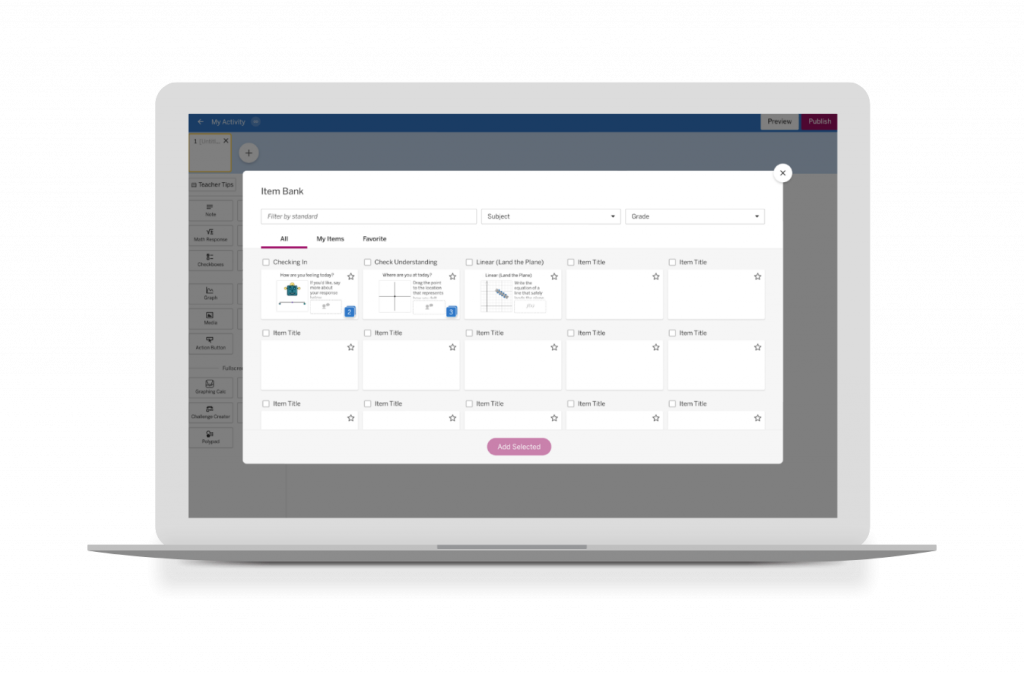
A laptop screen showcases a software interface with an "Item Bank" of selectable cards, ideal for progress monitoring. The interface features sorting options and a left sidebar menu, offering seamless integration for instructional support.

Item Banks provide space for teachers to create custom practice and assessments by using filters and searching for standards, summative-style items, and more.

Collage of math exercises featuring cubes, an avocado-themed problem, and geometric shapes. Includes instruction for selection and explanation, offering instructional support to aid in progress monitoring.

All students should have access to fun and challenging problems. Extensions are 10- to 15-minute activities aligned to the most critical topics for the grade, providing flexible, low-lift activities for the whole class or targeted intervention to small groups of students ready for an extra challenge.

See a sample Extension

One cohesive math experience

As part of Amplify Desmos Math, Amplify’s comprehensive math suite, mCLASS Math provides a strong foundation of actionable data to help teachers diagnose and capitalize on student strengths. Amplify Desmos Math ensures that you have all the core, intervention, and personalized instruction you need to support each stage of a student’s math journey.

S1-04: Connecting with students and caregivers in the science classroom: Ryan Rudkin

Promotional graphic for "science connections", season 1, episode 4, featuring a smiling woman named Ryan Rudkin, themed with science illustrations like atoms and a globe, highlighting how to engage students

In this special episode, our host Eric Cross sits down with veteran middle school teacher Ryan Rudkin. Ryan shares her expertise after almost two decades in the classroom, discussing ways to incorporate aspects of problem-based learning into the K–8 science classroom. Eric and Ryan talk about how to increase parent engagement, involve community members, and add excitement to lessons.

Explore more from Science Connections by visiting our main page.

Download Transcript

Ryan Renee Rudkin (00:00):

I know there’s other goals in mind, you know, standards and test scores. But at the end of the day, I wanna come back and I want them to come back.

Eric Cross (00:35):

My name’s Eric Cross, host of our science podcast, and I am with Ryan Rudkin, middle-school teacher out here in California just to the north up near Sacramento? El Dorado Hills?

Ryan Renee Rudkin (00:46):

Yeah. 20 miles east of Sacramento.

Eric Cross (00:49):

Nice. And I am down here in San Diego. And so Ryan, to start off, what I wanna do is ask you about your origin story, like a superhero. So how did you become a middle-school science teacher to become part of this elite profession of science folks that get to do awesome things with kids?

Ryan Renee Rudkin (01:08):

I would agree with you that it is definitely an elite profession. I got my credential and I thought I was gonna teach third or fourth grade elementary school. And the second day I got called for a sub job for middle school. And I just thought, “We’ll take it,” you know? And by second period, I knew: This is where I belong. The kids, middle school, students are just a species of their own. And you have to appreciate them. And if you do appreciate them, then you’re in the right spot. And I quickly looked at my coursework and I was able to get authorizations in science, history, and English, and I love science. So I chose science. And the rest is history. It’s been a wild ride and I wouldn’t have changed or asked for anything different. I love it.

Eric Cross (02:02):

I definitely agree with you. So, your history—you’ve been in various middle-school classrooms. Can you tell us a little bit about that? What classrooms have you been in? What disciplines of science have you taught or are currently teaching?

Ryan Renee Rudkin (02:14):

I was hired for seventh grade life science, and then I did that for a few years and then I got moved into eighth physical science, and I was there for 12 years. Love eighth grade science. I love eighth graders. Chemistry and physics are my favorite. There’s just so much opportunity for just awesome labs, great conversations, student discourse, all of that. And then the past three years I’ve been in sixth grade and now we’re integrated. So,a sixth grade integrated science and I also teach social studies and a technology design class.

Eric Cross (02:52):

Oh, nice. What do you do in your technology design class? That sounds cool.

Ryan Renee Rudkin (02:56):

Right now it’s mostly internet media and we use WeVideo, it’s an editing-video program, and we produce and put on our school weekly news bulletin. And then we weave in other projects. We do some interdisciplinary projects. Right now my students are working on a mythology God, Goddess, and Monster project that relates to our social studies curriculum. And we’re learning about Greece. So yeah, we just try to give them added projects and they’re using the WeVideo platform. By sixth grade, they’re coming to us now with wonderful skills with all the tech. I mean, if I need help, I ask them like, “How do you do something on Google Docs?” Or, “How do you do something on Drive?” The kids are definitely tech-savvy.

Eric Cross (03:49):

They must love being the teacher in the classroom. They get to—it kind of switches power roles, where they get to teach the teacher something.

Ryan Renee Rudkin (03:56):

Yes. And especially WeVideo, sometimes we’ve had some hiccups, and the kids show everybody, and that’s part of the design class. They’re trying to solve—we’re teaching them how to solve their own problems. So if there’s any kind of issue with anything with the technology, honestly, I usually tell them, “Go ask a friend,” or we kind of shout out, “Hey, who knows how to troubleshoot this?” And the kids are eager to help each other, which is nice.

Eric Cross (04:21):

And they have this authentic experience where they’re actually doing real problem-solving, as opposed to something that we manufactured. Like, those are real things that we have to deal with in life. And that’s exactly like how we solve it, right? We just go ask people! We look it up, and the ahas are genuine too. Throughout!

Ryan Renee Rudkin (04:36):

Yes, especially thinking on the fly. Especially yesterday, I was in the middle of teaching and my laptop froze, and it’s like, “OK, everybodytake a couple minutes, you know, work on this, this, or that while I switch out laptops!” And so I’m modeling, too, how to solve my own problems. And I think it teaches the kids how to do that too.

Eric Cross (04:59):

I’ve always thought it was interesting that when teachers get to teach in real time, how do we handle stress and frustration when it’s really happening? And I think the tech—at times, failure is the real one where you feel this chill or this sweat that kind of comes over you and you’re trying to present or cast or the video won’t play and things like that. I think I’ve done enough times in my years of teaching where now my students know what to do, or they want to come up and help, and we’re good with it. But I remember in the beginning when those things would kind of glitch or go wrong or the wifi goes down, and you’re like, OK, what do we need now?

Ryan Renee Rudkin (05:33):

I think it’s honestly, after the fact, when I think in the moment, I’m not thinking of feeling stressed, but just afterwards, then I’m like, “Oh my gosh, this has just been a wild day.” But yeah, you just have to kind of go with it. And that’s just the beast of middle school. I just added to the list of why we love it.

Eric Cross (05:53):

You said something about interdisciplinary work, and I wanna kind of ask about that. Because it sounds like you’ve had your hand in several different areas of science and grade levels. Working, doing design courses, working with tech. Are there certain lessons that are your favorites to teach? The ones that you really enjoy, or that no matter what, you’re like, “We need to do this; this is such a rich experience for students”?

Ryan Renee Rudkin (06:17):

Yeah. I definitely try to do lessons or activities along the way. I like to do projects at the end of my units. When I taught physics, we did a project and it was mainly an assessment tool called the Wheeling and Dealing. The kids, they would all get a different car. And then they to sell their car. And so they had to pretend to be a car salesman, and they did that with their knowledge of the physics unit. So everything we did on forces and speed and motion. So I like doing culminating projects like that. And you’re kind of tricking them into assessing them.

Eric Cross (06:57):

When I think about your car salesman project, I’m thinking of a bunch of students, but they’re like on Shark Tank, but they’re just littler versions. And they’re doing these sales pitches, but they’re speaking in scientific terms as they’re trying to do it. Do you record these or do they just exist in the classroom?

Ryan Renee Rudkin (07:12):

No…And that was a long time ago, when I taught eighth grade. I wish I had; I wish I had recorded. That was definitely—it was fun, ’cause the kids, they would get their little piece of paper and they—some of ’em didn’t know what car it was. And so they’re like “A Boo… A Boo-gatti? What’s a Boo-gatti?” And then someone from across the room would be like, “Ooh, I want it! Here, I’ll trade you my Ford Focus!” And <laugh> so they would kind of wheel-and-deal which car they would…and then once they got their choice, then they would do the project.

Eric Cross (07:44):

So they’re really embodying this persona of a car salesman. The wheeling and doing back-and-forth and trying to trade a Bugatti for a Ford Focus. <Laugh>

Ryan Renee Rudkin (07:53):

I know. <Laugh> I like to make my class, my learning environment, enjoyable. You know, I gotta be there; they gotta be there. So I know there’s other goals in mind—you know, standards and test scores—but at the end of the day, I wanna come back, and I want them to come back. And I just have that as a priority.

Eric Cross (08:18):

Well, based on the projects that you’re doing and the way that you approach education with students, I can see why middle-school students would want to come back, even if they had the option not to. Just because of the cool things that you’re doing. Now we’re on this—hopefully, fingers crossed—tail end of COVID in the classroom and schools, and I know it’s impacted all of us differently. Has student engagement changed since COVID and if so, how, and what have you done in these last two years to maybe adjust your approach, to continue that engagement and that richness that you provide for your kids?

Ryan Renee Rudkin (08:57):

I definitely—I think for me, I recognize that when the students are in my classroom, I want them to, I dunno, for lack of a better word, just escape the noise at home. And I know we’ve always had students that are going through divorce situations or their dog died, other things, but I think with COVID, it’s definitely been compounded. And just creating a safe place for the kids to want to be and…it’s hard. We’ve had a lot of students that have been out, absent, for various reasons and on quarantine. And they’re struggling with doing work from home, ’cause their parents are stressed and their parents are dealing with their work issues. And so I think just having grace for the kids and just keeping…I don’t know, I guess like I said, I’ve always had student engagement as top of my list.

Eric Cross (10:06):

It sounds like—the things I hear you say really have to do with who these students are as people.

Ryan Renee Rudkin (10:12):

Yeah.

Eric Cross (10:13):

And then as a second, who they are as students. How do relationships fit into your engagement? ‘Cause I’m hearing this connection that you seem to be making with kids as you’re talking about things that are beyond academics: their home life, how they’re impacted.

Ryan Renee Rudkin (10:28):

Yes.

Eric Cross (10:28):

Is there anything that you do to build these relationships, or to connect with your students, to make them feel wanted or feel connected to the classroom or to you?

Ryan Renee Rudkin (10:37):

Yeah, I do. I do a few things to build those connections. And again, this timeframe in their life is so out of their control, their peer relationships, relationships with their parents. And when they’re in my classroom, I want them to feel loved and appreciated. Something I do it’s called Phone Fridays. And in one of the social media groups, someone posted about it, and I’ve been doing it for over a year now, actually. So on Fridays I call parents and give good news. And so I’ll pick maybe one or two students. And it could be academic reasons. It could be behavior, I’ve seen a slight improvement of behavior. Maybe a role model in the classroom. And my goal is to get everybody every trimester. So everybody gets a phone call by the end of the trimester. And it’s funny ’cause sometimes the parents are a little like “Uh-oh”! When they pick up, they see the caller ID, and their school’s calling. ‘Cause Some kids don’t get good calls. So it’s a really—I would say every single parent that I’ve called, I usually get a follow-up email, either to me or my admin, just saying it’s such a cool idea I do this; thank you so much. And yeah, I just call and give good news and just put ’em on the spot. And usually the kids are a little embarrassed, but you can tell, even though they’re kind of—I think they’re faking it, that they’re embarrassed! ‘Cause You know that they got the Phone Friday, and everybody’s like, “Who’s gonna get the phone Friday?!” And so it’s a very big deal in my class.

Eric Cross (12:07):

What a great way to—I mean, it seems like that hits on so many levels. You’re making these positive calls home. You’re praising publicly, which a lot of times can happen where students can get criticized or redirected publicly and then praised privately, which is a lot of times the reverse what we should be doing. But here you are praising them publicly. And then you’re not only building a relationship with yourself, but you’re also connecting them with their parent or whoever is caring for them, because now when they go home, there’s this, “Hey, your teacher called; you’re doing awesome!” So it’s this kind of triangle that’s forming there. I think that’s super-cool and a great thing for teachers to do.

Ryan Renee Rudkin (12:45):

It takes, you know, the last five minutes of my class. I do it every class. And then I have a system. Like I said, I keep track of all the kids. That way, by the end of the trimester I’ve gotten everybody. Sometimes I let the students, whoever I call first, then I let them pick a peer and I tell them, “OK, we have to have a solid reason. Why are we calling?” And a couple times they’ll have a student, like one of my energized ones, they’ll raise their hand. “How About me? How about me?” And I and the kids kind of laugh a little and I said, “Well, how about this? Let’s make a goal. How about next week we’re gonna make a goal and we’re gonna have a reason to call home.” So just working on the kids that need a little push in the right direction. That’s other reasoning to it. But yeah, it’s fun. I love it.

Eric Cross (13:33):

And you have the community. You have this goal setting. We were talking a little earlier about this transition—so you’re becoming this…your school’s going through the IB process, is that right?

Ryan Renee Rudkin (13:44):

Yes.

Eric Cross (13:44):

And we were talking about the ATL skills and one of them is goal-setting management. You already kind of organically do this in your classroom, which is really neat. I know being an IB teacher, a lot of times I find the things that I’ve already been doing and find, “Oh, this is actually an approach to learning!” or “This is something that has a title!” I just thought it was just being helpful! Ah…So the kids are connected. You have this process where you’re calling parents; it’s working; students are involved, so it’s building this community. Now you’re engaging students. Do you have any favorite student engagement tools that you use in your classroom or when you’re teaching that you feel like you get a lot of bang for your buck? There’s so many things out there these days. And so many approaches, tools, web apps. Do you have any favorites that you use?

Ryan Renee Rudkin (14:40):

No. Nothing comes up top of my mind right now. Mostly just projects, like I said. And being excited. I think having my students see me excited about something…and I’m honest when we’re doing something that’s not quite my favorite, then I’m honest about that too. But just having my—like, we just started thermal energy this week and I told my students, I said, “OK guys, I’m gonna weave in some chemistry in there. I’m gonna weave in some particle motion,” and they’re like, “Oh! That’s when you taught eighth grade, huh!” Cause I talk a lot about when I taught eighth grade before. I don’t know, just showing my own enthusiasm, I think, is a good payoff to me. That’s a bang for your buck. Other things…I try to give ’em cool videos and Mark Grober, he’s definitely a favorite of mine I like to show my students. I like to bring in guest speakers from our community. When I taught eighth grade for physics, I always brought in a local CHP officer and they would bring in the radar and lidar guns and the kids would mark off the parking lot and they would calculate their speed. And then they would verify it with the radar gun. Two years ago when I taught math, I brought in a local landscaper company, a father-and-son outfit, and they showed the kids how they would do bids on jobs. And so, relate it to our chapter on volume and area. So just making that connection with real life. Plus it’s just a nice opportunity, too, for the community to come in. With our design class, put on our newscast. And then one of our units in our sixth grade curriculum is weather. And so I brought in a local weatheruh, chief meteorologist. And he actually talked to the students about his job as a meteorologist and then also being on the news and putting on a newscast. So we got him on our green screen and did a little like Mark Finan, you know, little cameo on our newscast for the week for school. So that was kind of cool.

Eric Cross (16:45):

They must have been excited.

Ryan Renee Rudkin (16:47):

Yeah. They’re pretty starstruck by him. So that was pretty fun.

Eric Cross (16:51):

This person was on their local news? So they would know him?

Ryan Renee Rudkin (16:56):

Yeah, he’s on Channel 3 out of Sacramento. Yeah. KCRA Channel 3, Mark Finan.

Eric Cross (17:00):

So all these guest speakers that you have…how do you reach out to these people? And you sound like you get a lot of success. Do you ever get nos? Like if I’m sitting here listening and that inspires me, but you’re getting celebrities and you see a few people…like, how do you reach out to them? And does everybody say yes? How does it go?

Ryan Renee Rudkin (17:21):

Well, usually at my back-to-school night, I always ask the parents if they have a career or hobby that could lend itself to the curriculum. And so sometimes I’ll hear about—students will talk about, like, “My mom’s a doctor.” And so I’ll reach out to parents and just say, “Hey, you know, your kiddo said, you’re a doctor. May I ask what type?” And most of the time the nos that I’ve received are just because of schedule conflicts. You just have to get creative! Look in your community and see what you have. People want to come and talk to kids. I’ve had some presentations that the person is so intelligent and amazing, but they just, weren’t very kid-friendly. I mean, that happens. Butsomeone knows someone. And just ask! I mean, it doesn’t hurt to ask to have ’em come out, come hang out for the day, with my students. Andone time I had a nurse practitioner she was in the cardiac unit. And so she brought in hearts and led a heart dissection with my students. And we did a station set-up. I’ve had elaborate ones like that, or just a mom come in to tell my students about her job as a nutritionist and relate it to our unit on metabolism. And so just did like a little 15-minute Q&A with the kids on nutrition. And I would just say, look at your community and/or post on social media. I always do that. Post in your school’s PTA groups. So the parents know someone, that’s for sure. Or someone’s retired. One time I had—I think he was a grandfather of one of the kids—he was into rocks. And he had a bunch of meteorites <laugh> and brought in his meteorites.

Eric Cross (19:15):

Bring in your rocks!

Ryan Renee Rudkin (19:15):

I know! Right? And he <laugh> just brought in his meteorite collection! I was like, sure, come on in!

Eric Cross (19:23):

That’s one of the things I love about being a middle-school teacher is that my students have such varied interests and I’ll get the Rock Kid every once in a while and he’ll come in and he’ll have all these rocks and crystals. And a lot of times there’s a grandfather that’s responsible for this inherited geologic treasure that they have.

Ryan Renee Rudkin (19:45):

Yeah, something like that—I mean rocks are not my favorites, but I don’t really tell the kids that. I was like, “Sure, yeah, come on in! We can have a whole-day lesson on rocks!”

Eric Cross (19:55):

<Weakly> “This is great!”

Ryan Renee Rudkin (19:58):

Just utilizing your resources. That’s all it’s about.

Eric Cross (20:02):

Well, I think the back-to-school night was really helpful. That’s something that’s super doable. You have a bunch of parents and you just simply ask, “Who do you know? What do you do?” And then just collecting that and then just asking people to come in. I’ve I’ve been reluctant to do it more often than I’ve wanted to, because I haven’t figured out—and maybe you can help me with this—I have three class periods a day plus other class periods that are not necessarily science. And I don’t want to dominate a person’s schedule. Do they tend to be willing to stay all day? Or do you do, one class gets it, and you record it? Like, how do you balance out the speakers with your school schedule?

Ryan Renee Rudkin (20:39):

Mostly they’ll they’ll just come for the whole day. When I taught eighth grade, I had five classes, so that was easy. That was an all-day thing. And then usually I’ll offer to call lunch, have lunch delivered, or snacks during the day. I mean—

Eric Cross (20:53):

Feeding them is key.

Ryan Renee Rudkin (20:54):

Yeah. Just something kind of nice. Donuts in the morning. I mean, you’d be very surprised. Most people that are in the field or retired, like I said, they’re more than willing to come. And even if they have to wait an hour, while you teach another class that doesn’t pertain to it, then they’ll either leave or come back or just hang out in the back and pretend to be a student during that history class that you have.

Eric Cross (21:20):

It’s my own limiting belief where I feel guilty. I don’t think about it. I need to think about it through the perspective that you do, that these people WANT to talk. I just assume everybody’s so busy. But I do know, the times I’ve had speakers come out, at the end of the day, they’re so energized or they’re so happy or they’re so grateful. ‘Cause They’re like, “This is what it’s like to teach every day?” I’m like, “Yeah, this is what it’s like.”

Ryan Renee Rudkin (21:42):

I think too, a lot of parents…usually being being in the stops at elementary. A Lot of parents don’t get the opportunity to come help out in the classroom, because the middle school kids, you know, it’s not very cool or it’s just not needed like in the elementary classes. So a lot of times, like I said, you’d be surprised. A lot of the parents they’re more than happy to come and hang out. And again, some students, they don’t want their mom or dad to be there, but then I talk it up. I’m like, “Everyone’s gonna be so like impressed that your dad’s a doctor,” or “your mom’s a doctor” or —so then I kind of like downplay it. Like, “Oh, whatever, you’re you’re faking it. It’ll be fine. Don’t be embarrassed.” Leading up to their parent coming into the classroom.

Eric Cross (22:36):

Right. Kind of redirect that energy toward something positive. With guest speakers, projects, pacing, all these awesome things that you have going on, how do you find balance as a teacher, as a person? And what encouragement would you give to new or aspiring teachers? We work in a profession that will take as much as you give it. And you fall asleep at night worrying about other people’s kids and we love it. And teachers by personality can just give and give and give and give. But in order for us to last—I’m thinking about those new teachers who are going into it, who are gonna go in and be there before the sun gets up and stay after the sun gets down. How do you maintain balance, taking care of yourself? You’ve been in education for—how long have you been teaching for?

Ryan Renee Rudkin (23:29):

Sixteen. This is my 16th year.

Eric Cross (23:31):

Enough to be that veteran. So how do you find balance? And then, what encouragement would you give to new or aspiring teachers?

Ryan Renee Rudkin (23:39):

I would say each year, pick one or two things to add on. You can’t add on 10 things, even though you’re gonna find 10 things that are awesome. But just make a little list, put ’em in a file, and every year, just get good at what you do and then just add on one or two things. And reflect on what’s not going well that you can get rid of to make room to add something else. Try to be patient with yourself. And don’t reinvent the wheel. There’s so many things out there that you can borrow and make it your own. Again, I think that’s a time-saver, just leaning on your colleagues. And take lots of notes, because then when you do it again next year, you can refresh yourself and, “Oh yeah, this lesson, wasn’t the best…” What can you add in to make it a little bit better? And yeah, I would say just take on one or two things each year. And then by the time you get to, you know, being a veteran, you can do all these awesome things and it’ll feel natural ’cause you’ve been practicing and just adding in one thing at a time. I coached Science Olympiad a bunch of years ago, and Science Olympiad is so rewarding. It’s just so amazing.

Eric Cross (24:59):

What is Science Olympiad, for the people who’ve never heard of it?

Ryan Renee Rudkin (25:03):

Oh, Science Olympiad is so awesome. Google it. I think it’s just ScienceOlympiad.org. It’s 23 different events across all disciplines of science, different topics. And then you have a team of 15 students. And so your 15 students have to cover the 23 events. So for example, if the student’s on the anatomy team, usually there’s a team of two kids they’re gonna study and learn. They provide all the rules and the guidelines. So the students learn and study whatever the parameters are for that year. And then they take a test. And then they compete against other schools. And there’s build events, the engineering events, they can build things like trebuchets matchbox cars or mousetrap cars. Oh gosh, there’s all kinds of things. There’s like a Rube Goldberg device. It changes every year. And it’s so rewarding to see the kids; they pick their area of science that they love. And sometimes you have to put them on an event that they don’t know, and then they end up loving it. It’s so rewarding as a teacher to see these kids that are just on fire and you know that one day they’re gonna go off and do amazing things. They just commit. They commit to their event. And then they blow it outta the water and they win medals and just the recognition…it’s super, it’s just an amazing program.

Eric Cross (26:42):

One of the competitions that’s really low-tech that I’ve taken into my classroom is Write It, Do It. Have you done that one before?

Ryan Renee Rudkin (26:50):

Oh, yes. Yeah. That’s one. Yep.

Eric Cross (26:52):

It’s such a low-tech, simple one to do, but it teaches such great skills. And for those people who haven’t heard of the Write It, Do It project, you create kinda some abstract art out of random crafts. That’s very difficult to describe. You have pipe cleaners and foam and balls and you know, all these different things. And you make it. And then one person on the team is the writer, and they look at it and they write the procedures, and then their teammate, who’s in a different room and doesn’t get to see it, gets all the materials to build it and the procedures, and they have to rebuild it as closely as possible to the actual original. Even though they don’t get to see the original. So they have to rely on their partner’s ability to write procedures step-by-step. And it was fun to watch my students become teammates in that. And they learned how to communicate in a really fun competition. So I expanded it to do it with all of my students as an activity, just to teach them how write descriptively, to write procedurally, to be technical writers. And it’s, it’s fun! It’s fun to see what they build based on what the students say. <Laugh> And it’s also fun to watch them interact with each other, which for seventh graders, usually it’s conflict. <Laugh> But, like, playful conflict. <Laugh> It’s pretty funny to see what they build.

Ryan Renee Rudkin (28:11):

They’re like, “Man, what are you talking about? That doesn’t mean this; it means this!”

Eric Cross (28:16):

<Laugh> I know part of me feels guilty, but not enough to stop the project. ‘Cause I know for some of ’em, it’s gonna be a really trial by fire being able to practice their skills with writing procedures.

Ryan Renee Rudkin (28:27):

But they’re learning among themselves how to provide more details and to be more thorough with their writing and and their thoughts, put their thoughts onto paper. So yeah, that’s a funny event. Definitely.

Eric Cross (28:41):

Earlier you had mentioned something about connecting your kids with kids and students outside of your classroom. What is it that you do with that? Because I thought that was a really cool project. Can you speak to that a little bit?

Ryan Renee Rudkin (28:57):

Yes, I’ve done—they haven’t had it in a few years, but there’s something called the Pringles Challenge. And if you Google that, I’m sure it’s on the Internet still. So you sign your class up, or your classes, and you get partnered with another school somewhere in the U.S., someplace else. And you decide individually teams, whatever they build. And they make a package to ship a single Pringle chip through the mail. And then you actually mail a Pringle chip through the mail. And then your partner team or partner school, they send their chips to you and then you open everything and then you can take pictures and video. And then there was a whole scoring process where you would score when you receive the chips. And then you input all the data on the website so you can see like how your—and most schools would trade pictures, so that the kids found out how their chip survived. March Mammal Madness is so much fun. Again, Google that.

Eric Cross (30:01):

Did you say March Mammal Madness?

Ryan Renee Rudkin (30:02):

Yes.

Eric Cross (30:03):

Like March Madness, with mammals?

Ryan Renee Rudkin (30:05):

Yes.

Eric Cross (30:05):

  1. What is this?

Ryan Renee Rudkin (30:06):

It starts up in March. And you can sign your students up. And that one—it’s not too interactive with other schools, but this is opportunity to get the kids interacting within your site or within your district. Or if you have teacher friends at other schools. There’s like 60…I think it’s 64 animals? And they have this massive bracket that they post. And then you can have the students, I did it—it would be very time-consuming to have the kids individually research each animal. So I just gave one animal per student and so as a class we researched all the animals and then, I think it’s every three days or so, they have these bouts. And it’s all posted on YouTube. Google it. It’s kind of fun.

Eric Cross (30:56):

I’ve already got the website up, ready to go! Folks, everybody who needs to Google this: <articulates carefully> March Mammal Madness. And is it Arizona State University? Is that the main site, ASU?

Ryan Renee Rudkin (31:04):

Yes.

Eric Cross (31:04):

So people, listen to this. Check it out. March Mammal Madness. Look, I’m doing this! I’m already,—you’ve already sold me on this.

Ryan Renee Rudkin (31:14):

It is so much fun, oh my gosh. And then, then the kids—each round, they pick their pick, just like basketball. They do their picks and then you wait for the video. And they do it live on—I think it’s live on Instagram, or the next day on YouTube. And then the kids get all excited. And then usually the kids, whatever animal they got as their research animal, they’re rooting for that one to win, the whole thing.

Eric Cross (31:42):

But we still have time; we still have time to—

Ryan Renee Rudkin (31:45):

You can jump in anytime. Even if it’s already started, you can jump into it. It usually lasts—I believe it’s a two-week from beginning to end. When they do the first round, the wild card, and then all the way to the winner, I believe it’s a two-week process. Oh, maybe three, actually.

Eric Cross (31:59):

I’m already seeing this lead-up to the video being watched in class to see…I’m already thinking about like, “How do I prevent my students from finding the video?” Or like, “When does it go live so that I could be the one to show them so they didn’t go find it early?”

Ryan Renee Rudkin (32:13):

It takes time out of the class, but I believe it’s one of those things where you have to just…it takes 10 minutes out of the class, but it’s important. So when they each round and then the next day, they release the YouTube video. Last year, when it got down to the final round, we were on spring break. And so I told my students, “You guys, let’s do some optional Zooms. And so I had a bunch of kids log on and we all watched the videos together. So that was kind of fun. And then this year, the other thing, the first time I’ve ever done this and it’s going really well is—on social media, I was talking with one of the teachers from Ohio who teaches science and she and I decided we’re gonna do penpals for our students this year. Paper-And-Pen penpals. So that’s been a lot of fun. We just partnered up all the students, her students and my students, and once a month we send and receive the letters to each other. So that’s been a really cool experience.

Eric Cross (33:14):

If you keep doing that, and you need more teachers to be involved, can my students be penpals with your students?

Ryan Renee Rudkin (33:20):

Yeah!

Eric Cross (33:20):

If you open it up to more people? I think that, to get a letter, old-school? Letter in the mail? It would be so exciting.

Ryan Renee Rudkin (33:28):

It is. We mail them, the teacher and I, we just put them all together in one package. But yeah, it’s an actual handwritten letter.

Eric Cross (33:37):

The only letters I feel like I get in the mail now are bills.

Ryan Renee Rudkin (33:42):

Right? Exactly.

Eric Cross (33:42):

But I feel like the digital version of that is if someone calls me, it’s probably bad news. I don’t know if I’m the only one that’s like that, but I’m like, “Who’s calling me? Why aren’t you texting me? What’s going on? Text me first, then call! I need to know who’s going on, and if you’re unknown, you’re going to voicemail.

Ryan Renee Rudkin (34:00):

Exactly. The penpals has been a lot of fun.

Eric Cross (34:03):

You’ve been in education for a while. You’re on the other side of what it’s like to be a student in the classroom. Which can be surreal in itself, when we think about our own experiences as being a student. Is there a teacher or a learning experience that’s had an impact on you while you were a student in school that really stands out to you? And you can interpret the question however you want. But is there someone that’s memorable or an experience that’s memorable that you still carry with you today?

Ryan Renee Rudkin (34:32):

Definitely. My favorite teacher, and we actually still keep in contact on social media is Mrs. Sheldon. She was my fifth and sixth grade teacher. I had the pleasure when I was in elementary school, I was in an all-day contained GATE class—Gifted and Talented Education class. I vividly remember doing so many amazing projects. We built this big, giant—she brought in a big ol’, like, TV box. It was big, big, big. And you could stick like three kids inside there, standing up shoulder-to-shoulder. And we built this big dragon. The head, and we had the whole rest of the class in a big sheet behind us, and we would do a little parade around the school. And she had that thing for years after. They had to repair it every year, and they would do the little parade around school. She did a lot of traveling and when we would go on vacation and then come back, that was always the big deal: “Where did Mrs Sheldon go?” And she had sand from Egypt and pictures from the rainforest. And later when I became a teacher and then I looked her up and we reconnected I did ask her, “Did you go to those places? Or did you, like, lie about it? <Laugh> To get us engaged?

Eric Cross (35:52):

You went for the real questions!

Ryan Renee Rudkin (35:54):

I did. And she laughed and thought that was funny. And she did travel for real. But yeah, she’s an amazing woman. We still keep in contact. And I remember, you know, little things…like we would be out there doing our PE time and she’d have her long skirt, you know, dress on, with her tennies, and she’s out there playing kickball with us. Just a very kindhearted, smart, amazing woman. I’m very fortunate and I’m grateful that we are able to keep in contact. Love social media for that reason. So.

Eric Cross (36:33):

Yeah. And that’s Miss Sheldon?

Ryan Renee Rudkin (36:35):

Mrs. Sheldon. Marlene Sheldon. Yeah.

Eric Cross (36:37):

Shout-Out to Marlene Sheldon influencing the next generation of teachers, with engagement with your world travels and all those different things.

Eric Cross (37:04):

Ryan, thank you so much for one, serving our students. And in the classroom, our middle-school students who need us. I think that middle school especially, elementary school, those years are when students are really starting to decide, “What am I good at?” And the experiences that we create for our students really shape what they believe they can do. These really cool, engaging experiences, these projects that you’re giving them, whether they’re doing these car sales, Shark Tanks, or they’re doing penpals, or you have guest speakers, or they’re designing planets. These are things that students don’t forget. And then when they move on to higher grades, they remember more than anything, I think, how they felt about something. And it sounds like you’re crafting these awesome experiences. And so I just wanna thank you for your time. I know as a teacher it’s very short. And I thank you for being on the podcast with us.

Ryan Renee Rudkin (38:04):

Thank you. This has been a great experience. I just—I really enjoy my students. And I feel very, very grateful and very blessed for finding where I belong.

Stay connected!

Join our community and get new episodes every other Tuesday!

We’ll also share new and exciting free resources for your classroom every month.

What Ryan Rudkin says about science

“I like to make my class and my learning environment enjoyable. I know there’s other goals in mind… but at the end of the day, I want to come back and I want [students] to come back. It’s so rewarding as a teacher to see these kids that are just on fire… and you know that one day they’re going to go off and do amazing things. ”

– Ryan Renee Rudkin

Middle school science teacher

Meet the guest

Ryan Rudkin is a middle school science educator near Sacremento, California. Although she originally thought she would teach elementary students, Ryan connected with middle school and never looked back. Now in her 16th year in the classroom, Ryan also supports teachers in her district with professional development. Ryan’s favorite part of teaching science is seeing students grapple with concepts and explore phenomena.

A woman with shoulder-length blonde hair smiles at the camera, wearing earrings and a dark top. The background is blurred green and gray.

About Science Connections: The podcast

Welcome to Science Connections: The Podcast! Science is changing before our eyes, now more than ever. So…how do we help kids figure that out? We will bring on educators, scientists, and more to discuss the importance of high-quality science instruction. In this episode, hear from our host Eric Cross about his work engaging students as a K-8 science teacher.

Prepare Professional Development (PD)

Learning experiences to prepare for literacy and math instructional shifts

The following literacy and math sessions can help any educator—regardless of the program used—enhance their instructional practices.

  • Science of Reading sessions offering research-backed strategies to deepen understanding and improve student outcomes.
  • Problem-based approach to math sessions that empower educators to facilitate meaningful learning experiences and develop critical thinking skills.
  • Multiliterate learner sessions enable educators to make a meaningful impact on students’ literacy development.
Two women are seated at a table with laptops and papers, engaging in a discussion about program implementation in a classroom or meeting setting.

Professional learning journey

Four connected circular icons illustrating a business process: idea generation, planning, execution, and achievement, depicted with relevant symbols.
Prepare Begin Practice Advance
Learning sessions will help shift literacy and math instruction in areas such as the Science of Reading and/or problem-based approaches to math. Program-aligned packages will support those who are new to Amplify programs. Program-aligned packages will support those who have experience using Amplify programs. Offerings will support advanced implementation, build capacity for instructional leaders, certify in-house trainers to deliver Launch sessions, and more.
“Gain the literacy knowledge and skills you need to thrive and help your students thrive. Through these sessions, you’ll understand typical literacy development and how to describe and address literacy difficulties.”

—Susan Lambert, Chief Academic Officer, Elementary Humanities

Host, Science of Reading: The Podcast

Science of Reading learning experiences

Listening to students read is magic. But knowing how to get them reading? That’s science.

Making the shift to the Science of Reading is no small feat, but participating in professional development sessions can help you make this change seamlessly.

Amplify Science of Reading sessions offer flexible, professional learning experiences for teachers that incorporate engaging activities grounded in what science tells us about literacy development.

Two women smiling and looking at a laptop in a classroom. One woman is wearing a striped shirt and the other a black top. Classroom decor is visible in the background.

Build your knowledge of the Science of Reading

Virtual | 90-minute session

This introductory session provides educators with a foundational overview of what the Science of Reading means and what it tells us about how to teach using evidence-based reading practices.

Participants will learn to:

  • Define the Science of Reading by examining evidence-based research.
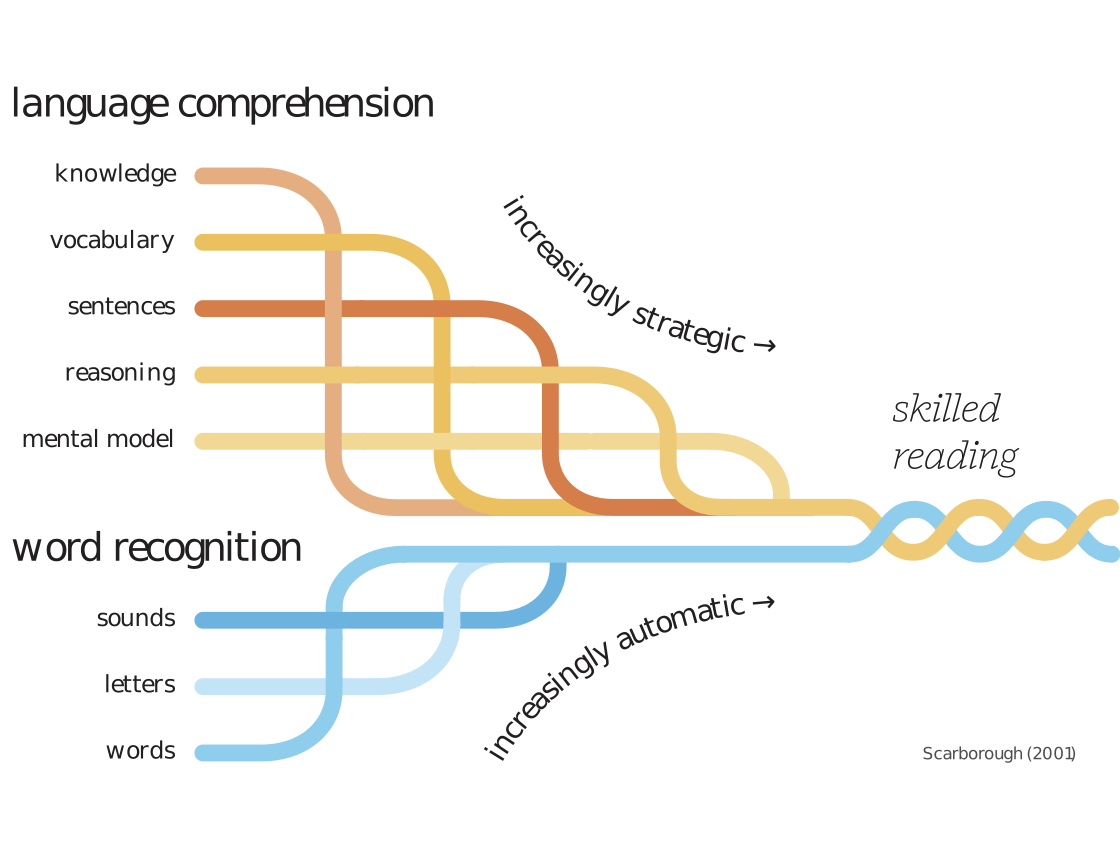
  • Explain how two frameworks, the Simple View of Reading and the Reading Rope, work in tandem to guide effective literacy instruction.
  • Identify instructional principles aligned to the Science of Reading.
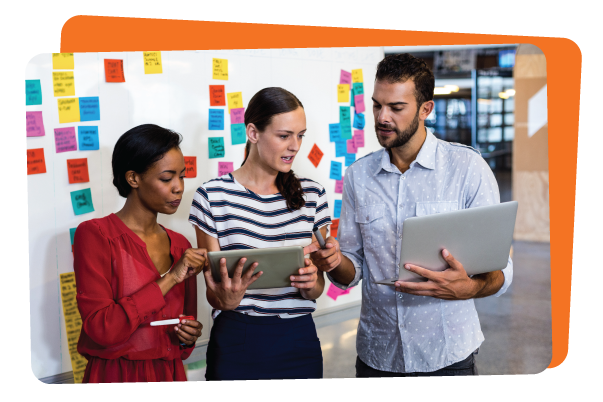
Three people stand in front of a whiteboard with colorful sticky notes, engaging in professional development for teachers as they discuss ideas and collaborate using a tablet and a laptop.

Deepen your knowledge of the Science of Reading

On-site or virtual | 3-hour session

This session will build a base of common knowledge about the Reading Rope and support educators in identifying effective instruction grounded in the Science of Reading.
Participants will learn to:

  • Identify the strands in the Reading Rope.
  • Describe how each strand plays an important role in developing skilled readers and writers.
  • Identify key look-fors in effective Science of Reading instruction.

Science of Reading: The Learning Lab online course

This series of three self-paced online courses, crafted by literacy expert Susan Lambert and built around International Dyslexia Association (IDA) Knowledge and Practice Standards, guides you through the essential Science of Reading skills and knowledge needed to teach students to read proficiently, as well as advanced strategies for aiding struggling readers. Each course builds on the last, equipping you with the tools and confidence to make a lasting impact on your students’ literacy journeys.

Benefit from flexible learning on an interactive platform spanning 20–25 hours of instruction. Each course is accessible for 12 months. Upon completion, you’ll be provided with a downloadable certificate, validating your new expertise in the Science of Reading.

A boy kneels and reads a book near stacked books, while a girl stands with folded arms; both observe a mobile with colorful shapes and letters, reflecting elements of classroom instruction inspired by the Science of Reading.

Foundations to the Science of Reading

This course offers a comprehensive overview of research in the field. Each of the eight modules contains three lessons covering the foundations of literacy acquisition.

Explore the scope and sequence of Foundations to the Science of Reading with a  Pacing Guide.

Access the free Preview Pass for this course.

A child points at large outlined letters on a board with a pointer stick, next to a stack of books—capturing an engaging moment in classroom instruction.

Advanced topics in the Science of Reading: Assessment and reading difficulties

The second course is aimed at providing an in-depth examination of assessments, a deeper understanding of reading difficulties, and familiarity with pertinent legal frameworks for educators, all of which influence instructional decision-making.

Explore the scope and sequence of Advanced topics in the Science of Reading with our Pacing Guide

Access the free Preview Pass for this course.

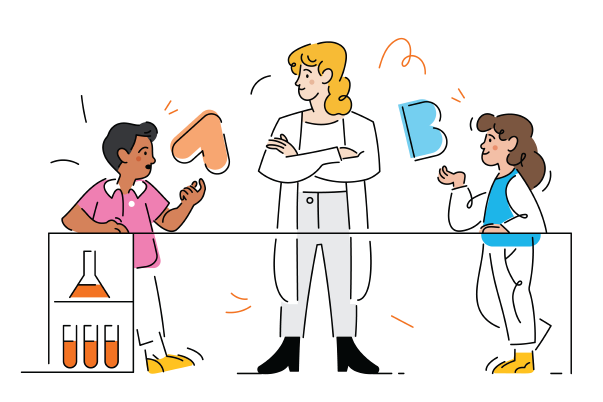
Three people in lab coats stand around a lab table with test tubes and a flask, engaging in classroom instruction as they discuss and gesture to each other.

Coming soon!
Applied structured literacy

The final course in the series is designed to review key concepts and knowledge from previous coursework, explore fundamental aspects of structured literacy within lessons, observe and analyze structured literacy instruction in action, and investigate how data informs instructional decisions.

[Available June 2025]

“Amplify’s Science of Reading online course builds background knowledge on how students read, then goes deeper to give you strategies that correlate with current research that can be implemented into your classroom right away. The course opened my thinking to new ways of teaching and I can’t wait to try it with students! If you want to walk away feeling successful with helping kids read, take this course! ”

Allie Appel

Coach, WI

New

Supporting multiliterate learner sessions

Unlock the magic of teaching multiliterate learners with evidence-based literacy practices. Making the shift to effectively support diverse readers in multiple languages is no small feat, but our professional development sessions are here to guide you effortlessly.

Empower your teaching with these engaging sessions, and make a meaningful impact on your multiliterate students’ literacy development.

Two children are seated at a small table in a classroom. Engaged in classroom instruction, the girl is writing in a notebook while the boy reads a book. Colorful storage bins are visible in the background, enhancing the learning environment

Build your knowledge of multiliterate learners

Virtual | 90-minute session

This session provides educators with a foundational overview of how to teach multiliterate learners using evidence-based literacy practices.

Contact us to request a quote.

A young boy in a striped shirt sits at a desk, focused on writing in a notebook with a pencil. Surrounding him are classroom supplies and papers, exemplifying the effective program implementation strategies from professional learning sessions.

Deepen your knowledge of multiliterate learners

On-site or virtual | 3-hour session

This session will build an understanding of how the brain learns to read in multiple languages, as well as how to leverage cross-linguistic transfer, and align instruction to best practices for multiliterate learners.

Contact us to request a quote.

Problem-based approach to math instruction sessions

Elevate educational experiences by placing students’ ideas at the core of math lessons through problem-based learning. These sessions offer flexible professional learning experiences, allowing you to gain firsthand experience with a problem-based approach as a learner. You then learn to integrate this approach seamlessly into your teaching practices, bringing renewed energy to your math classroom.

A woman sits indoors, smiling while using a tablet. Wearing a blue lanyard and casual clothing, she appears engaged in professional learning; the background shows blurred people and chairs.

Build your knowledge of a problem-based approach

Virtual | 90-minute session

This session provides you with a foundational overview of what an engaging problem-based approach in math entails for K–5 students.

During this session you’ll learn to:

  • Explain how a problem-based approach to math brings delight to both teaching and learning and builds lasting student understanding.
  • Identify actionable strategies for using a problem-based approach in a math classroom.

Contact us to request a quote.

Deepen your knowledge of a problem-based approach

On-site or virtual | 3-hour session

This session provides you with hands-on experience facilitating problem-solving in math, leaving you with an increased understanding of how to teach conceptual understanding, procedural skill and fluency, and applications of math.

During this session you’ll learn to:

  • Explain how a problem-based approach to math brings delight to both teaching and learning and builds lasting student understanding.
  • Identify actionable strategies for using a problem-based approach in a math classroom.
  • Connect your current teaching practice to a problem-based approach, and choose a next step to implement a more problem-based approach.

Contact us to request a quote.

Get in touch with a PD expert

We’re here to provide answers and guidance as you explore your PD options. Fill out the form to connect with us and discover how Amplify PD can enhance your educational journey.

The early reading gender gap may be smaller than it seems.

Bar chart with three groups showing two bars each; values for young learners increase from beginning to end of year, reaching the highest literacy benchmarks at the end.

Amplify’s 2024–25 research brief on the latest end-of-year literacy data showed improvement in early literacy across grades K–2, with more young learners on track to learn to read and fewer far behind than at any time since the pandemic.

Compared to 2020–21, 8% more second graders, 14% more first graders, and 21% more kindergarteners were at or above benchmark.

We also found that while boys in grades K–2 score the same or better than girls of the same age in reading readiness at the beginning of the year, girls improved more during the school year, narrowing gaps and sometimes outperforming boys by end of year.

A complex picture of early readers

The data present a nuanced picture of gender disparities in early literacy.

Among K–2 students who were on track to learn to read at the end of the 2024–25 school year, boys began the year with the same or better early reading scores than girls.

Bar chart showing percent of male and female young learners in Grades K–2 on track for reading readiness in 2024–25, with scores increasing from beginning to end of year across all groups.

But in spite of this slim advantage, girls were ahead of boys by the end of kindergarten and first grade. Girls again narrowed the gap in second grade, but boys were still slightly ahead at the end of the year.

Similarities below the literacy benchmark

The story was similar for K–2 students at risk of not learning to read.

Across K–2, girls scored the same or better than boys, and the same trend emerged with students who were on track: During the year, girls showed more improvement than boys.

As a result, by the end of the year, fewer girls were at risk of not learning to read than boys.

Bar chart showing the percent of young learners in grades K–2 at risk of not learning to read at three points in the 2024–25 year, grouped by grade and gender, based on reading assessments.

Toward reading readiness

The latest end-of-year data show that student performance in early reading is at the highest levels since the lows of the pandemic five years ago. More students are on track for learning to read and fewer are far behind in grades K–2. But despite these successes, broad literacy trends across the United States remain a concern, as year-over-year progress across all early grades has slowed. As schools and districts align on priorities ahead of the new school year, they must take into account students who are learning to read. It’s important that schools and districts invest in a reliable universal screener, high-quality core curriculum, evidence-based interventions, and professional development.

“Grades K–2 remain critical years for literacy development,” said Susan Lambert, Chief Academic Officer of elementary humanities at Amplify and the host of Science of Reading: The Podcast. “To support young readers, educators need data-driven insights into student reading development and instructional practices that are based in the Science of Reading.”

Teachers and administrators can best support all students with data-driven strategies and tools for reaching literary benchmarks, including:

  • Administering elementary reading assessments three times a year to monitor student risk level for reading challenges.
  • Supporting students at risk for not learning to read by analyzing data from reading assessments and making informed decisions.
  • Allocating extra classroom time and resources to help students who aren’t on track.
  • Monitoring progress and making adjustments as needed.
  • Ensuring that evidence-based reading instruction is offered at every grade level.
  • Instilling a love of reading in and out of school, in partnership with caregivers and community.

How we gather data

Amplify mCLASS, our teacher-administered literary assessment and intervention suite for grades K–6, is powered by Dynamic Indicators of Basic Early Literacy Skills (DIBELS) 8th Edition—an observational assessment collected by teachers interacting with students one on one, either live or over video, typically administered three times a year (beginning, middle, and end of year).

At the end of the school year, our report highlights reading scores by comparing Amplify mCLASS with DIBELS benchmark data from the preceding six school years (2019–20 through 2024–25).

Our data represent approximately 250,000 students in a matched set of 1,400 schools in 43 states. The schools in the source data are slightly more likely to be in large urban metropolitan areas than the nation overall, but perform comparably to the much larger mCLASS national population.

Additional resources

Let’s keep the conversation going! Join the discussion in our Amplify learning communities.

Dive into the findings in our End-of-Year Report.

More to explore

Science of Reading: The Podcast

Beyond My Years podcast

Science of Reading

Science of Reading: A New Teacher’s Guide ebook

Prepare Professional Development (PD)

Learning experiences to prepare for literacy and math instructional shifts

The following literacy and math sessions are designed to support all educators—regardless of the program used—in enhancing their instructional practices.

  • Sessions devoted to Science of Reading offer research-based strategies to deepen understanding that support students’ reading development.
  • Sessions focusing on a problem-based approach to math empower educators to facilitate meaningful learning experiences and foster critical thinking skills in their students.
  • Sessions supporting multilingual/English learners enable educators to make a meaningful impact on students’ multiliteracy development.
An open book with stars on the left and a math-themed scene with numbers and shapes on the right, separated by a circular sync icon in the center.

Professional learning journey

Four circular icons in sequence—a lightbulb, pencil, whiteboard, and podium—are linked by arrows, illustrating professional learning steps ideal for professional development for teachers or Science of Reading initiatives.
Prepare
Begin
Practice
Advance
Learning sessions will help shift literacy and math instruction in areas such as the Science of Reading and/or problem-based approaches to math. Program-aligned packages will support those who are new to Amplify programs. Program-aligned packages will support those who have experience using Amplify programs. Offerings will support advanced implementation, build capacity for instructional leaders, certify in-house trainers to deliver Launch sessions, and more.
“Gain the literacy knowledge and skills you need to thrive and help your students thrive. Through these sessions, you’ll understand typical literacy development and how to describe and address literacy difficulties.”

—Susan Lambert, Chief Academic Officer, Elementary Humanities

Host, Science of Reading: The Podcast

Science of Reading learning experiences

Listening to students read is magic. But knowing how to get them reading? That’s science.

Making the shift to the Science of Reading is no small feat, but participating in professional development sessions can help you make this change seamlessly.

Amplify Science of Reading sessions offer flexible professional learning experiences for teachers that incorporate engaging activities grounded in what science tells us about literacy development.

A chart outlining nine Science of Reading principles is shown, with a note to prepare for a virtual session and an estimated time of 90 minutes.

Build your knowledge of the Science of Reading

Virtual | 90-minute session

This introductory session provides educators with a foundational overview of what the Science of Reading means and what it tells us about how to teach using evidence-based reading practices.

Participants will learn to:

  • Define the Science of Reading by examining evidence-based research.
  • Explain how two frameworks, the Simple View of Reading and the Reading Rope, work in tandem to guide effective literacy instruction.
  • Identify instructional principles aligned to the Science of Reading.
A graphic outlines elements of early reading, showing how skills like vocabulary and reasoning support language comprehension and word recognition; “3 hours” is noted for session duration.

Deepen your knowledge of the Science of Reading

On-site or virtual | 3-hour session

This session will build a base of common knowledge about the Reading Rope and support educators in identifying effective instruction grounded in the Science of Reading.

Participants will learn to:

  • Identify the strands in the Reading Rope.
  • Describe how each strand plays an important role in developing skilled readers and writers.
  • Identify key look-fors in effective Science of Reading instruction.

Science of Reading: The Learning Lab online courses

This series of three self-paced online courses, crafted by literacy expert Susan Lambert and built around International Dyslexia Association (IDA) Knowledge and Practice Standards, guides you through the essential Science of Reading skills and knowledge needed to teach students to read proficiently, as well as advanced strategies for aiding struggling readers. Each course builds on the last, equipping you with the tools and confidence to make a lasting impact on your students’ literacy journeys.

Benefit from flexible learning on an interactive platform—each course spans 25–30 hours of instruction and is accessible for 12 months. Upon completion, you’ll be provided with a downloadable certificate, validating your new expertise in the Science of Reading.

A boy kneels and reads a book near stacked books, while a girl stands with folded arms; both observe a mobile with colorful shapes and letters, reflecting elements of classroom instruction inspired by the Science of Reading.

Foundations to the Science of Reading

This course offers a comprehensive overview of research in the field. Each of the eight modules contains three lessons covering the foundations of literacy acquisition.

Explore the scope and sequence of Foundations to the Science of Reading with a  Pacing Guide.

Access the free Preview Pass for this course.

A child points at large outlined letters on a board with a pointer stick, next to a stack of books—capturing an engaging moment in classroom instruction.

Advanced topics in the Science of Reading: Assessment and reading difficulties

The second course is aimed at providing an in-depth examination of assessments, a deeper understanding of reading difficulties, and familiarity with pertinent legal frameworks for educators, all of which influence instructional decision-making.

Explore the scope and sequence of Advanced topics in the Science of Reading with our Pacing Guide

Access the free Preview Pass for this course.

Three people in lab coats stand around a lab table with test tubes and a flask, engaging in classroom instruction as they discuss and gesture to each other.

Applied structured literacy

The final course in the series is designed to review key concepts and knowledge from previous coursework, explore fundamental aspects of structured literacy within lessons, observe and analyze structured literacy instruction in action, and investigate how data informs instructional decisions.

Explore the scope and sequence of Applied structured literacy with our Pacing Guide.

Access the free Preview Pass for this course.

“Amplify’s Science of Reading online course builds background knowledge on how students read, then goes deeper to give you strategies that correlate with current research that can be implemented into your classroom right away. The course opened my thinking to new ways of teaching and I can’t wait to try it with students! If you want to walk away feeling successful with helping kids read, take this course! ”

Allie Appel

Coach, WI

Sessions supporting multiliterate learners

Unlock the magic of teaching multiliterate learners with evidence-based literacy practices. Making the shift to effectively support diverse readers in multiple languages is no small feat, but our professional development sessions are here to guide you effortlessly.

Empower your teaching with these engaging sessions, and make a meaningful impact on your multiliterate students’ literacy development.

Graphic showing speech bubbles with "Hello!" and "¡Hola!" and text reading "Prepare: Virtual session" and "90 minutes.

Build your knowledge of multilingual/English learners

Virtual | 90-minute session

This session provides educators with a foundational overview of how to teach multiliterate learners using evidence-based literacy practices.

Contact us to request a quote.

Graphic showing text bubbles with "¡Hola!" and "Hello!" and a note indicating to prepare for an on-site or virtual session lasting 3 hours.

Deepen your knowledge of multilingual/English learners

On-site or virtual | 3-hour session

This session will build an understanding of how the brain learns to read in multiple languages, as well as how to leverage cross-linguistic transfer and align instruction to best practices for multiliterate learners.

Contact us to request a quote.

Sessions focusing on a problem-based approach to math instruction

Elevate educational experiences by placing students’ ideas at the core of math lessons through problem-based learning. These sessions offer flexible professional learning experiences, allowing you to gain firsthand experience with a problem-based approach as a learner. You then learn to integrate this approach seamlessly into your teaching practices, bringing renewed energy to your math classroom.

A graphic showing steps for a virtual learning session: Warm-Up, Activities, Synthesis, and Reinforce, with a progress bar and "90 minutes" indicated.

Build your knowledge of a problem-based approach for grades K–5 or 6–8

Virtual | 90-minute session

This session provides you with a foundational overview of what an engaging problem-based approach in math entails.

During this session you’ll learn to:

  • Explain how a problem-based approach to math brings delight to both teaching and learning and builds lasting student understanding.
  • Identify actionable strategies for using a problem-based approach in a math classroom.

Contact us to request a quote.

Screenshot of a math practice activity showing an equation with blocks, a table to fill in values, and a note indicating a 3-hour preparation for on-site or virtual sessions.

Deepen your knowledge of a problem-based approach for grades K–5 or 6–8

On-site or virtual | 3-hour session

This session provides you with hands-on experience facilitating problem-solving in math, leaving you with an increased understanding of how to teach conceptual understanding, procedural skill and fluency, and applications of math.

During this session you’ll learn to:

  • Explain how a problem-based approach to math brings delight to both teaching and learning and builds lasting student understanding.
  • Identify actionable strategies for using a problem-based approach in a math classroom.
  • Connect your current teaching practice to a problem-based approach, and choose a next step to implement a more problem-based approach.

Contact us to request a quote.

Get in touch with a PD expert

Achieve life-changing results with the
Science of Reading—we’ll show you how.

Watching students learn to read is magic. But knowing how they get there? That’s science.

Making the shift to the Science of Reading is commendable, but it is no small feat. Our extensive experience, field-tested resources, and stories of literacy success will help you deliver the true transformation you need in your district—and see the results your students deserve.

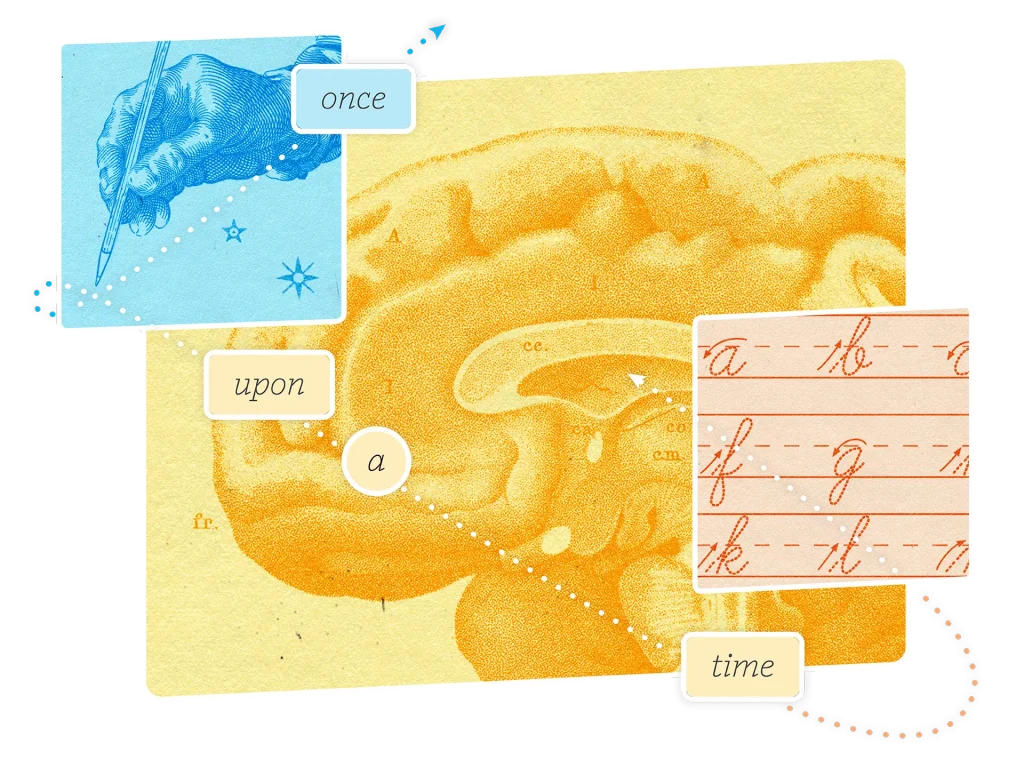
An illustration of a brain with superimposed images: handwriting, cursive letters, and the words "once upon a time" arranged in a sequence.

Exploring the Science of Writing

Discover the captivating journey of writing with our new guide, Science of Writing: A Primer. This resource delves into the history of writing, highlights the crucial link between combining reading and writing instruction, and reveals why handwriting still matters in today’s digital world. Designed to complement CKLA 3rd Edition and our other literacy tools, this primer is set to become a trusted companion, just like those before it.

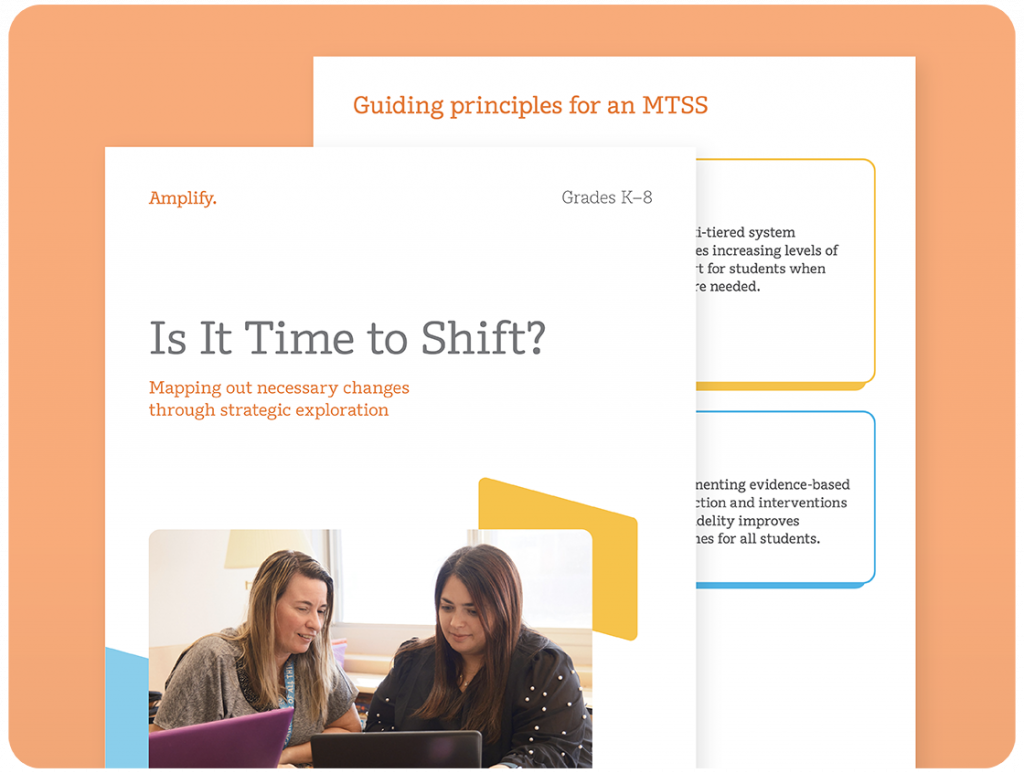
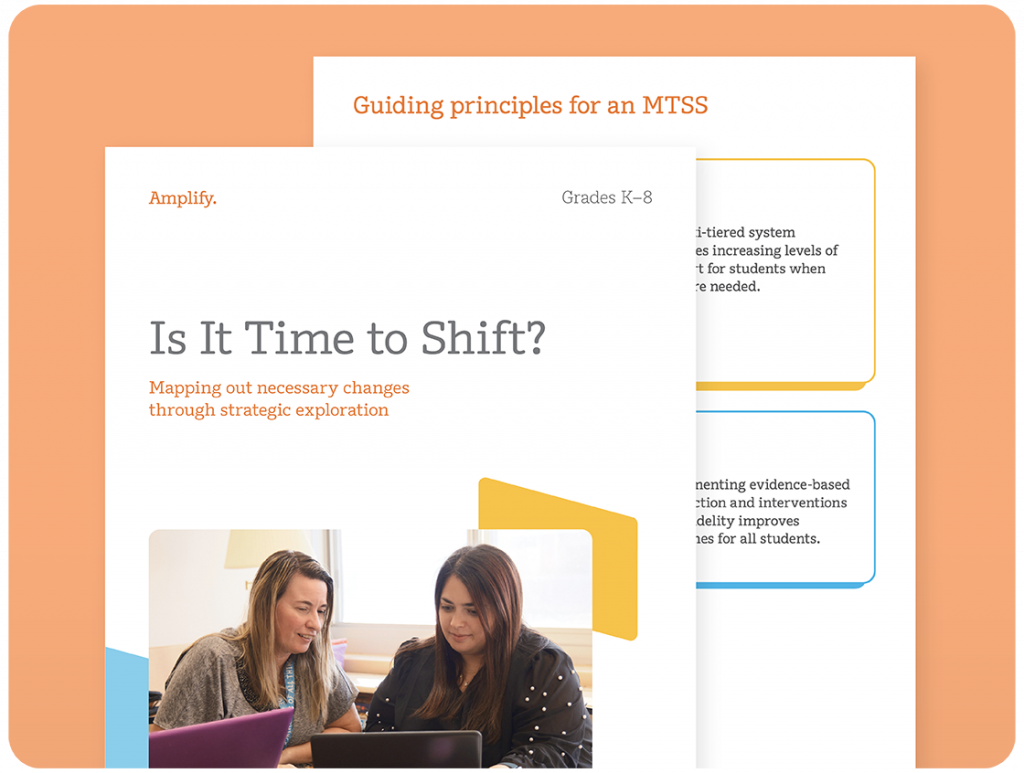
MTSS Playbook

Explore our new ebook designed to help you build an evidence-based Multi-Tiered System of Supports (MTSS) tailored to diverse literacy goals. This resource provides actionable steps and essential questions to fortify your MTSS with the Science of Reading, enhancing its effectiveness and achieving better outcomes for your students.

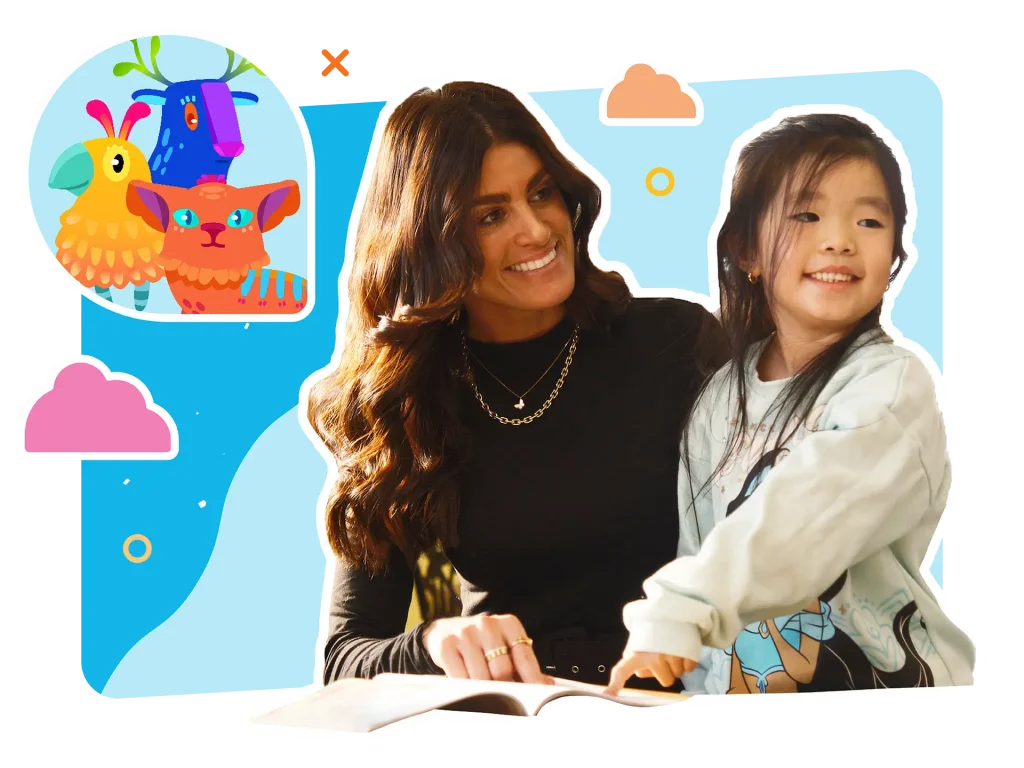
Woman and child smiling while reading a book, with colorful cartoon animals in the background.
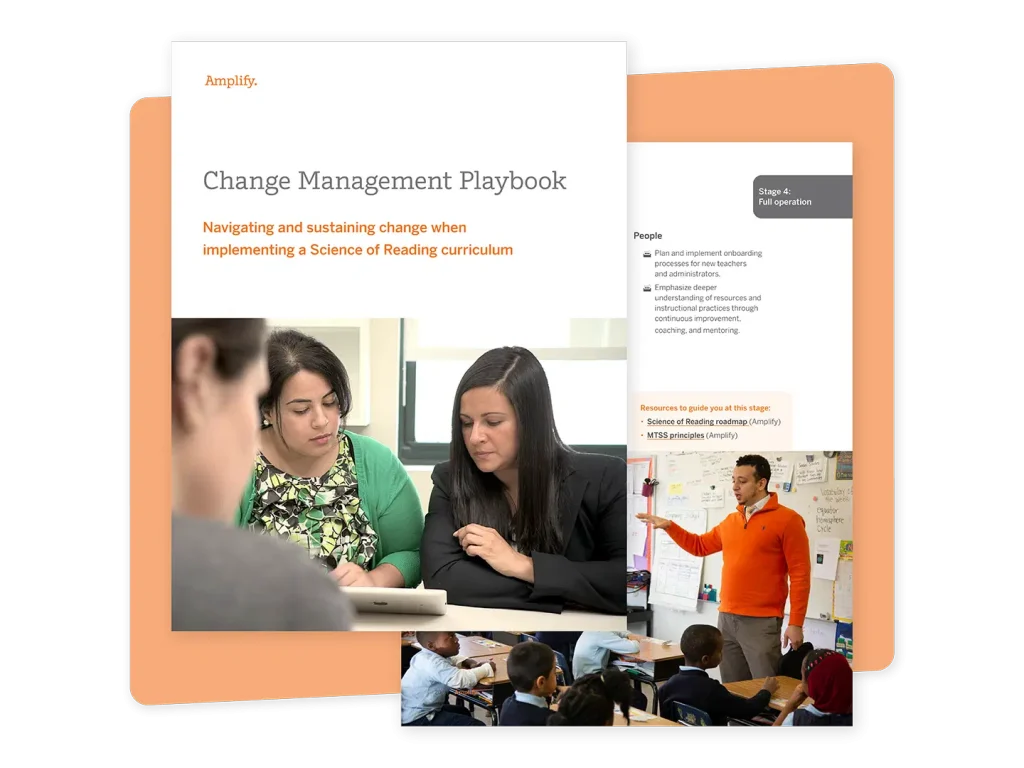
Cover of a "Change Management Playbook" guide, featuring two women reviewing a tablet and a teacher in an orange sweater instructing a classroom—highlighting K–5 literacy instruction and effective science of reading resources.

The science of teaching reading, coupled with the art of change management

Shifting to the Science of Reading isn’t just an overnight curriculum swap—it’s a profound culture change with multiple stages and stakeholders. We’ve helped educators succeed in that shift for years, and now we’re here to guide you every step of the way. Through each stage of implementation, our Change Management Playbook will help you mobilize your practice, process, and people to make the shift that matters most.

What is the Science of Reading?

Learning to read is not innate, but it can be taught—and science tells us how. The Science of Reading refers to the vast body of growing research that deconstructs how children learn to read, and the instructional practices that can get them there.

Reading fluency requires a complex combination of skills, taught explicitly and systematically. There are two main frameworks that can help us break it all down: The Simple View of Reading and Scarborough’s Rope.

Two schoolgirls in green uniforms look at a notebook together in a classroom. Science of Reading and book icons are overlaid on the image.
Cover of a guide titled "Science of Reading: A New Teacher’s Guide" by Amplify, featuring a teacher with two children and educational icons.

Science of Reading starter kit for new teachers

New to the classroom? We’ve compiled a collection of resources and insights about the Science of Reading to help you acquire more knowledge and build confidence. You’ll find the tools, information, and support you need to foster successful readers and writers in your classroom this school year—and beyond.

The Simple View of Reading

The Simple View of Reading, formulated by Philip Gough and William Tunmer in 1986, is the theory that proficient reading requires two main components:

Flowchart illustrating skilled reading as the product of language comprehension and word recognition, grounded in the science of reading.
A diagram with intertwining orange, yellow, and blue lines converging and diverging, illustrating interconnected pathways on a black background—reflecting the dynamic flow of ideas found in Core Knowledge or Amplify CKLA curricula.

The Reading Rope

The Reading Rope, developed by Dr. Hollis Scarborough in 2001, helps us visualize the strands of specific skills and instruction that support students in decoding and comprehension.

Professional development to support your shift to the Science of Reading

Ignite literacy transformation with Amplify’s Science of Reading: The Learning Lab—an inspiring three-course series.

  • Dive into a comprehensive overview with course one, Foundations to the Science of Reading.
  • Examine assessments and their roles in course two, Advanced Topics in the Science of Reading: Assessment and Reading Difficulties.
  • Apply effective literacy instruction to your classroom in course three, Applied Structured Literacy.

Crafted to the standards of the International Dyslexia Association, this self-paced online series provides unparalleled, research-backed instruction. Explore enriching activities, curated resources, and learn from Susan Lambert, chief academic officer and host of Science of Reading: The Podcast.

The best investment you can make is in knowledge, and the returns are priceless.

Illustration of a webpage titled "Science of Reading: The Learning Lab series" with icons of a book, paper, and other subjects below the title.

Learn more about the online courses or request a quote!

Two labeled course cards: "Course 1: Foundations to the Science of Reading" and "Course 2: Advanced Topics in the Science of Reading," with a shopping cart icon in the top right.

Tap into individual online course seats.

Science of Reading podcast cover image open book

Science of Reading: The Podcast

Tune in to hear the latest insights and trends in early reading, right from leading literacy experts and practitioners.

Listen now

Build your background knowledge of the Science of Reading.

Our Science of Reading principles and primers explain the essentials: what the Science of Reading is, how it works, and why it matters for every student.

An infographic titled "Science of Reading principles" showcases ten evidence-based K–5 literacy instruction strategies, informed by interdisciplinary research, in color-coded boxes with a "NEW" badge in the top right corner.

New Science of Reading principles placemat!

Decades of research inform the updated Science of Reading principles placemat. Use these insights as a guide for evidence-based literacy instruction—perfect for committed educators aiming to achieve real improvements in student reading outcomes.

Download principles

An illustration of a girl running with a colorful kite, with text reading "Science of Reading: A Primer | Part One" and "Amplify" in the top left corner, highlighting K–5 literacy instruction.

Science of Reading
A Primer: Part 1

In part 1 of our definitive Science of Reading primer, we discuss literacy as a societal goal, walk you through how the brain learns to decode and comprehend text, and present the patterns that top-performing schools and districts follow to achieve early reading success.

Download primer 1

Illustration of two people atop a yellow pyramid, with text reading "Science of Reading: A Primer | Part Two"—an engaging look at K–5 literacy instruction. "Amplify" appears in the top left corner.

Science of Reading
A Primer: Part 2

In part 2 of our Science of Reading primer, we establish the importance of prior knowledge for comprehension, lay out the process of micro-comprehension, and demonstrate how literacy skills build on and accelerate themselves.

Download primer 2

A woman with long dark hair smiles in front of a plain background, reflecting the joy she finds in interdisciplinary research. She is wearing a dark green top and earrings.
“If you’re looking for a Science of Reading training, the [Science of Reading: Foundations to the Science of Reading] online course is great. It helps you build background knowledge on learning how students learn how to read, and then it goes deeper and it gives you strategies that correlate with those findings that you can implement right into your classroom.”

—Allie Appel, Instructional Coach

School District of Arcadia, WI

Why undertake this crucial change?

When we bring proven methods based on the Science of Reading into schools, we make sure kids are learning to read and help teachers and caregivers support a culture of reading. Together, we can solve the reading crisis and make literacy a reality everywhere.

You’ll change lives with literacy.

According to the National Assessment of Educational Progress (NAEP), only 35% of fourth graders in the United States are proficient in reading. But schools using a Science of Reading approach have seen significant improvements in literacy rates. Using research-based methods, educators can help give all children the chance to become successful readers.

Young boy in a classroom sits at a desk and writes on a worksheet, with other children working at nearby desks in the background.
A laptop screen displaying a literacy intervention game with a cartoon llama in a desert setting and a word selection task presented to a child’s avatar in the corner.

You’ll build a foundation with explicit, systematic skills instruction.

Reading skills don’t come naturally. We actually need to rewire our brains with intentional, structured literacy instruction—starting with sounds.

You’ll improve outcomes with knowledge building.

Longitudinal research shows that knowledge building doesn’t just happen as a result of reading, but is also a vital prerequisite for and component of it. And when delivered intentionally and systematically, knowledge delivers literacy results.

Illustration depicting diverse people engaged in various activities, including astronauts in space, a musician engaged in interdisciplinary research, and a child drawing, set against a whimsical celestial backdrop.
A person with long braided hair, wearing oversized glasses, earrings, a necklace, and a red top, smiles at the camera against a plain background.
“It’s not just about the curriculum. It’s about the science behind how people, how children, and how we as humans learn to read… It’s working. I wish I had this years ago. ”

—Javonna Mack, Lead Content Teacher

Caddo Parish Schools, Louisiana

Science of Reading & Early Literacy Resources FAQ

Amplify understands that making the shift to the Science of Reading is no small feat. Get some early literacy resources and guidance with our Science of Reading FAQ.

Learning to read is not innate. It needs to be taught intentionally and systematically—and science tells us how. The vast and growing body of research on early literacy is referred to as the Science of Reading. It draws on extensive research in cognitive science, linguistics, and neuroscience. It emphasizes the systematic teaching of foundational skills—such as phonics, phonological awareness, and decoding—in building vocabulary and comprehension. In other words, it deconstructs the processes behind how children learn to read, and provides evidence for the instructional practices and early literacy resources that can get them there.

Read more 

The Science of Reading refers to the pedagogy and practices proven by extensive research to effectively teach children how to read. It places a strong emphasis on both components of the Simple View of Reading, demonstrating that systematic and explicit instruction in phonics and and intentionally sequenced knowledge building are critical to reading success.

In a balanced literacy environment, learning happens through reading and writing immersion, where the need for explicit instruction in phonics is recognized but is not the primary focus.

The key difference between the approaches lies in their emphasis on foundational reading skills and a coherent approach to building language comprehension.

A balanced literacy approach typically includes a combination of whole language approaches (emphasizing meaning and context) and phonics instruction. Balanced literacy instruction is designed to be flexible and open to interpretation by the instructor. It may include the three-cueing system, which encourages students to rely on syntactic and semantic clues in a text to read an unfamiliar word, rather than decoding (Does it look right? Does it sound right? Does it make sense?). Balanced literacy practitioners may also use leveled reading to differentiate instruction, which can can limit vocabulary exposure, hinder in-depth comprehension skills, and further widen achievement gaps.

Balanced literacy has long been a popular approach to reading instruction, with educators appreciating its openness to variation. But advocates for the Science of Reading argue that an evidence-based approach aligned with known cognitive processes and a focus on foundational skills and language comprehension provides the most solid foundation for reading instruction—for confident and struggling readers alike.

Read more

According to our friends at The Reading League, the Science of Reading is important not because it gives us an effective way to teach reading, but because it gives us the most effective way to teach reading.

“The Science of Reading is critical because it emphasizes evidence-based instruction. Decades of scientific research on reading have consistently shown the most effective ways to teach reading. The Science of Reading incorporates this research, which includes phonemic awareness, phonics, fluency, vocabulary, and comprehension.”

The Reading League also takes it to the next level: What happens when all children have access to the most effective early literacy and reading education? “We believe in a future where a collective focus on applying the Science of Reading through teacher and leader preparation, classroom application, and community engagement will elevate and transform every community, every nation, through the power of literacy.”

The Science of Reading has identified five foundational reading skills that are considered crucial for early reading development. One of those skills is phonics. In other words, the Science of Reading has established that phonics are crucial, but the Science of Reading is not the same as phonics.

Phonics instruction helps students learn how to sound out and blend letters to read words accurately. As we know from the Simple View of Reading, two fundamental skills are required for reading with comprehension:

  1. Decoding—the ability to recognize written words (via phonics)
  2. Language comprehension—understanding what words mean

And the Science of Reading also reminds us that students do not have to learn phonics or decoding before knowledge comes into the equation. “The background knowledge that children bring to a text is also a contributor to language comprehension,” says Sonia Cabell, Ph.D., associate professor at Florida State University’s School of Teacher Education, on Science of Reading: The Podcast.

The Science of Reading is an evolving field built on decades of high-quality, evidence-based research that continually integrates new insights gathered from cognitive neuroscience, psychology, and linguistics. These ongoing studies constantly refine our understanding of how the human brain processes language and learning, enabling more personalized and effective teaching strategies that can adapt to the wide-ranging learning needs of students.

Like other sciences such as medicine, astronomy, or engineering – new advancements in reading technology allow us to understand how the brain works and refine our practices. Every scientific advancement in this field of reading science deepens our comprehension of reading-related challenges like dyslexia and informs the development of evidence-based interventions. We don’t believe that the Science of Reading can be reduced to a fad or trend. Rather, it is a continually evolving, enduringly effective discipline, grounded in rigorous research and driven by the quest for better comprehension of how we read and learn.

Assessment grounded in the Science of Reading can help identify children at risk of dyslexia at the earliest possible moments, creating the widest opportunity for intervention.

People with dyslexia often experience challenges in phonological awareness. They may struggle to break down words into their component sounds and to recognize the relationships between letters and sounds. Systematic and explicit instruction in phonics and phonological awareness can help individuals with dyslexia develop necessary phonological skills. This evidence-based instruction can also help students who have difficulty with decoding.

Further, evidence-based comprehension instruction, including explicit instruction in vocabulary and comprehension strategies, can support students with dyslexia in understanding and making meaning from text.

Download our free dyslexia toolkit

The Science of Reading can be integrated with a Multi-Tiered System of Supports (MTSS) to provide comprehensive and targeted reading instruction for all students. The Science of Reading aligns with a tiered model by providing evidence-based practices for instruction at each tier. An MTSS includes universal screening to identify students at risk of reading difficulties; the Science of Reading can also guide the selection of screening measures to assess specific foundational skills. Aligning the Science of Reading with an MTSS framework can also enhance instructional practices and interventions, ensure data-driven decision making, and help meet the needs of all students.

Read more

Integrating the Science of Reading and the Science of Writing strengthens our approach to teaching literacy. Reading and writing are interdependent. Understanding how sentences are built not only contributes to better reading comprehension, it also helps writers develop clear, logical text. As students grow as readers, they also grow as writers, leading to a comprehensive literacy education. Clear thinking and effective writing are crucial for expressing ideas. By fostering both skills, teachers better support students in becoming confident readers and writers, prepared for academic challenges and beyond.

One of the research-based frameworks used in the Science of Reading is the Simple View of Reading. According to the Simple View, two cognitive capacities are needed for proficient reading: (1) understanding the language (comprehension) and (2) recognizing words in print (decoding). A true Science of Reading program is designed from the start for students to build these skills, in a developmentally appropriate way.

It will also emphasize the importance of knowledge building by exposing students to a diverse array of new topics spanning history, science, and literature, organized intentionally and coherently within and across grades. Deep and intentionally sequenced knowledge domains will help build a student’s vocabulary and understanding of complex texts. And it will include instruction in  all five foundational skills: phonics, phonemic awareness, vocabulary, fluency, and comprehension.

Download our free ebookScience of Reading: Making the Shift, which includes a checklist of what to look for in a curriculum based on the Science of Reading. Learn more from our friends at The Reading League.

Actually, we have a full literacy suite built on the Science of Reading! It includes:

  • mCLASS® assessment, powered by DIBELS® 8th Edition, a gold-standard universal and dyslexia screener, plus a progress monitoring tool, all in one.
  • Amplify Core Knowledge Language Arts (CKLA), which provides explicit, systematic foundational skills instruction combined with intentional knowledge building.
  • Boost Reading, a highly adaptive personalized reading program that reinforces the core curriculum and supports enrichment, remediation, and intervention for each student in your classroom.
  • mCLASS Intervention, a staff-led intervention program targeted to Tiers 2 and 3, made easy with automatic data-driven grouping and sequenced explicit, systematic skills lesson plans to support at-risk students.

Reading requires deliberate, systematic attention—and so does shifting to the Science of Reading in your school or district. It requires not only the right curriculum, but also all-new mindsets, metrics, and more. Reflecting years of experience supporting real educators, our resources will walk you through the process of change management in your community—and show you why the shift is worth it. View our Science of Reading change management playbook.

Slow and steady progress at middle-of-year highlights the urgency of data-driven instruction.

Slow and steady progress at middle-of-year highlights the urgency of data-driven instruction.

To view this protected page, enter the password below:


Managing the change that matters most: Implementing the Science of Reading with integrity

Reading requires deliberate, systematic attention—and so does shifting to the Science of Reading in your school or district. It requires not only the correct curriculum, but also all-new mindsets, metrics, and more. Reflecting years of experience supporting real educators, our resources will walk you through the process of change management in your community—and show you why the shift is worth it.

Two women work together at a laptop in the foreground of a document titled "Is It Time to Shift?" about changes in MTSS for grades K-8, with another educational document visible behind.

How data drives Science of Reading change management

Making the shift requires meticulous planning, open communication, and most importantly, data. Learn how to harness data to drive your implementation forward.

Step 1: Prepare your team

Big change doesn’t happen without buy-in. We’ll help you take the crucial first step of getting your team on board.

A collage of educational slides about the Science of Reading, featuring illustrations, text, charts, and photos of children and teachers in classroom settings.

Build a Science of Reading digital bookbag

Getting up to speed with the Science of Reading takes some homework. We’ve pulled some key resources into one place for you and your team.

Download now

Science of Reading: The Podcast cover featuring an open book, bouncing shapes, and the word Amplify on a yellow background.

Subscribe to Science of Reading: The Podcast

Tune in to our chart-topping Science of Reading podcast—which recently celebrated four million downloads—to keep up with the latest insights from experts and practitioners. Subscribe to listen to the latest episodes exploring relatable, real-life challenges faced by literacy educators—from managing small groups to delivering trauma-informed instruction—and visit the archives to binge Seasons 1 through 7!

Listen now

Book cover of "The Knowledge Gap" by Natalie Wexler, featuring a stack of books on a blue background with white text and decorative stars on the left.

Read The Knowledge Gap and Science of Reading: The Defining Guide

You’ll want to curl up with The Knowledge Gap, Natalie Wexler’s essential work making the case for the power of knowledge to fuel literacy. You can also get all the basics in Science of Reading: The Defining Guide by our friends at the Reading League.

Get Science of Reading: The Defining Guide

Professional development to support your shift to the Science of Reading

Ignite literacy transformation with Amplify’s Science of Reading: The Learning Lab—an inspiring three-course series.

  • Dive into a comprehensive overview with course one, Foundations to the Science of Reading.
  • Examine assessments and their roles in course two, Advanced Topics in the Science of Reading: Assessment and Reading Difficulties.
  • Apply effective literacy instruction to your classroom in course three, Applied Structured Literacy.

Crafted to the standards of the International Dyslexia Association, this self-paced online series provides unparalleled, research-backed instruction. Explore enriching activities, curated resources, and learn from Susan Lambert, chief academic officer and host of Science of Reading: The Podcast.

The best investment you can make is in knowledge, and the returns are priceless.

Illustration of a webpage titled "Science of Reading: The Learning Lab series" with icons of a book, paper, and other subjects below the title.

Learn more about the online courses or request a quote!

Two labeled course cards: "Course 1: Foundations to the Science of Reading" and "Course 2: Advanced Topics in the Science of Reading," with a shopping cart icon in the top right.

Tap into individual online course seats.

Step 2: Adopt the right program

Making the Science of Reading a reality in your school means choosing the right evidence-based curriculum.

Two women sit at a table working on laptops. The visible documents are titled "Is It Time to Shift?" and "Guiding principles for an MTSS.

Change management

Our Change Management Playbook is your trusted companion in transforming schools with proven strategies. Crafted alongside educators who have successfully pioneered change, this comprehensive guide lays out actionable steps and critical questions for each phase of your implementation journey.

Evaluate curricula and look out for red flags

A core literacy curriculum needs to be aligned with evidence-based practices every step of the way. This curriculum evaluation guide from the Reading League will walk you through the evaluation you need to conduct to ensure that you’re investing in only the best instruction for your students and teachers, and to know that the curriculum you’re selecting is true to the research.

Cover page titled "2023 Curriculum Evaluation Guidelines" by The Reading League, with the organization's logo in the top right corner.
A cover page titled "Five Shifts for True Science of Reading Instruction" with photos of students and teachers, and illustrated pages in the background.

Make the five most critical instructional shifts

Big change is best done gradually. That’s why we’ve identified five key shifts in reading instruction that will set you on the path to transforming your classroom with the Science of Reading.

Watch our Science of Reading webinars

In our Literacy Is Opportunity webinar series, you’ll learn why it’s crucial to get reading instruction right for all students—and how to make the shifts needed in your school.

A website page titled "Explore our webinars" displays three webinar cards with play icons and tags for "Literacy" and "Earn CE Credit" under the Amplify brand.
A young woman with long brown hair smiles at the camera, wearing hoop earrings and a lanyard, with colorful posters on the wall behind her.
“I really think that educators should make the shift to the Science of Reading because it’s data-driven and purposeful, and it really encourages personalized learning.”

—Mallory Pendergast, Kindergarten Teacher

Circle City Prep, IN

Step 3: Build an evidence-based literacy ecosystem that supports all students

Science-based reading instruction can actually reduce the need for intervention and support. These principles and practices show how evidence and data build a culture of literacy for everyone.

Establish a Multi-Tiered System of Supports (MTSS) grounded in the Science of Reading

A complete Science of Reading system is one that aligns with a Multi-Tiered System of Supports (MTSS) framework. Because an MTSS includes all students—and stakeholders—it prevents struggles before they happen, setting everyone up for literacy success.

A screenshot of an educational document explaining the Multi-tiered System of Supports (MTSS) in literacy, with highlighted sections outlining key principles and steps.
A collage featuring a children's book cover, an astronaut illustration, cartoon animals, and a laptop displaying an educational website.

Explore Amplify’s Science of Reading early literacy suite

Built on more than 20 years of Science of Reading experience, our early literacy suite ensures that research-based and data-driven literacy practices are at the heart of everything you do. The suite includes every component of instruction, from assessment and personalized learning to intervention and professional development.

Bring the Science of Reading to middle school and biliteracy instruction

The Science of Reading can have an impact on learning outside of traditional K–5 literacy instruction, too—it can also address the specific needs of middle schoolers and multilingual students.

View our resources:

A collage showing children’s books, a drawing of a cat, a child playing guitar, and a laptop screen with a Spanish language learning activity.
Man with short hair smiling outdoors with trees in the background.
“This goes out to the interventionists, coaches, and administrators … support your staff. Be a part of and/or lead staff trainings, provide push-in support, model and co-teach so that the staff will see that this is not ‘just another initiative.’ Remember, this is the start of a long, powerful journey. Take small steps, do them well, then use data to move on to the next small step.”

— Corey Beil, Instructional Interventionist

Quakertown Community School District, PA

Step 4: Sustain change for long-term results

Educational change doesn’t happen overnight, or by itself. We’ve helped thousands of Science of Reading champions make the shift, and they’re eager to share the secrets of their long-term success with fellow educators like you.

Defining math fluency with Jason Zimba

When we think of fluency, especially as a goal, we might think of speaking or reading a language. But fluency is also a goal in learning math! So what is math fluency? And what does it look like in the math classroom? In Season 6, Episode 1 of our Math Teacher Lounge podcast, Amplify’s own Jason Zimba helps us understand—using some analogies to baseball and chicken, of course.

Definitions of math fluency

We can develop fluency in many things, from coding to cooking. On the Math Teacher Lounge podcast, Amplify Chief Academic Officer of STEM Jason Zimba recounted becoming fluent in…roast chicken. 

Jason describes practicing one particular recipe until it was perfect. For Jason, that meant not just that the outcome was flawless or delicious, but that he was eventually able to make it from memory, without thinking—and to naturally adjust and calculate for variables like a smaller or larger chicken, or an unfamiliar oven. 

Math fluency works the same way. Practice brings effortlessness—freeing up time and mind space for new opportunities. 

The word “fluency” comes from the Latin fluentia, which means “flowing.” When applied to math, it means ”skill in carrying out procedures flexibly, accurately, efficiently, and appropriately,” says podcast host and math teacher and advocate Dan Meyer. As with someone fluent in a language (or a recipe), someone fluent in math is able to think and calculate mathematically without struggle or effort—that is, with fluidity. 

Podcast host and elementary educator Bethany Lockhart Johnson adds this informal description: “It’s that thing you don’t even think about anymore. ‘Cause it’s in there. You’re not still thinking about addition facts, because you’ve got it. And it fuels you. It’s the foundation that allows you to do all the other cool stuff.”

Fluency in the math classroom

What does fluency look like in practice? A young learner fluent in math will be able to smoothly recite the number word list in order (“one, two, three…”) and write the numerals from 0 to 9. As the student grows, so does their fluency with multi-digit calculation, rational-number arithmetic, and eventually even variable expressions. 

“It’s a wordless but still somehow almost verbal sort of fluency, with properties of operations as the grammar of the language,” says Jason.

But “it’s not fact recall,” he says. “Recall is remembering or just knowing. Fluency refers to calculation.”

Why and how to improve math fluency

There are different paths to fluency, but all can lead to “conceptual richness and mathematical joy,” says Dan.

If fluency provides that crucial foundation, what happens to students who are not math-fluent? 

“When kids don’t have access to [fluency], it keeps them from diving into the juicy parts of math,” says Bethany. “Math is so much bigger than addition facts, but when they don’t know those addition facts, that becomes all math is.” 

Without fluency, students miss opportunities to progress in (and enjoy) math, and may even develop math anxiety

So how can you support math students in developing fluency? 

For one thing, it’s important not to underestimate the value of practice and repetition. These approaches—especially when used in combination with other, more organic modes—can be highly productive, says Jason. “I worry about whether discomfort with repetitive practice is short-changing students of the power and confidence that fluency can bring.”

Dan compares it to achieving excellence in a sport—”like shooting from the same spot on the court over and over again,” he says. That kind of rote repetition is valuable in sports, and should also have its place in math instruction. 

It’s also important for students to understand why they’re learning and even drilling their numbers, arithmetic, or times tables, Jason notes. They need to be “invested in understanding and agreeing that this is going to do something for them.” 

One thing that helps: providing students a sense that they’ve accomplished something. “We need to have moments for them to reflect on what has been learned and what is now easy that was previously hard,” Dan says. He calls this process “humanizing fluency”—and Math Teacher Lounge will be here all season to help math educators do just that.

Save the date

Join us at NCTM in October for a live Math Teacher Lounge podcast recording with Dan Meyer and special guest Jennifer Bay-Williams! We’ll be investigating math fluency and finding fun ways to get all students engaged in math instruction. 

Math Teacher Lounge LIVE!
NCTM | Oct. 27 | 2:30 p.m. EST (doors at 2:15) | Room 158AB

More to explore

Alert: Progress in early literacy is slowing.

The latest middle-of-school-year data from Amplify show that throughout the spring and fall of 2023, schools across the country made some progress increasing the number of K–2 students on track for learning to read. But that progress is slowing.

Between 2021–2022 and 2022–2023, the number of K–2 students on track for learning to read increased by four to five percent across all grades; however, between 2022–2023 and 2023–2024, the increase was only two percent in each grade. Yet this is not the time for slow progress, because literacy rates in the United States are already a concern. Only half of K–2 students are on track for learning to read, and three in ten students are far behind.

To address slowing gains, schools and districts need to act now to accelerate literacy outcomes.

Early reading: Why we need to act now

The decline is especially urgent for students in kindergarten through the second grade. That’s because of what comes next: third grade, known to be the make-or-break year for reading and future academic success. To put it bluntly, students who are not proficient in reading before entering fourth grade are much more likely than their peers to struggle in school, and they are much more likely to drop out.

“The data is clear—literacy rates at the earliest and most critical time for student development are slowing. Changing this course requires schools and districts to act now and review their approaches in all grades,” says Susan Lambert, chief academic officer of elementary humanities at Amplify. “Schools that deliver strong outcomes focus on building a solid foundation at the start and intervening quickly when students need extra support, rather than trying to play catch up later, when it can be more difficult.”

The good news: We know what to do.

When students receive science-based reading instructionliteracy outcomes improve.

Changing these outcomes requires that districts and schools review the processes and practices they have in place at all levels. Schools that deliver strong outcomes focus on getting students on track—and often ahead—in the earliest grades, because it’s easier to get students ahead from the beginning than to catch them up later.

Districts should:

  • Administer universal screening assessments three times per year to monitor levels of risk for reading difficulties.
  • Allocate staff to support students who are at risk, spending additional time in literacy instruction beyond grade-level instruction.
  • Regularly monitor progress for students who are at risk, making adjustments as needed.
  • Ensure that instructional staff gain knowledge about science-based reading instruction and implement high-quality core curriculum with fidelity.
  • Instill a love of reading and books during all school-based programs, with the support of caregivers and the community.

“The good news is that when students receive science-based reading instruction, outcomes improve,” Lambert continues. “And, when that instruction takes place in the earliest possible grades, research shows that most students can be taught to read at or approaching grade level.”

Read the full report.

More to explore

Big gains but slow progress in reading readiness

A woman shows a young girl something on a smartphone while they sit together at a table in a classroom, exploring reading comprehension strategies.

Amplify’s end-of-year research brief for 2024–25 shows that the youngest learners have made the greatest progress with foundational reading skills in the last five years: more kindergarteners, first graders, and second graders are on track to learn to read and fewer are far behind than at any time since the pandemic.

Kindergarteners made the biggest strides in the knowledge and skills measured by elementary reading assessments, with 70% on track to learn to read—a 21-point improvement since the pandemic.

Post-pandemic slide

In 2020–21 (the year students returned to school after the pandemic shutdowns), only 55% of K–2 students were on track to learn to read by the end of the year.

The youngest cohort struggled the most, with only 49% of kindergarteners at or above benchmark.

More students on track to learn to read

But by the end of the 2024–25 school year, the overall picture of reading readiness was much brighter.

Our data shows a 13-point increase, with 68% of the youngest readers at or above benchmark.

First and second graders were also far ahead of where they were five years ago, with improvements of 14 and 8 points, respectively.

Progress slowing

While our 2024–25 end-of-year early reading data shows significant progress relative to 2020-21, the picture is less rosy when we compare it to last year:

  • Overall, the number of K–2 students at or above literacy benchmarks was only one percentage point higher at the end of 2024–25 than it was at the end of the previous school year.
  • Within that cohort, both kindergarten and first graders saw a 2% increase, but second graders only saw a 1% increase.

Fewer students far behind

Similarly, our data showed a significant drop in the number of young readers well below benchmark between the post-pandemic school year and the 2024–25 school year.

  • Kindergarteners, again, showed the most improvement, with the number of students far behind dropping from 38% in 2020–21 to 20% at the end of the 2024–25 school year.
  • Among first graders, we saw a 12-point decline in students who were not on track to learn to read compared to 2020–21
  • Second graders showed the least improvement, with a decline of six percentage points relative to 2020-21.

Improvements among this cohort followed a similar trend to those of the at-benchmark readers: a noticeable decline over five years, but a barely noticeable year-over-year improvement.

  • Only 1% fewer students across K–2 were far behind at the end of this year compared to the year before.

More improvement during the school year

Our data also revealed some good news about annual progress in early literacy development:

  • Across K–2, students showed a bigger improvement in reading readiness than they did in prior years.
  • By the end of the 2024–25 school year, 70% of kindergarten students were on track to learn to read, compared to 36% at the beginning of the year (the greatest improvement since 2020–21).
  • First graders had a 19% improvement by the end of the 2024–25 school year (70% on track by end of year) compared to 56% in 2021.
  • Second graders showed an 11-point increase in reading readiness from beginning to end of year (65% to 54%).

Putting the Science of Reading to work for students

“Grades K–2 remain critical years for literacy development,” said Susan Lambert, Chief Academic Officer of elementary humanities at Amplify and host of Science of Reading: The Podcast. “To support young readers, educators need data-driven insights into student reading development and instructional practices that are based in the Science of Reading.”

Research has shown that data-driven strategies and tools provide the best support for young learners’ future academic success. Here are a few of the ways teachers, administrators, and parents can put them into practice:

  • Administering elementary reading assessments three times a year, to monitor student risk level for reading challenges
  • Supporting students at risk for not learning to read by analyzing data from reading assessments and making informed decisions
  • Allocating extra classroom time and resources to help students who aren’t on track
  • Monitoring progress and making adjustments as needed
  • Ensuring that evidence-based reading instruction is offered at every grade level
  • Instilling a love of reading in and out of school, in partnership with caregivers and community

Let’s keep the conversation going! Join the discussion in our Amplify learning communities.

Dive into the findings in our End-of-Year Report.

More to explore

Science of Reading: The Podcast

Beyond My Years podcast

Science of Reading

Science of Reading: A New Teacher’s Guide ebook

We are the program for Indiana’s middle school students and teachers.

Amplify ELA is a blended curriculum. We built Amplify ELA to help you make sure the standards are covered, the skills are taught, the test is prepped for, and your students are scaffolded and encouraged. What’s more, everything is done in the background. That way, you can spend your time bringing the text to life, making the classroom hum, and letting each student know you are paying attention to their growth.

Program overview

Amplify ELA is a hybrid curriculum designed specifically for grades 6–8. The heart of every lesson is the text. Each grade includes six units centered on literary or informational texts, delivered in several forms of media. Your classroom will also benefit from two or three immersive learning experiences called Quests and a dedicated Story Writing unit.

  • Full standards coverage: Standards are clearly labeled in each lesson overview, so teachers can save time planning and get back to what they love: teaching.
  • Five levels of differentiation: Based on each student’s needs and the performance measures within Amplify ELA reports, a teacher can choose the differentiation level that’s the right fit for everyone.
  • Embedded assessments: Teachers benefit from uninterrupted instructional time and a continuously updated picture of each student’s progress with key skills and standards.
  • Powerful feedback tools: Comprehensive tools help teachers maximize both the quantity and quality of feedback.
  • Robust reporting: Our reporting app offers information on student progress to help inform instructional decisions.
  • All in one place: Embedded teacher support, differentiation tools, student data, text and other curriculum features—they’re all right there.

Materials

Discover print and digital materials included in the program.

Student edition
Available digitally and in print, the student materials guide middle schoolers through complex texts and writing by:

  • engaging students with high-quality narrative and informational texts, providing videos, audio supports, and digital experiences that capture their attention, and
  • keeping all of their writing in one place with the personal writing journal.

Teacher edition

Available digitally and in print, the Teacher edition contains all of the information teachers need to facilitate classroom instruction, including:

  • detailed lesson plans
  • video teacher tips embedded in the lesson
  • standards alignment and exit tickets
  • real-time differentiation strategies
  • robust reporting

Interactive Quests
Fun, week-long explorations where students practice analytical reading, writing, speaking, and listening skills, all while building a strong classroom community.

Digital library for independent reading
Amplify Library: Our expansive digital library includes more than 650 fiction and nonfiction, classic, and contemporary titles.

Resources

Learn more about Amplify ELA and how we address the unique needs of middle school students.

Program sample guide

Table of Contents

Four Principles of True Engagement in Middle School ELA
Empower students to become critical thinkers webinar recording
Provide opportunities and supports for all students to work “up” webinar recording
Support feedback systems that develop strengths webinar recording

Experts & presenters

Deb Sabin
Chief Academic Officer, Amplify ELA
Deb Sabin leads Amplify’s curriculum development teams for ELA. Previously she was Director of Instruction and Training for The Writer’s Express. She’s been an ELA teacher in a variety of classrooms from alternative high schools to elite prep schools and international dual language programs.

Jeff Dannemiller
Product Specialists, Amplify
Jeff works with educators across the country, helping them get the most out of their middle school students with reading, writing, and developing all the other skills necessary for high school and beyond.

Contacts

Nathan Toles
Field Manager
ntoles@amplify.com
(317) 430-7879

Jackie Roper
Senior Account Executive
jroper@amplify.com
(312) 202-2598

Casie Rayes
crayes@amplify.com

(480) 549-7531

Program overview

A woman assists another woman wearing a red headscarf as they look at a laptop.

Amplify ELA is a hybrid curriculum designed specifically for grades 6–8. The heart of every lesson is the text. Each grade includes six units centered on literary or informational texts, delivered in several forms of media. Your classroom will also benefit from two or three immersive learning experiences called Quests and a dedicated Story Writing unit.

  • Full standards coverage: Standards are clearly labeled in each lesson overview, so teachers can save time planning and get back to what they love: teaching.
  • Five levels of differentiation: Based on each student’s needs and the performance measures within Amplify ELA reports, a teacher can choose the differentiation level that’s the right fit for everyone.
  • Embedded assessments: Teachers benefit from uninterrupted instructional time and a continuously updated picture of each student’s progress with key skills and standards.
  • Powerful feedback tools: Comprehensive tools help teachers maximize both the quantity and quality of feedback.
  • Robust reporting: Our reporting app offers information on student progress to help inform instructional decisions.
  • All in one place: Embedded teacher support, differentiation tools, student data, text and other curriculum features—they’re all right there.

Materials

Discover print and digital materials included in the program.

Laptop displaying a webpage with a dark theme and an eyeball graphic, and a tablet showing colorful illustrations of historical and mythological figures.
Student edition

Available digitally and in print, the student materials guide middle schoolers through complex texts and writing by:

  • engaging students with high-quality narrative and informational texts, providing videos, audio supports, and digital experiences that capture their attention, and
  • keeping all of their writing in one place with the personal writing journal.
Collage of historical and literary figures on left, and a laptop displaying a webpage about brain science on right, titled "amplify ela.
Teacher edition

Available digitally and in print, the Teacher edition contains all of the information teachers need to facilitate classroom instruction, including:

  • detailed lesson plans
  • video teacher tips embedded in the lesson
  • standards alignment and exit tickets
  • real-time differentiation strategies
  • robust reporting
Laptop displaying an educational software titled "who killed edgar allan poe?" featuring interactive lesson interfaces with graphics and text.
Interactive Quests

Fun, week-long explorations where students practice analytical reading, writing, speaking, and listening skills, all while building a strong classroom community.

Laptop displaying a library website with a search bar and book collections categorized under "adventures" and "fantasy".
Digital library for independent reading

Amplify Library: Our expansive digital library includes more than 650 fiction and nonfiction, classic, and contemporary titles.

Resources

Learn more about Amplify ELA and how we address the unique needs of middle school students.

Cover of "program sample guide grades 6-8" featuring an illustrated native american girl with long hair, surrounded by plants and butterflies.

Program sample guide

Illustration of poseidon with a trident on the "table of contents" page for grades 6-8, featuring a dynamic blue wave design.

Table of Contents

A graphic design featuring a woman with a stern expression, surrounded by illustrations of plants, atop an orange geometric shape, titled "white paper middle school engagement.

Four Principles of True
Engagement in Middle School ELA

Promotional poster for a webinar on critical thinking, featuring a stylized illustration of a person with a robotic face mask surrounded by butterflies and foliage.

Empower students to become
critical thinkers webinar recording

Promotional image for a webinar titled "differentiation," featuring a stylized illustration of a zombie-like character holding an axe, with pink clouds in the background.

Provide opportunities and supports
for all students to work “up”
webinar recording

Graphic design for "webinar feedback" featuring a collage of a smiling woman, a bear, sun rays, and a car on a white background.

Support feedback systems that
develop strengths webinar
recording

Experts & presenters

A middle-aged woman with blonde hair smiling at the camera against a plain white background.

Deb Sabin
Chief Academic Officer, Amplify ELA
Deb Sabin leads Amplify’s curriculum development teams for ELA. Previously she was Director of Instruction and Training for The Writer’s Express. She’s been an ELA teacher in a variety of classrooms from alternative high schools to elite prep schools and international dual language programs.

A smiling man in a dark blazer and light blue shirt against a white background.

Jeff Dannemiller
Product Specialists, Amplify
Jeff works with educators across the country, helping them get the most out of their middle school students with reading, writing, and developing all the other skills necessary for high school and beyond.

Contacts

A smiling woman with shoulder-length blonde hair, wearing an orange blouse and gold earrings, against a light background.

Chasity O’Quinn
Account Executive for East Tennessee
coquinn@amplify.com
(865) 599-5101

Portrait of a smiling woman with short brown hair, wearing glasses, a black blouse, and a pearl necklace against a maroon background.

Ann Patterson
Account Executive for West Tennessee
apatterson@amplify.com
(704) 813-7757

We are the program for Florida’s middle school students and teachers.

We built Amplify ELA to help you make sure the standards are covered, the skills are taught, the test is prepped for, and your students are scaffolded and encouraged. What’s more, everything is done in the background. That way, you can spend your time bringing the text to life, making the classroom hum, and letting each student know you are paying attention to their growth.

Astronaut in a space suit salutes while holding an American flag, standing amidst what appears to be splashes of liquid.

Program overview

Amplify ELA is a hybrid curriculum designed specifically for grades 6–8. The heart of every lesson is the text. Each grade includes six units centered on literary or informational texts, delivered in several forms of media. Your classroom will also benefit from two or three immersive learning experiences called Quests and a dedicated Story Writing unit.

A woman assists another woman wearing a red headscarf as they look at a laptop.
  • Full standards coverage: Standards are clearly labeled in each lesson overview, so teachers can save time planning and get back to what they love: teaching.
  • Five levels of differentiation: Based on each student’s needs and the performance measures within Amplify ELA reports, a teacher can choose the differentiation level that’s the right fit for everyone.
  • Embedded assessments: Teachers benefit from uninterrupted instructional time and a continuously updated picture of each student’s progress with key skills and standards.
  • Powerful feedback tools: Comprehensive tools help teachers maximize both the quantity and quality of feedback.
  • Robust reporting: Our reporting app offers information on student progress to help inform instructional decisions.
  • All in one place: Embedded teacher support, differentiation tools, student data, text and other curriculum features—they’re all right there.

Materials

Discover print and digital materials included in the program.

Una computadora portátil que muestra una página web con texto y una imagen de la portada de una publicación con varias ilustraciones artísticas. Un libro de texto estudiantil impreso titulado "Amplify ELA" está al lado de la computadora portátil.

Student edition
Available digitally and in print, the student materials guide middle schoolers through complex texts and writing by:

  • engaging students with high-quality narrative and informational texts, providing videos, audio supports, and digital experiences that capture their attention, and
  • keeping all of their writing in one place with the personal writing journal.

Una colorida portada de libro con la etiqueta "Amplify ELA" está al lado de una computadora portátil abierta que muestra una página web titulada "Brain Science" que muestra diferentes artículos científicos.

Teacher edition
Available digitally and in print, the Teacher edition contains all of the information teachers need to facilitate classroom instruction, including:

  • detailed lesson plans
  • video teacher tips embedded in the lesson
  • LAF standards alignment and exit tickets
  • real-time differentiation strategies
  • robust reporting
Imagen de una pantalla de computadora que muestra un curso educativo en línea titulado "¿Quién mató a Edgar Allan Poe?" con pantallas de lecciones diseñadas con un tema de detectives en blanco y negro.

Interactive Quests
Fun, week-long explorations where students practice analytical reading, writing, speaking, and listening skills, all while building a strong classroom community.

La pantalla de una computadora portátil muestra la Biblioteca Amplify con pestañas para géneros como Aventura y Fantasía, que muestran libros como "El Mago de Oz" y "Frankenstein" en un diseño de cuadrícula.

Digital library for independent reading
Amplify Library: Our expansive digital library includes more than 650 fiction and nonfiction, classic, and contemporary titles.

Resources

Learn more about Amplify ELA and how we address the unique needs of middle school students.

Program sample guide

Table of Contents

Four Principles of True Engagement in Middle School ELA

Empower students to become critical thinkers webinar recording

Provide opportunities and supports for all students to work “up” webinar recording

Support feedback systems that develop strengths webinar recording

Experts & presenters

Una mujer de mediana edad con cabello rubio sonriendo a la cámara, vestida con una camisa negra y aretes de aro sobre un fondo blanco liso.

Deb Sabin

Chief Academic Officer, Amplify ELA

Deb Sabin leads Amplify’s curriculum development teams for ELA. Previously she was Director of Instruction and Training for The Writer’s Express. She’s been an ELA teacher in a variety of classrooms from alternative high schools to elite prep schools and international dual language programs.

Un hombre con cabello castaño corto sonríe a la cámara. Lleva una camisa azul con botones y una chaqueta oscura. El fondo es completamente blanco.

Jeff Dannemiller

Product Specialists, Amplify

Jeff works with educators across the country, helping them get the most out of their middle school students with reading, writing, and developing all the other skills necessary for high school and beyond.

Person smiling in front of a colorful mural with yellow and red geometric shapes.

Dr. William McBride

National Education Consultant

Dr. Bill McBride is a well-known international speaker and educator. He has trained middle, high, and adult education teachers for over 30 years in literacy and student engagement. Some of his books include Building Literacy in Social Studies, If They Can Argue Well, They Can Write Well, Entertaining an Elephant, and two successful reading programs for secondary struggling readers. He has also been a contributing author on a number of state-adopted literature series for grades 6 through 12.

Contacts

A woman with blonde hair wearing a white blouse with floral embroidery, posing against a plain white background.

Ronda Baggett
rbaggett@amplify.com
(347) 452-6988

A woman with medium-length blonde hair and hoop earrings, wearing a white shirt and a beaded necklace, is looking directly at the camera against a plain background.

Melinda Lyon
mlyon@amplify.com
(704) 813-7757

A person with short gray hair smiles at the camera, wearing a green collared shirt against a plain background.

Jeff Rutter
jrutter@amplify.com
(727) 512-8440

S1-09: Supporting K–8 science students in the digital world: Ricky Mason

Podcast cover for "Science Connections," Season 1, Episode 9, featuring "Ricky Mason" discussing K–8 science education. Includes a globe illustration and decorative science-themed elements.

In this episode, Eric sits down with Ricky Mason, chief executive officer of BrainSTEM. Ricky shares his passion for inspiring students into science careers, and his path from an engineering career with organizations like the Department of Defense, National Aeronautics and Space Administration, and the Central Intelligence Agency to starting BrainSTEM, an education program that develops creative digital tools to enable all teachers and students to dive deeper into STEM content. Ricky and Eric talk about representation in science classrooms and the importance of embedding fun within K–8 science content! Explore more from Science Connections by visiting our main page.

Download Transcript

Ricky Mason (00:00):

I feel like comfort is where dreams go to die. And I’m still dreaming every night. So I’ll wake up, chasing them.

Eric Cross (00:08):

Welcome to Science Connections. I’m your host, Eric Cross. My guest today is Ricky Mason. Ricky is an engineer whose career included lead roles at the Department of Defense, NASA, and the CIA. Ricky transitioned to education as an adjunct faculty at the University of Kentucky. And while there, he founded BrainSTEM, an edtech company that developed a 3D virtual reality metaverse for STEM education. Today, BrainSTEM serves public school districts, private schools, and nonprofits. And in this episode, we discuss what led Ricky to creating BrainSTEM Metaversity, and how he’s using the metaverse to transform STEM learning for students. And now please enjoy my conversation with Ricky Mason. How did you, so like maybe going back doing your origin story, maybe you can talk about it, but brother, you don’t sleep. Talk about keep making moves, your hashtag, I mean, I was looking at your LinkedIn profiles, looking at your details. You get after it. I was getting tired just reading it. I was like John Hopkins, electrical engineering, real estate, starting companies. You must have that gene where it’s like four hours of sleep and then you’re like, ready to go.

Ricky Mason (01:19):

Yeah, man. My mom told me if I didn’t stay busy, then I’m in trouble. So when I was about 14, she told me that. I said, well, Mama, I guess I’m gonna stay busy then. And yeah, man, that’s just been my life. I feel like if I don’t keep making moves, then I’m in trouble. So, feel like comfort is where dreams go to die and I’m still dreaming every night. So I’ll wake up chasing them.

Eric Cross (01:44):

I feel like a kindred spirit with you. So, were you always interested in STEM like, was there something like a moment or a year where you remember you were like, this is my jam. This is what I’m gonna get into.

Ricky Mason (01:57):

Yeah, man. When it really clicked for me was in the fifth grade. I was at a school assembly and an IBM engineer came in and he brought a robot and he programmed it with punch cards right on the stage. And I got the opportunity to come up andyou know, put one of the punch cards in the robot to program it. And I asked him, I’m like, what is your job? He said, I’m a robotics engineer. And I went home right after that assembly and I said, Mom, that’s what I wanna do, become a robotics engineer. And my mom would take me to the libraries. Well, I felt like I was getting outta bible study on Wednesdays by going to the library. So I went there and I started researching robots.

Ricky Mason (02:39):

And at the time the robots that were popular were all being sent to space. And it was the spiritless. It was being sent to Mars. And I said, Mom, well, I guess I gotta become an astronaut if I’m gonna be a robotics engineer. And that’s kind of what set me out on that dream. And my mom started trying to find outlets for me to get involved in STEM, but it was really tough to find those outlets, you know, especially in that fifth to eighth grade range here in Kentucky. So that was kind of where it started for me man, when I knew that yeah, engineering is what I wanna do.

Eric Cross (03:14):

What does an electrical engineer do? I imagine there’s different types of specialties, but like, was there something that you specialize in that you focused on or was it, is it just kind of like a generalist field?

Ricky Mason (03:23):

Yeah, so I would say, yeah, man, it’s a huge field. So you could be doing anything from, you know, power, like power coming into your house. So those large power systems all the way down to nanotechnology and microchips. I like to tell people I’m a real full stack engineer, so my wheelhouse is kind of from the PCD, the little green computer chips, all the way to the cloud. Over my career, I’ve had some pretty cool jobs. One of those things was I was a test engineer for the army. So I got to test weapons up at Aberdeen Proving Ground for the Army. So I got to drive those weapons and test them before they went to theater there. After that,I worked at United Launch Alliance down at Cape Canaveral where I launched five rockets.

Ricky Mason (04:07):

So I was a part of the electrical ground systems team there where we were responsible for all of the electrical systems on the rocket while it was on the pad. Somonitoring the temperature of the rocket, the fuel, the entire system for safety while it was on that pad. And then finally I worked at the CIA as a computer engineer building data centers and as a data center architect for some of our remote systems and virtualizing our systems. So kind of had a broad spectrum of things there. And then finally coming back to the University of Kentucky as a research engineer and faculty. I developed drone technology for monitoring crops. So flying drones over crops with LIDAR, just like self-driving cars with high-definition cameras to pull in data about those crops, to help farmers determine about pesticides fertilizers, and the overall health of their crops from a remote location.

Eric Cross (05:10):

It’s so neat to hear you talk about it and to see how this is all built up to what you do now with BrainSTEM. How would you explain what BrainSTEM is? I know that’s your, that’s kind of your baby right now and what you’ve been working on a few years.

Ricky Mason (05:23):

Yeah, man, we started BrainSTEM in 2019 officially, but I would say BrainSTEM has been almost 10 years in coming. While I was in undergrad, I played football at the University of Kentucky. But I got hurt going into my sophomore year and that kind of shattered my dreams of football. And that’s when I really got back into engineering. One of my professors asked me to come to a robotics competition and I saw these third graders and sixth graders programming robots. And I’m like, oh my God, they’re programming robots! And I had no idea how to code or what to do with these things. And where was this a when I was a kid? And so I immediately bought one of those robots and taught myself how to program it <laugh> and then we started a robotics team in Lexington,there at a church.

Ricky Mason (06:10):

And we got a sponsorship from Lexmark to start that team. And that was kind of my first leap into STEM and teaching STEM and creating programs for students in STEM. I did that in undergrad and like I said, fast forward 10 years later, I’m teaching at the University of Kentucky and we’re struggling to recruit STEM students. Why aren’t students going into STEM? I hear too many adults tell me, oh man, I wish I would’ve done engineering, or I started out in engineering, but I left engineering or I wish I could go back to school for engineering or learn to code. And I’m like, I asked them like, why didn’t you do this? What happened? And often it’s like, it was the math. It was, oh, I didn’t get into it until I was in college. And I’m like, well, that’s the key.

Ricky Mason (06:52):

I knew I wanted to do this in the fifth grade. And I started with a plan in the fifth grade to achieve these goals and dreams. And I started doing that research and realizing that the same problem existed that I had. There was no outlet for kids to get involved in STEM, and so many kids have an affinity for STEM an early age. So we started BrainSTEM to provide access to STEM education and exposure STEM careers, STEM professionals, and just to STEM fields as a whole, because too often kids may know about the term, engineer, or the term, scientists, but they don’t really know what those people do or have a strong connection with the field or have any hands-on projects that they kind of done around those things or met anyone like me.

Ricky Mason (07:42):

I didn’t meet an engineer until I was in college. So that has really been impactful for some of the students that we’ve been able to touch. I had a family reach out to me. They moved to Lexington from California and they were like, man, I really want my ninth-grade son to get involved in engineering. So we started a weekend program with that one student and it went amazing. Like we competed in science fairs, we applied for different college programs and things like that. So it became an entire like mentorship program. And I’m proud to say that a year ago, he actually graduated with his bachelor’s in electrical engineering from your side of town, UCSB. It was just awesome to actually see this come full circle. And that’s kind of one of the first things that we did before we actually formalized as BrainSTEM University.

Eric Cross (08:34):

What will be like your elevator pitch for a teacher? If you were gonna say, this is what BrainSTEM does. I have the luxury of going through it on the site, but since we’re on a podcast, how would you kind of pitch it to people letting them know, like what, what does it do? Who does it serve?

Ricky Mason (08:47):

Yeah. So BrainSTEM provides STEM curriculum and STEM magnets for schools and nonprofits looking to increase access to STEM for K through 12 students. We also have launched our BrainSTEM Metaversity, a metaverse product for teachers to take their 2D Google classroom and convert it into a 3D metaverse classroom where students can collaborate during a 3D class. So all of your students show up as their avatars that they can select from our inventory of 150 avatars, and enjoy class in a 3D gameified Minecraft like World.

Eric Cross (09:26):

So I made my avatar by the way. It’s kind of tight, I have to say, it’s kind of tight. Hey, I’m gonna share. So those of you in the podcasts I’ll share it so you can see it. You’re not gonna be able to see it right now, but since I have the man himself I gotta share it with him just so I can get a reaction. So can you see that?

Ricky Mason (09:43):

Yeah. <laugh> That’s so good.

Eric Cross (09:44):

I feel like I wanna look like him though. I want him in real life. Like I want be able to switch to looking like my avatar

Ricky Mason (09:52):

<Laugh>

Eric Cross (09:54):

That was the first thing that I jumped on, when I went on your site, was making the avatar and I had so much fun doing it. I actually took longer than I probably wanna admit cause I was like customizing everything

Ricky Mason (10:03):

Yeah, man. It’s so fun. And that’s exactly what, you know, when you can show up as the person you want, it changes your whole being. I’ve seen kids that are quiet in class. They show up as their avatar and they’re talkative, they’re asking questions, they’re moving around the room, interacting with other kids. I feel like it’s almost like a superpower just to put your avatar on.

Eric Cross (10:25):

So what is something that a teacher could have their students go and learn or do if they, if they signed up,

Ricky Mason (10:31):

Let’s kick it off. So how we started with the metaverses, was teaching coding. So our first class was Minecraft and Python coding in the metaverse. So students showed up in the metaverse with our virtual instructor, that instructor led a lecture in the metaverse and then those students could collaborate on their Python games. So, they created and built the game in Python. We shared those games in the metaverse and we have our leaderboards that are in the metaverse, as they’re completing these challenges, including these games, then sharing them back in the metaverse with other students and getting that feedback on their game. So we’ve seen huge excitement from students when I can come back in and see my friend’s work. Like too often, students don’t get to see their work and that’s motivation to do better when I’m like, Jim’s gonna see my work. It’s amazing to see that motivation when students are sharing their work with other kids and not just their parent or just them and the teacher or seeing their grades. It’s been really cool to see.

Eric Cross (11:33):

You have that genuine audience too. Like that real-time feedback. And then like an authentic audience for students that makes everything seem, it takes it up a notch.

Ricky Mason (11:42):

Yeah, man. And then as we have built on this platform, so like you said with that avatar, so think if you created a really cool looking avatar and other students wanted to be that avatar, we have a way of sharing that avatar back into the world and in the inventory so that other students could then be your avatar. Or, if you create a world, we could then share that world back into the inventory, so the teacher could have class in a world that you created.

Eric Cross (12:07):

They’re creating content, not just consuming it. They’re actually creating content that could be shared across like grade levels or students.

Ricky Mason (12:14):

Well, we’re gonna say right now it’s just within your classroom. Eventually yes, we want students to be able to share that across school districts. At least we think that data will be probably limited to those kinds of realms as far as schools go. But you’ll be able to share this across sixth grade. We’ll be able to see what everyone in the sixth grade is doing in their STEM class or their game development class or their history class, per se, even if they’re giving back a presentation or what we have here in JCPS is backpack skills of success, where students are presenting on things that they’re learning that relate back to core competencies that the district is focused on. And I think that sharing those in the metaverse and doing those in the 3D world will be an awesome experience for students.

Eric Cross (12:56):

Are you seeing anything else as far as those skills that we see that are needed in coding? Is there something that the VR adds that was distinct from maybe just a kid with a Chromebook in his class that it’s just him in isolation doing the coding? Was there any like aha moments or surprises when they’re in the VR world doing this?

Ricky Mason (13:13):

I think the biggest thing is we could actually show them real examples of code working in other ways. Sofor example, if we’re working through loops, we can show them something looping. We can relate these functions to real-world things happening in the VR world so that they can see and better relate the actual concept with visuals, if that makes sense. So, you’re in loop Allen the whole time you’re learning about loops. You’re immersed in that kind of world. What we’ve seen is students really start to, you know, they it pick up and it clicks a lot faster because some of these concepts are so abstract for students to understand, when we can relate them to things in that world that they see that are in front of them, that they can grasp before we go to okay, type in “while” “”parentheses” <laugh> they can thenrelate that and pick up on those clues a lot better after they’ve seen those things in the world.

Eric Cross (14:09):

So they can actually visualize it in the metaverse. Whereas outside of it, it’s more just, just text-based coding and they’re not isolated. Like the first thing I’m thinking about is how like, with my own students, when they’re learning Sratch or Python, it’s not easy to share back and forth because they all are on individual accounts and they’d have to go on a different computer, or we’d have to find some way to publish it. And then all the kids would have to access it. But it sounds like in the metaversity classrooms, it’s easy for students in that same class to see each other’s work. Am I getting that right?

Ricky Mason (14:37):

Yeah. So most of our classrooms are limited to 24 students and in some of our breakout classrooms, we limit them to about eight students. Everybody can share their screen, so students can share their screen in the metaverse. They can share their video in the metaverse. They can share documents in the metaverse. They can share their, like I said, their code or anything that they want to share with other students. They can kind of do that. So it’s been a really cool product, I think, for students to almost find independence to work within a group, in an online setting. As they’ve been working through these problems online and remote it’s been really cool to see how they use the metaverse and break out. Even in a class, they can go off into a section because it’s all spacial. If you walk away, I can’t hear your conversation. So they can go into a little section within a metaverse class and have their own breakout. And a teacher can walk over to them. Okay. You guys are working over here. Let me walk to my next group. Just like in class. So it’s been really cool to see those students use the metaverse like that.

Eric Cross (15:41):

Just listening to you talk about this. One of the exciting things about emerging technologies or taking what the private sector does, and someone with a mind like yourself, and go, how do I use this for education? Like, that’s something that like excites me and you’ve run with it. But I just thought about, you’re doing an hour of code, you’ve created this metaverse, and you can bring in somebody, a professional into the metaverse, but they’re in, you know, the Bay area, but they could be a software engineer for Tesla or Google or anybody. Could they move around the metaverse and take a look at different students’ work and interact in that way.

Ricky Mason (16:17):

Yeah, man, we get in there. We make metaverse selfies. I drop Lambos in the metaverse, we take picture with Lambos. We have scavenger hunts in the metaverse. It’s a really awesome experience. And that’s one of the big things I think that is so powerful, is like you said, we could have that engineer, that celebrity, we could have Travis Scott, you know, in the world meeting thousands of kids motivating them because they met their STEM goals. They met their, you know, their testing school goals or whatever. These are things that kids really care about. If I get the Travis Scott avatar or the Elon Musk avatar, because I completed the Elon Musk rocket challenge, like that’s huge for me to show up in class as that avatar, like it’s just like Fortnite and it’s bringing all of those mechanics into the classroom.

Eric Cross (17:07):

When I hear you talk about the metaverse and I hear you talk about the potential of where you want to go with it, I think about my own students, and I think about, how they would really have a genuine interest and desire to want to do this and probably be doing it when they don’t have to, like at home at night wanting to go back into it and interact. And, you’re also building this virtual community. I mean, are you seeing that like, cause I’m hearing that?

Ricky Mason (17:28):

Yeah, man, building that community is huge. And I often tell people all the time, I want the STEM community to be just like the basketball community, the football community. I want students to have that camaraderie built around them for learning STEM and participating in STEM activities and competitions. Because when you see students out there at a robotics, they have the same zeal, the same, you know, everything that you find at a football competition. So we just have to get behind them and back those events with the same enthusiasm that we back sports. And that’s the environment that I want to create for STEM students and for that STEM community, because I longed for that community when I was in school. And like I said, I had it in football, but I wanted both. I wanted the best of both worlds. I wanted my robotics guys and my football guys to show up together here at the competition and have a good time.

Eric Cross (18:23):

You’re absolutely right. Like robotics STEM, these things, community helps fuel like people’s interest and working together. And it brings people from the outside who are seeking that community. Like, hey, my friends are doing this, I wanna kind of check it out. That’s how we recruit a wider swath of our population into it. So it’s not this kind of very narrow channel of folks who are going into STEM.

Ricky Mason (18:45):

If you can’t find that community. I mean for me, I felt like I was the only one playing football who was interested in robotics. So I never told anybody because I didn’t feel like that related to anybody within my vicinity. So I kept that to myself and that’s the biggest thing. I think if we get these kids just talking more about their interests, because a lot of them are interested in robotics and space and these STEM topics, but they don’t have anyone that’s really nudging them or asking them or piquing their interest in those spaces and saying, hey man, it’s okay to, you know, learn about robots. It’s okay to geek out on space. <Laugh> So that’s been my goal and that’s kind of why I felt like this was the time in my career for me to kind of do this, be a face for STEM education and inspire kids to chase their goals and dreams. Over my career, I’ve had some really cool jobs, but I felt like I could keep doing cool jobs, but I’m like at the right age to still connect with those students and inspire them to chase their dreams. And that’s why I feel like right now, man, it’s just an opportune time to get these students involved in STEM.

Eric Cross (20:01):

We don’t get that. Oftentimes, when we’re solely doing the cool job or simply in the private sector, we don’t get those experiences as much as we do when we’re able to actually serve our community or students or take our passion, our skill set, and use it to serve another person. I hear that like, as you describe what you’re doing now is like, there’s something beyond just, you know, the using your skills and doing cool stuff, but there’s something I hear. That’s helping people and actually doing something you believe in that resonates deeply in you. And I can hear it as you talk about it.

Ricky Mason (20:30):

It’s been just amazing to actually chart out that journey. Like I said, and like tell kids, like, no man, I’m from right up the block from you, cause I mean, I’m building this back at home in my hometown. And that’s the reason why I kind of came back to kind of do that in my hometown, because I really want to, you know, relate to those students and inspire, you know, students here. Nobody thinks about technology coming out of Kentucky and that’s been a gift and a curse, I guess, with launching BrainSTEM in Kentucky. When I first started, I said, we’re a STEM education company, people are asking me what is STEM? So, that was where we started out with this in 2019, all the way to, you know, hey, in 2020, we’re gonna launch a metaverse. A metaverse! What is that? It’s been amazing to try to change the minds of not only Kentuckians about STEM and the importance of STEM, but the world that a metaverse company is coming outta Kentucky. <Laugh>

Eric Cross (21:31):

The work that you’re doing and, it exists beyond you and you probably know this, but as a Black science educator out here in San Diego … We don’t see people who look like all of us in this work often, and I saw that you had created something, a network group, network and chill. And that was one of the things, we had touched on community, but I thought that that was so huge because we need each other.

Ricky Mason (21:55):

I feel like that was the biggest thing for us in engineering. Like I showed up to my first internship and I’m like, I mean, my boss was cool. Everything else was cool, but I just didn’t feel like, hey, this is a community for me. And I almost changed my major because of that. But I’m glad that I didn’t, it’s huge to have more of us represented in, in these spaces.

Eric Cross (22:16):

And you know, in engineering, especially when we look at the disproportionate, you know, men versus women. Like it’s not, you know, it’s not just culture, but it’s, you know, gender, all of these different things. And if we’re gonna change it, I think a program like yours that gets exposure to all kids and then giving them choice. What advice would you give to students? Or what advice I should say, do you give to students now? When you see like your younger self in the different kind of K12 grades who are thinking about their futures or they’re thinking about STEM, what do you say to them?

Ricky Mason (22:46):

So my biggest advice, man is start now. Whatever that big thing is, that big dream is that you have, what is that now? You’re thinking about planes. You’re thinking about robots. You’re thinking about RC cars, whatever that is. Let’s start now. Let’s get your hands on an RC car. Let’s take it apart. Let’s start coding. Let’s start thinking about those problems now. But the biggest thing is, is getting kids used to solving tough problems. Typically, most students that have an affinity for, you know, STEM — and you just know that that kid’s gonna go into, STEM — they’re problem solvers. They’re typically looking and seeking those tough problems and seeking opportunities to learn. That’s where I feel like it’s parents’ jobs to provide that environment to foster, that zeal. A five-year-old kid, we started our STEM program with them at the beginning of this month.

Ricky Mason (23:39):

The first day I came in after I told him I was a rocket scientist. And now he’s like, well, I wanna be a pilot. I said, if you pay attention to this class, we’re gonna get you started on your way to being a pilot. And he knows all the parts of a rocket and he knows a rocket needs an oxidizer. And he knows the fuselage, the wings, the wing flaps. He knows all the different parts of the plane and how the forces, the drag, the lift, the weight, he knows how those are working cause we talked about those in class and he has so much more confidence and it came all to fruition when a kid said, wow, I thought it was gonna be really hard to be a robotics engineer. And I’m like, no, that’s not gonna be that hard. That is exactly what we set out to do when we started BrainSTEM, was to break down those barriers and those walls and build that confidence and say, look man, you can do this. It’s easy.

Eric Cross (24:26):

Society doesn’t help much either because one of our terms, right, if something’s really hard, or if something’s not hard, we say it’s not rocket science. That implies that rocket science is really hard and inaccessible. If kids would hear that it kind of instills in their brain, okay. It’s really hard, it’s probably too hard for me. To that point to parents, it sounds like a lot of just exposure, like giving students the opportunity to be able to be exposed to these things and letting them create wonder from it.

Ricky Mason (24:51):

Yeah, man. I often tell parents we’re gonna set kids up to go pro no matter what,

Eric Cross (24:56):

And those skill sets transfer, whether they decide to go into coding or they decide to manage a bank, you’re still gonna be dealing with people. You’re still gonna be problem-solving. You’re still gonna have to come up with creative solutions to things. It sounds like through a program like this, they learn those skills early.

Ricky Mason (25:12):

Yes. And I think that one thing that parents don’t think about … We talk about all the STEM and we want smart kids, but we need those soft skills also within STEM. So those competitions, getting them involved in those communities with STEM students is really huge in presenting their ideas because oftentimes, you know, our STEM guys, we’re in a lab working and that’s where we love and that’s where we wanna be because we haven’t, you know, been prepared to talk and present our ideas. So I think that’s a huge part of what we have to teach our STEM students. And we do that by providing that community and those opportunities for them to, you know, do that.

Eric Cross (25:47):

Thinking about where you are now, looking back on your K-12 education, were there any teachers that stood out to you or that inspired you as I even just say that, can you think of a particular teacher or one or two?

Ricky Mason (26:00):

When I think about my teachers, my teachers really taught me to solve those tough problems and those subjects that you don’t kinda like <laugh>, cause I was always a great student, but my teachers helped me to focus on those subjects that I didn’t so much, you know, enjoy. So I enjoyed math and science, but English social studies, like why do I have to be here? I had two teachers during my high school career that really supported me in that regard, and helping me to be the best student all aroundfrom like I said, STEM to English and social studies, and making me realize that I have to be a well-rounded student if I’m gonna be truly successful. As far as engineering, man, I would say one guy, my teacher, Nick Bazar up at John Hopkins. During my master’s there, I had a really cool project. I got to do data forensics on a real live murder case. <Laugh> That was really inspiring because I’m like, wow, this is real life where my coding skills are being used in a jury trial <laugh>. And so that was a really cool experience to partner with my professor to kind of do that. I mean, that was just mind blowing that I got to help with that and that, I mean, he was using his programming skills to help solve a murder case.

Eric Cross (27:22):

What’s the best way for people to connect with you and follow your journey? And if a teacher’s interested and they’re listening to this and they’re hearing, okay, this metaverse coding thing sounds awesome, I want to get involved, I wanna know more, where can people go? What steps should they take to be able to get connected to you and what you’re doing?

Ricky Mason (27:40):

Yeah. So you can check us out at brainSTEMu.com, that’s brainSTEM, the letter “u” dot com and on all social medias, we’re BrainSTEMu or BrainSTEM University. Teachers, right now, we are doing our free course for teachers. So sign up at brainstemu.com. You can sign up for your class to get into a free metaverse experience, just so you can kind of check it out and get your class into the metaverse and see how your students like the metaverse, how you like teaching in the metaverse and convert one of your 2D lessons from Google classroom into a metaverse classroom. For me, I’m Ricky Mason, 5 0 2 on all social media platforms. So you can just type that in Ricky Mason502 and get with me there.

Eric Cross (28:28):

Nice. Well Ricky, I wanna thank you for sharing your story and creating BrainSTEM. And then for, I know you’re a man of tremendous talents and skills and accomplishments, and you’re focusing all that on not only being back in your community, but also creating something for younger versions of you and opening up opportunities that they might not otherwise have, as you said, folks are like, what is STEM? And that is exactly where we need those seeds planted. So thank you for doing that.

Ricky Mason (28:55):

Oh man, this is awesome. I appreciate you, man for hosting this podcast and providing this platform and sharing the message of, you know, educators and people in the space.

Eric Cross (29:07):

Thanks so much for joining me and Ricky today. Make sure to support Science Connections by subscribing wherever you listen to podcasts. And you could hear more from Ricky in our Facebook group, Science Connections the community, where you can check out all the exclusive content. Until next time.

Stay connected!

Join our community and get new episodes every other Tuesday!

We’ll also share new and exciting free resources for your classroom every month.

What Ricky Mason says about science

“We just have to get behind [students] and back them with the same enthusiasm that we back sports…because I longed for that community when I was in school.”

– Ricky Mason

CEO, BrainSTEM

Meet the guest

Ricky Mason is the dynamic CEO and founder of BrainSTEM, an ed-tech company that developed a metaverse for education. His corporate career included lead engineer roles at the DoD, NASA, and CIA. Ricky transitioned to education as adjunct faculty at the University of Kentucky. While there, he started BrainSTEM to bring innovative technology and an inspirational curriculum to STEM education. Today, BrainSTEM serves public school districts, private schools, and nonprofits.

Follow Ricky on all social media @rickymason502

Portrait of a smiling man with a beard and short hair, wearing a white shirt, against a gray background.

About Science Connections

Welcome to Science Connections! Science is changing before our eyes, now more than ever. So…how do we help kids figure that out? We will bring on educators, scientists, and more to discuss the importance of high-quality science instruction. In this episode, hear from our host Eric Cross about his work engaging students as a K-8 science teacher. Listen here!

Unleash the potential of knowledge building in language comprehension

Every child is capable of becoming a skilled reader. Every classroom can provide that opportunity and drive student success, through a content-rich literacy curriculum.

We’ll show you how.

The relationship among knowledge, language comprehension, and literacy skills

The Science of Reading shows that early literacy skills are best built deliberately, on a foundation of knowledge. Knowledge building is not a result of reading and language comprehension; it’s a vital prerequisite and a fundamental part of the process. When students read a text on a familiar topic–event a tough one–they’re more likely to comprehend it. In other words: The more you know, the more, and faster, you learn.

Why is building knowledge so important?

Background knowledge—coupled with comprehension strategies—fuels students’ capacity to understand texts, answer questions, and grapple with ideas.

Students bring different bodies of knowledge into school. Some are whizzes at baseball or mechanics; some visit museums, have tons of books at home, and know the word “yacht.” That means their comprehension of a given topic or text will correlate with what they already know. But what happens when they learn the same content together? A recent independent study showed that a knowledge-building literacy curriculum in elementary school raised test scores and helped eliminate income-based opportunity gaps.

It is our responsibility as educators to bring the world into the classroom for all students and help them grow their literacy skills.

Literacy instruction has typically focused on decontextualized skills—finding the main idea, making inferences—before, or instead of, the content of texts and resources that students engage with. Many teachers may have been trained to “put the skills and strategies in the foreground, like a skill of the week, then bring in texts that they find suited for demonstrating the skill or strategy,” says Natalie Wexler, author of The Knowledge Gap. But science shows that harnessing skills and strategies to content is actually more effective. That is, using a coherent and systematic progression of content that helps knowledge and skills build on each other has been shown to result in better student outcomes.

“The advantage of a coherent curriculum is that the topics it covers can build on one another, with one unit providing a foundation of knowledge for others that come later, both throughout a single school year and across grade levels,” according to Barbara Davidson and David Liben. Along the way, students also cultivate curiosity and confidence, accelerating the entire process. So the more you know, the faster you learn—and that lasts a lifetime.

Getting started with knowledge based learning

Effective literacy instruction must celebrate the experiences students have but not assume each student has specific pieces of prior knowledge. Rather, it must build knowledge in the classroom. Students (and teachers) need curricula that expose them to a diverse array of new topics—spanning history, science, literature, culture, and the arts—in an intentional sequence that builds a rich and common knowledge base from which all students can draw.

Want to get started now? We’ve got an ebook to help you out.

Professional development to support your shift to the Science of Reading

Ignite literacy transformation with Amplify’s Science of Reading: The Learning Lab—an inspiring three-course series.

  • Course 1: Foundations to the Science of Reading
  • Course 2: Advanced Topics in the Science of Reading: Assessment and Reading Difficulties
  • Course 3: Applied Structured Literacy

Crafted to the standards of the International Dyslexia Association, this self-paced online series provides unparalleled, research-backed instruction. Explore enriching activities, curated resources, and learn from Susan Lambert, chief academic officer and host of Science of Reading: The Podcast.

The best investment you can make is in knowledge, and the returns are priceless.

Learn more about the online courses or request a quote!

Tap into individual online course seats.

Before and after knowledge building: What knowledge looks like in the classroom

Making connections to what students already know

Before: Teachers “activate” students’ prior knowledge before reading.
After: Teachers build students’ knowledge explicitly for students to leverage later as background knowledge.

Developing reading comprehension

Before: Teachers focus instruction on comprehension strategies (e.g., “strategy of the day” instruction).
After: Teachers focus on content and use comprehension strategies to help students gain knowledge of that content.

Introduction of new topics and information

Before: Students learn about content-area topics individually in disconnected units of instruction.
After: Students learn topics through a coherent approach that builds knowledge within and across units of instruction.

See the remarkable difference shifting to a knowledge-building approach can make in your school. Our enlightening flyer guides you through a before-and-after journey, illustrating the profound impact of knowledge building on learning. Check it out!

What to look for in a knowledge-building literacy curriculum:

It develops content knowledge.

The program should immerse students in a given domain for weeks—that’s how they acquire academic knowledge. The content should also develop from grade to grade, so that students learning about Renaissance art can reflect on and compare to what they previously learned about art in the Middle Ages.

Read More 

It leverages read-alouds for exposure to complex language.

In early grades, students’ listening comprehension outpaces their reading comprehension. Interactive read-alouds can be used to expose students to academic language and rich vocabulary. With background knowledge, vocabulary words are “the main support beams in the comprehension house.” This approach also helps teachers introduce students to new information and experiences—in a supportive and interactive environment.

Read More 

It introduces students to a wide variety of topics and content.

A content-rich curriculum exposes students to broad knowledge over time in a systematic, cumulative way, which is more effective than spending several months on just one topic. And while that’s happening, students are participating in enriching discussions and writing activities so they can further interact with the content, promoting deeper engagement and supporting retention of both the knowledge and associated vocabulary.

Read More 

It builds both knowledge and foundational skills.

Knowledge building is just one component of literacy development. A content-rich curriculum that helps students build both knowledge (language comprehension) and skills (word recognition) takes into account both sides of the Reading Rope, giving students everything they need to build the foundation for a lifetime of literacy success. Instead of learning to read so they can read to learn, students who use a content-rich curriculum learn to read and learn about the world at the same time, enabling them to understand what they’re reading.

Read More 

“Shifting from balanced literacy to a knowledge-building curriculum was a huge change for us. [Amplify] CKLA systematically builds knowledge from unit to unit and across grade levels. Students are constantly making connections to what they learned earlier in the year. We are excited to see the connections that they make after they have had a few years of the program. Student engagement has significantly increased. They are excited about the topics that they are learning. I never would have thought that students would find the War of 1812 or ancient Greek civilizations fascinating, but they do!”

—Christina Pina, Instructional Data Specialist, Chicopee Public Schools, Chicopee, MA

New report: because of the pandemic, more of the nation’s youngest students are still struggling to learn to read

BROOKLYN, NY (February 16, 2022) — Amplify, a publisher of next-generation curriculum and assessment programs, released a research brief on middle-of-school-year reading data. It shows good news that K–5 students are recovering from the loss of literacy instruction caused by COVID-19. However, it also shows that in every elementary grade, there are still more students at risk of not learning to read than there were before the pandemic. The cohorts of students currently in kindergarten, grade1, and grade 2 are furthest behind compared to their pre-pandemic counterparts; Black and Hispanic students currently in those three early grades are still suffering disproportionately from COVID-related instructional loss.

The latest data show that as elementary students have returned to in-class instruction, schools have made terrific progress toward recovering the instruction they missed during the pandemic. However, at the middle of the 2021–22 school year, in every elementary grade (K–5), the number of students at risk of not reading is still higher than it was at the same point in the 2019–20 school year. The number of at-risk students has risen the most in the youngest grades (K–2), and in those grades, nationally, the gaps in early reading skills between Black and Hispanic students and their white counterparts are now wider than they were before the pandemic.

Susan Lambert, chief academic officer of elementary humanities at Amplify, says the data in this report is a clarion call to help this generation of young students get on track in reading. “It’s really an all-hands on deck moment,” she says. “But aiming for recovery is the wrong goal, because pre-pandemic literacy rates were already a problem. Literacy instruction for the K–2 age group has always been critical. Now we’re seeing second grade students who have spent their entire school lives in the pandemic losing the most instructional time at the most important moments for learning to read. The struggles of students who have fallen behind are not going to go away on their own. If we don’t address them, those struggles will compound. The older these students become, the longer it will take them to catch up.”

What should be done to help these students? “There are many things schools are addressing right now: morale of teachers, well-being of children, reducing the spread of the virus, and helping kids catch up,” Lambert says. “With reading, teacher-student relationships matter. Teaching practices should be evidence-based. High quality instructional materials, grounded in the Science of Reading, should be used daily. Instructional content should develop both word recognition and language skills. Learning must be regularly monitored and learning gaps addressed immediately.”

Lambert is optimistic about how much progress can be made. “When kids get good instruction based in the Science of Reading, outcomes improve. When students receive that instruction in the early grades, 95 percent of them can develop as proficient readers regardless of their background.”

Lambert calls for both accelerating student literacy outcomes through quality grade-level instruction and for targeted instruction and interventions to close existing gaps.

She specifically recommends that each district make a two-year, highly integrated plan for the population of kids that are at high risk. Those integrated plans should ensure that schools:

  • Administer benchmark assessments three times per year to monitor levels of risk for reading difficulties.
  • Spend more time on literacy instruction, and make sure it is evidence-based instruction (based in the Science of Reading).
  • Organize the daily calendar to include time beyond grade-level instruction.
  • Be creative about scheduling and staffing to ensure this time is prioritized.
  • Support instructional staff in gaining knowledge about the Science of Reading.

The report highlights the effects of COVID-19 disruptions by comparing Amplify mCLASS with DIBELS® 8th Edition benchmark data from the 2019–20, 2020–21 and 2021-22 school years. Approximately 400,000 students in a matched set of more than 1,300 schools in 37 states are represented. The schools in the source data are slightly more likely to be in large urban metropolitan areas than the nation overall.

The data was collected using the mCLASS platform, which automates the data collection of DIBELS (Dynamic Indicators of Basic Early Literacy Skills). DIBELS is a widely-used series of short tests that assess K–8 literacy developed by the University of Oregon. DIBELS is an observational assessment collected by teachers interacting with students one-on-one, either live or over video. DIBELS is typically administered three times a year (beginning, middle, and end of year), and is used to identify reading difficulty, monitor progress, and inform instruction, especially for struggling readers.

About Amplify
A pioneer in K–12 education since 2000, Amplify is leading the way in next-generation curriculum and assessment. Our captivating core and supplemental programs in ELA, math, and science engage all students in rigorous learning and inspire them to think deeply, creatively, and for themselves. Our formative assessment products turn data into practical instructional support to help all students build a strong foundation in early reading and math. All of our programs provide teachers with powerful tools that help them understand and respond to the needs of every student. Today, Amplify serves more than 10 million students in all 50 states.

Contact:
Molly McCue
media@amplify.com

Amplify partners with Core Knowledge; acquires rights to new language arts program

Known for its scientifically based content and approach, Core Knowledge’s influential work anticipated the Common Core State Standards, so its practices and philosophy are true to the rigorous spirit of the standards and exemplify the manner in which they ought to be implemented.

Through this partnership with Core Knowledge, Amplify Learning will develop and market to schools nationwide a unique, effective reading and language arts program for grades K–3 that will expand to include grades 4 and 5. Amplify Learning is one of three divisions within Amplify, a company committed to re-imagining the way teachers teach and students learn.

The Core Knowledge approach teaches students about the world with engaging fiction and nonfiction content from the sciences, history, and the arts. As students acquire skills in reading and writing, they also develop the broad vocabulary and background knowledge that will allow them to read with comprehension and think critically. From Aztecs to fables to the solar system, from basic sound and spelling patterns to essays based on close reading, Core Knowledge Language Arts® has everything students need to get on the path to college and career readiness—and everything teachers need to meet the Common Core standards.

The rigorous and engaging Core Knowledge Language Arts® program will initially be offered as a print product, to be supplemented with digital enhancements as early as by the next school year. Through its ongoing digital strategy to build dynamic, interactive and academically rigorous curriculum, Amplify Learning will evolve the Core Knowledge Language Arts® program to a full digital format over time.

Amplify Learning is building a fully integrated, adaptive, digital curriculum that will enable educators to meet the rigorous goals set by the Common Core standards and strive to narrow the achievement gap. Its products are designed for tomorrow’s promise and today’s realities. The company is creating exciting new approaches to teaching and learning that are: as immersive as the best films; as compelling as the best video games; as social as the best networking applications; as personal as the best tutors; and as analytically sophisticated as the best search engines.

Together, Amplify and the Core Knowledge Foundation are looking forward to ensuring that students across the country meet the Common Core standards and graduate from high school college and career ready.

Using its long-term rights to the Core Knowledge Language Arts® program, Amplify will continue its work as a leading education innovator and bring additional fresh, technologically advanced products to the marketplace that are founded upon this highly regarded and academically robust material.

Said Josh Reibel, Chief Executive of Amplify Learning and Amplify Insight, “With its deep academic experience, Core Knowledge has spent years addressing the same set of educational issues that today drive the Common Core. We’re excited to now have the exclusive opportunity to market these resources more widely and to use them over time to offer even more transformative educational products that are all Common Core aligned.”

Added Reibel, “What’s more, the Core Knowledge Sequence, and its esteemed, knowledge-building language arts program, are an especially good fit with our groundbreaking development of an all new digital curriculum that is academically rigorous and engaging for kids.”

The path to college, or a rewarding career, begins in early childhood. Core Knowledge puts all students on that path. Combining well-established findings from cognitive science with classroom-based feedback from hundreds of teachers, Core Knowledge has created a successful academic model for preschool through eighth grade. Researchers established decades ago that reading comprehension and critical thinking are only possible with relevant prior knowledge. Over the past 25 years, the organization has identified the essential, foundational knowledge, vocabulary and skills children need to learn and organized them for efficient and effective teaching in a grade-by-grade, age-appropriate sequence.

Said Linda Bevilacqua, president of the Core Knowledge Foundation. “As we surveyed the landscape of education innovators to work with us on expanding Core Knowledge and incorporating our philosophy into new digital tools, we determined that Amplify had extraordinary capacity to enhance and deepen the Core Knowledge learning experience. Unlike its competitors, Amplify understands that in order to improve teaching and learning, technology must be a means to an end, not an end in itself—a means to enhancing effective educational practice, as they have demonstrated with their successful assessment and intervention tools for teachers, such as mClass.” Bevilacqua said, “Amplify’s approach will give teachers and students an even more efficient and effective platform for building essential knowledge. Their digital expertise with the Foundation’s expertise in curriculum development will provide the basis for extraordinary collaboration.”

About Amplify
Amplify is working to transform the way teachers teach and students learn. We are changing the realities of today’s classroom experience by leading the way in data-driven instruction, breaking new ground in mobile learning and paving the way for the next generation of digital curriculum and assessment. We’ve helped over 200,000 educators and three million students in all 50 states begin their digital transition through mobile assessment solutions, adaptive curricula, and tools that harness the power of data for classroom teachers. Headquartered in New York City with more than 1,000 employees across the country, Amplify is led by a team of digital education experts and has provided industry-leading instructional tools, data analytics and assessment solutions to the K–12 market for more than a decade as Wireless Generation, now a part of Amplify. Learn more at www.Amplify.com.

About Core Knowledge

Educational excellence and equity demand a strong foundation of knowledge for all children—and a coherent plan for teaching what every child needs to know. The Core Knowledge Foundation publishes and distributes a wide variety of education books and materials for educators and parents. At the heart of all of our products is the Core Knowledge Sequence, a detailed outline of recommended curricular content to be taught in language arts, history and geography, mathematics, science, music, and the visual arts from preschool through grade eight. We also support a nationwide network of Core Knowledge schools with instructional materials and professional development workshops. Learn more at www.coreknowledge.org.

Literacy crisis in America’s schools persisting beyond COVID-19, with students making some recovery

BROOKLYN, NY (October 21, 2022) — Amplify, a publisher of next-generation curriculum and assessment programs, released a research brief about national beginning-of-school-year (BOY) reading data today. While students in elementary grades are making progress toward early literacy levels that pre-date the pandemic, only about half of students in grade three are on track for learning to read, and nearly a third are in the highest risk category. In kindergarten, half of the nation’s students are starting school already in need of intensive intervention in early literacy skills.

Compared to where they were before pandemic disruptions, more of today’s elementary students are still in the highest risk category for not learning to read. Moreover, students in grades that did not experience the disruptions as acutely are showing gaps, with only about one-third of kindergarteners and less than half of first graders starting the year on track for core instruction in early literacy.

“The data in this report are another signal that we need to do even more to support teachers so they can help this generation of young students get on track in reading,” says Susan Lambert, chief academic officer of elementary humanities at Amplify. “We won’t see early literacy improve beyond pre-pandemic proficiencies if we don’t make changes across our educational system. It is a crisis that can be turned around — with focused efforts on evidenced-based practices.”

Literacy rates in the United States remain a crisis today, with many students urgently needing support. The good news: research-based reading instruction reduces the need for intervention and enables children to move forward as capable, confident learners. When students receive instruction based in the Science of Reading, outcomes improve. When that instruction takes place in the early grades, research shows that most students can be taught to read at or approaching grade level. Schools and districts need to invest in reliable universal screeners, high-quality core curriculum, evidence-based interventions, and professional development for educators based in the Science of Reading.

The report compares mCLASS® with DIBELS® 8th Edition benchmark data from the 2019-20, 2020-21, 2021-22, and 2022-23 school years. Approximately 300,000 students in a matched set of 1,400 schools in 43 states are represented. The schools in the source data are slightly more likely to be in large urban metropolitan areas than the nation overall.

The data was collected using the mCLASS platform, which automates the data collection of DIBELS (Dynamic Indicators of Basic Early Literacy Skills). DIBELS is a widely-used series of short tests developed by the University of Oregon that assess K–8 literacy. DIBELS is an observational assessment collected by teachers interacting with students one-on-one, either live or over video. DIBELS is typically administered three times a year (beginning, middle, and end of year), and is used to identify reading difficulty, monitor progress, and inform instruction, especially for struggling readers.

About Amplify
A pioneer in K–12 education since 2000, Amplify is leading the way in next-generation curriculum and assessment. Our core and supplemental programs in ELA, math, and science engage all students in rigorous learning and inspire them to think deeply, creatively, and for themselves. Our formative assessment products help teachers identify the targeted instruction students need to build a strong foundation in early reading and math. All of our programs and services provide educators with powerful tools that help them understand and respond to the needs of every student. Today, Amplify serves more than 10 million students in all 50 states. For more information, visit amplify.com.

Media Contact
Kristine Frech
media@amplify.com

New report: Data show K–2 literacy improvements have slowed, overall literacy rates in the U.S. remain a concern

BROOKLYN, NY (March 13, 2024) – Amplify, a publisher of next-generation curriculum and assessment programs, today released a research brief on the latest middle-of-school-year reading data for K–2. Findings reveal that throughout the spring and fall of 2023, schools across the country made some progress increasing the number of K–2 students on track for learning to read, but that progress has slowed.

Across grades K–2, only half of students are on track for learning to read, and three in ten students are far behind. The data demonstrate how literacy rates in the United States remain a concern: Too many students are at risk of failing to read proficiently by the end of third grade, an important indicator of future academic success.

“The data is clear—literacy rates at the earliest and most critical time for student development are slowing. Changing this course requires schools and districts to act now and review their approaches in all grades,” said Susan Lambert, chief academic officer of elementary humanities at Amplify. “Schools that deliver strong outcomes focus on building a solid foundation at the start and intervening quickly when students need extra support, rather than trying to play catch up later, when it can be more difficult.”

In the brief, Amplify also outlines recommendations for how schools and districts can improve outcomes, including investing in a reliable universal screener, high-quality core curriculum, evidence-based interventions, and professional development for teachers. With these resources schools and districts should:

  • Administer universal screening assessments three times per year to monitor levels of risk for reading difficulties.
  • Allocate staff to support students who are at risk, spending additional time in literacy instruction beyond grade-level instruction.
  • Regularly monitor progress for students who are at risk, making adjustments as needed.
  • Ensure instructional staff gain knowledge about science-based reading instruction and implement high-quality core curriculum with fidelity.
  • And instill a love of reading and books during all school-based programs, with the support of caregivers and the community.

“The good news is that when students receive science-based reading instruction, outcomes improve,” continued Lambert. “And, when that instruction takes place in the earliest possible grades, research shows that most students can be taught to read at or approaching grade level.”

About Amplify
A pioneer in K–12 education since 2000, Amplify is leading the way in next-generation curriculum and assessment. Our core and supplemental programs in ELA, math and science engage all students in rigorous learning and inspire them to think deeply, creatively and for themselves. Our formative assessment products help teachers identify the targeted instruction students need to build a strong foundation in early reading and math. All of our programs and services provide educators with powerful tools that help them understand and respond to the needs of every student. Today, Amplify serves more than 15 million students in all 50 states and on six continents. For more information, visit Amplify.com.

Media Contact: Kristine Frech; media@amplify.com

Amplify launches educational leadership award, honors North Carolina Superintendent of Public Instruction Catherine Truitt as first recipient

BROOKLYN, NY (December 6, 2024) – Amplify, a publisher of next-generation curriculum and assessment programs, today awarded North Carolina Superintendent of Public Instruction Catherine Truitt its inaugural Leader in Education Award. This Award honors and recognizes policymakers who have shown dedication, creativity, and leadership to improve the education system and enhance learning opportunities for all students.

Since taking office in January 2021, Superintendent Truitt has implemented innovative education policies, practices, and initiatives, raising the bar for student achievement and performance. North Carolina’s third-grade students have outperformed the national average on end-of-year literacy assessments for three years in a row. In the 2023 – 2024 school year alone, over 80,000 more students met or exceeded benchmarks. More broadly, North Carolina’s K-3 students consistently surpass the national average for students on track.

A driving force behind North Carolina’s success has been Truitt’s adoption of the Science of Reading, a research-based approach to literacy instruction that emphasizes the importance of explicit and systemic foundational skills instruction and knowledge-building to support reading comprehension. She actively championed the approach and worked diligently to make it the standard. 

“It is such an honor to receive this distinction,” said Truitt. “I’m so proud of the work we’ve done for North Carolina students, and I owe so much of that to our schools and teachers, who worked tirelessly with me to implement the science of reading.”

Just two years after implementing the Science of Reading, the state’s K-3 students are outpacing peers in other states in reading proficiency and rate of improvement, despite recent national decreases in literacy proficiency and understanding.

“One of the most important jobs of the school system is to teach children to read by third grade,” said Amplify Chief Executive Officer Larry Berger. “Superintendent Truitt has achieved remarkable outcomes through her laser focus on comprehensively implementing the Science of Reading in North Carolina.  Her policies serve as a model for other superintendents, and her impact on K-3 literacy will be felt across the state for years to come.”

Truitt was honored earlier today in Brooklyn, New York.

About Amplify

A pioneer in K–12 education since 2000, Amplify is leading the way in next-generation curriculum and assessment. Our core and supplemental programs in ELA, math and science engage all students in rigorous learning and inspire them to think deeply, creatively and for themselves. Our formative assessment products help teachers identify the targeted instruction students need to build a strong foundation in early reading and math. All of our programs and services provide educators with powerful tools that help them understand and respond to the needs of every student. Today, Amplify serves more than 15 million students in all 50 states and on six continents. For more information, visit Amplify.com.

Media Contact: Kristine Frech; media@amplify.com

Summer ’24 Interlude, Episode 1

Summer ’24 Interlude: How effective coaching transformed Mississippi, with Kelly Butler and Margaret Goldberg

In this episode, Susan Lambert talks with Kelly Butler and Margaret Goldberg about their experiences and insights into improving reading instruction, particularly in Mississippi and California. Kelly discusses her work with the Barksdale Reading Institute, its impact on reading education, and the importance of coaching and structured literacy. Margaret shares her experiences as a coach in California, the challenges of teacher training, and the importance of having a clear and effective literacy plan that includes acquiring high-quality data and using it to inform all your strategies. Both guests emphasize the need for systemic change and the role of community involvement in educational success.

Meet Our Guest(s):

Kelly Butler

Kelly Butler

Kelly Butler is Senior Advisor to Reading Universe.org, a large-scale legacy project of Mississippi’s Barksdale Reading Institute (BRI), where she served as Chief Executive Officer. BRI contributed significantly to Mississippi’s rise in reading scores on the National Assessment of Educational Progress. During her tenure there, Kelly initiated the Reading Universe concept to provide high-quality professional development to educators in schools and educator preparation programs. She authored three statewide studies on Teacher Preparation for Early Literacy Instruction which propelled The Path Forward, a multi-state initiative focused on preparation and licensure. She’s an advisor to the Mississippi Reading Panel, the Mississippi Reading Clinic, The Path Forward, the Southeast Region’s Education Laboratory, and the Education Advocacy  Center, and she’s a board member for Springboard to Opportunities and Deans for Impact. She holds a master’s degree in administration, planning, and social policy from Harvard University.

Margaret Goldberg

Margaret Goldberg

Margaret Goldberg is a literacy coach at Nystrom Elementary, a California school awarded a state Early Literacy Support Block grant. With that grant, she supported a network of literacy coaches striving to improve early literacy achievement in California’s lowest performing schools. She’s held a variety of other roles, including district Early Literacy Lead, reading interventionist, and classroom teacher. Everywhere she’s worked, she’s endeavored to help schools and districts align instruction with reading research. 

Margaret is the co-founder of The Right to Read Project. Her writing has been published on The Right to Read Project blog and on Reading Rockets. She holds a master’s degree in elementary education and teaching from the University of California, Berkeley. 

Meet our host, Susan Lambert

Susan Lambert is the Chief Academic Officer of Elementary Humanities at Amplify, and the host of Science of Reading: The Podcast. Her career has been focused on creating high-quality learning environments using evidence-based practices. Lambert is a mom of four, a grandma of four, a world traveler, and a collector of stories.

As the host of Science of Reading: The Podcast, Lambert explores the increasing body of scientific research around how reading is best taught. As a former classroom teacher, administrator, and curriculum developer, Lambert is dedicated to turning theory into best practices that educators can put right to use in the classroom, and to showcasing national models of reading instruction excellence.

Retrato de una mujer caucásica sonriente con cabello rubio corto, involucrada en un podcast sobre la ciencia de la lectura, con gafas, lápiz labial rojo y un collar de perlas.

Quotes

“How did you get the buy-in from the teachers? We didn't wait for buy-in. We said, ‘We've got a law sitting here and we've got coaches that know what to do.’ … Once they tried to do it, it worked. And then there came buy-in.”

—Kelly Butler

“The laws are telling us that time's up. We need to get this job done. The good news is we know how to do it. We just need to get it done everywhere.”

—Kelly Butler

“My greatest frustration with colleges of education is that we have for centuries been colleges of philosophy, not of science. And I think we are beginning to see a shift in the profession based on science, not just on what we think or believe in.”

—Kelly Butler

“I think I used to think that it was going to be possible for a teacher to figure it out on her own. Or I thought that it would be possible for a school to figure it out on their own, or a district, or even a state. And the more that I realize… like, it's very rare that people are getting the outcomes that they actually want.”

—Margaret Goldberg

“I think we have strayed away from the idea of there being a social contract between the community and schools. And if we could get back to the point where we had an agreement about what the obligations of schools actually are, then we'd do everything differently.”

—Margaret Goldberg

Season 10, Episode 14

Your comprehension questions answered, with Nathaniel Swain, Ph.D.

In this episode of Science of Reading: The Podcast, returning guest Nathaniel Swain, Ph.D., joins Susan Lambert to close out the season by answering thoughtful and thought-provoking comprehension questions submitted by listeners. Nathaniel and Susan answer questions about comprehension strategies, the relationship between comprehension and memorization, and how to shift the mindset among your teaching colleagues to help them understand comprehension.

Second Mockup Episode 14: Your comprehension questions answered, with Nathaniel Swain, Ph.D.

To view this protected page, enter the password below:


Season 10, Episode 14

Your comprehension questions answered, with Nathaniel Swain, Ph.D.

In this episode of Science of Reading: The Podcast, returning guest Nathaniel Swain, Ph.D., joins Susan Lambert to close out the season by answering thoughtful and thought-provoking comprehension questions submitted by listeners. Nathaniel and Susan answer questions about comprehension strategies, the relationship between comprehension and memorization, and how to shift the mindset among your teaching colleagues to help them understand comprehension.

Mockup Episode 14: Your comprehension questions answered, with Nathaniel Swain, Ph.D.

To view this protected page, enter the password below:


Season 9, Special Episode

Lessons from the 2024 National Teacher of the Year

This week, we’re highlighting an episode of Beyond My Years, our sibling podcast that gives you exclusive access to all the wisdom of veteran educators. Beyond My Years host Ana Torres learns from the best as she sits down with 2024 National Teacher of the Year Missy Testerman. Missy teaches Ana about being open to new ideas and perspectives, offers tips on building relationships with families, and discusses the importance of slowing down. Missy doesn’t shy away from tough topics, like managing the “who knows best” struggles among administrators, teachers, and parents, and knowing when it’s time to step away from teaching, In addition, Classroom Insider Eric Cross and Ana discuss understanding your community, being more flexible in presenting your lessons, and seeking mentorship and continuous growth.

Meet Our Guest(s):

Missy Testerman

Missy Testerman

2024 National Teacher of the Year Missy Testerman is a kindergarten through eighth grade English as a Second Language (ESL) teacher who is a staunch advocate for students, teachers, and families. Missy prioritizes instruction that ensures her students have the skills and knowledge necessary to achieve. She served as a first and second grade teacher at Rogersville City School in Rogersville, Tennessee, for three decades before taking advantage of the state’s Grow Your Own initiative and adding an ESL endorsement three years ago.

During her year of service as National Teacher of the Year, she’s empowered teachers to advocate for students and fellow educators by using their voices and sharing their experiences with those outside the classroom.

Meet our host, Susan Lambert

Susan Lambert is the Chief Academic Officer of Elementary Humanities at Amplify, and the host of Science of Reading: The Podcast. Throughout her career, she has focused on creating high-quality learning environments using evidence-based practices. Lambert is a mom of four, a grandma of four, a world traveler, and a collector of stories.

As the host of Science of Reading: The Podcast, Lambert explores the increasing body of scientific research around how reading is best taught. As a former classroom teacher, administrator, and curriculum developer, Lambert is dedicated to turning theory into best practices that educators can put right to use in the classroom, and to showcasing national models of reading instruction excellence.

Portrait of a woman with short blonde hair, wearing glasses, a black top, and a necklace. She is smiling and facing the camera.

Quotes

“Find a mentor. Someone you trust. Listen to that person, watch that person, ask that person questions. You know, you don't have to figure this out on your own. People want to help you and you have to take that help. It's not a sign of weakness. It's a sign that you want to be better.”

—Missy Testerman

“I want them to be proud of where they came from, always, because that's part of their story. It's always going to be an important part of their story.”

—Missy Testerman

“I have no magic answers. I have some experiences and I have a little bit of wisdom from three decades of time spent in the education field, but I absolutely do not have it all figured out.”

—Missy Testerman

“The reality is that the journey toward wisdom in any career, especially in education, has to be slow and steady.”

—Missy Testerman

“We have to help guide our younger cohorts with our wisdom. But we also have to take pointers from them. They know lots of things that I do not know, things that I never learned how to do. They also were students more recently than I was … they remember what it feels like when this or that happens to you.”

—Missy Testerman

Season 7, Episode 6

What teachers can learn from incarcerated youth, with Hilderbrand Pelzer III

In this episode, we take on the difficult topic of literacy education in the American juvenile justice system. Susan is joined by Hilderbrand Pelzer III, who discusses his experience as an educational leader in the Philadelphia prison system. Pelzer talks about what he saw and learned—and explains why he advocates for aspiring teachers to work with incarcerated youth. This passionate and moving discussion breaks down the myths surrounding literacy’s relationship with juvenile incarceration and also leaves listeners with advice on how to become more involved in their own communities.

Meet Our Guest(s):

Hilderbrand Pelzer III

Hilderbrand Pelzer III

In his over three decades of experience, Hilderbrand Pelzer III has earned a stellar reputation as an award-winning educator and inspirational speaker. His leadership in the education field began when he became Philadelphia’s youngest high school principal in the early 2000s. His greatest accomplishment—in a career that has included leading five different schools—was in one of the largest prison systems in the United States in Philadelphia. There, Pelzer led a pivotal shift toward higher expectations for all incarcerated youth by demonstrating how much these students are capable of learning. Leveraging these unique lessons, Pelzer teaches his audiences how to raise expectations for all students.

Meet our host, Susan Lambert

Susan Lambert is the Chief Academic Officer of Elementary Humanities at Amplify, and the host of Science of Reading: The Podcast. Her career has been focused on creating high-quality learning environments using evidence-based practices. Susan is a mom of four, a grandma of four, a world traveler, and a collector of stories.

As the host of Science of Reading: The Podcast, Susan explores the increasing body of scientific research around how reading is best taught. As a former classroom teacher, administrator, and curriculum developer, Susan is dedicated to turning theory into best practices that educators can put right to use in the classroom, and to showcasing national models of reading instruction excellence.

Retrato de una mujer caucásica sonriente con cabello rubio corto, involucrada en un podcast sobre la ciencia de la lectura, con gafas, lápiz labial rojo y un collar de perlas.

Quotes

“These are real stories about children living their [lives] unable to read. It’s not data. They’re telling you they’re in a situation of incarceration and they’ve figured that their life is over as a result of not being taught in school.”

—Hilderbrand Pelzer III

Season 6, Episode 14

Special interlude #1: Why the Science of Reading isn’t just about reading

Back in October 2019, Natalie Wexler joined Susan Lambert as the very first guest on Science of Reading: The Podcast. Now—more than three years and three million downloads later—Science of Reading: The Podcast welcomes Natalie back on the show. She and Susan discuss what she’s seen in the 3+ years since releasing her groundbreaking book The Knowledge Gap, and delve into the importance of managing cognitive load, building long-term memory, writing, and the broader science of literacy. Lastly, Natalie shares what she hopes to see in the education headlines in the not-so-distant future.

Meet Our Guest(s):

Natalie Wexler

Natalie Wexler

Natalie Wexler is an education writer and the author of The Knowledge Gap: The Hidden Cause of America’s Broken Education System—And How to Fix It (Avery 2019). She is also the co-author, with Judith C. Hochman, of The Writing Revolution: A Guide to Advancing Thinking Through Writing in All Subjects and Grades (Jossey-Bass, 2017), and a senior contributor to the education channel on Forbes.com

Natalie’s articles and essays on education and other topics have appeared in The New York TimesThe Washington PostThe AtlanticThe Wall Street Journal, the MIT Technology ReviewThe American Scholar, and other publications. She has spoken on education before a wide variety of groups and appeared on a number of TV and radio shows, including Morning Joe and NPR’s On Point and 1A.

She holds a bachelor’s degree from Harvard University, a masters’ degree in history from the University of Sussex (UK), and a JD from the University of Pennsylvania. She has also worked as a reporter, a Supreme Court law clerk, a lawyer, and a legal historian.

Meet Our Host: Susan Lambert

Susan Lambert is the chief academic officer of elementary humanities at Amplify, and the host of Science of Reading: The Podcast. Her career, including classroom teacher, building administrator, and district-level leader, has been focused on creating high-quality learning environments using evidence-based practices. Susan is a mom of four, a grandma of four, a world traveler, and a collector of stories. Her professional quarantine accomplishments include the production of knowledge-based learning modules for kindergarten through grade-two students, available through Amplify’s free resources website and Wide Open Schools.

Susan-Lambert_Headshot

Quotes

“Here's the catch about writing: It's hugely important. It can help cement knowledge and long-term memory, and deepen knowledge.”

—Natalie Wexler

“Even if you as a teacher have doubts about the curriculum. It's really important to give it your best shot and approach it with enthusiasm.”

—Natalie Wexler

Season 8, Episode 11

Cognitive load theory: Four items at a time, with Greg Ashman

Greg Ashman—author of multiple books including A Little Guide for Teachers: Cognitive Load Theory, deputy principal, and professor—sits down with Susan Lambert on this episode to discuss cognitive load theory and how it applies to how students learn and how to best teach them. Together their conversation covers cognitive load theory, including an exploration of working memory and long-term memory; intrinsic load and extraneous load; biologically primary vs. biologically secondary knowledge; and how to apply these concepts in the classroom. Ashman also provides listeners with helpful advice on ensuring their teaching practices are based on evidence.

Meet Our Guest(s):

Greg Ashman, Ph.D.

Greg Ashman, Ph.D.

Greg Ashman, Ph.D., is the deputy principal at Ballarat Clarendon College, Victoria. He is an honorary fellow at the Australian Centre for the Advancement of Literacy, Australian Catholic University, and a part-time professor at Academica University of Applied Sciences, Amsterdam. Greg is a prolific writer and has written three books: The Truth About Teaching: An Evidence-informed Guide for New TeachersThe Power of Explicit Teaching and Direct Instruction, and A Little Guide for Teachers: Cognitive Load Theory. He also produces a newsletter at fillingthepail.substack.com. Prior to moving to Australia, Greg worked at three government schools in London as a teacher, head of science and deputy principal.

Meet our host, Susan Lambert

Susan Lambert is the Chief Academic Officer of Elementary Humanities at Amplify, and the host of Science of Reading: The Podcast. Her career has been focused on creating high-quality learning environments using evidence-based practices. Lambert is a mom of four, a grandma of four, a world traveler, and a collector of stories.

As the host of Science of Reading: The Podcast, Lambert explores the increasing body of scientific research around how reading is best taught. As a former classroom teacher, administrator, and curriculum developer, Lambert is dedicated to turning theory into best practices that educators can put right to use in the classroom, and to showcasing national models of reading instruction excellence.

Retrato de una mujer caucásica sonriente con cabello rubio corto, involucrada en un podcast sobre la ciencia de la lectura, con gafas, lápiz labial rojo y un collar de perlas.

Quotes

“I now know I shouldn't have felt guilty, but I also know that I could have taught that from the outset in a much more structured way where the students would have left understanding the concepts better without wasting time.”

—Greg Ashman

“I now know I shouldn't have felt guilty, but I also know that I could have taught that from the outset in a much more structured way where the students would have left understanding the concepts better without wasting time.”—Greg Ashman “This idea that kids don't need to know anything anymore, they just need to practice skills is really quite a pernicious and damaging idea.”

—Greg Ashman

“Think about the teaching methods that you're being presented with. Ask about the evidence and question whether this is really the optimal way of teaching literacy or whatever it is, or whether it's more based on wishful thinking.”

—Greg Ashman

Special miniseries, Episode 5

Serving every student, in every seat, speaking any language, with Genie Baca

This episode features an in-depth conversation with Genie Baca, a 33-year education veteran who has spent the last 18 years as a principal in Texas. Baca discusses her career progression from a balanced literacy classroom teacher to various educational roles along her journey to the Science of Reading—and how it all led her to a unique school predominantly serving refugee students. This school—where 39 languages are spoken by the diverse student body—faces different challenges (and opportunities) than most schools. Baca shares some of the transformative strategies implemented under her leadership, particularly focusing on the Science of Reading and high-quality instructional materials. These strategies have significantly improved literacy and engagement, with a systematic approach adjusted for Tier 1 instruction to benefit all students, including monolingual and multilingual learners. Baca’s story showcases the positive influence strong leadership, a dedicated staff, and research-based educational methodologies can have when creating an inclusive, successful learning environment for a diverse student population.

Transcripts and additional resources:

Meet Our Guest(s):

Genie Baca

Genie Baca

Genie Baca brings over three decades of experience in the field of education to her work, in which she boasts a rich and diverse background spanning various roles within the educational landscape. She has been a classroom teacher, reading recovery teacher, curriculum specialist, and assistant principal, and now serves as Principal of Eastridge Elementary. Known for being the most complex elementary school in Baca’s district, Eastridge Elementary serves 560 students from countries all over the world. Collectively, there are 39 languages represented by this student body. Recently, Baca led her campus through the implementation of Amplify, Eureka, and PhD Science curricula. She holds a bachelor’s in education and a master’s in management.

Meet our host, Susan Lambert

Susan Lambert is the Chief Academic Officer of Elementary Humanities at Amplify, and the host of Science of Reading: The Podcast. Her career has been focused on creating high-quality learning environments using evidence-based practices. Lambert is a mom of four, a grandma of four, a world traveler, and a collector of stories.

As the host of Science of Reading: The Podcast, Lambert explores the increasing body of scientific research around how reading is best taught. As a former classroom teacher, administrator, and curriculum developer, Lambert is dedicated to turning theory into best practices that educators can put right to use in the classroom, and to showcasing national models of reading instruction excellence.

Retrato de una mujer caucásica sonriente con cabello rubio corto, involucrada en un podcast sobre la ciencia de la lectura, con gafas, lápiz labial rojo y un collar de perlas.

Quotes

“What professional learning communities does, it teaches you, again, systems on how to look at data, how to lesson plan, how to make formative assessments, how do you respond to data, the whole everything.”

—Genie Baca

“I couldn't just lead my campus into the Science of Teaching Reading if I didn't open myself up to, maybe I was wrong…it wasn't easy, but it really took me looking at student work to prove that what I had been doing all these years wasn't working.”

—Genie Baca

“It's serving every child we have in the seat, whether they're monolingual or they speak two or three languages. What works is a systematic approach to learning how to read.”

—Genie Baca

“Now that we know better? And we know more about the research, and that how speaking and reading go together, we're just getting smarter. We're just learning more about how reading works, how the brain works, how kids acquire knowledge, and we just have to be smarter, I guess, in how we do things.”

—Genie Baca

Summer ’24 Interlude, Episode 3

Summer ’24 Interlude: Training teachers well from the start, with Lisa Lenhart and Rebecca Tolson

In this Science of Reading: The Podcast episode, Susan Lambert speaks with Rebecca Tolson and Lisa Lenhart about their roles at the University of Akron’s newly established Center for Structured Literacy. They discuss their personal journeys in literacy education, the large grant received from the Ohio Department of Higher Education, and how the Center aims to prepare pre-service teachers using the Science of Reading and structured literacy. Rebecca and Lisa elaborate on the faculty’s training program, curriculum updates, and potential community impact. The conversation also touches on the emotional and professional challenges in shifting to evidence-based practices, the history of literacy legislation in Ohio, and the Center’s long-term goals—including IDA accreditation and expanding their impact on both pre-service and in-service educators.

Meet Our Guest(s):

Retrato de una persona sonriente con cabello rubio corto y anteojos, que viste una chaqueta marrón. La imagen está enmarcada en un círculo blanco con un ícono de libro azul y líneas naranjas en la esquina superior izquierda, lo que refleja su experiencia en el podcast "Science of Reading".

Rebecca Tolson, Ph.D., CALT-QI

Rebecca Tolson is the director of the Center for Structured Literacy at the University of Akron and a national literacy/dyslexia consultant and speaker. She has a doctorate in Curriculum and Instruction from the University of Akron and is a certified dyslexia therapist and qualified instructor. Rebecca is an experienced educator with over three decades of teaching experience in the classroom and private tutoring using a structured literacy approach to teach students with learning differences. Rebecca served as vice president of Literacy Initiatives at the Neuhaus Education Center, a national non-profit organization specializing in teacher professional development. She co-authored three Ohio laws related to dyslexia and was appointed to the Ohio Dyslexia Committee (ODC) in 2020. Rebecca serves as the current chair of the ODC, overseeing the implementation phase of the Ohio’s Dyslexia Guidebook. Additionally, she is an adjunct professor for Walsh University in the Master of Dyslexia Therapy (MDT) program.

Una mujer con cabello corto y castaño sonríe, enmarcada por un círculo con un ícono de lápiz naranja en la esquina inferior derecha, sugiriendo ideas valiosas sobre lo que los docentes deben saber sobre la ciencia de la lectura.

Lisa Lenhart, Ph.D.

Lisa Lenhart holds a Ph.D. in Curriculum and Instruction from Kent State University. She is a distinguished professor and director of the LeBron James Family Foundation School of Education. A recipient of the University of Akron’s Researcher of the Year Award, her research interests include early language and literacy development and teacher professional development. She has published extensively in journals and has co-authored books such as Oral Language and Early Literacy in Preschool; Reading and Learning to Read; and Early Literacy Materials Selector. She has been the recipient and principal investigator (PI) of many federal and state grants, each designed to improve young children’s language and early reading skills through enhanced professional development for teachers.

Meet our host, Susan Lambert

Susan Lambert is the Chief Academic Officer of Elementary Humanities at Amplify, and the host of Science of Reading: The Podcast. Her career has been focused on creating high-quality learning environments using evidence-based practices. Lambert is a mom of four, a grandma of four, a world traveler, and a collector of stories.

As the host of Science of Reading: The Podcast, Lambert explores the increasing body of scientific research around how reading is best taught. As a former classroom teacher, administrator, and curriculum developer, Lambert is dedicated to turning theory into best practices that educators can put right to use in the classroom, and to showcasing national models of reading instruction excellence.

Retrato de una mujer caucásica sonriente con cabello rubio corto, involucrada en un podcast sobre la ciencia de la lectura, con gafas, lápiz labial rojo y un collar de perlas.

Quotes

“We're also making sure that our students are prepared in structured literacy, not just to one program, so they're able to understand the structure and adopt it to any program any district is using.”

—Lisa Lenhart

“The Center for Structured Literacy is about empowering teachers at the onset—bachelor's degree. If districts have to retrain them after they graduate, then we're not doing something right.”

—Rebecca Tolson

“We all have the same goal. We all want children to be good readers. We do. And it has never not been anyone's goal. We have to respect that about each other.”

—Lisa Lenhart

Pandemic is putting more kids at risk of not learning to read

(Brooklyn, NY – March 1, 2021) Amplify, a publisher of next-generation curriculum and assessment programs, released a research brief today on middle-of-school-year K-5 reading data, revealing learning losses due to the COVID-19 pandemic, especially in Grades K and 1 and among Black and Hispanic students.

While more students in all elementary grades and demographic groups have fallen behind, the COVID-related reading losses are concentrated in kindergarten and first grade and disproportionately among Black and Hispanic students in those grades. Compared to last year, there are now twice as many Black kindergarten students at great risk for not learning to read.

The opportunities to learn that students have lost due to COVID may have life-long consequences if they are not provided with additional instructional support. Several research studies show that absent such additional support, there is nearly a 90 percent chance that a poor reader in first grade will remain a poor reader.

“Given this data, we encourage districts and schools to think about a comprehensive and coherent two-year plan to overcome these gaps,” said Larry Berger, Amplify chief executive officer. “If we take an all-hands-on-deck approach, use research-based practices, and provide plenty of support for educators, we can catch these students up and help them grow into confident, joyful readers.”

“Students will need a double dose of strong core foundational skills instruction — current grade-level instruction as well as missing instruction — and some students will need additional intervention,” said Susan Lambert, chief academic officer, elementary humanities at Amplify. “Addressing lost instruction will require a deep commitment and will likely involve changes to scheduling and staffing. These efforts will support students as they catch up and grow into the strongest readers they can be.”

The analysis compared mCLASS with DIBELS 8th Edition benchmark data from the middle of the school year 2019–20 and 2020–21 school years. Approximately 400,000 students in a matched set of over 1,400 schools in 41 states are represented.

The number of students assessed in the 2020–21 cohort is similar to the number in the 2019–20 cohort; as a percent of the prior cohort, the current year’s numbers are approximately 90 percent, which implies an attrition rate of 10 percent, assuming that enrollment for both years was identical. That said, the differences could reflect changes in enrollment, attendance issues at time of assessment, and changes in assessment practices (some students, excluded here, have received only partial assessments).

The data was collected using the mCLASS platform, which automates the data collection of DIBELS (Dynamic Indicators of Basic Early Literacy Skills). DIBELS is a widely used series of short tests that assess K-8 literacy developed by the University of Oregon. DIBELS is an observational assessment, collected by teachers interacting directly with students one-on-one, either live or over video. DIBELS is typically administered three times a year (beginning, middle, and end of year), and is used to identify reading difficulty, monitor progress, and inform instruction, especially for struggling readers.

About Amplify

A pioneer in K–12 education since 2000, Amplify is leading the way in next-generation curriculum and assessment. Our captivating core and supplemental programs in ELA, math, and science engage all students in rigorous learning and inspire them to think deeply, creatively, and for themselves. Our formative assessment products turn data into practical instructional support to help all students build a strong foundation in early reading and math. All of our programs provide teachers with powerful tools that help them understand and respond to the needs of every student. Today, Amplify serves more than seven million students in all 50 states.

Amplify raises $215 million in a growth funding round from Learn Capital, A-Street Ventures, and current investor Emerson Collective

(Brooklyn, NY – October 26, 2021) Amplify, a publisher of next-generation curriculum and assessment programs, announced today it has raised $215 million in a growth funding round with Learn Capital and A-Street Ventures, joining current investor Emerson Collective in this round. The funding will accelerate Amplify’s remarkable growth in providing students and teachers with high-quality, digital-forward instructional programs and helping districts address unfinished learning from the pandemic. Rob Hutter from Learn Capital and Marc Sternberg from A-Street Ventures have joined the company’s board, currently made up of Emerson Collective Managing Director and XQ Institute CEO Russlynn Ali, Amplify CEO Larry Berger, Monarch Global Strategies President and CEO Michael Camuñez, Emerson Collective Managing Director Brad Powell, and former Secretary of Education Margaret Spellings.

Amplify currently reaches more than 10 million students in 4,000 districts across all 50 states, with a growing international presence. All three of Amplify’s existing core programs have garnered top ratings on third-party curriculum evaluation site EdReports.org, resulting in strong demand across the country, including in California, where Amplify Science was the lead publisher and won approximately 35 percent of the market in the most recent adoption. Digital supplemental program Amplify Reading also continues to gain traction, as does Amplify’s gold-standard early reading assessment, mCLASS®, which was recently selected as the K–3 formative and diagnostic assessment for North Carolina’s Read to Achieve program. By meeting the demand for research-based, technology-enabled programs, Amplify’s bookings have grown by 50 percent year-over-year for the last four years (2017-2020).

“Our educators and our students have been hit hard by the events of the last two years, which have only exacerbated existing gaps in reading and math skills. Amplify is working to provide the best resources possible to schools and districts while they work to recover and support all students in achieving at high levels,” said board member and former secretary of education Margaret Spellings. “We are deeply grateful for our new partners, their K–12 expertise, and their ongoing commitment to investing in the high-quality, digital-forward learning our students need now and in the future.”

Amplify plans to use the funds to make strategic acquisitions in best-of-breed education companies and to accelerate product development across its portfolio, with a focus on its digital supplemental programs.

“Amplify has experienced remarkable growth for six years in a row, is profitable, and is earning the trust of teachers and students. This moment is urgent for accelerating our ability to serve the needs of schools and districts. The magnitude of learning loss and the range of hybrid models for delivering instruction call for the kinds of products that Amplify builds,” said Larry Berger, chief executive officer of Amplify. “As impact-oriented investors, Emerson, Learn Capital, and A-Street Ventures raised a significant round in order to help us address these urgent needs by being a rapid reaction partner for districts across the country.”

Learn Capital, based in Silicon Valley, is one of the world’s leading venture capital funds with a dedicated focus on education technology and companies that leverage technology for better and smarter learning worldwide.

“We focus on finding the most extraordinary teams working in education, and Amplify is a natural fit,” said Rob Hutter, head of Learn Capital. “Amplify stands at the center of a profound shift in K–12 curriculum delivery that pairs an acceleration of digital learning with an unprecedented emphasis on quality in core instructional materials design. Amplify is uniquely positioned to benefit from both of these trends, and we’re thrilled to have this opportunity to participate in the company’s journey. ”

A-Street Ventures is a privately sponsored investment fund with a strategic focus on seeding and scaling innovative K–12 student learning and achievement solutions for students, families, and schools with a current focus on digital-first instructional materials in curriculum and new paradigms for student assessment.

“At A-Street, we believe education can serve as a powerful engine of mobility, and now is the time for big leaps forward in transforming how students learn and how teachers teach,” said Marc Sternberg, Founder and Managing Director of A-Street Ventures. “That’s why we are excited to partner with Amplify, a company that is lifting up the quality of daily instruction and leaning into digital-forward tools to accelerate learning.”

“We could not be happier to have Rob Hutter and Marc Sternberg join the team,” said Brad Powell, board member and managing director of Emerson Collective. “Rob and Marc each bring deep knowledge about K–12 education and share a long-term, impact-oriented vision to investment in this industry. They, along with their firms, will bring important new expertise to our governance, our network, and our brain trust. We are grateful to have such strong partners supporting Amplify’s future growth.”

About Amplify
A pioneer in K–12 education since 2000, Amplify is leading the way in next-generation curriculum and assessment. Our captivating core and supplemental programs in ELA, math, and science engage all students in rigorous learning and inspire them to think deeply, creatively, and for themselves. Our formative assessment products turn data into practical instructional support to help all students build a strong foundation in early reading and math. All of our programs provide teachers with powerful tools that help them understand and respond to the needs of every student. Today, Amplify reaches more than ten million students in all 50 states. To learn more, visit https://amplify.com.

About Emerson Collective
Emerson Collective deploys a wide range of tools—from impact investing to philanthropy to advocacy—in pursuit of a more equal and just America. Emerson focuses on creating systemic change in education, immigration, climate, and cancer research and treatment. To learn more, visit https://www.emersoncollective.com.

About Learn Capital
Learn Capital, based in Silicon Valley, is one of the world’s leading venture capital funds with a dedicated focus on education technology and companies that leverage technology for better and smarter learning worldwide. Since 2009, Learn Capital has backed extraordinary teams building market transforming services for every age and stage of learning, on nearly every continent. The company’s practice spans seed, early stage and emerging growth companies that are committed to the improvement of individual and societal capacities at scale, propelling the generation of inclusive prosperity worldwide. For more information and to view the fund’s portfolio, please visit http://www.learncapital.com.

About A-Street Ventures
A-Street Ventures is a privately sponsored investment fund with a strategic focus on seeding and scaling innovative K- 12 student learning and achievement solutions for students, families, and schools. A-Street intends to invest in a mix of early-, growth- and late-stage ventures, with a current focus on digital-first instructional materials in curriculum and new paradigms for student assessment. A-Street was founded because the time is now for big leaps forward in how students learn, and for what teaching and learning can look like; for lifting up the teaching profession by reorienting the teacher to his or her most sacred task: the human-centered work of facilitating learning; for leveraging digital-forward tools to accelerate learning; and for leaning into the surging digital access, breakthrough, and platforms that can transform at long last the Industrial Age classroom and into the modern hub of learning. For additional information about A-Street Ventures, please visit https://www.astreet.ventures and on Twitter @astreetventures.

Contact:
Kay Moffett
Chief Marketing Officer
kmoffett@amplify.com

Latest school assessment data show continued academic recovery in early literacy, with Black and Hispanic students making the greatest gains

BROOKLYN, NY (February 27, 2023) — Today, Amplify, a publisher of next-generation curriculum and assessment programs, published a research brief on national middle-of-school-year (MOY) reading data. The data show that students across the country continue to make meaningful progress in early literacy. These successes are especially evident in the lower elementary grades. Further, the measurable disparities in achievement between Black and Hispanic students and their white and Asian peers have narrowed since the prior year. Despite this progress, in every elementary grade, the students at the greatest risk for not learning to read are performing worse than they were in the middle of the 2019–2020 school year. In particular, third graders, the cohort of students with the most impacted instructional time from the pandemic, experienced no improvement from the prior school year, signaling the importance of uninterrupted instructional time that is based in the Science of Reading.

“Literacy is a fundamental human right, and evidence-based literacy instruction is an imperative for lifelong success,” says Susan Lambert, chief academic officer of elementary humanities at Amplify. “Our nation’s students have experienced unprecedented learning disruptions over the last three years. The way forward is clear — evidence-based practices, like the Science of Reading, must guide our nation’s literacy recovery to help all of our children become confident readers.”

Despite recent progress, literacy rates in the United States remain a crisis today. There are still too many students at risk of failing to read proficiently by the end of the third grade, an important indicator of future academic success. Educators serving students in grades K–3 need continued support to help students that are most at risk. Schools and districts can invest in a reliable universal screener, high-quality core curriculum based in the Science of Reading, evidence-based interventions and ongoing professional development to ensure educators have the tools they need to support students.

The research brief compares mCLASS® with DIBELS® (Dynamic Indicators of Basic Early Literacy Skills) 8th Edition benchmark data from the 2019–20, 2020–21, 2021–22 and 2022–23 school years. From more than 2 million students assessed with mCLASS, approximately 300,000 students in a matched set of 1,400 schools in 43 states are represented. The schools in the source data are slightly more likely to be in large urban metropolitan areas than the nation overall.

The data was collected using the mCLASS platform, which automates the data collection of DIBELS®. DIBELS is a widely-used series of short tests developed by the University of Oregon that assess K–8 literacy. It is an observational assessment collected by teachers interacting with students one-on-one, either live or over video. DIBELS is typically administered three times a year (beginning, middle and end of year), and it is used to identify reading difficulty, monitor progress and inform instruction, especially for struggling readers.

About Amplify
A pioneer in K–12 education since 2000, Amplify is leading the way in next-generation curriculum and assessment. Our core and supplemental programs in ELA, math and science engage all students in rigorous learning and inspire them to think deeply, creatively, and for themselves. Our formative assessment products help teachers identify the targeted instruction students need to build a strong foundation in early reading and math. All of our programs and services provide educators with powerful tools that help them understand and respond to the needs of every student. Today, Amplify serves more than 15 million students in all 50 states and on six continents. For more information, visit amplify.com.

Media Contact
Kristine Frech
media@amplify.com

Season 9, Episode 3

S9 E3: Know the non-negotiables in a program aligned to the Science of Reading, with Kari Kurto

On this episode, Kari Kurto, National Science of Reading Project Director at The Reading League, discusses The Reading League’s curriculum evaluation tool, which assesses a curriculum’s research-based practices. Kurto's conversation with Susan Lambert touches on her background teaching students with dyslexia, the non-negotiables in curriculum aligned to the Science of Reading, and how educators can use information about an evaluated curriculum to inform instruction. While Kurto stresses that no program is perfect, she and her colleagues have worked to equip educators with a tool to more easily and objectively access information when making curriculum choices.

Meet Our Guest(s):

Kari Kurto

Kari Kurto

Kari Kurto is the National Science of Reading Project Director at The Reading League. She directs all work related to The Reading League Compass, the Curriculum Evaluation Guidelines, and the Curriculum Navigation Reports. She also leads work to support multilingual and English learners and runs several communities of practice. Kari is a Path Forward advisory group member and has presented to schools, districts, professional organizations, and state education departments. She formerly worked as a literacy specialist at the Rhode Island Department of Education, leading statewide efforts to implement the Rhode Island Right to Read Act. Kari is an Orton Gillingham practitioner who worked at Middlebridge School in Narragansett, RI and Rawson Saunders School in Austin, TX. Before her career in education, Kari worked as a casting director in Los Angeles. She and her three wonderful children live in southern Rhode Island.

Meet our host, Susan Lambert

Susan Lambert is the Chief Academic Officer of Elementary Humanities at Amplify, and the host of Science of Reading: The Podcast. Throughout her career, she has focused on creating high-quality learning environments using evidence-based practices. Lambert is a mom of four, a grandma of four, a world traveler, and a collector of stories.

As the host of Science of Reading: The Podcast, Lambert explores the increasing body of scientific research around how reading is best taught. As a former classroom teacher, administrator, and curriculum developer, Lambert is dedicated to turning theory into best practices that educators can put right to use in the classroom, and to showcasing national models of reading instruction excellence.

Portrait of a woman with short blonde hair, wearing glasses, a black top, and a necklace. She is smiling and facing the camera.

Quotes

“[On dyslexia instruction] It's instruction that we know that all students should have, because that's the instruction that is most aligned to the scientific evidence. But it's instruction that they need with multiple practice opportunities and multiple repetitions.”

—Kari Kurto

“Just because we have this report and we say, ‘All right, this curriculum has all the stuff,’ if you don't teach it, then you're a red flag of your own.”

—Kari Kurto

“Thank you to those folks who have been listening. Thank you to the folks who are curious about learning more, those who have spent years implementing and tweaking and improving literacy outcomes for our country's next generation. I mean, that's huge.”

—Kari Kurto

“It's a movement of improvement, right? We're constantly striving to improve. And don't give up. Share your stories; share your success stories.”

—Kari Kurto

Slow but steady progress: new Amplify data show why middle-of-year literacy screening matters 

With just 57% of K–2 readers on track and year-over-year gains flattening, the latest research brief underscores the urgency of data-driven instruction 

BROOKLYN, NY (February 25, 2026) – Amplify, a publisher of next-generation curriculum and assessment programs, today released a research brief on the latest K–2 middle-of-school-year literacy data. The findings make a clear case for why districts need middle-of-year early reading data: Recovery from pandemic-era learning loss has stalled, and without timely intervention, millions of students risk falling behind.

According to the latest data, 57 percent of K–2 students are on track to learn to read at the middle of the 2025–26 school year. Overall progress is slow and incremental: Year-over-year gains ranged from zero to two percentage points across grades, with kindergarteners showing the most improvement. Progress for second graders essentially leveled off between 2024–25 and 2025–26. First- and second-graders still have not recovered to where they were in 2019–20 before the pandemic.

“Middle-of-year assessments are an ideal window for schools to analyze student performance, identify any needed adjustments in instruction, and implement them in time to catch students up before the start of the next academic year,” said Susan Lambert, chief academic officer at Amplify. “Schools that have meaningful data—from a universal screener—can make more informed decisions about how to support students who are most at risk for reading difficulties.” 

The research brief draws on data from more than 3 million students assessed with mCLASS® DIBELS® 8th Edition, Amplify’s teacher-administered literacy assessment suite for grades K–8. A matched set of approximately 90,000 students across 800 schools in 43 states is represented in the trend analysis. 

Middle-of-year data is uniquely positioned to provide districts with insights that can help them implement instructional changes before the following school year. To accelerate early reading outcomes, Amplify recommends that districts and schools analyze data by school, grade, and classroom, and build plans that include:

  • Universal screening: Administering assessments three times per year to monitor risk levels for reading difficulties.
  • Targeted resource allocation: Assigning staff to support at-risk students with additional literacy instruction beyond grade-level requirements.
  • Evidence-based instruction: Ensuring staff are trained in the Science of Reading and implementing high-quality core curriculum.
  • Progress monitoring: Regularly tracking at-risk students and making real-time instructional adjustments.
  • Reading empowerment: Instilling a love of reading through school programs supported by caregivers and the community.

Read the complete research brief.

About Amplify

A pioneer in K–12 education since 2000, Amplify delivers next-generation curriculum and assessment on an intuitive, integrated platform that includes thousands of free lessons. Our high-quality programs in ELA, math, and science engage students in rigorous learning that inspires them to think deeply, creatively, and independently. Our formative assessment tools help teachers identify the instruction each student needs to build a strong foundation in reading and math. Across all programs and services, we equip educators with powerful tools to understand and respond to the needs of every learner. Today, Amplify serves more than 18 million students and teachers across all 50 states and in 6 continents worldwide. For more information, visit Amplify.com.  

Media Contact: Kristine Frech; media@amplify.com

New data: early literacy readiness reaches post-pandemic high, but slowing momentum requires urgent focus on foundational skills

Brooklyn, NY (October 16, 2025) – Amplify, a publisher of next-generation curriculum and assessment programs, today released a research brief on the latest K–2 beginning-of-school-year literacy data. Findings reveal that at the beginning of the 2025–2026 school year, 48 percent of K–2 students were on track to learn to read, marking the highest literacy readiness level since the start of the pandemic. However, year-over-year progress has plateaued, and students have not yet reached pre-pandemic levels, highlighting the ongoing need for strong foundational skills instruction and support for struggling readers in the early grades.

The data also underscore the importance of early intervention. Longitudinal analysis shows that K-2 students who began the school year behind in reading readiness but managed to catch up by the end of the year were likely to remain on track through the end of third grade. The findings highlight how critical it is to intervene as early as possible to get students on track, as the likelihood of students achieving reading proficiency by third grade increases the earlier it happens.

“It’s encouraging to see nearly half of our youngest students ready for core instruction. This is a testament to the hard work of educators and the impact of evidence-based practices in the classroom,” said Susan Lambert, chief academic officer, elementary humanities, at Amplify. “However, the data point to a worrisome stall in year-over-year progress. This is a critical moment for a renewed, laser focus on early intervention. Our longitudinal findings make it abundantly clear: the earlier we get a student on track in K–2, the greater their likelihood of achieving reading success by the end of third grade.”

Amplify recommends that districts and schools consider administering a universal screener three times a year to follow student progress in early reading. With that information in hand, educators can make more informed decisions related to:

  • Identifying students who need additional support;
  • Ensuring all students receive quality instruction grounded in evidence-based practices, such as the Science of Reading;
  • Developing plans for addressing student needs and allocating resources to implement those plans; and
  • Regularly monitoring student progress and making adjustments as needed.

About Amplify

A pioneer in K–12 education since 2000, Amplify delivers next-generation curriculum and assessment on an intuitive, integrated platform that includes thousands of free lessons. Our high-quality programs in ELA, math, and science engage students in rigorous learning that inspires them to think deeply, creatively, and independently. Our formative assessment tools help teachers identify the instruction each student needs to build a strong foundation in reading and math. Across all programs and services, we equip educators with powerful tools to understand and respond to the needs of every learner. Today, Amplify serves more than 18 million students and teachers across all 50 states and in 6 continents worldwide. For more information, visit Amplify.com.

Media Contact: Kristine Frech; media@amplify.com

Spring ’24 Rewind, Episode 13

Spring ’24 Rewind: Deconstructing the Reading Rope: Background knowledge, with Susan B. Neuman

Join Susan B. Neuman, professor of early childhood and literacy education at the Steinhardt School at New York University, in the sixth episode of our Deconstructing the Reading Rope series. She explains the important link between background knowledge and reading comprehension in the Science of Reading, and shares her five research-based principles to build knowledge networks in literacy instruction. She also highlights the connection between speech and reading, and previews her upcoming studies on the role of cross-media connections in children’s learning.

Meet Our Guest(s):

Susan B. Neuman

Susan B. Neuman

Susan Neuman specializes in childhood education and early literacy development. She has been a Professor at the University of Michigan and has served as the U.S. Assistant Secretary for Elementary and Secondary Education. In her role as Assistant Secretary, she established the Early Reading First program, developed the Early Childhood Educator Professional Development Program, and was responsible for all activities in Title I of the Elementary and Secondary Act. She has served on the International Reading Association’s Board of Directors (2001–2003) as well as numerous other boards of non-profit organizations, and served as co-editor of Reading Research Quarterly (2011–2018), the International Literacy Organization’s flagship research journal. Her research and teaching interests include early childhood policy, curriculum, and early reading instruction for children who live in poverty. Neuman has received two lifetime achievement awards for research in literacy development and is a member of the Reading Hall of Fame and a Fellow of the American Educational Research Association. She has written over 100 articles, and authored or edited 12 books. Her newest is the three-volume Handbook of the Science of Early Literacy (2023) published by Guilford Press.

Meet our host, Susan Lambert

Susan Lambert is the Chief Academic Officer of Elementary Humanities at Amplify, and the host of Science of Reading: The Podcast. Her career has been focused on creating high-quality learning environments using evidence-based practices. Lambert is a mom of four, a grandma of four, a world traveler, and a collector of stories.

As the host of Science of Reading: The Podcast, Lambert explores the increasing body of scientific research around how reading is best taught. As a former classroom teacher, administrator, and curriculum developer, Lambert is dedicated to turning theory into best practices that educators can put right to use in the classroom, and to showcasing national models of reading instruction excellence.

Retrato de una mujer caucásica sonriente con cabello rubio corto, involucrada en un podcast sobre la ciencia de la lectura, con gafas, lápiz labial rojo y un collar de perlas.

Quotes

“What you’re helping children do is create a mosaic, putting all those ideas together in a knowledge network. If you don’t do it explicitly, many children cannot do it on their own.”

—Susan B. Neuman

“We’ve got to start early. We’ve got to start immediately, and know that children are eager to learn and use the content to engage them.”

—Susan B. Neuman

Early reading data reveal progress overall, with varying outcomes for boys and girls 

BROOKLYN, NY (July 2, 2025) – Amplify, a publisher of next-generation curriculum and assessment programs, today released a research brief on the latest K–2 end-of-school-year literacy data. Findings suggest that overall, more young students are on track to learn to read and fewer are behind than during the pandemic—8 percent more second graders, 14 percent more first graders, and 21 percent more kindergartners are at or above benchmark compared to the 2020-21 school year. 

However, year-over-year improvements have slowed. Since the 2023-24 school year, the percentage of students on track has only improved by 1-2 points in each grade.

The data also show a nuanced picture of gender disparities in early reading. Across K–2, boys score the same or better than girls in reading readiness at the beginning of the year. But as the year progresses, girls show more improvement than boys, narrowing gaps and sometimes outperforming them by the end of the year.

“Five years out from the pandemic, we’re seeing encouraging signs that early literacy recovery is taking hold as more students across all early grades are on track to learn to read, with kindergarteners and first graders leading the recovery,” said Paul Gazzerro, director of customer data at Amplify.

Despite these successes, literacy trends across the United States remain a concern, as year-over-year progress remains slow. 

“Grades K–2 remain critical years for literacy development,” said Susan Lambert, chief academic officer of elementary humanities at Amplify. “To support young readers, educators need data-driven insights into student reading development and instructional practices that are based in the Science of Reading.” 

Amplify encourages districts and schools to analyze end-of-year data by school, grade, and classroom, and create integrated plans that:

  • Administer benchmark assessments three times per year to monitor levels of risk for reading difficulties. 
  • Analyze student data and make informed decisions to support students who are at risk for not learning to read.
  • Allocate additional instructional time and resources for at-risk students.
  • Regularly monitor progress for students, making adjustments as needed.
  • Ensure all students receive instruction that is evidence-based. 
  • Instill a love of reading during school programs, with caregiver and community support.

About Amplify

A pioneer in K–12 education since 2000, Amplify is leading the way in next-generation curriculum and assessment. Our core and supplemental programs in ELA, math and science engage all students in rigorous learning and inspire them to think deeply, creatively and for themselves. Our formative assessment products help teachers identify the targeted instruction students need to build a strong foundation in early reading and math. All of our programs and services provide educators with powerful tools that help them understand and respond to the needs of every student. Today, Amplify serves more than 15 million students in all 50 states and on six continents. For more information, visit Amplify.com.

Media Contact: Kristine Frech; media@amplify.com

End-of-year research brief: Literacy gains among K–3 students show some, but not enough, progress

BROOKLYN, NY (July 20, 2023) — Today, Amplify, a publisher of next-generation curriculum and assessment programs, shared a research brief on national end-of-school-year (EOY) reading data for K–3 students. The data reveal that while schools across the country have made progress in reading scores among earlier elementary grades (K–2), gains among third graders remains comparatively slow.

According to newly released EOY data from the 2022–23 school year, students in grades K–2 demonstrated progress compared to the 2021–22 school years, with the greatest gains among Black and Hispanic students. At the same time, third graders exhibited the least improvement from two years ago and no improvement from the prior year’s third grade cohort. The slower improvements in grade 3 suggest a persistent impact on the cohort of students most affected by lost instructional time during the pandemic.

Learning to read by the end of third grade is an important indicator of future academic success. Susan Lambert, chief academic officer of elementary humanities at Amplify, says the data demonstrates how literacy rates in the United States remain a crisis today, with too many students urgently needing support. “We need to help this generation of young students get on track in reading,” Lambert says. “The struggles of students who fall behind will not go away on their own. The older these students become, the longer it will take them to catch up.”

Despite some progress, America still faces an early literacy crisis. To best support educators, Amplify recommends that schools and districts invest in reliable universal screeners, high-quality core curriculum aligned with the Science of Reading, evidence-based interventions, and ongoing professional development.

The report compares mCLASS® with DIBELS® 8th Edition benchmark data from the 2019–20, 2020–21, 2021–22, and 2022–23 school years. Approximately 300,000 students from a matched set of 1,400 schools across 43 states are represented from the 2 million students nationwide assessed with mCLASS. The schools in the source data are slightly more likely to be in large urban metropolitan areas than the nation overall.

The data was collected using the mCLASS platform, which automates the data collection of Dynamic Indicators of Basic Early Literacy Skills (DIBELS). DIBELS is a widely-used series of short tests developed by the University of Oregon that assess K–8 literacy. It is an observational assessment collected by teachers interacting with students one-on-one, either live or over video. DIBELS is typically administered three times a year (beginning, middle, and end of year) and is used to identify reading difficulty, monitor progress, and inform instruction, especially for struggling readers.

About Amplify
A pioneer in K–12 education since 2000, Amplify is leading the way in next-generation curriculum and assessment. Our captivating core and supplemental programs in literacy, math, and science engage all students in rigorous learning and inspire them to think deeply, creatively, and for themselves. Our formative assessment products turn data into practical instructional support to help all students build a strong foundation in early reading and math. All of our programs provide teachers with powerful tools that help them understand and respond to the needs of every student. Today, Amplify reaches more than 10 million students in all 50 states. To learn more, visit amplify.com.


Media Contact

Kristine Frech
media@amplify.com

While K–3 students are beginning to recover from COVID instructional loss, more students are still at risk of not learning to read than pre-pandemic

(Brooklyn, NY – August 3, 2021) Amplify, a publisher of next-generation curriculum and assessment programs, released a research brief on end-of-year K–3 reading data, revealing many students have begun to recover from lost literacy instruction due to COVID-19. However, there are still more students at risk of not learning to read than pre-pandemic, especially students who are Black or Hispanic.

As many students returned to the classroom in the spring, schools made progress in reducing the number of students who were at the greatest risk of not learning how to read. While these gains are important for overcoming instructional loss, the percentage of students at risk of not reading across grades K–3 is still higher than the 2019–20 school year due to pandemic disruptions. Moreover, these remaining instructional losses have widened the national gaps in early reading skills between Black and Hispanic students and their white counterparts.

“To catch up to the learning levels of pre-pandemic cohorts of students, we must accelerate learning. For that, students require instruction that targets their needs more than ever. Teachers should be empowered by quality assessments to understand the specific areas in which students could benefit from support,” said Gina Biancarosa, professor in the Department of Special Education and Clinical Sciences in the College of Education at the University of Oregon. “Once their unique strengths and needs have been identified, we can spend time supporting students in targeted while continuing to deliver grade-level core instruction. Working in tandem, targeted and grade-level instruction can reach individual students equitably and help to make up for the lost opportunities to learn of the last year plus.”

“The age group in which our research was conducted is critical. We know that the older the students are, the longer it is going to take to catch them up,” said Susan Lambert, chief academic officer of elementary humanities at Amplify. “Based on these findings, schools and districts should anticipate recovery taking one to two years. Along with grade-level, core instruction, monitoring is essential to track individual student progress and provide the personalized support that will help all students become confident readers.”

The report highlights the effects of COVID-19 disruptions by comparing Amplify mCLASS® with DIBELS® 8th Edition benchmark data from the 2019–20 and 2020–21 school years. Approximately 400,000 students in a matched set of over 1,400 schools in 41 states are represented. The schools in the source data are more likely to be in large urban metropolitan areas.

The data was collected using the mCLASS platform, which automates the data collection of DIBELS (Dynamic Indicators of Basic Early Literacy Skills). DIBELS is a widely used series of short tests that assess K-8 literacy developed by the University of Oregon. DIBELS is an observational assessment, collected by teachers interacting directly with students one-on-one, either live or over video. DIBELS is typically administered three times a year (beginning, middle, and end of year), and is used to identify reading difficulty, monitor progress, and inform instruction, especially for struggling readers.

About Amplify

A pioneer in K–12 education since 2000, Amplify is leading the way in next-generation curriculum and assessment. Our captivating core and supplemental programs in ELA, math, and science engage all students in rigorous learning and inspire them to think deeply, creatively, and for themselves. Our formative assessment products turn data into practical instructional support to help all students build a strong foundation in early reading and math. All of our programs provide teachers with powerful tools that help them understand and respond to the needs of every student. Today, Amplify serves more than seven million students in all 50 states.

Contact:
Molly McCue
media@amplify.com

K–3 students show improvement in early literacy, but readiness has yet to match pre-pandemic levels

BROOKLYN, NY (November 9, 2023) — Amplify, a publisher of next-generation curriculum and assessment programs, released a research brief about national beginning-of-school-year (BOY) reading data today. Elementary school students are progressing toward early literacy levels that predate the COVID-19 pandemic. The latest data show more students across grades K–3 performing at levels on track for learning to read and ready for core instruction.

Measurable disparities in achievement between Black and Hispanic students and their Asian and white peers remain significant, but have narrowed in kindergarten and grade 1 since 2021–22. Among kindergarteners, the most recent data (2023–24) show increases of 12 percentage points for Black students and 13 percentage points for Hispanic students who are on track for learning to read. In first grade, the data show increases of 11 percentage points for Black students and 10 percentage points for Hispanic students who are on track for learning to read.

Despite the increase in the percentage of students on track, only half of K–3 students are prepared to read at grade level at the start of the school year, with 30 to 40 percent beginning the year needing intensive early literacy intervention. Students starting first, second, and third grade in 2023 are performing worse than their counterparts from 2019, the last academic year before the pandemic, while kindergarteners outperform their peers from the fall of 2019.

“The earliest grades are the most critical time for literacy development,” says Susan Lambert, chief academic officer of elementary humanities at Amplify. “Educators need data from BOY assessments to develop plans and allocate resources for students who are most at risk for not learning to read.”

Research-based reading instruction reduces the need for intervention and enables children to progress as capable, confident learners. Educators serving all students, and especially students in grades K–3 first learning to read, need data-driven insights into reading development, instructional practices based on the Science of Reading, and support helping students who require more targeted instruction and intervention to catch up.

Methodology
The report compares mCLASS® with DIBELS® 8th Edition benchmark data from the 2019–20, 2020–21, 2021–22, 2022–23 and 2023–24 school years. From more than 2 million students assessed with mCLASS, approximately 200,000 students in a matched set of 1,400 schools in 43 states are represented. The schools in the source data are slightly more likely to be in large urban metropolitan areas than the nation overall.

The data was collected using the mCLASS platform, which automates the data collection of Dynamic Indicators of Basic Early Literacy Skills (DIBELS). DIBELS is a widely-used series of short tests developed by the University of Oregon that assess K–8 literacy. DIBELS is an observational assessment collected by teachers interacting with students one-on-one, either live or over video. DIBELS is typically administered three times a year (beginning, middle and end of year) and is used to identify reading difficulty, monitor progress, and inform instruction, especially for struggling readers.

About Amplify
A pioneer in K–12 education since 2000, Amplify is leading the way in next-generation curriculum and assessment. Our captivating core and supplemental programs in literacy, math, and science engage all students in rigorous learning and inspire them to think deeply, creatively, and for themselves. Our formative assessment products turn data into practical instructional support to help all students build a strong foundation in early reading and math. All of our programs provide teachers with powerful tools that help them understand and respond to the needs of every student. Today, Amplify reaches more than 15 million students in all 50 states. To learn more, visit amplify.com.

Media Contact
Kristine Frech
media@amplify.com