The promise of Next Generation Science Standards
The Next Generation Science Standards (NGSS), and other state standards like them, represent more than just new expectations—they embody a transformative vision for science education. Instead of asking students to memorize isolated facts, NGSS calls for students to think like scientists and engineers while grappling with real-world phenomena that matter to them and their communities.
This shift from learning about to figuring out develops the critical-thinking skills and problem-solving mindset students need to tackle complex challenges throughout their lives.
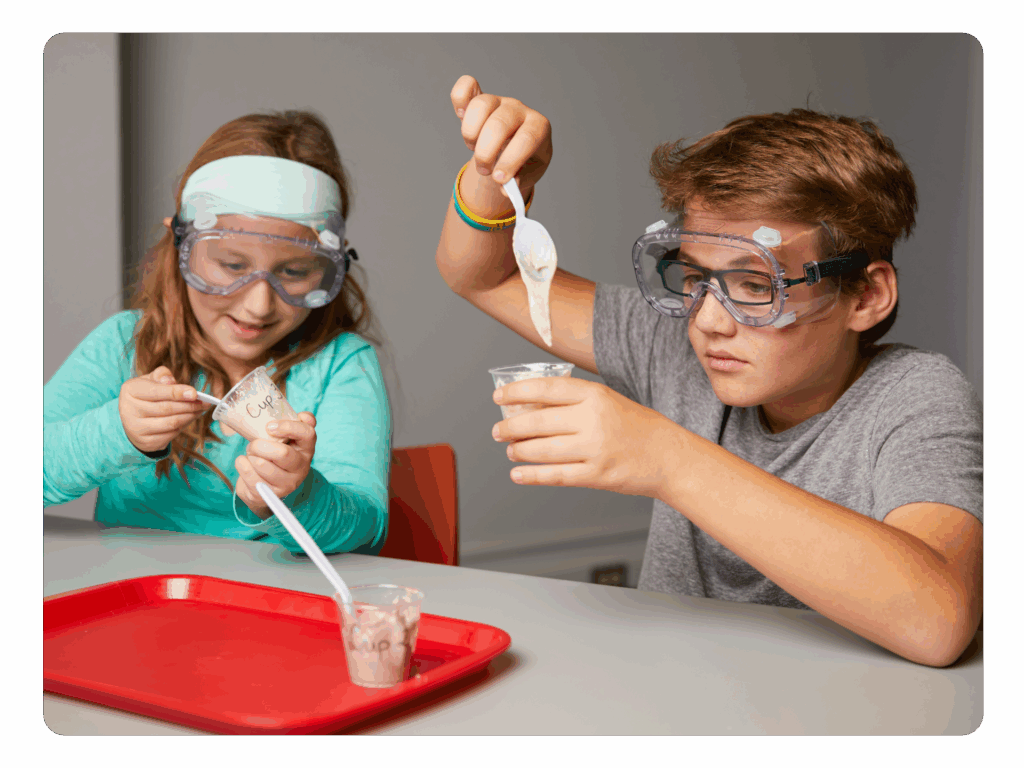
Three-dimensional (3D) learning that engages and inspires
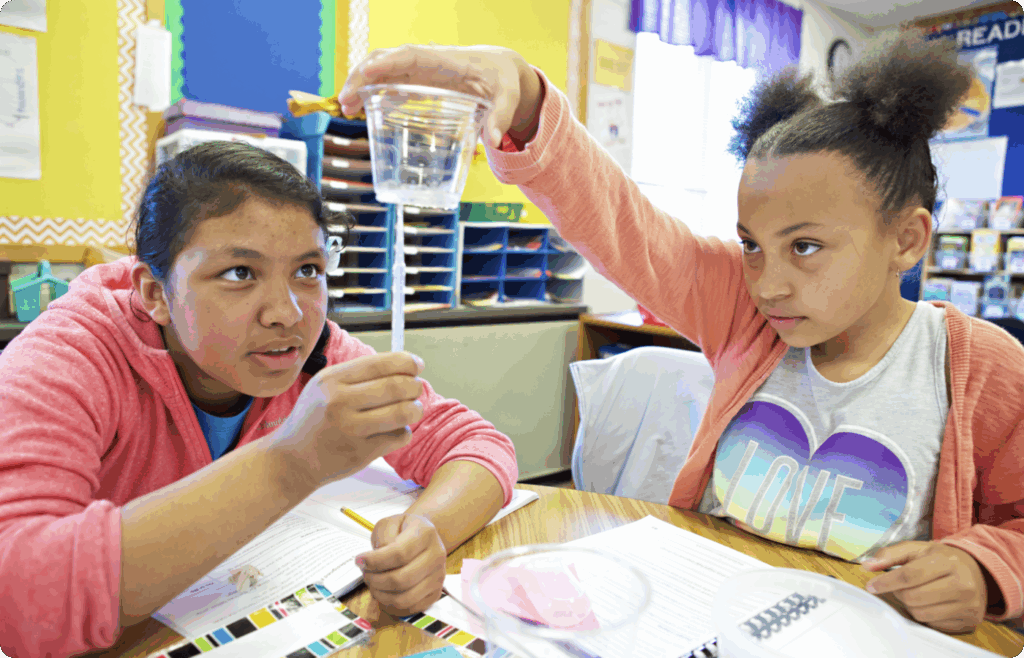
At the heart of NGSS lies three-dimensional learning, where Science and Engineering Practices (SEPs), Crosscutting Concepts (CCCs), and Disciplinary Core Ideas (DCIs) work together to create rich, meaningful learning experiences.
Science and Engineering Practices are the approaches and habits of real scientists and engineers: asking questions, developing models, planning investigations, and constructing evidence-based explanations and arguments. Working with these practices awakens student curiosity, drives student-centered learning, encourages deep and critical thinking, and creates opportunities for students to articulate their understanding in a variety of meaningful ways.
Crosscutting Concepts are the big-picture thinking tools that scientists use every day. When students use Crosscutting Concepts as a lens to examine common themes in science such as patterns, cause and effect, systems, and energy, they begin to identify and connect science ideas across disciplines.
Disciplinary Core Ideas represent the essential knowledge of science. Students figure out these science ideas through their investigation of real-world scientific phenomena, and consequently develop deep understandings of science ideas.
The student experience: from passive to passionate
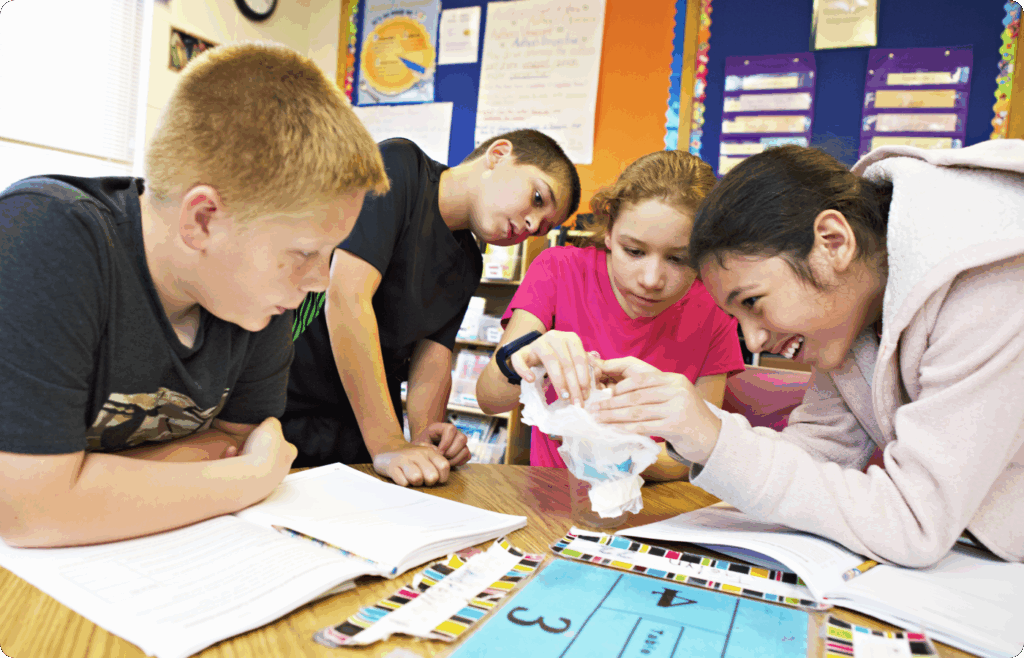
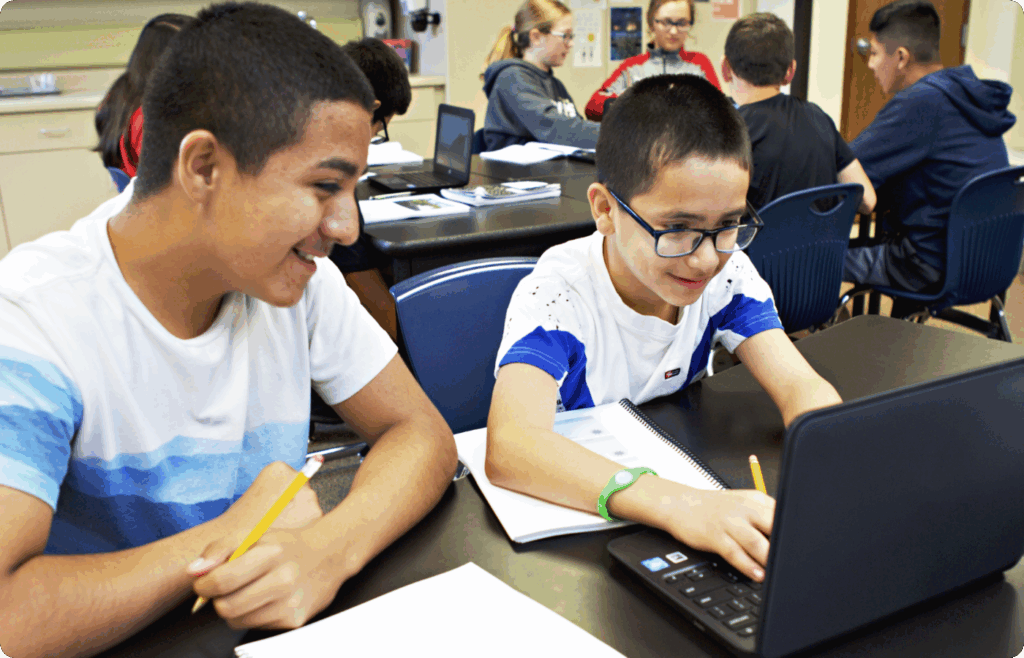
In three-dimensional science learning, students become active investigators, gathering evidence from multiple sources and constructing increasingly sophisticated scientific arguments and models about real-world phenomena. They engage in evidence-based debates, collaborate on engineering challenges, and make connections between their investigations and their own communities, as well as the world beyond. See it in action.

The literacy-rich nature of NGSS instruction means students read, write, speak, and listen like real scientists and engineers, actively questioning, analyzing, and communicating findings. This integrated approach develops both scientific understanding and communication skills—skills that transfer across all subjects and even beyond the classroom.
How Amplify Science delivers as an HQIM curriculum
Amplify Science was built from the ground up to fulfill the NGSS vision and is an HQIM (high-quality instructional materials) curriculum, characterized by the following:
- All green on EdReports. Amplify Science has been evaluated by EdReports, an independent K–12 curriculum review organization, and received the esteemed all-green rating (“meets expectations”) across all three of its gateways: Alignment to the NGSS, Coherence and Scope, and Usability. Learn more about our all-green rating.

- The real-world anchor phenomenon is deeply woven throughout each unit as the central thread. In Amplify Science, students assume the role of a real scientist or engineer to investigate a compelling phenomena in K–5 and grades 6–8. Over the course of the unit, they gather and make sense of a variety of evidence sources and develop increasingly sophisticated explanations and models as their understanding deepens. Whether investigating a mysterious fossil discovery as geologists or designing emergency supply delivery pods as mechanical engineers, students experience the kind of work done by real scientists and engineers.

- All three dimensions of the NGSS are intentionally and thoughtfully integrated throughout every unit and across all grades. As they built Amplify Science as an HQIM curriculum, the experts at UC Berkeley’s Lawrence Hall of Science deliberately crafted each unit, chapter, and lesson with the following guiding questions in mind:
- What do we want students to figure out (specifically, what Disciplinary Core Idea or part of a DCI)?
- How do we want them to figure it out (i.e., what Scientific and Engineering Practice will they engage in to reach understanding)?
- What Crosscutting Concept can scaffold students’ understanding and connect it to other ideas about the natural world that they have learned?
This systematic approach ensures that every learning experience is purposefully designed to engage students in authentic scientific thinking while building connections across concepts and grades.
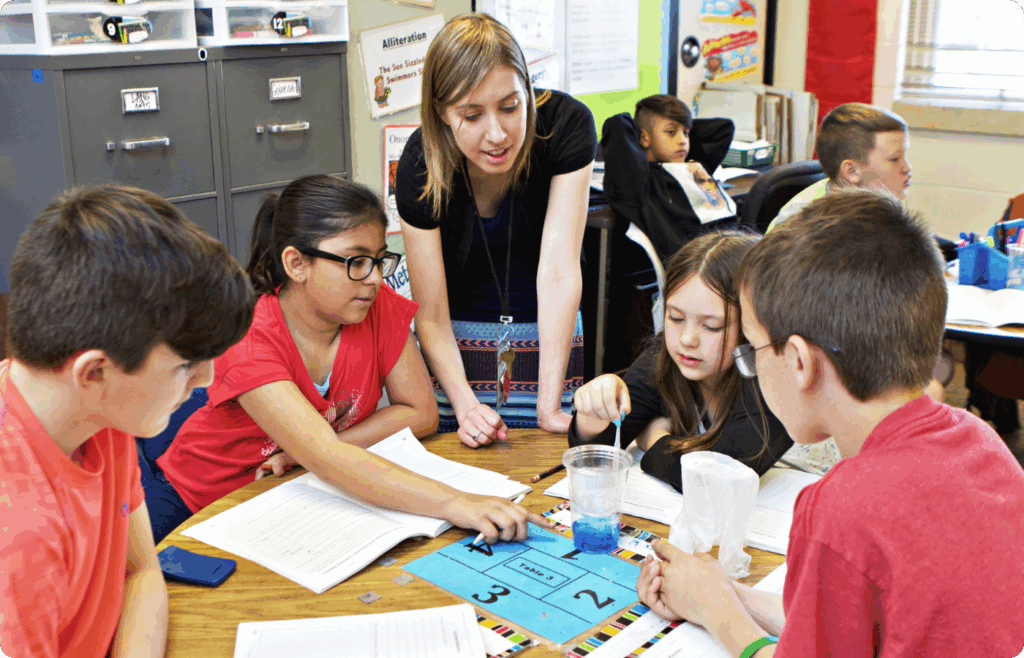
- Educators receive comprehensive implementation support. Through lesson-planning resources, science background materials, built-in assessments, and expert coaching—all provided directly through Amplify—teachers are able to confidently implement the program’s NGSS-aligned, high-quality instructional curriculum with greater ease and success.

- Multimodal learning experiences support all learners. Amplify Science ensures that everyone can access scientific concepts through the Do, Talk, Read, Write, Visualize multimodal approach that includes hands-on investigations, digital simulations, collaborative discussions, and literacy-rich activities.
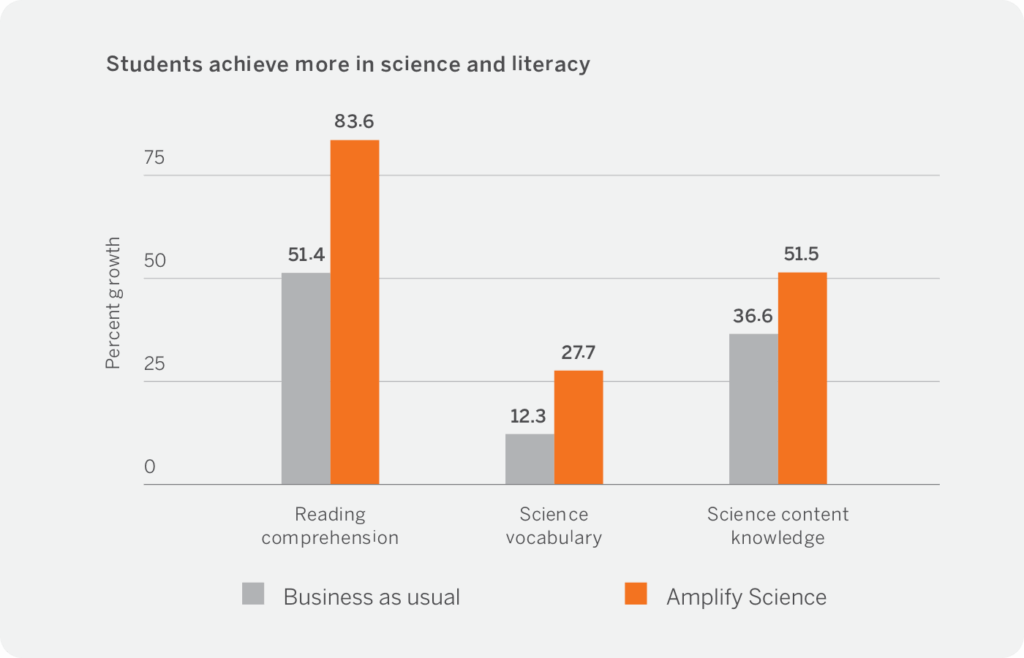
- Research-based and proven effective: Get the results that matter. Students who experience true three-dimensional learning with Amplify Science, an HQIM curriculum, show increased engagement and an improvement in science learning and vocabulary. They develop confidence as thinkers and problem-solvers while maintaining curiosity about the natural world.
Ready to transform your science instruction with an HQIM curriculum?
Please contact your sales representative today, or download a sample unit to experience three-dimensional learning firsthand. Your future scientists, engineers, and citizens of the world are waiting!