Una evaluación auténtica del español creada específicamente para estudiantes bilingües que están aprendiendo a leer
Como parte del paquete mCLASS® Español, mCLASS Lectura es un evaluador universal para K a 6.º grado basado en investigaciones recientes sobre alfabetización en español que ayuda a los educadores a acelerar el progreso en la lectura para los estudiantes de habla hispana al ofrecer una paridad total entre las evaluaciones de lectura en inglés y en español. For English version, please click here.
Abordar las desigualdades que enfrentan en el salón de clase los estudiantes de habla hispana en la alfabetización temprana
Los estudiantes de habla hispana han estado desatendidos y clasificados erróneamente durante décadas. Al combinar mCLASS Lectura y mCLASS con DIBELS® 8.ª edición, podrá comprender dónde se encuentran sus estudiantes de habla hispana en su trayectoria de alfabetización en inglés y español. Basado en la ciencia que subyace a cómo los estudiantes aprenden a leer en inglés y español, el sistema mCLASS permite a los maestros conectarse con sus estudiantes de habla hispana cara a cara, uno a uno y en el idioma que les resulte más cómodo. Los maestros pueden identificar en qué punto del desarrollo de sus destrezas de lectura y escritura se encuentran realmente sus estudiantes hispanohablantes o bilingües emergentes y qué instrucción deben priorizar.
Qué dicen los expertos
“Es increíblemente importante que prestemos atención al idioma español junto con el inglés en la práctica de evaluación, para asegurarnos de no subestimar la capacidad de un porcentaje realmente significativo de la población escolar de nuestra nación.”
–Dra. Lillian Durán
Codesarrolladora de mCLASS Lectura, Ph.D., Decana Asociada de Asuntos Académicos, Facultad de Educación, Universidad de Oregón
Desarrollado por reconocidos expertos en alfabetización
El evaluador universal mCLASS® Lectura fue desarrollado conjuntamente con el Centro de Enseñanza y Aprendizaje de la Universidad de Oregon. La evaluación fue validada por Amplify en colaboración con la Dra. Lillian Durán de la Universidad de Oregón. El desarrollo de mCLASS Lectura también involucró a un equipo de expertos reconocidos a nivel nacional que representan una variedad de regiones (México, América Central, América del Sur y el Caribe), junto con grupos focales con maestros regulares, maestros de educación especial, especialistas y administradores.
Nuestro enfoque
Alineado con la Ciencia de la lectura, mCLASS Lectura permite a los maestros conectarse con sus estudiantes a través de una evaluación observacional y en el idioma que les resulte más cómodo. Creamos mCLASS Lectura para que, cuando se use en conjunto con mCLASS con DIBELS 8.ª edición, los educadores puedan lograr una paridad completa entre las destrezas de alfabetización en inglés y español.
Paridad total entre inglés y español
mCLASS Lectura es una evaluación auténtica en español que ofrece paridad total cuando se combina con mCLASS con DIBELS 8.ª edición, que incluye informes paralelos entre evaluaciones en inglés y español así como informes únicos en dos idiomas.
Escuche a sus estudiantes leer en ambos idiomas, uno a uno
mCLASS Lectura proporciona evaluaciones en español administradas por maestros, que brindan mediciones precisas y confiables del progreso de alfabetización de cada estudiante.
Creado a partir de las últimas investigaciones sobre el desarrollo de la alfabetización en español
mCLASS Lectura es una evaluación de alta calidad que tiene en cuenta las principales diferencias entre inglés y español, no simplemente una traducción directa o transadaptación entre los dos idiomas.
Transferir destrezas de un idioma a otro
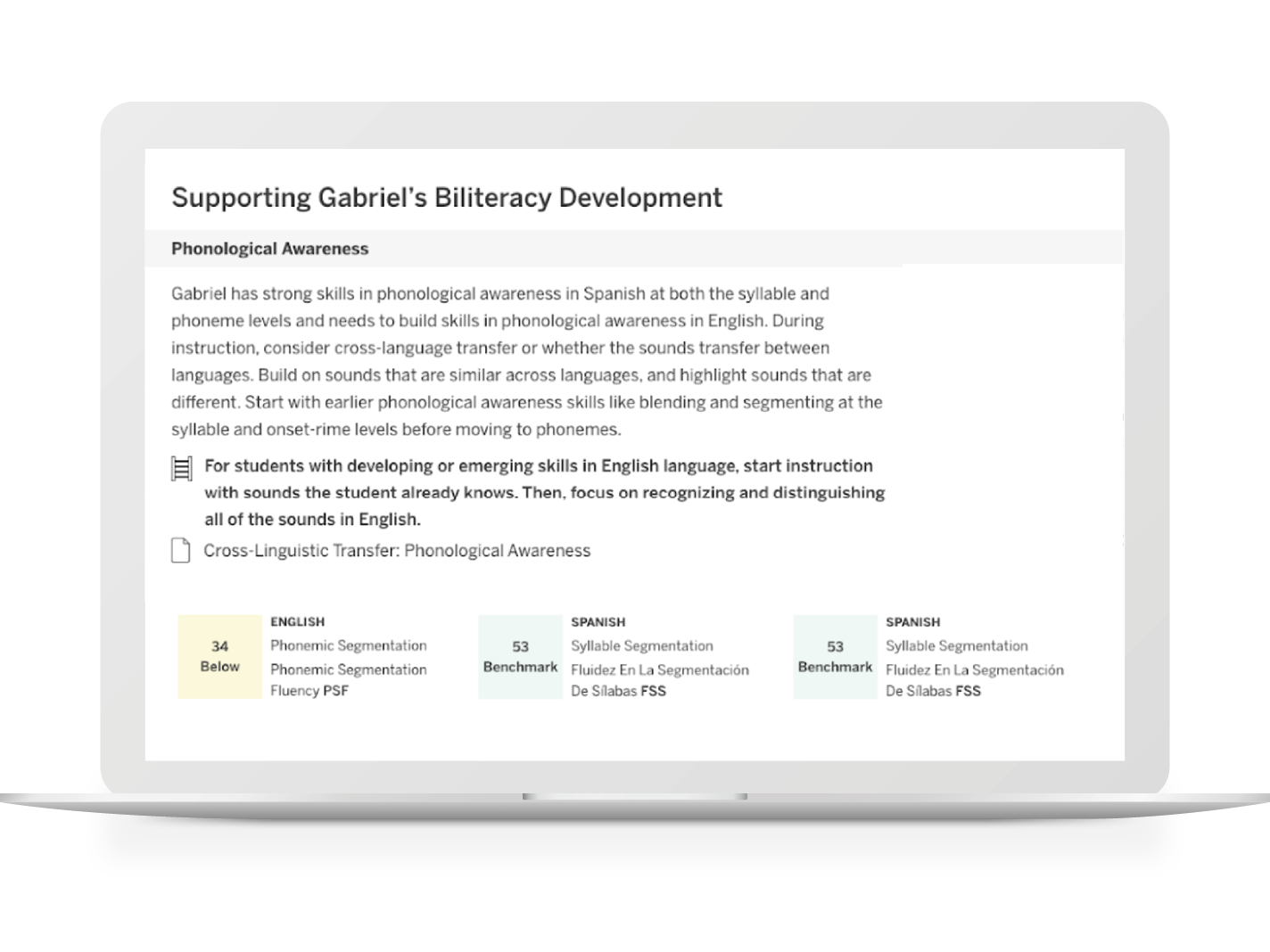
Al brindar a los maestros información sobre las áreas de destrezas que sus estudiantes dominan en su idioma nativo, el programa ayuda a los hispanohablantes a desarrollar sus fortalezas y establecer conexiones con su segundo idioma. Los educadores también reciben orientación sobre la transferencia interlingüística de destrezas fundamentales en ambos idiomas.
Conozca las desigualdades que enfrentan en el salón de clase los estudiantes de habla hispana y cómo los educadores pueden abordarlas
mCLASS Lectura incluye medidas de un minuto validadas para la detección universal y de dislexia, y proporciona informes en dos idiomas para maestros y administradores.
Medidas integrales de alfabetización en español en mCLASS Lectura
mCLASS Lectura está validado para evaluar todas las destrezas fundamentales para K a 6.º grado, que incluyen:
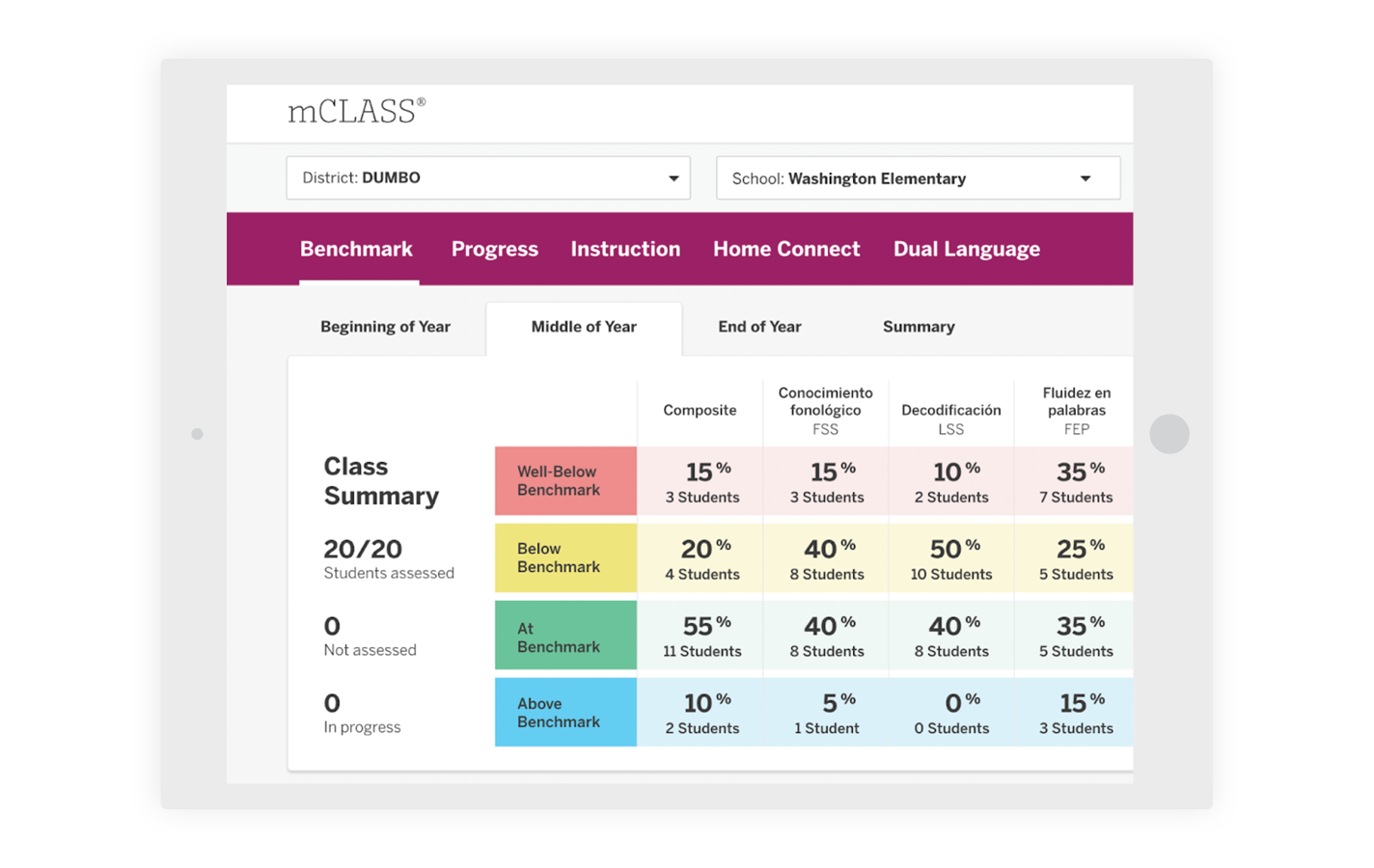
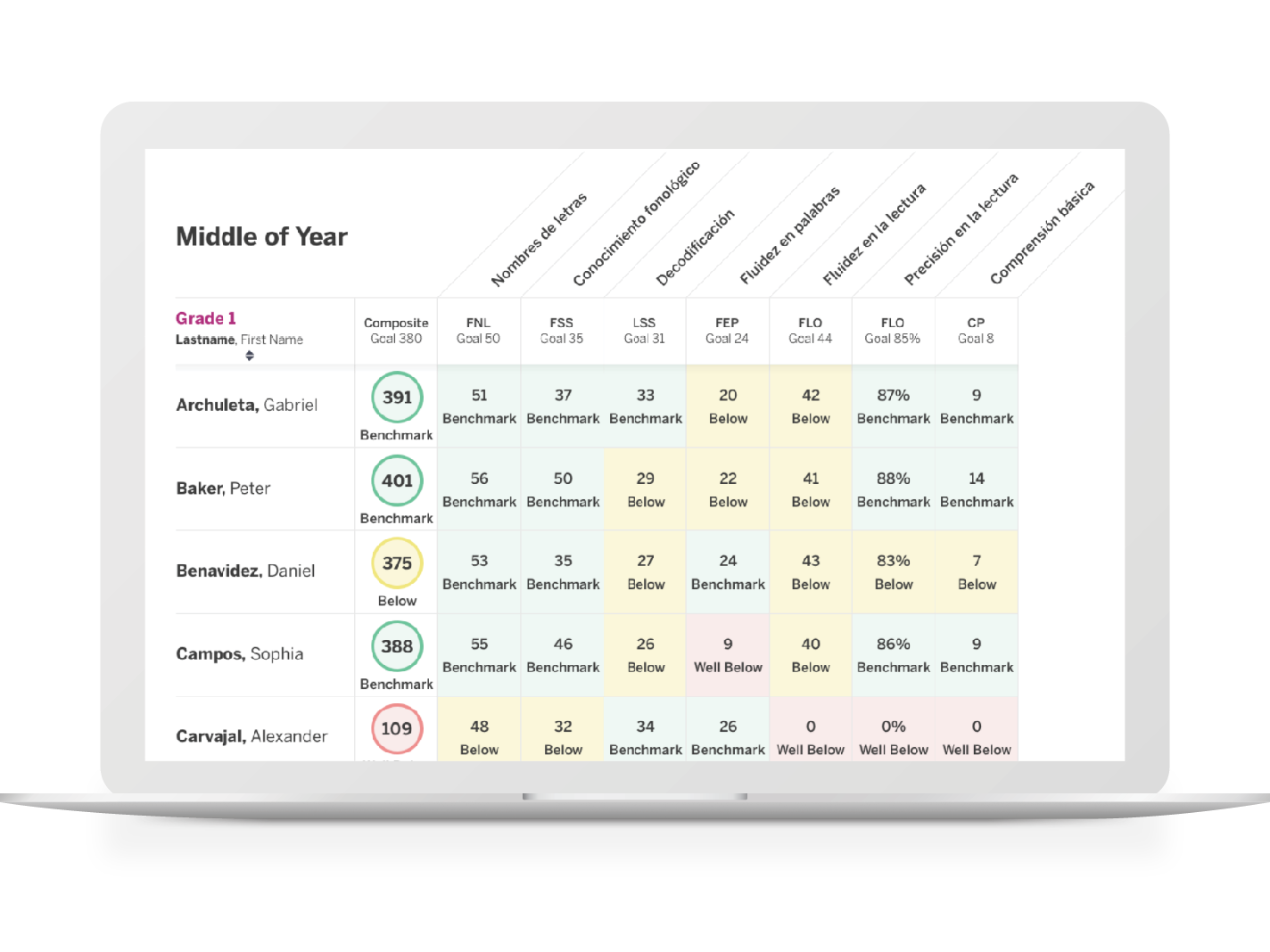
mCLASS Lectura analiza la alfabetización en español y el desarrollo de la alfabetización en inglés en paralelo, lo que le permite ver en qué nivel se encuentran los estudiantes en ambos idiomas. Conozca más sobre los informes de mCLASS Lectura.
Actividades de instrucción para desarrollar destrezas de alfabetización en español
Con mCLASS Lectura, los educadores obtienen cientos de actividades de instrucción paso a paso para grupos pequeños o estudiantes individuales y reciben actividades eficaces para enfocarse en las destrezas de alfabetización en español en las que los estudiantes necesitan más apoyo.
Informes integrales
mCLASS Lectura proporciona informes para todos en todos los niveles, desde maestros y especialistas en alfabetización hasta directores y líderes distritales, así como padres y cuidadores en el hogar. Conozca más sobre sobre los informes de mCLASS Lectura.
Datos de evaluación detallados
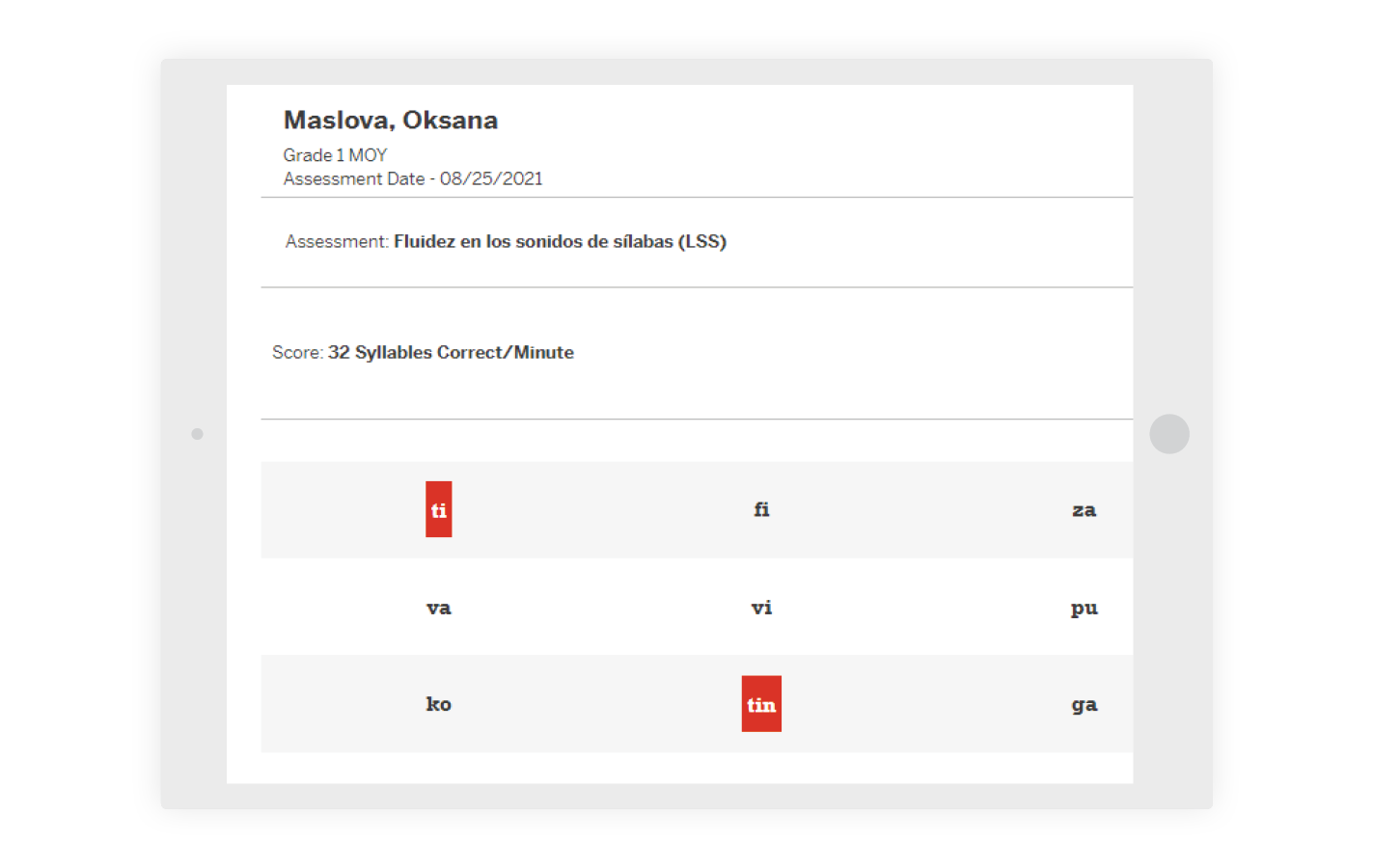
mCLASS Lectura proporciona transcripciones de cada evaluación e identifica patrones de error para ayudar a los educadores a tomar decisiones didácticas sobre las habilidades que más necesitan reforzar los estudiantes. El programa también incluye cartas con resultados y análisis de las evaluaciones de los estudiantes para enviar a casa o usar como base para discusiones durante las conferencias.
Lea sobre la investigación y validación que respaldan a mCLASS Lectura
Nos entusiasma poder apoyar a su estudiante poniendo a su disposición tutorías de gran alcance tanto de lectura como de matemáticas. Nuestro programa se basa en la investigación y está diseñado para fomentar la confianza, fortalecer destrezas fundamentales y acelerar el aprendizaje. También brindamos herramientas y recursos para ayudar a maestros y cuidadores a colaborar en la creación de una sólida cultura de aprendizaje en casa y en la escuela. For English version, please click here.
¿Qué es la tutoría de gran alcance?
La tutoría de gran alcance es una forma de enseñanza focalizada e impartida en grupos pequeños que puede producir beneficios significativos en el aprendizaje. Amplify Tutoring consigue estos beneficios adoptando las mejores prácticas:
Materiales de alta calidad
Los tutores imparten lecciones de lectura y matemáticas que son de alta calidad y cuya eficacia está comprobada. Usted verá un progreso y una mejora reales en los resultados individuales de su estudiante.
Tutorías de gran alcance con sesiones frecuentes y coherentes
Los tutores proporcionan atención personalizada en grupos pequeños. Nuestro programa prevé que los estudiantes participen en tres o más sesiones de 30 minutos por semana.
Relaciones de apoyo y capacitación
La formación coherente de parejas de tutores y estudiantes fomenta las relaciones y un mayor logro académico. Los tutores reciben desarrollo profesional continuo.
Amplify Tutoring está listo para brindar a su estudiante programas de tutoría eficaces e interesantes a lo largo del año.
Cada minuto cuenta.
Cada minuto cuenta para ayudar a que su estudiante aprenda y se desarrolle. Para aprovechar al máximo la tutoría, es importante que asista a tiempo y de manera regular. A continuación listamos unos breves recordatorios:
Cómo puede ayudar a su estudiante a aprovechar al máximo la tutoría:
Haga de los días de tutoría una prioridad. Haga todo lo posible para que su estudiante asista a la escuela los días de tutoría. ¡Cada sesión le ayudará a avanzar más!
Pregunte por el horario de tutorías. Comuníquese con su maestro o con el coordinador de tutorías para averiguar los días y horarios de las tutorías.
Planifique el tiempo de las tutorías. Si puede, programe citas y otras actividades en diferentes horarios para que su estudiante no se pierda ninguna sesión.
Comuníquese con el maestro de su estudiante. Si su estudiante no puede asistir a la tutoría, simplemente avísele al maestro o coordinador para que puedan apoyarlo.
Platique con su estudiante sobre sus sesiones de Amplify Tutoring.
Hable sobre la tutoría con su estudiante, ya sea en casa o mientras se prepara para el día. Para apoyar su aprendizaje, puede considerar:
Celebrar el progreso.
Pregunte:
¿Qué nuevas destrezas de lectura o de matemáticas has aprendido?
¿Cómo han mejorado tu lectura o tu uso de las matemáticas desde que comenzaste la tutoría?
¿Tienes alguna actividad favorita en la tutoría?
Definir metas juntos.
Pregunte:
¿Qué destrezas de lectura o de matemáticas te gustaría mejorar en la tutoría?
¿Qué objetivo te gustaría alcanzar al término del programa de tutoría?
¿Qué pasos puedes tomar que te ayuden a alcanzar esos objetivos?
¿Cómo puedo ayudarte a alcanzar tus objetivos?
Brinde apoyo
Pregunte:
¿Cómo puedo ayudarte con tu trabajo de lectura o de matemáticas?
¿Podemos destinar tiempo a que practiques tus destrezas cada día?
¿Cuál fue la parte más interesante de tu sesión de tutoría?
¿Qué te enorgullece haber logrado en las sesiones de esta semana?
¿Cuándo sentiste verdadero entusiasmo por lo que estabas aprendiendo?
Materiales y recursos de apoyo para la lectoescritura en Amplify Tutoring
Cuidadores, a continuación encontrarán materiales y recursos que pueden serles útiles a usted y a su estudiante.
mCLASS®:
Las escuelas que participan en Amplify Tutoring usan mCLASS assessment (evaluación de mCLASS) y mCLASS Intervention (intervención de mCLASS).
mCLASS assessment identifica riesgos en la lectura y ayuda a responder a las necesidades de los estudiantes mediante intervenciones personalizadas, como las tutorías de gran alcance.
Consulte información sobre las evaluaciones de lectura, los recursos para los cuidadores y el desarrollo del aprendizaje en la Guía para comprender mCLASS.
Nota: Todas las escuelas que participan en Amplify Tutoring usan mCLASS Intervention. Pida información a su estudiante o maestro sobre la implementación de Boost Reading.
Materiales y recursos de apoyo para las matemáticas en Amplify Tutoring
Cuidadores, a continuación encontrarán materiales y recursos que pueden serles útiles a usted y a su estudiante.
Materiales de Amplify Math Tutoring:
Las escuelas que participan en Amplify Math Tutoring utilizan mCLASS math assessment (evaluación de matemática) de Amplify, Amplify Desmos Math Mini-Lessons (lecciones cortas) y Fluency by Heart (fluidez de memoria) de Amplify.
mCLASS assessment proporciona información valiosa sobre el razonamiento matemático de los estudiantes. Muestra cómo piensan los estudiantes sobre las matemáticas de su nivel escolar y lo que ya comprenden.
Las Amplify Desmos Math Mini-Lessons son las lecciones que utilizan los tutores para ayudar a guiar a su estudiante a través de los conceptos de matemáticas para su nivel escolar.
Fluency by Heart de Amplify es el programa de fluidez de operaciones que su estudiante usará durante la tutoría. Exhortamos a que los estudiantes continúen practicando su fluidez de operaciones con este programa ¡incluso fuera de la tutoría!
Visite la página de inicio de la carta Home Connect. En ella encontrará una carta de muestra que resalta el desarrollo de destrezas matemáticas por parte de su estudiante en contraste con las expectativas de su nivel escolar.
Visite Recursos para cuidadores, donde encontrará actividades para que su familia practique conceptos clave.
¡Amplify Tutoring ayuda a los estudiantes que más lo necesitan! En un extenso estudio sobre Amplify Literacy Tutoring, el 70 por ciento de los estudiantes con una calificación por debajo del benchmark y que participaron con regularidad en Amplify Tutoring tuvo un desarrollo superior a la media. La probabilidad de que los estudiantes de tutoría se desarrollaran a un ritmo más acelerado fue un 22 por ciento mayor que la de sus compañeros con un perfil similar, pero que no recibían tutoría de gran alcance para el desarrollo de la lectoescritura, en su escuela. Amplify Math Tutoring también ha demostrado mejorar el desempeño académico de los estudiantes en matemáticas. Después de 15 semanas de tutoría de matemáticas, estudiantes de grados tercero a quinto mejoraron más del 15% en preguntas sobre Número y Operaciones durante su evaluación posterior.
Al brindar un apoyo focalizado y adecuado a las necesidades individuales, Amplify Tutoring permite que los estudiantes reciban la ayuda que necesitan y merecen.
Visite amplify.com/tutoring para obtener más información sobre Amplify Tutoring.
Si necesita ayuda adicional, comuníquese con su maestro.
¡Gracias por todo lo que hace para contribuir al aprendizaje de su estudiante!
¡El programa de Amplify ELA da la bienvenida a las familias!
Nos complace dar la bienvenida a usted y a su estudiante al programa Amplify ELA en el nuevo año escolar y brindar a su estudiante excelentes oportunidades educativas a través de nuestro programa. A continuación incluimos una serie de recursos y guías útiles para ayudar a que su estudiante aproveche al máximo nuestra plataforma a lo largo del año. For English version, please click here.
¿Qué es Amplify ELA?
El programa Amplify ELA ayuda a los estudiantes de los grados 6 a 8 a leer y entender textos complejos, animándoles a profundizar en ideas interesantes y reflexionar de forma independiente sobre su relevancia. Amplify ELA es un programa mixto que incluye materiales digitales e impresos, así como una versión únicamente impresa. Los estudiantes que usan Amplify ELA leen pasajes de texto detalladamente, interpretan lo que van descubriendo, conversan con sus compañeros acerca de sus puntos de vista y desarrollan sus ideas por escrito. La estructura de las lecciones es fácil de entender y tiene suficiente flexibilidad como para permitir una variedad de experiencias de aprendizaje que fomenten el interés de los estudiantes.
Entre las características del programa, puede encontrar:
Funcionalidad que permite a cada estudiante trabajar en su propio nivel, a la vez que se le estimula adecuadamente con retos de aprendizaje.
Herramientas integradas que permiten al maestro/la maestra saber cómo progresan los estudiantes en sus trabajos y responder oportunamente.
La Biblioteca Amplify digital, con más de 700 libros descargables de ficción y no ficción.
La aplicación de vocabulario, que usa actividades similares a juegos para ayudar a los estudiantes a dominar las palabras clave de los textos del programa. (Si su estudiante usa materiales impresos, verá las palabras resaltadas).
Tareas de escritura independiente llamadas Solos, disponibles en dispositivos móviles.
Proyectos interactivos conocidos como Quests que acompañan a determinadas unidades para ofrecer oportunidades de práctica adicionales en lectura, escritura, expresión oral y comprensión auditiva con un enfoque analítico.
Para comenzar
Cómo apoyar a su estudiante
Si es posible, lea con su estudiante a diario. Aun 15 minutos de lectura compartida todos los días pueden producir grandes resultados. Pueden leer secciones del texto en voz alta y de forma conjunta. Es posible que, a nivel intermedio, su estudiante disfrute de representar secciones de diálogos asumiendo el papel de alguno de los personajes de una obra o dándole un estilo dramático a algún poema que hayan estado estudiando. Si su estudiante tiene dificultad para leer en voz alta, intente leerle el texto con expresividad y pídale que se lo lea a usted después. Para practicar más, hay una gama de actividades de fluidez en los Días Flex del programa. Pida a su estudiante que le ayude a encontrar estas actividades.
Busque oportunidades para conversar con su estudiante sobre lo que lee y descubre. Ejemplos de preguntas que usted podría plantear: ¿Qué te llamó más la atención en lo que leíste hoy? ¿Hubo alguna oración o palabra que te resultó confusa? ¿Qué fue lo que más te sorprendió? ¿Qué crees que el autor estaba tratando de comunicar? ¿Estás de acuerdo con las ideas o descripciones del autor? ¿Qué conexiones puedes hacer entre lo que estás leyendo y tu propia vida u otros temas?
Escuche a su estudiante leer sus respuestas escritas o pídale que las comparta con un amigo o amiga por teléfono o mediante una aplicación de videollamada.
Visite con su estudiante la Biblioteca Amplify para encontrar libros de su interés que pueda leer con fluidez.
Recomendamos que lea el artículo Proteja a los niños en internet de la Comisión Federal de Comercio sobre seguridad digital.
Descargar textos de la Biblioteca Amplify
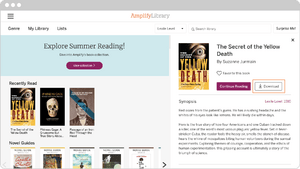
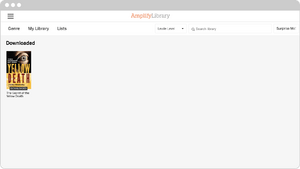
Si no tiene acceso continuo a internet en su casa, le sugerimos que descargue los textos esenciales de la biblioteca de Amplify por adelantado. Siga estos pasos para descargar un texto:
Navegue hasta el menú “Program & Apps» en la parte superior de su pantalla y desplácese hasta encontrar el icono «Library». Cuando lo seleccione, la biblioteca Amplify se abrirá en una nueva pestaña.
2. Si se le solicita, siga las instrucciones para configurar un pin para la biblioteca Amplify; de lo contrario, continúe con el siguiente paso.
3. En la esquina superior derecha de su pantalla, busque el libro que desea descargar. Por ejemplo: “The Secret of the Yellow Death: A True Story of Medical Sleuthing”.
4. Ahora ubique el botón de “Download” (descargar).
5. Una vez descargado, podrá acceder a este libro incluso cuando no tenga acceso a Internet. Para acceder a los textos descargados:
En la aplicación de la biblioteca de Amplify, abra el menú desplegable «My Library» (mi biblioteca) en la esquina superior izquierda.
Seleccione “Downloaded” (descargados).
Elija el texto que desea leer de entre todos los textos predescargados.
Vistazo general a los materiales
No todas las escuelas funcionan de la misma manera, pero es probable que los estudiantes que asisten a escuelas que cuentan con las versiones impresa y digital del programa, tengan los siguientes materiales impresos en casa:
Libro del estudiante: Incluye todas las lecturas y actividades necesarias para la enseñanza a lo largo del año. Los estudiantes pueden leer las selecciones tanto en el formato digital como en la versión impresa y hacer apuntes en cualquiera de los dos. Las lecciones de la versión impresa del Libro del estudiante reflejan las lecciones digitales, pero han sido modificadas para que resulten tan eficaces como las digitales.
Cuadernos de escritura: En estos cuadernos, los estudiantes responden a las consignas de escritura y realizan otras tareas escritas.
En caso de que los estudiantes no tengan acceso a los dispositivos o a internet, pueden continuar llevando a cabo tareas clave de lectura y escritura empleando la versión impresa del Libro del estudiante y los Cuadernos de escritura. El maestrotambién puede acceder a las Guías de novelas para los estudiantes e imprimir y enviar por correo hasta doce novelas que comúnmente forman parte del programa de enseñanza. Seis de estas novelas están disponibles en la Biblioteca Amplify y la mayoría de ellas se pueden encontrar en las bibliotecas públicas.
Un vistazo a las unidades
A continuación encontrará resúmenes de cada unidad en las que su estudiante trabajará en su grado durante el año. Junto a cada unidad hay una guía descargable que permite conocer más a detalle cuál es el contenido abarcado y cómo puede ayudar a su estudiante a comprender mejor los temas.
Unidad 6A
La narrativa de Dahl
Cada estudiante comienza con escritura narrativa para aumentar rápidamente su producción de escritura, aprender la destreza básica de enfoque y familiarizarse con los hábitos y rutinas clave del salón de clases que utilizarán todo el año. Luego, aplica su nueva capacidad de observación a entretenidas lecturas de la biografía de Roald Dahl, Boy, y aprende a trabajar de cerca con evidencias del texto.
Unidad 6B
Misterios e investigaciones
Cada estudiante lee con la atención propia de un investigador, embarcándose en un estudio del cautivante mundo del trabajo de detective en distintos géneros literarios. Al final de la unidad, el niño o la niña escribe una composición para explicar cuál es el rasgo más útil de un investigador en la resolución de problemas.
Unidad 6C
Colección acerca del chocolate
Los aztecas lo usaban como moneda, Robert Falcon Scott lo llevó a la Antártida, los nazis diseñaron con él una bomba para matar a Churchill. La historia del chocolate se remonta a 3,700 años en el pasado y está repleta de vicisitudes que la vuelven un tema de investigación gratificante. En esta unidad los y las estudiantes analizan documentos de primera fuente y conducen investigaciones independientes para entender mejor la extraña y maravillosa gama de roles que el chocolate ha desempeñado en el mundo a lo largo de los siglos.
Unidad 6D
Los griegos
Los mitos griegos nos ayudan a entender no solo la cultura griega antigua, sino también el mundo que nos rodea y la función que cumplimos en él. Partiendo de las rutinas y destrezas establecidas en las unidades anteriores, estas lecciones motivan a cada estudiante a dejar atrás el enfoque en una sola persona —él mismo o ella misma o un personaje— para contemplar cuestiones más amplias sobre el papel que las personas desempeñan en el mundo y en las comunidades donde residen.
Unidad 6E
El verano de las mariposas
Las tierras fronterizas de Estados Unidos y México son lugares poblados de leyendas, tanto verdaderas como ficticias. El verano de las mariposas, de Guadalupe García McCall, implanta una versión de la Odisea en este entorno, embarcando a cinco hermanas en una aventura que transcurre en un mundo de héroes y malhechores inspirado en mitos aztecas y leyendas latinoamericanas. La experiencia ayuda a las hermanas a aceptar la disolución del matrimonio de sus padres y a encontrar fortaleza renovada en su identidad de hermanas y en su conexión a un linaje azteca. En esta unidad, cada estudiante analiza el uso que McCall da a la estructura de una epopeya para crear una narración emocionante de aventuras, y cómo la autora hace uso de la narración para celebrar el poder femenino, su herencia latina y una definición más amplia de lo que es una familia. Cada estudiante también tiene oportunidad de comparar el viaje ficticio de las jóvenes a México con la descripción del viaje real de un jovencito a Estados Unidos.
Unidad 6F
Colección acerca del Titanic
Para aprender a diferenciar las fuentes primarias, secundarias y terciarias, determinar si una fuente dada es fiable y entender los usos éticos de la información, cada estudiante formula sus propias preguntas de investigación y busca las respuestas en internet. Asumirá así el papel de uno de los pasajeros o pasajeras de la lista de embarque del Titanic y considerará cuestiones de clase y género, a medida que investiga y escribe relatos desde el punto de vista de los viajeros.
Unidad 6F y unidad 6G
Comenzar a escribir un cuento
En esta unidad cada estudiante puede poner en práctica sus destrezas de escritura creativa, para aprender elementos de narración y desarrollo de personajes, y la importancia del lenguaje vívido. Cada estudiante consigue una noción de propiedad sobre su propia escritura a medida que experimenta los diferentes impactos de sus decisiones autorales en oraciones, lenguaje, rasgos de personajes y giros de la trama.
Unidad 6F
Gramática
En esta unidad cada estudiante completa instrucciones para seguir un aprendizaje autoguiado y practica lo que el maestro y la maestra le asignará durante el año.
Unidad 7A
La narrativa y La joven del pañuelo rojo
En esta unidad se presenta la autobiografía sumamente cautivante de una joven cuya vida transcurre en China durante la Revolución Cultural. Cada estudiante aprende la historia y el contexto político de este periodo, enfocándose en el relato de alguien que vivió en la época de la revolución. A medida que cada estudiante recorre el camino de la protagonista en ese mundo convulsionado, puede apreciar los cambios que se produjeron en los sentimientos y motivaciones de la joven a lo largo del tiempo.
Unidad 7B
Carácter y conflicto
Leyendo Una pasa al sol y Inocentón, cada estudiante explora el tema de las personas que, al enfrentar adversidades, pueden infligir daño en quienes los rodean sin intención de hacerlo. Las dos narrativas se complementan para brindar a cada estudiante oportunidades de analizar las respuestas de los personajes al conflicto y el desarrollo de ideas del autor o la autora en una obra de ficción.
Unidad 7C
La ciencia del cerebro ¿Podrías sobrevivir después de que una vara de hierro te atravesara el cráneo? Phineas Gage lo hizo y su historia, escalofriante pero real, permite desarrollar la información de contexto y analizar otros textos informativos, incluyendo los contemporáneos El hombre que confundió a su mujer con un sombrero y el obviamente relevante La desmitificación del cerebro adolescente.
Unidad 7D
La poesía y Poe
Los textos de Poe siempre tienen mucho para observar, descifrar, comentar y… crisparnos los nervios. Dado que las cosas no siempre son lo que aparentan, cada estudiante usa las destrezas de lectura atenta para cuestionar si debería creer lo que el narrador de Poe les está contando.
Unidad 7E
Colección acerca de Frida y Diego
Los artistas más famosos y provocativos de México, Diego Rivera y Frida Kahlo, formaron una pareja extraordinaria que vivió en tiempos extraordinarios. Eran almas gemelas con personalidades totalmente opuestas. Las obras de Diego Rivera y Frida Kahlo y sus vidas multifacéticas ofrecen a cada estudiante un tema fértil y fascinante para examinar documentos de fuente primaria y conducir investigaciones independientes.
Unidad 7F
Colección acerca de La fiebre del oro
Cada estudiante elige entre una extensa colección de fuentes primarias y secundarias para aprender acerca de la amplia diversidad de personas que participaron en La fiebre del oro de California.
Unidad 7G
Escribir un cuento: nivel intermedio
En esta unidad cada estudiante puede poner en práctica sus destrezas de escritura creativa para aprender elementos de narración y desarrollo de personajes, y la importancia del lenguaje vívido.
Unidad 7
Gramática
En esta unidad cada estudiante completa instrucciones para seguir un aprendizaje autoguiado que el maestro o la maestra le asignará durante el año. Las sub unidades están organizadas por temas clave de gramática, de manera de que el maestro o la maestra pueda asignar el contenido que mejor se acomoda a las necesidades de sus estudiantes mientras se asegura de que trabajen con temas clave de gramática apropiados para su grado.
Unidad 8A
Perspectivas y narrativa Esta unidad procura enseñar a cada estudiante a leer como un escritor o una escritora. Así, pone en práctica la destreza de prestar atención al oficio de la escritura: las decisiones que toma un buen escritor o escritora para darle forma a nuestra percepción de una escena o a nuestros sentimientos hacia un personaje, y para despertar nuestras emociones, sorprendernos o dejarnos pensando en lo que podría suceder después. Cada estudiante lee atentamente ejemplos de narrativas de no ficción, analiza las técnicas que usa cada autor para que sus textos evoquen emociones y practica la aplicación de estas técnicas en sus propios textos narrativos.
Unidad 8B
Libertad e igualdad Analizamos las palabras de varios creadores —desde el poeta Walt Whitman hasta el abolicionista Frederick Douglass y el presidente Abraham Lincoln— para descubrir cómo sus escritos y obras contribuyeron a los cambios extremos de la organización social: un concepto totalmente nuevo de lo que significaba considerar a las personas “iguales”.
Unidad 8C
Ciencias y ciencia ficción Cada estudiante leerá la obra Frankenstein de Gris Grimly, una novela gráfica que integra ilustraciones cautivantes en una versión abreviada de la edición de 1818 del libro de Mary Shelley. Combinadas con el texto de Shelley, las inquietantes —y a veces espeluznantes— representaciones de la criatura de Frankenstein diseñadas por Grimly impulsan a cada estudiante a contemplar algunos de los temas centrales del texto: el origen de la humanidad y la raíz del mal. Luego escribe un ensayo, en el cual, después de argumentar a favor de ambos lados de la cuestión, determina si en última instancia la criatura de Frankenstein debería considerarse humana.
Unidad 8D
Romeo y Julieta, de Shakespeare Romeo y Julieta combina romance y acción, ofreciendo una amplia gama de temas y escenas que cada estudiante puede leer y representar actuando. Cada estudiante de nivel intermedio tiene la edad adecuada para identificarse con los sentimientos intensos de los amantes, y ha alcanzado la madurez suficiente como para analizar de forma crítica las decisiones que toman Romeo y Julieta.
Unidad 8E
El Holocausto: memoria y significado Esta unidad usa una variedad de artículos, imágenes y videos de primera fuente, así como textos de no ficción literaria y no ficción gráfica, para estudiar los sucesos que hicieron posibles las atrocidades del Holocausto. Cada estudiante investiga cómo se generó y se empleó la propaganda para crear un ambiente político que llegó a corromper a toda una sociedad. Las Olimpiadas se observan a través de la lente de una campaña de propaganda internacional, al amparo de la cual los nazis comenzaron a eliminar de su cultura a las personas que no eran de lo que consideraban «raza aria». La sub unidad final examina los resultados de la doctrina nazi y su impacto en las víctimas y sobrevivientes judíos.
Unidad 8F
Colección acerca de La carrera espacial Cada estudiante usa internet para poner a prueba sus destrezas de investigación y lectura atenta, y distingue entre fuentes fiables y fuentes no fiables.
En esta colección los estudiantes exploran documentos primarios y llevan a cabo investigación independiente para comprender mejor esta carrera espacial entre los dos superpoderes del planeta. La dramática historia de la carrera espacial ofrece a cada estudiante un generoso tema de investigación para explorar, mientras desarrollan destrezas de lectoescritura informativa, y aprenden cómo elaborar sus propias preguntas de investigación y exploran Internet en busca de respuestas.
Unidad 8
Gramática
En esta unidad cada estudiante completan instrucciones para seguir un aprendizaje autoguiado que el maestro o la maestra le asignará durante el año. Las sub unidades están organizadas por temas clave de gramática, de manera de que el maestro o la maestra pueda asignar el contenido que mejor se acomoda a las necesidades de sus estudiantes mientras se aseguran de que trabajen con temas clave de gramática apropiados para su grado.
Unidad 8G
Escribir un cuento: nivel avanzado
En esta unidad cada estudiante pueden poner en práctica sus destrezas de escritura creativa, para aprender elementos de narración y desarrollo de personajes. También aprende la importancia del lenguaje vívido para enganchar a sus lectores y atraerles al cuento.
Actividades adicionales
Quests:
Es posible que observe que su estudiante trabaja con sus compañeros en el mismo proyecto interactivo durante varios días, tratando de resolver un misterio o explicar un evento histórico. Eso es lo que sucede cuando un maestro asigna una misión: una exploración en profundidad de una semana de duración que requiere colaboración y profundiza el compromiso con textos y temas.
Aplicación de vocabulario:
La aplicación Vocab ayuda a los estudiantes a dominar el vocabulario a través de actividades similares a juegos que los desafían a pensar en morfología, analogías y sinónimos/antónimos, y a descifrar el significado a través del contexto.
Contacte con nosotros
¡Estamos aquí para ayudarle!
¿Tiene alguna pregunta sobre Amplify ELA?
Visite nuestra biblioteca de ayuda (en inglés) para buscar artículos con respuestas a sus preguntas sobre el programa.
Para obtener apoyo curricular adicional, comuníquese con el maestro de su estudiante.
¡El programa Boost Reading da la bienvenida a las familias!
Nos complace darle la bienvenida a usted y a su estudiante al Boost Reading Caregiver Hub en el nuevo año escolar. A continuación incluimos una serie de recursos y guías para ayudar a que su estudiante aproveche al máximo nuestra plataforma a lo largo del año. For English version, please click here.
¿Qué es Boost Reading?
Boost Reading es un programa de aceleración y refuerzo en lectoescritura basado en la Ciencia de la lectura que usa tecnología adaptativa para proveer aprendizaje personalizado a estudiantes de K a 5.º grado. El apasionante mundo de Boost Reading se adapta a cada lector o lectora en particular. Su estudiante puede usar el programa durante las horas escolares y, de manera independiente, en casa.
Asegurarse de que su estudiante pueda iniciar sesión por cuenta propia
Recomendamos que los cuidadores ayuden a su estudiante a iniciar sesión en casa.
Tenga en cuenta que pueden iniciar sesión a través de Clever u otra plataforma. El maestro o la maestra de su estudiante también puede descargar e imprimir un código QR o un usuario y contraseña únicos que los estudiantes pueden usar para iniciar sesión. Contacte al maestro o la maestra si tiene dudas o no recibió la información para el inicio de sesión.
Sugerencias
Practique el inicio de sesión con su estudiante de manera regular hasta que él/ella pueda iniciar sesión por su propia cuenta.
¡Mantenga la información de inicio de sesión en un solo lugar para que sepa adónde ir si la olvida!
Dar a los estudiantes tiempo y espacio para que jueguen de forma independiente
Prepare a su estudiante para usar Boost Reading en casa asegurándose de que tenga auriculares y un lugar tranquilo para jugar. Boost Reading está personalizado según las necesidades de cada estudiante, así que usted no necesitará ayudarle con su aprendizaje. Una vez que él/ella pueda iniciar sesión, podrá comenzar a usar el programa.
Algunos estudiantes comenzarán con una actividad de nivelación que ayuda al programa a asignarles el mejor contenido. Para garantizar la nivelación más precisa posible, es importante que los estudiantes realicen cada actividad de manera independiente ¡Siempre será útil animar a su estudiante a divertirse y a hacer su mejor esfuerzo!
Recomendamos que lea el artículo Proteja a los niños en internet de la Comisión Federal de Comercio sobre seguridad digital.
¡Únase a la diversión!
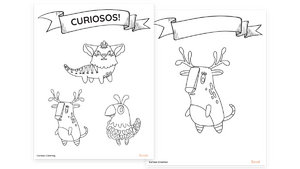
Dentro del programa, cada estudiante tiene un compañero digital llamado Curioso. ¡Imprima las Páginas para colorear a Curioso para que su estudiante pueda decorar a su propio Curioso en papel!
¿Tiene alguna pregunta sobre Boost Reading? Visite nuestra biblioteca de ayuda (disponible en inglés) para encontrar artículos con las respuestas a sus preguntas sobre el programa.
Si necesita ayuda adicional, comuníquese con el maestro o la maestra de su estudiante.
Preguntas frecuentes de los cuidadores
Como los estudiantes pueden usar Boost Reading durante la jornada escolar, recomendamos ponerse en contacto con el maestro o la maestra de su estudiante para determinar cuánto tiempo debería usar este programa en casa. Nuestra orientación general es la siguiente:
Boost Reading Los estudiantes que usan Boost Reading en los grados K–3.º deberían jugar durante un total de 30–45 minutos por semana, repartidos en sesiones de 10–15 minutos cada una. Los estudiantes que usan Boost Reading en los grados 4.º y 5.º deberían jugar durante un total de 40–60 minutos por semana, repartidos en sesiones de 20–30 minutos cada una.
Boost Reading y Boost Lectura Recomendamos que, tanto en Boost Reading como en Boost Lectura, los estudiantes deben aspirar a usar ambos programas durante aproximadamente 40 minutos por semana.
Si su estudiante tiene problemas con el contenido, Boost Reading se adaptará para proporcionarle apoyo e instrucciones adicionales dentro del juego. Por esta razón, no se recomienda que los cuidadores brinden ayuda. Aunque puede ser difícil no ofrecer ayuda a su estudiante, el programa fue diseñado cuidadosamente para proporcionar el nivel de apoyo que cada estudiante necesita para avanzar.
¡El programa de Amplify CKLA da la bienvenida a las familias!
Nos complace dar la bienvenida a usted y a su estudiante al programa CKLA en el nuevo año escolar y brindar a su estudiante excelentes oportunidades educativas a través de nuestro programa. A continuación incluimos una serie de recursos y guías útiles para ayudar a que su estudiante aproveche al máximo nuestra plataforma a lo largo del año. For English version, please click here.
¿Qué es Amplify CKLA?
CKLA, o Conocimientos esenciales de Artes del Lenguaje de Amplify, es un programa de lenguaje para los grados PreK a 5 que combina un enfoque multisensorial de la fonética con textos enriquecidos y cuidadosamente secuenciados para desarrollar conocimientos sobre los contenidos. De esta manera, los estudiantes aprenden a leer y leen para aprender.
Todos los días, los estudiantes de los grados PreK a 2 completan una lección que les permite desarrollar sus destrezas básicas de lectura y otra lección que refuerza los conocimientos previos. En los grados 3 a 5, los estudiantes comienzan a dominar las destrezas de lectura y continúan ampliando su mundo.
Primeros pasos
Cómo apoyar a su niño/a en casa:
Si es posible, lea con su niño o niña a diario. Aun 15 minutos de lectura compartida todos los días pueden producir grandes resultados.
Pueden leer secciones del texto en voz alta y de forma conjunta. Si su niño o niña tiene dificultad para leer, intente leerle el texto con expresividad y pídale que se lo lea a usted después.
Como práctica adicional, mire las grabaciones de lectura en voz alta de los grados K a 2, o pida a su estudiante de grado 3 a 5 que use la aplicación de Vocabulario.
Busque oportunidades para conversar sobre lo que lee y descubre. Ejemplos de preguntas que usted podría hacerle: ¿Qué te llamó más la atención en lo que leíste hoy? ¿Hubo alguna oración o palabra que te resultó confusa? ¿Qué conclusiones sacaste de este pasaje del autor o la autora? ¿Qué crees que el autor o la autora estaba tratando de comunicar? ¿Estás de acuerdo con las ideas o descripciones del autor o la autora? ¿Qué conexiones puedes hacer entre lo que estás leyendo y tu propia vida u otros temas?
Escuche a su niño o niña leer sus respuestas escritas o pídale que las comparta con un amigo o una amiga en una videollamada.
En esta página encontrará material para ayudar a su estudiante a desarrollar destrezas básicas, como Refuerzo de las destrezas básicas y Las destrezas en casa.
Recomendamos que lea el artículo Proteja a los niños en internet de la Comisión Federal de Comercio sobre seguridad digital.
Inicio de sesión
Una vez que el estudiante inicia sesión, el sistema mostrará automáticamente solo los contenidos del grado correspondiente.
Estudiantes de los grados K a 2
Los estudiantes de los grados K a 2 podrán iniciar sesión con las Credenciales Compartidas que proporcionó el maestro/la maestra.

Se hace clic en Log in y luego se introducen las credenciales de inicio de sesión o se hace clic en «Scan QR code» para iniciar sesión con un código QR. Los estudiantes ingresarán a su página de inicio, ¡donde podrán cambiar su avatar y hacer clic en un emoji para definir su estado de ánimo del día! En la página de inicio del estudiante habrá un vínculo de acceso rápido al Hub.
Nota: Los inicios de sesión compartidos son una forma de iniciar sesión en los programas digitales de Amplify para los estudiantes de los grados K a 2 de Amplify CKLA y los estudiantes que aún no han sido matriculados por su escuela o distrito. Hay un inicio de sesión compartido para los estudiantes en cada programa.
Se hace clic en Log in y luego se introducen las credenciales de inicio de sesión o se hace clic en Scan QR code para iniciar sesión con un código QR. Los estudiantes ingresarán a su página de inicio, donde podrán cambiar su avatar y hacer clic en un emoji para definir su estado de ánimo del día. En la página de inicio del estudiante habrá un vínculo de acceso rápido al Hub.
Nota: Los estudiantes deben estar matriculados y tener una licencia adecuada.
Vistazo general a los materiales
Su niño o niña puede acceder al currículo digital de Amplify CKLA en casa si no puede asistir a la escuela y si tiene acceso a internet. El maestro o la maestra le dará los datos para iniciar sesión.
Libros de lectura
Estos libros de lectura han sido específicamente diseñados para que los estudiantes practiquen de manera intensiva mientras leen cuentos sencillos, pero auténticos.
En los grados K a 2, estos libros de lectura son libros de capítulos que permiten a su estudiante practicar los sonidos que acaba de aprender, aplicándolos a una experiencia de lectura auténtica que incorpora tramas convincentes y personajes interesantes.
En los grados 3 a 5, los lectores desarrollan destrezas de lectura atenta y otras destrezas de alfabetización mediante una selección de textos literarios e informativos diversos y de contenido variado.
Amplify CKLA tiene traducciones al español de lectores selectos de CKLA para los grados 3 a 5 únicamente, y están disponibles digitalmente en la Biblioteca de Amplify Hub.
Libros de actividades
En estas páginas de actividades, que son parte de las lecciones diarias, los estudiantes responden al texto que han leído, aplicando sus destrezas y conocimientos. Las páginas también incluyen evaluaciones que permiten seguir el desarrollo de las destrezas del o la estudiante. El maestro o la maestra tiene acceso a estas evaluaciones.
CKLA Hub para estudiantes
Los estudiantes acceden e interactúan con recursos multimedia en el CKLA Hub. Los estudiantes pueden emplear estos recursos digitales de forma independiente desde cualquier lugar, aprovechando por completo las experiencias educativas con multimedia que Amplify CKLA ofrece. Es compatible con laptops, Chromebooks, tabletas y computadoras de escritorio; incluso lo hemos optimizado para dispositivos móviles.
Videos de desarrollo de los conocimientos para los grados K a 2
Cada componente de Conocimiento comienza con un video de Desarrollo del Conocimiento: un cuento corto, entretenido y animado que enriquece la lección y motiva a los estudiantes con personajes, lugares y conceptos nuevos.
Biblioteca de sonidos para los grados K a 2
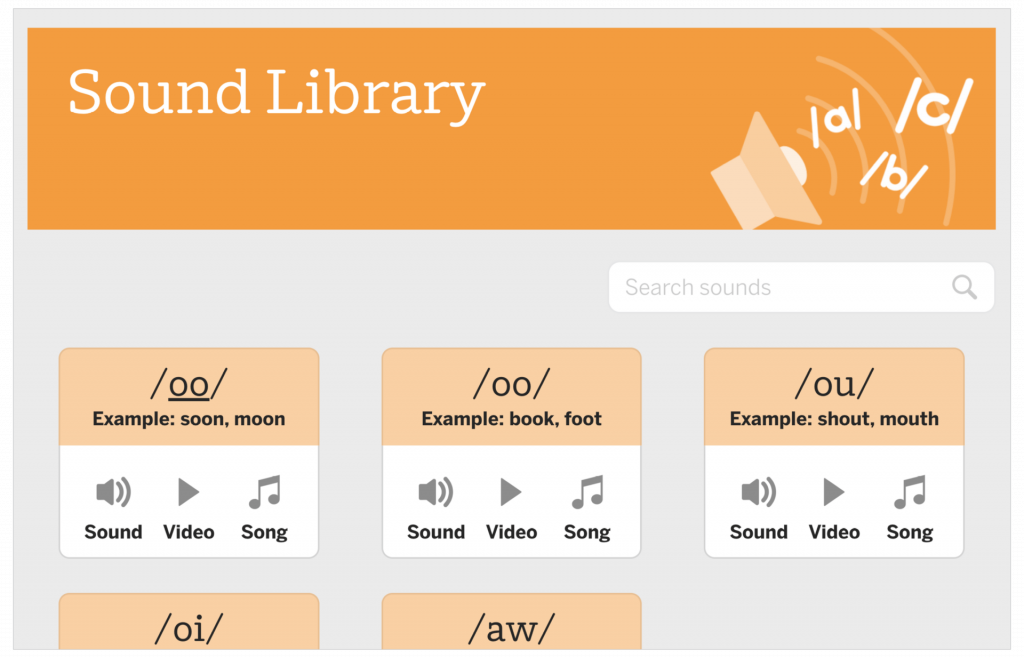
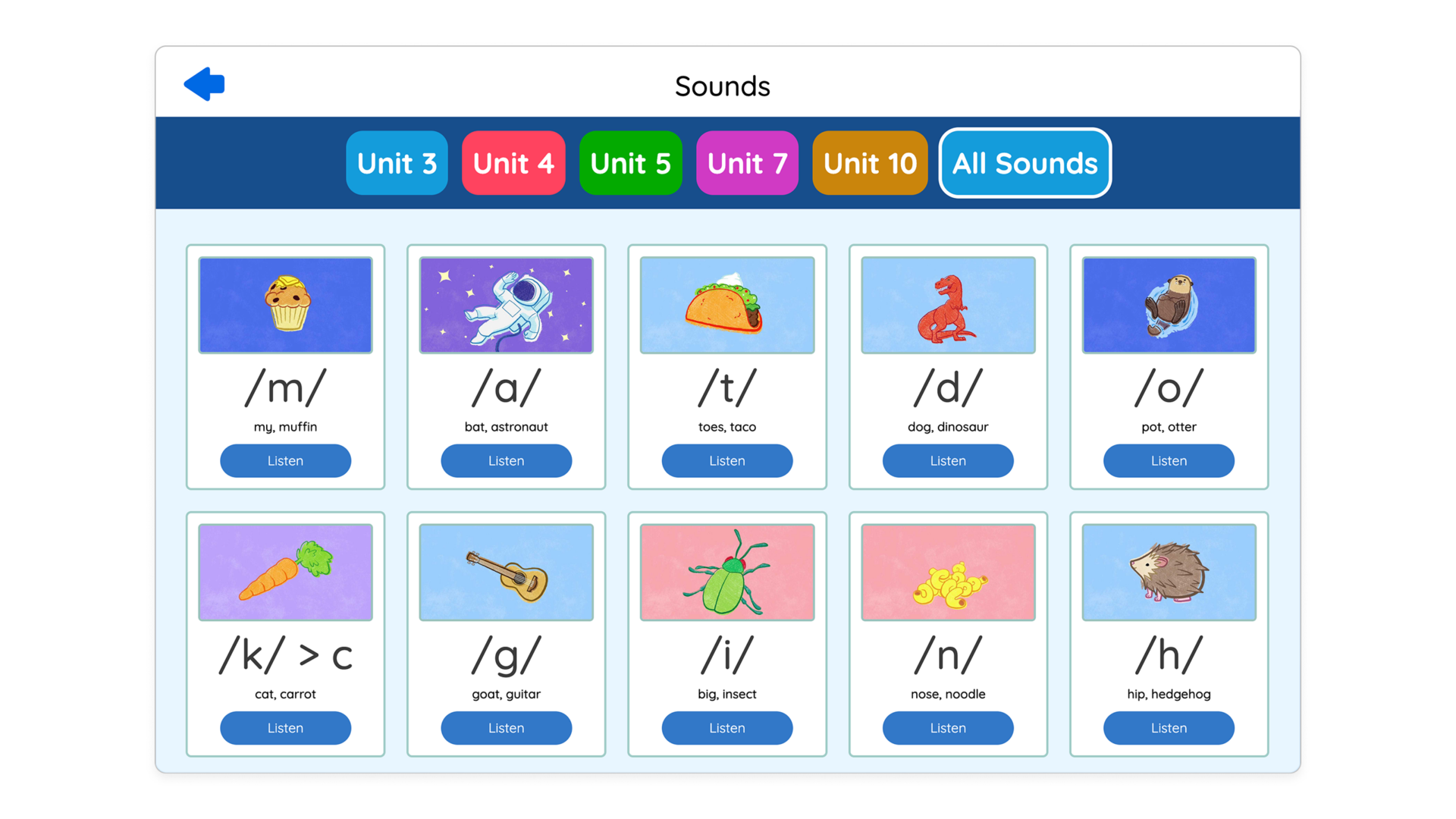
La Biblioteca de sonidos incluye sonidos grabados, canciones pegadizas y videos animados de articulación para ayudar a los estudiantes a aprender y dominar los sonidos.
Aplicación de vocabulario para los grados 3 a 5
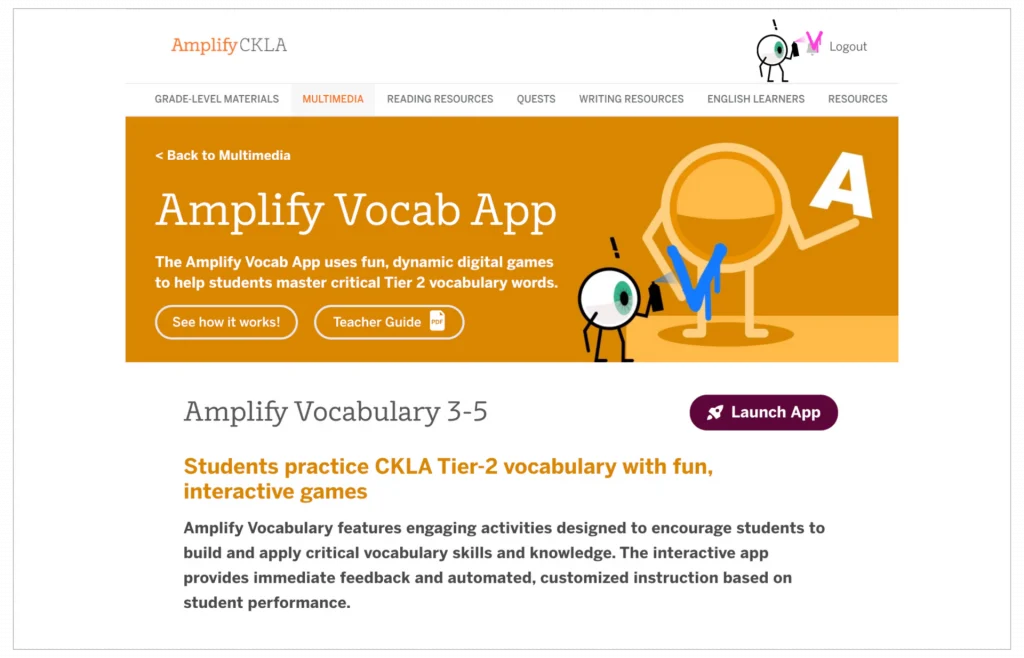
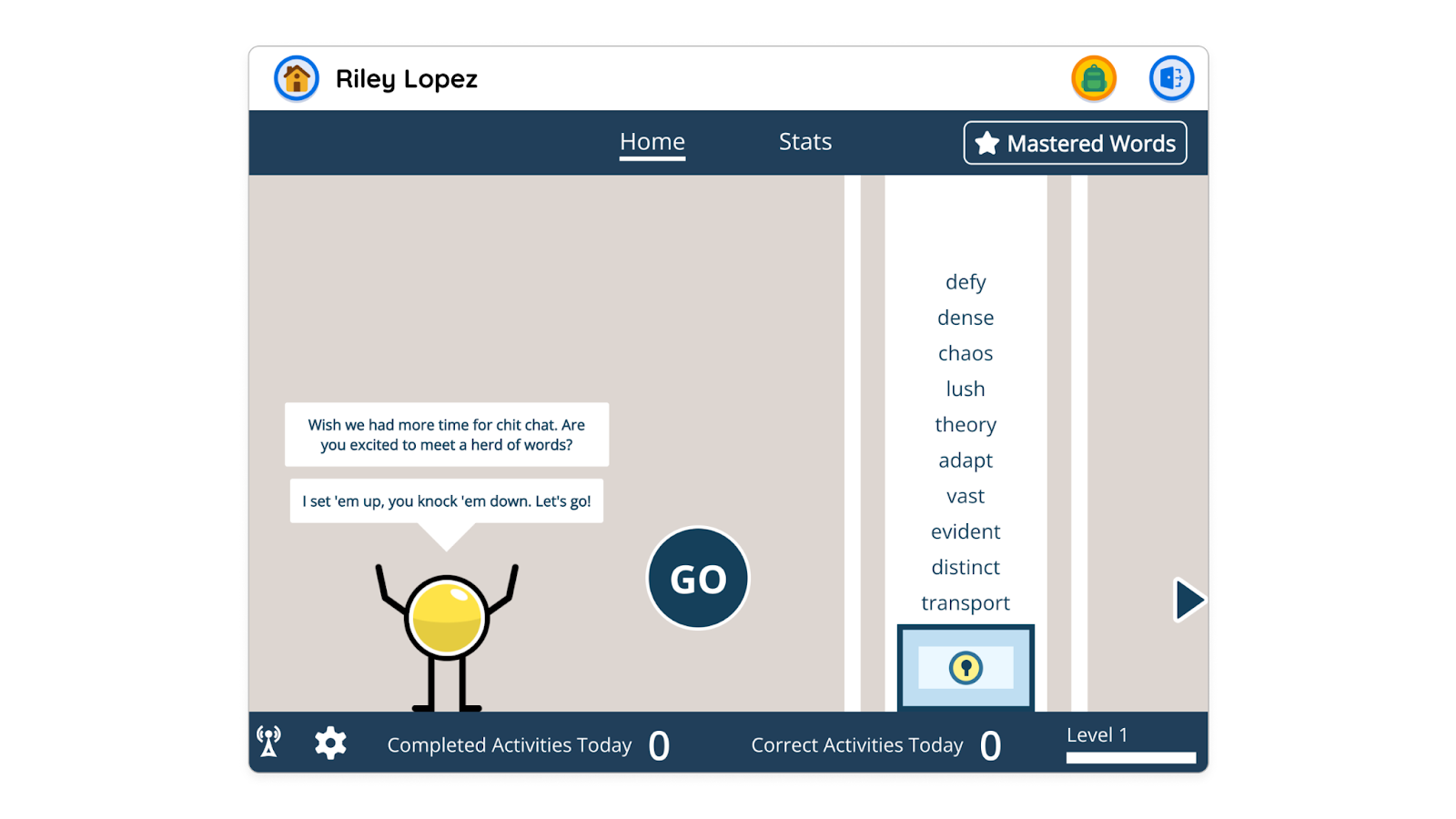
La aplicación de vocabulario fue diseñada para practicar de forma independiente el vocabulario. Los estudiantes pueden usarla en actividades similares a juegos, las cuales presentan retos para fomentar su aprendizaje.
Grabaciones de lectura diaria en voz alta
El maestro o la maestra, así como cada estudiante, tendrán acceso a grabaciones en video de todas las lecturas en voz alta de los conocimientos de los grados K a 2 con ilustraciones de los Rotafolios.
Quests
Cada uno de los grados 3 a 5 contiene un componente llamado Core Quest. En estas unidades especiales, todas las reglas habituales del salón de clases cambian y cada estudiante practica el lenguaje de maneras inesperadas. Por ejemplo, en el grado 5, aprenden a disfrutar del complejo lenguaje empleado por Shakespeare en “Sueño de una noche de verano” mediante imágenes, lectura atenta y actuación.
Resúmenes de unidades
A continuación se presentan descripciones generales rápidas de las unidades (en inglés) en las que trabajarán sus estudiantes en su grado durante todo el año. Al lado de cada unidad hay guías descargables que brindan una visión más profunda del contenido cubierto y cómo puede ayudar a sus estudiantes a mejorar su comprensión de los temas.
Visite nuestra biblioteca de ayuda (en inglés) para buscar artículos con respuestas a sus preguntas sobre el programa.
Para obtener apoyo curricular adicional, comuníquese con el maestro de su estudiante.
¡El programa de Amplify Science da la bienvenida a las familias!
Nos complace darle la bienvenida a usted y a su estudiante al programa de Ciencias en el nuevo año escolar y brindar a su estudiante excelentes oportunidades educativas a través de nuestro programa. A continuación incluimos una serie de recursos y guías útiles para ayudar a que su estudiante aproveche al máximo nuestra plataforma a lo largo del año. For English version, please click here.
¿Qué es Amplify Science?
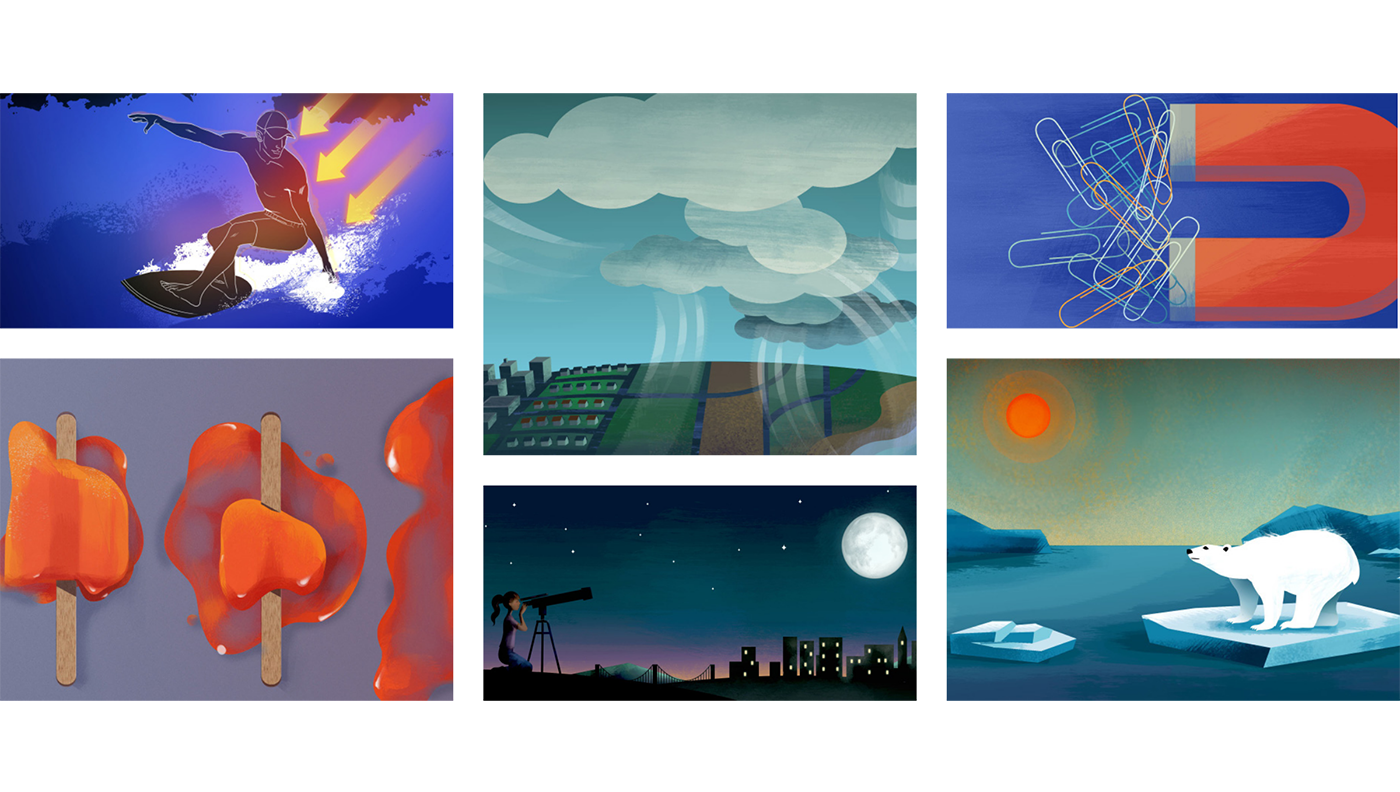
Amplify Science es un currículo escolar estimulante para los grados K–8 que fue diseñado por expertos del Lawrence Hall of Science de UC Berkeley. A medida que usted explore el programa, notará que es diferente de cualquier otro currículo de ciencias que haya visto. Esto se debe a que en los últimos años, la enseñanza de las ciencias ha ido alejándose de las lecciones centradas en datos, tales como aquellas que requieren memorización, y actualmente favorece una modalidad enfocada en el aprendizaje en profundidad con actividades de investigación y resolución de problemas de la vida real. Este cambio en la enseñanza y el aprendizaje de ciencias está reflejado en los nuevos estándares nacionales de ciencias (Estándares de Ciencias para la Próxima Generación) y, como se lo imagina, en Amplify Science.
Para comenzar
Si bien las lecciones de Amplify Science fueron diseñadas para su uso en el salón de clases con un grupo de alumnos, hay algunas actividades que los estudiantes pueden hacer en casa con su apoyo. Antes de dar inicio a dichas actividades, recomendamos que lea el artículo Proteja a los niños en internet de la Comisión Federal de Comercio sobre seguridad digital.
Resumen de los recursos
Amplify Science integra las mejores técnicas de enseñanza y aprendizaje de ciencias. Los estudiantes tendrán numerosas oportunidades de usar materiales para el aprendizaje práctico, participar en lecturas, redactar argumentos científicos respaldados por evidencia y explorar aplicaciones digitales.
Mire el siguiente video para ver una presentación breve del enfoque y la estructura del programa Amplify Science.
Una alianza poderosa
Amplify Science es el resultado del trabajo colaborativo de expertos en la enseñanza de ciencias de Amplify y del Lawrence Hall of Science (LHS) de UC Berkeley. El equipo de expertos en ciencias, matemáticas, ingeniería y lectoescritura de LHS desarrolló el contenido del programa, mientras que el equipo de diseñadores e ingenieros de Amplify creó las herramientas y componentes que dan vida a las lecciones.
Haciendo clic aquí verá más información sobre el Lawrence Hall of Science.
Explore los recursos del nivel escolar correspondiente
Ingrese a nuestra biblioteca de ayuda para encontrar artículos con las respuestas a sus preguntas sobre el programa. Si necesita ayuda adicional con el currículo, comuníquese con el maestro o la maestra de su estudiante.
Amplify and SFUSD Partnership
We recognize and respect the unique differences of each of our partnering districts—and that includes San Francisco USD.
Out of the box, Amplify Caminos offers districts a rich, comprehensive, research-based SELA experience. That said, no two districts are exactly alike. To that end, we are committed to working with San Francisco USD to ensure that Amplify Caminos addresses the needs of your community. This includes providing implementation guidance and support, as well as collaborating with your staff to determine which domains need to be modified or exchanged.
What is Amplify Caminos?
Amplify Caminos is a core Spanish language arts program for grades TK–5 that delivers:
Authentic instruction built from the ground up for the Spanish language.
A unique research-based approach truly built on the Science of Reading.
A combination of explicit foundational skills with meaningful knowledge-building.
Embedded support and differentiation that gets all students reading grade-level texts together.
Opportunities for students to see the strengths and experiences that all people share while also celebrating each others’ unique identities and experiences.
Watch the video below to learn more about Amplify Caminos for Grades K–2.
Watch the video below to learn more about Amplify Caminos for Grades 3–5.
How does Amplify Caminos work?
Amplify Caminos is built on the science of how kids learn to read—in Spanish.
Amplify Caminos is all about helping you teach students how to read, all while giving them authentic and engaging reasons to read. That’s why Amplify Caminos develops foundational skills and builds knowledge in tandem.
Knowledge: Through complex and authentic Spanish read-alouds with an emphasis on classroom interactivity, oral comprehension, and contextual vocabulary, students start to build their awareness of the world around them—and the way the reading skills they’re building give them access to it.
Skills: Starting with the sounds at the core of the Spanish language, students practice their phonemic awareness, handwriting skills, vocabulary, spelling, and grammar. Through daily practice, students become aware of the connection between reading and writing, building confidence as they go.
Respecting the development differences between grade ranges, Amplify Caminos teaches foundational skills and background knowledge as two distinct strands in grades K–2, and combines them into one integrated strand in grades 3–5.
Grades K–2: Every day, students in grades K–2 complete one full lesson that explicitly and systematically builds foundational reading skills in the Amplify Caminos Lectoescritura strand, as well as one full lesson that builds robust background knowledge to access complex text in the Amplify Caminos Conocimiento strand. Through learning in each of these strands, students develop the early literacy skills necessary to help them become confident readers and build the context to understand what they’re reading.
Grades 3–5: In grades 3–5, the Amplify Caminos Lectoescritura and Conocimiento strands are integrated in one set of instructional materials. Lessons begin to combine skills and knowledge with increasingly complex texts, close reading, and a greater writing emphasis. Students can then use their skills to go on their own independent reading adventures.
What do Amplify Caminos students explore?
Amplify Caminos builds students’ knowledge about the world.
In addition to teaching all students to crack the written code (which is vital for equity), the Amplify Caminos program helps students see the strengths and experiences we all share while celebrating their own unique identities and experiences.
This is accomplished through the exploration of topics and text that feature people who resemble students and familiar situations or experiences while also exposing them to people whose appearances, lives, beliefs, and backgrounds differ from their own.
Engaging domains
Amplify Caminos builds knowledge coherently across subjects and grades.
Throughout the program, students use their skills to explore domains that relate to storytelling, science, and the history of our world as seen through the eyes of many different groups.
Carefully selected to build from year-to-year, our grade-appropriate topics help students make and deepen connections while also reading, writing, and thinking creatively and for themselves.
New Knowledge Research Units for Grades K–5
Our brand-new Knowledge Research units carry forward Amplify Caminos’ powerful and proven instructional approach while also:
Adding more diversity. The rich topics and highly visual components featured in these units provide students with even more “windows and mirrors” and perspectives as they work to build knowledge.
Adding more authentic literature. Each new research unit revolves around a collection of high-interest authentic trade books that will spark more curiosity and inspire more inquiry.
Adding more flexibility. Units can be implemented for extended core instruction during flex periods, district-designated Pausing Points, or enrichment periods.
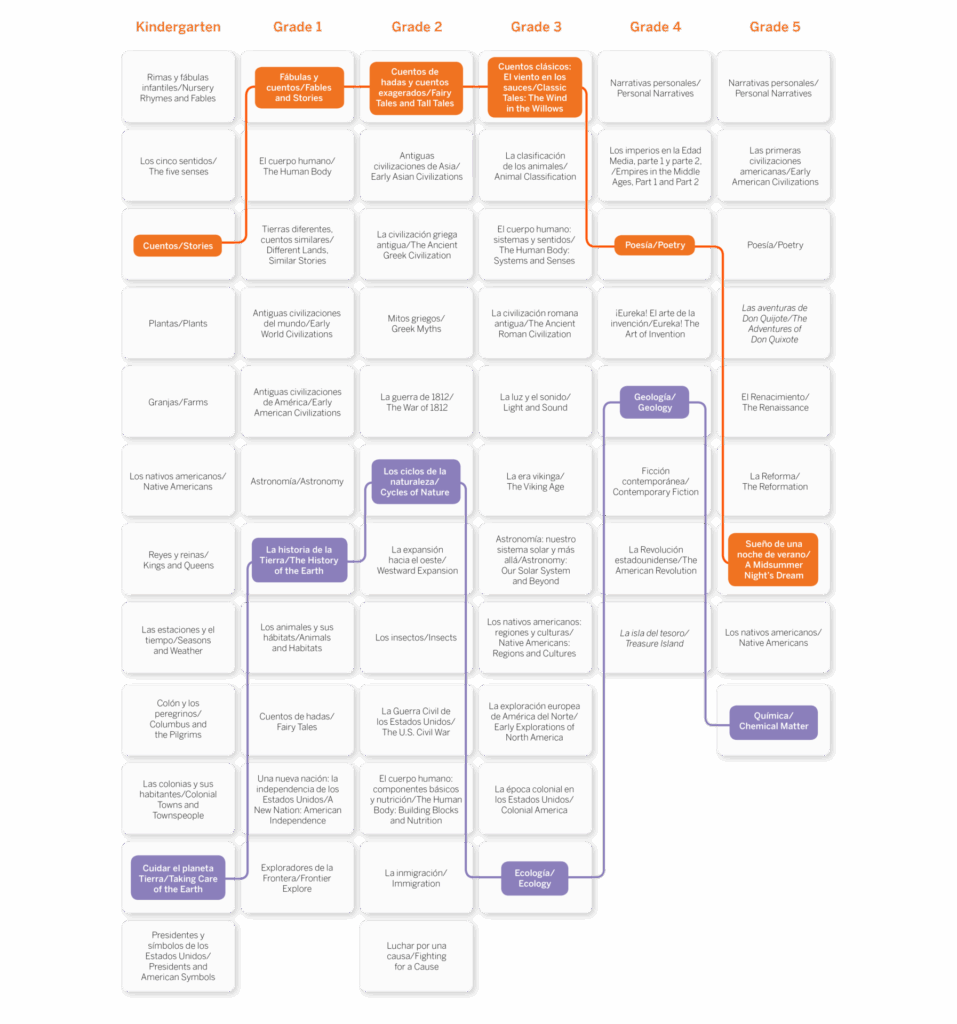
Units cover a variety of rich and relevant topics:
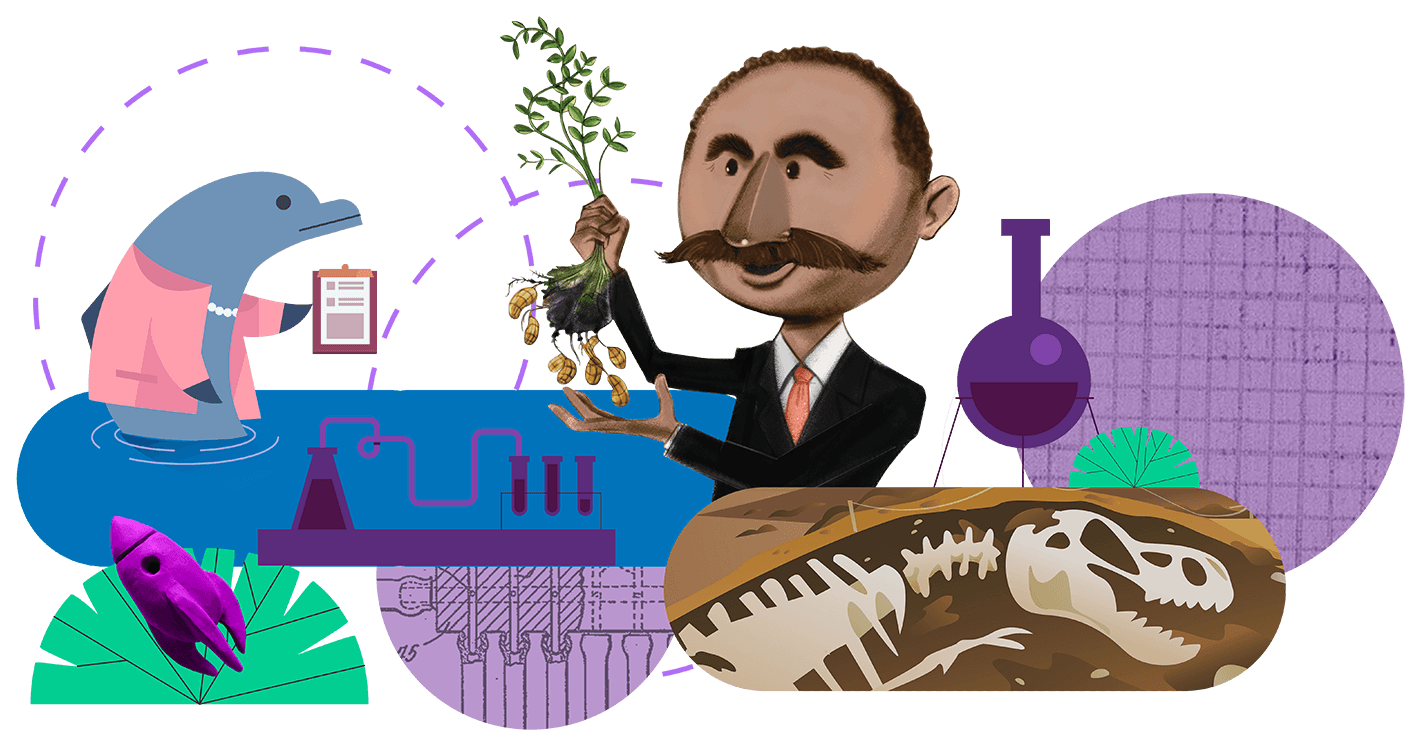
With these new units, students will soar to new heights with Dr. Ellen Ochoa, Amelia Earhart, and the Tuskegee Airmen. They’ll feel the rhythm as they learn about Jazz legends Miles Davis, Tito Puente, and Duke Ellington. And they’ll explore the far reaches of the world with Jacques Cousteau, Matthew Henson, and Eugenie Clark.
Grade K: El arte y el mundo que nos rodea
Grade 1: Cuentos de aventuras: relatos desde los confines de la Tierra
Grade 2: ¡A volar! La era de la aviación
Grade 3: Jazz y más
Grade 4: Energía: pasado, presente y futuro
Grade 5: Más allá de Juneteenth: de 1865 al presente
Units will be made available in English and Spanish, and will include the following components:
Why we added this unit: “Every child is an artist,” said Picasso, meaning that every child uses art to explore and understand the world around them. El arte y el mundo que nos rodea honors that truth by introducing Kindergarten students to some of the ways in which artists have explored and understood the world around them.
This domain introduces students to artists from different time periods, countries, and cultures. Throughout the unit, students learn about different kinds of art and how artists use the world around them as they make art. They also connect this to what they have already learned about the earth, plants, and animals in other Caminos domains: Granjas, Plantas, and Cuidar el planeta Tierra. In addition, students connect this to what they have learned about sculptors in the Presidentes y símbolos de los Estados Unidos domain. As they explore different artists and artistic traditions, they develop their ideas about how humans are connected to each other and to the world around them.
As you read the texts in this unit, students may observe ways in which the characters or subjects are both similar to and different from students. This is a good opportunity to teach students awareness and sensitivity, building on the idea that all people share some things in common, even as they have other things that make them unique. This unit also offers an excellent opportunity to collaborate with your school’s art teacher, as many lessons have suggested activities to help students understand the kind of art they are studying.
Within this unit, students have opportunities to:
Use details to describe art.
Identify three ways to create art.
Identify characteristics of cave art.
Sequence the steps of making pottery.
Describe how artists can create work connected to the world around them.
Describe what makes Kehinde Wiley’s portraits unique.
Explain how the texture of a surface can affect artwork created on it.
Explain what a sculpture is.
Describe what makes James Turrell’s artwork about the sky unique.
Explain what a museum is and what kinds of things you can see or do there.
Trade books in this unit: Instruction in this unit revolves around the following collection of high-interest authentic trade books. One copy of each trade book is included with the unit materials.
Georgia O’Keeffe por Erica Salcedo
Yayoi Kusama: De aquí al infinito por Sarah Suzuki
Tejedora del arcoíris por Linda Elovitz Marshall
Las tijeras de Matisse por Jeanette Winter
El museo por Susan Verde
Quizás algo hermoso: Cómo el arte transformó un barrio por F. Isabel Campoy
Sample materials: Take a sneak peek at the rich instruction and engaging activities for this unit by viewing the PDFs below.
Why we added this unit: This domain introduces students to adventure stories set around the world and challenges students to dig into the adventures through research. By listening to the Read-Alouds and trade books, students increase their vocabulary and reading comprehension skills, learn valuable lessons about perseverance and teamwork, and become familiar with gathering information for research.
In this unit, students study the careers of real-world explorers Dr. Eugenie Clark and Sophia Danenberg, marvel at the inventions of Jacques Cousteau, think critically about how teamwork and collaboration can make greater adventures possible, learn about the science and technology that enable adventures, and research some of the ways humans have confronted challenges at the edges of the world, from the oceans below to space above.
Each lesson in the domain builds students’ research skills as they ask questions, gather information, and write a paragraph about their findings. Students share what they have learned about adventures in an Adventure Gallery Walkthrough. By taking on the persona of one of the adventurers they meet in the Read-Alouds and trade books, students deliver their final paragraphs as if they are a “speaking portrait” of that person. Students are invited to dress up as that adventurer if they desire.
In addition, teachers can set aside time outside the instructional block to create the picture frames students will hold as they present to the Adventure Gallery Walk guests. Frames can be made from shirt boxes, cardboard, construction paper, or any art supplies that are on hand. This might be an opportunity to collaborate with the school’s art department if resources are available. Another option is to ask students to make their frames at home with their caregivers. On the day of the Adventure Gallery Walk, students will be the hosts and take on specific jobs, such as welcoming the guests, describing their work throughout the unit, and pointing out the areas of study on the domain bulletin board. You can find a complete list of student jobs in Lesson 13.
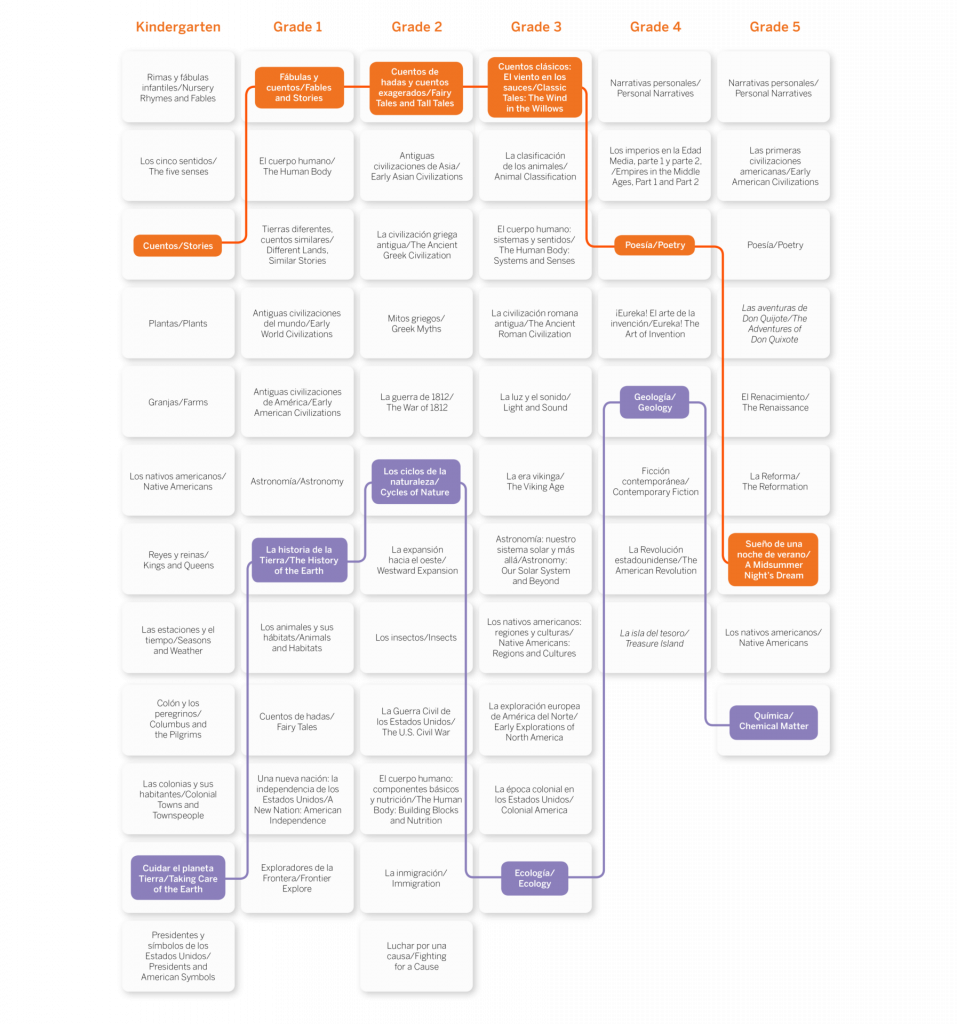
How this unit builds knowledge: This unit builds upon the following Caminos units that students will have encountered in the previous grade.
Rimas y fábulas infantiles (Kindergarten)
Cuentos (Kindergarten)
The specific core content targeted in these domains is particularly relevant to the Read-Alouds students will hear in Cuentos de aventuras: relatos desde los confines de la Tierra. The background knowledge students bring to this unit will greatly enhance their understanding of the trade books used in this unit.
Trade books in this unit: Instruction in this unit revolves around the following collection of high-interest authentic trade books. One copy of each trade book is included with the unit materials.
My Name Is Gabito/Me llamo Gabito por Monica Brown
Galápagos Girl/Galapagueña por Marsha Diane Arnold
My Name Is Gabriela/Me llamo Gabriela por Monica Brown
El viaje de Kalak por María Quintana Silva y Marie-Noëlle Hébert
Señorita Mariposa por Ben Gundersheimer
Sharuko, el arqueólogo peruano/Peruvian Archaeologist Julio C. Tello por Monica Brown
Abuelita fue al mercado por Stella Blackstone
Sample materials: Take a sneak peek at the rich instruction and engaging activities for this unit by viewing the PDFs below.
Why we added this unit: With this domain, students head up, up, and away with an introduction to the soaring history of aviation. Students learn the stories of early aviators, such as the Montgolfier brothers, the Wright brothers, Aida de Acosta, and Amelia Earhart.
During the unit, students study the science of flight, including the physics concept of lift, and research the social impacts of the world of flight. Finally, students let their research skills take flight as they explore key figures from the world of aviation.
The lessons in this domain build on earlier Grade 2 Caminos domains about the westward expansion, early Greek civilizations, and Greek myths, and lay the foundation for learning about other periods of world history in future grades.
How this unit builds knowledge: This unit builds upon the following Caminos units that students will have encountered earlier in the year.
La civilización griega antigua (Grade 2)
Mitos griegos (Grade 2)
La expansión hacia el oeste (Grade 2)
The specific core content targeted in these domains is particularly relevant to the Read-Alouds students will hear in ¡A volar! La era de la aviación. The background knowledge students bring to this unit will greatly enhance their understanding of the trade books used in this unit.
Trade books in this unit: Instruction in this unit revolves around the following collection of high-interest authentic trade books. One copy of each trade book is included with the unit materials.
¡A volar! Todo sobre aviones por Jennifer Prior
Amelia sabe volar por Mara dal Corso
Héroes de la aviación que cambiaron el mundo por Dan Green
El niño que alcanzó las estrellas por José M. Hernández
La niña que aprendió a volar por Sylvia Acevedo
Buenas Noches Capitán Mamá por Graciela Tiscareño-Sato
Sample materials: Take a sneak peek at the rich instruction and engaging activities for this unit by viewing the PDFs below.
Why we added this unit: This domain teaches students about the vibrant music, poetry, and culture of the Jazz Age in the United States. Students learn about famous writers and musicians like Langston Hughes, Louis Armstrong, Billie Holiday, Melba Liston, Tito Puente, and Miles Davis. They study how the jazz art form took root in the South, then spread to the North to become the sound of the Harlem Renaissance, eventually connecting people around the world in musical expression.
During this unit, students perform guided research to further explore both the history of jazz and what jazz is today. They develop research skills and then use those skills to find deeper connections between the stories and music of the Jazz Age and music today. As students learn about the world of jazz, they collaborate and share ideas with their classmates. They also practice sharing feedback focused on their written work, and, at the end of the unit, students present their research to the group.
The lessons give students opportunities to dive into the rhythms and stories of jazz, utilizing the knowledge sequence in this unit to:
Collaboratively generate research questions about jazz, jazz musicians, contemporary musicians from the state where they live or have lived, and the evolution of jazz music.
Utilize Read-Alouds, independent reading, and partner reading to learn about the Jazz Age, the Harlem Renaissance, jazz music, and biographies of celebrated jazz musicians and writers.
Research the answers to their generated questions, gather information, write a short research essay about a famous jazz musician, write a short essay about a contemporary musician from the state where they live or have lived, and give a presentation about their research.
How this unit builds knowledge: Within this unit, students have opportunities to:
Ask relevant questions and make pertinent comments
Identify details in texts
Determine key ideas of texts by evaluating details
Make text-based inferences
Generate questions based on prior knowledge and gathered information
Synthesize details across texts to demonstrate comprehension
Discuss and explain an author’s purpose
Identify and cite reliable primary and secondary sources of information
Compose a well-organized and focused informative essay
Make connections between topics
Present information using appropriate media
Trade books in this unit: Instruction in this unit revolves around the following collection of high-interest authentic trade books. One copy of each trade book is included with the unit materials.
¡Esquivel! Un artista del sonido de la era espacial por Susan Wood
Ray Charles por Sharon Bell Mathis
Tito Puente, el Rey del Mambo por Monica Brown
Me llamo Celia, la vida de Celia Cruz por Monica Brown
¡Azúcar! por Ivar Da Coll
In this unit, students also read the poem “Harlem” by Langston Hughes. (Available for free through the Academy of American Poets website and the Poetry Foundation website, with recorded audio available through the website for John Hancock College Preparatory High School.)
Sample materials: Take a sneak peek at the rich instruction and engaging activities for this unit by viewing the PDFs below.
Why we added this unit: With this domain, students become tomorrow’s problem solvers in this study of energy in the United States. Analytical reading skills are developed by examining the challenges of early energy innovators. Students then read about current energy practices and young energy change-makers across the world.
Throughout the unit, students conduct research into different sources of energy and present a proposal, putting them in the shoes of future energy innovators. They also use the knowledge sequence in this unit to:
Collaboratively analyze texts to identify cause-effect and problem-solution relationships.
Generate questions and conduct research about energy.
Write an opinion essay making their case for a fuel of the future.
Create energy proposals using primary and secondary resources.
How this unit builds knowledge: This unit builds upon the following Caminos units that students will have encountered in previous grades as well as earlier in the year.
Plantas (Grade K)
La historia de la Tierra (Grade 1)
¡Eureka! Estudiante inventor (Grade 4)
The specific core content targeted in these domains is particularly relevant to the Read-Alouds students will hear in Energía: pasado, presente y futuro. The background knowledge students bring to this unit will greatly enhance their understanding of the trade books used in this unit.
Trade books in this unit: Instruction in this unit revolves around the following collection of high-interest authentic trade books. One copy of each trade book is included with the unit materials.
La historia de los combustibles fósiles por William B. Rice
El niño que domó el viento por William Kamkwamba y Bryan Mealer
Sample materials: Take a sneak peek at the rich instruction and engaging activities for this unit by viewing the PDFs below.
Why we added this unit: Within this domain, Students learn about General Granger’s announcement in Galveston, Texas on June 19, 1865, a day marked in history as Juneteenth. Texts and multimedia sources will support foundational knowledge-building about the end of slavery in the United States. A review of the first freedom announcement, President Lincoln’s Emancipation Proclamation, provides students with background knowledge to further emphasize the significance of Juneteenth in American history.
This unit also takes students on a journey beyond Juneteenth, as they study specific contributions of African Americans from 1865 to the present day. Students participate in a virtual field trip to Emancipation Park in Houston, Texas and use the knowledge sequence in this unit to:
Collaboratively generate research questions about Juneteenth, The Great Migration, innovators and inventors, education, the humanities, activists, and allies.
Use Read-Alouds, independent, and partner reading to learn about African American contributions from 1865 to the present.
Research to find answers to their generated questions, gather information, and write a four-chapter Beyond Juneteenth book.
How this unit builds knowledge: This unit builds upon the following Caminos units that students will have encountered in previous grades.
Los nativos americanos (Grade K)
Una nueva nación: la independencia de los Estados Unidos (Grade 1)
La Guerra Civil de los Estaods Unidos (Grade 2)
La inmigración (Grade 2)
Los nativos americanos (Grade 5)
The specific core content targeted in these domains is particularly relevant to the Read-Alouds students will hear in Más allá de Juneteenth: de 1865 al presente . The background knowledge students bring to this unit will greatly enhance their understanding of the trade books used in this unit.
Trade books in this unit: Instruction in this unit revolves around the following collection of high-interest authentic trade books. One copy of each trade book is included with the unit materials.
Martí’s Song for Freedom/Martí y sus versos por la libertad escrito por Emma Otheguy
¡Celebremos Juneteenth! escrito por Carole Boston Weatherford
Side by Side/Lado a Lado: The Story of Dolores Huerta and Cesar Chavez/La Historia de Dolores Huerta y César Chávez escrito por Monica Brown
Canto de alabanza para el día: Poema para la ceremonia inaugural del mandato de Barack Obama escrito por Elizabeth Alexander, traducido por Rodrigo Rojas
Sample materials: Take a sneak peek at the rich instruction and engaging activities for this unit by viewing the PDFs below.
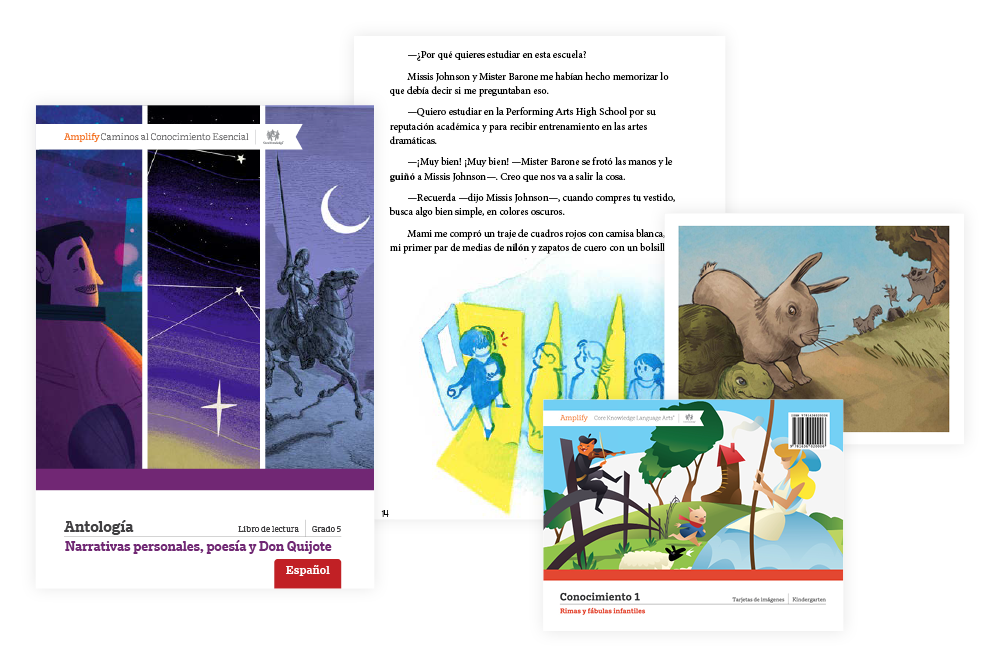
Amplify Caminos puts a variety of texts in the hands of students every day.
Amplify Caminos includes both transadaptations and authentic texts written by Latin American and Spanish authors. In addition to featuring a diverse range of authors and topics, our texts represent individuals and characters with a broad range of identity factors, including socioeconomic status, age, ability, race, ethnicity, country of origin, religion, and more.
Amplify Caminos texts include:
Authentic literature: Authentic literature exposes students to a variety of text types and perspectives to deepen their knowledge of fascinating topics in social studies, science, literature, and the arts. Authentic texts support text-to-self, text-to-world, and text-to-text connections for readers.
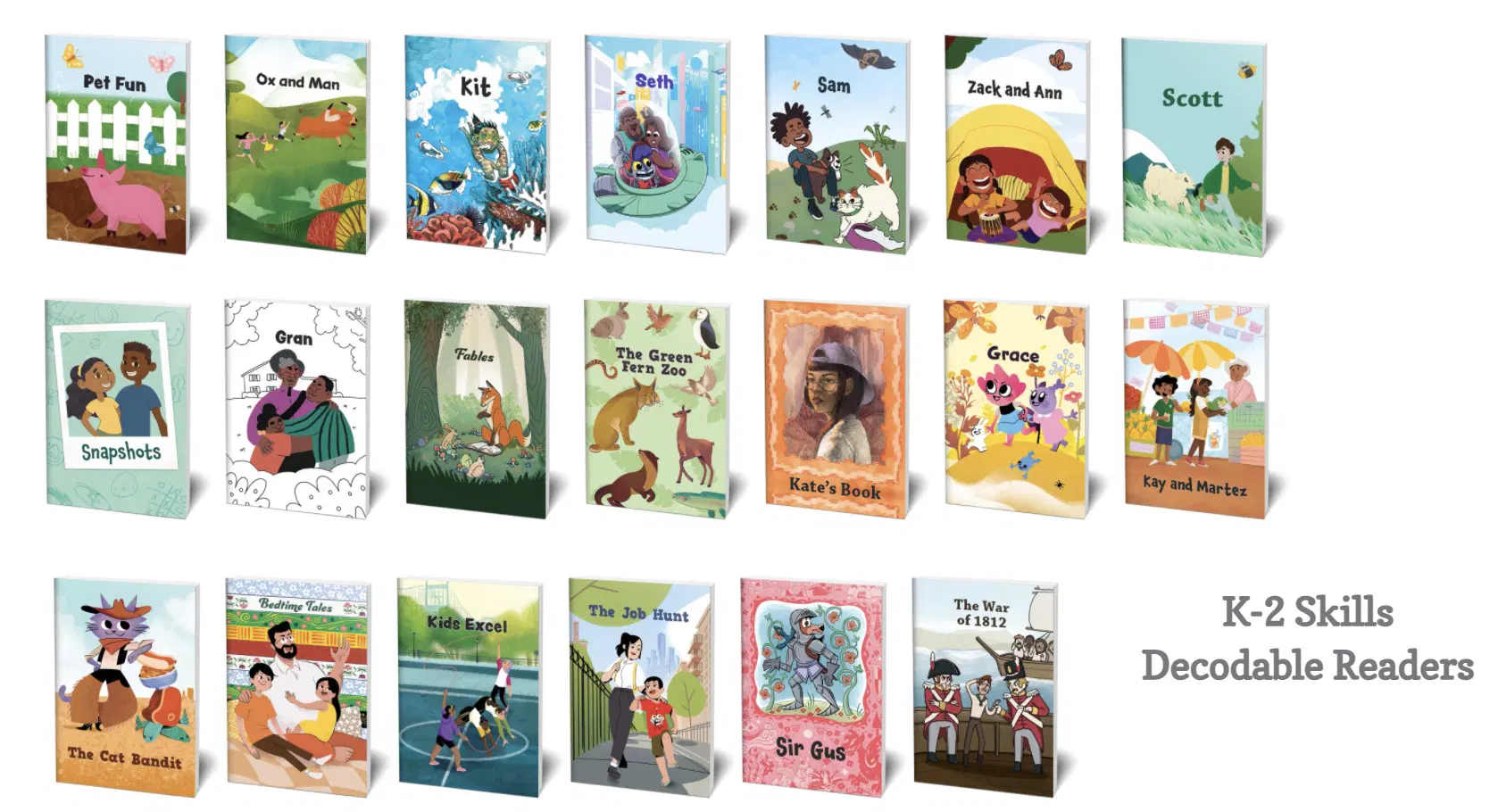
Decodable Student Readers: Amplify Caminos is built on the conviction that equitable instruction is vital to an effective program. Decodable Student Readers at grades K–2 are newly re-designed to celebrate students’ diverse experiences and feature individuals with a broad range of identity factors, including socioeconomic status, age, ability, race, ethnicity, country of origin, religion, and more.
ReadWorks® texts: Amplify and ReadWorks have partnered to deliver high-quality texts curated to support the Amplify Caminos Knowledge Sequence and to extend student learning. Texts include high-interest nonfiction articles in topics in social studies, science, literature, and the arts. These texts are accompanied by vocabulary supports and standards-aligned formative assessment opportunities. Teachers can monitor their students’ progress using the ReadWorks reporting features.
Amplify Caminos Trade Book Collection Guide
Each book in our authentic literature collection was selected specifically to support and enhance the content of the K-2 Conocimiento Strand. These anchor texts are intended for use as an introduction to each domain—engaging students, piquing their curiosity, and building initial background knowledge—before diving into the deeper content of the domain Read-Alouds.
Every trade book has an instructional guide that includes the following:
Author and illustrator
Book summary
The Essential Question of the Knowledge domain, connecting the book to the domain
Key Tier 2 and Tier 3 vocabulary words found in the book
A group activity to reinforce and extend students’ knowledge and understanding
A performance task to help gauge students’ comprehension of concepts in the text
Writing prompts to expand understanding and critical thinking
Text complexity ratings and descriptors for quantitative, qualitative, and reader/task categories
Detailed information about text complexity ratings and descriptors; additional uses for the books before, during, and after domain instruction; and the complete list of domains and books for each grade level can be found in the More About the Books section of this guide.
What makes Amplify Caminos different?
Built on the Science of Reading
Built out of the latest research in the Science of Reading, Amplify Caminos delivers explicit instruction in both foundational literacy skills (systematic phonics, decoding, and fluency) and background knowledge in grades K–2 with an integrated approach to explicit instruction in grades 3–5.
Explicit systematic skills instruction
The skills instruction in Amplify Caminos was distinctly developed with the Spanish language in mind. Its foundational lessons are specific to the language, rather than a direct translation from Amplify CKLA’s English skills instruction.
Reading instruction begins with the vowels first, then the most common consonants, and finally the least common consonants. Students will blend and segment sounds to form syllables, and syllables to form words.
Although Spanish has a highly predictable orthography, there are a few silent letters (h is always silent, u is silent after g or q), as well as letters that can make different sounds, depending on the letters that follow them. For that reason, syllables with these letters are taught somewhat later in the progression. The same is true for syllables with infrequently occurring consonants, such as z, k, x, and w.
Coherent knowledge instruction
While students are learning how to read, the Conocimiento strand gives them authentic and engaging reasons to read.
Amplify Caminos uses spiral learning to reinforce every student’s ability to develop skills like reading, writing, speaking, and listening in Spanish that can be transferred to English. As students engage with their lessons, they explore the similarities and differences in grammar, vocabulary, writing, and language use between Spanish and English. This bridge helps students learning two languages to strengthen their knowledge in both.
Through cross-curricular content, students explore units that relate to storytelling, science, and the history of our world in a holistic and thoughtful way. With these units, you’ll bring the world to your students, showing them how reading can become an exciting, rewarding, and useful part of their lives.
Embedded differentiation for all learners
Amplify Caminos provides built-in differentiation strategies and supports in every lesson.
Apoyo a la enseñanza y desafío: Support and Challenge suggestions in every lesson provide assistance or opportunities for more advanced work toward the goal of the lesson.
Notas culturales: These point-of-use notes provide additional information about the traditions, foods, holidays, word variations, and more from across the Spanish-speaking world.
Apoyo adicional: Every lesson in the Lectoescritura (Skills) Strand provides additional support activities suggested to reinforce foundational skills instruction. These activities can be given to any student who requires extra help, including students with special needs.
Systematic and cohesive writing instruction
Writing instruction in Amplify Caminos builds systematically and cohesively within and across grades.
In Grades K-2, writing mechanics—including handwriting and spelling—are taught in the Amplify Caminos Lectoescritura strand. Starting in Grade 1, instruction includes four steps in the writing process: planning, drafting, editing, and publishing and features lessons that have modeling, collaboration, and sharing. As students gain skills and confidence, they are able to take on more of these steps independently. Students learn to use planning techniques, including brainstorming and graphic organizers.
Beginning in Grade 4, the Amplify Caminos writing process expands to also include sharing and evaluating. In Grades 4 and 5, the writing process is no longer conceptualized as a series of scaffolded, linear steps (an important change from the Grade 3 writing process). Rather, students move between components of the writing process in a flexible manner, similar to the process mature and experienced writers follow naturally.
Amplify Caminos’ writing instruction provides a clear progression through the text types in each grade.
Because Amplify Caminos has two strands of lessons in Grades K-2, Lectoescritura and Conocimiento, students are exposed to both narrative and informational texts throughout the year. In Grades 3-5, the integrated units feature study in literary, informational, or a mix of both types of texts, depending on the content of the unit.
Grades K–2 introduce and establish the key elements of each text type, allowing students to gain comfort and confidence writing narratives, opinions, and informative texts. This enables students to practice thinking about content in different ways, offering more depth and breadth to their understanding of core content and of the writing text types.
By Grade 3, students will have gained significant practice in narrative, opinion/argumentative, and informational/explanatory forms of writing and will continue to apply those skills through Grade 5.
How does Amplify Caminos integrate with the other parts of the literacy system?
Amplify Caminos + mCLASS® Lectura
Achieve complete parity between English and Spanish assessments with mCLASS Lectura for K–6. mCLASS Lectura allows teachers to connect with their Spanish-speaking students face-to-face, one-on-one, and in the language most comfortable to them. The result? Valid and reliable student data reports available in both English and Spanish, enabling teachers to pinpoint where their Spanish-speaking or emergent bilingual students really are in their skill development and what instruction to prioritize.
Amplify Caminos + Amplify Reading
Amplify Reading is an engaging, adaptive digital program that extends the learning in Amplify Caminos. Amplify Reading offers support to a large sub-group of English learners (ELs) through Spanish voice-over. Spanish voiceover instructions are available in vocabulary and sentence-level comprehension games so ELs can build their vocabulary, language, and critical comprehension skills before moving into analyzing complex texts
Demo access and sample materials
Ready to explore on your own? First, watch the videos below to learn about the program’s components and how to navigate the digital platform.
Physical materials walkthrough video
Digital navigation video
Demo access
Next, follow the instructions below to access your demo account.
Click the CKLA and Caminos Demo button below.
Select Log in with Amplify.
To explore as a teacher, enter this username: t1.sfusdreviewer@demo.tryamplify.net
To explore as a student, enter this username: s1.sfusdreviewer@demo.tryamplify.net
Enter the password: Amplify1-sfusdreviewer
Click the Programs and apps menu
Select CKLA Teacher Resource Site
Select the desire grade level
Use the toggle to switch between English (CKLA) and Spanish (Caminos) resources.
Finally, click on the grade levels below to explore your requested sample units.
Each book in our authentic literature collection was selected specifically to support and enhance the content of the K-2 Conocimiento Strand. These anchor texts are intended for use as an introduction to each domain—engaging students, piquing their curiosity, and building initial background knowledge—before diving into the deeper content of the domain Read-Alouds.
Every trade book has an instructional guide that includes the following:
Author and illustrator
Book summary
The Essential Question of the Knowledge domain, connecting the book to the domain
Key Tier 2 and Tier 3 vocabulary words found in the book
A group activity to reinforce and extend students’ knowledge and understanding
A performance task to help gauge students’ comprehension of concepts in the text
Writing prompts to expand understanding and critical thinking
Text complexity ratings and descriptors for quantitative, qualitative, and reader/task categories
Download the Amplify Caminos Trade Book Collection Guide for Grades K–2. Detailed information about text complexity ratings and descriptors; additional uses for the books before, during, and after domain instruction; and the complete list of domains and books for each grade level can be found in the More About the Books section of this guide.
Amplify Caminos is an authentic elementary Spanish language arts program. Like its English language counterpart, Amplify CKLA, Amplify Caminos provides explicit, systematic foundational skills instruction sequenced with deep knowledge-building content to foster comprehension. When used with Amplify CKLA, Amplify Caminos provides full parity across English and Spanish that’s suitable for any dual language implementation model.
Amplify and SFUSD Partnership
We recognize and respect the unique differences of each of our partnering districts—and that includes San Francisco USD.
Out of the box, Amplify Caminos offers districts a rich, comprehensive, research-based SELA experience. That said, no two districts are exactly alike. To that end, we are committed to working with San Francisco USD to ensure that Amplify Caminos addresses the needs of your community. This includes providing implementation guidance and support, as well as collaborating with your staff to determine which domains need to be modified or exchanged.
What is Amplify Caminos?
Amplify Caminos is a core Spanish language arts program for grades TK–5 that delivers:
Authentic instruction built from the ground up for the Spanish language.
A unique research-based approach truly built on the Science of Reading.
A combination of explicit foundational skills with meaningful knowledge-building.
Embedded support and differentiation that gets all students reading grade-level texts together.
Opportunities for students to see the strengths and experiences that all people share while also celebrating each others’ unique identities and experiences.
Watch the video below to learn more about Amplify Caminos for Grades K–2.
Watch the video below to learn more about Amplify Caminos for Grades 3–5.
How does Amplify Caminos work?
Amplify Caminos is built on the science of how kids learn to read—in Spanish.
Amplify Caminos is all about helping you teach students how to read, all while giving them authentic and engaging reasons to read. That’s why Amplify Caminos develops foundational skills and builds knowledge in tandem.
Knowledge: Through complex and authentic Spanish read-alouds with an emphasis on classroom interactivity, oral comprehension, and contextual vocabulary, students start to build their awareness of the world around them—and the way the reading skills they’re building give them access to it.
Skills: Starting with the sounds at the core of the Spanish language, students practice their phonemic awareness, handwriting skills, vocabulary, spelling, and grammar. Through daily practice, students become aware of the connection between reading and writing, building confidence as they go.
Respecting the development differences between grade ranges, Amplify Caminos teaches foundational skills and background knowledge as two distinct strands in grades K–2, and combines them into one integrated strand in grades 3–5.
Grades K–2: Every day, students in grades K–2 complete one full lesson that explicitly and systematically builds foundational reading skills in the Amplify Caminos Lectoescritura strand, as well as one full lesson that builds robust background knowledge to access complex text in the Amplify Caminos Conocimiento strand. Through learning in each of these strands, students develop the early literacy skills necessary to help them become confident readers and build the context to understand what they’re reading.
Grades 3–5: In grades 3–5, the Amplify Caminos Lectoescritura and Conocimiento strands are integrated in one set of instructional materials. Lessons begin to combine skills and knowledge with increasingly complex texts, close reading, and a greater writing emphasis. Students can then use their skills to go on their own independent reading adventures.
What do Amplify Caminos students explore?
Amplify Caminos builds students’ knowledge about the world.
In addition to teaching all students to crack the written code (which is vital for fairness), the Amplify Caminos program helps students see the strengths and experiences we all share while celebrating their own unique identities and experiences.
This is accomplished through the exploration of topics and text that feature people who resemble students and familiar situations or experiences while also exposing them to people whose appearances, lives, beliefs, and backgrounds differ from their own.
Engaging domains
Amplify Caminos builds knowledge coherently across subjects and grades.
Throughout the program, students use their skills to explore domains that relate to storytelling, science, and the history of our world as seen through the eyes of many different groups.
Carefully selected to build from year-to-year, our grade-appropriate topics help students make and deepen connections while also reading, writing, and thinking creatively and for themselves.
New Knowledge Research Units for Grades K–5
Our brand-new Knowledge Research units carry forward Amplify Caminos’ powerful and proven instructional approach while also:
Adding more content for students from all walks of life. The rich topics and highly visual components featured in these units provide students with even more “windows and mirrors” and perspectives as they work to build knowledge.
Adding more authentic literature. Each new research unit revolves around a collection of high-interest authentic trade books that will spark more curiosity and inspire more inquiry.
Adding more flexibility. Units can be implemented for extended core instruction during flex periods, district-designated Pausing Points, or enrichment periods.
Units cover a variety of rich and relevant topics:
With these new units, students will soar to new heights with Dr. Ellen Ochoa, Amelia Earhart, and the Tuskegee Airmen. They’ll feel the rhythm as they learn about Jazz legends Miles Davis, Tito Puente, and Duke Ellington. And they’ll explore the far reaches of the world with Jacques Cousteau, Matthew Henson, and Eugenie Clark.
Grade K: El arte y el mundo que nos rodea
Grade 1: Cuentos de aventuras: relatos desde los confines de la Tierra
Grade 2: ¡A volar! La era de la aviación
Grade 3: Jazz y más
Grade 4: Energía: pasado, presente y futuro
Grade 5: Más allá de Juneteenth: de 1865 al presente
Units will be made available in English and Spanish, and will include the following components:
Teacher Guide
Student Activity Books
Image Cards
Trade Book Collection
Digital Components (for Grades K–3 and Grade 5 only)
Why we added this unit: “Every child is an artist,” said Picasso, meaning that every child uses art to explore and understand the world around them. El arte y el mundo que nos rodea honors that truth by introducing Kindergarten students to some of the ways in which artists have explored and understood the world around them.
This domain introduces students to artists from different time periods, countries, and cultures. Throughout the unit, students learn about different kinds of art and how artists use the world around them as they make art. They also connect this to what they have already learned about the earth, plants, and animals in other Caminos domains: Granjas, Plantas, and Cuidar el planeta Tierra. In addition, students connect this to what they have learned about sculptors in the Presidentes y símbolos de los Estados Unidos domain. As they explore different artists and artistic traditions, they develop their ideas about how humans are connected to each other and to the world around them.
As you read the texts in this unit, students may observe ways in which the characters or subjects are both similar to and different from students. This is a good opportunity to teach students awareness and sensitivity, building on the idea that all people share some things in common, even as they have other things that make them unique. This unit also offers an excellent opportunity to collaborate with your school’s art teacher, as many lessons have suggested activities to help students understand the kind of art they are studying.
Within this unit, students have opportunities to:
Use details to describe art.
Identify three ways to create art.
Identify characteristics of cave art.
Sequence the steps of making pottery.
Describe how artists can create work connected to the world around them.
Describe what makes Kehinde Wiley’s portraits unique.
Explain how the texture of a surface can affect artwork created on it.
Explain what a sculpture is.
Describe what makes James Turrell’s artwork about the sky unique.
Explain what a museum is and what kinds of things you can see or do there.
Trade books in this unit: Instruction in this unit revolves around the following collection of high-interest authentic trade books. One copy of each trade book is included with the unit materials.
Georgia O’Keeffe por Erica Salcedo
Yayoi Kusama: De aquí al infinito por Sarah Suzuki
Tejedora del arcoíris por Linda Elovitz Marshall
Las tijeras de Matisse por Jeanette Winter
El museo por Susan Verde
Quizás algo hermoso: Cómo el arte transformó un barrio por F. Isabel Campoy
Sample materials: Take a sneak peek at the rich instruction and engaging activities for this unit by viewing the PDFs below.
Why we added this unit: This domain introduces students to adventure stories set around the world and challenges students to dig into the adventures through research. By listening to the Read-Alouds and trade books, students increase their vocabulary and reading comprehension skills, learn valuable lessons about perseverance and teamwork, and become familiar with gathering information for research.
In this unit, students study the careers of real-world explorers Dr. Eugenie Clark and Sophia Danenberg, marvel at the inventions of Jacques Cousteau, think critically about how teamwork and collaboration can make greater adventures possible, learn about the science and technology that enable adventures, and research some of the ways humans have confronted challenges at the edges of the world, from the oceans below to space above.
Each lesson in the domain builds students’ research skills as they ask questions, gather information, and write a paragraph about their findings. Students share what they have learned about adventures in an Adventure Gallery Walkthrough. By taking on the persona of one of the adventurers they meet in the Read-Alouds and trade books, students deliver their final paragraphs as if they are a “speaking portrait” of that person. Students are invited to dress up as that adventurer if they desire.
In addition, teachers can set aside time outside the instructional block to create the picture frames students will hold as they present to the Adventure Gallery Walk guests. Frames can be made from shirt boxes, cardboard, construction paper, or any art supplies that are on hand. This might be an opportunity to collaborate with the school’s art department if resources are available. Another option is to ask students to make their frames at home with their caregivers. On the day of the Adventure Gallery Walk, students will be the hosts and take on specific jobs, such as welcoming the guests, describing their work throughout the unit, and pointing out the areas of study on the domain bulletin board. You can find a complete list of student jobs in Lesson 13.
How this unit builds knowledge: This unit builds upon the following Caminos units that students will have encountered in the previous grade.
Rimas y fábulas infantiles (Kindergarten)
Cuentos (Kindergarten)
The specific core content targeted in these domains is particularly relevant to the Read-Alouds students will hear in Cuentos de aventuras: relatos desde los confines de la Tierra. The background knowledge students bring to this unit will greatly enhance their understanding of the trade books used in this unit.
Trade books in this unit: Instruction in this unit revolves around the following collection of high-interest authentic trade books. One copy of each trade book is included with the unit materials.
My Name Is Gabito/Me llamo Gabito por Monica Brown
Galápagos Girl/Galapagueña por Marsha Diane Arnold
My Name Is Gabriela/Me llamo Gabriela por Monica Brown
El viaje de Kalak por María Quintana Silva y Marie-Noëlle Hébert
Señorita Mariposa por Ben Gundersheimer
Sharuko, el arqueólogo peruano/Peruvian Archaeologist Julio C. Tello por Monica Brown
Abuelita fue al mercado por Stella Blackstone
Sample materials: Take a sneak peek at the rich instruction and engaging activities for this unit by viewing the PDFs below.
Why we added this unit: With this domain, students head up, up, and away with an introduction to the soaring history of aviation. Students learn the stories of early aviators, such as the Montgolfier brothers, the Wright brothers, Aida de Acosta, and Amelia Earhart.
During the unit, students study the science of flight, including the physics concept of lift, and research the social impacts of the world of flight. Finally, students let their research skills take flight as they explore key figures from the world of aviation.
The lessons in this domain build on earlier Grade 2 Caminos domains about the westward expansion, early Greek civilizations, and Greek myths, and lay the foundation for learning about other periods of world history in future grades.
How this unit builds knowledge: This unit builds upon the following Caminos units that students will have encountered earlier in the year.
La civilización griega antigua (Grade 2)
Mitos griegos (Grade 2)
La expansión hacia el oeste (Grade 2)
The specific core content targeted in these domains is particularly relevant to the Read-Alouds students will hear in ¡A volar! La era de la aviación. The background knowledge students bring to this unit will greatly enhance their understanding of the trade books used in this unit.
Trade books in this unit: Instruction in this unit revolves around the following collection of high-interest authentic trade books. One copy of each trade book is included with the unit materials.
¡A volar! Todo sobre aviones por Jennifer Prior
Amelia sabe volar por Mara dal Corso
Héroes de la aviación que cambiaron el mundo por Dan Green
El niño que alcanzó las estrellas por José M. Hernández
La niña que aprendió a volar por Sylvia Acevedo
Buenas Noches Capitán Mamá por Graciela Tiscareño-Sato
Sample materials: Take a sneak peek at the rich instruction and engaging activities for this unit by viewing the PDFs below.
Why we added this unit: This domain teaches students about the vibrant music, poetry, and culture of the Jazz Age in the United States. Students learn about famous writers and musicians like Langston Hughes, Louis Armstrong, Billie Holiday, Melba Liston, Tito Puente, and Miles Davis. They study how the jazz art form took root in the South, then spread to the North to become the sound of the Harlem Renaissance, eventually connecting people around the world in musical expression.
During this unit, students perform guided research to further explore both the history of jazz and what jazz is today. They develop research skills and then use those skills to find deeper connections between the stories and music of the Jazz Age and music today. As students learn about the world of jazz, they collaborate and share ideas with their classmates. They also practice sharing feedback focused on their written work, and, at the end of the unit, students present their research to the group.
The lessons give students opportunities to dive into the rhythms and stories of jazz, utilizing the knowledge sequence in this unit to:
Collaboratively generate research questions about jazz, jazz musicians, contemporary musicians from the state where they live or have lived, and the evolution of jazz music.
Utilize Read-Alouds, independent reading, and partner reading to learn about the Jazz Age, the Harlem Renaissance, jazz music, and biographies of celebrated jazz musicians and writers.
Research the answers to their generated questions, gather information, write a short research essay about a famous jazz musician, write a short essay about a contemporary musician from the state where they live or have lived, and give a presentation about their research.
How this unit builds knowledge: Within this unit, students have opportunities to:
Ask relevant questions and make pertinent comments
Identify details in texts
Determine key ideas of texts by evaluating details
Make text-based inferences
Generate questions based on prior knowledge and gathered information
Synthesize details across texts to demonstrate comprehension
Discuss and explain an author’s purpose
Identify and cite reliable primary and secondary sources of information
Compose a well-organized and focused informative essay
Make connections between topics
Present information using appropriate media
Trade books in this unit: Instruction in this unit revolves around the following collection of high-interest authentic trade books. One copy of each trade book is included with the unit materials.
¡Esquivel! Un artista del sonido de la era espacial por Susan Wood
Ray Charles por Sharon Bell Mathis
Tito Puente, el Rey del Mambo por Monica Brown
Me llamo Celia, la vida de Celia Cruz por Monica Brown
¡Azúcar! por Ivar Da Coll
In this unit, students also read the poem “Harlem” by Langston Hughes. (Available for free through the Academy of American Poets website and the Poetry Foundation website, with recorded audio available through the website for John Hancock College Preparatory High School.)
Sample materials: Take a sneak peek at the rich instruction and engaging activities for this unit by viewing the PDFs below.
Why we added this unit: With this domain, students become tomorrow’s problem solvers in this study of energy in the United States. Analytical reading skills are developed by examining the challenges of early energy innovators. Students then read about current energy practices and young energy change-makers across the world.
Throughout the unit, students conduct research into different sources of energy and present a proposal, putting them in the shoes of future energy innovators. They also use the knowledge sequence in this unit to:
Collaboratively analyze texts to identify cause-effect and problem-solution relationships.
Generate questions and conduct research about energy.
Write an opinion essay making their case for a fuel of the future.
Create energy proposals using primary and secondary resources.
How this unit builds knowledge: This unit builds upon the following Caminos units that students will have encountered in previous grades as well as earlier in the year.
Plantas (Grade K)
La historia de la Tierra (Grade 1)
¡Eureka! Estudiante inventor (Grade 4)
The specific core content targeted in these domains is particularly relevant to the Read-Alouds students will hear in Energía: pasado, presente y futuro. The background knowledge students bring to this unit will greatly enhance their understanding of the trade books used in this unit.
Trade books in this unit: Instruction in this unit revolves around the following collection of high-interest authentic trade books. One copy of each trade book is included with the unit materials.
La historia de los combustibles fósiles por William B. Rice
El niño que domó el viento por William Kamkwamba y Bryan Mealer
Sample materials: Take a sneak peek at the rich instruction and engaging activities for this unit by viewing the PDFs below.
Why we added this unit: Within this domain, Students learn about General Granger’s announcement in Galveston, Texas on June 19, 1865, a day marked in history as Juneteenth. Texts and multimedia sources will support foundational knowledge-building about the end of slavery in the United States. A review of the first freedom announcement, President Lincoln’s Emancipation Proclamation, provides students with background knowledge to further emphasize the significance of Juneteenth in American history.
This unit also takes students on a journey beyond Juneteenth, as they study specific contributions of African Americans from 1865 to the present day. Students participate in a virtual field trip to Emancipation Park in Houston, Texas and use the knowledge sequence in this unit to:
Collaboratively generate research questions about Juneteenth, The Great Migration, innovators and inventors, education, the humanities, activists, and allies.
Use Read-Alouds, independent, and partner reading to learn about African American contributions from 1865 to the present.
Research to find answers to their generated questions, gather information, and write a four-chapter Beyond Juneteenth book.
How this unit builds knowledge: This unit builds upon the following Caminos units that students will have encountered in previous grades.
Los nativos americanos (Grade K)
Una nueva nación: la independencia de los Estados Unidos (Grade 1)
La Guerra Civil de los Estaods Unidos (Grade 2)
La inmigración (Grade 2)
Los nativos americanos (Grade 5)
The specific core content targeted in these domains is particularly relevant to the Read-Alouds students will hear in Más allá de Juneteenth: de 1865 al presente . The background knowledge students bring to this unit will greatly enhance their understanding of the trade books used in this unit.
Trade books in this unit: Instruction in this unit revolves around the following collection of high-interest authentic trade books. One copy of each trade book is included with the unit materials.
Martí’s Song for Freedom/Martí y sus versos por la libertad escrito por Emma Otheguy
¡Celebremos Juneteenth! escrito por Carole Boston Weatherford
Side by Side/Lado a Lado: The Story of Dolores Huerta and Cesar Chavez/La Historia de Dolores Huerta y César Chávez escrito por Monica Brown
Canto de alabanza para el día: Poema para la ceremonia inaugural del mandato de Barack Obama escrito por Elizabeth Alexander, traducido por Rodrigo Rojas
Sample materials: Take a sneak peek at the rich instruction and engaging activities for this unit by viewing the PDFs below.
Amplify Caminos puts a variety of texts in the hands of students every day.
Amplify Caminos includes both transadaptations and authentic texts written by Latin American and Spanish authors. Our texts feature a wide variety of authors, topics, individuals and characters representing many different socioeconomic statuses, ages, abilities, races, ethnicities, countries of origin, religions, and more.
Amplify Caminos texts include:
Authentic literature: Authentic literature exposes students to a variety of text types and perspectives to deepen their knowledge of fascinating topics in social studies, science, literature, and the arts. Authentic texts support text-to-self, text-to-world, and text-to-text connections for readers.
Decodable Student Readers: Decodable Student Readers at grades K–2 are newly redesigned to include students from all walks of life and educational backgrounds. They feature characters with a broad range of backgrounds, experiences, ages, races, religions, and more.
ReadWorks® texts: Amplify and ReadWorks have partnered to deliver high-quality texts curated to support the Amplify Caminos Knowledge Sequence and to extend student learning. Texts include high-interest nonfiction articles in topics in social studies, science, literature, and the arts. These texts are accompanied by vocabulary supports and standards-aligned formative assessment opportunities. Teachers can monitor their students’ progress using the ReadWorks reporting features.
Amplify Caminos Trade Book Collection Guide
Each book in our authentic literature collection was selected specifically to support and enhance the content of the K-2 Conocimiento Strand. These anchor texts are intended for use as an introduction to each domain—engaging students, piquing their curiosity, and building initial background knowledge—before diving into the deeper content of the domain Read-Alouds.
Every trade book has an instructional guide that includes the following:
Author and illustrator
Book summary
The Essential Question of the Knowledge domain, connecting the book to the domain
Key Tier 2 and Tier 3 vocabulary words found in the book
A group activity to reinforce and extend students’ knowledge and understanding
A performance task to help gauge students’ comprehension of concepts in the text
Writing prompts to expand understanding and critical thinking
Text complexity ratings and descriptors for quantitative, qualitative, and reader/task categories
Detailed information about text complexity ratings and descriptors; additional uses for the books before, during, and after domain instruction; and the complete list of domains and books for each grade level can be found in the More About the Books section of this guide.
What makes Amplify Caminos different?
Built on the Science of Reading
Built out of the latest research in the Science of Reading, Amplify Caminos delivers explicit instruction in both foundational literacy skills (systematic phonics, decoding, and fluency) and background knowledge in grades K–2 with an integrated approach to explicit instruction in grades 3–5.
Explicit systematic skills instruction
The skills instruction in Amplify Caminos was distinctly developed with the Spanish language in mind. Its foundational lessons are specific to the language, rather than a direct translation from Amplify CKLA’s English skills instruction.
Reading instruction begins with the vowels first, then the most common consonants, and finally the least common consonants. Students will blend and segment sounds to form syllables, and syllables to form words.
Although Spanish has a highly predictable orthography, there are a few silent letters (h is always silent, u is silent after g or q), as well as letters that can make different sounds, depending on the letters that follow them. For that reason, syllables with these letters are taught somewhat later in the progression. The same is true for syllables with infrequently occurring consonants, such as z, k, x, and w.
Coherent knowledge instruction
While students are learning how to read, the Conocimiento strand gives them authentic and engaging reasons to read.
Amplify Caminos uses spiral learning to reinforce every student’s ability to develop skills like reading, writing, speaking, and listening in Spanish that can be transferred to English. As students engage with their lessons, they explore the similarities and differences in grammar, vocabulary, writing, and language use between Spanish and English. This bridge helps students learning two languages to strengthen their knowledge in both.
Through cross-curricular content, students explore units that relate to storytelling, science, and the history of our world in a holistic and thoughtful way. With these units, you’ll bring the world to your students, showing them how reading can become an exciting, rewarding, and useful part of their lives.
Embedded differentiation for all learners
Amplify Caminos provides built-in differentiation strategies and supports in every lesson.
Apoyo a la enseñanza y desafío: Support and Challenge suggestions in every lesson provide assistance or opportunities for more advanced work toward the goal of the lesson.
Notas culturales: These point-of-use notes provide additional information about the traditions, foods, holidays, word variations, and more from across the Spanish-speaking world.
Apoyo adicional: Every lesson in the Lectoescritura (Skills) Strand provides additional support activities suggested to reinforce foundational skills instruction. These activities can be given to any student who requires extra help, including students with special needs.
Systematic and cohesive writing instruction
Writing instruction in Amplify Caminos builds systematically and cohesively within and across grades.
In Grades K-2, writing mechanics—including handwriting and spelling—are taught in the Amplify Caminos Lectoescritura strand. Starting in Grade 1, instruction includes four steps in the writing process: planning, drafting, editing, and publishing and features lessons that have modeling, collaboration, and sharing. As students gain skills and confidence, they are able to take on more of these steps independently. Students learn to use planning techniques, including brainstorming and graphic organizers.
Beginning in Grade 4, the Amplify Caminos writing process expands to also include sharing and evaluating. In Grades 4 and 5, the writing process is no longer conceptualized as a series of scaffolded, linear steps (an important change from the Grade 3 writing process). Rather, students move between components of the writing process in a flexible manner, similar to the process mature and experienced writers follow naturally.
Amplify Caminos’ writing instruction provides a clear progression through the text types in each grade.
Because Amplify Caminos has two strands of lessons in Grades K-2, Lectoescritura and Conocimiento, students are exposed to both narrative and informational texts throughout the year. In Grades 3-5, the integrated units feature study in literary, informational, or a mix of both types of texts, depending on the content of the unit.
Grades K–2 introduce and establish the key elements of each text type, allowing students to gain comfort and confidence writing narratives, opinions, and informative texts. This enables students to practice thinking about content in different ways, offering more depth and breadth to their understanding of core content and of the writing text types.
By Grade 3, students will have gained significant practice in narrative, opinion/argumentative, and informational/explanatory forms of writing and will continue to apply those skills through Grade 5.
How does Amplify Caminos integrate with the other parts of the literacy system?
Amplify Caminos + mCLASS® Lectura
Achieve complete parity between English and Spanish assessments with mCLASS Lectura for K–6. mCLASS Lectura allows teachers to connect with their Spanish-speaking students face-to-face, one-on-one, and in the language most comfortable to them. The result? Valid and reliable student data reports available in both English and Spanish, enabling teachers to pinpoint where their Spanish-speaking or emergent bilingual students really are in their skill development and what instruction to prioritize.
Amplify Caminos + Amplify Reading
Amplify Reading is an engaging, adaptive digital program that extends the learning in Amplify Caminos. Amplify Reading offers support to a large sub-group of English learners (ELs) through Spanish voice-over. Spanish voiceover instructions are available in vocabulary and sentence-level comprehension games so ELs can build their vocabulary, language, and critical comprehension skills before moving into analyzing complex texts
Demo access and sample materials
Ready to explore on your own? First, watch the videos below to learn about the program’s components and how to navigate the digital platform.
Physical materials walkthrough video
Digital navigation video
Demo access
Next, follow the instructions below to access your demo account.
Click the CKLA and Caminos Demo button below.
Select Log in with Amplify.
To explore as a teacher, enter this username: t1.sfusdreviewer@demo.tryamplify.net
To explore as a student, enter this username: s1.sfusdreviewer@demo.tryamplify.net
Enter the password: Amplify1-sfusdreviewer
Click the Programs and apps menu
Select CKLA Teacher Resource Site
Select the desire grade level
Use the toggle to switch between English (CKLA) and Spanish (Caminos) resources.
¡El programa de Amplify Science da la bienvenida a las familias!
Nos complace darle la bienvenida a usted y a su estudiante al programa de Ciencias en el nuevo año escolar y brindar a su estudiante excelentes oportunidades educativas a través de nuestro programa. A continuación incluimos una serie de recursos y guías útiles para ayudar a que su estudiante aproveche al máximo nuestra plataforma a lo largo del año. For English version, please click here.
¿Qué es Amplify Science?
Amplify Science es un currículo escolar estimulante para los grados K–8 que fue diseñado por expertos del Lawrence Hall of Science de UC Berkeley. A medida que usted explore el programa, notará que es diferente de cualquier otro currículo de ciencias que haya visto. Esto se debe a que en los últimos años, la enseñanza de las ciencias ha ido alejándose de las lecciones centradas en datos, tales como aquellas que requieren memorización, y actualmente favorece una modalidad enfocada en el aprendizaje en profundidad con actividades de investigación y resolución de problemas de la vida real. Este cambio en la enseñanza y el aprendizaje de ciencias está reflejado en los nuevos estándares nacionales de ciencias (Estándares de Ciencias para la Próxima Generación) y, como se lo imagina, en Amplify Science.
Para comenzar
Si bien las lecciones de Amplify Science fueron diseñadas para su uso en el salón de clases con un grupo de alumnos, hay algunas actividades que los estudiantes pueden hacer en casa con su apoyo. Antes de dar inicio a dichas actividades, recomendamos que lea el artículo Proteja a los niños en internet de la Comisión Federal de Comercio sobre seguridad digital.
Resumen de los recursos
Amplify Science integra las mejores técnicas de enseñanza y aprendizaje de ciencias. Los estudiantes tendrán numerosas oportunidades de usar materiales para el aprendizaje práctico, participar en lecturas, redactar argumentos científicos respaldados por evidencia y explorar aplicaciones digitales.
Mire el siguiente video para ver una presentación breve del enfoque y la estructura del programa Amplify Science.
Una alianza poderosa
Amplify Science es el resultado del trabajo colaborativo de expertos en la enseñanza de ciencias de Amplify y del Lawrence Hall of Science (LHS) de UC Berkeley. El equipo de expertos en ciencias, matemáticas, ingeniería y lectoescritura de LHS desarrolló el contenido del programa, mientras que el equipo de diseñadores e ingenieros de Amplify creó las herramientas y componentes que dan vida a las lecciones.
Haciendo clic aquí verá más información sobre el Lawrence Hall of Science.
Explore los recursos del nivel escolar correspondiente
Ingrese a nuestra biblioteca de ayuda para encontrar artículos con las respuestas a sus preguntas sobre el programa. Si necesita ayuda adicional con el currículo, comuníquese con el maestro o la maestra de su estudiante.
¡El programa de Amplify CKLA da la bienvenida a las familias!
Nos complace darle la bienvenida a usted y a su estudiante al programa Amplify CKLA en este nuevo año escolar. Hemos reunido una serie de recursos y guías que ayudarán a que su estudiante aproveche al máximo nuestra plataforma. Ponemos a su disposición estos materiales para que también usted pueda brindar apoyo a su estudiante a lo largo de todo el año.
CKLA, o Conocimientos esenciales de Artes del Lenguaje de Amplify, es un programa de enseñanza del lenguaje para los grados PreK a 5 que desarrolla el conocimiento de contenidos. El programa combina un enfoque multisensorial de la fonética con textos enriquecidos y cuidadosamente secuenciados. De esa manera, los estudiantes aprenden a leer y “leen para aprender” de forma simultánea.
Todos los días, los estudiantes de grados PreK a 2 completan una lección que les permite desarrollar sus destrezas básicas de lectoescritura, así como una lección más que refuerza sus conocimientos previos. En los grados 3 a 5, los estudiantes comienzan a dominar sus destrezas lectoras y continúan ampliando su universo de conocimientos.
Primeros pasos
Cómo apoyar a su estudiante en casa
Lea con su estudiante a diario. Incluso 15 minutos de lectura compartida todos los días puede dar grandes resultados.
Lea secciones del texto en voz alta y de forma conjunta. Si su estudiante tiene dificultad para leer, intente leer el texto con expresividad y después pida a su estudiante que haga lo mismo. Como práctica adicional, miren las grabaciones de lectura en voz alta para grados K a 2, o pida a su estudiante que use la aplicación de vocabulario (Vocab App) para grados 3 a 5.
Busque oportunidades para conversar sobre lo que el estudiante lea y descubra. Por ejemplo, usted podría preguntarle: ¿Qué te llamó más la atención de lo que leíste hoy? ¿Qué aprendiste que no conocías antes? ¿Te resultó confusa alguna oración o palabra? ¿Qué crees que el autor trataba de comunicar? ¿Estás de acuerdo con las ideas o descripciones del autor? ¿Qué conexiones puedes hacer entre lo que estás leyendo y tu propia vida?
Pida a su estudiante que lea sus respuestas escritas. También puede pedirle que las comparta con un amigo en una videollamada.
Le recomendamos que lea el artículo Proteja a los niños en internet de la Comisión Federal de Comercio, cuyo tema es la seguridad digital.
Inicio de sesión
Estudiantes de grados K a 2
Los estudiantes de grados K a 2 podrán iniciar sesión usando las credenciales compartidas que proporcionó el maestro.
Seleccione “Log in” y luego introduzca los datos de ingreso o seleccione “Scan QR code” para iniciar sesión usando un código QR. Los estudiantes ingresarán a su página principal (Student Home), ¡donde podrán cambiar su avatar y hacer clic en un emoji para definir su estado de ánimo del día! En la página principal del estudiante, encontrarán un vínculo de acceso rápido al Student Hub.
Nota: Los códigos de inicio compartidos les permiten a los estudiantes de grados K a 2, y a los estudiantes aún no matriculados por su escuela o distrito, ingresar a los programas digitales de Amplify mediante el Hub de Amplify CKLA.
Seleccione “Log in” y luego introduzca los datos de ingreso o seleccione “Scan QR code” para iniciar sesión usando un código QR. Los estudiantes ingresarán a su página principal (Student Home), ¡donde podrán cambiar su avatar y hacer clic en un emoji para definir su estado de ánimo del día! En la página principal del estudiante, encontrarán un vínculo de acceso rápido al Student Hub.
Nota: Para poder ingresar a la página principal del estudiante, los estudiantes que se encuentran en esta banda de grados deben estar matriculados y tener una licencia adecuada. Contacte a su maestro para obtener los datos de ingreso.
Vistazo general a los materiales
Si cuenta con acceso a internet, su estudiante tiene la opción de poder ingresar a parte del plan de estudios de Amplify CKLA de forma digital y desde casa. Contacte a su maestro para obtener los datos de ingreso.
Libros de actividades (Student Activity Books)
Durante las lecciones diarias, los estudiantes usan las páginas del libro de actividades para responder al texto que han leído, y poner en práctica sus destrezas y conocimientos.
Libros de lectura (Student Readers)
Los libros de lectura han sido diseñados con la finalidad de que los estudiantes practiquen de manera intensiva, leyendo cuentos sencillos y auténticos.
En los grados K a 2, los libros de lectura contienen capítulos que permiten a su estudiante practicar los sonidos para deletrear recién aprendidos y aplicarlos a una experiencia lectora que abarca tramas y personajes, así como ilustraciones y escenarios encantadores. En los grados 3 a 5, los estudiantes desarrollan destrezas de lectura atenta y otras destrezas de lectoescritura, trabajando con una variedad de textos literarios e informativos ricos en contenido.
CKLA Hub para estudiantes
Ya sea desde casa o desde el salón de clase, los estudiantes y maestros pueden ingresar al Hub de Amplify CKLA e interactuar con nuestro atractivo contenido educativo multimedia. Los estudiantes también pueden usar el Amplify Hub fuera del salón de clase, ya sea por cuenta propia o con supervisión familiar, para practicar más tiempo, o ¡para divertirse!
Los estudiantes pueden ingresar al Amplify Hub desde sus dispositivos en casa, siguiendo el mismo procedimiento que usan en el salón de clase.
Biblioteca de sonidos (Sound Library) para grados K a 2
La Biblioteca de sonidos incluye sonidos grabados, canciones fáciles de recordar y videos animados de articulación para ayudar a que los estudiantes aprendan y dominen los sonidos.
Aplicación de vocabulario (Vocab App) para grados 3 a 5
La aplicación de vocabulario fue diseñada para practicar el vocabulario de forma independiente. Exhortamos a que los estudiantes aprovechen las actividades lúdicas de la app para fomentar su práctica, o ¡como reto adicional!
Descripciones generales de las unidades
A continuación se listan ejemplos de la descripción general de las unidades (en inglés) en las que trabajará su estudiante durante todo el año.
Visite nuestra biblioteca de ayuda (en inglés) y busque respuestas a sus preguntas sobre el programa en nuestros artículos de ayuda.
Para obtener apoyo curricular adicional, por favor comuníquese con su maestro.
¡Les damos la bienvenida, familias de Amplify Caminos!
Nos complace darles la bienvenida a usted y a su estudiante al programa Amplify Caminos para el nuevo año escolar y brindarles oportunidades de aprendizaje excepcionales a través de nuestro programa. Hemos reunido una serie de recursos y guías que ayudarán a que su estudiante aproveche al máximo nuestra plataforma. Ponemos a su disposición estos materiales para que también usted pueda brindar apoyo a su estudiante a lo largo de todo el año.
Amplify Caminos es un programa de enseñanza del español para los grados K a 5. Está basado en la Ciencia de la lectura y fue creado y desarrollado completamente para el idioma español.
Hemos diseñado Amplify Caminos en torno a temas que interesan a los niños, desde temas de ciencia e historia universal hasta grandes obras literarias y artísticas. Los estudiantes conectan lo que aprenden en las distintas unidades y grados, profundizando su comprensión y participación cada año.
Primeros pasos
Cómo apoyar a su estudiante en casa:
Si es posible, lea con su estudiante a diario; incluso 15 minutos de lectura juntos cada día pueden generar un gran impacto.
Lea secciones del texto en voz alta y de forma conjunta. Si su estudiante tiene dificultad para leer en voz alta, intente leer el texto con expresividad y después pídale a su estudiante que haga lo mismo.
Busquen momentos para conversar sobre lo que están leyendo y descubriendo en clase. Por ejemplo, usted podría preguntarle:¿Qué te llamó más la atención de lo que leíste hoy? ¿Alguna frase o palabra te resultó confusa? ¿Qué conclusión puedes sacar del pasaje del autor? ¿Qué crees que intentaba comunicar el autor? ¿Estás de acuerdo con las ideas o descripciones del autor? ¿Qué conexiones puedes establecer entre lo que estás leyendo y tu propia vida u otros temas sobre los que hayas escuchado algo?
Escuche a su estudiante leer las respuestas que haya escrito o pídale que las comparta con un amigo en una videollamada.
Seleccione “Log in” y luego introduzca los datos de ingreso o seleccione “Scan QR code” para iniciar sesión usando un código QR. Los estudiantes ingresarán a su página principal (Student Home), ¡donde podrán cambiar su avatar y hacer clic en un emoji para definir su estado de ánimo del día! En la página principal del estudiante, encontrarán un vínculo de acceso rápido al Student Hub.
Nota: Los códigos de inicio compartidos les permiten a los estudiantes de grados K a 2 que usan Amplify Caminos Hub, y a los estudiantes aún no matriculados por su escuela o distrito, ingresar a los programas digitales de Amplify.
Seleccione “Log in” y luego introduzca los datos de ingreso o seleccione “Scan QR code” para iniciar sesión usando un código QR. Los estudiantes ingresarán a su página principal (Student Home), ¡donde podrán cambiar su avatar y hacer clic en un emoji para definir su estado de ánimo del día! En la página principal del estudiante (Student Home), encontrarán un vínculo de acceso rápido al Student Hub.
Nota: Para poder ingresar a la página principal de estudiante, los estudiantes que se encuentran en esta banda de grados deben estar matriculados y tener una licencia adecuada. Contacte a su maestro para obtener los datos de ingreso.
Vistazo general a los materiales
Si cuenta con acceso a internet, su estudiante puede ingresar a parte del plan de estudios digital de Amplify Caminos. Contacte a su maestro para obtener los datos de ingreso.
Libros de lectura
Amplify Caminos es un programa de Artes del Lenguaje Español (SLA, por sus siglas en inglés), de modo que los libros de lectura están en español y se ajustan al código de español que se enseña en Amplify Caminos. Estos libros solo estarán disponibles para maestros y estudiantes que implementen Caminos en su salón de SLA o de dos idiomas.
Los libros de lectura están diseñados exclusivamente para brindarles a los estudiantes práctica intensiva mientras leen historias simples y auténticas.
En los grados K a 2, los libros de lectura contienen capítulos que permiten a su estudiante practicar los sonidos y patrones de deletreo recién aprendidos, así como palabras de uso común en español. Lo anterior le ayudará a comprender lo que lee y a disfrutar de cuentos encantadores con personajes interesantes. En los grados 3 a 5, los libros de lectura contienen una variedad de textos literarios e informativos ricos en contenido, los cuales ayudan a que los estudiantes desarrollen destrezas de lectura atenta y otras destrezas de lectoescritura.
Cuadernos de actividades para estudiantes
Como parte de las lecciones diarias, estas páginas de actividades piden a los estudiantes que respondan al texto leído y apliquen destrezas y conocimientos. También incluyen evaluaciones (a las que tienen acceso los maestros) que monitorean el desarrollo de las destrezas de los estudiantes.
El Hub de Caminos para estudiantes
Los estudiantes acceden a recursos multimedia y disfrutan de una nueva experiencia digital en el Hub de Caminos. Pueden acceder al Hub desde casa, en el salón de clases o dondequiera que estén, lo que lo hace ideal para el aprendizaje a distancia. También es compatible con computadoras portátiles, Chromebooks, tabletas y computadoras de escritorio; incluso lo hemos optimizado para dispositivos móviles.
Sonidos para los grados K a 2
La Biblioteca de sonidos contiene grabaciones del audio de fonemas. Los maestros pueden incorporar en cualquier momento los materiales de la Biblioteca de sonidos a las actividades existentes, ya sea al comienzo de las lecciones de Lectoescritura o como un repaso divertido para el salón de clases.
Los sonidos de la biblioteca están organizados por unidad, y los sonidos de cada unidad se pueden encontrar en las pestañas de la parte superior de la pantalla. Cada pestaña contiene tarjetas para cada sonido. En cada tarjeta se puede reproducir una grabación del sonido seleccionando el icono del altavoz.
Biblioteca
El Hub del lector de libros electrónicos permite a los niños acceder fácilmente a toda la biblioteca de libros de Caminos. Un índice sencillo facilita la navegación por libros más extensos. Los libros electrónicos de Amplify Caminos incluyen el conjunto completo de libros de lectura para estudiantes de kindergarten a quinto grado.
Misiones
En los grados 3 a 5, cada grado incluye una Misión Básica. En estas unidades especiales se modifican todas las reglas habituales del salón de clases y los estudiantes interactúan con el lenguaje de maneras sorprendentemente nuevas. Por ejemplo, en quinto grado, aprenden a apreciar el denso lenguaje shakespeariano de “Sueño de una noche de verano” haciendo una lectura atenta, prestando atención a las imágenes evocadas e incluso representando algunas escenas.
¿Tiene alguna pregunta sobre Amplify Caminos?
Visite nuestra biblioteca de ayuda (en inglés) y busque respuestas a sus preguntas sobre el programa en nuestros artículos de ayuda.
Para obtener apoyo curricular adicional, comuníquese con su maestro.