Amplify announces new board member Margaret Spellings
Brooklyn, NY (October 25, 2019) — Amplify, a publisher of next-generation curriculum and assessment programs, announced today that it appointed a new board member, Margaret Spellings. Spellings served as the secretary of education under former President George W. Bush from 2005–2009 and was the president of the University of North Carolina from 2016–2019. She was also an advisor to Bush when he served as governor of Texas. She is now president and CEO of Texas 2036, a non-profit organization dedicated to sustaining the success of Texas.
“We are very grateful for the vast experience that Margaret will bring to our board,” said Larry Berger, CEO of Amplify. “As a seasoned leader in U.S. education with expertise at the national, state, and university levels, she will provide invaluable guidance to our company as we continue growing and serving more educators and students across the country.”
“I am excited for this opportunity to work with a company that creates such high-quality curriculum and assessment programs,” said Spellings. “I have seen in my work just how critical it is to provide educators with well-designed materials that engage all of their students in rigorous learning, and I’m committed to partnering with Amplify to help advance the movement of bringing strong curricular materials to schools across the U.S.”
Spellings joins Amplify’s existing board members: Russlynn Ali, Managing Director, Education at the Emerson Collective; Brad Powell, Managing Director, Investments at the Emerson Collective; and Larry Berger, CEO at Amplify.
About Amplify
A pioneer in K–12 education since 2000, Amplify is leading the way in next-generation curriculum and assessment. Our captivating core and supplemental programs in ELA, math, and science engage all students in rigorous learning and inspire them to think deeply, creatively, and for themselves. Our formative assessment products turn data into practical instructional support to help all students build a strong foundation in early reading and math. All of our programs provide teachers with powerful tools that help them understand and respond to the needs of every student. Today, Amplify serves five million students in all 50 states. For more information, visit amplify.com.
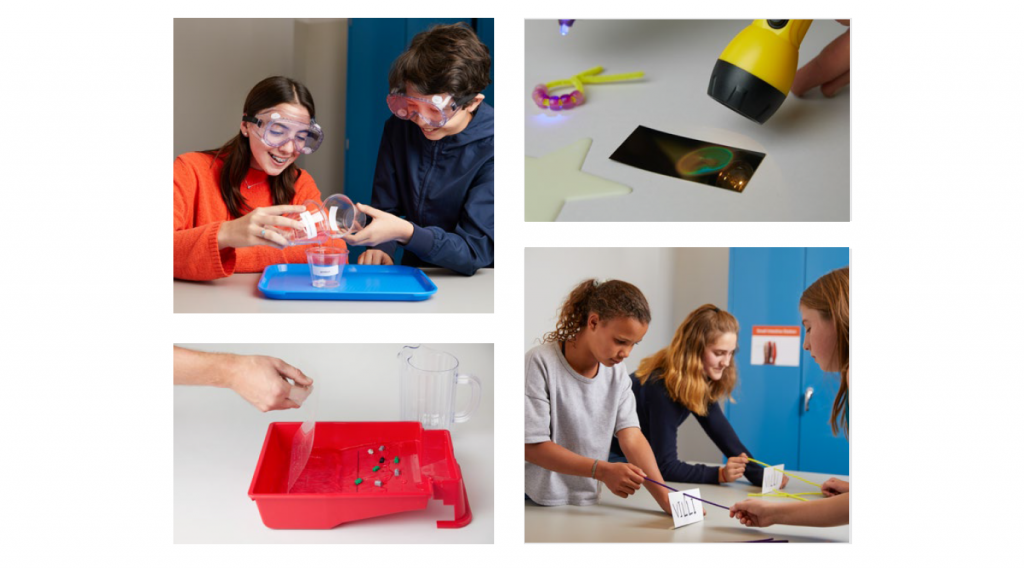
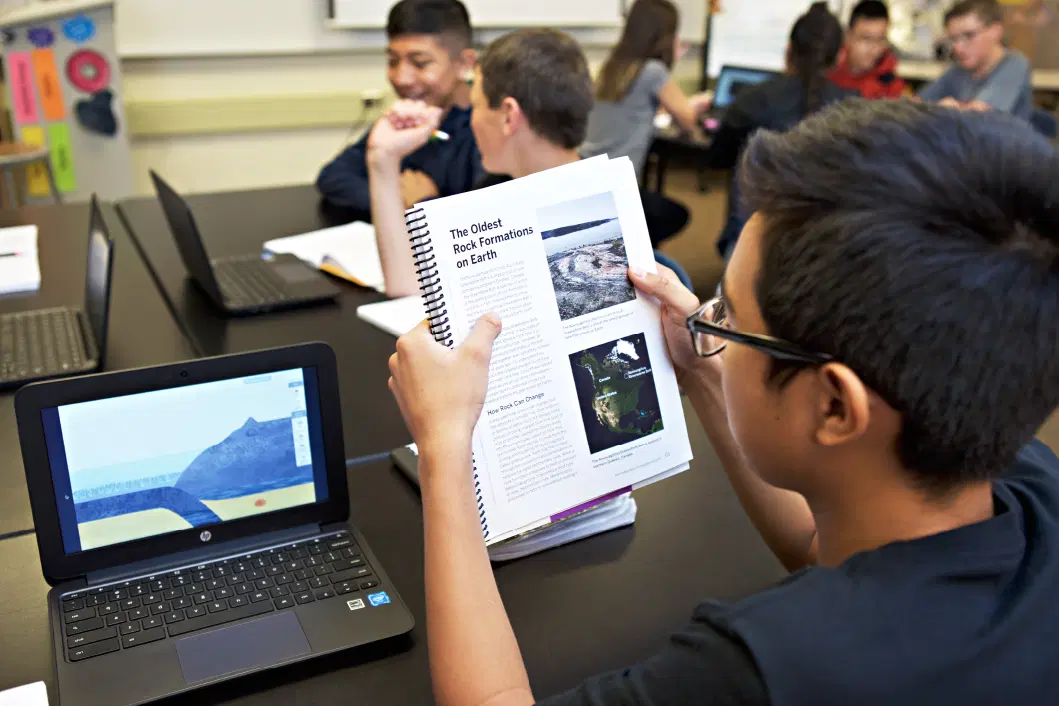
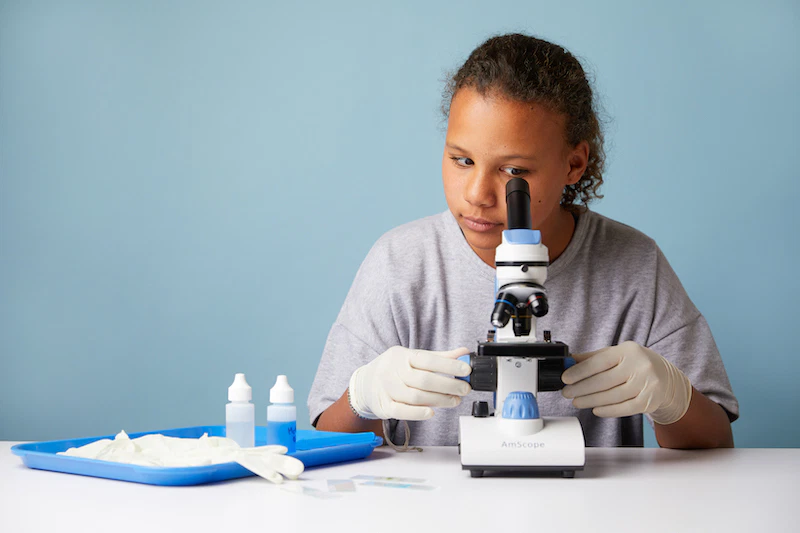
Amplify Science is based on the latest research on teaching and learning and helps teachers deliver rigorous and riveting lessons through hands-on investigations, literacy-rich activities, and interactive digital tools that empower students to think, read, write, and argue like real scientists.
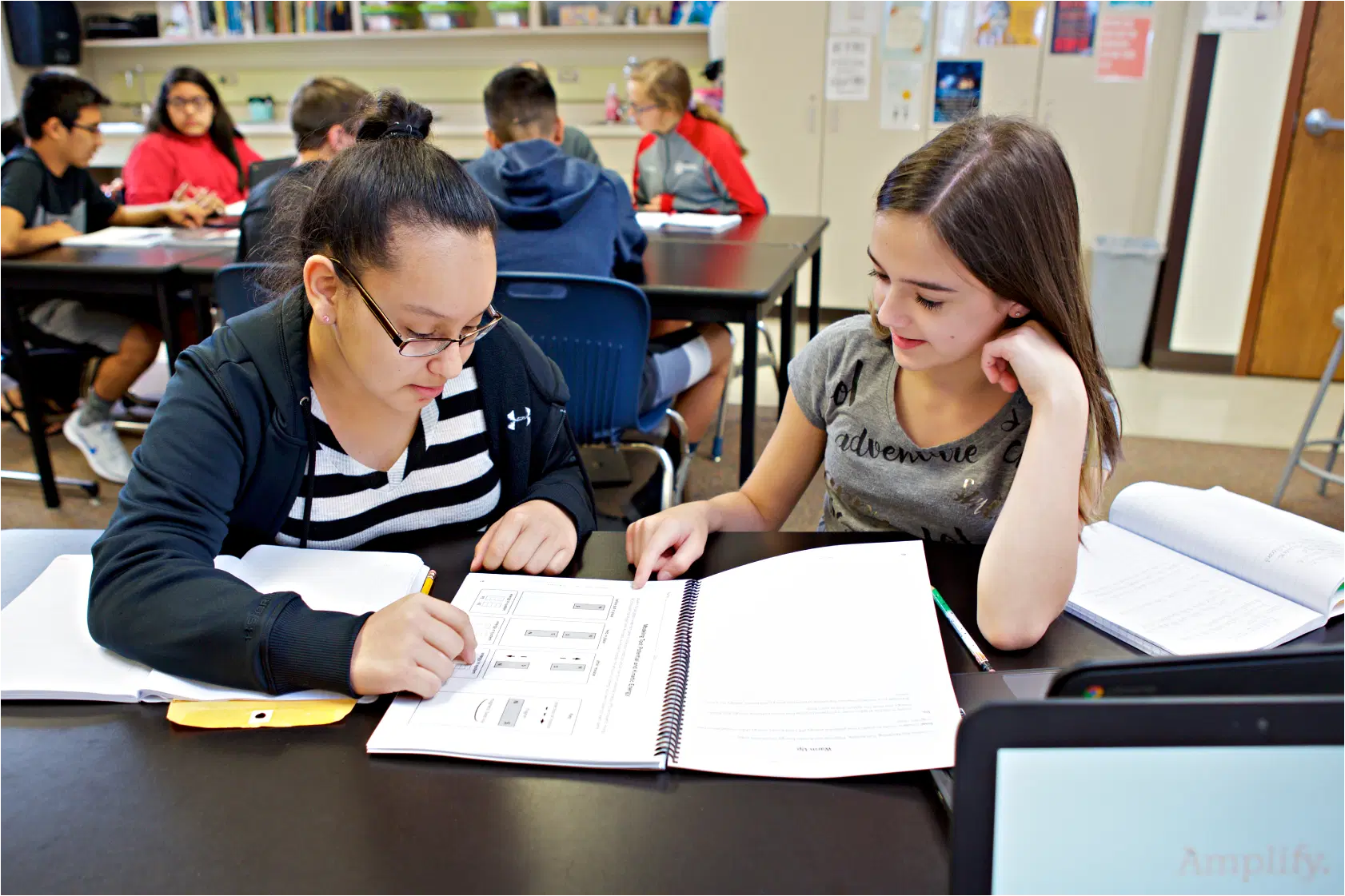
In the 6–8 classroom, this looks like students:
Collecting evidence from a variety of sources.
Making sense of evidence in a variety of ways.
Formulating convincing scientific arguments.
Is your school implementing the domain model? Click here.
Program structure
Our cyclical lesson design ensures students receive multiple exposures to concepts through a variety of modalities. As they progress through the lessons within a unit, students build and deepen their understanding, increasing their ability to develop and refine complex explanations of the unit’s phenomenon.
It’s this proven program structure and lesson design that enables Amplify Science to teach less, but achieve more. Rather than asking teachers to wade through unnecessary content, we designed our 6–8 program to address 100% of the NGSS in fewer lessons than other programs.
Scope and sequence
Every year our grades 6–8 sequence consists of 9 units, with each unit containing 10–19 lessons. Lessons are written to last a minimum of 45-minutes, though teachers can expand or contract the timing to meet their needs.
Unit types
Each unit delivers three-dimensional learning experiences and engages students in gathering evidence from a rich collection of sources, while also serving a unique purpose.
In grades 6–8, there are three types of units:
One unit is a launch unit.
Three units are core units.
Two units are engineering internships.
Launch units
Launch units are the first units taught in each year of Amplify Science. The goal of the Launch unit is to introduce students to norms, routines, and practices that will be built on throughout the year, including argumentation, active reading, and using the program’s technology. For example, rather than taking the time to explain the process of active reading in every unit in a given year, it is explained thoroughly in the Launch unit, thereby preparing students to read actively in all subsequent units.
Core units
Core units establish the context of the unit by introducing students to a real-world problem. As students move through lessons in a Core unit, they figure out the unit’s anchoring phenomenon, gain an understanding of the unit’s disciplinary core ideas and science and engineering practices, and make linkages across topics through the crosscutting concepts. Each Core unit culminates with a Science Seminar and final writing activity.
Engineering Internship units
Engineering Internship units invite students to design solutions for real-world problems as interns for a fictional company called Futura. Students figure out how to help those in need, from tsunami victims in Sri Lanka to premature babies, through the application of engineering practices. In the process, they apply and deepen their learning from Core units.
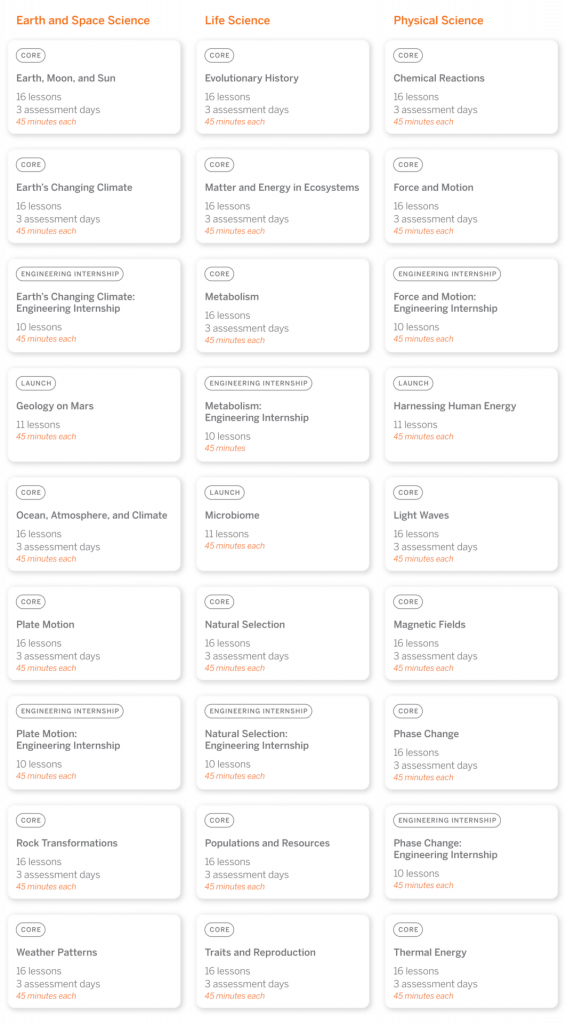
Units at a glance
Microbiome
Domain: Life Science
Unit type: Launch
Student role: Microbiological researchers
Phenomenon: The presence of 100 trillion microorganisms living on and in the human body may keep the body healthy.
Metabolism
Domain: Life Science
Unit type: Core
Student role: Medical researchers
Phenomenon: Elisa, a young patient, feels tired all the time.
Metabolism Engineering Internship
Domains: Life Science, Engineering Design
Unit type: Engineering internship
Student role: Food engineers
Phenomenon: Designing health bars with different molecular compositions can effectively meet the metabolic needs of patients or rescue workers.
Traits and Reproduction
Domain: Life Science
Unit type: Core
Student role: Biomedical students
Phenomenon: Darwin’s bark spider offspring have different silk flexibility traits, even though they have the same parents.
Thermal Energy
Domain: Physical Science
Unit type: Core
Student role: Thermal scientists
Phenomenon: One of two proposed heating systems for Riverdale School will best heat the school.
Ocean, Atmosphere, and Climate
Domains: Earth and Space Science, Physical Science
Unit type: Core
Student role: Climatologists
Phenomenon: During El Niño years, the air temperature in Christchurch, New Zealand is cooler than usual.
Weather Patterns
Domains: Earth and Space Science, Physical Science
Unit type: Core
Student role: Forensic meteorologists
Phenomenon: In recent years, rainstorms in Galetown have been unusually severe.
Earth’s Changing Climate
Domains: Earth and Space Science, Life Science
Unit type: Core
Student role: Climatologists
Phenomenon: The ice on Earth’s surface is melting.
Earth’s Changing Climate Engineering Internship
Domains: Earth and Space Science, Engineering Design
Unit type: Engineering internship
Student role: Civil engineers
Phenomenon: Designing rooftops with different modifications can reduce a city’s impact on climate change.
Geology on Mars
Domain: Earth and Space Science
Unit type: Launch
Student role: Planetary geologists
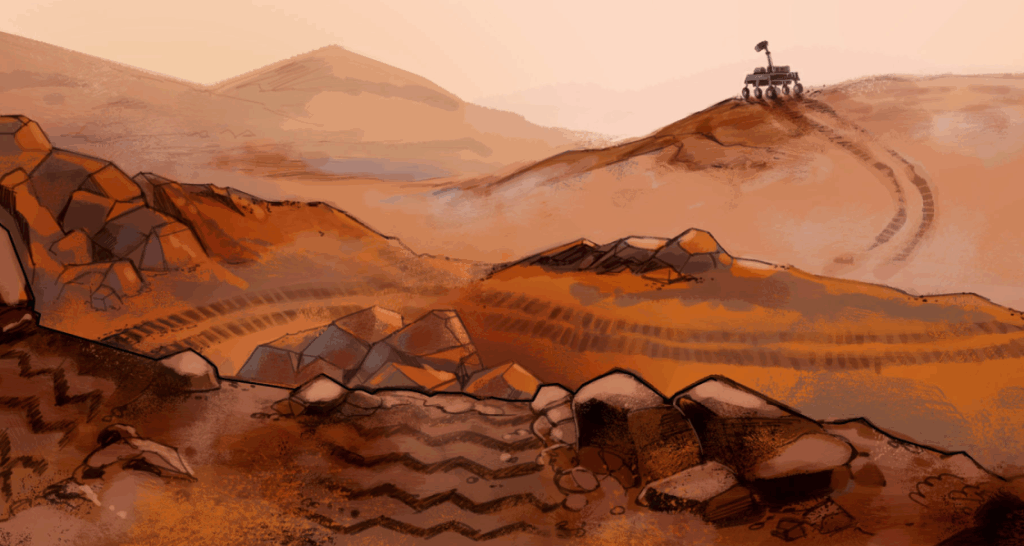
Phenomenon: Analyzing data about landforms on Mars can provide evidence that Mars may have once been habitable.
Plate Motion
Domain: Earth and Space Science
Unit type: Core
Student role: Geologists
Phenomenon: Mesosaurus fossils have been found on continents separated by thousands of kilometers of ocean, even though the Mesosaurus species once lived all together.
Plate Motion Engineering Internship
Domains: Earth and Space Science, Engineering Design
Unit type: Engineering internship
Student role: Mechanical engineering interns
Phenomenon: Patterns in earthquake data can be used to design an effective tsunami warning system.
Rock Transformations
Domain: Earth and Space Science
Unit type: Core
Student role: Geologists
Phenomenon: Rock samples from the Great Plains and from the Rocky Mountains — regions hundreds of miles apart — look very different, but have surprisingly similar mineral compositions.
Phase Change
Domains: Physical Science, Earth and Space Science
Unit type: Core
Student role: Chemists
Phenomenon: A methane lake on Titan no longer appears in images taken by a space probe two years apart
Force and Motion Engineering Internship
Domains: Engineering Design, Physical Science
Unit type: Engineering internship
Student role: Chemical engineering interns
Phenomenon: Designing portable baby incubators with different combinations of phase change materials can keep babies at a healthy temperature. Domains: Engineering Design, Physical Science
Chemical Reactions
Domains: Physical Science, Life Science, Earth and Space Science
Unit type: Core
Student role: Forensic chemists
Phenomenon: A mysterious brown substance has been detected in the tap water of Westfield.
Populations and Resources
Domains: Life Science, Earth and Space Science
Unit type: Core
Student role: Biologists
Phenomenon: The size of the moon jelly population in Glacier Sea has increased.
Matter and Energy in Ecosystems
Domains: Life Science, Earth and Space Science, Physical Science
Unit type: Core
Student role: Ecologists
Phenomenon: The biodome ecosystem has collapsed.
Harnessing Human Energy
Domains: Physical Science, Earth and Space Science, Engineering Design
Unit type: Launch
Student role: Energy scientists
Phenomenon: Rescue workers can use their own human kinetic energy to power the electrical devices they use during rescue missions.
Force and Motion
Domain: Physical Science
Unit type: Core
Student role: Physicists
Phenomenon: The asteroid sample-collecting pod failed to dock at the space station as planned.
Force and Motion Engineering Internship
Domains: Engineering Design, Physical Science
Unit type: Engineering internship
Student role: Chemical engineering interns
Phenomenon: Designing emergency supply delivery pods with different structures can maintain the integrity of the supply pods and their contents.
Magnetic Fields
Domain: Physical Science
Unit type: Core
Student role: Physicists
Phenomenon: During a test launch, a spacecraft traveled much faster than expected.
Light Waves
Domains: Physical Science, Life Science, Earth and Space Science
Unit type: Core
Student role: Spectroscopists
Phenomenon: The rate of skin cancer is higher in Australia than in other parts of the world.
Earth, Moon, and Sun
Domains: Earth and Space Science, Physical Science
Unit type: Core
Student role: Astronomers
Phenomenon: An astrophotographer can only take pictures of specific features on the Moon at certain times.
Natural Selection
Domains: Life Science, Earth and Space Science
Unit type: Core
Student role: Biologists
Phenomenon: The newt population in Oregon State Park has become more poisonous over time.
Natural Selection Engineering Internship
Domains: Engineering Design, Life Science
Unit type: Engineering internship
Student role: Clinical engineers
Phenomenon: Designing malaria treatment plans that use different combinations of drugs can reduce drug resistance development while helping malaria patients.
Evolutionary History
Domains: Life Science, Earth and Space Science
Unit type: Core
Student role: Paleontologists
Phenomenon: A mystery fossil at the Natural History Museum has similarities with both wolves and whales.
Amplify’s supplemental programs in ELA focus on essential concepts in these critical subjects, captivating students with immersive experiences while building skills that are foundational to future academic success.
Amplify CKLA Skills
Amplify CKLA Skills—which earned an “all-green” rating from EdReports—offers the explicit skills instruction needed in today’s K–5 classrooms.
Designed for Tier 1 support and built on a systematic scope and sequence, it provides teachers with clear, rigorous instructional materials; high-engagement classroom manipulatives; and decodable books written by popular, award-winning writers. The program solidifies the development of critical skills like phonological awareness, phonics, alphabetic principles, grammar, and writing.
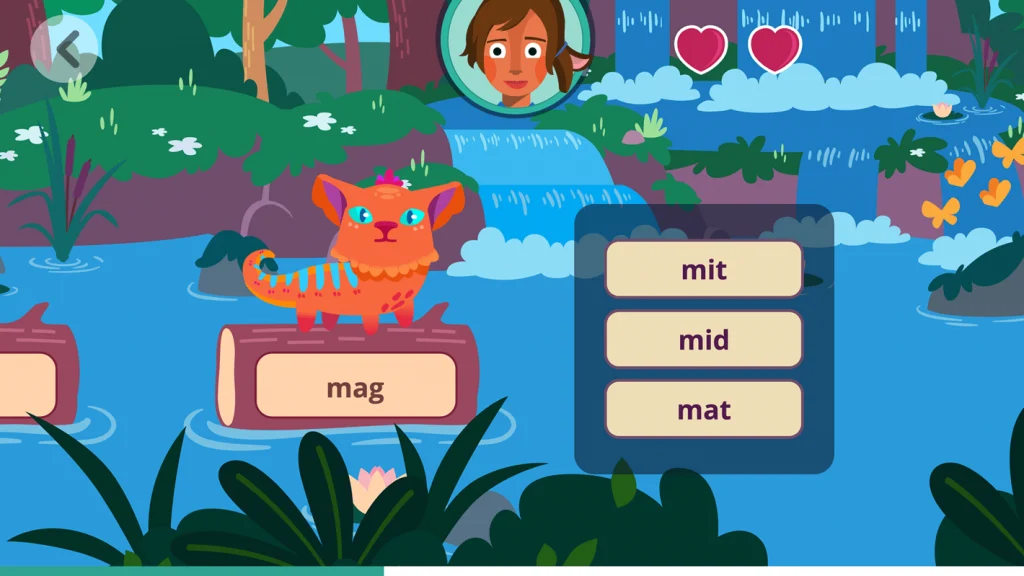
Boost Reading is a Science of Reading-based personalized learning program for grades K–5 that leverages the power of compelling storytelling to engage students in reading instruction and practice. The program provides each learner with the specific support they need and helps achieve off-the-charts reading growth. Boost Reading is a 2020 CODiE Award finalist and recipient of Digital Promise’s Research-Based Design product certification.
Boost Close Reading is an immersive supplemental reading program for grades 6–8 that engages students through an interactive graphic novel. Through high-interest storytelling and guided instruction, the program motivates middle schoolers to question what they read, think critically, and build the close reading skills that will spark success in high school and beyond.
Fill out this form, and we’ll be in touch with you shortly.
Hello, LAUSD!
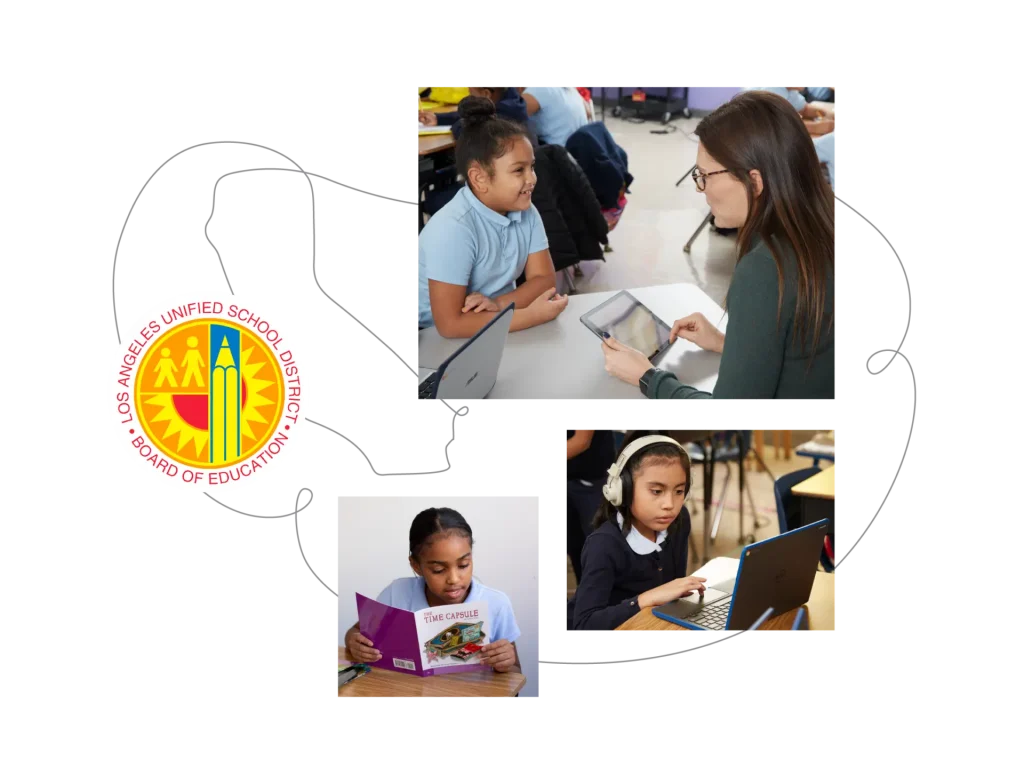
You’ve known Amplify as a publisher of high-quality instructional materials and assessments. We continue to launch product enhancements and new resources that will help you and your staff ensure continuity of learning anywhere.
All Amplify products: Amplify CKLA® and Caminos, mCLASS®, mCLASS Intervention, Boost Reading and Boost Lectura, and Amplify Science can be accessed via Schoology or Clever using your LAUSD Single Sign-On (SSO).
When you have a question about Amplify curriculum, we suggest you check out our Help Library as your first stop. It’s packed with answers to FAQs and tips for navigating and using Amplify. The search tool there will help you find the answer you need quickly.
LAUSD educators can access all Amplify products from one app on Schoology. Gain instant access to digital materials, resources, and community support from the Amplify team and fellow LAUSD educators.
Brandon Fried Director of Customer Success & Development bfried@amplify.com 737-710-4112
For Sales Inquiries
Michelle Land Lead Strategic Account Specialist mland@amplify.com 703-214-4085
Boost Reading
Boost Reading (K–5) is available for purchase!
Boost Lectura (K–2) is available for purchase! Learn more here.
We are excited to share a fun Boost Reading resource that teachers can use to creatively connect with their students, while motivating them to increase their weekly Boost Reading usage. These Digital Classroom Assets have been loaded onto a Powerpoint, so that the images and slides can be used in many and varied ways to support remote instruction.
Share this Boost Reading Log to your students and they can keep track of their weekly BR time. Tip: If families have access to a printer, they can print out the file for daily use at home. Put scotch tape over the area for the date and minutes and make it a wipe-off surface! Sample photo.
Looking for ways to motivate your students? We’ve created resources to support remote engagement with Boost Reading Fun. Digital downloads below.
An integrated solution that leverages your DIBELS data to place students in the right learning progression for their skills.
A supplemental digital curriculum that teaches literacy skills through a captivating game world.
An adaptive, research-based program that immerses students in language, decoding, and comprehension and differentiates instruction based on student progress.
Boost Reading Reporting Guide
A comprehensive new resource is now available for you and your teachers. This Boost Reading Reporting Guide will help you navigate through all of the progress data that is available on the Teacher Dashboard and in Administrator Reports.
Implementation Resources
Boost Reading (K-2) is available for all schools! When your students are not learning from you, they can continue to learn on their own. And the more your kids are on it, the better they do in reading.
This year, we have made it easier than ever for teachers and students. Students do not have to wait to be assessed on DIBELS to be placed into the program.
When a student uses Boost Reading for the first time, the program determines the initial level of content they will see, based on their unique learning needs.
Students are placed into the adaptive learning map by using their most recent supported assessment data or by taking an alternate placement activity provided by the Boost program.
Once they are assessed in DIBELS, the program will automatically adjust based on that data and will give them the skills they need practice in. Teachers and students are able to directly connect to Boost Reading from the Amplify app within Schoology using their SSO. (Teachers no longer need a class login or QR code for their students.) Teachers and administrators have additional reporting features on the Boost Reading dashboard to support the progress of students.
Amplify Reading 6–8 is a digital reading program laser-focused on helping students find deeper meaning in texts by teaching them to question everything they read.
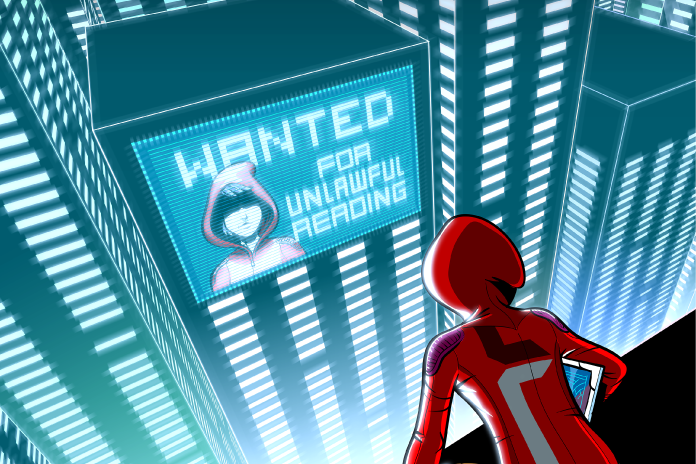
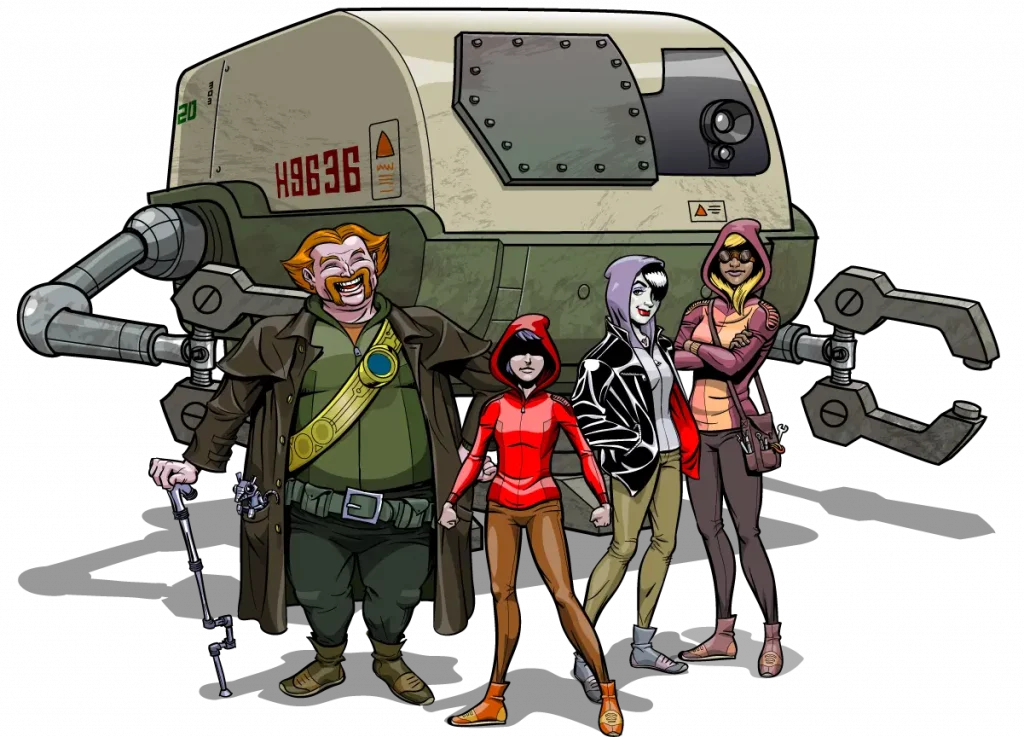
To capture students’ imagination, Amplify Reading 6–8 takes the form of an interactive graphic novel called The Last Readers. This story is set in a dystopian future world run by Machines, where people are told what to read and what to think. But dissent is afoot. Recruited for the rebellion, students are trained in the powerful ways authors convey meaning and affect their audience.
What students learn
Exploring texts from literary classics to propaganda, from great speeches to scientific articles, students learn to analyze the moves that authors make to achieve their purposes. Chapter topics alternate between the close analysis of arguments and literary analysis.
Each chapter should take approximately one hour for students to complete.
How to integrate this program into your curriculum
Amplify Reading 6–8 is designed for students to work independently as they progress through the chapters of The Last Readers. For the last chapter of each book, teachers have the option to build on independent work through group and whole-class activities.
For the best experience, students should complete the chapters in order. The chapters and concepts build on each other and were designed to help students master close reading skills. While teachers can unlock chapters so students can work on specific concepts at any given moment, doing so may result in a less-than-ideal experience. Later lessons are locked by default, but we will provide the ability to unlock lessons from within the teacher dashboard.
How teachers are using Amplify Reading 6–8
Reinforcement of concepts
Many teachers find the program extremely helpful for reinforcing key reading skills in the core curriculum. They use it in class one or two times a week for 20 to 30 minutes over the course of a year.
Test preparation
The program features extensive practice with text-dependent questions, providing a fun and effective way for students to get comfortable answering those kinds of questions.
Other common uses
Teachers also use the program to introduce key close reading concepts, for extra practice or homework, as response to intervention, and for after-school and summer school programs.
Routines
Devoting one class period every week or two to having students work independently on The Last Readers. While students are working independently on devices, teachers can work with small groups who need extra support with their core curriculum work. Teachers can also assign students work in Practice Mode during class or for homework.
Treating each book of The Last Readers as a 2–3 week mini-unit that can be inserted between units of core curriculum instruction. In addition to having students work on the chapters during class, teachers can assign students work in Practice Mode in between chapters or for homework.
Regularly assigning The Last Readers to students as homework. Because students may move through the chapters at different paces, teachers may want to assign one chapter per week and ask students to work in Practice Mode for the rest of the week after they complete a chapter.
Pedagogical approach
In Amplify Reading 6–8:
Students learn to question everything they read by engaging with a story-based adventure in which understanding every piece of text and every article, billboard, speech and poem is essential to the narrative.
Students learn to leverage the same devices used by authors to convey meaning by creating new content that integrates seamlessly with the story.
Unlike other reading supplementals that rely solely on assessment questions and feedback, Amplify Reading 6–8 weaves digital instruction together with assessment, all within an immersive story where the analysis of text is a critical element of the plot. The storytelling is vivid, suspenseful, and complex, designed to provide students with purpose and agency as they take on ever more challenging and high-stakes close reading tasks.
Each mission includes three steps:
Interactive instruction: Students engage with a specific close reading concept using digital manipulatives.
Guided close reading: Students apply knowledge of the concept to a complex text.
Creative application: Students use their knowledge of the concept to create new content that solves a story-based problem.
Literary and informational passages are paired with carefully crafted, text-dependent questions and technology-enhanced items that prepare students for the same types of questions they’ll face on high stakes assessments. All along the way, teachers receive reports that visualize activity and progress, and highlight areas of improvement. Teachers can also leverage the original content generated by students in each mission as a rich classroom discussion piece.
Combining content and pedagogy with the creativity and purpose of storytelling results in an experience that truly motivates students and gives them the skills and confidence to tackle complex text.
The practice of close reading lies at the heart of the Common Core and many other state standards for English Language Arts. Instruction in close reading enables students to become attuned to the essential elements of authentic texts: from key ideas and claims to specific details and evidence; from the effects of single words to those of larger textual structures; from the significance of individual texts to the interrelated meanings of entire corpora.
The recent focus on close reading is reflected in the text-dependent questions that populate many recent state assessments of ELA proficiency. Text-dependent questions address students’:
understanding of vocabulary
understanding of syntax and structure
understanding of literary and argumentative devices
understanding of themes and central ideas
Amplify Reading 6–8 gives students the essential skills and confidence they need to address text-dependent questions and the standards to which they refer.
Additionally, each book of The Last Readers emphasizes at least one Common Core reading anchor standards associated with each of the ELA standards strands:
Book 1: KID 1 / C&S 4 / IKI 8
Book 2: KID 1, 2, 3 / C&S 4, 5, 6 / IKI 8
Book 3: KID 1, 2, 3 / C&S 4, 5, 6 / IKI 6, 7, 8
ANCHOR STANDARD
CHAPTERS
CCSS.ELA-LITERACY.CCRA.R.1 Read closely to determine what the text says explicitly and to make logical inferences from it; cite specific textual evidence when writing or speaking to support conclusions drawn from the text.
Books 1, 2, 3: All chapters
CCSS.ELA-LITERACY.CCRA.R.2 Determine central ideas or themes of a text and analyze their development; summarize the key supporting details and ideas.
Book 2: Chapters 9, 10, 12, 14, 16 Book 3: All chapters
CCSS.ELA-LITERACY.CCRA.R.3 Analyze how and why individuals, events, or ideas develop and interact over the course of a text.
Book 2: Chapters 10, 12, 14 Book 3: All chapters
CCSS.ELA-LITERACY.CCRA.R.4 Interpret words and phrases as they are used in a text, including determining technical, connotative, and figurative meanings, and analyze how specific word choices shape meaning or tone.
Book 1: Chapters 2, 3, 4, 6, 7, 8 Book 2: All chapters Book 3: All chapters
CCSS.ELA-LITERACY.CCRA.R.5 Analyze the structure of texts, including how specific sentences, paragraphs, and larger portions of the text (e.g., a section, chapter, scene, or stanza) relate to each other and the whole.
Book 2: Chapters 9, 11, 13, 15, 16 Book 3: All chapters
CCSS.ELA-LITERACY.CCRA.R.6 Assess how point of view or purpose shapes the content and style of a text.
Book 2: Chapters 9, 11, 16 Book 3: At least 50% of the chapters
CCSS.ELA-LITERACY.CCRA.R.7 Integrate and evaluate content presented in diverse media and formats, including visually and quantitatively, as well as in words.
Book 3: At least 50% of the chapters
CCSS.ELA-LITERACY.CCRA.R.8 Delineate and evaluate the argument and specific claims in a text, including the validity of the reasoning as well as the relevance and sufficiency of the evidence.
Book 1: Chapters 1, 5, 8 Book 2: Chapters 9, 11, 13, 15 Book 3: At least 50% of the chapters
CCSS.ELA-LITERACY.CCRA.R.9 Analyze how two or more texts address similar themes or topics in order to build knowledge or to compare the approaches the authors take.
Book 3: At least 50% of the chapters
CCSS.ELA-LITERACY.CCRA.R.10 Read and comprehend complex literary and informational texts independently and proficiently.
Books 1, 2, 3: All chapters
Levels
Because each classroom represents a wide range of reading abilities, teachers can assign students to unique learning tracks that are tailored to provide the level of support each student needs.
After your students have enrolled in a class, you can assign them to a particular level in Reporting. All students will be automatically enrolled in the Core level. It is recommended that you assign all students to whatever level is most appropriate for them before they begin chapter 1. You can change a student’s level at any time.
LEVEL
DESIGNED FOR
CORE
Students whose reading levels fall within the middle school band.
EXTRA SUPPORT
Students who are reading below middle school level or with limited English proficiency. The instructional content and texts have been adapted or replaced to support students who “can engage in complex, cognitively demanding social and academic activities requiring language when provided moderate linguistic support.” Support includes streamlined, scaffolded content that integrates the built-in-dictionary tool, so students can access content and academic vocabulary at their language level and above. For productive written activities, students are given supports such as sentence frames to help them develop structured academic responses.
ADVANCED (coming soon)
We are developing an advanced level that will challenge readers with more complex texts and prompts, and with additional content.
Included texts
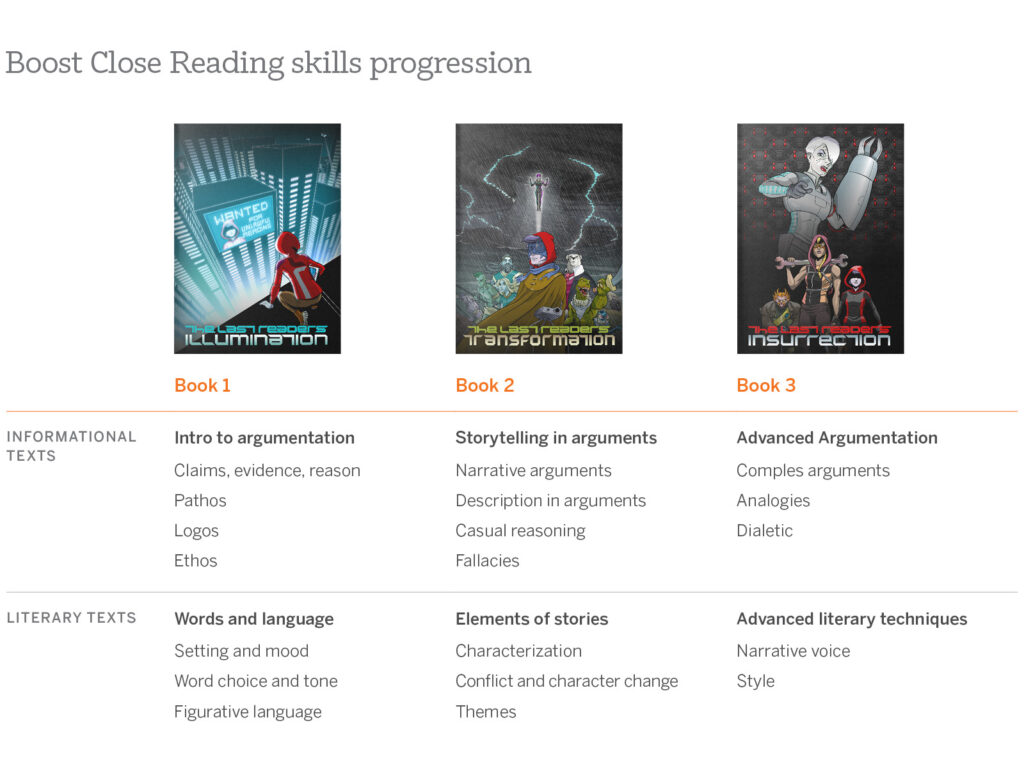
Book 1
Book 2
Book 3
Boost Close Reading Trial Support Site
We’re thrilled you’ve decided to give our Boost Close Reading a try! We’re confident you’re going to love how Boost Close Reading engages your middle school readers and helps them strengthen their close reading skills.
This site contains all the resources you’ll need to learn more about the program and to get started using it to support remote learning or classroom instruction.
Resources to support your use of the program
What is Boost Close Reading?
Boost Close Reading is a digital reading program that provides middle school students with rich instruction and practice around the critical work of close reading.
No matter the setting or core curriculum in place, Boost Close Reading offers a personalized, differentiated experience that helps students learn how to deeply analyze complex informational and literary texts, in just 45 minutes of independent practice a week.
Good news! Boost Close Reading has already been enabled within your Amplify account. To get started with the program, you’ve got only two steps left: adjusting your students’ support levels (Core or Extra Support) and setting up your student devices. The video below will walk you through how to complete both steps.
What else can you tell me about Boost Close Reading?
Unlike other reading supplementals which rely solely on assessment questions and feedback, Boost Close Reading seamlessly weaves digital instruction with assessment within an immersive story where the analysis of text is a critical element in the plot. What’s more, with optional scaffolding designed specifically for EL students and struggling readers, every student can experience the same story from beginning to end.
Everything you need to get started with the program is provided above. However, if you prefer learning through webinars, we have those too! A pre-recorded, on-demand webinar is available anytime at the link below. Live webinar dates are currently being scheduled. Check back for days and times!
Our Intercom feature gives you the ability to chat with customer support, technical support, and pedagogical support teams in real time directly from the digital platform. This ensures that issues that arise in the classroom can be addressed as quickly as possible. Support teams can be reached from 7 a.m. to 7 p.m. EDT, Monday through Friday.
Email
Our customer support, technical support, and pedagogical support teams can be reached by email at help@amplify.com from 7 a.m. to 7 p.m. EDT, Monday through Friday.
Amplify CKLA Skills
Amplify CKLA Skills—which earned an “all-green” rating from EdReports—offers the explicit skills instruction needed in today’s K–5 classrooms.
Designed for Tier 1 support and built on a systematic scope and sequence, it provides teachers with clear, rigorous instructional materials; high-engagement classroom manipulatives; and decodable books written by popular, award-winning writers. The program solidifies the development of critical skills like phonological awareness, phonics, alphabetic principles, grammar, and writing.
Boost Reading is a Science of Reading-based personalized learning program for grades K–5 that leverages the power of compelling storytelling to engage students in reading instruction and practice. The program provides each learner with the specific support they need and helps achieve off-the-charts reading growth. Boost Reading is a 2020 CODiE Award finalist and recipient of Digital Promise’s Research-Based Design product certification.
Boost Close Reading is an immersive supplemental reading program for grades 6–8 that engages students through an interactive graphic novel. Through high-interest storytelling and guided instruction, the program motivates middle schoolers to question what they read, think critically, and build the close reading skills that will spark success in high school and beyond.
S5.E6. Why skepticism is essential to the Science of Reading, with Dr. Claude Goldenberg
A closer look at grades 6–8
Amplify Science is based on the latest research on teaching and learning and helps teachers deliver rigorous and riveting lessons through hands-on investigations, literacy-rich activities, and interactive digital tools that empower students to think, read, write, and argue like real scientists.
In the 6–8 classroom, this looks like students:
Collecting evidence from a variety of sources.
Making sense of evidence in a variety of ways.
Formulating convincing scientific arguments.
Is your school implementing the domain model? Click here.
Program structure
Our cyclical lesson design ensures students receive multiple exposures to concepts through a variety of modalities. As they progress through the lessons within a unit, students build and deepen their understanding, increasing their ability to develop and refine complex explanations of the unit’s phenomenon.
It’s this proven program structure and lesson design that enables Amplify Science to teach less, but achieve more. Rather than asking teachers to wade through unnecessary content, we designed our 6–8 program to address 100% of the NGSS in fewer lessons than other programs.
Scope and sequence
Every year our grades 6–8 sequence consists of 9 units, with each unit containing 10–19 lessons. Lessons are written to last a minimum of 45-minutes, though teachers can expand or contract the timing to meet their needs.
Unit types
Each unit delivers three-dimensional learning experiences and engages students in gathering evidence from a rich collection of sources, while also serving a unique purpose.
In grades 6–8, there are three types of units:
One unit is a launch unit.
Three units are core units.
Two units are engineering internships.
Launch units
Launch units are the first units taught in each year of Amplify Science. The goal of the Launch unit is to introduce students to norms, routines, and practices that will be built on throughout the year, including argumentation, active reading, and using the program’s technology. For example, rather than taking the time to explain the process of active reading in every unit in a given year, it is explained thoroughly in the Launch unit, thereby preparing students to read actively in all subsequent units.
Core units
Core units establish the context of the unit by introducing students to a real-world problem. As students move through lessons in a Core unit, they figure out the unit’s anchoring phenomenon, gain an understanding of the unit’s disciplinary core ideas and science and engineering practices, and make linkages across topics through the crosscutting concepts. Each Core unit culminates with a Science Seminar and final writing activity.
Engineering Internship units
Engineering Internship units invite students to design solutions for real-world problems as interns for a fictional company called Futura. Students figure out how to help those in need, from tsunami victims in Sri Lanka to premature babies, through the application of engineering practices. In the process, they apply and deepen their learning from Core units.
Units at a glance
Microbiome
Domain: Life Science
Unit type: Launch
Student role: Microbiological researchers
Phenomenon: The presence of 100 trillion microorganisms living on and in the human body may keep the body healthy.
Metabolism
Domain: Life Science
Unit type: Core
Student role: Medical researchers
Phenomenon: Elisa, a young patient, feels tired all the time.
Metabolism Engineering Internship
Domains: Life Science, Engineering Design
Unit type: Engineering internship
Student role: Food engineers
Phenomenon: Designing health bars with different molecular compositions can effectively meet the metabolic needs of patients or rescue workers.
Traits and Reproduction
Domain: Life Science
Unit type: Core
Student role: Biomedical students
Phenomenon: Darwin’s bark spider offspring have different silk flexibility traits, even though they have the same parents.
Thermal Energy
Domain: Physical Science
Unit type: Core
Student role: Thermal scientists
Phenomenon: One of two proposed heating systems for Riverdale School will best heat the school.
Ocean, Atmosphere, and Climate
Domains: Earth and Space Science, Physical Science
Unit type: Core
Student role: Climatologists
Phenomenon: During El Niño years, the air temperature in Christchurch, New Zealand is cooler than usual.
Weather Patterns
Domains: Earth and Space Science, Physical Science
Unit type: Core
Student role: Forensic meteorologists
Phenomenon: In recent years, rainstorms in Galetown have been unusually severe.
Earth’s Changing Climate
Domains: Earth and Space Science, Life Science
Unit type: Core
Student role: Climatologists
Phenomenon: The ice on Earth’s surface is melting.
Earth’s Changing Climate Engineering Internship
Domains: Earth and Space Science, Engineering Design
Unit type: Engineering internship
Student role: Civil engineers
Phenomenon: Designing rooftops with different modifications can reduce a city’s impact on climate change.
Geology on Mars
Domain: Earth and Space Science
Unit type: Launch
Student role: Planetary geologists
Phenomenon: Analyzing data about landforms on Mars can provide evidence that Mars may have once been habitable.
Plate Motion
Domain: Earth and Space Science
Unit type: Core
Student role: Geologists
Phenomenon: Mesosaurus fossils have been found on continents separated by thousands of kilometers of ocean, even though the Mesosaurus species once lived all together.
Plate Motion Engineering Internship
Domains: Earth and Space Science, Engineering Design
Unit type: Engineering internship
Student role: Mechanical engineering interns
Phenomenon: Patterns in earthquake data can be used to design an effective tsunami warning system.
Rock Transformations
Domain: Earth and Space Science
Unit type: Core
Student role: Geologists
Phenomenon: Rock samples from the Great Plains and from the Rocky Mountains — regions hundreds of miles apart — look very different, but have surprisingly similar mineral compositions.
Phase Change
Domains: Physical Science, Earth and Space Science
Unit type: Core
Student role: Chemists
Phenomenon: A methane lake on Titan no longer appears in images taken by a space probe two years apart
Force and Motion Engineering Internship
Domains: Engineering Design, Physical Science
Unit type: Engineering internship
Student role: Chemical engineering interns
Phenomenon: Designing portable baby incubators with different combinations of phase change materials can keep babies at a healthy temperature. Domains: Engineering Design, Physical Science
Chemical Reactions
Domains: Physical Science, Life Science, Earth and Space Science
Unit type: Core
Student role: Forensic chemists
Phenomenon: A mysterious brown substance has been detected in the tap water of Westfield.
Populations and Resources
Domains: Life Science, Earth and Space Science
Unit type: Core
Student role: Biologists
Phenomenon: The size of the moon jelly population in Glacier Sea has increased.
Matter and Energy in Ecosystems
Domains: Life Science, Earth and Space Science, Physical Science
Unit type: Core
Student role: Ecologists
Phenomenon: The biodome ecosystem has collapsed.
Harnessing Human Energy
Domains: Physical Science, Earth and Space Science, Engineering Design
Unit type: Launch
Student role: Energy scientists
Phenomenon: Rescue workers can use their own human kinetic energy to power the electrical devices they use during rescue missions.
Force and Motion
Domain: Physical Science
Unit type: Core
Student role: Physicists
Phenomenon: The asteroid sample-collecting pod failed to dock at the space station as planned.
Force and Motion Engineering Internship
Domains: Engineering Design, Physical Science
Unit type: Engineering internship
Student role: Chemical engineering interns
Phenomenon: Designing emergency supply delivery pods with different structures can maintain the integrity of the supply pods and their contents.
Magnetic Fields
Domain: Physical Science
Unit type: Core
Student role: Physicists
Phenomenon: During a test launch, a spacecraft traveled much faster than expected.
Light Waves
Domains: Physical Science, Life Science, Earth and Space Science
Unit type: Core
Student role: Spectroscopists
Phenomenon: The rate of skin cancer is higher in Australia than in other parts of the world.
Earth, Moon, and Sun
Domains: Earth and Space Science, Physical Science
Unit type: Core
Student role: Astronomers
Phenomenon: An astrophotographer can only take pictures of specific features on the Moon at certain times.
Natural Selection
Domains: Life Science, Earth and Space Science
Unit type: Core
Student role: Biologists
Phenomenon: The newt population in Oregon State Park has become more poisonous over time.
Natural Selection Engineering Internship
Domains: Engineering Design, Life Science
Unit type: Engineering internship
Student role: Clinical engineers
Phenomenon: Designing malaria treatment plans that use different combinations of drugs can reduce drug resistance development while helping malaria patients.
Evolutionary History
Domains: Life Science, Earth and Space Science
Unit type: Core
Student role: Paleontologists
Phenomenon: A mystery fossil at the Natural History Museum has similarities with both wolves and whales.
At Amplify, we believe Pennsylvania students and teachers deserve high quality instructional materials.
That’s why we partner with schools across the Keystone State to meet their core curriculum, assessment, and intervention goals. With solutions grounded in research and evidence-based practices, Amplify is leading the way with rigorous and relevant learning experiences.
Select a program below to learn more.
Amplify Desmos Math (K–12)
Amplify Desmos Math is a comprehensive K–12 math suite that has everything in one place: benchmark and progress monitoring, core instruction, integrated personal learning, embedded intervention, and more. This structured, problem-based approach builds on students’ curiosity while strategically developing math fluency and lasting grade-level understanding. The program delivers:
Engaging, discourse-rich math lessons that fuel classroom conversations and drive the learning process.
Comprehensive integrated resources, including print and digital, along with manipulatives and Centers Kits in K–5.
Real-time insights, data, and reporting that inform instruction and celebrate student thinking.
Flexible, social problem-solving experiences
Digital lessons should be able to bring student thinking to the surface and spark productive discussions. We bring this vision to life with interactive social, collaborative lessons powered by Desmos technology.
mCLASS early literacy assessment and intervention (K–8)
Effective universal screening and progress monitoring means that every student is an individual and targeted instruction should become a reality, not a dream.
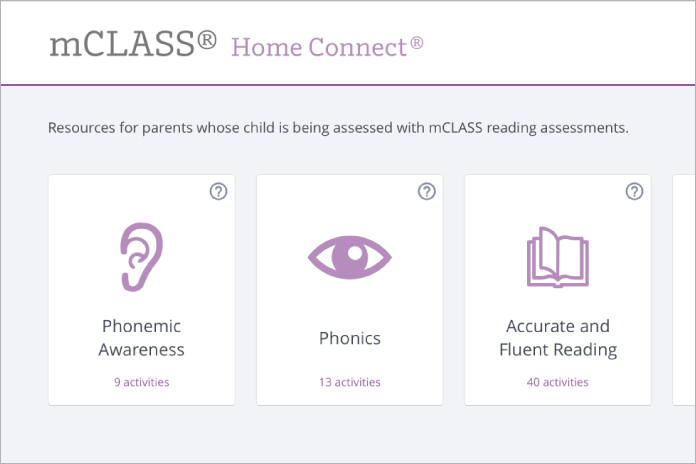
mCLASS® is the gold-standard K–8 assessment and intervention suite for early literacy that helps every child learn to read confidently.
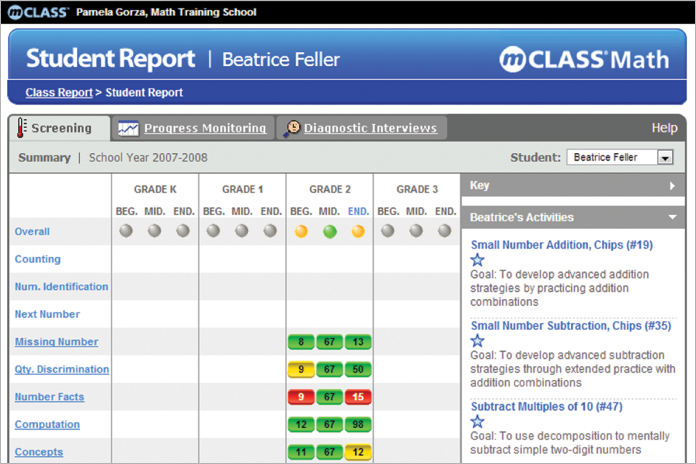
Universal screening presented in one-minute measures shows where your students are, who is at risk, and where to target instruction.
Dyslexia screening identifies students who are at risk for reading difficulties without needing an additional assessment system
Elimination of manual assessment process gives you instant results and clear next steps for each student.
Progress monitoring allows you to quickly adjust to student needs, based on how they are responding to instruction.
The power of mCLASS
Based on decades of leading literacy research, mCLASS lets you know exactly which part of a skill a student is struggling with, then gives you effective next steps and lesson plans.
High-quality, content-rich instruction should combine multisensory phonics instruction with knowledge-rich texts and interactive multimedia resources.
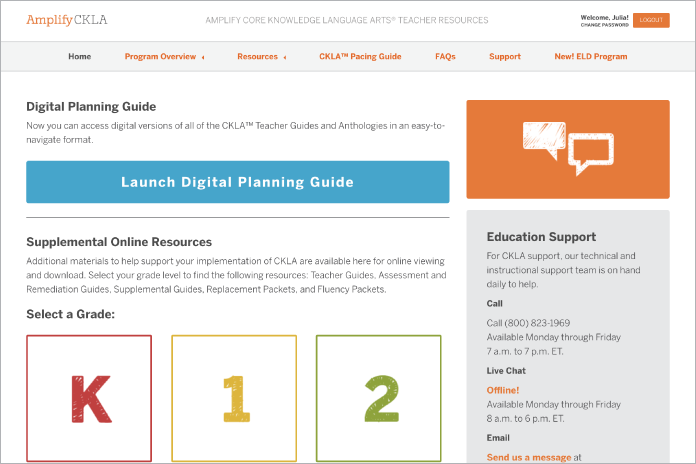
Built on the Science of Reading, Amplify Core Knowledge Language Arts® (CKLA) sequences deep content knowledge with research-based foundational skills.
Explicit, systematic foundational skills lessons are easy to teach and exciting to learn.
Deep knowledge-building across units and grades helps access complex text, so real comprehension can happen.
Rich, authentic texts with engaging topics and immersive learning support students wherever they are.
Students love CKLA. But don’t just take our word for it.
Amplify CKLA is impactful for teachers, administrators, families, and most of all—students! Hear what students think about Amplify CKLA.
Authentic personalized learning should be developmentally appropriate, grounded in research, and truly adaptive.
Boost Reading is a personalized, digital supplemental reading tool for grades K–5 featuring:
Research-based approach to critical literacy skill development that is proven to accelerate reading growth in just 30 minutes per week.
Captivating storylines and games with powerful individualized reading instruction and practice to bridge learning gaps while learning independently.
Actionable data that offers deeper insights into student performance and needs.
Boost Reading keeps all students playing and motivated to learn.
Boost Reading includes age-appropriate storylines that excite students’ curiosity. Regardless of their reading ability, students are placed in a year-long storyline that is developmentally appropriate for them. As students grow, so do the immersive worlds around them.
Amplify ELA is the only program truly designed to support middle school students at this critical developmental moment. We ensure that skills are taught, standards are covered, and the test is prepped – all while bringing texts to life and differentiating instruction.
Rich, complex text and research-based instruction at the center of every lesson to build the vocabulary, knowledge, and skills needed in middle school, high school, and beyond.
Multiple points of entry and differentiated support allow every student, regardless of fluency or ability, to engage deeply in the same curriculum.
Immersive digital apps that offer engaging interactive experiences where students work with key skills in brand new ways.
We are the program for middle schoolers.
Let’s face it– middle school students are different from high school students. That’s why they deserve a program of their own.
Middle school students need to exercise their close reading skills in order to deeply comprehend across the curriculum. Based on a riveting storyline designed especially for middle schoolers, Boost Close Reading helps students find deeper meaning in a digital journey like no other.
Inspire engagement via high-interest storytelling, choose-your-own adventure experiences, and skill-building features.
Explore topics like claim, evidence, reasoning, word choice, and tone in both literary and informational texts.
Detailed teacher dashboards display student progress, performance, and usage information, offering easy-to-access insights on areas of strength and weakness.
Fight the machines and save the world.
Before the machines took over, humans could fend for themselves. Now humanity is trapped. And their only hope? You.
Amplify Science Pennsylvania is a proven K–8 curriculum that develops critical thinkers who are prepared to solve problems in their communities and beyond. It features:
Phenomena-based exploration and three-dimensional learning where students take on the roles of scientists and engineers to solve real-world problems.
Immersive hands-on activities that teach students how to gather evidence, ask questions, and develop and defend claims.
Literacy-rich science instruction that enables young scientists to become excellent readers, writers, and speakers.
Custom lessons specifically designed to meet Pennsylvania’s STEELS standards.
Do, Talk, Read, Write students outperform their peers.
English language learners who use Do, Talk, Read, Write outperform their ELL peers.
Do you use already use an Amplify program in Pennsylvania? Our support team is here to provide technical and instructional support by phone, live chat, or email.
On this week’s episode of Science of Reading: The Podcast, Susan Lambert, Ed.D., is joined by one of the most influential people in American education, Reid Lyon, Ph.D., to explore what it takes to make systemic change in literacy instruction. Together, Reid and Susan also discuss how literacy education could benefit from a shared vocabulary, how systems must work together from teacher preparation to classroom implementation, and what we can do to close the implementation gap.
Reid Lyon is a neuroscientist and specialist in learning disorders who currently serves as a senior advisor to the Drexel University ALLIED Hub. From 1991 to 2025, he served as Chief of the Child Development and Behavior Branch at The Eunice Kennedy Shriver National Institute of Child Health and Human Development (NICHD)/National Institutes of Health, where he developed and oversaw research programs in cognitive neuroscience and reading development. In this role, he designed and directed the 44-site NICHD Reading Research Network and served as an advisor to President George W. Bush and First Lady Laura Bush on developmental science, language, and reading. He co-authored landmark legislation including the Reading Excellence Act (1996) and Reading First Initiative (2002), and authored the legislative language for the National Reading Panel.
Lyon has published over 130 peer-reviewed articles and co-authored the definition of dyslexia now used by the International Dyslexia Association. A Vietnam combat veteran who received the Bronze Star, he brings both scientific expertise and personal perspective to understanding learning differences and translating research into practice and policy.
Meet our host, Susan Lambert, Ed.D.
Susan Lambert is chief academic officer of literacy at Amplify and host of Science of Reading: The Podcast. Throughout her career, she has focused on creating high-quality learning environments using evidence-based practices. Lambert is a mom of four, a grandma of four, a world traveler, and a collector of stories.
As the host of Science of Reading: The Podcast, Lambert explores the increasing body of scientific research around how reading is best taught. A former classroom teacher, administrator, and curriculum developer, she’s dedicated to turning theory into best practices that educators can put right to use in the classroom, and to showcasing national models of reading instruction excellence.
Quotes
“I know we've let children down, but boy have we let teachers down.”
“The hallmark of a profession is a common language displaying a common knowledge.”
“How is it that we know so much yet we are still far behind the curve in helping the majority of struggling readers learn to read?”
“Science is neutral. The Science of Reading is not a belief system. It's a container with facts that constantly evolves.”
“Much of our difficulties moving the science [of literacy] into classrooms is a function of not having established ourselves as a profession.”
“We have a responsibility to use the best information possible that has taught us how we can improve the person's life.”
“Assessment is a great friend.”
“What we know is only as good as what we do.”
Season 10, Episode 11
Learning to read vs. reading to learn, with Timothy Shanahan, Ph.D.
In this episode of Science of Reading: The Podcast, Timothy Shanahan, Ph.D., distinguished professor emeritus from the University of Illinois at Chicago, joins Susan Lambert to distinguish between reading comprehension, learning from a text, and the process of learning to read. He compares learning to read with athletic training, explaining that just as athletes need to vary their workout intensities to maximize their strength, students need to vary their text difficulty to maximize their comprehension, reading skills, and overall learning. Together, Timothy and Susan also discuss why reading comprehension is an ethical act and the power of simply rereading to increase comprehension.
Timothy Shanahan, Ph.D., is distinguished professor emeritus at the University of Illinois at Chicago. Prior to this work, he served as director of reading for Chicago Public Schools and was a visiting professor at Queens University in Belfast, Northern Ireland. He has written and edited more than 300 publications, including his book Leveled Reading, Leveled Lives: How Students’ Reading Achievement Has Been Held Back and What We Can Do About It. He is also a former president of the International Literacy Association and served on the National Institute for Literacy Advisory Board under Presidents George W. Bush and Barack Obama. He was inducted to the Reading Hall of Fame in 2007 and is a former first-grade teacher.
Meet our host, Susan Lambert
Susan Lambert is chief academic officer of literacy at Amplify and host of Science of Reading: The Podcast. Throughout her career, she has focused on creating high-quality learning environments using evidence-based practices. Lambert is a mom of four, a grandma of four, a world traveler, and a collector of stories.
As the host of Science of Reading: The Podcast, Lambert explores the increasing body of scientific research around how reading is best taught. A former classroom teacher, administrator, and curriculum developer, she’s dedicated to turning theory into best practices that educators can put right to use in the classroom, and to showcasing national models of reading instruction excellence.
Quotes
“ We're trying to teach kids to read, and a text that is immediately comprehensible leaves you very little to learn.”
“You can increase the learning for most people if you increase the difficulty, because people have to think about it more. They have to work.”
“Reading comprehension is not just a psychological or cognitive action—it's an ethical action.”
“We should be teaching kids with more challenging texts than we have been.”
“Athletes don't do all of their training at peak levels of difficulty; they work up to those.”
Season 9, Special Episode
Leveled reading, leveled lives, with Tim Shanahan, Ph.D.
In this episode of Science of Reading: The Podcast, top literacy scholar Tim Shanahan, Ph.D., returns to discuss his new book, Leveled Reading, Leveled Lives: How Students’ Reading Achievement Has Been Held Back and What We Can Do About It. During his conversation with Susan Lambert, he outlines what existing research says about leveled reading—and why it’s not effective. He also shares how the misuse of theory can lead to ineffectual conclusions, makes a case for the efficacy of more explicit instruction, and provides a few simple tweaks teachers can make to classroom instruction that can make a big difference for their students.
Timothy Shanahan, Ph.D., is Distinguished Professor Emeritus at the University of Illinois at Chicago. Prior to this work, he served as Director of Reading for Chicago Public Schools and was a visiting research professor at Queens University in Belfast, Northern Ireland. He has written and edited more than 300 publications, including his new book, Leveled Reading, Leveled Lives: How Students’ Reading Achievement Has Been Held Back and What We Can Do About It (Harvard Education Press, 2025). He was also a former president of the International Literacy Association and served on the National Institute for Literacy Advisory Board under Presidents George W. Bush and Barack Obama. He was inducted to the Reading Hall of Fame in 2007 and is a former first-grade teacher.
Meet our host: Susan Lambert
Susan Lambert is Chief Academic Officer of Literacy at Amplify and host of Science of Reading: The Podcast. Throughout her career, she has focused on creating high-quality learning environments using evidence-based practices. Lambert is a mom of four, a grandma of four, a world traveler, and a collector of stories.
As the host of Science of Reading: The Podcast, Lambert explores the increasing body of scientific research around how reading is best taught. A former classroom teacher, administrator, and curriculum developer, she’s dedicated to turning theory into best practices that educators can put right to use in the classroom, and to showcasing national models of reading instruction excellence.
Quotes
“This notion of trying to match kids to books and get everybody to their right level is, at the very least, wasteful. It's not benefiting kids.”
“We're spending an awful lot of time doing a lot of work that is not only not paying off, but it's probably holding a lot of kids back.”
“When we try to ease the path so much so that the kids will hardly even know that they're learning anything, they're probably hardly ever gonna learn anything.”
“Maybe we should be having kids read some of these texts more than once. Maybe we should be doing some of our fluency work, not after we did the comprehension work, but ahead of time.”