Introducing Amplify CKLA
Amplify CKLA for Grades K–2
After watching the K–2 video below, scroll down to learn even more, download resources, and access a demo.
Amplify CKLA for Grades 3–5
After watching the 3–5 video below, scroll down to learn even more, download resources, and access a demo.
What it is
Amplify CKLA is a core ELA program for grades K–5 that delivers:
- A unique research-based approach truly built on the Science of Reading.
- A combination of explicit foundational skills with meaningful knowledge building.
- Embedded support and differentiation that gets all students reading grade-level texts together.
- Opportunities for students to see the strengths and experiences that all people share while also celebrating each others’ unique identities and experiences.
- Authentic Spanish language arts instruction with Amplify Caminos.


How it works
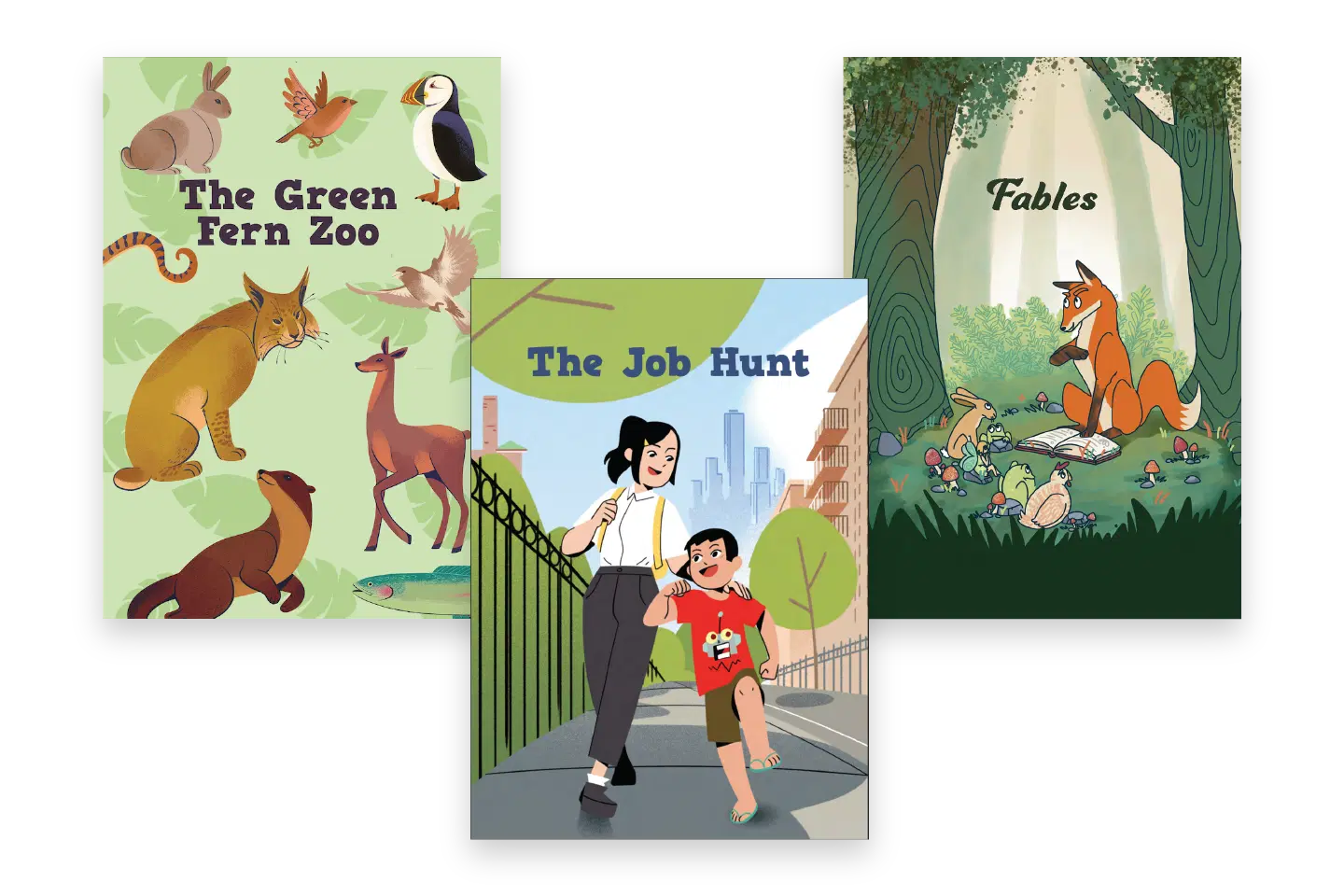
Amplify CKLA teaches both foundational skills and background knowledge in K–2 and combines them in 3–5, as required by the science of reading.
- In grades K–2, students complete one full lesson that builds foundational reading skills, as well as one full lesson that builds background knowledge.
- In grades 3–5, student complete one integrated lesson that combines skills and knowledge with increasingly complex texts, close reading, and a greater writing emphasis.
See pages 30-65 of the CKLA Program Guide below to learn more.


What students explore
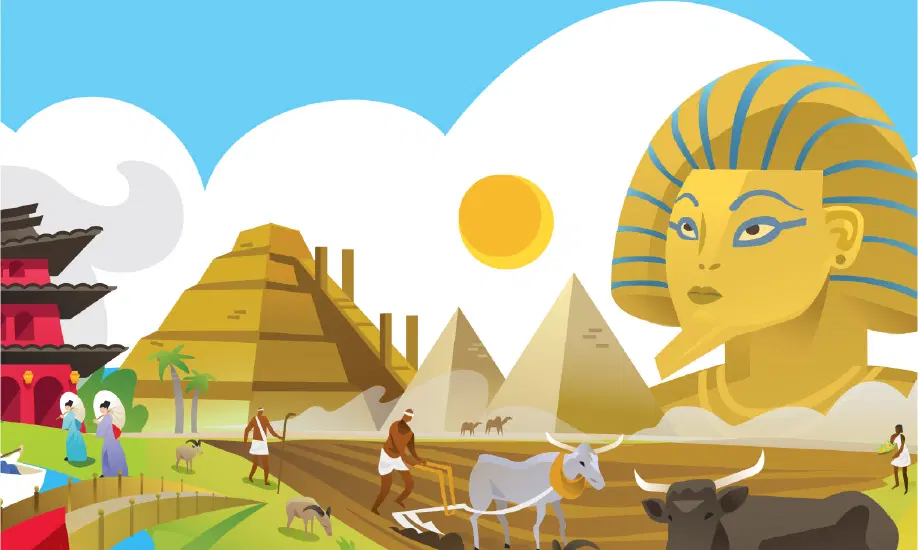
Amplify CKLA builds knowledge coherently across subjects and grades.
Students make connections from year-to-year by exploring grade-appropriate subject-area knowledge and vocabulary in history, science, literature, and the arts while learning to read, write, and think creatively and for themselves.
Download the at-a-glance resources below to learn more.


What students read
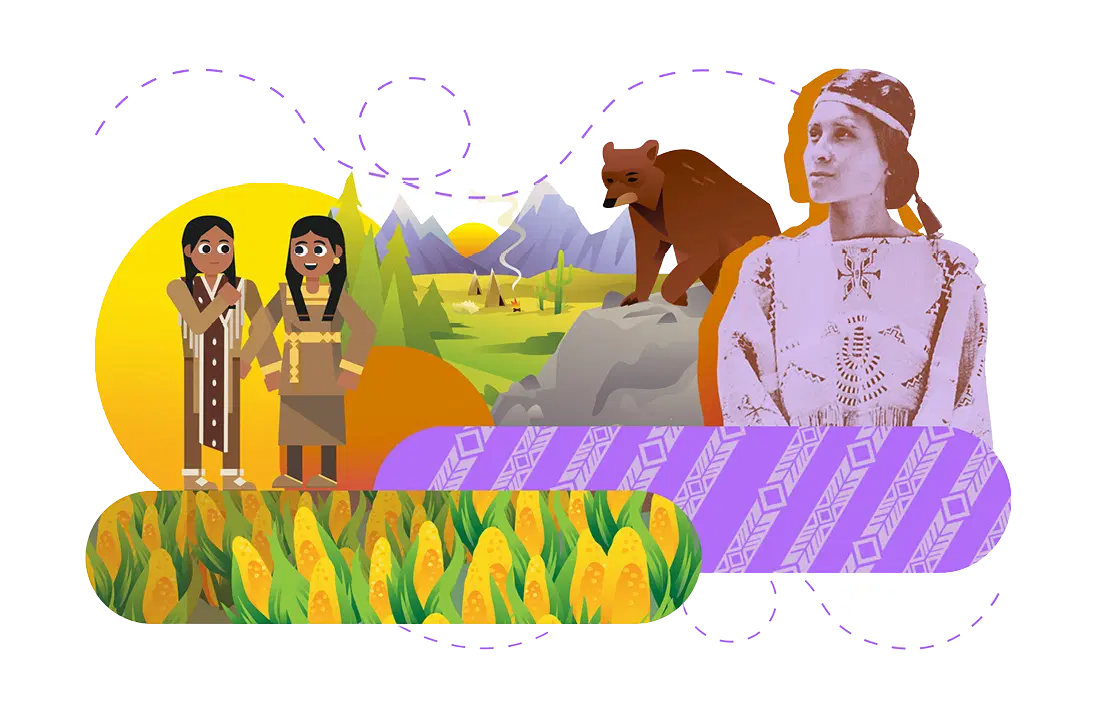
Amplify CKLA puts a variety of texts in the hands of students every day to build and strengthen background knowledge and vocabulary, listening and reading comprehension, and decoding and fluency skills.
More than that, we ensure the texts students read represent the world around them. With a diverse range of authors, topics, and characters, all students have ample access to both windows and mirrors. Our texts include:
- Authentic books.
- Authentic text passages.
- Student Readers.
- Novel Guides (grades 3–5).
Download the lists below to explore specific grade-level texts.




Access and equity
We believe we have a responsibility to provide literacy instruction that gives every student the same opportunity to succeed and excel.
We know that early reading affects achievement throughout school and beyond—well into college and career. Yet most literacy programs continue to fall short of supporting early literacy success. That’s why we’re so proud that CKLA is helping close the reading gap between students within diverse communities.
Explore how we make learning equitable for all learners with the resources below.



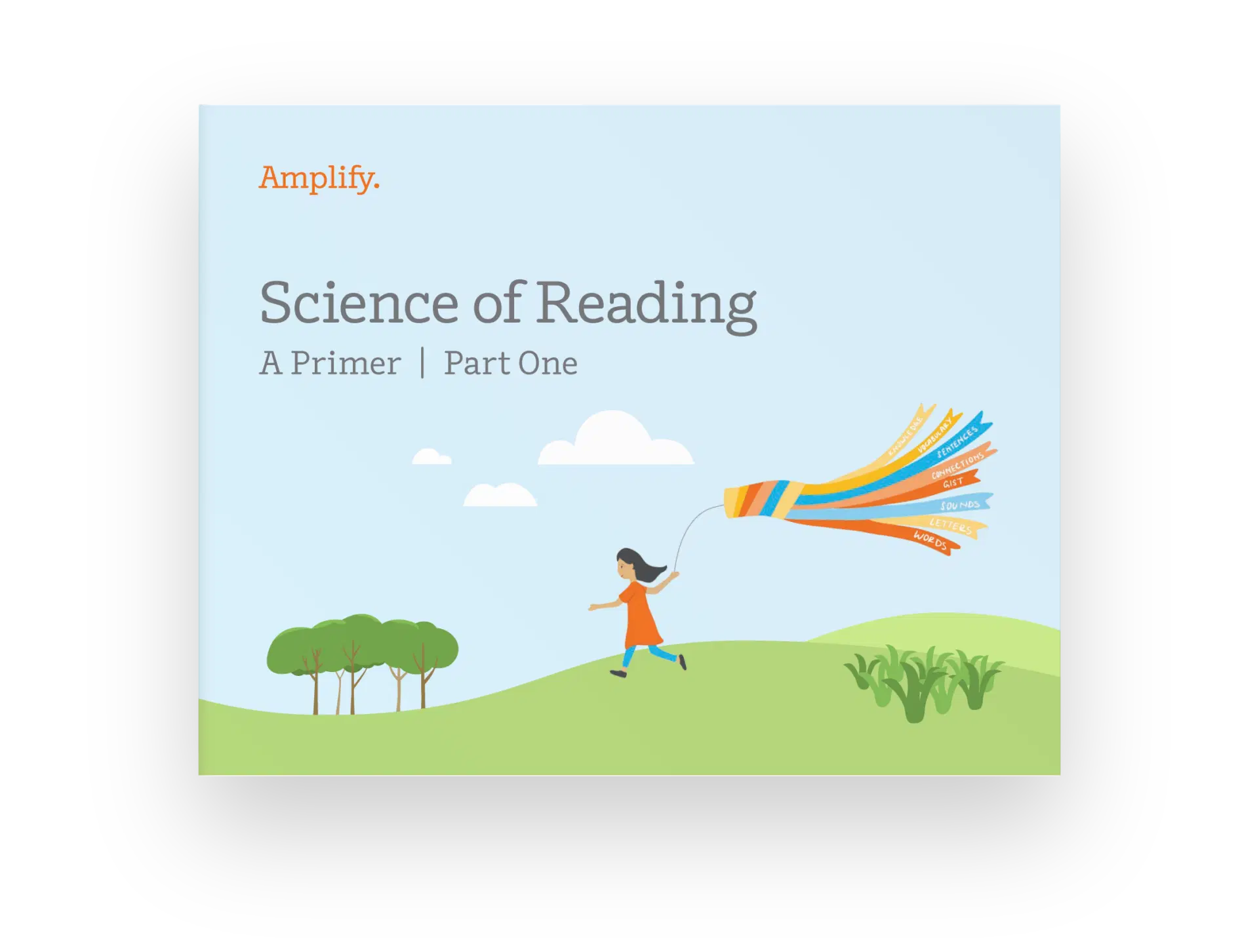
Built on the Science of Reading
Watching students learn to read: magic. Knowing how they get there: science.
As you consider your next core ELA program, it’s critically important to understand what the Science of Reading really means and what it tells us about how to teach more effectively. Unlike other programs, Amplify CKLA was built upon these insights and practices, making it easier for teachers to implement this proven approach.
Download the resources below to dive deeper into the Science of Reading.



Supports Orton-Gillingham and LETRS
Amplify CKLA aligns with the instructional principles recommended by Orton-Gillingham and LETRS.
- Structured–Concepts are taught through consistent routines
- Sequential–Concepts are taught in a logical, well-planned sequence
- Systematic–Phonemes are taught from simplest to most complex
- Explicit–Decoding and encoding concepts are taught directly and explicitly
- Multi-sensory–Instruction is delivered through visual, auditory, and kinesthetic-tactile pathways
- Cumulative–Concepts are applied in decodable, connected texts with constant review and reinforcement

A comprehensive and cohesive solution
A strong literacy program is not just about a reading program or an assessment tool: it brings together curriculum, instruction, regular practice, intervention, and assessments.
Amplify has brought these components together in our early literacy suite of curriculum, ensure that you have what you need for multi-tiered support.

Access demo
Ready to explore on your own? Follow the instructions below to access your demo account.
Explore the CKLA Teacher Resource Site
First, watch the quick navigation video to the right. Then, click the “Access CKLA Teacher Resource Site” button to log in.
- Click the CKLA Teacher Resource Site button
- Select Log in with Amplify.
- Enter this username: t1.yakima_school_district@demo.tryamplify.net
- Enter this password: Amplify1-yakima_school_district
- Select the desired grade level
Please note, these demo accounts expire on: February 23, 2023
Virtual Caravan Stop
Amplify CKLA for Grades K–2
After watching the K–2 video below, scroll down to learn even more, download resources, and access a demo.
Amplify CKLA for Grades 3–5
After watching the 3–5 video below, scroll down to learn even more, download resources, and access a demo.
What it is
Amplify CKLA is a core ELA program for grades K–5 that delivers:
- A unique research-based approach truly built on the Science of Reading.
- A combination of explicit foundational skills with meaningful knowledge building.
- Embedded support and differentiation that gets all students reading grade-level texts together.
- Opportunities for students to see the strengths and experiences that all people share while also celebrating each others’ unique identities and experiences.
- Authentic Spanish language arts instruction with Amplify Caminos.

How it works
Amplify CKLA and Amplify Caminos, our authentic elementary Spanish language arts program, teach both foundational skills and background knowledge in K–2 and combines them in 3–5, as required by the Science of Reading.
- In grades K–2, students complete one full lesson that builds foundational reading skills, as well as one full lesson that builds background knowledge.
- In grades 3–5, students complete one integrated lesson that combines skills and knowledge with increasingly complex texts, close reading, and a greater writing emphasis.
See pages 30-65 of the CKLA Program Guide and pages 18-33 of the Caminos program guide below to learn more.


How it Works
Amplify CKLA teaches both foundational skills and background knowledge in grades K–2 and combines them in 3–5.
- In grades K–2, students complete one full lesson that builds foundational reading skills and one full lesson that builds background knowledge.
- In grades 3–5, students complete one integrated lesson combining skills and knowledge with increasingly complex texts, close reading, and a greater emphasis on writing


What students explore
Amplify CKLA builds knowledge coherently across subjects and grades.
Students make connections from year-to-year by exploring grade-appropriate subject-area knowledge and vocabulary in history, science, literature, and the arts while learning to read, write, and think creatively and for themselves.
Download the at-a-glance resources below to learn more.
What students read
Amplify CKLA puts a variety of texts in the hands of students every day to build and strengthen background knowledge and vocabulary, listening and reading comprehension, and decoding and fluency skills.
A comprehensive approach to literacy instruction requires that students have a wide range of text experiences that include reading, listening, discussing, and writing. Check out our text complexity guide to learn more by clicking here. The overwhelming majority of questions, tasks, and assignments in CKLA materials are text-dependent. See how we use questioning and analysis skills to help students understand text in CKLA here.
More than that, we ensure the texts students read represent the world around them. With a diverse range of authors, topics, and characters, all students have ample access to both windows and mirrors. Our texts include:
- Authentic books.
- Authentic text passages.
- Student Readers.
- Novel Guides (grades 3–5).
Download the lists below to explore specific grade-level texts.
Access and equity
We believe we have a responsibility to provide literacy instruction that gives every student the same opportunity to succeed and excel.
We know that early reading affects achievement throughout school and beyond—well into college and career. Yet most literacy programs continue to fall short of supporting early literacy success. That’s why we’re so proud that CKLA is helping close the reading gap between students within diverse communities.
Explore how we make learning equitable for all learners with the resources below.


Built on the Science of Reading
Watching students learn to read: magic. Knowing how they get there: science.
As you consider your next core ELA program, it’s critically important to understand what the Science of Reading really means and what it tells us about how to teach more effectively. Unlike other programs, Amplify CKLA was built upon these insights and practices, making it easier for teachers to implement this proven approach.
Download the resources below to dive deeper into the Science of Reading.
Supports LETRS
Amplify CKLA aligns with the instructional principles recommended LETRS.
- Structured–Concepts are taught through consistent routines.
- Sequential–Concepts are taught in a logical, well-planned sequence.
- Systematic–Phonemes are taught from simplest to most complex.
- Explicit–Decoding and encoding concepts are taught directly and explicitly.
- Multi-sensory–Instruction is delivered through visual, auditory, and kinesthetic-tactile pathways.
- Cumulative–Concepts are applied in decodable, connected texts with constant review and reinforcement.

A comprehensive and cohesive solution
A strong literacy program is not just about a reading program or an assessment tool: it brings together curriculum, instruction, regular practice, intervention, and assessments.
Amplify has brought these components together in our early literacy suite of curriculum, to ensure that you have what you need for multi-tiered support.
Access demo
Ready to explore on your own? Follow the instructions below to access your demo account.
Explore as a teacher
First, watch the quick teacher navigation video to the right. Then, follow the instructions below to access your demo account.
- Go to my.amplify.com
- Select Log in with Amplify
- Enter this username: t1.allentown.literacy.science@demo.tryamplify.net
- Enter this password: t1.allentown.literacy.science
- Select the CKLA icon and your desired grade level
Additional Resources
Check out the information below to learn more about Amplify CKLA and see how Amplify CKLA is impacting classrooms all over the country.
Scope and sequences:
Grade 3 Integrated
Grade 4 Integrated
Grade 5 Integrated
Writing resources
CKLA Writing Continuum for Grades K–2
CKLA Writing Continuum for Grades 3–5
Grade 3 Grammar and Morphology Scope & Sequence
Grade 4 Grammar and Morphology Scope & Sequence
Grade 5 Grammar and Morphology Scope & Sequence
Newsworthy reads
Should we teach students at their reading level?
Other helpful resources
Amplify Science and CKLA Crosswalk
Remote and hybrid learning with CKLA
Contact us
Interested in speaking directly with your representative?

Janet Barry
Account Executive
(630) 946-4157
Welcome, Ohio educators!
Thank you for taking the time to review Amplify’s CKLA resources for K–5.
Amplify Core Knowledge Language Arts® (CKLA) is an effective core literacy resource for students in grades K–5 and is aligned to Ohio’s Rule for Phonics. CKLA was developed in partnership with the Core Knowledge Foundation and was specifically designed to help teachers implement proven evidence-based instructional practices.
Click here for correlations to the Ohio Learning Standards for English Language Arts.
Click here to view Amplify CKLA’s Alignment to Ohio’s “Shifting to the Science of Reading” Framework.

Recognized Quality
Amplify CKLA is one of only a few high-quality, knowledge-building literacy curricula recognized by the Knowledge Matters campaign. Our shared message: Background knowledge is essential to literacy and learning.

Independently and rigorously reviewed
Amplify CKLA not only received an all-green rating from the rigorous evaluators at EdReports, but it was also recently recognized by the Knowledge Matters Campaign as a literacy program that excels in building knowledge.
Intentional knowledge-building
The Science of Reading reveals knowledge as an essential pillar of reading comprehension and lifelong literacy. Hear from author Natalie Wexler and CKLA customers on edWebinar about the importance of knowledge-building in reading instruction.
Designed for Ohio
We know there are several different paths you can take when implementing a Science of Reading program in your district:
- Prekindergarten
- K-2 Core No Foundational Skills
- K-2 Supplemental Foundational Skills
- K-2 Core Comprehensive English Language Arts
- 3-5 English Language Arts
To learn how Amplify CKLA supports each one of these paths, click here.


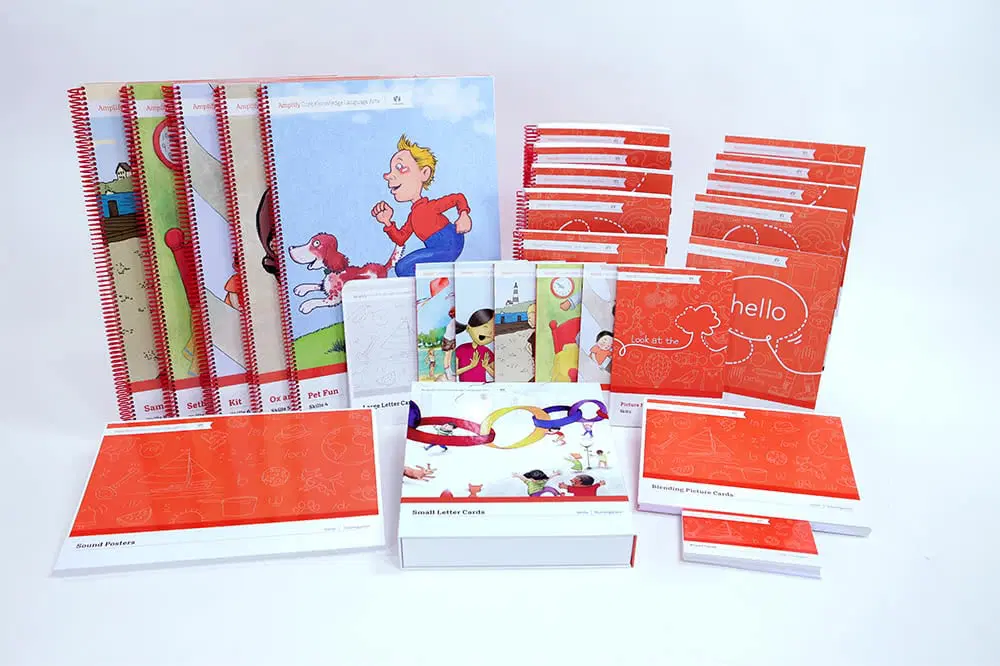

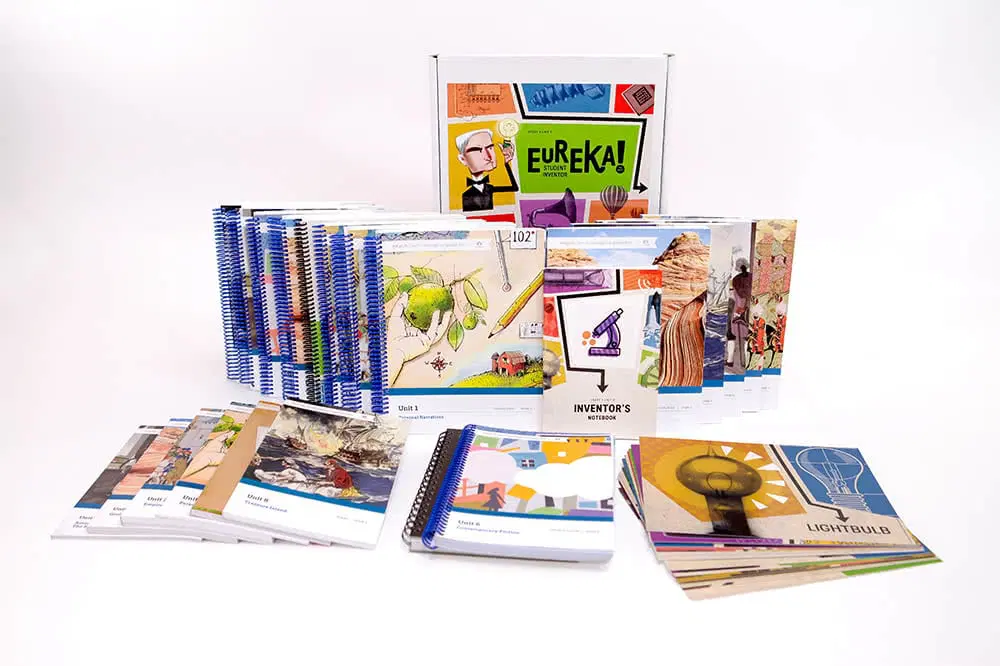
How it works
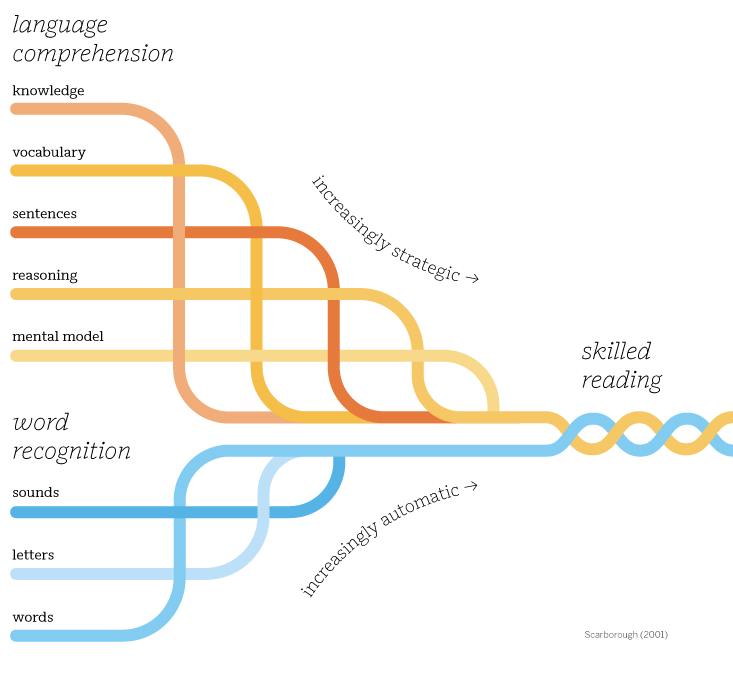
Amplify CKLA teaches both foundational skills and background knowledge in K–2 and combines them in 3–5, as required by the science of reading.
- In grades K–2, students complete one full lesson that builds foundational reading skills, as well as one full lesson that builds background knowledge.
- In grades 3–5, student complete one integrated lesson that combines skills and knowledge with increasingly complex texts, close reading, and a greater writing emphasis.
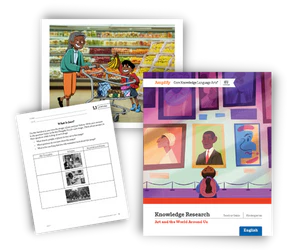
Rich topics
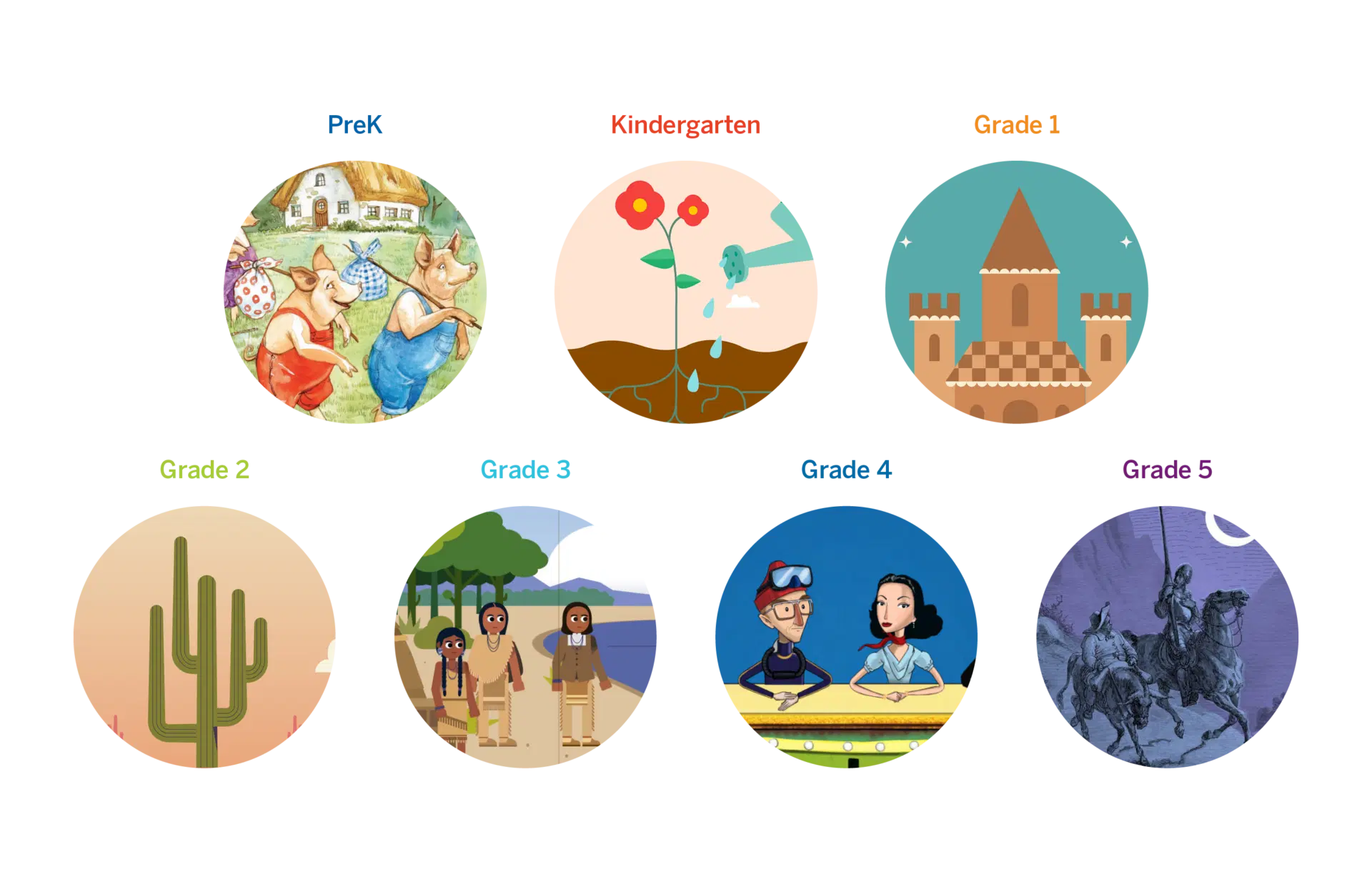
Amplify CKLA builds knowledge coherently across subjects and grades.
Students make connections from year-to-year by exploring grade-appropriate subject-area knowledge and vocabulary in history, science, literature, and the arts while learning to read, write, and think creatively and for themselves.


Diverse text
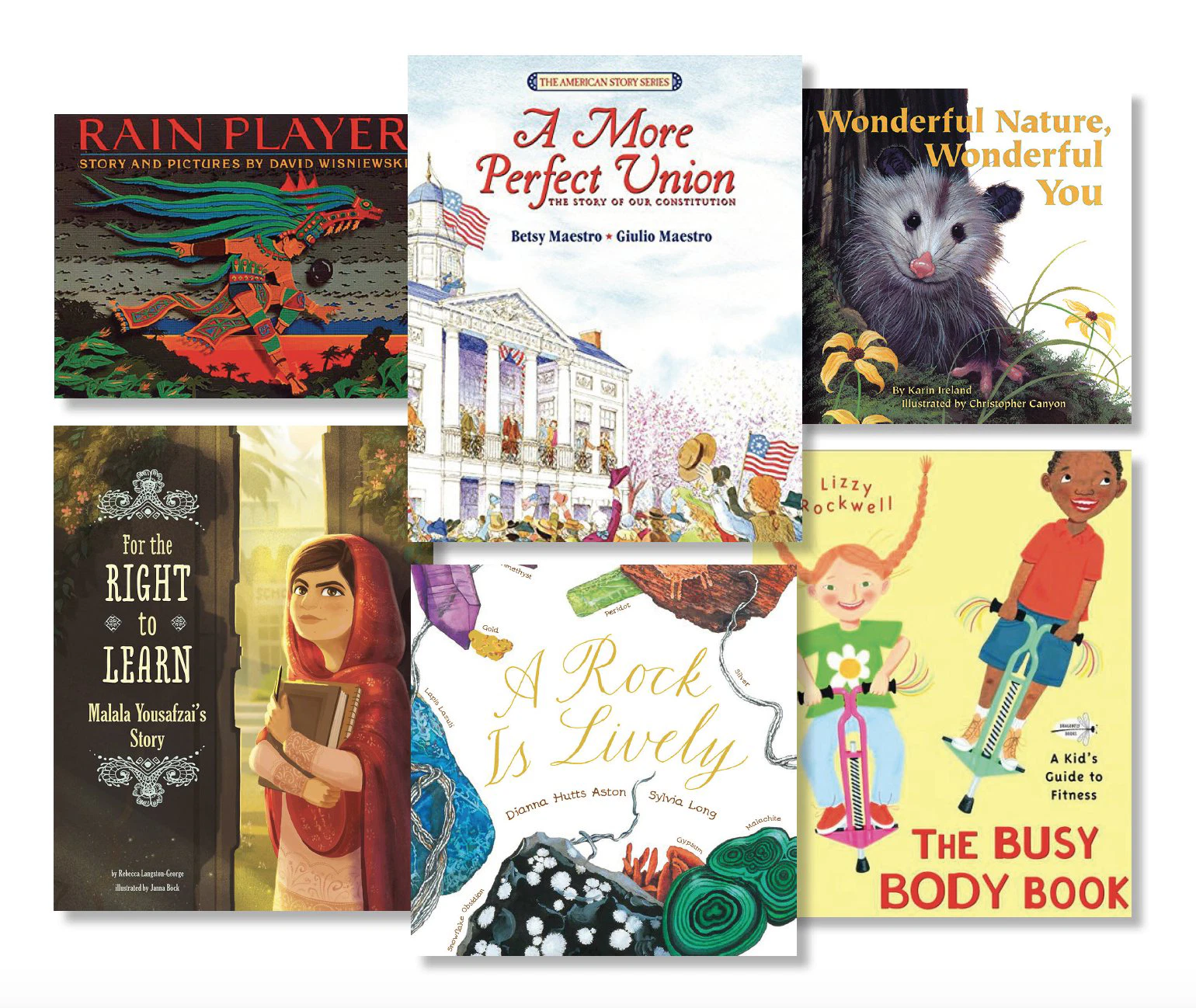
Amplify CKLA puts a variety of texts in the hands of students every day to build and strengthen background knowledge and vocabulary, listening and reading comprehension, and decoding and fluency skills.
More than that, we ensure the texts students read represent the world around them. With a diverse range of authors, topics, and characters, all students have ample access to both windows and mirrors. Our texts include:
- authentic books.
- authentic text passages.
- student readers.
- novel guides (grades 3–5).
Aligned to LETRS and Orton Gillingham
Amplify CKLA aligns with the instructional principles recommended by Orton Gillingham and LETRS.
- Structured–Concepts are taught through consistent routines
- Sequential–Concepts are taught in a logical, well-planned sequence
- Systematic–Phonemes are taught from simplest to most complex
- Explicit–Decoding and encoding concepts are taught directly and explicitly
- Multi-sensory–Instruction is delivered through visual, auditory, and kinesthetic-tactile pathways
- Cumulative–Concepts are applied in decodable, connected texts with constant review and reinforcement
Universal access
We believe we have a responsibility to provide literacy instruction that gives every student the same opportunity to succeed and excel.
We know that early reading affects achievement throughout school and beyond—well into college and career. Yet most literacy programs continue to fall short of supporting early literacy success. That’s why we’re so proud that CKLA is helping close the reading gap between students within diverse communities.
Complete curriculum
A strong literacy program is not just about a reading program or an assessment tool: it brings together curriculum, instruction, regular practice, intervention, and assessments.
Amplify has brought these components together in our early literacy suite of curriculum, ensure that you have what you need for multi-tiered support.

Science of Reading Resources
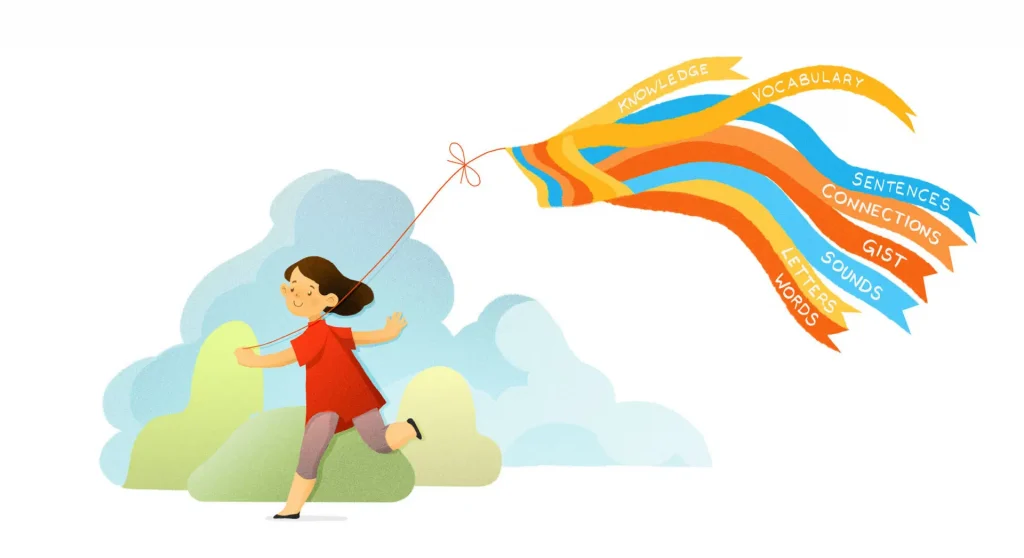
Watching students learn to read: magic. Knowing how they get there: science.
As you consider your next core ELA program, it’s critically important to understand what the Science of Reading really means and what it tells us about how to teach more effectively. Unlike other programs, Amplify CKLA was built upon these insights and practices, making it easier for teachers to implement this proven approach.
Welcome to Amplify CKLA!
Welcome to Amplify CKLA!
Amplify CKLA is the only Oregon-approved elementary ELA curriculum truly built on the Science of Reading.
Not only that, it helps all teachers implement the Oregon English Language Arts and Literacy Standards by translating the science of reading into strong instructional resources. As a result, teachers can fully focus on their students and the kind of teaching they love.
Virtual Caravan Stop Ahead!
If this is your first stop on your virtual caravan, start with the video presentations below.
Watched them already? Click here to skip ahead.
Virtual Caravan Stop
Amplify CKLA for Grades K–2
After watching the K–2 video below, scroll down to learn even more, download resources, and access a demo.
Amplify CKLA for Grades 3–5
After watching the 3–5 video below, scroll down to learn even more, download resources, and access a demo.
What it is
Amplify CKLA is a core ELA program for grades K–5 that delivers:
- A unique research-based approach truly built on the Science of Reading.
- A combination of explicit foundational skills with meaningful knowledge building.
- Embedded support and differentiation that gets all students reading grade-level texts together.
- Opportunities for students to see the strengths and experiences that all people share while also celebrating each others’ unique identities and experiences.
- Equitable and authentic Spanish language arts instruction with Amplify Caminos.

How it works
Amplify CKLA teaches both foundational skills and background knowledge in K–2 and combines them in 3–5, as required by the science of reading.
- In grades K–2, students complete one full lesson that builds foundational reading skills, as well as one full lesson that builds background knowledge.
- In grades 3–5, student complete one integrated lesson that combines skills and knowledge with increasingly complex texts, close reading, and a greater writing emphasis.
See pages 30-65 of the CKLA Program Guide below to learn more.
What students explore
Amplify CKLA builds knowledge coherently across subjects and grades.
Students make connections from year-to-year by exploring grade-appropriate subject-area knowledge and vocabulary in history, science, literature, and the arts while learning to read, write, and think creatively and for themselves.
Download the at-a-glance resources below to learn more.
What students read
Amplify CKLA puts a variety of texts in the hands of students every day to build and strengthen background knowledge and vocabulary, listening and reading comprehension, and decoding and fluency skills.
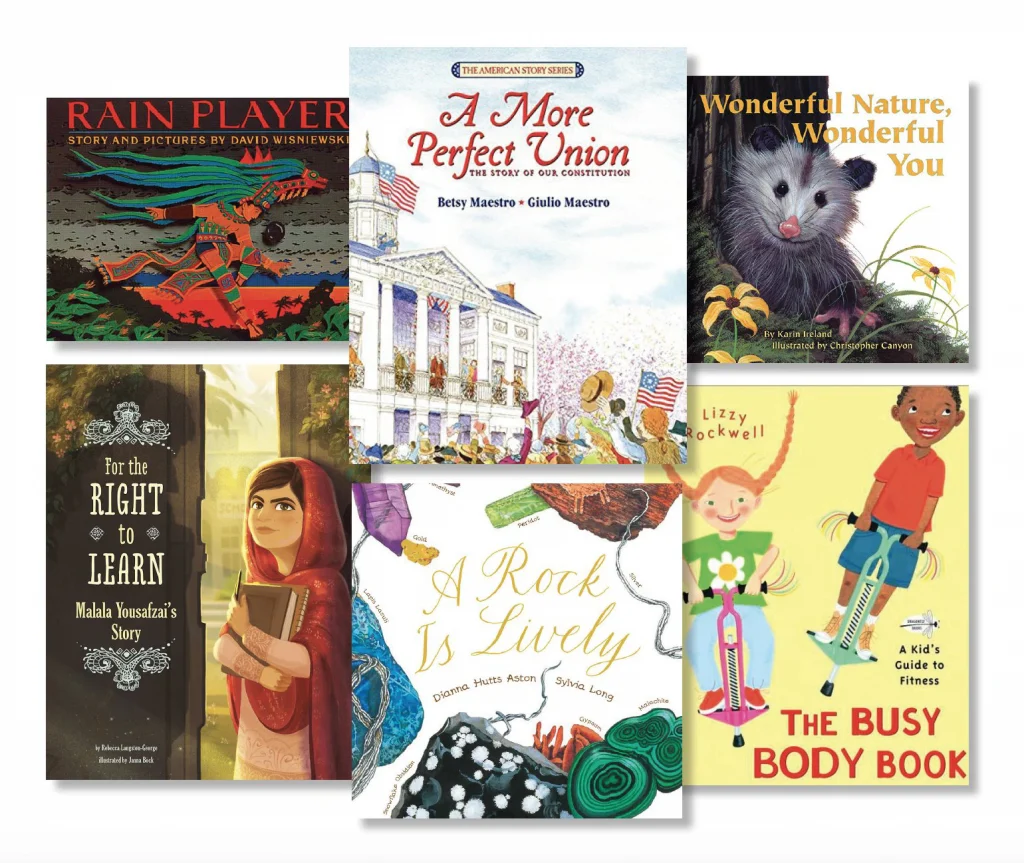
More than that, we ensure the texts students read represent the world around them. With a diverse range of authors, topics, and characters, all students have ample access to both windows and mirrors. Our texts include:
- Authentic books.
- Authentic text passages.
- Student Readers.
- Novel Guides (grades 3–5).
Download the lists below to explore specific grade-level texts.
Access and equity
We believe we have a responsibility to provide literacy instruction that gives every student the same opportunity to succeed and excel.
We know that early reading affects achievement throughout school and beyond—well into college and career. Yet most literacy programs continue to fall short of supporting early literacy success. That’s why we’re so proud that CKLA is helping close the reading gap between students within diverse communities.
Explore how we make learning equitable for all learners with the resources below.

Built on the Science of Reading
Watching students learn to read: magic. Knowing how they get there: science.
As you consider your next core ELA program, it’s critically important to understand what the Science of Reading really means and what it tells us about how to teach more effectively. Unlike other programs, Amplify CKLA was built upon these insights and practices, making it easier for teachers to implement this proven approach.
Download the resources below to dive deeper into the Science of Reading.
Supports Orton-Gillingham and LETRS
Amplify CKLA aligns with the instructional principles recommended by Orton-Gillingham and LETRS.
- Structured–Concepts are taught through consistent routines
- Sequential–Concepts are taught in a logical, well-planned sequence
- Systematic–Phonemes are taught from simplest to most complex
- Explicit–Decoding and encoding concepts are taught directly and explicitly
- Multi-sensory–Instruction is delivered through visual, auditory, and kinesthetic-tactile pathways
- Cumulative–Concepts are applied in decodable, connected texts with constant review and reinforcement
A comprehensive and cohesive solution
A strong literacy program is not just about a reading program or an assessment tool: it brings together curriculum, instruction, regular practice, intervention, and assessments.
Amplify has brought these components together in our early literacy suite of curriculum, ensure that you have what you need for multi-tiered support.

Access demo
Ready to explore on your own? Follow the instructions below to access your demo account.
Explore the CKLA Teacher Resource Site
First, watch the quick navigation video to the right. Then, click the “Access CKLA Teacher Resource Site” button to log in.
- Click the CKLA Teacher Resource Site button
- Select Log in with Amplify.
- Enter this username: t.orcklak5@tryamplify.net
- Enter this password: AmplifyNumber1
- Select the desired grade level
Contact us
Looking to speak directly with your Oregon representative? Get in touch with a team member by emailing hellooregon@amplify.com or by calling us directly.

Kristen Rockstroh
Oregon Account Executive
Districts under 4,500 students
(480) 639-8367

Welcome to Amplify CKLA!
Amplify Core Knowledge Language Arts® (CKLA) is a state-approved core ELA curriculum designated as a primary core program that fully meets the Science of Reading requirements outlined in SB 127.
Truly built on the Science of Reading, Amplify CKLA helps all teachers implement the Utah Core Standards for English Language Arts and Literacy by translating the science of reading into manageable, engaging, and effective classroom practices.
Scroll down to learn how CKLA is uniquely designed to help all your students make learning leaps in literacy.
Recognized Quality
Amplify CKLA is one of only a few high-quality, knowledge-building literacy curricula recognized by the Knowledge Matters campaign. Our shared message: Background knowledge is essential to literacy and learning.

Science of Reading Approved by USBE
Amplify CKLA is a content-rich literacy curriculum that systematically braids knowledge-building with skills instruction. Click below to see our state submission rubric on how Amplify CKLA addresses the Science of Reading requirements outlined in SB 127.
Independently and rigorously reviewed
Amplify CKLA not only received an all-green rating from the rigorous evaluators at EdReports, but it was also recently recognized by the Knowledge Matters Campaign as a literacy program that excels in building knowledge.
Intentional knowledge-building
The Science of Reading reveals knowledge as an essential pillar of reading comprehension and lifelong literacy. Hear from author Natalie Wexler and CKLA customers on edWebinar about the importance of knowledge-building in reading instruction.
Program Overview
Amplify CKLA is a core ELA program for grades K–5 that delivers:
- A unique research-based approach truly built on the Science of Reading.
- A combination of explicit foundational skills with meaningful knowledge building.
- Embedded support and differentiation that gets all students reading grade-level texts together.
- Opportunities for students to see the strengths and experiences that all people share while also celebrating each others’ unique identities and experiences.
- Authentic Spanish language arts instruction with Amplify Caminos.
Amplify CKLA for Grades K–2
After watching the K–2 video below, scroll down to learn even more, download resources, and access a demo.
Amplify CKLA for Grades 3–5
After watching the 3–5 video below, scroll down to learn even more, download resources, and access a demo.
How it works
Amplify CKLA teaches both foundational skills and background knowledge in K–2 and combines them in 3–5, as required by the science of reading.
- In grades K–2, students complete one full lesson that builds foundational reading skills, as well as one full lesson that builds background knowledge.
- In grades 3–5, student complete one integrated lesson that combines skills and knowledge with increasingly complex texts, close reading, and a greater writing emphasis.
Rich topics
Amplify CKLA builds knowledge coherently across subjects and grades.
Students make connections from year-to-year by exploring grade-appropriate subject-area knowledge and vocabulary in history, science, literature, and the arts while learning to read, write, and think creatively and for themselves.
Diverse text
Amplify CKLA puts a variety of texts in the hands of students every day to build and strengthen background knowledge and vocabulary, listening and reading comprehension, and decoding and fluency skills.
More than that, we ensure the texts students read represent the world around them. With a diverse range of authors, topics, and characters, all students have ample access to both windows and mirrors. Our texts include:
- Authentic books.
- Authentic text passages.
- Student Readers.
- Novel Guides (grades 3–5).
Aligned to LETRS and Orton Gillingham
Amplify CKLA aligns with the instructional principles recommended by Orton Gillingham and LETRS.
- Structured–Concepts are taught through consistent routines
- Sequential–Concepts are taught in a logical, well-planned sequence
- Systematic–Phonemes are taught from simplest to most complex
- Explicit–Decoding and encoding concepts are taught directly and explicitly
- Multi-sensory–Instruction is delivered through visual, auditory, and kinesthetic-tactile pathways
- Cumulative–Concepts are applied in decodable, connected texts with constant review and reinforcement
Universal access
We believe we have a responsibility to provide literacy instruction that gives every student the same opportunity to succeed and excel.
We know that early reading affects achievement throughout school and beyond—well into college and career. Yet most literacy programs continue to fall short of supporting early literacy success. That’s why we’re so proud that CKLA is helping close the reading gap between students within diverse communities.
Complete curriculum
A strong literacy program is not just about a reading program or an assessment tool: it brings together curriculum, instruction, regular practice, intervention, and assessments.
Amplify has brought these components together in our early literacy suite of curriculum, ensure that you have what you need for multi-tiered support.
Science of Reading Resources
Watching students learn to read: magic. Knowing how they get there: science.
As you consider your next core ELA program, it’s critically important to understand what the Science of Reading really means and what it tells us about how to teach more effectively. Unlike other programs, Amplify CKLA was built upon these insights and practices, making it easier for teachers to implement this proven approach.
Access demo
Ready to explore on your own? Follow the instructions below to access your demo account.
Explore the CKLA Teacher Digital Site
First, watch the quick navigation video to the right. Then follow the directions below:
- Go to learning.amplify.com or click Access CKLA Teacher Digital
- Select Log in with Amplify.
- Enter this username: t1.davislangarts@demo.tryamplify.net
- Enter this password: Amplify1-davislangarts
- Click the CKLA button on the left hand side
- Select your desired grade level from the Program drop down
Explore the CKLA Student Digital Site
To access the student digital site follow the directions below:
- Go to learning.amplify.com or click Access CKLA Student Digital
- Select Log in with Amplify.
- Enter this username: s1.davislangarts@demo.tryamplify.net
- Enter this password: Amplify1-davislangarts
- From the Home page, scroll down to the robot and “Click to go to the Hub“
- From the Hub, click the Grade button to select the grade.
Overview
With Amplify Science, students don’t just passively learn about science concepts. Instead, they take on the role of scientists and engineers to actively investigate and figure out real-world phenomena. They do this through a blend of cohesive and compelling storylines, hands-on investigations, collaborative discussions, literacy-rich activities, and interactive digital tools.
Watch the videos below to learn how our program empowers students to think, read, write, and argue like real scientists and engineers every day.

What Educators Say
The NGSS classroom
EdReports
Amplify Science for grades K–8 has been rated all-green by EdReports..

Program structure
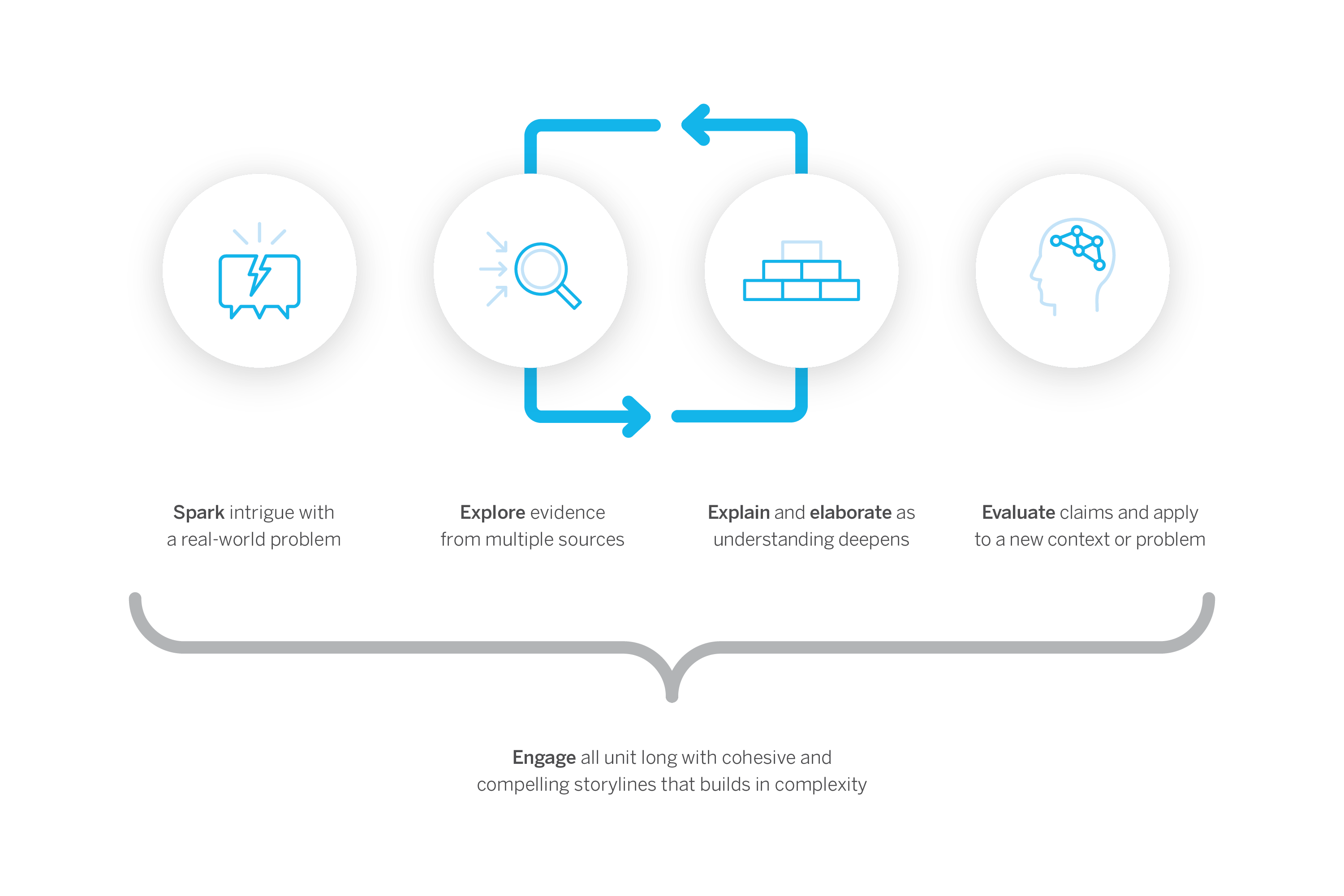
Our cyclical lesson design ensures students receive multiple exposures to concepts through a variety of modalities. As they progress through the lessons within a unit, students build and deepen their understanding, increasing their ability to develop and refine complex explanations of the unit’s phenomenon.
It’s this proven program structure and lesson design that enables Amplify Science to teach less, but achieve more. We designed our program to address 100% of the NGSS in just 66 days for grades K–2 and 88 days for grades 3–5.
Unit sequence
Our lessons follow a structure that is grounded in regular routines while still being flexible enough to allow for a variety of learning experiences.
In fact, our multi-modal instruction offers more opportunities for students to construct meaning, and practice and apply concepts than any other program. What’s more, our modular design means our units can be flexibly arranged to support your instructional goals.

Needs of Plants and Animals
Domains: Life Science, Earth and Space Science, Engineering Design
Unit type: Investigation
Student role: Scientists
Phenomenon: There are no monarch caterpillars in the Mariposa Grove community garden since vegetables were planted.
Unit type: Investigation
Student role: Scientists
Phenomenon: There are no monarch caterpillars in the Mariposa Grove community garden since vegetables were planted.

Pushes and Pulls
Domains: Physical Science, Engineering Design
Unit type: Engineering design
Student role: Pinball engineers
Phenomenon: Pinball machines allow people to control the direction and strength of forces on a ball.
Unit type: Engineering design
Student role: Pinball engineers
Phenomenon: Pinball machines allow people to control the direction and strength of forces on a ball.

Sunlight and Weather
Domains: Earth and Space Science, Life Science, Engineering Design
Unit type: Modeling
Student role: Weather scientists
Phenomenon: Students at Carver Elementary School are too cold during morning recess, while students at Woodland Elementary School are too hot during afternoon recess.
Unit type: Modeling
Student role: Weather scientists
Phenomenon: Students at Carver Elementary School are too cold during morning recess, while students at Woodland Elementary School are too hot during afternoon recess.

Animal and Plant Defenses
Domain: Life Science
Unit type: Modeling
Student role: Marine scientists
Phenomenon: Spruce the Sea Turtle lives in an aquarium and will soon be released back into the ocean, where she will survive despite ocean predators.
Unit type: Modeling
Student role: Marine scientists
Phenomenon: Spruce the Sea Turtle lives in an aquarium and will soon be released back into the ocean, where she will survive despite ocean predators.

Light and Sound
Domains: Physical Science, Engineering Design
Unit type: Engineering design
Student role: Light and sound engineers
Phenomenon: A puppet show company uses light and sound to depict realistic scenes in puppet shows.
Unit type: Engineering design
Student role: Light and sound engineers
Phenomenon: A puppet show company uses light and sound to depict realistic scenes in puppet shows.

Spinning Earth
Domain: Earth and Space Science
Unit type: Investigation
Student role: Sky scientists
Phenomenon: The sky looks different to Sai and his grandma when they talk on the phone.
Unit type: Investigation
Student role: Sky scientists
Phenomenon: The sky looks different to Sai and his grandma when they talk on the phone.

Plant and Animal Relationships
Domains: Life Science, Engineering Design
Unit type: Investigation
Student role: Plant scientists
Phenomenon: No new chalta trees are growing in the fictional Bengal Tiger Reserve in India.
Unit type: Investigation
Student role: Plant scientists
Phenomenon: No new chalta trees are growing in the fictional Bengal Tiger Reserve in India.

Properties of Materials
Domains: Physical Science, Engineering Design
Unit type: Engineering design
Student role: Glue engineers
Phenomenon: Different glue recipes result in glues that have different properties.
Unit type: Engineering design
Student role: Glue engineers
Phenomenon: Different glue recipes result in glues that have different properties.

Changing Landforms
Domain: Earth and Space Science
Unit type: Modeling
Student role: Geologists
Phenomenon: The cliff that Oceanside Recreation Center is situated on appears to be receding over time.
Unit type: Modeling
Student role: Geologists
Phenomenon: The cliff that Oceanside Recreation Center is situated on appears to be receding over time.

Balancing Forces
Domain: Physical Science
Unit type: Modeling
Student role: Engineers
Phenomenon: The town of Faraday is getting a new train that floats above its tracks.
Unit type: Modeling
Student role: Engineers
Phenomenon: The town of Faraday is getting a new train that floats above its tracks.

Inheritance and Traits
strong>Domain: Life Science
Unit type: Investigation
Student role: Wildlife biologists
Phenomenon: An adopted wolf in Graystone National Park (Wolf 44) has some traits that appear similar to one wolf pack in the park and other traits that appear to be similar to a different wolf pack.
Unit type: Investigation
Student role: Wildlife biologists
Phenomenon: An adopted wolf in Graystone National Park (Wolf 44) has some traits that appear similar to one wolf pack in the park and other traits that appear to be similar to a different wolf pack.

Environments and Survival
Domains: Life Science, Engineering Design
Unit type: Engineering design
Student role: Biomimicry engineers
Phenomenon: Over the last 10 years, a population of grove snails has changed: The number of grove snails with yellow shells has decreased, while the number of snails with banded shells has increased.
Unit type: Engineering design
Student role: Biomimicry engineers
Phenomenon: Over the last 10 years, a population of grove snails has changed: The number of grove snails with yellow shells has decreased, while the number of snails with banded shells has increased.

Weather and Climate
Domains: Earth and Space Science, Engineering Design
Unit type: Argumentation
Student role: Meteorologists
Phenomenon: Three different islands, each a contender for becoming an Orangutan reserve, experience different weather patterns.
Unit type: Argumentation
Student role: Meteorologists
Phenomenon: Three different islands, each a contender for becoming an Orangutan reserve, experience different weather patterns.

Energy Conversions
Domains: Physical Science, Earth and Space Science, Engineering Design
Unit type: Engineering design
Student role: System engineers
Phenomenon: The fictional town of Ergstown experiences frequent blackouts.
Unit type: Engineering design
Student role: System engineers
Phenomenon: The fictional town of Ergstown experiences frequent blackouts.

Vision and Light
Domain: Physical Science, Life Science, Engineering Design
Unit type: Investigation
Student role: Conservation biologists
Phenomenon: The population of Tokay geckos in a rain forest in the Philippines has decreased since the installation of new highway lights.
Unit type: Investigation
Student role: Conservation biologists
Phenomenon: The population of Tokay geckos in a rain forest in the Philippines has decreased since the installation of new highway lights.

Earth's Features
Domain: Earth and Space Science
Unit type: Argumentation
Student role: Geologists
Phenomenon: A mysterious fossil is discovered in a canyon within the fictional Desert Rocks National Park.
Unit type: Argumentation
Student role: Geologists
Phenomenon: A mysterious fossil is discovered in a canyon within the fictional Desert Rocks National Park.
Waves, Energy, and Information
Domains: Physical Science, Life Science, Earth and Space Science, Engineering Design
Unit type: Modeling
Student role: Marine scientists
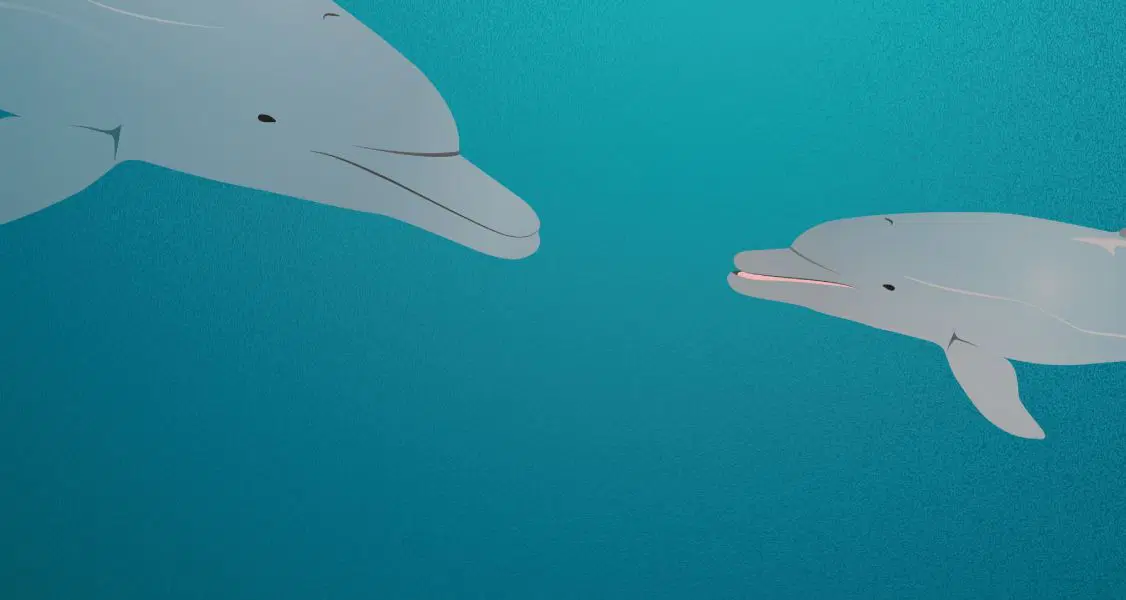
Phenomenon: Mother dolphins in the fictional Blue Bay National Park seem to be communicating with their calves when they are separated at a distance underwater.
Unit type: Modeling
Student role: Marine scientists
Phenomenon: Mother dolphins in the fictional Blue Bay National Park seem to be communicating with their calves when they are separated at a distance underwater.

Patterns of Earth and Sky
Domains: Physical Science, Earth and Space Science
Unit type: Investigation
Student role: Astronomers
Phenomenon: An ancient artifact depicts what we see in the sky at different times — the sun during the daytime and different stars during the nighttime — but it is missing a piece.
Unit type: Investigation
Student role: Astronomers
Phenomenon: An ancient artifact depicts what we see in the sky at different times — the sun during the daytime and different stars during the nighttime — but it is missing a piece.

Modeling Matter
Domain: Physical Science
Unit type: Modeling
Student role: Food scientists
Phenomenon: Chromatography is a process for separating mixtures. Some solids dissolve in a salad dressing while others do not. Oil and vinegar appear to separate when mixed in a salad dressing.
Unit type: Modeling
Student role: Food scientists
Phenomenon: Chromatography is a process for separating mixtures. Some solids dissolve in a salad dressing while others do not. Oil and vinegar appear to separate when mixed in a salad dressing.

The Earth System
Domains: Earth and Space Science, Physical Science, Engineering Design
Unit type: Engineering Design
Student role: Water resource engineers
Phenomenon: East Ferris, a city on one side of the fictional Ferris Island, is experiencing a water shortage, while West Ferris is not.
Unit type: Engineering Design
Student role: Water resource engineers
Phenomenon: East Ferris, a city on one side of the fictional Ferris Island, is experiencing a water shortage, while West Ferris is not.
Ecosystem Restoration
Domains:Physical Science, Life Science, Earth and Space Science, Engineering Design
Unit type: Argumentation
Student role: Ecologists
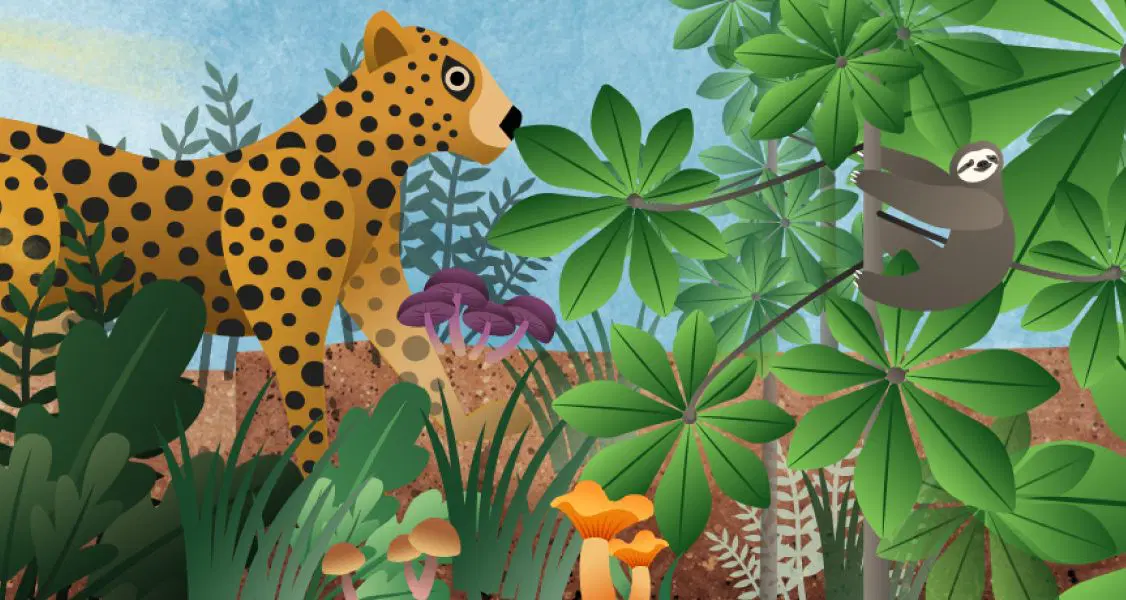
Phenomenon: The jaguars, sloths, and cecropia trees in a reforested section of a Costa Rican rain forest are not growing and thriving.
Unit type: Argumentation
Student role: Ecologists
Phenomenon: The jaguars, sloths, and cecropia trees in a reforested section of a Costa Rican rain forest are not growing and thriving.
Access program
Watch the video to the right showing you how to navigate our digital platform. When you’re ready, follow the instructions below to log into your live demo account.
- Click the orange button below to access the platform.
- Explore as a teacher with this username (t1.cartwrightsd@demo.tryamplify.net) and this password (Amplify1-cartwrightsd).
- Explore as a student with this username (s1.cartwrightsd@demo.tryamplify.net) and this password (Amplify1-cartwrightsd).
- Choose your grade level from the drop-down menu.
Resources






Fomente y exalte el razonamiento de los estudiantes aprovechando su curiosidad natural.
Amplify Desmos Math ayuda a los maestros a fomentar un aula con estudiantes entusiastas y cooperativos, partiendo de sus ideas y desarrollando diaria y firmemente los conocimientos del grado académico correspondiente de cada estudiante. For English version, please click here.

Amplify Classroom
Para los grados K a 12.º
Gratuito
Una plataforma de enseñanza y aprendizaje que ofrece una colección de lecciones digitales gratuitas y herramientas para diseñar lecciones.
- Los maestros pueden crear sus propias lecciones con la herramienta Activity Builder.
- También pueden explorar contenido creado por otros maestros, por ejemplo:
- Las lecciones que crean los usuarios y se almacenan en la biblioteca.
- Las lecciones de la Colección destacada que produce el equipo de Amplify Classroom.
Más información en classroom.amplify.com
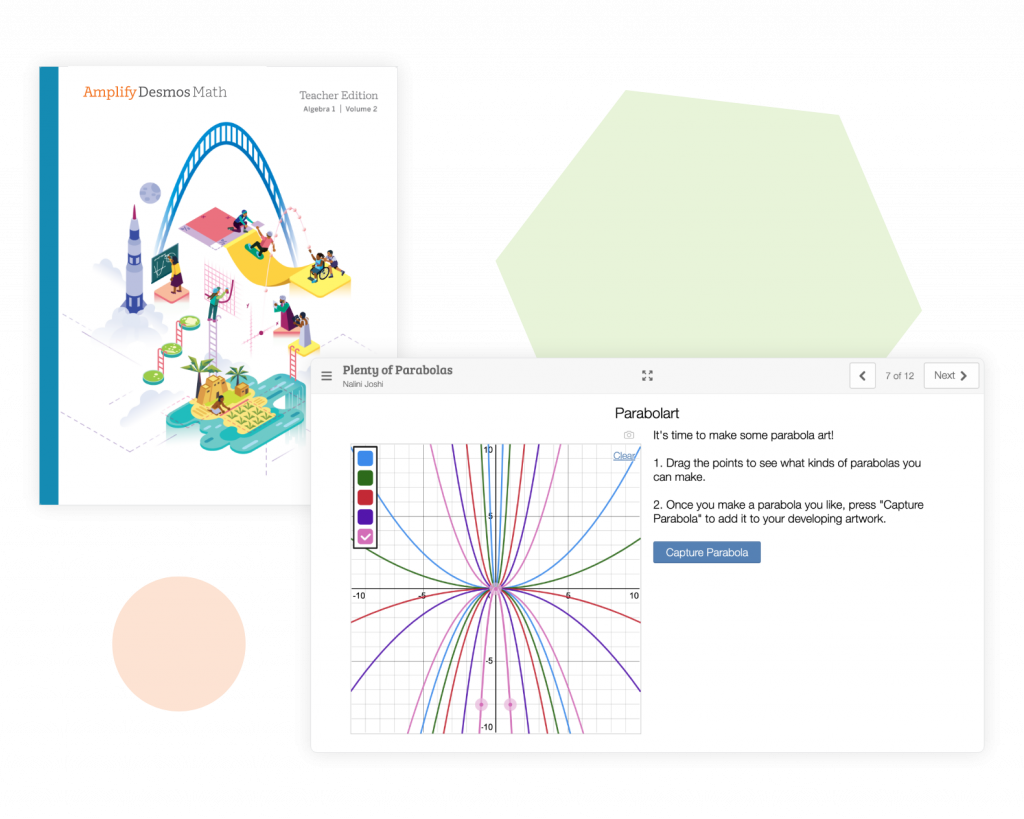
Amplify Desmos Math
Para los grados K a Álgebra 2
De Pago
Próximamente: Un nuevo programa básico de prekindergarten a 12.º grado de Amplify y Desmos Classroom.
- Un método basado en problemas que produce resultados mediante el desarrollo de una comprensión conceptual sólida, fluidez procedimental y ejemplos de uso.
- Tecnología que inspira conexiones en el aula, fomentando la colaboración, el diálogo y la perseverancia en la resolución de problemas.
- La curiosidad natural de los estudiantes propicia una comprensión cabal de las matemáticas y un aprendizaje que dura toda la vida.
- Disponible en inglés y español.
- Programma piloto para los grados K a A1 para el regreso a clases en el 2024.

Un nuevo programa básico para los grados preK al 12.º de Amplify y Desmos Classroom.
Amplify Desmos Math facilita tanto a los maestros como a los estudiantes la migración a un método basado en el planteamiento y la resolución de problemas, proporcionando actividades atractivas, eficaces herramientas de facilitación para el maestro y muchos apoyos para la diferenciación y la práctica.
Hemos combinado lecciones interactivas basadas en problemas con enseñanzas explícitas, refuerzos y prácticas para que los estudiantes dominen auténticamente las matemáticas. Las lecciones sientan una base sólida en cuanto a la fluidez en los procedimientos y cálculos, afianzan la comprensión de los conceptos y permiten a los estudiantes aplicar lo aprendido a situaciones del mundo real.
Amplify Desmos Math estará disponible a partir del curso escolar 2025–26. Los distritos interesados podrán probar la versión Beta a partir del otoño del 2024.
Más de lo que espera de un programa de matemáticas.
Integral
- Plan de estudios basado en Illustrative Mathematics® IM K-12™
- Diferenciación y práctica personalizadas
- Evaluaciones e informes exhaustivos
- Material didáctico en español


Cooperativo
- Apoyos y herramientas eficaces para la facilitación docente
- Los estudiantes analizan y aprenden de las ideas de los demás
- Cada lección cuenta con materiales impresos y digitales totalmente compatibles con un aula inclusiva
Fascinante
- Lecciones que promueven la curiosidad e inspiran a los estudiantes a resolver problemas del mundo real
- Tecnología de Desmos Classroom que proporciona información instantánea e interactiva para potenciar el razonamiento de los estudiantes
- Vistosas instrucciones gráficas para maestros y estudiantes
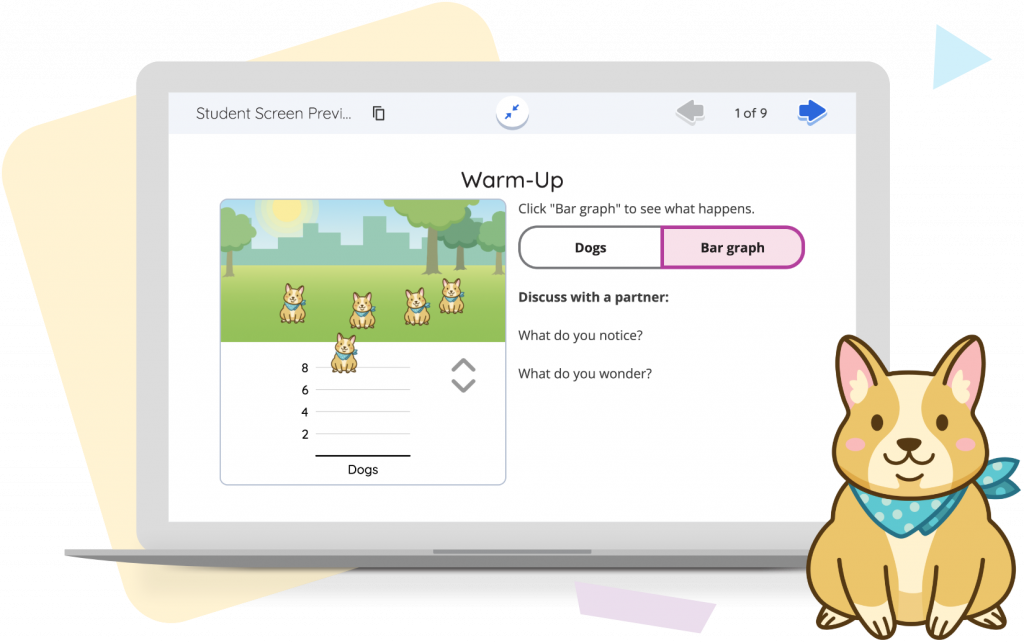
Qué incluye
Aprovechamos los alcances tecnológicos y las lecciones de Desmos y añadimos simples pero fascinantes componentes impresos y digitales para crear un programa sin precedentes que simplifica la enseñanza.
- Edición para estudiantes (varios volúmenes)
- Páginas de actividades interactivas para el estudiante
- Interacciones enriquecidas (más información en la página 5)
- Herramientas de colaboración
- Práctica personalizada
- Edición para maestros (varios volúmenes)
- Herramientas de facilitación y seguimiento del progreso
- Páginas de presentación
- Apoyos pedagógicos
- Evaluación
- Prácticas adicionales y material fotocopiable en blanco y negro para evaluaciones
Manténgase al día con las últimas novedades sobre Amplify Desmos Math y Desmos Classroom.
Las lecciones digitales deben potenciar el razonamiento de los estudiantes y generar debates interesantes y productivos. Regístrese para obtener más información sobre cómo Amplify Desmos Math y Desmos Classroom incitan a los estudiantes a interesarse por las matemáticas.
¡El Math Teacher Lounge está disponible!
Amplify presenta Math Teacher Lounge, un podcast con los presentadores Bethany Lockhart Johnson y Dan Meyer.

Iowa CKLA review for Grades K–5
Thank you for taking the time to review Amplify’s CKLA resources for K–5.
Amplify Core Knowledge Language Arts® (CKLA) is an effective core literacy resource for students in grades K–5 and is aligned to the Iowa Core Literacy Standards. CKLA was developed in partnership with the Core Knowledge Foundation and was specifically designed to help teachers implement proven evidence-based instructional practices.
Recognized Quality
Amplify CKLA is one of only a few high-quality, knowledge-building literacy curricula recognized by the Knowledge Matters campaign. Our shared message: Background knowledge is essential to literacy and learning.
Independently and rigorously reviewed
Amplify CKLA not only received an all-green rating from the rigorous evaluators at EdReports, but it was also recently recognized by the Knowledge Matters Campaign as a literacy program that excels in building knowledge.
Intentional knowledge-building
The Science of Reading reveals knowledge as an essential pillar of reading comprehension and lifelong literacy. Hear from author Natalie Wexler and CKLA customers on edWebinar about the importance of knowledge-building in reading instruction.
Program Overview
Amplify CKLA is a core ELA program for grades K–5 that delivers:
- A unique research-based approach truly built on the Science of Reading.
- A combination of explicit foundational skills with meaningful knowledge building.
- Embedded support and differentiation that gets all students reading grade-level texts together.
- Opportunities for students to see the strengths and experiences that all people share while also celebrating each others’ unique identities and experiences.
- Equitable and authentic Spanish language arts instruction with Amplify Caminos.
Amplify CKLA for Grades K–2
After watching the K–2 video below, scroll down to learn even more, download resources, and access a demo.
Amplify CKLA for Grades 3–5
After watching the 3–5 video below, scroll down to learn even more, download resources, and access a demo.
How it works
Amplify CKLA teaches both foundational skills and background knowledge in K–2 and combines them in 3–5, as required by the science of reading.
- In grades K–2, students complete one full lesson that builds foundational reading skills, as well as one full lesson that builds background knowledge.
- In grades 3–5, student complete one integrated lesson that combines skills and knowledge with increasingly complex texts, close reading, and a greater writing emphasis.

Rich topics
Amplify CKLA builds knowledge coherently across subjects and grades.
Students make connections from year-to-year by exploring grade-appropriate subject-area knowledge and vocabulary in history, science, literature, and the arts while learning to read, write, and think creatively and for themselves.
Diverse text
Amplify CKLA puts a variety of texts in the hands of students every day to build and strengthen background knowledge and vocabulary, listening and reading comprehension, and decoding and fluency skills.
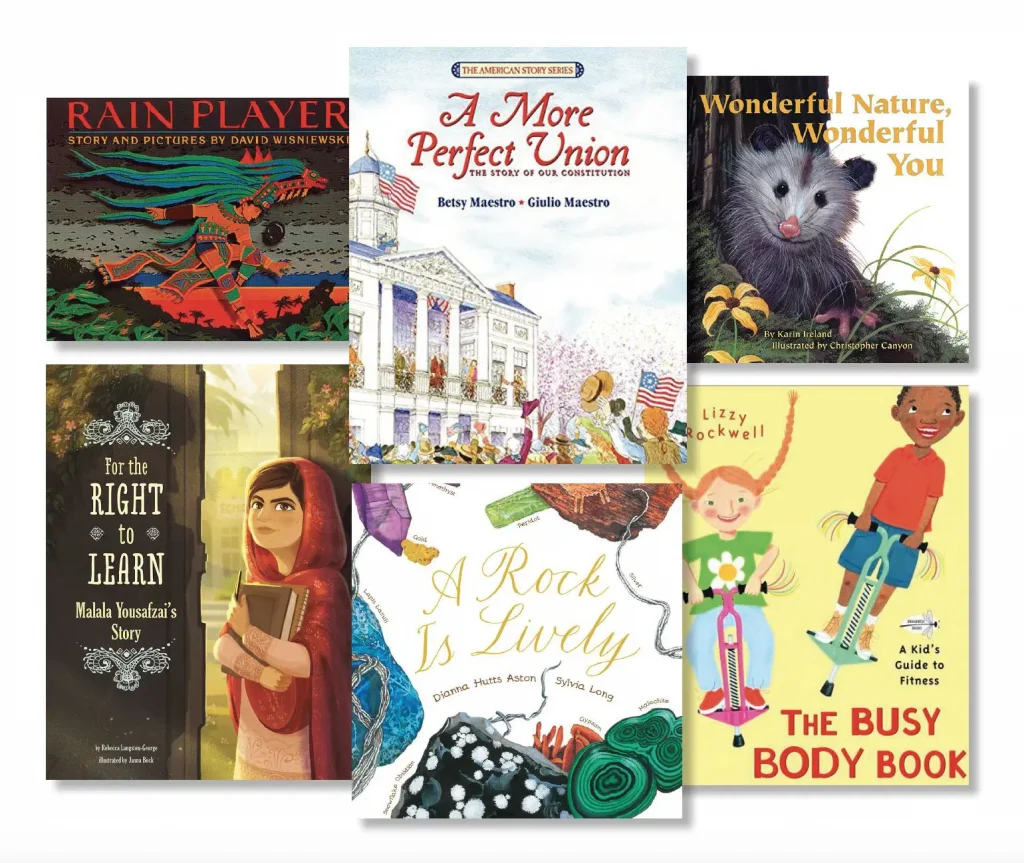
More than that, we ensure the texts students read represent the world around them. With a diverse range of authors, topics, and characters, all students have ample access to both windows and mirrors. Our texts include:
- authentic books.
- authentic text passages.
- student readers.
- novel guides (grades 3–5).
Universal access
We believe we have a responsibility to provide literacy instruction that gives every student the same opportunity to succeed and excel.
We know that early reading affects achievement throughout school and beyond—well into college and career. Yet most literacy programs continue to fall short of supporting early literacy success. That’s why we’re so proud that CKLA is helping close the reading gap between students within diverse communities.

Complete curriculum
A strong literacy program is not just about a reading program or an assessment tool: it brings together curriculum, instruction, regular practice, intervention, and assessments.
Amplify has brought these components together in our early literacy suite of curriculum, ensure that you have what you need for multi-tiered support.
Science of Reading Resources
Watching students learn to read: magic. Knowing how they get there: science.
As you consider your next core ELA program, it’s critically important to understand what the Science of Reading really means and what it tells us about how to teach more effectively. Unlike other programs, Amplify CKLA was built upon these insights and practices, making it easier for teachers to implement this proven approach.
Access demo
Ready to explore on your own? Follow the instructions below to access your demo account.
Explore the CKLA Teacher Digital Site
First, watch the quick navigation video to the right. Then follow the directions below:
- Click the CKLA Teacher Digital Site button
- Select Log in with Amplify.
- Enter this username: t1.iowa-literacy@demo.tryamplify.net
- Enter this password: Amplify1-iowa-literacy
- Select the desired grade level
Explore the CKLA Student Digital Site
To access the student digital site follow the directions below:
- Click the CKLA Student Digital Site button
- Select Log in with Amplify.
- Enter this username: s1.iowa-literacy@demo.tryamplify.net
- Enter this password: Amplify1-iowa-literacy
- From the Home page, scroll down to the robot and “Click to go to the Hub“
- From the Hub, click the Grade button to select the grade.
Complete K–5 math assessment system
Expect more from your assessments with mCLASS® Math Texas, a brand-new digital benchmarking and progress-monitoring assessment system.
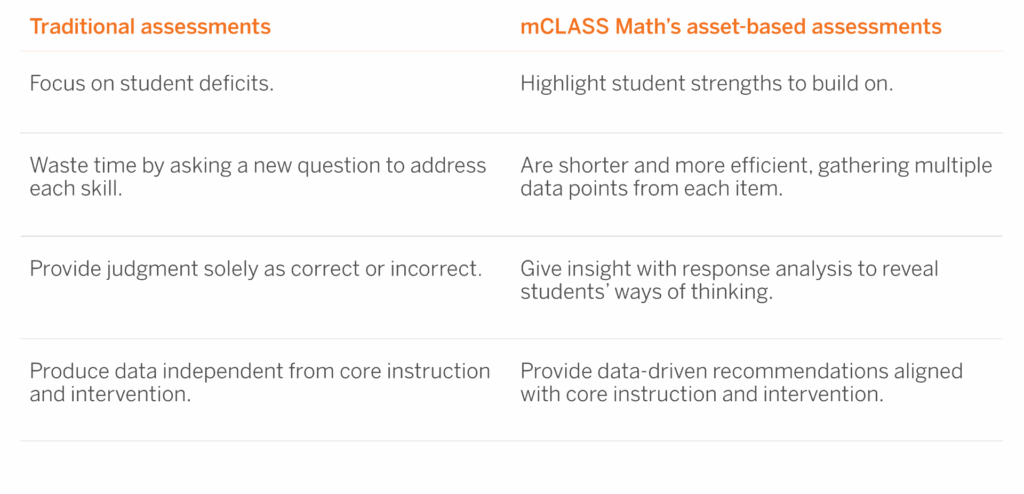
mCLASS Math Texas represents the next generation in math assessment. It provides educators not only with reliable measures of student achievement, but also with an asset-based approach that analyzes student responses to reveal underlying mathematical thinking. The Student Thinking Report provides actionable insights, so teachers can confidently plan both whole-class instruction and targeted intervention.
About mCLASS Math Texas
mCLASS Texas offers reliable progress-monitoring and digital benchmarking assessments that evaluate student performance against grade-level expectations and growth throughout the year. The digital program seamlessly integrates with intervention and core instruction, providing rich, actionable, data-driven recommendations for where and how to support learning. The program empowers you to leverage your students’ strengths with features like:
- Reliable measures of student achievement and asset-based reporting that analyze student responses to reveal underlying mathematical thinking.
- A powerful digital benchmarking and progress monitoring assessment system.
- Actionable recommendations aligned across skills and core instruction with instructional resources.
Access deeper insights into students’ understanding.
mCLASS Math Texas provides insights not only into what students know about grade-level math, but also into how they think. By leaning on students’ individual strengths and strategies, teachers can confidently differentiate instruction and plan future intervention.
The asset-based approach of mCLASS Math Texas digital benchmarking and progress monitoring gives teachers peace of mind that students are making meaningful progress in their math development. The system recognizes that all students have their own ways of thinking. Their individual strengths, experiences, understanding, and strategies—or assets, as we collectively refer to them— inform the robust data that powers mCLASS Math Texas.
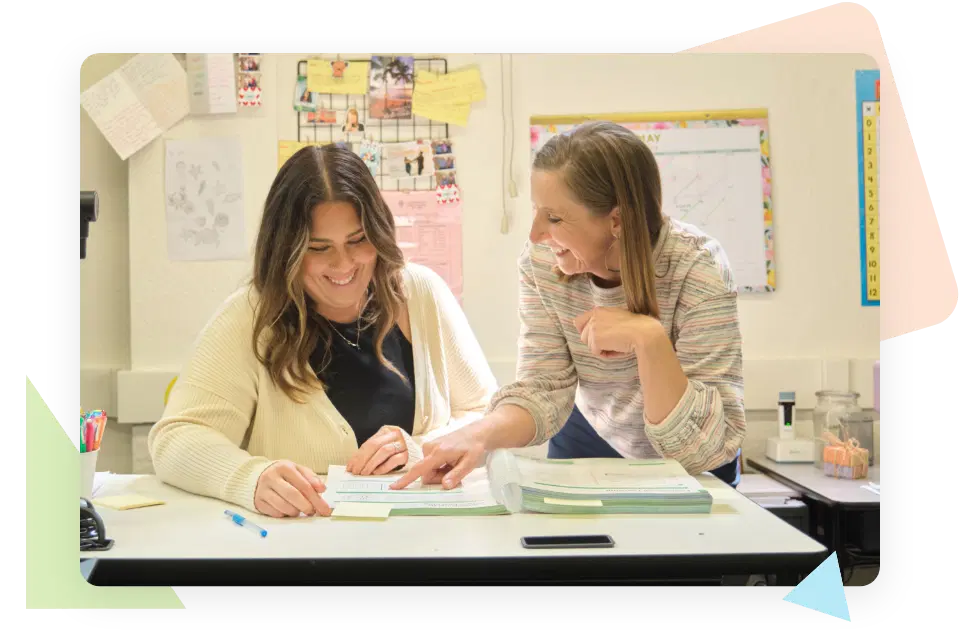
mCLASS Math Texas Benchmark Assessments
- Are administered digitally to the whole class three times a year (BOY, MOY, EOY) for growth measure.
- Allow teachers to see student work in real time throughout assessments.
- Include diagnostic capabilities to further target Tier 2 & Tier 3 intervention areas.
- Identify the specific areas of strengths and development to inform differentiation.
- Provide support and flags for potential risk of dyscalculia.
mCLASS Math Texas Progress Monitoring
- Helps teachers monitor a student’s math performance with a
15-minute assessment between mCLASS Benchmark assessments. - Informs teachers if tiered interventions require adjustment to improve student learning.
Validated by research
We’re thrilled to announce that mCLASS Math Texas is undergoing an official third-party study conducted by WestEd, a nonpartisan, nonprofit research, development, and service agency. This in-depth validation analysis aligns with our commitment to transparency, data-driven enhancement, and providing the most effective educational tools for our users. The findings of this study will be available by fall 2025. Stay tuned to learn how mCLASS Math Texas will revolutionize your math assessment experience.

Data informs instruction.
The integrated insights and intervention recommendations of mCLASS Math Texas empower teachers to implement timely scaffolds and targeted intervention when needed. Following screening and progress monitoring, teachers can differentiate when, where, and how it matters most with customizable, high-impact instructional resources to support all learners.
One integrated math solution
Amplify’s comprehensive math suite, Amplify Desmos Math Texas K–5, provides seamless alignment to help teachers diagnose and capitalize on student strengths, foster deep investment, and build student agency.
Everything is in one place—with screening and progress monitoring, core instruction, integrated personalized learning, and embedded intervention teachers can trust.
Inspiring the next generation of scientists, engineers, and curious citizens
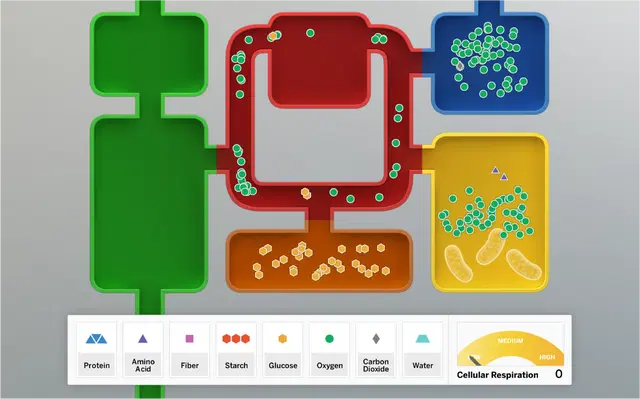
Amplify Science is a breakthrough curriculum designed to address the NYS Science Learning Standards. Authored by the industry-leading team at the Lawrence Hall of Science, Amplify Science is a highly-engaging, phenomena-based curriculum for grades K-8 that integrates the latest research and practices in science education, as well as interactive digital tools and hands-on activities, to teach students to think, read, write, and argue like real scientists and engineers.


Explore Amplify Science
Explore Amplify Science
Amplify Science for elementary school
Our complete program for Grades K-5 recognizes the importance of students’ engagement with hands-on experiences, and amplifies those with literacy-rich activities, closely aligned digital materials and award-winning, informational books.
- Learn more about Amplify Science for elementary schools
- Review the K-5 NYSSLS Correlations
- Download the K-5 unit sequence
- Hear from K-5 teachers
Amplify Science for middle school
Our complete program for grades 6-8 is a new curriculum that integrates the latest strategies in science teaching and learning with phenomena-driven storylines, hands-on investigations, and interactive digital tools to inspire the next generation of scientists and engineers.
Transitioning to the NGSS and 3-Dimensional Learning
Join us for the “Transitioning to the NGSS and 3-Dimensional Learning” workshop!
While at the event:
- Build your knowledge around the NGSS and 3-Dimensional learning
- See how Amplify Science embodies the instructional shifts
- Enjoy lunch with colleagues and Amplify Science partners
- Get preview access to Amplify Science K–8 for your school
Thursday, October 18, 2018
Sheraton Niagara Falls
300 3rd St
Niagara Falls, NY 14303
Familias y cuidadores, ¡les damos la bienvenida a Amplify Desmos Math New York para los grados K–5!
Esta es la versión inicial de Amplify Desmos Math Caregiver Hub de Amplify New York.
Les damos la bienvenida a Amplify Desmos Math Caregiver Hub de Amplify New York, para los grados de kindergarten a 5.º. ¡Nos entusiasma que la escuela de su estudiante haya elegido nuestro programa! Hemos diseñado este espacio para ayudarle a incentivar en su estudiante el aprendizaje de las matemáticas este año. El esfuerzo que usted realice cumple un rol fundamental en la experiencia que el estudiante tenga con las matemáticas.
Esperamos que el estudiante disfrute de explorar las matemáticas usando la tecnología a su disposición, tanto como colaborar con amigos para resolver problemas y aprender todo tipo de conceptos nuevos e interesantes. ¡Y esperamos que a usted le encante acompañarlo en esta experiencia!
Reciban un afectuoso saludo, con mucho entusiasmo por este aprendizaje conjunto.
—El equipo de Amplify Desmos Math
Presentación de Amplify Desmos Math
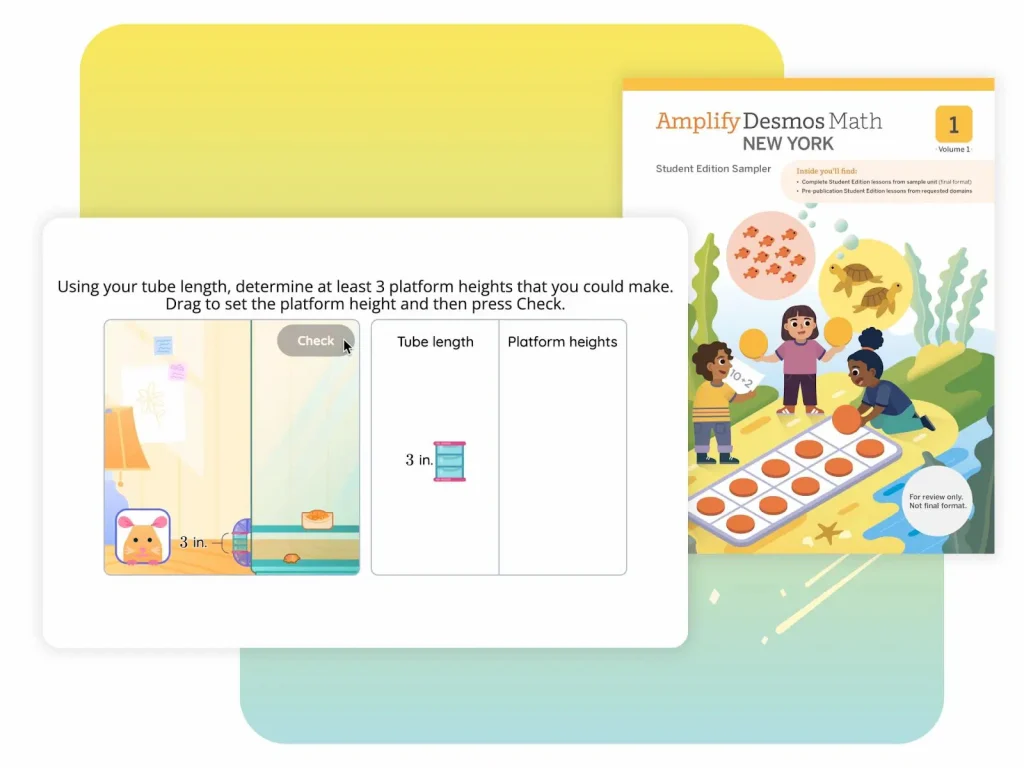
Amplify Desmos Math es un plan de estudios básico de matemáticas, diseñado para estudiantes de kindergarten a 5.º grado. Desarrollamos el programa con la idea de que todo método estructurado de aprendizaje que se centra en la resolución de problemas debe tomar como base la curiosidad de los estudiantes para poder desarrollar conocimientos perdurables al nivel que corresponde en cada grado. Cada lección ofrece oportunidades de desarrollar los conocimientos de los estudiantes, conectar sus ideas, mejorar su dominio de las destrezas y darles la autonomía de plantear preguntas, explorar y hacer descubrimientos.
Amplify Desmos Math utiliza un método de enseñanza centrado en el estudiante, el cual ha demostrado mejorar significativamente el aprendizaje de las matemáticas. Nuestra misión es que su estudiante aprenda matemáticas ¡y que le encante aprenderlas!
En cada lección, el plan de estudios de Amplify Desmos Math plantea problemas entretenidos y relevantes que solucionar, dando diariamente a los estudiantes oportunidades para pensar críticamente, colaborar y participar activamente en su propio aprendizaje.
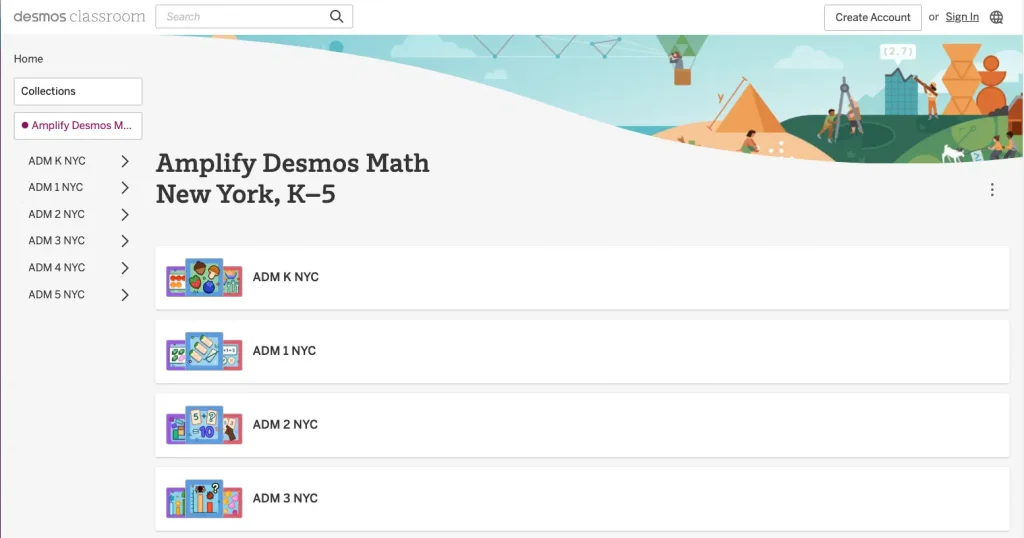
Sobre la enseñanza de las matemáticas centrada en el estudiante
La enseñanza centrada en el estudiante puede parecer distinta a las formas de aprender matemáticas del pasado y a la manera en que usted aprendió matemáticas. En lugar de memorizar fórmulas y trucos, el aprendizaje centrado en el estudiante se enfoca en ofrecer oportunidades para descubrir cómo funcionan las matemáticas. Las investigaciones revelan que tanto estudiantes como maestros prefieren este método, además de que los maestros informan que la enseñanza centrada en el estudiante ha ayudado a los suyos a aprender más matemáticas.

Esta forma de aprendizaje ayuda a los estudiantes a:
- Comprender cómo funcionan los conceptos matemáticos.
- Recordar lo que aprenden en clase y aplicar sus conocimientos a situaciones nuevas.
- Obtener mejores resultados en exámenes estandarizados y tener mejores calificaciones que los estudiantes que aprenden con otros métodos.
- Aprender a comunicarse tanto por escrito como verbalmente, comprender y replicar las opiniones de los demás y adquirir confianza para resolver nuevos problemas.
- Desarrollar habilidades clave para la vida, por ejemplo, aprovechar la tecnología, completar proyectos de forma individual y en grupo y perseverar ante problemas difíciles.
¿Qué materiales utilizan los estudiantes?
Amplify Desmos Math promueve el aprendizaje por medio de materiales impresos de apoyo combinados con experiencias digitales singulares. Todas las lecciones de Amplify Desmos Math K-5 están disponibles en un libro de Edición del estudiante que usan para escribir. Muchas de las lecciones están diseñadas para incluir actividades prácticas que incorporan materiales manipulables, y una cierta cantidad de lecciones se diseñó para que los estudiantes usen dispositivos digitales como computadoras portátiles o tabletas, en función de sus edades. Dichas lecciones incluyen experiencias digitales enriquecidas que se recomienda que los maestros asignen a sus estudiantes.

He aquí algunas características que puede esperar de Amplify Desmos Math para su estudiante:
- Lecciones que impulsan el debate en el aula para que los estudiantes puedan colaborar y así, lograr un aprendizaje conjunto y experimentar un sentido de comunidad.
- Feedback receptivo que interpreta las respuestas de los estudiantes en el contexto apropiado y fomenta la perseverancia y la rectificación.
- Planes de clase fáciles de seguir, probados en aulas de todo el país, con sugerencias y estrategias didácticas claras y rutinas de lenguaje matemático.
- Problemas de práctica para lograr dominio y ayudar a los estudiantes a repasar temas anteriores.
- Sugerencias de diferenciación para que los maestros puedan cubrir las necesidades de estudiantes diversos.
- Evaluaciones formativas que proporcionan información sobre la comprensión de cada estudiante y permiten hacer ajustes a la enseñanza para atender las necesidades de toda la clase.
- Evaluaciones sumativas que ayudan a los maestros a comprender qué saben los estudiantes sobre los contenidos matemáticos que han estudiado.
- Evaluaciones diarias en cada lección, con las cuales los maestros pueden verificar constantemente la comprensión. Un recurso para cuidadores en cada unidad, el cual incluye explicaciones de conceptos matemáticos clave y problemas para resolver con el estudiante.
Cuando los estudiantes utilizan dispositivos, los maestros pueden supervisar su trabajo en tiempo real para asegurarse de que cuentan con el apoyo que necesitan en cada sección de la lección, tanto dentro como fuera del aula. Aquí le presentamos un ejemplo de lo que un maestro ve en su panel de control para ayudarle a supervisar los razonamientos y estimular el aprendizaje de los estudiantes.

Los estudiantes también pueden acceder a su trabajo digital en casa. He aquí un artículo sobre cómo navegar por la página de inicio para estudiantes.
¿Cómo es una lección?
En una clase de Amplify Desmos Math, se puede ver (¡y oír!) a los estudiantes al hacer preguntas, debatir respuestas, justificar sus razonamientos, resolver problemas y trabajar juntos o de forma individual.

Esto es lo que normalmente incluye una lección de Amplify Desmos Math:
- Calentamiento: Un problema breve e interesante para que los estudiantes se sientan atraídos por la lección.
- Actividades: Una o dos actividades cortas que desafían las habilidades de los estudiantes para resolver problemas.
- Síntesis: Un debate que repasa y reúne los conceptos importantes de la lección.
- Demuestra lo que sabes y Reflexión: Preguntas para que los estudiantes demuestren lo que aprendieron en la lección. (Nota: La evaluación “Demuestra lo que sabes” se imparte a criterio del maestro en kindergarten y 1.er grado).
- Centros: Estaciones de actividades dirigidas por los estudiantes, las cuales refuerzan los conceptos matemáticos que se aprendieron durante las actividades de la lección a través de formatos interactivos, usualmente similares a juegos. En kindergarten y 1.er grado, el tiempo destinado a los Centros se incorpora a los últimos 15 minutos de cada lección.
Este es el material disponible al término de la lección para apoyar, consolidar y ampliar el aprendizaje de los estudiantes:
- Diferenciación: Minilecciones, Centros, actividades complementarias, aprendizaje personalizado y práctica de dominio.
- Práctica: Problemas adicionales que el maestro puede asignar como trabajo en clase o tareas para casa.
¿Cómo pueden los cuidadores incentivar el aprendizaje de las matemáticas en casa?
Utilice nuestros Recursos de apoyo de la unidad para cuidadores
Hemos agregado un recurso para cuidadores a cada unidad del programa, el cual proporciona un resumen de los conceptos clave, junto con un problema extraído del conjunto de ejercicios de práctica de la lección para que lo resuelva junto con el estudiante.
En cada uno de los enlaces de los grados académicos a continuación, encontrará un documento con los recursos para cuidadores correspondientes a cada unidad, tanto en inglés como en español.
1.er grado
Unidad 1: Sumar, restar y trabajar con datos
English
Spanish
3.er grado
Unidad 1: Introducción a la multiplicación
English
Spanish
5.º grado
Unidad 1: Volumen
English
Spanish
Repasen juntos los problemas de práctica
El maestro puede asignar problemas de práctica al final de cada lección, como trabajo en clase o como tarea. Si el estudiante ya ha completado los problemas de práctica de la lección, pídale que le explique cómo resolvió cada problema o que le hable sobre las partes que le resultaron más difíciles.
Haga preguntas de seguimiento al estudiante para fomentar el uso del vocabulario matemático al explicar sus razonamientos, por ejemplo, “¿cómo lo sabes?”, “¿cómo puedes mostrar tu razonamiento?” o “¿cómo describirías eso?”.
Si el estudiante no consigue avanzar, hágale preguntas de apoyo, por ejemplo, “¿qué información de aquí conoces?” o “¿cómo podrías representar este problema?”.
Recuerde que es válido bloquearse
Haga hincapié en que bloquearse forma parte del proceso de aprendizaje e incluso es fundamental. Muchos estudiantes (¡al igual que adultos!) temen equivocarse. Sin embargo, las investigaciones demuestran que cometer errores ayuda a que el cerebro se desarrolle mejor. Cuando el estudiante no logre avanzar en un problema, anímelo a probar distintas estrategias, aunque no tenga certeza de si son correctas.
Descubran las matemáticas en la vida cotidiana
Relacionen las matemáticas con las actividades cotidianas del hogar, ya sea al ir de compras, preparar una comida o planificar una visita a una tienda. El estudiante puede ayudarle a calcular cuántas manzanas más que naranjas hay en el carrito; puede mostrarle cómo dividir un sándwich en cuartos o calcular cuánto cambio recibirán de un billete de diez dólares. Anime al estudiante a mencionar de qué forma la familia utiliza las matemáticas en sus tareas diarias.
Lea el Cuento de la unidad con el estudiante
Cada unidad de Amplify Desmos Math K–5 comienza con un cuento leído en voz alta que captura el interés de los estudiantes y contextualiza los conceptos matemáticos de la unidad. Los elementos y personajes del Cuento de la unidad aparecen en las lecciones de toda la unidad.
- Cuento de la Unidad 2 de kindergarten
- Cuento de la Unidad 1 de 1.er grado
- Cuento de la Unidad 1 de 2.º grado
- Cuento de la Unidad 1 de 3.er grado
- Cuento de la Unidad 1 de 4.º grado
- Cuento de la Unidad 1 de 5.º grado
Acceda a nuestra colección de lecciones y actividades gratuitas para K–5
Explore nuestros contenidos gratuitos más recientes para estudiantes de kindergarten a 5.º grado en nuestra colección de destacados de Desmos Classroom. En nuestra colección gratuita, puede acceder a:
- Lecciones digitales: interesantes lecciones interactivas.
- Minilecciones: una mezcla de actividades impresas y digitales, diseñadas para la enseñanza a grupos pequeños.
- Rutinas matemáticas: actividades digitales breves para iniciar la enseñanza y fomentar los diálogos matemáticos.
- Momentos matemáticos manejables: actividades digitales de práctica que utilizan materiales manipulables virtuales de Polypad, que por su diseño, pueden usarse de forma flexible.
Haga clic aquí para acceder a la colección e inscribirse gratuitamente.
¿Cómo accede la familia al programa desde casa?
El estudiante tendrá acceso a los materiales de aprendizaje, práctica y evaluación a través de la plataforma de Amplify. El estudiante puede acceder al plan de estudios digital en la escuela y en casa siguiendo estas sencillas instrucciones.
- Haga clic en el botón de color naranja Login to Amplify Desmos Math a continuación.
- Seleccione Log in with Amplify.
- Introduzca el nombre de usuario y la contraseña del estudiante que el maestro proporcionó.
- Seleccione el grado del estudiante.
Inspiring the next generation of Florida scientists, engineers, and curious citizens
Amplify Science Florida is a brand-new blended science curriculum for grades 6-8 that meets 100 percent of the Next Generation Sunshine State Standards for Science.
The national edition of Amplify Science for middle school was recently rated all green by EdReports. Read the review on EdReports.

Grounded in research and proven effective
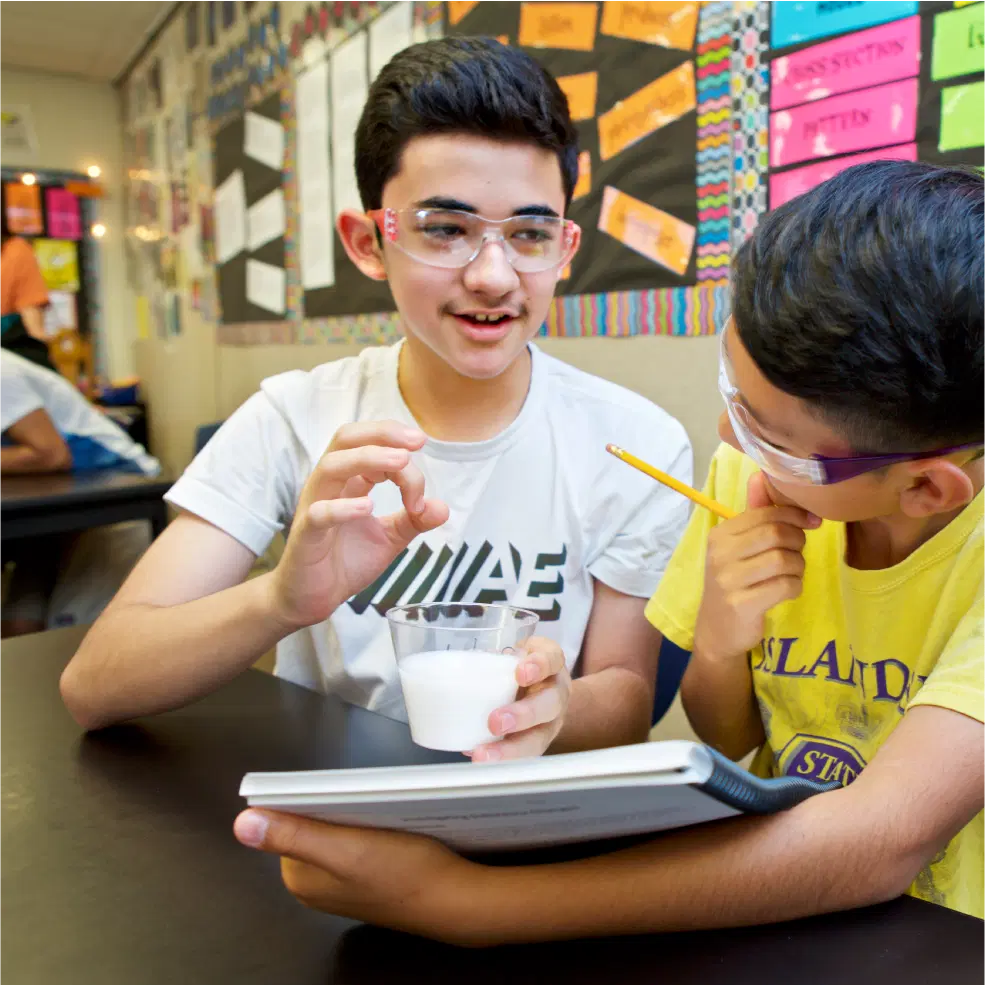
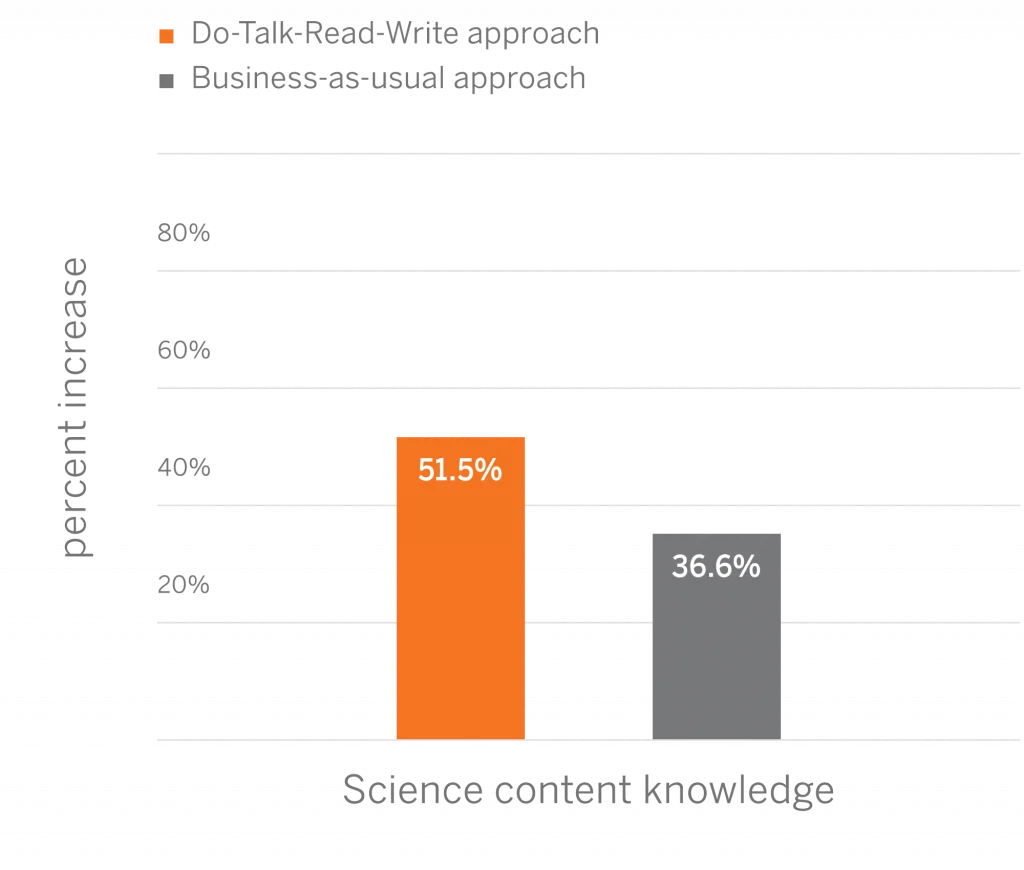
UC Berkeley’s Lawrence Hall of Science, the authors behind Amplify Science Florida, developed the Do, Talk, Read, Write, Visualize approach, and gold standard research shows that it works. Our own efficacy research is pretty exciting, too.
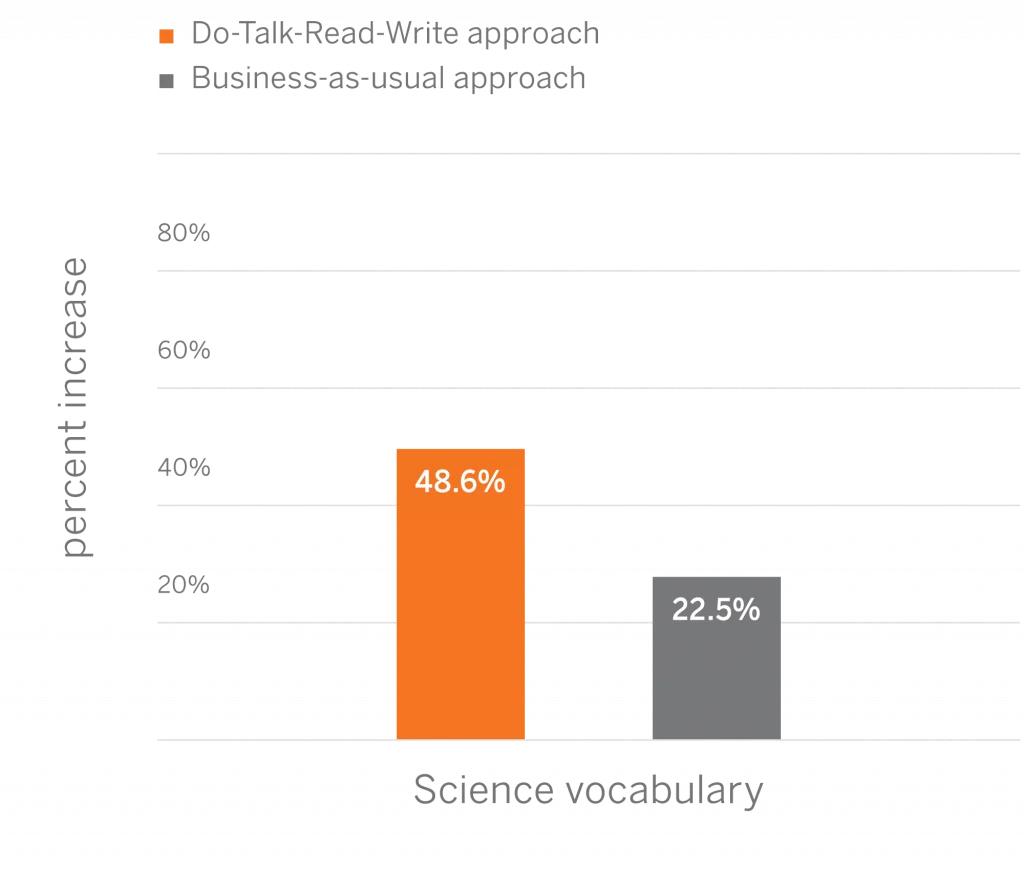
DEEP UNDERSTANDING
Do, Talk, Read, Write students outperform their peers.
ENGLISH LANGUAGE LEARNERS EXCEL
ELLs who used Do, Talk, Read, Write outperformed their ELL peers.
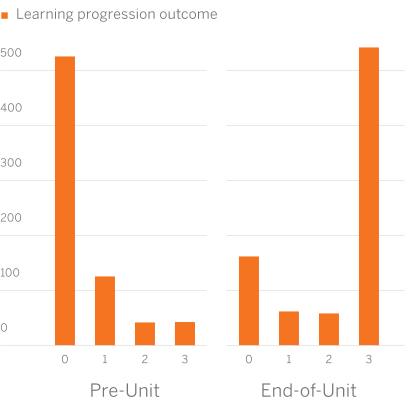
PROGRESS THROUGH THE LEARNING PROFESSION
Progress through the learning progression for all middle school implementations, 2017-18 school year.
A powerful partnership
Amplify Science Florida was developed by the science education experts at UC Berkeley’s Lawrence Hall of Science and the digital learning team at Amplify. As the Hall’s first curriculum designed to address the Next Generation Sunshine State Standards for Science, Amplify Science Florida reflects state-of-the-art practices in science teaching and learning.
Our approach
Each unit of Amplify Science Florida engages students in a relevant, real-world problem where they investigate scientific phenomena, engage in collaboration and discussion, and develop models or explanations in order to arrive at solutions.
Rooted in research
Amplify Science Florida is rooted in the Lawrence Hall of Science’s Do, Talk, Read, Write, Visualize model of learning. This research-based approach presents students with multiple modalities through which to explore the curriculum.
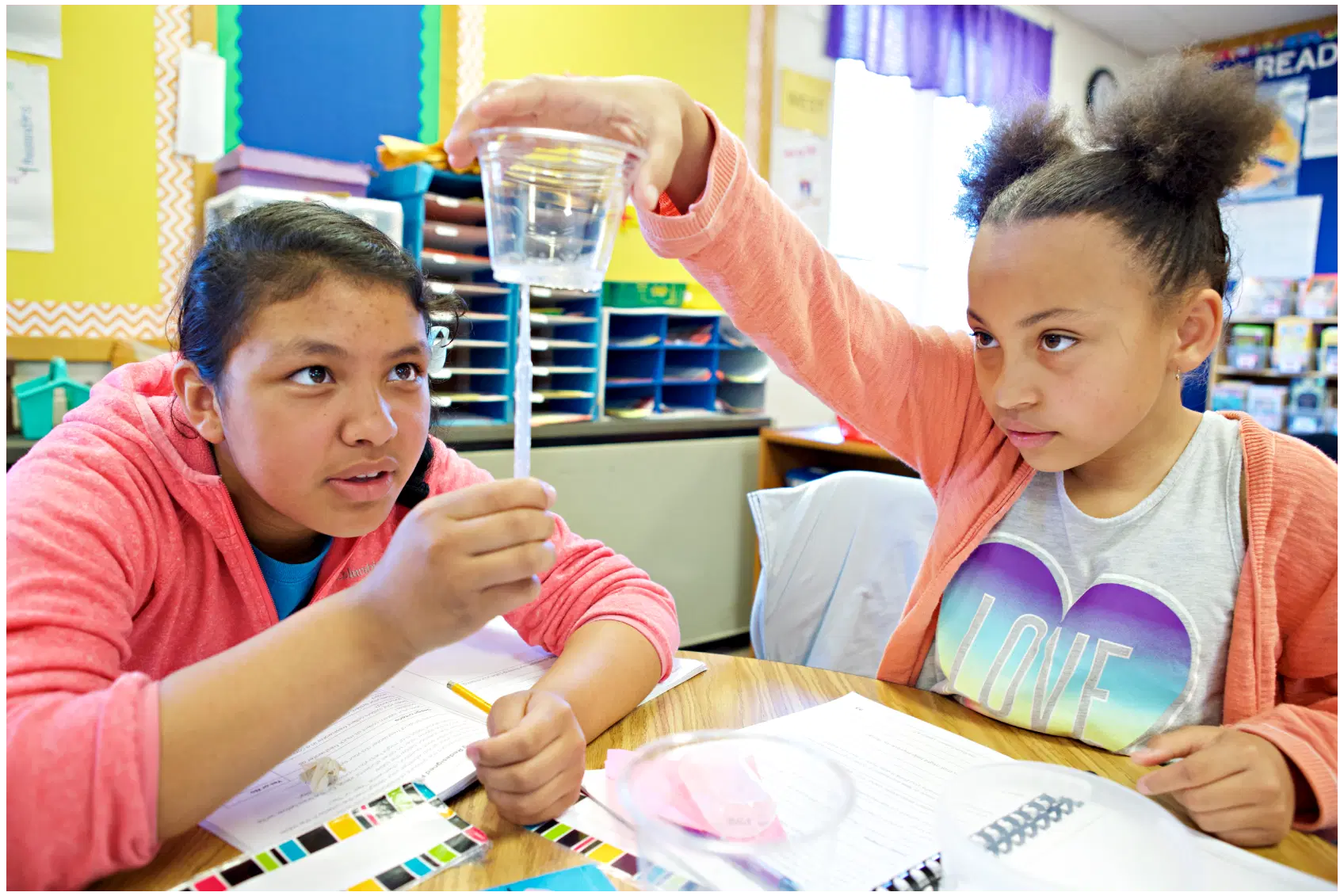
A flexible, blended program
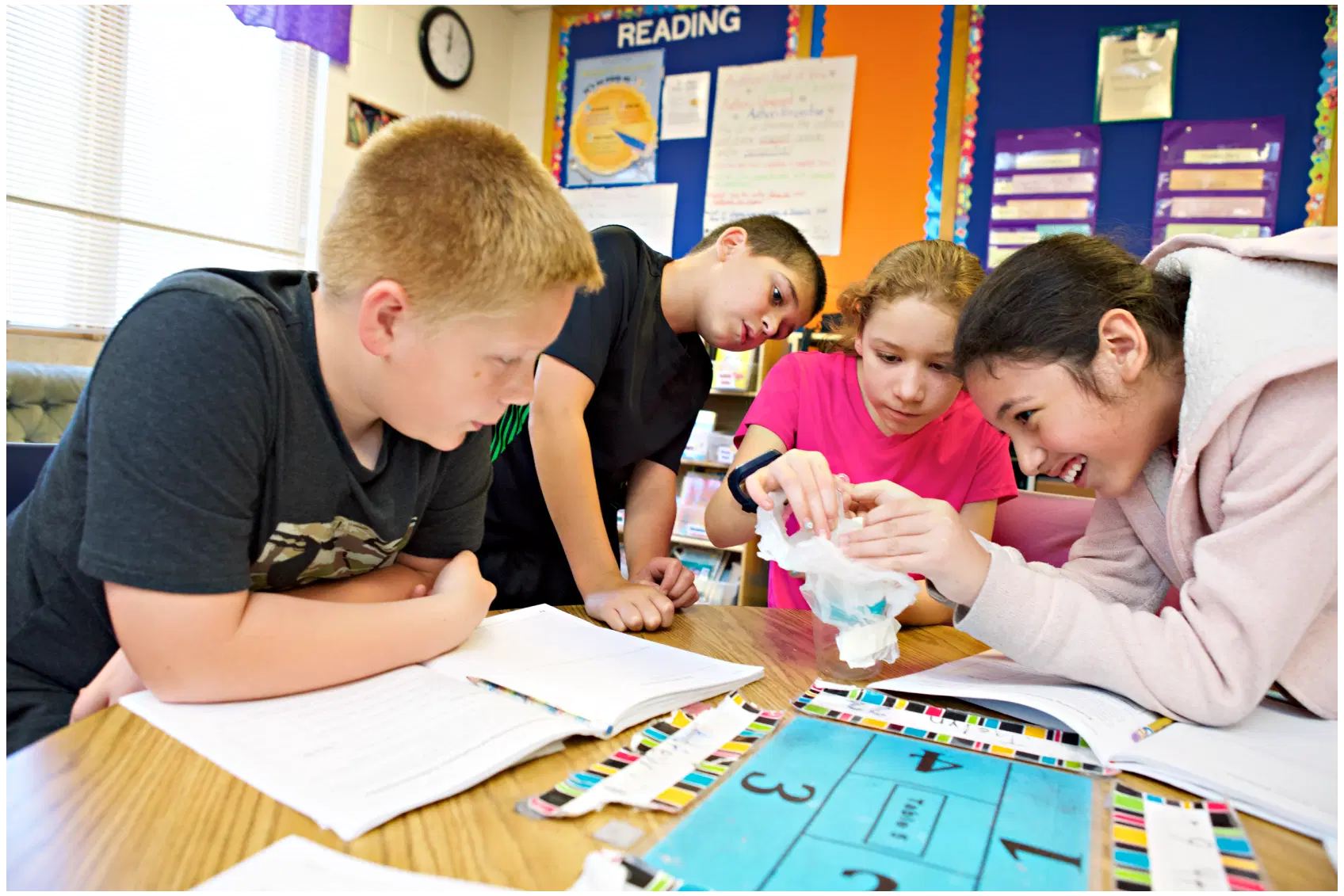
Amplify Science Florida includes hands-on activities, print materials, and powerful digital tools to support online and offline teaching and learning. Highly adaptable and user-friendly, the program gives schools and individual teachers flexibility based on their technology resources and preferences.
Students take on the roles of scientists and engineers.
In each unit, students take on the role of a scientist or engineer to investigate a real-world problem. These problems provide relevant contexts through which students investigate phenomena.
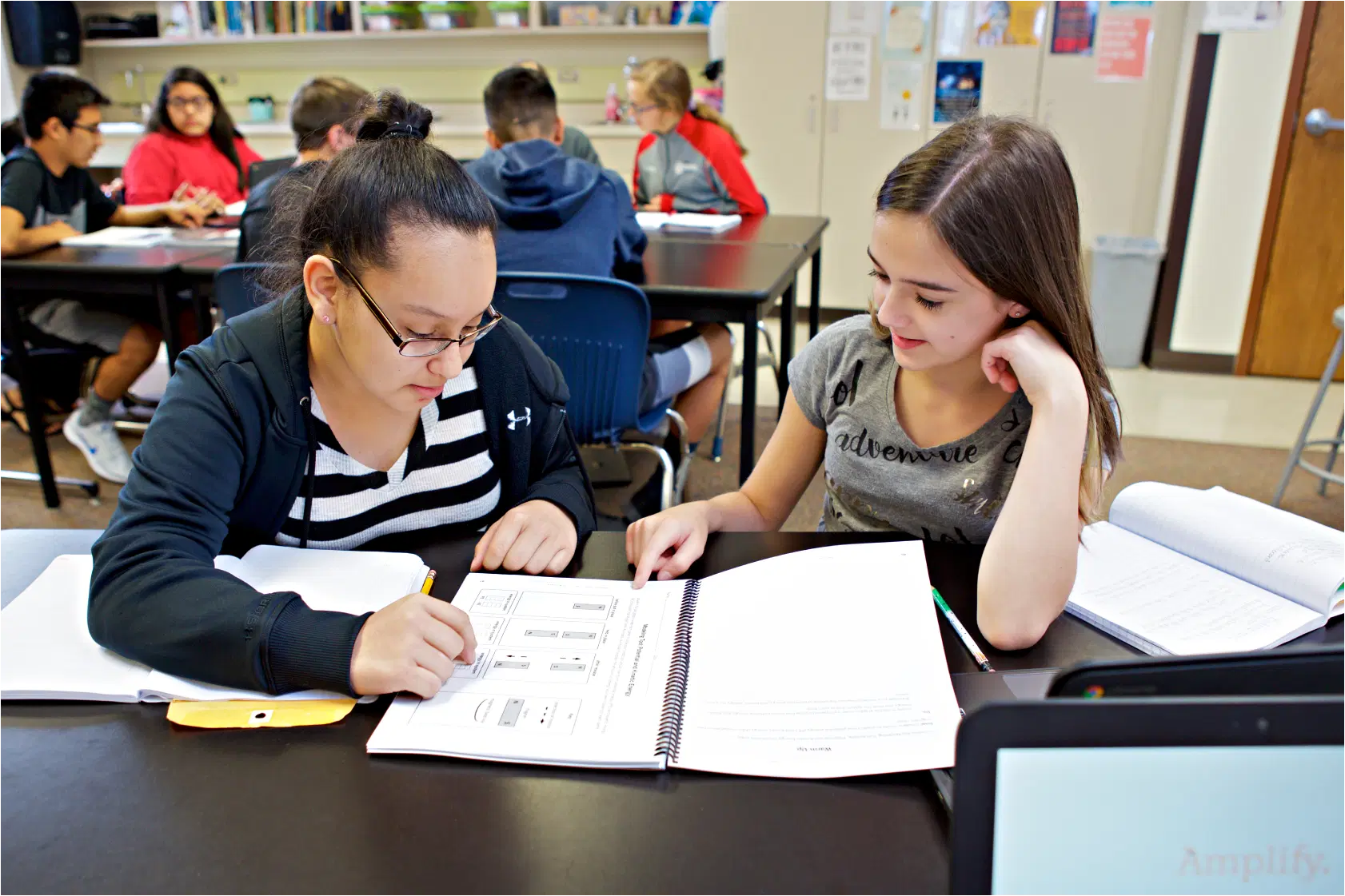

Phenomena-based teaching and learning
Download the “What’s so phenomenal about phenomena?” e-book
Download a free e-bookWhat’s included
Flexible resources that work seamlessly together
Science articles
The middle school science articles serve as sources for evidence collection and were authored by science and literacy experts at the Lawrence Hall of Science.
Student Investigation Notebooks
Available for every unit, the Student Investigation Notebooks provide space for students to:
- record data
- reflect on ideas from texts and investigations
- construct explanations and arguments
Available with full-color article compilations for middle school units
Digital student experience
Students access the digital simulations and modeling tools, as well as lesson activities and assessments, through the digital student experience. Students can interact with the digital student experience as they:
- conduct hands-on investigations
- engage in active reading and writing activities
- participate in discussions
- record observations
- craft end-of-unit scientific arguments
Teacher’s Guides
Available digitally and in print, the Teacher’s Guides contain all of the information teachers need to facilitate classroom instruction, including:
- detailed lesson plans
- unit and chapter overview documentation
- differentiation strategies
- standards alignments
- in-context professional development
Hands-on materials kits
Hands-on learning is at the heart of Amplify Science Florida. Each unit kit contains:
- consumable and non-consumable hands-on materials
- print classroom display materials
- premium print materials for student use (sorting cards, maps, etc.)
Explore more programs.
Our programs are designed to support and complement one another. Learn more about our related programs.


Inspiring the next generation of Louisiana scientists, engineers, and curious citizens
Amplify Science Louisiana blends hands-on investigations, literacy-rich activities, and interactive digital tools to empower students to think, read, write, and argue like real scientists and engineers.
The national edition of Amplify Science for middle school was recently rated all green by EdReports. Read the review on EdReports.
Grounded in research and proven effective
UC Berkeley’s Lawrence Hall of Science, the authors behind Amplify Science Louisiana, developed the Do, Talk, Read, Write, Visualize approach, and gold standard research shows that it works. Our own efficacy research is pretty exciting, too.
DEEP UNDERSTANDING
Do, Talk, Read, Write students outperform their peers.
ENGLISH LANGUAGE LEARNERS EXCEL
ELLs who used Do, Talk, Read, Write outperformed their ELL peers.
PROGRESS THROUGH THE LEARNING PROFESSION
Progress through the learning progression for all middle school implementations, 2017-18 school year.
A powerful partnership
Amplify Science Louisiana was developed by the science education experts at UC Berkeley’s Lawrence Hall of Science and the digital learning team at Amplify. As the Hall’s first curriculum designed to address the new science standards, Amplify Science Louisiana reflects state-of-the-art practices in science teaching and learning.
Our approach
Each unit of Amplify Science Louisiana engages students in a relevant, real-world problem where they investigate scientific phenomena, engage in collaboration and discussion, and develop models or explanations in order to arrive at solutions.
Rooted in research
Amplify Science Louisiana is rooted in the Lawrence Hall of Science’s Do, Talk, Read, Write, Visualize model of learning. This research-based approach presents students with multiple modalities through which to explore the curriculum.
A flexible, blended program
Amplify Science Louisiana includes hands-on activities, print materials, and powerful digital tools to support online and offline teaching and learning. Highly adaptable and user-friendly, the program gives schools and individual teachers flexibility based on their technology resources and preferences.
Students take on the roles of scientists and engineers.
In each unit, students take on the role of a scientist or engineer to investigate a real-world problem. These problems provide relevant contexts through which students investigate phenomena.

Phenomena-based teaching and learning
Download the “What’s so phenomenal about phenomena?” e-book
Download a free e-bookWhat’s included
Flexible resources that work seamlessly together
ElementaryMiddle School
Student Books
Age-appropriate Student Books allow students to:
- engage with content-rich texts
- obtain evidence
- develop research and close-reading skills
- construct arguments and explanations
Student Investigation Notebooks
Available for every unit, the Student Investigation Notebooks provide space for students to:
- record data
- reflect on ideas from texts and investigations
- construct explanations and arguments
Simulations and practice tools (grades 2+)
Developed exclusively for the Amplify Science program, these engaging digital tools:
- serve as venues for exploration
- enable data collection
- allow students to explore scientific concepts
- show what might be impossible to see with the naked eye
Teacher’s Guides
Available digitally and in print, the Teacher’s Guides contain all of the information teachers need to facilitate classroom instruction, including:
- detailed lesson plans
- unit and chapter overview documentation
- differentiation strategies
- standards alignments
- in-context professional development
Science articles
The middle school science articles serve as sources for evidence collection and were authored by science and literacy experts at the Lawrence Hall of Science.
Student Investigation Notebooks
Available for every unit, the Student Investigation Notebooks provide space for students to:
- record data
- reflect on ideas from texts and investigations
- construct explanations and arguments
Available with full-color article compilations for middle school units
Digital student experience
Students access the digital simulations and modeling tools, as well as lesson activities and assessments, through the digital student experience. Students can interact with the digital student experience as they:
- conduct hands-on investigations
- engage in active reading and writing activities
- participate in discussions
- record observations
- craft end-of-unit scientific arguments
Teacher’s Guides
Available digitally and in print, the Teacher’s Guides contain all of the information teachers need to facilitate classroom instruction, including:
- detailed lesson plans
- unit and chapter overview documentation
- differentiation strategies
- standards alignments
- in-context professional development
Hands-on materials kits
Hands-on learning is at the heart of Amplify Science Louisiana. Each unit kit contains:
- consumable and non-consumable hands-on materials
- print classroom display materials
- premium print materials for student use (sorting cards, maps, etc.)
Explore more programs.
Our programs are designed to support and complement one another. Learn more about our related programs.
Welcome, Boost Reading families!
Welcome, Boost Lectura families!
We’re excited to welcome you and your student to the Boost Lectura Caregiver Hub for the new school year. We’ve put together the following resources and guides to help you support your child throughout the year and give them the most productive experience possible with our platform.
Para la versión en español, haga clic aquí.

What is Boost Lectura?
Boost Lectura is an easy-to-use digital intervention program. The engaging world of Boost Lectura provides differentiated Spanish reading instruction for grades K–2, adapting to the unique needs of each reader. Your child can use the program during school hours and also independently at home.

What is my role?
Make sure your student can log in independently.
We recommend that you help your child log in at home via Clever or another platform. Your child’s teacher may also download and print a QR code or unique username and password that your child can use to log in. Please reach out to your child’s teacher if you’re unsure about the login process or did not receive login information.
Tips
- Practice logging in with your child consistently until they can log in independently.
- Keep their login information in a single place so they know where to go if they forget it.

Give your child a quiet space to work.
Get your child set up to use Boost Lectura at home: Make sure they have a set of headphones and a quiet place to play. You won’t need to assist them with their learning, since Boost Lectura is personalized to your child’s needs. Once they can log in, they can start using the program(s) independently.
Give your child time to play independently.
Your child may begin with a placement activity, which will use their answers to match them to the content and games that are best for their reading skill level. It’s important that your child completes each activity independently, so the program accurately assesses their level. Encourage them to have fun and do their best!
Review digital safety.
Take a few moments to look at Protecting Kids Online, a site by the Federal Trade Commission all about safety for kids in the digital world.
Add to the fun!
Each K–2 student has a customizable digital companion called a Curioso. Print these Curioso coloring pages so your student can decorate their own Curioso!

Download Curioso Coloring Pages
How to get help

We’re here to help you!
Have a question about Boost Lectura?
Visit our help center to search for articles with answers to your questions about the program.
For additional support, please contact your child’s teacher.
Frequently asked questions
We recommend checking in with your child’s teacher to find out how much they should be using these programs at home, since they may also be using the programs during the school day. This is our general recommendation:
Boost Lectura
If using only Boost Lectura, your student should play for about 30–45 minutes total per week, broken up into 10–15-minute sessions.
Boost Lectura and Boost Reading
If using both Boost Lectura and Boost Reading, your student should play each week for about 40 minutes total across both programs, with each session lasting about 10–15 minutes.
We actually recommend that you don’t step in to help if your child is having trouble with the content! While this can be hard, please understand that Boost Lectura is designed to adapt based on your student’s answers, providing them with additional support and instructions to help them move forward.
Welcome, Boost Reading families!
We’re excited to welcome you and your student to the Boost Reading Caregiver Hub for the new school year. We’ve put together the following resources and guides to help you support your child throughout the year and give them the most productive experience possible with our platform.
Para la versión en español, haga clic aquí.

What is Boost Reading?
Boost Reading is a student-led, digital intervention program based on the Science of Reading. The engaging world of Boost Reading uses adaptive technology to deliver targeted remediation support for K–5 students, adjusting to the unique needs of each reader. Your child can use the program during school hours and also independently at home.
What is my role?
Make sure your student can log in independently.
We recommend you help your child log in at home via Clever or another platform. Your child’s teacher may also download and print a QR code or unique username and password that your child can use to log in. Please reach out to your child’s teacher if you’re unsure about the login process or did not receive login information.
Tips
- Practice logging in with your student consistently until they can log in independently.
- Keep their login information in a single place so they know where to go if they forget it.
Give your child a quiet space to work.
Get your child set up to use Boost Reading at home: Make sure they have a set of headphones and a quiet place to play. You won’t need to assist them with their learning, since Boost Reading is personalized to your child’s needs. Once they can log in, they can start using the program independently.
Give your child time to play independently.
Your child may begin with a placement activity, which will use their answers to match them to the content that is best for their reading skill level. It’s important that your child completes each activity independently, so the program accurately assesses their level. Encourage them to have fun and do their best!
Review digital safety.
Take a few moments to look at Protecting Kids Online, a site by the Federal Trade Commission all about safety for kids in the digital world.
Add to the fun!
Each student has a digital companion called a Curioso. Print these Curioso coloring pages so your student can decorate their own Curioso!
How to get help
We’re here to help you!
Have a question about Boost Reading?
Visit our help center to search for articles with answers to your questions about the program.
For additional support, please contact your child’s teacher.
Frequently asked questions
We recommend checking in with your child’s teacher to find out how much they should be using this program at home, since they may also be using the program during the school day. This is our general recommendation:
Boost Reading
If using only Boost Reading in grades K–3, your student should play for about 30–45 minutes total per week, broken up into 10–15-minute sessions. If your student is using only Boost Reading in grades 4–5, they should play for 40–60 minutes total each week, broken up into 20–30-minute sessions.
Boost Reading and Boost Lectura
If your student is using both Boost Reading and Boost Lectura, they should play each week for about 40 total minutes across both programs, with each session lasting about 10–15 minutes.
We actually recommend that you don’t step in to help if your child is having trouble with the content! While this can be hard, please understand that Boost Reading is designed to adapt based on your student’s answers, providing them with additional support and instructions to help them move forward in the game.
Instrucción personalizada de lectoescritura en español, ideal para todos los salones de clase
Boost Lectura es un programa basado en la Ciencia de la Lectura creado para acelerar la alfabetización en español para estudiantes de K-2. Utilizando historias cautivadoras y las últimas investigaciones sobre cómo se desarrolla la alfabetización en español, Boost Lectura involucra a los estudiantes en una instrucción de lectura digital poderosa y personalizada, todo respaldado con eficacia probada. For English version, please click here.
Ciencia de la lectura para bilingües emergentes
Basado en la metodología de la Ciencia de la lectura, Boost Lectura reconoce los matices de la lectoescritura bilingüe y el idioma español. El diseño de la instrucción se basa en cómo se desarrolla la alfabetización en español, manteniéndonos fieles a nuestro principio central de Ciencia de la lectura: la instrucción de alfabetización en cada idioma debe reflejar sus elementos lingüísticos particulares.
Desarrollado con expertos
El plan de estudios de alfabetización en español Boost Lectura se desarrolló en colaboración con expertos en lectoescritura en español y educadores de varias regiones de habla hispana que contribuyeron con perspectivas valiosas para la creación de contenido auténtico y relevante.
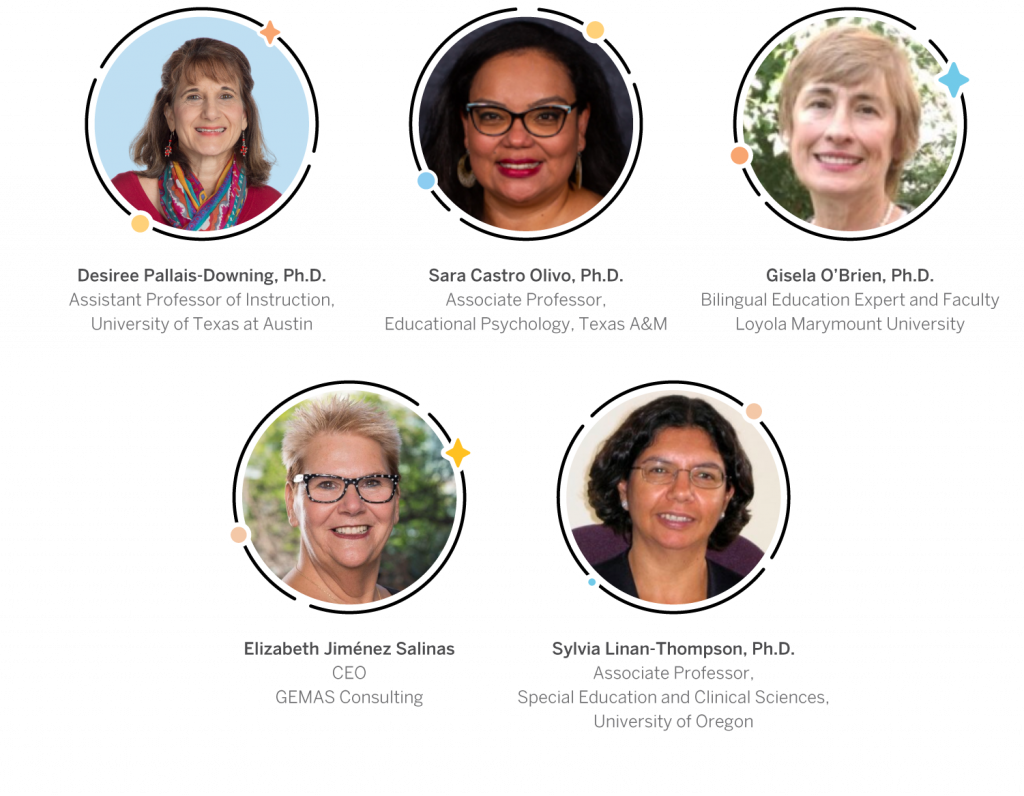
Nuestro enfoque
Los estudiantes que aprenden a leer en español merecen una instrucción auténtica y basada en investigaciones. Boost Lectura logra esto y complementa los programas curriculares y de evaluación integral de alfabetización bilingüe de Amplify. Cuando se utiliza con Boost Reading, es la primera solución de aprendizaje personalizada basada en la Ciencia de la lectura para el desarrollo de la alfabetización bilingüe en español e inglés.
Auténtica instrucción de lectoescritura en español
Boost Lectura se centra en las destrezas fundamentales (como la conciencia fonológica, las correspondencias entre letras y sonidos, la decodificación y la comprensión) que, según las investigaciones, no sólo son indispensables para aprender a leer en español, sino que también son transferibles del español al inglés. El programa se creó con la orientación e investigación de expertos sobre cómo se desarrolla la alfabetización bilingüe (particularmente la alfabetización bilingüe en español e inglés).
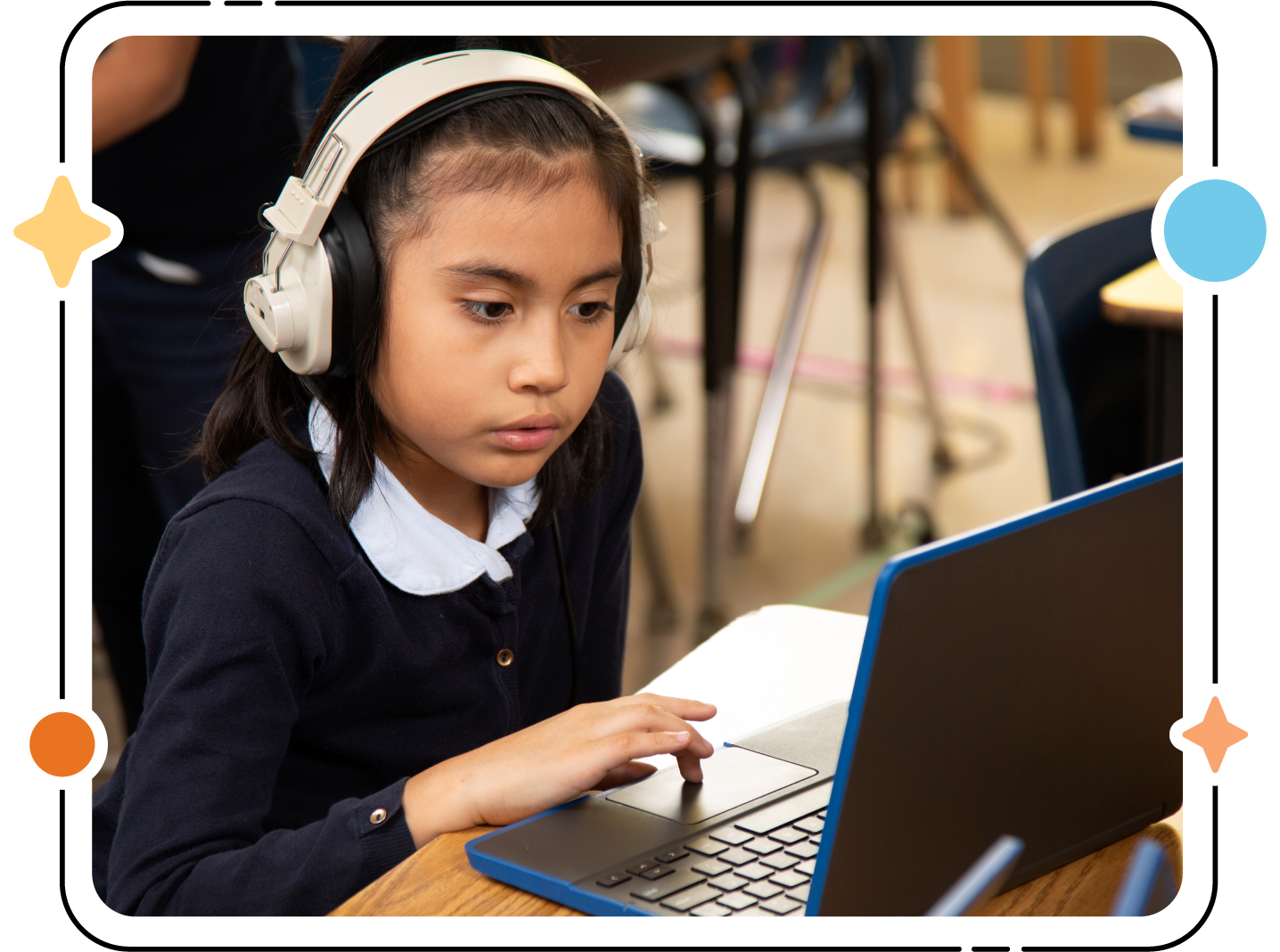
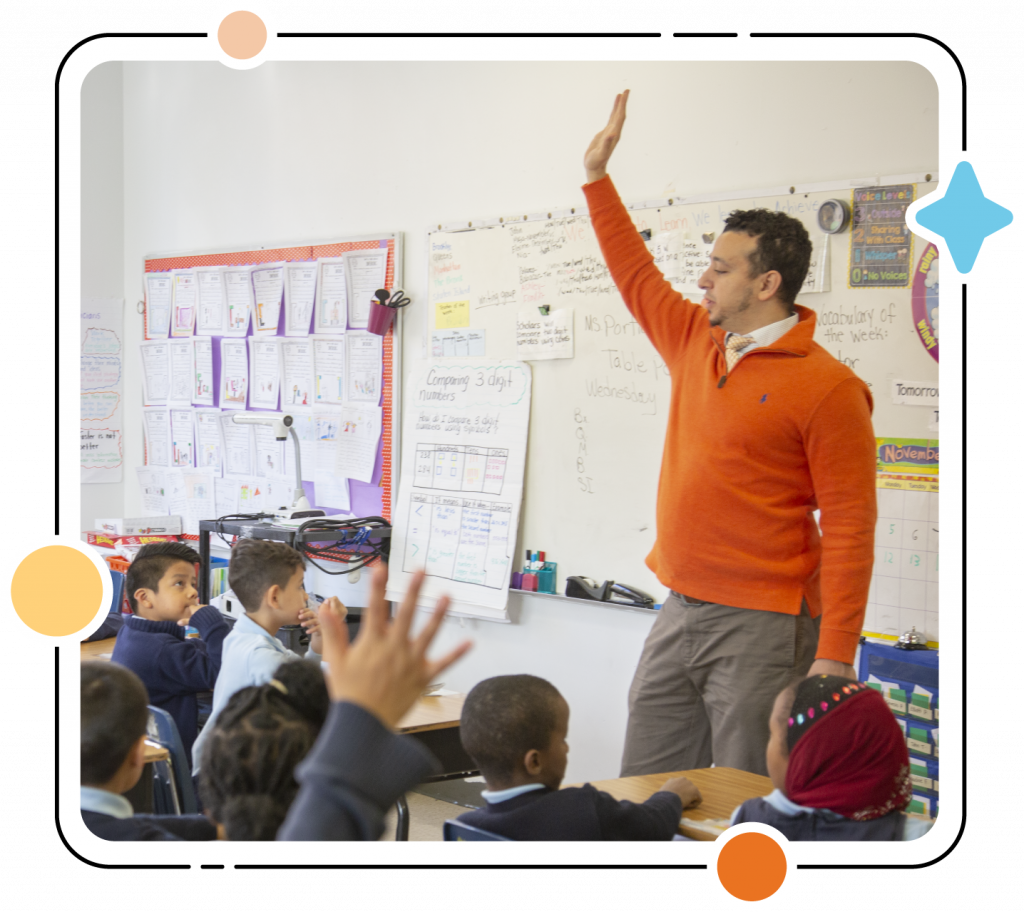
Ideal para cualquier modelo de salón de clase
Sin tener que dominar el español, los maestros tienen acceso a un alcance y secuencia de alfabetización en español basado en evidencia con contenido de aprendizaje dirigido a las necesidades individuales de los estudiantes. Boost Lectura puede aprovecharse en cualquier modelo de enseñanza de la lectoescritura.
Paridad entre el español y el inglés
Boost Lectura se puede combinar perfectamente con Boost Reading. Cuando se usan juntos, los dos programas desarrollan el dominio de la lectura tanto en inglés como en español para los estudiantes de K a 2.º grado, además de brindar a los maestros información valiosa sobre la progresión de las destrezas de los estudiantes en cada idioma.
Paquete integral de alfabetización bilingüe
Boost Lectura se incorpora al paquete completo de programas de alfabetización bilingüe de Amplify, incluidos Amplify Caminos y mCLASS® Lectura. Mediante una instrucción alineada, estas herramientas y materiales brindan a los educadores todo lo que necesitan para evaluar, instruir y brindar práctica en la alfabetización en español.
Qué se incluye
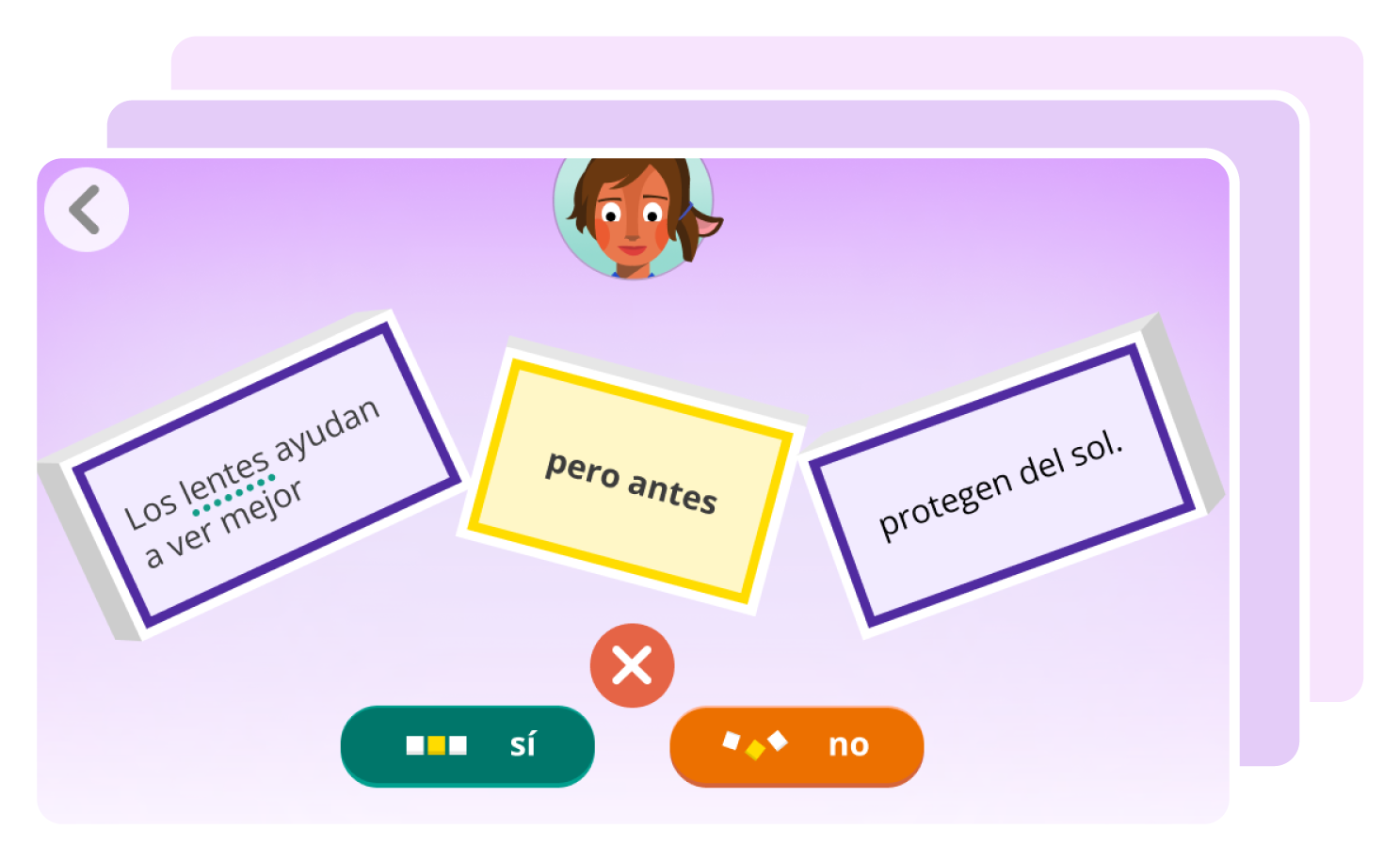
Instrucción eficaz y de gran riqueza
Los estudiantes participarán en actividades específicas relacionadas con historias auténticas y cautivadoras que honran la cultura y las experiencias de las comunidades de habla hispana. Este potente contenido está cuidadosamente diseñado para mejorar sus destrezas de decodificación, vocabulario y comprensión lectora.
Personalización de destrezas
La tecnología adaptativa de Boost Lectura desarrolla los mapas de destrezas individuales de los estudiantes para proporcionar el contenido adecuado en el momento correcto. Los estudiantes explorarán nuevas misiones, desafíos y juegos que simultáneamente les enseñarán las destrezas fundamentales de alfabetización que los convertirán en lectores de español más seguros.
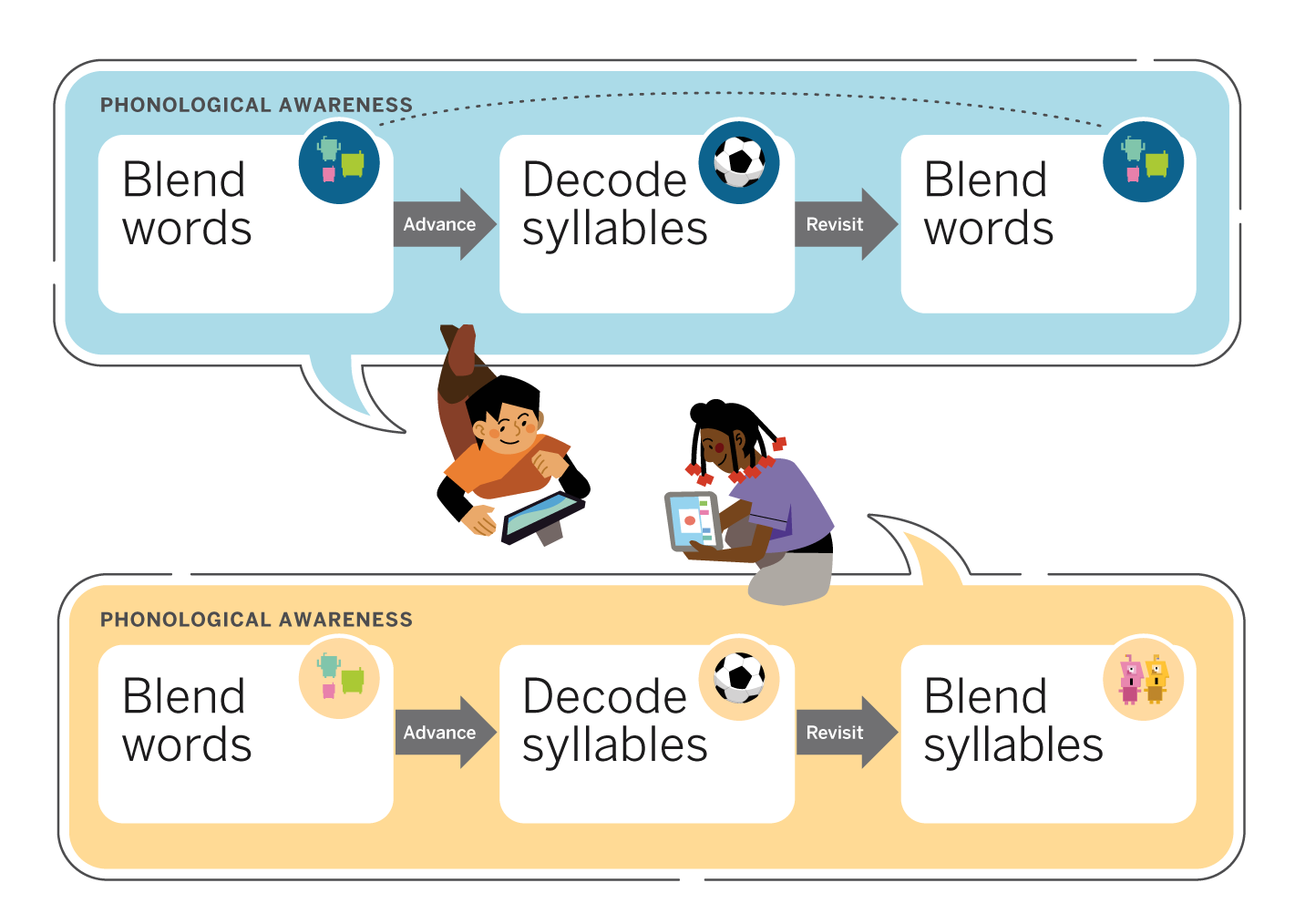
Datos e información práctica para educadores
El programa ofrece información a nivel de estudiante y de clase para ayudar a los educadores a diferenciar la instrucción, monitorear el progreso en todo el salón de clase, brindar apoyo específico sin más pruebas y acceder a recursos educativos dirigidos por maestros.
Informes paralelos en inglés y español
Cuando Boost Reading y Boost Lectura se usan juntos, los programas brindan a los educadores información paralela sobre las destrezas y el progreso de los estudiantes en cada idioma.
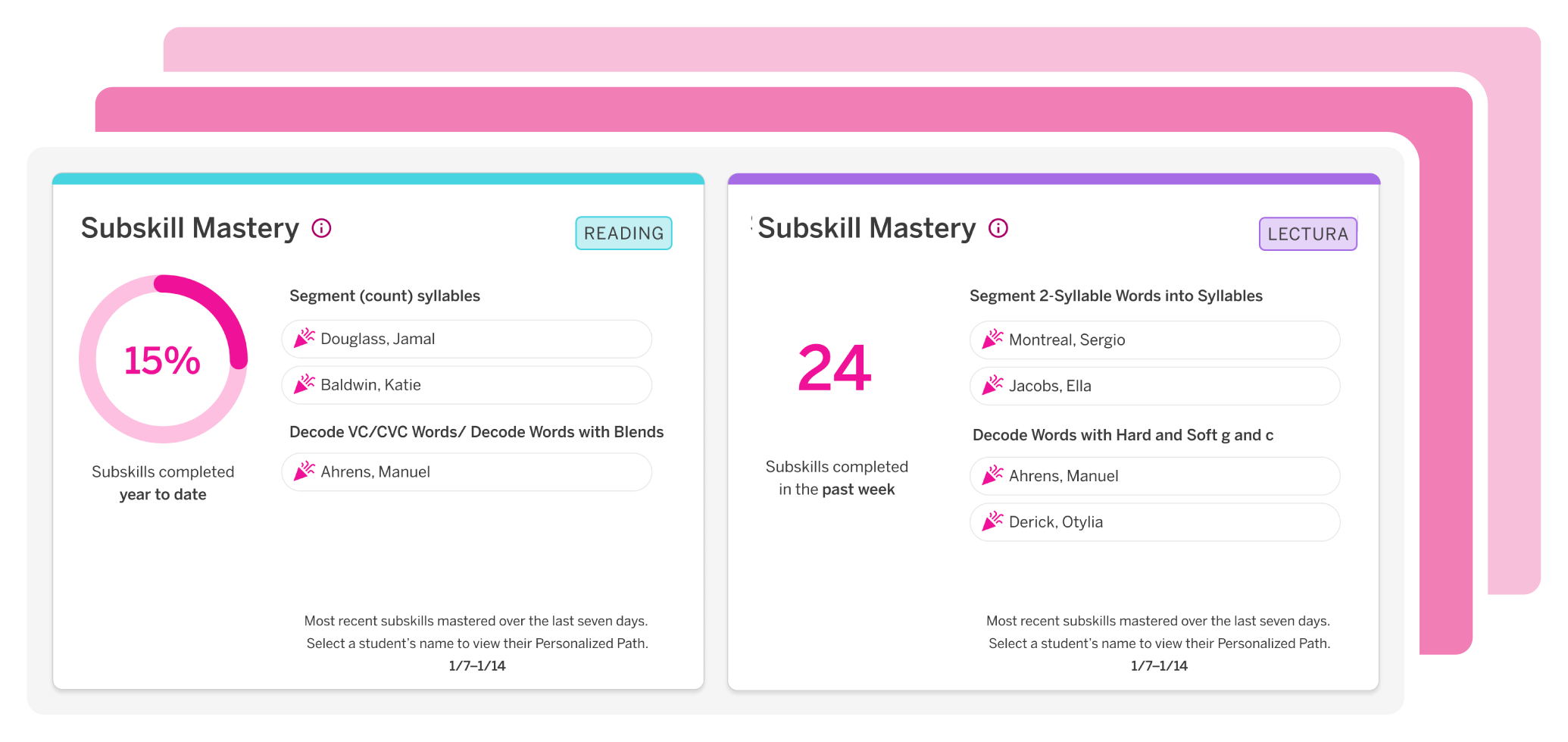

Explore otros programas basados en la Ciencia de la lectura.
Usamos componentes esenciales de la alfabetización bilingüe para fomentar la equidad en los salones de clase.

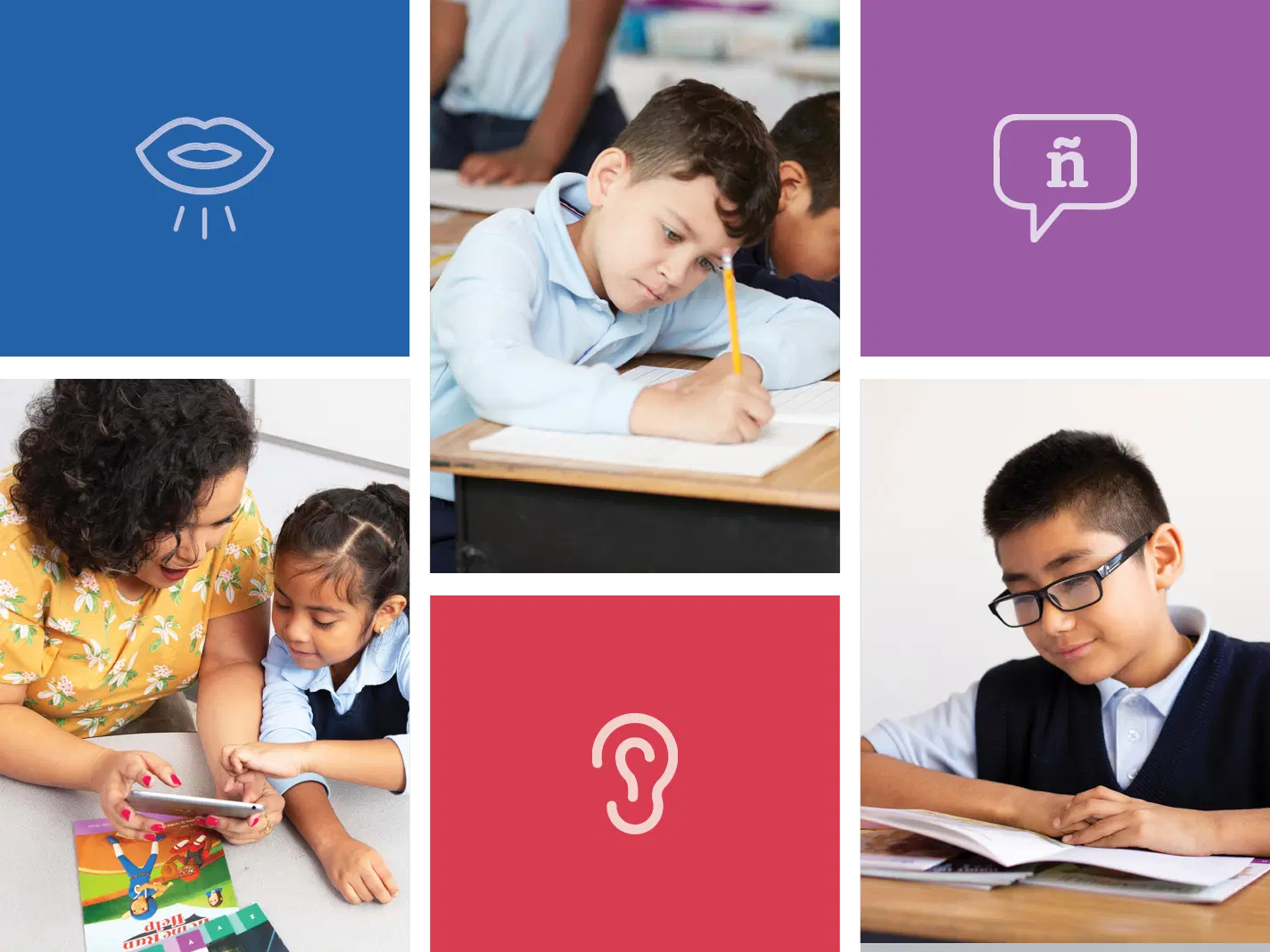
mCLASS® with DIBELS® 8th Edition is Oregon approved!
mCLASS with DIBELS 8th Edition and mCLASS Rapid Automatic Naming (RAN) helps teachers identify COVID-related learning loss and literacy needs firsthand through a quick, five-minute assessment that can be done virtually or in person. What’s more, it helps teachers take immediate instructional action that’s right for each and every student.
What is mCLASS?
mCLASS® with DIBELS® 8th Edition and mCLASS RAN is an integrated, gold standard literacy system for grades K–6.
The mCLASS comprehensive system includes efficient one-minute measures, a built-in Enhanced Early Learning Measures screener, teacher-led and student-driven instruction, intervention, and robust reports for teachers and administrators.
With mCLASS, you can say goodbye to cobbling together tools and second guessing the results of other screeners.

University of Oregon
Together with the University of Oregon, we have made the DIBELS® (Dynamic Indicators of Basic Early Literacy Skills) assessment that you know and love more powerful and user-friendly than ever before.
As the only licensed provider of the digital DIBELS 8th Edition assessment, we make it faster and easier to understand where every student is in their early literacy journey.
Why mCLASS?
It’s a single solution that meets all of the state’s requirements for Early Screening of Dyslexia.
- It’s a universal early literacy screener, dyslexia screener, and a diagnostic tool in one.
- It allows for real-time assessment and instant scoring as well as offline assessment capabilities.
- It includes explicit literacy instruction and intervention strategies based on student performance.
- It’s flexible and can be implemented in a variety of scenarios, including in-person, remote, and hybrid learning environments.
- It includes a variety of parent notification resources and at-home reading strategies.
- It’s continually enhanced with new features and regular updates that are made available to our entire user community.
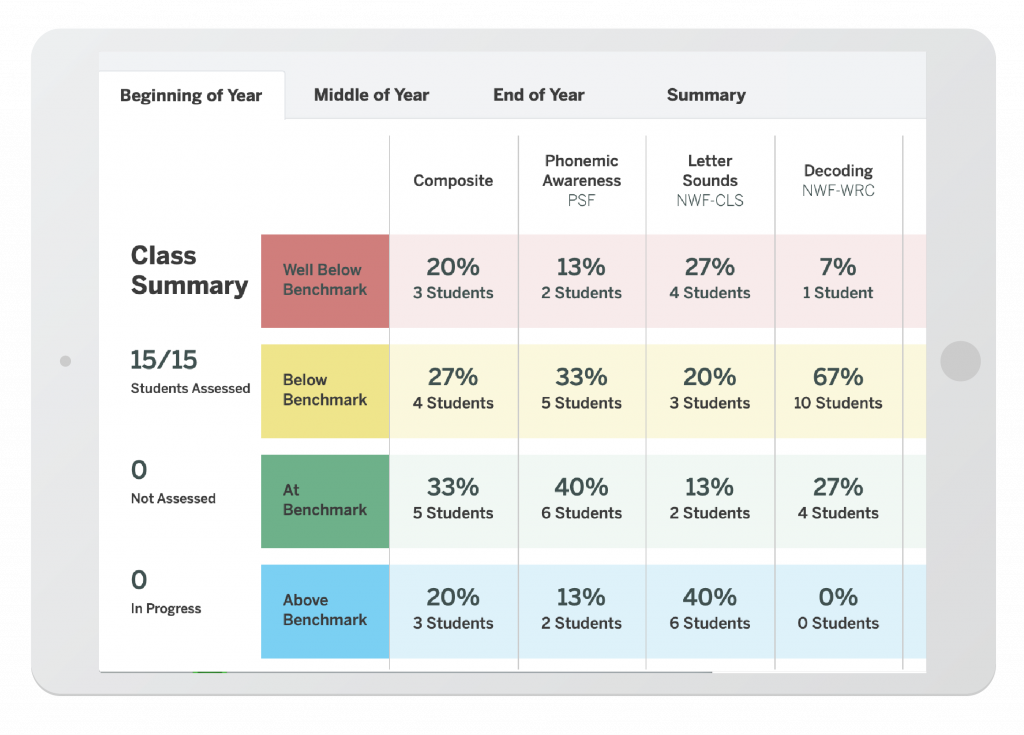
Instant data and action
Quick and actionable reports provide detailed insight into students’ reading development across foundational literacy skills for classroom teachers and literacy specialists, principals and district leaders, and parents and guardians at home.
What’s more, mCLASS® with DIBELS® 8th Edition and mCLASS RAN gives you instant results and clear next instructional steps for each and every student.
Dyslexia screener
Early intervention is critical. That’s why we help you meet state dyslexia legislation with one single powerful tool—no additional assessment system required.
Our additional measures in vocabulary, spelling, and rapid automatic naming (RAN) address the full range of skills associated with dyslexia risk and help identify students at varying levels of risk for reading difficulties, including dyslexia.

Assess anywhere
mCLASS has created a collection of resources to help you plan for a variety of assessment scenarios.
Whether your school is engaged in in-person, hybrid, or remote instruction, we know how important it is for teachers and administrators to have a full (and firsthand!) picture of every student’s literacy development.
Personalized practice
Amplify Reading is the practice and remediation companion to mCLASS. At its heart, there are three main areas that make Amplify Reading a unique and essential supplemental learning program.
- The program meets all students where they are with powerful individualized instruction and practice.
- Age-appropriate narratives create a learning experience that leaps off the screen.
- Research shows Amplify Reading improves student performance–particularly among English Learners–reducing the overall percentage of students at risk of reading difficulty.

Funding
Schools may utilize Early Literacy Grants or federal CARES Act funds to purchase assessments to meet Oregon’s screening legislation.
Resources


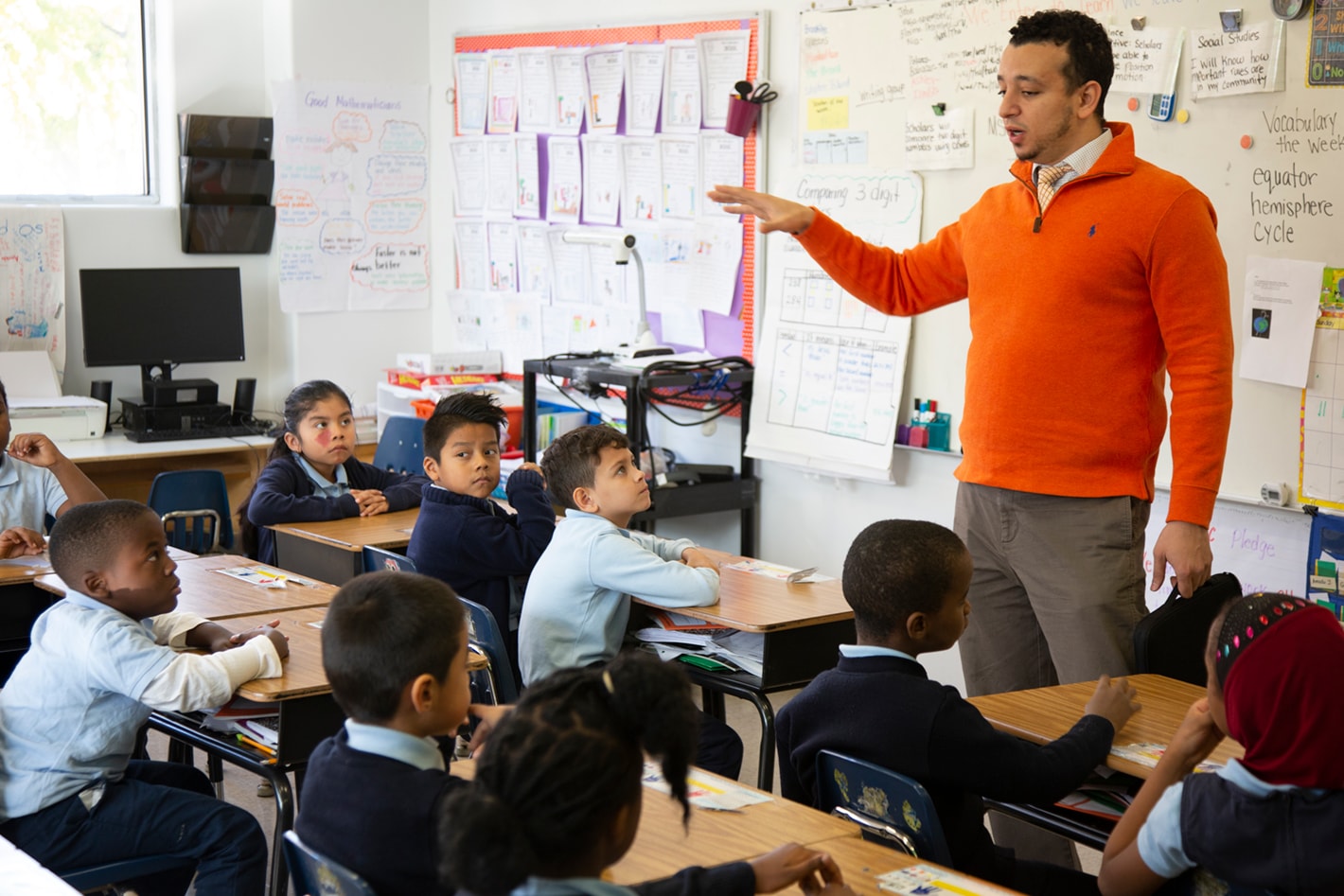

Get in touch
Ready to discuss how mCLASS can support your specific needs? A brief 30-minute call is all we need to determine if mCLASS with DIBELS 8th Edition is the right fit for you.
Simply fill out the form below and we’ll be in touch.

Patric Momsen
District Manager

Jonathan Cohen
Account Executive

Immanuel Moon
Field Manager
Virtual presentations
Amplify CKLA for Grades K–2
Amplify CKLA for Grades 3–5
About CKLA
Amplify CKLA is a core ELA program for grades K–5 that delivers:
- A combination of explicit foundational skills with meaningful knowledge building.
- Embedded support and differentiation that get all students reading grade-level texts together.
- Opportunities for students to see the strengths and experiences that all people share while celebrating each others’ unique identities and experiences.
- Authentic Spanish language arts instruction with Amplify Caminos.
How it Works
Amplify CKLA teaches both foundational skills and background knowledge in grades K–2 and combines them in 3–5.
- In grades K–2, students complete one full lesson that builds foundational reading skills and one full lesson that builds background knowledge.
- In grades 3–5, students complete one integrated lesson combining skills and knowledge with increasingly complex texts, close reading, and a greater emphasis on writing
What students Explore
Amplify CKLA builds knowledge coherently across subjects and grades.
Students make connections from year to year by exploring grade-appropriate subject-area knowledge and vocabulary in history, science, literature, and the arts while learning to read, write, and think creatively and for themselves.
Download the at-a-glance resources below to learn more.
What students read
Amplify CKLA puts a variety of texts in the hands of students every day to build and strengthen background knowledge and vocabulary, listening and reading comprehension, and decoding and fluency skills.
A comprehensive approach to literacy instruction requires students to have a wide range of text experiences, including reading, listening, discussing, and writing. Check out our text complexity guide to learn more by clicking here. Most questions, tasks, and assignments in CKLA materials are text-dependent. See how we use questioning and analysis skills to help students understand text in CKLA here.
More than that, we ensure the texts students read represent the world around them. With a diverse range of authors, topics, and characters, all students have ample access to both windows and mirrors. Our texts include the following:
- Authentic books.
- Authentic text passages.
- Student Readers.
- Novel Guides (grades 3–5).
Download the lists below to explore specific grade-level texts.
Supports LETRS
Amplify CKLA aligns with the instructional principles recommended by LETRS.
- Structured: Concepts are taught through consistent routines.
- Sequential: Concepts are taught in a logical, well-planned sequence.
- Systematic: Phonemes are taught from simplest to most complex.
- Explicit: Decoding and encoding concepts are taught directly and explicitly.
- Multi-sensory: Instruction is delivered through visual, auditory, and kinesthetic-tactile pathways.
- Cumulative: Concepts are applied in decodable, connected texts with constant review and reinforcement.

A comprehensive and cohesive solution
A strong literacy program is more than a reading program or an assessment tool: it combines curriculum, instruction, regular practice, intervention, and assessments.
Amplify has brought these components together in our early literacy curriculum suite to ensure you have what you need for multi-tiered support.
Trial Access
Ready to explore on your own? Follow the instructions below to access your demo account.
Explore CKLA's digital site
First, watch the quick teacher navigation video to the right. Then, follow the instructions below to access your demo account.
Go to my.amplify.com
Select Log in with Amplify
Teacher login: t1.springfield.ckla.k-5@demo.
Student login: s1.springfield.ckla.k-5@demo.
Password for both: Amplify1-springfield.ckla.k-5
Select the CKLA icon and your desired grade level
Additional Resources
Check out the information below to learn more about Amplify CKLA and see how Amplify CKLA is impacting classrooms all over the country.
Scope and sequences:
Grade 3 Integrated
Grade 4 Integrated
Grade 5 Integrated
Writing resources:
CKLA Writing Continuum for Grades K–2
CKLA Writing Continuum for Grades 3–5
Grade 3 Grammar and Morphology Scope & Sequence
Grade 4 Grammar and Morphology Scope & Sequence
Grade 5 Grammar and Morphology Scope & Sequence
Other helpful resources:
Contact us
Interested in speaking directly with your representative?
 |
Kristin McDonald Senior Account Executive (515) 240-0244 |
Overview Videos
Amplify CKLA and Caminos for K–2
After watching the K–2 video below, scroll down to learn even more, download resources, and access a demo.
Amplify CKLA and Caminos for 3–5
After watching the 3–5 video below, scroll down to learn even more, download resources, and access a demo.
What it is
Amplify CKLA is a core ELA program for grades K–5 that delivers:
- A unique research-based approach truly built on the Science of Reading.
- A combination of explicit foundational skills with meaningful knowledge building.
- Embedded support and differentiation that gets all students reading grade-level texts together.
- Opportunities for students to see the strengths and experiences that all people share while also celebrating each others’ unique identities and experiences.
- Equitable and authentic Spanish language arts instruction with Amplify Caminos.
How it works
Amplify CKLA teaches both foundational skills and background knowledge in K–2 and combines them in 3–5, as required by the science of reading.
- In grades K–2, students complete one full lesson that builds foundational reading skills, as well as one full lesson that builds background knowledge.
- In grades 3–5, student complete one integrated lesson that combines skills and knowledge with increasingly complex texts, close reading, and a greater writing emphasis.


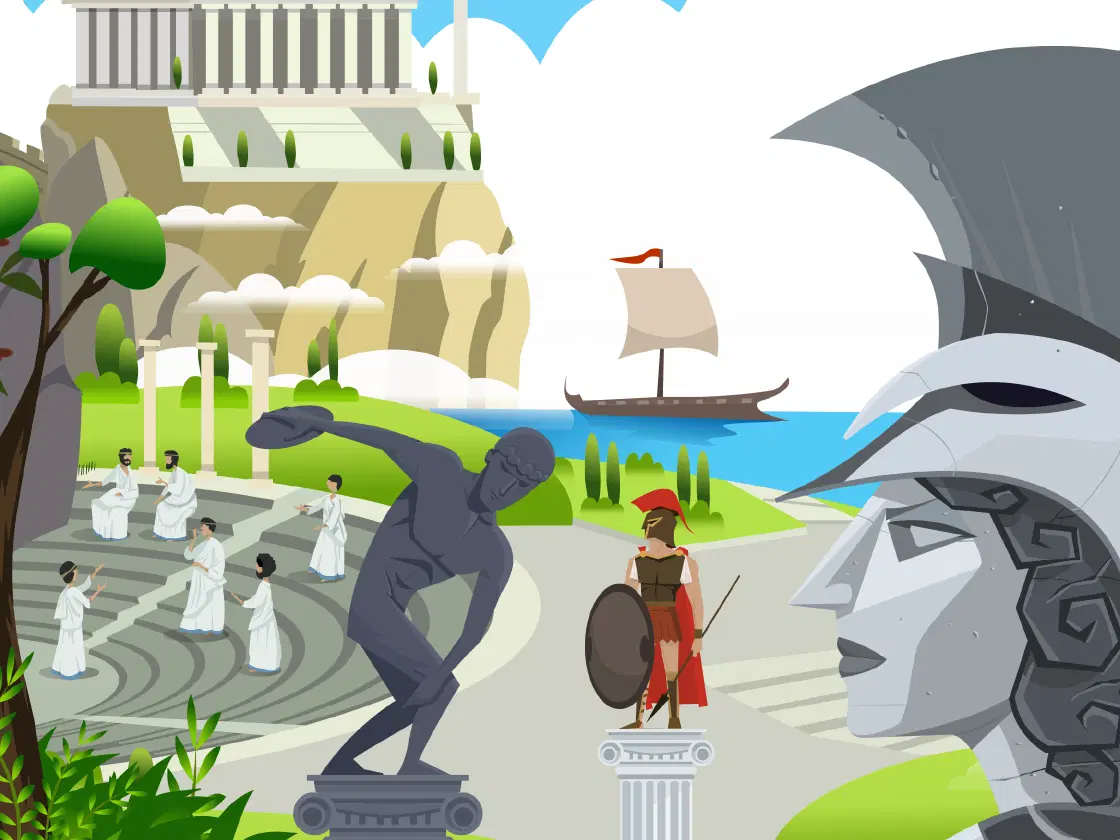



What students explore
Amplify CKLA builds knowledge coherently across subjects and grades.
Students make connections from year-to-year by exploring grade-appropriate subject-area knowledge and vocabulary in history, science, literature, and the arts while learning to read, write, and think creatively and for themselves.
Download the at-a-glance resources below to learn more.
What students read
Amplify CKLA puts a variety of texts in the hands of students every day to build and strengthen background knowledge and vocabulary, listening and reading comprehension, and decoding and fluency skills.
More than that, we ensure the texts students read represent the world around them. With a diverse range of authors, topics, and characters, all students have ample access to both windows and mirrors. Our texts include:
- Authentic books.
- Authentic text passages.
- Student Readers.
- Novel Guides (grades 3–5).
Download the lists below to explore specific grade-level texts.
Access and equity
We believe we have a responsibility to provide literacy instruction that gives every student the same opportunity to succeed and excel.
We know that early reading affects achievement throughout school and beyond—well into college and career. Yet most literacy programs continue to fall short of supporting early literacy success. That’s why we’re so proud that CKLA is helping close the reading gap between students within diverse communities.
Explore how we make learning equitable for all learners with the resources below.
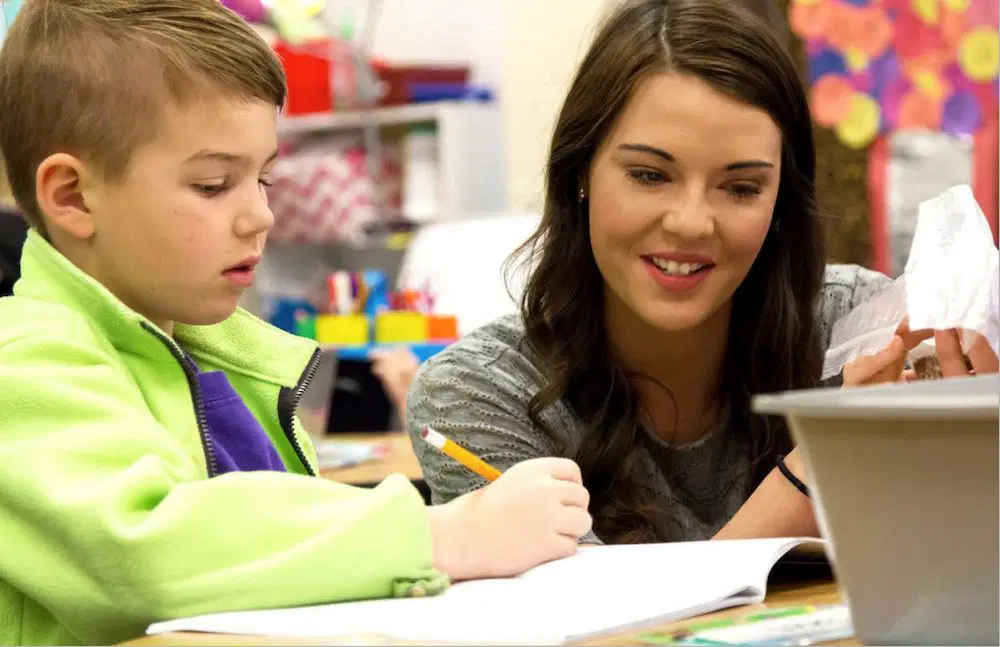

Built on the Science of Reading
Watching students learn to read: magic. Knowing how they get there: science.
As you consider your next core ELA program, it’s critically important to understand what the Science of Reading really means and what it tells us about how to teach more effectively. Unlike other programs, Amplify CKLA was built upon these insights and practices, making it easier for teachers to implement this proven approach.
Download the resources below to dive deeper into the Science of Reading.
Supports Orton-Gillingham and LETRS
Amplify CKLA aligns with the instructional principles recommended by Orton-Gillingham and LETRS.
- Structured–Concepts are taught through consistent routines
- Sequential–Concepts are taught in a logical, well-planned sequence
- Systematic–Phonemes are taught from simplest to most complex
- Explicit–Decoding and encoding concepts are taught directly and explicitly
- Multi-sensory–Instruction is delivered through visual, auditory, and kinesthetic-tactile pathways
- Cumulative–Concepts are applied in decodable, connected texts with constant review and reinforcement
A comprehensive and cohesive solution
A strong literacy program is not just about a reading program or an assessment tool: it brings together curriculum, instruction, regular practice, intervention, and assessments.
Amplify has brought these components together in our early literacy suite of curriculum, ensure that you have what you need for multi-tiered support.

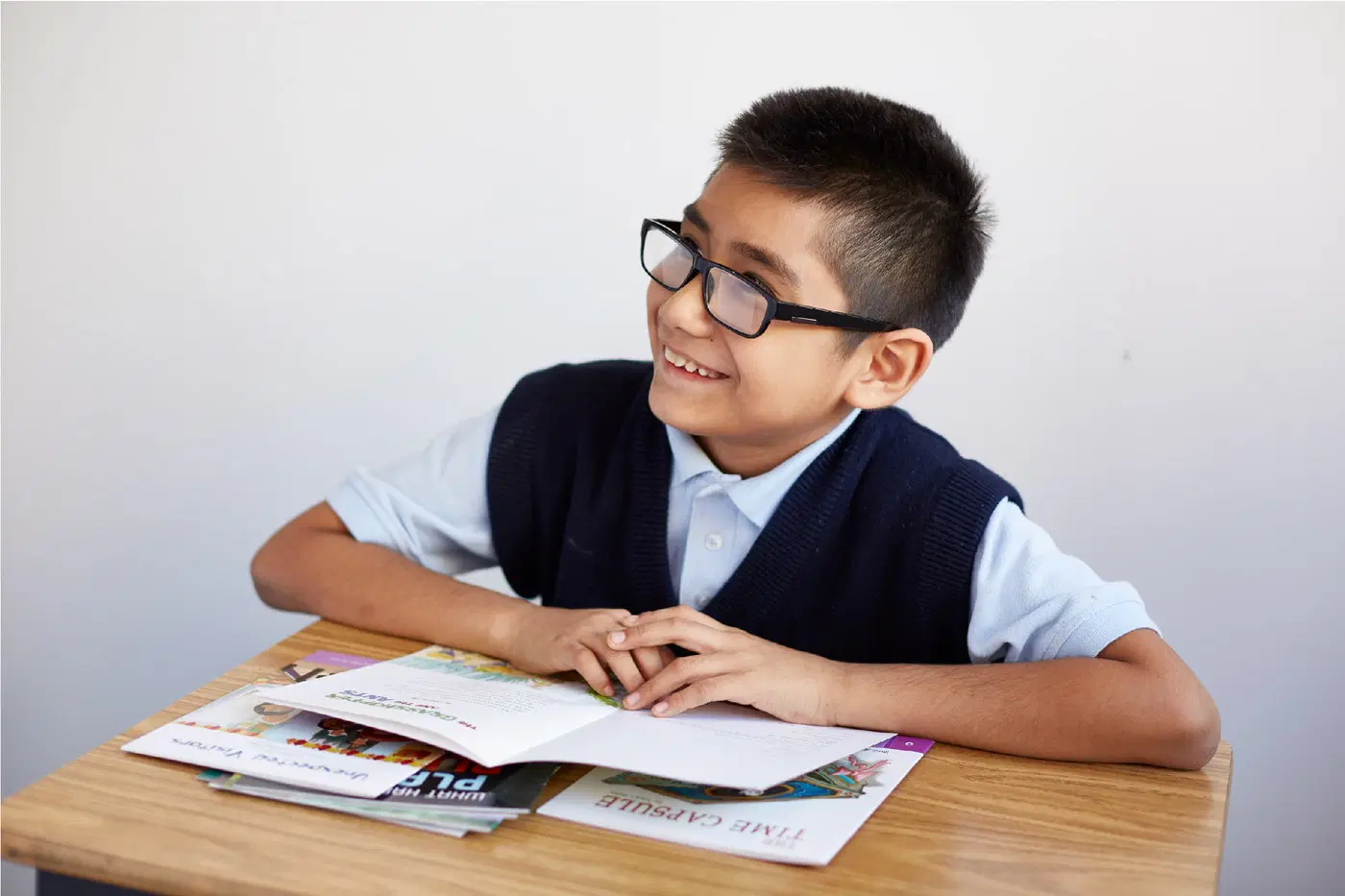
Access demo
Ready to explore on your own? Follow the instructions below to access your demo account.
Explore the CKLA Teacher Resource Site
First, watch the quick navigation video to the right. Then, click the “Access CKLA Teacher Resource Site” button to log in.
- Click the CKLA Teacher Resource Site button
- Select Log in with Amplify.
- Enter this username to explore as a teacher: t1.kentcaminos2021@demo.tryamplify.net
- Enter this username to explore as a student: s1.kentcaminos2021@demo.tryamplify.net
- Enter this password: Amplify1-kentcaminos2021
- Select the desired grade level
Contact us
Have questions? Your dedicated Account Executive, Patrick Momsen, is standing by and ready to help.

Patrick Momsen Senior
Account Executive
Districts over 4,500 students
(541) 207-2148
Welcome, Nebraska educators!
Designed from the ground up for the NGSS to teach students to think, read, write, and argue like real scientists and engineers, Amplify Science combines literacy-rich activities with hands-on learning and digital tools to engage students in exploring compelling phenomena in every unit.
Overview
Developed by UC Berkeley’s Lawrence Hall of Science, our program features:
- A phenomena-based approach where students construct a more complex understanding of each unit’s anchor phenomenon.
- A blend of cohesive storylines, hands-on investigations, rich discussions, literacy-rich activities, and digital tools.
- Newly crafted units, chapters, lessons, and activities designed to deliver true 3-dimensional learning.
- An instructional design that supports all learners in accessing all standards.
Hear what these educators have to say about the program. >
Explore your grade level
Get started by watching this class share what they’re figuring out with Amplify Science. >
Then select your grade level below to learn more about how we make this type of rich learning accessible to all students at every grade.
Elementary school
When you’re ready:
- Find a summary of each unit below including each unit’s student role and anchor phenomenon.
- Download some helpful resources to support your review.
- Explore the digital Teacher’s Guide by clicking the orange “Review now” button.


Unit 1
Needs of Plants and Animals
Student role: Scientists
Phenomenon: There are no monarch caterpillars in the Mariposa Grove community garden ever since vegetables were planted.

Unit 2
Pushes and Pulls
Student role: Pinball engineers
Phenomenon: Pinball machines allow people to control the direction and strength of forces on a ball.

Unit 3
Sunlight and Weather
Student role: Weather scientists
Phenomenon: Students at one school are too cold during morning recess, while students at another are too hot during afternoon recess.

Unit 1
Animal and Plant Defenses
Student role: Marine scientists
Phenomenon: Spruce the Sea Turtle will soon be released back into the ocean, where she will survive despite predators.

Unit 2
Light and Sound
Student role: Light and sound engineers
Phenomenon: A puppet show company uses light and sound to depict realistic scenes in puppet shows.

Unit 3
Spinning Earth
Student role: Sky scientists
Phenomenon: The sky looks different to Sai and his grandma when they talk on the phone at night.

Unit 1
Plant and Animal Relationships
Student role: Plant scientists
Phenomenon: No new chalta trees are growing in the fictional Bengal Tiger Reserve in India.
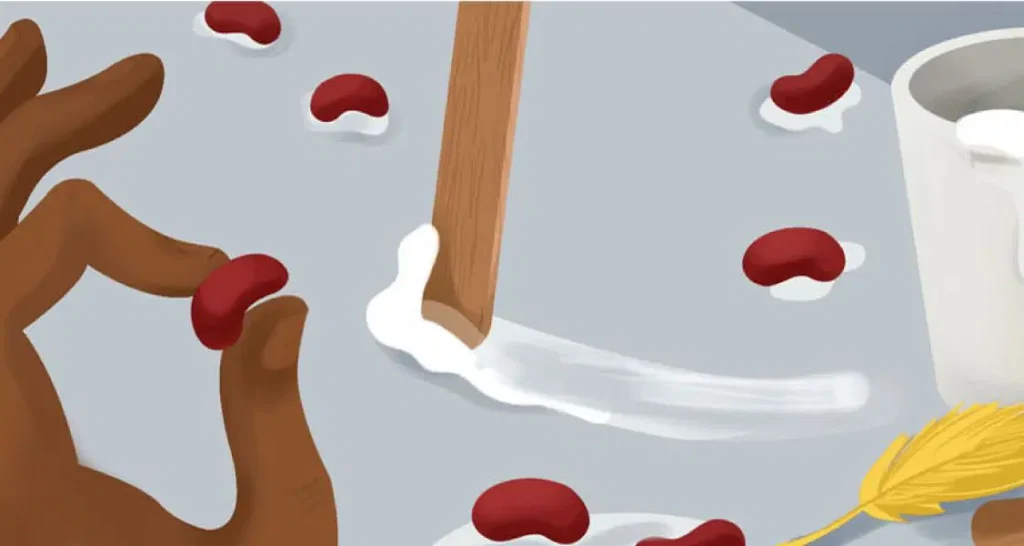
Unit 2
Properties of Materials
Student role: Glue engineers
Phenomenon: Different glue recipes result in glues that have different properties.
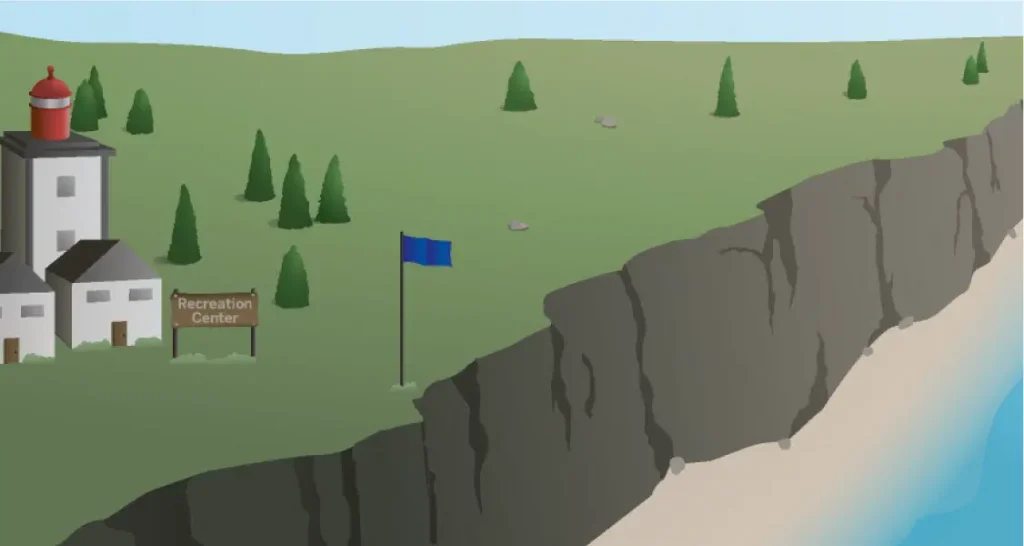
Unit 3
Changing Landforms
Student role: Geologists
Phenomenon: The cliff on which Oceanside Recreation Center is situated appears to be receding.

Unit 1
Balancing Forces
Student role: Engineers
Phenomenon: The fictional town of Faraday is getting a new train. Unlike typical trains, this one floats, which is causing some concern among the town’s citizens.
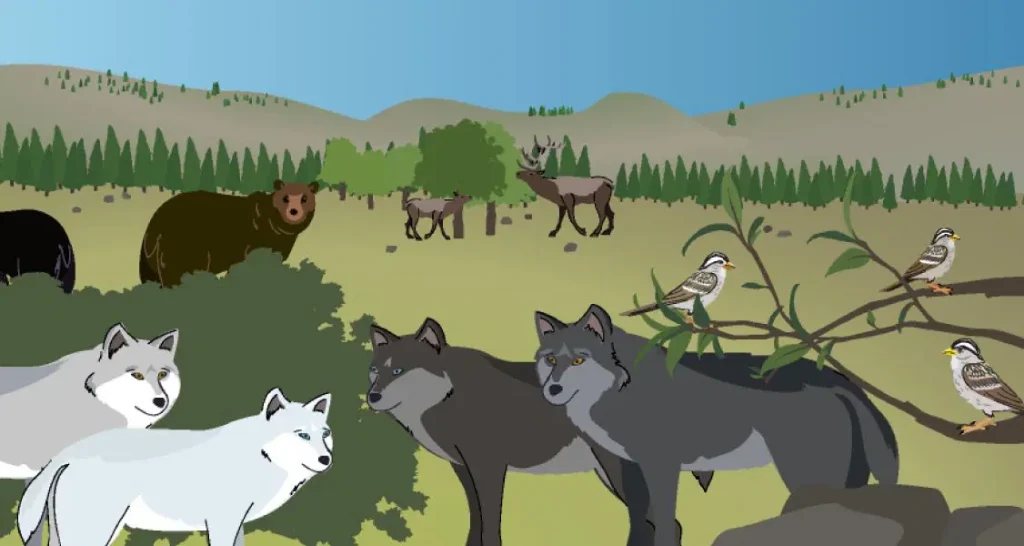
Unit 2
Inheritance and Traits
Student role: Wildlife biologists
Phenomenon: An adopted wolf in Graystone National Park has some traits in common with one wolf pack in the park and other traits in common with a different pack.
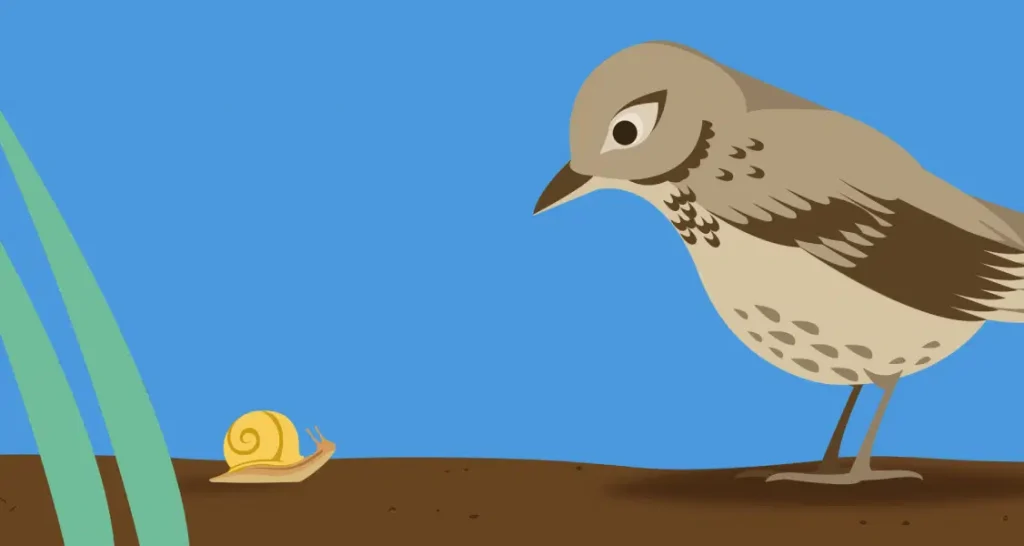
Unit 3
Environments and Survival
Student role: Biomimicry engineers
Phenomenon: Over 10 years, a population of grove snails has changed. Populations with yellow shells have decreased, while those with banded shells have increased.

Unit 4
Weather and Climate
Student role: Meteorologists
Phenomenon: Three different islands, each a contender for becoming an orangutan reserve, experience different weather patterns.

Unit 1
Energy Conversions
Student role: System engineers
Phenomenon: The fictional town of Ergstown experiences frequent blackouts. Their electrical system seems to be failing.

Unit 2
Vision and Light
Student role: Conservation biologists
Phenomenon: The population of Tokay geckos in a rain forest in the Philippines has decreased since the installation of new highway lights.

Unit 3
Earth’s Features
Student role: Geologists
Phenomenon: A mysterious fossil is discovered in a canyon within the fictional Desert Rocks National Park.

Unit 4
Waves, Energy, and Information
Student role: Marine scientists
Phenomenon: Mother dolphins in the fictional Blue Bay National Park communicate with their calves despite the distance between them.

Unit 1
Patterns of Earth and Sky
Student role: Astronomers
Phenomenon: An ancient artifact depicts what we see in the sky at different times of the day, but it appears to be missing a piece.

Unit 2
Modeling Matter
Student role: Food scientists
Phenomenon: Some ingredients dissolve in a salad dressing while others, like oil and vinegar, appear to separate

Unit 3
The Earth System
Student role: Water resource engineers
Phenomenon: East Ferris, a city on one side of the fictional Ferris Island, is experiencing a water shortage, while West Ferris is not.
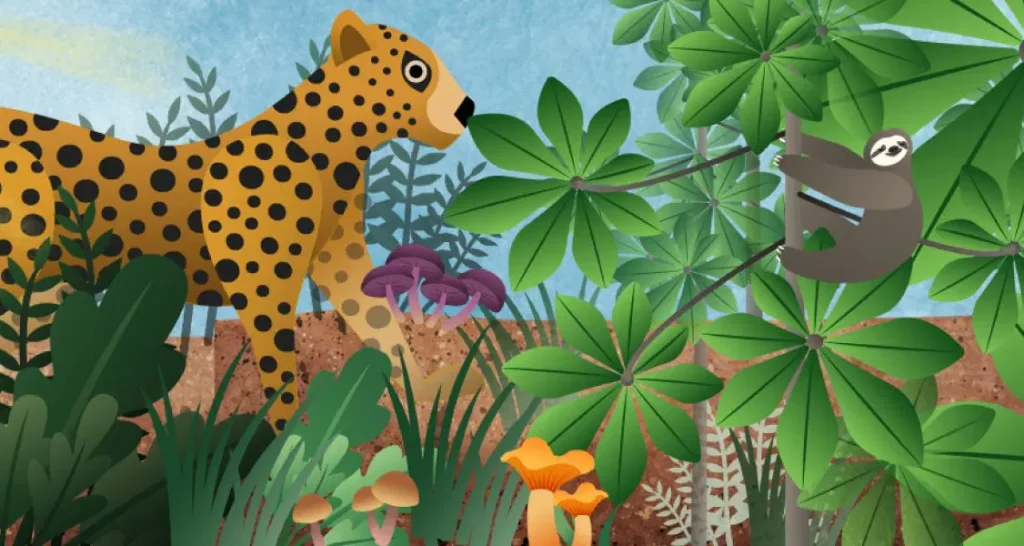
Unit 4
Ecosystem Restoration
Student role: Ecologists
Phenomenon: The jaguars, sloths, and cecropia trees in a reforested section of a Costa Rican rain forest are not growing or thriving.
Middle school
When you’re ready:
- Find a summary of each unit below including each unit’s student role and anchor phenomenon.
- Download some helpful resources to support your review.
- Explore the digital Teacher’s Guide by clicking the orange “Review now” button.


LAUNCH
Microbiome
Domain: Life Science
Unit type: Launch
Student role: Microbiological researchers
Phenomenon: The presence of 100 trillion microorganisms living on and in the human body may keep the body healthy.

CORE
Metabolism
Domain: Life Science
Unit type: Core
Student role: Medical researchers
Phenomenon: Elisa, a young patient, feels tired all the time.

ENGINEERING INTERNSHIP
Metabolism Engineering Internship
Domains: Life Science, Engineering Design
Unit type: Engineering internship
Student role: Food engineers
Phenomenon: Designing health bars with different molecular compositions can effectively meet the metabolic needs of patients or rescue workers.

CORE
Traits and Reproduction
Domain: Life Science
Unit type: Core
Student role: Biomedical students
Phenomenon: Darwin’s bark spider offspring have different silk flexibility traits, even though they have the same parents.

CORE
Thermal Energy
Domain: Physical Science
Unit type: Core
Student role: Thermal scientists
Phenomenon: One of two proposed heating systems for Riverdale School will best heat the school.

CORE
Ocean, Atmosphere, and Climate
Domains: Earth and Space Science, Physical Science
Unit type: Core
Student role: Climatologists
Phenomenon: During El Niño years, the air temperature in Christchurch, New Zealand is cooler than usual.

CORE
Weather Patterns
Domains: Earth and Space Science, Physical Science
Unit type: Core
Student role: Forensic meteorologists
Phenomenon: In recent years, rainstorms in Galetown have been unusually severe.

CORE
Earth’s Changing Climate
Domains: Earth and Space Science, Life Science
Unit type: Core
Student role: Climatologists
Phenomenon: The ice on Earth’s surface is melting.

Engineering Internship
Earth’s Changing Climate Engineering Internship
Domains: Earth and Space Science, Engineering Design
Unit type: Engineering internship
Student role: Civil engineers
Phenomenon: Designing rooftops with different modifications can reduce a city’s impact on climate change.

LAUNCH
Geology on Mars
Domain: Earth and Space Science
Unit type: Launch
Student role: Planetary geologists
Phenomenon: Analyzing data about landforms on Mars can provide evidence that Mars may have once been habitable.
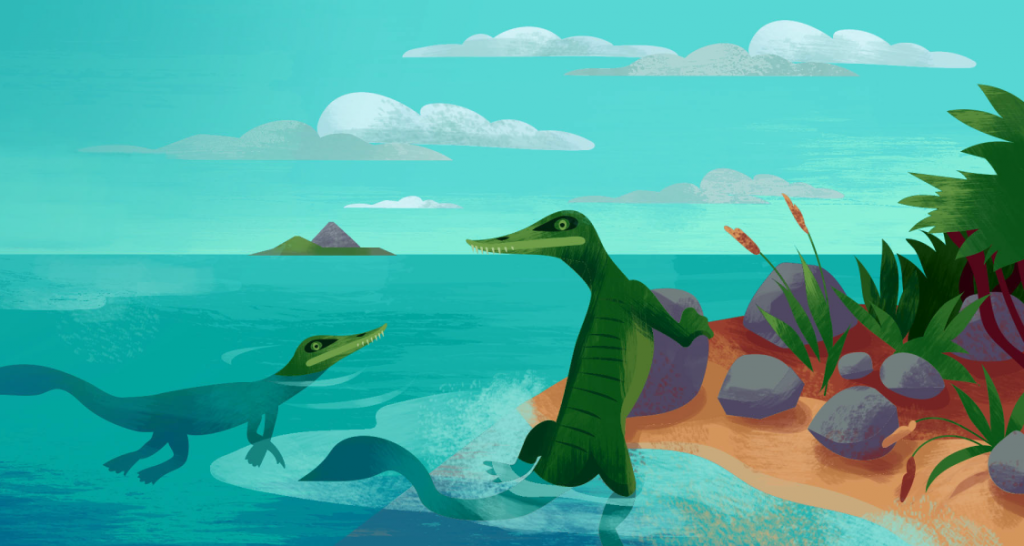
CORE
Plate Motion
Domain: Earth and Space Science
Unit type: Core
Student role: Geologists
Phenomenon: Mesosaurus fossils have been found on continents separated by thousands of kilometers of ocean, even though the Mesosaurus species once lived all together.
ENGINEERING INTERNSHIP
Plate Motion Engineering Internship
Domains: Earth and Space Science, Engineering Design
Unit type: Engineering internship
Student role: Mechanical engineering interns
Phenomenon: Patterns in earthquake data can be used to design an effective tsunami warning system.

CORE
Rock Transformations
Domain: Earth and Space Science
Unit type: Core
Student role: Geologists
Phenomenon: Rock samples from the Great Plains and from the Rocky Mountains — regions hundreds of miles apart — look very different, but have surprisingly similar mineral compositions.

CORE
Phase Change
Domains: Physical Science, Earth and Space Science
Unit type: Core
Student role: Chemists
Phenomenon: A methane lake on Titan no longer appears in images taken by a space probe two years apart.

ENGINEERING INTERNSHIP
Phase Change Engineering Internship
Domains: Engineering Design, Physical Science
Unit type: Engineering internship
Student role: Chemical engineering interns
Phenomenon: Designing portable baby incubators with different combinations of phase change materials can keep babies at a healthy temperature.

CORE
Chemical Reactions
Domains: Physical Science, Life Science, Earth and Space Science
Unit type: Core
Student role: Forensic chemists
Phenomenon: A mysterious brown substance has been detected in the tap water of Westfield.
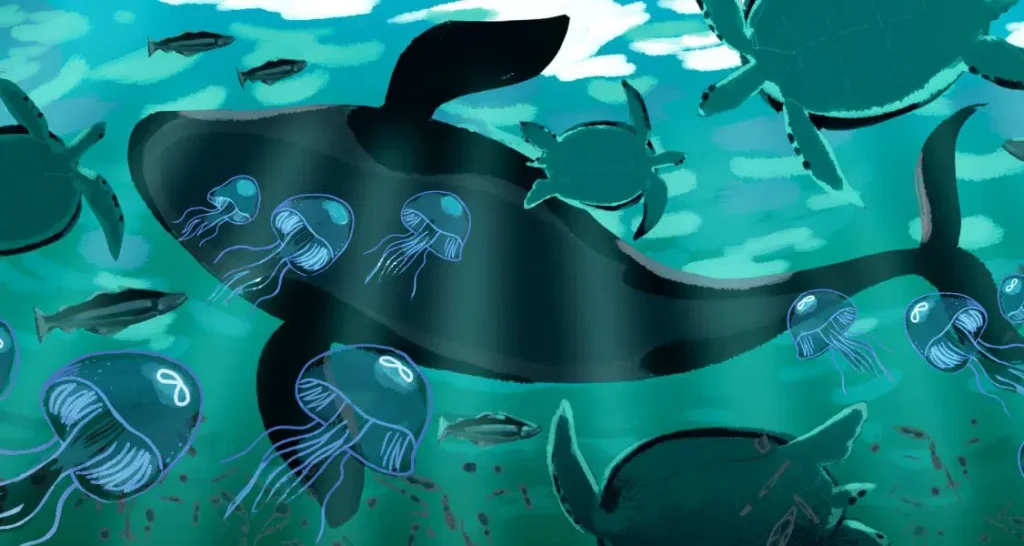
CORE
Populations and Resources
Domains: Life Science, Earth and Space Science
Unit type: Core
Student role: Biologists
Phenomenon: The size of the moon jelly population in Glacier Sea has increased.
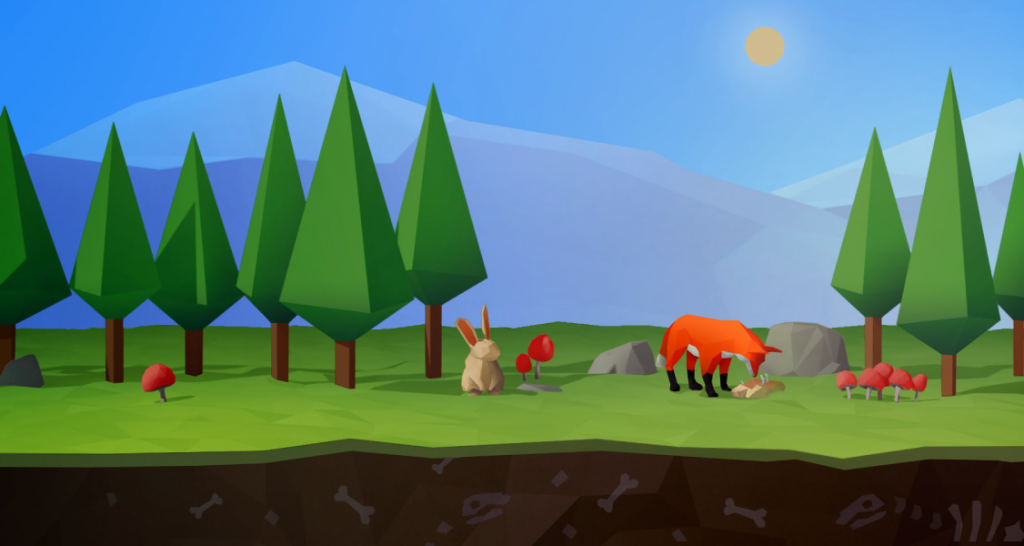
CORE
Matter and Energy in Ecosystems
Domains: Life Science, Earth and Space Science, Physical Science
Unit type: Core
Student role: Ecologists
Phenomenon: The biodome ecosystem has collapsed.
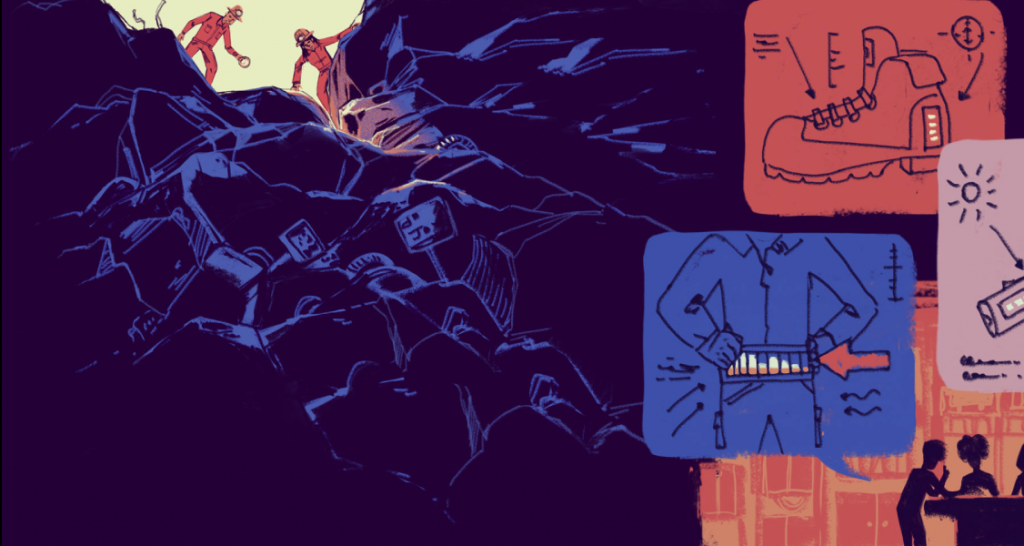
LAUNCH
Harnessing Human Energy
Domains: Physical Science, Earth and Space Science, Engineering Design
Unit type: Launch
Student role: Energy scientists
Phenomenon: Rescue workers can use their own human kinetic energy to power the electrical devices they use during rescue missions.

CORE
Force and Motion
Domain: Physical Science
Unit type: Core
Student role: Physicists
Phenomenon: The asteroid sample-collecting pod failed to dock at the space station as planned.

ENGINEERING INTERNSHIP
Force and Motion Engineering Internship
Domains: Engineering Design, Physical Science
Unit type: Engineering internship
Student role: Mechanical engineering interns
Phenomenon: Designing emergency supply delivery pods with different structures can maintain the integrity of the supply pods and their contents.

CORE
Magnetic Fields
Domain: Physical Science
Unit type: Core
Student role: Physicists
Phenomenon: During a test launch, a spacecraft traveled much faster than expected.

CORE
Light Waves
Domains: Physical Science, Life Science, Earth and Space Science
Unit type: Core
Student role: Spectroscopists
Phenomenon: The rate of skin cancer is higher in Australia than in other parts of the world.

CORE
Earth, Moon, and Sun
Domains: Earth and Space Science, Physical Science
Unit type: Core
Student role: Astronomers
Phenomenon: An astrophotographer can only take pictures of specific features on the Moon at certain times.
CORE
Natural Selection
Domains: Life Science, Earth and Space Science
Unit type: Core
Student role: Biologists
Phenomenon: The newt population in Oregon State Park has become more poisonous over time.

ENGINEERING INTERNSHIP
Natural Selection Engineering Internship
Domains: Engineering Design, Life Science
Unit type: Engineering internship
Student role: Clinical engineers
Phenomenon: Designing malaria treatment plans that use different combinations of drugs can reduce drug resistance development while helping malaria patients.

CORE
Evolutionary History
Domains: Life Science, Earth and Space Science
Unit type: Core
Student role: Paleontologists
Phenomenon: A mystery fossil at the Natural History Museum has similarities with both wolves and whales.
Resources to support your review
Select a topic below to explore helpful resources with more information about Amplify Science, the program’s development, and pedagogy.


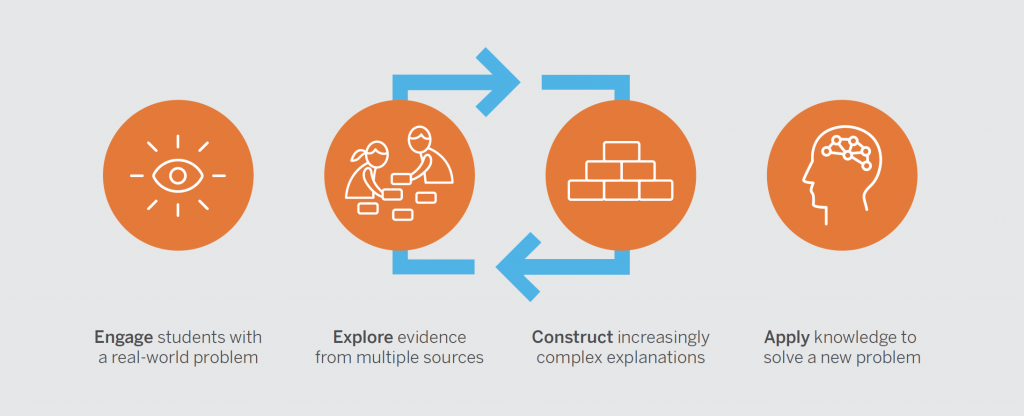
[Video] Planning in action (K–5)
Watch how easy it is for Amplify Science teachers to prep their 3-D instruction.
[Video] Planning in action (6–8)
Watch how easy it is for Amplify Science teachers to prep their 3-D instruction.


[Video] Simulations and modeling tools (K–5)
Watch how students investigate phenomena with the help of digital tools.
[Video] Simulations and modeling tools (6–8)
Watch how students investigate phenomena with the help of digital tools.

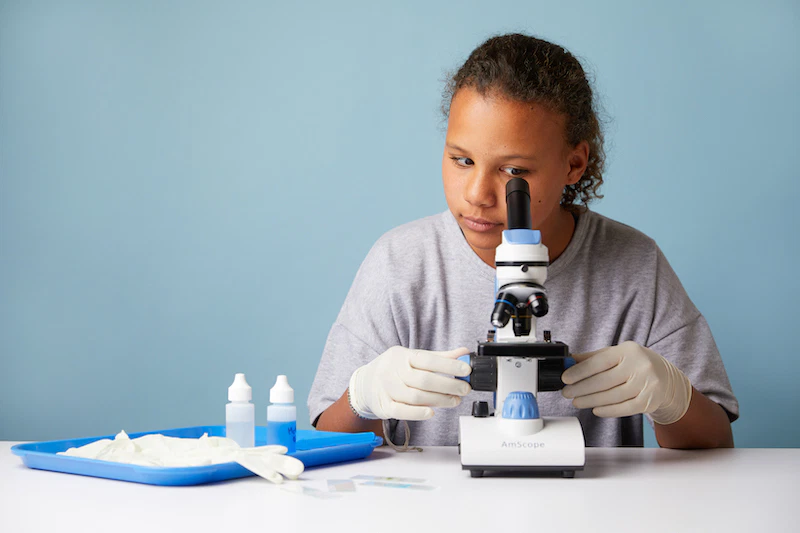

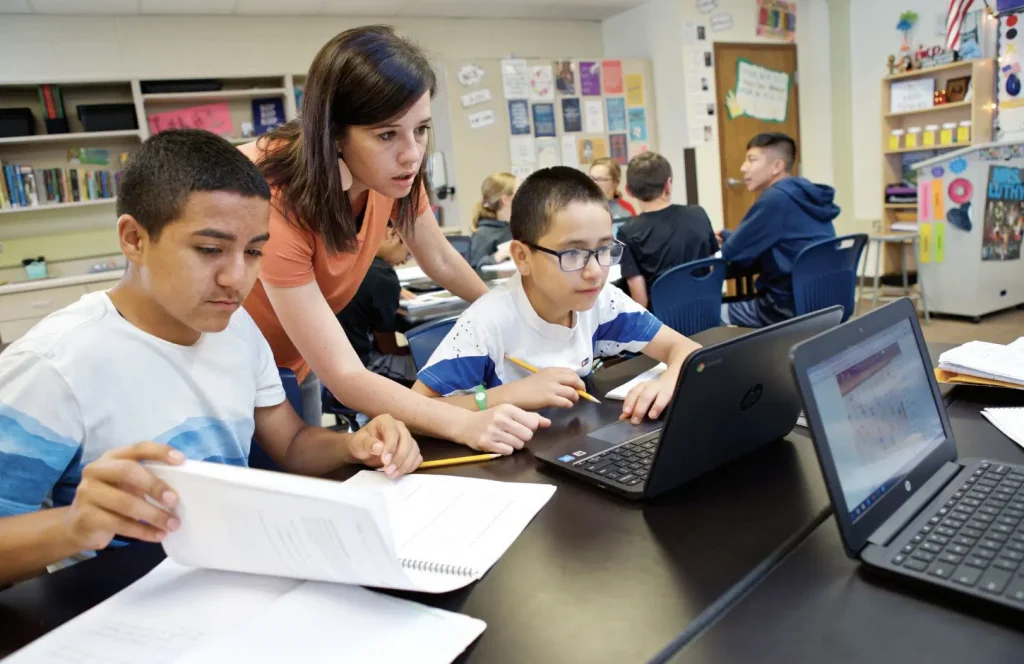
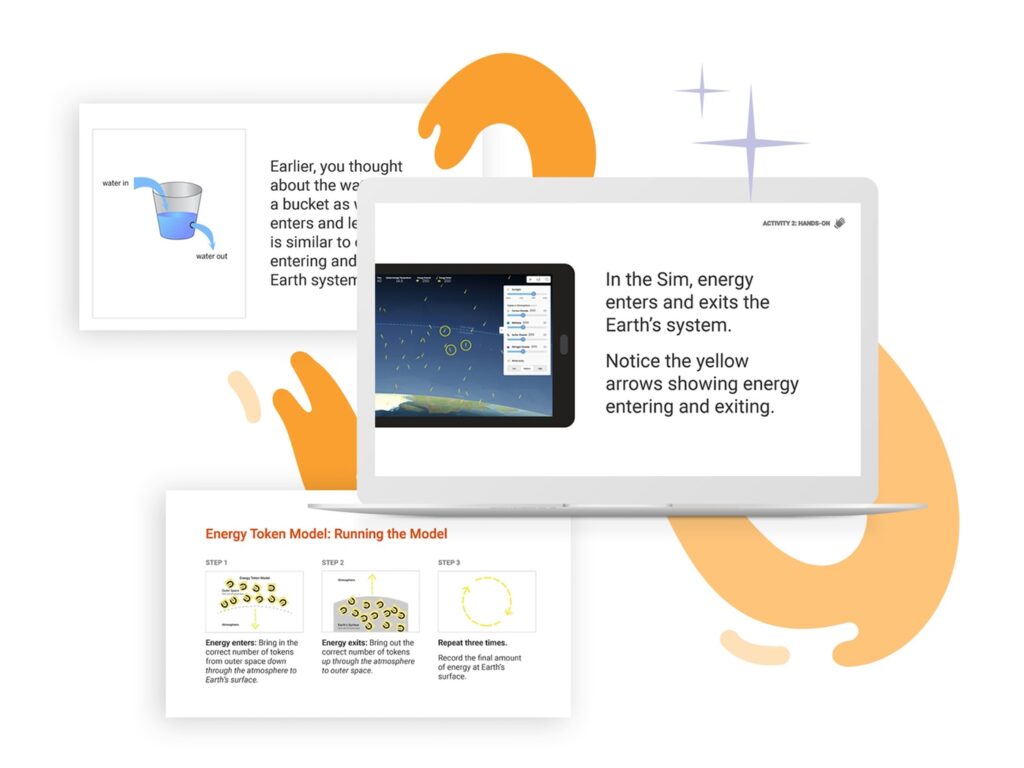


Students ready for more
Learn how we make learning more rigorous for students ready for a challenge.
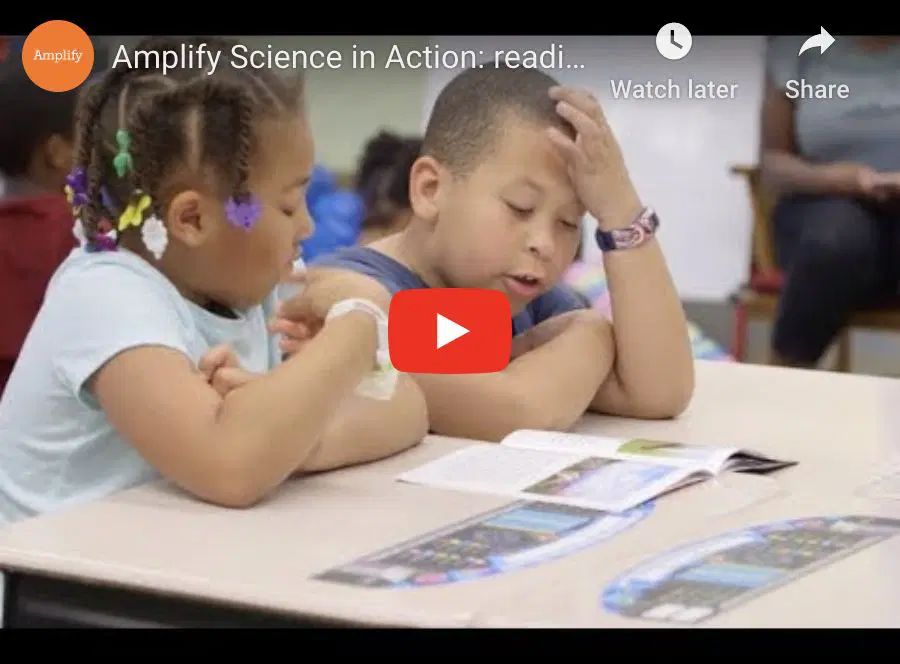
[Video] Literacy in action (K–5)
Watch students use scientific text to obtain information and practice reading skills, while using writing prompts to create arguments using evidence

[Video] Literacy in action (6–8)
Watch students use scientific text to obtain information and practice reading skills, while using writing prompts to create arguments using evidence.

Literacy-rich science instruction (K–5)
Immersing young students in reading, writing, and arguing like real scientists and engineers.


NGSS Benchmark assessments
Learn more about the Next Generation Science Standards Benchmark assessments created by Amplify.



Remote and hybrid learning guide
Amplify is here to help! Amplify Science will soon feature product enhancements and new resources that will help manage the new landscape of back-to-school 2020.
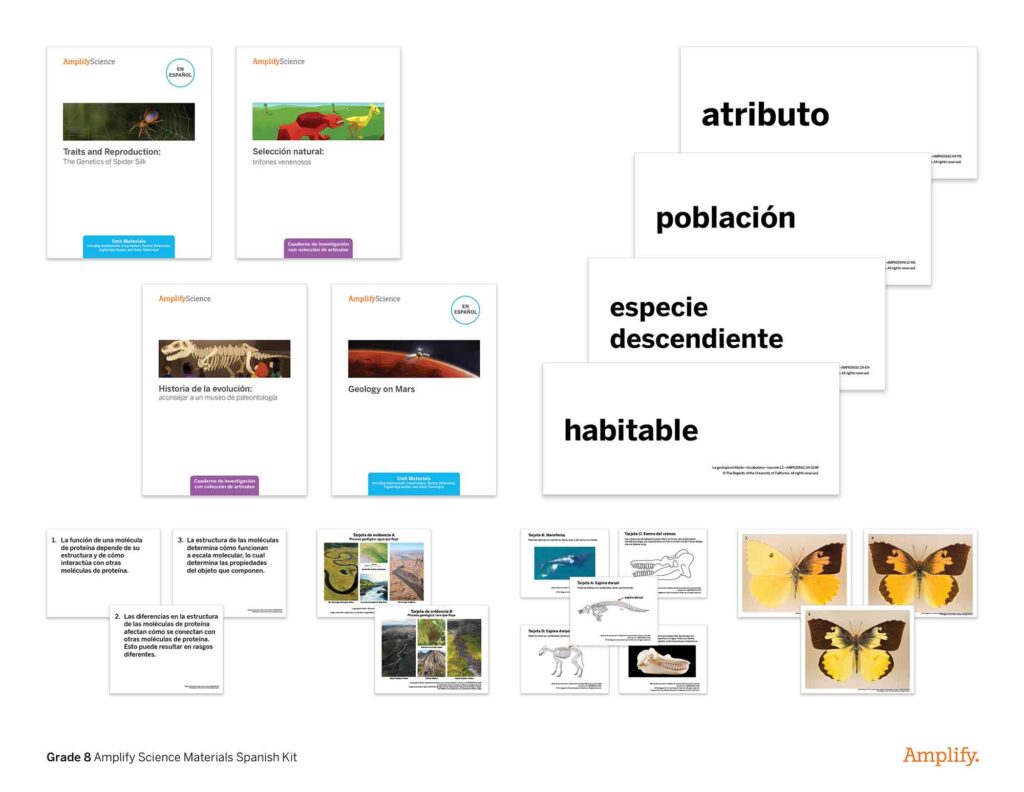
Ready to start exploring with digital access?
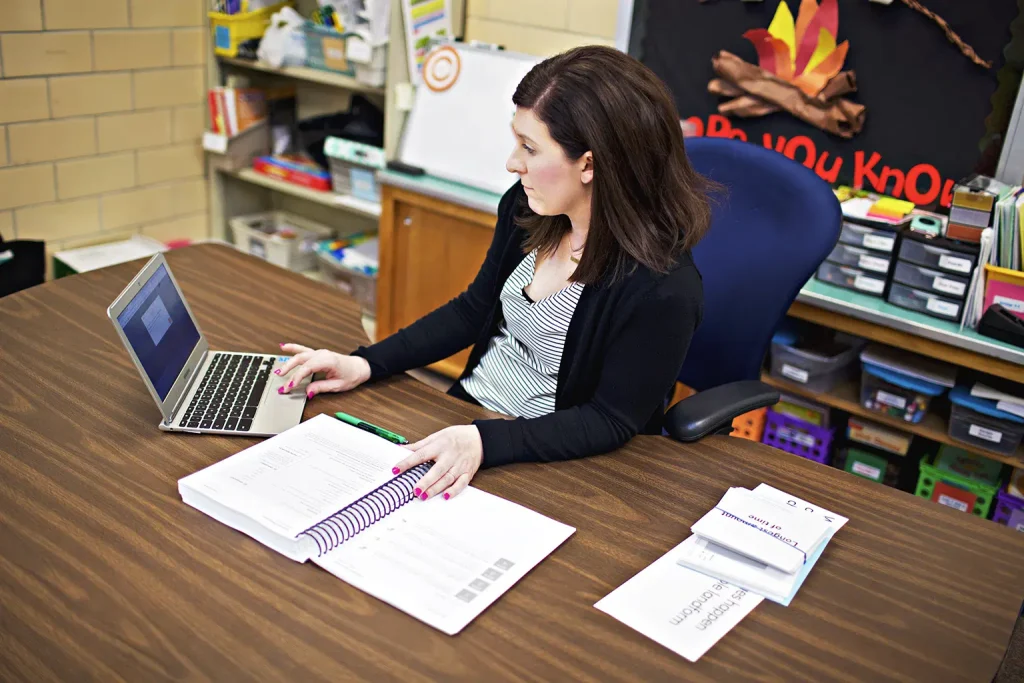
Contact an Amplify representative
Laina Armbruster
larmbruster@amplify.com
(602) 791-4135
Bob McCarty
rmccarty@amplify.com
(435) 655-1731
Kristin McDonald
kmcdonald@amplify.com
(515) 240-0244
Welcome to Grade 5
Amplify Science California is so effective you can cover 100% of the NGSS in half the time of other programs.
You can breathe a sigh of relief knowing all you need is:
- 88 days per year
- 2-3 lessons per week
- 45 minutes per lesson

What students learn
Lauren Learner loves science. Watch this video to find out what she learns in fifth grade. >
When you’re ready:
- Find a summary of each unit below including each unit’s student role and anchor phenomenon.
- Click on the orange “See how the unit works” link to download a helpful Unit Guide. These guides make great companions to busy reviewers looking for a big-picture understanding of how each unit works.

Unit 1
Patterns of Earth and Sky
Student role: Astronomers
Phenomenon: An ancient artifact depicts what we see in the sky at different times of the day, but it appears to be missing a piece.
Unit 2
Modeling Matter
Student role: Food scientists
Phenomenon: Some ingredients dissolve in a salad dressing while others, like oil and vinegar, appear to separate.
Unit 3
The Earth System
Student role: Water resource engineers
Phenomenon: East Ferris, a city on one side of the fictional Ferris Island, is experiencing a water shortage, while West Ferris is not.
Unit 4
Ecosystem Restoration
Student role: Ecologists
Phenomenon: The jaguars, sloths, and cecropia trees in a reforested section of a Costa Rican rain forest are not growing or thriving.
How teachers teach
Tom Teacher feels confident delivering 3-D instruction with our resources by his side. Watch this video to learn more. >
When you’re ready:
- Scroll down and take a closer look at your classroom resources.
- Click on the orange links below each component to see grade-specific samples.
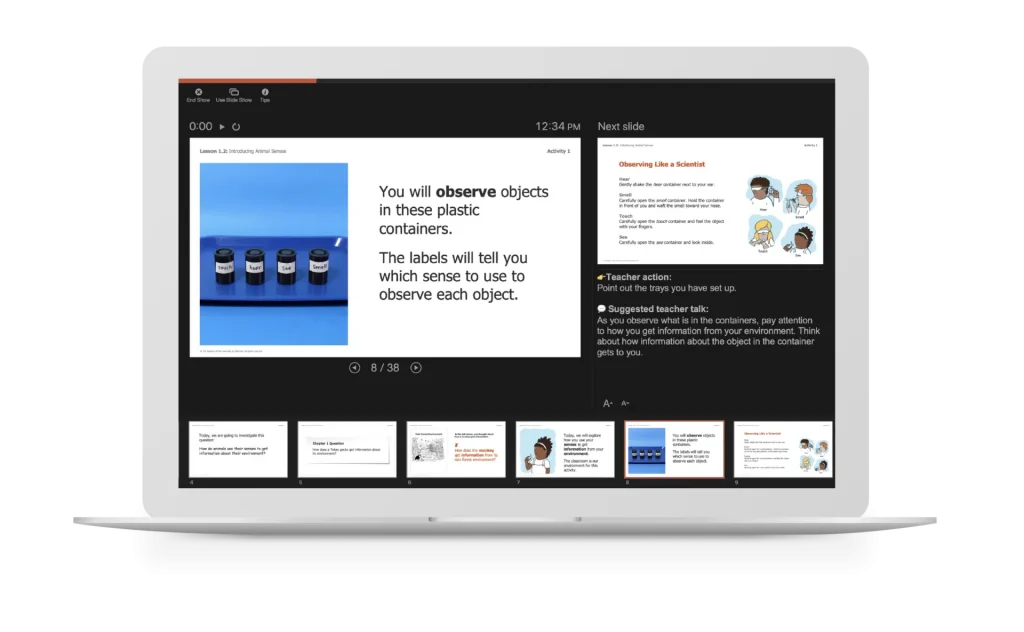
Classroom Slides
These customizable PowerPoints are available for every lesson of the program and make delivering instruction a snap with visual prompts, colorful activity instructions, investigation set-up videos and animations, and suggested teacher talk in the notes section of each slide.
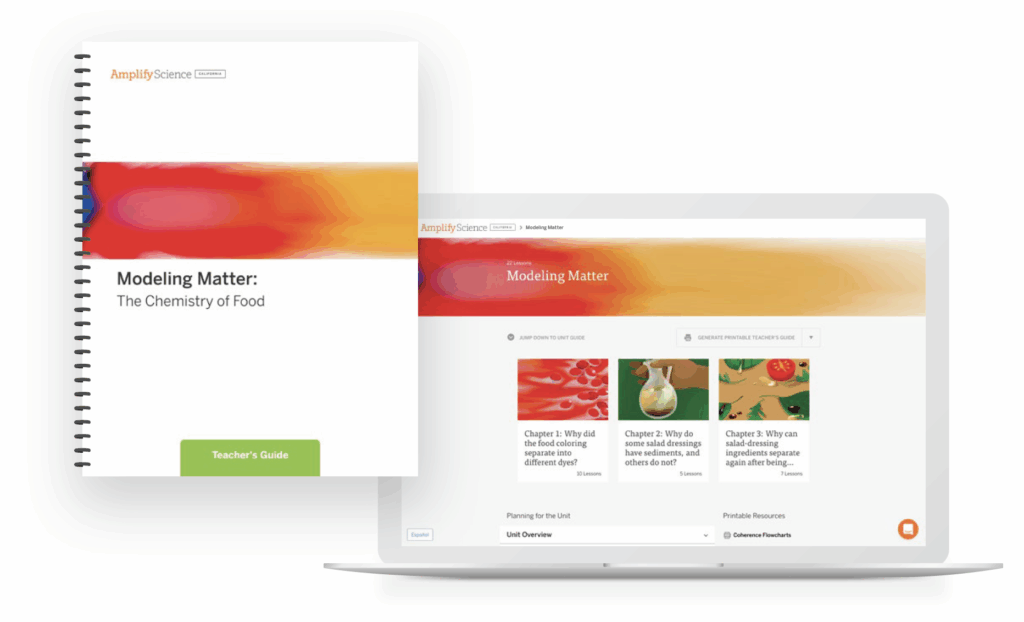
Teacher’s Reference Guide
Available digitally and in print, our unit-specific reference guides are chock full of helpful resources, including scientific background knowledge, planning information and resources, color-coded 3-D Statements, detailed lesson plans, tips for delivering instruction, and differentiation strategies.
Login to platform below to access
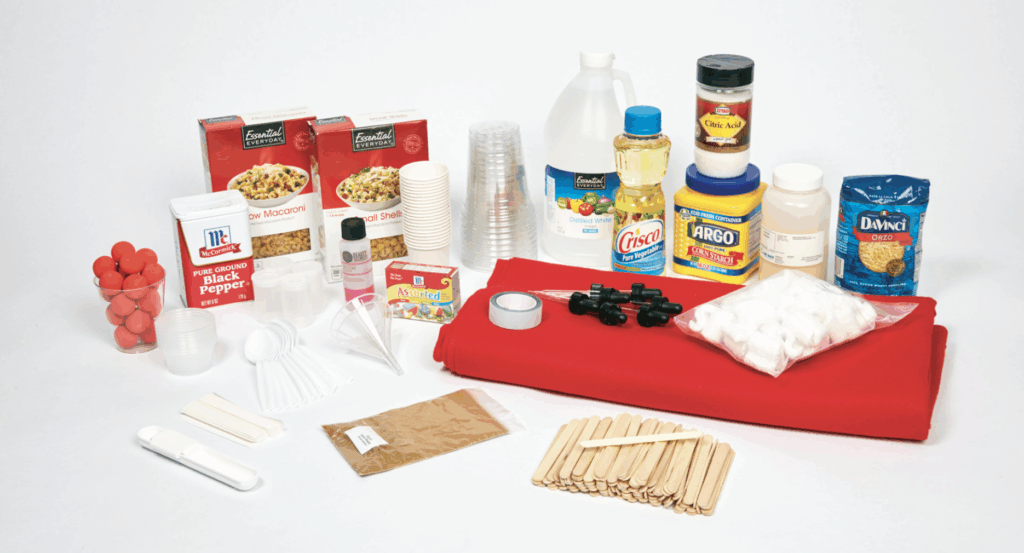
Materials Kits
Our kits include enough non-consumable materials to support a class of 36 students and enough consumable items to support 72 students. In other words, each kit can last two years! Plus, our unit-specific kits mean you just grab the tub you need and then put it all back with ease.

Student Books
Our award-winning Student Books include content-rich nonfiction and informational texts designed to introduce concepts and also deepen understanding. Books are read to, with, and by students with ample scaffolding and support provided by the teacher in whole-class, small-groups, and student pairs.
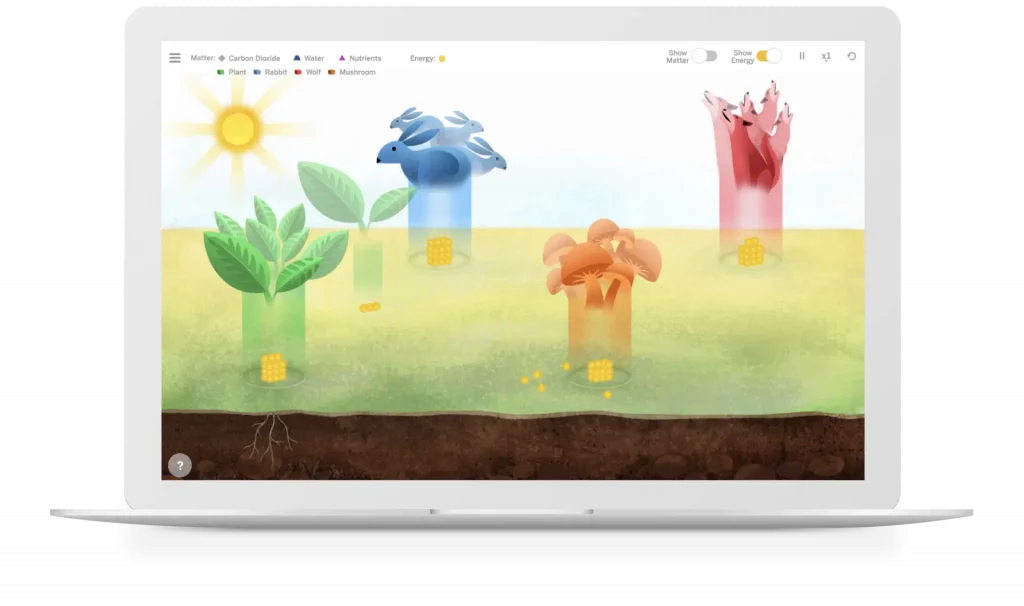
Practice Tools
Our digital Simulations and Practice Tools are powerful resources for exploration and data collection, and allow students the ability to explore scientific concepts that might otherwise be invisible or impossible to see with the naked eye.
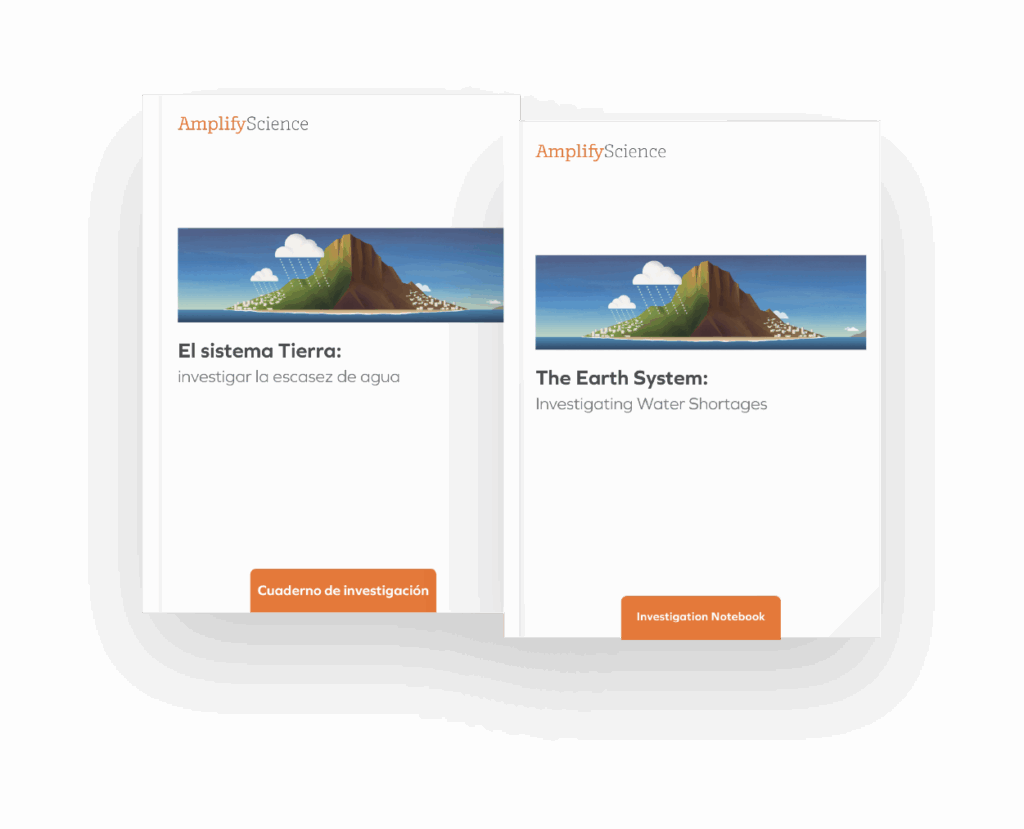
Consumable Notebooks
Available for every unit, our Student Investigation Notebooks contain instructions for activities and space for students to record data and observations, reflect on ideas from texts and investigations, and construct explanations and arguments.
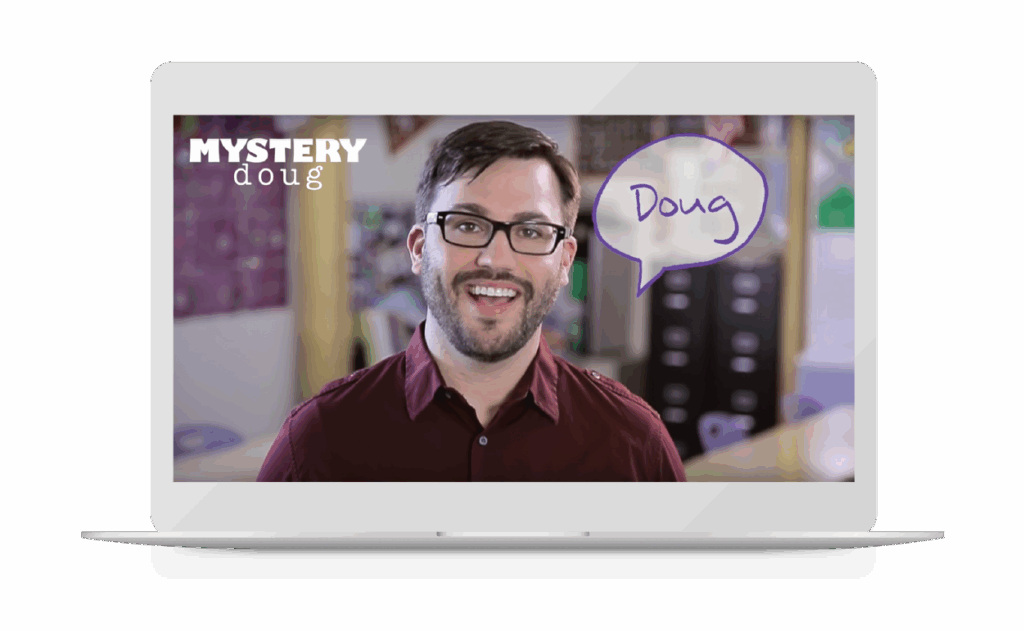
Mystery Science
Our exclusive partnership with Mystery Science means you get our NGSS core curriculum plus two years of free access to Mystery Doug and his extensive library of captivating videos that deepen students’ understanding of each unit’s phenomenon.
Coming Soon
Unlike other publishers, we don’t make you wait until your next adoption to get the latest and greatest from Amplify. We’re always launching new and exciting features. What’s more, we’ll push them out to you even after you adopt us!
Navigating the program
Watch this video showing you how to navigate our digital platform. Then following the instructions below. >
- Click the orange button below to access the platform.
- Choose the resources you’d like to review.
- Pick your grade level from the drop-down menu.
- Scroll down to find additional grade-level resources.
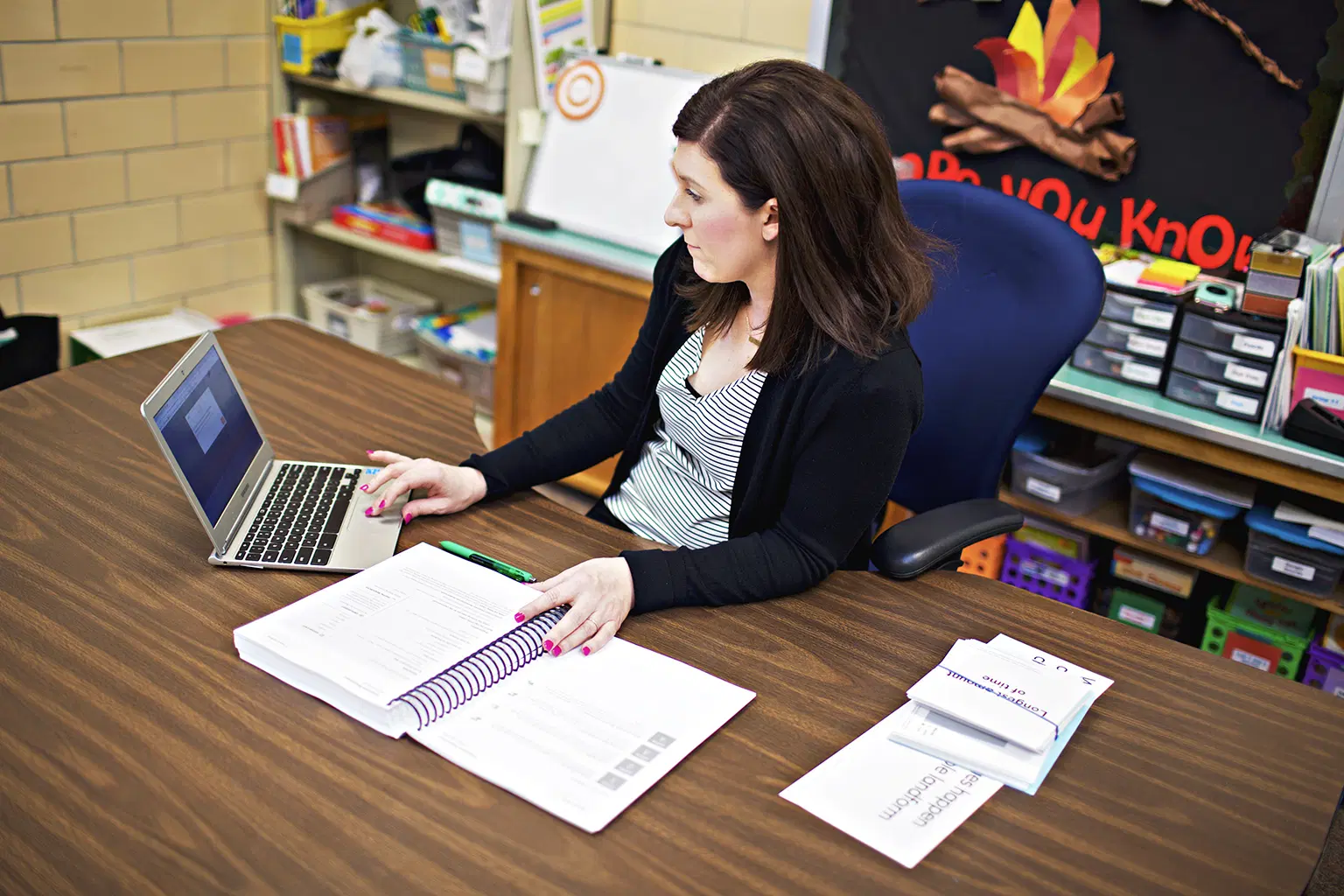

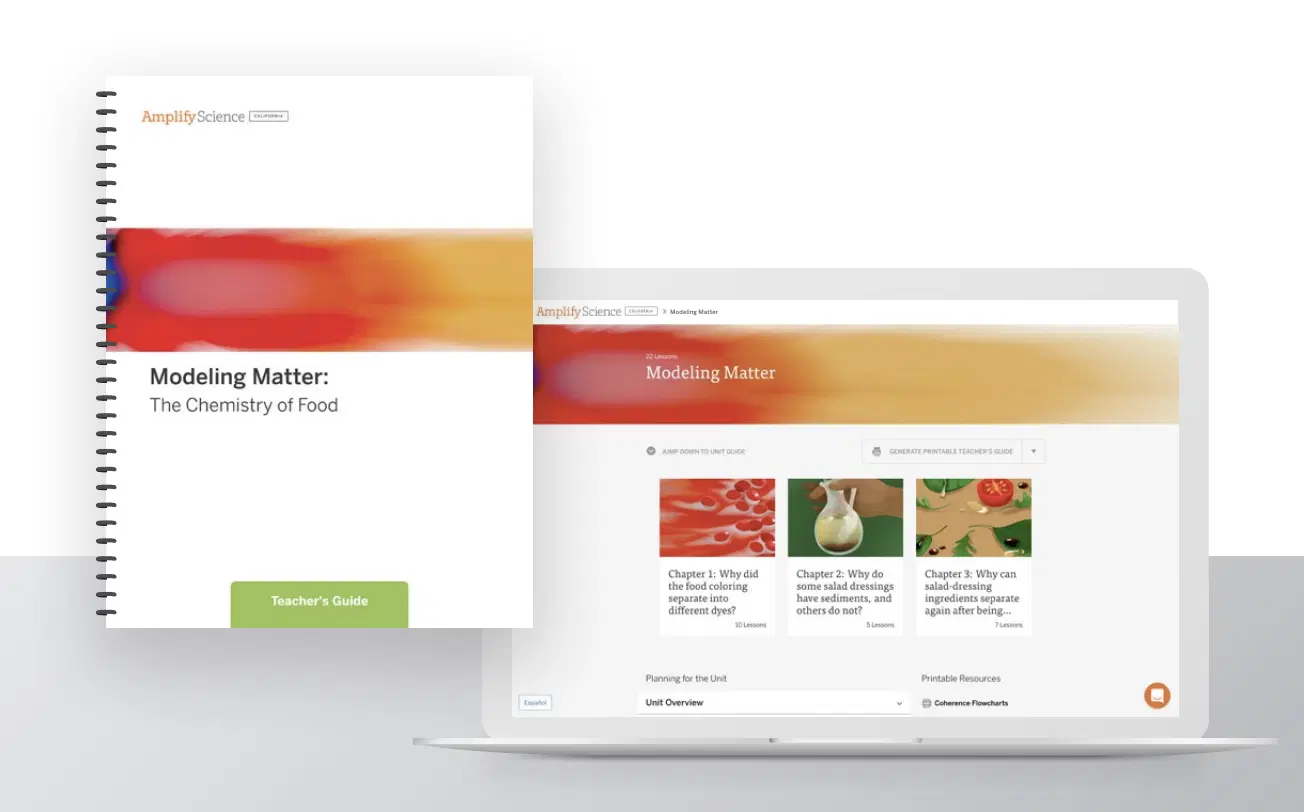
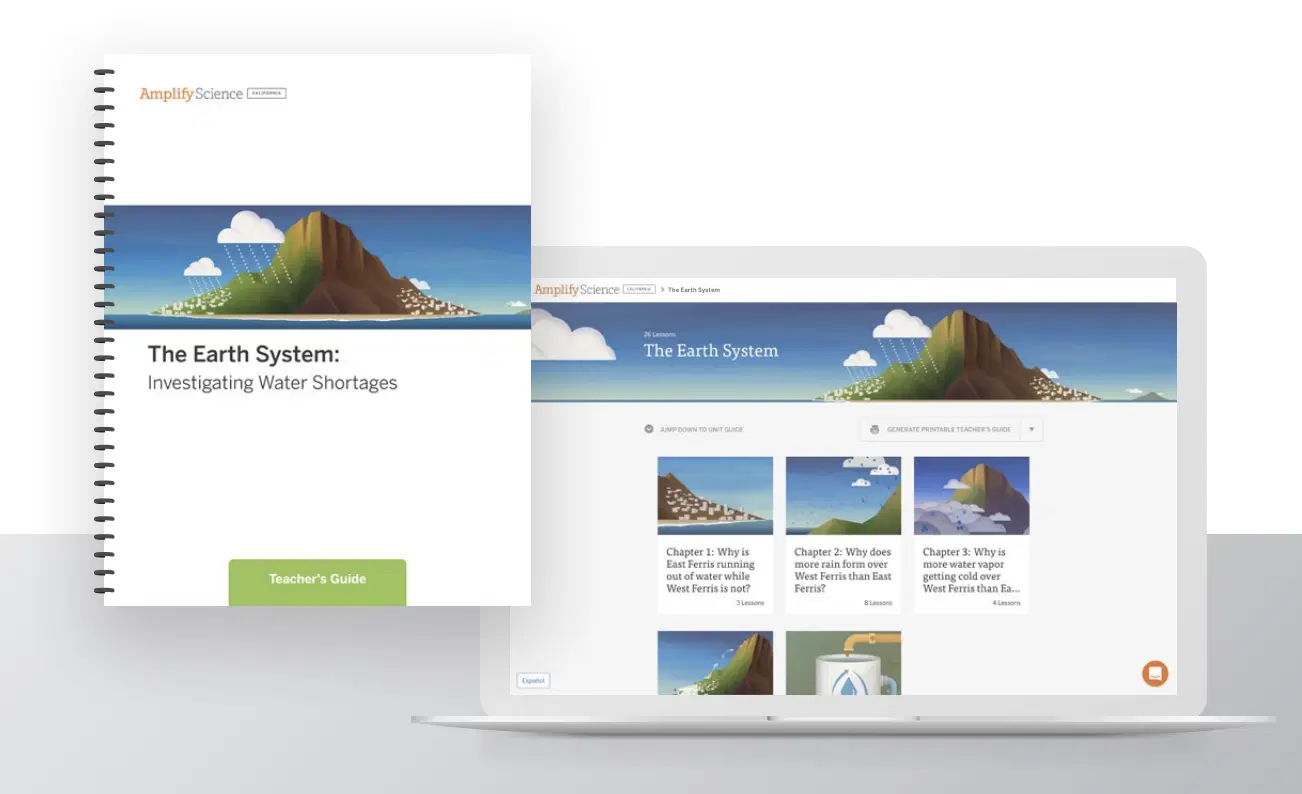
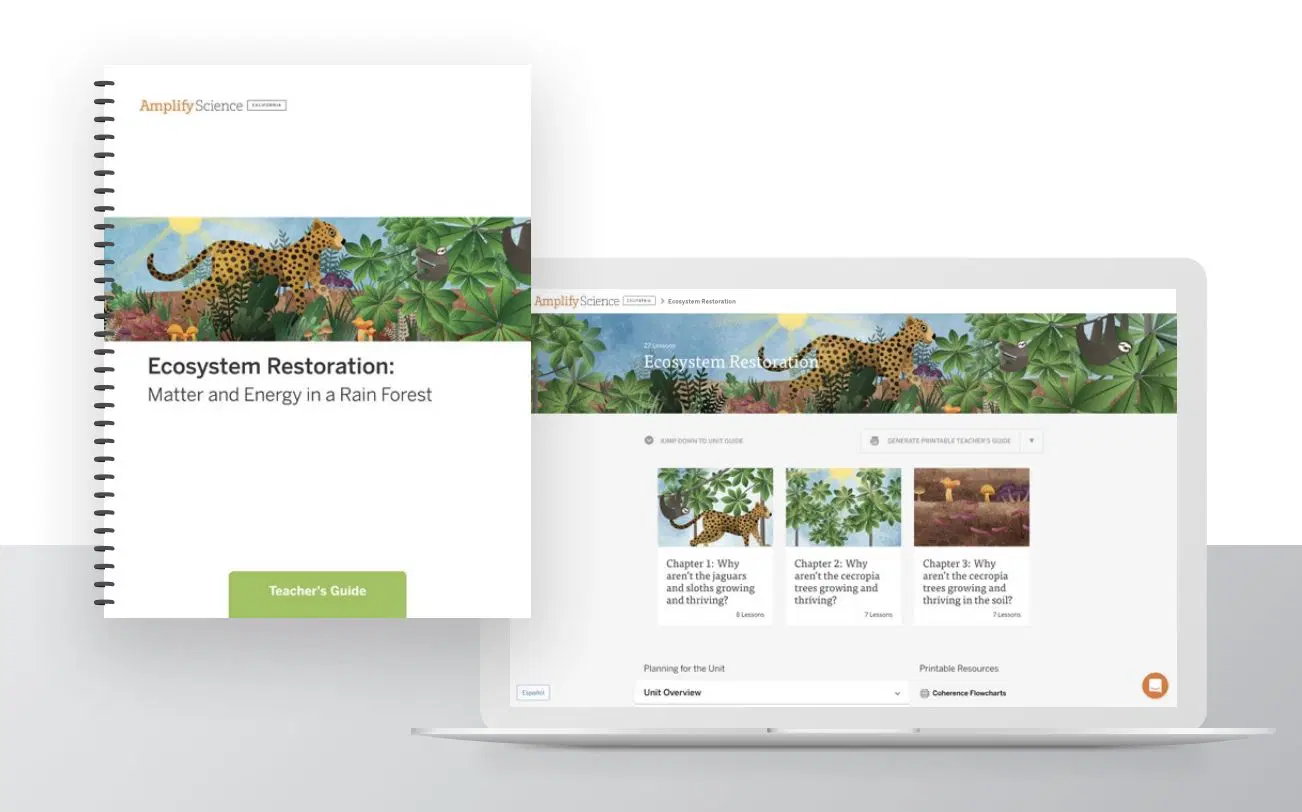
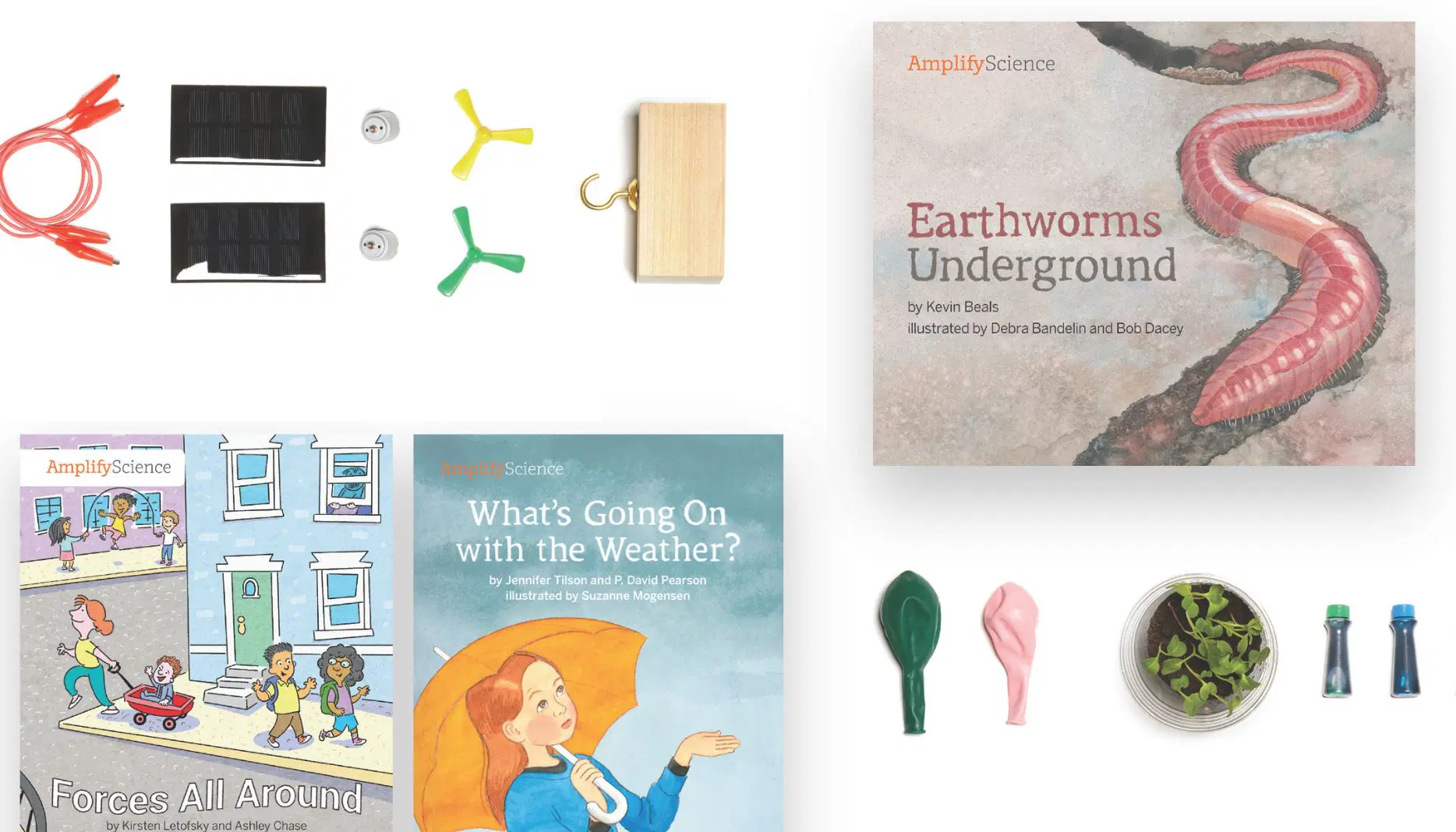
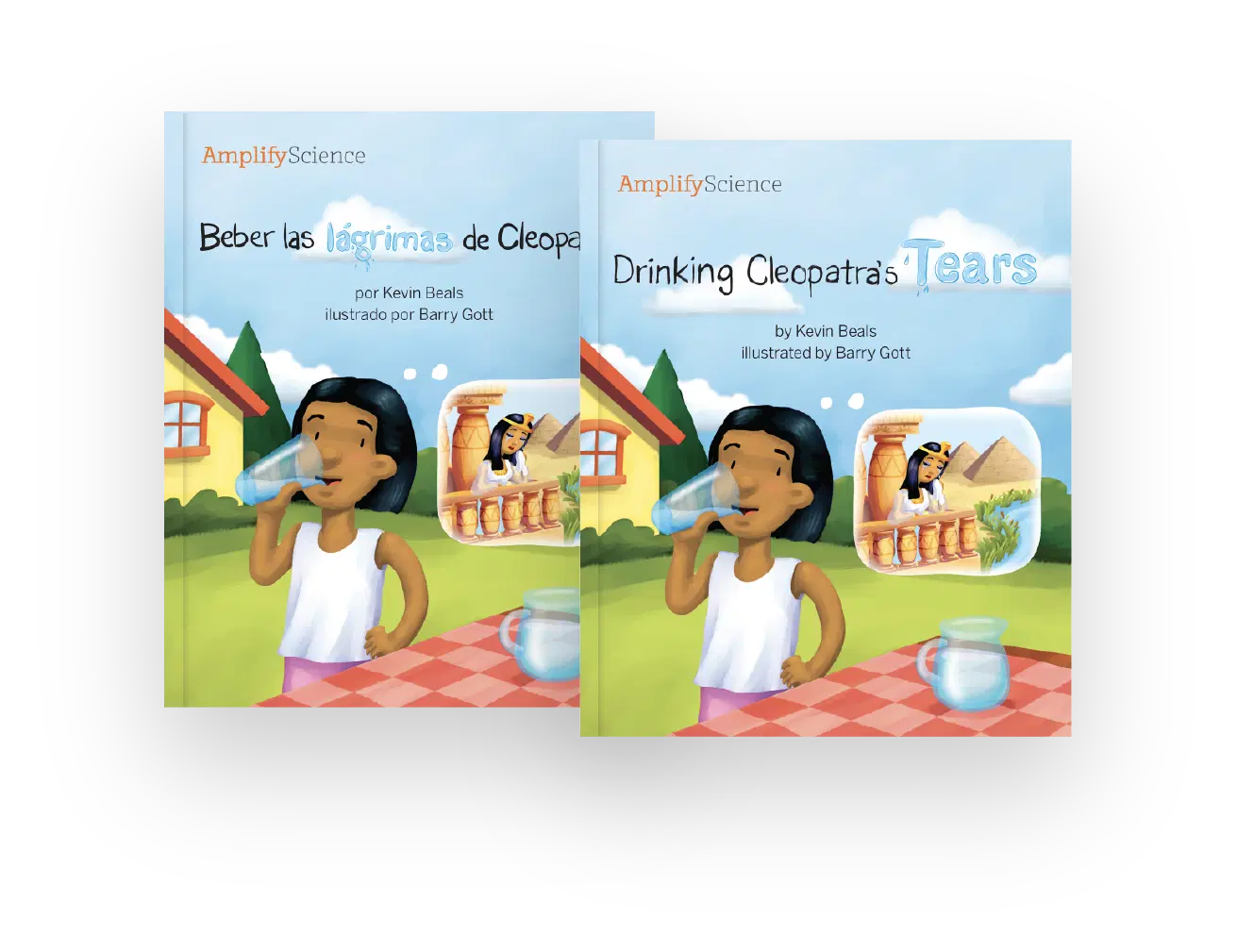

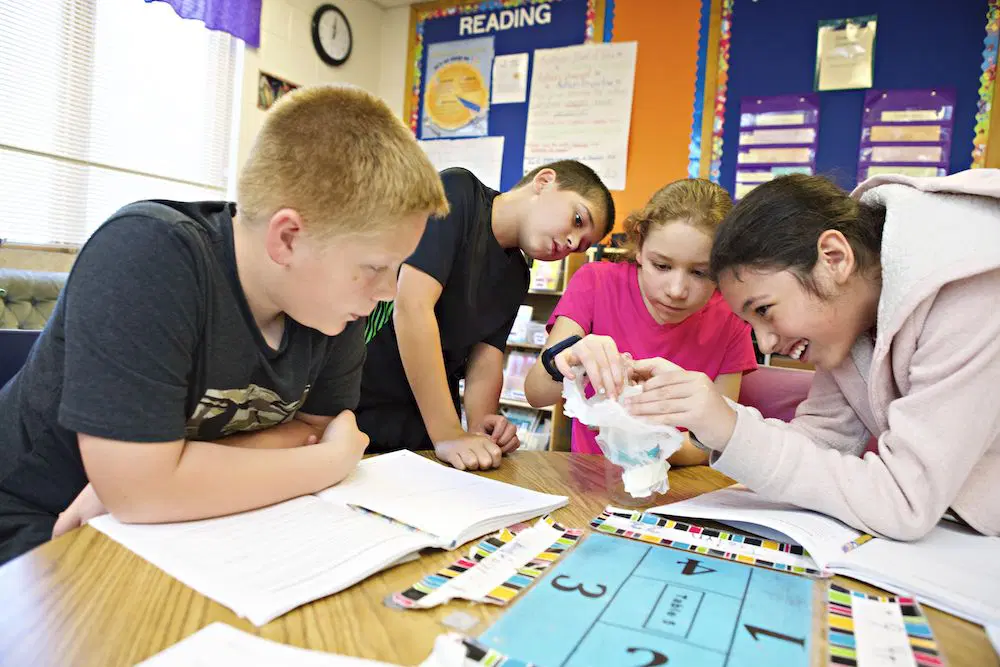
Welcome to Grade 4
Amplify Science California is so effective you can cover 100% of the NGSS in half the time of other programs.
You can breathe a sigh of relief knowing all you need is:
- 88 days per year
- 2-3 lessons per week
- 45 minutes per lesson

What students learn
Lauren Learner loves science. Watch this video to find out what she learns in second grade. >
When you’re ready:
- Find a summary of each unit below including each unit’s student role and anchor phenomenon.
- Click on the orange “See how the unit works” link to download a helpful Unit Guide. These guides make great companions to busy reviewers looking for a big-picture understanding of how each unit works.
Unit 1
Energy Conversions
Student role: System engineers
Phenomenon: The fictional town of Ergstown experiences frequent blackouts. Their electrical system seems to be failing.
Unit 2
Vision and Light
Student role: Conservation biologists
Phenomenon: The population of Tokay geckos in a rain forest in the Philippines has decreased since the installation of new highway lights.

Unit 3
Earth’s Features
Student role: Geologists
Phenomenon: A mysterious fossil is discovered in a canyon within the fictional Desert Rocks National Park.
Unit 4
Waves, Energy, and Information
Student role: Marine scientists
Phenomenon: Mother dolphins in the fictional Blue Bay National Park communicate with their calves despite the distance between them.
How teachers teach
Tom Teacher feels confident delivering 3-D instruction with our resources by his side. Watch this video to learn more. >
When you’re ready:
- Scroll down and take a closer look at your classroom resources.
- Click on the orange links below each component to see grade-specific samples.
Classroom Slides
These customizable PowerPoints are available for every lesson of the program and make delivering instruction a snap with visual prompts, colorful activity instructions, investigation set-up videos and animations, and suggested teacher talk in the notes section of each slide.

Teacher’s Reference Guide
Available digitally and in print, our unit-specific reference guides are chock full of helpful resources, including scientific background knowledge, planning information and resources, color-coded 3-D Statements, detailed lesson plans, tips for delivering instruction, and differentiation strategies.
Login to platform below to access

Materials Kits
Our kits include enough non-consumable materials to support a class of 36 students and enough consumable items to support 72 students. In other words, each kit can last two years! Plus, our unit-specific kits mean you just grab the tub you need and then put it all back with ease.

Student Books
Our award-winning Student Books include content-rich nonfiction and informational texts designed to introduce concepts and also deepen understanding. Books are read to, with, and by students with ample scaffolding and support provided by the teacher in whole-class, small-groups, and student pairs.
Systems
Energy Past and Present
Sunlight and Showers
Blackout!
It’s All Energy

Simulations and Practice Tools
Our digital Simulations and Practice Tools are powerful resources for exploration and data collection, and allow students the ability to explore scientific concepts that might otherwise be invisible or impossible to see with the naked eye.

Consumable Notebooks
Available for every unit, our Student Investigation Notebooks contain instructions for activities and space for students to record data and observations, reflect on ideas from texts and investigations, and construct explanations and arguments.
Mystery Science
Our exclusive partnership with Mystery Science means you get our NGSS core curriculum plus two years of free access to Mystery Doug and his extensive library of captivating videos that deepen students’ understanding of each unit’s phenomenon.
Coming Soon
Unlike other publishers, we don’t make you wait until your next adoption to get the latest and greatest from Amplify. We’re always launching new and exciting features. What’s more, we’ll push them out to you even after you adopt us!
Navigating the program
Watch this video showing you how to navigate our digital platform. Then following the instructions below. >
- Click the orange button below to access the platform.
- Choose the resources you’d like to review.
- Pick your grade level from the drop-down menu.
- Scroll down to find additional grade-level resources.


Welcome to Grade 3
Amplify Science California is so effective you can cover 100% of the NGSS in half the time of other programs.
You can breathe a sigh of relief knowing all you need is:
- 88 days per year
- 2-3 lessons per week
- 45 minutes per lesson
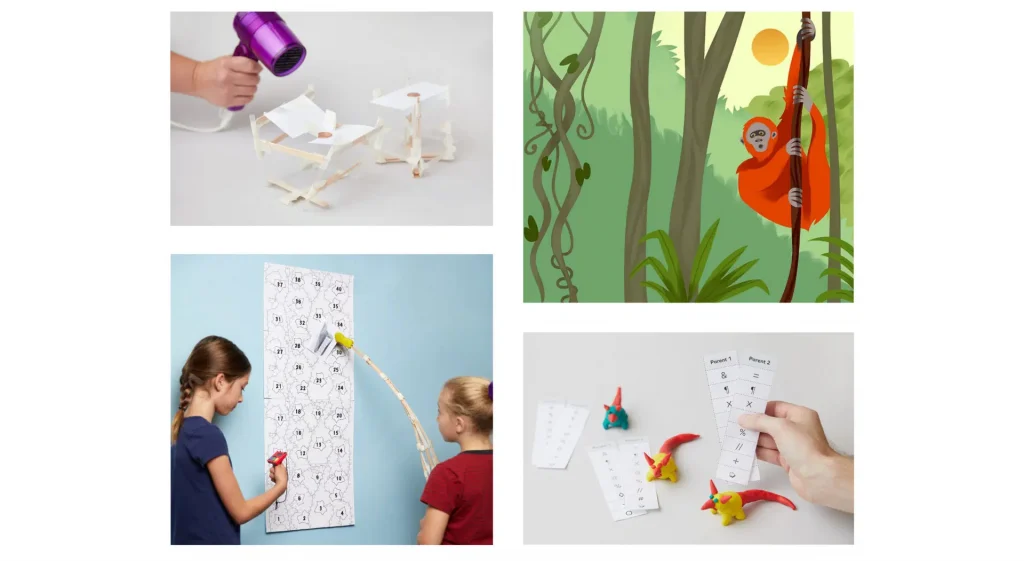
What students learn
Lauren Learner loves science. Watch this video to find out what she learns in third grade. >
When you’re ready:
- Find a summary of each unit below including each unit’s student role and anchor phenomenon.
- Click on the orange “See how the unit works” link to download a helpful Unit Guide. These guides make great companions to busy reviewers looking for a big-picture understanding of how each unit works.
Unit 1
Balancing Forces
Student role: Engineers
Phenomenon: The fictional town of Faraday is getting a new train. Unlike typical trains, this one floats, which is causing some concern among the town’s citizens.
Unit 2
Inheritance and Traits
Student role: Wildlife biologists
Phenomenon: An adopted wolf in Graystone National Park has some traits in common with one wolf pack in the park and other traits in common with a different pack.
Unit 3
Environments and Survival
Student role: Biomimicry engineers
Phenomenon: Over 10 years, a population of grove snails has changed. Populations with yellow shells have decreased, while those with banded shells have increased.
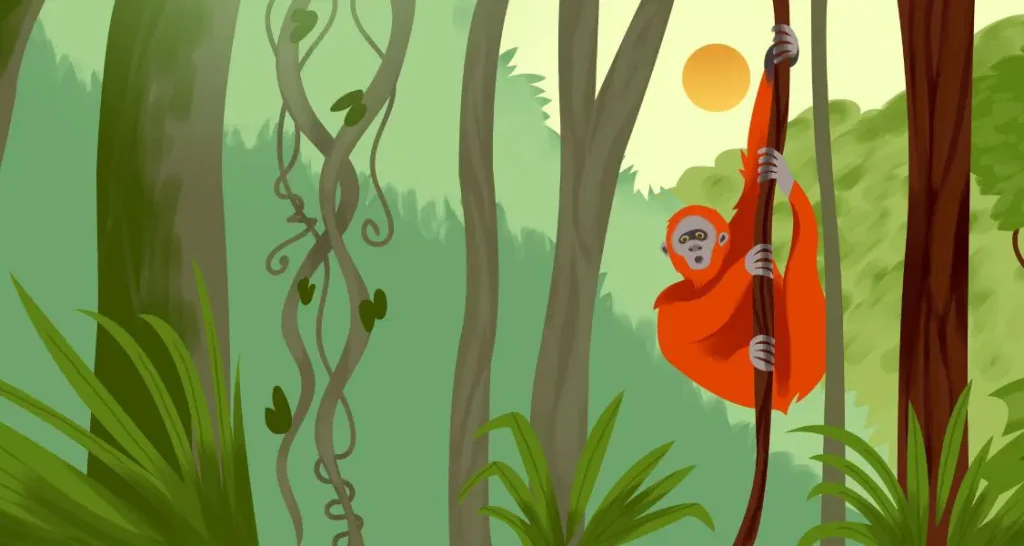
Unit 4
Weather and Climate
Student role: Meteorologists
Phenomenon: Three different islands, each a contender for becoming an orangutan reserve, experience different weather patterns.
How teachers teach
Tom Teacher feels confident delivering 3-D instruction with our resources by his side. Watch this video to learn more. >
When you’re ready:
- Scroll down and take a closer look at your classroom resources.
- Click on the orange links below each component to see grade-specific samples.
Classroom Slides
These customizable PowerPoints are available for every lesson of the program and make delivering instruction a snap with visual prompts, colorful activity instructions, investigation set-up videos and animations, and suggested teacher talk in the notes section of each slide.
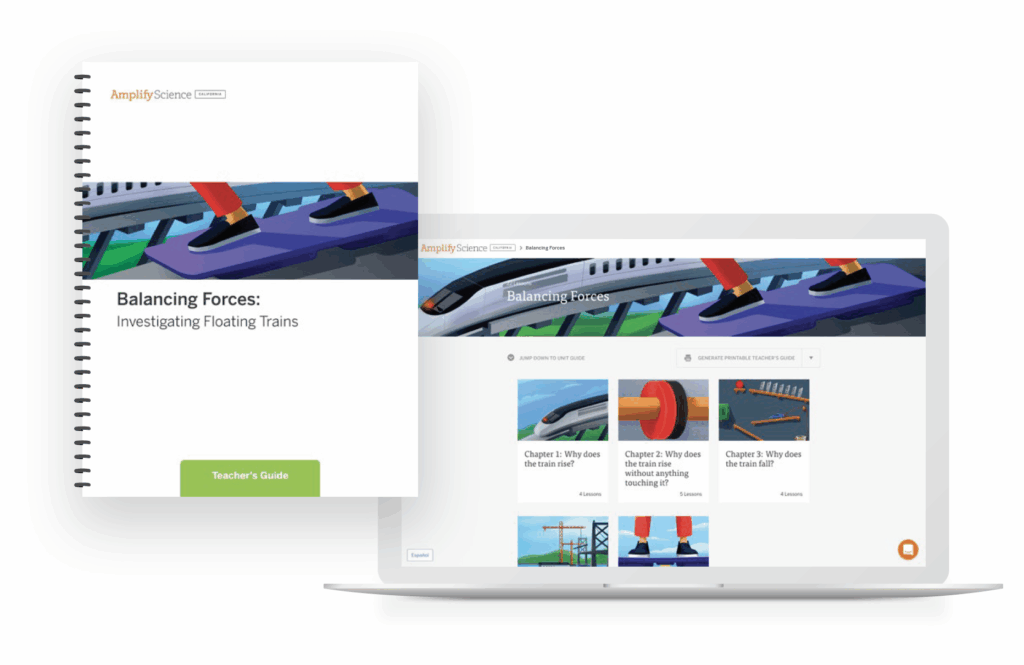
Teacher’s Reference Guide
Available digitally and in print, our unit-specific reference guides are chock full of helpful resources, including scientific background knowledge, planning information and resources, color-coded 3-D Statements, detailed lesson plans, tips for delivering instruction, and differentiation strategies.
Login to platform below to access

Materials Kits
Our kits include enough non-consumable materials to support a class of 36 students and enough consumable items to support 72 students. In other words, each kit can last two years! Plus, our unit-specific kits mean you just grab the tub you need and then put it all back with ease.

Student Books
Our award-winning Student Books include content-rich nonfiction and informational texts designed to introduce concepts and also deepen understanding. Books are read to, with, and by students with ample scaffolding and support provided by the teacher in whole-class, small-groups, and student pairs.
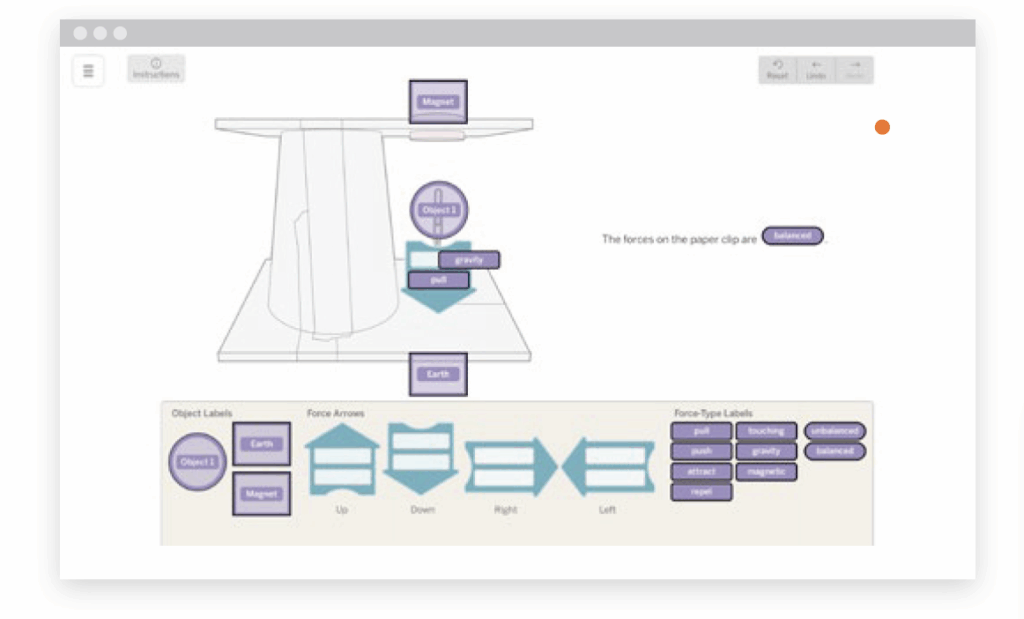
Practice Tools
Our digital Practice Tools feature easy-to-use drag-and-drop and data-entry activities that support the practice of important SEPs like sorting, modeling, or visualizing information. Practice Tools can be used as a whole group, in small groups, or with a partner.

Consumable Notebooks
Available for every unit, our Student Investigation Notebooks contain instructions for activities and space for students to record data and observations, reflect on ideas from texts and investigations, and construct explanations and arguments.
Mystery Science
Our exclusive partnership with Mystery Science means you get our NGSS core curriculum plus two years of free access to Mystery Doug and his extensive library of captivating videos that deepen students’ understanding of each unit’s phenomenon.
Coming Soon
Unlike other publishers, we don’t make you wait until your next adoption to get the latest and greatest from Amplify. We’re always launching new and exciting features. What’s more, we’ll push them out to you even after you adopt us!
Navigating the program
Watch this video showing you how to navigate our digital platform. Then following the instructions below. >
- Click the orange button below to access the platform.
- Choose the resources you’d like to review.
- Pick your grade level from the drop-down menu.
- Scroll down to find additional grade-level resources.
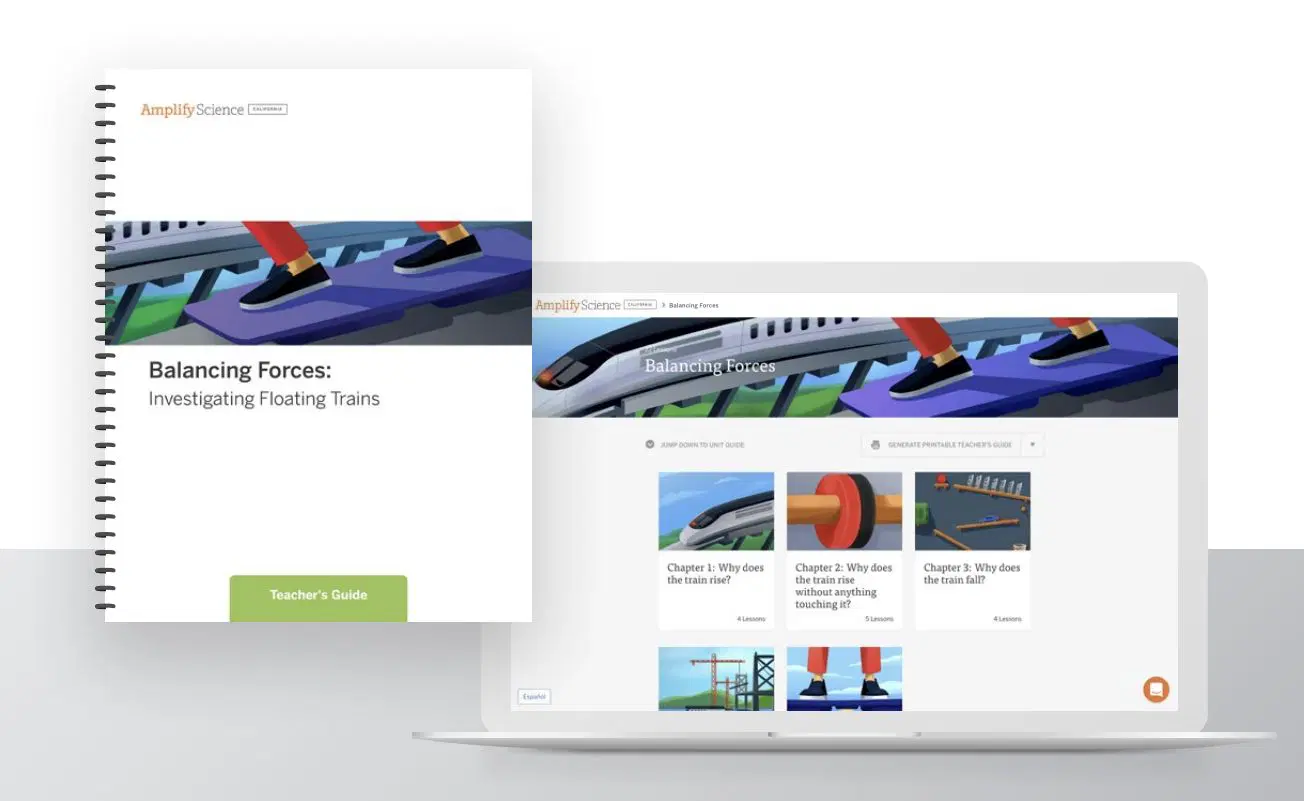
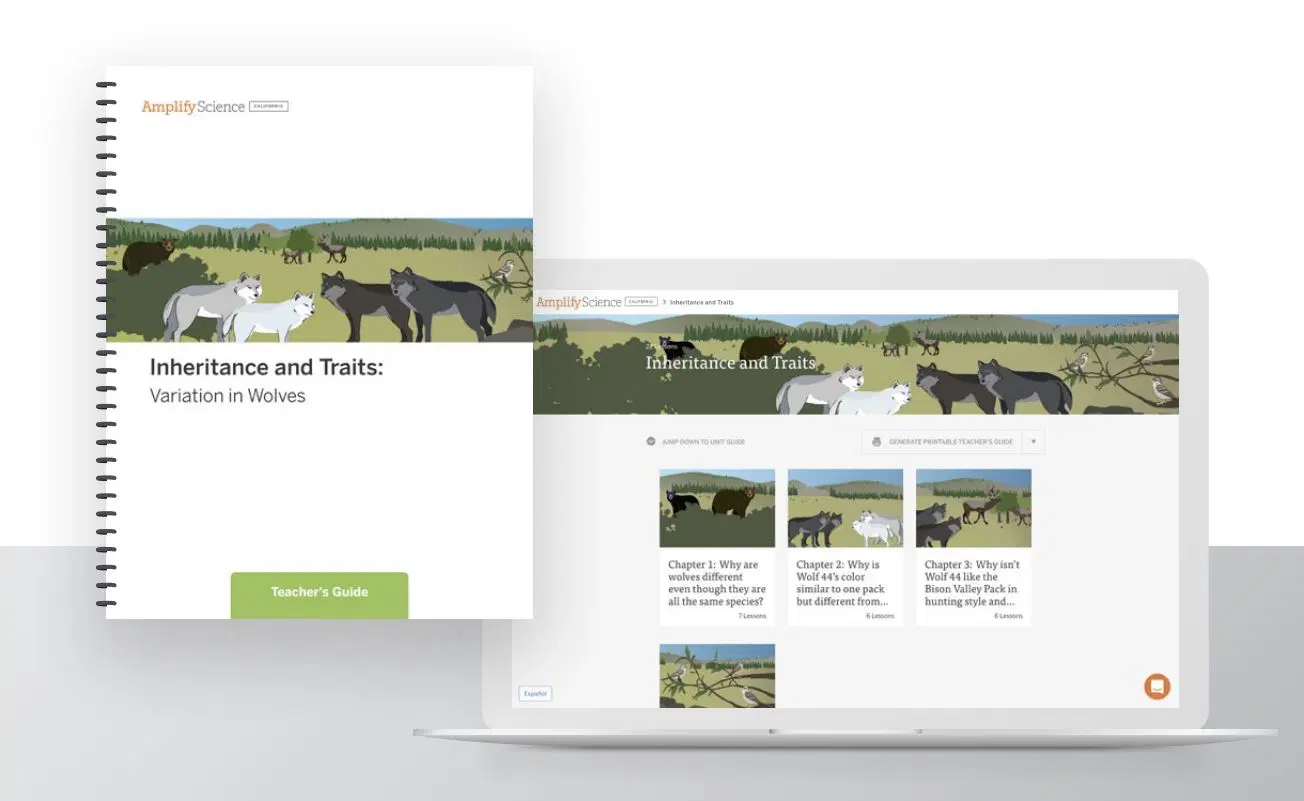


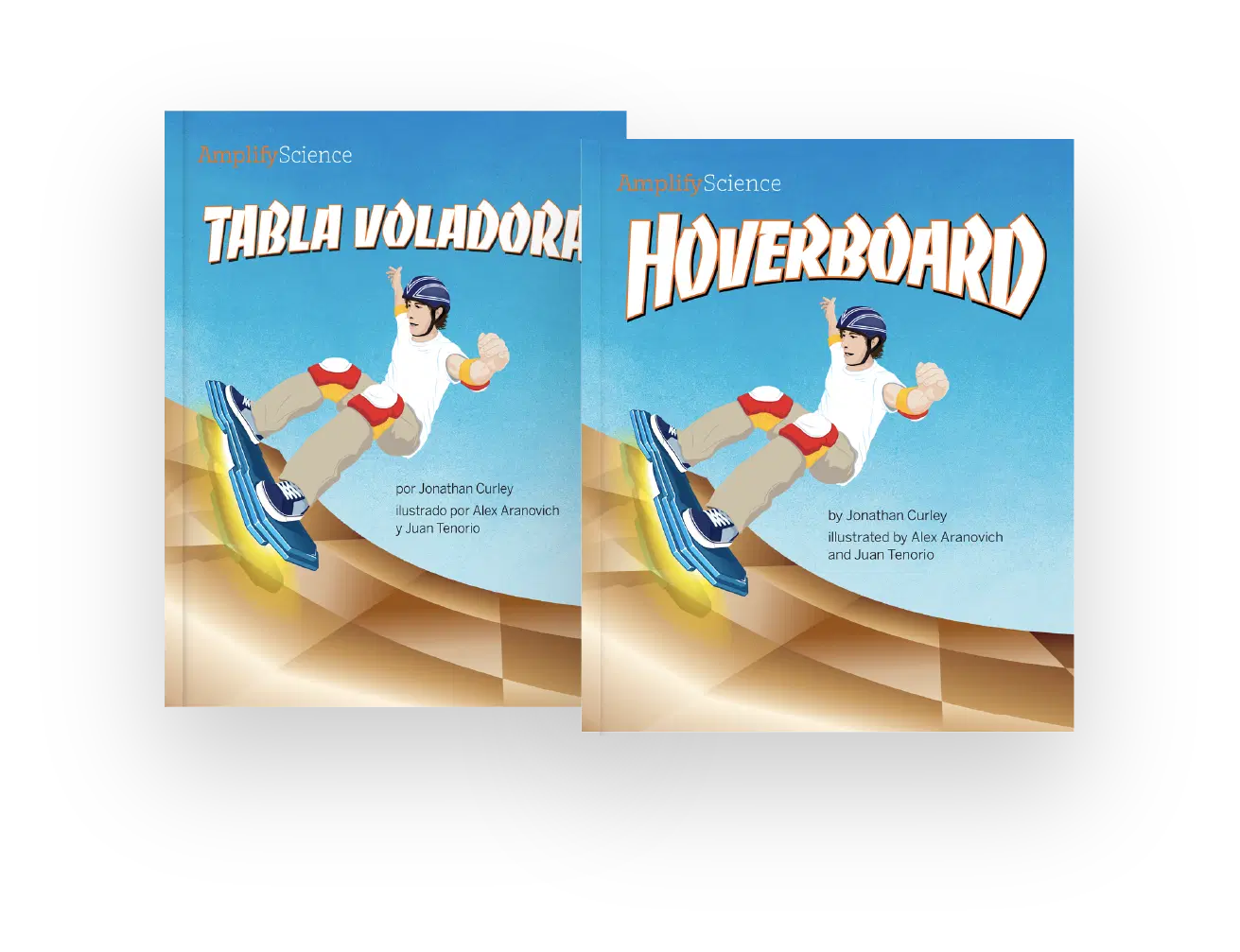
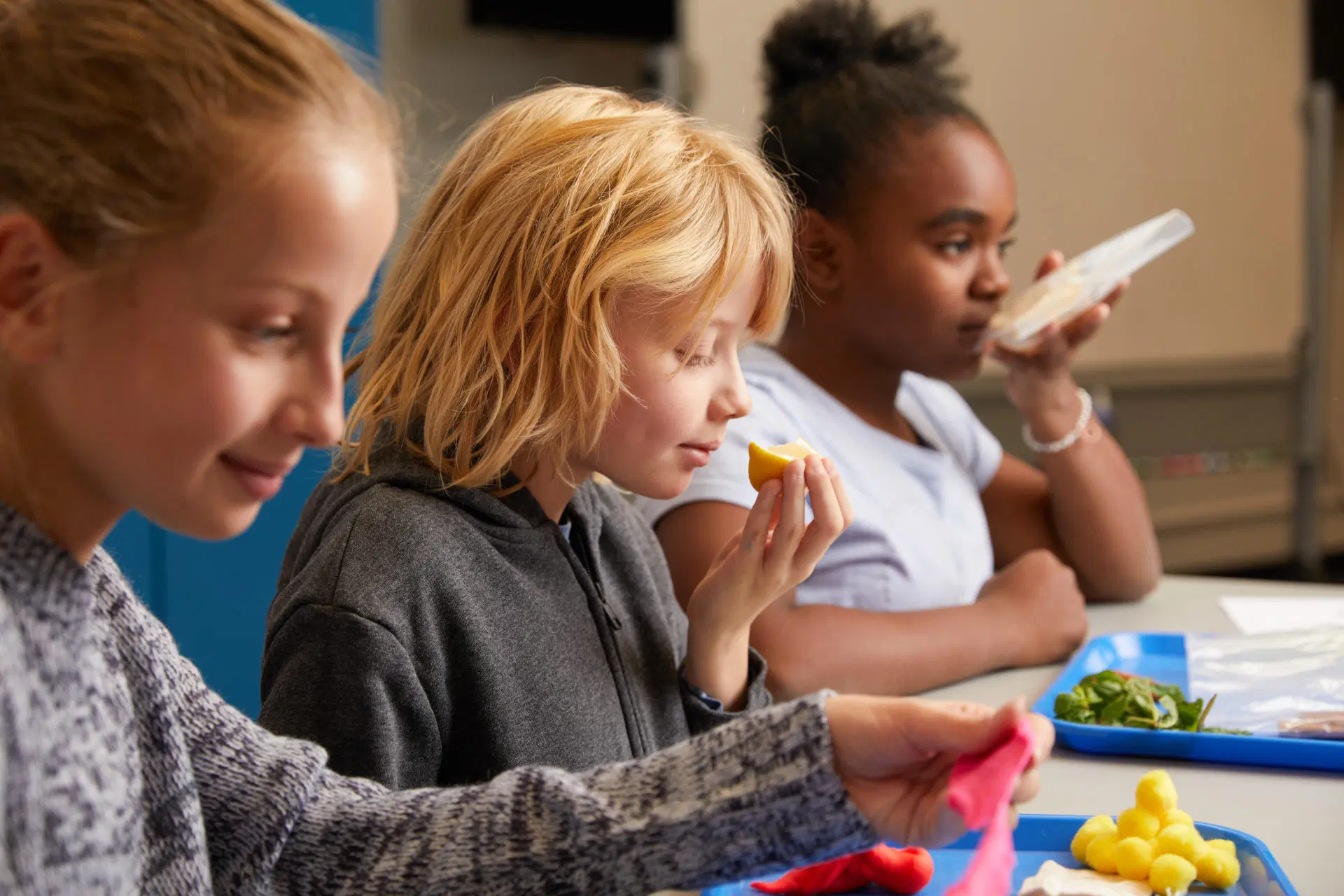
Welcome to Grade 2
Amplify Science California is so effective you can cover 100% of the NGSS in half the time of other programs.
You can breathe a sigh of relief knowing all you need is:
- 66 days per year
- 2 lessons per week
- 45 minutes per lesson

What students learn
Lauren Learner loves science. Watch this video to find out what she learns in second grade. >
When you’re ready:
- Find a summary of each unit below including each unit’s student role and anchor phenomenon.
- Click on the orange “See how the unit works” link to download a helpful Unit Guide. These guides make great companions to busy reviewers looking for a big-picture understanding of how each unit works.
Unit 1
Plant and Animal Relationships
Student role: Plant scientists
Phenomenon: No new chalta trees are growing in the fictional Bengal Tiger Reserve in India.
Unit 2
Properties of Materials
Student role: Glue engineers
Phenomenon: Different glue recipes result in glues that have different properties.
Unit 3
Changing Landforms
Student role: Geologists
Phenomenon: The cliff on which Oceanside Recreation Center is situated appears to be receding.
How teachers teach
Tom Teacher feels confident delivering 3-D instruction with our resources by his side. Watch this video to learn more. >
When you’re ready:
- Scroll down and take a closer look at your classroom resources.
- Click on the orange links below each component to see grade-specific samples.

Classroom Slides
These customizable PowerPoints are available for every lesson of the program and make delivering instruction a snap with visual prompts, colorful activity instructions, investigation set-up videos and animations, and suggested teacher talk in the notes section of each slide.

Teacher’s Reference Guide
Available digitally and in print, our unit-specific reference guides are chock full of helpful resources, including scientific background knowledge, planning information and resources, color-coded 3-D Statements, detailed lesson plans, tips for delivering instruction, and differentiation strategies.
Login to platform below to access

Materials Kits
Our kits include enough non-consumable materials to support a class of 36 students and enough consumable items to support 72 students. In other words, each kit can last two years! Plus, our unit-specific kits mean you just grab the tub you need and then put it all back with ease.

Student Books
Our award-winning Student Books include content-rich nonfiction and informational texts designed to introduce concepts and also deepen understanding. Books are read to, with, and by students with ample scaffolding and support provided by the teacher in whole-class, small-groups, and student pairs.
Practice Tools
Our digital Practice Tools feature easy-to-use drag-and-drop and data-entry activities that support the practice of important SEPs like sorting, modeling, or visualizing information. Practice Tools can be used as a whole group, in small groups, or with a partner.

Consumable Notebooks
Available for every unit, our Student Investigation Notebooks contain instructions for activities and space for students to record data and observations, reflect on ideas from texts and investigations, and construct explanations and arguments.
Mystery Science
Our exclusive partnership with Mystery Science means you get our NGSS core curriculum plus two years of free access to Mystery Doug and his extensive library of captivating videos that deepen students’ understanding of each unit’s phenomenon.
Coming Soon
Unlike other publishers, we don’t make you wait until your next adoption to get the latest and greatest from Amplify. We’re always launching new and exciting features. What’s more, we’ll push them out to you even after you adopt us!
Navigating the program
Watch this video showing you how to navigate our digital platform. Then following the instructions below. >
- Click the orange button below to access the platform.
- Choose the resources you’d like to review.
- Pick your grade level from the drop-down menu.
- Scroll down to find additional grade-level resources.


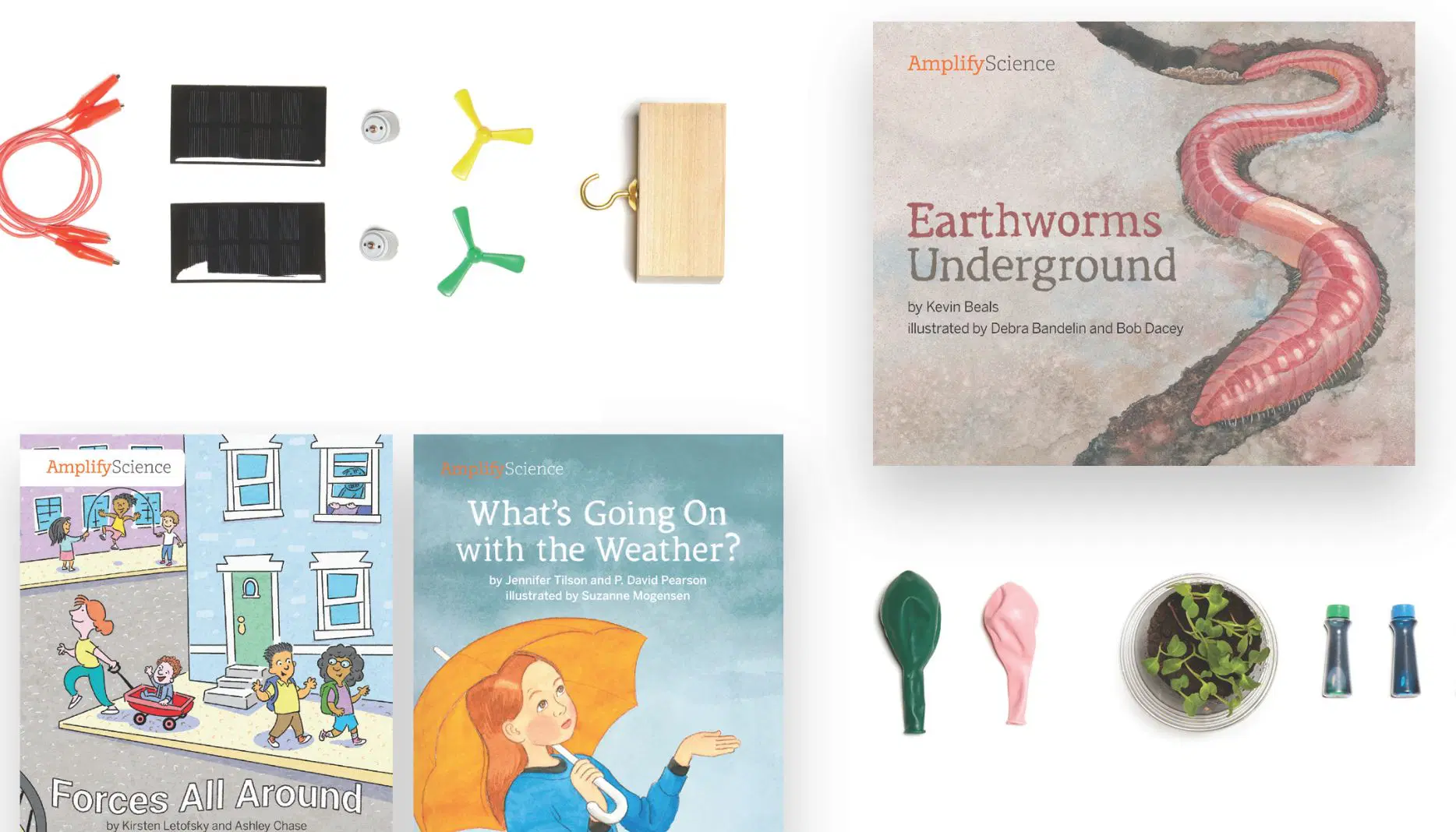

¡Les damos la bienvenida, familias de Boost Lectura!
Nos complace darles la bienvenida a usted y a su estudiante al Caregiver Hub de Boost Lectura en este nuevo año escolar. Hemos reunido una serie de recursos y guías que ayudarán a que usted pueda brindar apoyo a su estudiante a lo largo de todo el año y a que este aproveche al máximo nuestra plataforma.
For English version, please click here.
¿Qué es Boost Lectura?
Boost Lectura es un programa de intervención digital fácil de usar. El apasionante mundo de Boost Lectura proporciona enseñanza diferenciada de la lectura en español para estudiantes de grados K a 2, adaptándose a las necesidades únicas de cada lector. Su estudiante puede usar el programa durante el horario de clase y también de forma independiente en casa.
¿Cuál es mi rol?
Asegúrese de que su estudiante pueda iniciar sesión por cuenta propia.
Le recomendamos que ayude a su estudiante a iniciar sesión en casa a través de Clever u otra plataforma. El maestro también puede descargar e imprimir un código QR o un nombre de usuario y contraseña únicos que su estudiante pueda usar para iniciar sesión. Si tiene dudas sobre el proceso de inicio de sesión o no recibió los datos de ingreso, comuníquese con el maestro.
Sugerencias
- Practique el inicio de sesión con su estudiante de manera regular hasta que pueda iniciar sesión de forma independiente.
- Mantenga sus datos de ingreso en un solo lugar para que su estudiante sepa adónde recurrir si los olvida.
Procure un espacio tranquilo para que su estudiante pueda trabajar.
Prepare a su estudiante para usar Boost Lectura en casa: asegúrese de que tenga auriculares y un lugar tranquilo para jugar. Boost Lectura es un programa personalizado que responde a las necesidades de cada estudiante, así que no necesitará asistirlo con su aprendizaje. Una vez que su estudiante pueda iniciar sesión, podrá comenzar a usar el programa por cuenta propia.
Aparte tiempo para que su estudiante pueda jugar de forma independiente.
Es posible que su estudiante comience con una actividad de nivelación que ayudará al programa a asignarle el mejor contenido, de acuerdo con su nivel de lectura. Para garantizar la nivelación más precisa posible, es importante que el estudiante realice cada actividad de manera independiente. ¡Anime a su estudiante a que se esfuerce y se divierta!
Revise la seguridad digital.
Le recomendamos que revise Proteja a los niños en internet, un sitio web de la Comisión Federal de Comercio, cuyo tema es la seguridad digital.
¡Diviértanse más!
Cada estudiante tiene un compañero digital personalizable llamado Curioso. ¡Imprima estas páginas para colorear, y compártalas con su estudiante para que decore su propio Curioso!
Descargue las páginas para colorear Curiosos.
Cómo obtener ayuda

¡Estamos aquí para ayudarle!
¿Tiene alguna pregunta sobre Boost Lectura?
Visite nuestra biblioteca de ayuda (en inglés) y busque respuestas a sus preguntas sobre el programa en nuestros artículos de ayuda.
Para obtener apoyo curricular adicional, comuníquese con su maestro.
Preguntas frecuentes
Es posible que su estudiante use programas durante la jornada escolar, por lo que recomendamos ponerse en contacto con el maestro para determinar cuánto tiempo debe usar estos programas en casa. En general, nuestra sugerencia es la siguiente:
Boost Lectura
Los estudiantes que solamente usan Boost Lectura deberían jugar durante un total de 30 a 45 minutos por semana, repartidos en sesiones de 10 a 15 minutos cada una.
Boost Reading y Boost Lectura
Para los estudiantes que usan tanto Boost Lectura como Boost Reading, recomendamos que usen ambos programas aproximadamente 40 minutos por semana. Sugerimos repartir el tiempo total entre ambos programas, cada uno con sesiones de 10 a 15 minutos.
Si su estudiante tiene problemas con el contenido, le recomendamos que no intervenga. Aunque sabemos que esto puede resultar difícil, Boost Lectura está diseñado para adaptarse según las respuestas de su estudiante y proporcionarle un mayor apoyo e instrucción con el fin de que pueda avanzar en el juego.
What’s included in our phenomena-based science curriculum
Amplify Science is a phenomena-based science curriculum for grades K-8. This program is designed to give students engaging, realistic experiences that mirror how scientists and engineers actually work. To do this, the Lawrence Hall of Science and Amplify created compelling print and digital resources that work seamlessly together to enable students’ investigations and explorations.
Year at a glance
Amplify Science is organized around units where students are introduced to compelling phenomena and real-world problems, develop and strengthen claims by collecting evidence and testing assumptions, and apply their learning in new contexts.
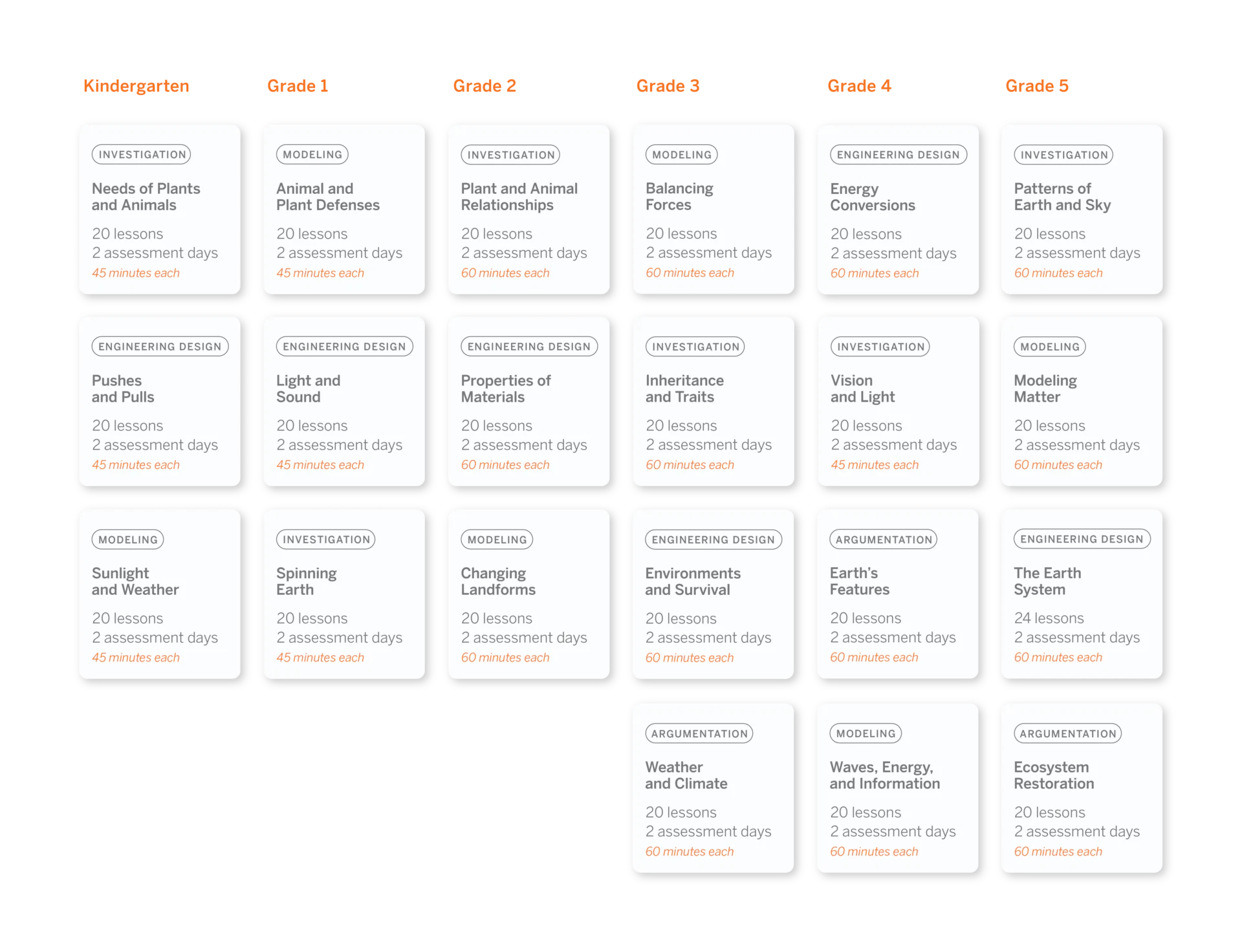
Units at a glance
In each Amplify Science unit, students are asked to inhabit the role of a scientist or engineer in order to investigate a real-world problem. These problems provide relevant, 21st-century contexts through which students investigate different scientific phenomena.
1
Needs of Plants and Animals
Students take on the role of scientists in order to figure out why there have been no monarch caterpillars in the community garden since vegetables were planted. They investigate how plants and animals get what they need to live and grow, and make a new plan for the community garden that provides for the needs of the monarch caterpillars in addition to producing vegetables for humans.
2
Pushes and Pulls
Students take on the role of pinball machine engineers as they investigate the effects of forces on the motion of an object. They conduct tests in their own prototypes (models) of a pinball machine and use what they learn to contribute to the design of a class pinball machine. Over the course of the unit, students construct a foundational understanding of why things move in different ways
3
Sunlight and Weather
The principals of Woodland Elementary and Carver Elementary need student weather scientists to help them explain why Woodland’s playground is warmer than Carver’s at recess. Students gather data from models of the sun and Earth’s surface and observe their own playgrounds to figure out how sunlight causes changes in the temperatures of different surfaces. Students then use models to figure out why Woodland’s playground sometimes floods.
1
Animal and Plant Defenses
Students play the role of marine scientists. In their role, students apply their understanding of plant and animal defense structures to explain to aquarium visitors how a sea turtle and her offspring can defend themselves from ocean predators when they are released into the wild.
2
Light and Sound
Students take on the role of light and sound engineers for a puppet show company as they investigate cause and effect relationships to learn about the nature of light and sound. They apply what they learn to design shadow scenery and sound effects for a puppet show.
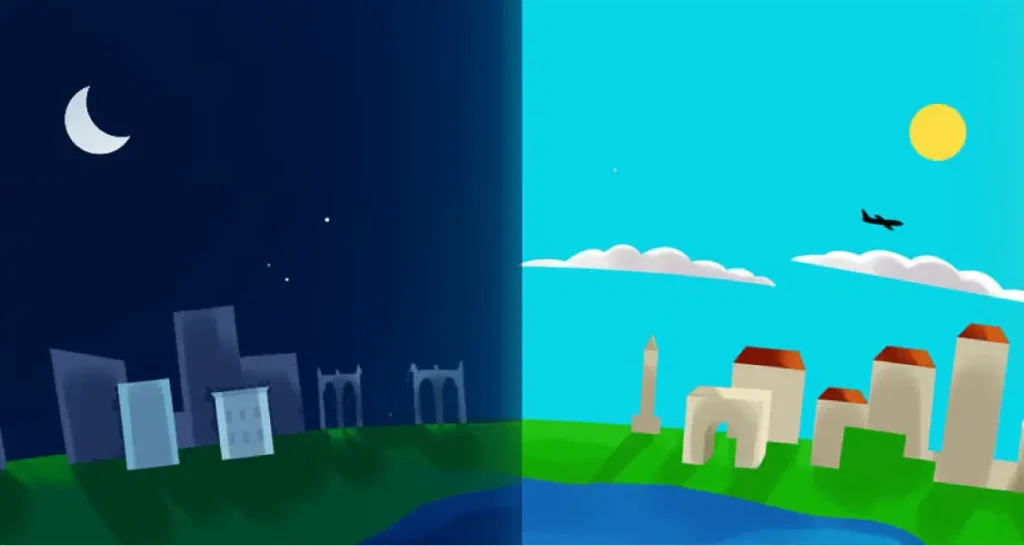
3
Spinning Earth
As sky scientists, students explain why a boy living in a place near them sees different things in the sky than his grandma does when he talks to her on the phone. Students record, organize, and analyze observations of the sun and other sky objects as they look for patterns and make sense of the cycle of daytime and nighttime.
1
Plant and Animal Relationships
In their role as plant scientists, students work to figure out why there are no new chalta trees growing in the Bengal Tiger Reserve, which is part of a broadleaf forest. Students investigate what the chalta tree needs to survive, then collect and analyze qualitative and quantitative data to solve the mystery.
2
Properties of Materials
As glue engineers, students are challenged to create a glue for use at their school that meets a set of design goals. Students present an evidence-based argument for why their glue mixture will be good for their school to use.
3
Changing Landforms
The director of the Oceanside Recreation Center gets a scare when a nearby cliff collapses overnight. Research reveals that the distance between the Recreation Center’s flagpole and the edge of the cliff have changed over time. Students play the role of geologists and work to figure out why the cliff has changed over time. Based on what they learn about erosion, they advise on whether it is safe to keep the center open even though the cliff is changing.
1
Balancing Forces
People in Faraday are excited to hear that a new train service will be built for their city, but concerned when they hear that it will be a floating train. Students are challenged to figure out how a floating train works in order to explain it to the citizens of Faraday. They develop models of how the train rises, floats, and then falls back to the track, and then write an explanation of how the train works.
2
Inheritance and Traits
Students play the role of wildlife biologists working in Greystone National Park. They study two wolf packs and are challenged to figure out why an adopted wolf (“Wolf 44”) in one of the packs has certain traits. Students observe variation between and within different species, investigate inherited traits and those that result from the environment, and explain the origin of several of the adopted wolf’s traits.
3
Environments and Survival
In their role as biomimicry engineers, students work to figure out how the traits of grove snails affect their survival in different environments. They then explore how the traits of different organisms make them more likely or less likely to survive, collecting and interpreting data to understand how organisms’ traits affect their survival in different environments. Students then apply their understanding to a new challenge: designing effective solutions for the removal of invasive plants.
4
Weather and Climate
In their role as meteorologists, students gather evidence to decide where to build an orangutan reserve by analyzing patterns in weather data. After choosing the strongest evidence, students use data to make arguments about which of three fictional islands has weather most like that of orangutans’ existing habitats, Borneo and Sumatra. They then discern patterns in the locations of natural hazards in order to figure out which ones the Wildlife Protection Organization must prepare for.
1
Energy Conversions
Students take on the role of systems engineers for Ergstown, a fictional town that experiences frequent blackouts, and explore reasons why an electrical system can fail. Students apply what they learned as they choose new energy sources and energy converters for the town, then write arguments for why their design choices will make the town’s electrical system more reliable.
2
Vision and Light
As conservation biologists, students work to figure out why a population of Tokay geckos has decreased since the installation of new highway lights in the rainforest. Students use their understanding of vision, light, and information processing to figure out why an increase in light in the geckos’ habitat is affecting the population.
3
Earth’s Features
Playing the role of geologists, students help the director of Desert Rocks National Park explain how and when a particular fossil formed and how it came to be in its current location. Students figure out what the environment of the park was like in the past and why it has so many visible rock layers.
4
Waves, Energy, and Information
In their role as marine scientists, students work to figure out how mother dolphins communicate with their calves. They write a series of scientific explanations with diagrams to demonstrate their growing understanding of how sound waves travel. Then they apply what they’ve learned about waves, energy, and patterns in communication to figure out how to create patterns that can communicate information over distances.
1
Patterns of Earth and Sky
Playing the role of astronomers, students help a team of archaeologists figure out what the missing piece of a recently discovered artifact might have depicted. As they learn about the sun and other stars and the movement of Earth, students can explain what is shown on the artifact and what might be on the missing piece.

2
Modeling Matter
In their role as food scientists at a fictional company, students are introduced to the idea that all matter is made of particles too small to see, and that each different substance is made of particles (molecules) that are unique. They are then challenged to solve two problems: one requires them to separate a mixture, and the other requires them to make unmixable substances mix. Students are challenged to use the particulate model of matter to explain their work to the CEO of the company.

3
The Earth System
The cities of East Ferris and West Ferris are located on different sides of a mountain on the fictional Ferris Island. East Ferris is having a water shortage while West Ferris is not. As water resource engineers, students learn about the Earth system to help figure out what is causing the water shortage problem and design possible solutions, including freshwater collection systems and proposals for using chemical reactions to treat wastewater.
4
Ecosystem Restoration
As ecologists, students work to figure out why the organisms in a part of a Costa Rican rainforest ecosystem aren’t growing and thriving. As they solve this problem, students learn more generally how organisms in an ecosystem get the matter and energy they need to survive, and then write a series of restoration plans that include arguments about why the rainforest ecosystem is not thriving and recommend actions to restore its health.
Print & digital components
The program includes instructional guidance and student materials for a year of instruction, with lessons and activities that keep students engaged every day.
Component
Format
Teacher’s Guides
Available digitally and in print, the Teacher’s Guides contain all of the information teachers need to facilitate classroom instruction, including detailed lesson plans, high-level overview documentation, differentiation strategies, standards alignments, materials and preparation steps, teacher support strategies and in-context professional development, possible student responses, and more.
Print and digital

Hands-on materials kits
Hands-on learning is integrated into every unit of Amplify Science. Each hands-on activity is supported through clear instructions for the teacher, as well as easily accessible materials in unit-specific kits. Each kit contains hands-on materials, both consumable and nonconsumable, and various print materials (e.g., Vocabulary and Key Concept cards). With Amplify Science, students can actively participate in science: gathering evidence, thinking critically, making observations, and communicating their claims.
Kit

Component
Format
Student Investigation Notebooks
Available for every unit, the Student Investigation Notebooks contain instructions for activities and space for students to record data, reflect on ideas from texts and investigations, and construct explanations and arguments.
Print and digital
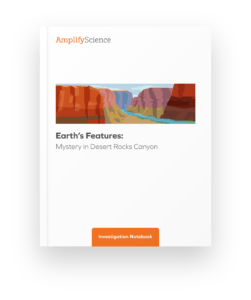
Student books
The age-appropriate Student Books in Amplify Science allow students to engage with content-rich text, obtain evidence, develop research and close reading skills, and construct arguments and explanations about the ideas they are learning in class.
Print and digital

Simulations and practice tools (grades 2+)
Developed exclusively for the Amplify Science program, these serve as venues for exploration and data collection, allowing students to explore scientific concepts that might otherwise be invisible or impossible to see with the naked eye.
Digital

Explore more programs
Our programs are designed to support and complement one another. Learn more about our related programs.
Instrucción personalizada de lectoescritura en español, ideal para todos los salones de clase
Boost Lectura es un programa basado en la Ciencia de la Lectura creado para acelerar la alfabetización en español para estudiantes de K-2. Utilizando historias cautivadoras y las últimas investigaciones sobre cómo se desarrolla la alfabetización en español, Boost Lectura involucra a los estudiantes en una instrucción de lectura digital poderosa y personalizada, todo respaldado con eficacia probada. For English version, please click here.

Ciencia de la lectura para bilingües emergentes
Basado en la metodología de la Ciencia de la lectura, Boost Lectura reconoce los matices de la lectoescritura bilingüe y el idioma español. El diseño de la instrucción se basa en cómo se desarrolla la alfabetización en español, manteniéndonos fieles a nuestro principio central de Ciencia de la lectura: la instrucción de alfabetización en cada idioma debe reflejar sus elementos lingüísticos particulares.

Conozca más sobre nuestros principios de alfabetización bilingüe.
Usamos componentes esenciales de la alfabetización bilingüe para fomentar la equidad en los salones de clase.
Conocer másDesarrollado con expertos
El plan de estudios de alfabetización en español Boost Lectura se desarrolló en colaboración con expertos en lectoescritura en español y educadores de varias regiones de habla hispana que contribuyeron con perspectivas valiosas para la creación de contenido auténtico y relevante.
Nuestro enfoque
Los estudiantes que aprenden a leer en español merecen una instrucción auténtica y basada en investigaciones. Boost Lectura logra esto y complementa los programas curriculares y de evaluación integral de alfabetización bilingüe de Amplify. Cuando se utiliza con Boost Reading, es la primera solución de aprendizaje personalizada basada en la Ciencia de la lectura para el desarrollo de la alfabetización bilingüe en español e inglés.
Auténtica instrucción de lectoescritura en español
Boost Lectura se centra en las destrezas fundamentales (como la conciencia fonológica, las correspondencias entre letras y sonidos, la decodificación y la comprensión) que, según las investigaciones, no sólo son indispensables para aprender a leer en español, sino que también son transferibles del español al inglés. El programa se creó con la orientación e investigación de expertos sobre cómo se desarrolla la alfabetización bilingüe (particularmente la alfabetización bilingüe en español e inglés).


Ideal para cualquier modelo de salón de clase
Sin tener que dominar el español, los maestros tienen acceso a un alcance y secuencia de alfabetización en español basado en evidencia con contenido de aprendizaje dirigido a las necesidades individuales de los estudiantes. Boost Lectura puede aprovecharse en cualquier modelo de enseñanza de la lectoescritura.
Paridad entre el español y el inglés
Boost Lectura se puede combinar perfectamente con Boost Reading. Cuando se usan juntos, los dos programas desarrollan el dominio de la lectura tanto en inglés como en español para los estudiantes de K a 2.º grado, además de brindar a los maestros información valiosa sobre la progresión de las destrezas de los estudiantes en cada idioma.


Paquete integral de alfabetización bilingüe
Boost Lectura se incorpora al paquete completo de programas de alfabetización bilingüe de Amplify, incluidos Amplify Caminos y mCLASS® Lectura. Mediante una instrucción alineada, estas herramientas y materiales brindan a los educadores todo lo que necesitan para evaluar, instruir y brindar práctica en la alfabetización en español.

Profundice en Boost Lectura
Explore el poderoso y atractivo mundo del aprendizaje de la alfabetización en español.
Descargar ahoraQué se incluye

Instrucción eficaz y de gran riqueza
Los estudiantes participarán en actividades específicas relacionadas con historias auténticas y cautivadoras que honran la cultura y las experiencias de las comunidades de habla hispana. Este potente contenido está cuidadosamente diseñado para mejorar sus destrezas de decodificación, vocabulario y comprensión lectora.
Personalización de destrezas
La tecnología adaptativa de Boost Lectura desarrolla los mapas de destrezas individuales de los estudiantes para proporcionar el contenido adecuado en el momento correcto. Los estudiantes explorarán nuevas misiones, desafíos y juegos que simultáneamente les enseñarán las destrezas fundamentales de alfabetización que los convertirán en lectores de español más seguro


Datos e información práctica para educadores
El programa ofrece información a nivel de estudiante y de clase para ayudar a los educadores a diferenciar la instrucción, monitorear el progreso en todo el salón de clase, brindar apoyo específico sin más pruebas y acceder a recursos educativos dirigidos por maestros.
Informes paralelos en inglés y español
Cuando Boost Reading y Boost Lectura se usan juntos, los programas brindan a los educadores información paralela sobre las destrezas y el progreso de los estudiantes en cada idioma.

Explore otros programas basados en la Ciencia de la lectura.
Usamos componentes esenciales de la alfabetización bilingüe para fomentar la equidad en los salones de clase.


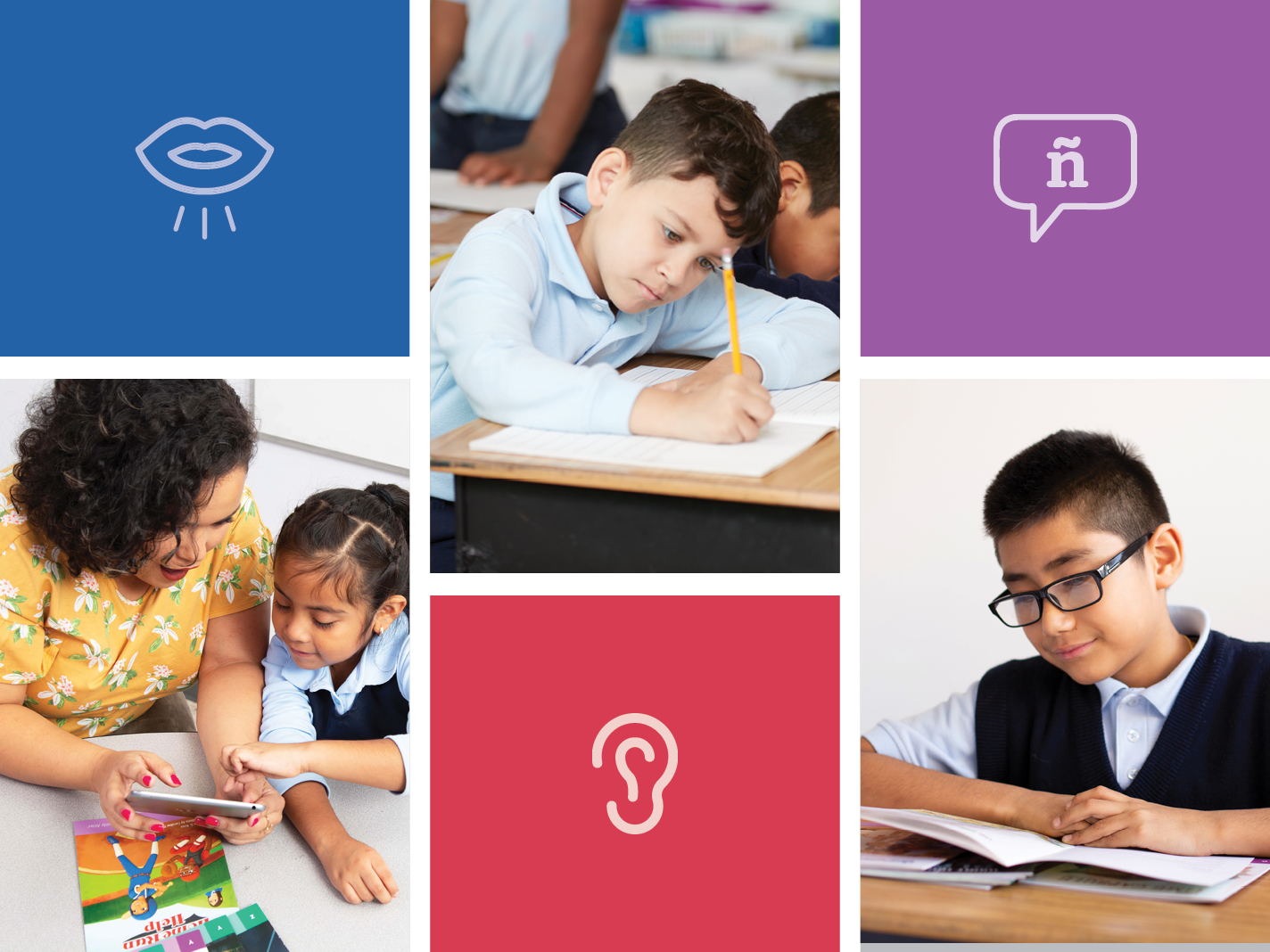
Para enseñar se necesita confianza, con Luz Selenia Muñoz

Meet Our Guest(s):

Luz Selenia Muñoz
Luz S. Muñoz es maestra de Segundo grado en un programa de educación en dos idiomas. Ha enseñado por 20 años. Entre sus responsabilidades diarias está planificar lecciones en español, desarrollar sus estrategias para la clase y reunirse con las familias o cuidadores de los estudiantes, así como conocerlos mejor cada día al conectar con ellos.
Durante su tiempo libre fuera del salón de clases, puedes ver a Luz caminando al aire libre o con un libro en la mano. Le gusta divertirse con su familia y crear ideas que hagan la enseñanza más divertida para sus estudiantes. También le gusta compartir esas ideas con otros maestros. Puedes encontrar a Luz en Instagram como @lucecitalunera y en Facebook como @sonrisas.que.inspiran.dual.language.
Conozca a nuestra presentadora, Ana Torres
Ana ha trabajado en educación por 30 años, tanto en K–8 como en educación superior. Ha ejercido como administradora e instructora en diversas universidades e institutos públicos y privados. También ha sido maestra de lenguaje e idiomas, de matemáticas y de intervención para la lectura en programas bilingües y de educación en dos idiomas, así como coach de enseñanza de lenguaje e idiomas, vicedirectora y directora en escuelas de K–8. Actualmente, Ana se especializa en programas bilingües y de educación en dos idiomas en el departamento de Product de Amplify, desde donde ofrece presentaciones sobre lectoescritura y lectoescritura bilingüe por todo el país. La pasión y el apoyo a la educación multicultural y bilingüe que Ana desarrolla la ha llevado a educar tanto a líderes como a maestros y padres sobre el impacto positivo que estas áreas tienen en nuestro mundo.
Transcripts and additional resources:
Quotes
“Yo diría que algo que se ha quedado grabado es hacer conexiones. Hacer conexiones con los estudiantes, conocer quiénes son, de dónde vienen, qué les gusta. Y al hacer eso haces tu vida como maestro más fácil y más sencilla.”
“Yo creo que le diría que tenga paciencia. Paciencia. Que respire. Que las cosas van a mejorar cada día.”
Teaching takes trust, starring Luz Selenia Muñoz
Meet Our Guest(s):
Luz Selenia Muñoz
Luz S. Muñoz is a Grade 2 dual language teacher who has been teaching for almost 20 years. Her primary responsibilities include planning lessons in Spanish, developing in-classroom strategies, meeting parents, getting to know her students, and connecting with them every day. Luz has a master’s degree in curriculum education.
During time off from teaching, she is walking outdoors, reading, and having fun with her family. Luz is always seeking inspiration to make her class more enjoyable and fun for her students, and sharing her ideas with other teachers.
Meet our host, Ana Torres.
Ana has been an educator for 30 years, working in both the K–8 and higher education sectors. She served as an administrator and instructor at various public and private colleges and universities and as a bilingual and dual language teacher, dual language math and reading interventionist, dual language instructional coach, assistant principal, and principal in K–8 schools. Ana is currently the bilingual and multilingual specialist on Amplify’s product specialist team, and delivers literacy and biliteracy presentations across the nation. Ana’s passion and advocacy for biliteracy and multiculturalism has led her to educate leaders, teachers, and parents about the positive impact of bilingualism and biliteracy in our world.


Meet our Classroom Insider, Eric Cross.
Eric Cross is a middle school science teacher who hopes to someday be a lifelong educator, like the guests on Beyond My Years! In each episode, Eric connects with host Ana Torres to discuss her guests’ best insights gleaned from their long and rewarding careers in the classroom. Then, Eric talks about bringing some of their wisdom into his current classroom and busy life.
Transcripts and additional resources:
Quotes
“Sometimes people say, ‘Oh, teaching is not for me. I tried for one year and it didn’t work.’ Maybe you were in the wrong place. Maybe that’s not the grade level for you. Just try something different before quitting. Try something different.”
“You need a lot of love for your students. Doesn’t matter where you are. You need love for your students and understanding that tomorrow is going to get better.”
“When you transition, especially from one country to another country, you don’t have any family. Every day you are going to wake up and you need to solve everything by yourself. It’s tough, but you grow up as a person. You become more independent and you make more friends. You get deeper connections with everyone around you, because those are the people that you count on.”
“I’m here to teach this language. And it’s not just the language—it’s the culture that comes with the language.”