Welcome to the Amplify CKLA 3rd Edition program review site!

We’re excited to share everything you need to review Amplify CKLA 3rd Edition, our K–5 core literacy program. On this site, you’ll find a range of materials, including Teacher Guides, Activity Books, and Student Readers, organized by grade and unit.

Please note that the files on this site are static representations of the high-quality materials you’ll receive with your purchase.

We hope you find the site helpful! If you have any questions, please reach out to your Amplify representative.

Reviewer resources

Access key materials designed to support your review of Amplify CKLA 3rd Edition.

Kindergarten

Explore all available resources for Kindergarten, organized by strand and unit.

Knowledge Strand

Unit 1: Star Light, Star Bright: Nursery Rhymes and Fables

Unit 2: See, Hear, Smell, Taste, Touch: The Five Senses

Unit 3: Underdogs and Heroes: Stories

Unit 4: See How They Grow: Plants

Unit 5: Moo, Cluck, Oink: Farms

Unit 6: Deep Roots: Introduction to Native American Cultures

Unit 7: All Around the World: Geography

Unit 8 (Choice): Royal Tales: Monarchs

Unit 8 (Choice): National Icons: Presidents and American Symbols

Unit 9 (Choice): Our Planet: Taking Care of the Earth

Unit 9 (Choice): Rain and Rainbows: Seasons and Weather

Unit 10: Shaped by Nature: Art and the World Around Us

Skills Strand

Unit 1

Unit 2

Unit 3

Unit 4

Unit 5

Unit 6

Unit 7

Unit 8

Unit 9

Unit 10

Ancillary Components


Grade 1

Explore all available resources for Grade 1, organized by strand and unit.

Knowledge Strand

Unit 1: The Moral of the Story: Fables and Tales

Unit 2: From Nose to Toes: How Your Body Works

Unit 3: Common Threads: Different Lands, Similar Stories

Unit 4: Reach for the Stars: Astronomy

Unit 5: Charting the World: Geography

Unit 6: A World of Homes: Animals and Habitats

Unit 7: A New Nation: American Independence

Unit 8 (Choice): Once Upon a Time: Fairy Tales

Unit 8 (Choice): Our Planet: The History of the Earth

Unit 9 (Choice): From Babylon to the Nile: Early World Civilizations

Unit 9 (Choice): Early Americas: Maya, Aztec, and Inca

Unit 10: Adventure Stories: Tales from the Edge

Skills Strand

Unit 1

Unit 2

Unit 3

Unit 4

Unit 5

Unit 6

Unit 7

Ancillary Components


Grade 2

Explore all available resources for Grade 2, organized by strand and unit.

Knowledge Strand

Unit 1: Fortunes and Feats: Fairy Tales and Tall Tales

Unit 2: The Birthplace of Democracy: Ancient Greece

Unit 3: Legends and Heroes: Greek Myths

Unit 4: Our Planet: Cycles in Nature

Unit 5: Butterflies, Bees, and Beetles: Insects

Unit 6: A House Divided: The American Civil War

Unit 7: Sounds and Stanzas: Poetry

Unit 8 (Choice): Journeys to America: Immigration

Unit 8 (Choice): Making a Difference: Creating Change

Unit 9 (Choice): Building Blocks: All About Nutrition

Unit 9 (Choice): Early Asian Civilizations: India and China

Unit 10: Taking Flight: The Age of Aviation

Skills Strand

Unit 1

Unit 2

Unit 3

Unit 4

Unit 5

Unit 6

Ancillary Components


Grade 3

Explore all available resources for Grade 3, organized by unit.

Core Units

Unit 1: Timeless Tales: Classic Stories

Unit 2: Fur, Fins, and Feathers: Animal Classification

Unit 3: Rhythm and Rhyme: Poetry

Unit 4: Rise and Fall: Ancient Rome

Unit 5: Our Solar System and Beyond: Astronomy

Unit 6: Regions and Cultures: Native Americans

Unit 7 (Choice): Novel Study: Charlotte’s Web

Unit 7 (Choice): Novel Study: Stella Díaz Has Something to Say

Unit 8 (Choice): Systems and Senses: The Human Body

Unit 8 (Choice): From Glow to Echo: Light and Sound

Unit 9: From Blues to Bebop: All That Jazz


Supplemental Skills

Grade 3 Skills resources are included in core classroom kits, although the instruction isn’t required for Grade 3 standards coverage.

Unit 1

Unit 2

Unit 3

Unit 4


Grade 4

Explore all available resources for Grade 4, organized by unit.

Unit 1: My Story, My Voice: Personal Narratives

Unit 2: Knights and Castles: Europe’s Middle Ages

Unit 3: Meaning and Metaphor: Poetry

Unit 4: Eureka! Student Inventor

Unit 5: Our Planet: Geology

Unit 6: Road to Independence: The American Revolution

Unit 7 (Choice): Novel Study: From the Mixed-Up Files of Mrs. Basil E. Frankweiler

Unit 7 (Choice): Novel Study: The Season of Styx Malone

Unit 8 (Choice): Crafting Stories: A World of Tales

Unit 8 (Choice): Adventure on the High Seas: Treasure Island

Unit 9: Inspiration and Ingenuity: American Innovation

Grade 5

Explore all available resources for Grade 5, organized by unit.

Unit 1: In My Own Words: Personal Narratives

Unit 2: Early Americas: Maya, Aztec, and Inca

Unit 3: Visions in Verse: Poetry

Unit 4: A Knight’s Tale: Don Quixote

Unit 5: The Deep Blue World: Oceans

Unit 6: Cultures and Histories: Native Americans

Unit 7 (Choice): Novel Study: The Phantom Tollbooth

Unit 7 (Choice): Novel Study: The Science of Breakable Things

Unit 8 (Choice): Arts and Culture: The Renaissance

Unit 8 (Choice): Through the Forest: A Midsummer Night’s Dream

Unit 9: Building Up the World: Global Architecture


Digital platform

Amplify CKLA’s all-in-one platform offers essential tools that streamline instruction for teachers and engage students with meaningful content. Teachers can plan and deliver lessons efficiently, while students can access assignments, assessments, and fun practice games.

A digital interface showing an assessment report on a monitor and a multiple-choice question on a tablet screen. Both screens display educational content from Amplify's assessment tools, providing personalized learning for multilingual learners.

Presentation Screens
Deliver interactive lessons with ready-made, customizable slides for every lesson.

Auto-scored digital assessments
Assess vocabulary, comprehension, and knowledge development at the end of each K–2 Knowledge and 3–5 Integrated Unit.

Standards-based reports
Identify strengths and growth areas for individuals, small groups, or your entire class. Interactive dashboards offer detailed results from assessments and activities.

Skill-building practice games
Engage students with interactive games that reinforce concepts and make learning fun. Powered by Boost Reading™, these games align with lessons and provide real-time feedback.

eReader
Students access texts, take notes, and use audio-enabled eReaders to enhance their reading experience.

Sound Library
Students watch articulation videos and listen to songs for each sound to support phonological awareness.

Vocab App
Helps students in Grades 3–5 practice Amplify CKLA Tier 2 vocabulary words with fun, interactive games.

Intervention Toolkit
Offers user-friendly resources designed to aid educators in identifying and addressing deficiencies in students’ foundation skills.

Welcome, Indiana Department of Education!

Amplify CKLA 3rd Edition builds on the principles and instruction of previous editions to provide better-than-ever support for teaching and learning. The focus continues on delivering evidence-based instruction across a system of multi-tiered supports aligned with the Science of Reading and Writing.

We’re excited to share this site, where you’ll find a range of materials and literacy tools including Reviewer Resources and Teaching Materials (Teacher Guides, Activity Books, and Student Readers) organized by grade and unit.

We welcome your thoughts and questions!

An astronaut floats in space near the Moon, with a speech bubble displaying

Reviewer resources

Overview and program resources:

Alignment and scope and sequence:

Curriculum maps by grade:

Kindergarten

Explore all available resources for Kindergarten, organized by strand and unit.

Knowledge Strand

Unit 1: Star Light, Star Bright: Nursery Rhymes and Fables

Unit 2: See, Hear, Smell, Taste, Touch: The Five Senses

Unit 3: Underdogs and Heroes: Stories

Unit 4: See How They Grow: Plants

Unit 5: Moo, Cluck, Oink: Farms

Unit 6: Deep Roots: Introduction to Native American Cultures

Unit 7: All Around the World: Geography

Unit 8 (Choice): Royal Tales: Monarchs

Unit 8 (Choice): National Icons: Presidents and American Symbols

Unit 9 (Choice): Our Planet: Taking Care of the Earth

Unit 9 (Choice): Rain and Rainbows: Seasons and Weather

Unit 10: Shaped by Nature: Art and the World Around Us

Skills Strand

Unit 1

Unit 2

Unit 3

Unit 4

Unit 5

Unit 6

Unit 7

Unit 8

Unit 9

Unit 10

Ancillary Components

Grade 1

Explore all available resources for Grade 1, organized by strand and unit.

Knowledge Strand

Unit 1: The Moral of the Story: Fables and Tales

Unit 2: From Nose to Toes: How Your Body Works

Unit 3: Common Threads: Different Lands, Similar Stories

Unit 4: Reach for the Stars: Astronomy

Unit 5: Charting the World: Geography

Unit 6: A World of Homes: Animals and Habitats

Unit 7: A New Nation: American Independence

Unit 8 (Choice): Once Upon a Time: Fairy Tales

Unit 8 (Choice): Our Planet: The History of the Earth

Unit 9 (Choice): From Babylon to the Nile: Early World Civilizations

Unit 9 (Choice): Early Americas: Maya, Aztec, and Inca

Unit 10: Adventure Stories: Tales from the Edge

Skills Strand

Unit 1

Unit 2

Unit 3

Unit 4

Unit 5

Unit 6

Unit 7

Ancillary Components

Grade 2

Explore all available resources for Grade 2, organized by strand and unit.

Knowledge Strand

Unit 1: Fortunes and Feats: Fairy Tales and Tall Tales

Unit 2: The Birthplace of Democracy: Ancient Greece

Unit 3: Legends and Heroes: Greek Myths

Unit 4: Our Planet: Cycles in Nature

Unit 5: Butterflies, Bees, and Beetles: Insects

Unit 6: A House Divided: The American Civil War

Unit 7: Sounds and Stanzas: Poetry

Unit 8 (Choice): Journeys to America: Immigration

Unit 8 (Choice): Making a Difference: Creating Change

Unit 9 (Choice): Building Blocks: All About Nutrition

Unit 9 (Choice): Early Asian Civilizations: India and China

Unit 10: Taking Flight: The Age of Aviation

Skills Strand

Unit 1

Unit 2

Unit 3

Unit 4

Unit 5

Unit 6

Ancillary Components


Grade 3

Explore all available resources for Grade 3, organized by unit.

Core Units

Explore all available resources for Grade 3, organized by unit.

Unit 1: Timeless Tales: Classic Stories

Unit 2: Fur, Fins, and Feathers: Animal Classification

Unit 3: Rhythm and Rhyme: Poetry

Unit 4: Rise and Fall: Ancient Rome

Unit 5: Our Solar System and Beyond: Astronomy

Unit 6: Regions and Cultures: Native Americans

Unit 7 (Choice): Novel Study: Charlotte’s Web

Unit 7 (Choice): Novel Study: Stella Díaz Has Something to Say

Unit 8 (Choice): Systems and Senses: The Human Body

Unit 8 (Choice): From Glow to Echo: Light and Sound

Unit 9: From Blues to Bebop: All That Jazz

Ancillary Components

Supplemental Skills Units

Grade 3 Skills resources are included in core classroom kits, although the instruction isn’t required for Grade 3 standards coverage.

Unit 1

Unit 2

Unit 3

Unit 4


Grade 4

Explore all available resources for Grade 4, organized by unit.

Unit 1: My Story, My Voice: Personal Narratives

Unit 2: Knights and Castles: Europe’s Middle Ages

Unit 3: Meaning and Metaphor: Poetry

Unit 4: Eureka! Student Inventor

Unit 5: Our Planet: Geology

Unit 6: Road to Independence: The American Revolution

Unit 7 (Choice): Novel Study: From the Mixed-Up Files of Mrs. Basil E. Frankweiler

Unit 7 (Choice): Novel Study: The Season of Styx Malone

Unit 8 (Choice): Crafting Stories: A World of Tales

Unit 8 (Choice): Adventure on the High Seas: Treasure Island

Unit 9: Inspiration and Ingenuity: American Innovation

Ancillary Components

Grade 5

Explore all available resources for Grade 5, organized by unit.

Unit 1: In My Own Words: Personal Narratives

Unit 2: Early Americas: Maya, Aztec, and Inca

Unit 3: Visions in Verse: Poetry

Unit 4: A Knight’s Tale: Don Quixote

Unit 5: The Deep Blue World: Oceans

Unit 6: Cultures and Histories: Native Americans

Unit 7 (Choice): Novel Study: The Phantom Tollbooth

Unit 7 (Choice): Novel Study: The Science of Breakable Things

Unit 8 (Choice): Arts and Culture: The Renaissance

Unit 8 (Choice): Through the Forest: A Midsummer Night’s Dream

Unit 9: Building Up the World: Global Architecture

Ancillary Components

Digital platform

In the 2025-26 school year, Amplify CKLA’s all-in-one platform will offer essential tools that streamline instruction for teachers and engage students with meaningful content. Teachers can plan and deliver lessons efficiently, while students can access assignments, assessments, and fun practice games.

A digital interface showing an assessment report on a monitor and a multiple-choice question on a tablet screen. Both screens display educational content from Amplify's assessment tools, providing personalized learning for multilingual learners.

Presentation Screens
Deliver interactive lessons with ready-made, customizable slides for every lesson.

Auto-scored digital assessments
Assess vocabulary, comprehension, and knowledge development at the end of each K–2 Knowledge and 3–5 Integrated Unit.

Standards-based reports
Identify strengths and growth areas for individuals, small groups, or your entire class. Interactive dashboards offer detailed results from assessments and activities.

Skill-building practice games
Engage students with interactive games that reinforce concepts and make learning fun. Powered by Boost Reading™, these games align with lessons and provide real-time feedback.

eReader
Students access texts, take notes, and use audio-enabled eReaders to enhance their reading experience.

Sound Library
Students watch articulation videos and listen to songs for each sound to support phonological awareness.

Vocab App
Helps students in Grades 3-5 practice Amplify CKLA Tier 2 vocabulary words with fun, interactive games.

Intervention Toolkit
Offers user-friendly resources designed to aid educators in identifying and addressing deficiencies in students’ foundation skills.

Program support resources

Additional program resource documents:

Welcome to the Amplify CKLA 3rd Edition program review site!

To view this protected page, enter the password below:


Welcome, Minnesota Educators!

To view this protected page, enter the password below:


Welcome to Amplify CKLA 3rd Edition, Utah Reviewers!

We’re excited to share everything you need to review Amplify CKLA 3rd Edition, our K–5 core literacy program. On this site, you’ll find a comprehensive collection of resources and overviews to get you started, as well as a range of materials to explore the program, including Teacher Guides, Activity Books, Student Readers, and more, organized by grade and unit.

Please note that the files on this site are static representations of the high-quality materials you’ll review on the digital platform.

Reviewer resources

Access key materials designed to support your review of Amplify CKLA 3rd Edition.

Digital platform access

Amplify CKLA’s all-in-one platform offers essential tools that streamline instruction for teachers and engage students with meaningful content.

In order to access your digital materials, you’ll need to log into our platform using your unique login credentials found on the Start Here flyer inside of your Reviewer Binder. Once you have located the flyer:

  • Click the orange button below to access the platform.
  • Click “Log in with Amplify.”
  • Enter the username and password provided on your Start Here flyer.

The video below will provide you with instructions on how to access and navigate the digital platform.

Teachers can plan and deliver lessons efficiently, while students can access assignments, assessments, and fun practice games within the CKLA digital platform. The digital experience includes:

Presentation Screens
Deliver interactive lessons with ready-made, customizable slides for every lesson.

Auto-scored digital assessments
Assess vocabulary, comprehension, and knowledge development at the end of each K–2 Knowledge and 3–5 Integrated Unit.

Standards-based reports
Identify strengths and growth areas for individuals, small groups, or your entire class. Interactive dashboards offer detailed results from assessments and activities.

Skill-building practice games
Engage students with interactive games that reinforce concepts and make learning fun. Powered by Boost Reading™, these games align with lessons and provide real-time feedback.

eReader
Students access texts, take notes, and use audio-enabled eReaders to enhance their reading experience.

Sound Library
Students watch articulation videos and listen to songs for each sound to support phonological awareness.

Vocab App
Helps students in Grades 3–5 practice Amplify CKLA Tier 2 vocabulary words with fun, interactive games.

Intervention Toolkit
Offers user-friendly resources designed to aid educators in identifying and addressing deficiencies in students’ foundation skills.

Kindergarten

Explore all available resources for Kindergarten, organized by strand and unit.

Knowledge Strand

Unit 1: Star Light, Star Bright: Nursery Rhymes and Fables

Unit 2: See, Hear, Smell, Taste, Touch: The Five Senses

Unit 3: Underdogs and Heroes: Stories

Unit 4: See How They Grow: Plants

Unit 5: Moo, Cluck, Oink: Farms

Unit 6: Deep Roots: Introduction to Native American Cultures

Unit 7: All Around the World: Geography

Unit 8 (Choice): Royal Tales: Monarchs

Unit 8 (Choice): National Icons: Presidents and American Symbols

Unit 9 (Choice): Our Planet: Taking Care of the Earth

Unit 9 (Choice): Rain and Rainbows: Seasons and Weather

Unit 10: Shaped by Nature: Art and the World Around Us

Skills Strand

Unit 1

Unit 2

Unit 3

Unit 4

Unit 5

Unit 6

Unit 7

Unit 8

Unit 9

Grade 1

Explore all available resources for Grade 1, organized by strand and unit.

Knowledge Strand

Unit 1: The Moral of the Story: Fables and Tales

Unit 2: From Nose to Toes: How Your Body Works

Unit 3: Common Threads: Different Lands, Similar Stories

Unit 4: Reach for the Stars: Astronomy

Unit 5: Charting the World: Geography

Unit 6: A World of Homes: Animals and Habitats

Unit 7: A New Nation: American Independence

Unit 8 (Choice): Once Upon a Time: Fairy Tales

Unit 8 (Choice): Our Planet: The History of the Earth

Unit 9 (Choice): From Babylon to the Nile: Early World Civilizations

Unit 9 (Choice): Early Americas: Maya, Aztec, and Inca

Unit 10: Adventure Stories: Tales from the Edge

Skills Strand

Unit 1

Unit 2

Unit 3

Unit 4

Unit 5

Unit 6

Unit 7

Ancillary Components


Grade 2

Explore all available resources for Grade 2, organized by strand and unit.

Knowledge Strand

Unit 1: Fortunes and Feats: Fairy Tales and Tall Tales

Unit 2: The Birthplace of Democracy: Ancient Greece

Unit 3: Legends and Heroes: Greek Myths

Unit 4: Our Planet: Cycles in Nature

Unit 5: Butterflies, Bees, and Beetles: Insects

Unit 6: A House Divided: The American Civil War

Unit 7: Sounds and Stanzas: Poetry

Unit 8 (Choice): Journeys to America: Immigration

Unit 8 (Choice): Making a Difference: Creating Change

Unit 9 (Choice): Building Blocks: All About Nutrition

Unit 9 (Choice): Early Asian Civilizations: India and China

Unit 10: Taking Flight: The Age of Aviation

Skills Strand

Unit 1

Unit 2

Unit 3

Unit 4

Unit 5

Unit 6

Ancillary Components


Grade 3

Explore all available resources for Grade 3, organized by unit.

Core Units

Unit 1: Timeless Tales: Classic Stories

Unit 2: Fur, Fins, and Feathers: Animal Classification

Unit 3: Rhythm and Rhyme: Poetry

Unit 4: Rise and Fall: Ancient Rome

Unit 5: Our Solar System and Beyond: Astronomy

Unit 6: Regions and Cultures: Native Americans

Unit 7 (Choice): Novel Study: Charlotte’s Web

Unit 7 (Choice): Novel Study: Stella Díaz Has Something to Say

Unit 8 (Choice): Systems and Senses: The Human Body

Unit 8 (Choice): From Glow to Echo: Light and Sound

Unit 9: From Blues to Bebop: All That Jazz


Supplemental Skills

Grade 3 Skills resources are included in core classroom kits, although the instruction isn’t required for Grade 3 standards coverage.

Unit 1

Unit 2

Unit 3

Unit 4


Grade 4

Explore all available resources for Grade 4, organized by unit.

Unit 1: My Story, My Voice: Personal Narratives

Unit 2: Knights and Castles: Europe’s Middle Ages

Unit 3: Meaning and Metaphor: Poetry

Unit 4: Eureka! Student Inventor

Unit 5: Our Planet: Geology

Unit 6: Road to Independence: The American Revolution

Unit 7 (Choice): Novel Study: From the Mixed-Up Files of Mrs. Basil E. Frankweiler

Unit 7 (Choice): Novel Study: The Season of Styx Malone

Unit 8 (Choice): Crafting Stories: A World of Tales

Unit 8 (Choice): Adventure on the High Seas: Treasure Island

Unit 9: Inspiration and Ingenuity: American Innovation


Grade 5

Explore all available resources for Grade 5, organized by unit.

Unit 1: In My Own Words: Personal Narratives

Unit 2: Early Americas: Maya, Aztec, and Inca

Unit 3: Visions in Verse: Poetry

Unit 4: A Knight’s Tale: Don Quixote

Unit 5: The Deep Blue World: Oceans

Unit 6: Cultures and Histories: Native Americans

Unit 7 (Choice): Novel Study: The Phantom Tollbooth

Unit 7 (Choice): Novel Study: The Science of Breakable Things

Unit 8 (Choice): Arts and Culture: The Renaissance

Unit 8 (Choice): Through the Forest: A Midsummer Night’s Dream

Unit 9: Building Up the World: Global Architecture

Welcome to the Amplify CKLA 3rd Edition program review site!

To view this protected page, enter the password below:


Welcome to the Amplify CKLA 3rd Edition program review site!

To view this protected page, enter the password below:


How we build inclusive, high-quality programs

At Amplify, we support teachers in delivering inspiring, impactful lessons that celebrate and develop the thinking of all their students. We build our inclusive, high-quality programs by partnering with editorial and accessibility experts.

Editorial

Amplify has a dedicated Editorial Team that partners with product teams, subject matter experts, and an internal advisory Editorial Board to ensure that our products meet Amplify’s high standards for quality and embody our purpose and commitment. Through multiple rounds of product review, the Editorial Team coordinates input from internal and external experts and advisors to ensure that Amplify’s materials are engaging, rigorous, and accurate. The Editorial Team also makes certain that all materials are age-appropriate for students and align with current or pending state, district, and other policies.

Our approach to accessibility

Amplify creates products that serve the needs of all learners, including those with disabilities. We refine our practices regularly and incorporate feedback from our users and accessibility experts.

Amplify works with third-party experts in digital accessibility to help ensure that we build and maintain our products in accordance with the latest Web Content Accessibility Guidelines (WCAG) and other relevant legal requirements. How we do it:

  • Integrated accessibility practices: We embed accessibility considerations into our product development lifecycles. We also implement training and vendor management programs that support compliance with applicable standards, guidelines, and best practices.
  • Structured, accessible content: We create well-structured, easily navigable content that meets diverse user needs, including clear, readable text, properly labeled multimedia, and logical organization of information.
  • Development and testing for accessibility: We work with third-party experts to conduct assessments against accessibility standards and develop remediation plans if deficiencies are identified. Our internal quality assurance protocols include scenarios that test functionality for users with disabilities.
  • Comprehensive training and support: We provide continuous training and resources for team members involved in developing our products to help them understand and implement accessibility requirements. This includes training on the latest WCAG guidelines and updates on industry and legal standards.
  • Inclusive design patterns: We prioritize accessible design patterns to create interfaces that are intuitive for users.

In addition, all student-facing print components are available in the National Instructional Materials Access Center (NIMAC) database, and all student-facing PDFs in Amplify curriculum are formatted to be compatible with screen readers.

If you want to provide feedback about the accessibility of Amplify’s products or this website, or if you want to discuss accommodations to help you use our products or this website, please contact help@amplify.com or +1 (800) 823-1969 (hours: 7 a.m.–7 p.m. ET).

Learn more about the impact of our programs.

Amplify’s high-quality programs benefit millions of students every day using methods that are evidence-based, ESSA-aligned, and showing efficacy in a variety of contexts. Read more about our programs in the following case study and report.

Case study: Making an impact with Aldine ISD

Aldine Independent School District serves 62,000 students in Texas. Forty-two percent are English language learners, and more than 90 percent are economically disadvantaged. After two years of using Amplify’s early literacy suite, the number of Aldine ISD elementary students reading at or above grade level rose from 30 percent to 50 percent.

Report: Advancing Spanish literacy with Boost Lectura

Boost Lectura is proven to support Spanish literacy skills critical for reading development. Students who used Boost Lectura for 30–45 minutes a week outperformed their peers on universal screening assessments of Spanish literacy across grades K–2—and were more likely to meet or exceed benchmarks by the middle of the school year.

Welcome, Michigan Committee for Literacy Achievement!

We’re excited to share everything you need to critically evaluate Amplify CKLA 3rd Edition, our K–5 core literacy program. On this site, you’ll find a range of materials and literacy tools, including Reviewer Resources and Teaching Materials (Teacher Guides, Activity Books, and Student Readers) organized by grade and unit.

We hope you find the site helpful. We welcome your thoughts and questions!

Reviewer resources

Key bid documents:

Overview and program resources:

Alignment and scope and sequence:

Curriculum maps by grade:

Kindergarten

Explore all available resources for Kindergarten, organized by strand and unit.

Knowledge Strand

Unit 1: Star Light, Star Bright: Nursery Rhymes and Fables

Unit 2: See, Hear, Smell, Taste, Touch: The Five Senses

Unit 3: Underdogs and Heroes: Stories

Unit 4: See How They Grow: Plants

Unit 5: Moo, Cluck, Oink: Farms

Unit 6: Deep Roots: Introduction to Native American Cultures

Unit 7: All Around the World: Geography

Unit 8 (Choice): Royal Tales: Monarchs

Unit 8 (Choice): National Icons: Presidents and American Symbols

Unit 9 (Choice): Our Planet: Taking Care of the Earth

Unit 9 (Choice): Rain and Rainbows: Seasons and Weather

Unit 10: Shaped by Nature: Art and the World Around Us

Skills Strand

Unit 1

Unit 2

Unit 3

Unit 4

Unit 5

Unit 6

Unit 7

Unit 8

Unit 9

Unit 10

Ancillary Components


Grade 1

Explore all available resources for Grade 1, organized by strand and unit.

Knowledge Strand

Unit 1: The Moral of the Story: Fables and Tales

Unit 2: From Nose to Toes: How Your Body Works

Unit 3: Common Threads: Different Lands, Similar Stories

Unit 4: Reach for the Stars: Astronomy

Unit 5: Charting the World: Geography

Unit 6: A World of Homes: Animals and Habitats

Unit 7: A New Nation: American Independence

Unit 8 (Choice): Once Upon a Time: Fairy Tales

Unit 8 (Choice): Our Planet: The History of the Earth

Unit 9 (Choice): From Babylon to the Nile: Early World Civilizations

Unit 9 (Choice): Early Americas: Maya, Aztec, and Inca

Unit 10: Adventure Stories: Tales from the Edge

Skills Strand

Unit 1

Unit 2

Unit 3

Unit 4

Unit 5

Unit 6

Unit 7

Ancillary Components


Grade 2

Explore all available resources for Grade 2, organized by strand and unit.

Knowledge Strand

Unit 1: Fortunes and Feats: Fairy Tales and Tall Tales

Unit 2: The Birthplace of Democracy: Ancient Greece

Unit 3: Legends and Heroes: Greek Myths

Unit 4: Our Planet: Cycles in Nature

Unit 5: Butterflies, Bees, and Beetles: Insects

Unit 6: A House Divided: The American Civil War

Unit 7: Sounds and Stanzas: Poetry

Unit 8 (Choice): Journeys to America: Immigration

Unit 8 (Choice): Making a Difference: Creating Change

Unit 9 (Choice): Building Blocks: All About Nutrition

Unit 9 (Choice): Early Asian Civilizations: India and China

Unit 10: Taking Flight: The Age of Aviation

Skills Strand

Unit 1

Unit 2

Unit 3

Unit 4

Unit 5

Unit 6

Ancillary Components


Grade 3

Explore all available resources for Grade 3, organized by unit.

Unit 1: Timeless Tales: Classic Stories

Unit 2: Fur, Fins, and Feathers: Animal Classification

Unit 3: Rhythm and Rhyme: Poetry

Unit 4: Rise and Fall: Ancient Rome

Unit 5: Our Solar System and Beyond: Astronomy

Unit 6: Regions and Cultures: Native Americans

Unit 7 (Choice): Novel Study: Charlotte’s Web

Unit 7 (Choice): Novel Study: Stella Díaz Has Something to Say

Unit 8 (Choice): Systems and Senses: The Human Body

Unit 8 (Choice): From Glow to Echo: Light and Sound

Unit 9: From Blues to Bebop: All That Jazz

Ancillary Components

Grade 4

Explore all available resources for Grade 4, organized by unit.

Unit 1: My Story, My Voice: Personal Narratives

Unit 2: Knights and Castles: Europe’s Middle Ages

Unit 3: Meaning and Metaphor: Poetry

Unit 4: Eureka! Student Inventor

Unit 5: Our Planet: Geology

Unit 6: Road to Independence: The American Revolution

Unit 7 (Choice): Novel Study: From the Mixed-Up Files of Mrs. Basil E. Frankweiler

Unit 7 (Choice): Novel Study: The Season of Styx Malone

Unit 8 (Choice): Crafting Stories: A World of Tales

Unit 8 (Choice): Adventure on the High Seas: Treasure Island

Unit 9: Inspiration and Ingenuity: American Innovation

Ancillary Components

Grade 5

Explore all available resources for Grade 5, organized by unit.

Unit 1: In My Own Words: Personal Narratives

Unit 2: Early Americas: Maya, Aztec, and Inca

Unit 3: Visions in Verse: Poetry

Unit 4: A Knight’s Tale: Don Quixote

Unit 5: The Deep Blue World: Oceans

Unit 6: Cultures and Histories: Native Americans

Unit 7 (Choice): Novel Study: The Phantom Tollbooth

Unit 7 (Choice): Novel Study: The Science of Breakable Things

Unit 8 (Choice): Arts and Culture: The Renaissance

Unit 8 (Choice): Through the Forest: A Midsummer Night’s Dream

Unit 9: Building Up the World: Global Architecture

Ancillary Components

Skills Supplement (Grades 3-5)

These supplementary units for Grades 3-5 reinforce and build on K-2 foundational skills instruction.

Unit 1

Unit 2

Unit 3

Unit 4


Digital platform

In the 2025-26 school year, Amplify CKLA’s all-in-one platform will offer essential tools that streamline instruction for teachers and engage students with meaningful content. Teachers can plan and deliver lessons efficiently, while students can access assignments, assessments, and fun practice games.

A digital interface showing an assessment report on a monitor and a multiple-choice question on a tablet screen. Both screens display educational content from Amplify's assessment tools, providing personalized learning for multilingual learners.

Presentation Screens
Deliver interactive lessons with ready-made, customizable slides for every lesson.

Auto-scored digital assessments
Assess vocabulary, comprehension, and knowledge development at the end of each K–2 Knowledge and 3–5 Integrated Unit.

Standards-based reports
Identify strengths and growth areas for individuals, small groups, or your entire class. Interactive dashboards offer detailed results from assessments and activities.

Skill-building practice games
Engage students with interactive games that reinforce concepts and make learning fun. Powered by Boost Reading™, these games align with lessons and provide real-time feedback.

eReader
Students access texts, take notes, and use audio-enabled eReaders to enhance their reading experience.

Sound Library
Students watch articulation videos and listen to songs for each sound to support phonological awareness.

Vocab App
Helps students in Grades 3–5 practice Amplify CKLA Tier 2 vocabulary words with fun, interactive games.

Intervention Toolkit
Offers user-friendly resources designed to aid educators in identifying and addressing deficiencies in students’ foundation skills.

Program support resources

Additional program resource documents:

Welcome, Ohio Department of Education and Workforce!

Amplify CKLA 3rd Edition builds on the principles and instruction of previous editions to provide better-than-ever support for teaching and learning. The focus continues on delivering evidence-based instruction across a system of multi-tiered supports aligned with the Science of Reading and Writing.

We’re excited to share this site, where you’ll find a range of materials and literacy tools including Reviewer Resources and Teaching Materials (Teacher Guides, Activity Books, and Student Readers) organized by grade and unit.

We welcome your thoughts and questions!

Reviewer resources

Alignment and scope and sequence

Core Comprehensive English Language Arts:

Core Foundational Skills:

Curriculum maps

Core Comprehensive English Language Arts:

Core Foundational Skills:

Kindergarten

Explore all available resources for Kindergarten, organized by strand and unit.

Core Comprehensive English Language Arts

Unit 1: Star Light, Star Bright: Nursery Rhymes and Fables

Unit 2: See, Hear, Smell, Taste, Touch: The Five Senses

Unit 3: Underdogs and Heroes: Stories

Unit 4: See How They Grow: Plants

Unit 5: Moo, Cluck, Oink: Farms

Unit 6: Deep Roots: Introduction to Native American Cultures

Unit 7: All Around the World: Geography

Unit 8 (Choice): Royal Tales: Monarchs

Unit 8 (Choice): National Icons: Presidents and American Symbols

Unit 9 (Choice): Our Planet: Taking Care of the Earth

Unit 9 (Choice): Rain and Rainbows: Seasons and Weather

Unit 10: Shaped by Nature: Art and the World Around Us

Core Foundational Skills

Unit 1

Unit 2

Unit 3

Unit 4

Unit 5

Unit 6

Unit 7

Unit 8

Unit 9

Unit 10

Ancillary Components


Grade 1

Explore all available resources for Grade 1, organized by strand and unit.

Core Comprehensive English Language Arts

Unit 1: The Moral of the Story: Fables and Tales

Unit 2: From Nose to Toes: How Your Body Works

Unit 3: Common Threads: Different Lands, Similar Stories

Unit 4: Reach for the Stars: Astronomy

Unit 5: Charting the World: Geography

Unit 6: A World of Homes: Animals and Habitats

Unit 7: A New Nation: American Independence

Unit 8 (Choice): Once Upon a Time: Fairy Tales

Unit 8 (Choice): Our Planet: The History of the Earth

Unit 9 (Choice): From Babylon to the Nile: Early World Civilizations

Unit 9 (Choice): Early Americas: Maya, Aztec, and Inca

Unit 10: Adventure Stories: Tales from the Edge

Core Foundational Skills

Unit 1

Unit 2

Unit 3

Unit 4

Unit 5

Unit 6

Unit 7

Ancillary Components


Grade 2

Explore all available resources for Grade 2, organized by strand and unit.

Core Comprehensive English Language Arts

Unit 1: Fortunes and Feats: Fairy Tales and Tall Tales

Unit 2: The Birthplace of Democracy: Ancient Greece

Unit 3: Legends and Heroes: Greek Myths

Unit 4: Our Planet: Cycles in Nature

Unit 5: Butterflies, Bees, and Beetles: Insects

Unit 6: A House Divided: The American Civil War

Unit 7: Sounds and Stanzas: Poetry

Unit 8 (Choice): Journeys to America: Immigration

Unit 8 (Choice): Making a Difference: Creating Change

Unit 9 (Choice): Building Blocks: All About Nutrition

Unit 9 (Choice): Early Asian Civilizations: India and China

Unit 10: Taking Flight: The Age of Aviation

Core Foundational Skills

Unit 1

Unit 2

Unit 3

Unit 4

Unit 5

Unit 6

Ancillary Components


Grade 3

Explore all available resources for Grade 3, organized by unit.

Core Comprehensive English Language Arts

Unit 1: Timeless Tales: Classic Stories

Unit 2: Fur, Fins, and Feathers: Animal Classification

Unit 3: Rhythm and Rhyme: Poetry

Unit 4: Rise and Fall: Ancient Rome

Unit 5: Our Solar System and Beyond: Astronomy

Unit 6: Regions and Cultures: Native Americans

Unit 7 (Choice): Novel Study: Charlotte’s Web

Unit 7 (Choice): Novel Study: Stella Díaz Has Something to Say

Unit 8 (Choice): Systems and Senses: The Human Body

Unit 8 (Choice): From Glow to Echo: Light and Sound

Unit 9: From Blues to Bebop: All That Jazz

Ancillary Components

Supplemental Skills Units

Grade 3 Supplemental Skills units are included in core classroom kits, although the instruction isn’t required for Grade 3 standards coverage.

Unit 1

Unit 2

Unit 3

Unit 4


Grade 4 Core Comprehensive ELA

Explore all available resources for Grade 4, organized by unit.

Unit 1: My Story, My Voice: Personal Narratives

Unit 2: Knights and Castles: Europe’s Middle Ages

Unit 3: Meaning and Metaphor: Poetry

Unit 4: Eureka! Student Inventor

Unit 5: Our Planet: Geology

Unit 6: Road to Independence: The American Revolution

Unit 7 (Choice): Novel Study: From the Mixed-Up Files of Mrs. Basil E. Frankweiler

Unit 7 (Choice): Novel Study: The Season of Styx Malone

Unit 8 (Choice): Crafting Stories: A World of Tales

Unit 8 (Choice): Adventure on the High Seas: Treasure Island

Unit 9: Inspiration and Ingenuity: American Innovation

Ancillary Components

Grade 5 Core Comprehensive ELA

Explore all available resources for Grade 5, organized by unit.

Unit 1: In My Own Words: Personal Narratives

Unit 2: Early Americas: Maya, Aztec, and Inca

Unit 3: Visions in Verse: Poetry

Unit 4: A Knight’s Tale: Don Quixote

Unit 5: The Deep Blue World: Oceans

Unit 6: Cultures and Histories: Native Americans

Unit 7 (Choice): Novel Study: The Phantom Tollbooth

Unit 7 (Choice): Novel Study: The Science of Breakable Things

Unit 8 (Choice): Arts and Culture: The Renaissance

Unit 8 (Choice): Through the Forest: A Midsummer Night’s Dream

Unit 9: Building Up the World: Global Architecture

Ancillary Components

Digital platform

In the 2025-26 school year, Amplify CKLA’s all-in-one platform will offer essential tools that streamline instruction for teachers and engage students with meaningful content. Teachers can plan and deliver lessons efficiently, while students can access assignments, assessments, and fun practice games.

Presentation Screens
Deliver interactive lessons with ready-made, customizable slides for every lesson.

Auto-scored digital assessments
Assess vocabulary, comprehension, and knowledge development at the end of each K–2 Knowledge and 3–5 Integrated Unit.

Standards-based reports
Identify strengths and growth areas for individuals, small groups, or your entire class. Interactive dashboards offer detailed results from assessments and activities.

Skill-building practice games
Engage students with interactive games that reinforce concepts and make learning fun. Powered by Boost Reading™, these games align with lessons and provide real-time feedback.

eReader
Students access texts, take notes, and use audio-enabled eReaders to enhance their reading experience.

Sound Library
Students watch articulation videos and listen to songs for each sound to support phonological awareness.

Vocab App
Helps students in Grades 3-5 practice Amplify CKLA Tier 2 vocabulary words with fun, interactive games.

Intervention Toolkit
Offers user-friendly resources designed to aid educators in identifying and addressing deficiencies in students’ foundation skills.

Program support resources

Additional program resource documents:

How we build our high-quality programs

At Amplify, we support teachers in delivering inspiring, impactful lessons that celebrate and develop the thinking of all their students. We build our high-quality programs by partnering with editorial and accessibility experts.

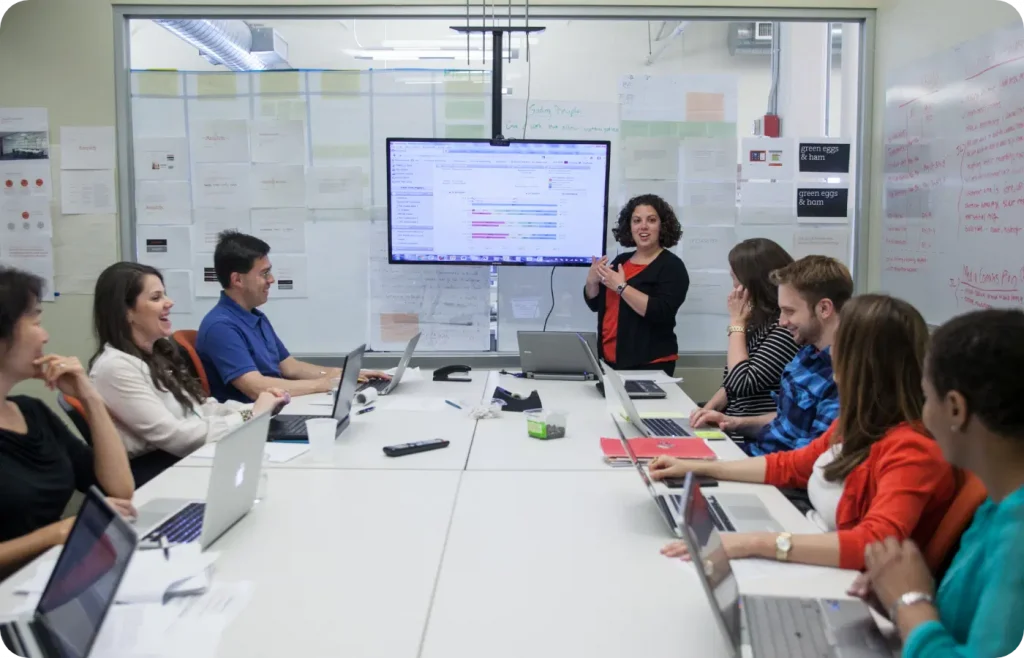
A group of people sit around a conference table with laptops. A woman stands at the front, presenting information displayed on a large screen.
Decorative image

Editorial

Amplify has a dedicated Editorial Team that partners with product teams, subject matter experts, and an internal advisory Editorial Board to ensure that our products meet Amplify’s high standards for quality and embody our purpose and commitment. Through multiple rounds of product review, the Editorial Team coordinates input from internal and external experts and advisors to ensure that Amplify’s materials are engaging, rigorous, and accurate. The Editorial Team also makes certain that all materials are age-appropriate for students and align with current or pending state, district, and other policies.

Our approach to accessibility

Amplify creates products that serve the needs of all learners, including those with disabilities. We refine our practices regularly and incorporate feedback from our users and accessibility experts.

Amplify works with third-party experts in digital accessibility to help ensure that we build and maintain our products in accordance with the latest Web Content Accessibility Guidelines (WCAG) and other relevant legal requirements. How we do it:

Decorative image
  • Integrated accessibility practices: We embed accessibility considerations into our product development lifecycles. We also implement training and vendor management programs that support compliance with applicable standards, guidelines, and best practices.
  • Structured, accessible content: We create well-structured, easily navigable content that meets diverse user needs, including clear, readable text, properly labeled multimedia, and logical organization of information.
  • Development and testing for accessibility: We work with third-party experts to conduct assessments against accessibility standards and develop remediation plans if deficiencies are identified. Our internal quality assurance protocols include scenarios that test functionality for users with disabilities.
  • Comprehensive training and support: We provide continuous training and resources for team members involved in developing our products to help them understand and implement accessibility requirements. This includes training on the latest WCAG guidelines and updates on industry and legal standards.
  • Inclusive design patterns: We prioritize accessible design patterns to create interfaces that are intuitive for users.
  • Student-facing print components: All student-facing print components are available in the National Instructional Materials Access Center (NIMAC) database, and all student-facing PDFs in Amplify curriculum are formatted to be compatible with screen readers.

To provide feedback about the accessibility of Amplify’s products or this website, or to discuss accommodations to help you use our products or this website, please contact the customer care and support team or +1 (800) 823-1969 (hours: 7 a.m.–7 p.m. ET).

Decorative image

Learn more about the impact of our programs.

Amplify’s high-quality programs benefit millions of students every day using methods that are evidence-based, ESSA-aligned, and showing efficacy in a variety of contexts. Read more about our programs in the following case study and report.

Case study: Making an impact with Aldine ISD

Aldine Independent School District serves 62,000 students in Texas. Forty-two percent are English language learners, and more than 90 percent are economically disadvantaged. After two years of using Amplify’s early literacy suite, the number of Aldine ISD elementary students reading at or above grade level rose from 30 percent to 50 percent.

Children sitting at their desks in a classroom, listening attentively. Open notebooks and pencils are on the desks.
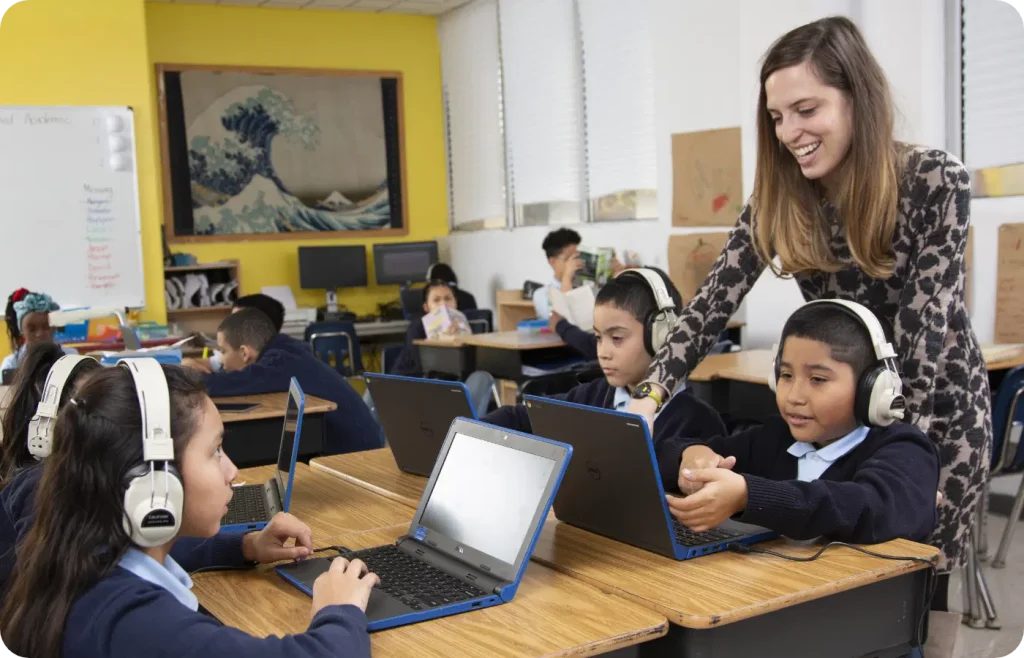
Students in a classroom work on laptops with headphones on, while a teacher stands by their side, smiling and helping them.

Report: Advancing Spanish literacy with Boost Lectura

Boost Lectura is proven to support Spanish literacy skills critical for reading development. Students who used Boost Lectura for 30–45 minutes a week outperformed their peers on universal screening assessments of Spanish literacy across grades K–2—and were more likely to meet or exceed benchmarks by the middle of the school year.

What is mCLASS?

mCLASS is a best-in-class assessment platform that houses a suite of proven, gold-standard assessment measures and tools that can be flexibly combined to meet the unique literacy needs of both teachers and students across grades K–6, including:

  • Universal screening
  • Diagnostic assessment
  • Dyslexia screening
  • Progress monitoring
  • Dual language reporting
  • Targeted teacher-led instruction

What is the Lectura assessment?

The Lectura assessment is a brand-new interim and diagnostic assessment that consists of measures based on the latest research of how Spanish literacy develops.

Co-developed with the Center on Teaching and Learning at the University of Oregon (UO CTL) and validated in partnership with Dr. Lillian Durán, the Lectura assessment was created to provide educators with a high-quality, evidence-based tool to support understanding of Spanish-speaking students’ biliteracy development, specifically foundational Spanish reading skills, which includes measures of phonological awareness, alphabetic understanding and decoding, reading fluency, and reading comprehension.

The measures in Lectura were written from the ground-up to assess students’ literacy development based on how Spanish literacy develops. Measures explicitly account for the syllabic and morphological structures of Spanish, and connected text was written and calibrated with respect to syntactical, lexical, and grammatical rules of Spanish. For example, phonological awareness is measured using syllable segmentation, and letter sounds and syllable reading are included in the decoding subtests for greater face-validity (in lieu of pseudowords). Word choice reflects the multisyllabic word complexity and variety of Spanish, driven by how decoding skills develop in Spanish. As such, Lectura provides instructionally actionable data for all students, including those scoring below the benchmark and those who meet or exceed the benchmark.

The Lectura assessment measures were purposefully designed, developed, field tested, and evaluated to address limitations that educators of Spanish speaking students have experienced in assessments. Specifically in these ways:

  • Assessment measures based on current research on how Spanish literacy is developed
  • Culturally responsive word choice and content reflecting the regional diversity of Spanish
  • Technical adequacy established through rigorous study
  • A sample size and geographic diversity reflecting the broad population of Spanish speakers across the U.S.
  • Complete parity with English solutions (instructional tools, skill coverage)

Assessment measures by grade

Lectura measures at each grade level 
Measure Grade K Grade 1 Grade 2 Grade 3
Fluidez en nombrar letras A large, light peach-colored checkmark on a transparent background. A large, light peach-colored checkmark on a transparent background. A large, light peach-colored checkmark on a transparent background.  
Fluidez en la segmentación de sílabas A large, light peach-colored checkmark on a transparent background. A large, light peach-colored checkmark on a transparent background.    
¿Qué queda? A large, light peach-colored checkmark on a transparent background. A large, light peach-colored checkmark on a transparent background. A large, light peach-colored checkmark on a transparent background.  
Fluidez en los sonidos de letras A large, light peach-colored checkmark on a transparent background. A large, light peach-colored checkmark on a transparent background.    
Fluidez en los sonidos de sílabas A large, light peach-colored checkmark on a transparent background. A large, light peach-colored checkmark on a transparent background.    
Fluidez en las palabras A large, light peach-colored checkmark on a transparent background. A large, light peach-colored checkmark on a transparent background. A large, light peach-colored checkmark on a transparent background. A large, light peach-colored checkmark on a transparent background.
Fluidez en la lectura oral   A large, light peach-colored checkmark on a transparent background. A large, light peach-colored checkmark on a transparent background. A large, light peach-colored checkmark on a transparent background.
¿Cuál palabra?   A large, light peach-colored checkmark on a transparent background. A large, light peach-colored checkmark on a transparent background. A large, light peach-colored checkmark on a transparent background.
Amplify measures at each grade level
Oral Language Español A large, light peach-colored checkmark on a transparent background. A large, light peach-colored checkmark on a transparent background. A large, light peach-colored checkmark on a transparent background.  
Vocabulario A large, light peach-colored checkmark on a transparent background. A large, light peach-colored checkmark on a transparent background. A large, light peach-colored checkmark on a transparent background. A large, light peach-colored checkmark on a transparent background.

Assessment measures sample videos

Please note that the videos below are intended for illustrative purposes only. Performance levels in mCLASS Lectura have yet to be finalized.

mCLASS Lectura measure: Fluidez en nombrar letras (FNL)

Students are asked to identify as many uppercase and lowercase letter names as they can in one minute.

mCLASS Lectura measure: Fluidez en los sonidos de letras (FSL)

Students are asked to identify the sounds of as many uppercase and lowercase letters as they can in one minute.

mCLASS Lectura measure: Fluidez en los sonidos de sílabas (LSS)

Students are presented with a page of printed orthographically regular Spanish syllables and asked to read as many syllables as they can in one minute.

mCLASS Lectura measure: Fluidez en la lectura oral (FLO)

Students are presented with an authentically written informational or narrative passage of Spanish connected text and asked to read as much of the passage as they can in one minute.

mCLASS Lectura measure: ¿Qué Queda? (QQ)

Students are presented with a word orally and then the examiner omits part of the word (i.e., compound word part, syllable, or phoneme). Students are asked to identify what word remains after the word part has been elided.

How is mCLASS Lectura different?

mCLASS Lectura combines the power of the mCLASS assessment platform and the effectiveness of the Lectura assessment measures. As a result – educators across the state are empowered with latest and greatest assessment tool.

More than a test, mCLASS Lectura is an integrated system that closes the knowing-doing gap by helping teachers take immediate instructional action that’s right for each and every student. What’s more, it addresses the classroom inequities Spanish-speaking students face along their early literacy journeys.

Spanish-speaking students have been underserved and misclassified for decades. With mCLASS Lectura, teachers of Spanish-speaking students finally have access to the same robust assessment tools that have been available to teachers of English-speaking students for years.

Plus! When mCLASS Lectura and DIBELS 8th Edition are used together, teachers are empowered with a more holistic view of their Spanish-speaking students abilities in both English and Spanish, making instructional next steps more targeted and effective.

How is mCLASS Lectura different?

  1. It gives teachers access to authentic Spanish measures. Amplify is the only provider of the Lectura assessment. Rather than a direct translation of an English assessment, our solution is the only one to provide teachers a research-based, authentic Spanish assessment that is both valid and reliable.
  2. It makes it faster and easier to understand where every student is in their early literacy journey. By combining 1:1 observational diagnostic assessments, dyslexia screening, progress monitoring, instant scoring, rigorous reporting, automatic student grouping, and targeted instruction all in one place, it reduces the instructional delays associated with manual scoring, manual data analysis, and manual lesson planning.
  3. It brings more equity to the classroom. When used in conjunction with mCLASS DIBELS 8th Edition, teachers have access to Dual Language Reports that highlight a students strengths and weaknesses in both English and Spanish.
  4. It makes every instructional minute count. In addition to one-minute measures that quickly gauge student progress toward reading proficiency, it leverages a teacher’s most powerful instructional tool — their own 1:1 observations.
  5. It drives growth more efficiently. Rather than relying on broad composite scores alone, granular data and in-depth insights for every student help teachers pinpoint exact skill gaps and areas of unfinished learning, making whole-group, small-group, and 1:1 instruction more targeted and effective.
  6. It saves teachers time. Instant reports, automatic student groups, and ready-to-teach lessons mean teachers spend less time cobbling together materials and more time working directly with students and responding to their needs.

Assessment systems must enable and compel educators to answer not just the “What?” questions, but also the “So What?” and “Now What?” questions. These are the questions that are essential in transforming classroom instruction, and the questions that mCLASS Lectura helps teachers answer with confidence.

How does mCLASS Lectura support screening for dyslexia risk?

mCLASS Lectura subtests have been specifically designed and validated to screen for dyslexia risks.

mCLASS Lectura was specifically developed to ensure the measure is able to meet state-level screening requirements for both dyslexia and universal reading screening. The research and development of Lectura was designed with this use in mind to accurately identify reading difficulties, including difficulties related to risk for dyslexia.

How does mCLASS Lectura turn data into instant action?

mCLASS Lectura gives you instant results and clear next steps for each student.

Quick and actionable reports provide detailed insight into students’ reading development across foundational literacy skills for teachers, specialists, administrators, and caregivers.

Screenshot of an educational software dashboard displaying student progress, with tabs for instruction and home connection in dual language.

Diagnostic assessment

mCLASS Lectura analyzes individual student response data through a scoring algorithm which aligns to the Colorado Department of Education’s stated purpose of a diagnostic assessment.

Our innovative approach to diagnostic assessment leverages an item-level evaluation of individual student responses in order to provide deeper insights into specific student weaknesses and areas of improvement. mCLASS Lectura analyzes individual student response data through a scoring algorithm which aligns to the Colorado Department of Education’s stated purpose of a diagnostic: “… to pinpoint a student’s specific area(s) of weakness and provide in-depth information about students’ skills and instructional needs.”

Ready-to-teach instruction

Immediately following the analysis of individual student responses, mCLASS Lectura provides an in-depth diagnostic report complete with suggested next steps, also known as “mCLASS Instruction.”

mCLASS Instruction evaluates each student’s responses on each individual subtest and instantly:

  • Provides a list of specific needs by student, such as struggling with medial vowel sounds or difficulty reading words with consonant blends.
  • Groups students automatically based on similar discrete skill needs, not simply composite scores like other assessment tools.
  • Recommends a variety of ready-to-teach lessons that specifically target each individual student’s areas of need or common areas of need for small-group instruction.

Classroom skill and benchmark summary

The Classroom Skill Summary report is a dashboard showing benchmark performance on each skill. Teachers can use it to determine which skill areas need instructional focus at a classroom level.

The Classroom Benchmark Summary report is a classroom-wide view of overall reading performance. Teachers can use this report to determine if composite scores improved, declined, or remained the same each semester.

Detailed benchmark performance

Teachers can see each student’s performance during the current school year, on each subtest as well as the overall composite. The benchmark goal displays below the subtest name when applicable. The ability to sort the columns in this report gives teachers more flexibility to analyze data the way they prefer.

Dual language reports

When mCLASS Lectura and mCLASS with DIBELS 8th Edition are used together, teachers will receive an asset-based picture of a student’s biliteracy and instructional guidance on how to leverage literacy skills in one language to support literacy skill development in the second language.

  • Side-by-side view of foundational literacy skills in English and Spanish
  • Explicit guidance to teachers to support asset-based instruction using cross-linguistic transfer strategies
Screenshot of a student's mCLASS Lectura literacy skills evaluation report detailing progress in English and Spanish reading abilities, with charts and textual information.

Progress monitoring summary

See which subtests have been assessed since the most recent benchmark assessment, how students performed on the three most recent progress monitoring assessments for each measure, and which students have not been progress monitored since the benchmark assessment.

Colorado READ Plans

The Colorado READ Act places importance on considering students’ English proficiency and the impact it may have on assessment. Thus the READ Act provides an option for districts to assess Spanish-speaking students in their native language, who are not yet partially proficient in English.

Amplify recommends that a student who is categorized by the mCLASS Lectura composite score as “At High Risk” (denoted in all reports as “red”) be considered as potentially having a “Significant Reading Deficiency,” then further diagnosed using mCLASS’ Instruction diagnostics.

When devising a READ Plan, teachers and instructional staff should first consider students at high risk on mCLASS Lectura as potentially having a “Significant Reading Deficiency,” and eligible for a READ Plan. Students are then further diagnosed using mCLASS’ Instruction diagnostics. When devising a READ Plan, teachers can rely on the relevant mCLASS Instruction and Reports to comply with the READ Act.

Caregiver supports

The mCLASS Home Connect letter provides parent and caregivers information in English or Spanish about the student’s literacy and guidance on how to support their child at home.

Screenshot of a digital document showing a student's performance evaluation, with text, tables, and color-coded performance ratings.

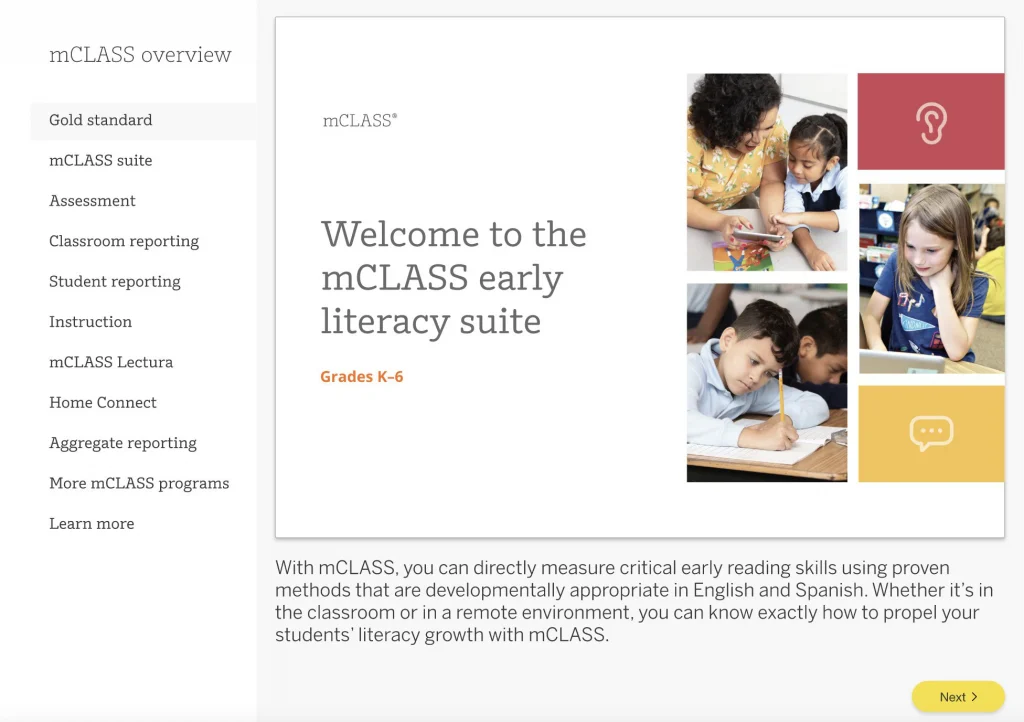
Explore our self-guided tour

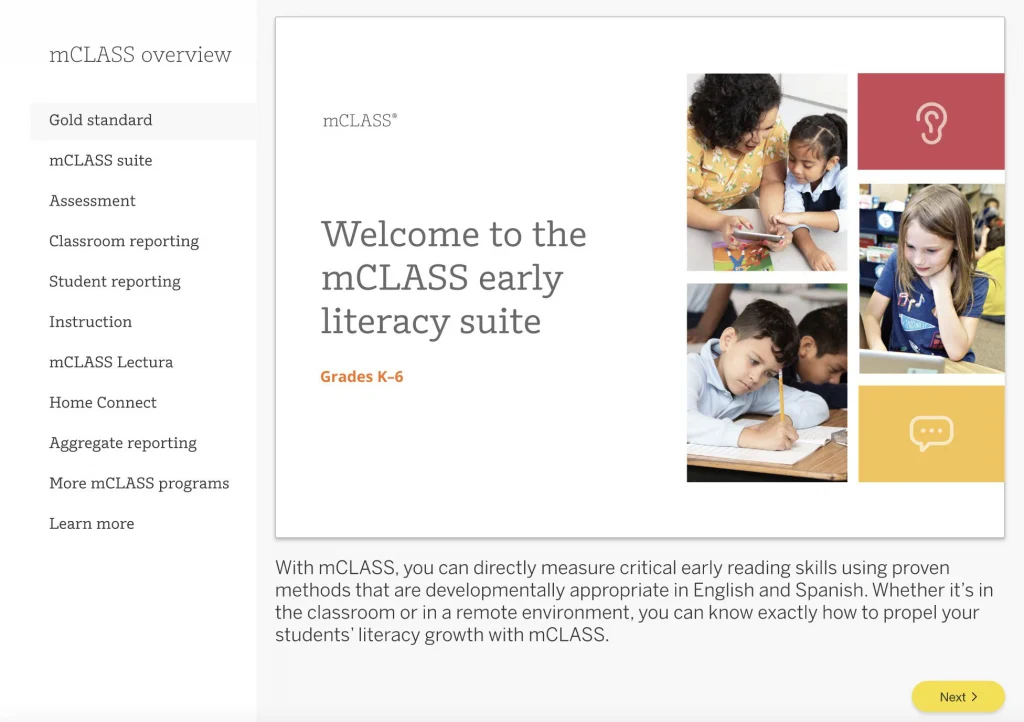
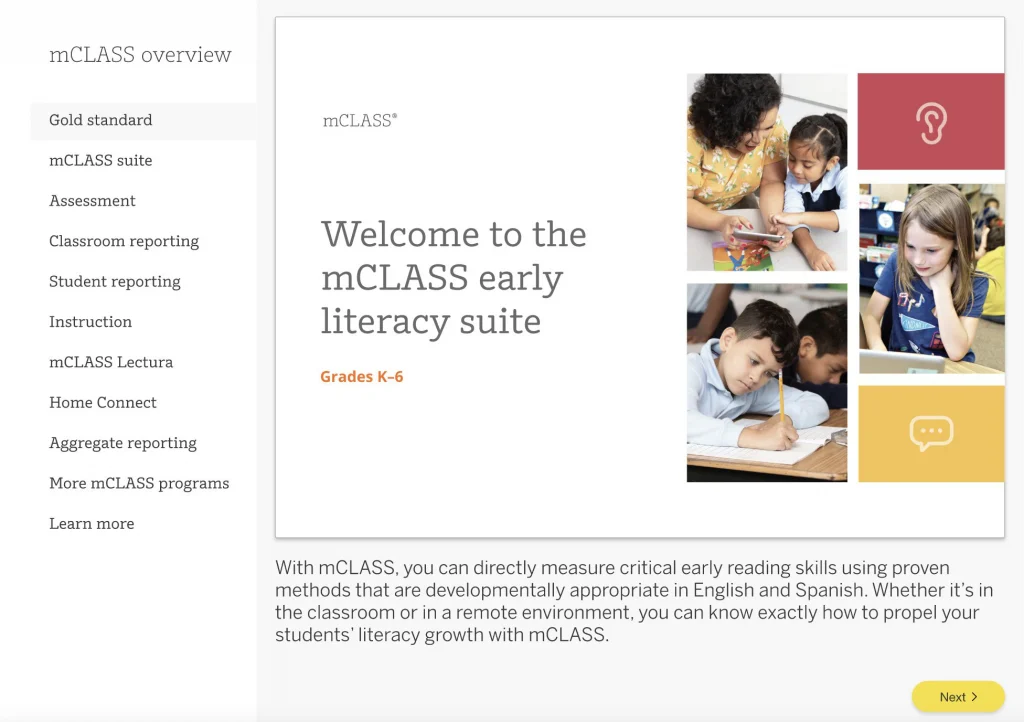
Our self-guided tour is a great way to orient yourself to the organization of our mCLASS platform. Click the button below to get started.

A webpage titled "mCLASS overview" featuring text about the mCLASS early literacy suite for grades K-6. The page includes photos of children engaged in reading activities and navigation options on the left.

Contact us

Looking to speak directly with your Colorado representative? Get in touch with a team member by emailing HelloColorado@amplify.com or by calling us directly.

Enrollment over 2,500 students
Enrollment under 2,500 students
Man wearing a blue plaid shirt and blue blazer, smiling at the camera against a plain light background. A woman with curly hair wearing glasses.

Monty Lammers

Senior Account Executive

(719) 964-4501

mlammers@amplify.com

Vanessa Scott

Account Executive

(602) 690-9216

vscott@amplify.com

What is mCLASS?

mCLASS is a best-in-class assessment platform that houses a suite of proven, gold-standard assessment measures and tools that can be flexibly combined to meet the unique literacy needs of both teachers and students across grades K–6, including:

  • Universal screening
  • Diagnostic assessment
  • Dyslexia screening
  • Progress monitoring
  • Dual language reporting
  • Targeted teacher-led instruction

What is the DIBELS 8th Edition assessment?

Developed by the University of Oregon, the DIBELS 8th Edition is the latest version of the DIBELS® (Dynamic Indicators of Basic Early Literacy Skills) assessment.

With this latest version, the University of Oregon Center on Teaching and Learning (UO CTL) made significant efforts to ensure measures would meet state-level screening requirements for universal screening, diagnostic assessment, and dyslexia screening. To support this, measures were updated based on the latest research to meet increased standards of reliability and validity. In addition, adaptive procedures and discontinue rules focus on the assessment of priority skills and prevent over-testing.

Summary of changes:

  • Consistent measures within grades will provide improved growth measurement.
  • All subtests have been revised to be grade-specific and to increase in difficulty, covering a full progression of skills and minimizing floor and ceiling effects. This provides the opportunity for students to demonstrate what they know and further pinpoint what they don’t know.
  • Phoneme Segmentation Fluency replaces First Sound Fluency. The expanded coverage minimizes floor effect and provides information about difficulty in Phonemic Awareness skills without the additional First Sound Fluency measure.
  • A new subtest, Word Reading Fluency, helps identify students with poor sight word reading skills that other subtests miss.
  • For all measures, the basic scoring procedures remain the same. For Nonsense Word Fluency, credit is given for recording words as whole words even if the student misses in the first attempt.
  • Oral Reading Fluency is now only one passage, instead of three. Retell has been removed. Thus, Oral Reading Fluency assessment will take a third of the time.

Assessment measures by grade

DIBELS measures at each grade level 
MeasureGrade KGrade 1Grade 2Grade 3
Letter naming fluency
Phonemic segmentation fluency
Nonsense word fluency
Word reading fluency
Oral reading fluency
Maze (basic comprehension)
Amplify measures at each grade level
Oral language
Vocabulary

Assessment measures sample videos

DIBELS 8th Edition measure: Phonemic Segmentation Fluency (PSF)

DIBELS 8th Edition measure: Nonsense Word Fluency (NWF)

DIBELS 8th Edition measure: Letter Naming Fluency (LNF)

DIBELS 8th Edition measure: Word Reading Fluency (WRF)

DIBELS 8th Edition measure: Oral Reading Fluency (ORF)

How is mCLASS with DIBELS 8th Edition different?

mCLASS with DIBELS 8th Edition combines the power of the mCLASS assessment platform and the effectiveness of the DIBELS 8th Edition assessment measures. As a result – educators across the state are empowered with the latest and greatest assessment tool.

More than a test, mCLASS with DIBELS 8th Edition is an integrated system that closes the knowing-doing gap by helping teachers take immediate instructional action that’s right for each and every student.

Assessment systems must enable and compel educators to answer not just the “What” questions, but also the “So What” and “Now What” questions. These are the questions that are essential in transforming classroom instruction, and the questions that mCLASS with DIBELS 8th Edition helps teachers answer with confidence.

How is mCLASS with DIBELS 8th Edition different?

  1. It gives teachers access to the latest digital version of the DIBELS assessment. Amplify is the only licensed provider of the digital DIBELS 8th Edition assessment. As such, our solution is the only one to enhance the DIBELS 8th Edition assessment with the power, reliability, and quickness of the mCLASS system.
  2. It makes it faster and easier to understand where every student is in their early literacy journey. By combining 1:1 observational diagnostic assessments, dyslexia screening, progress monitoring, instant scoring, rigorous reporting, automatic student grouping, and targeted instruction all in one place, it reduces the instructional delays associated with manual scoring, manual data analysis, and manual lesson planning.
  3. It brings more equity to the classroom. When used in conjunction with mCLASS Lectura, teachers have access to dual language reports that highlight a student’s strengths and weaknesses in both English and Spanish.
  4. It makes every instructional minute count. In addition to one-minute measures that quickly gauge student progress toward reading proficiency, it leverages a teacher’s most powerful instructional tool — their own 1:1 observations.
  5. It drives growth more efficiently. Rather than relying on broad composite scores alone, granular data and in-depth insights for every student help teachers pinpoint exact skill gaps and areas of unfinished learning, making whole-group, small-group, and 1:1 instruction more targeted and effective.
  6. It saves teachers time. Instant reports, automatic student groups, and ready-to-teach lessons mean teachers spend less time cobbling together materials and more time working directly with students and responding to their needs.

How does mCLASS with DIBELS 8th Edition support screening for dyslexia risk?

DIBELS 8th Edition measures have been updated based on the latest research. They now offer stronger measures of processing speed, phonological awareness, and alphabetic principles for dyslexia screening purposes.

To support this, a new subtest in Word Reading Fluency was introduced and revisions were made to Letter Naming Fluency, Phonemic Segmentation Fluency, and Nonsense Fluency subtests to improve their ability to screen for deficits commonly associated with dyslexia risk, such as phonological awareness, rapid naming ability, and alphabetic principle. These measures provide early warning signs for neurological processing difficulties that contribute to risk for dyslexia (Wolf & Bowers, 1999; Denckla & Rudel, 1974).

Moreover, measures in Oral Language and Vocabulary are included to provide additional information to help evaluate additional risk areas associated with dyslexia risk.

How does mCLASS with DIBELS 8th Edition turn data into instant action?

mCLASS with DIBELS 8th Edition gives you instant results and clear next steps for each student.

Quick and actionable reports provide detailed insight into students’ reading development across foundational literacy skills for teachers, specialists, administrators, and caregivers.

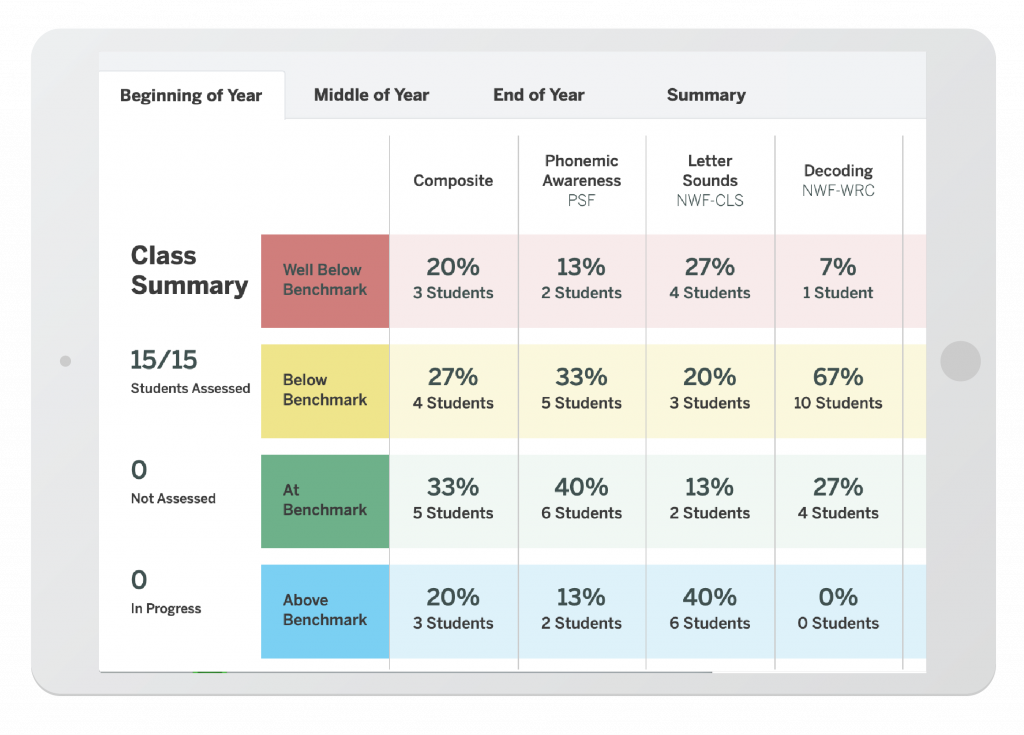
Chart comparing student assessment performance across the year in categories: beginning, middle, and end, with a breakout box summarizing results by percentage and student count.

Diagnostic assessment

mCLASS with DIBELS 8th Edition analyzes individual student response data through a scoring algorithm which aligns to the Colorado Department of Education’s stated purpose of a diagnostic assessment.

Our innovative approach to diagnostic assessment leverages an item-level evaluation of individual student responses in order to provide deeper insights into specific student weaknesses and areas of improvement. mCLASS with DIBELS 8th Edition analyzes individual student response data through a scoring algorithm which aligns to the Colorado Department of Education’s stated purpose of a diagnostic: “… to pinpoint a student’s specific area(s) of weakness and provide in-depth information about students’ skills and instructional needs.”

Ready-to-teach instruction

Immediately following the analysis of individual student responses, mCLASS with DIBELS 8th Edition provides an in-depth diagnostic report complete with suggested next steps, also known as “mCLASS Instruction.”

mCLASS Instruction evaluates each student’s responses on each individual subtest and instantly:

  • Provides a list of specific needs by student, such as struggling with medial vowel sounds or difficulty reading words with consonant blends.
  • Groups students automatically based on similar discrete skill needs, not simply composite scores like other assessment tools.
  • Recommends a variety of ready-to-teach lessons that specifically target each individual student’s areas of need or common areas of need for small-group instruction.

Classroom skill and benchmark summary

The Classroom Skill Summary report is a dashboard showing benchmark performance on each skill. Teachers can use it to determine which skill areas need instructional focus at a classroom level.

The Classroom Benchmark Summary report is a classroom-wide view of overall reading performance. Teachers can use this report to determine if composite scores improved, declined, or remained the same each semester.

Detailed benchmark performance

Teachers can see each student’s performance during the current school year, on each subtest as well as the overall composite. The benchmark goal displays below the subtest name when applicable. The ability to sort the columns in this report gives teachers more flexibility to analyze data the way they prefer.

Dyslexia screening

Identify students who are at risk for reading difficulties, including dyslexia, based on their results from foundational skills measures and additional measures as needed by local policies.

Progress monitoring summary

See which subtests have been assessed since the most recent benchmark assessment, how students performed on the three most recent progress monitoring assessments for each measure, and which students have not been progress monitored since the benchmark assessment.

Goal setting tool

The Zones of Growth (ZoG) analysis uses a rich set of national data to determine student goals for the next benchmark period. Teachers can use the Goal Setting Tool to view these recommended goals or modify the default goals for individual students as they see fit, if the default goal is too challenging or not challenging enough.

Growth outcomes

Teachers and interventionists can see each student’s actual growth achieved and how it compares to the goal that was set for the student.

Colorado READ Plans

Amplify recommends that a student who is categorized by the DIBELS 8th Edition composite score as “At High Risk” (denoted in all reports as “red”) be considered as potentially having a “Significant Reading Deficiency,” then further diagnosed using mCLASS’ Instruction diagnostics.

When devising a READ Plan, teachers and instructional staff should first consider students at high risk on DIBELS 8th Edition as potentially having a “Significant Reading Deficiency,” and eligible for a READ Plan. Students are then further diagnosed using mCLASS’ Instruction diagnostics. When devising a READ Plan, teachers can rely on the relevant mCLASS Instruction and Reports to comply with the READ Act.

Caregiver supports

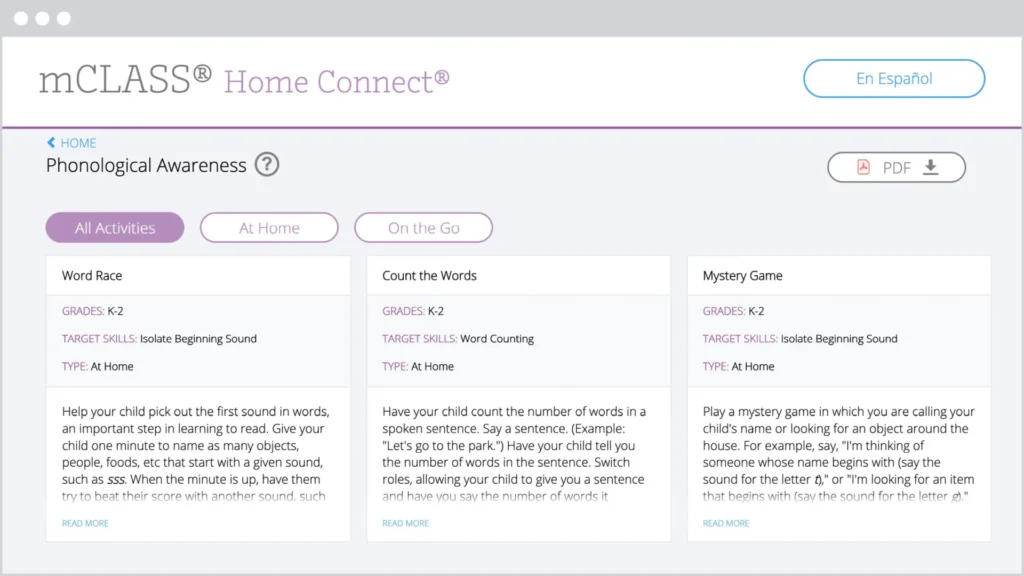
The mCLASS Home Connect website houses literacy resources for parents and caregivers, including at-home lessons organized by skill. Our mCLASS parent/caregiver letters in English and Spanish ensure that families know how to best support their child.

Screenshot of the mclass home awareness webpage displaying educational games and activities for children, categorized by setting and skill level.

Explore our self-guided tour

Our self-guided tour is a great way to orient yourself to the organization of our mCLASS platform. Click the button below to get started.

Contact us

Looking to speak directly with your Colorado representative? Get in touch with a team member by emailing HelloColorado@amplify.com or by calling us directly.

Enrollment over 2,500 studentsEnrollment under 2,500 students
Monty LammersSenior Account Executive(719) 964-4501mlammers@amplify.comVanessa ScottAccount Executive(602) 690-9216vscott@amplify.com

What is mCLASS?

mCLASS is a best-in-class assessment platform that houses a suite of proven, gold-standard assessment measures and tools that can be flexibly combined to meet the unique literacy needs of both teachers and students across grades K–6, including:

  • Universal screening
  • Diagnostic assessment
  • Dyslexia screening
  • Progress monitoring
  • Dual language reporting
  • Targeted teacher-led instruction

What is the Lectura assessment?

The Lectura assessment is a brand-new interim and diagnostic assessment that consists of measures based on the latest research of how Spanish literacy develops.

Co-developed with the Center on Teaching and Learning at the University of Oregon (UO CTL) and validated in partnership with Dr. Lillian Durán, the Lectura assessment was created to provide educators with a high-quality, evidence-based tool to support understanding of Spanish-speaking students’ biliteracy development, specifically foundational Spanish reading skills, which includes measures of phonological awareness, alphabetic understanding and decoding, reading fluency, and reading comprehension.

The measures in Lectura were written from the ground-up to assess students’ literacy development based on how Spanish literacy develops. Measures explicitly account for the syllabic and morphological structures of Spanish, and connected text was written and calibrated with respect to syntactical, lexical, and grammatical rules of Spanish. For example, phonological awareness is measured using syllable segmentation, and letter sounds and syllable reading are included in the decoding subtests for greater face-validity (in lieu of pseudowords). Word choice reflects the multisyllabic word complexity and variety of Spanish, driven by how decoding skills develop in Spanish. As such, Lectura provides instructionally actionable data for all students, including those scoring below the benchmark and those who meet or exceed the benchmark.

The Lectura assessment measures were purposefully designed, developed, field tested, and evaluated to address limitations that educators of Spanish speaking students have experienced in assessments. Specifically in these ways:

  • Assessment measures based on current research on how Spanish literacy is developed
  • Culturally responsive word choice and content reflecting the regional diversity of Spanish
  • Technical adequacy established through rigorous study
  • A sample size and geographic diversity reflecting the broad population of Spanish speakers across the U.S.
  • Complete parity with English solutions (instructional tools, skill coverage)

Assessment measures by grade

Lectura measures at each grade level 
MeasureGrade KGrade 1Grade 2Grade 3
Fluidez en nombrar letras
Fluidez en la segmentación de sílabas
¿Qué queda?
Fluidez en los sonidos de letras
Fluidez en los sonidos de sílabas
Fluidez en las palabras
Fluidez en la lectura oral
¿Cuál palabra?
Amplify measures at each grade level
Oral Language Español
Vocabulario

Assessment measures sample videos

Please note that the videos below are intended for illustrative purposes only. Performance levels in mCLASS Lectura have yet to be finalized.

mCLASS Lectura measure: Fluidez en nombrar letras (FNL)

Students are asked to identify as many uppercase and lowercase letter names as they can in one minute.

mCLASS Lectura measure: Fluidez en los sonidos de letras (FSL)

Students are asked to identify the sounds of as many uppercase and lowercase letters as they can in one minute.

mCLASS Lectura measure: Fluidez en los sonidos de sílabas (LSS)

Students are presented with a page of printed orthographically regular Spanish syllables and asked to read as many syllables as they can in one minute.

mCLASS Lectura measure: Fluidez en la lectura oral (FLO)

Students are presented with an authentically written informational or narrative passage of Spanish connected text and asked to read as much of the passage as they can in one minute.

mCLASS Lectura measure: ¿Qué Queda? (QQ)

Students are presented with a word orally and then the examiner omits part of the word (i.e., compound word part, syllable, or phoneme). Students are asked to identify what word remains after the word part has been elided.

How is mCLASS Lectura different?

mCLASS Lectura combines the power of the mCLASS assessment platform and the effectiveness of the Lectura assessment measures. As a result – educators across the state are empowered with latest and greatest assessment tool.

More than a test, mCLASS Lectura is an integrated system that closes the knowing-doing gap by helping teachers take immediate instructional action that’s right for each and every student. What’s more, it addresses the classroom inequities Spanish-speaking students face along their early literacy journeys.

Spanish-speaking students have been underserved and misclassified for decades. With mCLASS Lectura, teachers of Spanish-speaking students finally have access to the same robust assessment tools that have been available to teachers of English-speaking students for years.

Plus! When mCLASS Lectura and DIBELS 8th Edition are used together, teachers are empowered with a more holistic view of their Spanish-speaking students abilities in both English and Spanish, making instructional next steps more targeted and effective.

How is mCLASS Lectura different?

  1. It gives teachers access to authentic Spanish measures. Amplify is the only provider of the Lectura assessment. Rather than a direct translation of an English assessment, our solution is the only one to provide teachers a research-based, authentic Spanish assessment that is both valid and reliable.
  2. It makes it faster and easier to understand where every student is in their early literacy journey. By combining 1:1 observational diagnostic assessments, dyslexia screening, progress monitoring, instant scoring, rigorous reporting, automatic student grouping, and targeted instruction all in one place, it reduces the instructional delays associated with manual scoring, manual data analysis, and manual lesson planning.
  3. It brings more equity to the classroom. When used in conjunction with mCLASS DIBELS 8th Edition, teachers have access to Dual Language Reports that highlight a student’s strengths and weaknesses in both English and Spanish.
  4. It makes every instructional minute count. In addition to one-minute measures that quickly gauge student progress toward reading proficiency, it leverages a teacher’s most powerful instructional tool — their own 1:1 observations.
  5. It drives growth more efficiently. Rather than relying on broad composite scores alone, granular data and in-depth insights for every student help teachers pinpoint exact skill gaps and areas of unfinished learning, making whole-group, small-group, and 1:1 instruction more targeted and effective.
  6. It saves teachers time. Instant reports, automatic student groups, and ready-to-teach lessons mean teachers spend less time cobbling together materials and more time working directly with students and responding to their needs.

Assessment systems must enable and compel educators to answer not just the “What?” questions, but also the “So What?” and “Now What?” questions. These are the questions that are essential in transforming classroom instruction, and the questions that mCLASS Lectura helps teachers answer with confidence.

How does mCLASS Lectura support screening for dyslexia risk?

mCLASS Lectura subtests have been specifically designed and validated to screen for dyslexia risks.

mCLASS Lectura was specifically developed to ensure the measure is able to meet state-level screening requirements for both dyslexia and universal reading screening. The research and development of Lectura was designed with this use in mind to accurately identify reading difficulties, including difficulties related to risk for dyslexia.

How does mCLASS Lectura turn data into instant action?

mCLASS Lectura gives you instant results and clear next steps for each student.

Quick and actionable reports provide detailed insight into students’ reading development across foundational literacy skills for teachers, specialists, administrators, and caregivers.

A tablet screen displays an mCLASS assessment dashboard showing class reading performance data by benchmark categories and percentages for Springfield, Washington Elementary.

Diagnostic assessment

mCLASS Lectura analyzes individual student response data through a scoring algorithm which aligns to the Colorado Department of Education’s stated purpose of a diagnostic assessment.

Our innovative approach to diagnostic assessment leverages an item-level evaluation of individual student responses in order to provide deeper insights into specific student weaknesses and areas of improvement. mCLASS Lectura analyzes individual student response data through a scoring algorithm which aligns to the Colorado Department of Education’s stated purpose of a diagnostic: “… to pinpoint a student’s specific area(s) of weakness and provide in-depth information about students’ skills and instructional needs.”

Ready-to-teach instruction

Immediately following the analysis of individual student responses, mCLASS Lectura provides an in-depth diagnostic report complete with suggested next steps, also known as “mCLASS Instruction.”

mCLASS Instruction evaluates each student’s responses on each individual subtest and instantly:

  • Provides a list of specific needs by student, such as struggling with medial vowel sounds or difficulty reading words with consonant blends.
  • Groups students automatically based on similar discrete skill needs, not simply composite scores like other assessment tools.
  • Recommends a variety of ready-to-teach lessons that specifically target each individual student’s areas of need or common areas of need for small-group instruction.

Classroom skill and benchmark summary

The Classroom Skill Summary report is a dashboard showing benchmark performance on each skill. Teachers can use it to determine which skill areas need instructional focus at a classroom level.

The Classroom Benchmark Summary report is a classroom-wide view of overall reading performance. Teachers can use this report to determine if composite scores improved, declined, or remained the same each semester.

Detailed benchmark performance

Teachers can see each student’s performance during the current school year, on each subtest as well as the overall composite. The benchmark goal displays below the subtest name when applicable. The ability to sort the columns in this report gives teachers more flexibility to analyze data the way they prefer.

Dual language reports

When mCLASS Lectura and mCLASS with DIBELS 8th Edition are used together, teachers will receive an asset-based picture of a student’s biliteracy and instructional guidance on how to leverage literacy skills in one language to support literacy skill development in the second language.

  • Side-by-side view of foundational literacy skills in English and Spanish
  • Explicit guidance to teachers to support asset-based instruction using cross-linguistic transfer strategies
A student profile page displays Gabriel Archuleta's Spanish literacy assessment scores, progress bars, and recommendations for supporting his biliteracy development in English and Spanish.

Progress monitoring summary

See which subtests have been assessed since the most recent benchmark assessment, how students performed on the three most recent progress monitoring assessments for each measure, and which students have not been progress monitored since the benchmark assessment.

Colorado READ Plans

The Colorado READ Act places importance on considering students’ English proficiency and the impact it may have on assessment. Thus the READ Act provides an option for districts to assess Spanish-speaking students in their native language, who are not yet partially proficient in English.

Amplify recommends that a student who is categorized by the mCLASS Lectura composite score as “At High Risk” (denoted in all reports as “red”) be considered as potentially having a “Significant Reading Deficiency,” then further diagnosed using mCLASS’ Instruction diagnostics.

When devising a READ Plan, teachers and instructional staff should first consider students at high risk on mCLASS Lectura as potentially having a “Significant Reading Deficiency,” and eligible for a READ Plan. Students are then further diagnosed using mCLASS’ Instruction diagnostics. When devising a READ Plan, teachers can rely on the relevant mCLASS Instruction and Reports to comply with the READ Act.

Caregiver supports

The mCLASS Home Connect letter provides parent and caregivers information in English or Spanish about the student’s literacy and guidance on how to support their child at home.

Student progress report with evaluation categories, colored progress bars, and comments about Gabriel Archuleta’s performance in first grade at midyear.

Explore our self-guided tour

Our self-guided tour is a great way to orient yourself to the organization of our mCLASS platform. Click the button below to get started.

A webpage titled "mCLASS overview" featuring text about the mCLASS early literacy suite for grades K-6. The page includes photos of children engaged in reading activities and navigation options on the left.

What is mCLASS?

mCLASS is a best-in-class assessment platform that houses a suite of proven, gold-standard assessment measures and tools that can be flexibly combined to meet the unique literacy needs of both teachers and students across grades K–6, including:

  • Universal screening
  • Diagnostic assessment
  • Dyslexia screening
  • Progress monitoring
  • Dual language reporting
  • Targeted teacher-led instruction

What is the DIBELS 8th Edition assessment?

Developed by the University of Oregon, the DIBELS 8th Edition is the latest version of the DIBELS® (Dynamic Indicators of Basic Early Literacy Skills) assessment.

With this latest version, the University of Oregon Center on Teaching and Learning (UO CTL) made significant efforts to ensure measures would meet state-level screening requirements for universal screening, diagnostic assessment, and dyslexia screening. To support this, measures were updated based on the latest research to meet increased standards of reliability and validity. In addition, adaptive procedures and discontinue rules focus on the assessment of priority skills and prevent over-testing.

Summary of changes:

  • Consistent measures within grades will provide improved growth measurement.
  • All subtests have been revised to be grade-specific and to increase in difficulty, covering a full progression of skills and minimizing floor and ceiling effects. This provides the opportunity for students to demonstrate what they know and further pinpoint what they don’t know.
  • Phoneme Segmentation Fluency replaces First Sound Fluency. The expanded coverage minimizes floor effect and provides information about difficulty in Phonemic Awareness skills without the additional First Sound Fluency measure.
  • A new subtest, Word Reading Fluency, helps identify students with poor sight word reading skills that other subtests miss.
  • For all measures, the basic scoring procedures remain the same. For Nonsense Word Fluency, credit is given for recording words as whole words even if the student misses in the first attempt.
  • Oral Reading Fluency is now only one passage, instead of three. Retell has been removed. Thus, Oral Reading Fluency assessment will take a third of the time.

Assessment measures by grade

DIBELS measures at each grade level 
Measure Grade K Grade 1 Grade 2 Grade 3
Letter naming fluency A large, light peach-colored checkmark on a transparent background. A large, light peach-colored checkmark on a transparent background.    
Phonemic segmentation fluency A large, light peach-colored checkmark on a transparent background. A large, light peach-colored checkmark on a transparent background.    
Nonsense word fluency A large, light peach-colored checkmark on a transparent background. A large, light peach-colored checkmark on a transparent background. A large, light peach-colored checkmark on a transparent background. A large, light peach-colored checkmark on a transparent background.
Word reading fluency A large, light peach-colored checkmark on a transparent background. A large, light peach-colored checkmark on a transparent background. A large, light peach-colored checkmark on a transparent background. A large, light peach-colored checkmark on a transparent background.
Oral reading fluency   A large, light peach-colored checkmark on a transparent background. A large, light peach-colored checkmark on a transparent background. A large, light peach-colored checkmark on a transparent background.
Maze (basic comprehension)     A large, light peach-colored checkmark on a transparent background. A large, light peach-colored checkmark on a transparent background.
Amplify measures at each grade level
Oral language A large, light peach-colored checkmark on a transparent background. A large, light peach-colored checkmark on a transparent background. A large, light peach-colored checkmark on a transparent background. A large, light peach-colored checkmark on a transparent background.
Vocabulary A large, light peach-colored checkmark on a transparent background. A large, light peach-colored checkmark on a transparent background. A large, light peach-colored checkmark on a transparent background. A large, light peach-colored checkmark on a transparent background.

Assessment measures sample videos

DIBELS 8th Edition measure: Phonemic Segmentation Fluency (PSF)

DIBELS 8th Edition measure: Nonsense Word Fluency (NWF)

DIBELS 8th Edition measure: Letter Naming Fluency (LNF)

DIBELS 8th Edition measure: Word Reading Fluency (WRF)

DIBELS 8th Edition measure: Oral Reading Fluency (ORF)

How is mCLASS with DIBELS 8th Edition different?

mCLASS with DIBELS 8th Edition combines the power of the mCLASS assessment platform and the effectiveness of the DIBELS 8th Edition assessment measures. As a result – educators across the state are empowered with the latest and greatest assessment tool.

More than a test, mCLASS with DIBELS 8th Edition is an integrated system that closes the knowing-doing gap by helping teachers take immediate instructional action that’s right for each and every student.

Assessment systems must enable and compel educators to answer not just the “What” questions, but also the “So What” and “Now What” questions. These are the questions that are essential in transforming classroom instruction, and the questions that mCLASS with DIBELS 8th Edition helps teachers answer with confidence.

How is mCLASS with DIBELS 8th Edition different?

  1. It gives teachers access to the latest digital version of the DIBELS assessment. Amplify is the only licensed provider of the digital DIBELS 8th Edition assessment. As such, our solution is the only one to enhance the DIBELS 8th Edition assessment with the power, reliability, and quickness of the mCLASS system.
  2. It makes it faster and easier to understand where every student is in their early literacy journey. By combining 1:1 observational diagnostic assessments, dyslexia screening, progress monitoring, instant scoring, rigorous reporting, automatic student grouping, and targeted instruction all in one place, it reduces the instructional delays associated with manual scoring, manual data analysis, and manual lesson planning.
  3. It brings more equity to the classroom. When used in conjunction with mCLASS Lectura, teachers have access to dual language reports that highlight a student’s strengths and weaknesses in both English and Spanish.
  4. It makes every instructional minute count. In addition to one-minute measures that quickly gauge student progress toward reading proficiency, it leverages a teacher’s most powerful instructional tool — their own 1:1 observations.
  5. It drives growth more efficiently. Rather than relying on broad composite scores alone, granular data and in-depth insights for every student help teachers pinpoint exact skill gaps and areas of unfinished learning, making whole-group, small-group, and 1:1 instruction more targeted and effective.
  6. It saves teachers time. Instant reports, automatic student groups, and ready-to-teach lessons mean teachers spend less time cobbling together materials and more time working directly with students and responding to their needs.

How does mCLASS with DIBELS 8th Edition support screening for dyslexia risk?

DIBELS 8th Edition measures have been updated based on the latest research. They now offer stronger measures of processing speed, phonological awareness, and alphabetic principles for dyslexia screening purposes.

To support this, a new subtest in Word Reading Fluency was introduced and revisions were made to Letter Naming Fluency, Phonemic Segmentation Fluency, and Nonsense Fluency subtests to improve their ability to screen for deficits commonly associated with dyslexia risk, such as phonological awareness, rapid naming ability, and alphabetic principle. These measures provide early warning signs for neurological processing difficulties that contribute to risk for dyslexia (Wolf & Bowers, 1999; Denckla & Rudel, 1974).

Moreover, measures in Oral Language and Vocabulary are included to provide additional information to help evaluate additional risk areas associated with dyslexia risk.

How does mCLASS with DIBELS 8th Edition turn data into instant action?

mCLASS with DIBELS 8th Edition gives you instant results and clear next steps for each student.

Quick and actionable reports provide detailed insight into students’ reading development across foundational literacy skills for teachers, specialists, administrators, and caregivers.

Tablet displaying a student performance table. Columns for assessment times; rows for performance levels. Percentages and student counts are provided in each assessment area and level.

Diagnostic assessment

mCLASS with DIBELS 8th Edition analyzes individual student response data through a scoring algorithm which aligns to the Colorado Department of Education’s stated purpose of a diagnostic assessment.

Our innovative approach to diagnostic assessment leverages an item-level evaluation of individual student responses in order to provide deeper insights into specific student weaknesses and areas of improvement. mCLASS with DIBELS 8th Edition analyzes individual student response data through a scoring algorithm which aligns to the Colorado Department of Education’s stated purpose of a diagnostic: “… to pinpoint a student’s specific area(s) of weakness and provide in-depth information about students’ skills and instructional needs.”

For a full list of diagnostic observations, click the button below to download the Digital Assessment Materials navigation guide.

Ready-to-teach instruction

Immediately following the analysis of individual student responses, mCLASS with DIBELS 8th Edition provides an in-depth diagnostic report complete with suggested next steps, also known as “mCLASS Instruction.”

mCLASS Instruction evaluates each student’s responses on each individual subtest and instantly:

  • Provides a list of specific needs by student, such as struggling with medial vowel sounds or difficulty reading words with consonant blends.
  • Groups students automatically based on similar discrete skill needs, not simply composite scores like other assessment tools.
  • Recommends a variety of ready-to-teach lessons that specifically target each individual student’s areas of need or common areas of need for small-group instruction.

Classroom skill and benchmark summary

The Classroom Skill Summary report is a dashboard showing benchmark performance on each skill. Teachers can use it to determine which skill areas need instructional focus at a classroom level.

The Classroom Benchmark Summary report is a classroom-wide view of overall reading performance. Teachers can use this report to determine if composite scores improved, declined, or remained the same each semester.

Detailed benchmark performance

Teachers can see each student’s performance during the current school year, on each subtest as well as the overall composite. The benchmark goal displays below the subtest name when applicable. The ability to sort the columns in this report gives teachers more flexibility to analyze data the way they prefer.

Dyslexia screening

Identify students who are at risk for reading difficulties, including dyslexia, based on their results from foundational skills measures and additional measures as needed by local policies.

Progress monitoring summary

See which subtests have been assessed since the most recent benchmark assessment, how students performed on the three most recent progress monitoring assessments for each measure, and which students have not been progress monitored since the benchmark assessment.

Goal setting tool

The Zones of Growth (ZoG) analysis uses a rich set of national data to determine student goals for the next benchmark period. Teachers can use the Goal Setting Tool to view these recommended goals or modify the default goals for individual students as they see fit, if the default goal is too challenging or not challenging enough.

Growth outcomes

Teachers and interventionists can see each student’s actual growth achieved and how it compares to the goal that was set for the student.

Colorado READ Plans

Amplify recommends that a student who is categorized by the DIBELS 8th Edition composite score as “At High Risk” (denoted in all reports as “red”) be considered as potentially having a “Significant Reading Deficiency,” then further diagnosed using mCLASS’ Instruction diagnostics.

When devising a READ Plan, teachers and instructional staff should first consider students at high risk on DIBELS 8th Edition as potentially having a “Significant Reading Deficiency,” and eligible for a READ Plan. Students are then further diagnosed using mCLASS’ Instruction diagnostics. When devising a READ Plan, teachers can rely on the relevant mCLASS Instruction and Reports to comply with the READ Act.

Caregiver supports

The mCLASS Home Connect website houses literacy resources for parents and caregivers, including at-home lessons organized by skill. Our mCLASS parent/caregiver letters in English and Spanish ensure that families know how to best support their child.

Screenshot of the mclass home connect website showing educational activities in three categories: word race, count the ways, and mystery game, with navigation options at the top.

Explore our self-guided tour

Our self-guided tour is a great way to orient yourself to the organization of our mCLASS platform. Click the button below to get started.

A webpage titled "mCLASS overview" featuring text about the mCLASS early literacy suite for grades K-6. The page includes photos of children engaged in reading activities and navigation options on the left.

Contact us

Looking to speak directly with your Colorado representative? Get in touch with a team member by emailing HelloColorado@amplify.com or by calling us directly.

Enrollment over 2,500 students

Monty Lammers

Senior Account Executive

(719) 964-4501

mlammers@amplify.com

Enrollment over 2,500 students

Vanessa Scott

Account Executive

(602) 690-9216

vscott@amplify.com

mCLASS® with DIBELS® 8th Edition for Colorado

To view this protected page, enter the password below:


mCLASS Lectura Review for Colorado

To view this protected page, enter the password below: