Elementary literacy
Science of reading resources
What does the “science of reading” really mean? How can you apply it in the classroom? We’ve created resources to help you get started

What is science reading?
The “science of reading,” or “structured literacy,” refers to the wealth of research findings on how students learn to read.
At its heart is what experts call the Simple View of Reading, which describes the two fundamental skills required for people to read with comprehension:
- Decoding—the ability to recognize written words
- Language comprehension—understanding what words mean
Decoding x Language Comprehension = Reading Comprehension
Without both decoding and language comprehension, reading comprehension cannot occur.


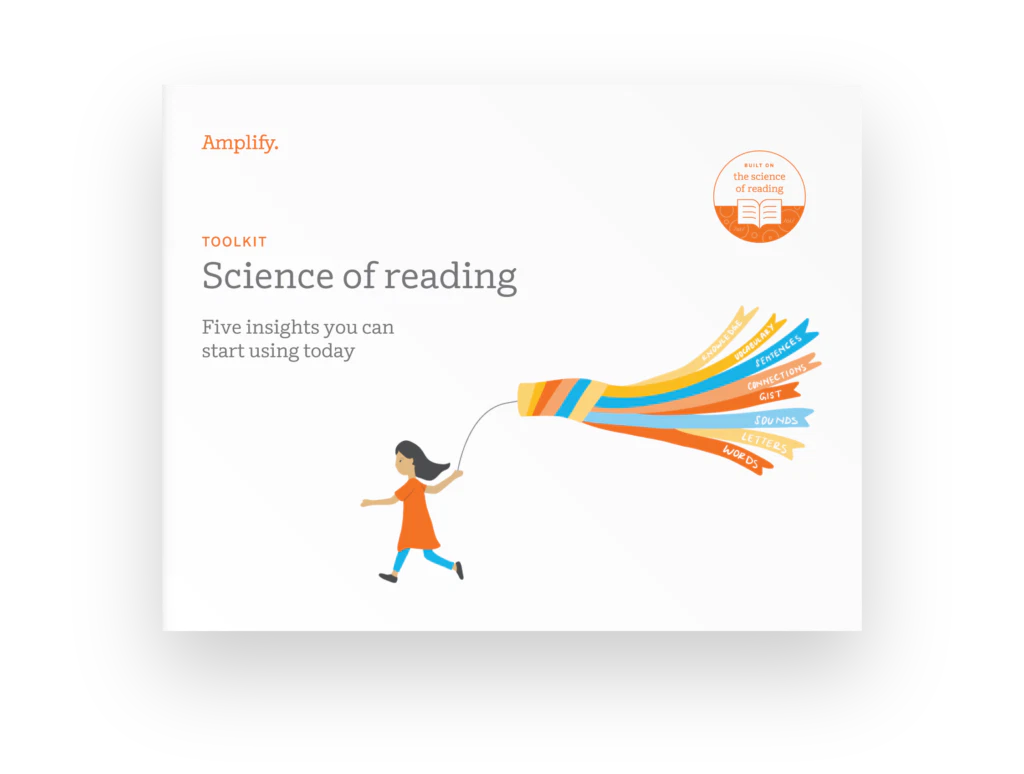
Download the Science of Reading Toolkit
Find out why foundational skills must start with sounds and the crucial role of background knowledge.
Get the kit now!Amplify literacy programs built on the science of reading
Amplify’s suite of instruction, assessment, and intervention is based on the science of reading. Developed with experts, our highly-regarded programs for elementary core curriculum (Amplify Core Knowledge Language Arts), assessment, (mCLASS ®) and intervention and differentiated instruction (Amplify Reading and mCLASS ® Intervention) are a comprehensively aligned system based on the latest research.

Core instruction
Rated “all green” by EdReports.org, Amplify Core Knowledge Language Arts (CKLA) is an English language arts program for preK–5 offering explicit, systematic foundational skills and deep knowledge-building in real-world, relevant topics that kids love to learn about.

Universal and dyslexia screening
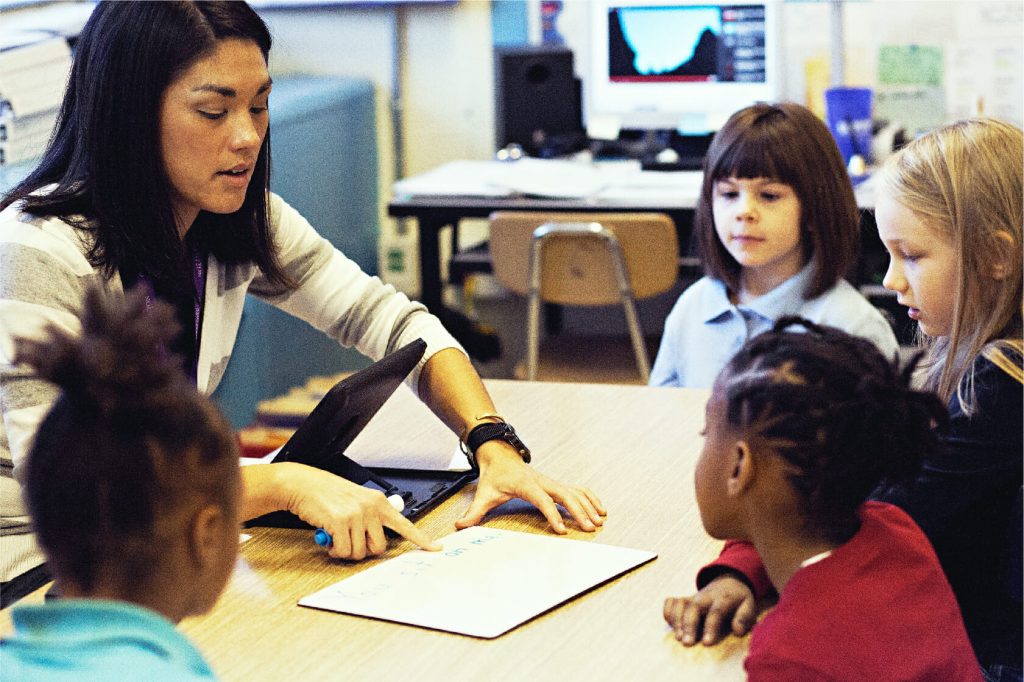
Valid, reliable data is at the center of a science of reading-based literacy system. Built from the ground up on the science of reading, mCLASS, Amplify’s literacy assessment for K–6, identifies risk of reading difficulties, including dyslexia, at the earliest levels.
As the only licensed digital provider of DIBELS® 8th Edition, mCLASS’s predictive, teacher-administered, one-minute measures generate actionable data on skills, risk levels, and level of support needed. Teachers receive targeted instruction for small groups and individual students.
Remediation and enrichment
Amplify Reading, K–5 Edition, is an adaptive digital program that extends the learning from core instruction, giving students deep, differentiated practice in foundational skills, comprehension processes, and vocabulary—all while exploring narrative worlds designed to appeal to kids at each grade band. Part of Amplify’s integrated literacy suite, it syncs with mCLASS, using students’ assessment profiles to start them at the right place in the learning progression.

Structured, staff-led intervention
For students below grade level, mCLASS Intervention for K–6 integrates with mCLASS screening and progress-monitoring to provide the analytical tools and resources educators need to make targeted, staff-led intervention a daily reality throughout the school year. Specifically, it groups students with similar needs and provides explicit, systematic foundational skills lessons for each group.