Showing results for macys menus

What’s included in our literacy curriculum for 6–8

Amplify ELA is a blended literacy curriculum designed specifically for grades 6–8. The heart of every lesson is the text. Our core English Language Arts curriculum enables teachers to teach skills through texts and develop their students’ muscles for building meaning through reading. With Amplify ELA, students learn to attack any complex text and make observations, grapple with interesting ideas, and find relevance for themselves.

Year at a glance

Each grade includes six core units centered on literary or informational texts, delivered in several forms of media. In addition to these main units, students will engage with targeted Grammar lessons and a dedicated Story Writing unit, plus two to three immersive learning experiences called Quests.

Dahl & Narrative

1 assessment lesson
4 sub-units | 28 lessons | 4-6 weeks

A man with a mustache looks through a microscope at a slide, with abstract yellow lines in the background.

Mysteries & Investigations

1 assessment lesson
5 sub-units | 32 lessons | 4-6 weeks

A man with a mustache looks through a microscope at a slide, with abstract yellow lines in the background.

The Chocolate Collection

1 assessment lesson
5 sub-units | 25 lessons | 4-6 weeks
The Greeks

Myth World Quest

1 assessment lesson
4 sub-units | 25 lessons | 4-6 weeks

A man with a mustache looks through a microscope at a slide, with abstract yellow lines in the background.

Summer of the Mariposas

1 assessment lesson
2 sub-units | 27 lessons | 4-6 weeks
A man with a mustache looks through a microscope at a slide, with abstract yellow lines in the background.

The Titanic Collection

1 assessment lesson
5 sub-units | 25 lessons | 4-6 weeks

A man with a mustache looks through a microscope at a slide, with abstract yellow lines in the background.

Red Scarf Girl

1 assessment lesson
4 sub-units | 31 lessons | 4-6 weeks
A man with a mustache looks through a microscope at a slide, with abstract yellow lines in the background.

Character & Conflict

1 assessment lesson
4 sub-units | 29 lessons | 4-6 weeks
A man with a mustache looks through a microscope at a slide, with abstract yellow lines in the background.

Brain Science

Perception Academy Quest

1 assessment lesson
4 sub-units | 25 lessons | 4-6 weeks
A man with a mustache looks through a microscope at a slide, with abstract yellow lines in the background.

Poetry & Poe

The “Who Killed Edgar Allen Poe” Quest

1 assessment lesson
5 sub-units | 29 lessons | 4-6 weeks
A man with a mustache looks through a microscope at a slide, with abstract yellow lines in the background.

The Frida & Diego Collection

1 assessment lesson
5 sub-units | 25 lessons | 4-6 weeks
A man with a mustache looks through a microscope at a slide, with abstract yellow lines in the background.

The Gold Rush Collection

1 assessment lesson
5 sub-units | 25 lessons | 4-6 weeks

A man with a mustache looks through a microscope at a slide, with abstract yellow lines in the background.

Perspectives & Narrative

1 assessment lesson
4 sub-units | 27 lessons | 4-6 weeks

A man with a mustache looks through a microscope at a slide, with abstract yellow lines in the background.

Liberty & Equality

1 assessment lesson
6 sub-units | 38 lessons | 4-6 weeks
A man with a mustache looks through a microscope at a slide, with abstract yellow lines in the background.

Science & Science Fiction

1 assessment lesson
3 sub-units | 29 lessons | 4-6 weeks
A man with a mustache looks through a microscope at a slide, with abstract yellow lines in the background.

Shakespeare’s Romeo & Juliet

1 assessment lesson
2 sub-units | 22 lessons | 4-6 weeks

A man with a mustache looks through a microscope at a slide, with abstract yellow lines in the background.

The Holocaust: Memory & Meeting

1 assessment lesson
6 sub-units | 21 lessons | 4-6 weeks

A man with a mustache looks through a microscope at a slide, with abstract yellow lines in the background.

The Space Race Collection

1 assessment lesson
5 sub-units | 25 lessons | 4-6 weeks

Units at a glance

Amplify ELA lessons follow a structure both grounded in regular routines and flexible enough to allow for a variety of learning experiences. Lesson structures vary from day to day, ensuring that students are always engaged.

Learn more in the Amplify ELA Grade Overview.

Unit 6A

Dahl & Narrative

Students begin with narrative writing to develop foundational Focus skills and establish key classroom routines. Teachers use this work to create targeted feedback cycles and build a vibrant community centered on diverse experiences. Students then apply observational skills to Roald Dahl’s Boy: Tales of Childhood, learning to work closely with textual evidence.

Unit 6B

Mysteries & Investigations

Students read like an investigator to embark on a multi-genre study into the mesmerizing world of scientific and investigative sleuthing. The Secret of the Yellow Death: A True Story of Medical Sleuthing by Suzanne Jurmain, and Sir Arthur Conan Doyle’s Sherlock Holmes stories take place in the late 19th century, when medical diagnostics and criminal investigations were still evolving into scientific fields.

Unit 6C

The Chocolate Collection

Students explore primary documents and research the diverse cultural roles chocolate has played over 3,700 years, from its various uses in ancient Mexico to issues with modern production. Along the way, they build information literacy skills, craft research questions, and collaborate in Socratic seminars. Students also learn how to construct an evidence-based argument and use those skills to write pieces aimed at convincing readers about chocolate preferences, school lunch policies, and recommendations for local candy stores.

Unit 6D

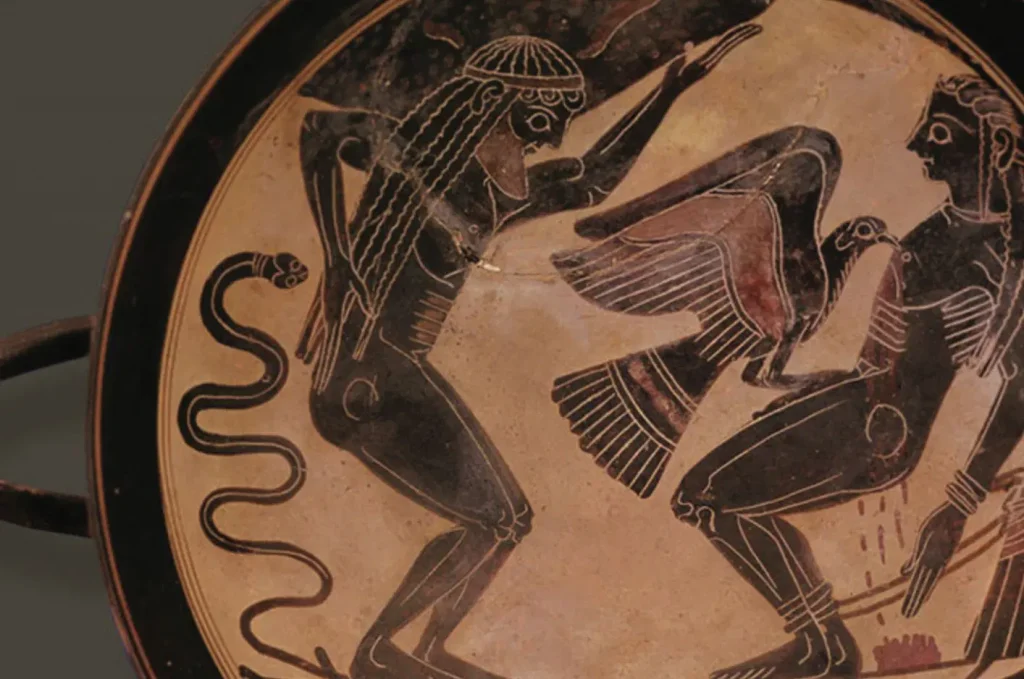
The Greeks

Students closely explore and analyze three stories from Greek mythology: “Prometheus,” “Odysseus,” and “Arachne.” Drawing on the routines and skills established in previous units, these lessons ask students to move from considering the state of a single person to contemplating broader questions concerning the role people play in the world and the various communities they inhabit.

Unit 6E

Summer of the Mariposas

Students read Summer of the Mariposas by Guadalupe García McCall, a contemporary Latino retelling of The Odyssey. Following five sisters on their journey into Mexico and back, students explore this reimagining of the hero’s journey as they encounter Mexican folklore and Aztec legends along the way. Students analyze character development, compare the novel to Homer’s original, research Aztec mythology, explore symbolism, and engage in collaborative discussions before writing an essay about what makes the heroes successful.

Unit 6F

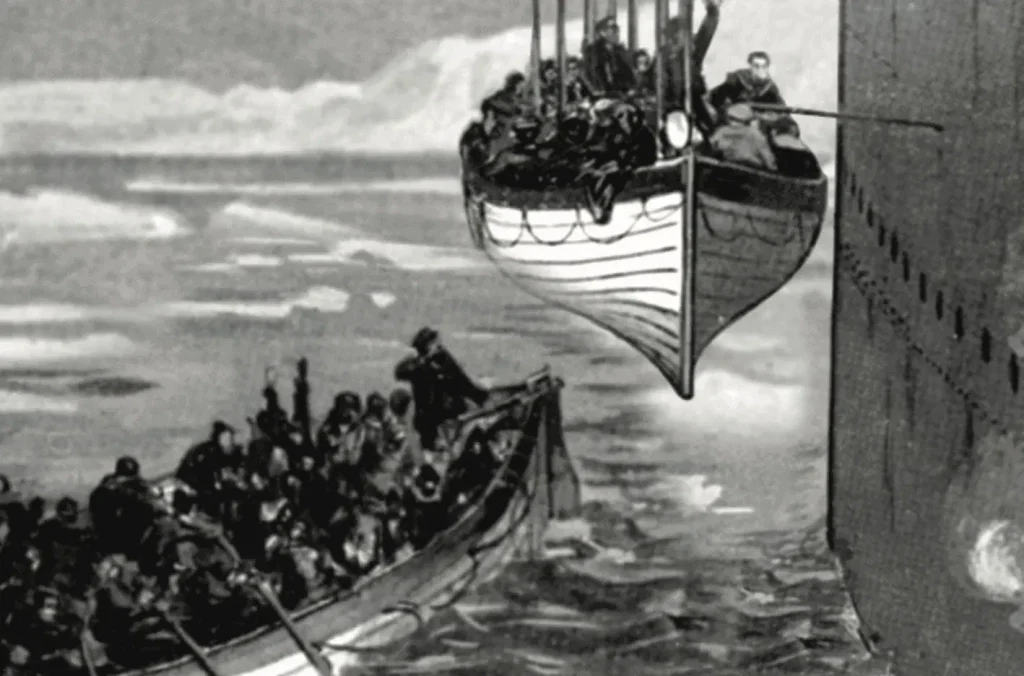
The Titanic Collection

Students explore primary documents and conduct research to understand the 1912 Titanic disaster, building information literacy skills by examining artifacts such as dining menus, ship photos, telegraph transcripts, and newspaper accounts. Each student is assigned a passenger from the manifest and writes a narrative account from that person’s perspective, considering different views. Students also participate in Socratic seminars to examine the complicated issues within the Titanic story.

Unit 7A

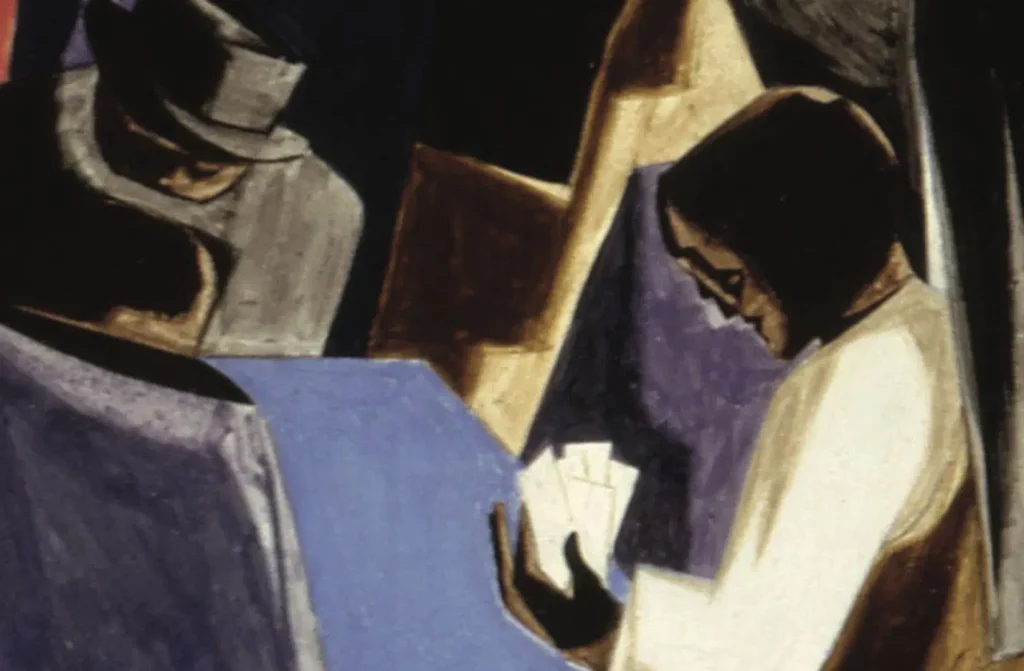
Red Scarf Girl & Narrative

Students begin with narrative writing to develop foundational Focus skills while teachers establish targeted feedback cycles and build a classroom community centered on diverse experiences. After exploring how they describe their own experiences and emotions, students apply the same close attention to analyzing details in Ji-li Jiang’s Red Scarf Girl: A Memoir of the Cultural Revolution.

Unit 7B

Character & Conflict

Students analyze characters’ responses to conflict and examine how authors use character interactions to develop theme and perspective. They read Carson McCullers’ “Sucker” and Lorraine Hansberry’s A Raisin in the Sun, both texts that explore how families facing hardships can support and harm one another. Students observe complex character growth and discuss issues of identity, family obligations, and differing notions of success.

Unit 7C

Brain Science

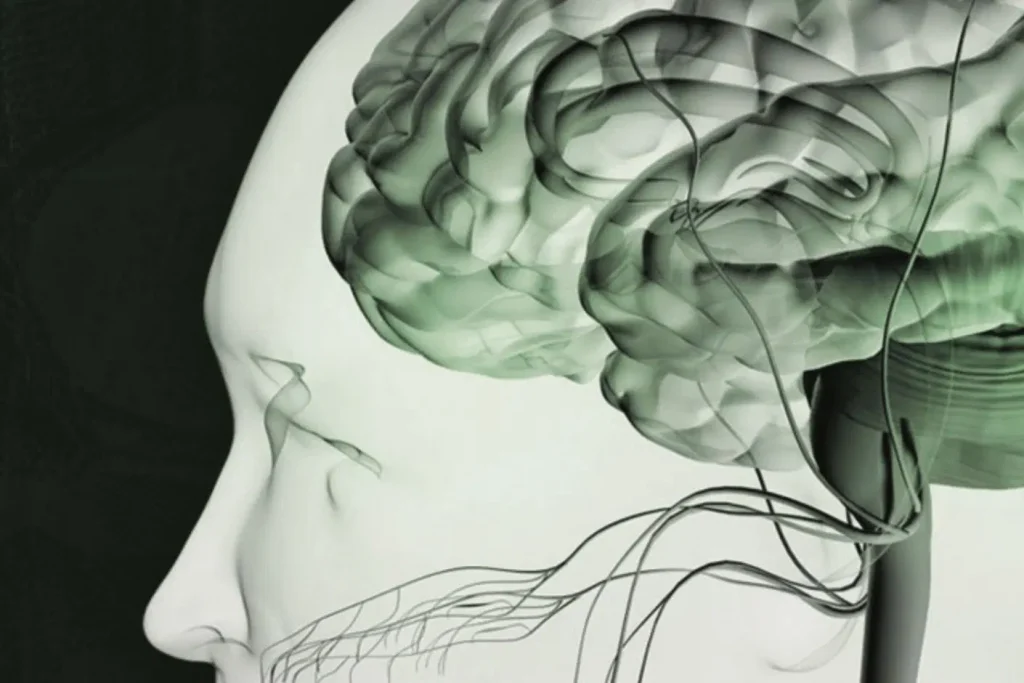
Students explore narrative nonfiction and informational texts about brain science to understand what it means to be human and how their developing brains impact daily experiences. They also build awareness of their cognitive strengths and analyze the structures of informational texts and scientific arguments. Key texts include Phineas Gage, Inventing Ourselves: The Secret Life of the Teenage Brain, and Oliver Sacks’ The Man Who Mistook His Wife for a Hat.

Unit 7D

Poetry & Poe

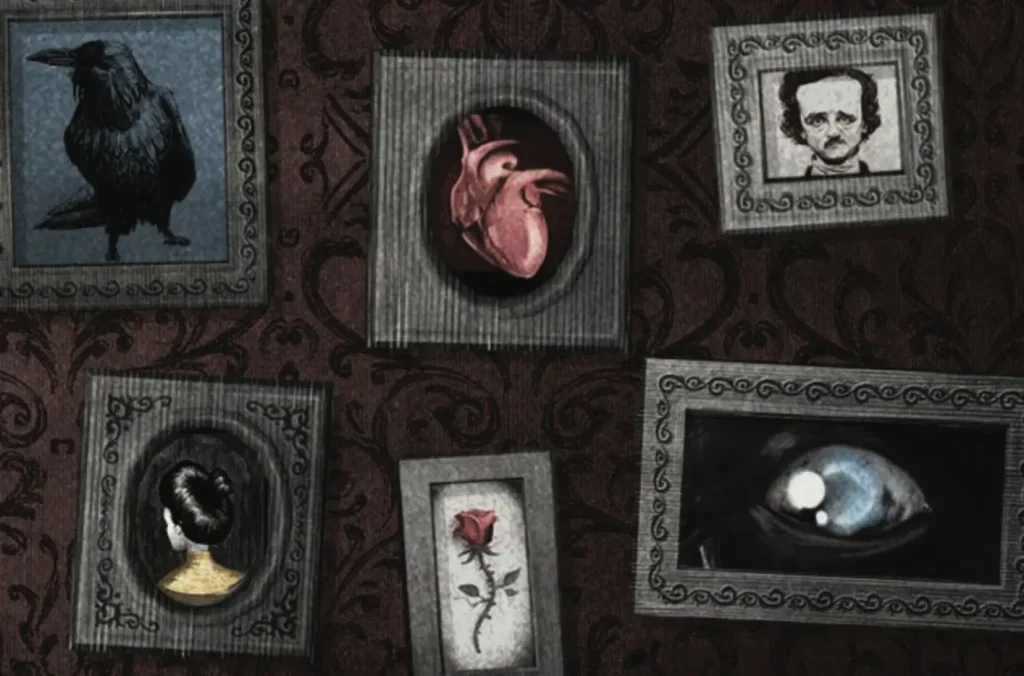
Students learn visualization techniques to read like a movie director, beginning with poems by D.H. Lawrence, Federico García Lorca, and Emily Dickinson to form mental images. They then read three Edgar Allan Poe texts, creating storyboards and analyzing narrative elements to learn about unreliable narrators. Students also participate in the murder-mystery Quest “Who Killed Edgar Allan Poe?” and write an essay arguing whether they can trust a narrator in the unit’s texts.

Unit 7E

The Frida & Diego Collection

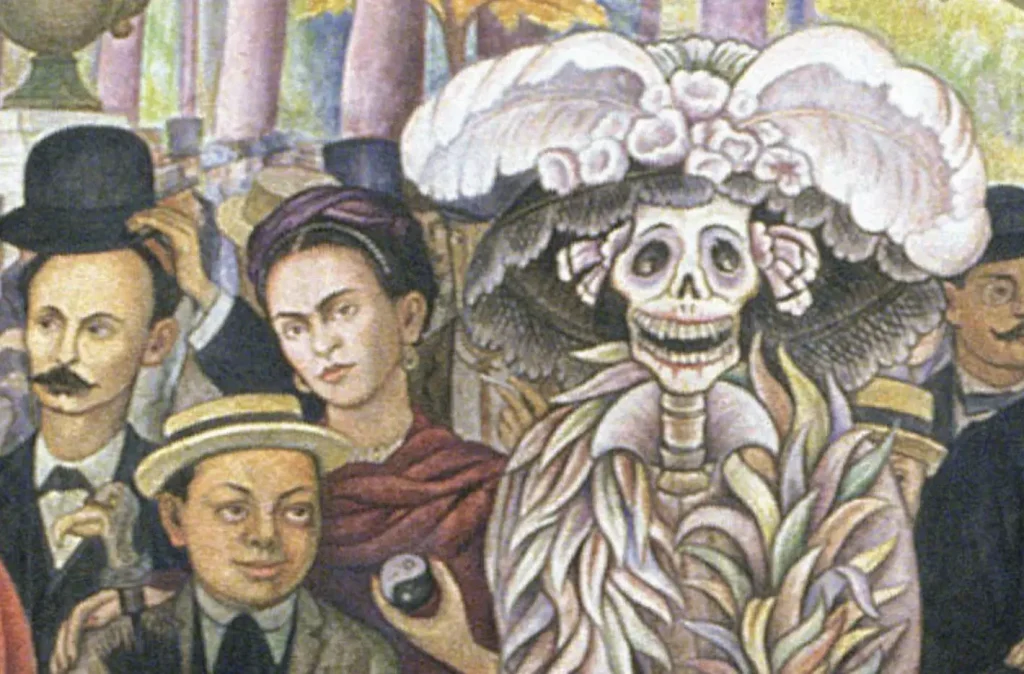
Students explore primary source documents and research on Mexican artists Diego Rivera and Frida Kahlo, learning how they drew inspiration from Latin American folklore, politics, and customs. Along the way, students build information literacy by generating research questions and visual analysis skills through close reading of key paintings. They also compare the artists’ descriptive writing to Shakespeare’s and analyze figurative language. The unit culminates in a research project showcasing their interpretation of Frida and Diego’s work and legacy.

Unit 7F

The Gold Rush Collection

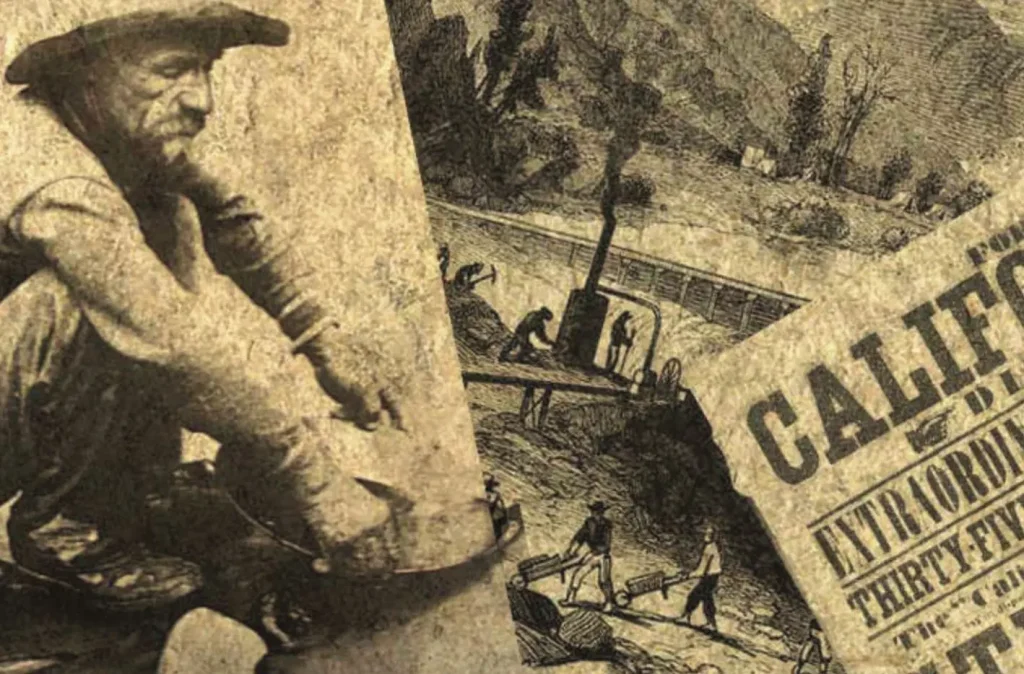
Students explore primary documents and conduct research on the California Gold Rush, building information literacy skills and constructing research questions. They also learn about the diverse people who participated, compare fictional and historical accounts, and participate in Socratic seminars. Students write narrative accounts from specific perspectives and complete a culminating research assignment combining essay and media project elements.

Unit 8A

Perspectives & Narrative

Students learn to read like writers, paying attention to craft and writing moves that shape reader experience and developing Focus and Showing skills as they build collaborative classroom routines. Students study three narrative texts, exploring themes of belonging and identity through close reading. They also practice alternating between analytic and narrative writing, and conclude with an essay arguing whether the mothers in Amy Tan’s “Fish Cheeks” are role models. 

Unit 8B

Liberty & Equality

Students study Civil War-era writings that debate the meaning of “all men are created equal,” exploring various perspectives on American ideals. Key texts include Walt Whitman’s Leaves of Grass, Frederick Douglass’ Narrative, and Harriet Ann Jacobs’s Incidents in the Life of a Slave Girl. The unit culminates with an essay examining Douglass’s arguments and Lincoln’s Gettysburg Address to consider what America means by “all men are created equal.”

Unit 8C

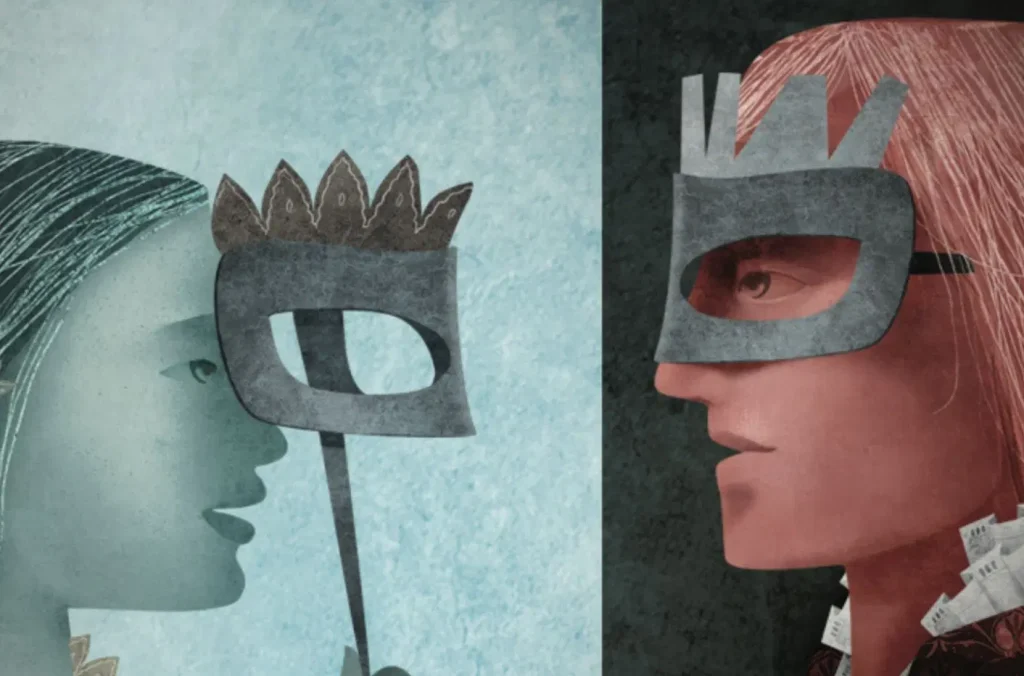
Science & Science Fiction

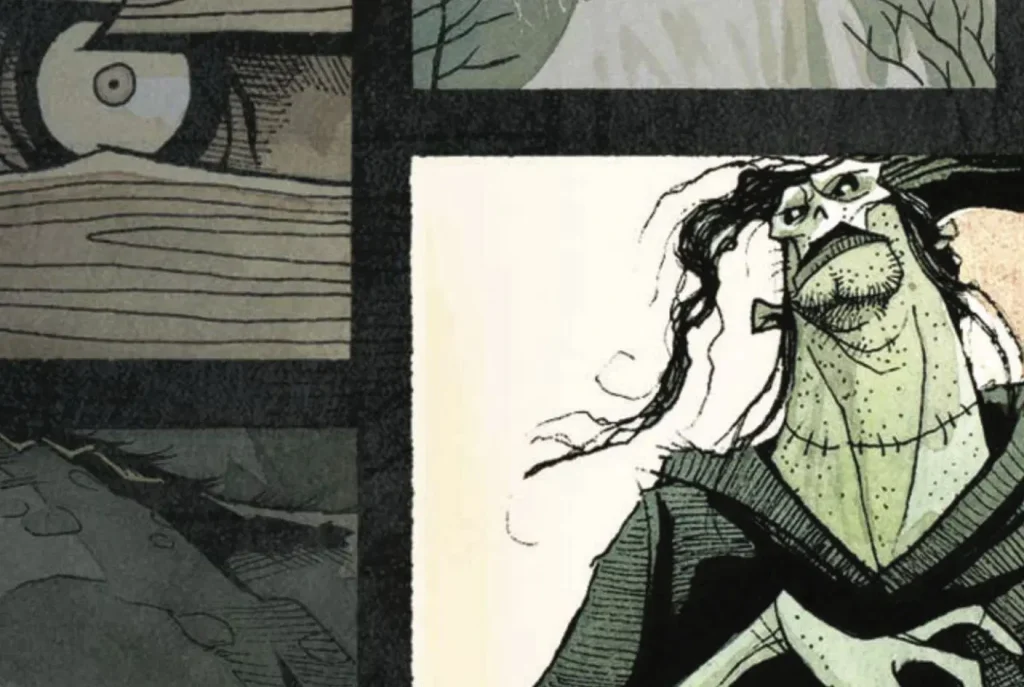
Students read Gris Grimly’s Frankenstein, a graphic novel adaptation of Mary Shelley’s novel, exploring themes of creator responsibility, societal influence, and the risks of scientific inquiry. They trace Victor’s sympathy for his creation, rewrite scenes from the creature’s perspective, and debate whether Victor owes the creature a companion. The unit concludes with an essay determining whether the creature should be considered human.

Unit 8D

Shakespeare’s Romeo & Juliet

Students read five excerpts from Shakespeare’s Romeo and Juliet to learn key elements of Shakespearean English through close reading. They practice memorizing and reciting the famous “Prologue,” put on stage performances, translate Shakespeare’s language into contemporary terms, and study the Shakespearean sonnet form. The unit concludes with an essay arguing whether love or hate is responsible for Romeo’s death.

Unit 8E

Holocaust: Memory & Meaning

Students use close reading to explore memoirs and primary sources that address two key Holocaust questions: How do societies become participants in atrocity, and what are our responsibilities as witnesses? Students analyze multiple perspectives through texts, including Alexander Kimel’s “I Cannot Forget,” Irene Butter’s Shores Beyond Shores, 1936 Olympics propaganda, and excerpts from Maus and Night.

Unit 8F

The Space Race Collection

Students explore primary documents and conduct research on the Space Race. They build information literacy skills, construct research questions, and learn about diverse participants from Soviet cosmonauts to American heroes like Buzz Aldrin and Katherine Johnson. Each student researches an assigned cosmonaut or astronaut and writes space blog entries from their perspective. Students also complete a capstone research essay and media project.

Print & digital components

The program includes instructional guidance and student materials for a year of instruction, with lessons and activities that keep students engaged every day.

A diagram shows the Amplify ELA curriculum with examples of the digital teacher edition on a tablet, print teacher edition pages, and a teacher projection of an artwork on a screen.

Teacher materials

Teacher Edition

Available digitally and in print, the Teacher’s Edition contains all the information teachers need to facilitate classroom instruction, including detailed lesson plans, video teacher tips, presentation slides, standards alignment, Exit Tickets, real-time differentiation strategies, and robust reporting.

Student materials

Student Edition

Available digitally and in print, student materials guide middle schoolers through complex texts and writing by engaging them with high-quality narrative and informational texts—providing videos, audio supports, and a digital experience that captures their attention. They also keep all of their writing in one place with a personal Writing Journal.

A collection of Amplify ELA materials including a print student edition, a digital student edition on a laptop, a writing journal, and an Arachne literature module.

Explore more programs

Our programs are designed to support and complement one another. Learn more about our related programs.
Welcome, Boost Reading families!

To view this protected page, enter the password below:


Exciting updates are coming for Amplify Science!

As you prepare for the upcoming school year, we’re making it easier than ever to support your students with Amplify Science. From time-saving tools to expanded instructional resources, these improvements will further enhance your ability to engage students in rigorous, hands-on learning while streamlining your teaching experience.

A teacher sits at a table with three students in a classroom, engaging them in an Amplify Science activity using a clear plastic container. Books, bins, and educational posters are visible in the background.

Updates

Educator Home: Stream filtering by student

You can now filter your Stream by student name and see all the assignments for each particular student. You can also preview student work right from the Stream to check in on their progress.

A classroom management software interface featuring filter menus for programs like Amplify Science, classes, and students, with options to go to a lesson or dashboard, and a partially visible student list.

Noteworthy features

PD Library

Amplify Science’s PD Library is your go-to destination for self-paced professional development. Whether you’re new to Amplify Science or looking to deepen your expertise, you’ll find high-quality training and resources tailored to your needs.

A welcome screen for Amplify’s PD Library features a video titled “Welcome educators!” and text describing the library as a resource hub for professional learning and Amplify Science program support.

Caregiver Hub

Empower families and caregivers to support student learning with the Amplify Science Caregiver Hub, a dedicated resource that provides curriculum overviews, background information, and helpful tools to extend learning beyond the classroom.

Bite-Sized Science Moments in Amplify Classroom

Explore a growing library of free science activities that are designed to be flexibly implemented in your day. Each activity takes between 5–20 minutes to complete, and can be used within a science block or any time!

The digital experience

The digital experience is an add-on license for K–5 teachers and students that makes lesson planning and student engagement easier than ever. With ready-to-use slides-based lessons, integrated teacher prompts and guidance, interactive student opportunities, robust professional development resources, and more, this tool keeps everything in one place.

*Interested in using the digital experience? Contact your account representative to learn more.

Amplify Science classroom showcase

Looking for inspiring classroom examples from educators nationwide who are bringing Amplify Science to life? Check out the Amplify Science classroom showcase!

A classroom wall displays grade-level boards, educational posters, a large whiteboard with Amplify Science notes, and a human skeleton model next to desks and bins.

Phonological awareness games

In Cut It Out, students isolate individual phonemes by listening to a beginning, middle, or ending sound and choosing a picture of the word containing the sound in that position.

Skills
Phonological awareness

  • Blending at the compound word, syllable, onset-rime, and phoneme level

Standards covered

  • CCSS.ELA-LITERACY.RF.1.2.C — Isolate and pronounce initial, medial vowel, and final sounds (phonemes) in spoken single-syllable words.
  • CCSS.ELA-LITERACY.RF.K.2.D — Isolate and pronounce the initial, medial vowel, and final sounds (phonemes) in three-phoneme (consonant-vowel-consonant, or CVC) words.1 (This does not include CVCs ending with /l/, /r/, or /x/.)

In Gem & Nye, students blend sounds into words, starting with compound words and syllables and then moving to beginning (onset) and ending (rime) sounds and finally individual phonemes, to identify the picture of the word the Soundbots say when blended together.

Skills
Phonological awareness

  • Blending at the compound word, syllable, onset-rime, and phoneme level

Standards covered

  • CCSS.ELA-LITERACY.RF.1.2.B — Orally produce single-syllable words by blending sounds (phonemes), including consonant blends.
  • CCSS.ELA-LITERACY.RF.K.2.B — Count, pronounce, blend, and segment syllables in spoken words.
  • CCSS.ELA-LITERACY.RF.K.2.C — Blend and segment onsets and rimes of single-syllable spoken words.

In Wordbots, students practice segmenting words into their onsets and rimes to determine which Startbots and Endbots form a stimulus word.

Skills
Phonological awareness

  • Segment at the compound-word and onset-rime level

Standards covered

  • CCSS.ELA-LITERACY.RF.K.2.C — Blend and segment onsets and rimes of single-syllable spoken words.
  • CCSS.ELA-LITERACY.RF.K.2.B — Count, pronounce, blend, and segment syllables in spoken words.

In Zoom Boom, students practice rhyming by listening to a word and identifying the picture of the word that rhymes with it.

Skills
Phonological awareness

  • Rhyming

Standards covered

  • CCSS.ELA-LITERACY.RF.K.2.A — Recognize and produce rhyming words.

Phonics Games in Amplify Reading: K–2

In Curioso Crossing, students practice accurate and automatic word recognition by identifying the correct spoken word to guide their Curioso safely throughout the land.

Skills
Phonics – Early Decoding; Advanced Decoding

  • Read high-frequency irregular words, regular words, words with inflected endings, two-syllable words, words with prefixes and suffixes, and multi-syllable words

Standards Covered

  • CCSS.ELA-LITERACY.RF.K.3.B — Associate the long and short sounds with the common spellings (graphemes) for the five major vowels.
  • CCSS.ELA-LITERACY.RF.1.3.B — Decode regularly spelled one-syllable words.
  • CCSS.ELA-LITERACY.RF.1.3.C — Know final -e and common vowel team conventions for representing long vowel sounds.
  • CCSS.ELA-LITERACY.RF.1.3.E — Decode two-syllable words following basic patterns by breaking the words into syllables.
  • CCSS.ELA-LITERACY.RF.1.3.F — Read words with inflectional endings.
  • CCSS.ELA-LITERACY.RF.2.3.A — Distinguish long and short vowels when reading regularly spelled one-syllable words.
  • CCSS.ELA-LITERACY.RF.2.3.C — Decode regularly spelled two-syllable words with long vowels.
  • CCSS.ELA-LITERACY.RF.2.3.D — Decode words with common prefixes and suffixes.
  • CCSS.ELA-LITERACY.RF.2.3.F — Recognize and read grade-appropriate irregularly spelled words.
  • CCSS.ELA-LITERACY.RF.K.3.C — Read common high-frequency words by sight (e.g., the, of, to, you, she, my, is, are, do, does).
  • CCSS.ELA-LITERACY.RF.1.3.G — Recognize and read grade-appropriate irregularly spelled words.

In Food Truck, students practice “chopping” blends, ending sounds (rimes), and whole words into beginning sounds (onsets), ending sounds, and individual letters to create orders for their hungry goblin customers. The difficulty of words and segmenting tasks increases with each level as customers order more sophisticated “dishes.”

Skills
Phonics – Early Decoding

  • Decode and spell words with common rime families

Standards Covered

  • CCSS.ELA-LITERACY.RF.K.3.A — Demonstrate basic knowledge of one-to-one letter-sound correspondences by producing the primary sound or many of the most frequent sounds for each consonant.
  • CCSS.ELA-LITERACY.RF.K.3.B — Associate the long and short sounds with the common spellings (graphemes) for the five major vowels.
  • CCSS.ELA-LITERACY.RF.K.3.D — Distinguish between similarly spelled words by identifying the sounds of the letters that differ.
  • CCSS.ELA-LITERACY.RF.K.2.E — Add or substitute individual sounds (phonemes) in simple, one-syllable words to make new words.
  • CCSS.ELA-LITERACY.RF.1.3.B — Decode regularly spelled one-syllable words.

In Grumpy Goblins, students learn sound-spelling correspondences for consonant digraphs and vowel teams by listening to a sound from a goblin and feeding it the piece of toast with the corresponding letter or combination.

Skills
Phonics – Letter Combinations

  • Sound-spelling correspondences for consonant digraphs and vowel teams

Standards Covered

  • CCSS.ELA-LITERACY.RF.K.3.B — Associate the long and short sounds with the common spellings (graphemes) for the five major vowels.
  • CCSS.ELA-LITERACY.RF.1.3.A — Know the spelling-sound correspondences for common consonant digraphs.
  • CCSS.ELA-LITERACY.RF.2.3.B — Know spelling-sound correspondences for additional common vowel teams.

In Hangry Goblins, students practice letter-sound combinations by feeding individual letter sounds, consonant digraphs, blends, and vowel teams to goblins that become more and more “hangry” until they are given the letters that match their demands.

Skills
Phonics – Letter Sound Correspondence

  • Sound-spelling correspondences for individual letters and letter combinations

Standards covered

  • CCSS.ELA-LITERACY.RF.K.3.A — Demonstrate basic knowledge of one-to-one letter-sound correspondences by producing the primary sound or many of the most frequent sounds for each consonant.
  • CCSS.ELA-LITERACY.RF.K.3.B — Associate the long and short sounds with the common spellings (graphemes) for the five major vowels.
  • CCSS.ELA-LITERACY.RF.1.3.A — Know the spelling-sound correspondences for common consonant digraphs.
  • CCSS.ELA-LITERACY.RF.2.3.B — Know spelling-sound correspondences for additional common vowel teams.

In Picky Goblins, students practice sound-spelling correspondences for individual letters by listening to a sound from a goblin and feeding it the piece of toast with the corresponding.

Skills
Phonics – Letter-Sound Correspondence

  • Sound-Spelling Correspondences for single letters

Standards Covered

  • CCSS.ELA-LITERACY.RF.K.3.A — Demonstrate basic knowledge of one-to-one letter-sound correspondences by producing the primary sound or many of the most frequent sounds for each consonant.
  • CCSS.ELA-LITERACY.RF.K.3.B — Associate the long and short sounds with the common spellings (graphemes) for the five major vowels.

In Read All About It, students practice reading sentences with words that include the sound-spelling correspondences, word features (e.g., prefixes/suffixes), and phonics rules (e.g., vowel consonant long e, syllable patterns) they learned and practiced in other games.

Skills
Phonics – Early Decoding; Advanced Decoding

  • Read grade level text accurately

Standards Covered

  • CCSS.ELA-LITERACY.RF.K.3 — Know and apply grade-level phonics and word analysis skills in decoding words.
  • CCSS.ELA-LITERACY.RF.K.4 — Read emergent-reader texts with purpose and understanding.
  • CCSS.ELA-LITERACY.RF.1.3 — Know and apply grade-level phonics and word analysis skills in decoding words.
  • CCSS.ELA-LITERACY.RF.1.4 — Read with sufficient accuracy and fluency to support comprehension.
  • CCSS.ELA-LITERACY.RF.2.3 — Know and apply grade-level phonics and word analysis skills in decoding words.
  • CCSS.ELA-LITERACY.RF.2.4 — Read with sufficient accuracy and fluency to support comprehension.

In Rhyme Time, students practice with different rime families (words that end with the same sounds and rhyme) and decode words in these families by swapping the first letter sounds of words while the ending sounds remain constant.

Skills
Phonics – Early Decoding

  • Decode words with common rime families

Standards Covered

  • CCSS.ELA-LITERACY.RF.K.3.A — Demonstrate basic knowledge of one-to-one letter-sound correspondences by producing the primary sound or many of the most frequent sounds for each consonant.
  • CCSS.ELA-LITERACY.RF.K.3.B — Associate the long and short sounds with the common spellings (graphemes) for the five major vowels.
  • CCSS.ELA-LITERACY.RF.K.3.D — Distinguish between similarly spelled words by identifying the sounds of the letters that differ.
  • CCSS.ELA-LITERACY.RF.K.2.E — Add or substitute individual sounds (phonemes) in simple, one-syllable words to make new words.
  • CCSS.ELA-LITERACY.RF.1.3.B — Decode regularly spelled one-syllable words.

In Tongue Twist, students practice with different rime families (words that end with the same sounds and rhyme) and build words by changing the ending sound (rime) while the beginning (onset) sounds, consonant blends, and consonant digraphs remain constant.

Skills
Phonics – Early Decoding

  • Decode words with common rime families

Standards covered

  • CCSS.ELA-LITERACY.RF.K.3.A — Demonstrate basic knowledge of one-to-one letter-sound correspondences by producing the primary sound or many of the most frequent sounds for each consonant.
  • CCSS.ELA-LITERACY.RF.K.3.B — Associate the long and short sounds with the common spellings (graphemes) for the five major vowels.
  • CCSS.ELA-LITERACY.RF.K.3.D — Distinguish between similarly spelled words by identifying the sounds of the letters that differ.
  • CCSS.ELA-LITERACY.RF.K.2.E — Add or substitute individual sounds (phonemes) in simple, one-syllable words to make new words.
  • CCSS.ELA-LITERACY.RF.1.3.B — Decode regularly spelled one-syllable words.

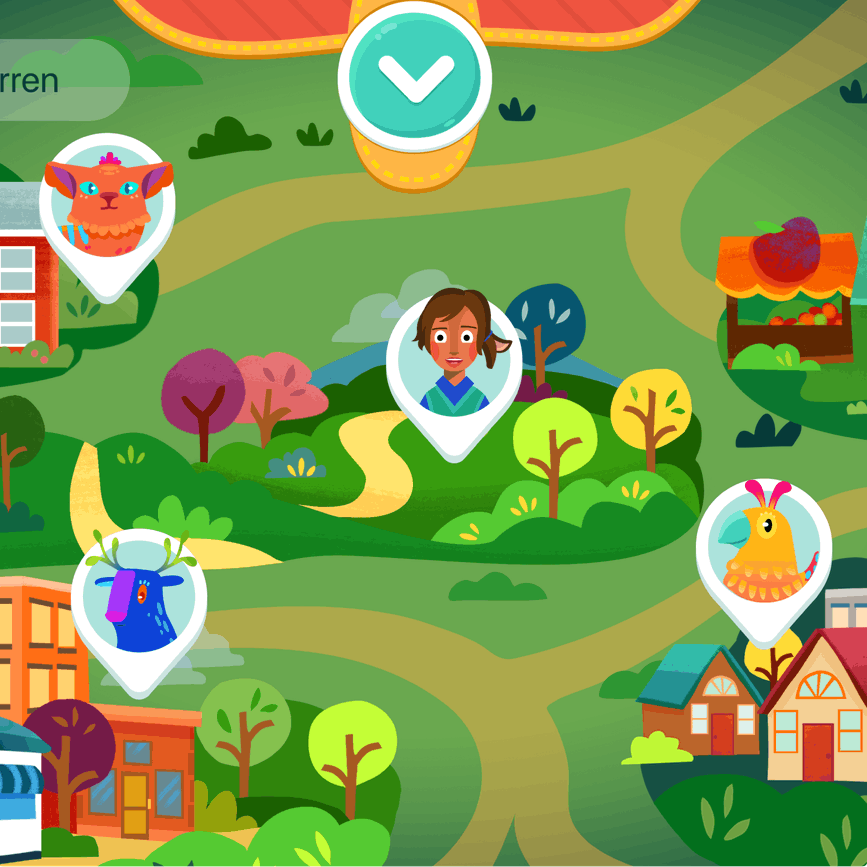
In Word City, students identify and manipulate beginning, middle, and ending letter sounds to assemble word chains that form buildings.

Skills
Phonics – Early Decoding

  • Letter-sound correspondence
  • Decoding and spelling regular words

Standards Covered

  • CCSS.ELA-LITERACYRF.K.3.A — Demonstrate basic knowledge of one-to-one letter-sound correspondences by producing the primary sound or many of the most frequent sounds for each consonant.
  • CCSS.ELA-LITERACYRF.1.3.A — Know the spelling-sound correspondences for common consonant digraphs.
  • CCSS.ELA-LITERACYRF.1.3.B — Decode regularly spelled one-syllable words.
  • CCSS.ELA-LITERACYRF.1.3.C — Know final -e and common vowel team conventions for representing long vowel sounds.
  • CCSS.ELA-LITERACYRF.2.3.B — Know spelling-sound correspondences for additional common vowel teams.

Microcomprehension Games in Amplify Reading: K–2

In Because This, That, students learn how common text structures give clues to meaning by rearranging sentences to identify cause and effect or problem and solution.

Skills
Microcomprehension

  • Text Structure: Organize sentences using sequence/chronological order

Standards covered

  • CCSS.ELA-LITERACY.RI.1.3 — Describe the connection between two individuals, events, ideas, or pieces of information in a text.
  • CCSS.ELA-LITERACY.RI.1.8 — Identify the reasons an author gives to support points in a text.
  • CCSS.ELA-LITERACY.RI.2.3 — Describe the connection between a series of historical events, scientific ideas or concepts, or steps in technical procedures in a text.
  • CCSS.ELA-LITERACY.RI.2.8 — Describe how reasons support specific points the author makes in a text.

In Connect It!, students practice using different types of conjunctions (temporal and causal, for example) to combine two clauses into a coherent sentence.

Skills
Microcomprehension

  • Syntactic awareness – connectives

Standards covered

  • CCSS.ELA-LITERACY.L.2.3 — Use knowledge of language and its conventions when writing, speaking, reading, or listening.

In Message in a Bottle, students build their awareness of syntax and the impact word order has on meaning by unscrambling scraps of lost messages to reconstruct sentences.

Skills
Microcomprehension

  • Syntactic awareness

Standards covered

  • CCSS.ELA-LITERACY.L.1.1 — Demonstrate command of the conventions of standard English grammar and usage when writing or speaking.
  • CCSS.ELA-LITERACY.L.2.1 — Demonstrate command of the conventions of standard English grammar and usage when writing or speaking.

In Mind the Gap, comprehension levels are assessed through a modified cloze exercise in which students make selections to fill in the blanks of a text where approximately every seventh word has been omitted.

Skills
Microcomprehension

  • Reading fluency
  • Syntactic awareness
  • Inference
  • Comprehension monitoring

Standards covered

  • CCSS.ELA-LITERACY.CCRA.R.1 — Read closely to determine what the text says explicitly and to make logical inferences from it; cite specific textual evidence when writing or speaking to support conclusions drawn from the text.
  • CCSS.ELA-LITERACY.CCRA.R.10 — Read and comprehend complex literary and informational texts independently and proficiently.

In Show Off, students learn how common text structures give clues to meaning, using cues from illustrations to rearrange sentences in the correct sequential or chronological order.
Skills
Microcomprehension

  • Text structure: Organize sentences using problem/solution and cause/effect

Standards covered

  • CCSS.ELA-LITERACY.RI.1.3 — Describe the connection between two individuals, events, ideas, or pieces of information in a text.
  • CCSS.ELA-LITERACY.RI.1.8 — Identify the reasons an author gives to support points in a text.
  • CCSS.ELA-LITERACY.RI.2.3 — Describe the connection between a series of historical events, scientific ideas or concepts, or steps in technical procedures in a text.
  • CCSS.ELA-LITERACY.RI.2.8 — Describe how reasons support specific points the author makes in a text.knowledge of one-to-one letter-sound correspondences by producing the primary sound or many of the most frequent sounds for each consonant.

In Sloppy Scrolls, students practice the art of comprehension monitoring, or ensuring that they continually build and check a mental model of what they read. In the game, students are introduced to a world of enchanted scrolls that have lost their magic: they contain inconsistencies, and no longer make sense. The students must attempt to identify the inconsistencies by tapping the sentences that don’t match the rest of the passage. To increase the challenge of the game, some of the passages are presented without errors.

Skills
Microcomprehension

  • Comprehension Monitoring

Standards Covered

  • CCSS.ELA-LITERACY.RL.2.10 — By the end of the year, read and comprehend literature, including stories and poetry, in the grades 2-3 text complexity band proficiently, with scaffolding as needed at the high end of the range.

In Storyboard, students practice making inferences by completing a storyboard that integrates relevant background knowledge missing from a given sentence.

Skills
Microcomprehension

  • Inference

Standards covered

  • CCSS.ELA-LITERACY.RL.K.1 — With prompting and support, ask and answer questions about key details in a text.
  • CCSS.ELA-LITERACY.RI.K.1 — With prompting and support, ask and answer questions about key details in a text.
  • CCSS.ELA-LITERACY.RL.1.1 — Ask and answer questions about key details in a text.
  • CCSS.ELA-LITERACY.RI.1.1 — Ask and answer questions about key details in a text.

In Super Match, students work on developing cognitive flexibility, or the ability to track multiple elements simultaneously, by completing interactive puzzles that associate pictures and words across multiple dimensions (e.g., color and category, or starting sounds and category).

Skills
Microcomprehension

  • Cognitive flexibility

Standards covered

  • CCSS.ELA-LITERACY.L.1.5.A — Sort words into categories (e.g., colors, clothing) to gain a sense of the concepts the categories represent.
  • CCSS.ELA-LITERACY.L.1.5.B — Define words by category and by one or more key attributes (e.g., a duck is a bird that swims; a tiger is a large cat with stripes).
  • CCSS.ELA-LITERACY.RF.1.3 — Know and apply grade-level phonics and word analysis skills in decoding words.

In Unmask That, students build their understanding of anaphora, a tool authors use to avoid repetition, by linking pronouns to their antecedents in text.

Skills
Microcomprehension

  • Syntactic awareness – anaphora

Standards covered

  • CCSS.ELA-LITERACY.L.1.1 — Demonstrate command of the conventions of standard English grammar and usage when writing or speaking.
  • CCSS.ELA-LITERACY.L.2.1 — Demonstrate command of the conventions of standard English grammar and usage when writing or speaking.

Comprehension Games in Amplify Reading: K–2

In Best Buddy, students examine character traits to determine which school club provides the best fit for their fictional friends.

Skills
Comprehension – Key Ideas and Details

  • Character Traits

Standards Covered

  • CCSS.ELA-LITERACY.RL.1.3 — Describe characters, settings, and major events in a story, using key details.
  • CCSS.ELA-LITERACY.RL.2.3 — Describe how characters in a story respond to major events and challenges.

In Book Club, students compare and contrast two books on the same topic or theme to determine which book best meets the needs of a character in the game.

Skills
Comprehension – Integration of Knowledge and Ideas

  • Compare and Contrast Texts

Standards covered

  • CCSS.ELA-LITERACY.RI.1.9 — Identify basic similarities in and differences between two texts on the same topic (e.g., in illustrations, descriptions, or procedures).
  • CCSS.ELA-LITERACY.Rl.2.9 — Compare and contrast the most important points presented by two texts on the same topic.
  • CCSS.ELA-LITERACY.RL.2.9 — Compare and contrast two or more versions of the same story (e.g., Cinderella stories) by different authors or from different cultures.

In Debate-a-Ball, students practice identifying the best evidence to support a claim. Students pick an animal avatar to compete with an automated opponent in debates on familiar topics. To win, students must put forward the best evidence to support each claim more frequently than their opponents. They are taught to identify evidence that is factual and strongly related to the claim.

Skills
Comprehension – Integration of Knowledge and Ideas

  • Evaluate evidence

Standards covered

  • CSS.ELA-LITERACY.RI.2.8 — Describe how reasons support specific points the author makes in a text.

In Picture This, students complete the illustrations for a story by identifying words that describe its setting, characters, problems, and solutions.

Skills
Comprehension – Key Ideas and Details

  • Story Elements/Plot

Standards covered

  • CCSS.ELA-LITERACY.RL.1.1 — Ask and answer questions about key details in a text.
  • CCSS.ELA-LITERACY.RL.1.3 — Describe characters, settings, and major events in a story, using key details.
  • CCSS.ELA-LITERACY.RL.2.1 — Ask and answer such questions as who, what, where, when, why, and how to demonstrate understanding of key details in a text.
  • CCSS.ELA-LITERACY.RL.2.3 — Describe how characters in a story respond to major events and challenges.

In Storybox, students choose settings, situations, and solutions to send characters on different adventures, using details and context to help them resolve problems and complete the story.

Skills
Comprehension – Key Ideas and Details

  • Story Elements/Plot

Standards covered

  • CCSS.ELA-LITERACY.RL.K.3 — With prompting and support, identify characters, settings, and major events in a story.

In Tube Tales, students learn the attributes of different genres and practice identifying them in brief texts.

Skills
Comprehension – Craft and Structure

  • Text schema

Standards covered

  • CCSS.ELA-LITERACY.RL.2.10 — By the end of the year, read and comprehend literature, including stories and poetry, in the grades 2-3 text complexity band proficiently, with scaffolding as needed at the high end of the range.
  • CCSS.ELA-LITERACY.RI.2.5 — Know and use various text features (e.g., captions, bold print, subheadings, glossaries, indexes, electronic menus, icons) to locate key facts or information in a text efficiently.
  • CCSS.ELA-LITERACY.RI.2.10 — By the end of year, read and comprehend informational texts, including history/social studies, science, and technical texts, in the grades 2-3 text complexity band proficiently, with scaffolding as needed at the high end of the range.

In What’s the Big Idea, students examine pictures, picture sequences, and short passages to practice differentiating the main idea from story details.

Skills
Comprehension – Key Ideas and Details

  • Main idea

Standards covered

  • CCSS.ELA-LITERACY.RI.K.2 — With prompting and support, identify the main topic and retell key details of a text.
  • CCSS.ELA-LITERACY.RI.1.2 — Identify the main topic and retell key details of a text.
  • CCSS.ELA-LITERACY.RI.2.2 — Identify the main topic of a multiparagraph text as well as the focus of specific paragraphs within the text.

Vocabulary Games in Amplify Reading: K–2

In Punchline!, students learn how words can have multiple meanings by channeling their inner comedian to crack homonym-based jokes.

Skills
Vocabulary

  • Multiple-meaning words

Standards covered

  • CCSS.ELA-LITERACY.L.2.4.A — Use sentence-level context as a clue to the meaning of a word or phrase.

In Shades of Meaning, students differentiate the nuances in similar words — first by ordering them from weakest to strongest, largest to smallest, or least to greatest; then by putting them into sentences that further clarify their meaning.

Skills
Vocabulary

  • Shades of meaning

Standards covered

  • CCSS.ELA-LITERACY.L.1.5.D — Distinguish shades of meaning among verbs differing in manner (e.g., look, peek, glance, stare, glare, scowl) and adjectives differing in intensity (e.g., large, gigantic) by defining or choosing them or by acting out the meanings.
  • CCSS.ELA-LITERACY.L.2.5.B — Distinguish shades of meaning among closely related verbs (e.g., toss, throw, hurl) and closely related adjectives (e.g., thin, slender, skinny, scrawny).

Amplify Reading: K–2’s Integrated eReader

eReader Overview

Amplify Reading: K–2 has a new library of over 25 fiction and non-fiction ebooks and an adaptive algorithm that unlocks each book at the exact right point in a reader’s development. Moreover, they contain familiar interactions from the games so that students move seamlessly from text-embedded-in-games to games-embedded-in-text, maximizing their sense of growing competency.

The eReader also provides optional supports for its readers. From the settings icon on the title page of each book, students can turn on sentence numbering, read aloud functionality, and reveal words, as well as adjust the text size.

Student Experience
When students are ready for a text, it will appear as one of their quest steps.

When readers first unlock a new book, they read through it without interruption (with read-aloud support if appropriate).

In the second read, students discover embedded activities that repeat the familiar iconography of a game they previously mastered.

At the end of the book, additional activities evaluate students’ comprehension.

Achievements in books are part of the same overall reward system: helping your Curioso grow, just like achievement in skill-building games. Mastery of the content is reflected in the teacher dashboard within the given skill.

How teachers are using Amplify Reading

Independent study/rotation stations
Amplify Reading is a personalized, differentiated program designed to keep students engaged and on task in independent study. The program is most effective when used for a minimum of 45 minutes per week.

Other common uses
We designed the program to be flexible enough to fit any classroom model. Amplify Reading is browser-based, so it works on Chromebooks, iPads, laptops, desktops, and even iPhones. It can also be used at home to extend learning beyond the classroom.

Prepare for Amplify professional development

When you grow, your students grow.  

Whether you are implementing Amplify programs for the first time or strengthening instructional practices, our goal is to support your professional growth and help all students succeed.

Feel prepared and ready to grow with us.

This site provides session preparation guidance, the agenda and objectives for all Prepare, Begin and Practice sessions. The Prepare sessions are denoted as such. The Begin and Practice sessions are listed by product type – core, assessment and supplemental. All state-specific training is found in its own section.

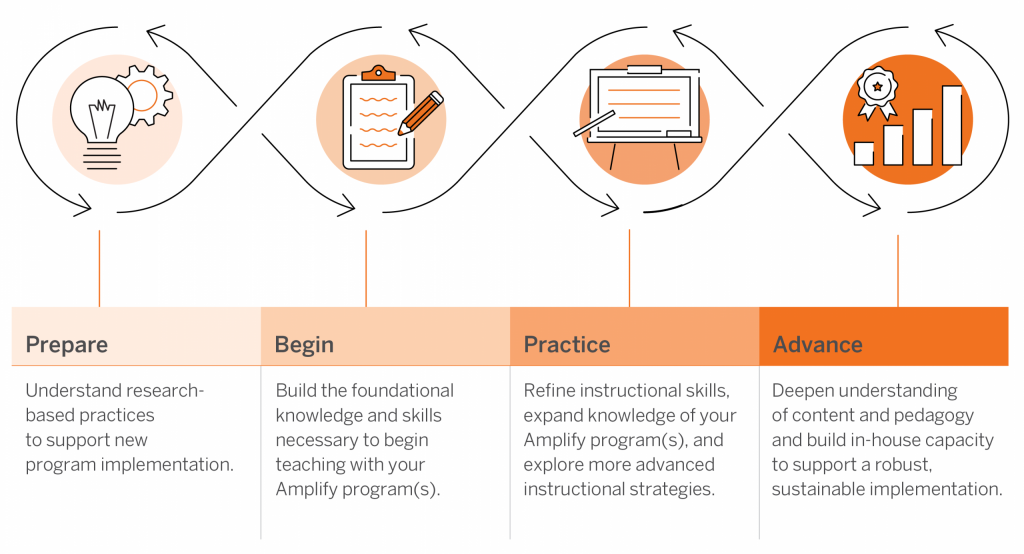
A four-step process diagram labeled Prepare, Begin, Practice, and Advance, each with icons and brief descriptions of stages for implementing an educational program.
Four people are sitting at a table; one is reading, two are discussing notes, and one is writing on paper.

Onsite session preparation

Do you have an upcoming onsite PD session? Do you need to know what your participants should bring to their session or what should be provided in the training space? Click ‘learn more’ below for detailed information on how to prepare for your onsite session.

Learn more

Amplify resource hub webinar library

Remote session preparation

Do you have an upcoming remote PD session? Do you need to know what your participants should have at their session or how to set up a remote session? Click ‘learn more’ below for detailed information on how to prepare for your remote session.

Learn more

Prepare session agendas

Launch

Build your Knowledge of Math Problem-Based Learning (90 min)

Deepen your Knowledge of Math Problem-Based Learning (3 hour) 

Launch

Build your Knowledge of Science of Reading (90 min)

Deepen your Knowledge of Science of Reading (3 hour)

Multiliterate learners

  • Build your knowledge of multiliterate learners (90 min)     K–5
  • Deepen your knowledge of multiliterate learners (3 hour)     K–5

Core: Launch and Strengthen session agendas

Select your program to preview a session agenda and any other session specific preparation steps for participants.

Launch

Initial training (6 hours)

  • Initial training for teachers    K–2    3–5
  • Skills Strand initial training for teachers    K–2
  • Knowledge Strand initial training for teachers    K–2

Program overview (3 hours) 

  • Program overview for teachers    K–2    3–5
  • Skills Strand program overview for teachers    K–2
  • Knowledge Strand program overview for teachers    K–2
  • Program overview for leaders     K–5

Strengthen

Strengthen (3 hours)

  • Enhancing planning for teachers    K–2    3–5
  • Enhancing practice for teachers    K–2    3–5
  • Writing    K–2    3–5
    • Note: teachers should bring a recent class set of student writing samples from the Amplify curriculum to this session. 

Focus (1 hour)

  • Student engagement    K–5
  • Supporting all learners    K–5
  • Pacing    K–5

Launch

Initial training (6 hours) 

  • Initial training for teachers    PreK    K–2    3–5
  • Skills Strand initial training for teachers    K–2
  • Knowledge Strand initial training for teachers    K–2

Program overview (3 hours) 

  • Program overview for teachers    PreK    K–2    3–5
  • Skills Strand program overview for teachers   K–2
  • Knowledge Strand program overview for teachers    K–2
  • Program overview for leaders    PreK–5

CKLA Writing Studio (3 hours)

  • Writing Studio companion training for teachers    K–5

CKLA Language Studio (3 hours)

  • Language Studio companion training for teachers    K–2    3–5

CKLA 2nd Edition to 3rd Edition Transition Training (1 hour)

  • Transition Training for Teachers     K–2     3–5
  • Skills Strand Transition Training for Teachers     K–2
  • Knowledge Strand Transition Training for Teachers     K–2

Grade 3 Skills (1 hour)

Strengthen

Strengthen (3 hours)

  • Enhancing planning for teachers    PreK    K–2    3–5
  • Enhancing practice for teachers    K–2    3–5
  • Maximizing impact: Data-informed remediation with the ARG    K–2
    • Note: teachers should bring a recent set of graded class data from an Amplify benchmark or end-of-unit assessment to this session.
  • Maximizing impact: Data-informed remediation with the ARG/DERG    3–5
  • Writing    K–2    3–5
    • Note: teachers should bring a recent class set of student writing samples from the Amplify curriculum to this session. 
  • Enhancing observations for leaders    K–5

Focus (1 hour)

  • Student engagement    K–5
  • Supporting all learners    K–5
  • Pacing    K–5

Launch

Initial training (6 hours) 

  • Initial training for teachers    K–2    3–5
  • Skills Strand initial training for teachers    K–2
  • Knowledge Strand initial training for teachers    K–2

Program overview (3 hours) 

  • Program overview for teachers     K–2    3–5
  • Skills Strand program overview for teachers    K–2
  • Knowledge Strand program overview for teachers    K–2
  • Program overview for leaders     K–5

CKLA 2nd Edition to 3rd Edition Transition Training (1 hour)

  • Transition Training for Teachers     K–2     3–5
  • Skills Strand Transition Training for Teachers     K–2
  • Knowledge Strand Transition Training for Teachers     K–2

Grade 3 Skills (1 hour)

Supplemental training for teachers

Strengthen

Strengthen (3 hours)

  • Enhancing planning for teachers    K–2    3–5
  • Enhancing practice for teachers    K2    3–5
  • Maximizing impact: Data-informed remediation with the ARG    K–2
  • Maximizing impact: Data-informed remediation with the ARG/DERG    3–5
  • Enhancing observations for leaders    K–5

Focus (1 hour)

  • Student engagement    K–5
  • Supporting all learners    K–5
  • Pacing    K–5

Launch

Initial training (6 hours) 

  • Initial training for teachers    K–2    3–5
  • Skills Strand initial training for teachers    K–2
  • Knowledge Strand initial training for teachers    K–2

Program overview (3 hours) 

  • Program overview for leaders    PreK–5

Strengthen

Strengthen (3 hours)

  • Enhancing planning for teachers    K–2    3–5
  • Enhancing practice for teachers    K–2    3–5
  • Writing for teachers     K–2     3–5

Focus (1 hour)

  • Student engagement    K–5
  • Supporting all learners     K–5
  • Pacing     K–5

Launch

Initial training (6 hours) 

  • Initial training for teachers     6–8

Program overview (3 hours) 

  • Program overview for teachers    6–8
  • Program overview for leaders    6–8

Strengthen

Strengthen (3 hours)

  • Enhancing planning for teachers    6–8
  • Enhancing practice for teachers    6–8
  • Writing: Improving through feedback    6–8
  • Supporting all learners    6–8
  • Data-informed instruction    6–8
  • Enhancing observations for leaders    6–8

Focus (1 hour)

  • Teaching with print and digital    6–8
  • Lesson planning    6–8
  • Pacing    6–8
  • Increasing student engagement    6–8
  • Grading and assessment    6–8

Launch

Initial training (6 hours)

Program overview (3 hours) 

Strengthen

Strengthen (3 hours)

Focus (1 hour)

  • Snapshots in the Teacher Dashboard     6–A1
  • Teaching a lesson with Digital Student Screens     K–5
  • Unit-level planning    K–5      6–A1      High School

Launch

Initial training (6 hours) 

  • Initial training for teachers    K–5    6–8

Program overview (3 hours) 

  • Program overview for teachers    TK    K–5    6–8
  • Program overview for leaders    K–5    6–8

Strengthen

Strengthen (3 hours)

Focus (1 hour)

  • Enhancing the digital experience    K–5
  • Planning with the Coherence Flowchart    K–8
  • Planning an Amplify Science lesson    K–8
  • Supporting all learners: exploring the resources    K–8
  • Supporting all learners: teacher modeling and student discourse    K–8
  • Supporting all learners: multimodal instruction    K–8
  • Analyzing student work    K–8
    • Note: teachers should bring a recent set of student work samples from an Amplify Science assessment to this session. 
  • Unit kit materials and prep    K–8
  • Grading with Amplify Science    K–8

Core: Coaching options

Select your program to view options for building a coaching session and coaching PLC or grade-level meeting topic menus.

Coaching session agenda options

Use this resource as a reference for building a coaching session agenda.

Coach PLC session topic menu

Use this resource as a menu of possible topics to choose from for a PLC or grade level meeting.

Note: this resource will only be needed if your coaching session agenda includes a PLC or grade level meeting. 

Coaching session agenda options

Use this resource as a reference for building a coaching session agenda.

Coach PLC session topic menu

Use this resource as a menu of possible topics to choose from for a PLC or grade level meeting.

Note: this resource will only be needed if your coaching session agenda includes a PLC or grade level meeting. 

Coaching session agenda options

Use this resource as a reference for building a coaching session agenda.

Coach PLC session topic menu

Use this resource as a menu of possible topics to choose from for a PLC or grade level meeting.

Note: this resource will only be needed if your coaching session agenda includes a PLC or grade level meeting. 

Coaching session agenda options

Use this resource as a reference for building a coaching session agenda.

Coach PLC session topic menu

Use this resource as a menu of possible topics to choose from for a PLC or grade level meeting.

Note: this resource will only be needed if your coaching session agenda includes a PLC or grade level meeting. 

Coaching session agenda options

Use this resource as a reference for building a coaching session agenda.

Coach PLC session topic menu

Use this resource as a menu of possible topics to choose from for a PLC or grade level meeting.

Note: this resource will only be needed if your coaching session agenda includes a PLC or grade level meeting. 

Coaching session agenda options

Use this resource as a reference for building a coaching session agenda.

Coach PLC session topic menu

Use this resource as a menu of possible topics to choose from for a PLC or grade level meeting.

Note: this resource will only be needed if your coaching session agenda includes a PLC or grade level meeting. 

Assessment and intervention: Launch and Strengthen session agendas

Select your program to preview a session agenda and any other session specific preparation steps for participants.

Launch

Program overview (3 hours) 

Program overview (3 hours) 

Launch

Program overview + DIBELS 8th Edition Administration and scoring training (6 hours) 

Initial training + DIBELS 8th Edition Administration and scoring training (9 hours) 

Assessment and Intervention: Coaching options

Select your program to view options for building a coaching session agenda.

Coaching session agenda options

Use this resource as a reference for building a coaching session agenda.

Coach PLC session topic menu

Use this resource as a menu of possible topics to choose from for a PLC or grade level meeting.

Note: this resource will only be needed if your coaching session agenda includes a PLC or grade level meeting. 

Coaching session agenda options

Use this resource as a reference for building a coaching session agenda.

Coach PLC session topic menu

Use this resource as a menu of possible topics to choose from for a PLC or grade level meeting.

Note: this resource will only be needed if your coaching session agenda includes a PLC or grade level meeting. 

Coaching session agenda options

Use this resource as a reference for building a coaching session agenda.

Coach PLC session topic menu

Use this resource as a menu of possible topics to choose from for a PLC or grade level meeting.

Note: this resource will only be needed if your coaching session agenda includes a PLC or grade level meeting. 

Boost: Launch and Strengthen session agendas

Select your program to preview a session agenda and any other session specific preparation steps for participants.

Launch

Getting started (2 hours)  

Strengthen

Focus (1 hour)

Launch

Getting started (2 hours)

Launch

Getting started (2 hours)

Launch

Getting started (2 hours) 

Strengthen

Focus (1 hour)  

Launch

Getting started (2 hours) 

Strengthen

Focus (1 hour)

State-specific session agendas

Select your program to preview a session agenda and any other session specific preparation steps for participants.

Launch

Initial training (6 hours) 

  • Initial training for teachers       K–2    3–5    6–8
  • Skills strand initial training for teachers    K–2
  • Knowledge strand initial training for teachers    K–2

Program overview (3 hours)

  • Program overview for teachers    K–2    3–5    6–8
  • Program overview for leaders    K–5    6–8
  • Skills strand program overview for teachers   K–2
  • Knowledge strand program overview for teachers    K–2

Strengthen

Strengthen (3 hours) 

  • Enhancing planning for teachers                    K–2     3–5     6–8
  • Enhancing practice for teachers                      K–2     3–5    6–8
  • Writing     K–2     3–5    6–8
  • Enhancing observations for leaders                    K–5    6–8
  • Supporting all learners for 6–8 teachers              6–8
  • Data informed instruction    6–8

Focus (1 hour)

  • Student engagement     K–5    6–8
  • Supporting all learners     K–5
  • Pacing     K–5    6–8
  • Teaching with print and digital    6–8
  • Lesson planning    6–8
  • Grading and assessment    6–8

Coach

K–5

Use this resource as a menu of possible topics to choose from for a PLC or grade level meeting.

Note: this resource will only be needed if your coaching session agenda includes a PLC or grade level meeting. 

6–8

Use this resource as a menu of possible topics to choose from for a PLC or grade level meeting.

Note: this resource will only be needed if your coaching session agenda includes a PLC or grade level meeting.

Launch

Initial training (6 hours) 

  • Initial training for teachers    K–2    3–5
  • Skills strand initial training for teachers    K–2
  • Knowledge strand initial training for teachers    K–2

Program overview (3 hours) 

  • Program overview for teachers    K–2    3–5
  • Skills strand program overview for teachers    K–2
  • Knowledge strand program overview for teachers    K–2

Strengthen

Strengthen (3 hours) 

  • Enhancing planning for teachers     K–2     3–5
  • Enhancing practice for teachers     K–2     3–5
  • Writing     K–2     3–5

Focus (1 hour)

  • Student engagement     K–5
  • Supporting all learners     K–5
  • Pacing     K–5

Launch

Initial training (6 hours) 

  • Initial training for teachers     K–2     3–5
  • Skills strand initial training for teachers    K–2
  • Knowledge strand initial training for teachers    K–2

Program overview (3 hours)

  • Program overview for leaders    K–5

Strengthen

Strengthen (3 hours) 

  • Enhancing planning for teachers        K–2     3–5
  • Enhancing practice for teachers        K–2     3–5
  • Writing     K–2     3–5

Focus (1 hour)

  • Student engagement     K–5
  • Supporting all learners     K–5
  • Pacing     K–5

Coach

K–5

Use this resource as a menu of possible topics to choose from for a PLC or grade level meeting.

Note: this resource will only be needed if your coaching session agenda includes a PLC or grade level meeting. 

Launch

Initial training (6 hours) 

  • Initial training for teachers    K–2    3–5

Program overview (3 hours) 

  • Program overview for teachers    K–2    3–5
  • Program overview for leaders    K–5

Strengthen

Strengthen (3 hours) 

  • Enhancing planning for teachers     K–2     3–5
  • Enhancing practice for teachers     K–2     3–5
  • Writing     K–2     3–5
  • Maximizing Impact: data-informed remediation with the ARG for teachers    K–2     3–5
  • Enhancing observations for leaders     K–5

Launch

Initial training (6 hours) 

  • Initial training for teachers    K–2    3–5

Launch

Initial training (6 hours) 

  • Initial training for teachers    6–8

Program overview (3 hours)

  • Program overview for teachers    6–8
  • Program overview for leaders    6–8

Launch

Administration and instruction essentials (6 hours) 

Administration and scoring training (3 hours) 

Launch

Getting started (2 hours) 

  • Getting started for teachers    K–5    6–8
  • Getting started for leaders    K–5

Strengthen

Focus (1 hour)

  • Maximizing data for teachers     K–5     6–8

¡Les damos la bienvenida, familias de Boost Lectura!

Nos complace darles la bienvenida a usted y a su estudiante al Caregiver Hub de Boost Lectura en este nuevo año escolar. Hemos reunido una serie de recursos y guías que ayudarán a que usted pueda brindar apoyo a su estudiante a lo largo de todo el año y a que este aproveche al máximo nuestra plataforma.

For English version, please click here.

Cartoon dog in a soccer uniform kicks a "ma" ball toward a goal, saying "¡Hola!" and "Hello!"—highlighting how the Science of Reading can help boost reading skills in fun ways.

¿Qué es Boost Lectura?

Boost Lectura es un programa de intervención digital fácil de usar. El apasionante mundo de Boost Lectura proporciona enseñanza diferenciada de la lectura en español para estudiantes de grados K a 2, adaptándose a las necesidades únicas de cada lector. Su estudiante puede usar el programa durante el horario de clase y también de forma independiente en casa.

¡Bienvenidos a Boost Lectura!

Captura de pantalla de un video de dibujos animados educativos en pausa destinado a impulsar la lectura, que muestra un pájaro en un arbusto y una niña mirando desde detrás de un árbol, con opciones de palabras "ad" y "at".

¿Cuál es mi rol?

Asegúrese de que su estudiante pueda iniciar sesión por cuenta propia.

Le recomendamos que ayude a su estudiante a iniciar sesión en casa a través de Clever u otra plataforma. El maestro también puede descargar e imprimir un código QR o un nombre de usuario y contraseña únicos que su estudiante pueda usar para iniciar sesión. Si tiene dudas sobre el proceso de inicio de sesión o no recibió los datos de ingreso, comuníquese con el maestro.

Sugerencias

  • Practique el inicio de sesión con su estudiante de manera regular hasta que pueda iniciar sesión de forma independiente.
  • Mantenga sus datos de ingreso en un solo lugar para que su estudiante sepa adónde recurrir si los olvida.
Ilustración colorida de criaturas y objetos caprichosos, incluida una bola de cristal que muestra la silueta de un paisaje urbano, libros para estimular la lectura, una poción y una criatura vibrante que se asemeja a un gato.

Procure un espacio tranquilo para que su estudiante pueda trabajar.

Prepare a su estudiante para usar Boost Lectura en casa: asegúrese de que tenga auriculares y un lugar tranquilo para jugar. Boost Lectura es un programa personalizado que responde a las necesidades de cada estudiante, así que no necesitará asistirlo con su aprendizaje. Una vez que su estudiante pueda iniciar sesión, podrá comenzar a usar el programa por cuenta propia.

Aparte tiempo para que su estudiante pueda jugar de forma independiente.

Es posible que su estudiante comience con una actividad de nivelación que ayudará al programa a asignarle el mejor contenido, de acuerdo con su nivel de lectura. Para garantizar la nivelación más precisa posible, es importante que el estudiante realice cada actividad de manera independiente. ¡Anime a su estudiante a que se esfuerce y se divierta!

Revise la seguridad digital.

Le recomendamos que revise Proteja a los niños en internet, un sitio web de la Comisión Federal de Comercio, cuyo tema es la seguridad digital.

¡Diviértanse más!

Cada estudiante tiene un compañero digital personalizable llamado Curioso. ¡Imprima estas páginas para colorear, y compártalas con su estudiante para que decore su propio Curioso!

Páginas para colorear con animales de dibujos animados vestidos con atuendos festivos y la palabra "¡Impulsa la lectura!" en un cartel en la parte superior.

Descargue las páginas para colorear Curiosos.

Cómo obtener ayuda

Página de inicio del sitio web de Amplify, que presenta una barra de búsqueda, menús de navegación e íconos para mejorar los recursos de lectura y el soporte.

¡Estamos aquí para ayudarle!

¿Tiene alguna pregunta sobre Boost Lectura?

Visite nuestra biblioteca de ayuda (en inglés) y busque respuestas a sus preguntas sobre el programa en nuestros artículos de ayuda.

Para obtener apoyo curricular adicional, comuníquese con su maestro.

Preguntas frecuentes

Es posible que su estudiante use programas durante la jornada escolar, por lo que recomendamos ponerse en contacto con el maestro para determinar cuánto tiempo debe usar estos programas en casa. En general, nuestra sugerencia es la siguiente:

Boost Lectura

Los estudiantes que solamente usan Boost Lectura deberían jugar durante un total de 30 a 45 minutos por semana, repartidos en sesiones de 10 a 15 minutos cada una.

Boost Reading y Boost Lectura

Para los estudiantes que usan tanto Boost Lectura como Boost Reading, recomendamos que usen ambos programas aproximadamente 40 minutos por semana. Sugerimos repartir el tiempo total entre ambos programas, cada uno con sesiones de 10 a 15 minutos.

Si su estudiante tiene problemas con el contenido, le recomendamos que no intervenga. Aunque sabemos que esto puede resultar difícil, Boost Lectura está diseñado para adaptarse según las respuestas de su estudiante y proporcionarle un mayor apoyo e instrucción con el fin de que pueda avanzar en el juego.