Foundational skills for adolescent readers, with Doug Fisher, Ph.D.



Transcripts and additional resources:
Meet Our Guest(s):

Doug Fisher
Doug Fisher, Ph.D., is currently professor and chair of educational leadership at San Diego State University and a leader of Health Sciences High and Middle College, after a career spent as an early intervention teacher and elementary school educator. He is the recipient of an International Reading Association William S. Grey Citation of Merit, an Exemplary Leader Award from the Conference on English Leadership at NCTE, and a Christa McAuliffe Award for Excellence in Teacher Education. He has published numerous articles and books on reading and literacy, differentiated instruction, and curriculum design.
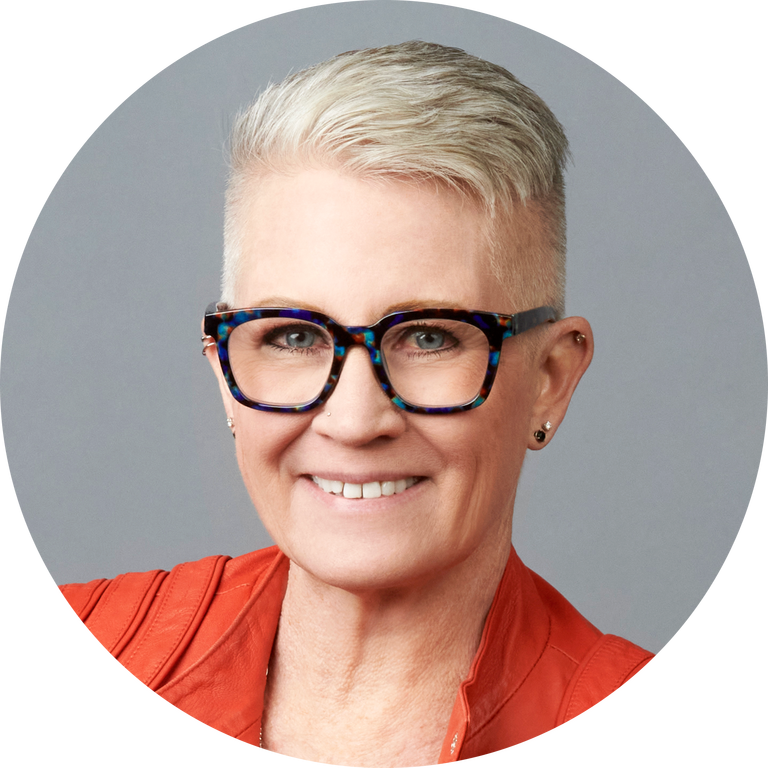
Meet our host, Susan Lambert.
Susan Lambert is chief academic officer of literacy at Amplify and host of Science of Reading: The Podcast. Throughout her career, she has focused on creating high-quality learning environments using evidence-based practices. Lambert is a mom of four, a grandma of four, a world traveler, and a collector of stories.
As the host of Science of Reading: The Podcast, Lambert explores the increasing body of scientific research around how reading is best taught. A former classroom teacher, administrator, and curriculum developer, she’s dedicated to turning theory into best practices that educators can put right to use in the classroom, and to showcasing national models of reading instruction excellence.
Quotes
“Our literacy skills continue to grow across our lifetimes.”
“The human brain operates on language, and reading, writing, speaking, and listening are the language operating systems of our brain.”
“The word ‘foundational’ to me means not optional.”
“Literacy is a gatekeeper. If we can develop stronger literacy skills in our students, we will change their lives.”
“Literacy opens doors. Literacy improves our life outcomes, including our health outcomes.”
“Teachers like to watch kids learn things. That's it. It's rewarding to us to watch learning occur in real time and to have strong relationships with students.”
“The passion that educators bring also makes learning relevant.”