Episode 27: Fostering relationships between parents and educators with Dr. Catherine Barnes


The Science of Reading shows that literacy develops best on a foundation of knowledge. In other words, the more you know, the easier and faster you learn!
The Amplify CKLA literacy curriculum intentionally builds students’ background and academic knowledge—along with comprehension strategies—that fuel their capacity to understand texts, answer questions, and grapple with ideas.
Explore resources for teachers from educators across the country who are bringing Amplify CKLA Knowledge Domains to life in their classrooms!

In kindergarten, students develop phonemic awareness with storybook characters like Zack and Ann Chang; draw a chart to identify different smells; learn about the Lenape, Wampanoag, and Lakota Sioux; and pay homage to classic nursery rhymes by jumping a candlestick.

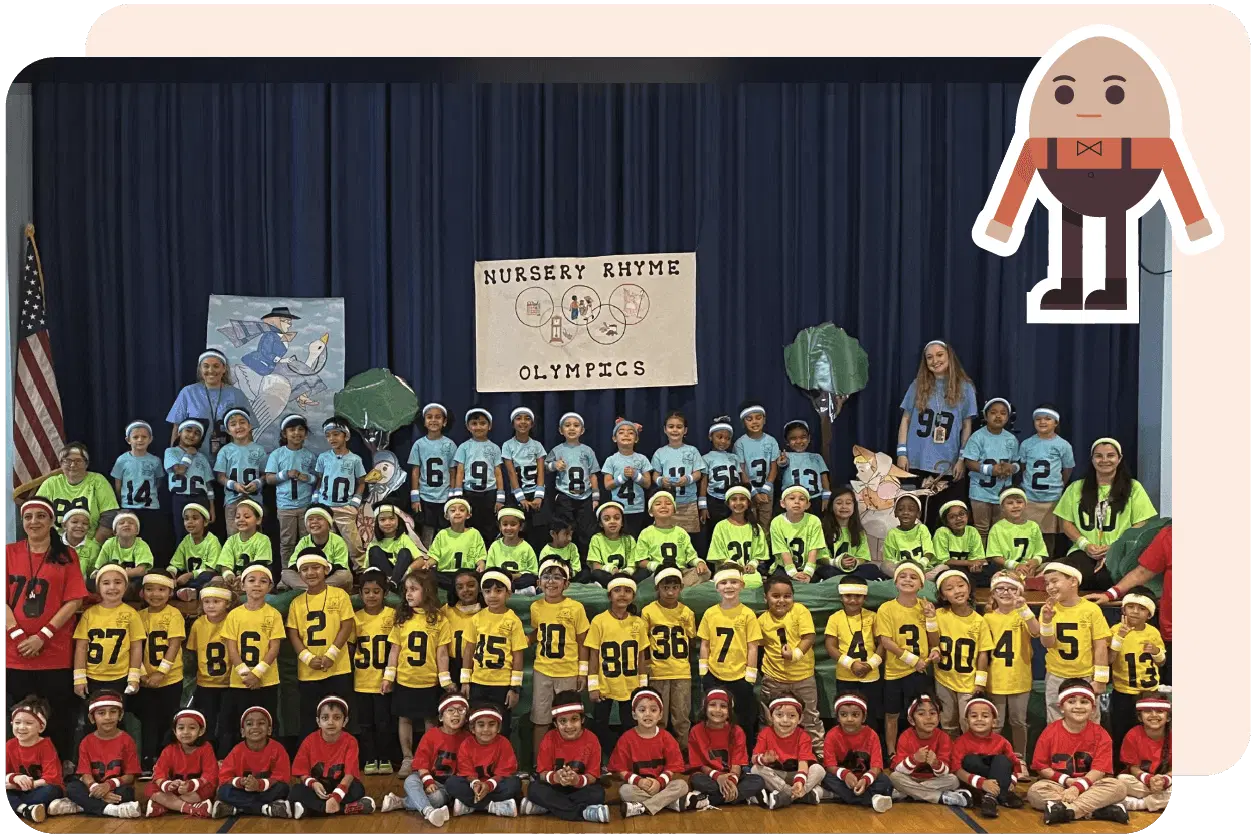
To celebrate the end of the Nursery Rhymes and Fables unit, students participated in a Nursery Rhyme Olympics.
Credit: Kelly O’Connor, Huber Street Elementary School, NJ
BONUS VIDEO: Watch this video to see Nursery Rhyme Olympics in action!
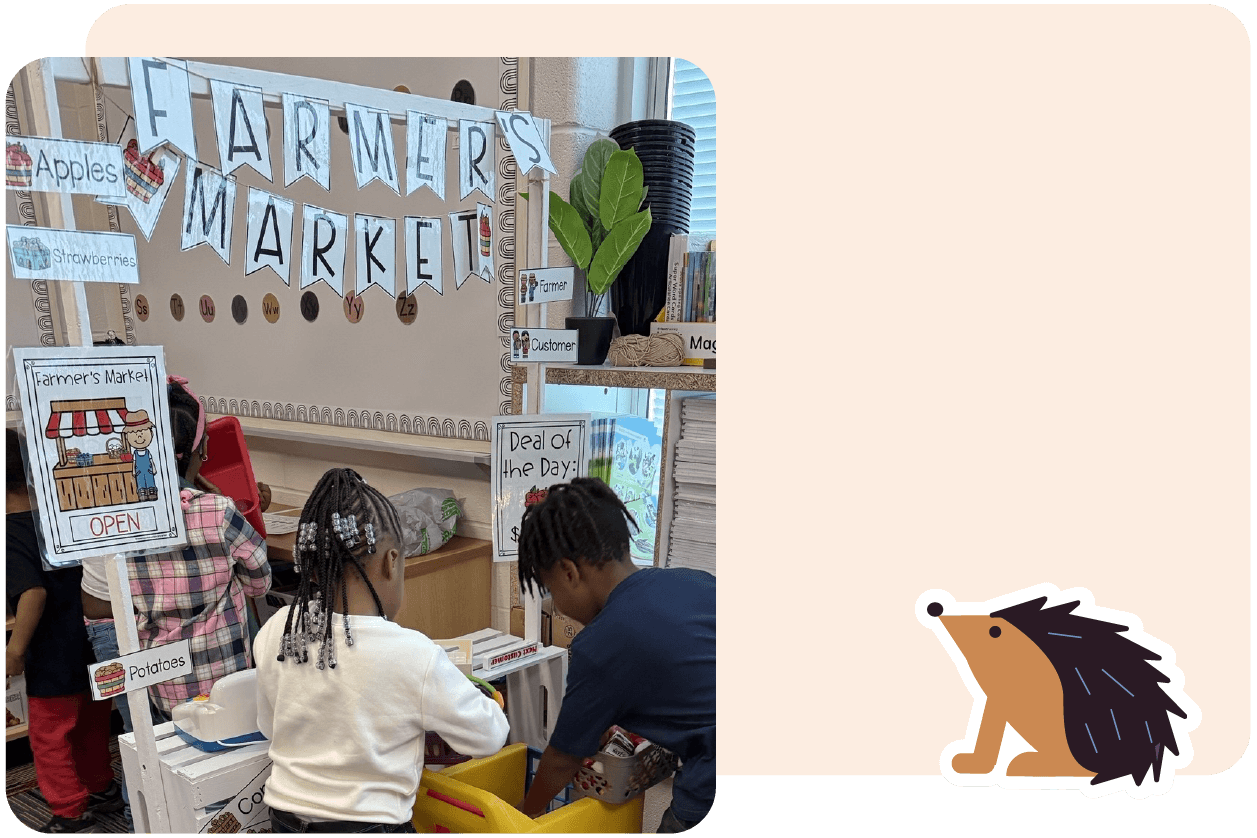
As a special activity for the Five Senses unit, students explored their sense of taste with a pop-up farmers market.
Credit: Debbie Braaten, Abraham Lincoln Elementary School, OH
BONUS VIDEO: Hear how Jamie Vannoy, a teacher in Wirt County, WV, plans a braille activity for this unit!
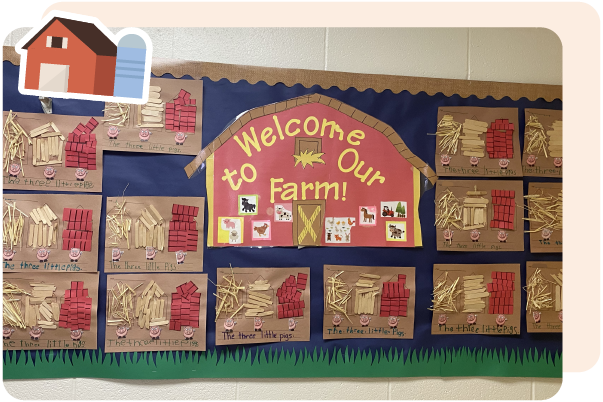
Kindergarteners worked in groups to construct houses using straw, sticks, and bricks to commemorate the reading of “The Three Little Pigs.”
Credit: Manal Abuhouran, Clarendon Elementary School, NJ
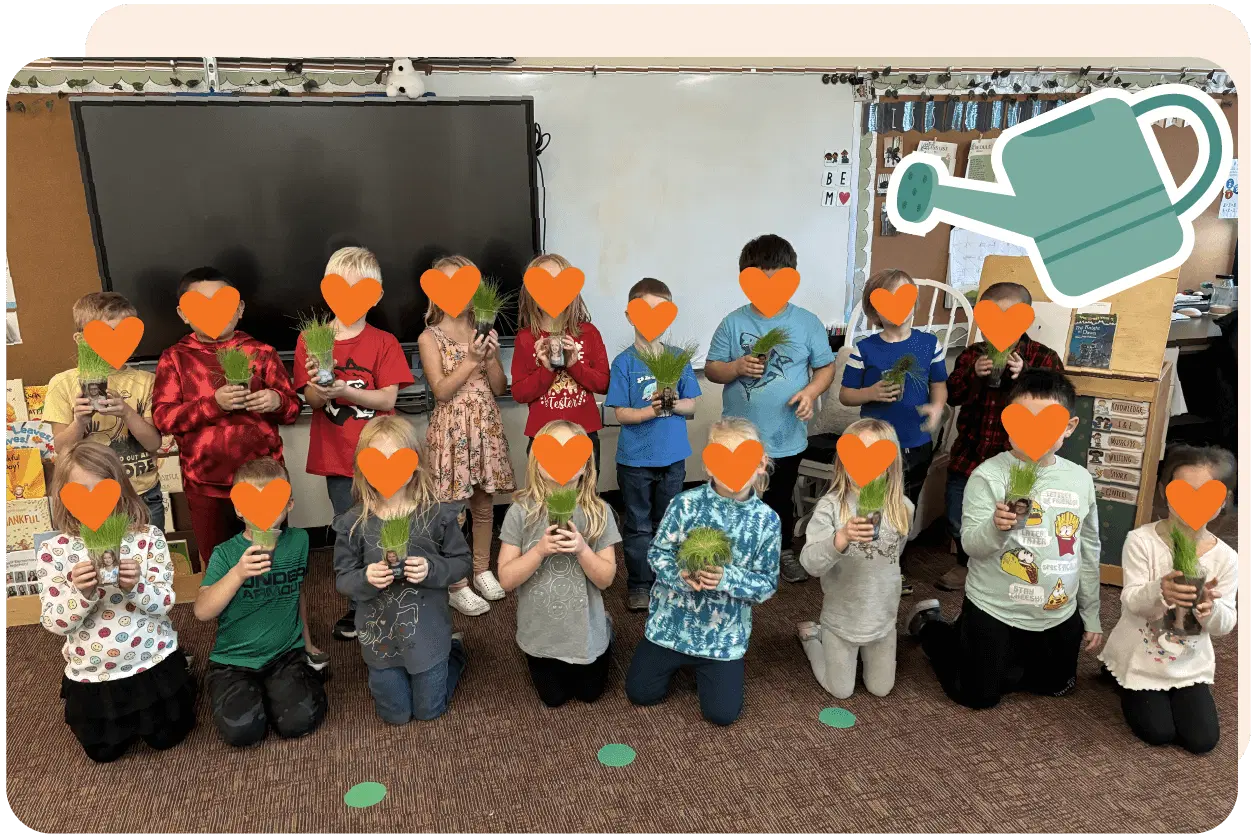
To apply their learning, students at Superior Elementary planted grass seeds at the beginning of the Plants unit, then cared for and observed the grass daily to ensure it flourished.
Credit: Emma Fynbu, Superior Elementary School, NE
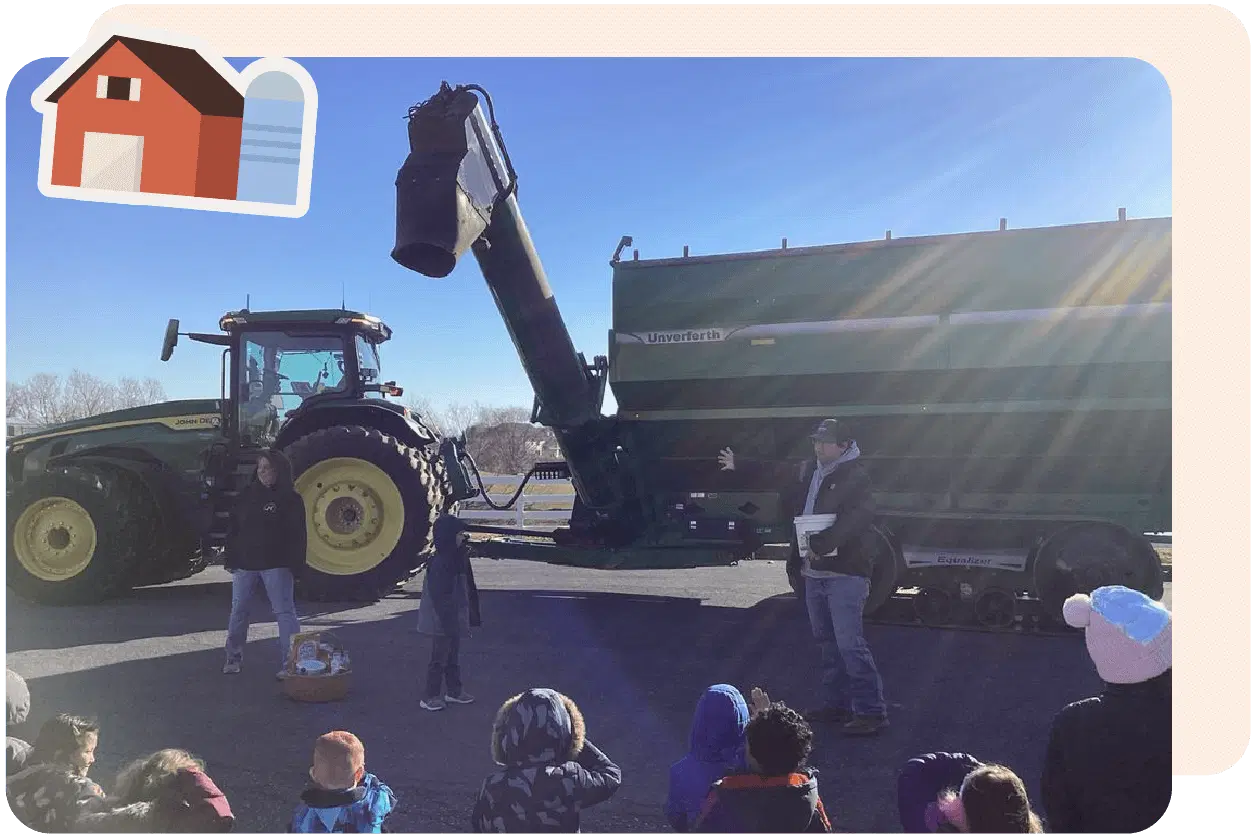
To celebrate the Farms unit, students visited a local farm to study the equipment and farm animals!
Credit: Kirsten Tingley, Cumberland Valley School District, PA
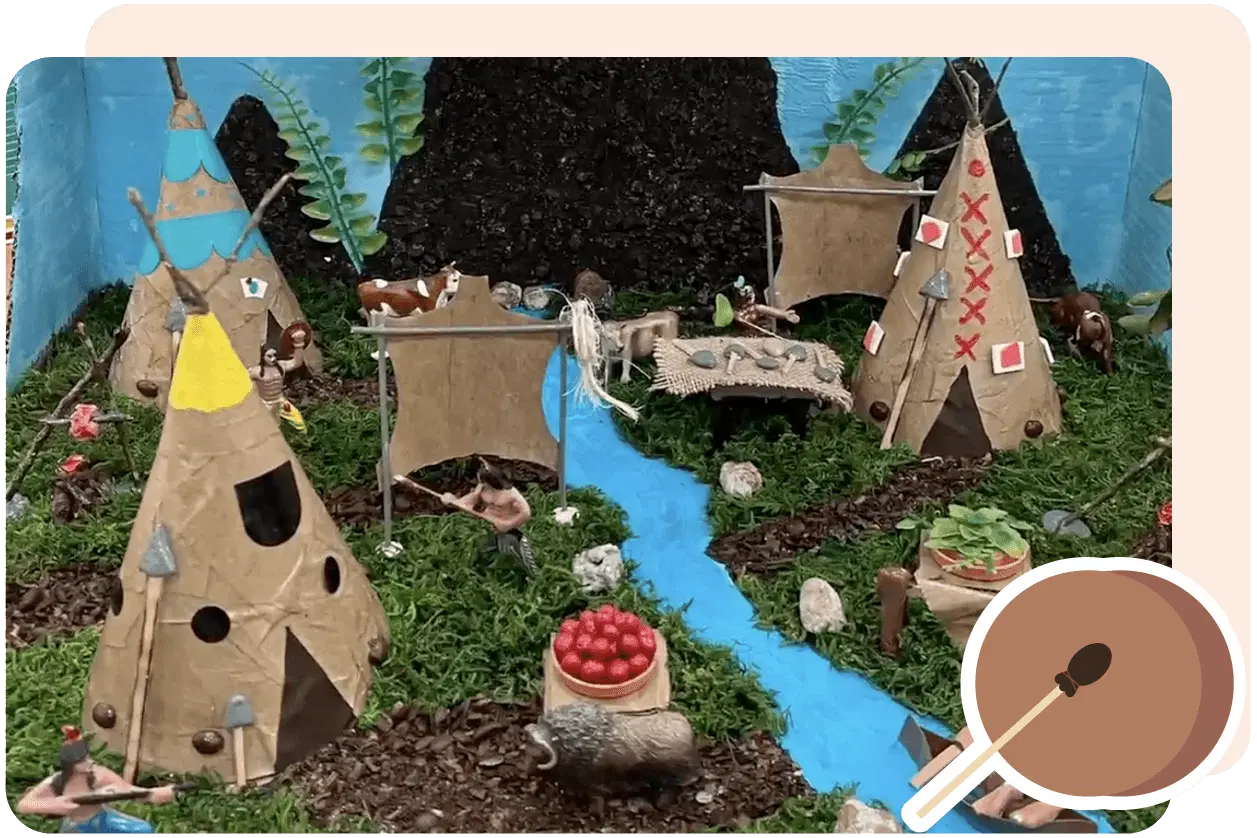
To showcase their knowledge, students created a gallery walk that displays information about the Lakota Sioux, Wampanoag, and Lenape tribes.
Credit: Dalphne Harrison, Aldine ISD, TX
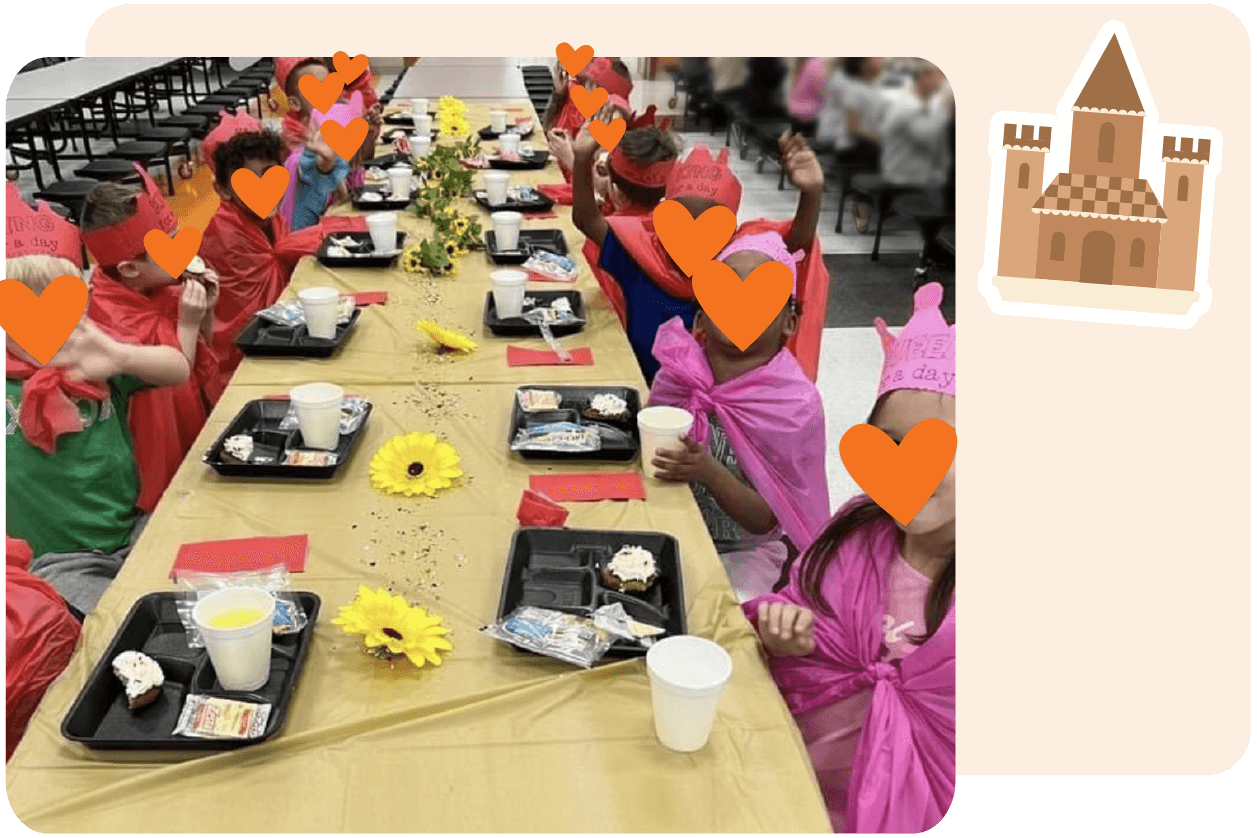
To mark the end of the Kings and Queens unit, this class hosted a royal tea party in the cafeteria, featuring cloaks and handmade crowns.
Credit: Chrystal Wise, Malvern School District, AR
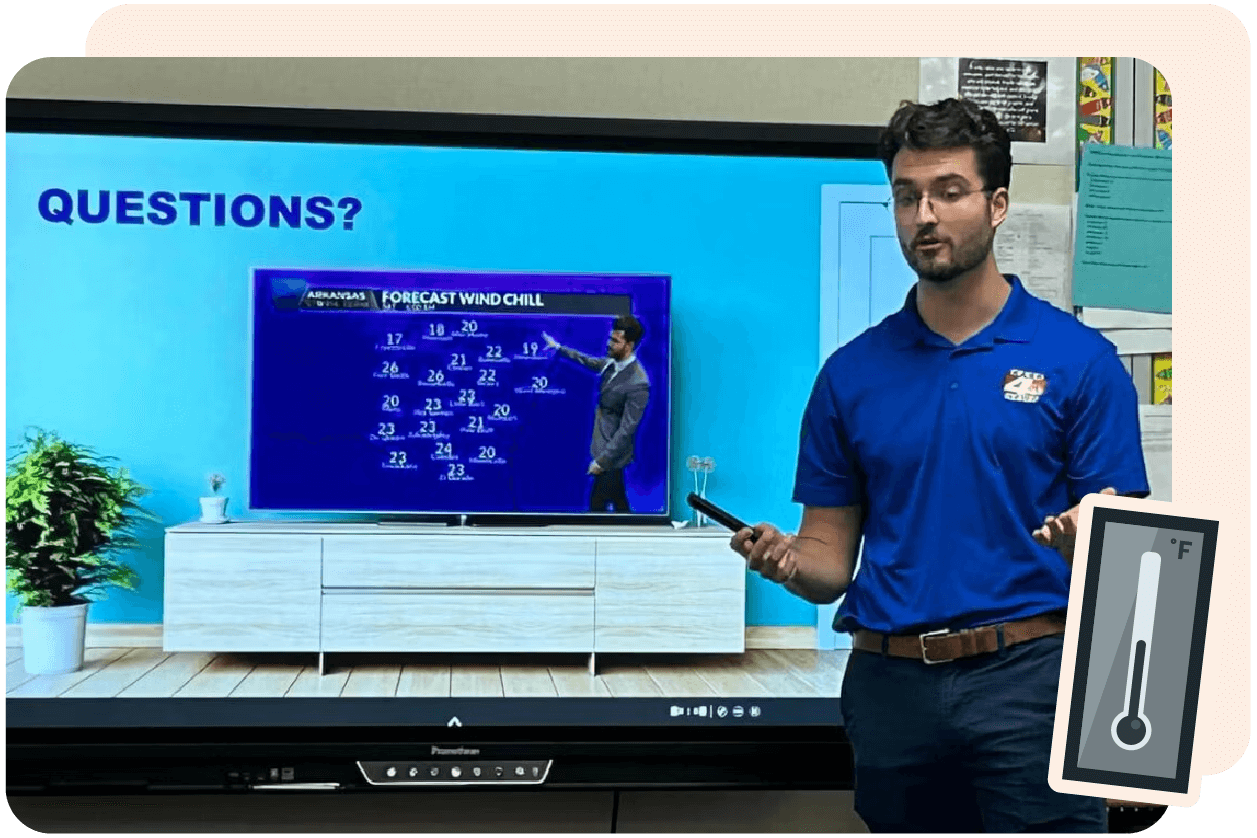
Teach your students more about seasons and weather: Invite your local meteorologist to visit, like this classroom did!
Credit: Chrystal Wise, Malvern School District, AR
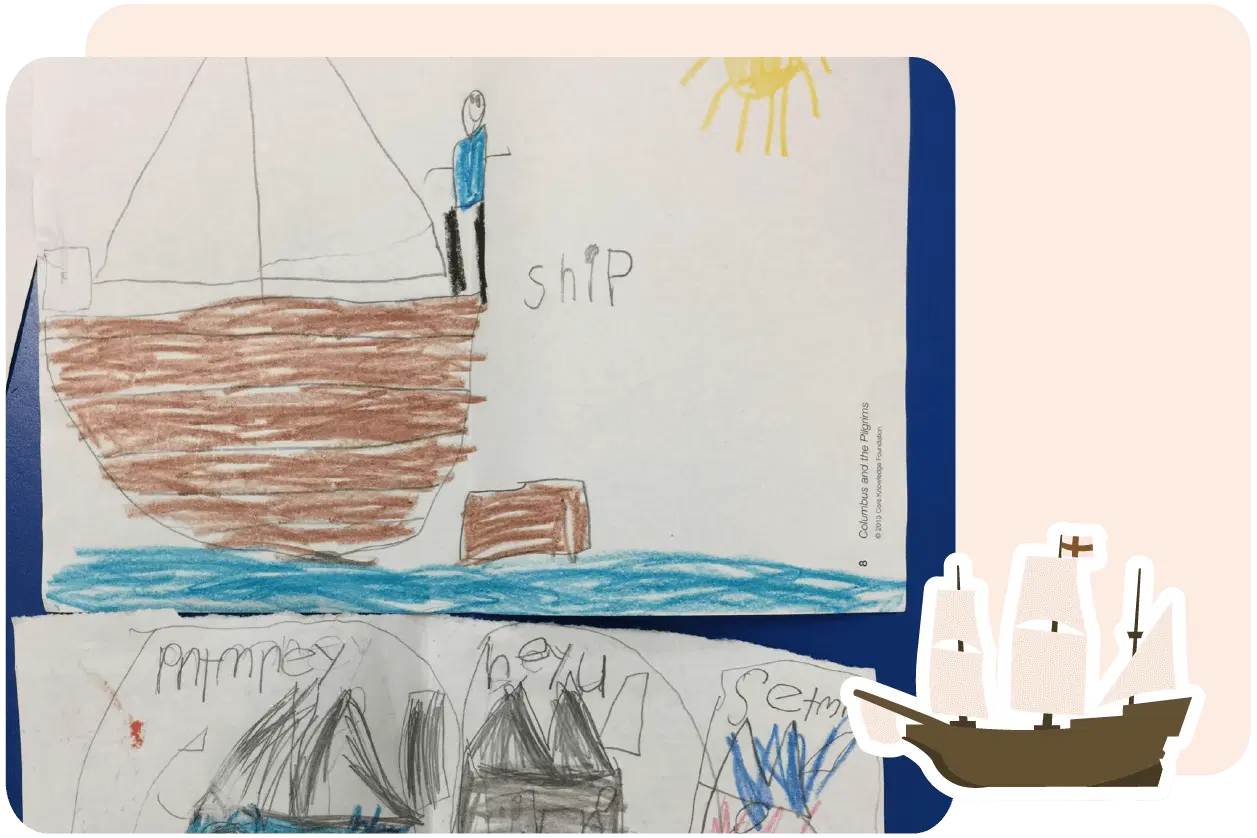
Students create illustrations of Columbus’s journey to present their knowledge for this unit!
Credit: Mandy Collins, Fayette County Public Schools, TN
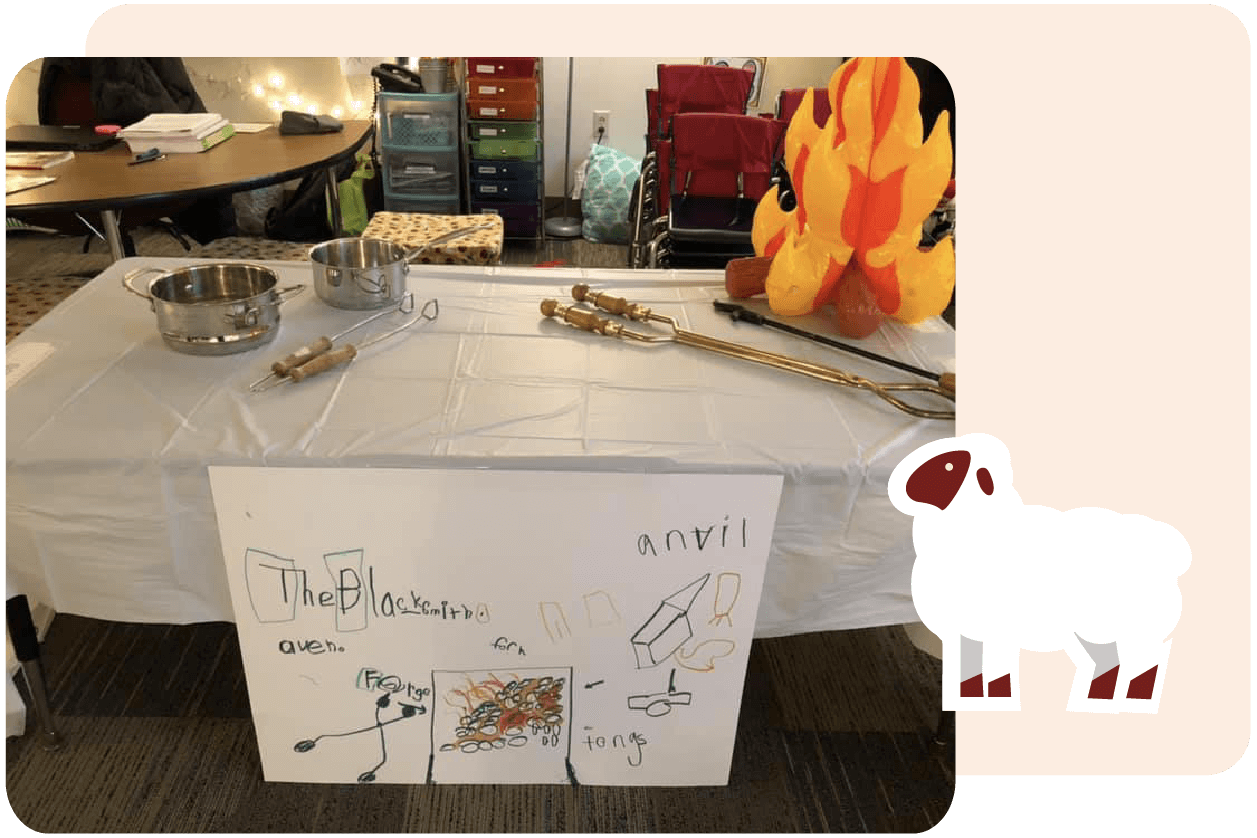
As you wrap up this unit, take inspiration from this school: Make shop signs and tables to create your own colonial town!
Credit: Andrea Gatten, Propel Schools, PA
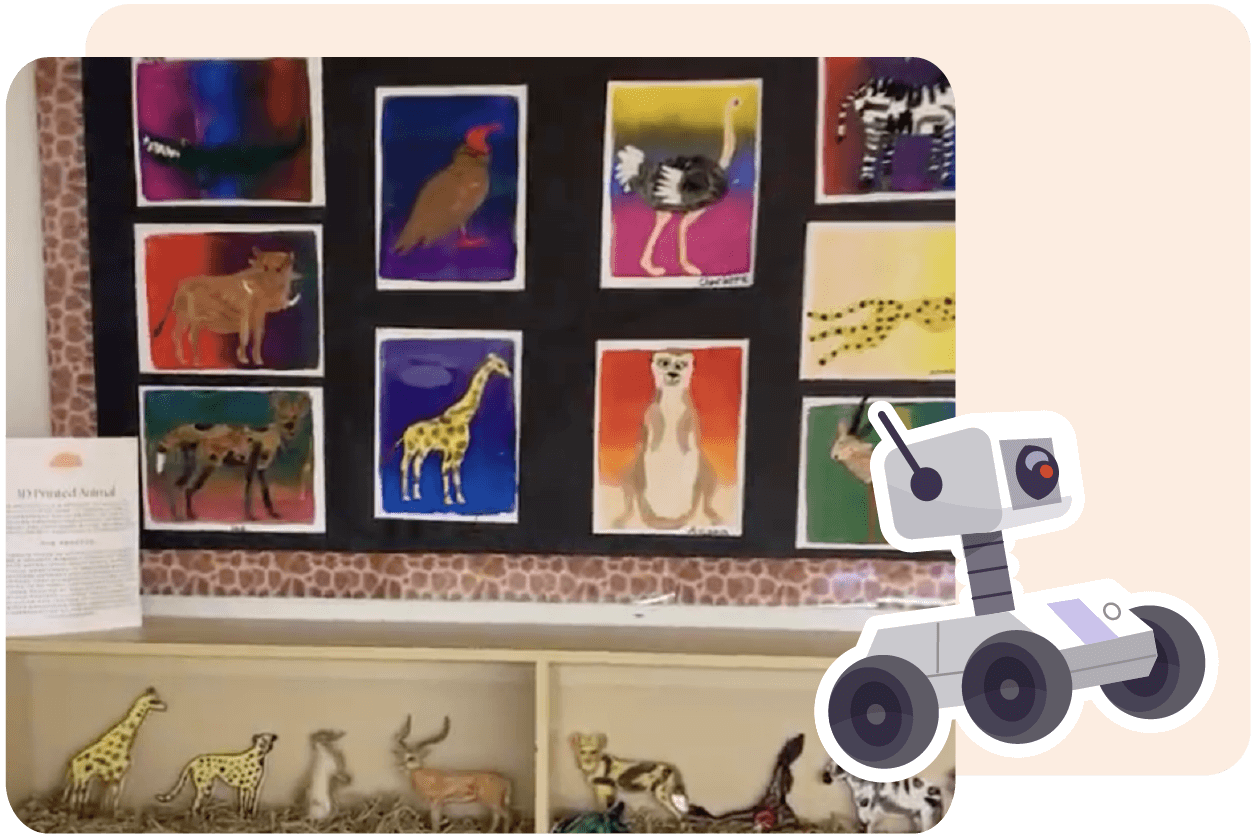
We love this culminating activity! Students create awareness for a cause by creating persuasive signs, videos, and a class petition. This multimedia display shows them embracing the values of environmental stewardship.
Credit: Heather Keating, Gulliver Prep, FL
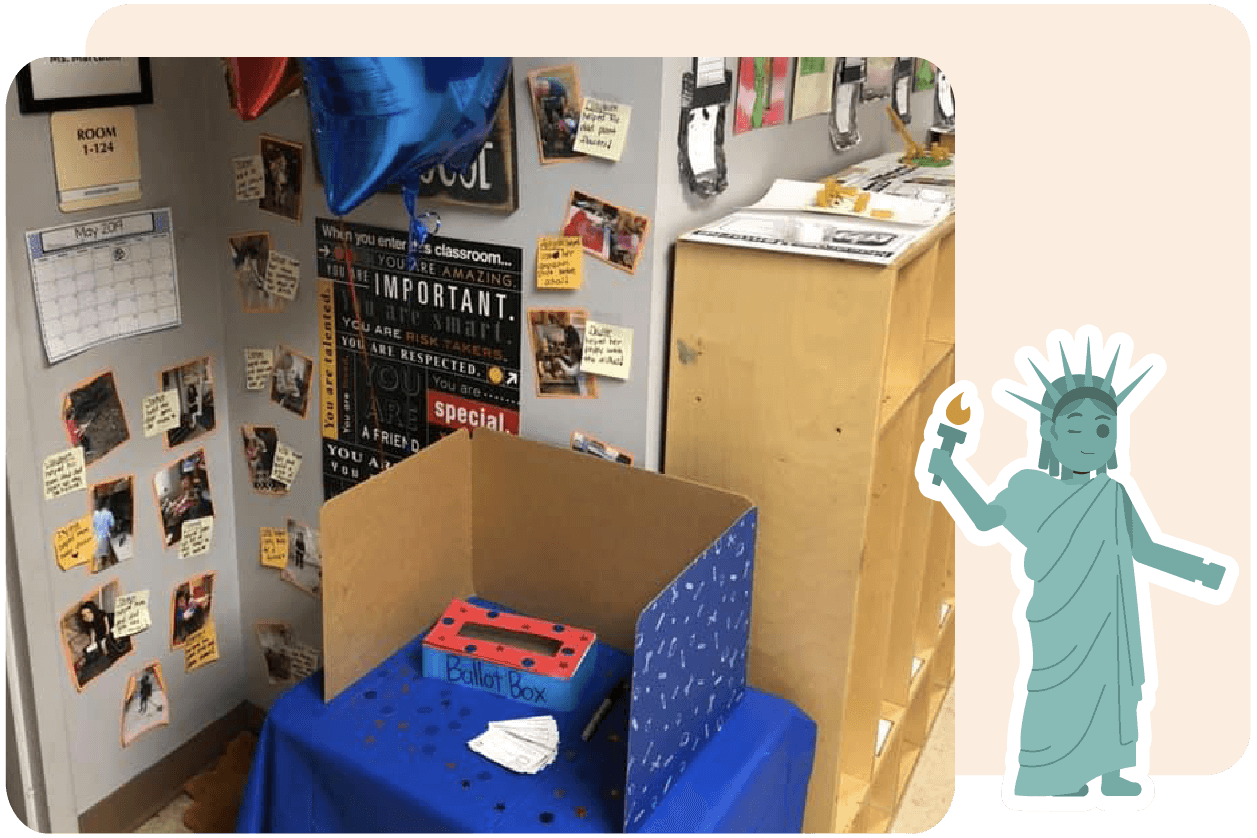
To close the Presidents and American Symbols Domain, hold a sample election in your classroom! Create a voting booth, ballot box, ballot cards, election music, campaign posters, stickers, balloons, and confetti! Before announcing the winner, discuss the importance of voting, the voting process, what a campaign looks like, and what to look for in a great leader.
Credit: Andrea Gatten, Propel Schools, PA
In Grade 1, students sing about a fabulous fox, learn to tell the difference between fairy tale heroes and villains, write an opinion statement about the worst part of going to the moon, and learn ancient Egyptian techniques for mummifying an apple.
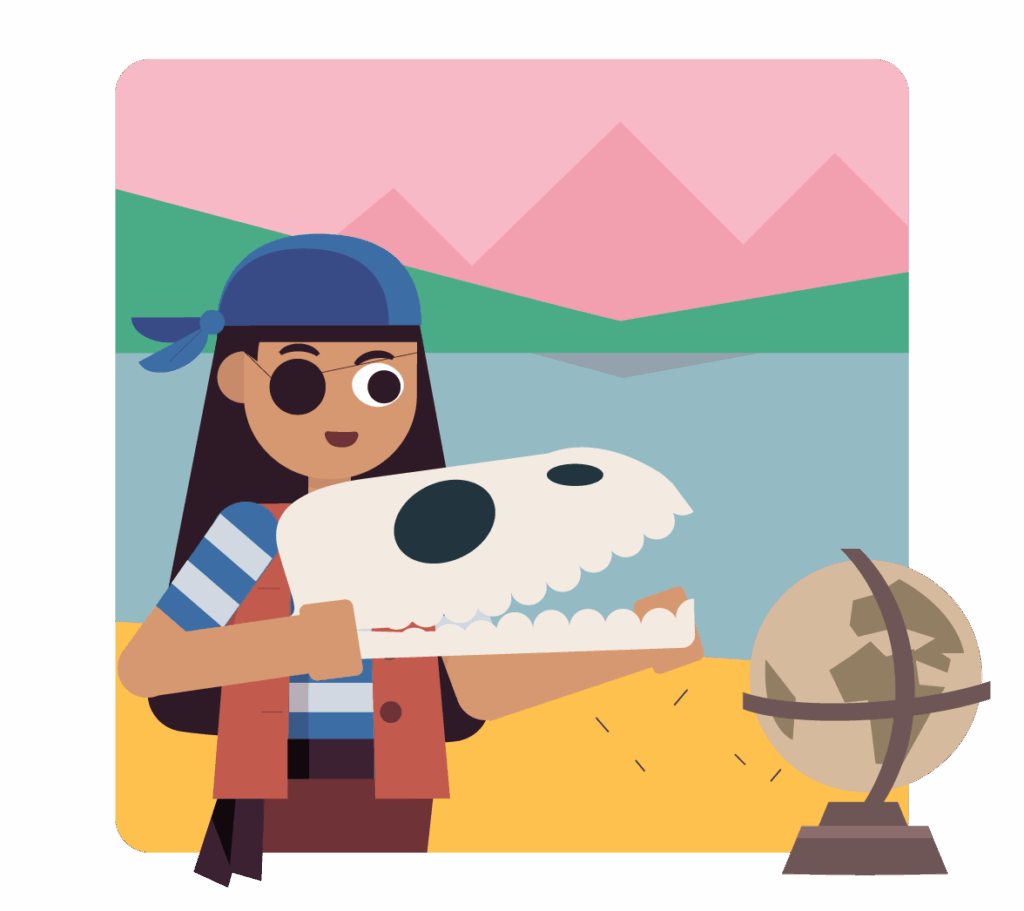
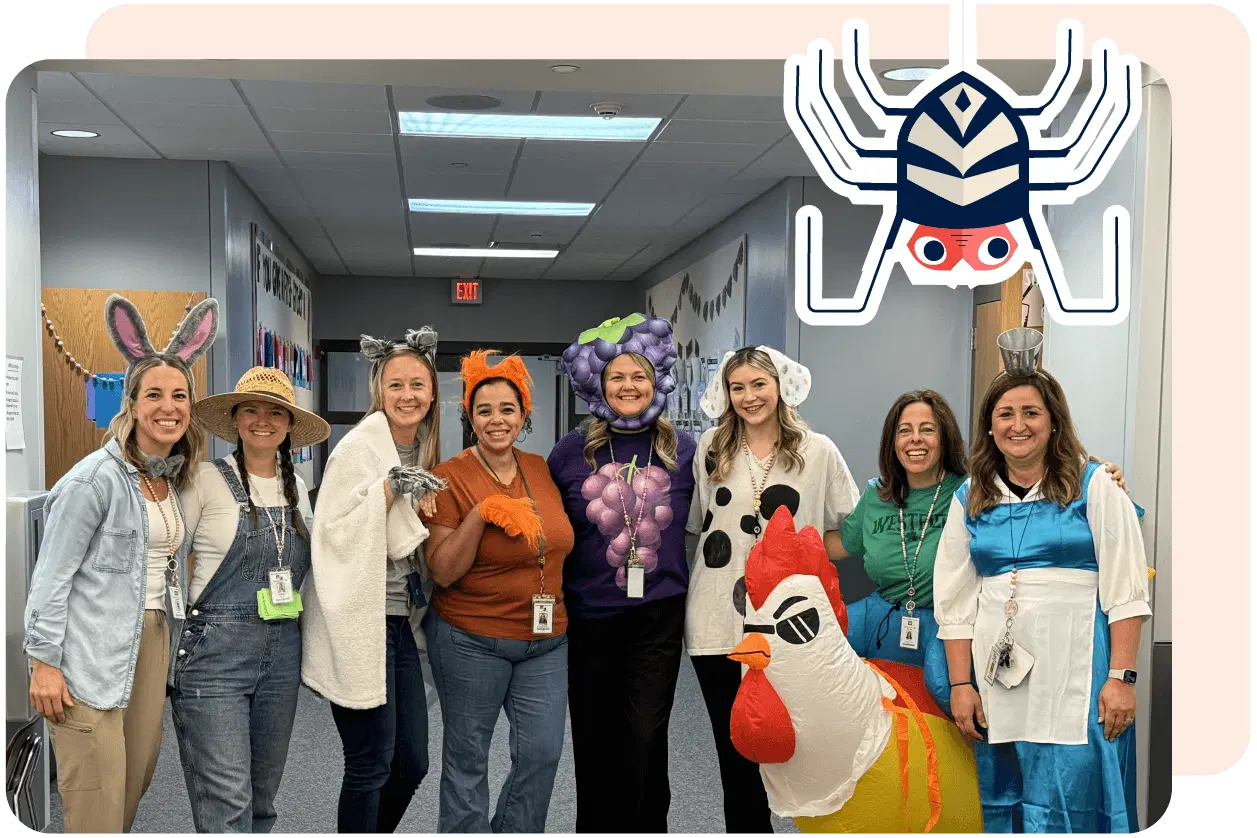
To celebrate the Fables and Stories domain, students participated in a “wolf in sheep’s clothing” race while teachers dressed as fable characters.
Credit: Brittany Sachs, Monon Trail Elementary School, IN
BONUS VIDEO: Hear how Brittany planned a Fable Olympics for her Grade 1 students!
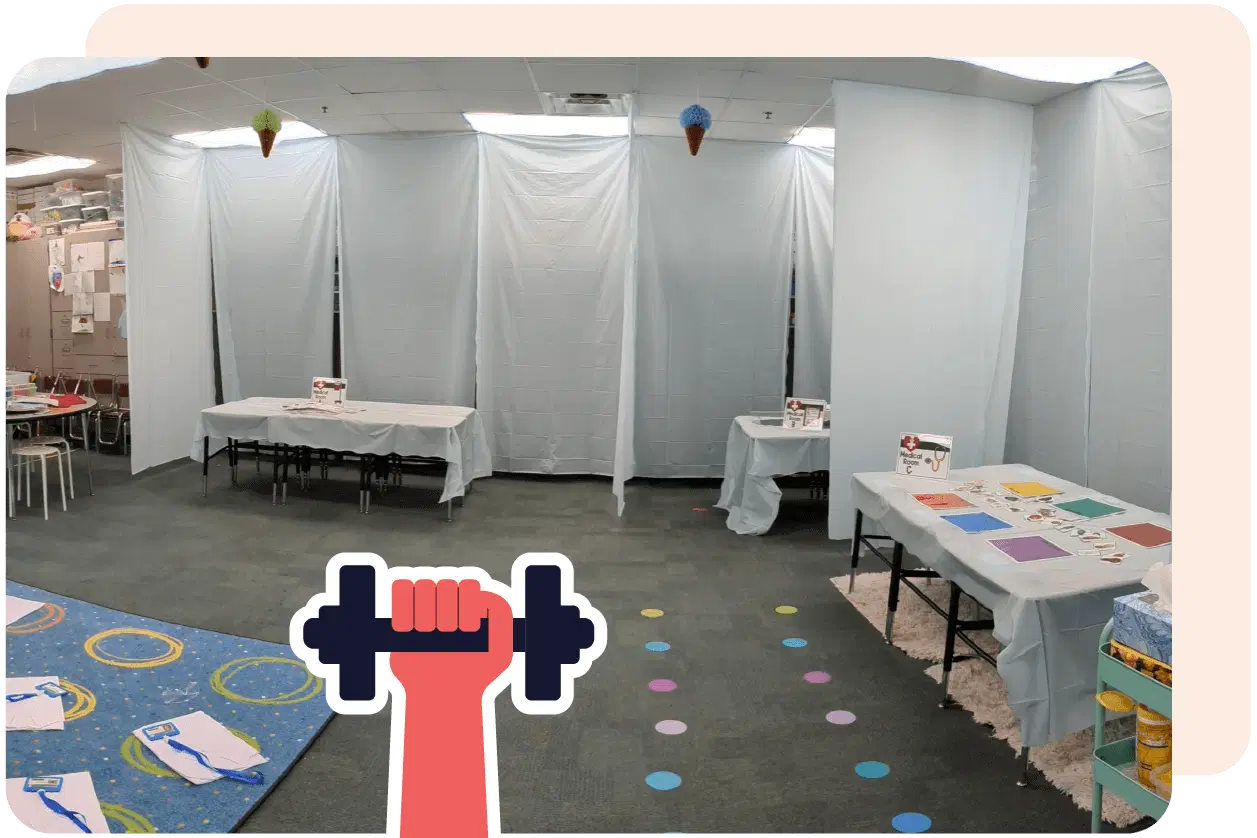
To showcase their knowledge of the topic, students participated in a “hospital day.” The classroom was transformed to look like different operating rooms. Stations included blending and segmenting CVC words with Band-Aids, a Tricky Words eye exam, sentence writing, an X-ray light table, food sorting according to the food pyramid, and an operation game!
Credit: Erin Chester, Thompson Crossing Elementary School, IN
BONUS VIDEO: Erin explains how she planned the activity, and shows us snippets of the culminating activity in action.
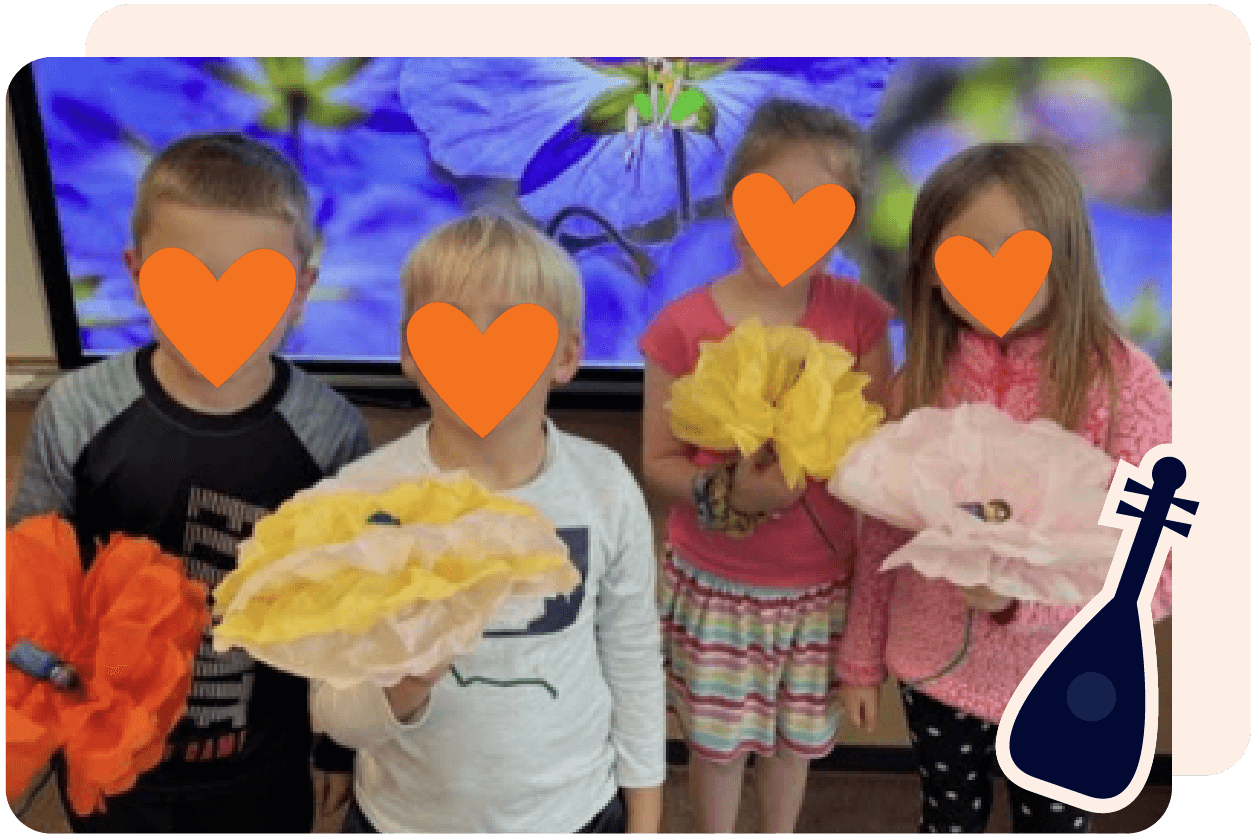
Take inspiration from this classroom and have your students create a Thumbelina floral craft to round out the unit’s celebration of folktales.
Credit: Elizabeth Sillies, Three Rivers Local School District, OH
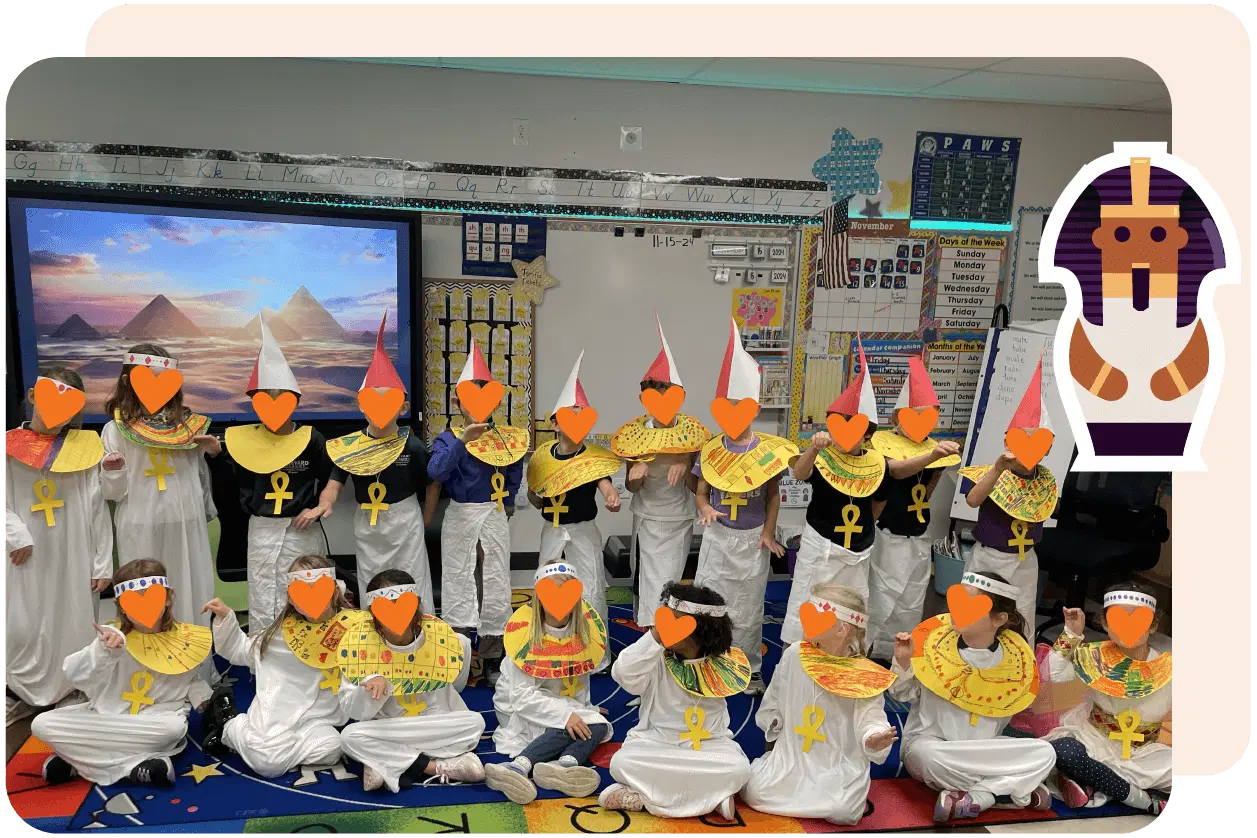
Looking for a culminating activity for this domain? Plan an ancient Egypt day filled with crafts and activities, including pyramid-making, writing in hieroglyphics, trying Egyptian food, and mask-making.
Credit: Camy Stirling, Brevard Academy, NC
BONUS VIDEO: Watch this short video about how to make pyramid-making easy in your classroom!
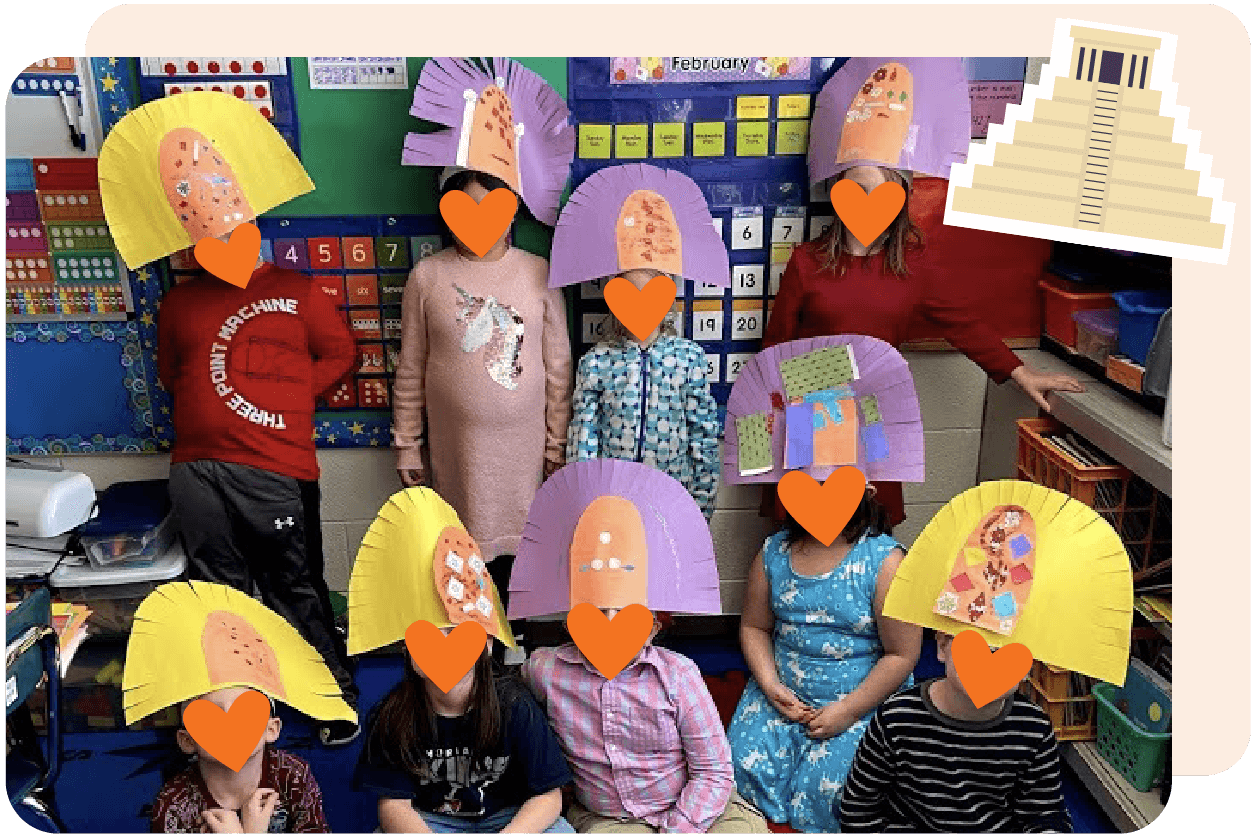
Students can apply their learning about early American civilizations by creating their very own Moctezuma headdresses.
Credit: Emmett J. Hoops, Moriah Central School, NY
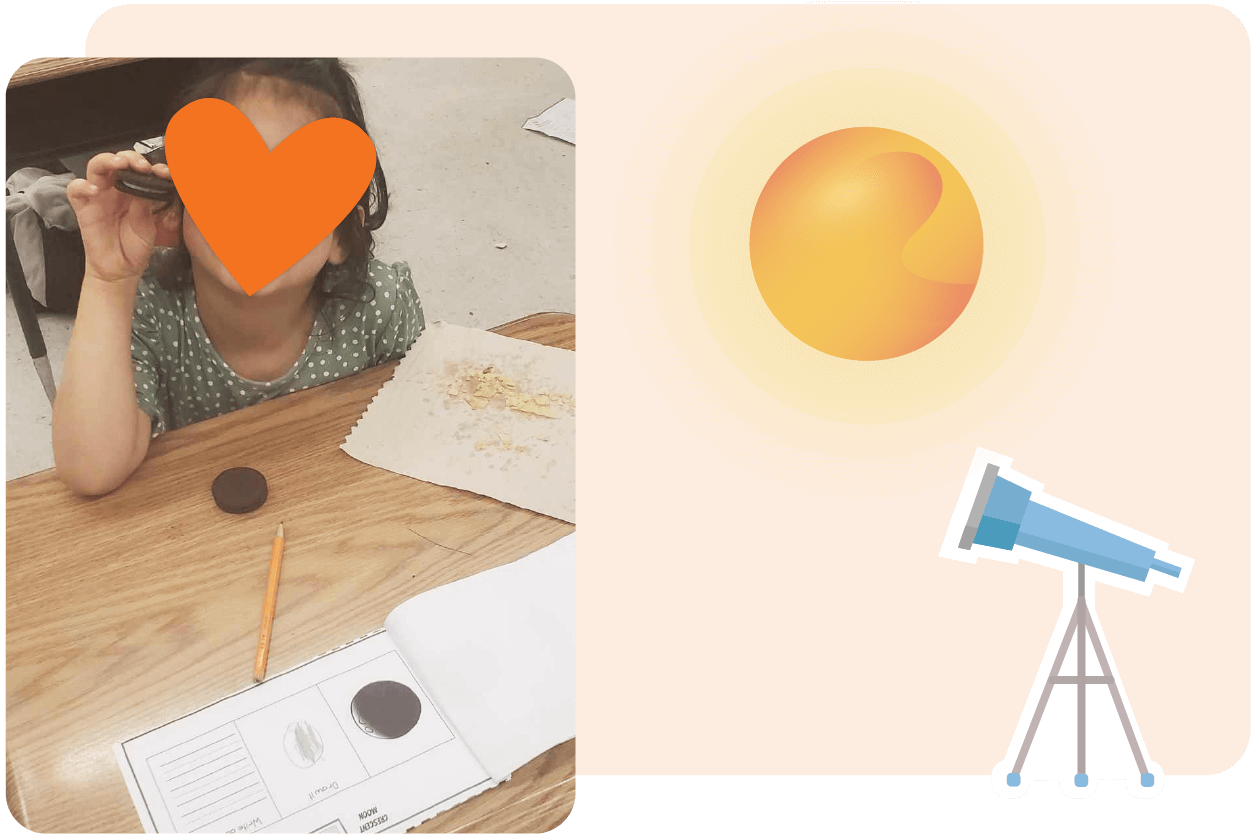
A surefire way to ignite your students’ excitement about astronomy is to create a moon phase Oreo chart!
Credit: Shelby Varchmin, Fred Wild Elementary School, FL
BONUS IDEA: Have your class send postcards to space through the Club for the Future program.
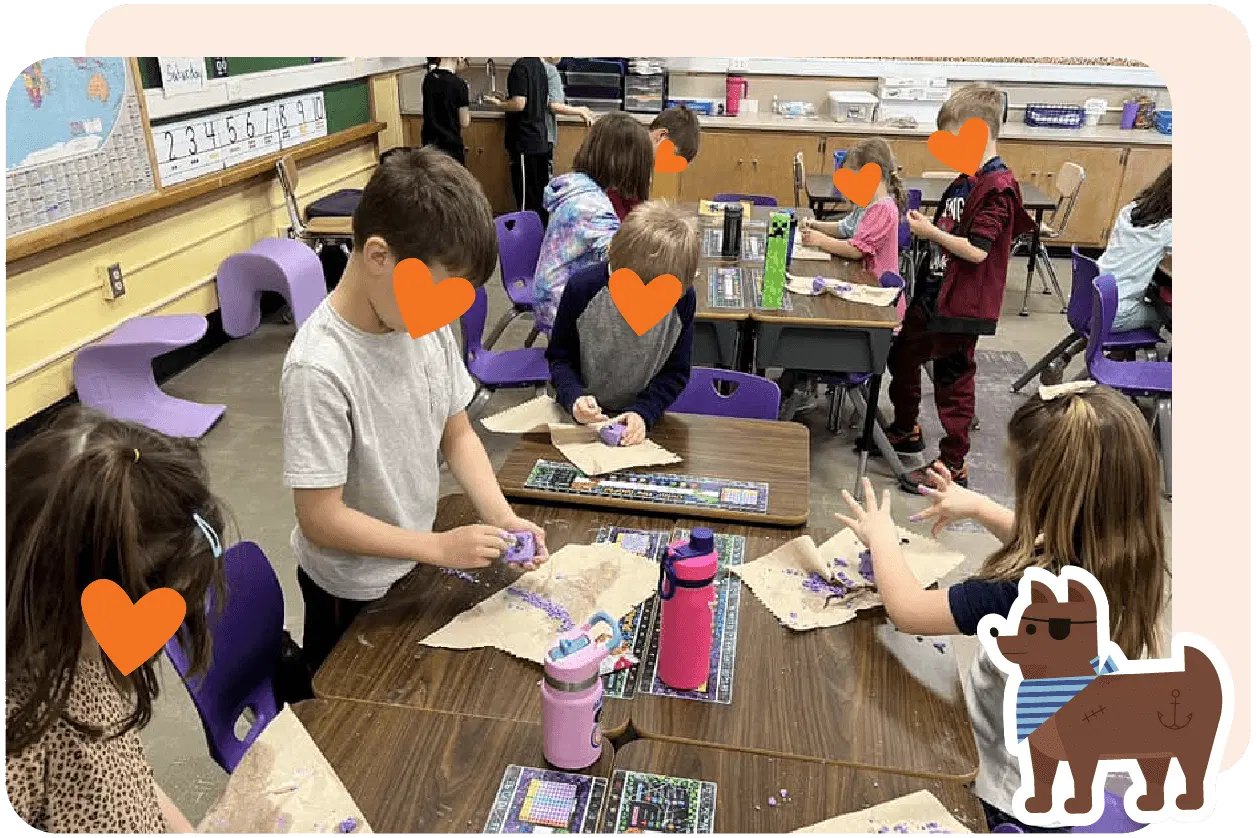
Students channeled their inner geologists during this unit and dug for rocks.
Credit: Ronda Scott, Dixon Public Schools, IL
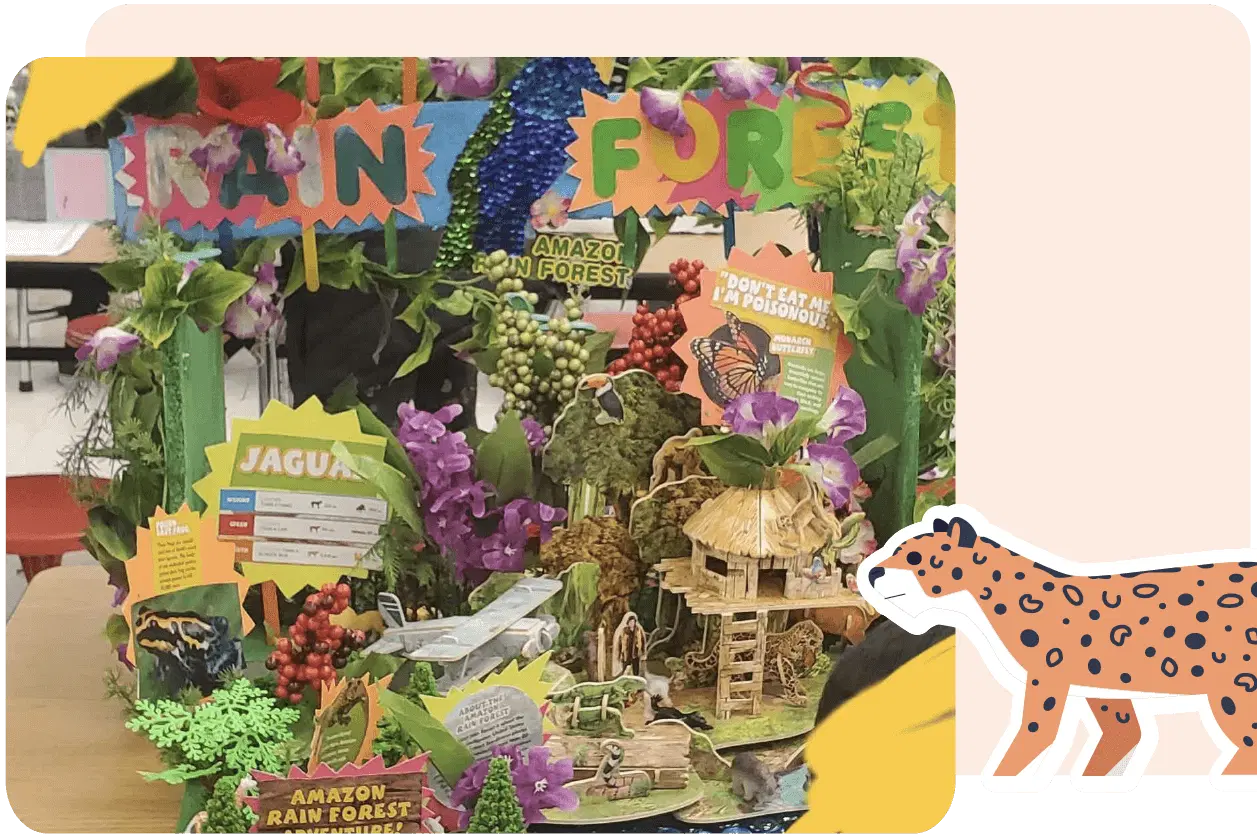
Students can express their creativity by drawing animals, plants, and environments on rocks, then sorting by habitats or comparing by Venn diagram.
BONUS: Check out these students’ creative and colorful dioramas that were showcased at the end of this unit!
Credit: Christine Thomas, The School District of Palm Beach County, FL
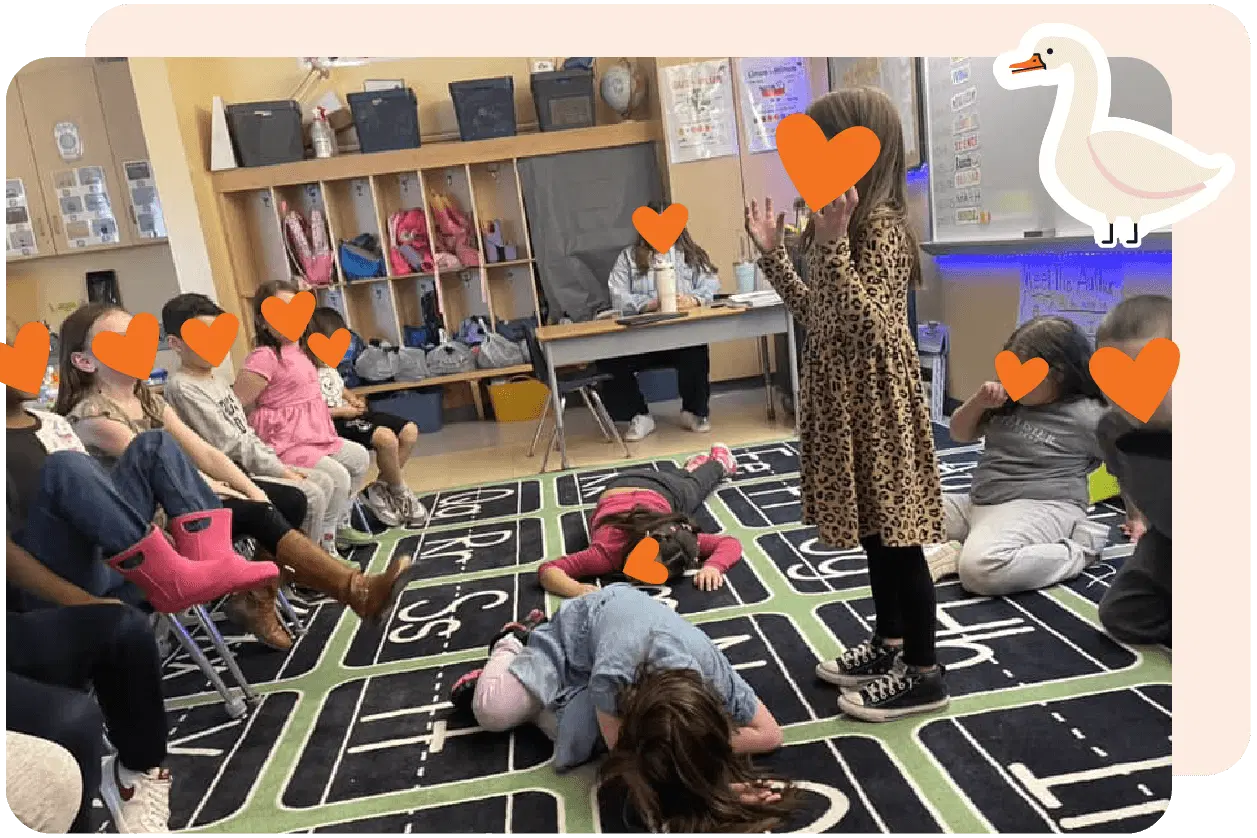
To wrap up the Fairy Tales unit, sharpen your students’ drama skills by having them act out their favorite stories.
Credit: Elizabeth Sillies, Three Rivers Local School District, OH
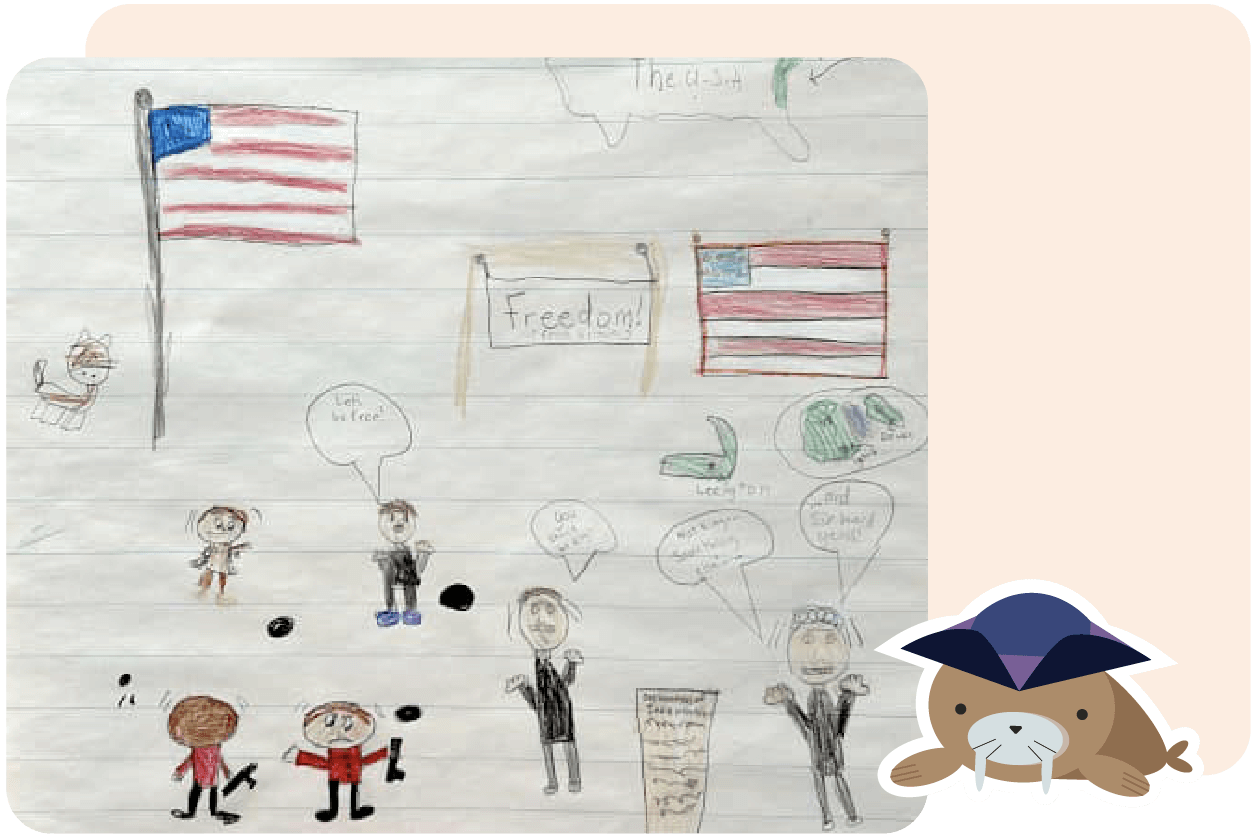
Posters beautifully summarize the learning from a unit. Pair students up to create and present to their classmates!
Credit: Tracy Hatch Gagnon, Holy Name Parish School, MA
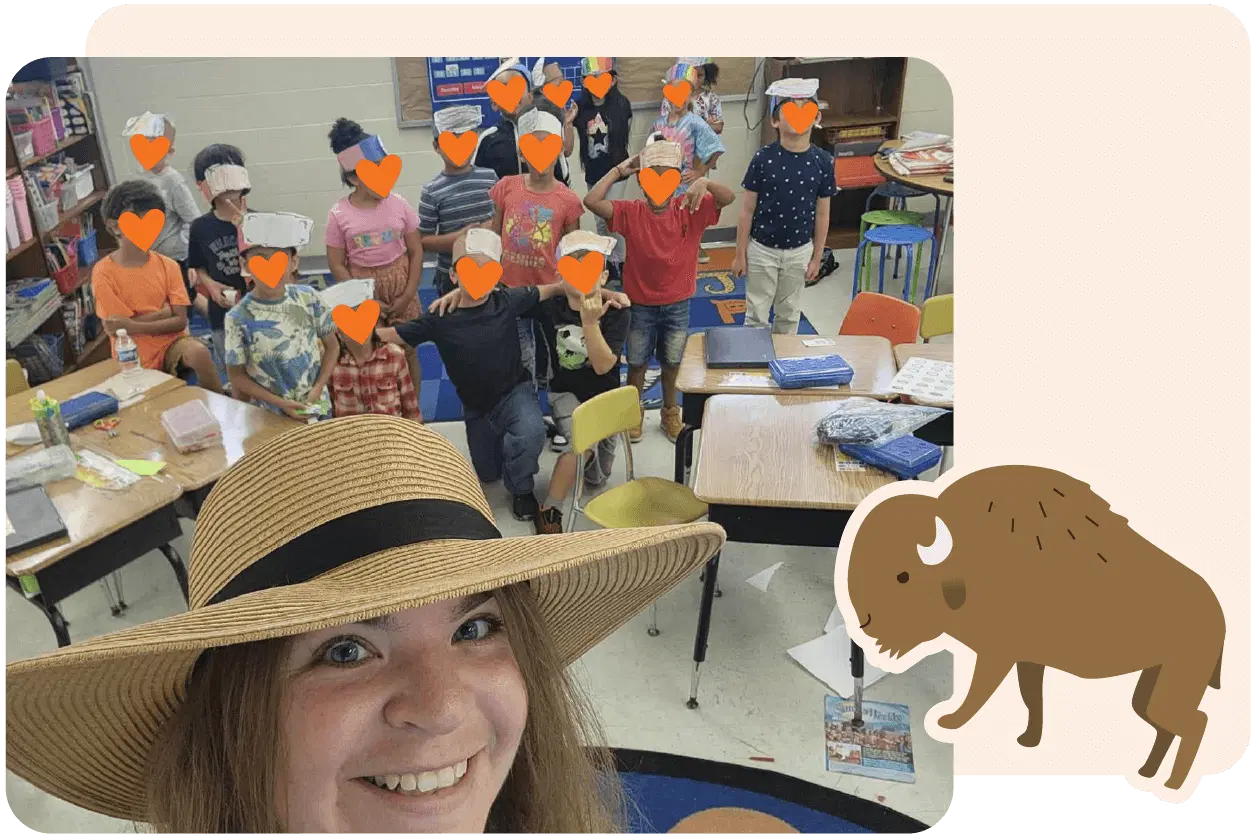
Students can celebrate this unit by hosting a Pioneer Day and making Daniel Boone hats!
Credit: Shelby Varchmin, Fred Wild Elementary School, FL
In Grade 2, students thrill to the crimes of the Cat Bandit, assemble books about ancient Chinese culture, write their own Greek myths, and learn the story of the people who escaped to freedom from slavery by “follow[ing] the Drinking Gourd.”

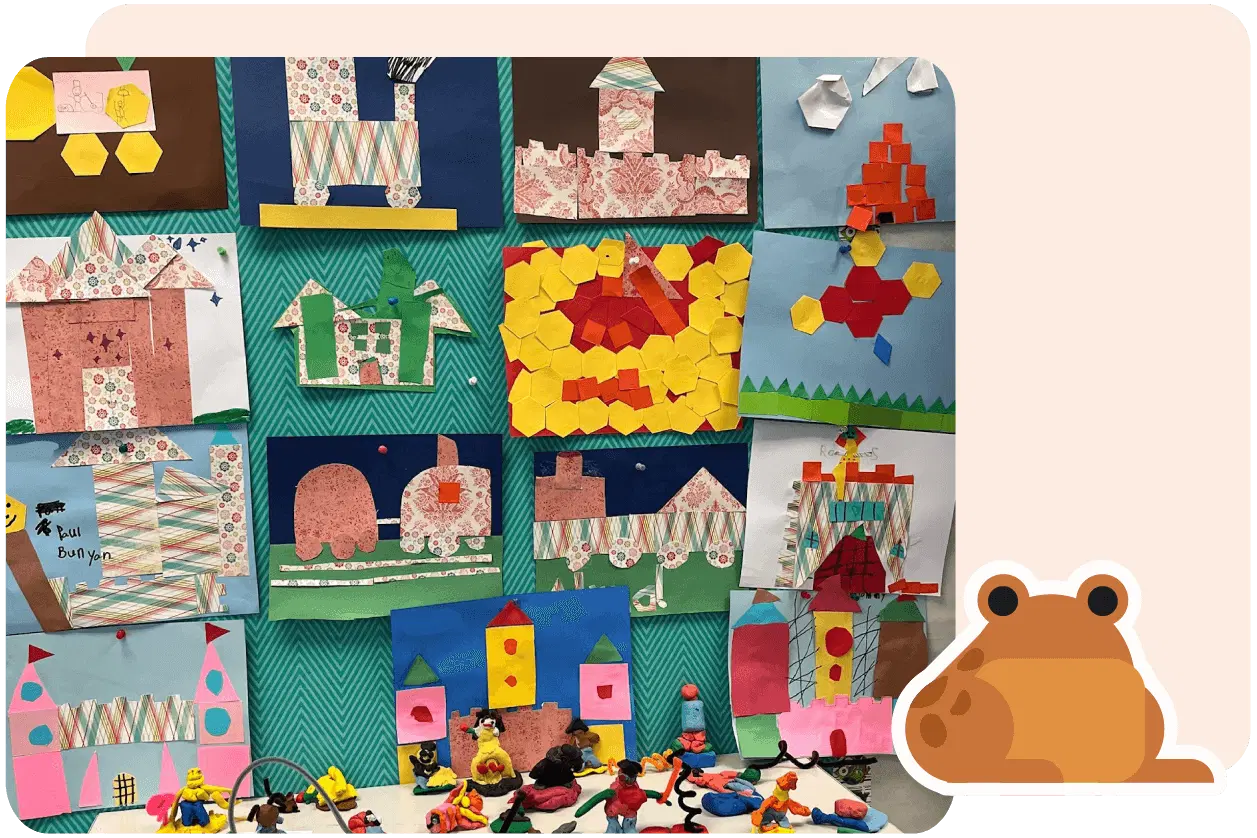
To celebrate the end of the Fairy Tales and Stories Unit, encourage students to showcase their favorite stories by crafting paper collages and clay figures.
Credit: Jessica Berg, Arlington Public Schools, VA
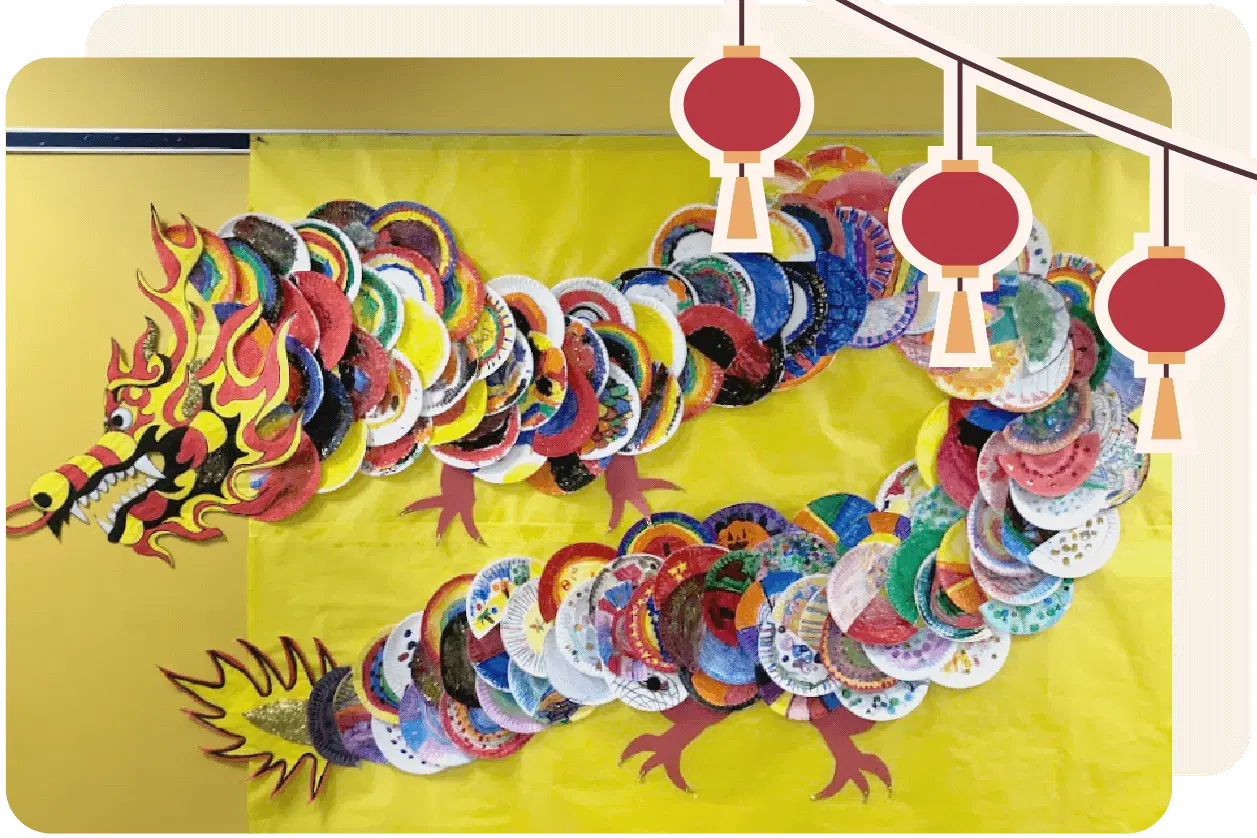
Second-grade teachers worked together to create an amazing dragon at the end of their Early Asian Civilizations Unit. Each student created a scale for their grade-level dragon!
Credit: Emma Bridgeforth, Windsor Elementary School, WI
BONUS: This class at Windber Elementary, PA, celebrated this unit by hosting a Chinese New Year dragon parade.
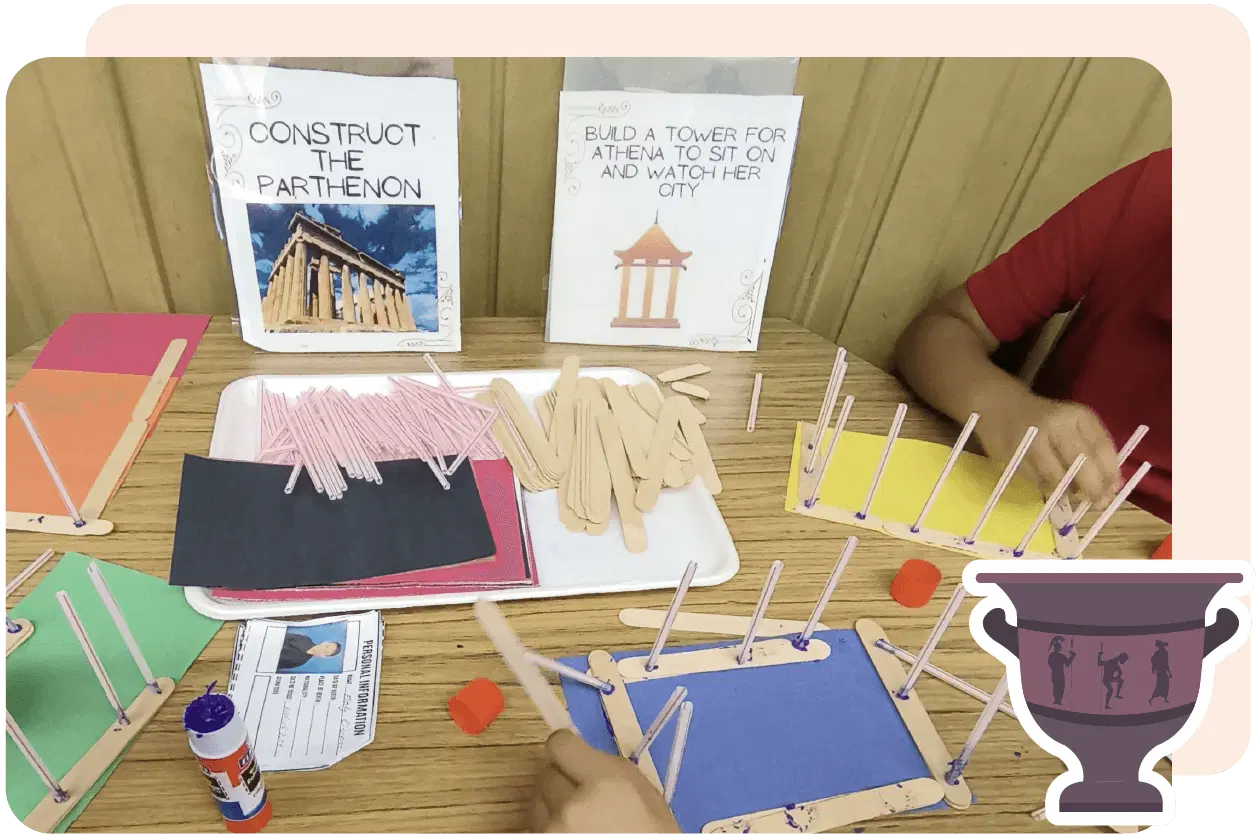
This class had a great time becoming world travelers and celebrating all the knowledge gained throughout the Ancient Greek Civilization domain. The students started their day getting their passport stamped. After entering ancient Greece, they engaged in many centers. They built the Parthenon and Athena’s throne, wrote facts about Sparta, created locks for Pandora’s box, built a harp for Apollo, and played vocabulary games. In addition to centers, the students learned that they all qualified for the Olympics, and were led by teachers on a victory walk as the entire school cheered for them!
BONUS: Take inspiration from this Louisiana educator and plan a potato Olympics day with your students!
Credit: Terri Hart, Jefferson Parish Public School District, LA
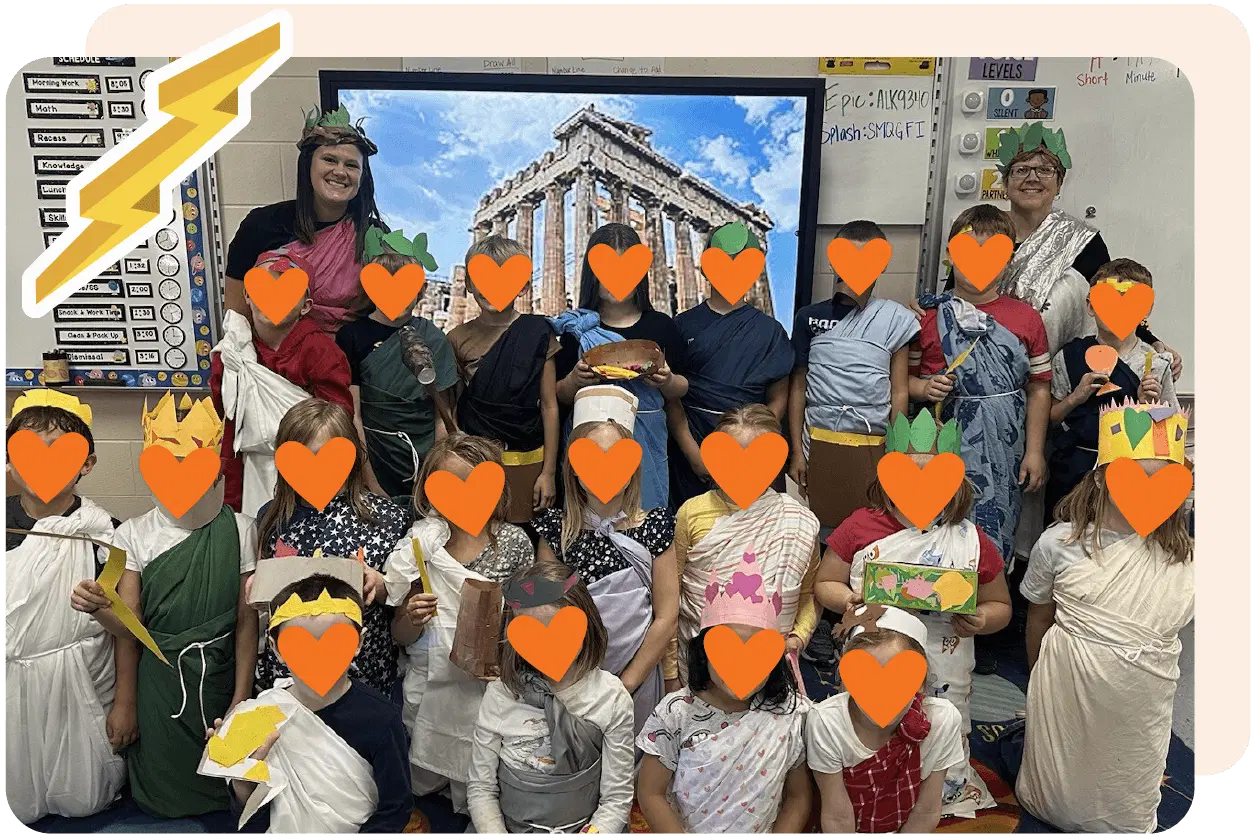
Students wrote and shared their very own Greek myths, made props, and dressed in togas to celebrate this unit!
Credit: Chelsey Steinmetz, Cornell Elementary School, WI
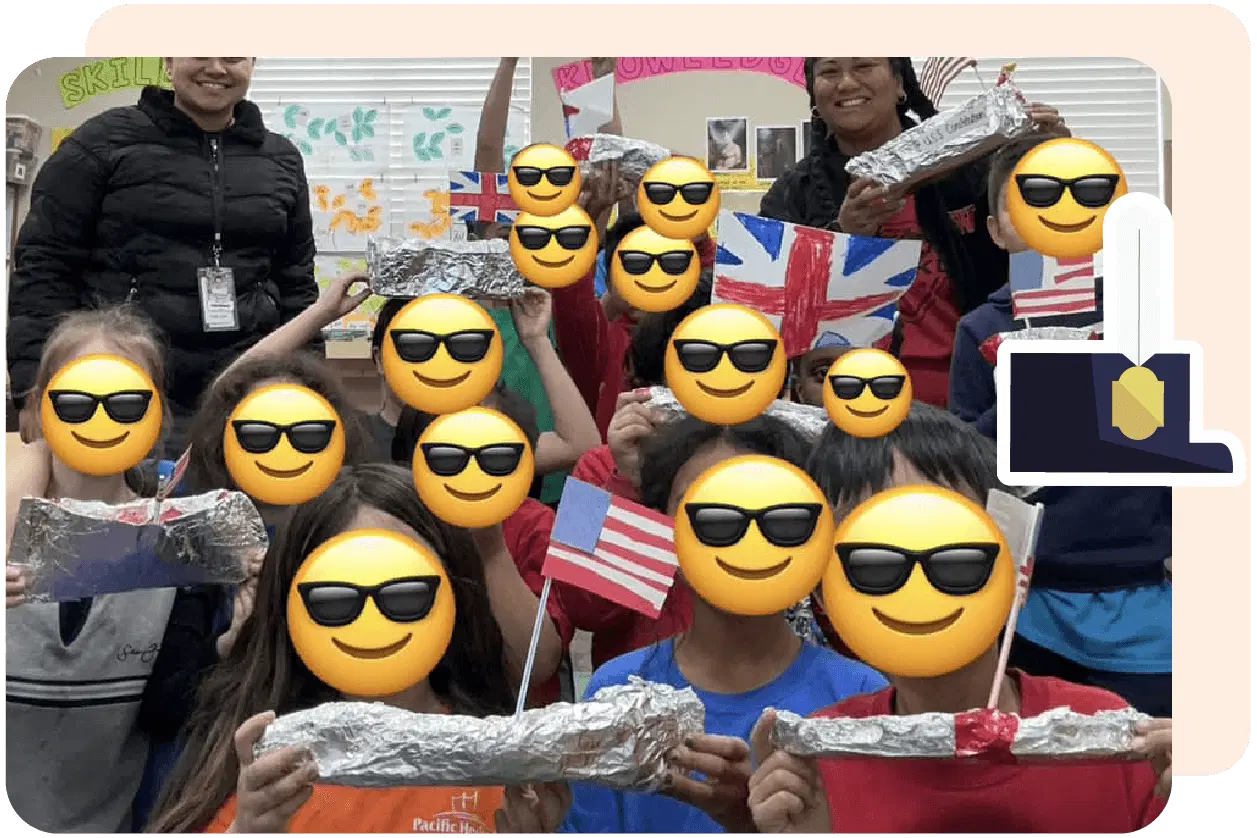
Bring a battle to life by having students create boats out of foil and other common household materials to participate in a boat race!
Credit: Jerica Falevai, Pacific Heritage Academy, UT
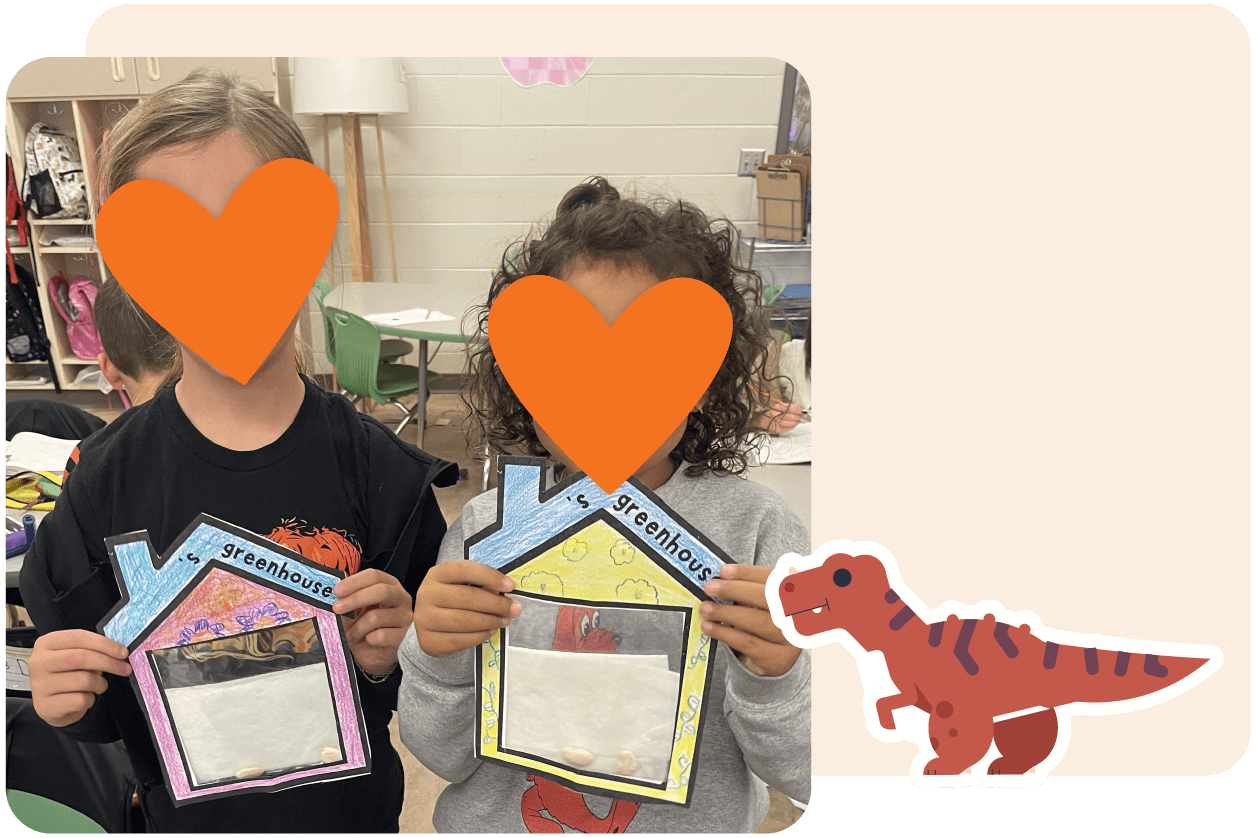
To bring the Cycles in Nature unit to life, students learned how to make their own greenhouses and watched lima beans germinate and sprout.
Credit: Amber Taylor, Corbin Primary School, KY
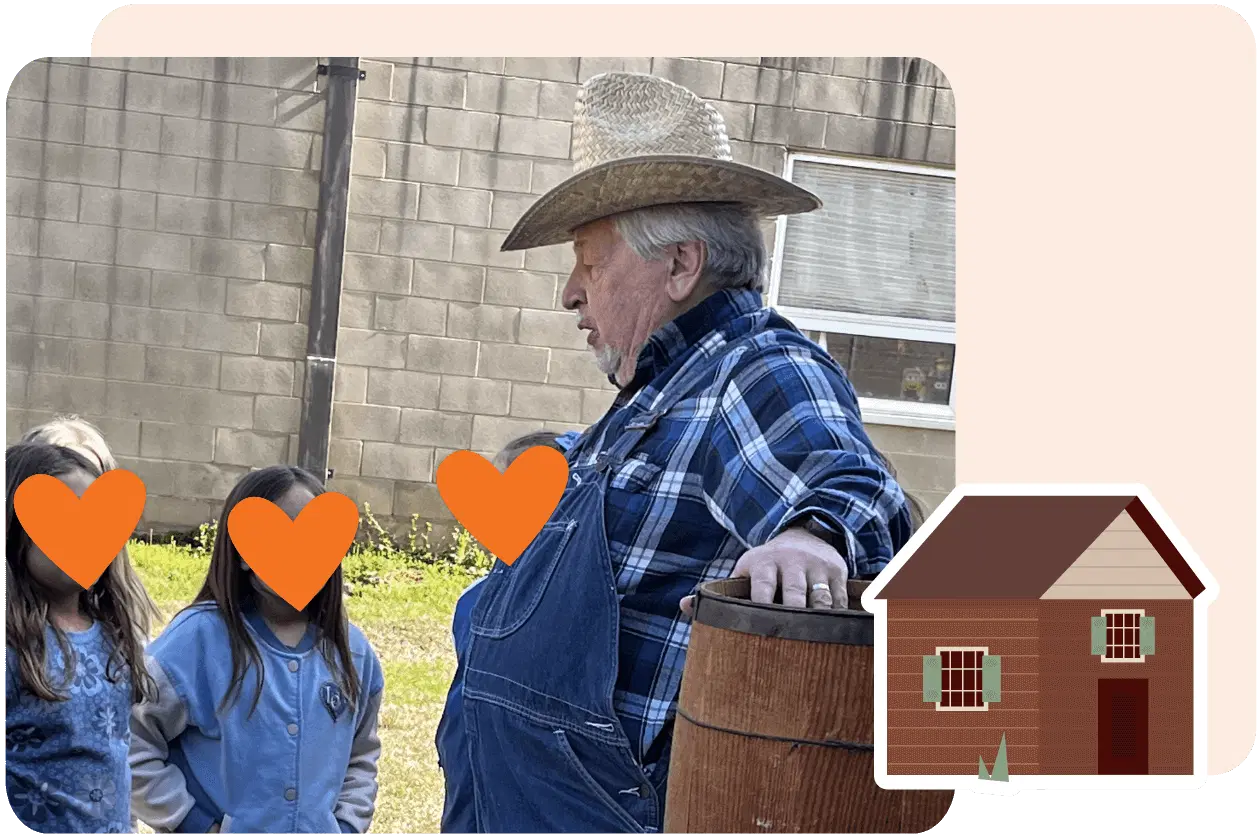
To commemorate the end of this domain, this class had two grandparents come to the classroom to bake bread, make trail mix, and pan for gold.
BONUS: In another classroom, students made people, animals, and their very own pioneer wagons out of paper.
Credit: Jennifer Murphy, John E. Bryan Elementary School, AL
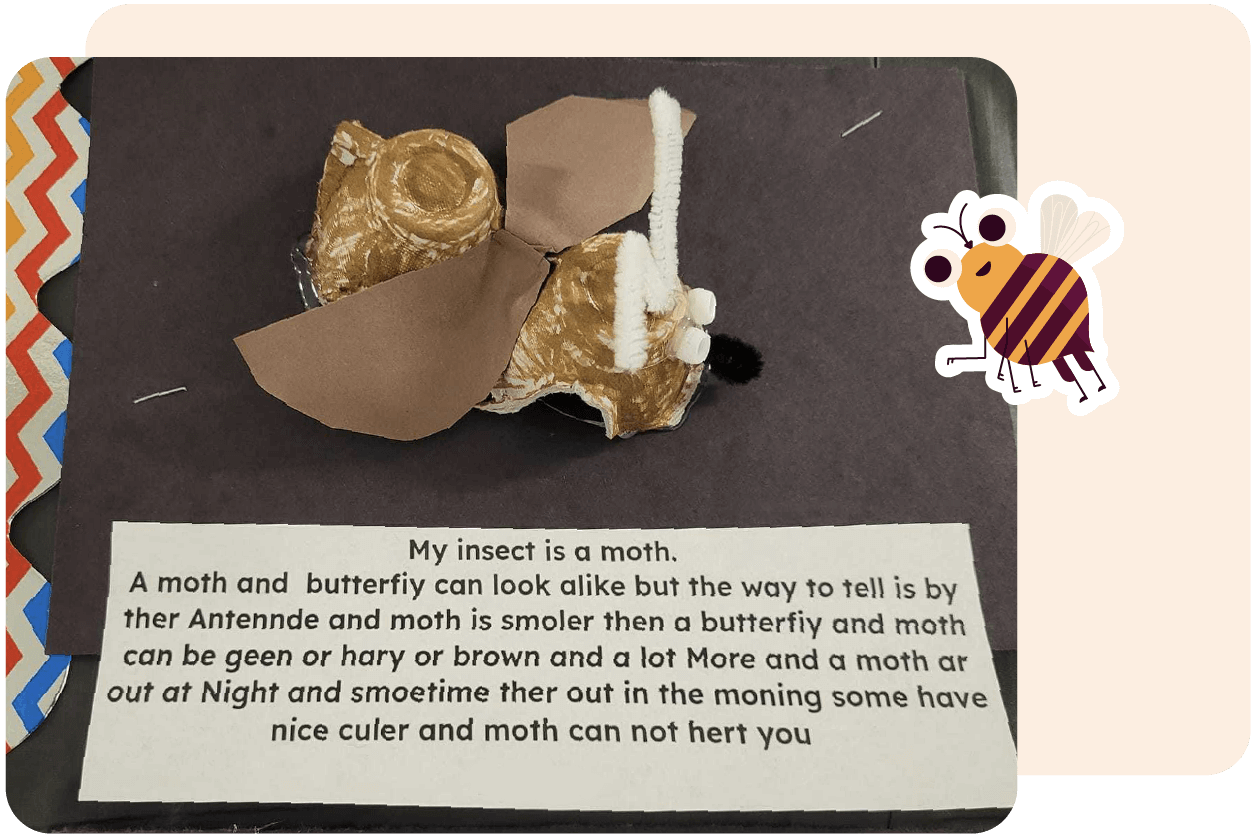
These students celebrated all the knowledge they gained by researching and writing about an insect, then using household items to build a model of their chosen insect!
Credit: Tamara Gore, Harrison Hill Elementary School, IN
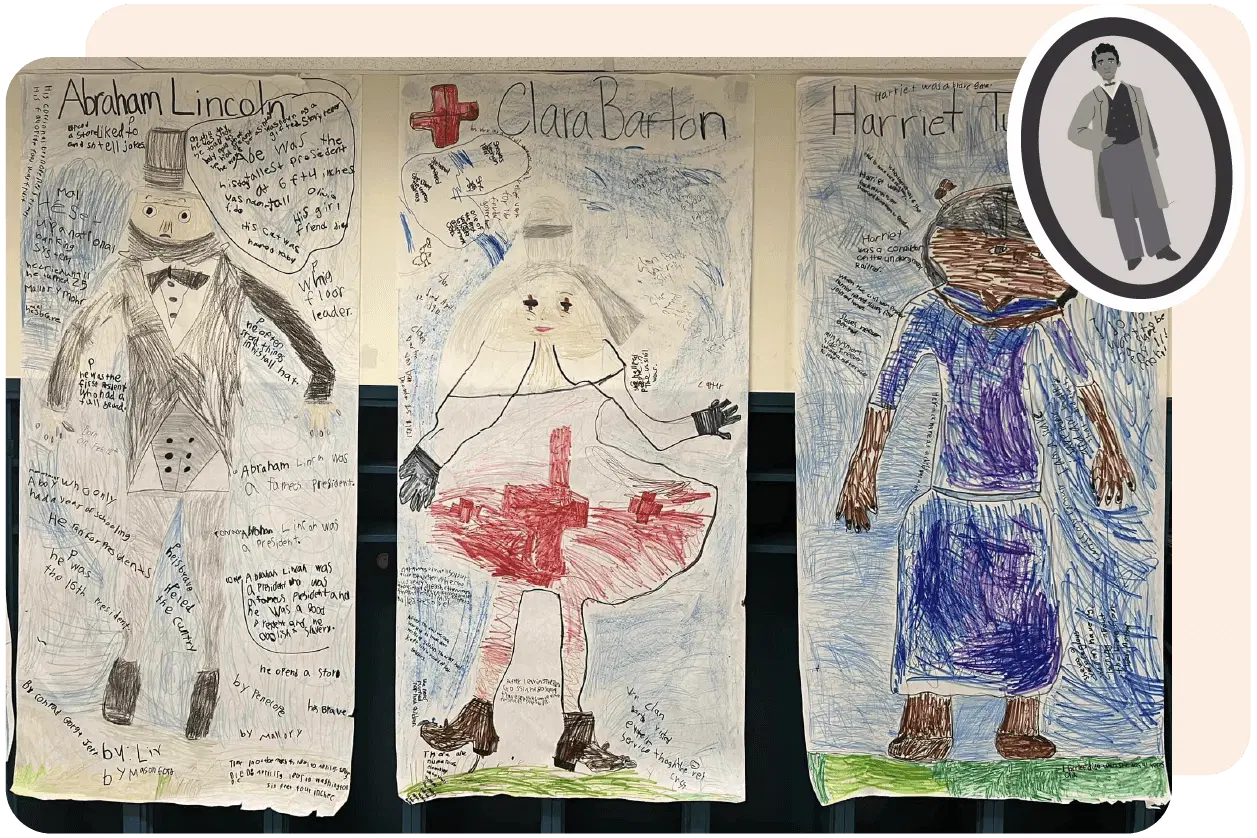
Have your students showcase their knowledge of the U.S. Civil War by creating posters of important historical figures of the time!
Credit: Heather Griffin, Rochester School District, NH
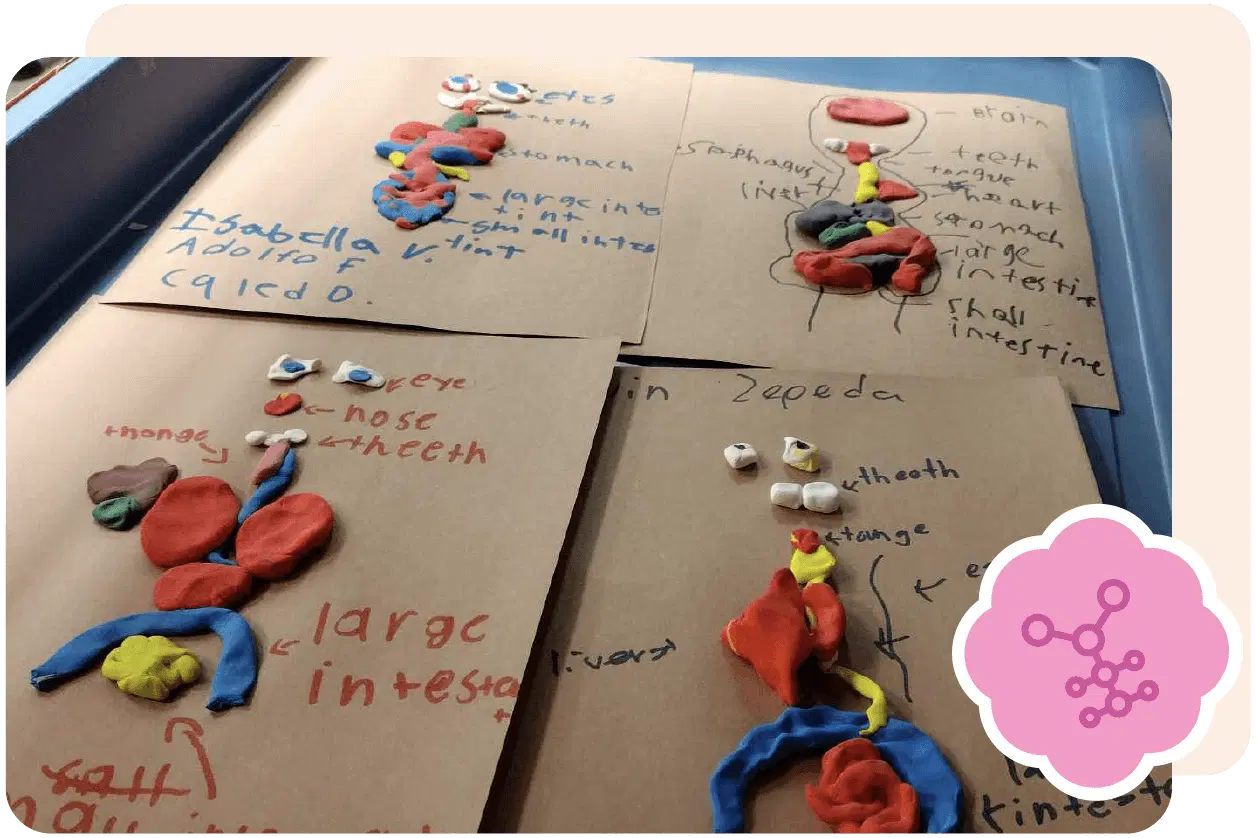
We love this culminating activity! Students made digestive-system models out of air-dry clay and traced themselves on large paper to make a life-size model of the body systems!
Credit: Olga Cabrera, Aldine ISD, TX
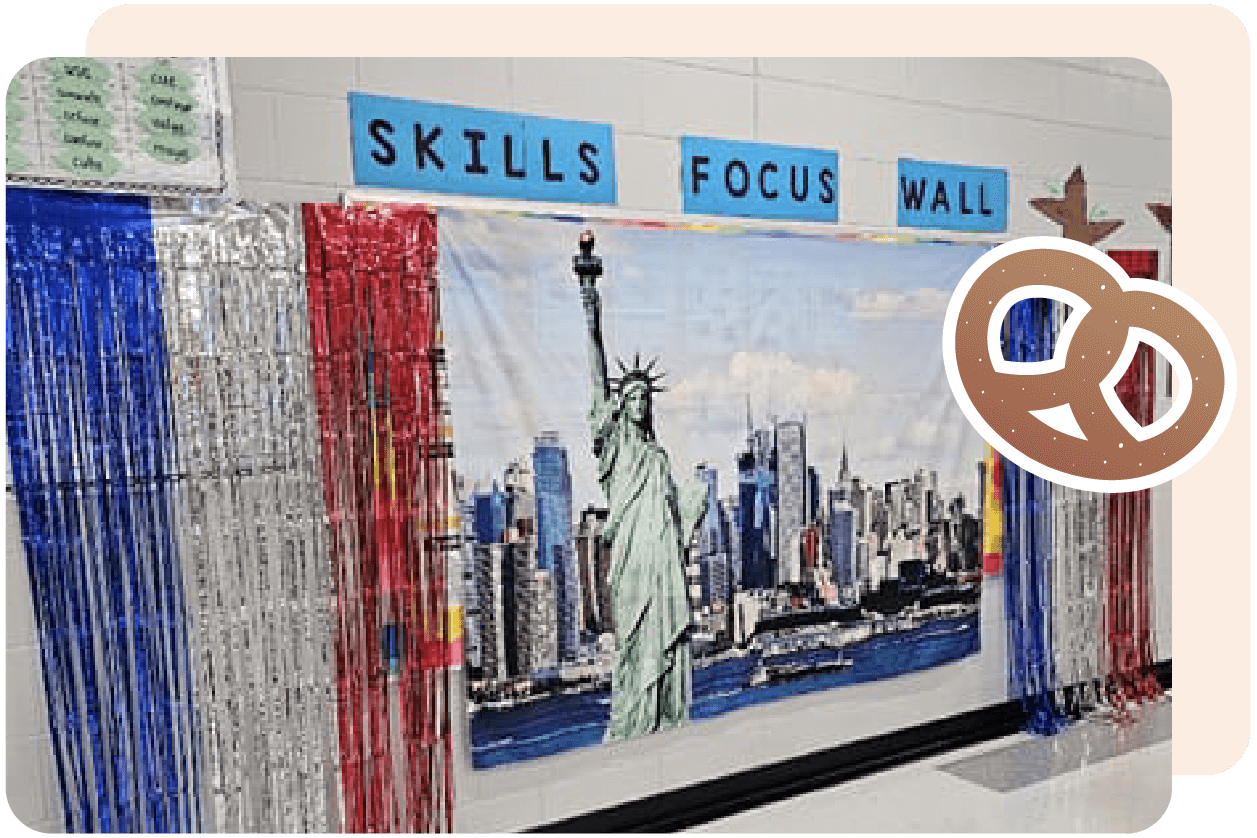
Students participated in an Ellis Island simulation in their classrooms at the end of the Immigration Unit, and even created their own passports!
Credit: Sandra Garcia, Austin Independent School District, TX
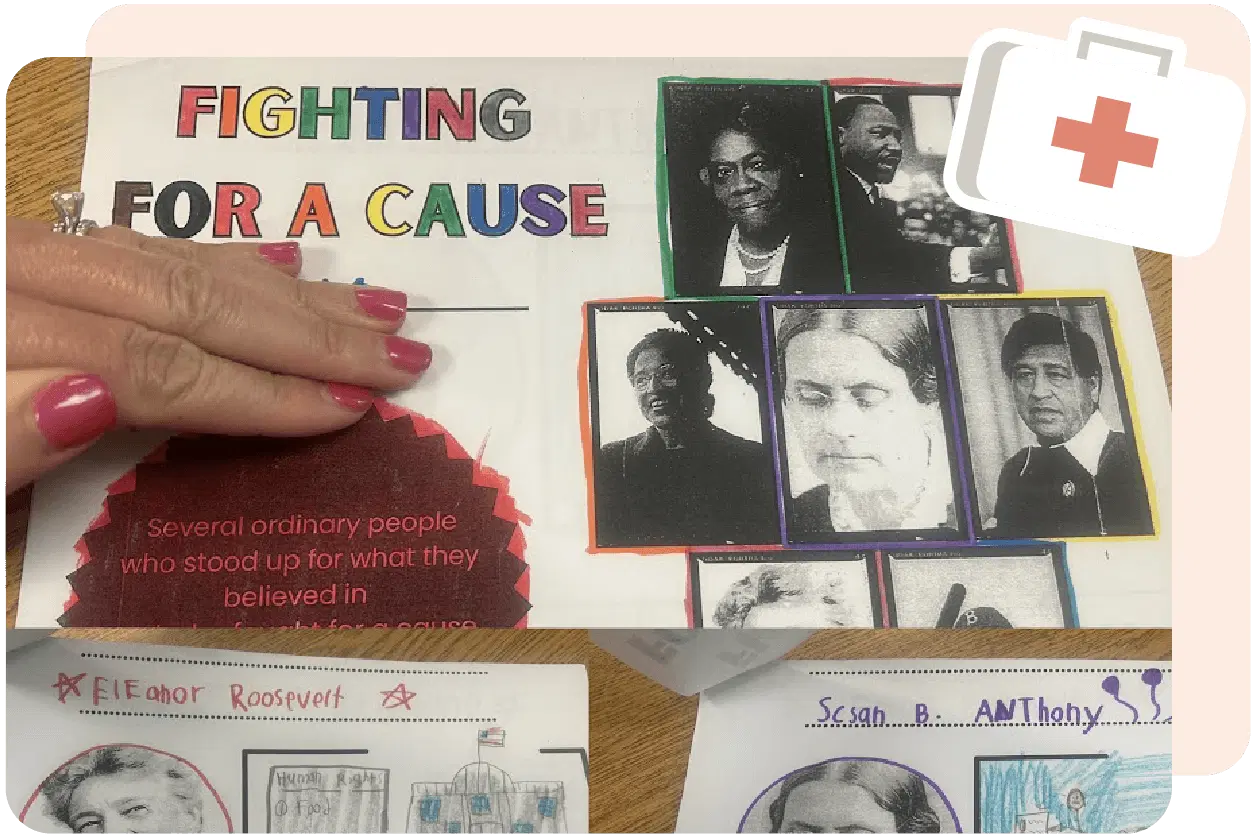
To wrap up this unit and showcase their knowledge, students created VIP books about important historical figures!
Credit: Meghan Scheffler, Community Unit School District 300, IL
In Grade 3, students write a newspaper story about the invention of the telephone, go on a digital quest with Viking explorers, reflect on the stars with astronomy lab notes, and learn the secret to writing an excellent narrative ending.
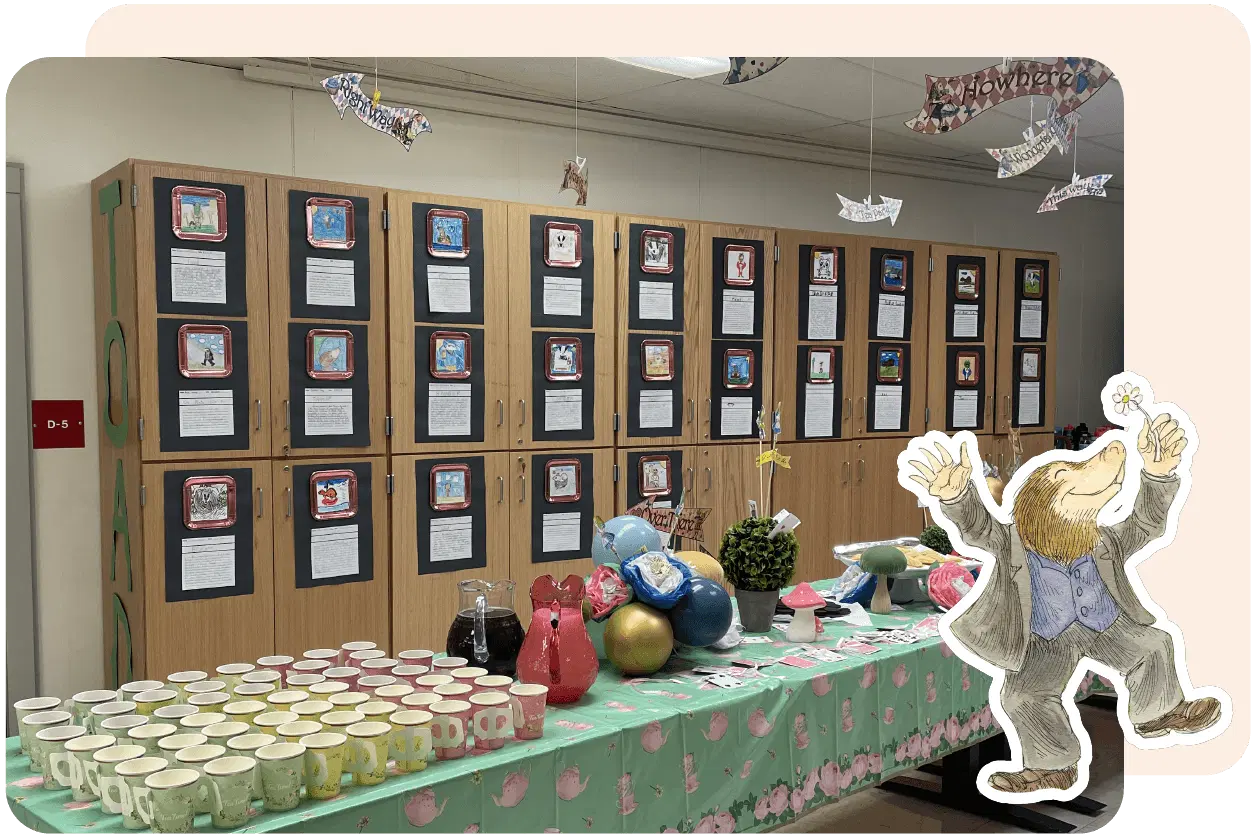
To immerse themselves in the Classic Tales domain, students hosted a party inspired by classic literary celebrations.
Credit: Laurie Valente, Secaucus Public School District, NJ
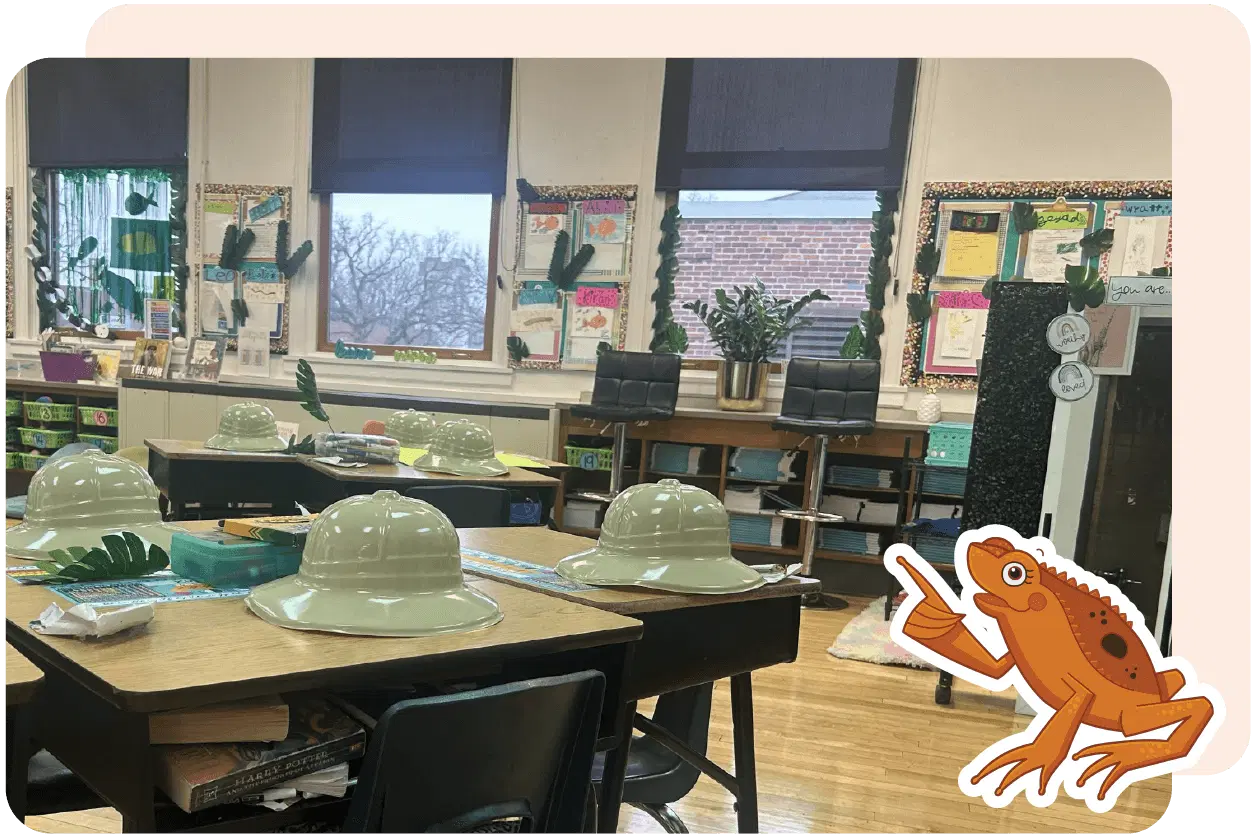
A great way to shift perspective and get students to apply their knowledge? Transform your classroom into a vibrant “rainforest café” that showcases students’ published writing. Each student can create an informational piece about a specific vertebrate, learning how to introduce a topic, group related information, and support it with facts and details. They turn their writing, complete with text features, into restaurant-style menus! Dressed as rainforest and safari guides, students can present their work to other students and staff, answering questions about their animal and its classification.
Credit: Nicole Desmond, Riverside School District 96, IL
BONUS: To celebrate the Light and Sound unit as well as all units about animals in grades K–4, take a cue from Windber Elementary and plan an animal-themed glow show with your students!
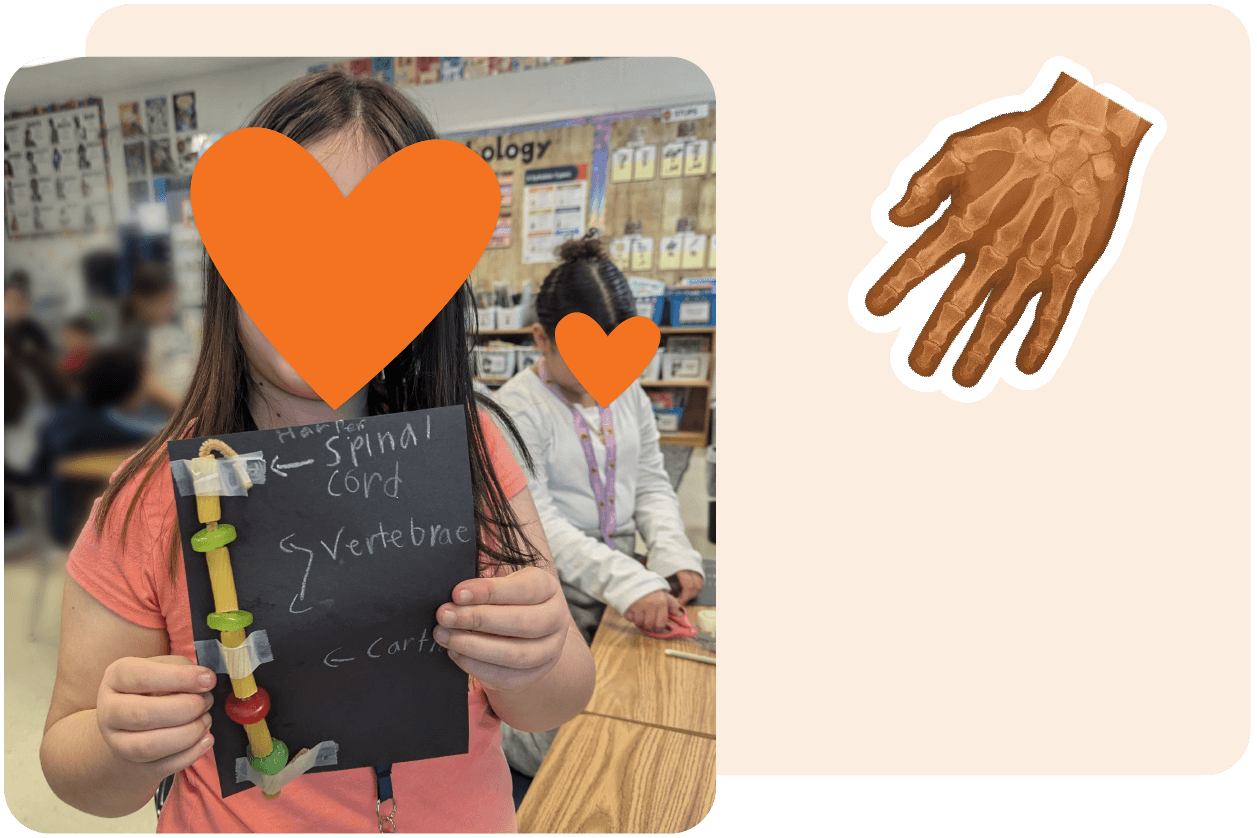
Get crafty in this unit by having students make body parts out of household supplies: a pipe cleaner becomes the spinal cord, noodles represent the vertebrae, and gummy Life Savers turn into cartilage. You can also make X-rays by tracing hands and wrists on construction paper. Students can color around the bones with a dark crayon, then use vegetable oil and a Q-tip to “paint” the bones. When held up to a light, the project resembles an X-ray!
Credit: Crystal Chwatek, Muhlenberg Elementary Center, PA
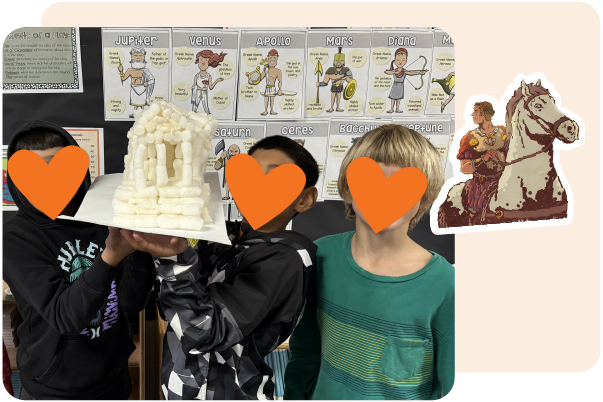
Have your students put their knowledge of ancient Roman civilization to the test: Challenge them to use packing peanuts to build iconic Roman landmarks.
Credit: Melissa Vasquez, Eureka City Schools,CA
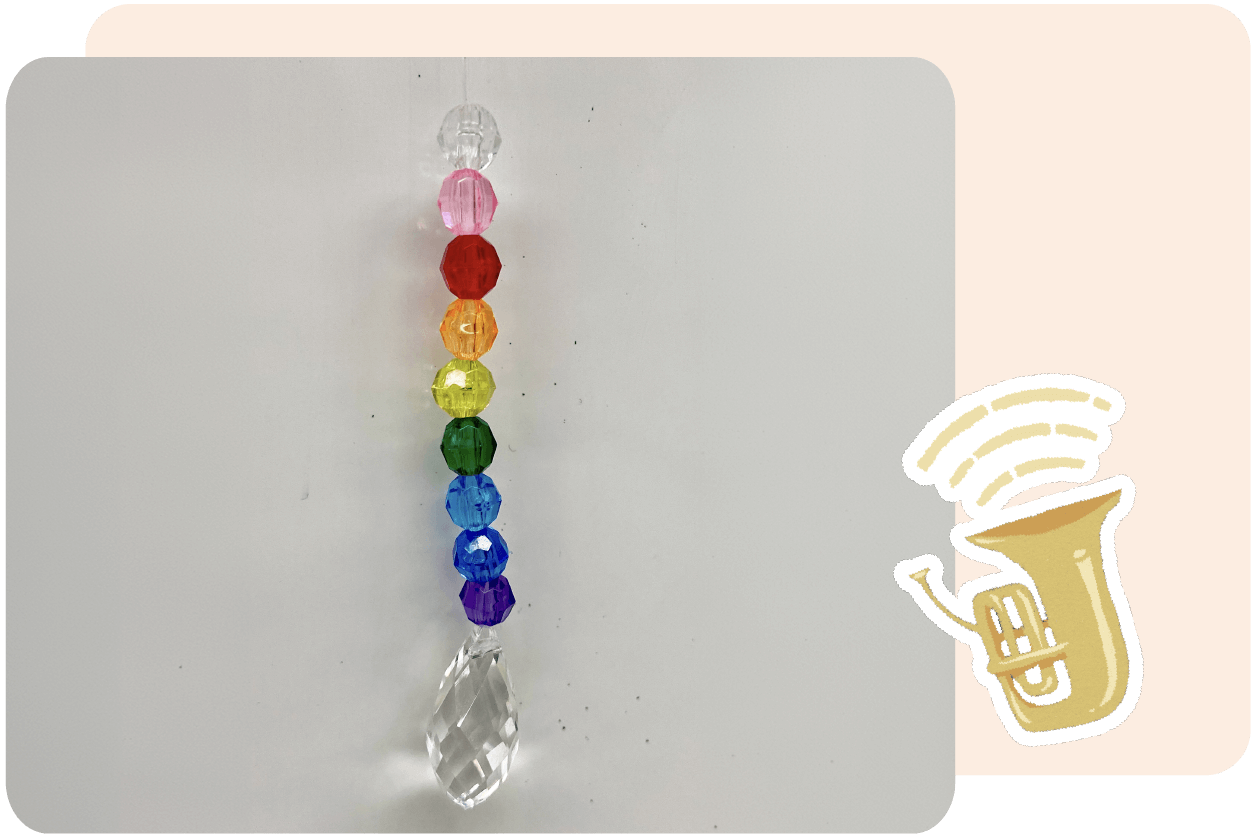
To celebrate the Light and Sound unit, your students can make colorful suncatchers and witness the science of light and color in action.
Credit: Stephanie Schuettpelz, Marion Elementary School, WI
BONUS VIDEO: Watch how another teacher plans a black light party for this unit!
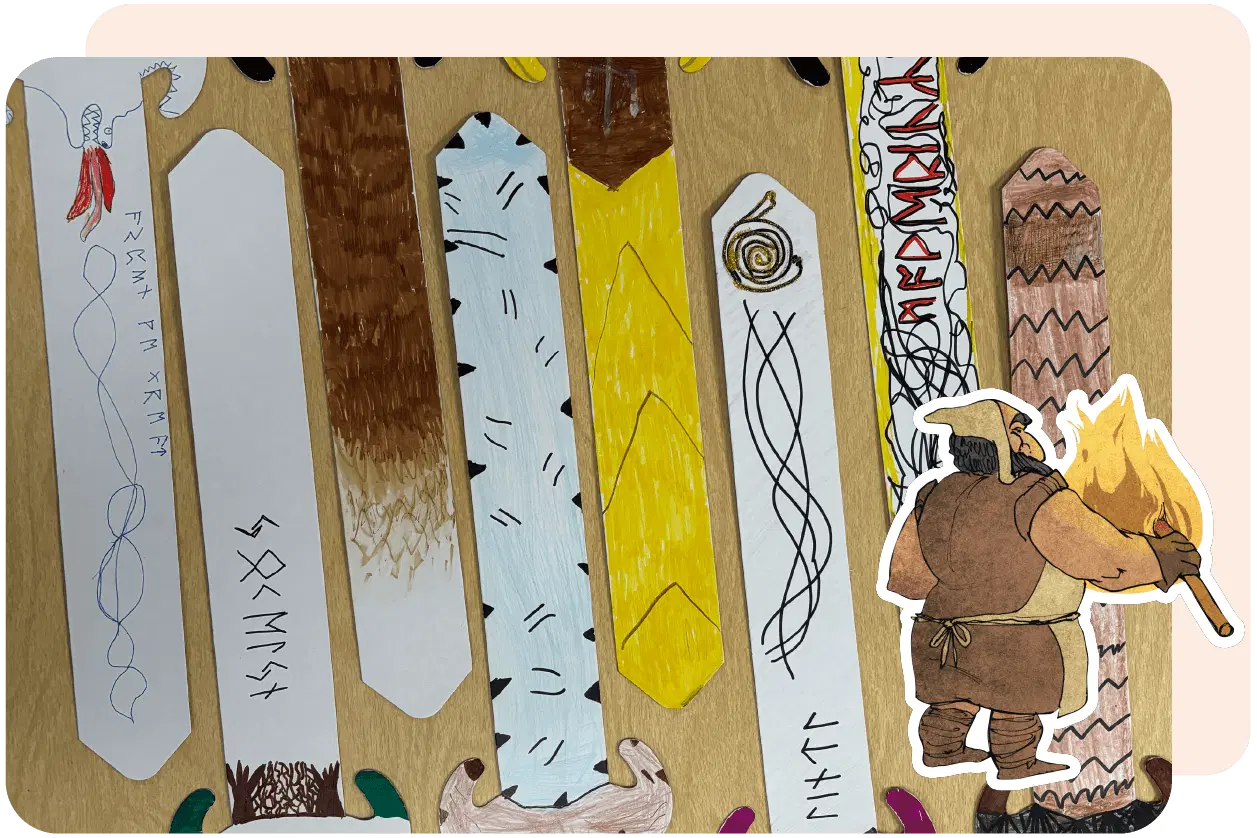
CKLA students love Vikings! In this classroom, students made paper swords before participating in a special ceremony.
Credit: Kerri Lintl, Merrimac Community School, WI
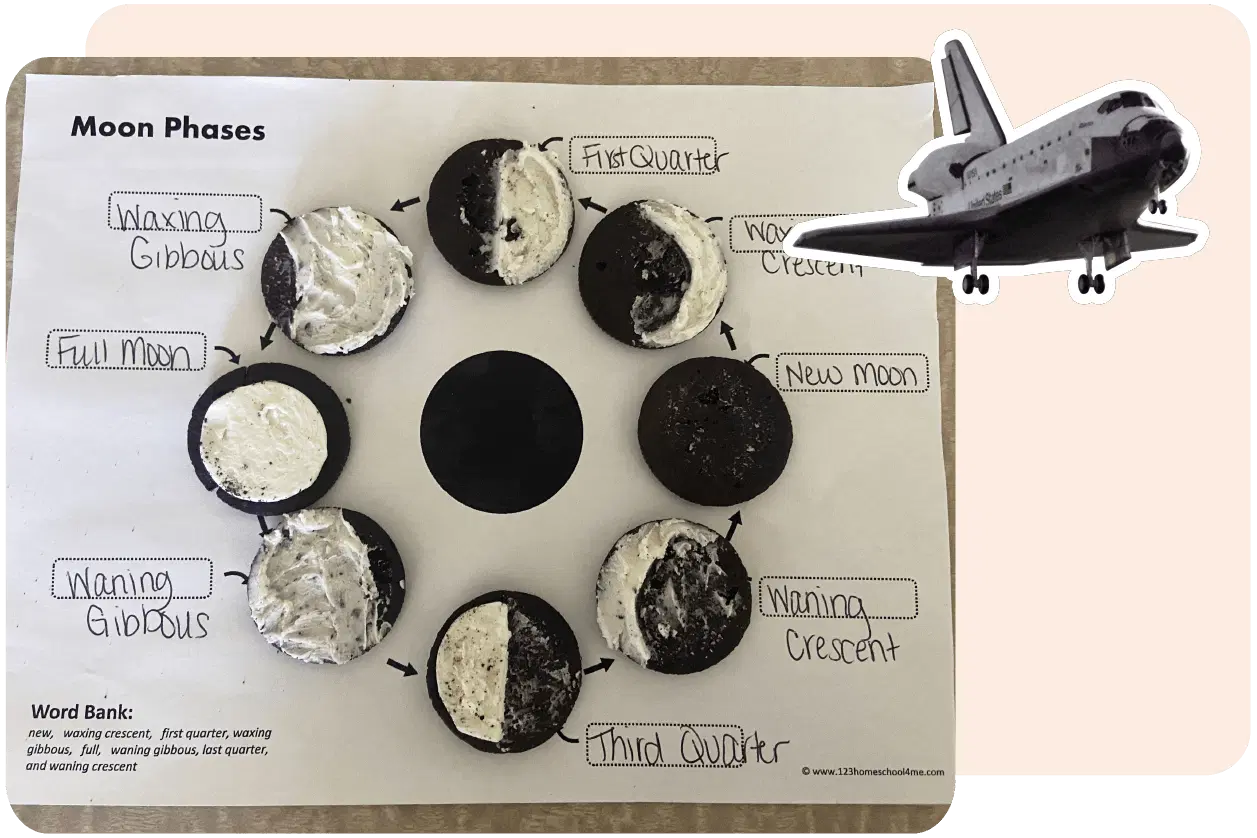
As a culminating activity for the Astronomy unit, an Oreo moon phase exercise really motivates students to apply their knowledge.
Credit: Stephanie Schuettpelz, Marion Elementary School, WI
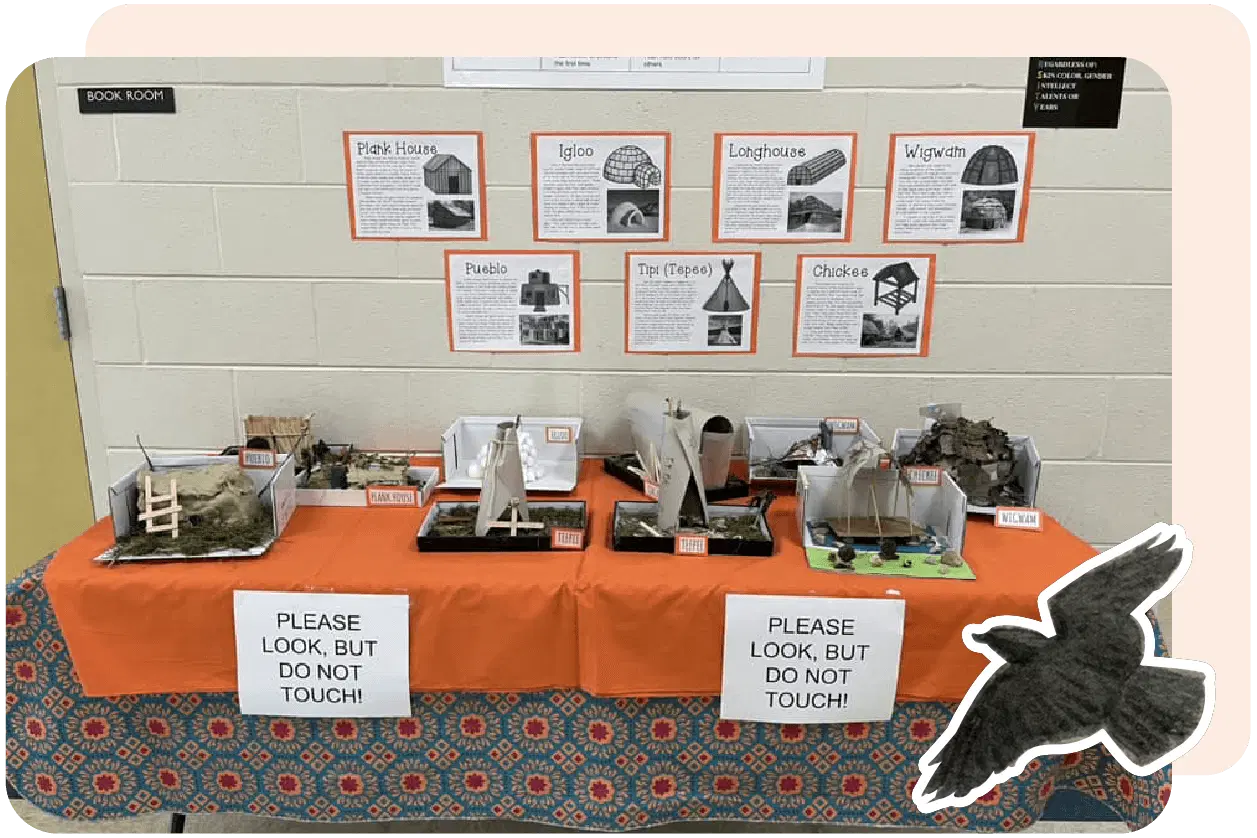
Flex your students’ creativity at the end of the Native Americans unit by having them gather natural materials and creating Native American shelters!
Credit: Alisa Byrd Fesmire, Roane County Schools, TN
BONUS VIDEO: Hear how a teacher in Wisconsin plans a basket-weaving activity for her students during this unit!
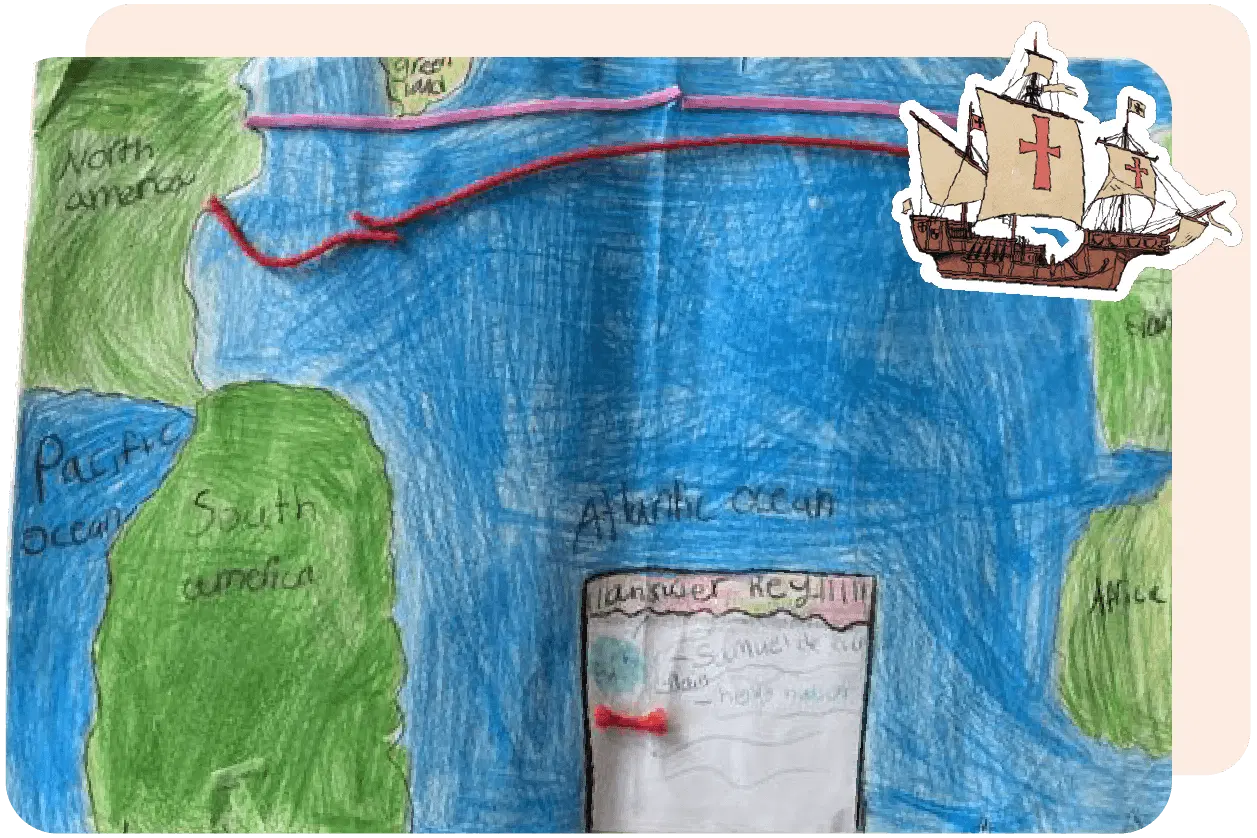
To help your students visualize North American exploration, they can draw maps of the studied expeditions and use yarn to show the various routes!
Credit: Maria Woytko-Morris, Manitou Springs School District, CO
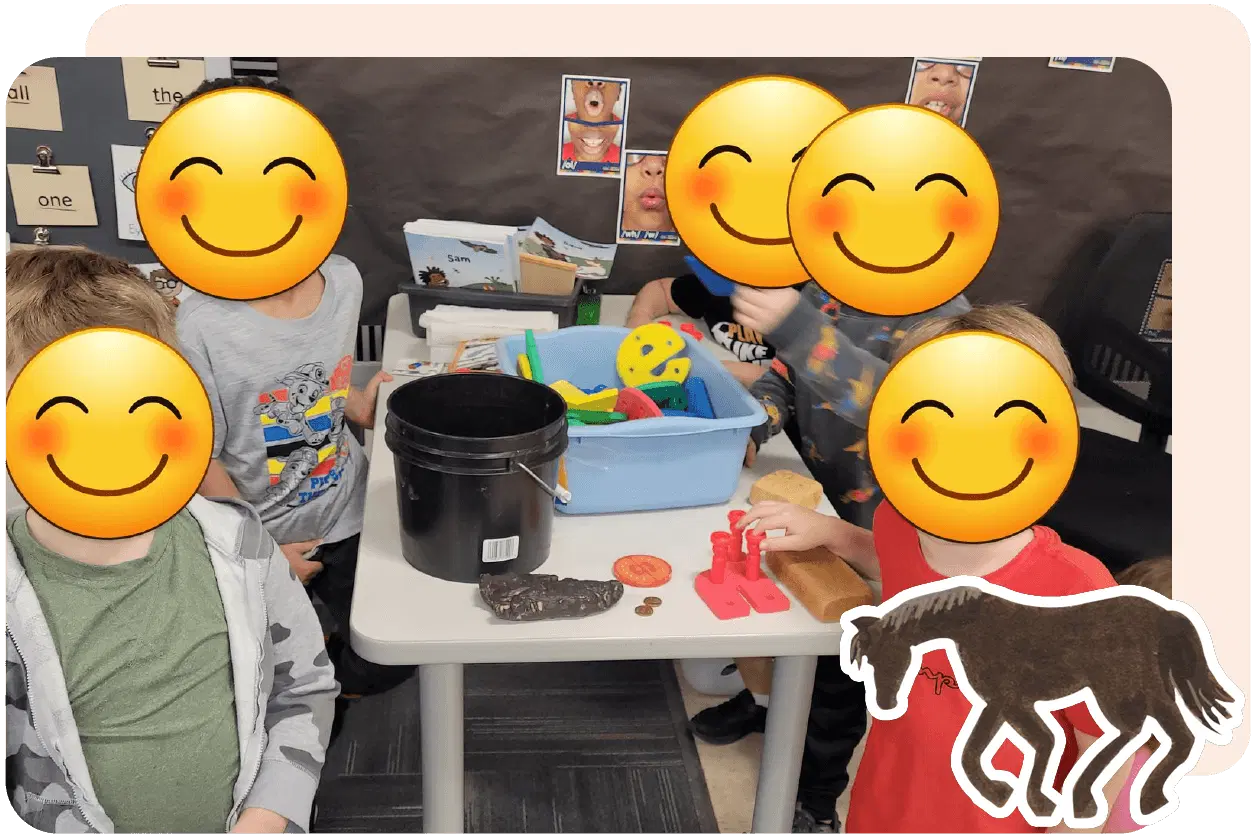
Take inspiration from this classroom and set up a colonial town where students can barter goods and work as apprentices at the general store, blacksmith, tailor shop, and cobbler shop.
Credit: Heidi Graci, Sporting Hill Elementary School, PA
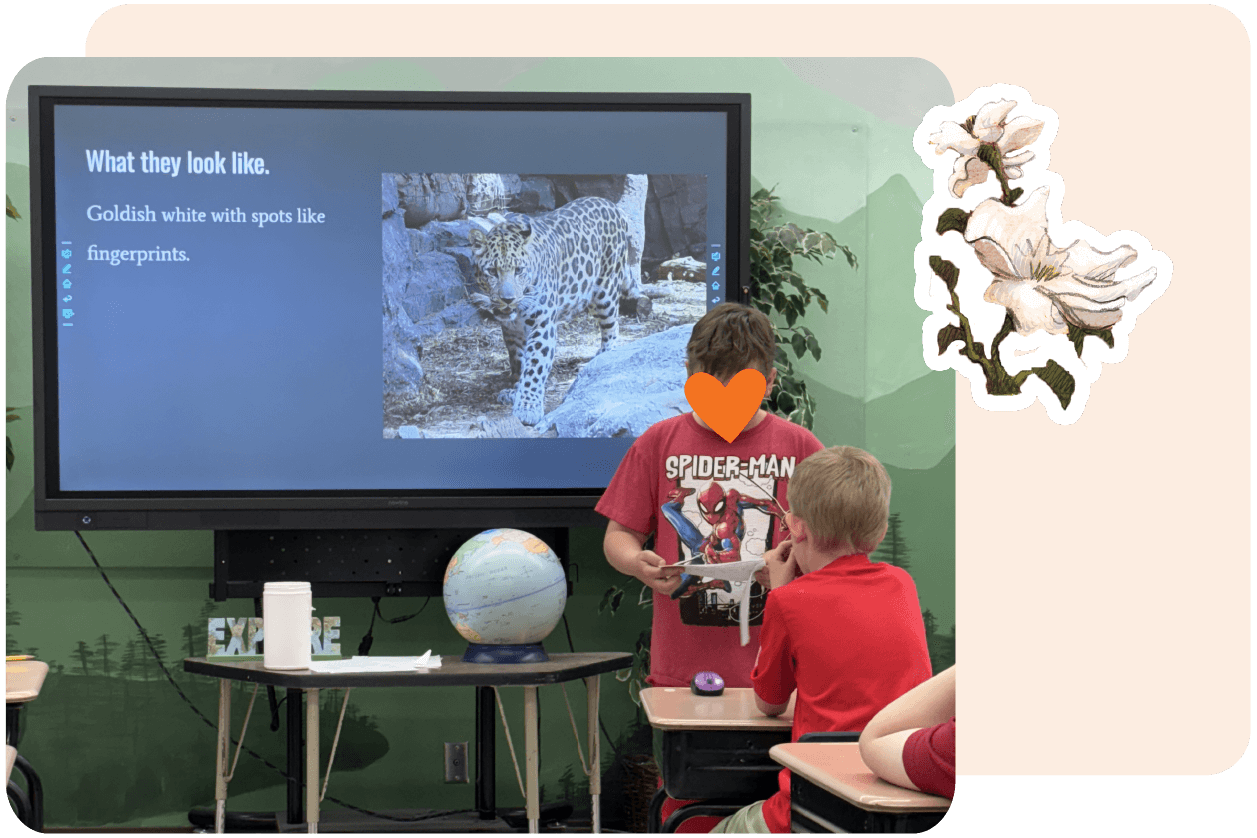
For this unit, these students practiced their speaking and listening skills by presenting about an endangered animal to the rest of the class.
Credit: Stephanie Schuettpelz, Marion Elementary School, WI
In Grade 4, students take part in a dramatic invention competition judged by Thomas Edison, George Washington Carver, and Hedy Lamarr; use writing to investigate the function of a mysterious contraption; become poets; and bring their reading skills to bear on the classic novel Treasure Island.
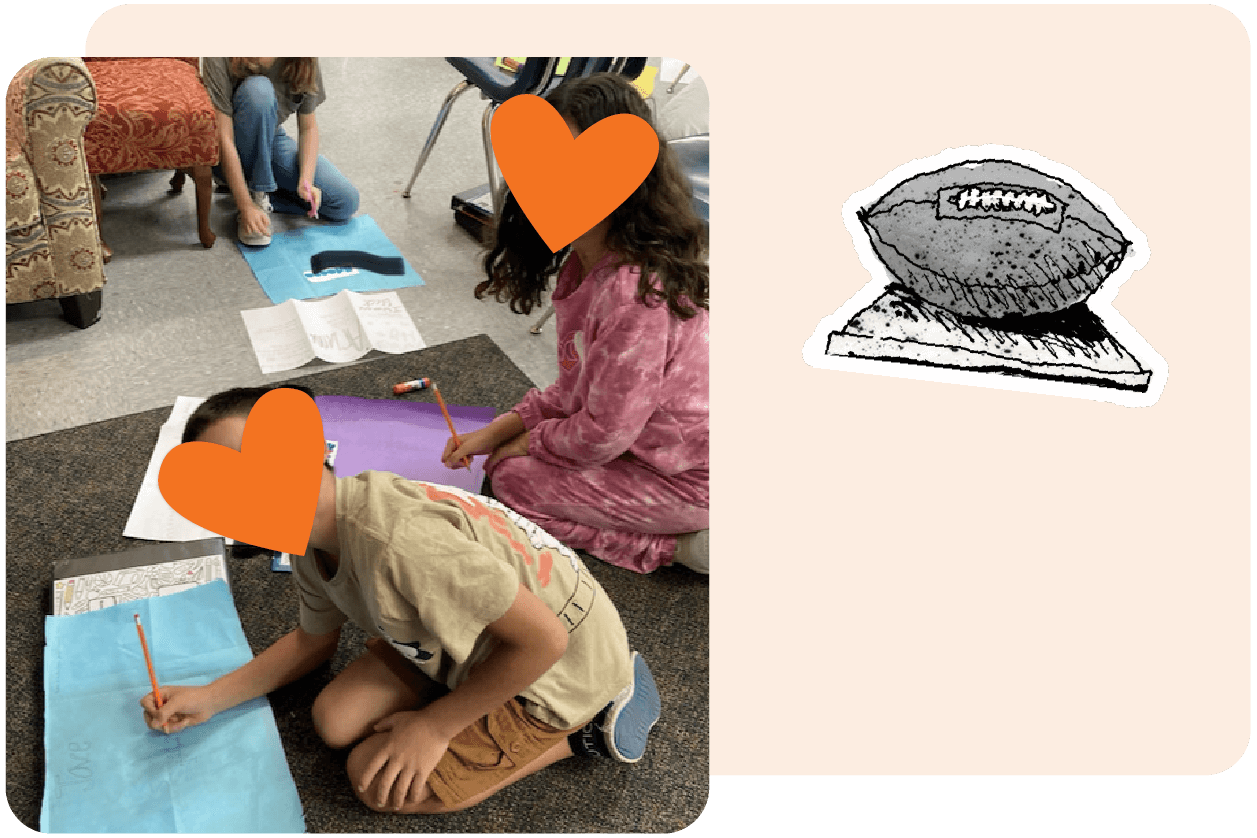
To celebrate the Personal Narratives domain, students created posters using information about their names.
Credit: Daphne Long, Steele Elementary School, AL
BONUS VIDEO: Hear how an educator in New York plans an engaging culminating activity for the Personal Narratives unit!
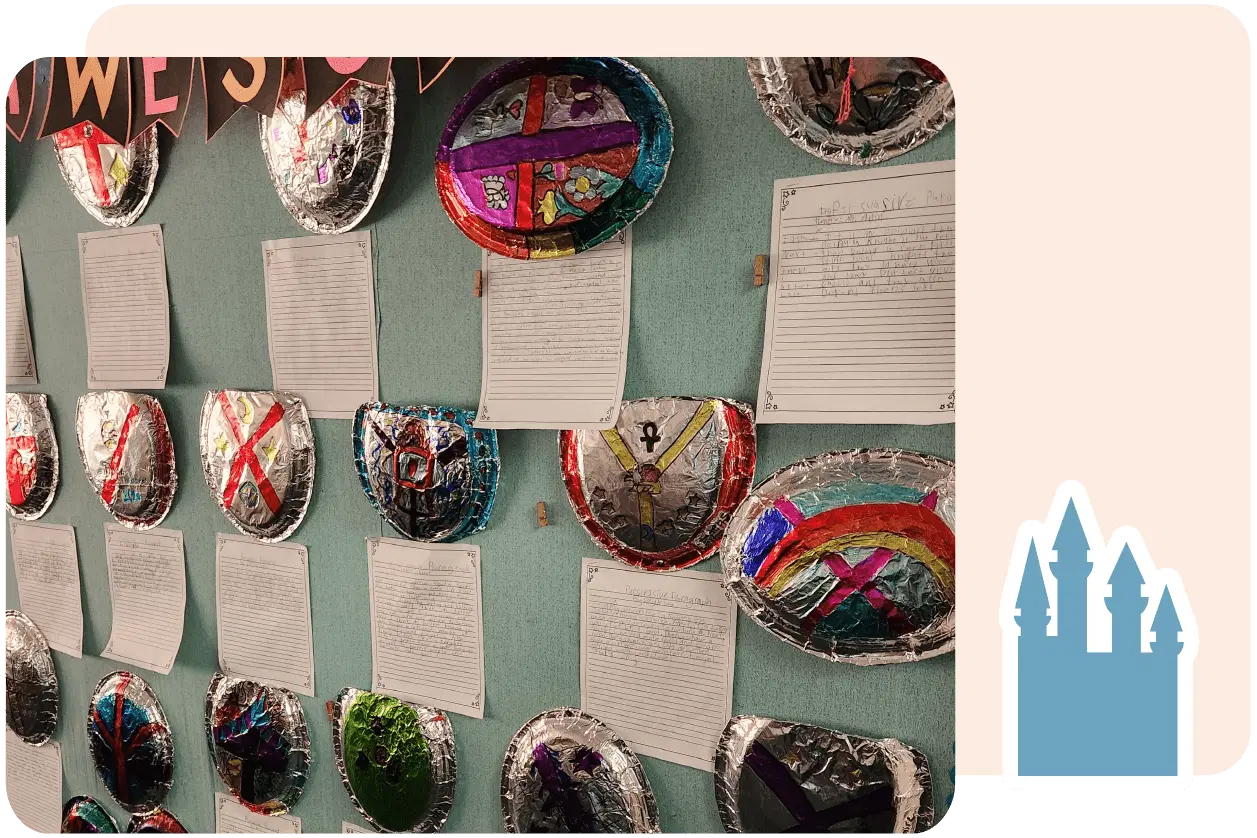
Flex your students’ creativity: Have them create their very own shields and write a paragraph describing them.
Credit: Elisabeth Freligh, Spring Hill Elementary School, AK
BONUS VIDEO: See how students in Minnesota participated in a stained glass art project to celebrate the Middle Ages.
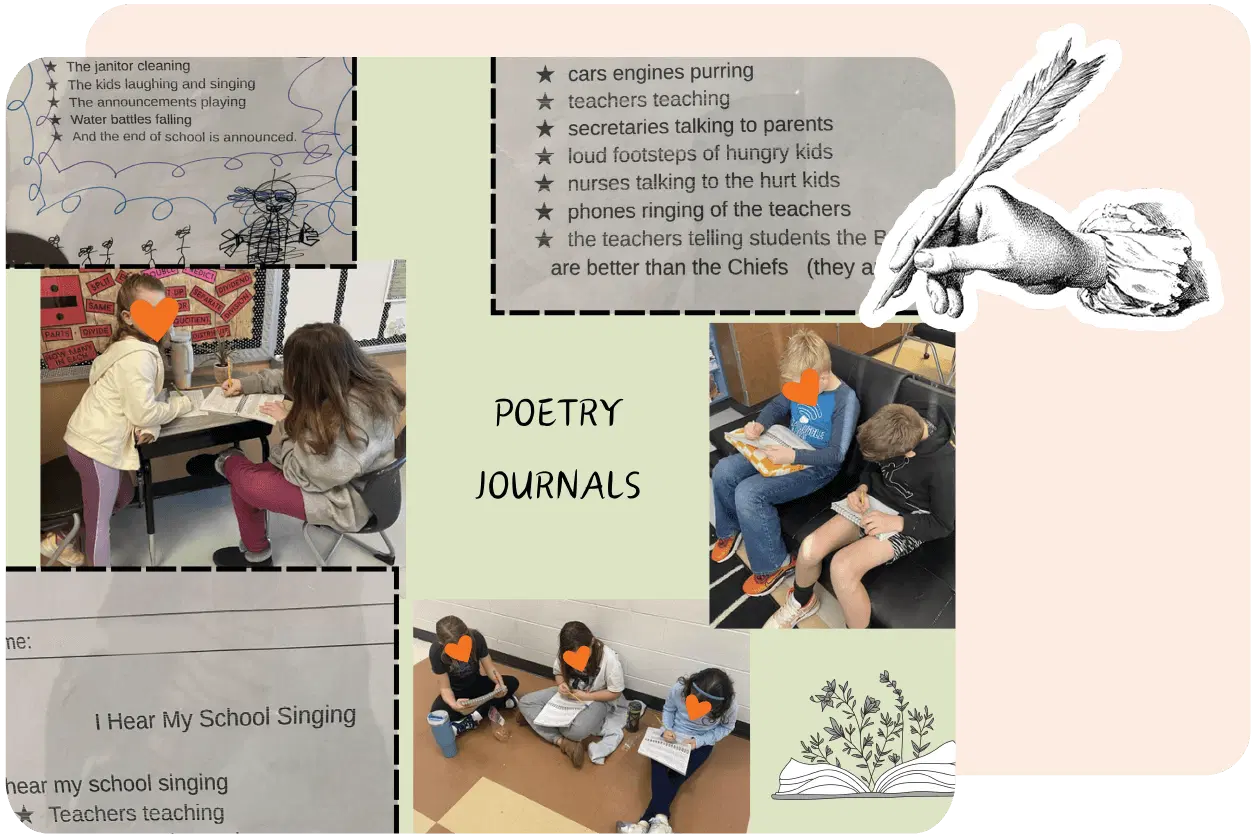
Empower students to apply their knowledge of this writing discipline with poetry journals.
Credit: Elizabeth Sillies, Three Rivers Local School District, OH
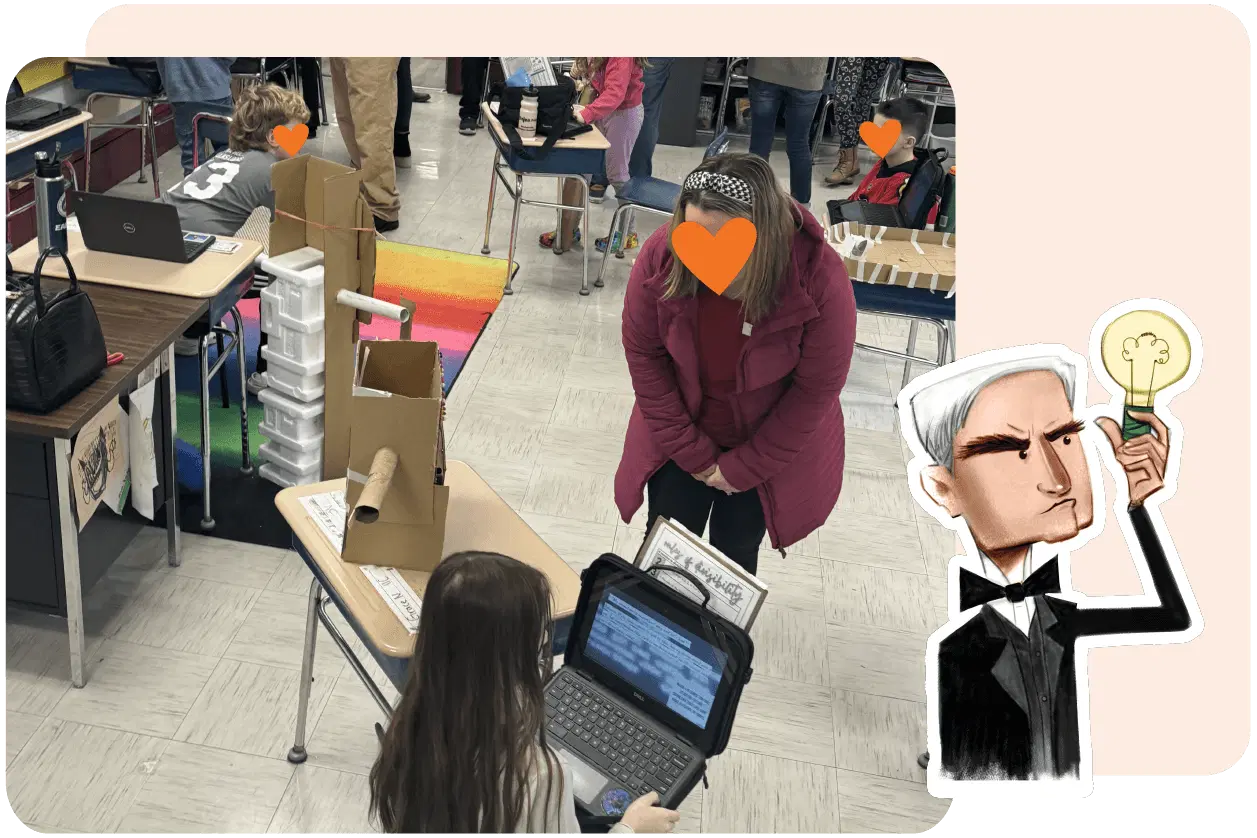
Encourage students to showcase their innovation at an Invention Showcase! Here, they pitched their ideas using the slides they created and the models they made.
Credit: Daniella Cucunato, Merchantville School District, NJ
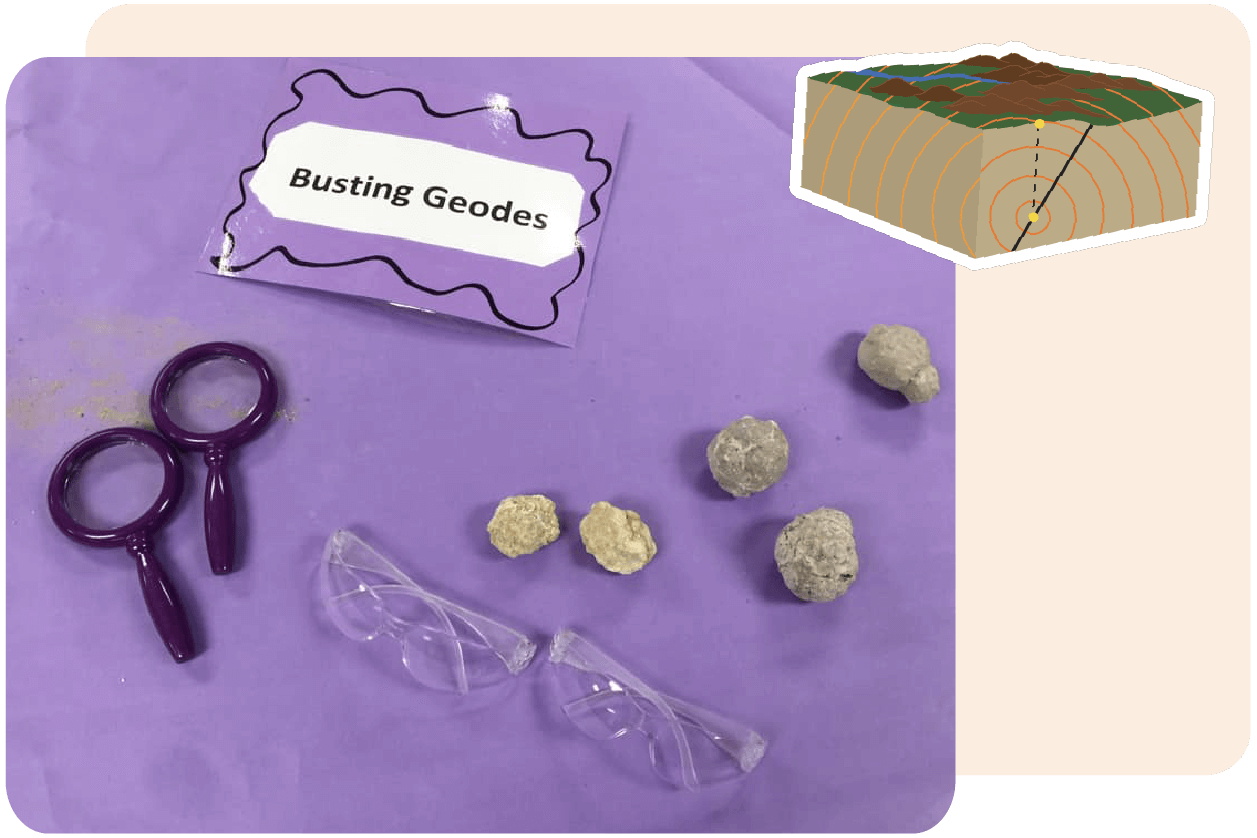
Geology offers great opportunities to facilitate hands-on learning! Students can examine rocks and fossils, or bust geodes to supplement their lessons.
Credit: Spring Choate, Overton County Schools, TN
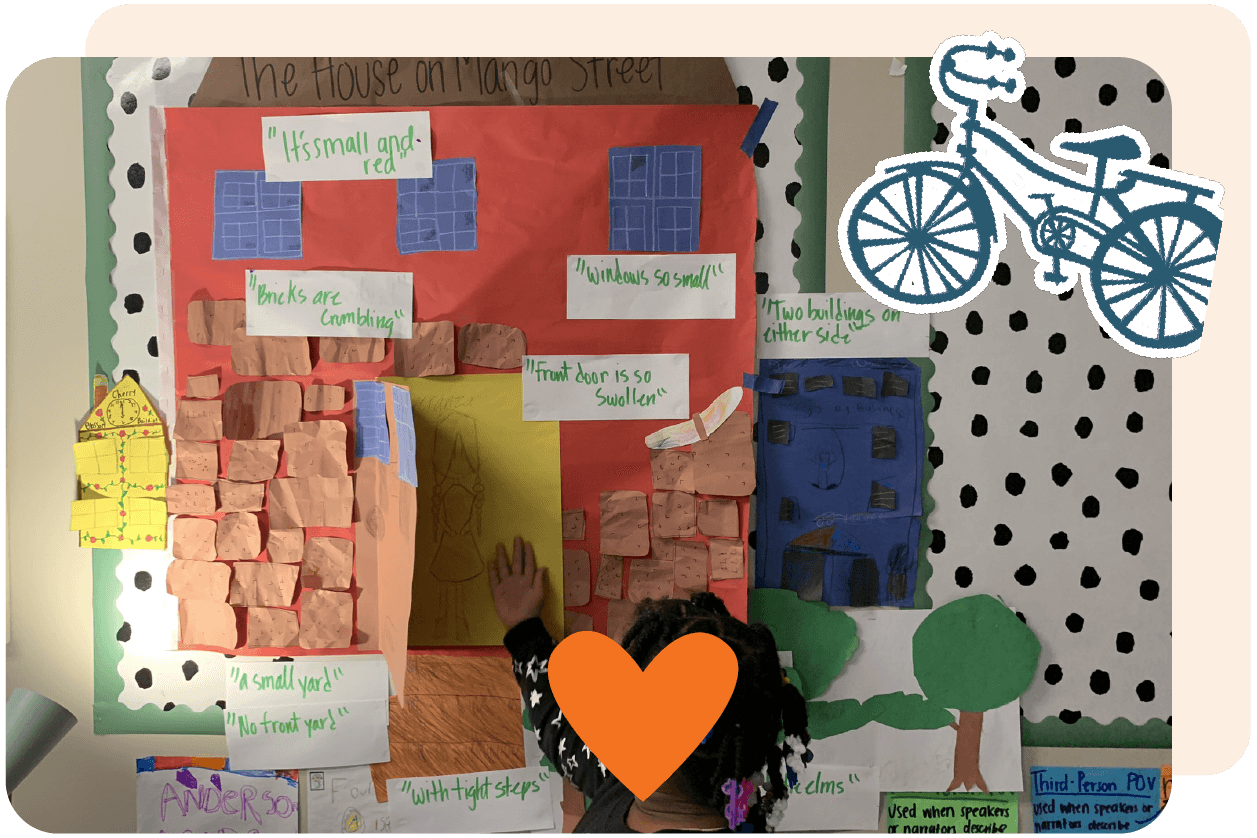
Students can take their favorite stories off the page in this unit! For example, lead students in a craft activity creating their own house inspired by The House on Mango Street.
Credit: Lara Andree, Aldine ISD, TX
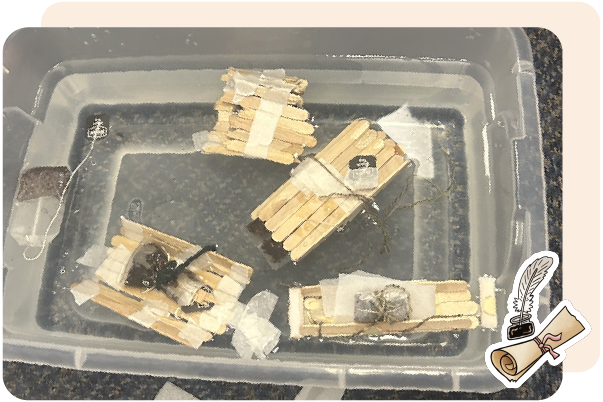
Work a STEM activity into this Knowledge Domain by inviting students to recreate the Boston Tea Party with sticks and items of various weights.
Credit: Maureen Elliott, West Irondequoit CSD, NY
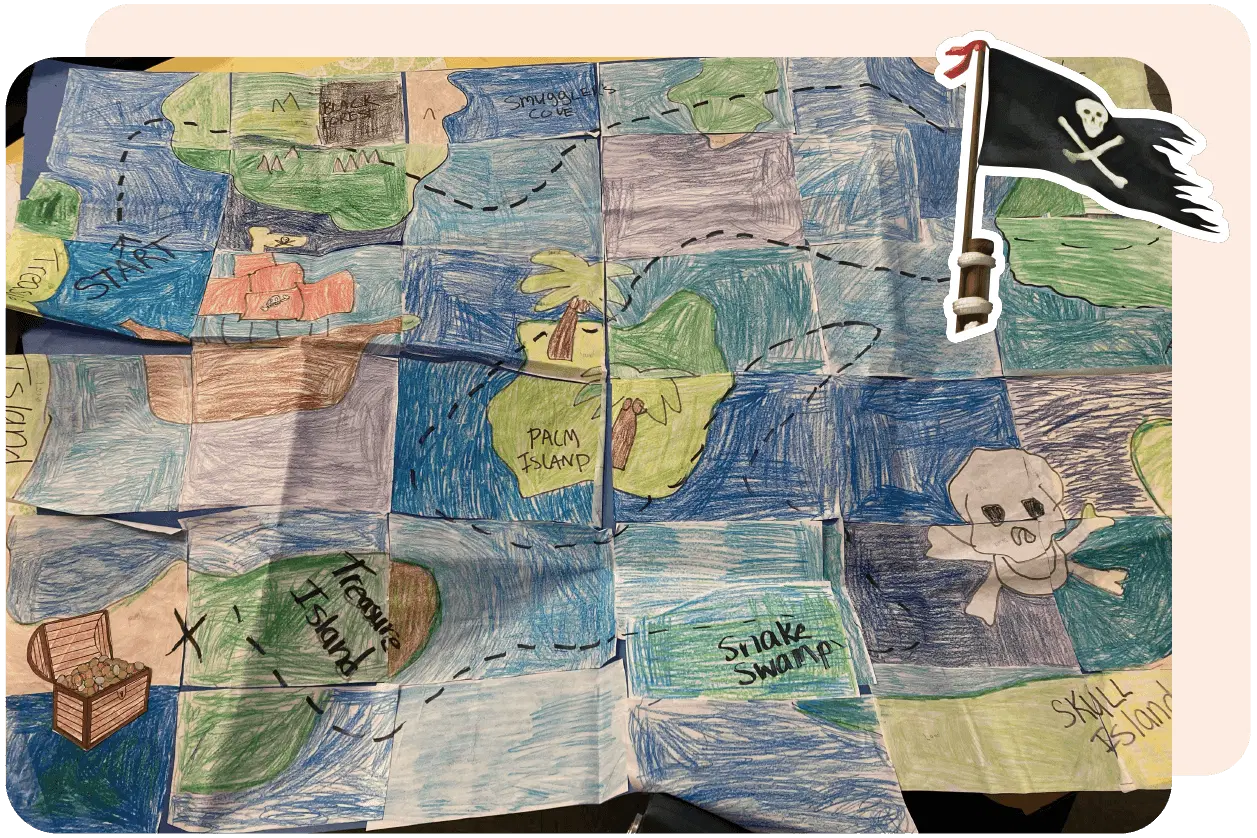
To celebrate the end of the Treasure Island domain collaboratively, students can build their very own map sections and put them together.
Credit: Daphne Long, Steele Elementary, AL
In Grade 5, students learn about villanelles and Mayan codices, read and perform Shakespeare’s “A Midsummer Night’s Dream,” use their writing skills to teach a robot about human emotions, and solve a scientific mystery involving ancient fossils.
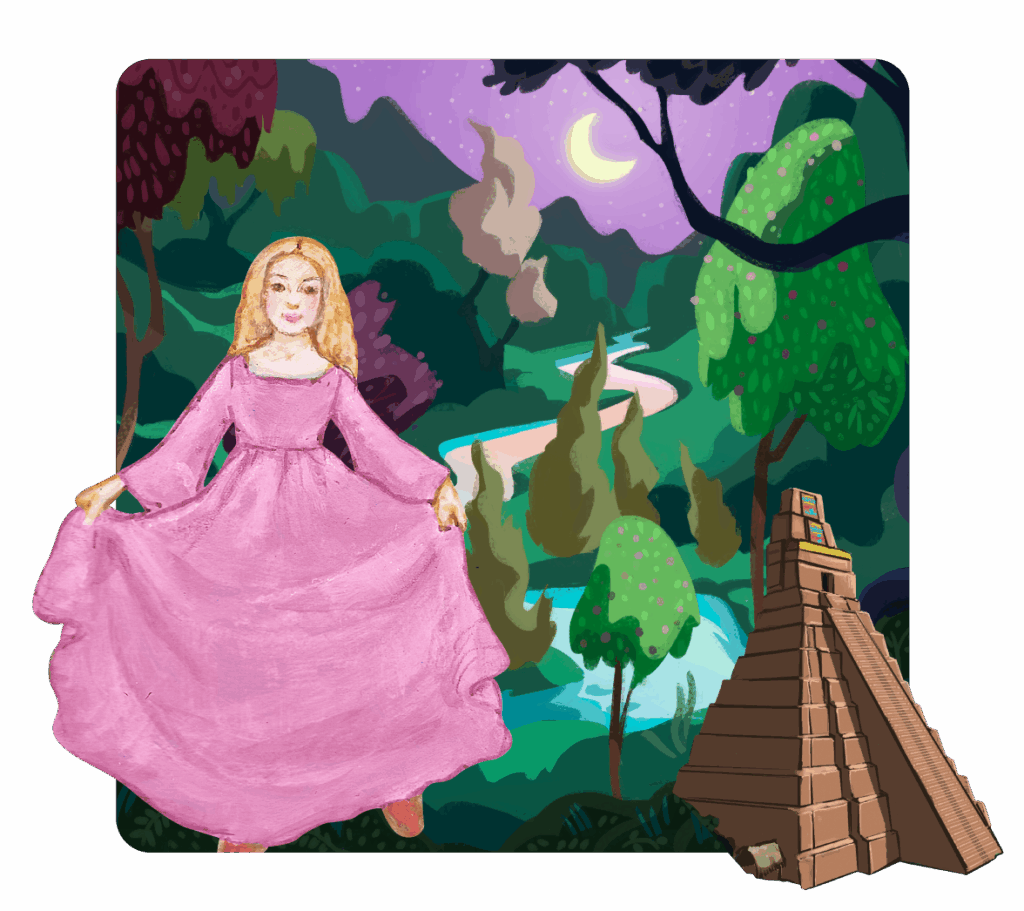
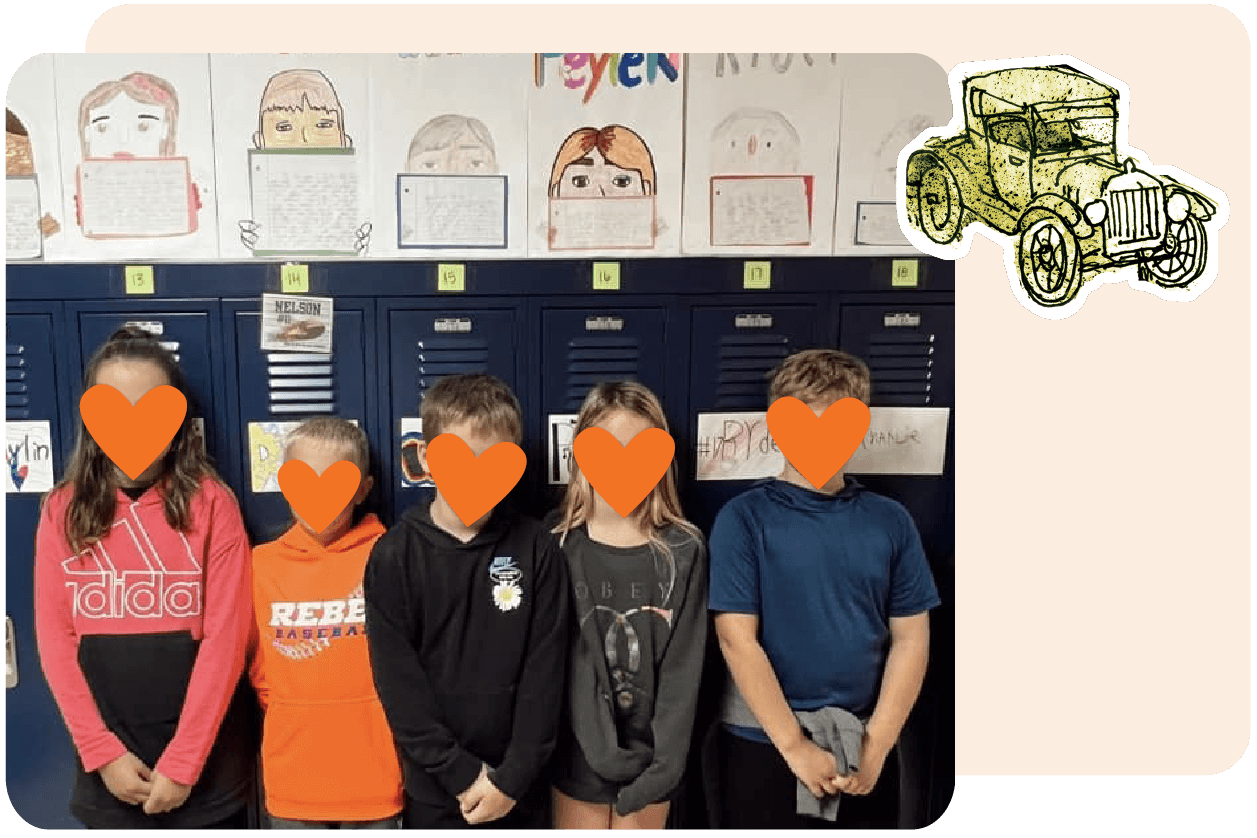
Have your students refine their personal narratives into graphic stories to celebrate the end of this unit.
Credit: Anna Barba, Arlington Traditional School, VA
BONUS VIDEO: Hear how a teacher plans name posters for her students to wrap up this domain.

To celebrate this unit, have your students create codices and Mayan mythical character sculptures using clay!
Credit: Anita Trolese, TASIS Portugal
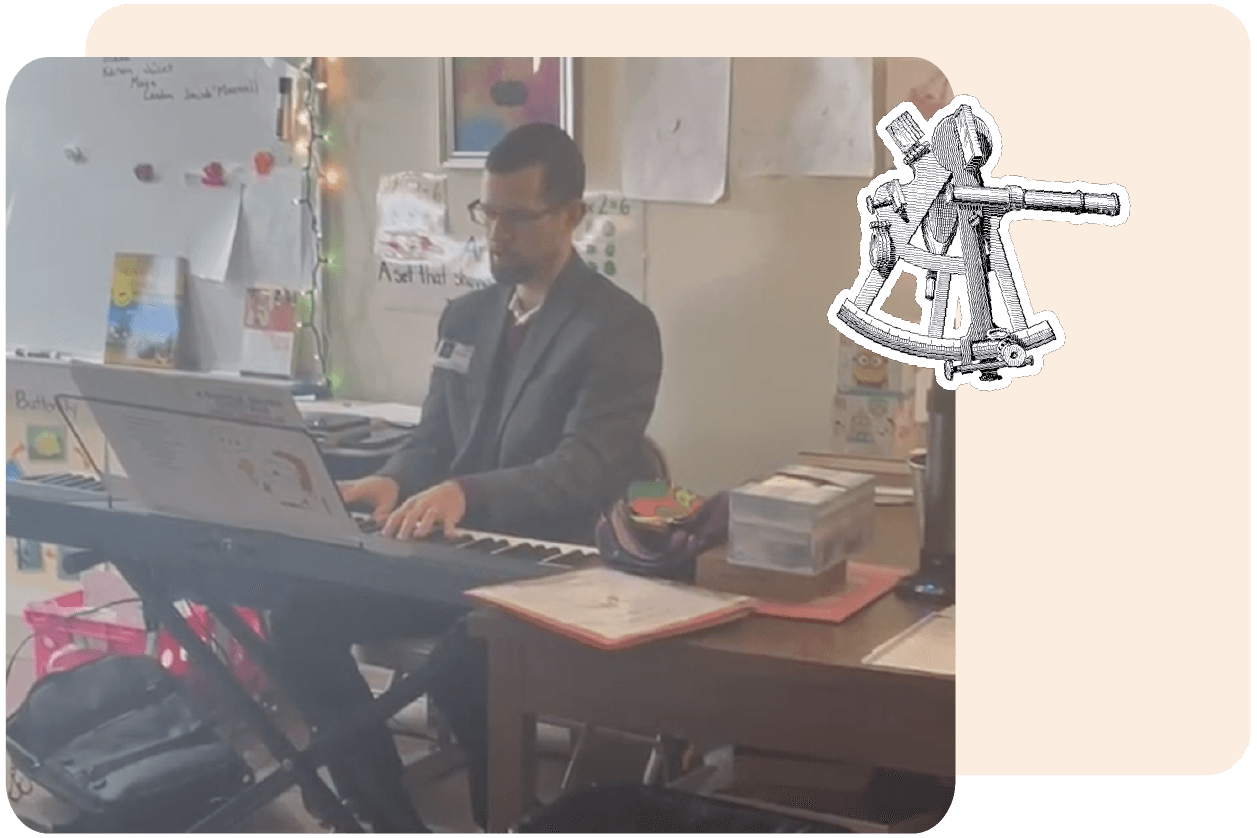
Transform your classroom into a poetry café where students share their work with the rest of the class.
Credit: K.D. Meucci, Bethel Park School District, PA

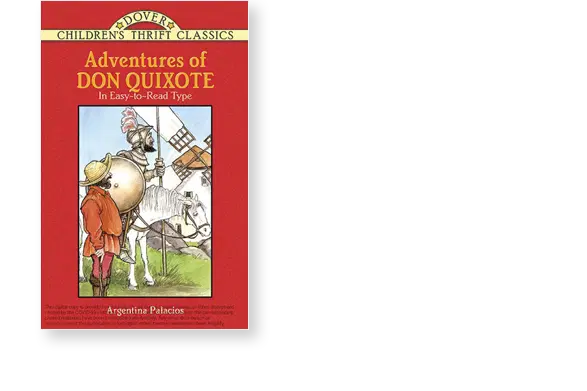
These students are an inspiration! To celebrate they reenacted scenes from Adventures of Don Quixote by choosing a chapter, summarizing its plot, writing scripts, and acting out their chapter for their classmates. They even chose their own backdrops and props to help embody the characters.
Credit: Riley Montgomery, Hamilton Local School District, OH
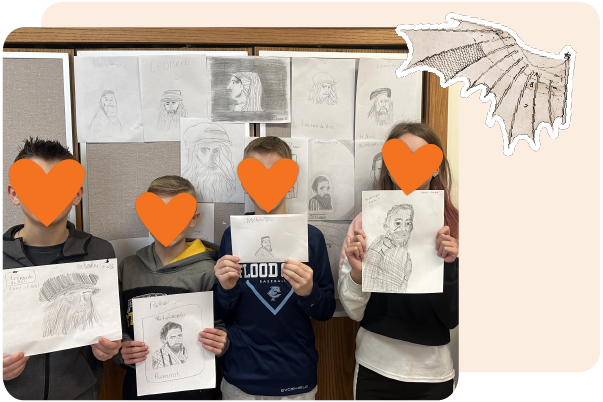
The arts and the Renaissance go hand in hand, so have your students get creative and create their own Leonardo da Vinci portraits.
Credit: Windber Elementary, PA
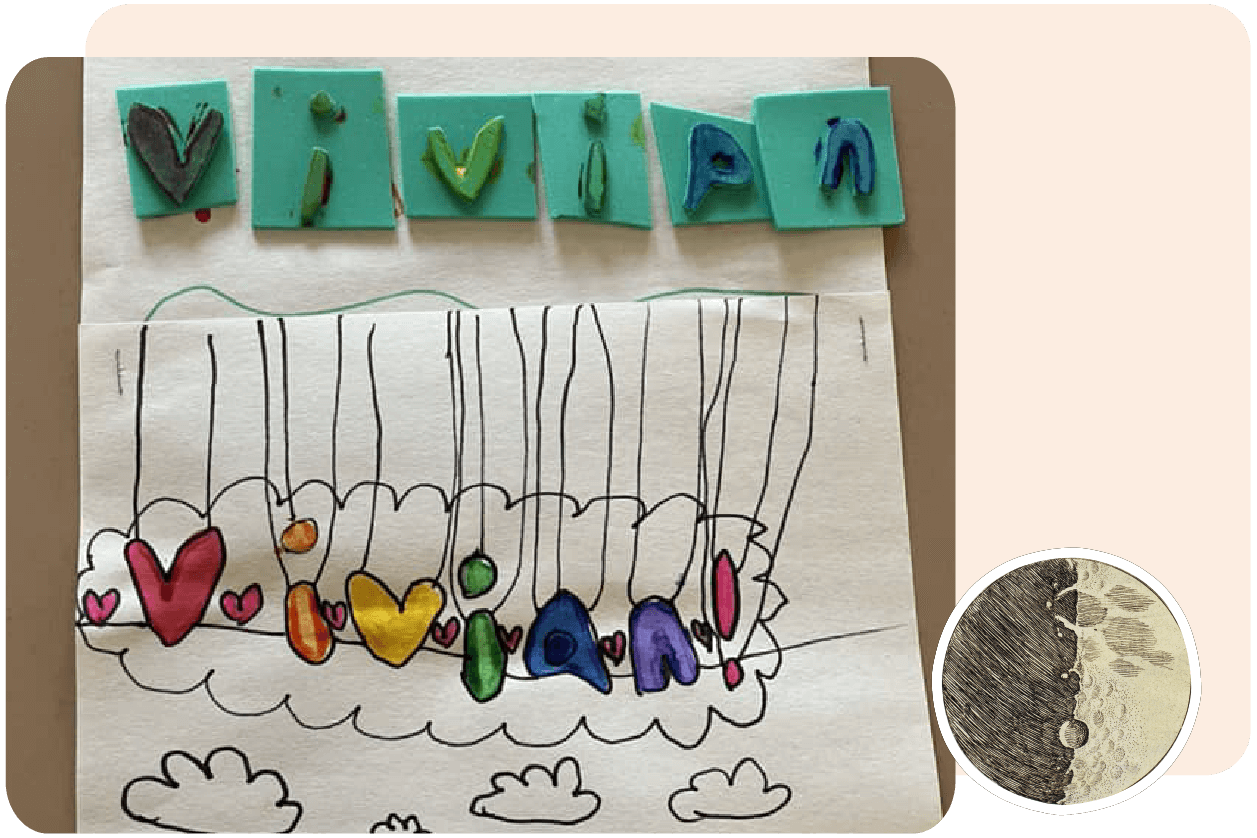
Immerse your students in the Reformation era by having them make stamps and write out some text as a great way to mimic the effect of the printing press!
Credit: Jessica Kingery, Jefferson City School District, MO
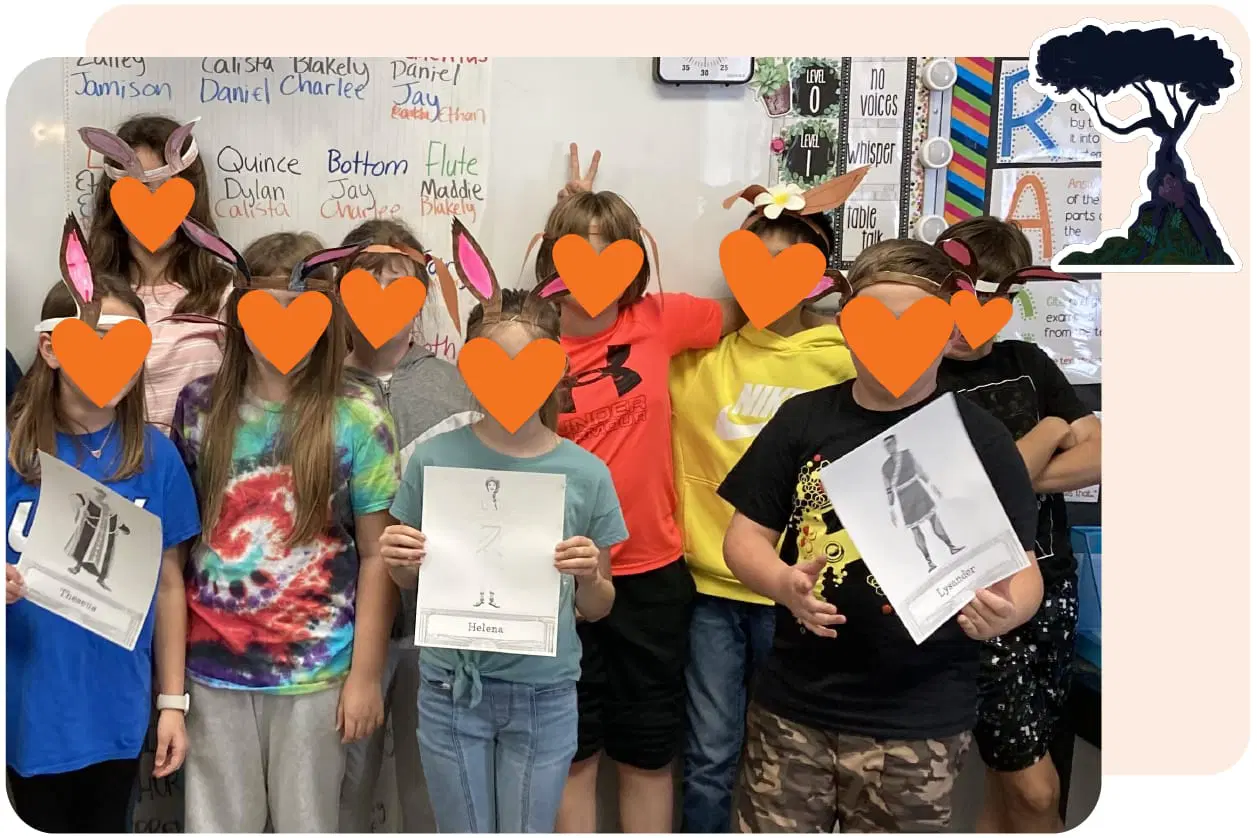
Turn your classroom into a theater for this unit and have your students read the play using character cards and donkey headbands.
Credit: Daphne Long, Steele Elementary, AL
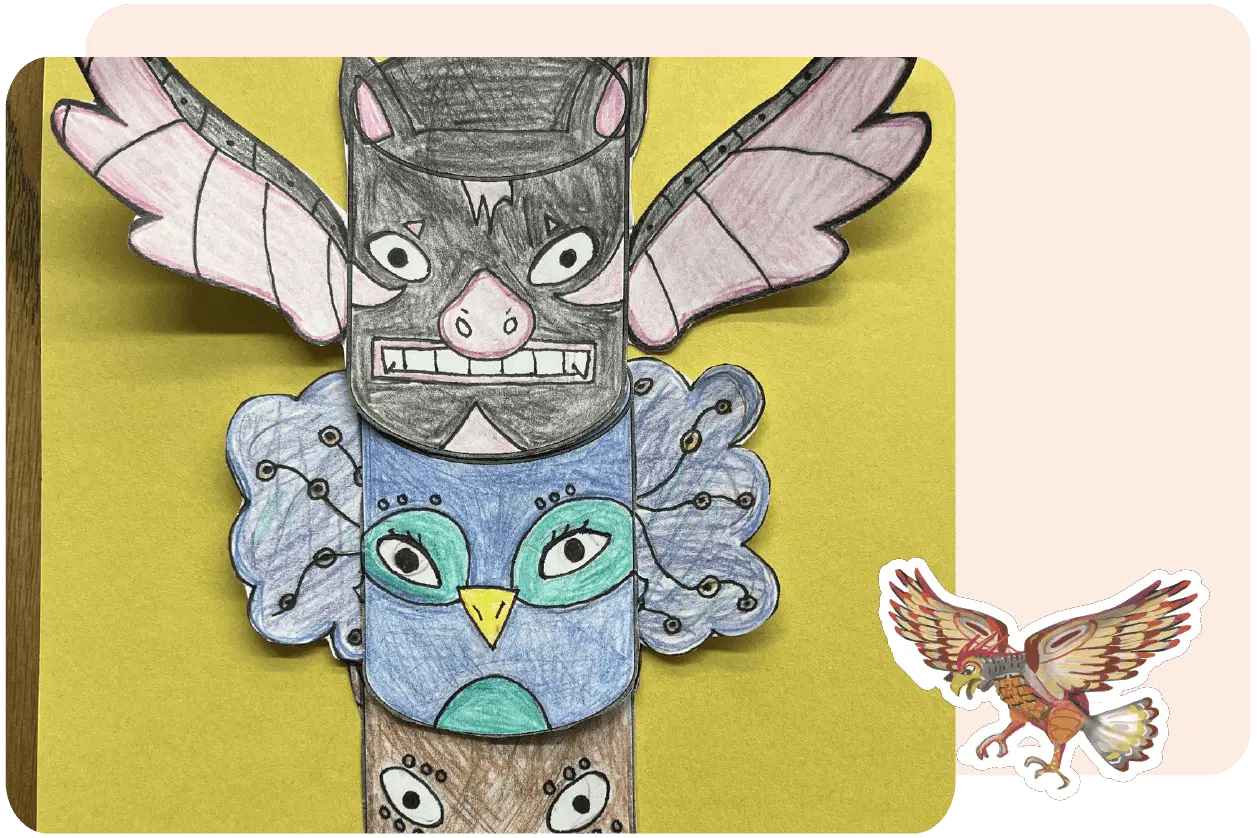
A successful extension project for the Native Americans unit is personal totem poles! Have your students determine their own personal totems, write paragraphs to explain totem poles and why they selected their own personal totems, and use a template to create their own totem pole.
Credit: Kristin Rea, Cicero School District 99, IL
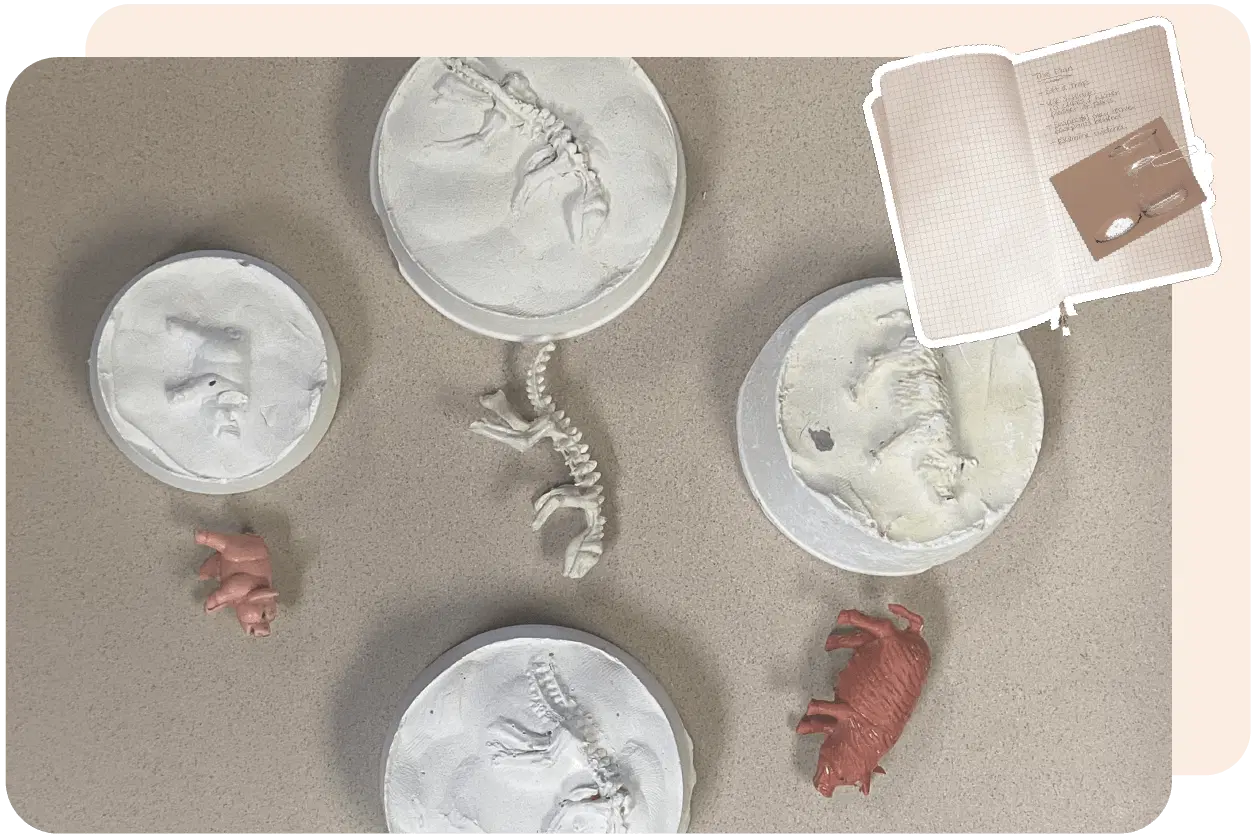
A great way to bring knowledge to life in this unit? Make fossils out of clay molds!
Credit: Teresa Karney, Reese Public Schools, MI
Amplify Science is a proven effective core curriculum designed for three-dimensional, phenomena-based learning that provides an immersive experience for science students. Amplify Science was developed in partnership with the science education experts at UC Berkeley’s Lawrence Hall of Science.

Amplify Science is a curiosity-driven science curriculum that empowers students to Do, Talk, Read, Write, and Visualize like scientists. Through phenomena-based, literacy-rich, and interactive learning experiences, students develop as critical thinkers who will gain the skills they need to solve real problems in their communities and the world.
Each unit of Amplify Science engages students in a relevant, real-world problem where they investigate scientific phenomena, engage in collaboration and discussion, and develop models or explanations in order to arrive at solutions.
Developed by the science education experts at UC Berkeley’s Lawrence Hall of Science in partnership with the digital learning team at Amplify, our program features:


The Amplify Science program is rooted in the research-based proven effective pedagogy of Do, Talk, Read, Write, Visualize.
Here’s how each element works:
Learners engage with scientific phenomena by conducting student-centered investigations.
Students engage in collaborative and inquisitive discussions and scientific argumentation.
Reading scientific texts is an act of inquiry: Students ask questions, gather evidence, and make connections through literacy.
Students write to share what they have learned and apply new evidence to strengthen written arguments and explanations.
Students gather evidence through simulations, physical models, and modeling tools, allowing them to see and investigate complex, microscopic, or otherwise unobservable phenomena.
Flexible resources that work seamlessly together


Age-appropriate Student Books allow students to:

Available for every unit, the Student Investigation Notebooks provide space for students to:

Developed exclusively for the Amplify Science program, these engaging digital tools:

Available digitally and in print, the Teacher’s Guides contain all of the information teachers need to facilitate classroom instruction, including:

Hands-on learning is at the heart of Amplify Science. Each unit kit contains:

The middle school science articles serve as sources for evidence collection and were authored by science and literacy experts at the Lawrence Hall of Science.

Available for every unit, the Student Investigation Notebooks provide space for students to:

Students access the digital simulations and modeling tools, as well as lesson activities and assessments, through the digital student experience. Students can interact with the digital student experience as they:

Available digitally and in print, the Teacher’s Guides contain all of the information teachers need to facilitate classroom instruction, including:
Hands-on learning is at the heart of Amplify Science. Each unit kit contains:

Our lessons follow a structure that is grounded in regular routines while still being flexible enough to allow for a variety of learning experiences.
In fact, our multimodal instruction offers more opportunities for students to construct meaning—and practice and apply concepts—than any other program. What’s more, our modular design means our units can be flexibly arranged to support your instructional goals.


Support is always available. Our team is committed to helping you every step of the way. Contact your dedicated Indiana representative here for program access, samples, and additional information.

Southern IN
(513) 407-5801

Central IN
(310) 402-7837

Northern IN
(260) 894-5123

District enrollment below 1200
(980) 421-2608
Amplify Desmos Math thoughtfully combines conceptual understanding, procedural fluency, and application. Each math lesson is designed to tell a story by posing problems that invite a variety of approaches before guiding students to synthesize their understanding of the learning goals.
Amplify Desmos Math supports teachers in building students’ lifelong math proficiency. The program:
Amplify Desmos Math combines the best of problem-based lessons, intervention, personalized practice, and assessments into a coherent and engaging experience for both students and teachers.
Data informs instruction. Comprehensive student profiles provide full data on students’ assets and skills, empowering teachers to provide just-in-time scaffolds throughout core instruction and targeted intervention when needed.

Click the links below to explore our interactive digital lessons, where you’ll also find print Teacher Edition and Student Edition pages for each lesson.
For helpful navigation tips and more program information, download our Grades K–5, Grades 6–Algebra 1, and Grades 9–12 program guides.
You can also watch a product expert walk through a lesson and the available program components with a lesson walkthrough video.
Integrated mCLASS® Assessments go beyond accuracy to reveal students’ math thinking through an asset-based approach. This data provides better insights about what students know, what math assets to leverage, and where students need support.

Amplify Desmos Math includes digital, adaptive practice that provides the personalized support a student needs to access grade-level math every day. Boost Personalized Learning activities target a skill or concept aligned to the day’s core lesson, with each student receiving personalized scaffolds based on what they already know. This technology complements daily learning and provides another layer of support to the in-lesson differentiation and instructional guidance provided to teachers. Click here to try a Boost Personalized Learning activity. More activities coming soon!
The Fluency Practice of Amplify Desmos Math uses an evidence-based approach to memory retention—spaced repetition—for the basic operations. Students around the world have answered more than 120 million multiplication questions within our application. Try it now!
Support is always available. Our team is committed to helping you every step of the way. Contact your dedicated Indiana representative here for program access, samples, and additional information.
Southern IN
(513) 407-5801
Central IN
(310) 402-7837
Northern IN
(260) 894-5123
District enrollment below 1200
(980) 421-2608
Dear teachers and educators,
At Amplify, we believe Indiana students and teachers deserve high-quality instructional materials. That’s why we partner with schools across the Hoosier State to meet their core curriculum, assessment, and intervention goals. With solutions grounded in research and evidence-based practices, Amplify is leading the way with rigorous and relevant learning experiences. Select a program below to learn more.
With great respect for what you do,
The Indiana Amplify team


Using a fundamentally different approach to language arts, Amplify Core Knowledge Language Arts® (CKLA) is a PreK–5 program that sequences deep content knowledge with research-based foundational skills. Amplify CKLA met expectations and received all-green ratings from EdReports. Read the review on EdReports.
Amplify ELA is the only program truly designed to support middle school students at this critical developmental moment. We ensure that skills are taught, standards are covered, and the test is prepped – all while bringing texts to life and differentiating instruction. Read the review on EdReports.

mCLASS® is an all-in-one system that integrates universal and dyslexia screening, progress monitoring, and targeted instruction for grades K–8. Built on Science of Reading principles and powered by DIBELS® 8th Edition, mCLASS provides educators with the tools to assess and develop the essential reading skills that Indiana students need to build reading confidence and proficiency.
Amplify Science empowers Indiana students to think, read, and write like real scientists and engineers. Amplify Science K–8 received all-green ratings in EdReports’ review of national science curricula. Read the review on EdReports.

Amplify Desmos Math is a curiosity-driven program for grades K–12 that builds lifelong math proficiency. Through a structured approach to problem-based learning, Amplify Desmos Math helps teachers create a collaborative math community with students at its center. Grades K–8 courses rated perfect scores on EdReports. Read the review on EdReports.
Amplify provides a unique kind of support you won’t find from other publishers. We have developed an educational support team of former teachers and administrators who provide pedagogical support for every Amplify curriculum, assessment, and intervention program. This service is completely free for all educators who are using our programs, and includes:
Support is always available. Our team is committed to helping you every step of the way. Contact your dedicated Indiana representative here for program access, samples, and additional information.
Southern IN
(513) 407-5801
Central IN
(310) 402-7837
Northern IN
(260) 894-5123
District enrollment below 1200
(980) 421-2608
Amplify Core Knowledge Language Arts (CKLA) is a core literacy resource aligned with the Indiana Academic Standards for English/Language Arts that empowers Indiana grades K–5 students. Developed in partnership with the Core Knowledge Foundation, Amplify CKLA was specifically designed to enable teachers to implement proven, evidence-based instructional practices.
Looking for core instruction for Grades 6–8? Click here.


Amplify CKLA stands out as one of only a few high-quality, knowledge-building literacy programs recognized by the Knowledge Matters Campaign. Our shared message: Background knowledge is essential to literacy and learning.
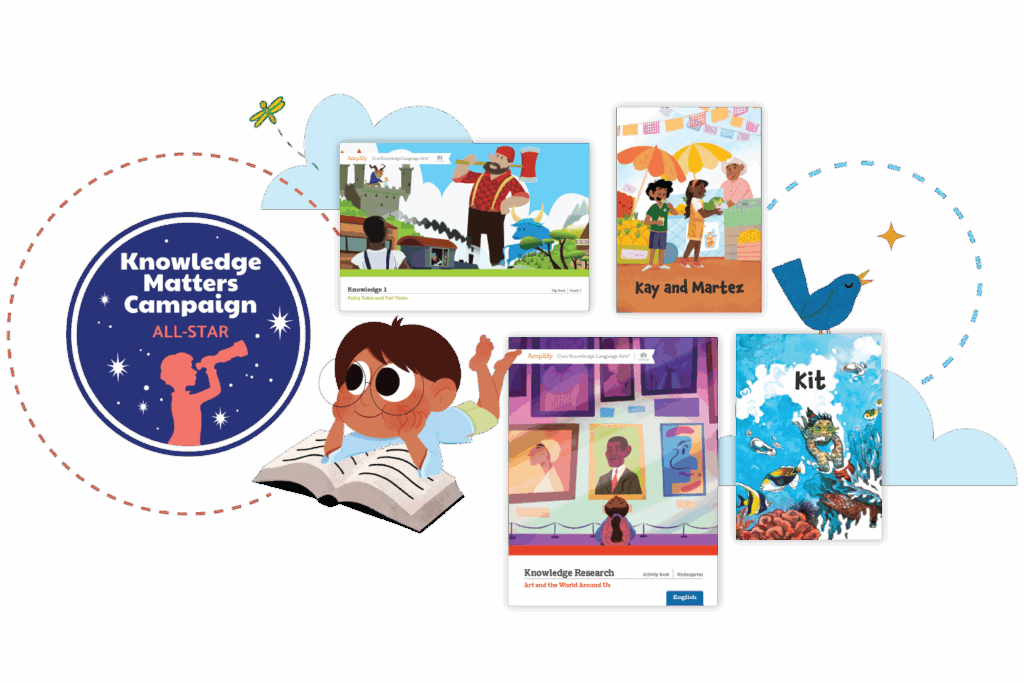
Amplify CKLA not only received an all-green rating from the rigorous evaluators at EdReports, but it was also recognized by the Knowledge Matters Campaign as a literacy program that excels in building knowledge.
The Science of Reading reveals knowledge as an essential pillar of reading comprehension and lifelong literacy. Hear from author Natalie Wexler and Amplify CKLA customers on edWebinar about the importance of knowledge building in reading instruction.
Amplify CKLA is a core ELA program for Grades K–5 that delivers:

Amplify CKLA teaches both foundational skills and background knowledge in Grades K–2 and combines them in Grades 3–5, in alignment with the Science of Reading.
Amplify CKLA builds knowledge coherently across subjects and grades.
Students make connections from year to year by exploring grade-appropriate subject-area knowledge and vocabulary in history, science, literature, and the arts, while learning to read, write, and think creatively and for themselves.
Watching students learn to read? Magic. Knowing how they get there? Science.
As you consider your next core ELA program, it’s critically important to understand what the Science of Reading really means—and what it tells us about how to teach more effectively. Unlike other programs, Amplify CKLA was built upon these insights and practices, making it easier for teachers to implement this proven approach.

Support is always available. Our team is committed to helping you every step of the way. Contact your dedicated Indiana representative here for program access, samples, and additional information.
Southern IN
(513) 407-5801
Central IN
(310) 402-7837
Northern IN
(260) 894-5123
District enrollment below 1200
(980) 421-2608
Amplify ELA is built specifically for the needs of middle school teachers and students. This blended curriculum is designed to help teachers implement the Indiana Academic Standards for ELA by delivering a structured yet flexible instructional approach grounded in the Science of Reading.
Looking for core instruction for Grades K–5? Click here.

After watching the Amplify ELA 6–8 video to the left, scroll down to learn even more, download resources, and access a demo.
Amplify ELA is a core program for Grades 6–8 that delivers:
Amplify ELA lessons follow a structure that’s grounded in regular routines, yet flexible enough to allow for a variety of learning experiences. You can find more information in our ELA Program Guide.
Amplify ELA provides everything you need to deliver a full year’s worth of instruction.
Each grade level of Amplify ELA consists of six multimedia units. Four or five of the units are focused on complex literary texts and one or two are collections based on primary source documents and research. Each grade also provides a dedicated story-writing unit, a poetry unit, and two or three immersive learning experiences called Quests.
Download the Unit Overview and explore a model lesson below to learn more.

Watching students mature into adolescents? Inspiring. Knowing how to engage and motivate their changing brains? Science.
The middle school years are marked by a period of tremendous growth and change—physically, emotionally, and socially. Amplify ELA understands and embraces these changes, and delivers instruction specifically designed to tap into adolescents’ natural inclinations toward collaboration, exploration, and autonomy.
We believe all students are capable of reading grade-level text together.
Amplify ELA ensures all students have access to the same text. With six distinct levels of differentiation, every student is supported or challenged in a way that meets their unique needs. This includes multilingual/English learners (ML/ELs) at the Developing, Expanding, and Bridging levels, as well as students needing substantial support or an extra challenge.

Amplify ELA not only includes captivating content, but also provides clear and actionable measurement data about student performance.
Our embedded formative and summative assessment tools maximize teaching time, while allowing teachers to make confident, data-driven decisions about the instruction and support students need to grow continually as readers and writers.

Ready to explore as a teacher? Follow these instructions:
Ready to explore as a student? Follow these instructions:
Support is always available. Our team is committed to helping you every step of the way. Contact your dedicated Indiana representative here for program access, samples, and additional information.
Elizabeth Sillies Callahan
Southern IN
(513) 407-5801
Jody Kammer
Central IN
(310) 402-7837
Amanda Knipper
Northern IN
(260) 894-5123
Paige Lawrence
District enrollment below 1200
(980) 421-2608

Amplify CKLA 3rd Edition Pilot Packs
We know it can be overwhelming to start a new curriculum, but we’re here to help every step of the way! Within this site, you’ll find resources to help you get started before your implementation training, including a materials checklist, unit and domain summaries, support videos, and more. These tools will support your core literacy instruction with Amplify CKLA during your pilot period. We hope this site is helpful in getting you started.
To get started with your new pilot of Amplify CKLA 3rd Edition, you’ll first want to review the following:
You may also find the resources below helpful as you begin your pilot:
Access key materials designed to support your review of Amplify CKLA 3rd Edition.
Amplify CKLA’s all-in-one digital platform offers essential tools that streamline instruction for teachers and engage students with meaningful content. Teachers can plan and deliver lessons efficiently, while students can access assignments, assessments, and fun practice games.
Presentation Screens
Deliver interactive lessons with ready-made, customizable slides for every lesson.
Auto-scored digital assessments
Assess vocabulary, comprehension, and knowledge development at the end of each K–2 Knowledge and 3–5 Integrated Unit.
Standards-based reports
Identify strengths and growth areas for individuals or your entire class. Interactive dashboards offer detailed results from assessments and activities.
Skill-building practice games
Engage students with interactive games that reinforce concepts and make learning fun. Powered by Boost Reading™, these games align with lessons and provide real-time feedback.
eReader
Students access texts, take notes, and use audio-enabled eReaders to enhance their reading experience.
Sound Library
Students watch articulation videos and listen to songs for each sound to support phonological awareness.


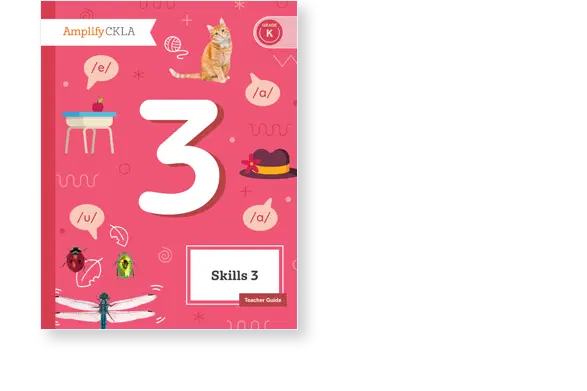
Below are the components of your Amplify CKLA Pilot Pack, organized by grade level and teacher/student materials. Please click on your grade level to review the teacher and student materials listed and verify that all items have been received.

Teacher materials

Teacher materials
Teacher materials

Teacher materials
Teacher materials

Teacher materials
Teacher materials
Teacher materials

Teacher materials
Teacher materials

Teacher materials
Teacher materials
Teacher materials
Teacher materials

Teacher materials
Teacher materials

Teacher materials
Teacher materials

Teacher materials
Teacher materials
Student materials
Student materials
Student materials

Student materials
Teacher materials
Teacher materials
Teacher materials

Teacher materials

Teacher materials
Teacher materials

Teacher materials

Teacher materials

Teacher materials

Teacher materials
Teacher materials

Teacher materials
Teacher materials
Teacher materials
Teacher materials
Teacher materials

Teacher materials
Teacher materials
Student materials
Student materials
Student materials
Student materials

Student materials
Teacher materials
Teacher materials

Teacher materials
Teacher materials
Teacher materials
Teacher materials
Teacher materials
Teacher materials

Teacher materials

Teacher materials

Teacher materials
Teacher materials

Teacher materials

Student materials

Student materials
Student materials

Student materials
Student materials
Teacher materials
Teacher materials
Teacher materials
Teacher materials
Teacher materials

Teacher materials

Teacher materials

Teacher materials

Student materials

Student materials

Student materials

Student materials
Student materials

Student materials

Teacher materials
Teacher materials

Teacher materials
Student materials
Teacher materials

Teacher materials
Teacher materials

Teacher materials
Student materials

Student materials

Student materials
Student materials
Student materials
Student materials
Teacher materials

Teacher materials

Teacher materials
Teacher materials

Student materials
Student materials
Student materials
Student materials

Student materials
Student materials
Teachers and students piloting CKLA 3rd Edition will receive login information to access the digital platform.
If you have not received your login information please contact your administrative team. If you are in charge of licensing and enrollment for your school/district and have not received login information please reach out to your account representative or help@amplify.com.
In this special solo episode, Eric Cross starts the season by sharing his personal journey as an educator, and how the difficulties of the last few years have shaped his mindset going into the upcoming school year. Eric also addresses teacher burnout and what inspires him to continue working as a classroom educator. Explore more from Science Connections by visiting our main page.
Eric Cross (00:02):
Welcome to Science Connection, Season Two. As we begin the next season, I thought it would be a good time to share my story. As the host, I get to ask people questions about their journey, but I’ve actually never shared much about my own. So I’ve taken some of my most frequently asked questions to guests and asked them to myself. I hope you enjoy.
Eric Cross (00:23):
So the origin story question, I think really gets to the heart of why a person does what they do, because so much of who we are, especially as adults and teachers, is a result of experiences that we had in our lives when we were kids or in school with other teachers. And my life’s no different. I was born to a 19-year-old single mom. And when you’re a young boy growing up, especially with a young single mom, you often look to older men in different positions as kinda like a surrogate or like a mentor. And you may not even tell them that they are that to you. You kind of keep it close to the chest. And that’s what I did growing up. One of the ones that really stood out to me is, in seventh grade, I went to a middle school here in San Diego that was called Keiller Middle School. And we were a magnet program that specialized in science. And they had this program that brought professors from the local universities and they did this high-level enrichment. They would even take us to the college campus and we would work in these labs as seventh graders. It was amazing. And one of the people there, his name was Dr. Tress, and he was a professor. And Dr. Tress took a liking to me. I reminded him of his son. We were doing this great embryology experiment. We would take purple sea urchins. And we would inject them with potassium chloride, which would cause them to spawn. And we would fertilize these eggs, and then we would run different experiments using them. And these were things that I had never done before. I had always loved science. I’d always loved tinkering and building things. But this was my introduction, really, to high-level biology and to higher levels of education. I didn’t—I didn’t have many figures like that in my life growing up. I mean, I’m a first-generation, you know, high school, college graduate. Many of these are first generations for me. So, this was a new experience. And so Dr. Tress really unlocked a core memory and was one of my first mentors, as far as academics are concerned. And during my seventh-grade year, I entered the science fair and won first place, which was a huge deal. They took us out to Balboa Park. We got to miss school for a week. We got to go to all the museums for free. It was the best. And I think at that point in time, it really solidified something in me that would lay dormant until later on in my adult life. High school, I was really fortunate: the high school I went to was Morse High School, not too far from Keiller, and they had an aeronautics program. So I was able to enroll in that aeronautics program. And I learned how to fly before I learned how to drive. And I had this great instructor named Mr. Klon, who was this like 6′ 4″, 250-pound hippie guy. And he—we would get in the plane and we would have these like philosophical conversations. And through that, especially looking back now as a teacher, I realized that he was making connections with me and investing into who I was as a person. And it was something that I so needed at the time. Because at home I didn’t have that. You know, my safe place, a lot of time, was school. It was my only structure. It was where I knew I would get encouragement. It was where I knew things were reliable and consistent. For a lot of people, and a lot of kids, their home life isn’t like that. School was that for me. So Mr. Klon, I mean, he was this authentic, you know, consistent person in my life and made a huge difference at this time.
Eric Cross (03:23):
After I graduated high school, I left home just to get away from a difficult environment. And I was homeless for a little while and that was a huge moment in my life. And around that time, an aunt found out and she said, “You’re gonna come stay with us.” And this was like this three-year process of me living with them in this, like, functional family that ate dinner together. And they went to the zoo. They had family passes. And they took family photos at Christmastime. This was all weird stuff. Like, I didn’t know—I didn’t know who did these things. It was—I felt like a puppy that like lived in a home that was like…it was a home that was just always kind of like violent or like just really toxic. And then it gets put into a healthy home and doesn’t know how to act. That’s how it felt. And this was around like 19, 20 years old. During that time I started putting myself through school. So I went to community college and I was broke as a joke. And so I couldn’t afford the textbooks while I was going. So I would just go to the bookstore, the Barnes and Noble bookstore in Mira Mesa here in San Diego. And I would stay there all night using the textbooks or using the books there for doing my work. And then I would just put the books back on the shelves. Because let’s just face it. Textbooks are expensive, brother wasn’t trying to pay for all that. So I really had to earn that time. So I was working full-time. I was going to school. And, eventually I got a job in working in finance with a really great friend who mentored me during my younger twenties. And I didn’t wanna be broke and finance made sense.
Eric Cross (04:44):
And so I did that for a little while, until I got to a point in my career where I was watching an episode of The Office, the UK version, the Ricky Gervais version, and a character said, “I’d rather be at the bottom of a ladder I want to climb than halfway up one I don’t.” And I realized, working in finance, that I was halfway up a ladder I never wanted to climb. So I wanted to move into something that, if I was gonna spend eight hours a day or 10 hours a day doing something, I wanted it to be something that actually filled me up inside. And this is how I got into teaching. So I had always been working with young people, specifically 12- to 18-year-olds, like a non-profit or volunteering, mentoring, after-school programs. And I’ve always managed to rationalize my job in the finance world as meaningful because it let me do the real work that fulfilled me. So the real work was working with the kids. But my day job, my, like, Clark Kent-type job, was just, you know, doing the finance thing of like helping people that have a lot of money make more money. Which at the end of my life, I look back and I said, “That’s not what I want my legacy to be.”
Eric Cross (05:43):
And when the finance crash happened in 2008, that’s when I think I started looking back on it and said, “If I’m gonna spend all my time doing something and spending 40 or 60 or 80 hours of my day of my week doing things, I want it to matter. And that’s when I decided to pivot and leave that field and go and get my master’s in education and get my teaching credential, teaching science specifically. Now, one of the questions we get asked a lot and I’ve been asked is, is “How has teaching changed as a result of the pandemic?” And I feel like this could be several podcasts in and of itself, and it’s also regional, because everybody’s experienced it differently, And we’re still experiencing it! That’s the crazy thing! It’s like, it’s not over, we’re still in it. And some places have innovated and pivoted and some places just did what they needed to and they are trying to go back to business as usual. But if anything has happened, the pandemic revealed how much more, how much schools are more than places of just content learning. For many students it’s where they have their only community, their structure, their emotional wellness. They get regular meals, access to tech, and adults that care about them that are outside of their family. The schools are so much more than that. I mean, my school, they were a place, like a hub, that was giving out food every single day during the pandemic to families that would kind of drive by. So for a lot of schools, they became places like that. It also…the pandemic revealed the intensity of the educator workload. I mean, being able to manage your family, having the capacity, to be a content expert, you need to be a counselor, a trauma-care specialist, a coach, an encourager, a tech expert.
Eric Cross (07:23):
I mean, the term mental health is now more common and starting to become prioritized. Now we’re focusing so much more on the whole child. And we know from research that how a child feels about themselves and their safety and their security impacts their ability to learn. So the more comfortable and safe a student feels in the classroom with teachers and with friends, the better they’re gonna be able to learn. And ultimately the higher they’re gonna be able to achieve. You can’t, you can’t have one without the other. In addition, I think less teachers, see themselves teaching into retirement. I think that’s a big thing. I read these articles about teacher shortages and I think the reality is it’s actually teacher exodus. It’s teachers leaving. And that’s been really difficult. I’ve had many friends who’ve left for the private sector. And I get it, especially if you’re one that has—if you’re the first in your family to graduate from college, with a STEM degree, to them taking a teaching position can mean walking away from a salary in the private sector that pays two or three times more.
Eric Cross (08:23):
And in many places around the country, in order to be a teacher and maintain a median standard of living, you need either dual income, multiple jobs, or a multi-generational household. For a lot of people it just doesn’t make sense. And even right now, today, as I’m recording this, I’m reading articles and getting text messages…and I received a text message three days ago from a teacher that said, “My goal this year is to just not resign.” And that’s where a lot of teachers are feeling right now: isolated, challenged, and under-appreciated. And Plato said, “What’s honored in a country is cultivated there.” And I’ve been looking at how teachers are honored and one of the ways is just, like, practical. Like, look, I gotta pay my bills. You know, love the Starbucks gift card. Love the CPK, the gift card. The cards, all those other things…but brother got a car payment. And at the end of the day, if we care about our kids, we need to take care of the people that take care of them. And there’s very practical ways for that to happen. And everybody in different sectors around the country is dealing with that in different ways. I think the pandemic also revealed, now the public can see how our kids don’t receive the same quality of education. And once you’re aware of that, you can’t put the genie back in the bottle. So once you see on Zoom or once you see in a meeting, or once you see on the news, that students in different areas, whether it’s the rural South or a suburb in Seattle, are not getting equitable educations, well, ultimately that impacts all of us. Now. It’s not all doom and gloom. Good things have come from, as a result of, the pandemic. Many schools have made progress towards narrowing the technology gap, ’cause they had to! ‘Cause you can’t do Zoom and you can’t do Google Meet and all that stuff with a packet! You gotta get those Chromebooks. And Chromebooks and the internet and access to tech is not a new thing. It’s been out for a long time. The technology gap is not a new thing. It’s been written about extensively, but all of a sudden districts and schools started figuring out how to close that gap. And that’s awesome. We didn’t want a pandemic to be the catalyst for that to happen. But at the end of the day, we started closing it. A lot of schools did an amazing job and districts did an amazing job with deploying the hardware, sending out buses with wifi, putting lessons and videos on USB sticks and dropping them off to parents who live in sparsely populated areas. I mean, there were so many stories that I’ve heard about schools and teachers just doing amazing things, going above and beyond what they needed to on behalf of kids.
Eric Cross (10:51):
I think in addition to that, there’s also been students and families are now having more options to personalize their learning. So we have this in-person model, we have this Zoom or kind of online model, and this hybrid model, and it hasn’t all been perfect, you know, at all. But some families have come out and said, you know what actually doing this hybrid model is better for my son or better for my daughter or better for my student, because they’re able to get the socialization, but also able to focus better at home than they are in a classroom of 36. And that’s legitimate. You know, we talk about personalized learning, but it’s not exactly personalized when everybody has to wake up at the same time, same schedule, go to the same, the same classroom of, you know, up to 40 kids, and do the same lesson. I mean, we have to be honest about our limitations with personalizing learning for students. And when we can provide more options and we give teachers the infrastructure to be able to use different platforms, then we’re able to personalize learning a lot more.
Eric Cross (11:51):
There’s also been an emphasis on the whole-child wellness. I think the spotlight on mental well-being heavily impacts their academic success, but counseling teams, social workers, school psychologists—I think more than ever we’ve realized the value that they bring to the schools. And unfortunately many of them have caseloads of 200 students or more. And they’re seeing students most often that are in crisis. And especially after the pandemic, we’re realizing how valuable they are and how much we need to, one, honor them and give them the support that they need, and also recruit more. Because as we start recognizing how our brains are impacted by the things that we’re dealing with, we’re also gonna see how that’s gonna impact our students’ performance. And we need the specialists in those positions to be able to support our kids. I think, last, I think more innovation and lesson design and how we assess students. And so we’ve been talking about in education just kind of critiquing: how do we assess what a student knows? How do we make what a student actually does at school relevant to real life? I mean, so many times I have students who’ve graduated that are like, “I feel like the things I learned in school, like, they’re not always transferable to real life. It helped me on a test, but like, I don’t know how to do my taxes.” Or “I memorized these facts, but I don’t really apply it in my job.” Or “The facts that I learned I could have actually learned on the fly in my job. I wish I would’ve actually focused on the skills or had an earlier opportunity to get some experience because when I’m trying to apply for a job, <laugh> they ask for experience and I’m 22 years old.”
Eric Cross (13:28):
And so all these things kind of come up. And so I think there’s been some great conversations around “how do we rethink what education looks like?” And there’s different pockets around the country that have been doing that, I think, really well. And I think it’s important for us as teachers to stay connected to those people who are kind of pushing the boundaries and thinking outside the box, because when we get siloed, it’s really easy to get calcified and cynical. I get it. And it impacts me too. But when we’re around those people who have those fresh ideas, who are really pushing the limits, it inspires us. And that’s something I think during the pandemic that I’m grateful that I was intentional about, is staying connected with other teachers. There’s a big question; Why do you continue your work in the classroom and what keeps you motivated? And I was thinking really hard about this question, because depending on <laugh>, depending on my day, I feel like my answer’s gonna be a little bit different. So I’ve had to step back from this 30-foot, thousand-foot perspective and answer the question. And my answer is this: I think because I still feel like I can be effective to influence positive change in my classroom with my students and within the larger education system as a whole. I think if I lost either of those two, then I’d rethink my profession. Look, I’m an innovator. I like asking “why” questions and things like that. And I’m not always the most popular person when you do that. But education is like just a huge ship. It doesn’t pivot on a dime. And asking why questions and pushing for change on behalf of kids isn’t easy, fun, or glamorous, but it’s it’s necessary. And I feel like over the last few years, I’ve been able to see these kind of glimmers of a trajectory change, at least where I am locally. And that’s something that has given me a lot of hope. I’m very fortunate to be connected to educators and people in leadership that are really about making a difference beyond just kind of the cliched platitudes. They actually wanna make systemic change, in a way that’s positive. And that’s been really helpful for me. So as long as I feel like I’m useful in the classroom for students, and as long as I feel like I’m bringing, I think change, on behalf of teachers and students and administrators and our community in a way that moves the ball down the field, that’s what keeps me motivated. And what I like to ask teachers when I close in the podcast is. “What teacher or teachers have inspired you?”
Eric Cross (15:54):
And for me, I think it would start off with the teachers who cared about me when they didn’t have to, in elementary school all the way through college. And there are numerous teachers. My science-teacher community of practice. For the last two years, I’ve been fortunate to spend every month, once a month, meeting with just a core group of science teachers that really care about some of the things that we are impacted by in the classroom. And when the pandemic was going on, we still met regularly. And because we’re not all teaching in the same place, we kind of were able to bring different perspectives to the table. I think the current classroom teachers and former classroom teachers that I have in my community really inspire me. The ones who are dedicated to opening doors for students. The graduate students that I teach at the University of San Diego, they keep me fresh. I love leaving teaching my 12- and 13-year-olds, and then driving down the street to the university and teaching 20somethings who are all about to be in the classroom. They come with new ideas, they’re asking questions, and I get to actually share things that I just did three hours ago. I think that’s one thing that continues to inspire me. And it’s one of the reasons why I love teaching at the University of San Diego. Their energy and enthusiasm is super-refreshing. And then all the teachers that are willing to take risks and fail forward, to try things different, to ask hard questions, to push the envelope. Teaching’s hard. It’s easy to point out the problems in education as a whole. But after we do that, it’s important to figure out the practical ways we can make the changes that we wanna see.
Eric Cross (17:23):
Now, that’s to say that if you have the capacity for it and the resources and the support. Some of us, we don’t. Some of us, we are on an island, and that’s a really, really difficult place to be, especially when you have family and kids to take care of. And you have to make decisions on what’s best for you and for your own students. We do this work on behalf of kids. And it’s one of the most honorable services a person can provide to our community. But one area for growth that I think we have kind of as a society, is teachers spend their lives, daily, on behalf of the future of our country. For other people’s children. They fall asleep at night worrying about other people’s kids. They spend their own money to create opportunities and experiences that students might not otherwise have. And it’s important that we collectively, and I know I’m preaching the choir when I say this, but this is one of my messages, is that we honor them in turn. We create programs that allow them to be able to afford housing. We create opportunities for them to be able to generate wealth. We create ways for them to be able to find rest, to get connection. And then internally we create systems where they can just work on themselves, fill themselves, get trained, and be whole, so they can bring their best self to the kids in front of them. That’s one of my personal platforms. It’s something that I think is vital. We gotta take care of the people that take care of our kids. So there’s a saying that says, “It’s better to light a candle than to curse the darkness.” And it takes one person to blow out a candle, but one candle can light thousands of other candles, without diminishing its own light. And that’s what we have to be. So my encouragement, teachers, as you’re going into this new school year, and you’re thinking about what’s going on, you’re thinking about all the challenges—and they’re there, and they’re real, and trust me, it’s not like some Pollyanna, like, “Hey, just be positive!” mindset and everything’s gonna be great—no, no, no, no, no. It’s not that. But my encouragement…if I can tell you one thing that’s helped me more than anything else, it’s being connected to other people who are candle-lighters. Because there are a lot of places that are gonna blow out the candle. It could be the staff lounge. It could be Twitter, it could be Reddit. It could be Instagram. It could be TikTok. It could be, you know, anybody. Someone next door to you. There’s a lot of folks that are gonna be willing to point out and say, “Look, this is what’s wrong.” But find the helpers. Find the people that are candle-lighters. And stay connected with them. Find that community. I can tell you for me, that’s been the thing that’s been able to help me sojourn through all of this—I couldn’t do this by myself—is being able to share my story with other teachers and knowing that I’m doing this work alongside of other folks who are doing this work, and I can share my story with them and listen to their stories, is something that’s been able to fill my cup. And so I hope I can do the same for you and for other people listening to other people I come in contact with.
Eric Cross (20:08):
Teachers, I wish you a great school year. Hang in there. Be those candle-lighters and bring your best self on behalf of the students. Thanks so much for listening. Now, we wanna hear more about you. If you have any stories you wanna share about the classroom, please email stem@amplify.com. That’s STEM at amplifycom.wpengine.com. And make sure to click subscribe wherever you listen to podcasts. And join our Facebook group, Science Connections: The Community. Until next time.
Join our community and get new episodes every other Tuesday!
We’ll also share new and exciting free resources for your classroom every month.


Eric Cross is a 7th grade science/technology teacher, grade level lead, and digital learning innovator for Albert Einstein Academies, International Baccalaureate schools. He is also an adjunct professor of learning and technology at the University of San Diego and a Google certified innovator. Eric earned a bachelor’s degree from Azusa Pacific University and a Master of Education from the University of San Diego. He had 17 years of experience working with at-risk youth and underserved populations before becoming a middle school teacher. By building relationships with students, colleagues, and the community, he has become an empowered leader in and out of the classroom. Through meaningful learning experiences centered around student agency, STEM has become accessible to students through highly engaging lesson design, thoughtful integration of digital tools, and culturally relevant pedagogy.

Welcome to Science Connections! Science is changing before our eyes, now more than ever. So…how do we help kids figure that out? We will bring on educators, scientists, and more to discuss the importance of high-quality science instruction. In this episode, hear from our host Eric Cross about his work engaging students as a K-8 science teacher. Listen here!
That’s why we partner with schools across the Keystone State to meet their core curriculum, assessment, and intervention goals. With solutions grounded in research and evidence-based practices, Amplify is leading the way with rigorous and relevant learning experiences.
Select a program below to learn more.


Amplify Desmos Math is a comprehensive K–12 math suite that has everything in one place: benchmark and progress monitoring, core instruction, integrated personal learning, embedded intervention, and more. This structured, problem-based approach builds on students’ curiosity while strategically developing math fluency and lasting grade-level understanding. The program delivers:
Digital lessons should be able to bring student thinking to the surface and spark productive discussions. We bring this vision to life with interactive social, collaborative lessons powered by Desmos technology.

Effective universal screening and progress monitoring means that every student is an individual and targeted instruction should become a reality, not a dream.
mCLASS® is the gold-standard K–8 assessment and intervention suite for early literacy that helps every child learn to read confidently.
Based on decades of leading literacy research, mCLASS lets you know exactly which part of a skill a student is struggling with, then gives you effective next steps and lesson plans.
Watch how mCLASS can help teachers:

High-quality, content-rich instruction should combine multisensory phonics instruction with knowledge-rich texts and interactive multimedia resources.
Built on the Science of Reading, Amplify Core Knowledge Language Arts® (CKLA) sequences deep content knowledge with research-based foundational skills.
Amplify CKLA is impactful for teachers, administrators, families, and most of all—students! Hear what students think about Amplify CKLA.

Authentic personalized learning should be developmentally appropriate, grounded in research, and truly adaptive.
Boost Reading is a personalized, digital supplemental reading tool for grades K–5 featuring:
Boost Reading includes age-appropriate storylines that excite students’ curiosity. Regardless of their reading ability, students are placed in a year-long storyline that is developmentally appropriate for them. As students grow, so do the immersive worlds around them.

Amplify ELA is the only program truly designed to support middle school students at this critical developmental moment. We ensure that skills are taught, standards are covered, and the test is prepped – all while bringing texts to life and differentiating instruction.
Let’s face it– middle school students are different from high school students. That’s why they deserve a program of their own.

Middle school students need to exercise their close reading skills in order to deeply comprehend across the curriculum. Based on a riveting storyline designed especially for middle schoolers, Boost Close Reading helps students find deeper meaning in a digital journey like no other.
Before the machines took over, humans could fend for themselves. Now humanity is trapped. And their only hope? You.
Amplify Science Pennsylvania is a proven K–8 curriculum that develops critical thinkers who are prepared to solve problems in their communities and beyond. It features: