Season 6, Episode 6

Leading Legislative Change, with State Senator Mimi Stewart

Mimi Stewart is a state senator from New Mexico and previously worked as a public school elementary special education teacher for thirty years, with an expertise in reading literacy. Her unique background has turned into a passion for and a history of championing educational policies as a legislator. This episode focuses on how state government and state legislation can work to improve literacy instruction. She takes us through the process of creating a piece of literacy legislation, New Mexico Senate Bill 398, which passed in 2019. Sen. Stewart also shares the latest that bill and talks about what she’s now focusing on from her place in the legislature—like changing that way we teach teachers from a university level.

Meet Our Guest(s):

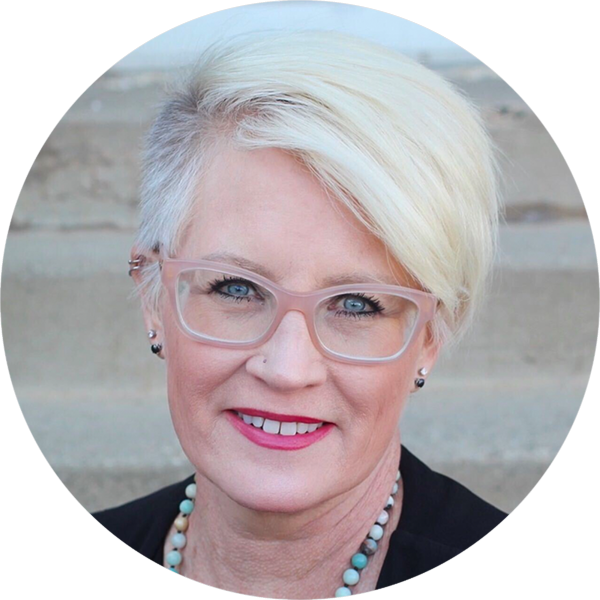
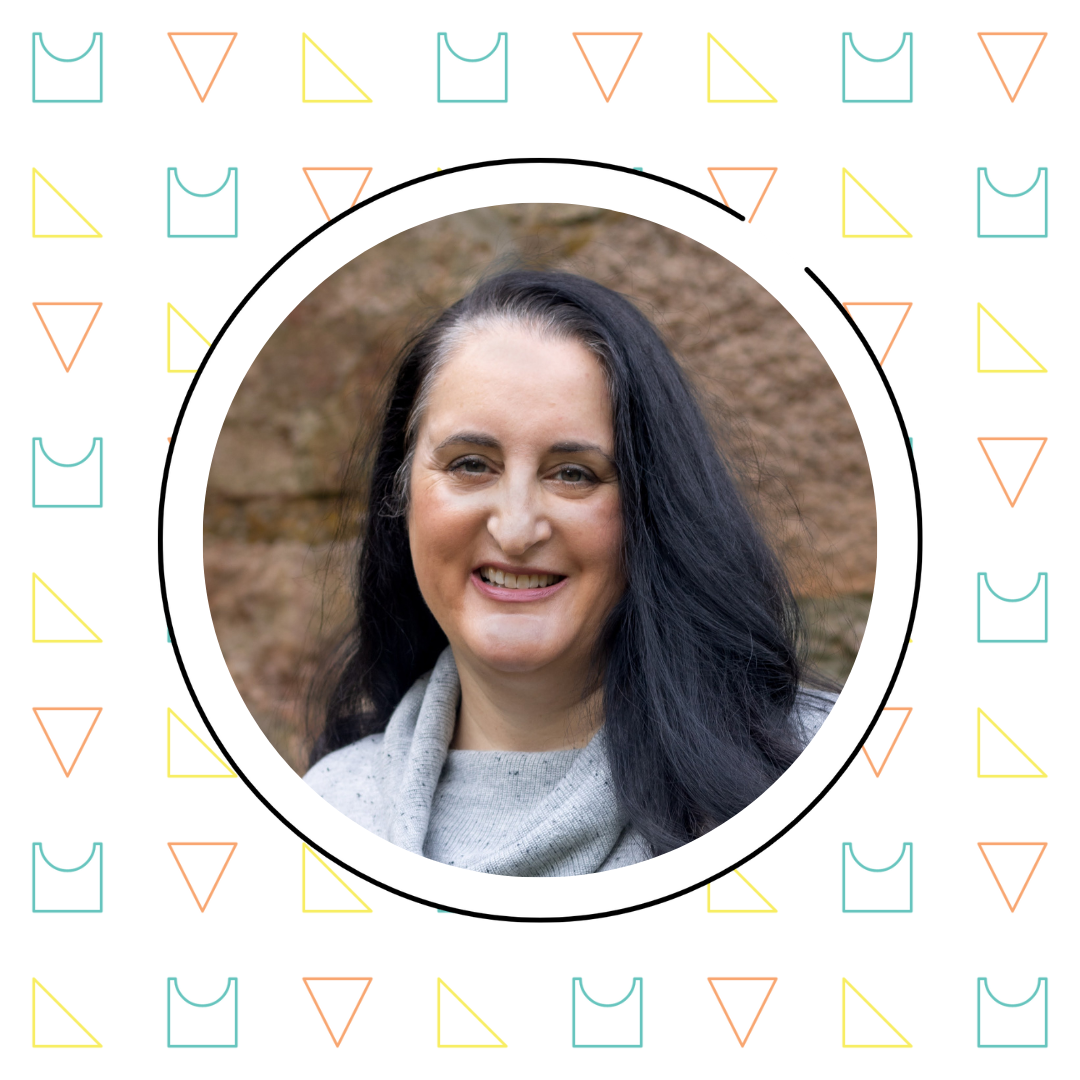
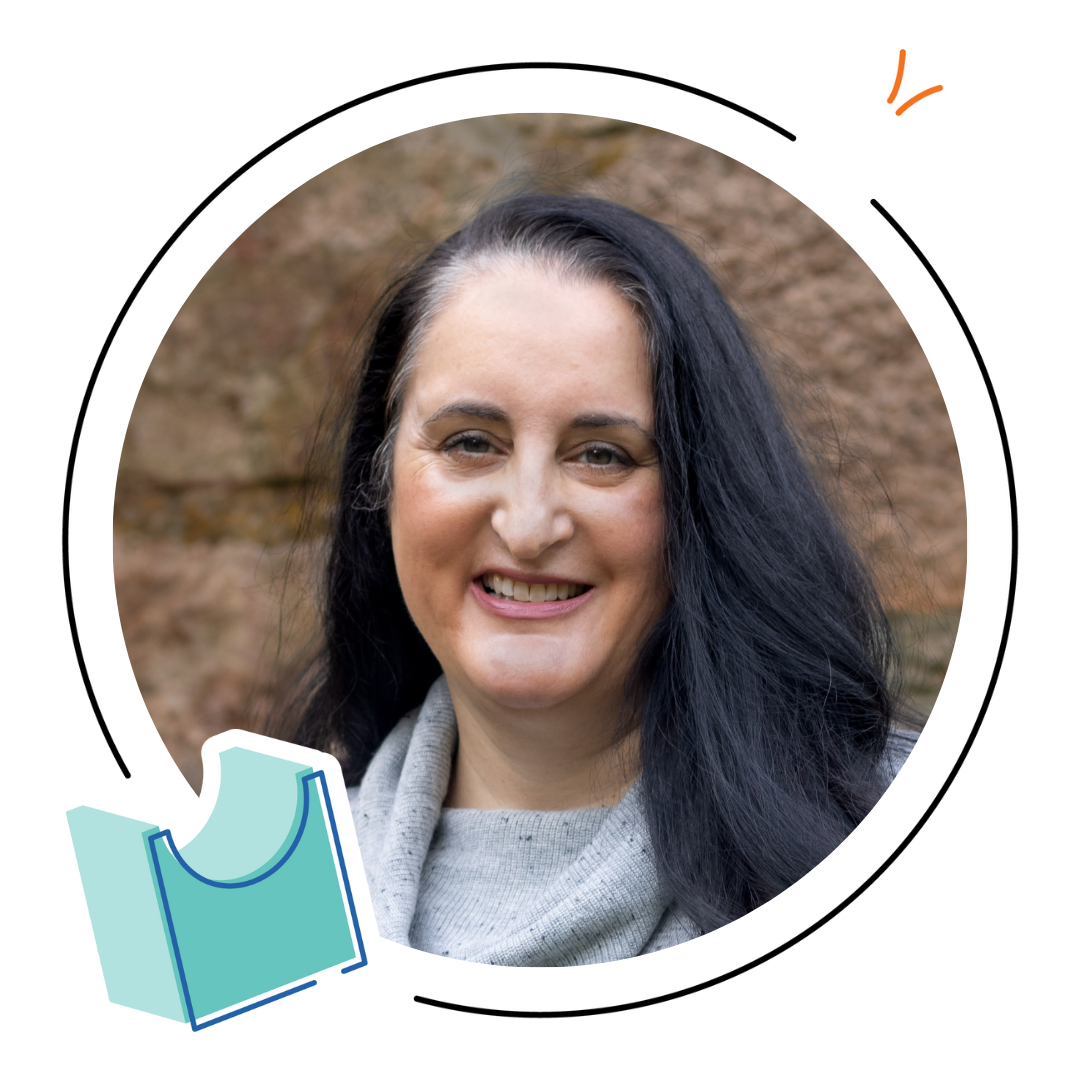
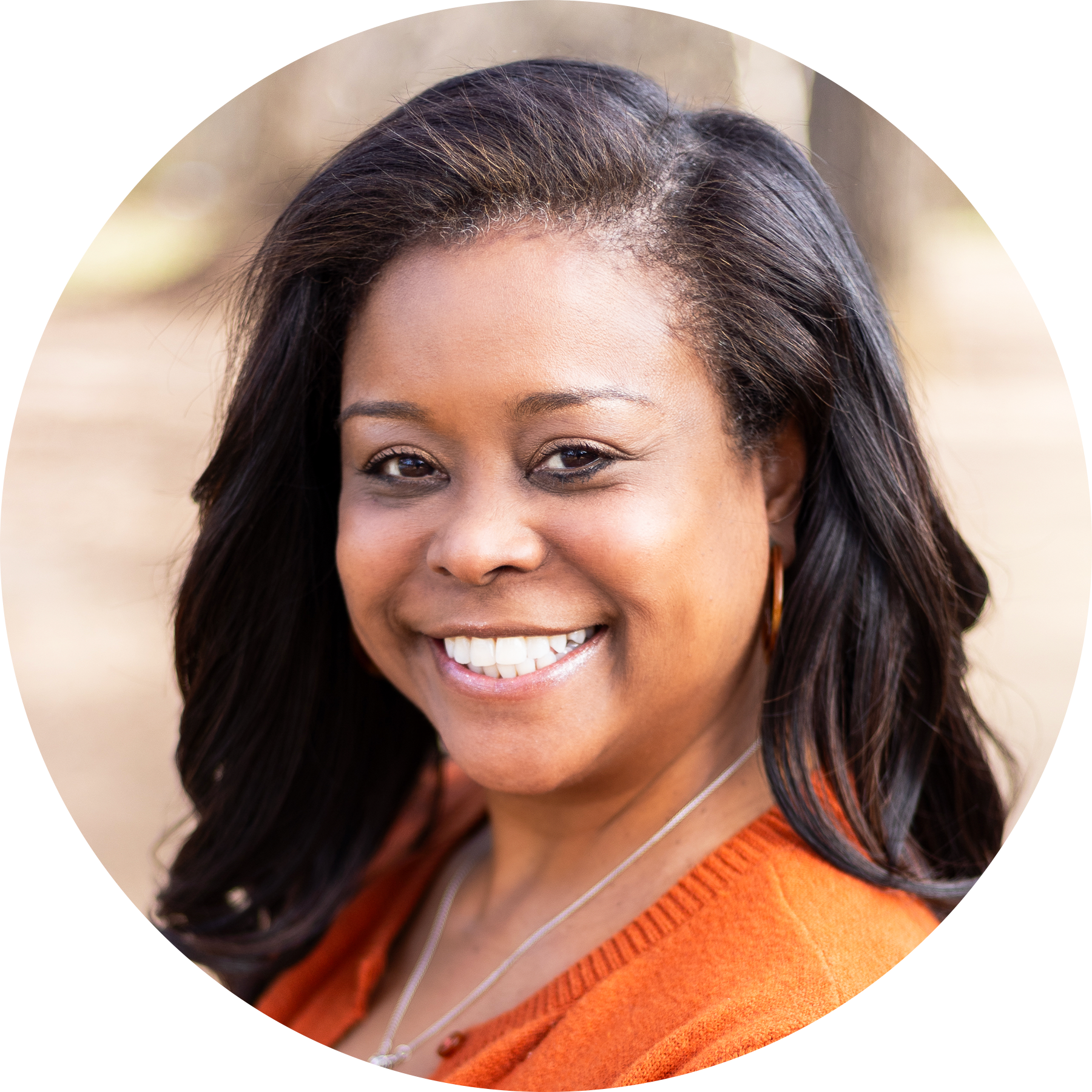
Retrato de una mujer sonriente de mediana edad con un collar de turquesa y aretes a juego, un marco circular con un libro e íconos de mariposas, que simbolizan la alfabetización.

Mimi Stewart

A former teacher, Mimi Stewart represents New Mexico’s 17th district in the state Senate. She’s spent the last eight years in the state Senate. Previously, she served 20 years in New Mexico’s House of Representatives. From 1995 to 2010, Stewart served in the House while also holding her job as a teacher. By trade, Sen. Stewart is a public school elementary special education teacher, with an expertise in teaching reading. She also taught other teachers how to teach reading using science for five years. In New Mexico’s Senate, Sen. Stewart sponsored New Mexico Senate Bill 398, which requires all first graders to have a simple dyslexia screener.

Meet our host, Susan Lambert

Susan Lambert is the Chief Academic Officer of Elementary Humanities at Amplify, and the host of Science of Reading: The Podcast. Her career has been focused on creating high-quality learning environments using evidence-based practices. Susan is a mom of four, a grandma of four, a world traveler, and a collector of stories.

As the host of Science of Reading: The Podcast, Susan explores the increasing body of scientific research around how reading is best taught. As a former classroom teacher, administrator, and curriculum developer, Susan is dedicated to turning theory into best practices that educators can put right to use in the classroom, and to showcasing national models of reading instruction excellence.

Susan-Lambert_Headshot

Quotes

“Think about how many young kids in school right now we are not reaching and that have that feeling that they're dumb and they can't get it. I had one kid say to me, 'Ms. Stewart, I think there's just a secret code.' And I said to him, 'You are right. There is a secret code. It's called the alphabetic code, and you can learn that easily."

—Mimi Stewart

Season 5, Episode 1

Investigating math anxiety in the classroom

Season 5 is here! This season, we’ll be talking all about math anxiety: what it is, what causes it, and what we can do to prevent or ease this anxiety in the math classroom. To launch this very important theme, we sat down with Dr. Gerardo Ramirez, associate professor of educational psychology at Ball State University. As someone who’s been studying math anxiety for more than a decade, he had some interesting research and advice to share on why math anxiety affects so many students (and adults), and tips for how to start reducing it. Listen now and don’t forget to grab your MTL study guide to track your learning and make the most of this episode!

A man with a beard and glasses, wearing a suit and blue tie, smiles in front of a black background featuring colorful triangle patterns.

Meet Our Guest(s):

A man with glasses and a short beard is wearing a suit and tie, smiling at the camera against a dark background. Circular graphic frame with an illustrated shirt decorates the image.

Dr. Gerardo Ramirez

Dr. Gerardo Ramirez obtained his Ph.D. from the University of Chicago, where he studied the role of teachers and parents in shaping the math attitudes of their students, as well as reappraisal techniques to help students cope with anxiety during testing situations.

Dr. Ramirez is currently an associate professor at Ball State, where he examines the role of frustration, empathy, and cultural capital in shaping students’ success and persistence.

Meet our hosts: Bethany Lockhart Johnson and Dan Meyer

Bethany Lockhart Johnson is an elementary school educator and author. Prior to serving as a multiple-subject teacher, she taught theater and dance, and now loves incorporating movement and creative play into her classroom. Bethany is committed to helping students find joy in discovering their identities as mathematicians. In addition to her role as a full-time classroom teacher, Bethany is a Student Achievement Partners California Core Advocate and is active in national and local mathematics organizations. Bethany is a member of the Illustrative Mathematics Elementary Curriculum Steering Committee and serves as a consultant, creating materials to support families during distance learning.

Dan Meyer taught high school math to students who didn’t like high school math. He has advocated for better math instruction on CNN, Good Morning America, Everyday With Rachel Ray, and TED.com. He earned his doctorate from Stanford University in math education and is currently the Dean of Research at Desmos, where he explores the future of math, technology, and learning. Dan has worked with teachers internationally and in all 50 United States and was named one of Tech & Learning’s 30 Leaders of the Future.

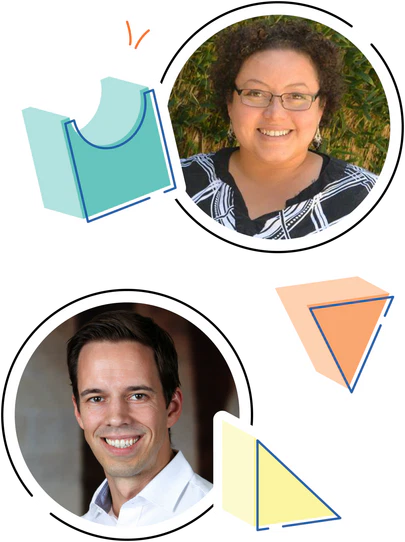
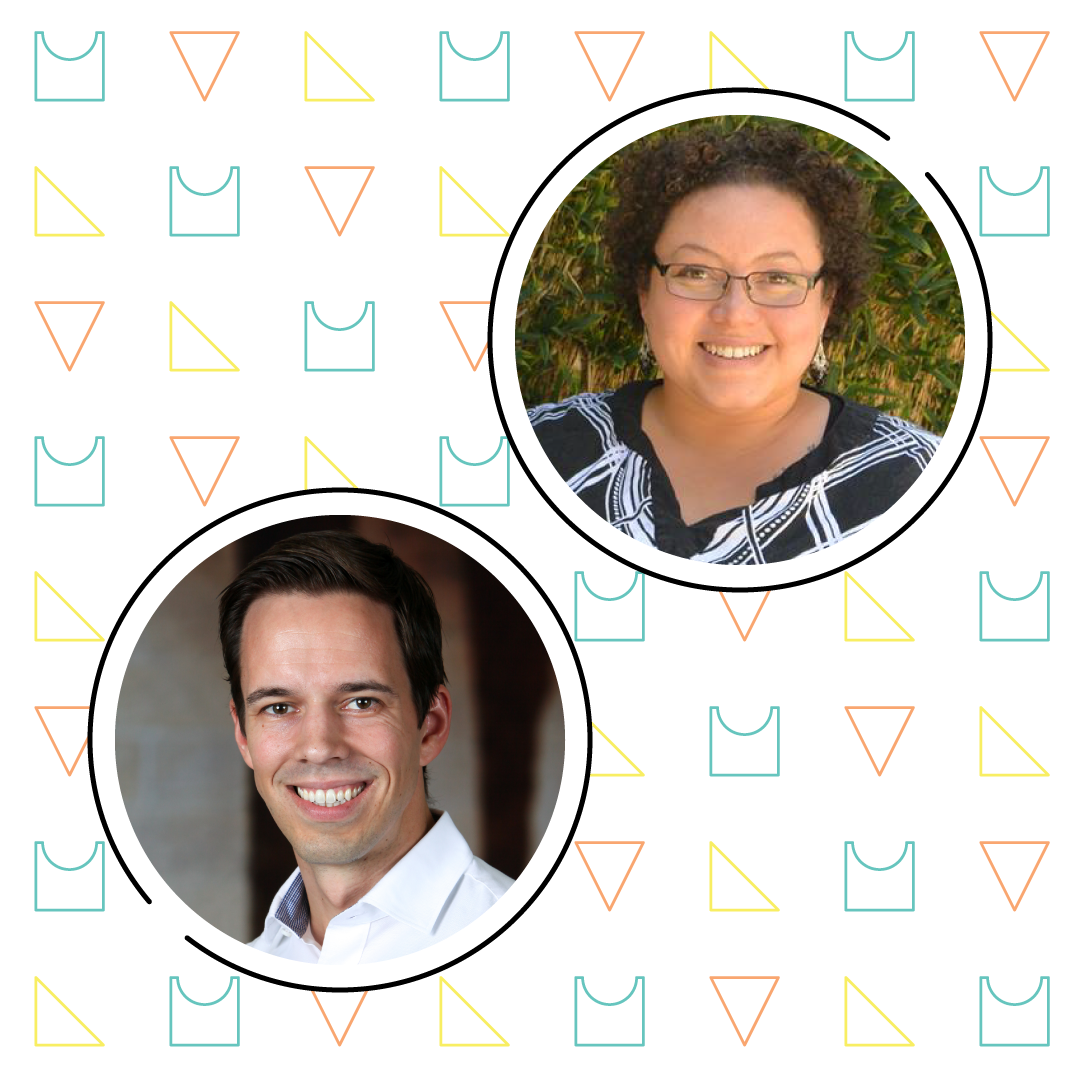
Two people smiling at the camera, each in a separate circular frame, with geometric shapes decorating the background—perfect for a math teacher lounge or highlighting fresh math teacher resources.

Quotes

"A lot of students struggle with math, and we want to normalize that struggle as much as possible. We have to find opportunities to tell better stories and reflect on our experiences."

—Dr. Gerardo Ramirez

Stay connected!

Season 5, Episode 2

Uncovering the causes of math anxiety

We’re continuing our season theme of math anxiety, going beyond the basics, diving deeper into what causes it, and how we can help students move forward. In this episode, we talk to Dr. Erin Maloney from the University of Ottawa to better understand what’s actually happening in the brain when a person experiences math anxiety, and how we can take steps to shift student mindsets in a positive direction. Listen now and don’t forget to grab your MTL study guide to track your learning and make the most of this episode!

Portrait of a smiling woman with long hair, framed in a circle on a background decorated with black and yellow geometric shapes.

Meet Our Guest(s):

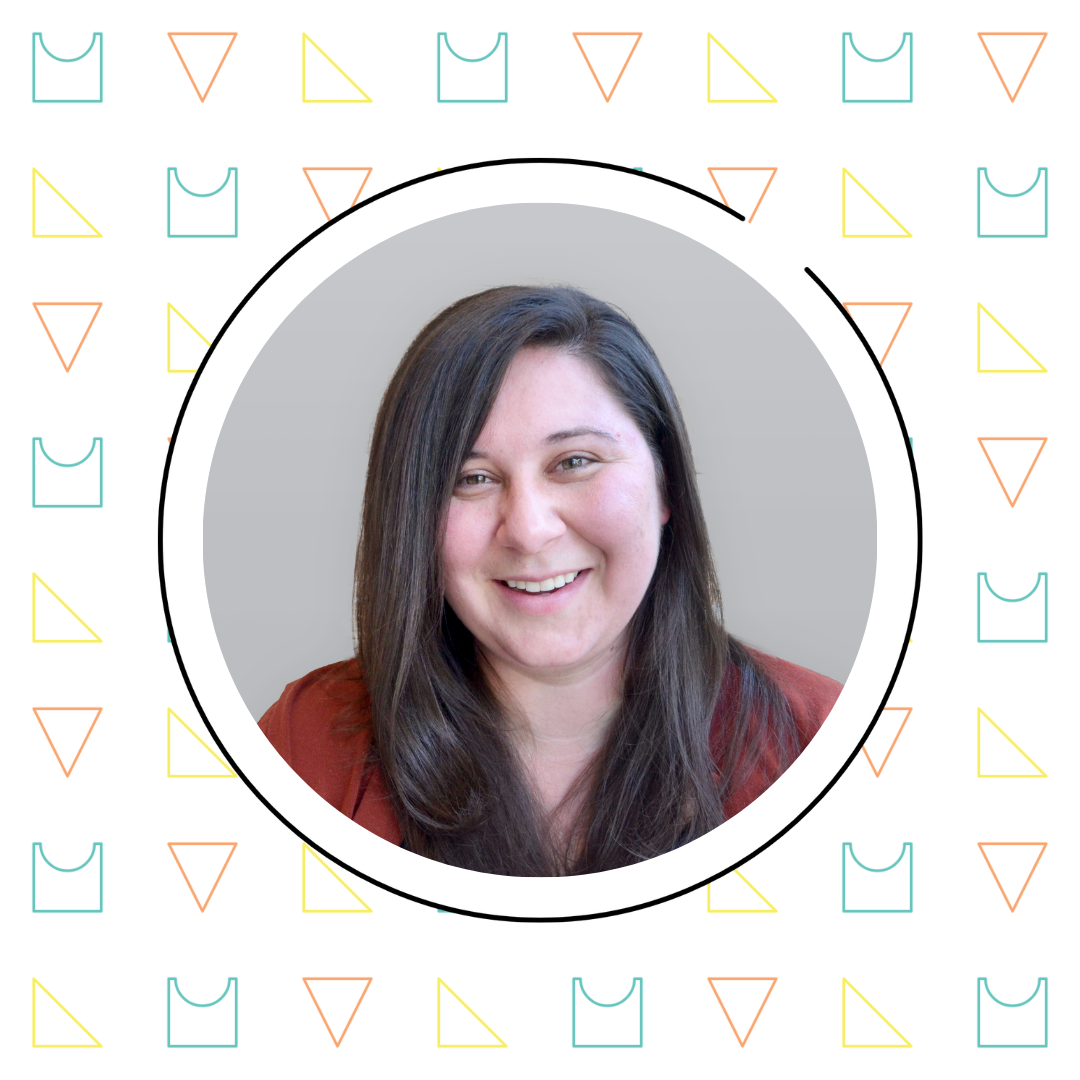
A woman with straight, light brown hair and a maroon top smiles at the camera. She is framed by a white circular border with geometric graphic elements in the corners.

Dr. Erin Maloney

Dr. Erin Maloney is an Associate Professor and Canada Research Chair at the University of Ottawa. Her research sits at the intersection of Cognitive Psychology, Developmental Psychology, and Education and focuses on cognitive and emotional factors that relate to academic achievement. She is a world-renowned expert on the study of math anxiety, conducting research in the lab, in homes, and in classrooms with children, parents, and their teachers.

Meet our hosts: Bethany Lockhart Johnson and Dan Meyer

Bethany Lockhart Johnson is an elementary school educator and author. Prior to serving as a multiple-subject teacher, she taught theater and dance, and now loves incorporating movement and creative play into her classroom. Bethany is committed to helping students find joy in discovering their identities as mathematicians. In addition to her role as a full-time classroom teacher, Bethany is a Student Achievement Partners California Core Advocate and is active in national and local mathematics organizations. Bethany is a member of the Illustrative Mathematics Elementary Curriculum Steering Committee and serves as a consultant, creating materials to support families during distance learning.

Dan Meyer taught high school math to students who didn’t like high school math. He has advocated for better math instruction on CNN, Good Morning America, Everyday With Rachel Ray, and TED.com. He earned his doctorate from Stanford University in math education and is currently the Dean of Research at Desmos, where he explores the future of math, technology, and learning. Dan has worked with teachers internationally and in all 50 United States and was named one of Tech & Learning’s 30 Leaders of the Future.

Two people smiling at the camera, each in a separate circular frame, with geometric shapes decorating the background—perfect for a math teacher lounge or highlighting fresh math teacher resources.

Quotes

“If we can change their mindset, then we can set students on a path to more opportunities and success.”

—Dr. Erin Maloney

Stay connected!

Season 5, Episode 3

Cultivating a joy of learning with Sesame Workshop

Listen as we chat with Dr. Rosemarie Truglio, senior vice president of curriculum and content for Sesame Workshop! Continuing our theme of math anxiety this season, we sat down with Dr. Truglio to chat about Sesame Street and her thoughts on how to spread a growth mindset to young children and put them on course to academic achievement and long-term success. Listen today and don’t forget to grab your MTL study guide to track your learning and make the most of this episode!

Portrait of a smiling woman with short hair, wearing a suit, set against a blue background within a white circular frame on a patterned turquoise and black background that subtly incorporates sesame workshop themes.

Meet Our Guest(s):

A person with short dark hair smiles at the camera, wearing a dark blazer and light top, set against a blue background with graphic elements—capturing the spirit of growth mindset and innovative learning strategies.

Rosemarie T. Truglio

Dr. Rosemarie T. Truglio is the Senior Vice President of Curriculum and Content at Sesame Workshop. Dr. Truglio is responsible for the development of the interdisciplinary curriculum on which Sesame Street is based and oversees content development across platforms (e.g., television, publishing, toys, home video, and theme park activities).  She also oversees the curriculum development for all new show production, including  Bea’s Block, Mecha BuildersEsme & RoyHelpsters, and Ghostwriter. Dr. Truglio has written numerous articles in child and developmental psychology journals and presented her work at national and international conferences. Her current book is Ready for School! A Parent’s Guide to Playful Learning for Children Ages 2 to 5, published by Running Press (2019).

Meet our hosts: Bethany Lockhart Johnson and Dan Meyer

Bethany Lockhart Johnson is an elementary school educator and author. Prior to serving as a multiple-subject teacher, she taught theater and dance, and now loves incorporating movement and creative play into her classroom. Bethany is committed to helping students find joy in discovering their identities as mathematicians. In addition to her role as a full-time classroom teacher, Bethany is a Student Achievement Partners California Core Advocate and is active in national and local mathematics organizations. Bethany is a member of the Illustrative Mathematics Elementary Curriculum Steering Committee and serves as a consultant, creating materials to support families during distance learning.

Dan Meyer taught high school math to students who didn’t like high school math. He has advocated for better math instruction on CNN, Good Morning America, Everyday With Rachel Ray, and TED.com. He earned his doctorate from Stanford University in math education and is currently the Dean of Research at Desmos, where he explores the future of math, technology, and learning. Dan has worked with teachers internationally and in all 50 United States and was named one of Tech & Learning’s 30 Leaders of the Future.

Two people smiling at the camera, each in a separate circular frame, with geometric shapes decorating the background—perfect for a math teacher lounge or highlighting fresh math teacher resources.

Quotes

“We all have to work together, because even though we are the experts [on curriculum and education], the real experts are the children themselves.”

—Dr. Rosemarie Truglio

Stay connected!

Season 3, Episode 3

Math professional learning experiences with Elham Kazemi

How do we continue to grow and be more reflective about our own teaching? In this episode, Bethany Lockhart Johnson and Dan Meyer chat with Elham Kazemi to explore how to look at teaching as a collaborative experiment. Moving more toward analyzing student thinking and how that contributes to teaching itself, leaves more space for one’s own understanding of math to grow throughout your career. When one revises their teaching based on the data we’re collecting from students and peers, this allows us to be both teachers and learners forever.

A smiling woman with long gray hair, framed in a circular border with an abstract geometric pattern of triangles and rectangles, against a blurred background depicting learning experiences.

Meet Our Guest(s):

A woman with long dark hair and streaks of gray smiles at the camera, wearing a black top and necklace, with a blurred green and pink outdoor background—ideal for sharing in a math teacher lounge or featuring math teacher resources.

Elham Kazemi

Elham Kazemi is a professor of mathematics education at the University of Washington. She studies how strong professional communities develop in schools and how schools can be organized so teachers learn from and with their students. This work is informed by research on organizational learning, children’s mathematical thinking, and classroom practice.  She is co-author with Allison Hintz of Intentional Talk, which focuses on leading productive discussions in mathematics. She also edited Choral Counting and Counting Collections with Megan Franke and Angela Turrou, which focuses on the importance of counting from preschool to 5th grade.

Meet our hosts: Bethany Lockhart Johnson and Dan Meyer

Bethany Lockhart Johnson is an elementary school educator and author. Prior to serving as a multiple-subject teacher, she taught theater and dance, and now loves incorporating movement and creative play into her classroom. Bethany is committed to helping students find joy in discovering their identities as mathematicians. In addition to her role as a full-time classroom teacher, Bethany is a Student Achievement Partners California Core Advocate and is active in national and local mathematics organizations. Bethany is a member of the Illustrative Mathematics Elementary Curriculum Steering Committee and serves as a consultant, creating materials to support families during distance learning.

Dan Meyer taught high school math to students who didn’t like high school math. He has advocated for better math instruction on CNN, Good Morning America, Everyday With Rachel Ray, and TED.com. He earned his doctorate from Stanford University in math education and is currently the Dean of Research at Desmos, where he explores the future of math, technology, and learning. Dan has worked with teachers internationally and in all 50 United States and was named one of Tech & Learning’s 30 Leaders of the Future.

Two people smiling at the camera, each in a separate circular frame, with geometric shapes decorating the background—perfect for a math teacher lounge or highlighting fresh math teacher resources.

Quotes

“When children thrive, teachers thrive. So what does it mean for us to thrive if we are focused on our kids’ experiences at school?”

—Elham Kazemi

Stay connected!

Season 3, Episode 5

Developing an asset orientation with Lani Horn

In this episode, math education professor Lani Horn shares with us what it means to have an asset orientation towards students, contrasting it with a deficit orientation, and helping Bethany and Dan understand the many ways students experience one or the other. Their conversation hit both high notes and low notes and included a challenge that Bethany and Dan both found extremely valuable for helping a teacher develop an asset orientation towards their students.

A smiling woman with shoulder-length curly hair, wearing a dark blazer and a necklace, framed by a circular border with a math fluency pattern background.

Meet Our Guest(s):

A woman with wavy brown hair, wearing a green top, black jacket, and hoop earrings, is smiling at the camera against a blurred light background with a blue circular border.

Lani Horn

Lani Horn centers her research on ways to make authentic mathematics accessible to students, particularly those who have been historically marginalized by our educational system. Professor Horn focuses primarily on mathematics teaching in two ways. First, Professor Horn looks at classroom practices that engage the most students in high-quality mathematics. Second, Professor Horn views teaching as a contextually-embedded practice – how school environments, communities, colleagues, and policies shape what is instructionally possible. All of this is unified through a pursuit to understand teacher learning as a situative phenomenon.

Meet our hosts: Bethany Lockhart Johnson and Dan Meyer

Bethany Lockhart Johnson is an elementary school educator and author. Prior to serving as a multiple-subject teacher, she taught theater and dance, and now loves incorporating movement and creative play into her classroom. Bethany is committed to helping students find joy in discovering their identities as mathematicians. In addition to her role as a full-time classroom teacher, Bethany is a Student Achievement Partners California Core Advocate and is active in national and local mathematics organizations. Bethany is a member of the Illustrative Mathematics Elementary Curriculum Steering Committee and serves as a consultant, creating materials to support families during distance learning.

Dan Meyer taught high school math to students who didn’t like high school math. He has advocated for better math instruction on CNN, Good Morning America, Everyday With Rachel Ray, and TED.com. He earned his doctorate from Stanford University in math education and is currently the Dean of Research at Desmos, where he explores the future of math, technology, and learning. Dan has worked with teachers internationally and in all 50 United States and was named one of Tech & Learning’s 30 Leaders of the Future.

Two people smiling at the camera, each in a separate circular frame, with geometric shapes decorating the background—perfect for a math teacher lounge or highlighting fresh math teacher resources.

Quotes

“An asset orientation is looking for students' strengths and trying to work from those strengths as a basis for your teaching. ”

—Lani Horn

Stay connected!

Winter Wrap-Up '23, Episode 1

Problem-solving and facilitating classroom discussions

As we prep for an exciting new season of Math Teacher Lounge: The Podcast, hosts Bethany Lockhart Johnson and Dan Meyer are looking back at the amazing speakers and conversations from past episodes and sharing some of their favorites! First up: A season 2 double feature of the power of problem-solving with Fawn Nguyen and Facilitating Classroom Discussions with authors Christy Hermann Thompson and Kassia Omohundro Wedekind. Fawn is a specialist on Amplify’s advanced math team and a former math teacher and math coach—so she knows her stuff! You’ll hear about her five criteria for good problem-solving problems, and the power and importance of exposing all students to problem-solving. Then, we’ll move into Bethany and Dan’s conversation with Christy and Kassia to learn how hands-down conversations allow students to become better listeners and the steps you can take to implement hands-down conversations in your classroom.

Three women, each smiling, are shown in separate circular frames against a white background with pastel geometric shapes.

Meet Our Guest(s):

Three women are shown in separate circular frames against a light background, each smiling at the camera, ready for a winter wrap-up.

Fawn Nguyen, Christy Thompson, and Kassia Omohundro Wedekind

Fawn Nguyen began her work with Amplify in 2022 as a Math Advance Team Specialist. She was a math coach for a K-8 school district for three years, and a middle school teacher for 30 years before that. Fawn has also received a number of accolades as an educator.

Christy Thompson is a Literacy Coach in Fairfax County Public Schools in Virginia. She has spent her teaching and coaching career particularly focused on listening to and learning from the talk of our youngest students.

Kassia Omohundro Wedekind spent many wonderful years as a classroom teacher and math coach in Fairfax County Public Schools in Virginia and now splits her time between being an independent math coach and an editor at Stenhouse Publishers. Her favorite days are spent in classrooms learning from the many ways children talk, listen and negotiate meaning together.

Meet our hosts: Bethany Lockhart Johnson and Dan Meyer

Bethany Lockhart Johnson is an elementary school educator and author. Prior to serving as a multiple-subject teacher, she taught theater and dance, and now loves incorporating movement and creative play into her classroom. Bethany is committed to helping students find joy in discovering their identities as mathematicians. In addition to her role as a full-time classroom teacher, Bethany is a Student Achievement Partners California Core Advocate and is active in national and local mathematics organizations. Bethany is a member of the Illustrative Mathematics Elementary Curriculum Steering Committee and serves as a consultant, creating materials to support families during distance learning.

Dan Meyer taught high school math to students who didn’t like high school math. He has advocated for better math instruction on CNN, Good Morning America, Everyday With Rachel Ray, and TED.com. He earned his doctorate from Stanford University in math education and is currently the Dean of Research at Desmos, where he explores the future of math, technology, and learning. Dan has worked with teachers internationally and in all 50 United States and was named one of Tech & Learning’s 30 Leaders of the Future.

Two people smiling at the camera, each in a separate circular frame, with geometric shapes decorating the background—perfect for a math teacher lounge or highlighting fresh math teacher resources.

Quotes

“It's a big deal for me to have the opportunity and this trust to integrate problem-solving into the curriculum.”

—Fawn Nguyen

Stay connected!

Season 5, Episode 4

Coaching tips for managing math anxiety in teachers

So far this season, we’ve investigated math anxiety in students and its causes with passionate researchers and curriculum experts, including one from Sesame Workshop! Now we hear from Dr. Heidi Sabnani, consultant, coach, and co-host of Math 4 All, as she gives us research-based tips for teachers who are facing math anxiety themselves! Listen as we discuss Heidi’s own math anxiety and journey through math, the effects teacher math anxiety can have on instruction, and practices educators can implement right away for overcoming math anxiety.

Listen today and don’t forget to grab your MTL study guide to track your learning and make the most of this episode!

A smiling woman with long dark hair, wearing a grey scarf, centered within a circular frame surrounded by a pattern of black cats and math anxiety symbols.

Meet Our Guest(s):

A woman with long dark hair and a gray sweater smiles at the camera, with a blurred brown background behind her, her expression calm despite facing math anxiety. A graphic of a shirt and accent lines frame the circular image.

Heidi Sabnani

Heidi Sabnani is always surprised that she works in math education. She developed math anxiety as a young student and spent much of her school life and early career avoiding math. After teaching English in the United States and Guatemala, and earning her MA in World Literature, she found herself in the uncomfortable position of working in math classrooms as a school improvement consultant. Once she realized that her life was going to involve math, Heidi decided to relearn math in the ways she wished she had learned the first time around. 18 years later she is still learning with and from the students and teachers she has the privilege to serve.

Heidi’s doctoral research at Northeastern University focused on interventions for math anxiety in elementary teachers. She currently works as a consultant, speaker, and author.

Meet our hosts: Bethany Lockhart Johnson and Dan Meyer

Bethany Lockhart Johnson is an elementary school educator and author. Prior to serving as a multiple-subject teacher, she taught theater and dance, and now loves incorporating movement and creative play into her classroom. Bethany is committed to helping students find joy in discovering their identities as mathematicians. In addition to her role as a full-time classroom teacher, Bethany is a Student Achievement Partners California Core Advocate and is active in national and local mathematics organizations. Bethany is a member of the Illustrative Mathematics Elementary Curriculum Steering Committee and serves as a consultant, creating materials to support families during distance learning.

Dan Meyer taught high school math to students who didn’t like high school math. He has advocated for better math instruction on CNN, Good Morning America, Everyday With Rachel Ray, and TED.com. He earned his doctorate from Stanford University in math education and is currently the Dean of Research at Desmos, where he explores the future of math, technology, and learning. Dan has worked with teachers internationally and in all 50 United States and was named one of Tech & Learning’s 30 Leaders of the Future.

Two people smiling at the camera, each in a separate circular frame, with geometric shapes decorating the background—perfect for a math teacher lounge or highlighting fresh math teacher resources.

Quotes

Much like the people in my research, many of us can tie the beginnings or the ‘evil villain origin story’ of our own math anxiety to an event or series of events.

—Heidi Sabnani

Stay connected!

Season 5, Episode 8

Utilizing AI as a teaching tool

Join Math Teacher Lounge as we continue our summer mini-series where we discuss how to utilize artificial intelligence (AI) as a teaching tool. In this episode, we sat down with educator Kristen Moore to discuss how she is using Chat GPT as a tool to revolutionize student learning and streamline lesson planning.

Listen today and don’t forget to grab your MTL study guide to track your learning and make the most of this episode!

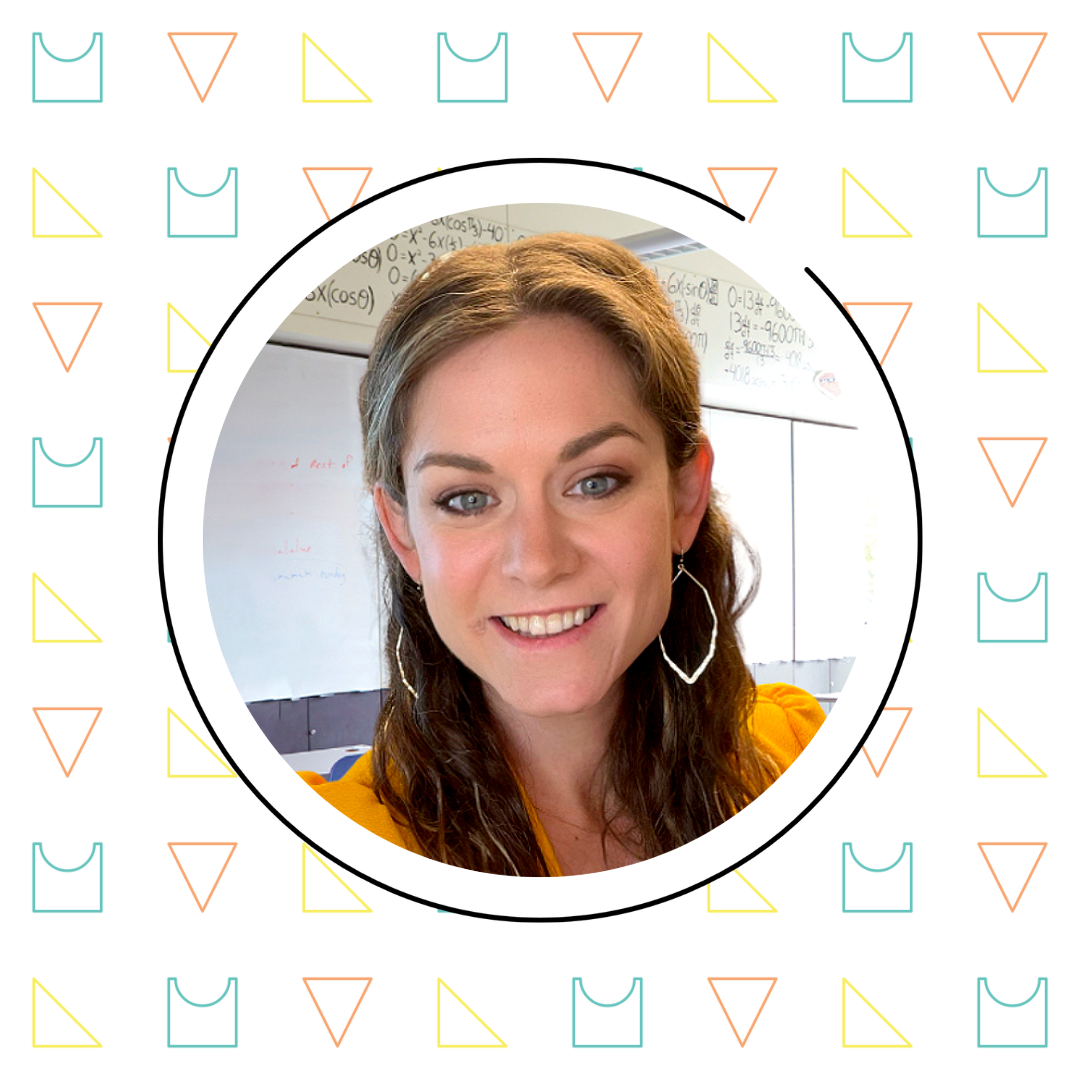
A math teacher with long hair and earrings smiles at the camera, framed by a circular border with colorful triangle and cat patterns, against a backdrop of a whiteboard.

Meet Our Guest(s):

A woman with wavy brown hair and hoop earrings smiles at the camera in a classroom, whiteboards behind her filled with notes—capturing the welcoming spirit of a dedicated math teacher.

Kristen Moore

Kristen Moore is a veteran mathematics educator who believes that math class should be about more than just solving for x. Kristen enables students to grow in both their confidence and capabilities in the secondary math classroom, with real, relevant, and rigorous learning experiences. In her classroom, Kristen provides engaging mathematical experiences from projects to problem-based learning (PBL), turning students into problem solvers instead of calculators–and unlocking students’ potential to become problem solvers of the future. Kristen started her own company, called, Moore than Just X, LLC, and the Modern Math Teacher podcast, providing teachers with training and resources that bring authentic learning experiences to the math classroom. Through project-based learning, Kristen helps teachers focus on connecting students and standards, boosting engagement, and bringing life back to the math classroom.

Meet our hosts: Bethany Lockhart Johnson and Dan Meyer

Bethany Lockhart Johnson is an elementary school educator and author. Prior to serving as a multiple-subject teacher, she taught theater and dance, and now loves incorporating movement and creative play into her classroom. Bethany is committed to helping students find joy in discovering their identities as mathematicians. In addition to her role as a full-time classroom teacher, Bethany is a Student Achievement Partners California Core Advocate and is active in national and local mathematics organizations. Bethany is a member of the Illustrative Mathematics Elementary Curriculum Steering Committee and serves as a consultant, creating materials to support families during distance learning.

Dan Meyer taught high school math to students who didn’t like high school math. He has advocated for better math instruction on CNN, Good Morning America, Everyday With Rachel Ray, and TED.com. He earned his doctorate from Stanford University in math education and is currently the Dean of Research at Desmos, where he explores the future of math, technology, and learning. Dan has worked with teachers internationally and in all 50 United States and was named one of Tech & Learning’s 30 Leaders of the Future.

Two people smiling at the camera, each in a separate circular frame, with geometric shapes decorating the background—perfect for a math teacher lounge or highlighting fresh math teacher resources.

Quotes

“While AI is an amazing tool, you’ve really got to make sure that you are focusing in on your expertise as well, and saying, ‘How can I use this to make something better?’ and not just saying, ‘How can I use this to make something?’”

—Kristen Moore

Stay connected!

Season 8, Episode 2

The joy of reading aloud, with Molly Ness

Many educators understand the value of reading aloud to students, but may not yet have unlocked the full power of these tools as an intentional, consistent, and joyful instructional approach. In this episode, we welcome Molly Ness, author of the recent book, Read Alouds for All Learners: A Comprehensive Plan for Every Subject, Every Day, Grades PreK–8. Molly—a former classroom teacher who also spent 16 years as a teacher educator—gives us an overview of the research on read-alouds, detailing the myriad benefits (linguistic, socioemotional, motivational, and physiological) they provide students. Molly also lays out strategies for effective read-alouds, instructions on how to properly plan and implement them, and specific examples of the pre-work process for texts like Knuffle Bunny by Mo Willems.

Meet Our Guest(s):

Molly Ness, Ph.D.

Molly Ness, Ph.D.

Molly Ness is a reading researcher, former classroom teacher, and teacher educator. She earned a doctorate in reading education at the University of Virginia and spent 16 years as an associate professor at Fordham University. The author of five books and numerous articles, Molly serves on the board of directors for the International Literacy Association.

Meet our host, Susan Lambert

Susan Lambert is the Chief Academic Officer of Elementary Humanities at Amplify, and the host of Science of Reading: The Podcast. Her career has been focused on creating high-quality learning environments using evidence-based practices. Susan is a mom of four, a grandma of four, a world traveler, and a collector of stories.

As the host of Science of Reading: The Podcast, Susan explores the increasing body of scientific research around how reading is best taught. As a former classroom teacher, administrator, and curriculum developer, Susan is dedicated to turning theory into best practices that educators can put right to use in the classroom, and to showcasing national models of reading instruction excellence.

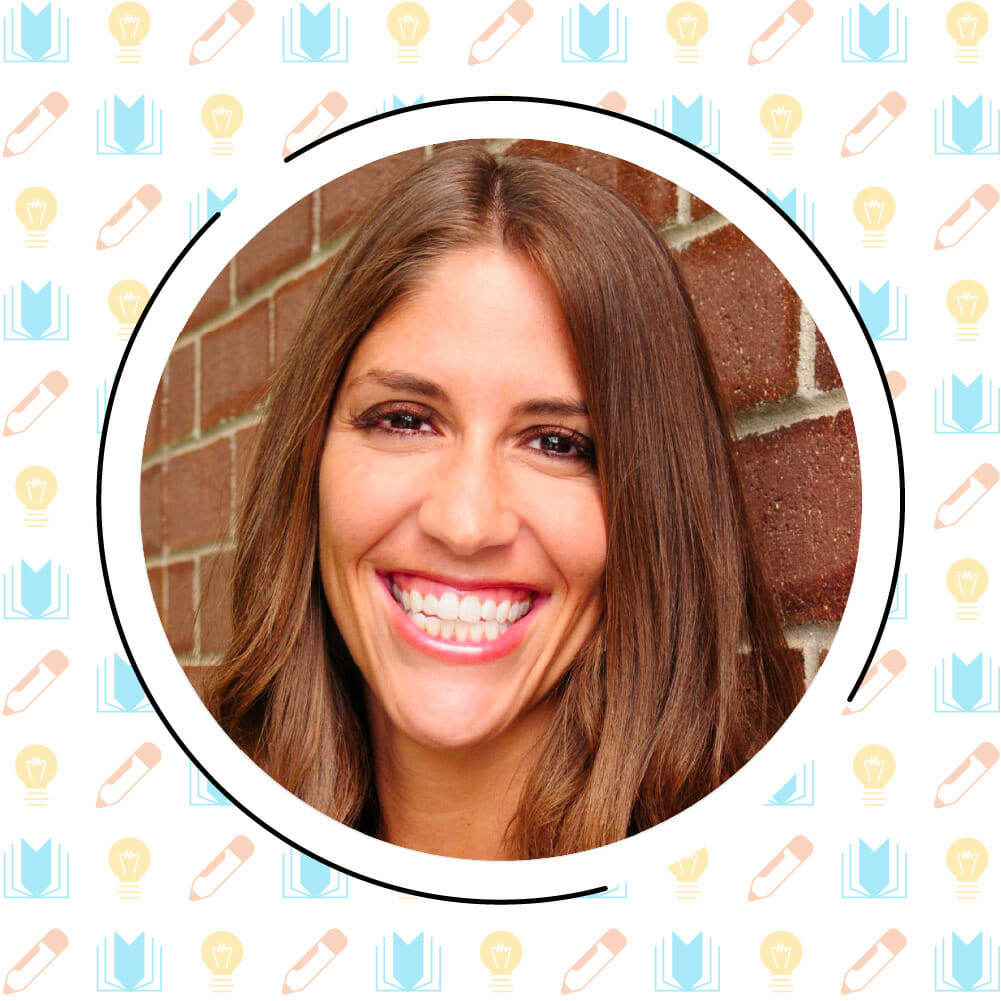
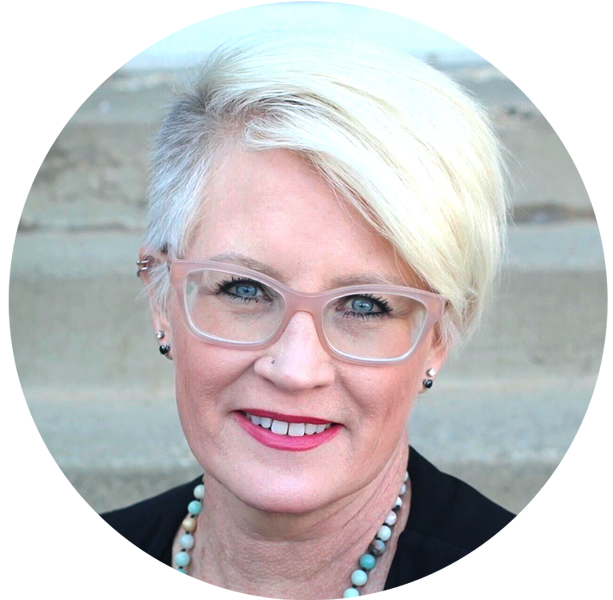
Retrato de una mujer caucásica sonriente con cabello rubio corto, involucrada en un podcast sobre la ciencia de la lectura, con gafas, lápiz labial rojo y un collar de perlas.

Quotes

“A read-aloud is an interactive language experience…where a teacher reads something, elicits a conversation from students. Those conversational turns are so essential in [a] read-aloud. It's a shared literacy experience around a text.”

—Molly Ness

“What I don't think teachers understand, and I say this having been one of those teachers, is the intentionality that needs to happen in planning the read-aloud.”

—Molly Ness

“When we add things like think-alouds and being explicit in our vocabulary, we are building [students’] metacognition and [their] ability to understand text.”

—Molly Ness

“We all have those gaps in knowledge and life experiences, regardless of where we come from and regardless of our zip code and regardless of our personal or family situation.”

—Molly Ness

Season 8, Episode 4

Brace for impact: Unifying classrooms through mission-based learning, with John Hattie

On this wide-ranging episode, Susan finally gets the chance to speak with famed education thinker and author John Hattie, Ph.D. Hattie has authored dozens and dozens of books. He’s best known for his book, Visible Learning, which now has a sequel. In this episode, he discusses his career and shares with Susan some of the biggest takeaways from his work. He also explains what meta-analysis is and discusses some of the biggest takeaways from meta-analysis in the education field, as well as the importance of implementation. And, finally, Hattie shares his thoughts on AI and the future of education. This episode offers many practical tips for educators to realign with their mission and dig into why they do what they do and how to best make an impact.

Meet Our Guest(s):

John Hattie

John Hattie

John Hattie is Emeritus Laureate Professor at the Melbourne Graduate School of Education at the University of Melbourne, and co-director of the Hattie Family Foundation. His Visible Learning research is based on a quarter billion students and he continues to update this research. He has published and presented over 1,000 papers, supervised 220 theses by students, and authored more than 60 books—including 40 on Visible Learning.

Meet our host, Susan Lambert

Susan Lambert is the Chief Academic Officer of Elementary Humanities at Amplify, and the host of Science of Reading: The Podcast. Her career has been focused on creating high-quality learning environments using evidence-based practices. Susan is a mom of four, a grandma of four, a world traveler, and a collector of stories.

As the host of Science of Reading: The Podcast, Susan explores the increasing body of scientific research around how reading is best taught. As a former classroom teacher, administrator, and curriculum developer, Susan is dedicated to turning theory into best practices that educators can put right to use in the classroom, and to showcasing national models of reading instruction excellence.

Retrato de una mujer caucásica sonriente con cabello rubio corto, involucrada en un podcast sobre la ciencia de la lectura, con gafas, lápiz labial rojo y un collar de perlas.

Quotes

“Your job is not to get through the curriculum, your job is not to get kids engaged in authentic, real-world, exciting tasks. Your job is to have an impact across those many notions.”

—John Hattie, Ph.D.

“We're very good at finding problems and fixing them but we're not as good—we're not having the courage—to study expertise and scale it up. And that's my mission. Scale up the expertise we have.”

—John Hattie, Ph.D.

“I'm an evidence-based person. Sometimes I don't like the results, but that doesn't mean you get to deny it. Some people want to deny it. Some people want to get angry with it. And sometimes evidence does get in the way of a good opinion.”

—John Hattie, Ph.D.

Season 6, Episode 6

Building math fluency through student strengths

Join us for Episode 6, where we discuss how to take an asset-based approach to building math fluency with John W. Staley, Ph.D., who has spent decades in math classrooms. In this episode Dr. Staley shares his experiences and research to provide strategies on how to utilize student strengths to encourage growth.

A man wearing glasses, a gray suit, and a bow tie smiles at the camera. The background features a pattern of colorful geometric shapes.

Meet Our Guest(s):

A man wearing glasses, a gray suit, a white shirt, and a patterned bow tie smiles at the camera, framed by a circular graphic with abstract accents—a confident presence perfect for building math fluency in any math classroom.

John W. Staley, Ph.D.

John W. Staley has been involved in mathematics education for over 35 years as a secondary mathematics teacher, adjunct professor, district and national leader, author, advisor, and consultant. His life work continues to focus on Changing the Narrative about who is seen as being doers, learners, and teachers of mathematics.

Meet our hosts: Bethany Lockhart Johnson and Dan Meyer

Bethany Lockhart Johnson is an elementary school educator and author. Prior to serving as a multiple-subject teacher, she taught theater and dance, and now loves incorporating movement and creative play into her classroom. Bethany is committed to helping students find joy in discovering their identities as mathematicians. In addition to her role as a full-time classroom teacher, Bethany is a Student Achievement Partners California Core Advocate and is active in national and local mathematics organizations. Bethany is a member of the Illustrative Mathematics Elementary Curriculum Steering Committee and serves as a consultant, creating materials to support families during distance learning.

Dan Meyer taught high school math to students who didn’t like high school math. He has advocated for better math instruction on CNN, Good Morning America, Everyday With Rachel Ray, and TED.com. He earned his doctorate from Stanford University in math education and is currently the Dean of Research at Desmos, where he explores the future of math, technology, and learning. Dan has worked with teachers internationally and in all 50 United States and was named one of Tech & Learning’s 30 Leaders of the Future.

Two people smiling at the camera, each in a separate circular frame, with geometric shapes decorating the background—perfect for a math teacher lounge or highlighting fresh math teacher resources.

Quotes

“We have to look at mathematics as a story that we tell students across grades K–12. We are the conveyors of a chapter in this progression of the story.”

– John W. Staley, Ph.D.

Stay connected!

Season 3, Episode 8

Making science a superhero

Tune in to the finale of Science Connections with elementary educator and recipient of the 2023 Anton Banko Award for Excellence in Teaching Elementary Science, Kate Bala. In this episode, Kate shares teaching tips on how she seamlessly integrates science with other content areas to give students an engaging, phenomena-based learning experience. Listen to hear about Kate’s unique teaching style and the helpful tips she offers to make science the superhero of any classroom.

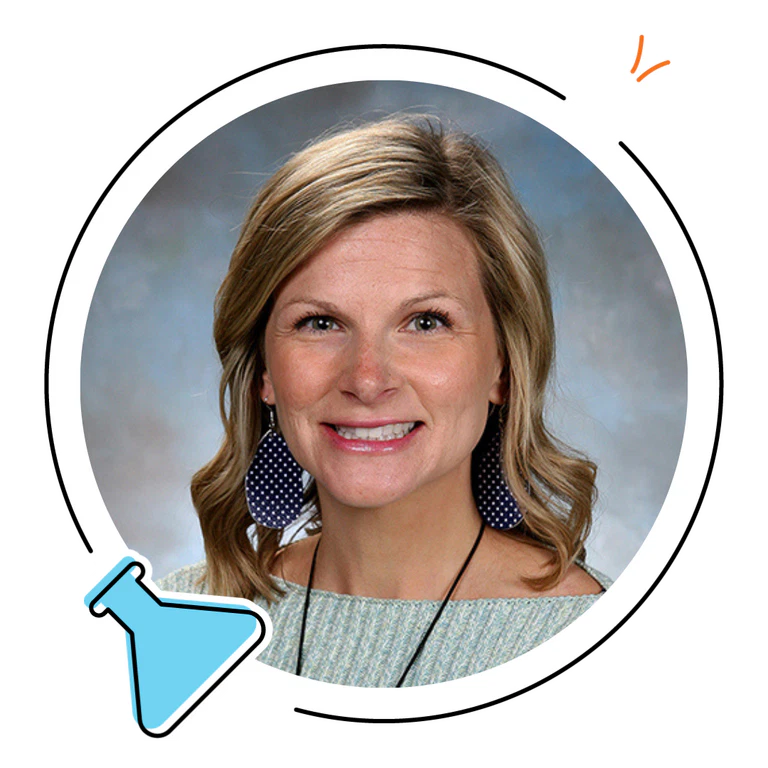
Portrait of a smiling woman with shoulder-length blonde hair, wearing a blue top and polka dot earrings, framed by a circle with a playful, science-themed border.

Meet Our Guest(s):

A woman with blonde hair, wearing polka dot earrings and a light sweater, smiles at the camera. A flask and accent graphics inspired by science are added to the image border.

Kate Bala

Meet Kate Bala, an elementary teacher with a dynamic spirit and a fervent dedication to cultivating curiosity in young minds. With a versatile background in teaching various grade levels from preK to 3rd grade in the early primary years, Kate is a beacon of enthusiasm in the field of education. She goes beyond the classroom, actively contributing to professional development by guiding teachers on implementing the New York State Science Learning standards based on the Next Gen standards. Kate Bala is a passionate advocate for three-dimensional, phenomena-based learning, and she believes in making science education an inclusive and inviting experience for all—she wants everyone to know they are invited to the science party! Her main objective is clear: cultivating curiosity one mind at a time, whether young or seasoned. Kate’s commitment and innovation have earned her the prestigious 2023 Anton Banko Excellence in Elementary Science Teaching award. As a member of the New York State Curriculum Development Network Team for Science (SCDN), she works towards breaking down silos and supporting teachers in seamlessly integrating science into their curriculum, ensuring that the spirit of curiosity thrives in every classroom.

Meet our host: Eric Cross

Eric Cross is a seventh grade science/technology teacher, grade level lead, and digital learning innovator for Albert Einstein Academies, International Baccalaureate schools. He is also an adjunct professor of learning and technology at the University of San Diego and a Google certified innovator. Eric earned a bachelor’s degree from Azusa Pacific University and a Master of Education from the University of San Diego. He had 17 years of experience working with at-risk youth and underserved populations before becoming a middle school teacher. By building relationships with students, colleagues, and the community, he has become an empowered leader in and out of the classroom. Through meaningful learning experiences centered around student agency, STEM has become accessible to students through highly engaging lesson design, thoughtful integration of digital tools, and pedagogy that engages students from all backgrounds.

Quotes

“I think being a scientist doesn't have to be a literal meaning. You don't have to be in a lab and testing things, because I tell my students that they’re scientists. So to me, science is everywhere. Science is how the world works around us.”

—Kate Bala, Grade 2 teacher and recipient of the 2023 Anton Banko Award for Excellence in Teaching Elementary Science

Stay connected

Four women sitting at a table in a meeting, with one standing and presenting on the topic of "why is science so important," all engaged in discussion.

Building math fluency through games

Join Math Teacher Lounge as we continue our season-long discussion on math fluency with a special live recording at NCTM 2023. In this episode, our guest, Jennifer Bay-Williams, Ph.D., and Dan dive into math fluency games to discuss how we can bring joy into the classroom while building math fluency.

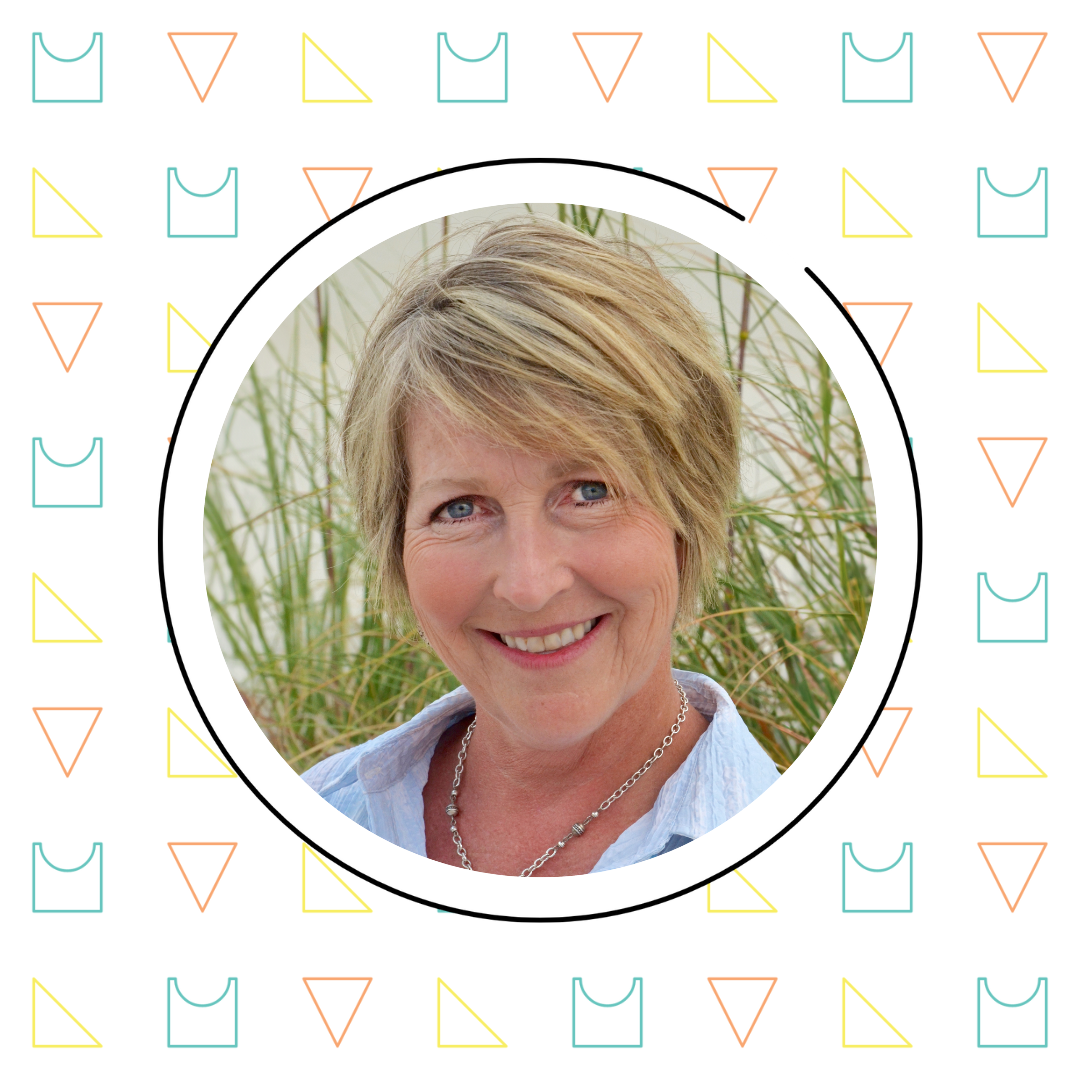
Smiling woman with short blonde hair wearing a light blue shirt and necklace, standing outdoors with tall grass in the background. Geometric patterned border surrounds the photo.

Meet Our Guest(s):

A woman with short blonde hair smiles at the camera, standing outdoors with tall grass behind her. A book icon, hinting at math fluency games, appears in the lower left of the circular frame around her portrait.

Jennifer Bay-Williams, Ph.D.

Jennifer Bay-Williams is a mathematics education professor at the University of Louisville. She is passionate about ensuring every student develops competence and confidence in mathematics. She has written over 30 books, including two book series on mathematics fluency – Math Fact Fluency and Figuring out Fluency. She is also an author on the iconic Elementary and Middle School Mathematics: Teaching Developmentally and a popular workshop facilitator and presenter, engaging teachers and teacher leaders in supporting real math fluency.

Meet our hosts: Bethany Lockhart Johnson and Dan Meyer

Bethany Lockhart Johnson is an elementary school educator and author. Prior to serving as a multiple-subject teacher, she taught theater and dance, and now loves incorporating movement and creative play into her classroom. Bethany is committed to helping students find joy in discovering their identities as mathematicians. In addition to her role as a full-time classroom teacher, Bethany is a Student Achievement Partners California Core Advocate and is active in national and local mathematics organizations. Bethany is a member of the Illustrative Mathematics Elementary Curriculum Steering Committee and serves as a consultant, creating materials to support families during distance learning.

Dan Meyer taught high school math to students who didn’t like high school math. He has advocated for better math instruction on CNN, Good Morning America, Everyday With Rachel Ray, and TED.com. He earned his doctorate from Stanford University in math education and is currently the Dean of Research at Desmos, where he explores the future of math, technology, and learning. Dan has worked with teachers internationally and in all 50 United States and was named one of Tech & Learning’s 30 Leaders of the Future.

Two people smiling at the camera, each in a separate circular frame, with geometric shapes decorating the background—perfect for a math teacher lounge or highlighting fresh math teacher resources.

Quotes

“I was in grade one and two classrooms watching with dismay at how children are learning their facts. You just see the joy coming right out of whatever they brought to school with them. So, that’s when I started thinking, how can you bring more joy to the learning of math?”

– Jennifer Bay-Williams, Ph.D.

Stay connected!

Season 6, Episode 9

Unlocking a systematic approach to math fluency instruction

Join us for Episode 9, in which Bethany sits down with former classroom teacher Myuriel von Aspen to talk about the importance of a systematic approach to math fluency instruction. Listen as von Aspen discusses how effective fluency instruction takes students beyond fact memorization into deeper learning through mathematical discourse.

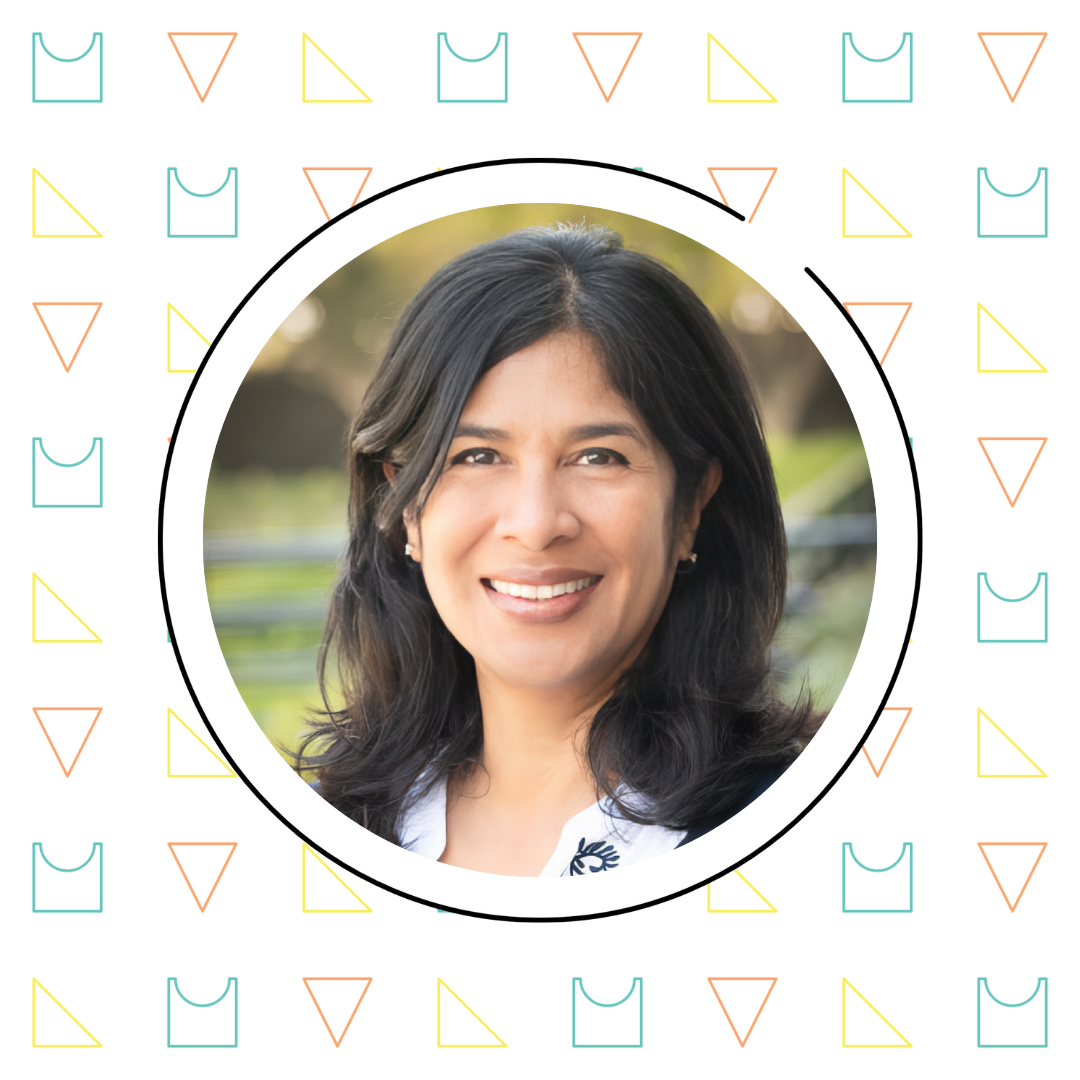
A person with long dark hair smiles at the camera, framed in a circular border. The background features a pattern of colorful triangles and squares.

Meet Our Guest(s):

A woman with long dark hair smiles at the camera, outdoors, framed by a white circular border with graphic accents—perfect for inspiring confidence in math fluency instruction.

Myuriel von Aspen

Myuriel is the multiple subject coordinator for the MAT + Credential program at the University of California, Irvine. She has both teaching and coaching experience in elementary schools in Orange County, California, including seven years as a first and fourth grade teacher in a Spanish-English dual immersion school. She has worked in projects with Student Achievement Partners, UnboundED, and Illustrative Mathematics. Myuriel holds a bachelor of science in computer science from the Florida International University, and a master of business administration and master of arts in teaching from the University of California, Irvine. The core belief that drives her work is that all children are capable of learning challenging math. Our role as educators is to remove barriers, provide access and opportunities for children to make sense, engage in meaningful discussions, and develop their identities as competent doers and learners.

Meet our hosts: Bethany Lockhart Johnson and Dan Meyer

Bethany Lockhart Johnson is an elementary school educator and author. Prior to serving as a multiple-subject teacher, she taught theater and dance, and now loves incorporating movement and creative play into her classroom. Bethany is committed to helping students find joy in discovering their identities as mathematicians. In addition to her role as a full-time classroom teacher, Bethany is a Student Achievement Partners California Core Advocate and is active in national and local mathematics organizations. Bethany is a member of the Illustrative Mathematics Elementary Curriculum Steering Committee and serves as a consultant, creating materials to support families during distance learning.

Dan Meyer taught high school math to students who didn’t like high school math. He has advocated for better math instruction on CNN, Good Morning America, Everyday With Rachel Ray, and TED.com. He earned his doctorate from Stanford University in math education and is currently the Dean of Research at Desmos, where he explores the future of math, technology, and learning. Dan has worked with teachers internationally and in all 50 United States and was named one of Tech & Learning’s 30 Leaders of the Future.

Two people smiling at the camera, each in a separate circular frame, with geometric shapes decorating the background—perfect for a math teacher lounge or highlighting fresh math teacher resources.

Quotes

“Math is not about answer-getting. It’s not about ‘I get it right or I don’t,’ but, ‘Do I deeply understand and can I justify and explain all those math practices?’ That we know is what really shows that a student knows math deeply.”

—Myuriel von Aspen

Stay connected!

Season 6, Episode 10

Supercharge math fluency through problem-solving

Tune in to Episode 10 of Math Teacher Lounge with math teaching and learning specialist and friend of the podcast, Fawn Nguyen. Listen as Nguyen dives into the unique and powerful relationship between math fluency and problem-solving, and learn about how problem-solving activities can be leveraged to engage all students and fuel math fluency development.

Looking for more free math content? Let student ideas take center stage with Amplify Classroom, a highly interactive teaching and learning platform with hundreds of free K–12 lessons, virtual manipulatives, and teaching tools.

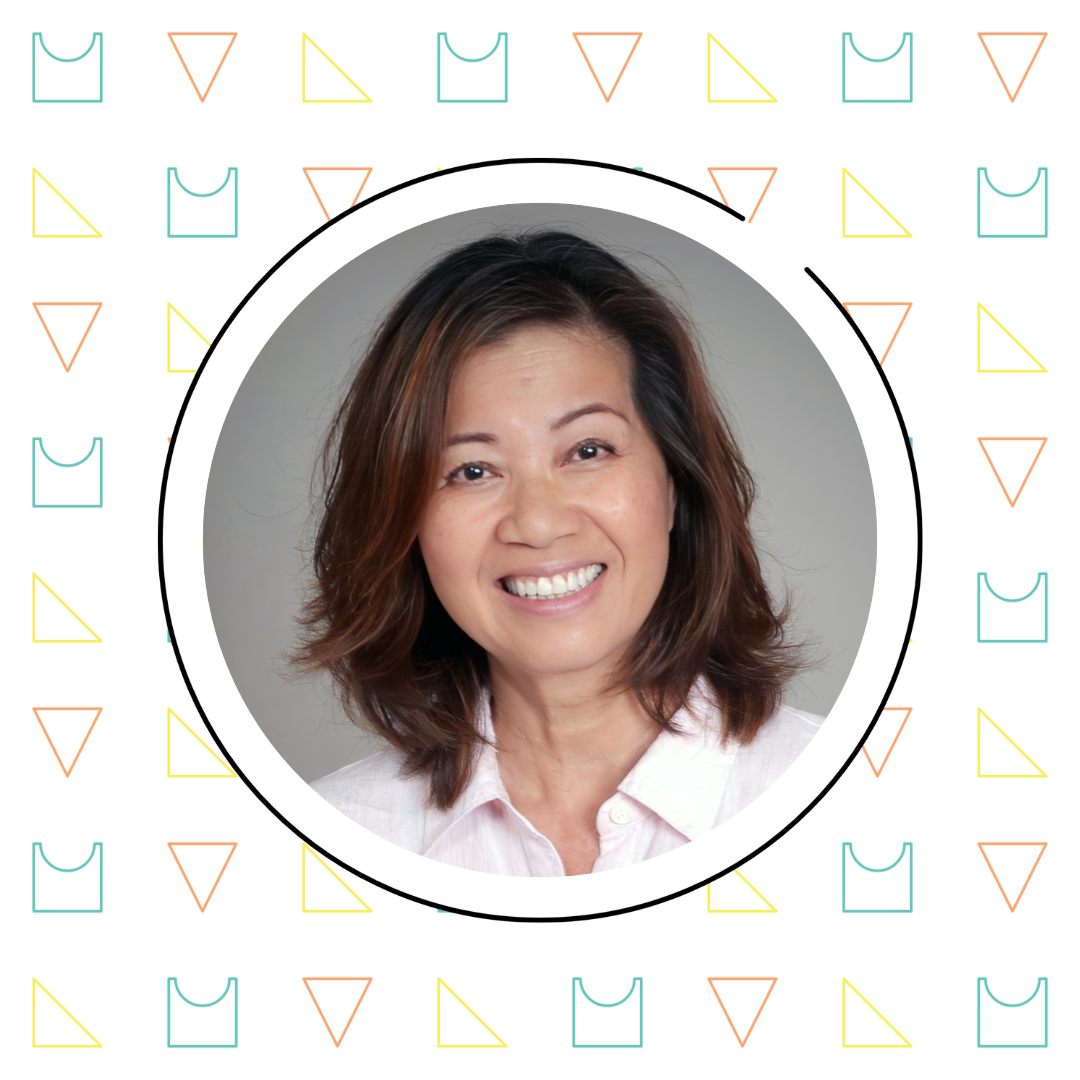
Smiling woman with shoulder-length brown hair and a white shirt, centered in a circular frame with a geometric patterned background.

Meet Our Guest(s):

Smiling woman with shoulder-length brown hair wearing a light pink collared shirt, framed by a circular graphic with simple decorative elements, representing strong conceptual understanding in math.

Fawn Nguyen

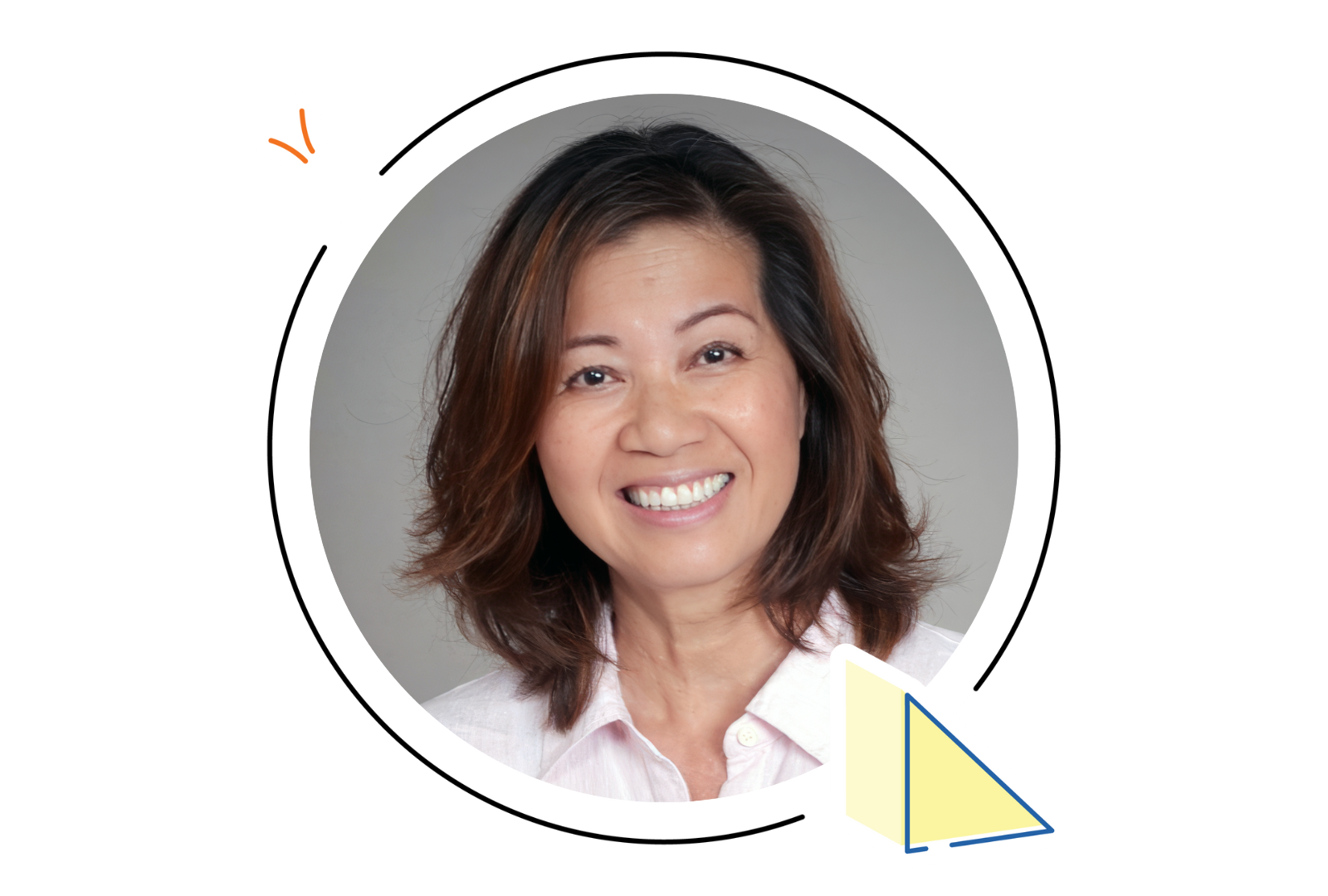
Fawn Nguyen began her work with Amplify in 2022 as a Math Teaching & Learning Specialist. She was a math coach for a K-8 school district for three years, and a middle school teacher for 30 years before that. Nguyen has also received a number of accolades as an educator.

Meet our hosts: Bethany Lockhart Johnson and Dan Meyer

Bethany Lockhart Johnson is an elementary school educator and author. Prior to serving as a multiple-subject teacher, she taught theater and dance, and now loves incorporating movement and creative play into her classroom. Bethany is committed to helping students find joy in discovering their identities as mathematicians. In addition to her role as a full-time classroom teacher, Bethany is a Student Achievement Partners California Core Advocate and is active in national and local mathematics organizations. Bethany is a member of the Illustrative Mathematics Elementary Curriculum Steering Committee and serves as a consultant, creating materials to support families during distance learning.

Dan Meyer taught high school math to students who didn’t like high school math. He has advocated for better math instruction on CNN, Good Morning America, Everyday With Rachel Ray, and TED.com. He earned his doctorate from Stanford University in math education and is currently the Dean of Research at Desmos, where he explores the future of math, technology, and learning. Dan has worked with teachers internationally and in all 50 United States and was named one of Tech & Learning’s 30 Leaders of the Future.

Two people smiling at the camera, each in a separate circular frame, with geometric shapes decorating the background—perfect for a math teacher lounge or highlighting fresh math teacher resources.

Quotes

"So, I think math fluency is quite similar to language fluency. It's doing mathematics with a flow. Not fast—I didn't say fast, but flow. It's having confidence in knowing efficient and accurate ways to compute. It's being flexible in one's thinking and applying strategies."

—Fawn Nguyen

Stay connected!

Season 9, Episode 2

Standards are the 'what' and curriculum is the 'how,' with Sue Pimentel

In this episode, Susan Lambert welcomes back Sue Pimentel to discuss the history and impact of the Common Core State Standards on English Language Arts and Literacy (ELA) education in the United States. Susan and Sue revisit what the standards were designed to focus on: knowledge building, college and career readiness, and fluency in both literary and informational texts. Their conversation covers the importance of text complexity, the lack of a research base to support leveled readers, knowledge building as a matter of equity, and content as a matter of access. While acknowledging the value of these standards, the discussion also highlights their limitations. Sue underscores the importance of always returning to the research to ensure students are truly learning, being prepared to navigate the world, and ultimately, to live happier lives.

Meet Our Guest(s):

Susan Pimentel

Susan Pimentel

Susan Pimentel is a founding partner of two nonprofits devoted to accelerating student achievement, StandardsWork and Student Achievement Partners. For four decades her work has focused on advancing meaningful and enduring education reforms—characterized by stakeholder buy-in—that champion proven tools for increasing academic rigor and student preparation. She has served as lead writer of the Common Core State Standards for English Language Arts and Literacy and chief architect of the American Diploma Project, two initiatives designed to close the gap between high school and postsecondary demands. In addition, Susan served two terms on the National Assessment Governing Board, an independent, bipartisan board that sets policy for the national assessment. She became vice-chair of the body in her second term. One of her most widely-read publications includes a 2018 EducationWeek op-ed “Why Doesn’t Every Teacher Know the Research on Reading Instruction?” Others include “Reading as Liberation: An Examination of the Research Base” and “Scaling the “Dinosaur Effect”: Topic vs. Theme in Elementary Classrooms,” both co-authored with literacy experts Meredith and David Liben. She holds a bachelor’s degree in early childhood education and a law degree from Cornell University.

Meet our host, Susan Lambert

Susan Lambert is the Chief Academic Officer of Elementary Humanities at Amplify, and the host of Science of Reading: The Podcast. Throughout her career, she has focused on creating high-quality learning environments using evidence-based practices. Lambert is a mom of four, a grandma of four, a world traveler, and a collector of stories.

As the host of Science of Reading: The Podcast, Lambert explores the increasing body of scientific research around how reading is best taught. As a former classroom teacher, administrator, and curriculum developer, Lambert is dedicated to turning theory into best practices that educators can put right to use in the classroom, and to showcasing national models of reading instruction excellence.

Portrait of a woman with short blonde hair, wearing glasses, a black top, and a necklace. She is smiling and facing the camera.

Quotes

“Vocabulary is how we describe concepts. It's how we know how to talk to one another. And vocabulary development weaves its way through all four domains in the standards. All four—reading, writing, listening and speaking, and language.”

—Sue Pimentel

“What the standards say is, ‘Leveled texts are out and complex texts are in.’ There's no research behind assigning a level to students' reading and then sort of imprisoning them in that.”

—Sue Pimentel

“Text complexity level is critical for students to be able to do well when they leave school and also so they can independently read texts and other sorts of sources on their own as well.”

—Sue Pimentel

“So standards are really important, right? Because they allow a meeting of the minds in terms of this is what our students need to be learning. It's like a compact, if you will, with our students and our parents and the public to say, ‘This is what you can expect your students to be learning.’”

—Sue Pimentel

“The standards define the ‘what’ importantly: the level of complexity, the level of sophistication, etcetera. But the curriculum tells us how to do the ‘what’ well, and how to use the literacy research to make sure all students get access.”

—Sue Pimentel

“The more stuff you know, the better you're able to navigate the world. Whether that means as a citizen…as a worker…as a college student…as a mom or dad—whatever it is—the more you know about stuff, the better off and I think the happier life is. And certainly the happier kids' lives are when they're actually learning stuff.”

—Sue Pimentel

“The whole notion is that the content matters. What I'm reading about matters; and how I get through that content matters; and how I get access to that content matters—which means I'm building my knowledge slowly but surely.”

—Sue Pimentel

Season 10, Episode 1

The (not so) Simple View of Reading, with Wesley Hoover, Ph.D.

In this episode of Science of Reading: The Podcast, Susan Lambert is joined by Wesley Hoover, a psycholinguist at the University of Texas at Austin, to discuss the Simple View of Reading and how it can serve as the basis for our understanding of comprehension. Wesley digs into all the complexities of this model—which is only simple at a high level—including the meaning of language comprehension vs. reading comprehension, the impact of word recognition, and using the simple view to identify struggling students. He’ll even address the limitations of the simple view of reading, untangle common misconceptions, and give you tools for assessing the value of any model for reading that you might encounter.

Meet Our Guest(s):

Smiling older man with gray hair wearing a checkered shirt, framed by a circular border with an orange pencil graphic in the bottom right corner—an image that could represent concepts like the simple view of reading model.

Wesley Hoover, Ph.D.

Wesley A. Hoover is a psycholinguist with a Ph.D. from the University of Texas at Austin. He spent 35 years at Southwest Educational Development Laboratory (SEDL), where he researched the cognitive foundations of reading, and served as President and CEO for his last 18 years. He led the 2015 merger of SEDL with AIR, where he continued to work on literacy projects before retiring in 2019. He now works as a writer, speaker, and consultant on the cognitive foundations of reading.

Meet our host, Susan Lambert

Susan Lambert is Chief Academic Officer of Literacy at Amplify and host of Science of Reading: The Podcast. Throughout her career, she has focused on creating high-quality learning environments using evidence-based practices. Lambert is a mom of four, a grandma of four, a world traveler, and a collector of stories.

As the host of Science of Reading: The Podcast, Lambert explores the increasing body of scientific research around how reading is best taught. A former classroom teacher, administrator, and curriculum developer, she’s dedicated to turning theory into best practices that educators can put right to use in the classroom, and to showcasing national models of reading instruction excellence.

Person with short blonde hair, glasses, and earrings, wearing an orange jacket, smiling in front of a plain gray background—committed to literacy education and fostering background knowledge for all learners.

Quotes

“To be a reader, you have to be good at two things: word recognition and language comprehension. Both of them are necessary components of reading, but neither one of them is sufficient on its own.”

—Wesley Hoover, Ph.D.

“The simple view doesn't say that reading is not complex. It just says the complexity is housed in two factors, word recognition and language comprehension. And both of those are complex.”

—Wesley Hoover, Ph.D.

“If you're a teacher thinking about language comprehension, whatever time you devote to helping people understand language, if you can be effective in doing that, you'll never waste a kid's time.”

—Wesley Hoover, Ph.D.

“Language comprehension is unbounded. … The knowledge of the world and being able to express the knowledge of the world in language—that's always a key difficulty you work on for your entire life.”

—Wesley Hoover, Ph.D.

Season 9, Special Episode

Translating research into action, with Amie Burkholder

In this episode of Science of Reading: The Podcast, literacy coach (and podcast host in her own right) Amie Burkholder joins us to discuss her new book, Literacy Unlocked: How to Implement the Science of Reading With Young Learners. Amie talks through the origins of the book, how she structured it to be really actionable for educators, and what she hopes educators will take away from it. Amie and Susan also discuss some of the biggest recent changes to the Science of Reading movement, the areas Amie most often sees educators struggle when making the switch to research-based literacy instruction, and some tips educators can implement today—including a walkthrough of a classroom activity targeting phonemic awareness.

Meet Our Guest(s):

A woman with long brown hair, wearing a lavender top and smiling, rests her head on her hand; a blue book icon in the lower right hints at research-based reading.

Amie Burkholder

Amie Burkholder is a literacy coach, national speaker, and author of Literacy Unlocked: How to Implement the Science of Reading With Young Learners. With over 15 years in education, Amie helps teachers bridge research and practice through structured literacy. She’s the creator of the Route2Reading Membership and Foundations to Fluency phonics curriculum, approved in Virginia. Amie is passionate about making the Science of Reading practical for real classrooms and helping every child become a confident reader.

Meet our host: Susan Lambert

Susan Lambert is Chief Academic Officer of Literacy at Amplify and host of Science of Reading: The Podcast. Throughout her career, she has focused on creating high-quality learning environments using evidence-based practices. Lambert is a mom of four, a grandma of four, a world traveler, and a collector of stories.

As the host of Science of Reading: The Podcast, Lambert explores the increasing body of scientific research around how reading is best taught. A former classroom teacher, administrator, and curriculum developer, she’s dedicated to turning theory into best practices that educators can put right to use in the classroom, and to showcasing national models of reading instruction excellence.

Person with short blonde hair, glasses, and earrings, wearing an orange jacket, smiling in front of a plain gray background—committed to literacy education and fostering background knowledge for all learners.

Quotes

“I want [the book] to follow the research, but I want it to be simple enough for teachers to execute, [and] also engaging enough for kids to want to do it.”

—Amie Burkholder

“If you try to change everything you're doing, you're not going to do anything well. Pick one area of your literacy block you’re really gonna nail. Once you nail that, add another one.”

—Amie Burkholder

“Look to those that you trust to guide you.”

—Amie Burkholder

Season 9, Special Episode

Leveled reading, leveled lives, with Tim Shanahan, Ph.D.

In this episode of Science of Reading: The Podcast, top literacy scholar Tim Shanahan, Ph.D., returns to discuss his new book, Leveled Reading, Leveled Lives: How Students’ Reading Achievement Has Been Held Back and What We Can Do About It. During his conversation with Susan Lambert, he outlines what existing research says about leveled reading—and why it’s not effective. He also shares how the misuse of theory can lead to ineffectual conclusions, makes a case for the efficacy of more explicit instruction, and provides a few simple tweaks teachers can make to classroom instruction that can make a big difference for their students.

Meet Our Guest(s):

A man with short gray hair and glasses smiles at the camera against a dark background, with a yellow lightbulb icon in the foreground.

Tim Shanahan, Ph.D.

Timothy Shanahan, Ph.D., is Distinguished Professor Emeritus at the University of Illinois at Chi­cago. Prior to this work, he served as Director of Reading for Chicago Public Schools and was a visiting research professor at Queens University in Belfast, Northern Ireland. He has written and edited more than 300 publications, including his new book, Leveled Reading, Leveled Lives: How Students’ Reading Achievement Has Been Held Back and What We Can Do About It (Harvard Education Press, 2025). He was also a former president of the International Literacy Association and served on the National Institute for Literacy Advisory Board under Presidents George W. Bush and Barack Obama. He was inducted to the Reading Hall of Fame in 2007 and is a former first-grade teacher.

Meet our host: Susan Lambert

Susan Lambert is Chief Academic Officer of Literacy at Amplify and host of Science of Reading: The Podcast. Throughout her career, she has focused on creating high-quality learning environments using evidence-based practices. Lambert is a mom of four, a grandma of four, a world traveler, and a collector of stories.

As the host of Science of Reading: The Podcast, Lambert explores the increasing body of scientific research around how reading is best taught. A former classroom teacher, administrator, and curriculum developer, she’s dedicated to turning theory into best practices that educators can put right to use in the classroom, and to showcasing national models of reading instruction excellence.

Person with short blonde hair, glasses, and earrings, wearing an orange jacket, smiling in front of a plain gray background—committed to literacy education and fostering background knowledge for all learners.

Quotes

“This notion of trying to match kids to books and get everybody to their right level is, at the very least, wasteful. It's not benefiting kids.”

—Tim Shanahan, Ph.D.

“We're spending an awful lot of time doing a lot of work that is not only not paying off, but it's probably holding a lot of kids back.”

—Tim Shanahan, Ph.D.

“When we try to ease the path so much so that the kids will hardly even know that they're learning anything, they're probably hardly ever gonna learn anything.”

—Tim Shanahan, Ph.D.

“Maybe we should be having kids read some of these texts more than once. Maybe we should be doing some of our fluency work, not after we did the comprehension work, but ahead of time.”

—Tim Shanahan, Ph.D.

Early reading data reveal progress overall, with varying outcomes for boys and girls 

BROOKLYN, NY (July 2, 2025) – Amplify, a publisher of next-generation curriculum and assessment programs, today released a research brief on the latest K–2 end-of-school-year literacy data. Findings suggest that overall, more young students are on track to learn to read and fewer are behind than during the pandemic—8 percent more second graders, 14 percent more first graders, and 21 percent more kindergartners are at or above benchmark compared to the 2020-21 school year. 

However, year-over-year improvements have slowed. Since the 2023-24 school year, the percentage of students on track has only improved by 1-2 points in each grade.

The data also show a nuanced picture of gender disparities in early reading. Across K–2, boys score the same or better than girls in reading readiness at the beginning of the year. But as the year progresses, girls show more improvement than boys, narrowing gaps and sometimes outperforming them by the end of the year.

“Five years out from the pandemic, we’re seeing encouraging signs that early literacy recovery is taking hold as more students across all early grades are on track to learn to read, with kindergarteners and first graders leading the recovery,” said Paul Gazzerro, director of customer data at Amplify.

Despite these successes, literacy trends across the United States remain a concern, as year-over-year progress remains slow. 

“Grades K–2 remain critical years for literacy development,” said Susan Lambert, chief academic officer of elementary humanities at Amplify. “To support young readers, educators need data-driven insights into student reading development and instructional practices that are based in the Science of Reading.” 

Amplify encourages districts and schools to analyze end-of-year data by school, grade, and classroom, and create integrated plans that:

  • Administer benchmark assessments three times per year to monitor levels of risk for reading difficulties. 
  • Analyze student data and make informed decisions to support students who are at risk for not learning to read.
  • Allocate additional instructional time and resources for at-risk students.
  • Regularly monitor progress for students, making adjustments as needed.
  • Ensure all students receive instruction that is evidence-based. 
  • Instill a love of reading during school programs, with caregiver and community support.

About Amplify

A pioneer in K–12 education since 2000, Amplify is leading the way in next-generation curriculum and assessment. Our core and supplemental programs in ELA, math and science engage all students in rigorous learning and inspire them to think deeply, creatively and for themselves. Our formative assessment products help teachers identify the targeted instruction students need to build a strong foundation in early reading and math. All of our programs and services provide educators with powerful tools that help them understand and respond to the needs of every student. Today, Amplify serves more than 15 million students in all 50 states and on six continents. For more information, visit Amplify.com.

Media Contact: Kristine Frech; media@amplify.com

Amplify Core Knowledge Language Arts, 2nd Edition, given Tier 1 Rating in Louisiana

New York, NY – (May 30, 2018) Amplify, a company that creates next-generation curriculum and assessment programs, announced today that Louisiana rated the second edition of Amplify Core Knowledge Language Arts (Amplify CKLA) as Tier 1, the top rating in the state. Amplify CKLA is the only K–5 Tier 1 ELA program in Louisiana that includes foundational skills.

Amplify CKLA is a comprehensive curriculum that brings a proven, systematic approach to foundational skills together with knowledge-rich reading, writing, speaking, and listening activities. Based on widely recognized cognitive science and reading research, Amplify CKLA offers two distinct strands (knowledge and skills) for grades K–2 and integrates them into one for grades 3–5.

Amplify CKLA 1st Edition materials had been previously listed as Tier 1 in Louisiana. According to the Louisiana Department of Education website, Tier 1 materials exemplify quality, meet all non-negotiable criteria, and scored the best possible on all indicators of superior quality.

“We are thrilled that Louisiana recognized the strength of Amplify CKLA and gave it a Tier-1 rating,” said Alexandra Clarke, senior vice president and general manager of ELA curriculum at Amplify. “Many educators in Louisiana have seen exciting progress in their classrooms with Amplify CKLA, and we hope that this Tier-1 rating will enable more schools in the state to bring the world to their students with our knowledge-rich curriculum.”

About Amplify
A pioneer in K-12 education since 2000, Amplify is leading the way in next-generation curriculum and assessment. Our captivating core and supplemental programs in ELA, math, and science engage all students in rigorous learning and inspire them to think deeply, creatively, and for themselves. Our formative assessment products turn data into practical instructional support to help all students build a strong foundation in early reading and math. All of our programs provide teachers with powerful tools that help them understand and respond to the needs of all their students. Today, Amplify serves more than three million students in all 50 states. For more information, visit amplify.com.

Contact: media@amplify.com

Amplify announces new board member Michael Camuñez

Brooklyn, NY (October 21, 2020) – Amplify, a publisher of next-generation curriculum and assessment programs, announced today that it appointed a new board member, Michael Camuñez to its board of directors.

Camuñez serves as president and chief executive officer of Monarch Global Strategies LLC, a bi-national consulting firm providing strategic advice and advocacy to companies doing business in emerging economies, with a particular emphasis on Mexico and Latin America. Previously, Camuñez served as one of the nation’s leading commercial diplomats as the assistant secretary of commerce at the International Trade Administration, where he managed a global portfolio to help lead the U.S. government’s efforts to open new markets for U.S. goods and services. Prior to that, he also served as special counsel to the president at the White House.

“We are honored and excited to have Michael Camuñez join the board of Amplify,” said Amplify CEO Larry Berger. “His unique experience in political, legal, economic, and international worlds means he brings critical insight to our company as we continue growing and serving educators and students across the country and, in time, the globe.”

“Amplify’s mission to revolutionize education and expand access to learning through technology is not only exciting, it’s essential to help bridge the equity gap and accelerate learning for millions of children in the U.S. and around the world,” stated Camuñez. “I’m thrilled to be joining such an important endeavor with such a talented team.”

Camuñez joins Amplify’s existing board members: Russlynn Ali, CEO and co-founder, XQ Institute; Brad Powell, managing director, investments at the Emerson Collective; Margaret Spellings, president and CEO of Texas 2036; and Larry Berger, CEO at Amplify.

About Amplify
A pioneer in K–12 education since 2000, Amplify is leading the way in next-generation curriculum and assessment. Our core and supplemental programs in ELA, math, and science engage all students in rigorous learning and inspire them to think deeply, creatively, and for themselves. Our formative assessment products turn data into practical instructional support to help all students build a strong foundation in early reading and math. All of our programs provide teachers with powerful tools that help them understand and respond to the needs of every student. Today, Amplify serves seven million students in all 50 states. For more information, visit amplify.com.

Contact: media@amplify.com

Amplify announces new reading acceleration program to address learning gaps next fall

BROOKLYN, N.Y., May 18, 2021 — Amplify, a publisher of next-generation curriculum and assessment programs, announced the launch of Amplify Skills Boost, a grades 1–6 solution that works alongside any core program to provide 30 minutes of highly targeted foundational skills instruction each day.

Based on Amplify’s 20 years of expertise in early literacy, and built on the science of reading, Amplify Skills Boost is an easy-to-implement, integrated system that schools and districts can use to identify reading gaps and accelerate student learning. The offering includes quick assessment tools, targeted instruction, personalized practice, and intervention. By focusing on the skills each student needs most, Amplify Skills Boost enables educators to stay focused on grade-level instruction the rest of the day.

“Amplify Skills Boost raises the bar in terms of quality and accessibility — any teacher can use this alongside any core program to boost their students’ reading skills after a year of interrupted instruction,” said Alexandra Clarke, senior vice president and general manager of ELA curriculum at Amplify. “It integrates quick assessment with instruction, practice, and intervention, allowing educators to focus on connecting and teaching versus testing.”

Drawn from Amplify’s rigorous assessment, core, personalized practice, and intervention programs, Amplify Skills Boost can be combined with any existing program. Instructional content is easy for any teacher to implement and is adaptable for use with entire classrooms, small groups, or individual students.

The product includes a series of videos on phonemic awareness developed in collaboration with literacy experts David and Meredith Liben. In conjunction with the Amplify Skills Boost release, Amplify is partnering with the Right to Read Project to develop and make available for free a groundbreaking series of student-facing Science of Reading videos that teach students how their reading brain develops over time.

District and school leaders interested in learning more about Amplify Skills Boost may visit www.amplify.com/skills-boost.

About Amplify

A pioneer in K–12 education since 2000, Amplify is leading the way in next-generation curriculum and assessment. Our captivating core and supplemental programs in ELA, math, and science engage all students in rigorous learning and inspire them to think deeply, creatively, and for themselves. Our formative assessment products turn data into practical instructional support to help all students build a strong foundation in early reading and math. All of our programs provide teachers with powerful tools that help them understand and respond to the needs of every student. Today, Amplify serves more than seven million students in all 50 states. 

While K–3 students are beginning to recover from COVID instructional loss, more students are still at risk of not learning to read than pre-pandemic

(Brooklyn, NY – August 3, 2021) Amplify, a publisher of next-generation curriculum and assessment programs, released a research brief on end-of-year K–3 reading data, revealing many students have begun to recover from lost literacy instruction due to COVID-19. However, there are still more students at risk of not learning to read than pre-pandemic, especially students who are Black or Hispanic.

As many students returned to the classroom in the spring, schools made progress in reducing the number of students who were at the greatest risk of not learning how to read. While these gains are important for overcoming instructional loss, the percentage of students at risk of not reading across grades K–3 is still higher than the 2019–20 school year due to pandemic disruptions. Moreover, these remaining instructional losses have widened the national gaps in early reading skills between Black and Hispanic students and their white counterparts.

“To catch up to the learning levels of pre-pandemic cohorts of students, we must accelerate learning. For that, students require instruction that targets their needs more than ever. Teachers should be empowered by quality assessments to understand the specific areas in which students could benefit from support,” said Gina Biancarosa, professor in the Department of Special Education and Clinical Sciences in the College of Education at the University of Oregon. “Once their unique strengths and needs have been identified, we can spend time supporting students in targeted while continuing to deliver grade-level core instruction. Working in tandem, targeted and grade-level instruction can reach individual students equitably and help to make up for the lost opportunities to learn of the last year plus.”

“The age group in which our research was conducted is critical. We know that the older the students are, the longer it is going to take to catch them up,” said Susan Lambert, chief academic officer of elementary humanities at Amplify. “Based on these findings, schools and districts should anticipate recovery taking one to two years. Along with grade-level, core instruction, monitoring is essential to track individual student progress and provide the personalized support that will help all students become confident readers.”

The report highlights the effects of COVID-19 disruptions by comparing Amplify mCLASS® with DIBELS® 8th Edition benchmark data from the 2019–20 and 2020–21 school years. Approximately 400,000 students in a matched set of over 1,400 schools in 41 states are represented. The schools in the source data are more likely to be in large urban metropolitan areas.

The data was collected using the mCLASS platform, which automates the data collection of DIBELS (Dynamic Indicators of Basic Early Literacy Skills). DIBELS is a widely used series of short tests that assess K-8 literacy developed by the University of Oregon. DIBELS is an observational assessment, collected by teachers interacting directly with students one-on-one, either live or over video. DIBELS is typically administered three times a year (beginning, middle, and end of year), and is used to identify reading difficulty, monitor progress, and inform instruction, especially for struggling readers.

About Amplify

A pioneer in K–12 education since 2000, Amplify is leading the way in next-generation curriculum and assessment. Our captivating core and supplemental programs in ELA, math, and science engage all students in rigorous learning and inspire them to think deeply, creatively, and for themselves. Our formative assessment products turn data into practical instructional support to help all students build a strong foundation in early reading and math. All of our programs provide teachers with powerful tools that help them understand and respond to the needs of every student. Today, Amplify serves more than seven million students in all 50 states.

Contact:
Molly McCue
media@amplify.com

Amplify announces groundbreaking digital curriculum

(AUSTIN, Texas March 3, 2014) Today at SXSWedu, Amplify unveiled its groundbreaking digital curriculum for sixth-, seventh- and eighth-grade English Language Arts (ELA). The curriculum for each grade combines a year’s worth of Common Core-aligned lessons, written in collaboration with some of the world’s leading experts and intellectuals, with rich digital media from Academy Award-winning studios and stars of both stage and screen.

The curriculum will be available in classrooms at the start of the Fall 2014 school year at an introductory price of $45 per student per year. It includes an e-library stocked with more than 300 works of fiction and nonfiction. To help boost learning outside of class, the curriculum comes with more than 20 immersive, digital games from some of the world’s best independent game designers. The curriculum is built on top of an education-friendly analytics engine that is designed to help students read three times more and write three times more, as well as to help teachers provide students three times more meaningful feedback.

“Our goal was to design the most effective and engaging digital curriculum for the classroom that supports the kinds of rigorous learning goals that schools are ready for,” said Amplify Learning President Larry Berger. “I think we’ve done that.”

Today’s announcement is part of Amplify’s broader effort to produce K-12 curriculum for English, math and science. In addition to the digital ELA curriculum for sixth, seventh and eighth grades, the company will also offer a hybrid print and digital curriculum for K-5 ELA and supplemental digital curriculum in math and science in time for the start of the Fall 2014 school year.

About The Digital ELA Curriculum

Content

The curriculum contains academic lessons authored by world-class intellectuals like Benjamin Franklin biographer Walter Isaacson, Nobel Prize winner Eric Kandel and MacArthur Genius Grant winner Danielle Allen. We’ve paired their knowledge with Common Core experts to develop a full-year’s worth of scoped and sequenced curriculum for sixth-, seventh- and eighth-grade ELA, with lessons around personal narrative, fiction, informational texts, poetry and foundational documents. In addition to the books anchored in the lessons, each student has access to an e-library with more than 300 works of fiction and nonfiction.

Digital Media

Dramatic Readings: To help make difficult texts more interesting and accessible, Amplify has brought them to life with dramatic readings by stars of both stage and screen. Students can watch actors like Chadwick Boseman read from “Narrative of the Life of Frederick Douglass, an American Slave” or Elizabeth Olsen’s interpretation of “A Confederate Girl’s Diary.” School-based pilots have shown that when students watch a dramatic reading of the first chapter of a book, they’re more likely to go on and read the entire text.

Story Animations: Amplify has worked in collaboration with Academy Award-winning animators to produce visually rich, artistic renditions of some of the texts students encounter in the lessons. Captivating, high-quality depictions of “The Raven” and “The Cask of Amontillado” are tied to writing prompts and designed to help students grasp difficult literary concepts, perspectives and points of view, which are key to the Common Core.

Quests: These experiential lessons immerse students in a text through role-playing, close reading, evidence gathering, discussion and expressive writing. Students can solve Edgar Allan Poe’s murder, seek treasure as Tom Sawyer or debate signing the Declaration of Independence as a member of the Second Continental Congress, among other interactive experiences. These adventures engage students in active learning and help them develop essential Common Core skills such as critical thinking and the use of primary resources.

Vocabulary Program: Our approach to learning vocabulary is centered around hundreds of essential “reveal words” per grade. Students encounter these words in core texts and supplementary materials. Amplify’s Reveal Tool is designed to encourage students to learn a definition in context and then return to the text as seamlessly as possible. Amplify also provides ELL vocabulary activities, targeting key concrete nouns and verbs that are necessary for understanding the day’s lesson.

Teachers can use results from these diagnostic exercises to determine each student’s level of comprehension, and assign activities to meet a student where he or she is. Students can track their own progress using the analytical vocabulary tool, which tells them how many words they’ve mastered and how often they’ve used the words in their writing, empowering them to self-direct their learning goals.

Upon conclusion of Amplify’s complete ELA curriculum for middle school, students will have been exposed to 4,500 reveal words and completed more than 1,500 vocabulary practice activities.

About Amplify

Amplify is reimagining the way teachers teach and students learn through data-driven instruction, one-to-one learning and next-generation digital curriculum. Our products and services are designed for tomorrow’s promise and today’s realities.

At Amplify, we’re creating exciting new approaches to teaching and learning that are: as immersive as the best films; as compelling as the best video games; as social as the best networking applications; as personal as the best tutors; and as analytically sophisticated as the best search engines.

We’ve helped more than 200,000 educators and 3 million students in all 50 states begin their digital transition through mobile assessment solutions, adaptive curricula and tools that harness the power of data for classroom teachers. And we’re just getting started.

Headquartered in New York City and with more than 1,000 employees across the country, Amplify is led by a team of digital education experts and has provided industry-leading instructional tools, data analytics and assessment solutions to the K-12 market for more than a decade as Wireless Generation.

Amplify acquires School Yourself, leading provider of online math lessons

(NEW YORK, December 17, 2015) Today Amplify announced it has acquired School Yourself, a leading provider of interactive, online math lessons. School Yourself team members will join Amplify, where they will continue to build innovative learning solutions, leveraging their experience in the hard sciences, game design and adaptive learning.

As part of the acquisition, Amplify will incorporate School Yourself’s adaptive authoring program as a component of its next-generation curriculum. The current School Yourself content, which includes more than 250 interactive math lessons, will remain freely available at schoolyourself.org and via edX.

“We were impressed by the passion and creativity of the School Yourself team, and believe their interactive software and high-quality lessons complement our math work, and help us provide a greater degree of personalization,” said Amplify CEO Larry Berger. “We’re pleased to welcome them to the team.”

“Our mission has always been to improve education through innovation,” said School Yourself CEO Zach Wissner-Gross. “By joining with Amplify, we’ll be able to continue that mission, while continuing to support active users of schoolyourself.org.”

About Amplify

Amplify is leading the way in data-driven instruction and setting the standard for next-generation digital curriculum and assessment. Our products and services help educators improve the way they integrate technology and use data in the classroom. We’ve helped more than 200,000 educators and 3 million students in all 50 states.

Contact: media@amplify.com

K–3 students show improvement in early literacy, but readiness has yet to match pre-pandemic levels

BROOKLYN, NY (November 9, 2023) — Amplify, a publisher of next-generation curriculum and assessment programs, released a research brief about national beginning-of-school-year (BOY) reading data today. Elementary school students are progressing toward early literacy levels that predate the COVID-19 pandemic. The latest data show more students across grades K–3 performing at levels on track for learning to read and ready for core instruction.

Measurable disparities in achievement between Black and Hispanic students and their Asian and white peers remain significant, but have narrowed in kindergarten and grade 1 since 2021–22. Among kindergarteners, the most recent data (2023–24) show increases of 12 percentage points for Black students and 13 percentage points for Hispanic students who are on track for learning to read. In first grade, the data show increases of 11 percentage points for Black students and 10 percentage points for Hispanic students who are on track for learning to read.

Despite the increase in the percentage of students on track, only half of K–3 students are prepared to read at grade level at the start of the school year, with 30 to 40 percent beginning the year needing intensive early literacy intervention. Students starting first, second, and third grade in 2023 are performing worse than their counterparts from 2019, the last academic year before the pandemic, while kindergarteners outperform their peers from the fall of 2019.

“The earliest grades are the most critical time for literacy development,” says Susan Lambert, chief academic officer of elementary humanities at Amplify. “Educators need data from BOY assessments to develop plans and allocate resources for students who are most at risk for not learning to read.”

Research-based reading instruction reduces the need for intervention and enables children to progress as capable, confident learners. Educators serving all students, and especially students in grades K–3 first learning to read, need data-driven insights into reading development, instructional practices based on the Science of Reading, and support helping students who require more targeted instruction and intervention to catch up.

Methodology
The report compares mCLASS® with DIBELS® 8th Edition benchmark data from the 2019–20, 2020–21, 2021–22, 2022–23 and 2023–24 school years. From more than 2 million students assessed with mCLASS, approximately 200,000 students in a matched set of 1,400 schools in 43 states are represented. The schools in the source data are slightly more likely to be in large urban metropolitan areas than the nation overall.

The data was collected using the mCLASS platform, which automates the data collection of Dynamic Indicators of Basic Early Literacy Skills (DIBELS). DIBELS is a widely-used series of short tests developed by the University of Oregon that assess K–8 literacy. DIBELS is an observational assessment collected by teachers interacting with students one-on-one, either live or over video. DIBELS is typically administered three times a year (beginning, middle and end of year) and is used to identify reading difficulty, monitor progress, and inform instruction, especially for struggling readers.

About Amplify
A pioneer in K–12 education since 2000, Amplify is leading the way in next-generation curriculum and assessment. Our captivating core and supplemental programs in literacy, math, and science engage all students in rigorous learning and inspire them to think deeply, creatively, and for themselves. Our formative assessment products turn data into practical instructional support to help all students build a strong foundation in early reading and math. All of our programs provide teachers with powerful tools that help them understand and respond to the needs of every student. Today, Amplify reaches more than 15 million students in all 50 states. To learn more, visit amplify.com.

Media Contact
Kristine Frech
media@amplify.com

Season 9, Episode 12

Explicit instruction of academic language, with Adrea Truckenmiller, Ph.D.

In this episode of Science of Reading: The Podcast, Susan Lambert is joined by Adrea Truckenmiller,  associate professor of special education and school psychology at Michigan State University. Their conversation starts with defining academic language and breaking it down on the level of the word, the sentence, and full text. Adrea then touches on topics such as informational vs. narrative text structure, morphological complexity, and effective writing assessment. She also gives advice on how to implement explicit instruction on informational text and academic language, and details a few examples of what it can look like in the classroom. Adrea ends by discussing her passion for special education and encouraging educators to get involved.

Meet Our Guest(s):

Smiling person with shoulder-length hair against a blurred outdoor background, encircled by a graphic with a light bulb icon at the bottom right.

Adrea Truckenmiller

Adrea Truckenmiller, Ph.D., NCSP, is an associate professor of special education and school psychology at Michigan State University. She’s the lead author of the Writing Architect, a digital tool that combines an innovative curriculum-based measure of informational writing with instructional practices grounded in research to meet the diverse needs of students in grades 3–8. She also co-created MSU’s master’s degree program for leadership in studying and implementing the Multi-Tiered System of Supports framework. Prior to her time at MSU, Truckenmiller was a researcher at the Florida Center for Reading Research. There, she directed the development of screening and diagnostic assessments for reading and writing, as well as state-wide professional development to accompany them and inform differentiated instruction. She has published more than 40 articles and was awarded more than $5 million in external funding for her research on reading and writing development. She serves as associate editor for the Journal of School Psychology and the Elementary School Journal and sits on the editorial board of five other journals. Learn more at atruck.msu.domains.

Meet our host, Susan Lambert

Susan Lambert is the Chief Academic Officer of Elementary Humanities at Amplify, and the host of Science of Reading: The Podcast. Throughout her career, she has focused on creating high-quality learning environments using evidence-based practices. Lambert is a mom of four, a grandma of four, a world traveler, and a collector of stories.

As the host of Science of Reading: The Podcast, Lambert explores the increasing body of scientific research around how reading is best taught. As a former classroom teacher, administrator, and curriculum developer, Lambert is dedicated to turning theory into best practices that educators can put right to use in the classroom, and to showcasing national models of reading instruction excellence.

Person with short blonde hair, glasses, and earrings, wearing an orange jacket, smiling in front of a plain gray background—committed to literacy education and fostering background knowledge for all learners.

Quotes

“When we're thinking about teaching academic vocabulary, of course in the context of content, [it’s important to note] that it's not just a one time around, that sometimes we have to layer that instruction for deeper and deeper and deeper meaning.”

—Susan Lambert

“ Academic language is really a new language for everyone to learn.”

—Adrea Truckenmiller

Season 9, Episode 11

Writing the way to better reading, with Judith Hochman, Ed.D.

In this episode of Science of Reading: The Podcast, Susan Lambert is joined by Judith Hochman, coauthor of The Writing Revolution. Their conversation begins as Dr. Hochman recalls the early days of writing instruction and research, then delves into the connection between better writing and better reading. Dr. Hochman touches upon topics such as writing comprehension, her experience implementing writing instruction as a classroom teacher and as an administrator, and how the writing revolution came to be. She also answers a question from our listener mailbag, providing a detailed overview of the scope and sequence for transitioning student writing from sentence composition to paragraphs to whole texts.

Meet Our Guest(s):

Judith C. Hochman

Judith C. Hochman

Judith Hochman, Ed.D., is the former head of The Windward School and the founder of the Windward Teacher Training Institute in White Plains, New York, as well as the former superintendent of the Greenburgh Graham Free School District in Hastings-on-Hudson, New York. She is the founder of The Writing Revolution, a not-for-profit organization which disseminates evidence-based strategies for writing instruction. Dr. Hochman is the author of Basic Writing Skills: A Manual for Teachers and coauthor of The Writing Revolution: A Guide to Advancing Thinking Through Writing in All Subjects and Grades (2017, 2024).

Meet our host, Susan Lambert

Susan Lambert is the Chief Academic Officer of Elementary Humanities at Amplify, and the host of Science of Reading: The Podcast. Throughout her career, she has focused on creating high-quality learning environments using evidence-based practices. Lambert is a mom of four, a grandma of four, a world traveler, and a collector of stories.

As the host of Science of Reading: The Podcast, Lambert explores the increasing body of scientific research around how reading is best taught. As a former classroom teacher, administrator, and curriculum developer, Lambert is dedicated to turning theory into best practices that educators can put right to use in the classroom, and to showcasing national models of reading instruction excellence.

Person with short blonde hair, glasses, and earrings, wearing an orange jacket, smiling in front of a plain gray background—committed to literacy education and fostering background knowledge for all learners.

Quotes

“I had an epiphany that our students really had to learn writing as a second language.”

—Judith Hochman

“Having students write a lot is not teaching writing. It's just like if you put a lot of books in a classroom, students don't magically begin to read.”

—Judith Hochman

“I often talk to teachers and remind them that they can be their own researchers in their own classrooms—to try something small… . Watch to see the impact that it has; make adjustments when needed, and if it's working for the kids and you're actually seeing outcomes.”

—Susan Lambert

“This is not learned by osmosis, and it's not learned by vague feedback like, ‘Make it better,’ or, ‘Add more details.’ You've got to be very granular. This is not a naturally occurring skill in human development for any of us.”

—Judith Hochman

“What's good for elementary school is good for high school and beyond. The principles of teaching someone how to write coherently and with clarity don't change.”

—Judith Hochman

TEMPORADA 1. CAPÍTULO ESPECIAL

Para enseñar se necesita confianza, con Luz Selenia Muñoz

En este episodio especial de Beyond My Years, Ana tiene el placer de hablar con Luz Selenia Muñoz en español, su idioma de origen. Luz ha sido maestra por 20 años, en dos países diferentes y en dos idiomas distintos. Con toda esa experiencia, Luz comparte las lecciones que le han parecido trascendentes para todos los estudiantes y todas las escuelas, como la importancia de crear conexiones significativas con los estudiantes, ser paciente con sus estudiantes y consigo misma, así como encontrar colegas que hablen su idioma de origen. Luz también entrega a los oyentes una estrategia fácil y factible que pueden intentar hoy mismo para involucrar a los estudiantes mediante la escucha activa cuando da las instrucciones.

Listen to our full episode in English.

Person smiling against a background of stone bricks in a circular frame, surrounded by a pattern of books, stars, and apples.

Meet Our Guest(s):

A woman with shoulder-length brown hair smiles in front of a stone wall, wearing a silver necklace and a light pink top, ready to share her advice for teachers.

Luz Selenia Muñoz

Luz S. Muñoz es maestra de Segundo grado en un programa de educación en dos idiomas. Ha enseñado por 20 años. Entre sus responsabilidades diarias está planificar lecciones en español, desarrollar sus estrategias para la clase y reunirse con las familias o cuidadores de los estudiantes, así como conocerlos mejor cada día al conectar con ellos.

Durante su tiempo libre fuera del salón de clases, puedes ver a Luz caminando al aire libre o con un libro en la mano. Le gusta divertirse con su familia y crear ideas que hagan la enseñanza más divertida para sus estudiantes. También le gusta compartir esas ideas con otros maestros. Puedes encontrar a Luz en Instagram como @lucecitalunera y en Facebook como @sonrisas.que.inspiran.dual.language.

Conozca a nuestra presentadora, Ana Torres

Ana ha trabajado en educación por 30 años, tanto en K–8 como en educación superior. Ha ejercido como administradora e instructora en diversas universidades e institutos públicos y privados. También ha sido maestra de lenguaje e idiomas, de matemáticas y de intervención para la lectura en programas bilingües y de educación en dos idiomas, así como coach de enseñanza de lenguaje e idiomas, vicedirectora y directora en escuelas de K–8. Actualmente, Ana se especializa en programas bilingües y de educación en dos idiomas en el departamento de Product de Amplify, desde donde ofrece presentaciones sobre lectoescritura y lectoescritura bilingüe por todo el país. La pasión y el apoyo a la educación multicultural y bilingüe que Ana desarrolla la ha llevado a educar tanto a líderes como a maestros y padres sobre el impacto positivo que estas áreas tienen en nuestro mundo.

A woman with long dark hair and a bright smile, wearing an orange sweater and a necklace, poses outdoors with blurred trees in the background, radiating confidence often seen in literacy education and academic language development.

Quotes

“Yo diría que algo que se ha quedado grabado es hacer conexiones. Hacer conexiones con los estudiantes, conocer quiénes son, de dónde vienen, qué les gusta. Y al hacer eso haces tu vida como maestro más fácil y más sencilla.”

—Luz Selenia Muñoz

“Yo creo que le diría que tenga paciencia. Paciencia. Que respire. Que las cosas van a mejorar cada día.”

—Luz Selenia Muñoz

Season 9, Episode 8

Cognitive science-informed teaching, with Natalie Wexler

In this episode, Susan Lambert rejoins podcast alum Natalie Wexler to discuss Natalie’s new book Beyond the Science of Reading: Connecting Literacy Instruction to the Science of Learning. Listeners will gain insights into why this topic is important, what this book offers educators, why Natalie was so drawn to writing this book, and what cognitive science-informed teaching looks like in general. Natalie addresses how cognitive load theory works in practice with literacy, misconceptions about focusing only on phonics, and scaling science-informed instruction. Natalie also answers a question from the listener mailbag about encouraging colleagues to adopt an evidence-based approach.

Meet Our Guest(s):

Portrait of a woman with short, curly blond hair wearing a white top, pictured inside a circular frame with an illustrated pencil and lines accent, reflecting her dedication to teaching reading and cognitive science.

Natalie Wexler

Natalie Wexler is the author of Beyond the Science of Reading: Connecting Literacy Instruction to the Science of Learning, coming from ASCD on Jan. 21, 2025. She is also the author of The Knowledge Gap: The Hidden Cause of America’s Broken Education System—and How to Fix It and the co-author, with Judith C. Hochman, Ed.D., of The Writing Revolution: A Guide to Advancing Thinking Through Writing in All Subjects and Grades. She has a free Substack newsletter called Minding the Gap, and she was the host of the Reading Comprehension Revisited podcast, Season One. More information is available on her website, www.nataliewexler.com.

Meet our host, Susan Lambert

Susan Lambert is the Chief Academic Officer of Elementary Humanities at Amplify, and the host of Science of Reading: The Podcast. Throughout her career, she has focused on creating high-quality learning environments using evidence-based practices. Lambert is a mom of four, a grandma of four, a world traveler, and a collector of stories.

As the host of Science of Reading: The Podcast, Lambert explores the increasing body of scientific research around how reading is best taught. As a former classroom teacher, administrator, and curriculum developer, Lambert is dedicated to turning theory into best practices that educators can put right to use in the classroom, and to showcasing national models of reading instruction excellence.

Portrait of a woman with short blonde hair, wearing glasses, a black top, and a necklace. She is smiling and facing the camera.

Quotes

“We’re overlooking the ways in which the typical approach to teaching reading comprehension and writing actually conflict with what cognitive science tells us about how people learn to do those things.”

—Natalie Wexler

“We spend much more time trying to teach them to read, but we kind of expect them to just pick up writing. You know, for most kids, it does not happen.”

—Natalie Wexler

“No matter how good you are at making inferences, if you don't have the requisite background knowledge, you're not gonna be able to do it.”

—Natalie Wexler

“It doesn't work to just ask inexperienced writers to just write down stuff. That is not going to provide the cognitive benefits.”

—Natalie Wexler

“Language is connected to thinking. If you can talk and write in a more sophisticated way that reflects that you are thinking in a more sophisticated way.”

—Natalie Wexler

Season 9, Special Episode

Award-winning ways to put science into practice

Amplify’s 2024 Science of Reading Star Award winners share insights from their daily work. They reflect on why it’s so critical to stay grounded in evidence-based literacy practices and how they bring those practices into their schools and classrooms. Listeners will be inspired by the creative ideas of educators who are making a difference in the lives of students across the country. Winners honored in the episode in order of appearance are: Amber Hines, Vance County Schools, NC; Elizabeth Caton, Windber Area Elementary School, PA; Jamie Vannoy, Wirt County Primary Center, WV; Christine Michalik, Cicero School District 99, IL; Andrea Mason, County Line Elementary School, GA; A. Simone McQuaige, Prince George’s County Public Schools, MD.

Meet Our Guest(s):

Illustration of a gold trophy with a star, an orange and yellow award ribbon, and a pink and purple ribbon with a book symbol, surrounded by small stars—representing Science of Reading awards for excellence in evidence-based practices.

Amber Hines, Elizabeth Caton, Jamie Vannoy, Christine Michalik, Andrea Mason, and A. Simone McQuaige

Each of the 2024 Amplify Star Award winners have transformed their classrooms and empowered their students with the Science of Reading. These educators and leaders have gone above and beyond to light the path for students to pursue lifelong literacy. Award-winners featured in this episode include: Amber Hines, The Knowledge Builder; Elizabeth Caton, The Science of Reading Rookie; Jamie Vannoy, The Literacy Legend; Christine Michalik, The Knowledge Builder; Andrea Mason,The MTSS Maestro; and A. Simone McQuaige, The Changemaker.

Meet our host, Susan Lambert

Susan Lambert is the Chief Academic Officer of Elementary Humanities at Amplify, and the host of Science of Reading: The Podcast. Throughout her career, she has focused on creating high-quality learning environments using evidence-based practices. Lambert is a mom of four, a grandma of four, a world traveler, and a collector of stories.

As the host of Science of Reading: The Podcast, Lambert explores the increasing body of scientific research around how reading is best taught. As a former classroom teacher, administrator, and curriculum developer, Lambert is dedicated to turning theory into best practices that educators can put right to use in the classroom, and to showcasing national models of reading instruction excellence.

Portrait of a woman with short blonde hair, wearing glasses, a black top, and a necklace. She is smiling and facing the camera.

Quotes

“There is no, ‘Let's try this. Let's try that.’ When it's evidence based, you know that it's proven to be effective.”

—Amber Hines

“It's important that we are aligning our practices to standards and what the students are required to do—but also what they need.”

—Elizabeth Caton

“If we don't make a conscious effort to utilize evidence-based practices, we are going to be failing our most at-risk populations.”

—Jamie Vannoy

“All students should have the opportunity for multiple readings of the same text to build comprehension, to build fluency.”

—Christine Michalik

“It's really important to utilize assessments, [to] make sure that my students are getting exactly what they need based on the data that I get from assessments, but also based on the data that I get from regular progress monitoring.”

—Andrea Mason

“This is not something that can be just done at the schoolhouse. It involves the community and all of our community stakeholders.”

—A. Simone McQuaige

Season 9, Episode 5

What makes a literate brain, with Lori Josephson

On this episode of the podcast, Lori Josephson joins Susan to talk about her new book Calling All Neurons! How Reading and Spelling Happen. Lori discusses her journey into literacy and how she saw the need for an accessible, digestible book about the brain science behind learning to read — one that would be enjoyable for adults and students alike. Lori explains what a neuron is and shows how understanding neural networks is essential to understanding learning to read. She also delves into the importance of getting everyone in a student’s life involved in their literacy development. Lori and Susan also answer some listener-submitted questions, prompting discussions on how to help older elementary students who lack foundational skills and advice for educators who work with students with significant cognitive disabilities.

Meet Our Guest(s):

Lori C. Josephson

Lori C. Josephson

Lori Josephson is an expert in dyslexia who is a Fellow of the Orton Gillingham Academy and holds a master’s degree in special education–learning disabilities. She has had the privilege of teaching hundreds of struggling students how to make sense of print and text. She has also had the honor of working with thousands of teachers, training them how to teach and reach their students using methods based upon the complex brain processes involved in attaining literacy—the body of knowledge now referred to as the Science of Reading.

Meet our host, Susan Lambert

Susan Lambert is the Chief Academic Officer of Elementary Humanities at Amplify, and the host of Science of Reading: The Podcast. Throughout her career, she has focused on creating high-quality learning environments using evidence-based practices. Lambert is a mom of four, a grandma of four, a world traveler, and a collector of stories.

As the host of Science of Reading: The Podcast, Lambert explores the increasing body of scientific research around how reading is best taught. As a former classroom teacher, administrator, and curriculum developer, Lambert is dedicated to turning theory into best practices that educators can put right to use in the classroom, and to showcasing national models of reading instruction excellence.

Portrait of a woman with short blonde hair, wearing glasses, a black top, and a necklace. She is smiling and facing the camera.

Quotes

“I firmly believe that no matter how old you are, you still need to learn the same information.”

—Lori Josephson

“In my mind, I use this equation. Knowledge equals motivation, equals active learning, equals resilience, equals success.”

—Lori Josephson

“Creating a literate brain is a team sport. Everyone needs to be involved. The parents, caregivers, teachers—they need to be engaged in an interactive way.”

—Lori Josephson

“Literacy is a civil right. It's also a gift. It's an opportunity to share thoughts, feelings with others that can be revisited and saved.”

—Lori Josephson

Season 10, Episode 13

Building blocks for deep comprehension, with Susan Lambert

Host Susan Lambert hits the home stretch of her comprehension-focused season of Science of Reading: The Podcast with a reflective episode based on her presentation at this year's Plain Talk About Literacy and Learning conference. Instead of being joined by a guest, Susan breaks down some of her biggest takeaways from this season—explaining how reading comprehension is far more intricate than the ability to decode words on a page, and detailing how the expert guests this season helped illustrate all of comprehension's amazing complexities. Whether you hear her Plain Talk conversation live or not, this episode captures those same insights in a format you can revisit anytime.

Meet our host, Susan Lambert

Susan Lambert is chief academic officer of literacy at Amplify and host of Science of Reading: The Podcast. Throughout her career, she has focused on creating high-quality learning environments using evidence-based practices. Lambert is a mom of four, a grandma of four, a world traveler, and a collector of stories.

As the host of Science of Reading: The Podcast, Lambert explores the increasing body of scientific research around how reading is best taught. A former classroom teacher, administrator, and curriculum developer, she’s dedicated to turning theory into best practices that educators can put right to use in the classroom, and to showcasing national models of reading instruction excellence.

Person with short blonde hair, glasses, and earrings, wearing an orange jacket, smiling in front of a plain gray background—committed to literacy education and fostering background knowledge for all learners.

Quotes

“Comprehension is an active process. It actually requires active engagement and effort from the reader.”

—Susan Lambert

“Comprehension is an integration of knowledge and experience that requires the reader to connect new information from the text with their own knowledge and experiences.”

—Susan Lambert

“Comprehension is dynamic and ongoing. It requires the reader to update and revise their understanding as new information is encountered.”

—Susan Lambert

“What constitutes good comprehension is relative, and it depends on who is reading the text and why they're reading it.”

—Susan Lambert

“The components of comprehension don't develop in isolation. They bootstrap and support each other throughout a reader's development.”

—Susan Lambert

Slow but steady progress: new Amplify data show why middle-of-year literacy screening matters 

With just 57% of K–2 readers on track and year-over-year gains flattening, the latest research brief underscores the urgency of data-driven instruction 

BROOKLYN, NY (February 25, 2026) – Amplify, a publisher of next-generation curriculum and assessment programs, today released a research brief on the latest K–2 middle-of-school-year literacy data. The findings make a clear case for why districts need middle-of-year early reading data: Recovery from pandemic-era learning loss has stalled, and without timely intervention, millions of students risk falling behind.

According to the latest data, 57 percent of K–2 students are on track to learn to read at the middle of the 2025–26 school year. Overall progress is slow and incremental: Year-over-year gains ranged from zero to two percentage points across grades, with kindergarteners showing the most improvement. Progress for second graders essentially leveled off between 2024–25 and 2025–26. First- and second-graders still have not recovered to where they were in 2019–20 before the pandemic.

“Middle-of-year assessments are an ideal window for schools to analyze student performance, identify any needed adjustments in instruction, and implement them in time to catch students up before the start of the next academic year,” said Susan Lambert, chief academic officer at Amplify. “Schools that have meaningful data—from a universal screener—can make more informed decisions about how to support students who are most at risk for reading difficulties.” 

The research brief draws on data from more than 3 million students assessed with mCLASS® DIBELS® 8th Edition, Amplify’s teacher-administered literacy assessment suite for grades K–8. A matched set of approximately 90,000 students across 800 schools in 43 states is represented in the trend analysis. 

Middle-of-year data is uniquely positioned to provide districts with insights that can help them implement instructional changes before the following school year. To accelerate early reading outcomes, Amplify recommends that districts and schools analyze data by school, grade, and classroom, and build plans that include:

  • Universal screening: Administering assessments three times per year to monitor risk levels for reading difficulties.
  • Targeted resource allocation: Assigning staff to support at-risk students with additional literacy instruction beyond grade-level requirements.
  • Evidence-based instruction: Ensuring staff are trained in the Science of Reading and implementing high-quality core curriculum.
  • Progress monitoring: Regularly tracking at-risk students and making real-time instructional adjustments.
  • Reading empowerment: Instilling a love of reading through school programs supported by caregivers and the community.

Read the complete research brief.

About Amplify

A pioneer in K–12 education since 2000, Amplify delivers next-generation curriculum and assessment on an intuitive, integrated platform that includes thousands of free lessons. Our high-quality programs in ELA, math, and science engage students in rigorous learning that inspires them to think deeply, creatively, and independently. Our formative assessment tools help teachers identify the instruction each student needs to build a strong foundation in reading and math. Across all programs and services, we equip educators with powerful tools to understand and respond to the needs of every learner. Today, Amplify serves more than 18 million students and teachers across all 50 states and in 6 continents worldwide. For more information, visit Amplify.com.  

Media Contact: Kristine Frech; media@amplify.com

Season 10, Episode 11

Learning to read vs. reading to learn, with Timothy Shanahan, Ph.D.

In this episode of Science of Reading: The Podcast, Timothy Shanahan, Ph.D., distinguished professor emeritus from the University of Illinois at Chicago, joins Susan Lambert to distinguish between reading comprehension, learning from a text, and the process of learning to read. He compares learning to read with athletic training, explaining that just as athletes need to vary their workout intensities to maximize their strength, students need to vary their text difficulty to maximize their comprehension, reading skills, and overall learning. Together, Timothy and Susan also discuss why reading comprehension is an ethical act and the power of simply rereading to increase comprehension.

Meet Our Guest(s):

A man with short gray hair and glasses smiles at the camera, framed by a circular graphic with a yellow lightbulb icon in the corner—symbolizing the power of reading to learn and enhance reading comprehension.

Timothy Shanahan, Ph.D.

Timothy Shanahan, Ph.D., is distinguished professor emeritus at the University of Illinois at Chicago. Prior to this work, he served as director of reading for Chicago Public Schools and was a visiting professor at Queens University in Belfast, Northern Ireland. He has written and edited more than 300 publications, including his book Leveled Reading, Leveled Lives: How Students’ Reading Achievement Has Been Held Back and What We Can Do About It. He is also a former president of the International Literacy Association and served on the National Institute for Literacy Advisory Board under Presidents George W. Bush and Barack Obama. He was inducted to the Reading Hall of Fame in 2007 and is a former first-grade teacher.

Meet our host, Susan Lambert

Susan Lambert is chief academic officer of literacy at Amplify and host of Science of Reading: The Podcast. Throughout her career, she has focused on creating high-quality learning environments using evidence-based practices. Lambert is a mom of four, a grandma of four, a world traveler, and a collector of stories.

As the host of Science of Reading: The Podcast, Lambert explores the increasing body of scientific research around how reading is best taught. A former classroom teacher, administrator, and curriculum developer, she’s dedicated to turning theory into best practices that educators can put right to use in the classroom, and to showcasing national models of reading instruction excellence.

Person with short blonde hair, glasses, and earrings, wearing an orange jacket, smiling in front of a plain gray background—committed to literacy education and fostering background knowledge for all learners.

Quotes

“ We're trying to teach kids to read, and a text that is immediately comprehensible leaves you very little to learn.”

—Timothy Shanahan, Ph.D.

“You can increase the learning for most people if you increase the difficulty, because people have to think about it more. They have to work.”

—Timothy Shanahan, Ph.D.

“Reading comprehension is not just a psychological or cognitive action—it's an ethical action.”

—Timothy Shanahan, Ph.D.

“We should be teaching kids with more challenging texts than we have been.”

—Timothy Shanahan, Ph.D.

“Athletes don't do all of their training at peak levels of difficulty; they work up to those.”

—Timothy Shanahan, Ph.D.

Season 10, Episode 7

Syntax and comprehension, with Julie Van Dyke, Ph.D.

In this episode of Science of Reading: The Podcast, Susan Lambert is joined by research scientist and professor Julie Van Dyke, Ph.D., who explains why syntax instruction may be the missing piece in our mission to improve comprehension outcomes for all students. Together, Julie and Susan discuss why syntax is the part of the language system that matters for comprehension, how the same systematicity and rule governance that you find in teaching phonics also exists in syntax, and how explicit syntax instruction could be the next breakthrough in evidence-based literacy education.

Meet Our Guest(s):

A person with long brown hair and glasses is facing the camera, framed by a circular border with a pencil graphic in the lower right corner, suggesting expertise in reading comprehension strategies for students.

Julie Van Dyke, Ph.D.

Julie Van Dyke, Ph.D., holds joint appointments as an associate research professor at the Institute for Brain and Cognitive Sciences at the University of Connecticut; clinical assistant professor at the Yale University Child Study Center; and research scientist at the Yale-UConn Haskins Global Literacy Hub. She is also Chief Scientist at Cascade Reading. Previously, she served as a senior scientist at Haskins Laboratories for 22 years. Her deep dedication to improving reading outcomes for all children is fueled daily by her experience as the parent of a child with dyslexia, developmental language disability, dyscalculia, ADHD, and autism.

Meet our host, Susan Lambert

Susan Lambert is chief academic officer of Literacy at Amplify and host of Science of Reading: The Podcast. Throughout her career, she has focused on creating high-quality learning environments using evidence-based practices. Lambert is a mom of four, a grandma of four, a world traveler, and a collector of stories.

As the host of Science of Reading: The Podcast, Lambert explores the increasing body of scientific research around how reading is best taught. A former classroom teacher, administrator, and curriculum developer, she’s dedicated to turning theory into best practices that educators can put right to use in the classroom, and to showcasing national models of reading instruction excellence.

Person with short blonde hair, glasses, and earrings, wearing an orange jacket, smiling in front of a plain gray background—committed to literacy education and fostering background knowledge for all learners.

Quotes

“In English, syntax is word order. Syntax is the relationship between the entities in a sentence.”

—Julie Van Dyke, Ph.D.

“If you want to increase comprehension, you need to be explicit in syntax because that's the part of the language system that matters for comprehension.”

—Julie Van Dyke, Ph.D.

“Comprehension is the glue between the words. It's the process of gluing the words together, each word as you go.”

—Julie Van Dyke, Ph.D.

“The process itself [of comprehension] is the moment by moment, really millisecond by millisecond action of gluing words together in order to create a meaning.”

—Julie Van Dyke, Ph.D.

“We need to move the needle on the nation's report card.  We still have two-thirds of our students who are unable to read at what we call proficient. I think the only way that we can really get that number to be closer to the 95% that we really want is to do something new. Syntax is the new thing.”

—Julie Van Dyke, Ph.D.

“If somebody knew how beautiful and systematic the language was, I think you would have people rushing when they wake up to go study syntax.”

—Julie Van Dyke, Ph.D.

Season 4, Episode 1

Joyful math teaching with Kanchan Kant

This season on the Math Teacher Lounge podcast, we follow the theme “joyful math” and uncover its meaning. In this episode, Kanchan Kant joins Bethany Lockhart Johnson and Dan Meyer to discuss the key, early investment she makes at the start of the school year to ensure her math teaching will be joyful for herself and for her students for the rest of the year.

Portrait of a woman with long dark hair, wearing a blue blazer, smiling slightly, centered within a circular frame on a math teaching-themed background with geometric shapes.

Meet Our Guest(s):

Businesswoman with long dark hair, wearing a dark blazer and blue blouse, poses in a professional portrait against a light background, representing math programs.

Kanchan Kant

As a math and computer science teacher at Newton North High School, Newton, MA, Kanchan has been sharing her love for math with her students for the past four years. Kanchan is instrumental in setting the culture and ethos of the mathematics department at her school in her role as the Assistant Department Head. In her new role as a Transformative Leaders of Massachusetts Fellow in collaboration with Springpoint and Barr Foundation, Kanchan looks forward to making the joy of learning the foundation of many more classrooms.

Meet our hosts: Bethany Lockhart Johnson and Dan Meyer

Bethany Lockhart Johnson is an elementary school educator and author. Prior to serving as a multiple-subject teacher, she taught theater and dance, and now loves incorporating movement and creative play into her classroom. Bethany is committed to helping students find joy in discovering their identities as mathematicians. In addition to her role as a full-time classroom teacher, Bethany is a Student Achievement Partners California Core Advocate and is active in national and local mathematics organizations. Bethany is a member of the Illustrative Mathematics Elementary Curriculum Steering Committee and serves as a consultant, creating materials to support families during distance learning.


Dan Meyer taught high school math to students who didn’t like high school math. He has advocated for better math instruction on CNN, Good Morning America, Everyday With Rachel Ray, and TED.com. He earned his doctorate from Stanford University in math education and is currently the Dean of Research at Desmos, where he explores the future of math, technology, and learning. Dan has worked with teachers internationally and in all 50 United States and was named one of Tech & Learning’s 30 Leaders of the Future.

Two people smiling at the camera, each in a separate circular frame, with geometric shapes decorating the background—perfect for a math teacher lounge or highlighting fresh math teacher resources.

Quotes

“Creating an equitable environment in the classroom is most important because once you have that, that's when you have the relationships, and that's when all students actually thrive.”

—Kanchan Kant

Stay connected!

Three people sit at a table using laptops, with geometric shapes, numbers, and graphs displayed on a whiteboard in the background.

Season 4, Episode 2

Bethany and Dan share their math biographies

In this episode, co-hosts Bethany Lockhart Johnson and Dan Meyer get personal and share their “math bios”—their early experiences with math and how those experiences turned them into the educators they are today.

Image of Dan Meyer and Bethany Lockhart Johnson, hosts of the Math Teacher Lounge podcast

Meet our hosts: Bethany Lockhart Johnson and Dan Meyer

Bethany Lockhart Johnson is an elementary school educator and author. Prior to serving as a multiple-subject teacher, she taught theater and dance, and now loves incorporating movement and creative play into her classroom. Bethany is committed to helping students find joy in discovering their identities as mathematicians. In addition to her role as a full-time classroom teacher, Bethany is a Student Achievement Partners California Core Advocate and is active in national and local mathematics organizations. Bethany is a member of the Illustrative Mathematics Elementary Curriculum Steering Committee and serves as a consultant, creating materials to support families during distance learning.


Dan Meyer taught high school math to students who didn’t like high school math. He has advocated for better math instruction on CNN, Good Morning America, Everyday With Rachel Ray, and TED.com. He earned his doctorate from Stanford University in math education and is currently the Dean of Research at Desmos, where he explores the future of math, technology, and learning. Dan has worked with teachers internationally and in all 50 United States and was named one of Tech & Learning’s 30 Leaders of the Future.

Two people smiling at the camera, each in a separate circular frame, with geometric shapes decorating the background—perfect for a math teacher lounge or highlighting fresh math teacher resources.

Quotes

“Teaching, more than other professions, is a generational profession. The kinds of joyful experiences we offer, or don’t offer, now affect the experiences students that haven’t even been born yet will have years later.”

—Dan Meyer

Stay connected!

Three people sit at a table using laptops, with geometric shapes, numbers, and graphs displayed on a whiteboard in the background.

Season 4, Episode 3

LIVE from NCTM with Bethany and Dan

In this episode, co-hosts Bethany Lockhart Johnson and Dan Meyer are LIVE with more than one hundred Math Teacher Lounge listeners at the recent National Council of Teachers of Mathematics conference. Listen in as they answer the pressing question: Who is the best teacher in film or television?

Image of Dan Meyer and Bethany Lockhart Johnson, hosts of the Math Teacher Lounge podcast

Meet our hosts: Bethany Lockhart Johnson and Dan Meyer

Bethany Lockhart Johnson is an elementary school educator and author. Prior to serving as a multiple-subject teacher, she taught theater and dance, and now loves incorporating movement and creative play into her classroom. Bethany is committed to helping students find joy in discovering their identities as mathematicians. In addition to her role as a full-time classroom teacher, Bethany is a Student Achievement Partners California Core Advocate and is active in national and local mathematics organizations. Bethany is a member of the Illustrative Mathematics Elementary Curriculum Steering Committee and serves as a consultant, creating materials to support families during distance learning.


Dan Meyer taught high school math to students who didn’t like high school math. He has advocated for better math instruction on CNN, Good Morning America, Everyday With Rachel Ray, and TED.com. He earned his doctorate from Stanford University in math education and is currently the Dean of Research at Desmos, where he explores the future of math, technology, and learning. Dan has worked with teachers internationally and in all 50 United States and was named one of Tech & Learning’s 30 Leaders of the Future.

Two people smiling at the camera, each in a separate circular frame, with geometric shapes decorating the background—perfect for a math teacher lounge or highlighting fresh math teacher resources.

Quotes

“Teaching, more than other professions, is a generational profession. The kinds of joyful experiences we offer—or don’t offer—now affect the experiences students that haven’t even been born yet will have years later.”

—Dan Meyer

Stay connected!

Three people sit at a table using laptops, with geometric shapes, numbers, and graphs displayed on a whiteboard in the background.

Season 4, Episode 5

Cultivating mathematical joy

In this episode, Bethany and Dan explore mathematical joy while visiting a math teacher conference in Southern California. During this program, Dan describes his attempts to cultivate mathematical joy in his own school-aged kids.

Image of Dan Meyer and Bethany Lockhart Johnson, hosts of the Math Teacher Lounge podcast

Meet our hosts: Bethany Lockhart Johnson and Dan Meyer

Bethany Lockhart Johnson is an elementary school educator and author. Prior to serving as a multiple-subject teacher, she taught theater and dance, and now loves incorporating movement and creative play into her classroom. Bethany is committed to helping students find joy in discovering their identities as mathematicians. In addition to her role as a full-time classroom teacher, Bethany is a Student Achievement Partners California Core Advocate and is active in national and local mathematics organizations. Bethany is a member of the Illustrative Mathematics Elementary Curriculum Steering Committee and serves as a consultant, creating materials to support families during distance learning.

Dan Meyer taught high school math to students who didn’t like high school math. He has advocated for better math instruction on CNN, Good Morning America, Everyday With Rachel Ray, and TED.com. He earned his doctorate from Stanford University in math education and is currently the Dean of Research at Desmos, where he explores the future of math, technology, and learning. Dan has worked with teachers internationally and in all 50 United States and was named one of Tech & Learning’s 30 Leaders of the Future.

Two people smiling at the camera, each in a separate circular frame, with geometric shapes decorating the background—perfect for a math teacher lounge or highlighting fresh math teacher resources.

Quotes

“I know we're talking specifically about counting to a hundred, but I think this goes with any of the goals that you might have for your kiddos. Numbers mean something, right? Start building this context and this connection and a relationship to math because I think that's where the joy comes in.”

—Bethany Lockhart Johnson

Stay connected!

Three people sit at a table using laptops, with geometric shapes, numbers, and graphs displayed on a whiteboard in the background.

Season 3, Episode 1

Making math viral with Howie Hua

In this episode, Howie Hua (you may know him from his viral TikTok videos) joins Bethany Lockhart Johnson and Dan Meyer to discuss making math accessible for students through multiple social media platforms, creating an engaging space for students to share their ideas.

A smiling Asian man in a suit and tie, framed by a circle with a background of colorful geometric shapes, solves a viral math problem.

Meet Our Guest(s):

Portrait of a smiling Asian man in a suit, identified as Juan Vivas, a SpaceX engineer, with a blurred office building background.

Howie Hua

Howie Hua is a math instructor at Fresno State University who teaches math to future elementary school teachers. He is passionate about finding ways to humanize the math classroom, listening to how students think about math, and building mathematical confidence in students. In 2019, Howie was named Outstanding Lecturer for the College of Science and Math at his university. Outside of school, Howie likes to play piano, go on walks, make math memes, and make math explainer videos.

Meet our hosts: Bethany Lockhart Johnson and Dan Meyer

Bethany Lockhart Johnson is an elementary school educator and author. Prior to serving as a multiple-subject teacher, she taught theater and dance, and now loves incorporating movement and creative play into her classroom. Bethany is committed to helping students find joy in discovering their identities as mathematicians. In addition to her role as a full-time classroom teacher, Bethany is a Student Achievement Partners California Core Advocate and is active in national and local mathematics organizations. Bethany is a member of the Illustrative Mathematics Elementary Curriculum Steering Committee and serves as a consultant, creating materials to support families during distance learning.

Dan Meyer taught high school math to students who didn’t like high school math. He has advocated for better math instruction on CNN, Good Morning America, Everyday With Rachel Ray, and TED.com. He earned his doctorate from Stanford University in math education and is currently the Dean of Research at Desmos, where he explores the future of math, technology, and learning. Dan has worked with teachers internationally and in all 50 United States and was named one of Tech & Learning’s 30 Leaders of the Future.

Two people smiling at the camera, each in a separate circular frame, with geometric shapes decorating the background—perfect for a math teacher lounge or highlighting fresh math teacher resources.

Quotes

“I think that the beauty in math is found in the process, not the final answer.”

—Howie Hua

Stay connected!

Season 3, Episode 6

Bethany and Dan take on Twitter!

In this episode, Bethany and Dan take a look at several tweets that caught the most fire on Twitter during the 2021-2022 school year. The pair answer questions about viral teaching methods, the best teaching advice you can give in three words, and if students should use pencils or pens in class. Join them as they take on those questions and several others in a fast-paced episode.

Image of Dan Meyer and Bethany Lockhart Johnson, hosts of the Math Teacher Lounge podcast

Meet our hosts: Bethany Lockhart Johnson and Dan Meyer

Bethany Lockhart Johnson is an elementary school educator and author. Prior to serving as a multiple-subject teacher, she taught theater and dance, and now loves incorporating movement and creative play into her classroom. Bethany is committed to helping students find joy in discovering their identities as mathematicians. In addition to her role as a full-time classroom teacher, Bethany is a Student Achievement Partners California Core Advocate and is active in national and local mathematics organizations. Bethany is a member of the Illustrative Mathematics Elementary Curriculum Steering Committee and serves as a consultant, creating materials to support families during distance learning.

Dan Meyer taught high school math to students who didn’t like high school math. He has advocated for better math instruction on CNN, Good Morning America, Everyday With Rachel Ray, and TED.com. He earned his doctorate from Stanford University in math education and is currently the Dean of Research at Desmos, where he explores the future of math, technology, and learning. Dan has worked with teachers internationally and in all 50 United States and was named one of Tech & Learning’s 30 Leaders of the Future.

Two people smiling at the camera, each in a separate circular frame, with geometric shapes decorating the background—perfect for a math teacher lounge or highlighting fresh math teacher resources.

Quotes

“I've learned so much from sharing with other teachers… Those type of moments where we're collaborating and bringing multiple perspectives to the table, I think, has really often shifted me out of my first initial reaction or what I thought I was going to do in the classroom the next day.”

—Bethany Lockhart Johnson

Stay connected!

Season 2, Episode 1

An asset-based return to school | Math teaching ideas

A lot of great learning occurred over the last school year. Watch Bethany and Dan’s conversation with math educators (Zak Champagne, Natali I. Gaxiola, Howie Hua, Janaki Nagarajan, Brian Shay, and Dolores Torres) to hear what learning, practices, and ideas they want to bring with them to the 2021-2022 school year.

Meet our hosts: Bethany Lockhart Johnson and Dan Meyer

Bethany Lockhart Johnson is an elementary school educator and author. Prior to serving as a multiple-subject teacher, she taught theater and dance, and now loves incorporating movement and creative play into her classroom. Bethany is committed to helping students find joy in discovering their identities as mathematicians. In addition to her role as a full-time classroom teacher, Bethany is a Student Achievement Partners California Core Advocate and is active in national and local mathematics organizations. Bethany is a member of the Illustrative Mathematics Elementary Curriculum Steering Committee and serves as a consultant, creating materials to support families during distance learning.

Dan Meyer taught high school math to students who didn’t like high school math. He has advocated for better math instruction on CNN, Good Morning America, Everyday With Rachel Ray, and TED.com. He earned his doctorate from Stanford University in math education and is currently the Dean of Research at Desmos, where he explores the future of math, technology, and learning. Dan has worked with teachers internationally and in all 50 United States and was named one of Tech & Learning’s 30 Leaders of the Future.

Two people smiling at the camera, each in a separate circular frame, with geometric shapes decorating the background—perfect for a math teacher lounge or highlighting fresh math teacher resources.

Stay connected!

Season 2, Episode 3

The power of problem solving with Fawn Nguyen

Rio School District Teacher on Special Assignment and Amplify Math advisor Fawn Nguyen joins Bethany and Dan to discuss the power of problem solving. Hear from Fawn about:

  • Her five criteria for good problem solving problems.
  • How problem solving should involve all students.
  • The power of exposing all students to problem solving.
  • And much more!


Meet our hosts: Bethany Lockhart Johnson and Dan Meyer

Bethany Lockhart Johnson is an elementary school educator and author. Prior to serving as a multiple-subject teacher, she taught theater and dance, and now loves incorporating movement and creative play into her classroom. Bethany is committed to helping students find joy in discovering their identities as mathematicians. In addition to her role as a full-time classroom teacher, Bethany is a Student Achievement Partners California Core Advocate and is active in national and local mathematics organizations. Bethany is a member of the Illustrative Mathematics Elementary Curriculum Steering Committee and serves as a consultant, creating materials to support families during distance learning.

Dan Meyer taught high school math to students who didn’t like high school math. He has advocated for better math instruction on CNN, Good Morning America, Everyday With Rachel Ray, and TED.com. He earned his doctorate from Stanford University in math education and is currently the Dean of Research at Desmos, where he explores the future of math, technology, and learning. Dan has worked with teachers internationally and in all 50 United States and was named one of Tech & Learning’s 30 Leaders of the Future.

Two people smiling at the camera, each in a separate circular frame, with geometric shapes decorating the background—perfect for a math teacher lounge or highlighting fresh math teacher resources.

Stay connected!

Season 2, Episode 2

Hands Down, Speak Out | Facilitating classroom discussions

Authors Christy Hermann Thompson and Kassia Omohundro Wedekind chat with Bethany and Dan about facilitating student conversations in the math and literacy classrooms. Watch the video to learn how hands down conversations allow students to become better listeners and learn about steps you can take to implement hands down conversations in your classroom.

Looking for more free math content? Let student ideas take center stage with Amplify Classroom, a highly interactive teaching and learning platform with hundreds of free K–12 lessons, virtual manipulatives, and teaching tools.

Meet our hosts: Bethany Lockhart Johnson and Dan Meyer

Bethany Lockhart Johnson is an elementary school educator and author. Prior to serving as a multiple-subject teacher, she taught theater and dance, and now loves incorporating movement and creative play into her classroom. Bethany is committed to helping students find joy in discovering their identities as mathematicians. In addition to her role as a full-time classroom teacher, Bethany is a Student Achievement Partners California Core Advocate and is active in national and local mathematics organizations. Bethany is a member of the Illustrative Mathematics Elementary Curriculum Steering Committee and serves as a consultant, creating materials to support families during distance learning.

Dan Meyer taught high school math to students who didn’t like high school math. He has advocated for better math instruction on CNN, Good Morning America, Everyday With Rachel Ray, and TED.com. He earned his doctorate from Stanford University in math education and is currently the Dean of Research at Desmos, where he explores the future of math, technology, and learning. Dan has worked with teachers internationally and in all 50 United States and was named one of Tech & Learning’s 30 Leaders of the Future.

Two people smiling at the camera, each in a separate circular frame, with geometric shapes decorating the background—perfect for a math teacher lounge or highlighting fresh math teacher resources.

Stay connected!

Season 2, Episode 4

Math potluck favorites

Bethany Lockhart Johnson and Dan Meyer are hosting a Math Teacher Lounge potluck. Instead of bringing a casserole (or a store-bought item passed off as homemade), Bethany and Dan are bringing you a cornucopia of math topics. Looking for more free math content? Let student ideas take center stage with Amplify Classroom, a highly interactive teaching and learning platform with hundreds of free K–12 lessons, virtual manipulatives, and teaching tools.

Meet our hosts: Bethany Lockhart Johnson and Dan Meyer

Bethany Lockhart Johnson is an elementary school educator and author. Prior to serving as a multiple-subject teacher, she taught theater and dance, and now loves incorporating movement and creative play into her classroom. Bethany is committed to helping students find joy in discovering their identities as mathematicians. In addition to her role as a full-time classroom teacher, Bethany is a Student Achievement Partners California Core Advocate and is active in national and local mathematics organizations. Bethany is a member of the Illustrative Mathematics Elementary Curriculum Steering Committee and serves as a consultant, creating materials to support families during distance learning.

Dan Meyer taught high school math to students who didn’t like high school math. He has advocated for better math instruction on CNN, Good Morning America, Everyday With Rachel Ray, and TED.com. He earned his doctorate from Stanford University in math education and is currently the Dean of Research at Desmos, where he explores the future of math, technology, and learning. Dan has worked with teachers internationally and in all 50 United States and was named one of Tech & Learning’s 30 Leaders of the Future.

Two people smiling at the camera, each in a separate circular frame, with geometric shapes decorating the background—perfect for a math teacher lounge or highlighting fresh math teacher resources.

Stay connected!

Season 1, Episode 1

Welcome to MTL, let's talk distance learning!

In this episode, Bethany and Dan talk distance learning. You’ll learn a little about what’s in store for series subscribers, listen to your hosts figure out the topic du jour by playing a game, and hear from Idil Abdulkadir as the group discusses real vs. fake Zoom norms.

Meet our hosts: Bethany Lockhart Johnson and Dan Meyer

Bethany Lockhart Johnson is an elementary school educator and author. Prior to serving as a multiple-subject teacher, she taught theater and dance, and now loves incorporating movement and creative play into her classroom. Bethany is committed to helping students find joy in discovering their identities as mathematicians. In addition to her role as a full-time classroom teacher, Bethany is a Student Achievement Partners California Core Advocate and is active in national and local mathematics organizations. Bethany is a member of the Illustrative Mathematics Elementary Curriculum Steering Committee and serves as a consultant, creating materials to support families during distance learning.

Dan Meyer taught high school math to students who didn’t like high school math. He has advocated for better math instruction on CNN, Good Morning America, Everyday With Rachel Ray, and TED.com. He earned his doctorate from Stanford University in math education and is currently the Dean of Research at Desmos, where he explores the future of math, technology, and learning. Dan has worked with teachers internationally and in all 50 United States and was named one of Tech & Learning’s 30 Leaders of the Future.

Two people smiling at the camera, each in a separate circular frame, with geometric shapes decorating the background—perfect for a math teacher lounge or highlighting fresh math teacher resources.

Stay connected!

Three people sit at a table using laptops, with geometric shapes, numbers, and graphs displayed on a whiteboard in the background.

Season 1, Episode 2

Effective and ineffective technology in the math classroom

Bethany Lockhart Johnson and Dan Meyer discuss technology in the math classroom with the following special guests: Idil Abdulkadir, Robert Berry, Lauren Carr, Steve Leinwand, Francis Su, and Theresa Wills.

Meet our hosts: Bethany Lockhart Johnson and Dan Meyer

Bethany Lockhart Johnson is an elementary school educator and author. Prior to serving as a multiple-subject teacher, she taught theater and dance, and now loves incorporating movement and creative play into her classroom. Bethany is committed to helping students find joy in discovering their identities as mathematicians. In addition to her role as a full-time classroom teacher, Bethany is a Student Achievement Partners California Core Advocate and is active in national and local mathematics organizations. Bethany is a member of the Illustrative Mathematics Elementary Curriculum Steering Committee and serves as a consultant, creating materials to support families during distance learning.

Dan Meyer taught high school math to students who didn’t like high school math. He has advocated for better math instruction on CNN, Good Morning America, Everyday With Rachel Ray, and TED.com. He earned his doctorate from Stanford University in math education and is currently the Dean of Research at Desmos, where he explores the future of math, technology, and learning. Dan has worked with teachers internationally and in all 50 United States and was named one of Tech & Learning’s 30 Leaders of the Future.

Two people smiling at the camera, each in a separate circular frame, with geometric shapes decorating the background—perfect for a math teacher lounge or highlighting fresh math teacher resources.

Stay connected!

Three people sit at a table using laptops, with geometric shapes, numbers, and graphs displayed on a whiteboard in the background.

Season 1, Episode 3

The power of data science with Jenna Laib

Curious how data science can reveal profound noticings in your math class? Special guest Jenna Laib joins Bethany Lockhart Johnson and Dan Meyer to discuss this and the power of data science in the classroom.

Meet our hosts: Bethany Lockhart Johnson and Dan Meyer

Bethany Lockhart Johnson is an elementary school educator and author. Prior to serving as a multiple-subject teacher, she taught theater and dance, and now loves incorporating movement and creative play into her classroom. Bethany is committed to helping students find joy in discovering their identities as mathematicians. In addition to her role as a full-time classroom teacher, Bethany is a Student Achievement Partners California Core Advocate and is active in national and local mathematics organizations. Bethany is a member of the Illustrative Mathematics Elementary Curriculum Steering Committee and serves as a consultant, creating materials to support families during distance learning.

Dan Meyer taught high school math to students who didn’t like high school math. He has advocated for better math instruction on CNN, Good Morning America, Everyday With Rachel Ray, and TED.com. He earned his doctorate from Stanford University in math education and is currently the Dean of Research at Desmos, where he explores the future of math, technology, and learning. Dan has worked with teachers internationally and in all 50 United States and was named one of Tech & Learning’s 30 Leaders of the Future.

Two people smiling at the camera, each in a separate circular frame, with geometric shapes decorating the background—perfect for a math teacher lounge or highlighting fresh math teacher resources.

Stay connected!

Three people sit at a table using laptops, with geometric shapes, numbers, and graphs displayed on a whiteboard in the background.

Episode 4, Segment 1

Wrong and brilliant

Is there a different and better way to teach rightness and wrongness in math class? In this segment, Bethany and Dan use a Desmos activity to discuss how wrong and brilliant answers can reveal student understanding and inform your instruction.

Meet our hosts: Bethany Lockhart Johnson and Dan Meyer

Bethany Lockhart Johnson is an elementary school educator and author. Prior to serving as a multiple-subject teacher, she taught theater and dance, and now loves incorporating movement and creative play into her classroom. Bethany is committed to helping students find joy in discovering their identities as mathematicians. In addition to her role as a full-time classroom teacher, Bethany is a Student Achievement Partners California Core Advocate and is active in national and local mathematics organizations. Bethany is a member of the Illustrative Mathematics Elementary Curriculum Steering Committee and serves as a consultant, creating materials to support families during distance learning.

Dan Meyer taught high school math to students who didn’t like high school math. He has advocated for better math instruction on CNN, Good Morning America, Everyday With Rachel Ray, and TED.com. He earned his doctorate from Stanford University in math education and is currently the Dean of Research at Desmos, where he explores the future of math, technology, and learning. Dan has worked with teachers internationally and in all 50 United States and was named one of Tech & Learning’s 30 Leaders of the Future.

Two people smiling at the camera, each in a separate circular frame, with geometric shapes decorating the background—perfect for a math teacher lounge or highlighting fresh math teacher resources.

Stay connected!

Three people sit at a table using laptops, with geometric shapes, numbers, and graphs displayed on a whiteboard in the background.

Episode 4, Segment 2

Wrong and brilliant with Mandy Jansen

University of Delaware professor and author Mandy Jansen (@mandymathed) joins Bethany Lockhart Johnson and Dan Meyer to continue the discussion around wrong and brilliant and the idea of rough draft math.

Meet our hosts: Bethany Lockhart Johnson and Dan Meyer

Bethany Lockhart Johnson is an elementary school educator and author. Prior to serving as a multiple-subject teacher, she taught theater and dance, and now loves incorporating movement and creative play into her classroom. Bethany is committed to helping students find joy in discovering their identities as mathematicians. In addition to her role as a full-time classroom teacher, Bethany is a Student Achievement Partners California Core Advocate and is active in national and local mathematics organizations. Bethany is a member of the Illustrative Mathematics Elementary Curriculum Steering Committee and serves as a consultant, creating materials to support families during distance learning.

Dan Meyer taught high school math to students who didn’t like high school math. He has advocated for better math instruction on CNN, Good Morning America, Everyday With Rachel Ray, and TED.com. He earned his doctorate from Stanford University in math education and is currently the Dean of Research at Desmos, where he explores the future of math, technology, and learning. Dan has worked with teachers internationally and in all 50 United States and was named one of Tech & Learning’s 30 Leaders of the Future.

Two people smiling at the camera, each in a separate circular frame, with geometric shapes decorating the background—perfect for a math teacher lounge or highlighting fresh math teacher resources.

Stay connected!

Three people sit at a table using laptops, with geometric shapes, numbers, and graphs displayed on a whiteboard in the background.

Episode 4, Segment 3

Wrong and brilliant with Megan Franke

The conversation around wrong and brilliant in the classroom concludes with UCLA Professor Megan Franke (@meganlfranke). Professor Franke discusses with Bethany (@lockhartedu) and Dan (@ddmeyer) the amazing things students are doing in math (in a pandemic!) and more.

Meet our hosts: Bethany Lockhart Johnson and Dan Meyer

Bethany Lockhart Johnson is an elementary school educator and author. Prior to serving as a multiple-subject teacher, she taught theater and dance, and now loves incorporating movement and creative play into her classroom. Bethany is committed to helping students find joy in discovering their identities as mathematicians. In addition to her role as a full-time classroom teacher, Bethany is a Student Achievement Partners California Core Advocate and is active in national and local mathematics organizations. Bethany is a member of the Illustrative Mathematics Elementary Curriculum Steering Committee and serves as a consultant, creating materials to support families during distance learning.

Dan Meyer taught high school math to students who didn’t like high school math. He has advocated for better math instruction on CNN, Good Morning America, Everyday With Rachel Ray, and TED.com. He earned his doctorate from Stanford University in math education and is currently the Dean of Research at Desmos, where he explores the future of math, technology, and learning. Dan has worked with teachers internationally and in all 50 United States and was named one of Tech & Learning’s 30 Leaders of the Future.

Two people smiling at the camera, each in a separate circular frame, with geometric shapes decorating the background—perfect for a math teacher lounge or highlighting fresh math teacher resources.

Stay connected!

Three people sit at a table using laptops, with geometric shapes, numbers, and graphs displayed on a whiteboard in the background.

Episode 5

Slow reveal in an 8th grade classroom

In the latest segment of the Math Teacher Lounge series, Dan Meyer (@ddmeyer) substitute teaches an 8th grade class. Students interact with a few activities authored by Dan using the slow reveal described first in the Power of Data Science segment.

Looking for more free math content? Let student ideas take center stage with Amplify Classroom, a highly interactive teaching and learning platform with hundreds of free K–12 lessons, virtual manipulatives, and teaching tools.

Meet our hosts: Bethany Lockhart Johnson and Dan Meyer

Bethany Lockhart Johnson is an elementary school educator and author. Prior to serving as a multiple-subject teacher, she taught theater and dance, and now loves incorporating movement and creative play into her classroom. Bethany is committed to helping students find joy in discovering their identities as mathematicians. In addition to her role as a full-time classroom teacher, Bethany is a Student Achievement Partners California Core Advocate and is active in national and local mathematics organizations. Bethany is a member of the Illustrative Mathematics Elementary Curriculum Steering Committee and serves as a consultant, creating materials to support families during distance learning.

Dan Meyer taught high school math to students who didn’t like high school math. He has advocated for better math instruction on CNN, Good Morning America, Everyday With Rachel Ray, and TED.com. He earned his doctorate from Stanford University in math education and is currently the Dean of Research at Desmos, where he explores the future of math, technology, and learning. Dan has worked with teachers internationally and in all 50 United States and was named one of Tech & Learning’s 30 Leaders of the Future.

Two people smiling at the camera, each in a separate circular frame, with geometric shapes decorating the background—perfect for a math teacher lounge or highlighting fresh math teacher resources.

Stay connected!

Three people sit at a table using laptops, with geometric shapes, numbers, and graphs displayed on a whiteboard in the background.

Episode 6, Segment 1

Math in public with Molly Daley and Chris Nho

Where is the most unusual place you have seen math in the last year? In this segment of Math Teacher Lounge, Public Math’s Molly Daley (@mdaley15) and Chris Nho (@nhoskee) join Bethany Lockhart and Dan Meyer to discuss all the unique places one can find math, including a laundromat, to elicit and invite math conversations.

Learn more about Public Math by visiting public-math.org.

Meet our hosts: Bethany Lockhart Johnson and Dan Meyer

Bethany Lockhart Johnson is an elementary school educator and author. Prior to serving as a multiple-subject teacher, she taught theater and dance, and now loves incorporating movement and creative play into her classroom. Bethany is committed to helping students find joy in discovering their identities as mathematicians. In addition to her role as a full-time classroom teacher, Bethany is a Student Achievement Partners California Core Advocate and is active in national and local mathematics organizations. Bethany is a member of the Illustrative Mathematics Elementary Curriculum Steering Committee and serves as a consultant, creating materials to support families during distance learning.

Dan Meyer taught high school math to students who didn’t like high school math. He has advocated for better math instruction on CNN, Good Morning America, Everyday With Rachel Ray, and TED.com. He earned his doctorate from Stanford University in math education and is currently the Dean of Research at Desmos, where he explores the future of math, technology, and learning. Dan has worked with teachers internationally and in all 50 United States and was named one of Tech & Learning’s 30 Leaders of the Future.

Two people smiling at the camera, each in a separate circular frame, with geometric shapes decorating the background—perfect for a math teacher lounge or highlighting fresh math teacher resources.

Stay connected!

Three people sit at a table using laptops, with geometric shapes, numbers, and graphs displayed on a whiteboard in the background.

Episode 6, Segment 2

Math in public with Molly Daley and Chris Nho

Molly Daley and Chris Nho are back in the lounge to answer this question. In this segment they join Bethany and Dan for a mathematizing public places game. Watch the video to join in the game and see how you can spot and make sense of math in public spaces.

Learn more about Public Math by visiting public-math.org.

Meet our hosts: Bethany Lockhart Johnson and Dan Meyer

Bethany Lockhart Johnson is an elementary school educator and author. Prior to serving as a multiple-subject teacher, she taught theater and dance, and now loves incorporating movement and creative play into her classroom. Bethany is committed to helping students find joy in discovering their identities as mathematicians. In addition to her role as a full-time classroom teacher, Bethany is a Student Achievement Partners California Core Advocate and is active in national and local mathematics organizations. Bethany is a member of the Illustrative Mathematics Elementary Curriculum Steering Committee and serves as a consultant, creating materials to support families during distance learning.

Dan Meyer taught high school math to students who didn’t like high school math. He has advocated for better math instruction on CNN, Good Morning America, Everyday With Rachel Ray, and TED.com. He earned his doctorate from Stanford University in math education and is currently the Dean of Research at Desmos, where he explores the future of math, technology, and learning. Dan has worked with teachers internationally and in all 50 United States and was named one of Tech & Learning’s 30 Leaders of the Future.

Two people smiling at the camera, each in a separate circular frame, with geometric shapes decorating the background—perfect for a math teacher lounge or highlighting fresh math teacher resources.

Stay connected!

Three people sit at a table using laptops, with geometric shapes, numbers, and graphs displayed on a whiteboard in the background.

Episode 6, Segment 3

Math in public with Omo Moses

MathTalk’s CEO Omo Moses enters the Math Teacher Lounge to chat with Bethany Lockhart Johnson and Dan Meyer. Watch their conversation to learn about how communities can create positive math experiences for all.

Meet our hosts: Bethany Lockhart Johnson and Dan Meyer

Bethany Lockhart Johnson is an elementary school educator and author. Prior to serving as a multiple-subject teacher, she taught theater and dance, and now loves incorporating movement and creative play into her classroom. Bethany is committed to helping students find joy in discovering their identities as mathematicians. In addition to her role as a full-time classroom teacher, Bethany is a Student Achievement Partners California Core Advocate and is active in national and local mathematics organizations. Bethany is a member of the Illustrative Mathematics Elementary Curriculum Steering Committee and serves as a consultant, creating materials to support families during distance learning.

Dan Meyer taught high school math to students who didn’t like high school math. He has advocated for better math instruction on CNN, Good Morning America, Everyday With Rachel Ray, and TED.com. He earned his doctorate from Stanford University in math education and is currently the Dean of Research at Desmos, where he explores the future of math, technology, and learning. Dan has worked with teachers internationally and in all 50 United States and was named one of Tech & Learning’s 30 Leaders of the Future.

Two people smiling at the camera, each in a separate circular frame, with geometric shapes decorating the background—perfect for a math teacher lounge or highlighting fresh math teacher resources.

Stay connected!

Three people sit at a table using laptops, with geometric shapes, numbers, and graphs displayed on a whiteboard in the background.

Season 5, Episode 5

Math technology & hacks for math anxiety: research-based tips for caregivers

We’ve been very lucky to have so many prolific and brilliant researchers on this season of Math Teacher Lounge, and our next guest is no exception.

Listen as we sit down with Dr. Marjorie Schaeffer to discuss what causes math anxiety, math hacks, and how the right math technology can make an incredible impact in children and caregivers coping with math anxiety.

Listen today and don’t forget to grab your MTL study guide to track your learning and make the most of this episode!

A smiling woman with long brown hair, wearing a red top, framed by a circular border with a geometric pattern background.

Meet Our Guest(s):

A woman with long brown hair and a red top smiles at the camera, framed by a circular graphic with geometric accents.

Marjorie Schaeffer

Marjorie Schaeffer is an assistant professor of psychological sciences at Saint Mary’s College. She received her Ph.D in developmental psychology from the University of Chicago. Marjorie is interested in the role parents and teachers play in the development of children’s math attitudes and performance. She is specifically interested in the impact of expectations and anxiety and on children’s academic performance. Her work has been published in outlets including ScienceJournal of Experimental Psychology: General, and Developmental Science.

Meet our hosts: Bethany Lockhart Johnson and Dan Meyer

Bethany Lockhart Johnson is an elementary school educator and author. Prior to serving as a multiple-subject teacher, she taught theater and dance, and now loves incorporating movement and creative play into her classroom. Bethany is committed to helping students find joy in discovering their identities as mathematicians. In addition to her role as a full-time classroom teacher, Bethany is a Student Achievement Partners California Core Advocate and is active in national and local mathematics organizations. Bethany is a member of the Illustrative Mathematics Elementary Curriculum Steering Committee and serves as a consultant, creating materials to support families during distance learning.

Dan Meyer taught high school math to students who didn’t like high school math. He has advocated for better math instruction on CNN, Good Morning America, Everyday With Rachel Ray, and TED.com. He earned his doctorate from Stanford University in math education and is currently the Dean of Research at Desmos, where he explores the future of math, technology, and learning. Dan has worked with teachers internationally and in all 50 United States and was named one of Tech & Learning’s 30 Leaders of the Future.

Two people smiling at the camera, each in a separate circular frame, with geometric shapes decorating the background—perfect for a math teacher lounge or highlighting fresh math teacher resources.

Quotes

We want it to be a fun, low-stakes environment, especially in high-stakes scenarios like testing. We want children to have fun math experiences.

—Marjorie Schaeffer

Stay connected!

Season 2, Episode 3

Building meaningful student connections in the science classroom

In this episode, Eric Cross sits down with Indiana State Teacher of the Year Sharita Ware to talk about how to successfully build meaningful student connections in the science classroom. Sharita shares her journey from a corporate career to becoming Indiana’s 2022 Teacher of the Year, and her passion for creating project-based lessons for her students. Together, Eric and Sharita discuss how educators can teach students to love science content by building strong relationships, adding in other content areas, and supporting students’ imagination.

A smiling woman with glasses and curly hair, dressed in a blazer and turtleneck, framed within a circle against a patterned background depicting science connections with colorful symbols.

Meet Our Guest(s):

A person with short curly hair and glasses smiles at the camera, wearing a turtleneck and scarf, framed by a circular graphic with a blue flask illustration—capturing the spirit of science connections in the classroom.

Sharita Ware

Sharita Ware, a Purdue University graduate, is in her 10th year of teaching engineering and technology education to middle school students in the Tippecanoe School Corporation. Ware challenges her students with real-world, problem-based design scenarios that will help them contribute to global technology and integrated STEM. Follow her on Twitter and Instagram.

Meet our host: Eric Cross

Eric Cross is a seventh grade science/technology teacher, grade level lead, and digital learning innovator for Albert Einstein Academies, International Baccalaureate schools. He is also an adjunct professor of learning and technology at the University of San Diego and a Google certified innovator. Eric earned a bachelor’s degree from Azusa Pacific University and a Master of Education from the University of San Diego. He had 17 years of experience working with at-risk youth and underserved populations before becoming a middle school teacher. By building relationships with students, colleagues, and the community, he has become an empowered leader in and out of the classroom. Through meaningful learning experiences centered around student agency, STEM has become accessible to students through highly engaging lesson design, thoughtful integration of digital tools, and pedagogy that engages students from all backgrounds.

Quotes

Sometimes, empowering your students to understand the why is what allows them to be able to do bigger and greater things on their own.

– Sharita Ware

Stay connected

Four women sitting at a table in a meeting, with one standing and presenting on the topic of "why is science so important," all engaged in discussion.

Season 1, Episode 3

Ways to integrate literacy skills into a K–8 science classroom: Rebecca Abbott

In this episode, our host Eric Cross discusses the importance of integrating literacy skills into science instruction with Rebecca Abbott, Professional Learning Lead at the Lawrence Hall of Science at UC Berkeley. Listen in as Rebecca challenges science educators to weave together vocabulary, background knowledge, and an understanding of language structures to help students make sense of complex science texts. Eric and Rebecca chat about ways to infuse literacy into science.

Portrait of a smiling SpaceX Engineer with short dark hair, wearing earrings and a brown top, framed by a circle with a playful star-patterned border.

Meet Our Guest(s):

A woman with short brown hair and earrings smiles at the camera against a plain light background, framed by a circular border with small graphic accents, reminiscent of official portraits like those of SpaceX engineers such as Juan Vivas of SpaceX.

Rebecca Abbott

Rebecca Abbott is the Professional Learning Lead for The Learning Design Group at UC Berkeley’s Lawrence Hall of Science, the research and curriculum development team that created Amplify Science. In her 10 years at The Lawrence, she has been supporting instructional leaders and teachers in implementing research-based science instructional materials and approaches, often traveling to work with educators in various parts of the country or meeting them on Zoom. Before coming to the Hall, Rebecca taught in San Francisco Bay Area schools for many years, finding her sweet spot as a third grade teacher, and then later as a K-5 interdisciplinary instructional coach and English learner specialist. When she’s not working to integrate science and literacy, you can find her spending her time outdoors on various adventures in the mountains and on the coast of Northern California.

Meet our host: Eric Cross

Eric Cross is a seventh grade science/technology teacher, grade level lead, and digital learning innovator for Albert Einstein Academies, International Baccalaureate schools. He is also an adjunct professor of learning and technology at the University of San Diego and a Google certified innovator. Eric earned a bachelor’s degree from Azusa Pacific University and a Master of Education from the University of San Diego. He had 17 years of experience working with at-risk youth and underserved populations before becoming a middle school teacher. By building relationships with students, colleagues, and the community, he has become an empowered leader in and out of the classroom. Through meaningful learning experiences centered around student agency, STEM has become accessible to students through highly engaging lesson design, thoughtful integration of digital tools, and pedagogy that engages students from all backgrounds.

Quotes

It’s not like you need to teach language arts or literacy in a separate block … but really you can think about them merging together.

– Rebecca Abbott

Stay connected

Four women sitting at a table in a meeting, with one standing and presenting on the topic of "why is science so important," all engaged in discussion.

Season 1, Episode 4

Connecting with students and caregivers in the science classroom: Ryan Rudkin

In this special episode, our host Eric Cross sits down with veteran middle school teacher Ryan Rudkin. Ryan shares her expertise after almost two decades in the classroom, discussing ways to incorporate aspects of problem-based learning into the K–8 science classroom. Eric and Ryan talk about how to increase parent engagement, involve community members, and add excitement to lessons.

Professional headshot of a smiling woman with long blonde hair, wearing earrings and a dark blouse, framed by a circular border with colorful symbolic icons on how to engage students.

Meet Our Guest(s):

A woman with straight blonde hair, wearing earrings and a lace top, smiles at the camera against a blurred green background. A blue lab flask icon in the lower left hints at how to engage students, inspired by Juan Vivas of SpaceX.

Ryan Rudkin

Ryan Rudkin is a middle school science educator near Sacremento, California. Although she originally thought she would teach elementary students, Ryan connected with middle school and never looked back. Now in her 16th year in the classroom, Ryan also supports teachers in her district with professional development. Ryan’s favorite part of teaching science is seeing students grapple with concepts and explore phenomena.

Meet our host: Eric Cross

Eric Cross is a seventh grade science/technology teacher, grade level lead, and digital learning innovator for Albert Einstein Academies, International Baccalaureate schools. He is also an adjunct professor of learning and technology at the University of San Diego and a Google certified innovator. Eric earned a bachelor’s degree from Azusa Pacific University and a Master of Education from the University of San Diego. He had 17 years of experience working with at-risk youth and underserved populations before becoming a middle school teacher. By building relationships with students, colleagues, and the community, he has become an empowered leader in and out of the classroom. Through meaningful learning experiences centered around student agency, STEM has become accessible to students through highly engaging lesson design, thoughtful integration of digital tools, and pedagogy that engages students from all backgrounds.

Quotes

I like to make my class and my learning environment enjoyable. I know there’s other goals in mind… but at the end of the day, I want to come back and I want [students] to come back. It’s so rewarding as a teacher to see these kids that are just on fire… and you know that one day they’re going to go off and do amazing things.

– Ryan Renee Rudkin

Stay connected

Four women sitting at a table in a meeting, with one standing and presenting on the topic of "why is science so important," all engaged in discussion.

Season 1, Episode 5

How does coding fit in the science classroom? A conversation with Aryanna Trejo of Code.org

In this episode, Eric sits down with Aryanna Trejo, a professional learning specialist at Code.org. Aryanna shares her journey from working as an elementary teacher in New York City and Los Angeles to teaching other educators at Code.org. Eric and Aryanna chat about computer literacy within the science classroom, problem-solving skills, and ways to model productive struggle for students. Aryanna also shares ways to teach coding and computer literacy in schools, no matter the classroom’s technology level.

Smiling woman with curly hair in a green top, framed by a circular border with a decorative background of stars and coding icons.

Meet Our Guest(s):

A person with curly hair smiles at the camera, standing in front of a red brick wall. Coding-themed graphic elements are added to the circular border of the photo.

Aryanna Trejo

Aryanna is a member of the Code.org Professional Learning Team. Before joining Code.org, Aryanna led computer science professional development for K-6 teachers and served as an instructional coach for new educators. She also taught fourth and fifth grade in New York City and Los Angeles. In her spare time, Aryanna loves taking advantage of the California sunshine, creating wheel-thrown pottery, and hanging out with her dog, Lola.

Meet our host: Eric Cross

Eric Cross is a seventh grade science/technology teacher, grade level lead, and digital learning innovator for Albert Einstein Academies, International Baccalaureate schools. He is also an adjunct professor of learning and technology at the University of San Diego and a Google certified innovator. Eric earned a bachelor’s degree from Azusa Pacific University and a Master of Education from the University of San Diego. He had 17 years of experience working with at-risk youth and underserved populations before becoming a middle school teacher. By building relationships with students, colleagues, and the community, he has become an empowered leader in and out of the classroom. Through meaningful learning experiences centered around student agency, STEM has become accessible to students through highly engaging lesson design, thoughtful integration of digital tools, and pedagogy that engages students from all backgrounds.

Quotes

I would hear teachers saying things like, ‘Well I just can’t do coding, it’s just too hard for me.’ And I would ask them…Would you say that to your student about math or English? Be as kind to yourself as you would be to your student.

– Aryanna Trejo

Stay connected

Four women sitting at a table in a meeting, with one standing and presenting on the topic of "why is science so important," all engaged in discussion.

Season 5, Episode 6

Season takeaways for tackling math anxiety

As we wrap up this season of Math Teacher Lounge, we’re sharing our biggest takeaways from our incredible discussions around tackling math anxiety.

We’ve been able to speak to five great thinkers on math and the anxieties that can affect students, teachers, and even caregivers. From acknowledging math anxiety and finding ways to immediately start relieving the pressure, to redefining math and establishing positive math routines in and out of the classroom, we’ve learned so much with every single episode. Listen now to hear our season highlights, as well as some of our favorite responses from listeners!

Image of Dan Meyer and Bethany Lockhart Johnson, hosts of the Math Teacher Lounge podcast

Meet our hosts: Bethany Lockhart Johnson and Dan Meyer

Bethany Lockhart Johnson is an elementary school educator and author. Prior to serving as a multiple-subject teacher, she taught theater and dance, and now loves incorporating movement and creative play into her classroom. Bethany is committed to helping students find joy in discovering their identities as mathematicians. In addition to her role as a full-time classroom teacher, Bethany is a Student Achievement Partners California Core Advocate and is active in national and local mathematics organizations. Bethany is a member of the Illustrative Mathematics Elementary Curriculum Steering Committee and serves as a consultant, creating materials to support families during distance learning.

Dan Meyer taught high school math to students who didn’t like high school math. He has advocated for better math instruction on CNN, Good Morning America, Everyday With Rachel Ray, and TED.com. He earned his doctorate from Stanford University in math education and is currently the Dean of Research at Desmos, where he explores the future of math, technology, and learning. Dan has worked with teachers internationally and in all 50 United States and was named one of Tech & Learning’s 30 Leaders of the Future.

Two people smiling at the camera, each in a separate circular frame, with geometric shapes decorating the background—perfect for a math teacher lounge or highlighting fresh math teacher resources.

Quotes

I've been listening to @lockhartedu @ddmeyer's latest season of their podcast @MTLShow. It has been very good to hear about maths anxiety and its causes and now a bit about how to avoid it and help recover from it. Thank you both and all your guests.

—David Butler @DavidKButlerUoA

Stay connected!

Season 6, Episode 1

Defining math fluency

Season 6 of Math Teacher Lounge is here!

This season, we’ll be digging deep into math fluency—exploring what it is, looking into the research around it, and sharing practical tips for building it in math classrooms. Join us as we kick things off this week with Jason Zimba, Amplify’s chief academic officer of STEM!

In our first episode, we sat down with Jason to get a clear understanding of what math fluency is and what we really mean when we talk about it. As a prominent math advocate with many years of experience, he can also help us learn just how important fluency is and how it fits into the standards.

Listen today and don’t forget to grab your MTL study guide to track your learning and make the most of this episode!

Portrait of a man in a suit with a white shirt and tie, framed by a decorative border featuring geometric patterns inspired by Jason Zimba's math fluency concepts.

Meet Our Guest(s):

A man in a suit and tie poses for a professional headshot, framed by a circular border with a shirt and checkmark graphic—reflecting Jason Zimba’s commitment to math fluency and academic excellence.

Jason Zimba

Jason serves as Amplify’s chief academic officer of STEM. Previously, he co-founded Student Achievement Partners, a nonprofit organization dedicated to helping teachers and school leaders implement high-quality, college and career-ready standards. Jason is a Rhodes scholarship recipient and a former professor of physics and mathematics. He holds a bachelor’s degree from Williams College, with a double major in mathematics and astrophysics; a master’s degree in mathematics from the University of Oxford; and a doctorate in mathematical physics from the University of California at Berkeley.

Meet our hosts: Bethany Lockhart Johnson and Dan Meyer

Bethany Lockhart Johnson is an elementary school educator and author. Prior to serving as a multiple-subject teacher, she taught theater and dance, and now loves incorporating movement and creative play into her classroom. Bethany is committed to helping students find joy in discovering their identities as mathematicians. In addition to her role as a full-time classroom teacher, Bethany is a Student Achievement Partners California Core Advocate and is active in national and local mathematics organizations. Bethany is a member of the Illustrative Mathematics Elementary Curriculum Steering Committee and serves as a consultant, creating materials to support families during distance learning.

Dan Meyer taught high school math to students who didn’t like high school math. He has advocated for better math instruction on CNN, Good Morning America, Everyday With Rachel Ray, and TED.com. He earned his doctorate from Stanford University in math education and is currently the Dean of Research at Desmos, where he explores the future of math, technology, and learning. Dan has worked with teachers internationally and in all 50 United States and was named one of Tech & Learning’s 30 Leaders of the Future.

Two people smiling at the camera, each in a separate circular frame, with geometric shapes decorating the background—perfect for a math teacher lounge or highlighting fresh math teacher resources.

Quotes

“The dials are all mixed up on fluency. On the one hand, I worry that word problems and applications…get proceduralized, and so we are aiming for fluency on something that is not a procedure in the first place.”

—Jason Zimba

Stay connected!

Back to School '23, Interlude Episode 2 (Part 1)

Embracing the complexity of learning to read (Part 1), with Reid Lyon

Dr. Reid Lyon is one of the leading experts in reading research. After years working for and with the highest levels of the U.S. government, Dr. Lyon stepped away from his reading research. But in May 2023, Dr. Lyon released his “Ten Maxims: What We’ve Learned So Far About How Children Learn To Read.” And of course Susan jumped at the chance to invite him onto the podcast. In a wide-reaching interview, Dr. Lyon traces his life story from the Vietnam War to the National Institutes of Health. He also offers an expansive overview of what we know about teaching reading, how children learn—including a discussion of whole language vs. phonics—and his response to educators wondering what reading actually is and what methodology of teaching students to read is most effective.

Meet Our Guest(s):

Reid Lyon

Reid Lyon

Dr. Reid Lyon is a neuroscientist and specialist in learning disorders. In 1980, he joined the faculty of Communication Sciences and Disorders at Northwestern, where he also directed the neuropsychology laboratory. He later joined the Stern Center for Language and Learning as the director of research, and the University of Vermont Medical School as a clinical associate professor of neurology. From 1992 to 2005, he served as a research neuropsychologist and chief of the Child Development and Behavior branch of the National Institute of Child Health and Human Development at the National Institutes of Health.

After leaving the NIH, Lyon held distinguished scientist and professorships at the University of Texas (neuroscience) and Southern Methodist University (educational leadership). Dr. Lyon is the author or co-author of over 130 peer-reviewed journal articles, books, and book chapters addressing developmental neuroscience, learning and reading disorders/dyslexia, and the translation of science into practice and policy. He also co-authored the definition of dyslexia used at the NIH and worldwide, and was a two-time recipient of the NIH Director’s Award.

Meet our host, Susan Lambert

Susan Lambert is the Chief Academic Officer of Elementary Humanities at Amplify, and the host of Science of Reading: The Podcast. Her career has been focused on creating high-quality learning environments using evidence-based practices. Susan is a mom of four, a grandma of four, a world traveler, and a collector of stories.

As the host of Science of Reading: The Podcast, Susan explores the increasing body of scientific research around how reading is best taught. As a former classroom teacher, administrator, and curriculum developer, Susan is dedicated to turning theory into best practices that educators can put right to use in the classroom, and to showcasing national models of reading instruction excellence.

Retrato de una mujer caucásica sonriente con cabello rubio corto, involucrada en un podcast sobre la ciencia de la lectura, con gafas, lápiz labial rojo y un collar de perlas.

Quotes

“Phonics—that is, looking at letters, letter patterns, learning how to bring sound to associate to those letters—is absolutely essential, non-negotiable. It has to be learned. But it in no way is sufficient to be able to comprehend, which is the goal of reading.”

—Dr. Reid Lyon

“Reading is a complex behavior subserved by multiple systems in the brain that integrate and inform each other.”

—Dr. Reid Lyon

Back to School '23, Interlude Episode 2 (Part 2)

Embracing the complexity of learning to read (Part 2), with Reid Lyon

This is Part 2 of our conversation with Dr. Reid Lyon (listen to Part 1 here), one of the leading experts in reading research. After years working for and with the highest levels of the U.S. government, Dr. Lyon stepped away from working on reading research. However, in May 2023, he released his “Ten Maxims: What We’ve Learned So Far About How Children Learn to Read.” Picking up where we left off last episode, Dr. Lyon continues to expand on what we know about how children learn—and explains how much of this information was known two decades ago when he was testifying before Congress. He also goes into what he sees in the current Science of Reading landscape, what he hopes for the future, and how both of those things led to the creation of his “Ten Maxims.”

Meet Our Guest(s):

Reid Lyon, Ph.D.

Reid Lyon, Ph.D.

Reid Lyon is a neuroscientist and specialist in learning disorders. In 1980, he joined the faculty of Communication Sciences and Disorders at Northwestern University, where he also directed the neuropsychology laboratory. He later joined the Stern Center for Language and Learning as the director of research, and the University of Vermont Medical School as a clinical associate professor of neurology. From 1992 to 2005, he served as a research neuropsychologist and chief of the Child Development and Behavior branch of the National Institute of Child Health and Human Development at the National Institutes of Health.

After leaving the NIH, Lyon held distinguished scientist posts and professorships at the University of Texas (neuroscience) and Southern Methodist University (educational leadership). Lyon is the author or co-author of over 130 peer-reviewed journal articles, books, and book chapters addressing developmental neuroscience, learning and reading disorders/dyslexia, and the translation of science into practice and policy. He also co-authored the definition of dyslexia used at the NIH and worldwide, and was a two-time recipient of the NIH Director’s Award.

Meet our host, Susan Lambert

Susan Lambert is the Chief Academic Officer of Elementary Humanities at Amplify, and the host of Science of Reading: The Podcast. Her career has been focused on creating high-quality learning environments using evidence-based practices. Susan is a mom of four, a grandma of four, a world traveler, and a collector of stories.

As the host of Science of Reading: The Podcast, Susan explores the increasing body of scientific research around how reading is best taught. As a former classroom teacher, administrator, and curriculum developer, Susan is dedicated to turning theory into best practices that educators can put right to use in the classroom, and to showcasing national models of reading instruction excellence.

Retrato de una mujer caucásica sonriente con cabello rubio corto, involucrada en un podcast sobre la ciencia de la lectura, con gafas, lápiz labial rojo y un collar de perlas.

Quotes

“The Science of Reading is cumulative and we’re learning all kinds of new things.”

—Dr. Reid Lyon

“A more realistic look at reading is in fact to understand the complexity, but not be intimidated by it.”

—Dr. Reid Lyon

Season 8, Episode 5

No perfect set of words: Building vocabulary, with Margaret McKeown

This episode’s guest is Margaret McKeown, Ph.D., a retired professor from the University of Pittsburgh, decades-long researcher, and former elementary school teacher. In it, McKeown and Susan Lambert address why vocabulary is so important, particularly for knowledge building; talk about the various elements of effective vocabulary instruction; discuss the key role of informal instruction in vocabulary building; and share best practices for assessing vocabulary. Listeners will come away from this episode with a deeper understanding of the how and why of vocabulary instruction, as well as tips for bolstering vocabulary instruction in their own communities.

Meet Our Guest(s):

Margaret McKeown

Margaret McKeown

Margaret G. McKeown, Ph.D., is clinical professor emerita of the School of Education and senior scientist of the Learning Research and Development Center at University of Pittsburgh. McKeown’s work covers the areas of learning, instruction, and teacher professional development in reading comprehension and vocabulary. McKeown and Isabel Beck were co-developers of an approach called Questioning and Author. They also co-authored Bringing Words to Life: Robust Vocabulary Instruction.
nBefore her career in research, McKeown taught reading and language arts in elementary school. Although now retired, she likes to keep in contact with teachers and the literacy field, and is also a grandmother to two grandsons.

Meet our host, Susan Lambert

Susan Lambert is the Chief Academic Officer of Elementary Humanities at Amplify, and the host of Science of Reading: The Podcast. Her career has been focused on creating high-quality learning environments using evidence-based practices. Lambert is a mom of four, a grandma of four, a world traveler, and a collector of stories.

As the host of Science of Reading: The Podcast, Lambert explores the increasing body of scientific research around how reading is best taught. As a former classroom teacher, administrator, and curriculum developer, Lambert is dedicated to turning theory into best practices that educators can put right to use in the classroom, and to showcasing national models of reading instruction excellence.

Retrato de una mujer caucásica sonriente con cabello rubio corto, involucrada en un podcast sobre la ciencia de la lectura, con gafas, lápiz labial rojo y un collar de perlas.

Quotes

“Good instruction needs to be interactive. We're using words. Vocabulary pervades the day.”

—Margaret McKeown

“Having mastery of your language is part of your self image.”

—Margaret McKeown

“The more you know, the more you can laugh.”

—Margaret McKeown

“We're always encountering something new with language. We can't just learn it by sitting down and being told a bunch of rules.”

—Margaret McKeown

Season 6, Episode 11

Season finale of Math Teacher Lounge

Listen to the final episode of Math Teacher Lounge! We’ll walk through the past 10 episodes on math fluency and pull out the key takeaways from our amazing hosts–such as tips on defining and assessing fluency, fluency development in a bilingual setting, and the potential pitfalls of relying too heavily on so-called fake fluency.

We’ll also talk about the future of the podcast and what’s next for us. Spanning six seasons, we’ve had the privilege of reaching thousands of educators while exploring a wide range of topics including the joy of math, math anxiety, and math fluency, featuring  Amplify’s Jason Zimba, Sesame Workshop’s Dr. Rosemarie Truglio, Reach Capital’s Jennifer Carolan, and Baltimore County Public Schools’ John W. Staley Ph.D.

We can’t wait to continue working on a host of other exciting projects this year, including webinars, conference appearances, and the 2024 Math Symposium. Listen to the finale of the Math Teacher Lounge podcast today, and keep an eye out for more!

Two people are in circular frames on a patterned background. The top circle shows a person smiling with glasses, and the bottom circle shows another person smiling.

Meet our hosts: Bethany Lockhart Johnson and Dan Meyer

Bethany Lockhart Johnson is an elementary school educator and author. Prior to serving as a multiple-subject teacher, she taught theater and dance, and now loves incorporating movement and creative play into her classroom. Bethany is committed to helping students find joy in discovering their identities as mathematicians. In addition to her role as a full-time classroom teacher, Bethany is a Student Achievement Partners California Core Advocate and is active in national and local mathematics organizations. Bethany is a member of the Illustrative Mathematics Elementary Curriculum Steering Committee and serves as a consultant, creating materials to support families during distance learning.

Dan Meyer taught high school math to students who didn’t like high school math. He has advocated for better math instruction on CNN, Good Morning America, Everyday With Rachel Ray, and TED.com. He earned his doctorate from Stanford University in math education and is currently the Dean of Research at Desmos, where he explores the future of math, technology, and learning. Dan has worked with teachers internationally and in all 50 United States and was named one of Tech & Learning’s 30 Leaders of the Future.

Two people smiling at the camera, each in a separate circular frame, with geometric shapes decorating the background—perfect for a math teacher lounge or highlighting fresh math teacher resources.

Stay connected!

Season 10, Episode 2

Orthographic mapping is a cognitive process, with Katie Pace Miles, Ph.D.

In this episode of Science of Reading: The Podcast, Susan Lambert is joined by Katie Pace Miles, Ph.D., founder of The Reading Institute and director of the Advanced Certificates in Reading Science, Brooklyn College. An expert in orthographic mapping, Pace Miles explains why it’s a cognitive process, why that means it can’t be “taught,” and how we can instead leverage an understanding of it to inform instructional practices across reading, writing, and spelling to improve comprehension. Pace Miles outlines what it takes to develop good word-reading habits in emergent readers, and offers step-by-step advice on how to implement quick intervention when needed.

Meet Our Guest(s):

A woman with curly hair smiles at the camera, framed by a circular graphic with a yellow light bulb illustration in the bottom right corner—perfect for a science of reading podcast or content aimed at emergent readers.

Katie Pace Miles, Ph.D.

Katie Pace Miles, Ph.D., is an associate professor and the Director of the Advanced Certificates in Reading Science at Brooklyn College, part of the City University of New York (CUNY). Pace Miles is the author of the Reading Ready intervention program, co-author of the Reading Ready for Whole Phonics program and the book Making Words Stick, and academic advisor for Reading Go. She is also the co-founder and principal investigator of CUNY Reading Fellows, which improves preservice teacher training and provides free high-dosage tutoring to over 2,300 historically underserved New York City students every year; and the founder and president of The Reading Institute, which brings free evidence-based tutoring programs to readers across the country and provides reading-science-aligned professional development to teachers.

Meet our host, Susan Lambert

Susan Lambert is Chief Academic Officer of Literacy at Amplify and host of Science of Reading: The Podcast. Throughout her career, she has focused on creating high-quality learning environments using evidence-based practices. Lambert is a mom of four, a grandma of four, a world traveler, and a collector of stories.

As the host of Science of Reading: The Podcast, Lambert explores the increasing body of scientific research around how reading is best taught. A former classroom teacher, administrator, and curriculum developer, she’s dedicated to turning theory into best practices that educators can put right to use in the classroom, and to showcasing national models of reading instruction excellence.

Person with short blonde hair, glasses, and earrings, wearing an orange jacket, smiling in front of a plain gray background—committed to literacy education and fostering background knowledge for all learners.

Quotes

“You don't teach orthographic mapping, 'cause, again, that's a cognitive process, but you can facilitate support for long-term storage of words.”

—Katie Pace Miles, Ph.D.

“Never acquiesce to illiteracy. We all, as a community that supports all readers, have to figure out what instruction needs to be provided and what dosage over what duration of time … and it will happen.”

—Katie Pace Miles, Ph.D.

“If you're focused only on phonics and not on spelling, you are going to miss a whole bunch of decoding instruction, word analysis work.”

—Katie Pace Miles, Ph.D.

“You don't need a Ph.D. to have that knowledge. That should come in all teacher training. The complexity of the English language—every teacher I've ever met can handle it once we teach it.”

—Katie Pace Miles, Ph.D.

New study: When combined with Amplify CKLA, Boost Reading significantly improves student progress

BROOKLYN, NY (January 27, 2025) – Amplify, a publisher of next-generation curriculum and assessment programs, today released the results of a study on the impact of using Boost Reading™, an adaptive K–5 personalized learning program grounded in the Science of Reading. Designed to complement the Amplify Core Knowledge and Language Arts (CKLA) curriculum, Boost Reading provides both intervention and enrichment support, reinforcing Amplify CKLA’s core instruction.

Findings reveal that Boost Reading accelerates growth for K-5 students already using Amplify CKLA. On average across grades, Amplify CKLA students who began the year at below-average reading levels and used Boost Reading for 30 minutes a week or more were 18 percent more likely to exceed national benchmarks for reading growth relative to students who did not.

Boost Reading is an adaptive and student-led program that tailors practice to each student’s individual needs, reinforcing core knowledge topics while addressing critical skill gaps. It integrates into any classroom model, allowing for full independent practice and freeing teachers to work with other students.

“It’s clear that Boost Reading and Amplify CKLA are powerful, research-backed tools that have the potential to help many K-5 students,” said Melissa Ulan, executive vice president of the literacy suite at Amplify. “Because they share the same pedagogical foundation and sequencing of foundational skills, when you combine the two, you really start to see accelerated growth. This is particularly important given the literacy rates among students nationwide.”

The study included more than 90,000 students who used Boost Reading for at least 30 minutes a week and a comparison group of more than 90,000 students who did not use Boost Reading, matched on key student characteristics. Students’ reading skills were measured using mCLASS® DIBELS® 8th Edition.

About Amplify
A pioneer in K–12 education since 2000, Amplify is leading the way in next-generation curriculum and assessment. Our core and supplemental programs in ELA, math and science engage all students in rigorous learning and inspire them to think deeply, creatively and for themselves. Our formative assessment products help teachers identify the targeted instruction students need to build a strong foundation in early reading and math. All of our programs and services provide educators with powerful tools that help them understand and respond to the needs of every student. Today, Amplify serves more than 15 million students in all 50 states and on six continents. For more information, visit Amplify.com.

Media Contact: Kristine Frech; media@amplify.com

Season 9, Special Episode

Translating research into action, with Amie Burkholder

In this episode of Science of Reading: The Podcast, literacy coach (and podcast host in her own right) Amie Burkholder joins us to discuss her new book, Literacy Unlocked: How to Implement the Science of Reading With Young Learners. Amie talks through the origins of the book, how she structured it to be really actionable for educators, and what she hopes educators will take away from it. Amie and Susan also discuss some of the biggest recent changes to the Science of Reading movement, the areas Amie most often sees educators struggle when making the switch to research-based literacy instruction, and some tips educators can implement today—including a walkthrough of a classroom activity targeting phonemic awareness.  

Special Episode: Translating research into action, with Amie Burkholder – For Testing

To view this protected page, enter the password below:


Season 10, Trailer

The comprehension season

Podcast host Susan Lambert gives you a first look at Season 10 of Science of Reading: The Podcast. This season will focus on reading comprehension, taking a deep dive into what is ultimately the goal of every classroom: breaking down why comprehension matters and how to achieve it. Get a glimpse into the season’s different angles on comprehension, as well as the expert guests you can look forward to hearing from.

Meet our host: Susan Lambert

Susan Lambert is Chief Academic Officer of Literacy at Amplify and host of Science of Reading: The Podcast. Throughout her career, she has focused on creating high-quality learning environments using evidence-based practices. Lambert is a mom of four, a grandma of four, a world traveler, and a collector of stories.

As the host of Science of Reading: The Podcast, Lambert explores the increasing body of scientific research around how reading is best taught. A former classroom teacher, administrator, and curriculum developer, she’s dedicated to turning theory into best practices that educators can put right to use in the classroom, and to showcasing national models of reading instruction excellence.

Person with short blonde hair, glasses, and earrings, wearing an orange jacket, smiling in front of a plain gray background—committed to literacy education and fostering background knowledge for all learners.

Summer ’25 Rewind, Episode 15

Summer ’25 Rewind: The missing link in reading comprehension, with Anne Lucas

In this rewind episode of Science of Reading: The Podcast, we revisit a Season 1 conversation between host Susan Lambert and Anne Lucas, former curriculum director and current associate vice president of product, literacy suite initiatives and supplementals at Amplify, on the complexities of reading comprehension. Together they dive into the complex nature of comprehension and why it’s so difficult to teach.

Meet Our Guest(s):

A woman with long blonde hair smiles at the camera, framed by a white circle with a blue open book icon in the bottom right corner—highlighting support for reading comprehension challenges.

Anne Lucas

As the current associate vice president for Amplify’s supplemental programs, Anne Lucas’s mission is to create digital reading programs that not only help students learn critical reading skills, but also save teachers time and extend their reach in the classroom. As a former teacher and administrator, Anne understands firsthand that classroom time is both precious and sacred, and that any digital tool that is brought into a classroom must be an effective one. She enjoys working with teachers and students of all grade levels, though she began her career as a kindergarten teacher, so it will always hold a special place in her heart.

Meet our host, Susan Lambert

Susan Lambert is Chief Academic Officer of Literacy at Amplify and host of Science of Reading: The Podcast. Throughout her career, she has focused on creating high-quality learning environments using evidence-based practices. Lambert is a mom of four, a grandma of four, a world traveler, and a collector of stories.

As the host of Science of Reading: The Podcast, Lambert explores the increasing body of scientific research around how reading is best taught. A former classroom teacher, administrator, and curriculum developer, she’s dedicated to turning theory into best practices that educators can put right to use in the classroom, and to showcasing national models of reading instruction excellence.

Person with short blonde hair, glasses, and earrings, wearing an orange jacket, smiling in front of a plain gray background—committed to literacy education and fostering background knowledge for all learners.

Quotes

“Comprehension is making sense and meaning while you read, so you have the ability to discuss, analyze, and form an opinion about something after you read it.”

—Anne Lucas

“Students who struggle with reading comprehension are often also weak in underlying language and literacy skills that are required of them to create a coherent network of ideas about what they read while they're reading it. [These skills] are collectively being called comprehension micro skills.”

—Anne Lucas

“We often think about comprehension as a product, or something that happens after kids read, but…the ability for a student to build a model or a network of ideas or a picture in their mind happens while they're reading.”

—Anne Lucas

“You know, you don't have to completely change your curriculum; you don't have to completely change the way you're teaching.”

—Anne Lucas

End-of-year research brief: Literacy gains among K–3 students show some, but not enough, progress

BROOKLYN, NY (July 20, 2023) — Today, Amplify, a publisher of next-generation curriculum and assessment programs, shared a research brief on national end-of-school-year (EOY) reading data for K–3 students. The data reveal that while schools across the country have made progress in reading scores among earlier elementary grades (K–2), gains among third graders remains comparatively slow.

According to newly released EOY data from the 2022–23 school year, students in grades K–2 demonstrated progress compared to the 2021–22 school years, with the greatest gains among Black and Hispanic students. At the same time, third graders exhibited the least improvement from two years ago and no improvement from the prior year’s third grade cohort. The slower improvements in grade 3 suggest a persistent impact on the cohort of students most affected by lost instructional time during the pandemic.

Learning to read by the end of third grade is an important indicator of future academic success. Susan Lambert, chief academic officer of elementary humanities at Amplify, says the data demonstrates how literacy rates in the United States remain a crisis today, with too many students urgently needing support. “We need to help this generation of young students get on track in reading,” Lambert says. “The struggles of students who fall behind will not go away on their own. The older these students become, the longer it will take them to catch up.”

Despite some progress, America still faces an early literacy crisis. To best support educators, Amplify recommends that schools and districts invest in reliable universal screeners, high-quality core curriculum aligned with the Science of Reading, evidence-based interventions, and ongoing professional development.

The report compares mCLASS® with DIBELS® 8th Edition benchmark data from the 2019–20, 2020–21, 2021–22, and 2022–23 school years. Approximately 300,000 students from a matched set of 1,400 schools across 43 states are represented from the 2 million students nationwide assessed with mCLASS. The schools in the source data are slightly more likely to be in large urban metropolitan areas than the nation overall.

The data was collected using the mCLASS platform, which automates the data collection of Dynamic Indicators of Basic Early Literacy Skills (DIBELS). DIBELS is a widely-used series of short tests developed by the University of Oregon that assess K–8 literacy. It is an observational assessment collected by teachers interacting with students one-on-one, either live or over video. DIBELS is typically administered three times a year (beginning, middle, and end of year) and is used to identify reading difficulty, monitor progress, and inform instruction, especially for struggling readers.

About Amplify
A pioneer in K–12 education since 2000, Amplify is leading the way in next-generation curriculum and assessment. Our captivating core and supplemental programs in literacy, math, and science engage all students in rigorous learning and inspire them to think deeply, creatively, and for themselves. Our formative assessment products turn data into practical instructional support to help all students build a strong foundation in early reading and math. All of our programs provide teachers with powerful tools that help them understand and respond to the needs of every student. Today, Amplify reaches more than 10 million students in all 50 states. To learn more, visit amplify.com.


Media Contact

Kristine Frech
media@amplify.com

Amplify enters supplemental curriculum market

New York, NY – (June 25, 2018) Amplify, a company that creates next-generation curriculum and assessment programs, announced today that it is entering the digital supplemental market in reading and math with two new supplemental programs, Amplify Close Reading and Amplify Fractions. These new supplemental products join Amplify’s growing portfolio of core curriculum and assessment programs for grades K-8.

“Digital supplemental programs in reading and math are widely used, but they’re often repetitive and focused on drilling students in skills versus developing conceptual understanding that take kids deeper and deeper into a particular field,” said Larry Berger, CEO of Amplify. “We have found that teachers and students love Amplify’s conceptually rich, story-based programs that provide both high-quality instruction and practice.”

Amplify Close Reading takes the form of a digital graphic novel adventure, engaging students in a suspenseful story while helping them master close reading skills covered by ELA standards in grades 6-8. Titled “The Last Readers,” the graphic novel is set in a dystopian future world run by machines that tell people what they can and can’t read. Recruited for the rebellion, students are trained in the powerful ways authors convey meaning and affect their audience.

Close reading, the practice of analyzing a text to determine what it says and how it says it, is a skill prioritized by recent middle school ELA standards, which have placed renewed emphasis on text-dependent analysis of literary and informational texts. Amplify Close Reading was developed in partnership with literacy expert Tim Shanahan, Distinguished Professor Emeritus at the University of Illinois at Chi­cago.

“I recommend it all the time to colleagues because it’s such a great program,” said Kris Wren, a 7th-grade ELA teacher at Central Middle School in New Madrid, MO. “My students are very focused when they are playing the program. They don’t realize they are building skills and developing close reading skills. They enjoy it and ask for it.”

Amplify Fractions covers math standards in grades 3–6 and offers a new approach to learning fractions through a blend of adaptive learning and interactive storytelling. Students learn fractions through playful storylines and real-world contexts, with lessons that adapt to individual student need. To ensure that students are set up for success in math, Amplify Fractions includes personalized feedback via digital tutor, along with unlimited practice opportunities.

A research team led by Carnegie Mellon University’s Robert Siegler found that 5th graders’ understanding of fractions and division predicted high school students’ knowledge of algebra and overall math achievement and that U.S. students’ inadequate knowledge of fractions and division is a major source of the stagnant growth in the subject.

“Fractions are one of the most difficult concepts for students,” said Rebecca Gilbreath-Levan, a 4th-grade teacher at Double Churches Elementary School in Columbus, GA. “With Amplify Fractions, I found a program that actually excites my students to want to learn and practice fractions. Students remembered the characters and stories in the program, which is a great thing to fall back on to remember the concept.”

Educators were able to sign up for the beta version of both programs for the 2017-18 school year. The full versions are now available.

Amplify entered the core curriculum market in 2012 with the launch of Amplify CKLA, a knowledge-based elementary language arts program. It launched its middle school Amplify ELA program in 2014 and its K–8 Amplify Science program in 2017. Amplify Close Reading and Amplify Fractions are the company’s first supplemental curriculum programs.

About Amplify
A pioneer in K–12 education since 2000, Amplify is leading the way in next-generation curriculum and assessment. Our captivating core and supplemental programs in ELA, math, and science engage all students in rigorous learning and inspire them to think deeply, creatively, and for themselves. Our formative assessment products turn data into practical instructional support to help all students build a strong foundation in early reading and math. All of our programs provide teachers with powerful tools that help them understand and respond to the needs of every student. Today, Amplify serves more than three million students in all 50 states. For more information, visit amplify.com.

Contact: media@amplify.com

Amplify CKLA Skills becomes first ELA foundational skills program to earn all-green scores from EdReports

(Brooklyn, NY – January 12, 2021) Amplify, a publisher of next-generation curriculum and assessment programs, announced today that EdReports.org, the independent, nonprofit curriculum reviewer, gave Amplify CKLA Skills for grades K-2 an all-green rating—the only all-green rating in the ELA foundational skills category. Green represents EdReports’ highest ranking, indicating that the program meets expectations for every gateway of the EdReports rigorous, teacher-led review process.

Amplify CKLA Skills is a foundational skills program built on the latest research on how children learn to read. The program is designed for teachers to use as a supplement to core ELA instruction, with a systematic scope and sequence that offers the explicit skills instruction needed to support all students in becoming confident readers. Decodables with dynamic stories and characters make learning to read rewarding and help educators teach all 44 sounds and their 150 spellings in a logical sequence that builds student independence.

“Our team here at Amplify is honored to receive an all-green report from EdReports for Amplify CKLA Skills,” said Susan Lambert, chief academic officer, elementary humanities at Amplify. “In a year when it’s especially critical to get reading instruction right, Amplify CKLA Skills can be worked into any classroom—whether it’s remote, hybrid, or in person. Based on the science of reading, Amplify CKLA Skills supports new and experienced teachers alike to teach foundational skills in a systematic and explicit way that will support all their students in becoming confident readers.”

Amplify CKLA Skills is often used by teachers in conjunction with Amplify Core Knowledge Language Arts (Amplify CKLA), the comprehensive core curriculum that brings a proven, systematic approach to foundational skills together with knowledge-rich reading, writing, speaking, and listening activities.

In addition to Amplify CKLA Skills, Amplify’s core literacy programs—Amplify CKLA (grades K–5) and Amplify ELA (grades 6–8) also received all-green scores on EdReports—as did Amplify Science for grades 6–8.

More information about Amplify CKLA Skills can be found here.

About Amplify
A pioneer in K–12 education since 2000, Amplify is leading the way in next-generation curriculum and assessment. Our core and supplemental programs in ELA, math, and science engage all students in rigorous learning and inspire them to think deeply, creatively, and for themselves. Our formative assessment products turn data into practical instructional support to help all students build a strong foundation in early reading and math. All of our programs provide teachers with powerful tools that help them understand and respond to the needs of every student. Today, Amplify serves seven million students in all 50 states. For more information, visit amplify.com.

Pandemic is putting more kids at risk of not learning to read

(Brooklyn, NY – March 1, 2021) Amplify, a publisher of next-generation curriculum and assessment programs, released a research brief today on middle-of-school-year K-5 reading data, revealing learning losses due to the COVID-19 pandemic, especially in Grades K and 1 and among Black and Hispanic students.

While more students in all elementary grades and demographic groups have fallen behind, the COVID-related reading losses are concentrated in kindergarten and first grade and disproportionately among Black and Hispanic students in those grades. Compared to last year, there are now twice as many Black kindergarten students at great risk for not learning to read.

The opportunities to learn that students have lost due to COVID may have life-long consequences if they are not provided with additional instructional support. Several research studies show that absent such additional support, there is nearly a 90 percent chance that a poor reader in first grade will remain a poor reader.

“Given this data, we encourage districts and schools to think about a comprehensive and coherent two-year plan to overcome these gaps,” said Larry Berger, Amplify chief executive officer. “If we take an all-hands-on-deck approach, use research-based practices, and provide plenty of support for educators, we can catch these students up and help them grow into confident, joyful readers.”

“Students will need a double dose of strong core foundational skills instruction — current grade-level instruction as well as missing instruction — and some students will need additional intervention,” said Susan Lambert, chief academic officer, elementary humanities at Amplify. “Addressing lost instruction will require a deep commitment and will likely involve changes to scheduling and staffing. These efforts will support students as they catch up and grow into the strongest readers they can be.”

The analysis compared mCLASS with DIBELS 8th Edition benchmark data from the middle of the school year 2019–20 and 2020–21 school years. Approximately 400,000 students in a matched set of over 1,400 schools in 41 states are represented.

The number of students assessed in the 2020–21 cohort is similar to the number in the 2019–20 cohort; as a percent of the prior cohort, the current year’s numbers are approximately 90 percent, which implies an attrition rate of 10 percent, assuming that enrollment for both years was identical. That said, the differences could reflect changes in enrollment, attendance issues at time of assessment, and changes in assessment practices (some students, excluded here, have received only partial assessments).

The data was collected using the mCLASS platform, which automates the data collection of DIBELS (Dynamic Indicators of Basic Early Literacy Skills). DIBELS is a widely used series of short tests that assess K-8 literacy developed by the University of Oregon. DIBELS is an observational assessment, collected by teachers interacting directly with students one-on-one, either live or over video. DIBELS is typically administered three times a year (beginning, middle, and end of year), and is used to identify reading difficulty, monitor progress, and inform instruction, especially for struggling readers.

About Amplify

A pioneer in K–12 education since 2000, Amplify is leading the way in next-generation curriculum and assessment. Our captivating core and supplemental programs in ELA, math, and science engage all students in rigorous learning and inspire them to think deeply, creatively, and for themselves. Our formative assessment products turn data into practical instructional support to help all students build a strong foundation in early reading and math. All of our programs provide teachers with powerful tools that help them understand and respond to the needs of every student. Today, Amplify serves more than seven million students in all 50 states.

Amplify Reading wins award for 2021 best remote and blended learning tools

(Brooklyn, New York – March 5, 2021) Amplify, a publisher of next-generation curriculum and assessment programs, today announced that Amplify Reading has been named a winner in Tech & Learning’s 2021 Best Remote & Blended Learning Tools awards for the Primary Grades (K–6) category. The award celebrates high-quality technologies that have helped students and teachers adapt to remote and hybrid learning environments.

Amplify Reading is a state-of-the-art supplemental digital literacy program that combines captivating storytelling, the latest literacy research, and sophisticated adaptivity to provide students with the exact instruction they need when they need it. Research has shown that the program enables students to make better-than-expected progress, reduces students’ risk for reading difficulty, and helps close achievement gaps for students learning English. With a completely student-centered design, Amplify Reading is the perfect program to bridge learning gaps while in the classroom and at home. Students can use it in any environment.

“We are honored to be named a winner of Tech & Learning’s Best Remote & Blended Learning Tools awards, especially during such a pivotal time in education” said Melissa Ulan, senior vice president and general manager, supplementals, at Amplify. “Amplify Reading helps provide targeted practice in foundational reading skills no matter where learning is happening. We are thrilled to be recognized.”

“Despite the many challenges schools have had to face this past year, technology continues to be one of the key drivers for innovation,” says Tech & Learning Group Publisher Christine Weiser. “The winning products recognized here have supported continuous instruction throughout the pandemic, and we expect this momentum to continue into next year and beyond.”

About Amplify

A pioneer in K–12 education since 2000, Amplify is leading the way in next-generation curriculum and assessment. Our captivating core and supplemental programs in ELA, math, and science engage all students in rigorous learning and inspire them to think deeply, creatively, and for themselves. Our formative assessment products turn data into practical instructional support to help all students build a strong foundation in early reading and math. All of our programs provide teachers with powerful tools that help them understand and respond to the needs of every student. Today, Amplify serves more than seven million students in all 50 states.

Amplify ELA curriculum excels in independent EdReports.org review

Amplify ELA fully met the team’s expectations on 21 of 24 evaluation criteria, and partially met expectations for the remaining three. Most important, Amplify ELA met expectations for each of the key “gateways” – one of only two grade 6-8 ELA programs to do so. A total of seven curriculum programs were evaluated.

“We spent the past five years building our 6-8 ELA curriculum from scratch,” said Larry Berger, CEO of Amplify. “We focused on helping students engage directly with complex texts, while helping teachers provide meaningful and immediate feedback using an innovative technology model. EdReports.org’s rigorous review validates our efforts. It is especially gratifying to earn this recognition from an organization that has shown its willingness to give severe grades to programs that don’t measure up.”

EdReports.org’s Content Review Team took a deep look at each program’s text quality and complexity, alignment to the Common Core State Standards, ability to build students’ knowledge, instructional support, and usability. The reviews contain concrete examples from the program, providing evidence of alignment. By providing objective and independent reviews, EdReports.org gives teachers and administrators important information to support curriculum decisions.

Amplify ELA’s features include formative assessments integrated in digital lessons; challenging texts that increase in complexity throughout the year; writing activities that require research and evidence-based arguments; differentiation by student need; and multimedia that enhances comprehension, increases engagement, and improves feedback to students. Frequent piloting in classrooms around the country resulted in an easy-to-use solution.

Amplify ELA previously received high scores from SpotOn, a curriculum evaluation initiative from The Ohio State University. Amplify’s 8th grade program earned the only perfect score in the review. In 2015, the California State Board of Education adopted Amplify ELA as part of its ELA/ELD adoption. Many schools around the state and across the nation are implementing the program this fall, while other California districts are piloting it as part of their adoption process.

Dr. Nancy Warner, Superintendent of Beach Park School District 3 in Illinois, concurred with the evaluation. “Our wonderful teachers use Amplify to make learning ELA irresistible for our kids,” she reports. “The flexible blended environment supports a variety of instructional and engaged learning experiences, providing our teachers with support and an infinite number of ways to help our students learn.”

About Amplify

Amplify’s digital products for English language arts, math, and science are leading the way in data-driven instruction and setting the standard for next-generation curriculum. A full suite of proven early literacy products helps build strong foundations for student achievement. Amplify has brought mobile assessments, instructional analytics, and riveting, rigorous curriculum to thousands of schools. To date, Amplify has supported more than 200,000 educators and 3 million students in all 50 states. For more information, please visit www.amplify.com.

Contact: media@amplify.com