Season 6, Episode 12

Celebrating many meanings: Language comprehension and the importance of Black English, with Jasmine Rogers


While working with students, one educator came to a realization that put her on a path to fascinating research in the Science of Reading. In this episode, Jasmine Rogers—manager and coach with the In Schools program at the DC Reading Clinic and an early literacy intervention lead at American University—shares her story and delves into her research on dialects and best practices for structured literacy instruction. She discusses Black language and how it connects with the language comprehension strand of Scarborough’s Reading Rope. Jasmine also offers recommendations for classroom teachers who have bidialectal students.

Meet Our Guest(s):

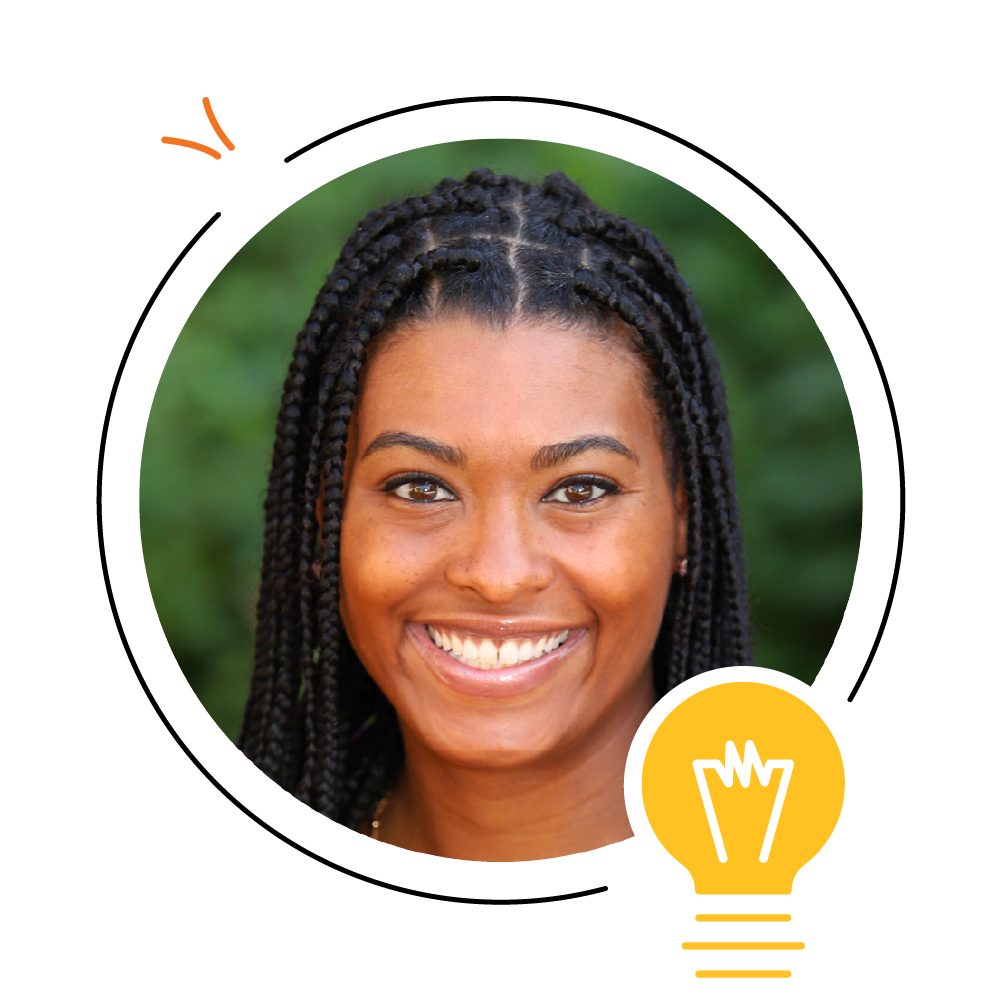
Mujer sonriente con el pelo trenzado, enmarcada en un círculo, con iconos de un corazón y una bombilla cerca de su cabeza, sobre un fondo verde.

Jasmine Rogers

Jasmine Rogers is a manager and coach with the In Schools program at the DC Reading Clinic, serving the District of Columbia Public Schools. In this role, she manages professional development on structured literacy best practices. For nine years, she was an elementary teacher serving in kindergarten and special education as well as a reading specialist. She also mentored at the DC Reading Clinic in its 2019 inaugural cohort. She holds masters degrees in sports administration, elementary education, and special education. She is currently an early literacy intervention lead at American University, pursuing her doctorate in education policy and leadership.

Meet our host, Susan Lambert

Susan Lambert is the Chief Academic Officer of Elementary Humanities at Amplify, and the host of Science of Reading: The Podcast. Her career has been focused on creating high-quality learning environments using evidence-based practices. Susan is a mom of four, a grandma of four, a world traveler, and a collector of stories.

As the host of Science of Reading: The Podcast, Susan explores the increasing body of scientific research around how reading is best taught. As a former classroom teacher, administrator, and curriculum developer, Susan is dedicated to turning theory into best practices that educators can put right to use in the classroom, and to showcasing national models of reading instruction excellence.
Susan-Lambert_Headshot

Quotes

“As a teacher, a Black woman, who speaks Black English, who knows the language, who is very well versed in structured literacy, if I overlooked this, if that caught me off guard a little bit, then that means that could potentially catch someone else off guard.”

—Jasmine Rogers

“With language comprehension, and considering in your native language, there may be a word that doesn’t necessarily match up with a language that you are learning in the classroom. So you have to then use your incredible cognitive skills that speak two completely different codes, comprehend what is happening, and then tie that back into, of course, the Rope to become a fluent reader.”

—Jasmine Rogers

“I consider Black English to be a very complex and complicated language…but I think typically in society it has been viewed very negatively. You can see in the media and in research where people have talked about it and used negative connotations. And I think those beliefs from society have seeped into the classroom.”

—Jasmine Rogers

“A strength of children that are bidialectal is the similar strength to students that are bilingual—they have an ability to take language that is different from theirs and translate it. That right there is an asset.”

—Jasmine Rogers

“The languages that we speak and bring from home also are not wrong. They’re simply different. And we’re gonna work together so that we take what we know differently and come together with a common language so that we’re communicating with one another.”

—Jasmine Rogers

“We have got to give our students access to this code so that they can become literate and run our society one day.”
—Jasmine Rogers

Season 8, Episode 6

Showing up as your full self, with Dr. Jasmine Rogers

Returning guest and recent doctoral degree recipient Jasmine Rogers, Ed.D., rejoins the podcast to discuss findings from her research on Black language and teacher perceptions of Black language. Rogers shares strategies for how educators can better serve students by allowing them to be more themselves in the classroom. She also shares some specific teacher approaches she’s observed that listeners can apply in their own classrooms. Lastly, Rogers inspires listeners with emotional stories—including her own—about educators learning and growing, and posits that starting with introspection can often have the greatest impact on the classroom.

Meet Our Guest(s):

Dr. Jasmine Rogers

Dr. Jasmine Rogers

Jasmine Rogers, Ed.D., is a manager and coach with the InSchools program at the DC Reading Clinic, serving the District of Columbia Public Schools. In this role, she manages professional development on structured literacy best practices. For nine years, she was an elementary teacher serving in kindergarten and special education as well as a reading specialist. She also mentored at the DC Reading Clinic in its 2019 inaugural cohort. She holds masters degrees in sports administration, elementary education, and special education. She is currently an adjunct professor and early literacy intervention lead at American University, where she recently completed her doctorate in education policy and leadership.

Meet our host, Susan Lambert

Susan Lambert is the Chief Academic Officer of Elementary Humanities at Amplify, and the host of Science of Reading: The Podcast. Her career has been focused on creating high-quality learning environments using evidence-based practices. Lambert is a mom of four, a grandma of four, a world traveler, and a collector of stories.

As the host of Science of Reading: The Podcast, Lambert explores the increasing body of scientific research around how reading is best taught. As a former classroom teacher, administrator, and curriculum developer, Lambert is dedicated to turning theory into best practices that educators can put right to use in the classroom, and to showcasing national models of reading instruction excellence.

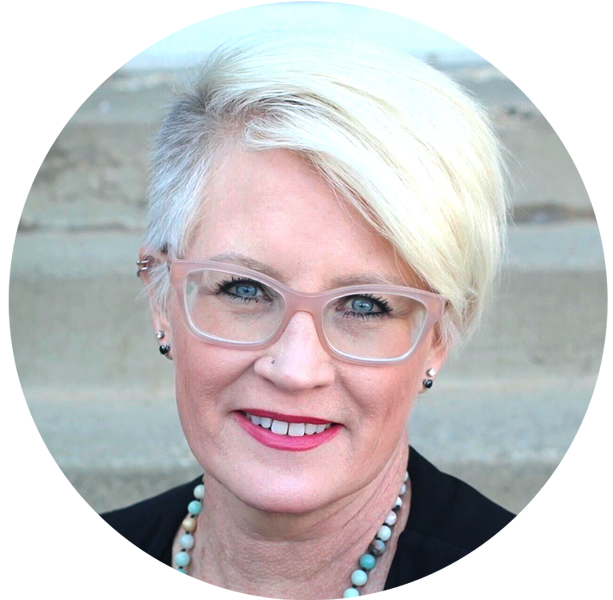
Retrato de una mujer caucásica sonriente con cabello rubio corto, involucrada en un podcast sobre la ciencia de la lectura, con gafas, lápiz labial rojo y un collar de perlas.

Quotes

“The history of our country, the history of who we are as individuals in our families, absolutely impacts who we are as teachers and how we show up in the classroom.”

—Jasmine Rogers

“I'm just thinking of all these beautiful teachers and trying not to cry. They are showing up fully as who they are for their students … by being themselves they end up creating an environment that just makes it a great place to learn and a place where students feel loved and a place where students can be themselves.”

—Jasmine Rogers

“You address people as human beings because they're human and that's the right thing to do. And if you engage and see your kids as humans, then it's really helpful to get them engaged.”

—Jasmine Rogers

“If I was able to make a change, you 110 percent can make a change. And a lot of that is just being open to feedback, being curious, and ensuring that whatever you are doing, you are not causing harm to students.”

—Jasmine Rogers

Season 9, Special Episode

Lessons from the 2024 National Teacher of the Year

This week, we’re highlighting an episode of Beyond My Years, our sibling podcast that gives you exclusive access to all the wisdom of veteran educators. Beyond My Years host Ana Torres learns from the best as she sits down with 2024 National Teacher of the Year Missy Testerman. Missy teaches Ana about being open to new ideas and perspectives, offers tips on building relationships with families, and discusses the importance of slowing down. Missy doesn’t shy away from tough topics, like managing the “who knows best” struggles among administrators, teachers, and parents, and knowing when it’s time to step away from teaching, In addition, Classroom Insider Eric Cross and Ana discuss understanding your community, being more flexible in presenting your lessons, and seeking mentorship and continuous growth.

Meet Our Guest(s):

Missy Testerman

Missy Testerman

2024 National Teacher of the Year Missy Testerman is a kindergarten through eighth grade English as a Second Language (ESL) teacher who is a staunch advocate for students, teachers, and families. Missy prioritizes instruction that ensures her students have the skills and knowledge necessary to achieve. She served as a first and second grade teacher at Rogersville City School in Rogersville, Tennessee, for three decades before taking advantage of the state’s Grow Your Own initiative and adding an ESL endorsement three years ago.

During her year of service as National Teacher of the Year, she’s empowered teachers to advocate for students and fellow educators by using their voices and sharing their experiences with those outside the classroom.

Meet our host, Susan Lambert

Susan Lambert is the Chief Academic Officer of Elementary Humanities at Amplify, and the host of Science of Reading: The Podcast. Throughout her career, she has focused on creating high-quality learning environments using evidence-based practices. Lambert is a mom of four, a grandma of four, a world traveler, and a collector of stories.

As the host of Science of Reading: The Podcast, Lambert explores the increasing body of scientific research around how reading is best taught. As a former classroom teacher, administrator, and curriculum developer, Lambert is dedicated to turning theory into best practices that educators can put right to use in the classroom, and to showcasing national models of reading instruction excellence.

Portrait of a woman with short blonde hair, wearing glasses, a black top, and a necklace. She is smiling and facing the camera.

Quotes

“Find a mentor. Someone you trust. Listen to that person, watch that person, ask that person questions. You know, you don't have to figure this out on your own. People want to help you and you have to take that help. It's not a sign of weakness. It's a sign that you want to be better.”

—Missy Testerman

“I want them to be proud of where they came from, always, because that's part of their story. It's always going to be an important part of their story.”

—Missy Testerman

“I have no magic answers. I have some experiences and I have a little bit of wisdom from three decades of time spent in the education field, but I absolutely do not have it all figured out.”

—Missy Testerman

“The reality is that the journey toward wisdom in any career, especially in education, has to be slow and steady.”

—Missy Testerman

“We have to help guide our younger cohorts with our wisdom. But we also have to take pointers from them. They know lots of things that I do not know, things that I never learned how to do. They also were students more recently than I was … they remember what it feels like when this or that happens to you.”

—Missy Testerman

Season 10, Episode 14

Your comprehension questions answered, with Nathaniel Swain, Ph.D.

In this episode of Science of Reading: The Podcast, returning guest Nathaniel Swain, Ph.D., joins Susan Lambert to close out the season by answering thoughtful and thought-provoking comprehension questions submitted by listeners. Nathaniel and Susan answer questions about comprehension strategies, the relationship between comprehension and memorization, and how to shift the mindset among your teaching colleagues to help them understand comprehension.

Second Mockup Episode 14: Your comprehension questions answered, with Nathaniel Swain, Ph.D.

To view this protected page, enter the password below:


Season 10, Episode 14

Your comprehension questions answered, with Nathaniel Swain, Ph.D.

In this episode of Science of Reading: The Podcast, returning guest Nathaniel Swain, Ph.D., joins Susan Lambert to close out the season by answering thoughtful and thought-provoking comprehension questions submitted by listeners. Nathaniel and Susan answer questions about comprehension strategies, the relationship between comprehension and memorization, and how to shift the mindset among your teaching colleagues to help them understand comprehension.

Mockup Episode 14: Your comprehension questions answered, with Nathaniel Swain, Ph.D.

To view this protected page, enter the password below:


Season 1, Episode 6

Teaching is advocacy, starring Missy Testerman

Today on Beyond My Years, host Ana Torres learns from the best, sitting down with 2024’s National Teacher of the Year, Missy Testerman. Missy talks about always being open to new ideas and perspectives, offers tips on building relationships with families, and discusses the importance of slowing down. She also shares the story of being the “bossy” kid in the classroom, because she wanted to help her classmates learn. Today, she feels that being a dedicated teacher means advocating for her students, because she believes that showing up means creating a vital safe place. Missy does not shy away from tough topics, such as knowing when it’s time to step away from teaching, and managing the “who knows best” struggle between administrators and teachers, parents and teachers, etc. Taking all those lessons back to the classroom, Ana and her Classroom Insider Eric Cross discuss understanding your community, being more flexible and present in your lessons, and seeking mentorship and continuous growth.

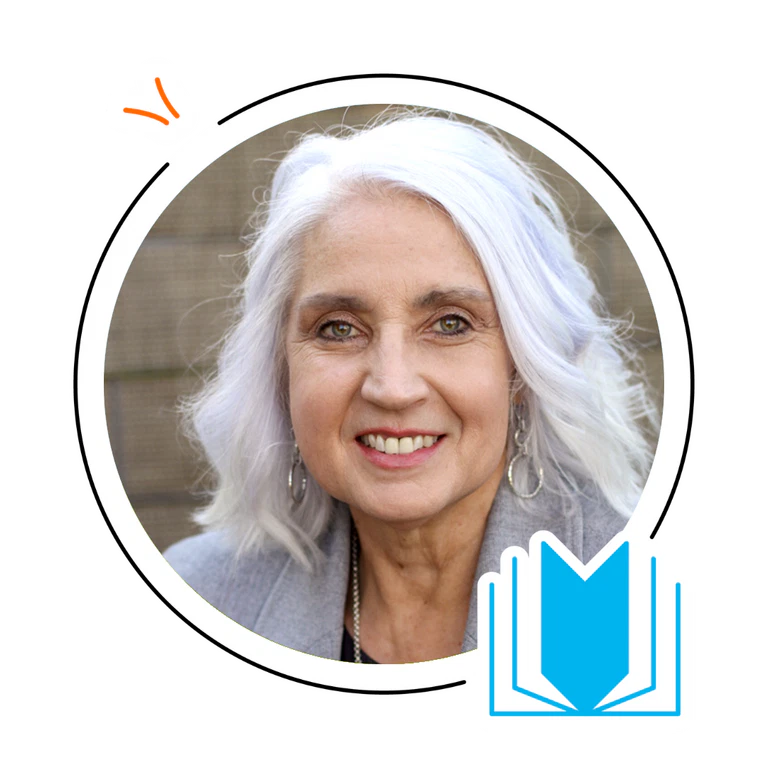
A person with gray hair smiles at the camera, embodying teacher advocacy. The background showcases a pattern of books, pencils, and light bulbs.

Meet Our Guest(s):

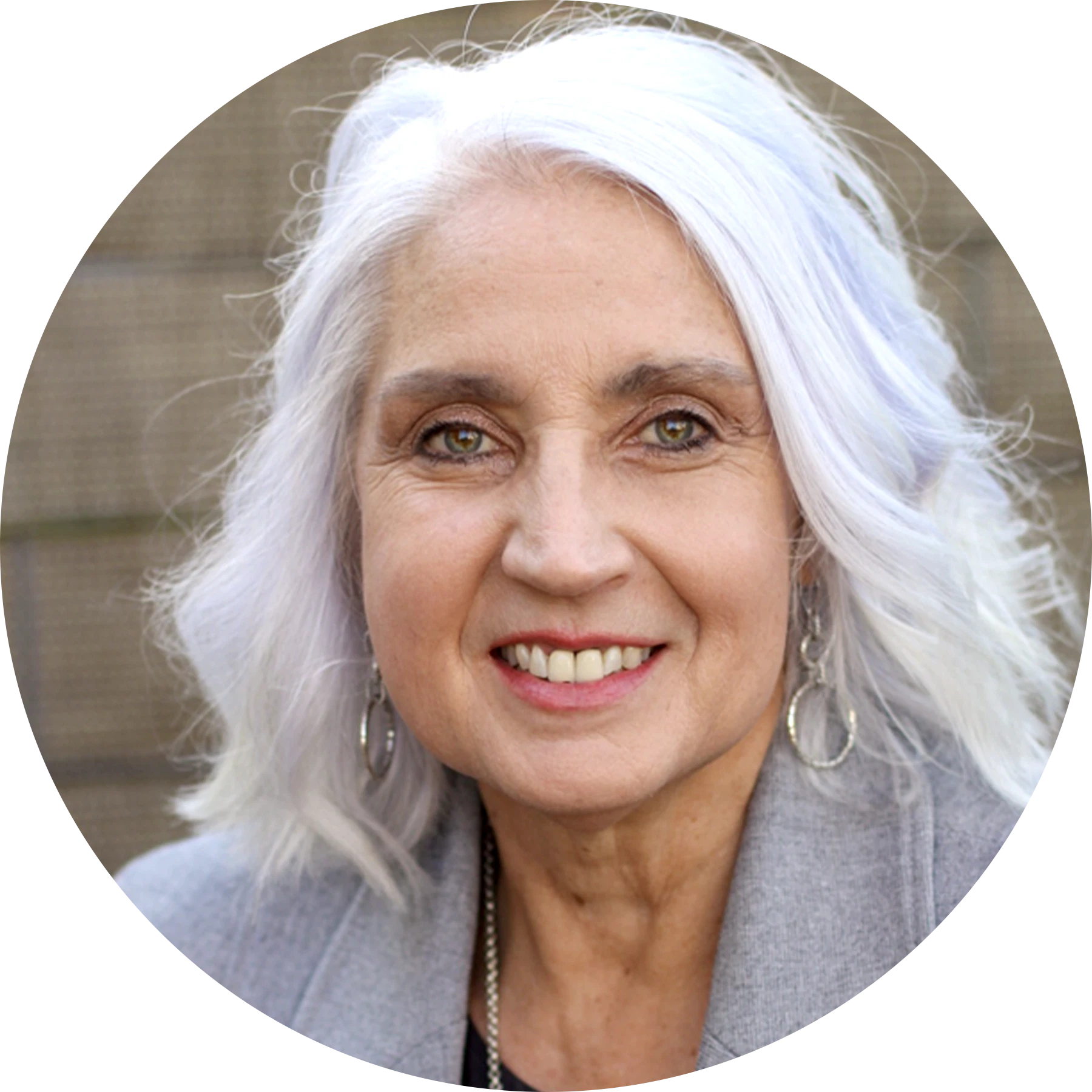
Una mujer mayor de cabello gris sonríe a la cámara, vistiendo un abrigo gris y pendientes de plata.

Missy Testerman

2024 National Teacher of the Year Missy Testerman is a kindergarten through eighth grade English as a second language (ESL) teacher who is a staunch advocate for students, teachers, and families. Missy prioritizes instruction that ensures her students have the skills and knowledge necessary to achieve. She served as a first and second grade teacher at Rogersville City School in Rogersville, Tennessee, for three decades before taking advantage of the state’s Grow Your Own initiative and adding an ESL endorsement three years ago.

She plans to use her year of service as National Teacher of the Year to empower teachers to advocate for students and fellow educators by using their voices and sharing their experiences with those outside the classroom.

Meet our host, Ana Torres.

Ana has been an educator for 30 years, working in both the K–8 and higher education sectors. She served as an administrator and instructor at various public and private colleges and universities and as a bilingual and dual language teacher, dual language math and reading interventionist, dual language instructional coach, assistant principal, and principal in K–8 schools. Ana is currently the Senior Biliteracy and Multilingual Product Specialist on Amplify’s product specialist team, and delivers literacy and biliteracy presentations across the nation. Ana’s passion and advocacy for biliteracy and multiculturalism has led her to educate leaders, teachers, and parents about the positive impact of bilingualism and biliteracy in our world.

A woman with long dark hair and hoop earrings smiles at the camera while wearing a black blazer, standing outdoors—ready to discuss classroom challenges or share insights on her teacher podcast.
A man with short, closely-cropped hair and a trimmed beard smiles at the camera against a light gray background, ready to inspire diverse learners in the math classroom.

Meet our Classroom Insider, Eric Cross.

Eric Cross is a middle school science teacher who hopes to someday be a lifelong educator, like the guests on Beyond My Years! In each episode, Eric connects with host Ana Torres to discuss her guests’ best insights gleaned from their long and rewarding careers in the classroom. Then, Eric talks about bringing some of their wisdom into his current classroom and busy life.

Quotes

“Find a mentor. Someone you trust. Listen to that person, watch that person, ask that person questions. You know, you don’t have to figure this out on your own. People want to help you, and you have to take that help. It’s not a sign of weakness. It’s a sign that you want to be better.”

–Missy Testerman

“I want them to be proud of where they came from, always, because that’s part of their story. It’s always going to be an important part of their story.”

–Missy Testerman

“I had a mentor who said, ‘Sometimes you have to slow down teaching to speed up learning.’ Slowing down, allowing those spontaneous moments to happen, allowing it to interrupt your plan, and then going there and diving into that, because you got the engagement. You have these natural phenomena. You have this natural curiosity. And that’s true learning. And that’s what’s memorable.”

–Missy Testerman

“I have no magic answers. I have some experiences and I have a little bit of wisdom from three decades of time spent in the education field, but I absolutely do not have it all figured out.”

–Missy Testerman

“The reality is that the journey toward wisdom in any career, especially in education, has to be slow and steady.”

–Missy Testerman

“We have to help guide our younger cohorts with our wisdom, but we also have to take pointers from them. They know lots of things that I do not know, things that I never learned how to do. They also were students more recently than I was, little students … they remember what it feels like when this or that happens to you.”

–Missy Testerman