Beyond decoding: The power of syntax, with Nancy Chapel Eberhardt



Transcripts and additional resources:
Meet Our Guest(s):
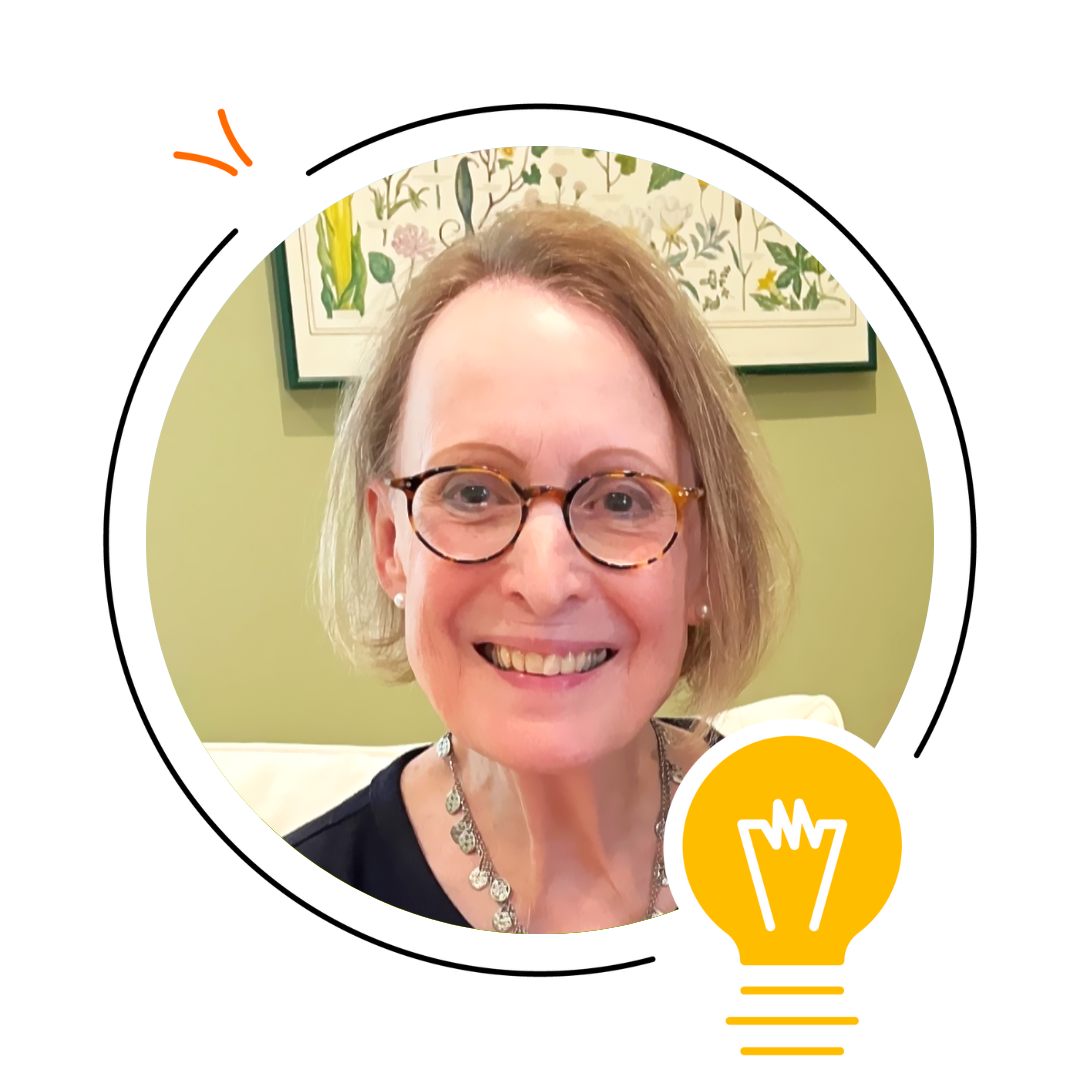
Nancy Chapel Eberhardt
Nancy Chapel Eberdardt is an educational consultant with extensive experience as a resource teacher, special education administrator, and professional development provider. In addition to co-authoring a number of popular literacy programs, she also serves as co-editor-in-chief of the International Dyslexia Association’s publication Perspectives on Language and Literacy. Nancy is a lifelong advocate for preventing reading underachievement by supporting teachers with professional development and evidence-based resources.
Meet our host, Susan Lambert
Susan Lambert is chief academic officer of Literacy at Amplify and host of Science of Reading: The Podcast. Throughout her career, she has focused on creating high-quality learning environments using evidence-based practices. Lambert is a mom of four, a grandma of four, a world traveler, and a collector of stories.
As the host of Science of Reading: The Podcast, Lambert explores the increasing body of scientific research around how reading is best taught. A former classroom teacher, administrator, and curriculum developer, she’s dedicated to turning theory into best practices that educators can put right to use in the classroom, and to showcasing national models of reading instruction excellence.

Quotes
“Syntax is somewhere between the individual words and the meaning of the text. It’s the processing piece that’s going on there.”
“One of the biggest ways that syntactic knowledge can help us with our reading comprehension is through this parsing of the language, which is basically helping us with prosody. And we know that prosody will help us with our fluency with reading.”
“I would encourage teachers to start teaching this by thinking about the most essential building block. ‘I need to build a sentence. I need two parts. I need a who or what, and I need a did what, or I need a noun and I need a verb.’”
“Every language has a syntax, meaning a set of rules within this language that has to do with how we develop thought units. A sentence is a thought unit. So, if we think about syntax as being sentence-level structures in our language, that's one helpful way to think about it.”
“Syntax isn't just for older kids anymore. Syntax is really something that we can start promoting, developing, encouraging, embracing from the beginning.”
“I actually think that as teachers embrace this idea of syntax, they're going to have a lot of fun with it. It's way more fun to talk about the meanings of words than to just decode them.”