Reimagining comprehension assessment, with Gina Biancarosa, Ed.D.

Transcripts and additional resources:
Meet Our Guest(s):
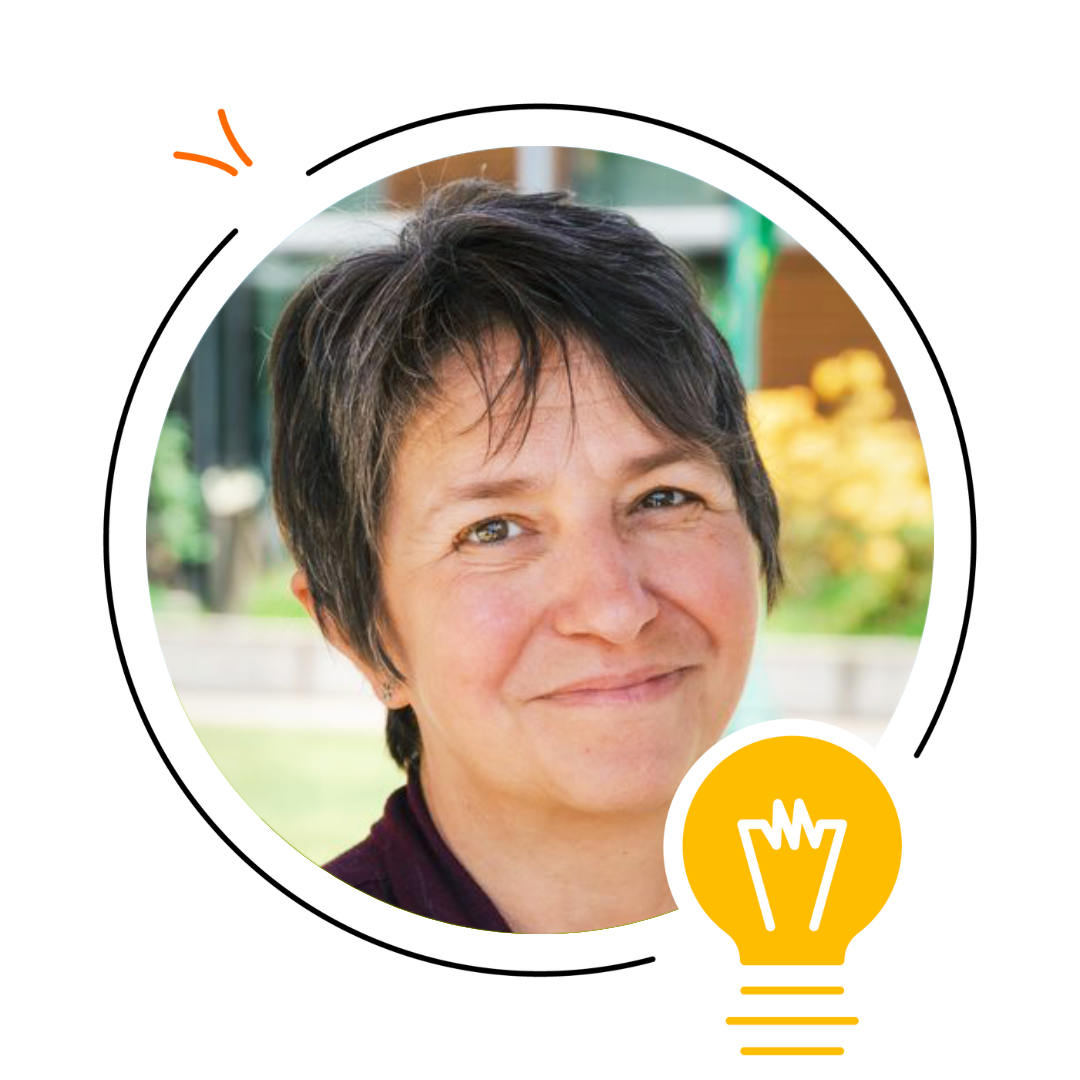
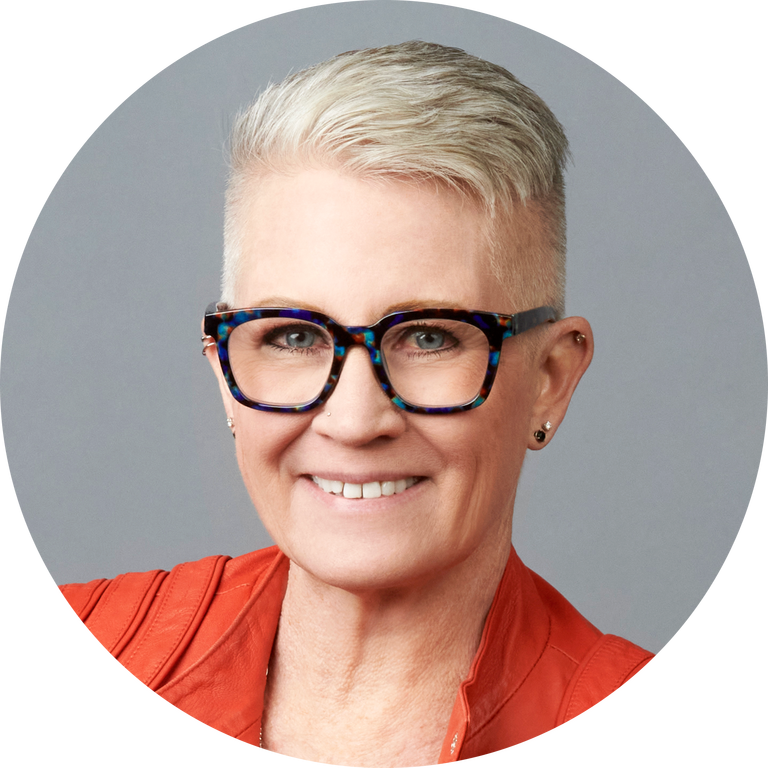
Gina Biancarosa, Ed.D.
Gina Biancarosa, Ed.D., is the Ann Swindells Chair in Education and a University of Oregon College of Education professor. Her research focuses on measuring reading comprehension and tracking reading growth over time. She is best known for creating key tools like the widely used DIBELS® 8th Edition and the MOCCA (Multiple-Choice Online Causal Comprehension Assessment) diagnostic measure. She holds a doctorate from the Harvard Graduate School of Education and completed a fellowship at Stanford University.
Meet our host, Susan Lambert
Susan Lambert is Chief Academic Officer of Literacy at Amplify and host of Science of Reading: The Podcast. Throughout her career, she has focused on creating high-quality learning environments using evidence-based practices. Lambert is a mom of four, a grandma of four, a world traveler, and a collector of stories.
As the host of Science of Reading: The Podcast, Lambert explores the increasing body of scientific research around how reading is best taught. A former classroom teacher, administrator, and curriculum developer, she’s dedicated to turning theory into best practices that educators can put right to use in the classroom, and to showcasing national models of reading instruction excellence.
Quotes
“A lot of what we know about reading comprehension comes from think-alouds, where you ask someone to tell you what they're thinking about as they read.”
“ To model reading comprehension, [try] thinking aloud in front of a classroom of students in a way that is instructive for them, and also authentic to the reading process.”
“Students are making causal inferences in their daily lives, when they watch movies and when they're hearing stories. And so what we're really trying to do is get them to generalize these behaviors that they engage in outside of the task of reading, during reading.”