Building blocks for deep comprehension, with Susan Lambert


Transcripts and additional resources:
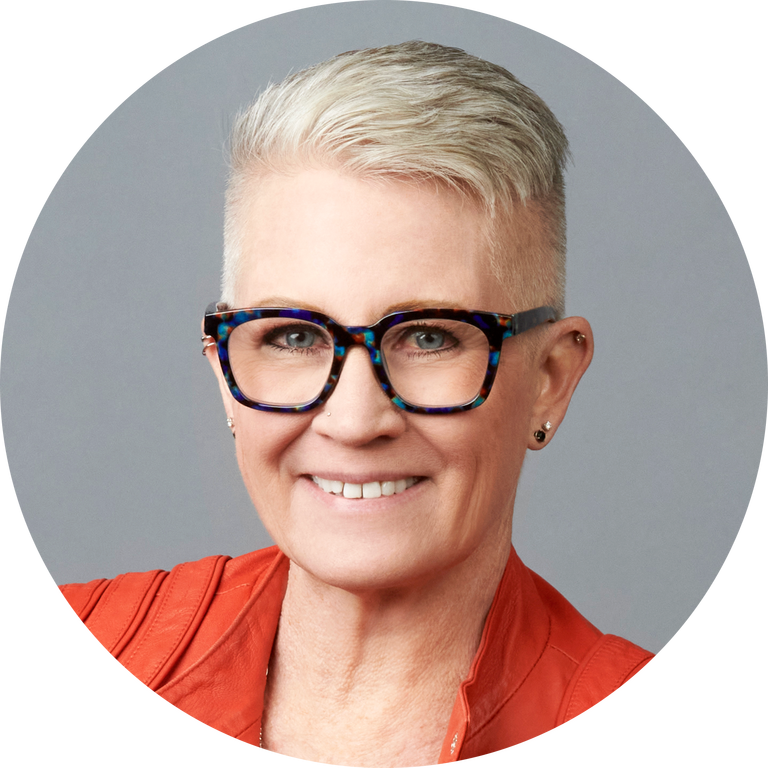
Meet our host, Susan Lambert
Susan Lambert is chief academic officer of literacy at Amplify and host of Science of Reading: The Podcast. Throughout her career, she has focused on creating high-quality learning environments using evidence-based practices. Lambert is a mom of four, a grandma of four, a world traveler, and a collector of stories.
As the host of Science of Reading: The Podcast, Lambert explores the increasing body of scientific research around how reading is best taught. A former classroom teacher, administrator, and curriculum developer, she’s dedicated to turning theory into best practices that educators can put right to use in the classroom, and to showcasing national models of reading instruction excellence.
Quotes
“Comprehension is an active process. It actually requires active engagement and effort from the reader.”
“Comprehension is an integration of knowledge and experience that requires the reader to connect new information from the text with their own knowledge and experiences.”
“Comprehension is dynamic and ongoing. It requires the reader to update and revise their understanding as new information is encountered.”
“What constitutes good comprehension is relative, and it depends on who is reading the text and why they're reading it.”
“The components of comprehension don't develop in isolation. They bootstrap and support each other throughout a reader's development.”