Filling in the gaps with inferences, with Kristen McMaster, Ph.D.



Transcripts and additional resources:
Meet Our Guest(s):

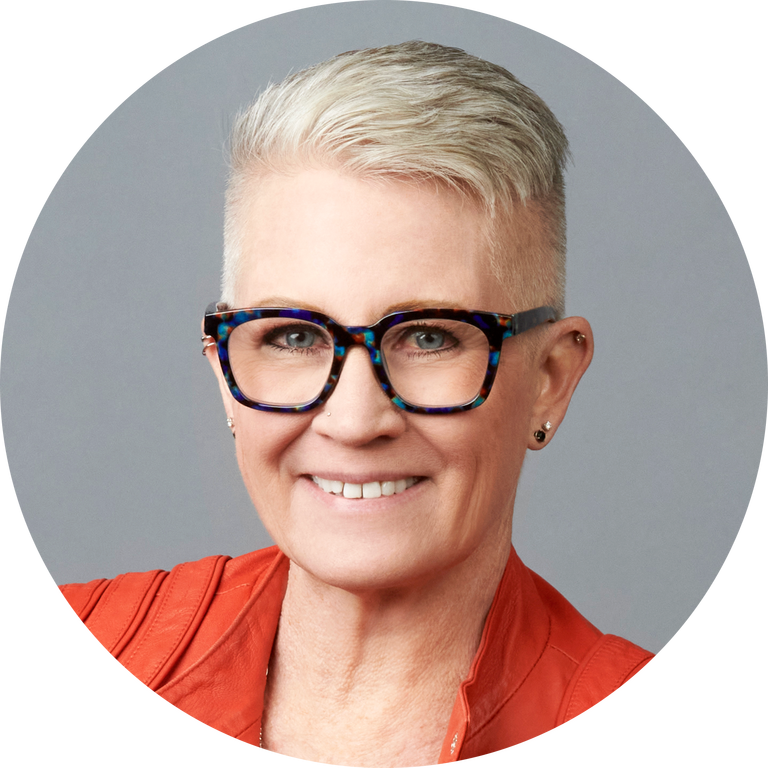
Kristen McMaster
Kristen McMaster, Ph.D., is the Guy Bond Chair in Reading and professor of special education in the Department of Educational Psychology, University of Minnesota (UMN). She was a special education teacher in Metropolitan Nashville Public Schools before earning her doctoral degree from Vanderbilt University and joining the UMN faculty in 2002. Her research focuses on developing reading and writing assessments and interventions, and supports teachers’ use of data to individualize instruction. She has extensive experience providing professional development to practitioners and consulting with researchers and policymakers in Minnesota as well as nationally and internationally.
Meet our host, Susan Lambert
Susan Lambert is chief academic officer of literacy at Amplify and host of Science of Reading: The Podcast. Throughout her career, she has focused on creating high-quality learning environments using evidence-based practices. Lambert is a mom of four, a grandma of four, a world traveler, and a collector of stories.
As the host of Science of Reading: The Podcast, Lambert explores the increasing body of scientific research around how reading is best taught. A former classroom teacher, administrator, and curriculum developer, she’s dedicated to turning theory into best practices that educators can put right to use in the classroom, and to showcasing national models of reading instruction excellence.
Quotes
“Inferencing is really central to comprehension. We wouldn't comprehend if we didn't make inferences.”
“I would just encourage teachers not to underestimate the importance of supporting even the inferences that might seem obvious to us.”
“Very broadly speaking, comprehension is how we make sense of the world around us. We're constantly taking in information. We see things; we watch things; we hear things; we read things. And as that information comes in, we are constantly integrating it with what we already know.”
“Good comprehenders are often making very automatic inferences that they don't even realize.”
“It helps to explicitly teach what an inference is in language that students will understand.”
“It can be much more helpful to ask questions during text if you want to influence that mental picture that the child is building. If you wait until after they've read the text, they've already built that representation and it may or may not be quite what you were hoping they would build.”