S2-06: Making time for science in the K–5 classroom

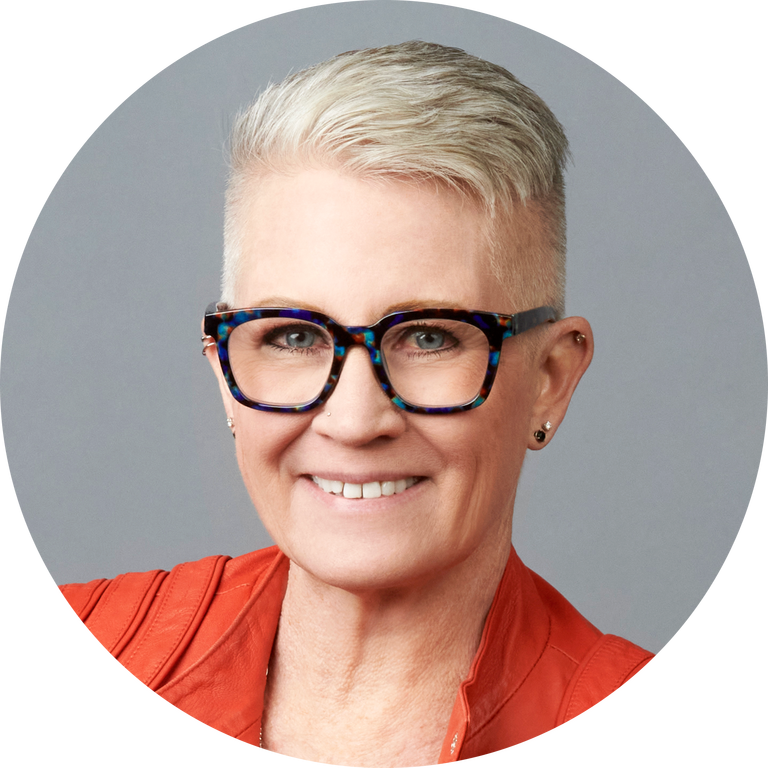
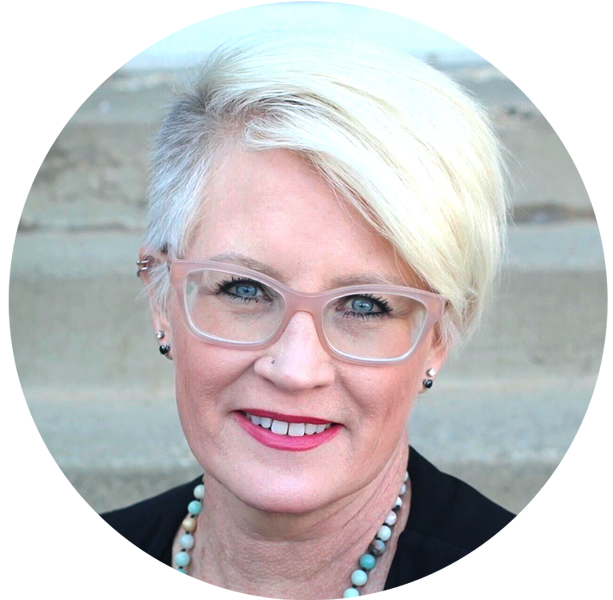
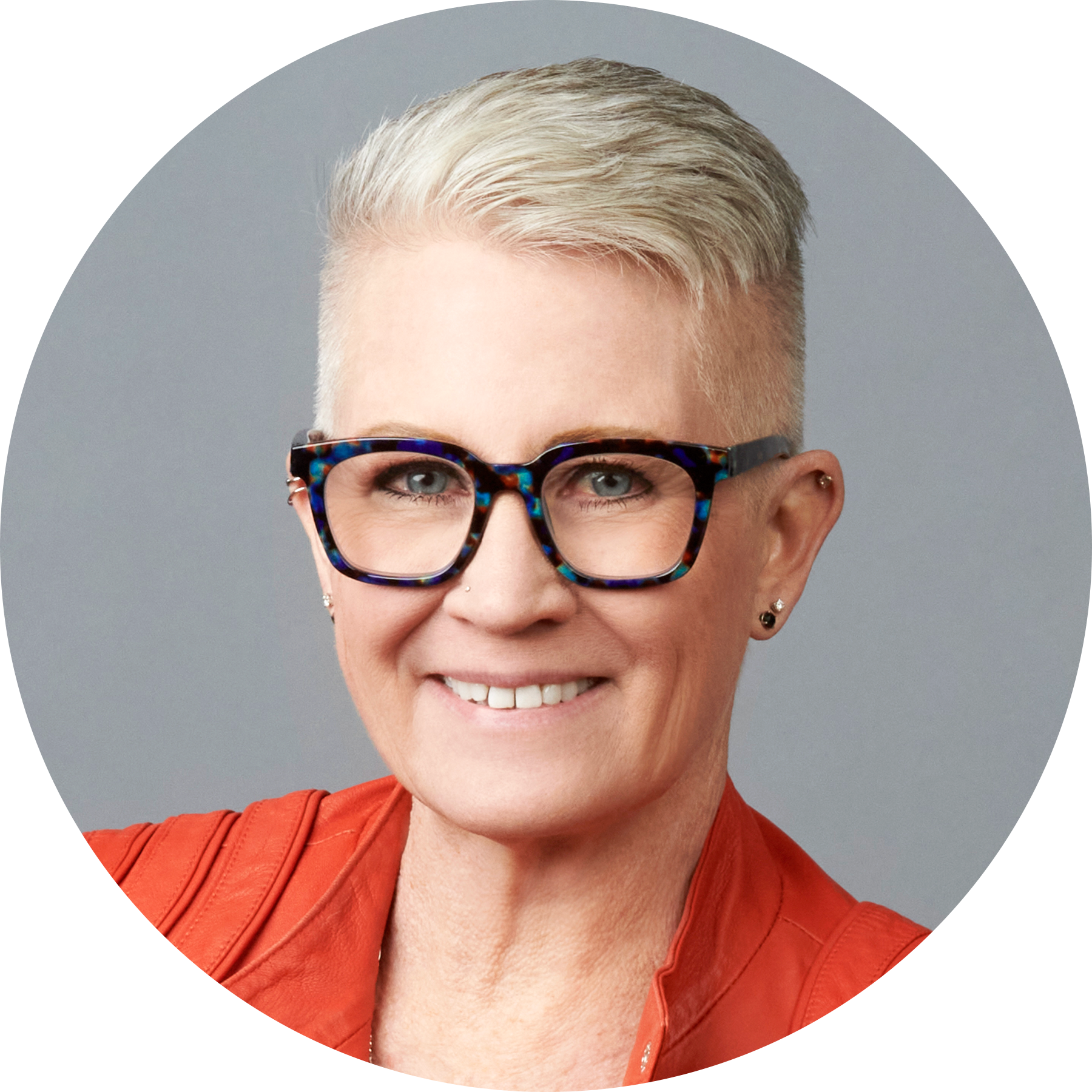
In this episode, Eric Cross sits down with TikTok star and podcast host Lauran Woolley about her experience teaching science content within her K–5 classroom. Lauran shares how she’s learned how to make time for science, and what most K–5 teachers experience when creating their own science curriculum. Lauran also talks about her rise in popularity on TikTok, her podcast, Teachers Off Duty, and establishing strong relationships with her 5th grade students. Explore more from Science Connections by visiting our main page.
Lauran Woolley (00:00):
I wanna make sure that they’re ready for the real world, and I wanna make sure that they’re able to apply these things that I’m teaching them in their life, not on a multiple choice test.
Eric Cross (00:11):
Welcome to Science Connections. I’m your host Eric Cross. My guest today is Lauren Woolley. Lauren is a full-time fifth grade teacher in Leetonia, Ohio, who has amassed a following of 5.5 million subscribers on TikTok and over 1 million followers on YouTube. She’s also co-host of the podcast, Teachers Off Duty. Lauren has combined her teaching vocation and her talent for entertaining to connect with her students and encourage teachers across the world using her own unique style of edutainment. My most vivid memory from our discussion was her sincerity and openness about her experiences. It quickly became obvious to me that her personal transparency was a characteristic that she has remained grounded in despite her social media success. And now, please enjoy my discussion with Lauren Woolley.
Eric Cross (00:53):
You’re currently teaching fifth grade?
Lauran Woolley (00:55):
Yes.
Eric Cross (00:55):
What is it like to teach all content areas? ‘Cause I’m a middle school science teacher.
Lauran Woolley (00:59):
I didn’t always teach all content areas. First I started in second grade, so I used to teach like primary. I taught that for about three years. And I only really got my 4-5 endorsement because it was told to me that it would make me more marketable as a teacher. So I got it <laugh>. I was like, I’m never gonna use that. And then, my second year teaching, my class had low numbers and they collapsed my second grade classroom, split up my students, and then moved me to fifth grade in January. I had to take over a fifth grade class with all content areas in the middle of a school year. And it was really hard. It was like probably one of the most challenging things I’ve ever had to do teaching. When I got my job at my current school, it was only language arts, social studies.
Lauran Woolley (01:46):
So we only have two fifth grade classes. My other teacher would teach math, science. I taught language arts, social studies, and then the timeframes weren’t matching up. Like, I didn’t have enough time in my schedule for all the things we had to do in our curriculum. And she had like a little bit too much time. We realized as a district that it would be better for our fifth grade classes to just be self-contained. And last year was the first year I taught all five subjects. And I liked the variety of teaching everything because when I taught just language arts, social studies, I just felt like I was repeating myself twice a day. <laugh>. It was kind of boring for me. So like, I like doing all of it. <laugh>.
Eric Cross (02:24):
Yeah. With all of your talents and like your background and what I’ve seen, I could totally see why having all the different content areas would like make sense. Are you using a set curriculum? How do you come up with what to teach? Do you do it with teams? Like who comes up with that?
Lauran Woolley (02:36):
Uh, me, myself and I.
Eric Cross (02:38):
Well done.
Lauran Woolley (02:39):
My school, for literacy we’re using literacy collaborative. Then for math, we just adopted bridges, which I love and it’s very hands-on, very like student-led. For science, we had nothing. And I am not a science, or was not a science teacher at the time when I took over. So I panicked a bit and I was like, “Hey, can we have some kind of science curriculum? ‘Cause I got nothing.” And it’s not hard to look at the state standards and figure out what you need to teach them, but having no resources to go off of is extremely difficult. And luckily I have an older brother, he’s like three years older than me and he’s also a teacher. He actually is a science teacher. ‘Cause that first year that I was teaching all subjects, I was like, “Hey Ryan, can you just like send me all of your Google Drive files for science <laugh>?
Lauran Woolley (03:33):
And he’s like, “Yeah, sure.” So he kind of was like a mentor for like the first year that I taught science. And this year being my second full year teaching science, I feel much more confident. I’m still using his resources. We don’t have a dedicated curriculum at my school. So that’s like one thing I’ve been fighting my school on. And not that they don’t wanna get us one, but like they were focused on getting the math curriculum last year. And then I was told, okay, this year will be science because in my state, fifth grade is a tested area for science and we have no curriculum.
Eric Cross (04:04):
Ryan, keep doing what you’re doing big bro. Second, thank you to every teacher who’s had a Google Drive folder full of curriculum that you graciously shared to a new teacher or someone else that they could have.
Lauran Woolley (04:18):
Can we just say like, can schools, like schools, please get your teacher’s science curriculums.
Eric Cross (04:24):
No, absolutely right. And there is this way of thinking that, especially as a science teacher, it’s something that is dear to my heart, but we do want to develop these math and English skills that’s important and we need that for science. But we’ve always taught so siloed for so long, but that’s not the way that we learn and that’s not the way life works. Something that intrigued me about what you said, and I think a lot of people can relate to it, and I know I can because that was me, is you created your own content or your science content. Like you’re kind of piecing that together from what Ryan had shared with you. How do you make time for that with all of the other things that you’re doing and pressures of state testing and things like that. Like how do you weave that into your teaching?
Lauran Woolley (05:02):
So we have like things that are non-negotiable in our schedules. Like we have to have so many minutes of this, so many minutes of that, so many minutes of whatever else. Well, the first year, I was self-contained. I was like, okay, my main goal, because science is a tested area, I wanna make sure that I get in science every single day, 90% of the time I’m able to get anywhere from 30 to 45 minutes of science every day. But this year it was my goal to make sure that I was getting science done and like we were doing meaningful lessons. And last year I didn’t do this, but this year I’m doing a Christmas center for STEM. So I got it off of Teachers Pay Teachers. I’m sorry, I can’t remember who it was made by, but it’s called Jingle All the Way and it’s like building Santa’s new sleigh. And so like the kids have an activity where they have popsicle sticks, straws, a plastic cup and then like tape. And they have to build a new sleigh for Santa and see how many pennies their sleigh can hold. Like talk about a sleigh being lightweight but also strong and like what would make it strong and different things like that. So I’ve been trying to incorporate a lot more STEM activities. And then something I really like to use for experiment days, I call them lab days, is Gizmo. Have you heard of Gizmo?
Eric Cross (06:15):
Yeah. The simulations.
Lauran Woolley (06:16):
Yeah. My brother showed me that too and he was using it in his class. I mean there’s so many different ones that they have that align with the standards and they have like student lab sheets that go with them and teacher guides and stuff. I’ve just been trying to like up my game a little bit more this year, because last year I was like struggling to get all of the standards in before state testing came around because, can we agree, state testing should not be as early as it is? Our state test happens in like March and we have two months of school left. So like, we better be done with standards by February so we could review, because otherwise we’re kind of outta luck because we run outta time.
Eric Cross (06:59):
Yes. That and there’s all kinds of other things that state testing brings with it that we could spend a lot of time probably critiquing and talking about like as far as what’s ideal for kids and what’s the best way to measure and assess learning. That is one question I wanna ask you though, because I know with your work on TikTok and Instagram and YouTube, you must be connected to a pretty vast teacher network and maybe you have like, kinda like more of an inner circle of people, but you must come across so many different perspectives and get into great discussions. Is there <laugh>, is there anything that kind of stands out to you as far as if you were in charge of what we’re doing? Because that’s kind of the system that we all live in and we kind of are trying to internally change it, but it’s been that way for a long time and we just kind of have to work within it until we can make changes. But if you were to, I dunno from an elementary school perspective, change or modify the way kids are learning, what would you do if you had Monarch ability?
Lauran Woolley (07:54):
Okay, I got three main things I’m thinking in my head. Okay, first things first, we got Maslow’s hierarchy of needs. Okay. If kids are coming to school hungry, if they’re coming to school and don’t have, you know, fresh clothing to put on, if they’re coming to school and they have issues at home that they are dealing with, that they are not okay with, the learning is not happening. That’s secondary. They don’t, it doesn’t matter to them. It doesn’t matter to me because what’s most important is that child as a human being and whether or not they’re okay. If I had unlimited resources, I would love to be able to build like a little mini village inside a school and have like a clothing store that kids could grab stuff from. Or like a, you know how I know how school have like closets and food pantries, but like a real place they could get some new clothes, not like hand-me-down clothes, like a store they could go and grab some food if they needed food for their homes or whatever. We have like an onsite counselor but not like a school counselor, like a therapist-type counselor for like mental health. Having some kind of like health clinic, not just like a school nurse because, let’s be real, our school nurses see everything <laugh> and they do not get enough credit, but like to have like a little like urgent care clinic, like basically a small town <laugh> inside a school that like kids would have all of the resources that they need met. Like that would be my number one thing that I would love to do. I have taught in, you know, I’ve only taught in two different schools, but like I’ve seen a lot of things and the number one thing that keeps coming back is just like home lives and mental health and having someone to talk to.
Lauran Woolley (09:41):
And I think our kids don’t have enough of that. Second of all, would be obviously state testing. Because I mean, it’s good to see like where our kids are at. I don’t think it should be used punitively and I don’t think that it should be putting as much pressure on teachers and students the way that it is. It’s not effective that way at all. Let teachers do their jobs without us having to, like, ’cause honestly, who’s not gonna say that they’re not trying to set their students up to do the best on that test. Our evaluation depends on it. I’m gonna make sure my students are prepared for it. I’m gonna teach all the standards, but like, I shouldn’t have to be teaching so that they could do well on a test. I wanna make sure that they’re ready for the real world and I wanna make sure that they’re able to apply these things that I’m teaching them in their life, not on a multiple choice test. Third of all, <laugh>.
Eric Cross (10:33):
This, this is great. And I think a lot of teachers will listen and be like, “That’s what I’m talking about right there.” Keep going. You’re on three.
Lauran Woolley (10:40):
That would be two teachers in every classroom. Either two teachers in each room or like a teacher and a paraprofessional in each room, because there’s not even an argument that teachers are more effective when they have help.
Eric Cross (10:54):
I would even carry the math on further and say that it’s a force multiplier, like exponentially, that it’s not just, it’s not just like a one plus one equals two teachers. It’s almost like you can almost have like three or four just because of the energy and the synergy that can be created between the two. And you can push off of each other, encourage one another and both support different types of students. So I agree a hundred percent. I think that if you had two teachers that were in sync and planning together and talking about kids all of the time, you would be able to go deeper with students. You’d be able to find out those things that you talked about in Maslow’s because sometimes we don’t find out about it until a parent-teacher conference or kids left our classroom. I wish I would’ve known that. The student was without these things in the very beginning.
Lauran Woolley (11:41):
Absolutely. Mm-hmm.
Eric Cross (11:42):
So when do you start in the school and do we go on LinkedIn to sign up and apply or is it like a lottery system? Like, ’cause you know, I was gonna get a lot of attention.
Lauran Woolley (11:52):
I would love to Oprah Winfrey this and like build my own school <laugh>.
Eric Cross (11:56):
We gotta get those followers up. We gotta build up the sponsorships. We gotta get you up to a hundred million.
Lauran Woolley (12:01):
Listen, if all of my followers across all my platforms donated like $2, we could have $12 million to build a school. <laugh>.
Eric Cross (12:10):
Think about like, DonorsChoose, right? People do that. And I know there’s mixed feelings about it because we need stuff in our classroom. I’m just gonna say that. All right. So, whether I have to ask for it on a website or whatever, but people want to give directly to kids, or people who need it. And I think when there’s opportunities like that, that are visible, people are more likely to want to.
Lauran Woolley (12:29):
In reality, should other people have to fund education in classrooms? No. That’s literally what your taxes are for. A government-funded classroom versus a teacher-funded classroom are two different things. And we know that. But if teachers are asking for things or asking for donations on Amazon or on DonorsChoose, just know in your heart that that teacher has probably already shelled out a lot of their own cash to do that. It’s not that they’re, you know, asking for handouts or anything like that. They’re trying to give their students the best that they can and that’s the thought process behind it. And until we get changes in our education system or changes in legislature that will allow us to do that or will allow classroom budgets, I mean, our hands are tied. Like there’s only so much teachers can do. I’m very fortunate to teach in a district that sees the value in spending money on their teachers and students. And, like my school, like I said, they just shelled out thousands of dollars on a new math curriculum. They bought school supplies. Literally every teacher made their school supply list this year. And then the district went in and paid for every single student’s school supplies in the entire district.
Eric Cross (13:49):
Can we get a shout out to your district real quick?
Lauran Woolley (13:51):
Uh, yeah. I mean, shout out Leetonia schools like, I mean, you guys are awesome and I’ll shout that from the rooftops. I love where I teach. Like I really do think that they value our students and they care about our students and our admin is great. We got a new superintendent a couple years ago. He’s been doing a phenomenal job and I really love it and I’m glad I teach there.
Eric Cross (14:12):
When you move out of the classroom, you know, in any position of leadership, you do have the microscope or magnifying glass on you and a lot of times it’s critical. And not unjustifiably so, I mean, there’s a lot of things that can be critiqued. However, what we don’t always hear is the success stories or where it’s working for teachers and why. And we need leaders to be able to talk to each other and find, “Hey, it’s working in your district? Oh, I just heard, I just heard this district get shot out. I’m gonna go reach out to those people. Hey, what are you doing?” Because we connect with each other, but I think when you go like a level up, that kind of getting up the top of the mountain, the, the connection sometimes can become more difficult for people. There’s not a lot of, I don’t know, maybe there are, but admin influencers.
Lauran Woolley (14:54):
Oh yeah, there definitely are. And I’ve met some really incredible ones. I’m on a committee at my school, it’s called NNPS, it’s the National Network of Partnership Schools. It was started out of Ohio State University. Essentially it is a committee in the school that’s dedicated to bringing together the community and businesses and partnering with people to make our school as strong as it can be. We started last year and we did a bear breakfast, ’cause our mascot is a bear. And we had Christmas things and we had the choir caroling, and we had pancake breakfast for everybody and it was completely free. It was just really nice to see everybody come together. And it feels like the culture changes when people work together and come together for the betterment of the school and for the students. And I think what’s challenging is that so many people have such a negative experience from their schooling that they’re hesitant to get involved in their kids’ schooling. I urge any parents out there, any guardians out there that are, you know, in that mindset where you’re like, I didn’t like my teachers in school, or I had this, this, this and happened to me at school. Give it a chance to know that things have changed and things are changing.
Eric Cross (16:11):
I definitely agree with you about parent engagement and getting involved and sometimes parents, they just don’t know that they should. But wow, your voice is so powerful, especially at board meetings and things like that. Getting stakeholders involved, creating community, which it sounds like your school did a great job or your district did a great job of. The last question I wanna ask you, and it’s kind of going back to who your influencer was, is you now are in a position where your impact exceeds more than, you know. You’re planting so many seeds you’re sharing, and you’ll hear maybe a few, or I’m sure you’ll hear the things that kind of come back to you, but that’s only a fraction. But I wanted to ask you, like, as you think back on your career as an educator or when you were in school K through five or K through 12, is there anyone who stands out to you or who was maybe your influencer or teacher who made a big difference that was memorable? And if so, who was it and what was it about them or what did they do?
Lauran Woolley (17:01):
So I had a lot of teachers that I really had good relationships with and I loved school growing up. But one always stood out in particular, and that was my ninth grade English teacher and her name is Andrea Reid. She was the first person who really told me that I was talented at something and that I could succeed in something because she was the English teacher. She was also a coach of the speech and debate team at my high school. Just one day after school. She was like, “Hey, like you should come to speech tryouts.” So I went to tryouts, like I did it not thinking like I cared if I made it or didn’t, and then I made the team. And honestly, I feel like speech was the starting point of all of it. I competed in speech and debate for four years of high school and she was my coach.
Lauran Woolley (17:49):
I always have horrible nervousness with public speaking, even though I do it a lot. And she would always give me like the best hype speeches and the best confidence boosters. And I feel like speech started my love of acting and started my love of like, you know, comedy and stuff like that. And so therefore TikTok happened and I don’t think any of this would’ve happened had it not been for her and her opening that door for me and telling me, “Hey, you would be good at this. You should try it.” We’re still friends to this day, 15 years later, and she is like an older sister to me and I love it.
Eric Cross (18:26):
That’s amazing. Andrea Reed, that’s her name.
Lauran Woolley (18:28):
Andrea, yep.
Eric Cross (18:29):
Andrea. Andrea Reid. Ms. Reid, thank you, for inspiring Lauran and <laugh> because of your impact, now it’s impacting so many others and as teachers, like, we don’t even, we don’t know, but it’s so humbling to know that like the words that we say to people have that impact and power. It’s so, it’s, it’s so inspiring to me. One of the things that resonate with you so much is your transparency. Like in your depth. Like even as just listening to you talk, you normalize and humanize so many things that we experience and I’m sure that’s what a lot of the people that watch you connect with. You show your life, your family, your house, all these things that are happening. And I was just looking through the comments and there’s just so many people that are warmed. Not just your students, but like so many teachers. So thank you for doing what you’re doing and I wish you tremendous success. Thank you for your time.
Lauran Woolley (19:17):
No, thank you so much for having me. This was awesome. I just wish everybody a great school year and I hope that we all make it through winter break. <laugh>.
Eric Cross (19:27):
Thanks so much for listening to this season of Science Connections. I love learning about science educators just like you. You can nominate educators that inspire you to become a future guest on Science Connections by emailing STEM@amplify.com. That’s S T E M at amplifycom.wpengine.com. Make sure to click subscribe wherever you listen to podcasts and tune in for a brand new season of Science Connections coming soon.
Stay connected!
Join our community and get new episodes every other Wednesday!
We’ll also share new and exciting free resources for your classroom every month!


Meet the guest
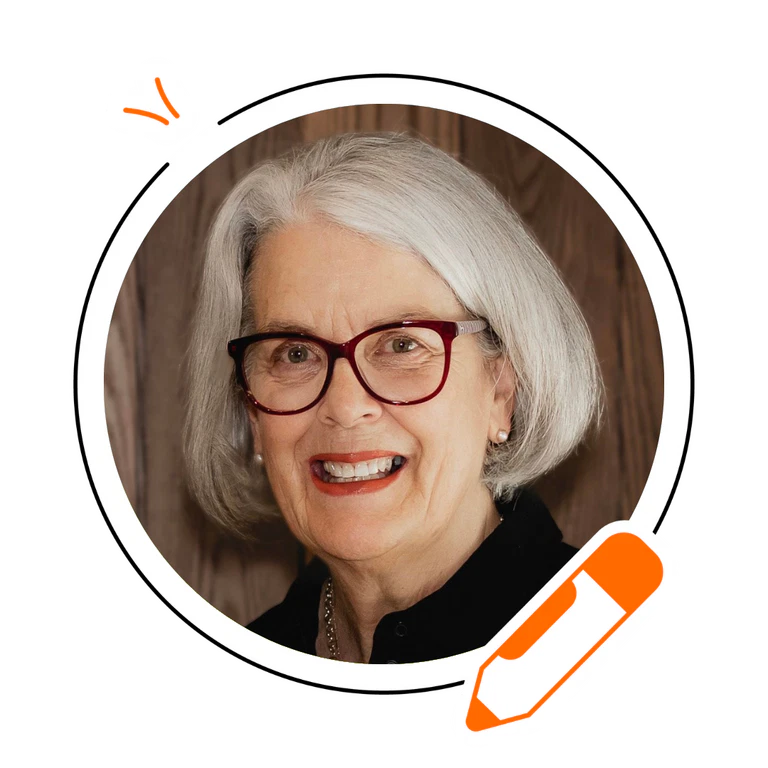
Lauran Woolley is a fifth grade teacher in Northeast Ohio. She has loved being able to combine her love of education and entertainment into one career. Her goal is not only to humanize educators to both families and students, but to create a safe space for her students on the internet. She has had the privilege of collaborating with educators around the world to shed a light on this amazing career. You can listen and watch the Teachers Off Duty podcast here!

About Science Connections
Welcome to Science Connections! Science is changing before our eyes, now more than ever. So…how do we help kids figure that out? We will bring on educators, scientists, and more to discuss the importance of high-quality science instruction. In this episode, hear from our host Eric Cross about his work engaging students as a K-8 science teacher.