Literacy Essentials, Episode 3

Science of Reading Essentials: Dyslexia

In this special dyslexia-focused Essentials episode of Science of Reading: The Podcast, Susan Lambert pulls from past episodes to summarize everything you need to know about dyslexia, from experts Emily Lutrick, Ed.D.; Nadine Gaab, Ph.D.; Tim Odegard, Ph.D.; Sally Shaywitz, M.D.; and Francisco Usero-González, Ph.D. You'll also hear first-hand accounts from young people about their personal experiences with dyslexia, reading, and the education system. Even if you have little prior knowledge of dyslexia, you’ll walk away from this episode with a foundational understanding of the condition, including what it is, what causes it, how to identify it, the importance of early screening, how it is a continuum, methods for intervention, and more.

Meet Our Guest(s):

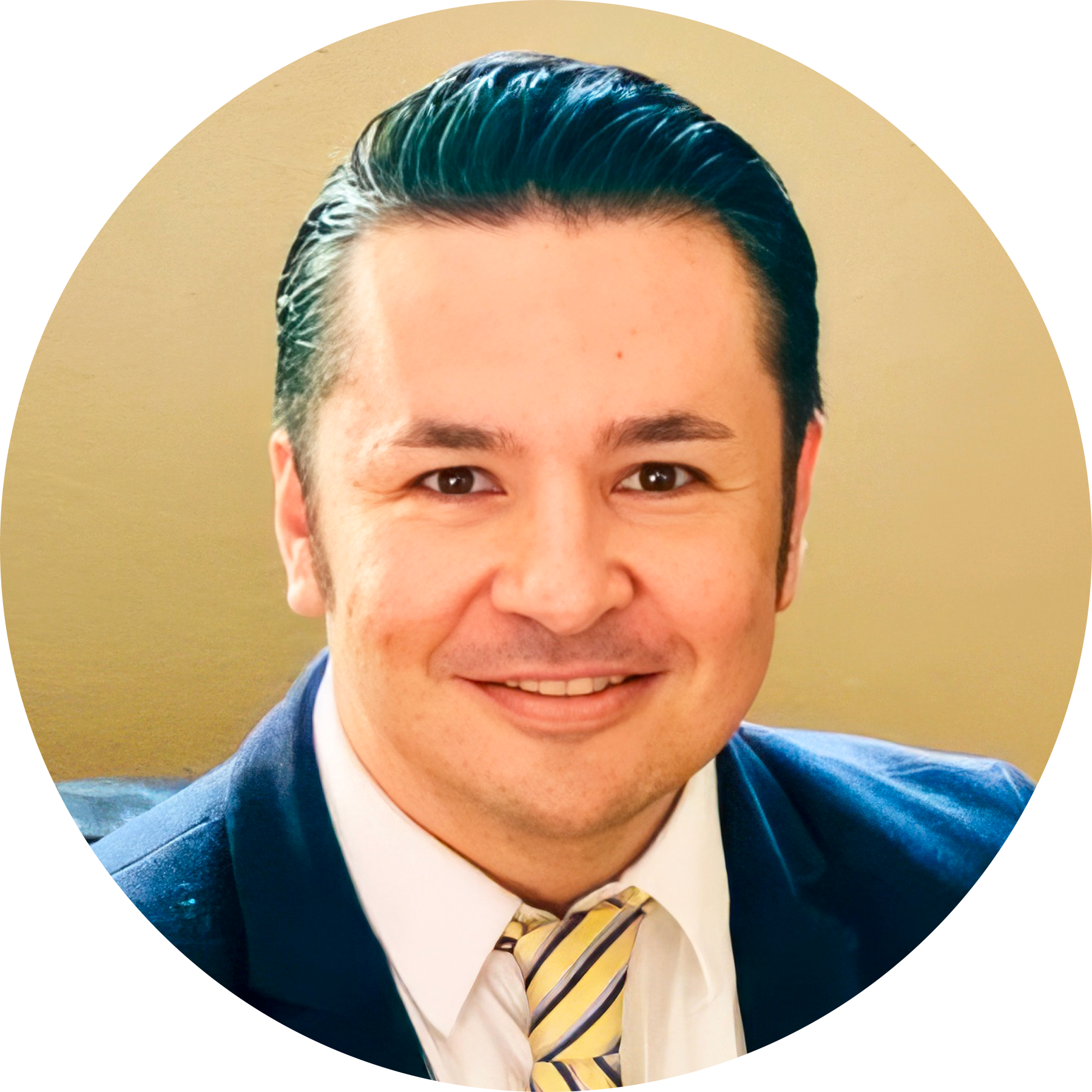
Francisco Usero-González, Ph.D.

Francisco Usero-González, Ph.D.

Francisco Usero-González, Ph.D., is a multilingual and education consultant specializing in culturally and linguistically responsive approaches for Hispanic bilingual students. Through his scientific training and teaching experience—nationally and internationally—he has increased his knowledge of biliteracy program design and implementation, participated in national and international educational conferences, and published several papers in international educational journals.

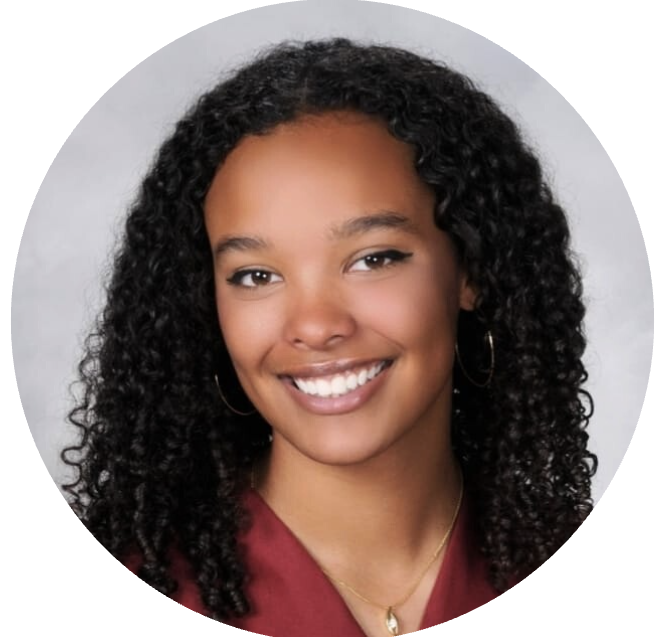
Margaret “Margo” Malaika Weaver

Margaret “Margo” Malaika Weaver

Margo Weaver had unplugged from school and retreated into the corners of her environment until her diagnosis of dyslexia helped her make sense of things. She went from being on academic probation to regularly landing on the Honor Roll and Dean’s List. She became a two-time California All-State Softball player and now plays for Bowie State University in Maryland, where she studies Digital Art Animation.

Elijah Valencia

Elijah Valencia

Elijah Valencia’s story is a testament to the power of perseverance and an indictment of systems intended to help young people prepare for society. Without the ability to read well, Elijah was unable to keep his life on track. While incarcerated, he was diagnosed with dyslexia and given the support needed to develop his reading skills. Upon release, he earned an associate’s degree and has become a youth counselor and hotel manager.

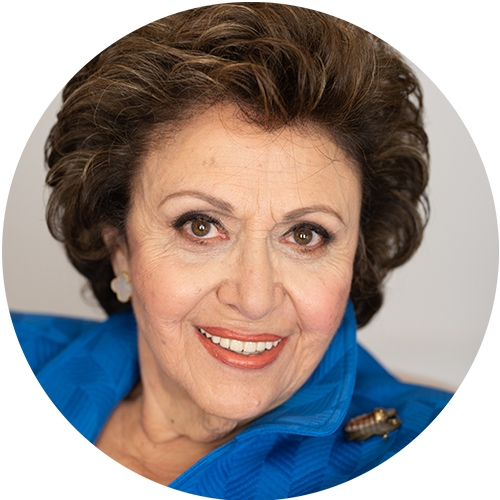
Sally Shaywitz, M.D.

Sally Shaywitz, M.D.

Sally E. Shaywitz, M.D., is Audrey G. Ratner Professor in Learning Development at Yale University and co-director and co-founder of the Yale Center for Dyslexia & Creativity. A leading expert on dyslexia, she has authored over 350 scientific papers, delivered a Congressional keynote, and was elected to the National Academy of Medicine.

A man with short blond hair and blue eyes wearing a suit and white shirt, seen in a close-up portrait with a neutral gray background.

Tim Odegard, Ph.D.

Tim Odegard, Ph.D., holds the Katherine Davis Murfree Chair of Excellence in Dyslexic Studies at Middle Tennessee State University. He leads the efforts of the Tennessee Center for the Study and Treatment of Dyslexia, serves as editor-in-chief of Annals of Dyslexia and consulting editor of the Journal of Learning Disabilities, and is a former editor at large for Perspectives on Language and Literacy. He is also a reading therapist, having completed a two-year dyslexia specialist training program at Texas Scottish Rite Hospital for Children in Dallas.

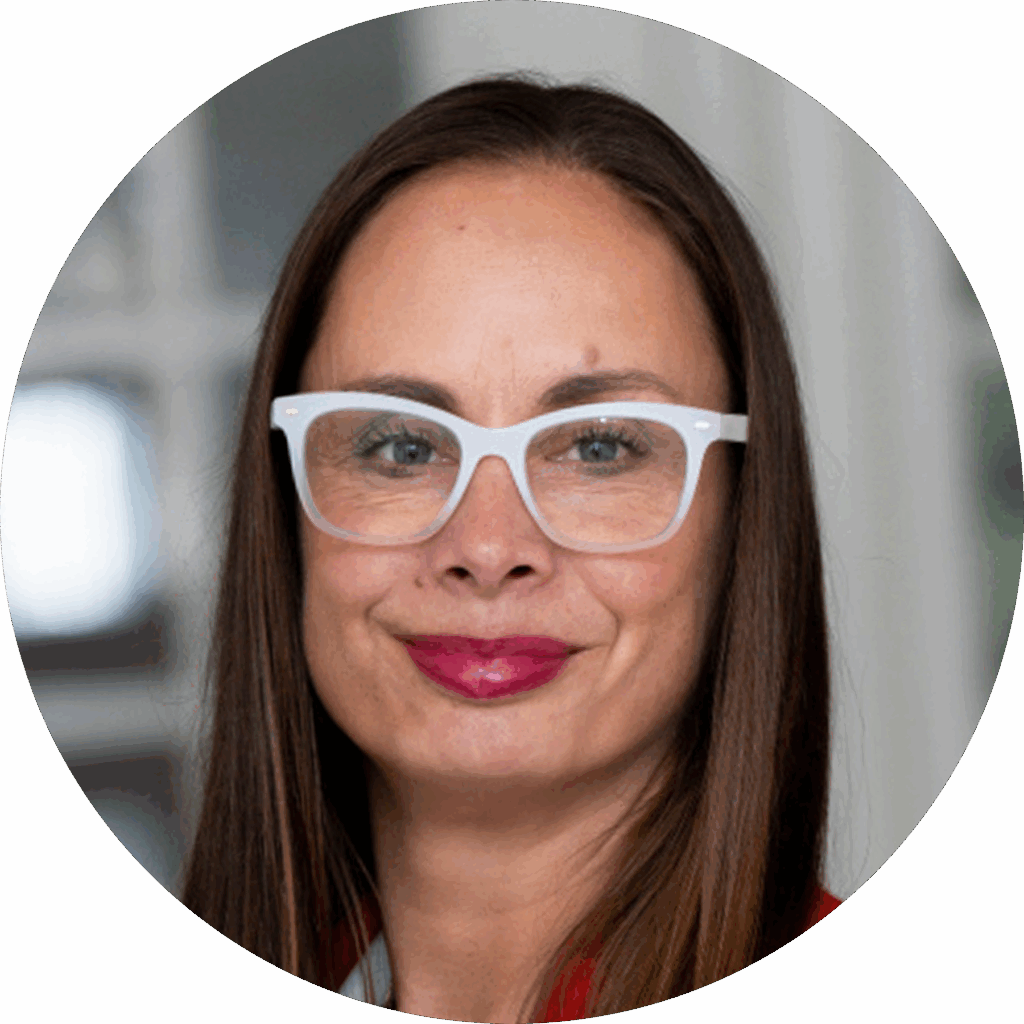
Nadine Gaab, Ph.D.

Nadine Gaab, Ph.D., studies typical and atypical learning trajectories from infancy to adolescence, with a special emphasis on language, reading, and literacy development, and the role of the environment in shaping these trajectories. Her work is at the intersection of developmental psychology, learning sciences, neuroscience, educational technology, and educational policy within a learning disability framework. She’s interested in multifactorial frameworks of learning differences with an emphasis on early identification, and “preventative education.” One key aspect is the translation of research findings to address contemporary challenges in educational practice and policy.

A woman with long brown hair, wearing white-framed glasses and a red top, is smiling at the camera against a blurred indoor background.
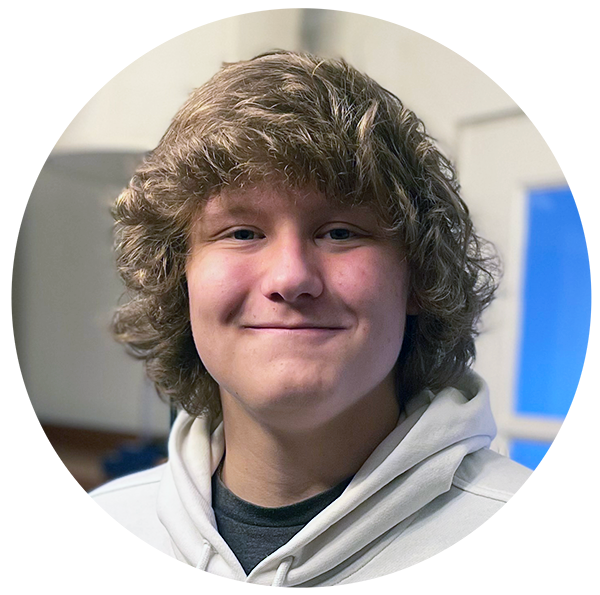
A young person with wavy, light brown hair and a white hoodie smiles at the camera indoors.

Hadyn Fleming

Hadyn Fleming is a student featured on Science of Reading: The Podcast who openly shares his experiences growing up with dyslexia. In his episode, he discusses his journey to becoming a confident reader and debunks common dyslexia myths. His story offers valuable insight into the profound impact educators can have on a student’s success and self-belief.

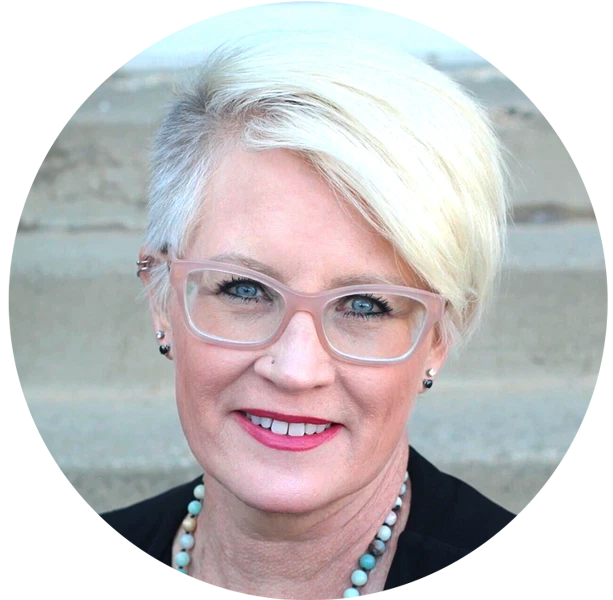
Meet our host, Susan Lambert

Susan Lambert is Chief Academic Officer of Literacy at Amplify and host of Science of Reading: The Podcast. Throughout her career, she has focused on creating high-quality learning environments using evidence-based practices. Lambert is a mom of four, a grandma of four, a world traveler, and a collector of stories.

As the host of Science of Reading: The Podcast, Lambert explores the increasing body of scientific research around how reading is best taught. A former classroom teacher, administrator, and curriculum developer, she’s dedicated to turning theory into best practices that educators can put right to use in the classroom, and to showcasing national models of reading instruction excellence.

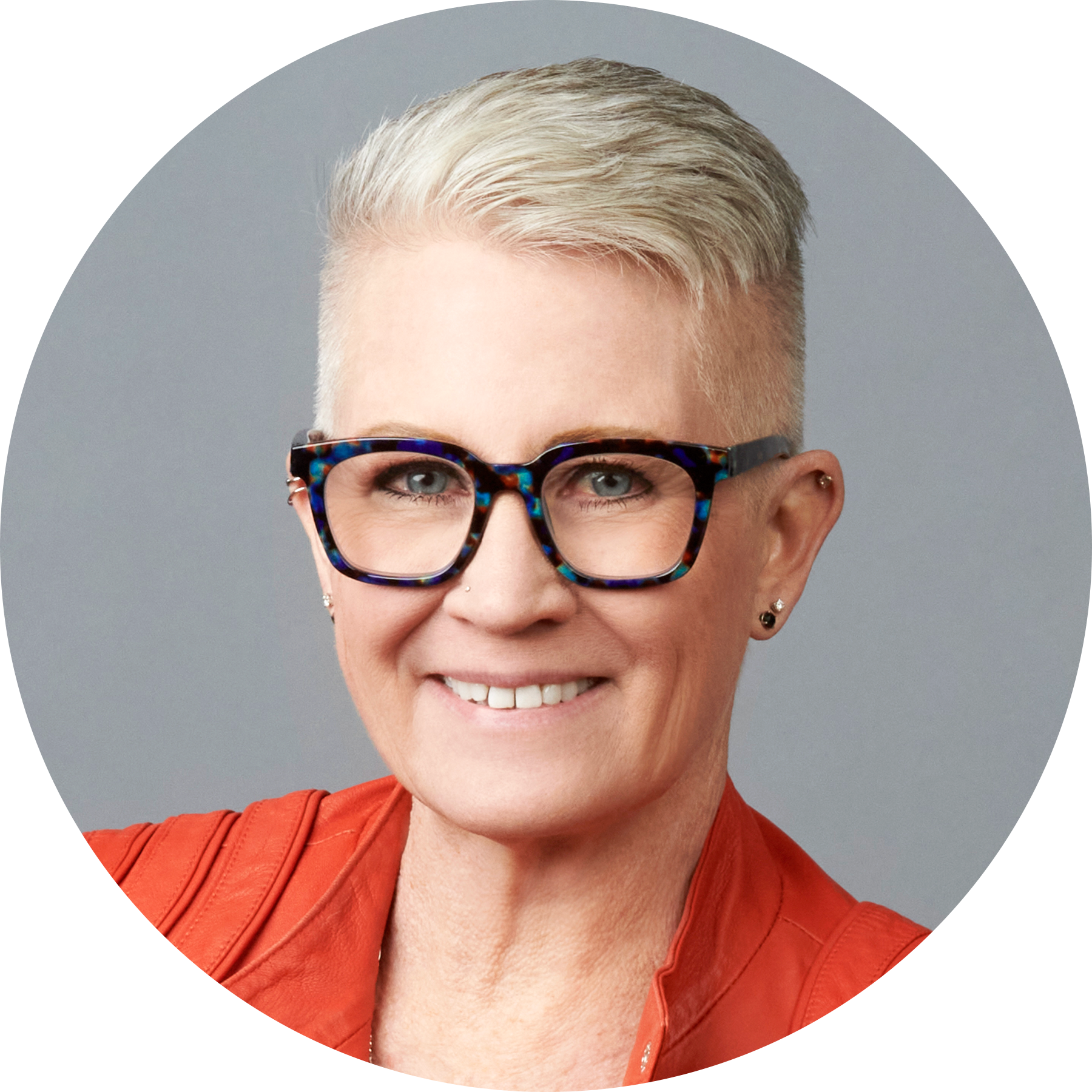
Person with short blonde hair, glasses, and earrings, wearing an orange jacket, smiling in front of a plain gray background—committed to literacy education and fostering background knowledge for all learners.

Quotes

“The knowledge has been out there for decades, and still we have so many students in classrooms who are not identified and not supported. And it's a shame, because the impact of living with dyslexia—especially when it's not identified—can be profound.”

—Susan Lambert

“What we know is prevention is always the best, and you can't prevent somebody from being dyslexic. But what you can do is you can prevent them from having compounding struggles in learning how to read.”

—Susan Lambert

“When you have something, but it doesn't have a name, it leads to anxiety. So when you know that you have something and it has a name, that makes such a difference.”

—Sally Shaywitz, M.D.

“You don't wanna just screen the whole world or your whole district and then not do anything about it. Good screening needs to be followed by a good evidence-based response to screening.”

—Nadine Gaab, Ph.D.

“In this world of intervention, we need to take responsibility for getting students the intervention that they need to have, so they're not leaving us in this next grade and the next grade and the next grade still being non-readers.”

—Susan Lambert

“That old mindset of having something or not having something, black or white, is a real hindrance to actually making sure that we have protections for all students, regardless of if they fit this ‘you have dyslexia or not.’ We have a structural and systems challenge now.”

—Tim Odegard, Ph.D.

“Kiddos start to learn to read, and just at a basic preK level of understanding, you can identify some level of risk there and intervene appropriately. You can screen early and you can intervene just as early, to help close those gaps.”

—Emily Lutrick, Ed.D.

Literacy Essentials, Episode 2

Science of Reading Essentials: Comprehension

In this special Essentials episode of Science of Reading: The Podcast, Susan Lambert digs into the archives to find reading comprehension insights from experts Hugh Catts, Ph.D.; Sharon Vaughn, Ph.D.; and Reid Smith, Ph.D. Listeners will get a foundational introduction to the complexities of reading comprehension and come away with an understanding of how to reframe comprehension as an outcome rather than a skill, choose the right texts and ask the right questions, and cultivate long-term memory and knowledge recall.

Meet Our Guest(s):

Hugh Catts

Hugh Catts

Hugh Catts, Ph.D., studies the early identification and prevention of reading disabilities. Catts is a former board member of the International Dyslexia Association and former president of the Society for the Scientific Study of Reading. He has received the Samuel T. Orton Award (the International Dyslexia Association’s highest honor) and the Honors of the Association Award from the American Speech-Language-Hearing Association for his career contributions to these disciplines. His current research concerns the early identification of reading and language difficulties and the nature and assessment of reading comprehension problems.

Sharon Vaughn

Sharon Vaughn

Sharon Vaughn, Ph.D., serves as the Manuel J. Justiz Endowed Chair in Education and the Executive Director of the Meadows Center for Preventing Educational Risk, an organized research unit that she founded with a Make-A-Wish gift the Meadows Foundation family. She’s the recipient of numerous awards, including the University of Texas Distinguished Faculty and Research Award (which she was the first woman to receive), the Council for Exceptional Children (CEC) Special Education Research Award, the American Educational Research Association’s Special and Inclusive Education Research Distinguished Researcher Award, and the Jeannette E. Fleischner Award for Outstanding Contributions in the Field of Learning Disabilities from CEC. She is the author of more than 40 books and 350 research articles, six of which have met the What Works Clearing House Criteria for their intervention reports. She has conducted technical assistance in literacy in more than 10 countries and 30 state Departments of Education and has worked as a literacy consultant on more than 50 technical assistance projects.

Reid Smith

Reid Smith

Reid Smith, Ph.D., is an elementary school teacher and curriculum leader at a school in Australia. He holds a doctorate from La Trobe University’s Science of Language and Reading Lab, where his research focused on the contribution of background knowledge to the act of reading. He is also co-CEO of Ochre Education, a not-for-profit organization committed to closing educational gaps by providing teachers with free, high-quality curriculum materials.

Meet our host: Susan Lambert

Susan Lambert is Chief Academic Officer of Literacy at Amplify and host of Science of Reading: The Podcast. Throughout her career, she has focused on creating high-quality learning environments using evidence-based practices. Lambert is a mom of four, a grandma of four, a world traveler, and a collector of stories.

As the host of Science of Reading: The Podcast, Lambert explores the increasing body of scientific research around how reading is best taught. A former classroom teacher, administrator, and curriculum developer, she’s dedicated to turning theory into best practices that educators can put right to use in the classroom, and to showcasing national models of reading instruction excellence.
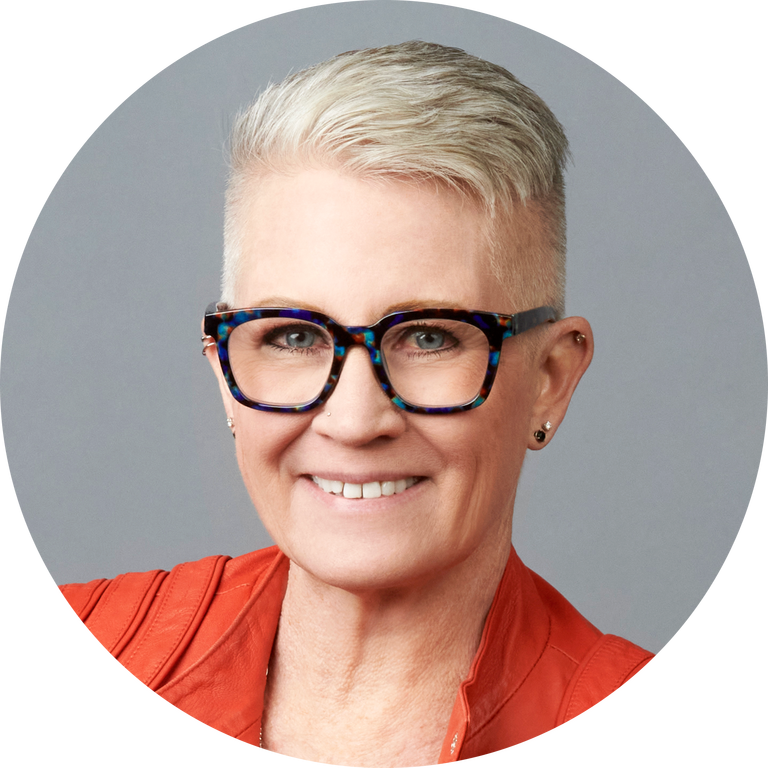
A person with short, light-colored hair, wearing dark-rimmed glasses, a red jacket, and small earrings, smiling at the camera against a neutral background.

Quotes

“ For the most part, if we're paying attention, if we can read words efficiently and know what they mean and have background knowledge, it yields comprehension.”

—Sharon Vaughn

“ Some people say that the purpose of reading is comprehension. It's not the purpose of reading. The purpose of reading is whatever you're comprehending it for.”

—Hugh Catts

 ”We often forget that an important consideration to comprehending text is actually the text itself. A rigorous, interesting, full-of-rich-information text is going to yield a different kind of interaction between the reader than something that is super easy, or a text that might be patterned, or what we might call a leveled text.”

—Susan Lambert

“[There’s] a strong literature base that tells us that one of the differences between poor readers and strong readers is their ability to notice when there are inconsistencies in the text, and have strategies that they can employ to resolve those inconsistencies.”

—Reid Smith

“This Essentials episode does not answer everything about comprehension. All we're doing here is building a foundation, understanding that comprehension isn't a skill, it's complex.”

—Susan Lambert

Literacy Essentials, Episode 1

Science of Reading Essentials: Writing

In this special Essentials episode of Science of Reading: The Podcast, Susan Lambert pulls from past episodes of the podcast to give you everything you need to know about science-based writing instruction. Experts include Steve Graham, Ed.D.; Young-Suk Grace Kim, Ed.D.; Natalie Wexler; and Judith Hochman, Ed.D. Listeners will walk away from this episode with a solid foundation for creating a classroom of confident and capable writers, and gain a better understanding of the connection between reading and writing, the role of handwriting and spelling, the power of sentences, and the importance of applying cognitive load theory to writing. Download our discussion guide to fuel a professional learning session!

Meet Our Guest(s):

Judith Hochman, Ed.D.

Judith Hochman, Ed.D.

Judith C. Hochman is the former head of The Windward School and the founder of the Windward Teacher Training Institute in White Plains, New York, as well as the former superintendent of the Greenburgh Graham Free School District in Hastings-on-Hudson, New York. She is the founder of The Writing Revolution, a not-for-profit organization which disseminates evidence-based strategies for writing instruction. Hochman is the author of Basic Writing Skills: A Manual for Teachers and co-author of The Writing Revolution: A Guide to Advancing Thinking Through Writing in All Subjects and Grades (2017, 2024).

Natalie Wexler

Natalie Wexler

Natalie Wexler is the author of Beyond the Science of Reading: Connecting Literacy Instruction to the Science of Learning. She is also the author of The Knowledge Gap: The Hidden Cause of America’s Broken Education System—and How to Fix It and the co-author, with Judith C. Hochman, of The Writing Revolution: A Guide to Advancing Thinking Through Writing in All Subjects and Grades. She has a free Substack newsletter called Minding the Gap, and she was the host of Season One of the Reading Comprehension Revisited podcast from the Knowledge Matters Campaign. More information is available at her website, www.nataliewexler.com.

Young-Suk Grace Kim, Ed.D.

Young-Suk Grace Kim, Ed.D.

Young-Suk Grace Kim, Ed.D., (Harvard University) is a professor at the School of Education, University of California at Irvine. She was a former classroom teacher in San Francisco. Her scholarship focuses on understanding language and literacy development and effective instruction for children from diverse backgrounds. Her areas of research include reading comprehension, reading fluency, listening comprehension and oral language, dyslexia, higher-order cognitive skills, written composition, and reading-writing relations. She has worked extensively with monolingual children and multilingual children from various linguistic backgrounds including English, Korean, Chinese, Spanish, and Kiswahili. Her research has been supported by over $60 million in grants from the Institute of Education Sciences, the U.S. Department of Education, the National Institute of Child Health and Human Development, and the National Science Foundation. Her work was recognized by several awards, including the 2012 Presidential Early Career Award for Scientists and Engineers (PECASE) by former President Barack Obama, the Developing Scholar Award, and the Robert M. Gagne Outstanding Student Research Award. She is an American Educational Research Association (AERA) Fellow, and serves as the editor-in-chief for Scientific Studies of Reading and the chair of the California Reading Difficulties Risk Screener Selection Panel (RDRSSP), appointed by the California State Board of Education.

Steve Graham, Ed.D.

Steve Graham, Ed.D.

Steve Graham is a Regents’ and Warner Professor at Arizona State University’s Mary Lou Fulton College for Teaching and Learning Innovation. For 47 years, he has studied how writing develops, how to teach it effectively, and how it can be used to support reading and learning. In recent years, he has been involved in the development and testing of digital tools for supporting writing and reading through a series of grants from the Institute of Educational Sciences and the Office of Special Education Programs in the U.S. Department of Education. His research involves the development of writers with special needs in both elementary and secondary schools, much of which occurs in urban schools. Graham has received many awards for his contributions to literacy and was selected to the Reading Hall of Fame in 2018. He is a fellow of the American Educational Research Association, Division 15 of the American Psychological Association, and of the International Academy for Research in Learning Disabilities.

Meet our host, Susan Lambert

Susan Lambert is chief academic officer of literacy at Amplify and host of Science of Reading: The Podcast. Throughout her career, she has focused on creating high-quality learning environments using evidence-based practices. Lambert is a mom of four, a grandma of four, a world traveler, and a collector of stories.

As the host of Science of Reading: The Podcast, Lambert explores the increasing body of scientific research around how reading is best taught. As a former classroom teacher, administrator, and curriculum developer, Lambert is dedicated to turning theory into best practices that educators can put right to use in the classroom, and to showcasing national models of reading instruction excellence.

A woman with short, light blonde hair, wearing clear glasses, a black top, and a beaded necklace, smiles at the camera in front of a blurred outdoor background.

Quotes

“The Science of Reading encapsulates decades of research about both reading and writing—because if writing was never invented, we would not have to teach kids how to read.”

—Susan Lambert

"What we see with exceptional teachers is they have their kids write."

—Steve Graham, Ed.D.

“This is not learned by osmosis. And it's not learned by vague feedback like, 'Make it better,' or 'Add more details.' You've got to be very granular.”

—Judith Hochman, Ed.D.