Showing results for nocion usa

¡El programa de Amplify ELA da la bienvenida a las familias!

Nos complace dar la bienvenida a usted y a su estudiante al programa Amplify ELA en el nuevo año escolar y brindar a su estudiante excelentes oportunidades educativas a través de nuestro programa. A continuación incluimos una serie de recursos y guías útiles para ayudar a que su estudiante aproveche al máximo nuestra plataforma a lo largo del año. For English version, please click here.
¿Qué es Amplify ELA?

El programa Amplify ELA ayuda a los estudiantes de los grados 6 a 8 a leer y entender textos complejos, animándoles a profundizar en ideas interesantes y reflexionar de forma independiente sobre su relevancia. Amplify ELA es un programa mixto que incluye materiales digitales e impresos, así como una versión únicamente impresa. Los estudiantes que usan Amplify ELA leen pasajes de texto detalladamente, interpretan lo que van descubriendo, conversan con sus compañeros acerca de sus puntos de vista y desarrollan sus ideas por escrito. La estructura de las lecciones es fácil de entender y tiene suficiente flexibilidad como para permitir una variedad de experiencias de aprendizaje que fomenten el interés de los estudiantes.

Entre las características del programa, puede encontrar:

  • Funcionalidad que permite a cada estudiante trabajar en su propio nivel, a la vez que se le estimula adecuadamente con retos de aprendizaje.
  • Herramientas integradas que permiten al maestro/la maestra saber cómo progresan los estudiantes en sus trabajos y responder oportunamente.
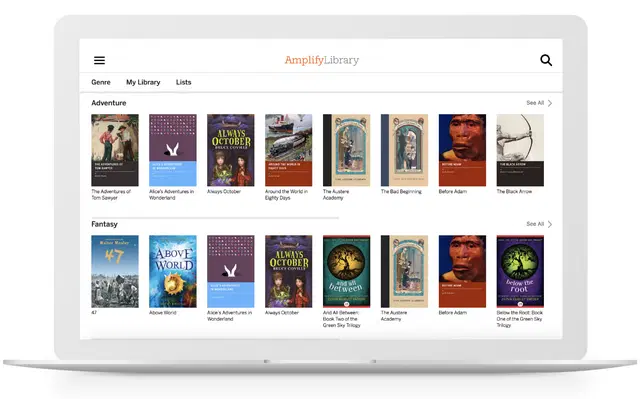
  • La Biblioteca Amplify digital, con más de 700 libros descargables de ficción y no ficción.
  • La aplicación de vocabulario, que usa actividades similares a juegos para ayudar a los estudiantes a dominar las palabras clave de los textos del programa. (Si su estudiante usa materiales impresos, verá las palabras resaltadas).
  • Tareas de escritura independiente llamadas Solos, disponibles en dispositivos móviles.
  • Proyectos interactivos conocidos como Quests que acompañan a determinadas unidades para ofrecer oportunidades de práctica adicionales en lectura, escritura, expresión oral y comprensión auditiva con un enfoque analítico.

Para comenzar

Cómo apoyar a su estudiante

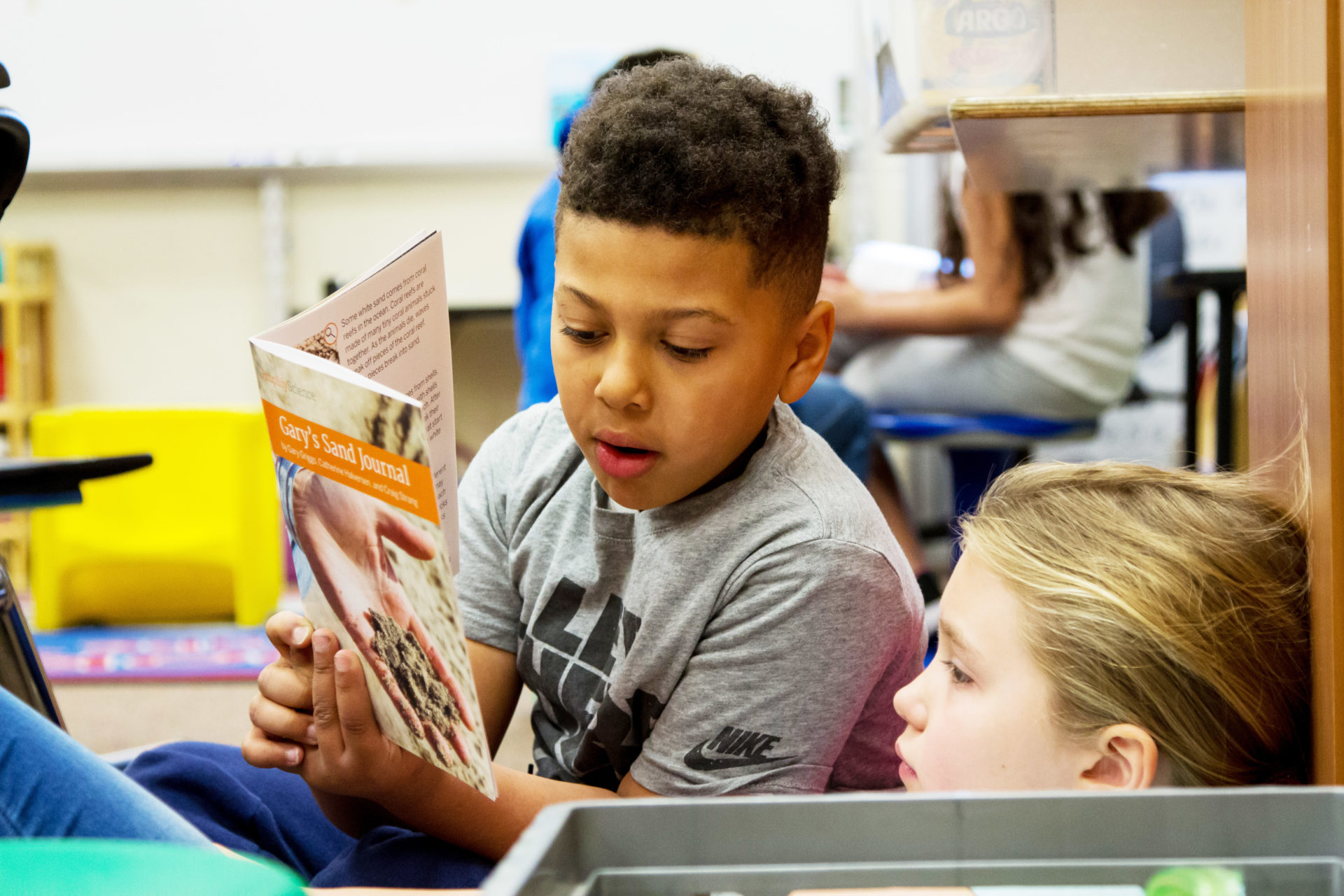
  • Si es posible, lea con su estudiante a diario. Aun 15 minutos de lectura compartida todos los días pueden producir grandes resultados. Pueden leer secciones del texto en voz alta y de forma conjunta. Es posible que, a nivel intermedio, su estudiante disfrute de representar secciones de diálogos asumiendo el papel de alguno de los personajes de una obra o dándole un estilo dramático a algún poema que hayan estado estudiando. Si su estudiante tiene dificultad para leer en voz alta, intente leerle el texto con expresividad y pídale que se lo lea a usted después. Para practicar más, hay una gama de actividades de fluidez en los Días Flex del programa. Pida a su estudiante que le ayude a encontrar estas actividades.
  • Busque oportunidades para conversar con su estudiante sobre lo que lee y descubre. Ejemplos de preguntas que usted podría plantear: ¿Qué te llamó más la atención en lo que leíste hoy? ¿Hubo alguna oración o palabra que te resultó confusa? ¿Qué fue lo que más te sorprendió? ¿Qué crees que el autor estaba tratando de comunicar? ¿Estás de acuerdo con las ideas o descripciones del autor? ¿Qué conexiones puedes hacer entre lo que estás leyendo y tu propia vida u otros temas?
  • Escuche a su estudiante leer sus respuestas escritas o pídale que las comparta con un amigo o amiga por teléfono o mediante una aplicación de videollamada.
  • Visite con su estudiante la Biblioteca Amplify para encontrar libros de su interés que pueda leer con fluidez.
  • Recomendamos que lea el artículo Proteja a los niños en internet de la Comisión Federal de Comercio sobre seguridad digital.

Descargar textos de la Biblioteca Amplify

Si no tiene acceso continuo a internet en su casa, le sugerimos que descargue los textos esenciales de la biblioteca de Amplify por adelantado. Siga estos pasos para descargar un texto:

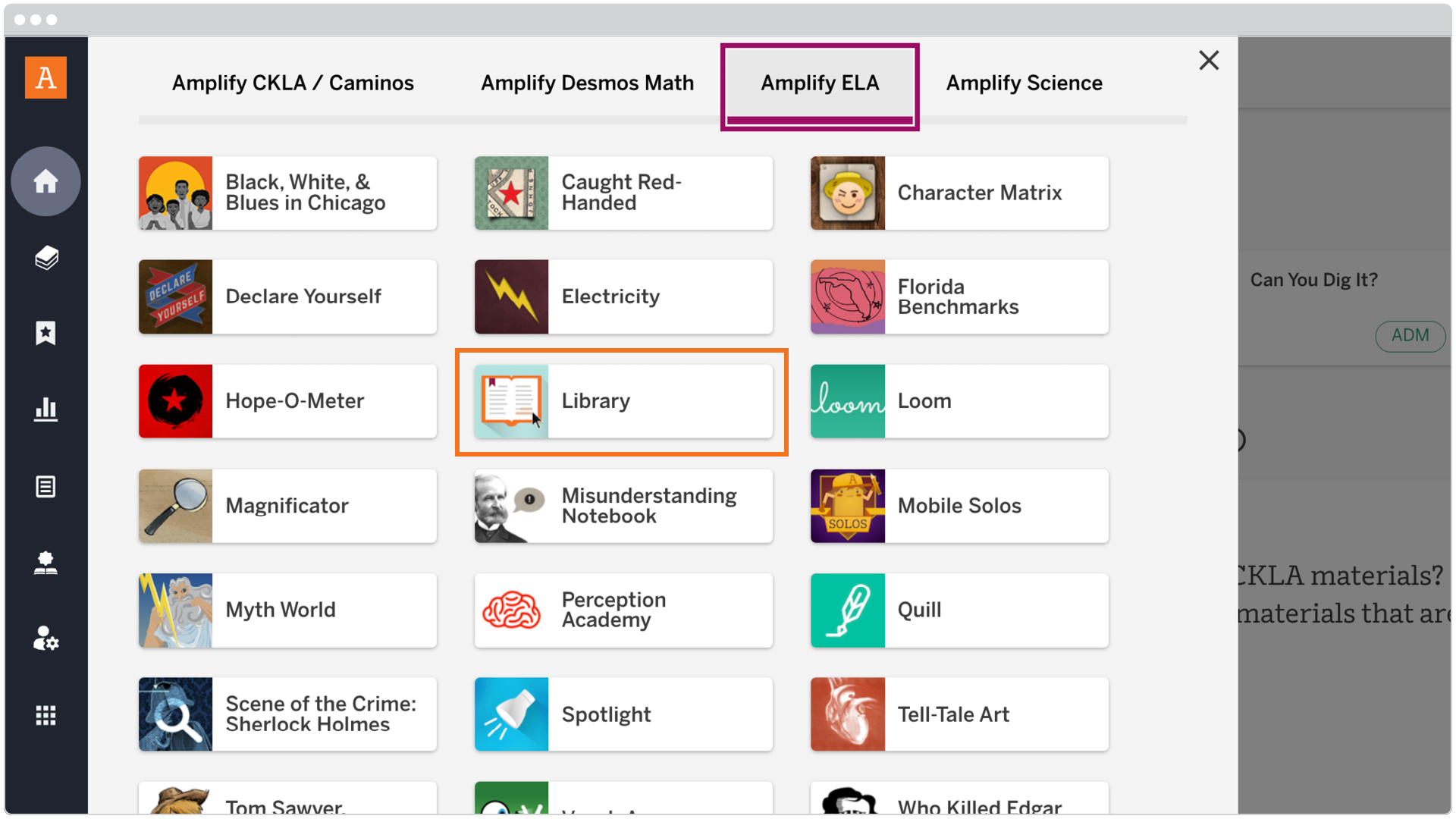
  1. Navegue hasta el menú “Program & Apps» en la parte superior de su pantalla y desplácese hasta encontrar el icono «Library». Cuando lo seleccione, la biblioteca Amplify se abrirá en una nueva pestaña.

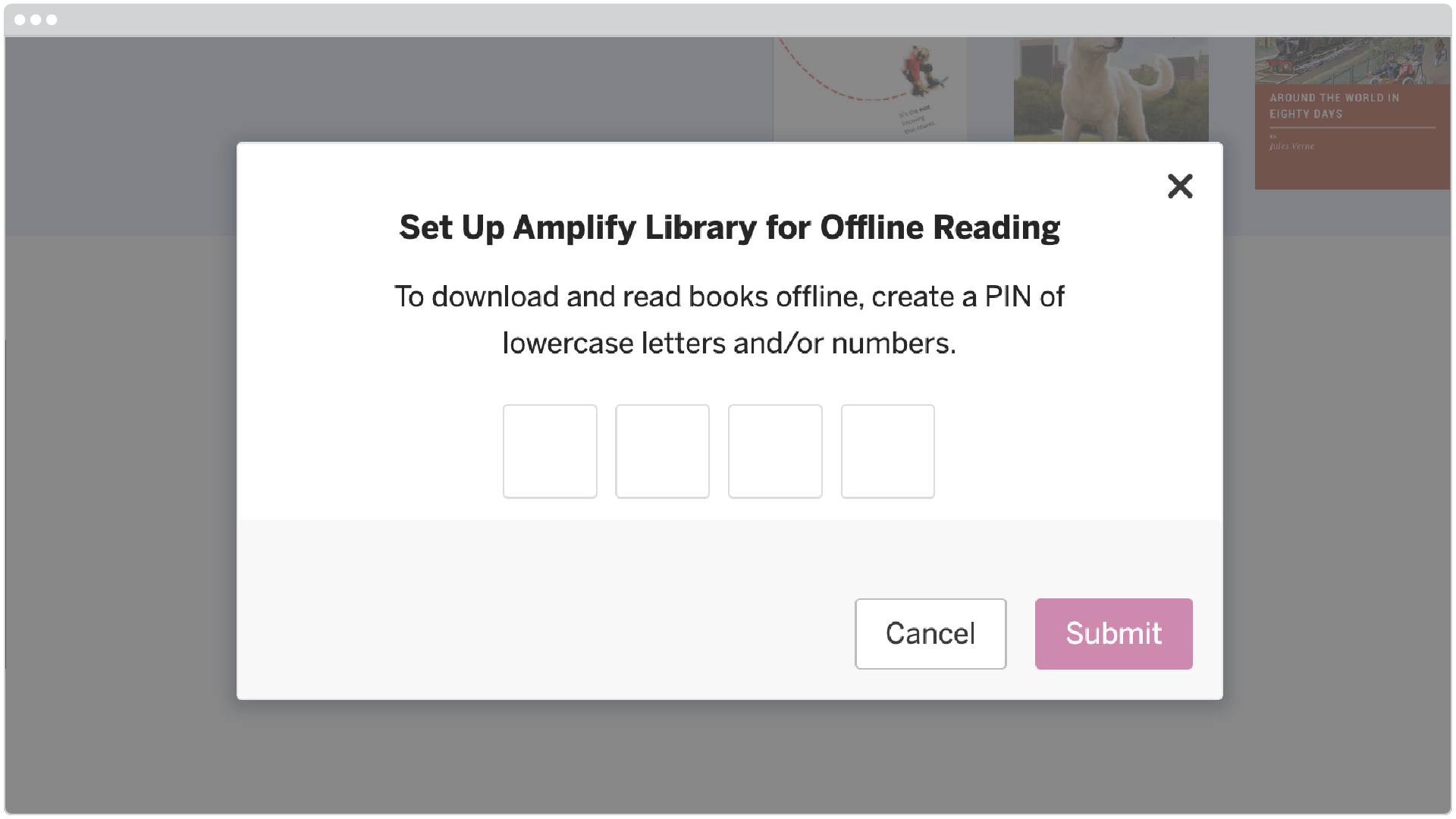
2. Si se le solicita, siga las instrucciones para configurar un pin para la biblioteca Amplify; de lo contrario, continúe con el siguiente paso.

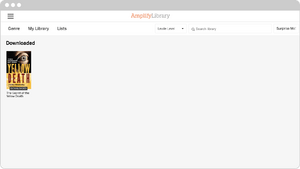
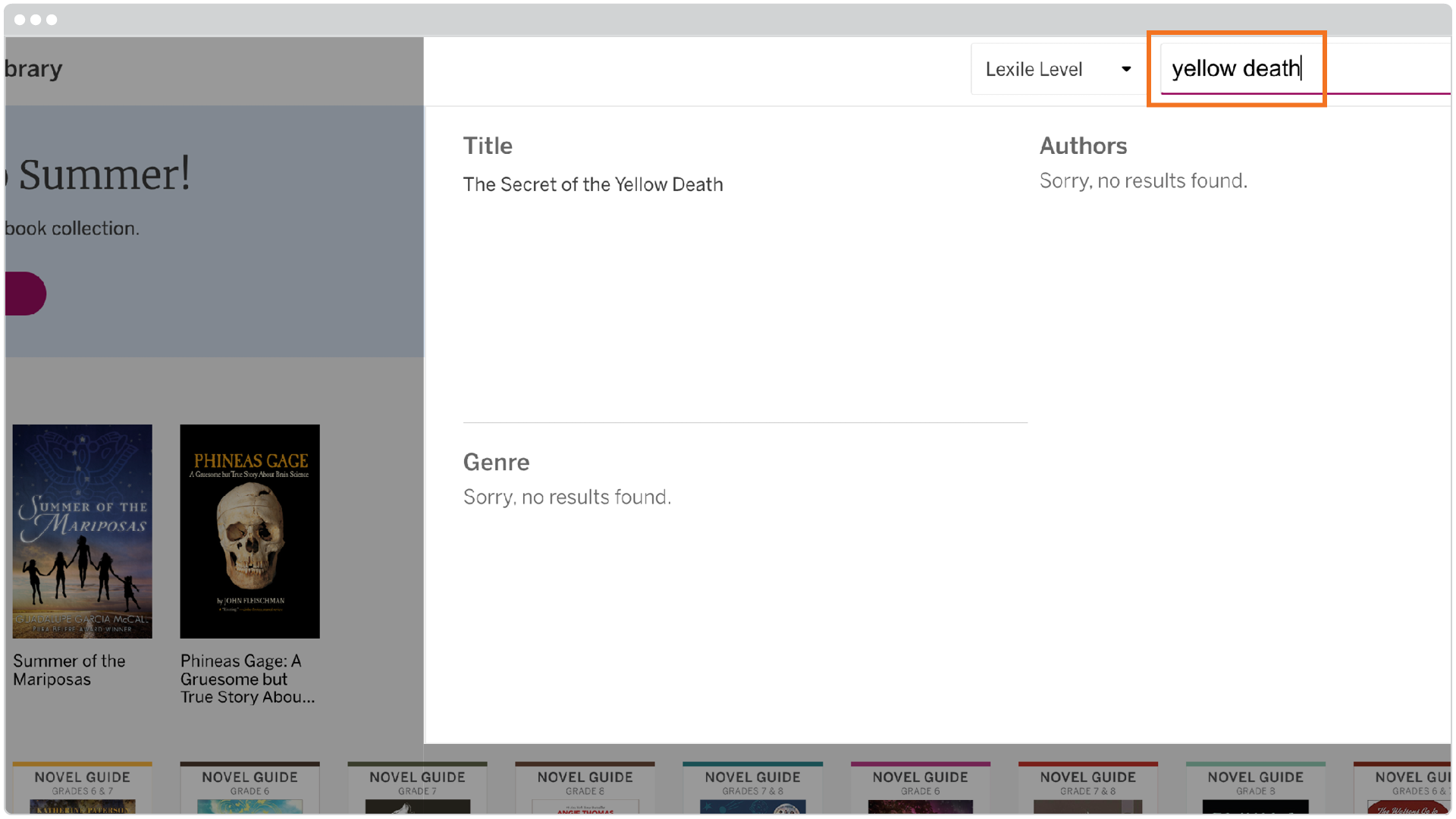
3. En la esquina superior derecha de su pantalla, busque el libro que desea descargar. Por ejemplo: “The Secret of the Yellow Death: A True Story of Medical Sleuthing”.

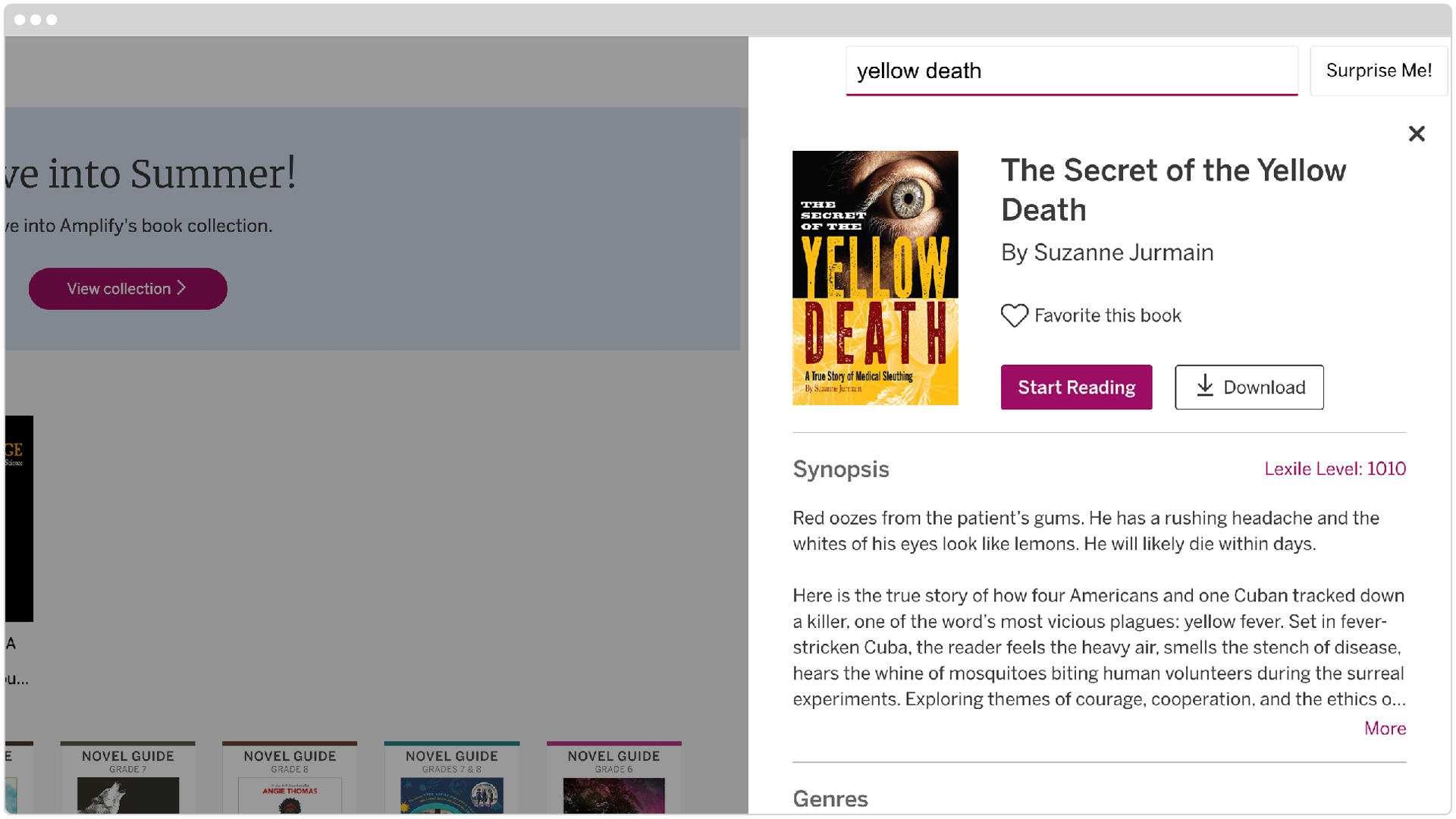
4. Ahora ubique el botón de “Download” (descargar).
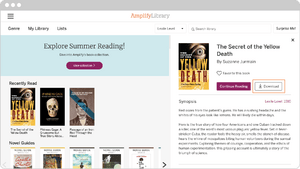
5. Una vez descargado, podrá acceder a este libro incluso cuando no tenga acceso a Internet.
Para acceder a los textos descargados:

  1. En la aplicación de la biblioteca de Amplify, abra el menú desplegable «My Library» (mi biblioteca) en la esquina superior izquierda.
  2. Seleccione “Downloaded” (descargados).
  3. Elija el texto que desea leer de entre todos los textos predescargados.

Vistazo general a los materiales

No todas las escuelas funcionan de la misma manera, pero es probable que los estudiantes que asisten a escuelas que cuentan con las versiones impresa y digital del programa, tengan los siguientes materiales impresos en casa: 

  • Libro del estudiante: Incluye todas las lecturas y actividades necesarias para la enseñanza a lo largo del año. Los estudiantes pueden leer las selecciones tanto en el formato digital como en la versión impresa y hacer apuntes en cualquiera de los dos. Las lecciones de la versión impresa del Libro del estudiante reflejan las lecciones digitales, pero han sido modificadas para que resulten tan eficaces como las digitales.
  • Cuadernos de escritura: En estos cuadernos, los estudiantes responden a las consignas de escritura y realizan otras tareas escritas.

En caso de que los estudiantes no tengan acceso a los dispositivos o a internet, pueden continuar llevando a cabo tareas clave de lectura y escritura empleando la versión impresa del Libro del estudiante y los Cuadernos de escritura.
El maestrotambién puede acceder a las Guías de novelas para los estudiantes e imprimir y enviar por correo hasta doce novelas que comúnmente forman parte del programa de enseñanza. Seis de estas novelas están disponibles en la Biblioteca Amplify y la mayoría de ellas se pueden encontrar en las bibliotecas públicas.

Un vistazo a las unidades

A continuación encontrará resúmenes de cada unidad en las que su estudiante trabajará en su grado durante el año. Junto a cada unidad hay una guía descargable que permite conocer más a detalle cuál es el contenido abarcado y cómo puede ayudar a su estudiante a comprender mejor los temas.

Unidad 6A

La narrativa de Dahl

Cada estudiante comienza con escritura narrativa para aumentar rápidamente su producción de escritura, aprender la destreza básica de enfoque y familiarizarse con los hábitos y rutinas clave del salón de clases que utilizarán todo el año. Luego, aplica su nueva capacidad de observación a entretenidas lecturas de la biografía de Roald Dahl, Boy, y aprende a trabajar de cerca con evidencias del texto.

Unidad 6B

Misterios e investigaciones

Cada estudiante lee con la atención propia de un investigador, embarcándose en un estudio del cautivante mundo del trabajo de detective en distintos géneros literarios. Al final de la unidad, el niño o la niña escribe una composición para explicar cuál es el rasgo más útil de un investigador en la resolución de problemas.

Unidad 6C

Colección acerca del chocolate

Los aztecas lo usaban como moneda, Robert Falcon Scott lo llevó a la Antártida, los nazis diseñaron con él una bomba para matar a Churchill. La historia del chocolate se remonta a 3,700 años en el pasado y está repleta de vicisitudes que la vuelven un tema de investigación gratificante. En esta unidad los y las estudiantes analizan documentos de primera fuente y conducen investigaciones independientes para entender mejor la extraña y maravillosa gama de roles que el chocolate ha desempeñado en el mundo a lo largo de los siglos.

Unidad 6D

Los griegos

Los mitos griegos nos ayudan a entender no solo la cultura griega antigua, sino también el mundo que nos rodea y la función que cumplimos en él. Partiendo de las rutinas y destrezas establecidas en las unidades anteriores, estas lecciones motivan a cada estudiante a dejar atrás el enfoque en una sola persona —él mismo o ella misma o un personaje— para contemplar cuestiones más amplias sobre el papel que las personas desempeñan en el mundo y en las comunidades donde residen.

Unidad 6E

El verano de las mariposas

Las tierras fronterizas de Estados Unidos y México son lugares poblados de leyendas, tanto verdaderas como ficticias. El verano de las mariposas, de Guadalupe García McCall, implanta una versión de la Odisea en este entorno, embarcando a cinco hermanas en una aventura que transcurre en un mundo de héroes y malhechores inspirado en mitos aztecas y leyendas latinoamericanas. La experiencia ayuda a las hermanas a aceptar la disolución del matrimonio de sus padres y a encontrar fortaleza renovada en su identidad de hermanas y en su conexión a un linaje azteca. En esta unidad, cada estudiante analiza el uso que McCall da a la estructura de una epopeya para crear una narración emocionante de aventuras, y cómo la autora hace uso de la narración para celebrar el poder femenino, su herencia latina y una definición más amplia de lo que es una familia. Cada estudiante también tiene oportunidad de comparar el viaje ficticio de las jóvenes a México con la descripción del viaje real de un jovencito a Estados Unidos.

Unidad 6F

Colección acerca del Titanic

Para aprender a diferenciar las fuentes primarias, secundarias y terciarias, determinar si una fuente dada es fiable y entender los usos éticos de la información, cada estudiante formula sus propias preguntas de investigación y busca las respuestas en internet. Asumirá así el papel de uno de los pasajeros o pasajeras de la lista de embarque del Titanic y considerará cuestiones de clase y género, a medida que investiga y escribe relatos desde el punto de vista de los viajeros.

Unidad 6F y unidad 6G

Comenzar a escribir un cuento

En esta unidad cada estudiante puede poner en práctica sus destrezas de escritura creativa, para aprender elementos de narración y desarrollo de personajes, y la importancia del lenguaje vívido. Cada estudiante consigue una noción de propiedad sobre su propia escritura a medida que experimenta los diferentes impactos de sus decisiones autorales en oraciones, lenguaje, rasgos de personajes y giros de la trama.

Unidad 6F

Gramática

En esta unidad cada estudiante completa instrucciones para seguir un aprendizaje autoguiado y practica lo que el maestro y la maestra le asignará durante el año.

Unidad 7A

La narrativa y La joven del pañuelo rojo

En esta unidad se presenta la autobiografía sumamente cautivante de una joven cuya vida transcurre en China durante la Revolución Cultural. Cada estudiante aprende la historia y el contexto político de este periodo, enfocándose en el relato de alguien que vivió en la época de la revolución. A medida que cada estudiante recorre el camino de la protagonista en ese mundo convulsionado, puede apreciar los cambios que se produjeron en los sentimientos y motivaciones de la joven a lo largo del tiempo.

Unidad 7B

Carácter y conflicto

Leyendo Una pasa al sol y Inocentón, cada estudiante explora el tema de las personas que, al enfrentar adversidades, pueden infligir daño en quienes los rodean sin intención de hacerlo. Las dos narrativas se complementan para brindar a cada estudiante oportunidades de analizar las respuestas de los personajes al conflicto y el desarrollo de ideas del autor o la autora en una obra de ficción.

Unidad 7C

La ciencia del cerebro
¿Podrías sobrevivir después de que una vara de hierro te atravesara el cráneo? Phineas Gage lo hizo y su historia, escalofriante pero real, permite desarrollar la información de contexto y analizar otros textos informativos, incluyendo los contemporáneos El hombre que confundió a su mujer con un sombrero y el obviamente relevante La desmitificación del cerebro adolescente.

Unidad 7D

La poesía y Poe

Los textos de Poe siempre tienen mucho para observar, descifrar, comentar y… crisparnos los nervios. Dado que las cosas no siempre son lo que aparentan, cada estudiante usa las destrezas de lectura atenta para cuestionar si debería creer lo que el narrador de Poe les está contando.

Unidad 7E

Colección acerca de Frida y Diego

Los artistas más famosos y provocativos de México, Diego Rivera y Frida Kahlo, formaron una pareja extraordinaria que vivió en tiempos extraordinarios. Eran almas gemelas con personalidades totalmente opuestas. Las obras de Diego Rivera y Frida Kahlo y sus vidas multifacéticas ofrecen a cada estudiante un tema fértil y fascinante para examinar documentos de fuente primaria y conducir investigaciones independientes.

Unidad 7F

Colección acerca de La fiebre del oro

Cada estudiante elige entre una extensa colección de fuentes primarias y secundarias para aprender acerca de la amplia diversidad de personas que participaron en La fiebre del oro de California.

Unidad 7G

Escribir un cuento: nivel intermedio

En esta unidad cada estudiante puede poner en práctica sus destrezas de escritura creativa para aprender elementos de narración y desarrollo de personajes, y la importancia del lenguaje vívido.

Unidad 7

Gramática

En esta unidad cada estudiante completa instrucciones para seguir un aprendizaje autoguiado que el maestro o la maestra le asignará durante el año. Las sub unidades están organizadas por temas clave de gramática, de manera de que el maestro o la maestra pueda asignar el contenido que mejor se acomoda a las necesidades de sus estudiantes mientras se asegura de que trabajen con temas clave de gramática apropiados para su grado.

Unidad 8A

Perspectivas y narrativa
Esta unidad procura enseñar a cada estudiante a leer como un escritor o una escritora. Así, pone en práctica la destreza de prestar atención al oficio de la escritura: las decisiones que toma un buen escritor o escritora para darle forma a nuestra percepción de una escena o a nuestros sentimientos hacia un personaje, y para despertar nuestras emociones, sorprendernos o dejarnos pensando en lo que podría suceder después. Cada estudiante lee atentamente ejemplos de narrativas de no ficción, analiza las técnicas que usa cada autor para que sus textos evoquen emociones y practica la aplicación de estas técnicas en sus propios textos narrativos.

Unidad 8B

Libertad e igualdad
Analizamos las palabras de varios creadores —desde el poeta Walt Whitman hasta el abolicionista Frederick Douglass y el presidente Abraham Lincoln— para descubrir cómo sus escritos y obras contribuyeron a los cambios extremos de la organización social: un concepto totalmente nuevo de lo que significaba considerar a las personas “iguales”.

Unidad 8C

Ciencias y ciencia ficción
Cada estudiante leerá la obra Frankenstein de Gris Grimly, una novela gráfica que integra ilustraciones cautivantes en una versión abreviada de la edición de 1818 del libro de Mary Shelley. Combinadas con el texto de Shelley, las inquietantes —y a veces espeluznantes— representaciones de la criatura de Frankenstein diseñadas por Grimly impulsan a cada estudiante a contemplar algunos de los temas centrales del texto: el origen de la humanidad y la raíz del mal. Luego escribe un ensayo, en el cual, después de argumentar a favor de ambos lados de la cuestión, determina si en última instancia la criatura de Frankenstein debería considerarse humana.

Unidad 8D

Romeo y Julieta, de Shakespeare
Romeo y Julieta combina romance y acción, ofreciendo una amplia gama de temas y escenas que cada estudiante puede leer y representar actuando. Cada estudiante de nivel intermedio tiene la edad adecuada para identificarse con los sentimientos intensos de los amantes, y ha alcanzado la madurez suficiente como para analizar de forma crítica las decisiones que toman Romeo y Julieta.

Unidad 8E

El Holocausto: memoria y significado
Esta unidad usa una variedad de artículos, imágenes y videos de primera fuente, así como textos de no ficción literaria y no ficción gráfica, para estudiar los sucesos que hicieron posibles las atrocidades del Holocausto. Cada estudiante investiga cómo se generó y se empleó la propaganda para crear un ambiente político que llegó a corromper a toda una sociedad. Las Olimpiadas se observan a través de la lente de una campaña de propaganda internacional, al amparo de la cual los nazis comenzaron a eliminar de su cultura a las personas que no eran de lo que consideraban «raza aria». La sub unidad final examina los resultados de la doctrina nazi y su impacto en las víctimas y sobrevivientes judíos.

Unidad 8F

Colección acerca de La carrera espacial
Cada estudiante usa internet para poner a prueba sus destrezas de investigación y lectura atenta, y distingue entre fuentes fiables y fuentes no fiables.

En esta colección los estudiantes exploran documentos primarios y llevan a cabo investigación independiente para comprender mejor esta carrera espacial entre los dos superpoderes del planeta. La dramática historia de la carrera espacial ofrece a cada estudiante un generoso tema de investigación para explorar, mientras desarrollan destrezas de lectoescritura informativa, y aprenden cómo elaborar sus propias preguntas de investigación y exploran Internet en busca de respuestas.

Unidad 8

Gramática

En esta unidad cada estudiante completan instrucciones para seguir un aprendizaje autoguiado que el maestro o la maestra le asignará durante el año. Las sub unidades están organizadas por temas clave de gramática, de manera de que el maestro o la maestra pueda asignar el contenido que mejor se acomoda a las necesidades de sus estudiantes mientras se aseguran de que trabajen con temas clave de gramática apropiados para su grado.

Unidad 8G

Escribir un cuento: nivel avanzado

En esta unidad cada estudiante pueden poner en práctica sus destrezas de escritura creativa, para aprender elementos de narración y desarrollo de personajes. También aprende la importancia del lenguaje vívido para enganchar a sus lectores y atraerles al cuento.

Actividades adicionales

Quests:

Es posible que observe que su estudiante trabaja con sus compañeros en el mismo proyecto interactivo durante varios días, tratando de resolver un misterio o explicar un evento histórico. Eso es lo que sucede cuando un maestro asigna una misión: una exploración en profundidad de una semana de duración que requiere colaboración y profundiza el compromiso con textos y temas.

Aplicación de vocabulario:

La aplicación Vocab ayuda a los estudiantes a dominar el vocabulario a través de actividades similares a juegos que los desafían a pensar en morfología, analogías y sinónimos/antónimos, y a descifrar el significado a través del contexto.

Contacte con nosotros

¡Estamos aquí para ayudarle!

¿Tiene alguna pregunta sobre Amplify ELA?

Visite nuestra biblioteca de ayuda (en inglés) para buscar artículos con respuestas a sus preguntas sobre el programa.

Para obtener apoyo curricular adicional, comuníquese con el maestro de su estudiante.

What’s included in our Spanish language arts curriculum

Amplify Core Knowledge Language Arts® (CKLA) is available in both English and Spanish. Amplify Caminos al Conocimiento Esencial, our robust Spanish language arts companion for grades K–5, supports multiple teaching models, including dual language immersion and transitional classrooms.

A laptop screen displays a kindergarten instructional webpage in Spanish, showing lesson categories with illustrated thumbnails and navigation options.

Year at a glance

The program’s intentional Knowledge Sequence from K–5 connects knowledge and vocabulary within a grade level and across grade levels, for deeper reading comprehension and preparation for college, career, and life. Instead of “activating prior knowledge,” Amplify Caminos helps you build it in the classroom from day one, for every child, expanding each student’s knowledge base long before they transition to reading to learn.

Curriculum flowchart showing reading themes and activities from Kindergarten to Grade 5, organized by grade level and literary theme, with interconnected boxes for each topic.

Units & domains at a glance

Each Knowledge Domain in grades K–2 and Unit in grades 3–5 varies in the number of days based on instructional purpose. Just as with our top-rated Amplify CKLA program, the Amplify Caminos materials engage and delight young learners with resources that are both appealing and original.

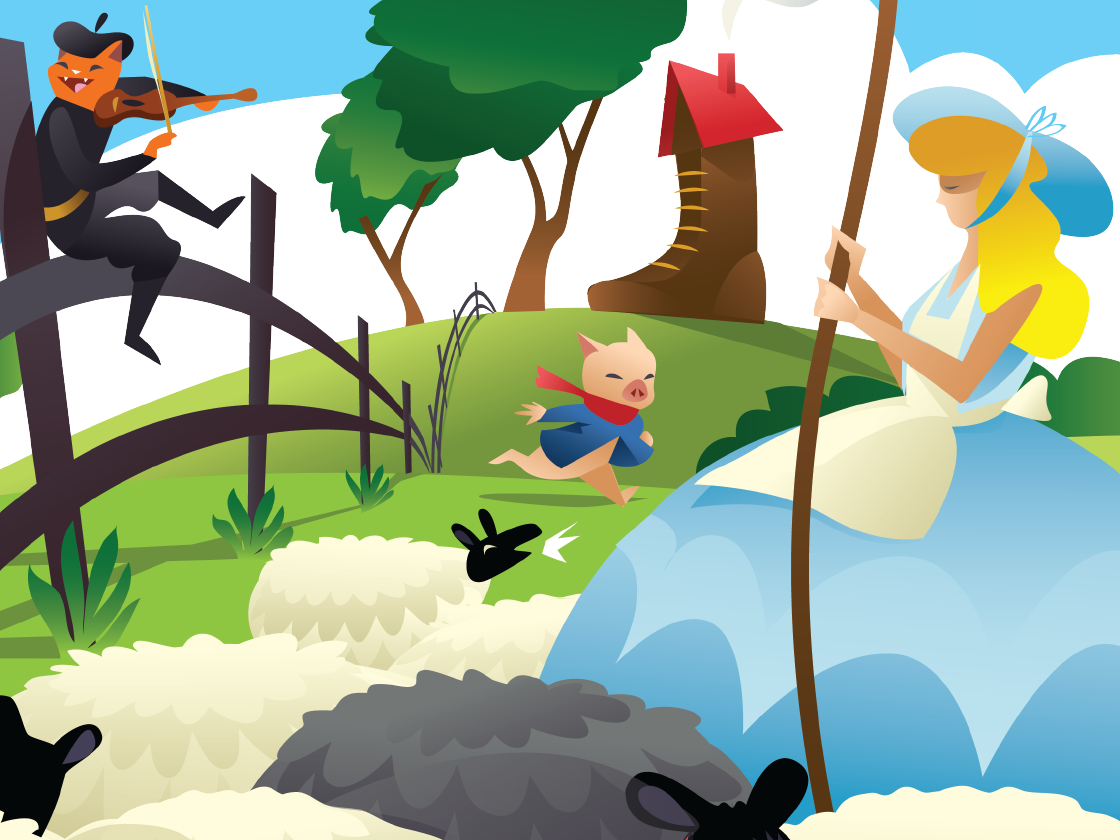
Una mujer rubia con un vestido azul cuida ovejas blancas y negras, sosteniendo un bastón de pastor. Un cerdo vestido de azul corre y un hombre de negro toca el violín en una valla. Al fondo hay una casa.

Domain

Nursery Rhymes and Fables/Rimas y fábulas infantiles

Start learning about literature with these classic Mother Goose rhymes.

Ilustración de tres personas en un paisaje cubierto de hierba, una tratando de atrapar mariposas con una red, otra escondiéndose detrás de una escultura alta y frondosa de una mano y otra con binoculares.

Domain

The Five Senses/Los cinco sentidos

Learning about the body starts with learning about how we experience the world.

Una ilustración que representa a un gran lobo con sombrero de copa liderando un desfile de animales y personas con instrumentos musicales a través de un paisaje montañoso.

Domain

Stories/Cuentos

Learn about the parts of a book and some of the stories that go in one.

Una ilustración vibrante de una escena rural con colinas, una granja, una mariposa, un sol brillante, varias verduras como tomates y lechugas, y un gusano en el suelo.

Domain

Plants/Plantas

Discover the lifecycle of plants and the history of George Washington Carver.

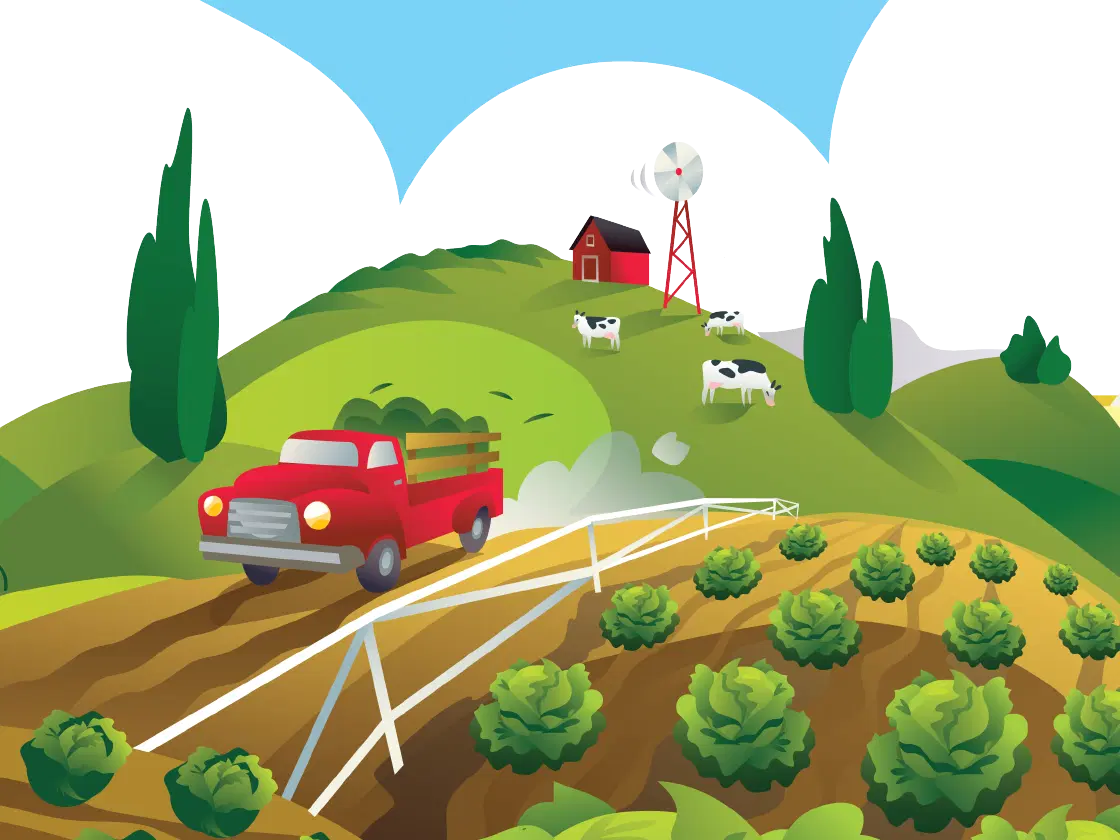
Ilustración de una escena de granja que muestra un camión rojo que transporta verduras, campos de cultivo, vacas pastando en una colina, un granero y un molino de viento contra un cielo azul.

Domain

Farms/Granjas

Now we know how plants make their food… but what about animals?

Ilustración de un nativo remando en una canoa en un río con búfalos pastando en un campo, tipis al fondo y pájaros volando en el cielo bajo un sol brillante.

Domain

Native Americans/Los nativos americanos

Who were the first people in America? A look at the Lenape, Wampanoag, and Lakota Sioux.

Una ilustración muestra un rey y una reina en tronos, un castillo en un acantilado y una mujer con enanos cerca de un árbol. Cortinas rojas enmarcan la escena.

Domain

Kings and Queens/Reyes y reinas

To understand fairy tales, it’s best to first understand royalty.

Ilustración que muestra las cuatro estaciones: primavera con flores, verano con árboles verdes, otoño con hojas que caen e invierno con nieve y gente en trineo. Un niño lee debajo de un árbol.

Domain

Seasons and Weather/Las estaciones y el tiempo

The study of natural cycles continues with the weather and why it happens.

Un velero de madera con símbolos de cruz roja en sus velas navega cerca de una isla tropical con exuberante vegetación y palmeras. A lo lejos se ven otros dos barcos en el agua.

Domain

Columbus and the Pilgrims/Colón y los peregrinos

A look at the first contact between Europe and the Americas, and some of its results.

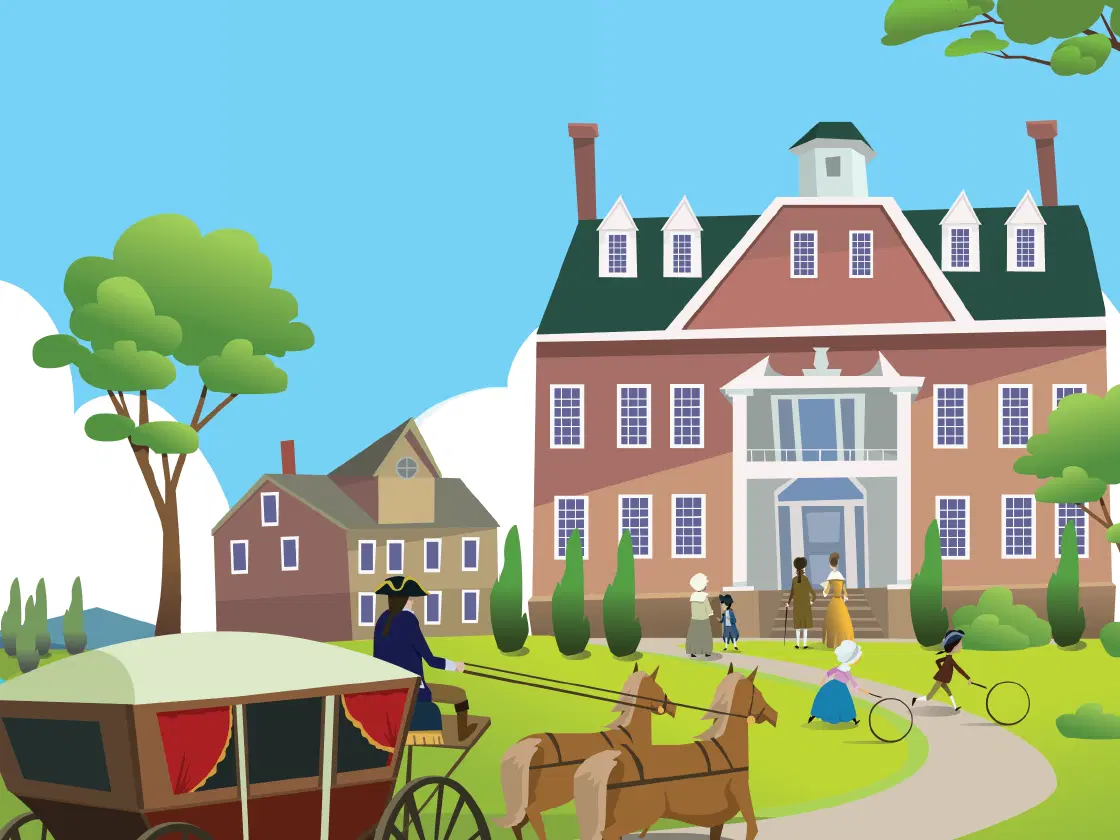
Una escena histórica muestra gente afuera de una gran mansión de estilo colonial con dos chimeneas. En primer plano se ve un carruaje tirado por caballos y a la izquierda se ve una casa más pequeña.

Domain

Colonial Towns and Townspeople/Las colonias y sus habitantes

Before the War for Independence, how did the town and country depend on one another?

Ilustración de personas clasificando materiales reciclables en un parque cerca de un río contaminado. Las fábricas emiten humo al fondo, mientras que las mariposas, las flores y los árboles están presentes en el primer plano.

Domain

Taking Care of the Earth/Cuidar el planeta Tierra

We only have one Earth—here are some ways to help care for it.

Ilustración del Monte Rushmore con los rostros tallados de cuatro presidentes de Estados Unidos. Un águila vuela en primer plano.

Domain

Presidents and American Symbols/Presidentes y símbolos de los Estados Unidos

Start learning about government through the lives of five presidents.

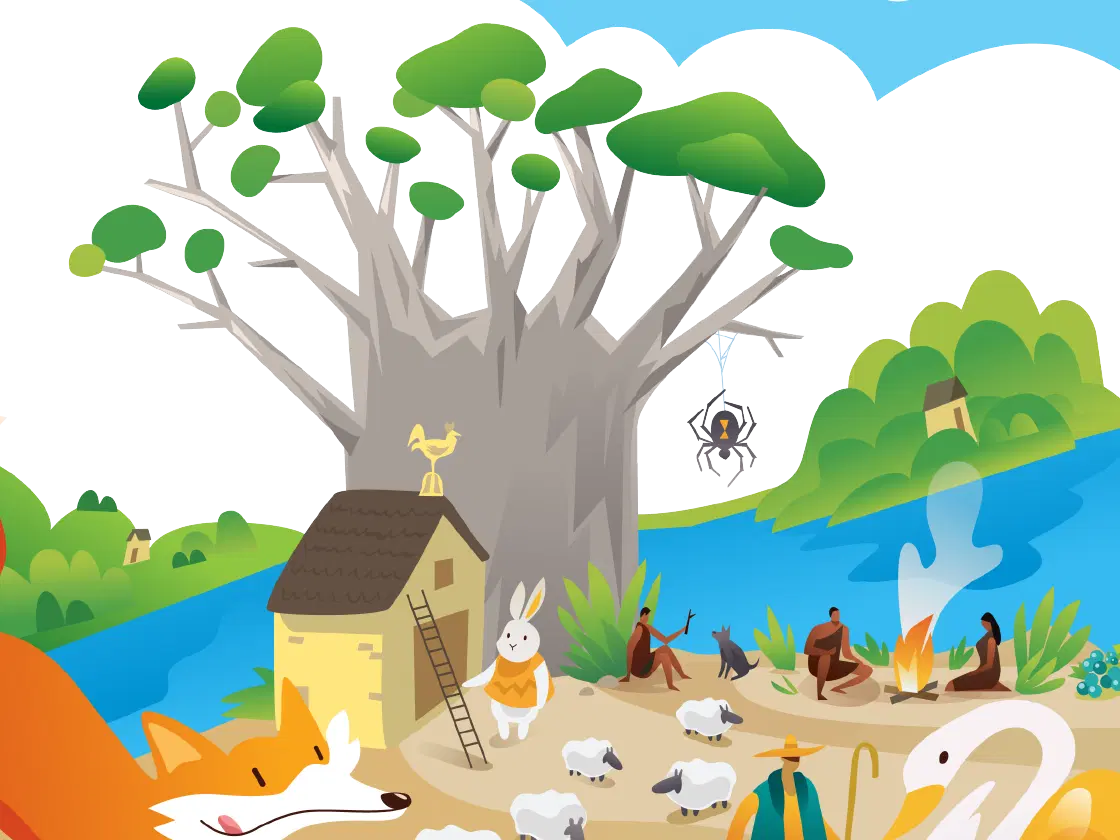
Una ilustración caprichosa que muestra animales de granja alrededor de una casa en un árbol junto a un río. Un zorro, un conejo y una oveja interactúan mientras la gente acampa junto a una fogata al fondo. Una araña cuelga del árbol.

Domain

Fables and Stories/Fábulas y cuentos

Learn some of the key elements of a story through classic fables.

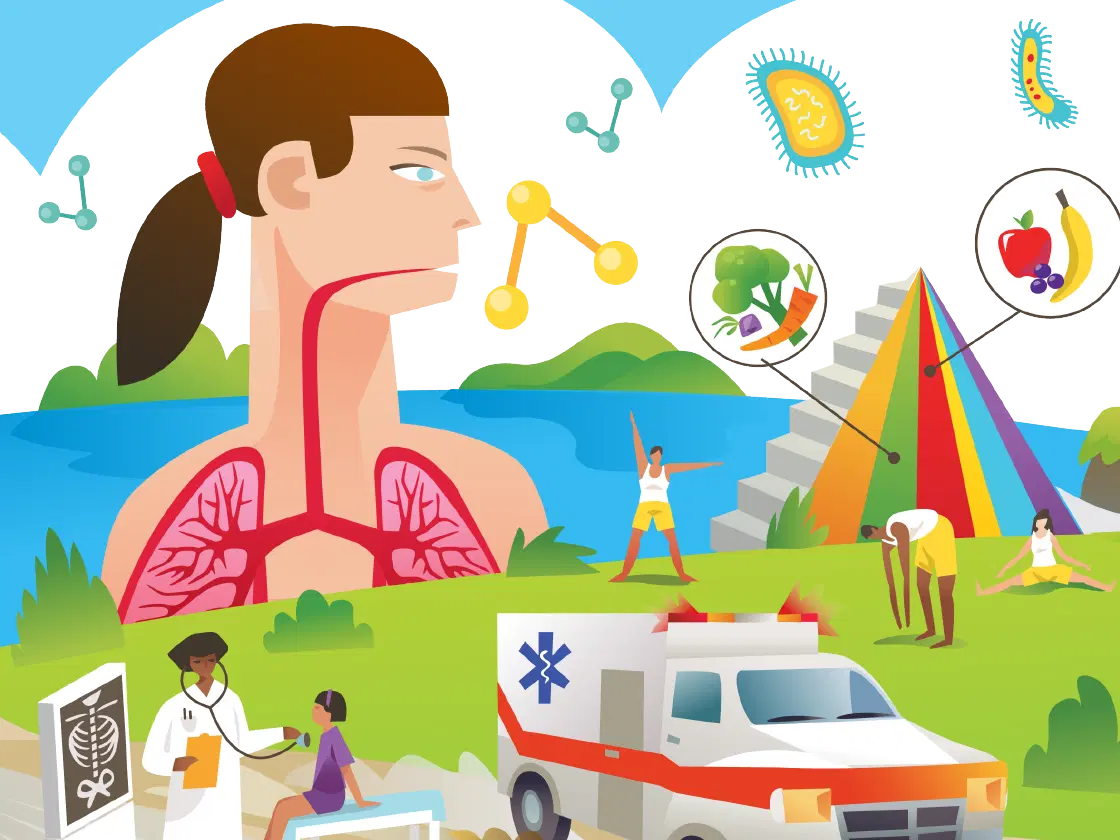
Ilustración que presenta anatomía humana, actividades de estilo de vida saludable, profesionales médicos, símbolos dietéticos, una ambulancia y microorganismos, destacando la conexión entre salud, nutrición y ejercicio.

Domain

The Human Body/El cuerpo humano

What are germs? What are the organs? And what does it all have to do with health?

Una ilustración que presenta varias escenas de cuentos de hadas y folclore, incluida una calabaza grande, un tigre, Caperucita Roja, personas con atuendos tradicionales y una pagoda roja con una montaña de fondo.

Domain

Different Lands, Similar Stories/Tierras diferentes, cuentos similares

A world tour of storytelling, and the stories that stay the same across the world.

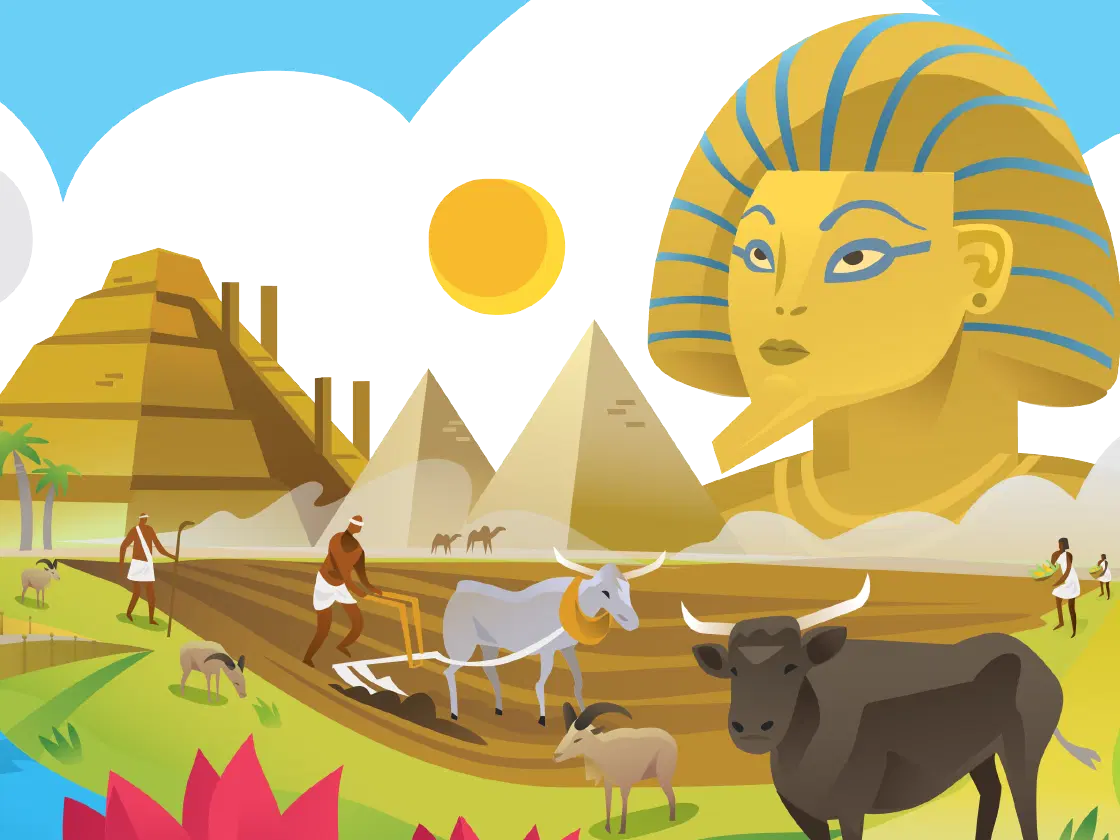
Ilustración que muestra el antiguo Egipto con pirámides, la Esfinge, agricultores arando un campo con bueyes y ganado pastando bajo un cielo soleado.

Domain

Early World Civilizations/Antiguas civilizaciones del mundo

Rivers, farming, writing, and laws: just what does it take to build a civilization?

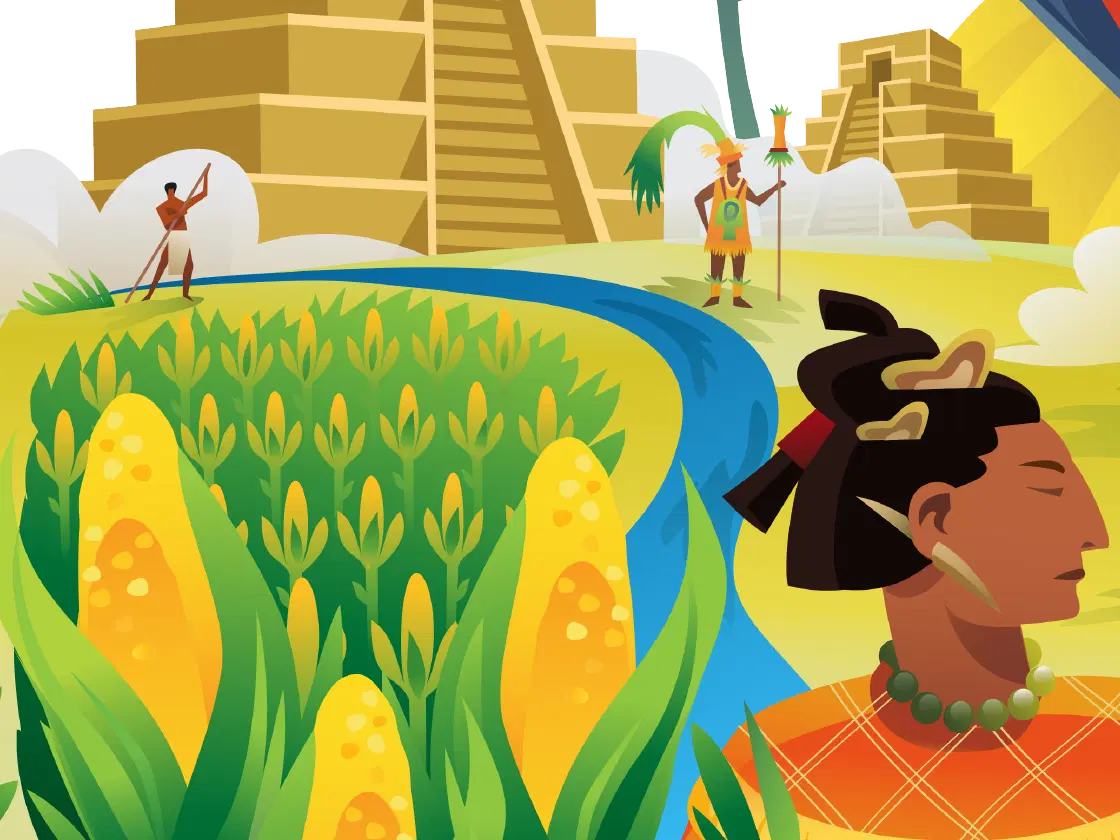
Escena ilustrada de la antigua Mesoamérica con maíz, un río, agricultores y pirámides al fondo. En primer plano se ve a una persona con traje tradicional.

Domain

Early American Civilizations/Antiguas civilizaciones de América

What will we find in the great temples of the Aztec, Maya, and Inca civilizations?

Ilustración de la exploración espacial: se lanza un cohete, un astronauta se para cerca de un módulo de aterrizaje, una persona usa un telescopio y aparece un planeta distante con anillos sobre un fondo estrellado.

Domain

Astronomy/Astronomía

How the Earth relates to the moon, the sun, and the rest of the planets.

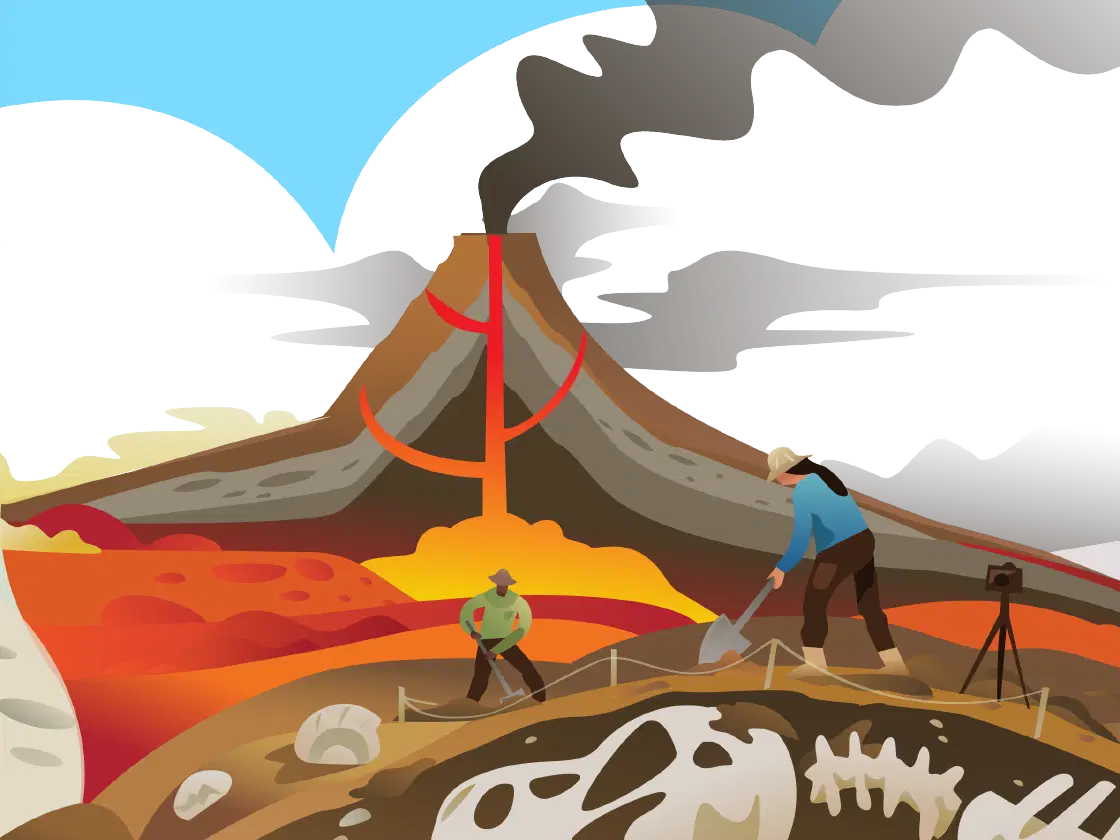
Dos paleontólogos en un paisaje volcánico examinan fósiles en primer plano, mientras un volcán emite humo y lava al fondo.

Domain

The History of the Earth/La historia de la Tierra

Just what lies beneath the Earth’s surface, and what can it teach us about the past?

Una escena de vida silvestre diversa que presenta un cactus del desierto con un pájaro, un conejo, elefantes, un león, un oso polar sobre el hielo y montañas distantes bajo un cielo nublado.

Domain

Animals and Habitats/Los animales y sus hábitats

A look at the connection between how animals live and where they make their homes.

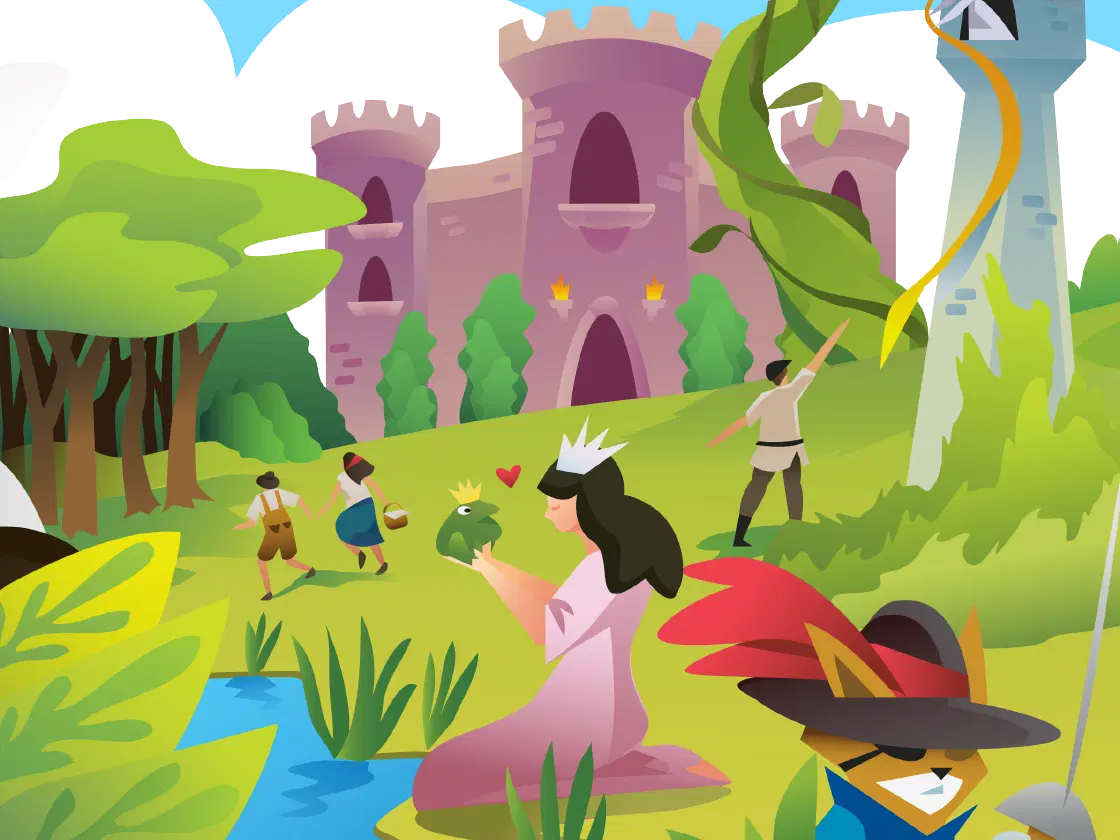
Una princesa con un vestido rosa sostiene una rana junto a un arroyo con un castillo, árboles y gente al fondo. En primer plano camina un zorro con un sombrero con una pluma roja.

Domain

Fairy Tales/Cuentos de hadas

What do fairy tales have to teach us about how stories are told?

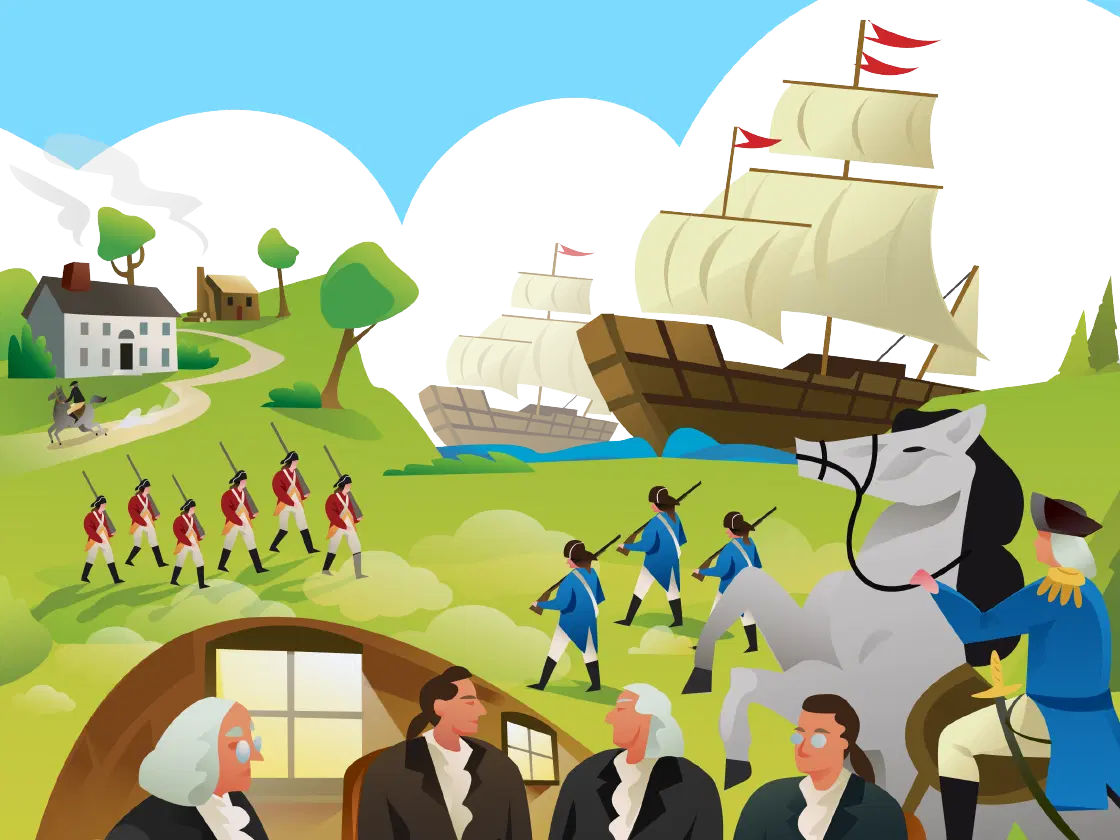
Ilustración que muestra una escena histórica con soldados, veleros y hombres con atuendo colonial discutiendo en el interior.

Domain

A New Nation: American Independence/Una nueva nación: la independencia de los Estados Unidos

The story of the birth of the United States out of the 13 Colonies.

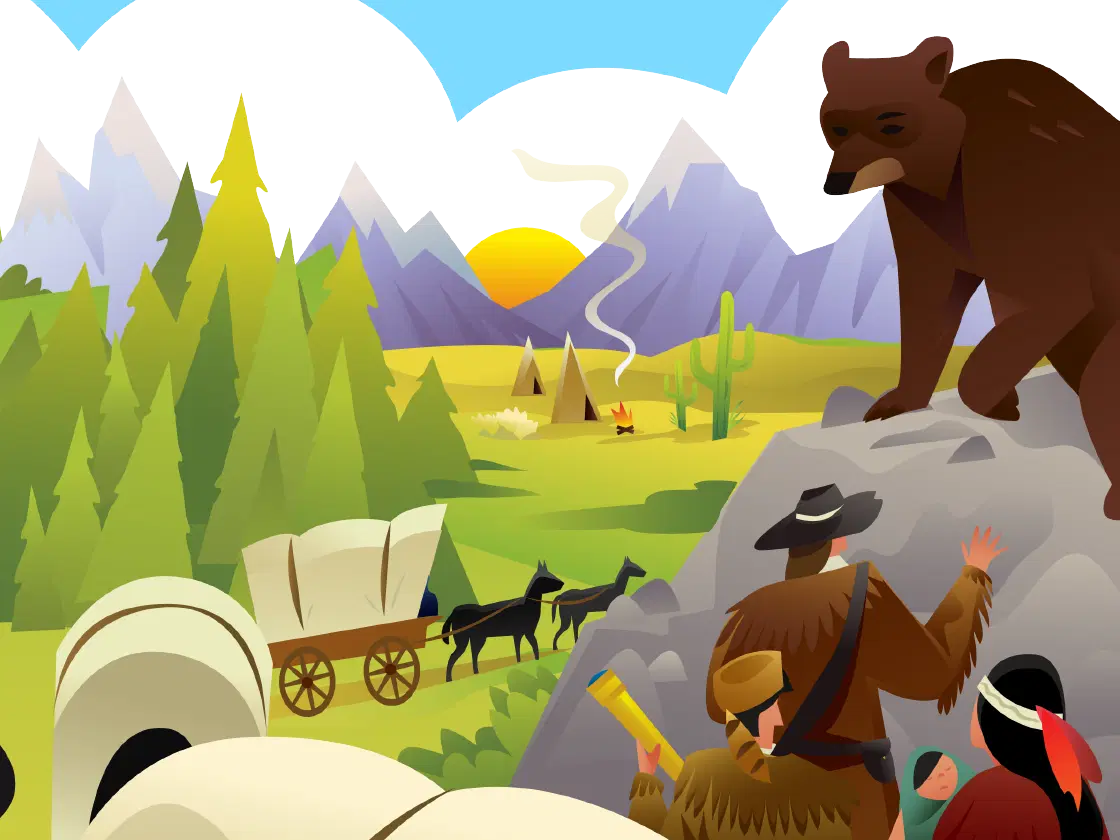
Los pioneros con carros cubiertos y caballos señalan hacia un valle con tipis nativos, fogatas y humo elevándose. Un oso se encuentra sobre una roca y se ven montañas al fondo.

Domain

Frontier Explorers/Exploradores de la Frontera

The story of the journey west from the newborn U.S.A. to find the Pacific Ocean.

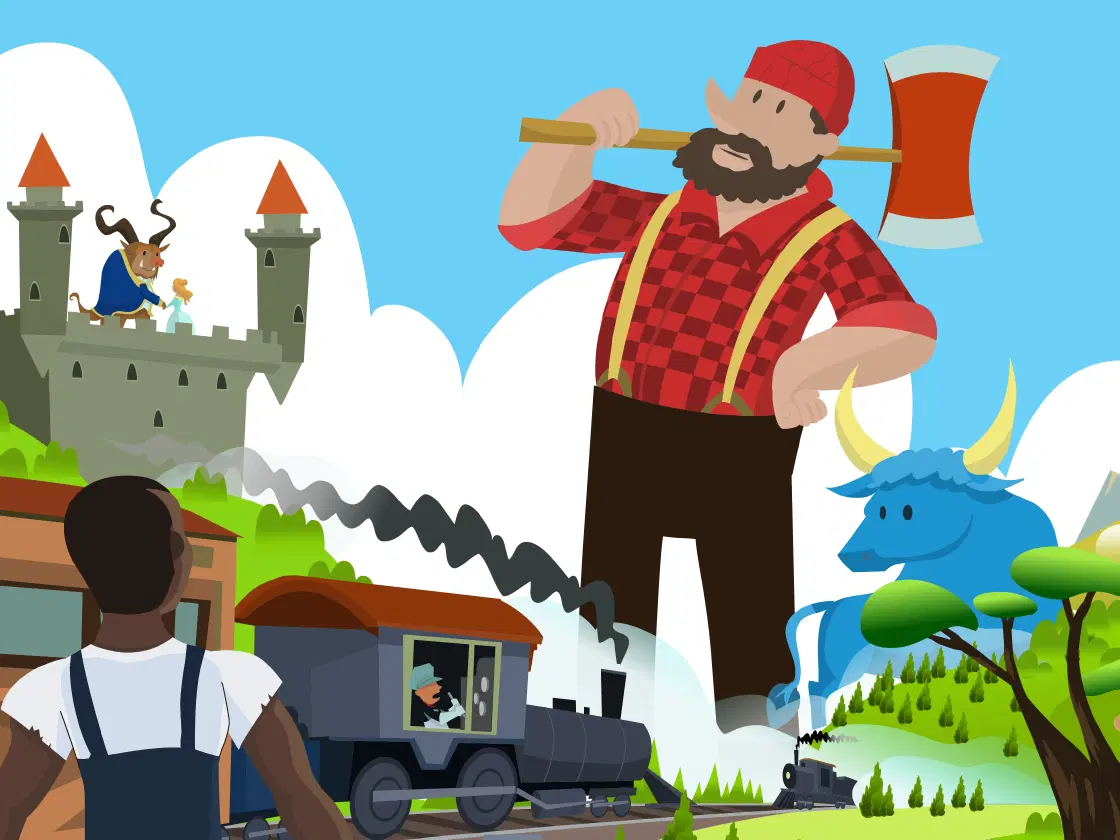
Un hombre con un hacha se encuentra entre paisajes exagerados con un castillo, un tren con humo, un buey azul y una persona con un mono observando la escena.

Domain

Fairy Tales and Tall Tales/Cuentos de hadas y cuentos exagerados

Learn about exaggeration and characterization on the frontier.

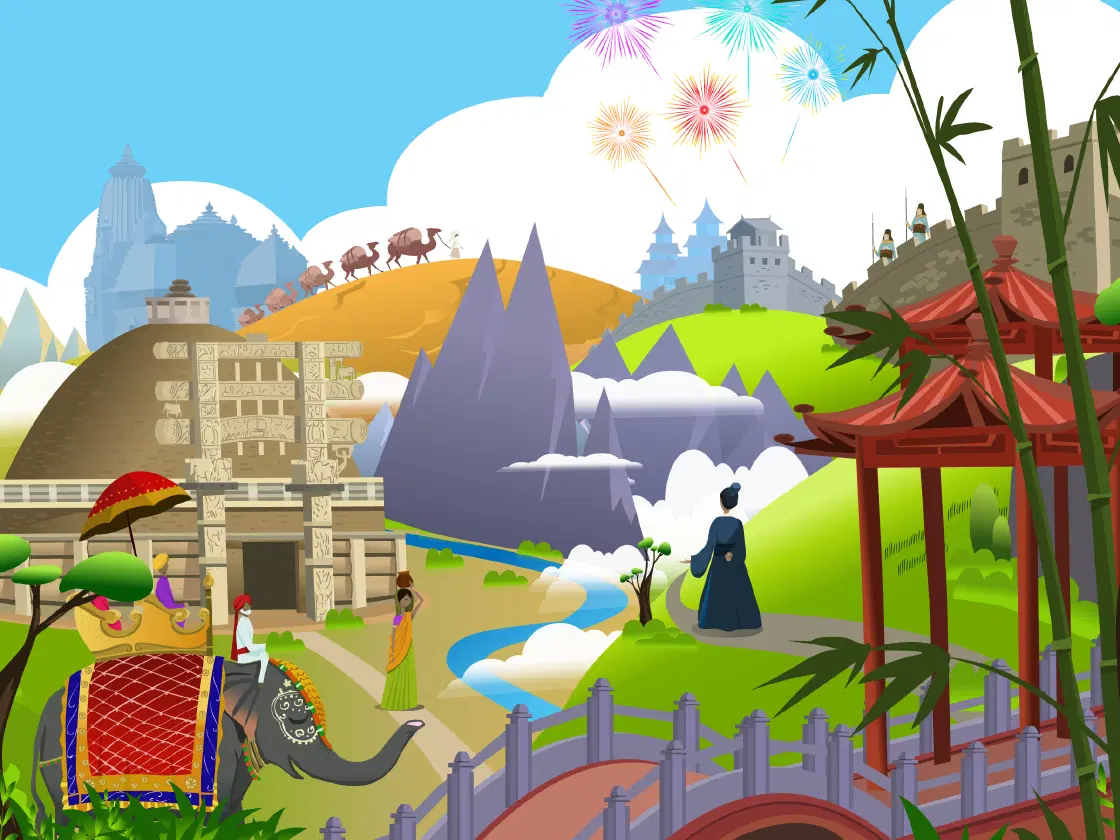
Ilustración de un paisaje vibrante que presenta diversos monumentos culturales, incluidos templos, palacios, pirámides, una escena de elefantes, montañas distantes y fuegos artificiales en el cielo.

Domain

Early Asian Civilizations/Antiguas civilizaciones de Asia

Tour the world of classical civilization, starting with India and China.

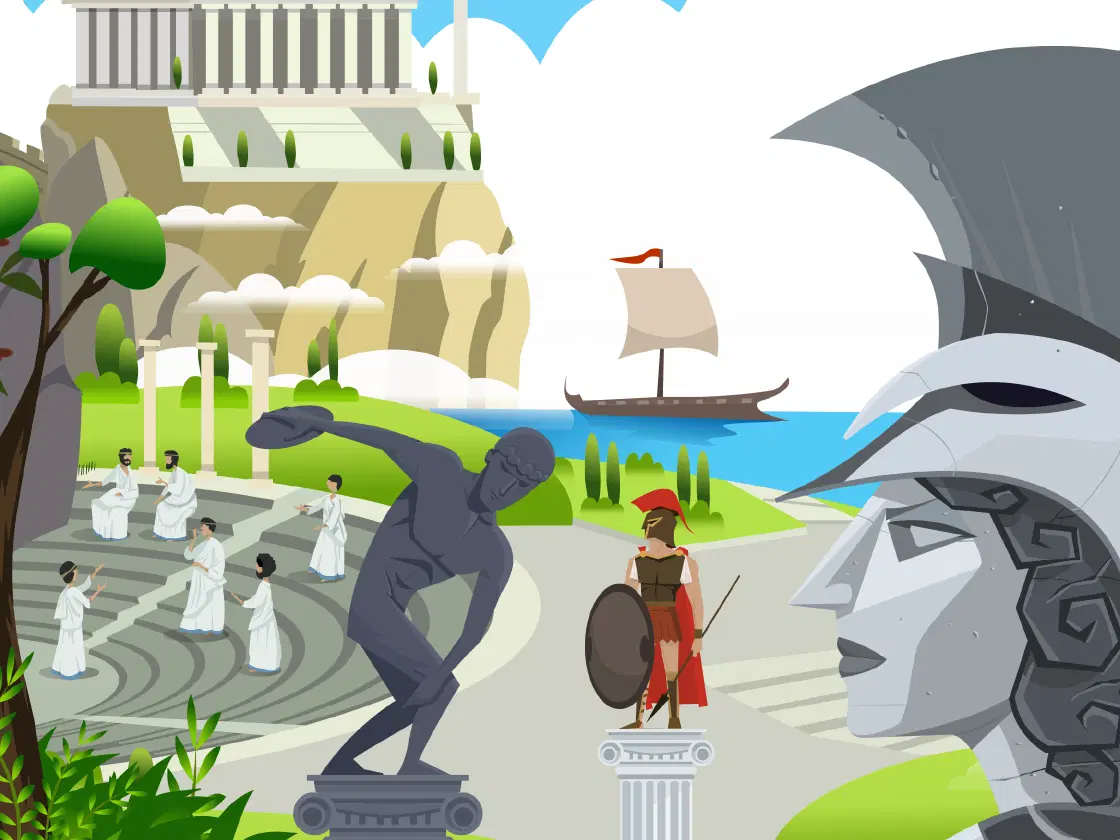
Ilustración que muestra la antigua Grecia con un anfiteatro, estatuas, soldados con armadura, un barco y un templo en una colina rodeada de vegetación.

Domain

Ancient Greek Civilization/La civilización griega antigua

The tour continues with the philosophy and politics of Greece.

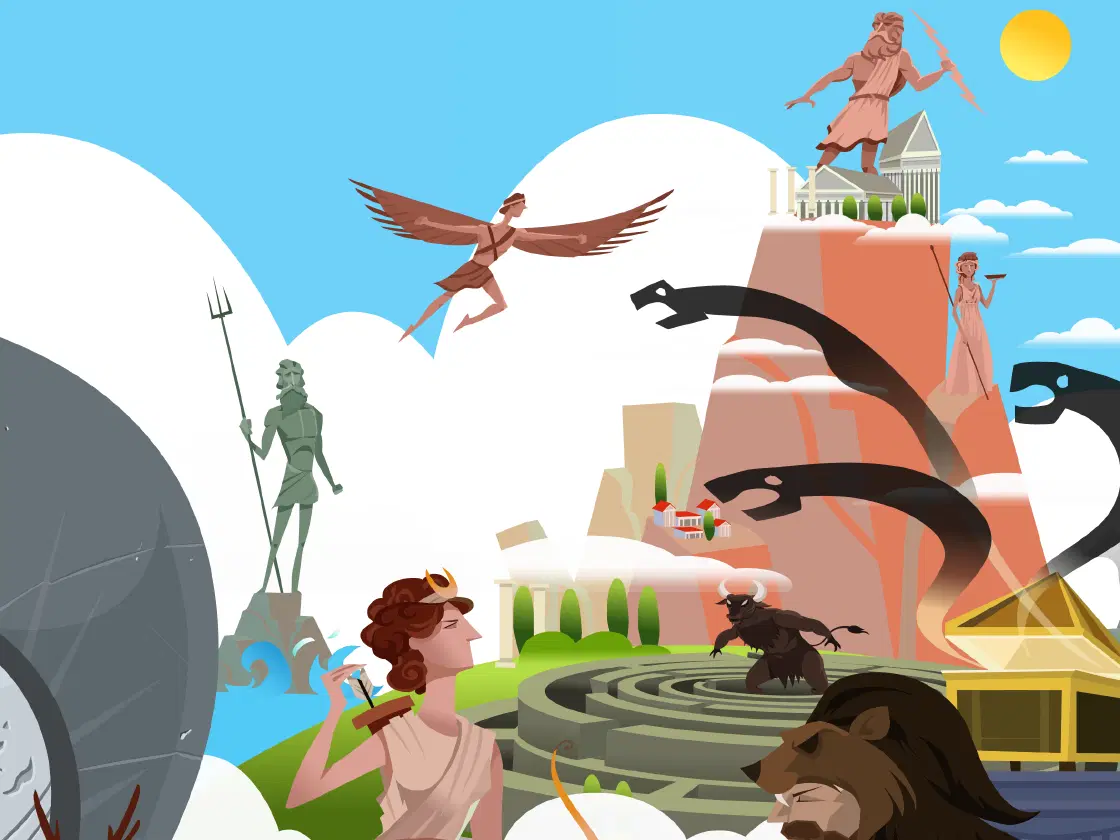
Illustration of various mythological scenes including greek gods, a flying horse, and roman architecture under a sunny sky.

Domain

Greek Myths/Mitos griegos

Dive deep into the characters and storytelling of classic myths.

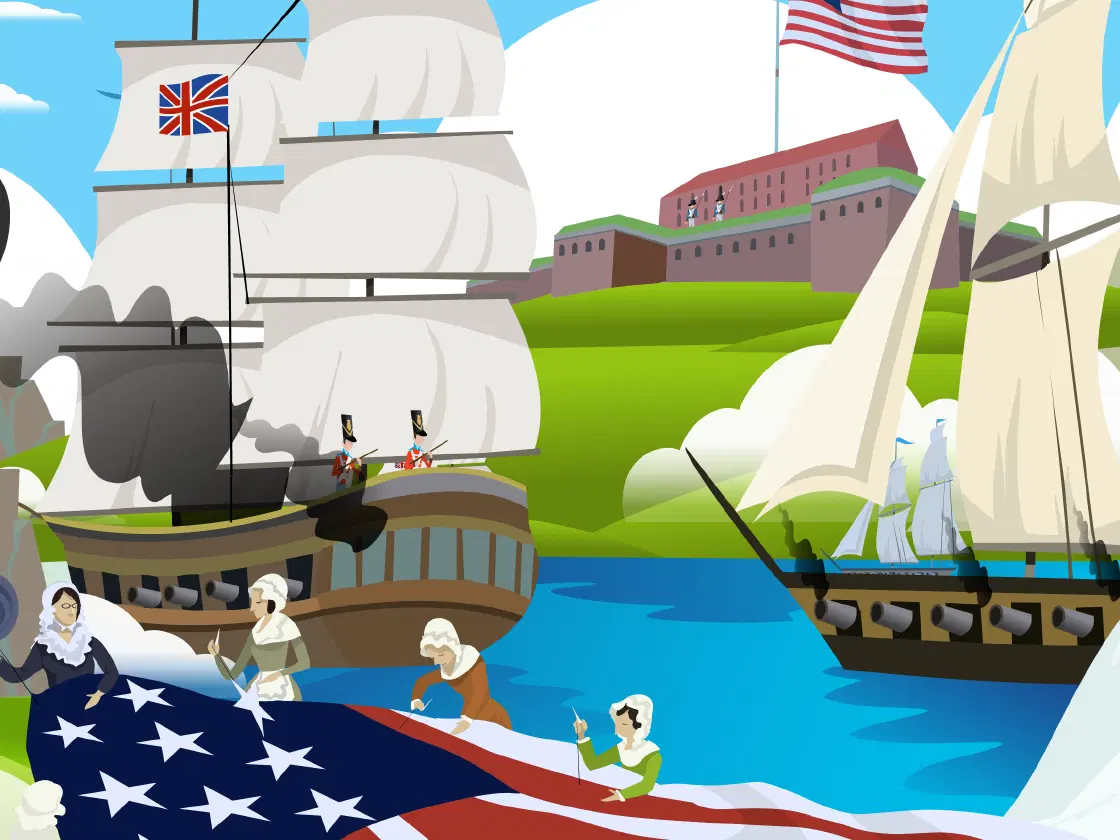
Ilustración de una batalla entre barcos británicos y estadounidenses cerca de un fuerte. El barco británico está a la izquierda con soldados, mientras que el barco estadounidense está a la derecha. La gente porta una gran bandera estadounidense en primer plano.

Domain

The War of 1812/La guerra de 1812

Learn about America’s “Second War for Independence.”

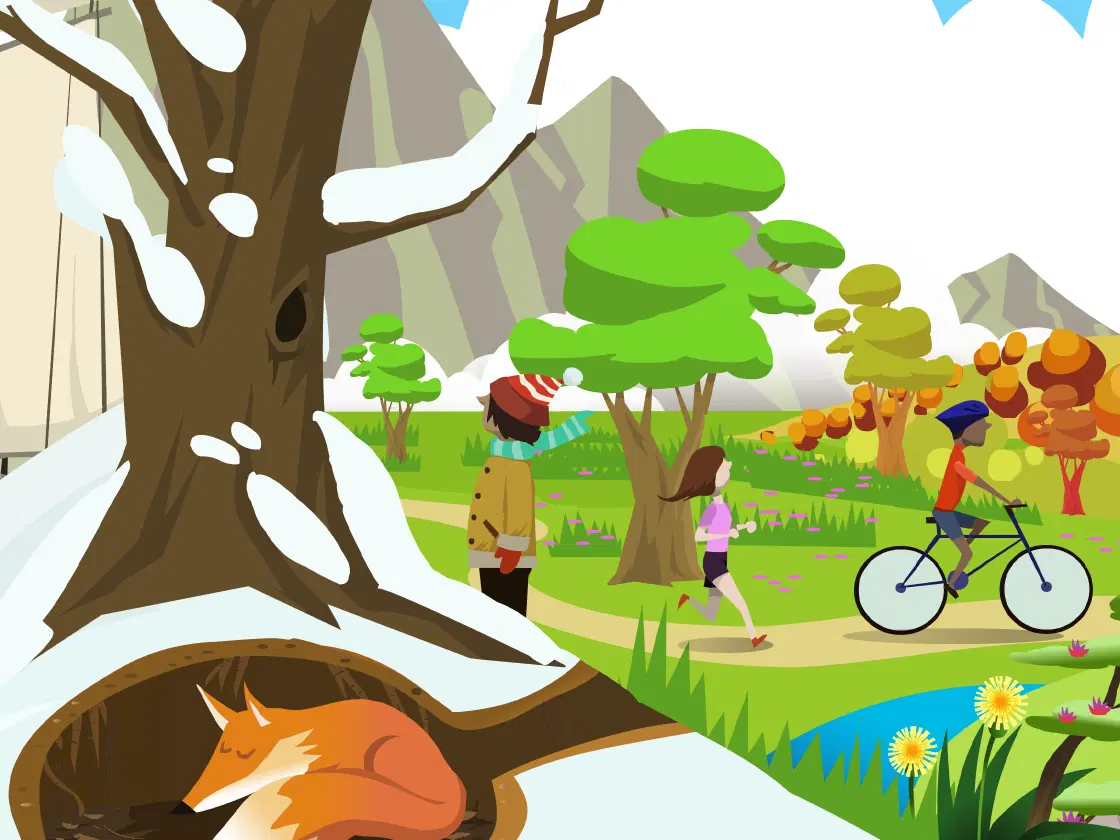
Un paisaje nevado con un zorro durmiendo en una madriguera, gente corriendo y andando en bicicleta por un sendero y árboles que muestran los cambios estacionales.

Domain

Cycles in Nature/Los ciclos de la naturaleza

Introducing the natural cycles that make our lives possible.

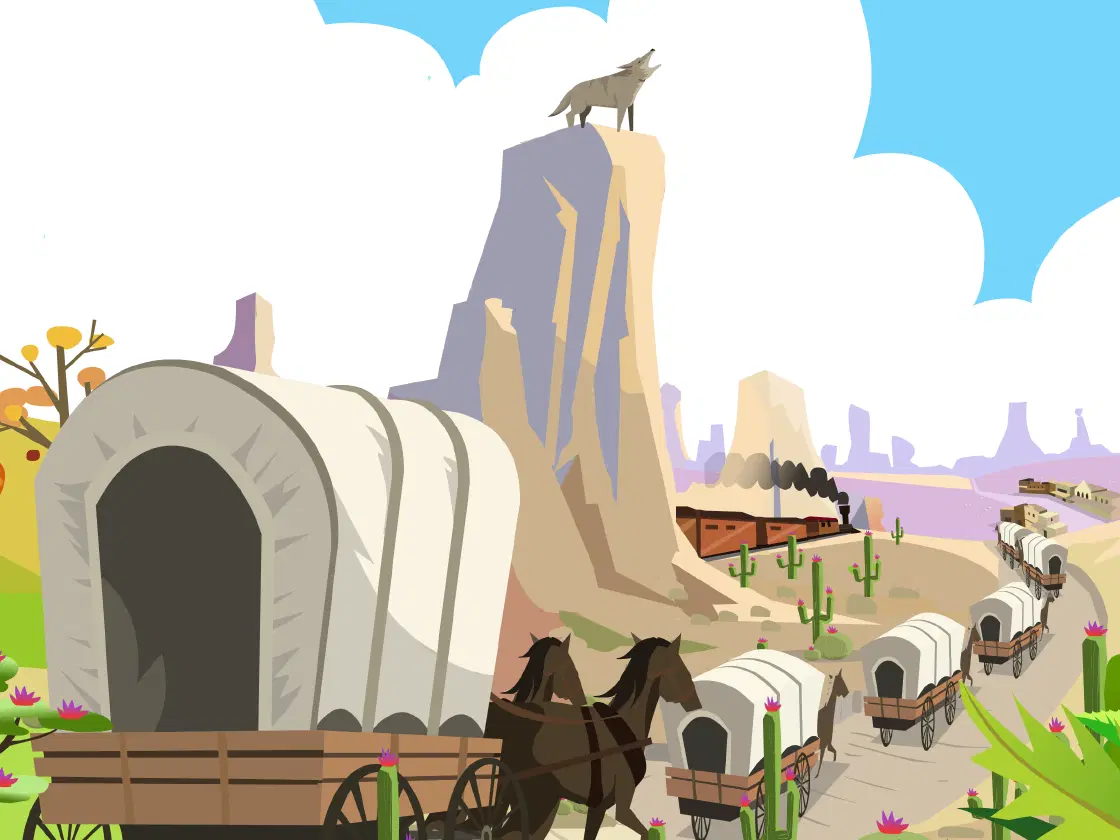
Ilustración de carros cubiertos tirados por caballos a lo largo de un sendero en el desierto, con un coyote aullando sobre una alta formación rocosa y un tren de vapor al fondo.

Domain

Westward Expansion/La expansión hacia el oeste

Why did pioneers go west? What happened to the people who were there?

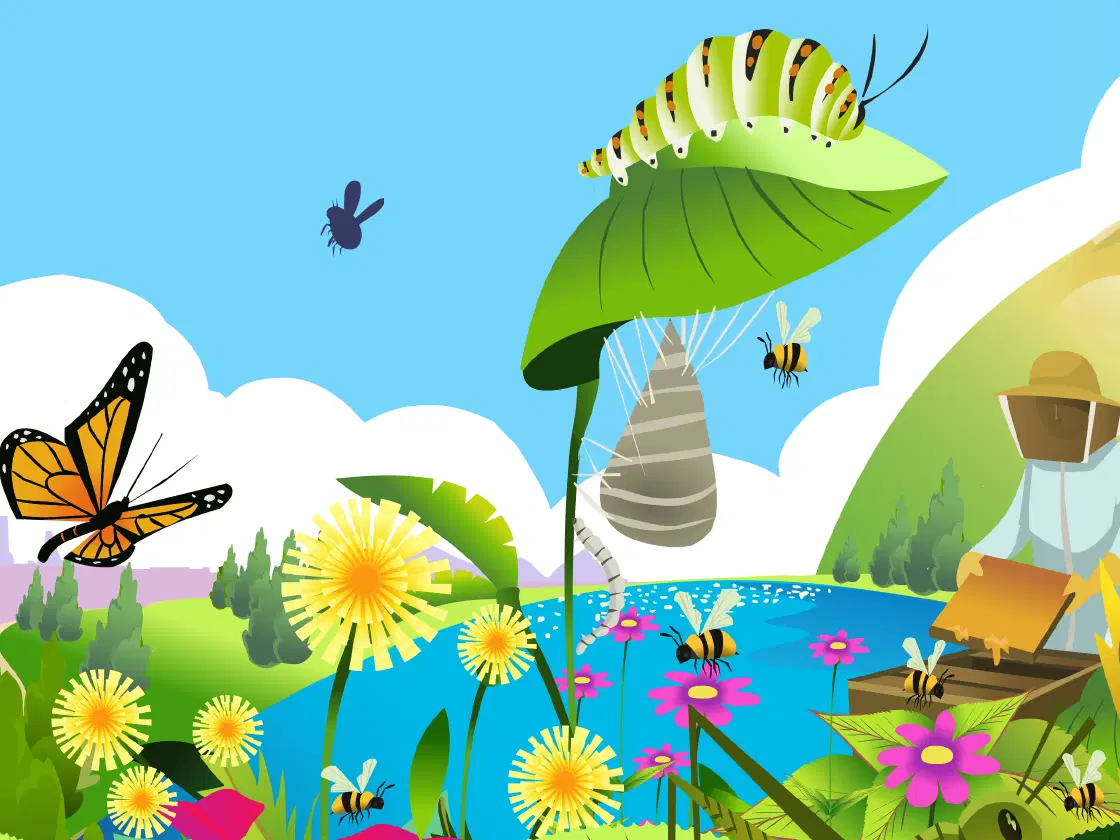
Ilustración de un jardín vibrante con flores, abejas, mariposas, una oruga en una hoja, una crisálida y un apicultor que maneja una colmena junto a un estanque.

Domain

Insects/Los insectos

Lay the grounds for animal classification by looking at solitary and social insects.

Ilustración de una escena histórica con gente escuchando el discurso de un hombre en una plataforma. Al fondo se ve un río y una procesión de personas. En primer plano hay un documento de proclamación.

Domain

The U.S. Civil War/La Guerra Civil de los Estados Unidos

Begin to grapple with U.S. history’s central crisis over slavery.

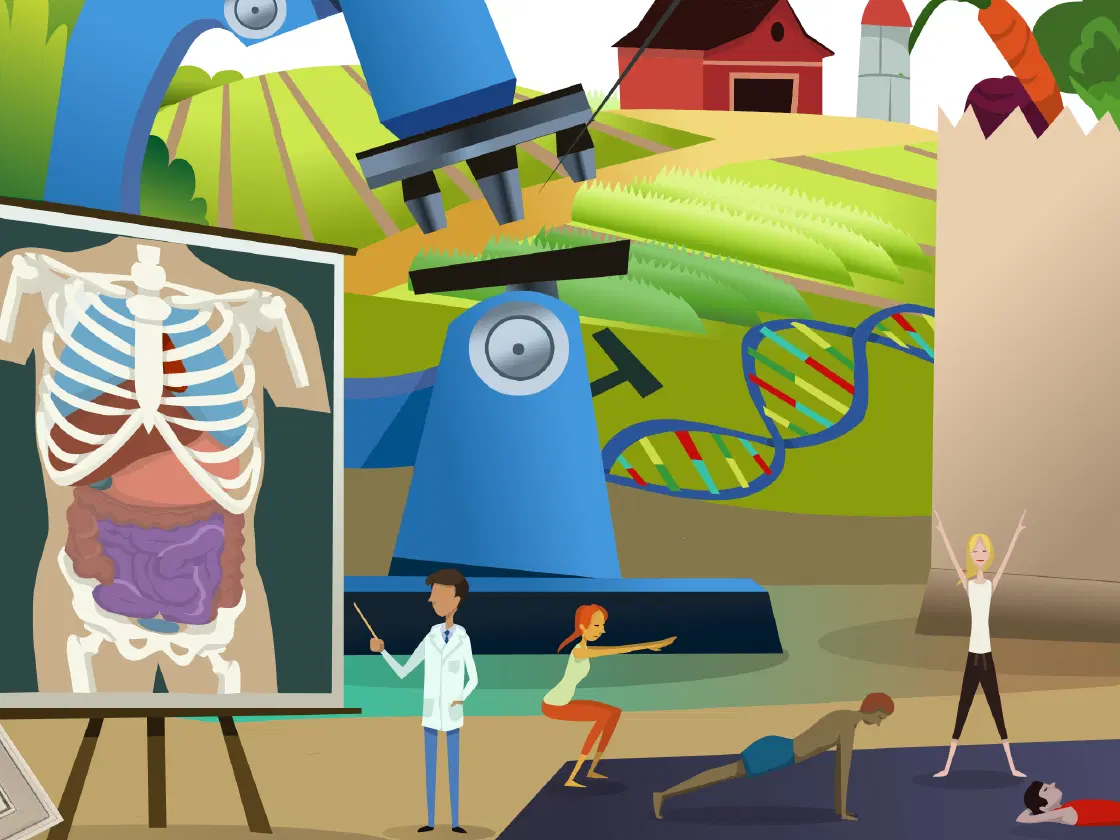
Una escena en la que aparece una persona explicando un diagrama anatómico humano, otra persona haciendo ejercicio, una cadena de ADN, campos y un microscopio de fondo.

Domain

Human Body: Building Blocks and Nutrition/El cuerpo humano: componentes básicos y nutrición

A deeper dive into the digestive system and the nutrition process.

Un grupo diverso de personas se encuentra en un muelle con vistas a un bullicioso puerto con barcos y un gran barco, un avión volando por encima y la Estatua de la Libertad al fondo.

Domain

Immigration/La inmigración

Why did people immigrate to the United States, and what did they find here?

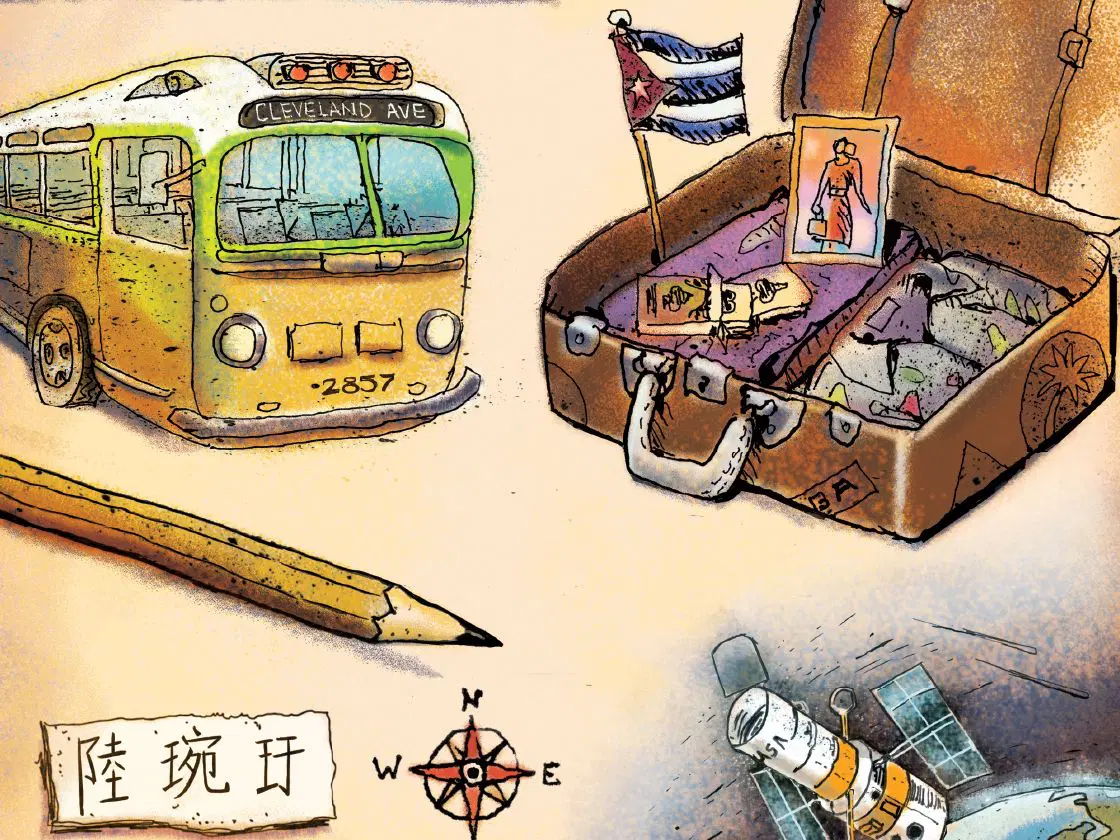
Women in early 20th-century clothing march with signs for voting rights and justice in front of a yellow bus labeled "Cleveland Ave.," making history that can inspire lessons in a K–2 language arts curriculum.

Domain

Fighting for a Cause/Luchar por una causa

How people can do extraordinary things to make the world better for everyone.

Dos ratones antropomórficos en un bote de remos, uno de ellos remando, navegan por un río tranquilo rodeado de exuberante vegetación y árboles. El ratón que rema lleva una chaqueta azul y el otro ratón parece conversar.

Unit 1

Classic Tales: The Wind in the Willows/Cuentos Clásicos: El viento en los sauces

A deep dive into character, theme, and POV in classic stories from around the world.

Ilustración de un jaguar, una garza, una rana roja, una tortuga y un pez en un paisaje vibrante con montañas y vegetación bajo un cielo soleado.

Unit 2

Animal Classification/La clasificación de los animales

How do we classify different animals by their appearance and behavior?

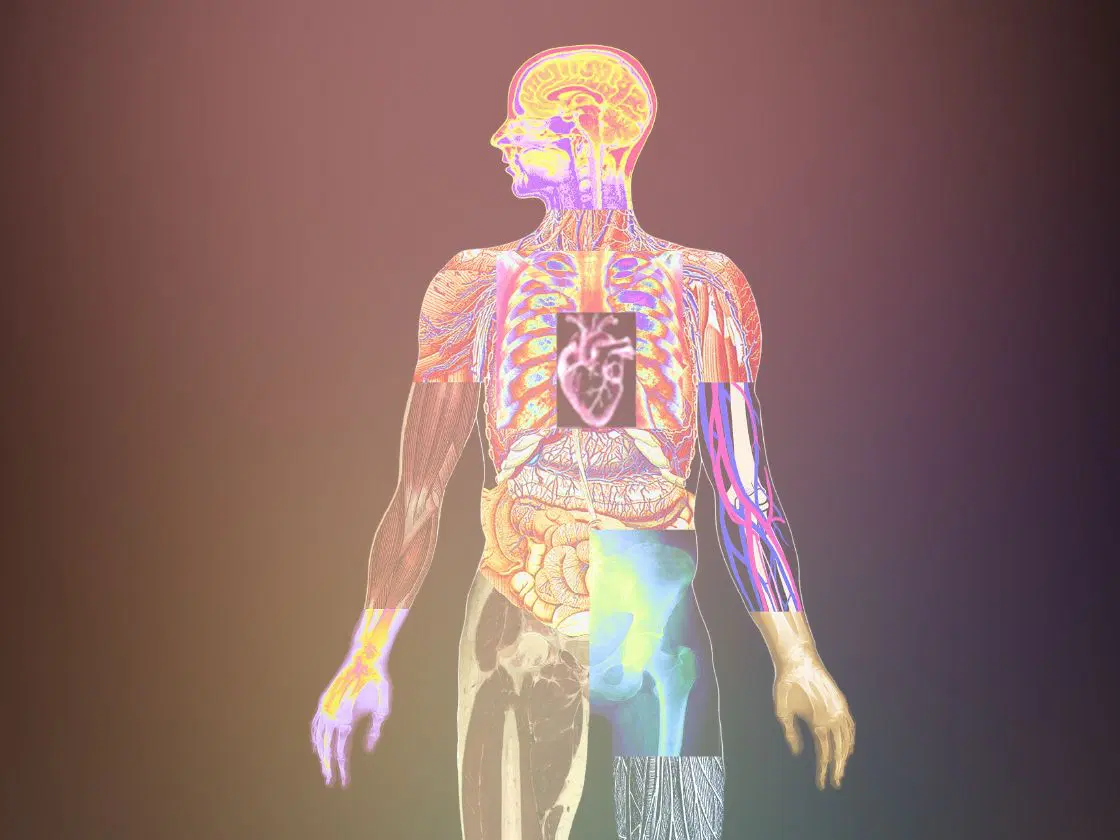
Ilustración de una figura humana que muestra la anatomía interna, incluidos el cerebro, los pulmones, el corazón, el sistema digestivo y una articulación de la cadera resaltada sobre un fondo degradado.

Unit 3

The Human Body: Systems and Senses/El cuerpo humano: sistemas y sentidos

Let’s take a closer look at how the skeleton, muscles, and nervous system all work.

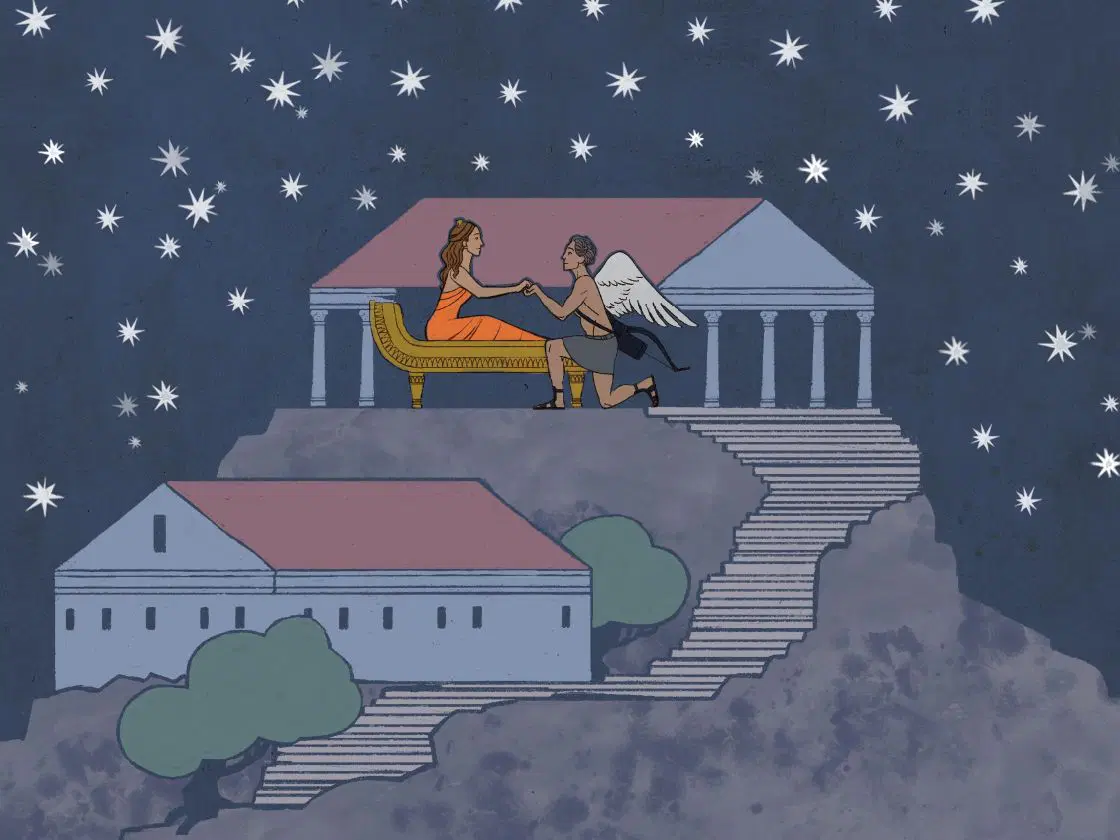
Un ángel se arrodilla ante una mujer sentada en un sofá dorado encima de un templo en una noche estrellada. Unas escaleras conducen al templo en un paisaje montañoso.

Unit 4

The Ancient Roman Civilization/La civilización romana antigua

What is Rome’s greatest cultural contribution? In this unit, your students decide.

Ilustración de un perro saltando bajo un árbol, persiguiendo una abeja, con una mesa en primer plano sosteniendo una jarra y vasos de limonada. El sol brilla intensamente en el cielo.

Unit 5

Light and Sound/La luz y el sonido

The science behind all the ways we see and hear the world.

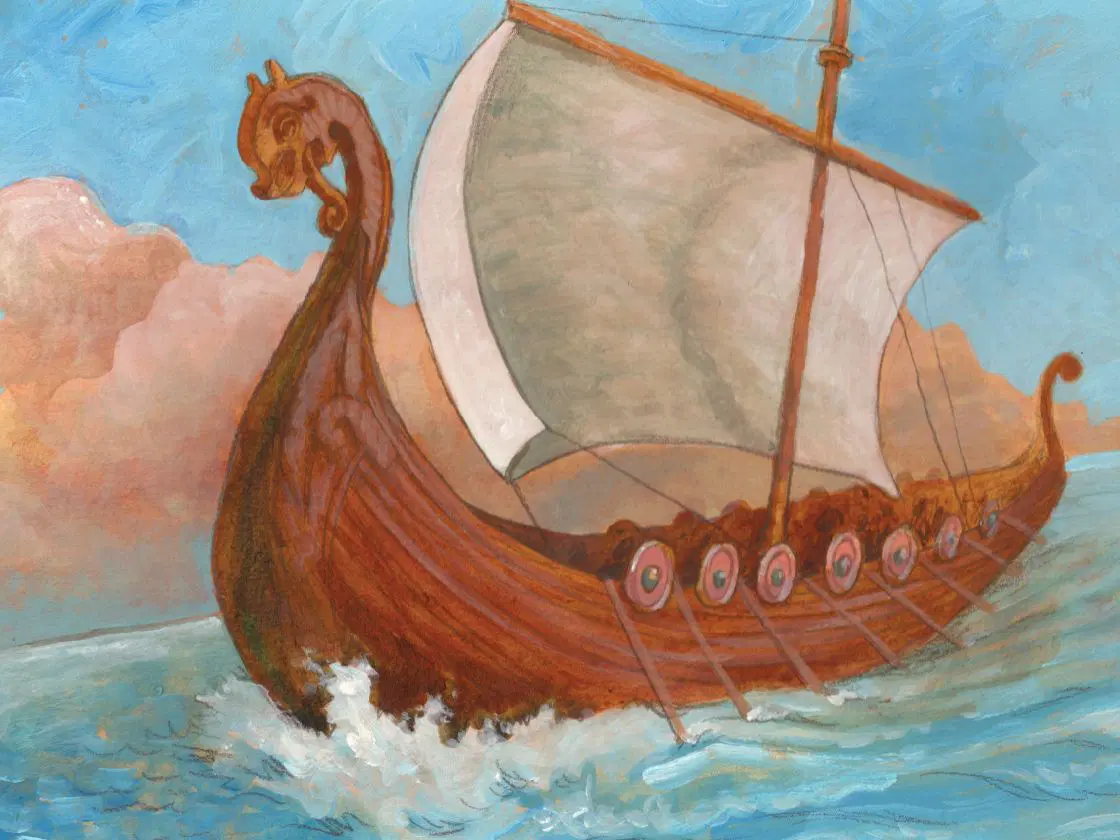
Un barco vikingo con una proa en forma de dragón navega en el océano bajo un cielo azul con nubes. El barco tiene una sola vela grande y varios escudos recubren sus costados.

Unit 6

The Viking Age/La era vikinga

An immersive narrative experience about what life was like in Viking communities.

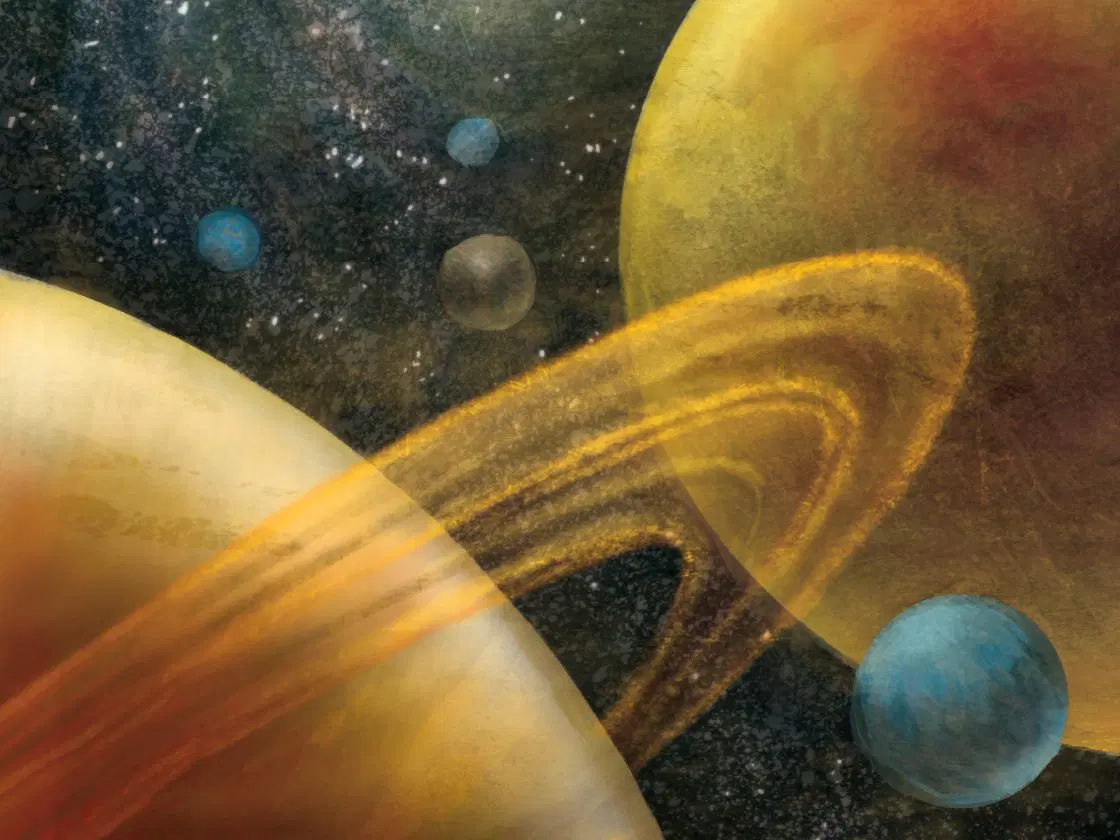
Ilustración de una escena espacial con varios planetas y anillos sobre un fondo de estrellas. Dos planetas grandes dominan el primer plano y se ven planetas más pequeños al fondo.

Unit 7

Astronomy: Our Solar System and Beyond/Astronomía: nuestro sistema solar y más allá

More about our universe, including a writing project about daily life on a space station.

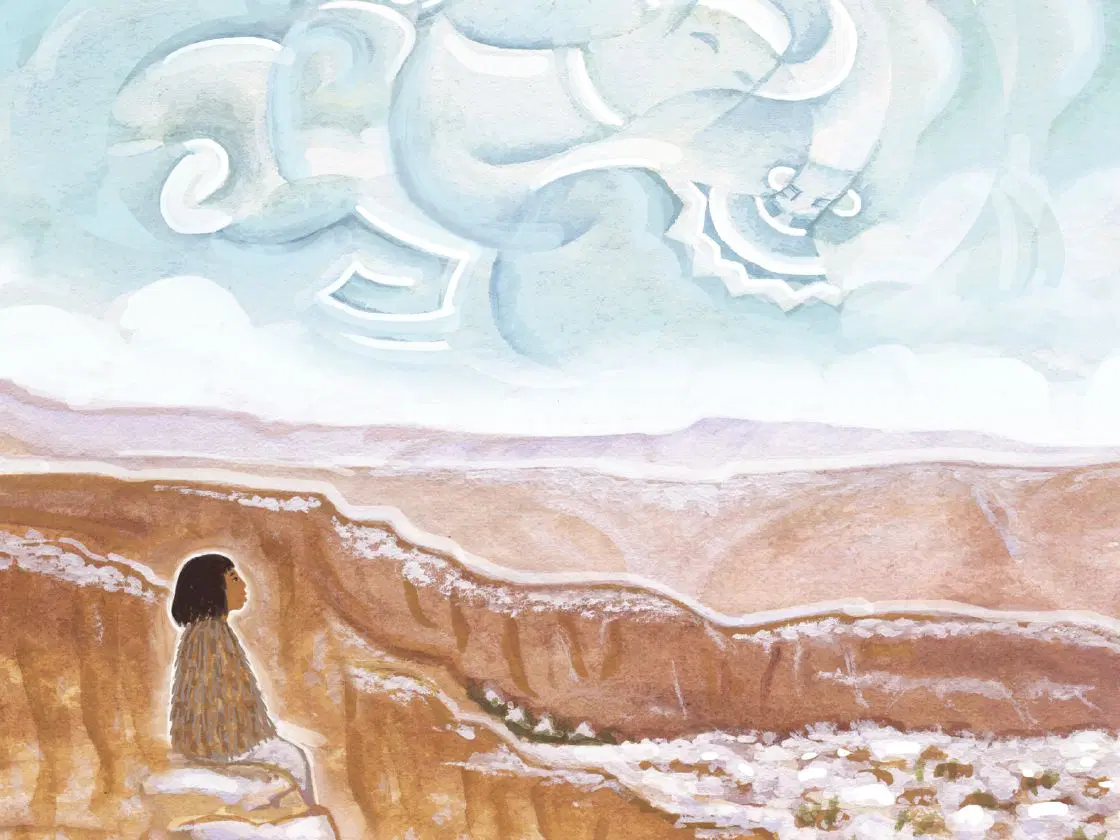
Una persona sentada en el borde de un acantilado con vistas a un vasto paisaje desértico con nubes arremolinadas en el cielo.

Unit 8

Native Americans: Regions and Cultures/Los nativos americanos: regiones y culturas

How did Native American nations change their way of life in different parts of the world?

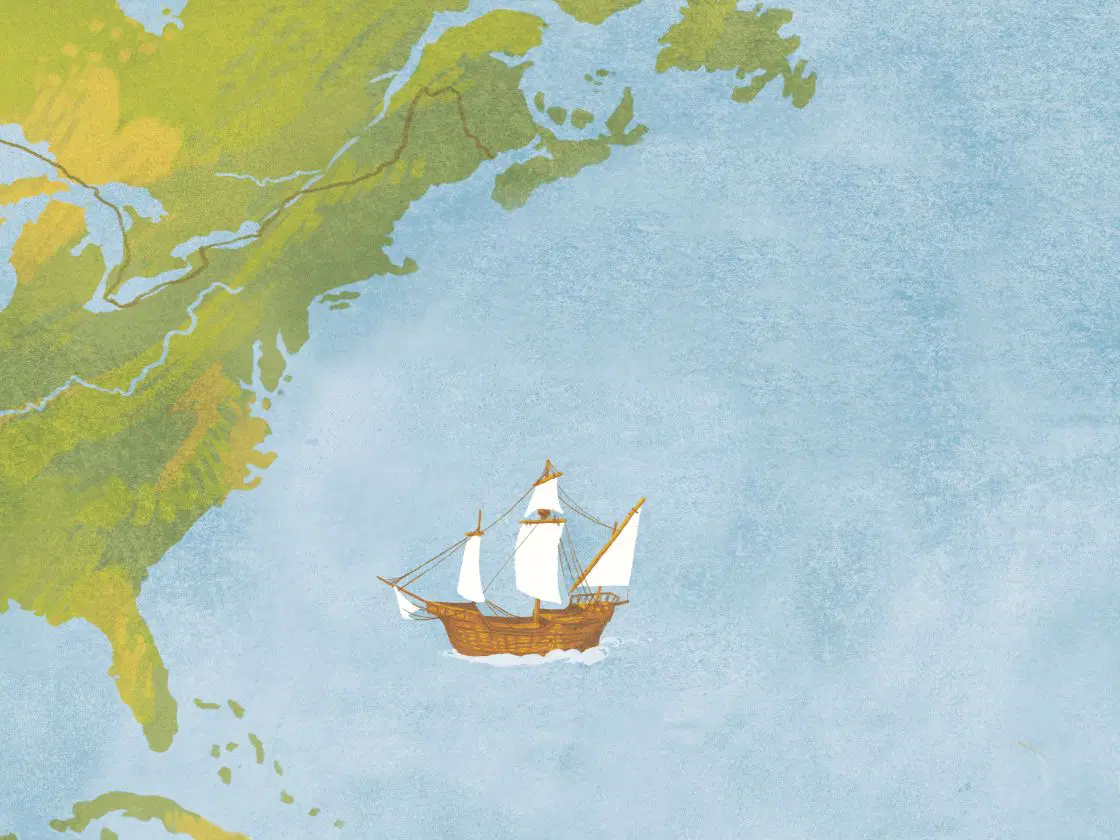
Ilustración de un velero en el océano con la costa este de América del Norte visible a la izquierda.

Unit 9

Early Explorations of North America/La exploración europea de América del Norte

What was it like to sail to North America with the early European explorers?

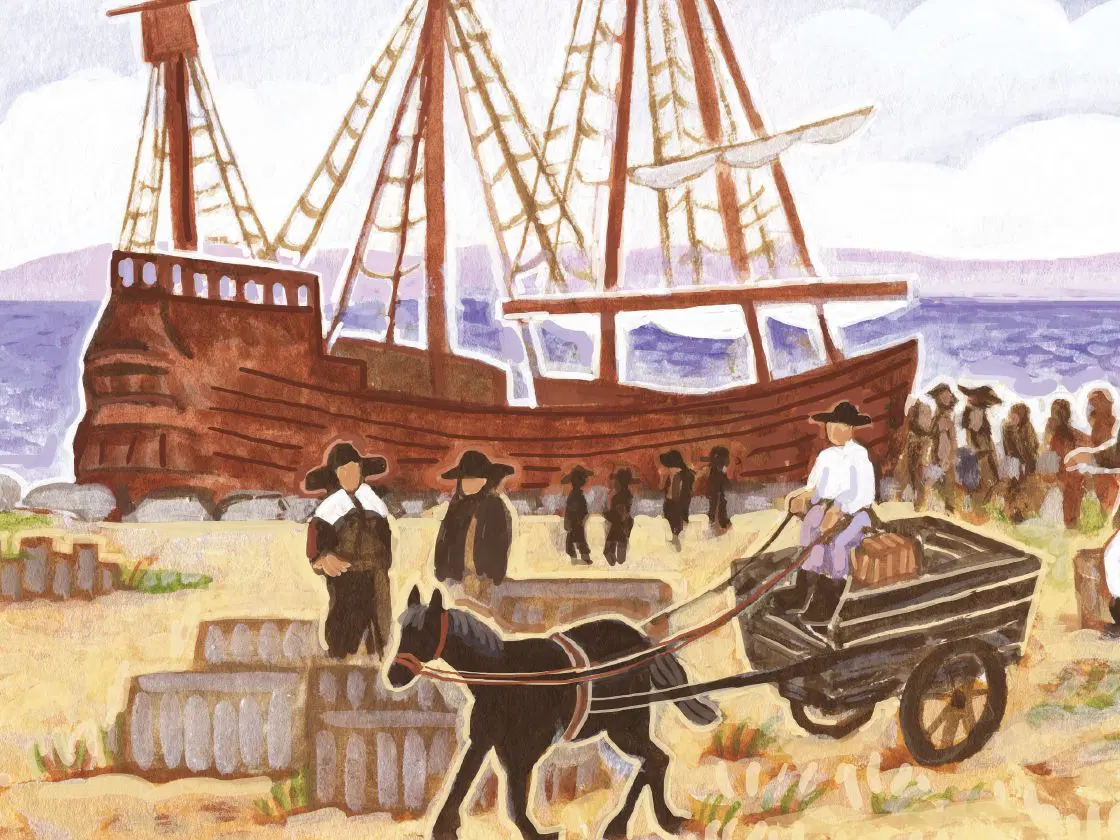
Una pintura representa una escena del siglo XVII con colonos, un velero al fondo y un hombre conduciendo un carro tirado por caballos cargado de mercancías. Se ve a otras personas descargando y trabajando cerca.

Unit 10

Colonial America/La época colonial en los Estados Unidos

A study of the very different ways of life in the different pre-U.S. colonies.

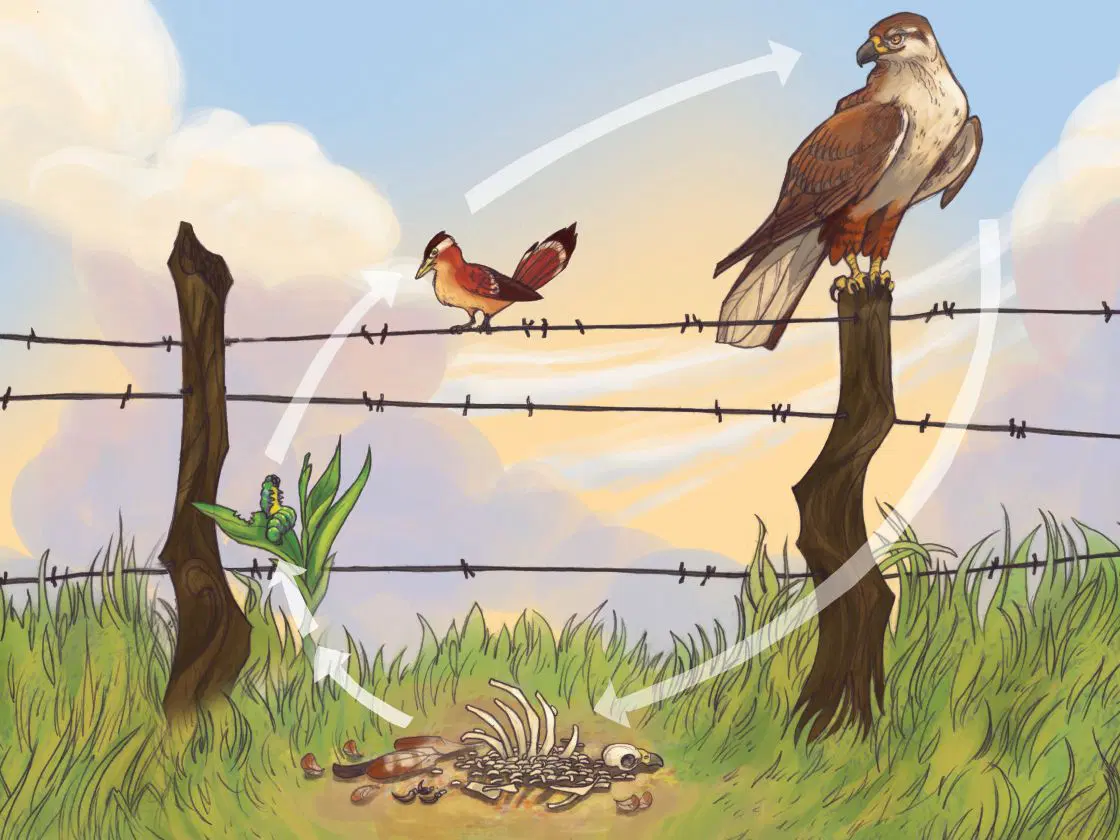
Ilustración que muestra el ciclo de la vida: un esqueleto en el suelo, un pájaro posado en una cerca, otro pájaro en una planta y un ave rapaz más grande arriba, todos conectados por flechas circulares.

Unit 11

Ecology/Ecología

Students keep ecologist’s journals to learn about our world and how best to protect it.

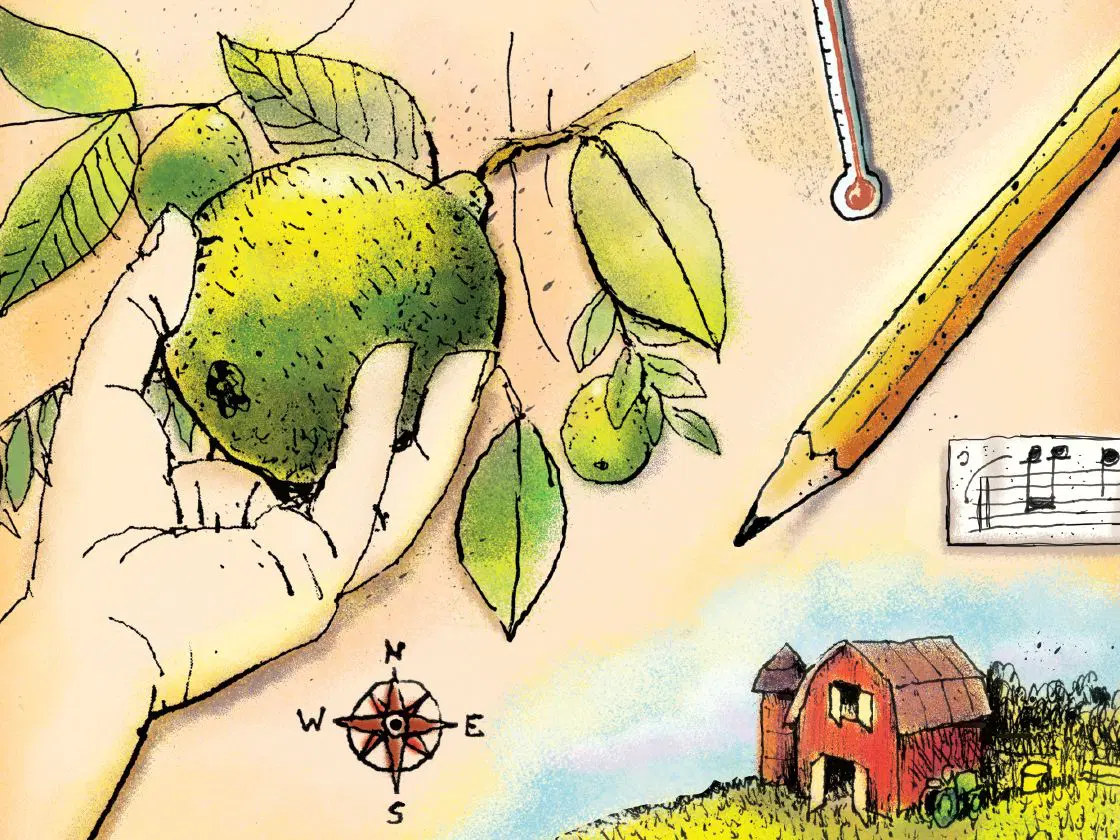
Una mano alcanza una manzana verde en una rama. Cerca hay una brújula, un termómetro, un lápiz, notas musicales y un granero rojo sobre un paisaje cubierto de hierba.

Unit 1

Personal Narratives/Narrativas personales

Read stories of personal experience… and learn to reflect on your own.

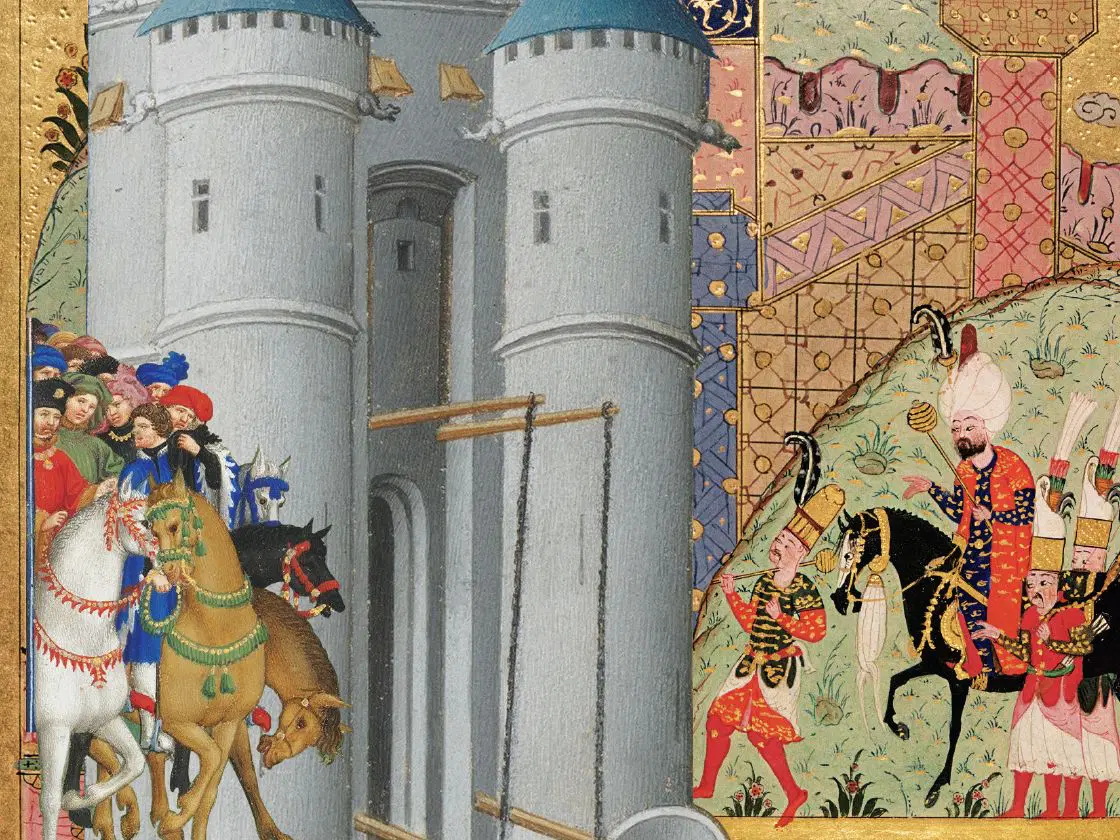
Ilustración medieval que representa un grupo de figuras con armadura a la entrada de un alto castillo gris con puente levadizo, adornado con banderas y rodeado por un paisaje decorado y fondos ornamentados.

Unit 2

Empires in the Middle Ages/Los imperios en la Edad Media, parte 1 & Los imperios en la Edad Media, parte 2

Explore the medieval history of Europe and the Middle East.

Ilustración dorada de un dragón con alas sobre fondo beige, rodeado de diversos elementos decorativos como estrellas, hojas y estampados abstractos.

Unit 3

Poetry/Poesía

Study the poetry of many nations using licensed text anthologies, and begin to write your own.

Vintage styled illustrations of a microscope, an old telephone, and a clock on textured background with geometric patterns.

Unit 4

Eureka! Student Inventor/¡Eureka! Estudiante inventor

Transform the class into a lab for students to build and present inventions.

Formaciones rocosas en un paisaje desértico con capas vibrantes y arremolinadas de arenisca roja, naranja y amarilla bajo un cielo parcialmente nublado.

Unit 5

Geology/Geología

Plate tectonics, volcanoes, erosion: all the forces that shape the Earth.

Una imagen abstracta y colorida que representa varias formas geométricas de edificios sobre un fondo azul estampado.

Unit 6

Contemporary Fiction with excerpts from The House on Mango Street/Ficción Contemporánea con Fragmentos de La Casa en Mango Street

Explore The House on Mango Street… and write a book while doing it.

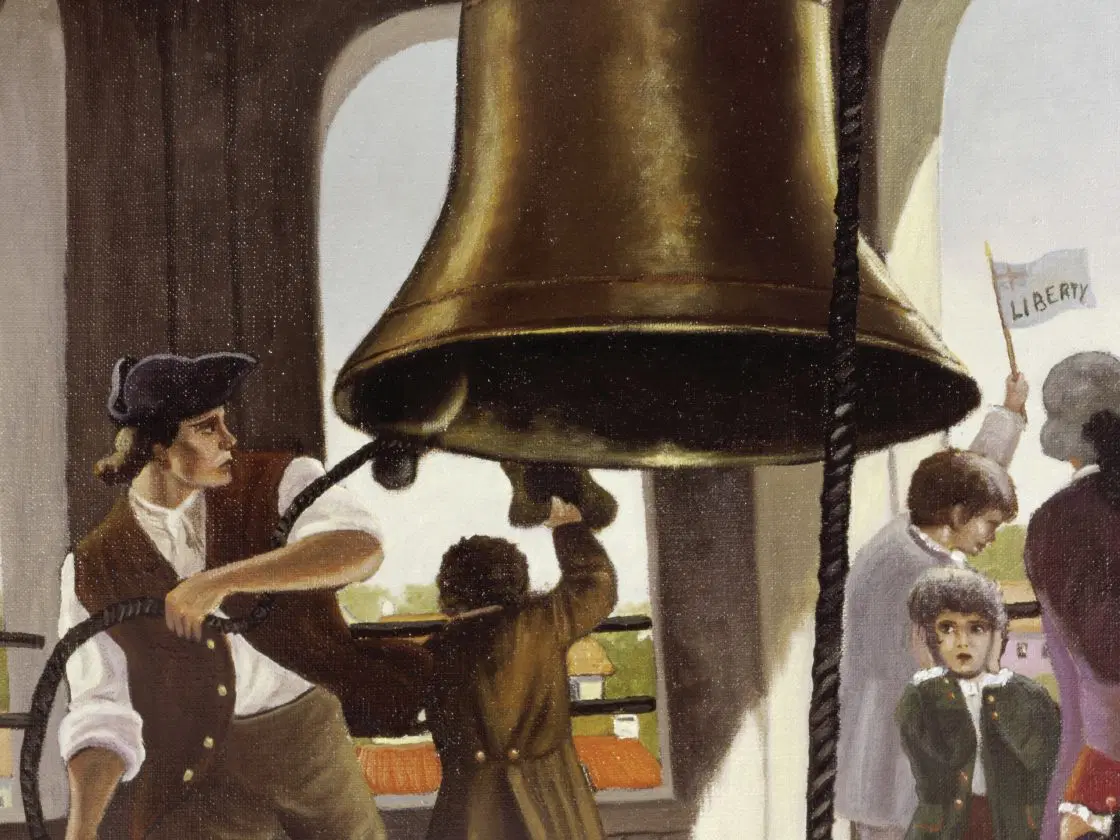
Cuadro que representa a un hombre y un niño tocando una gran campana en una torre, con espectadores al fondo y un cartel de "LIBERTAD" visible.

Unit 7

American Revolution/La Revolución estadounidense

Why did America seek independence? Let’s investigate the causes and effects.

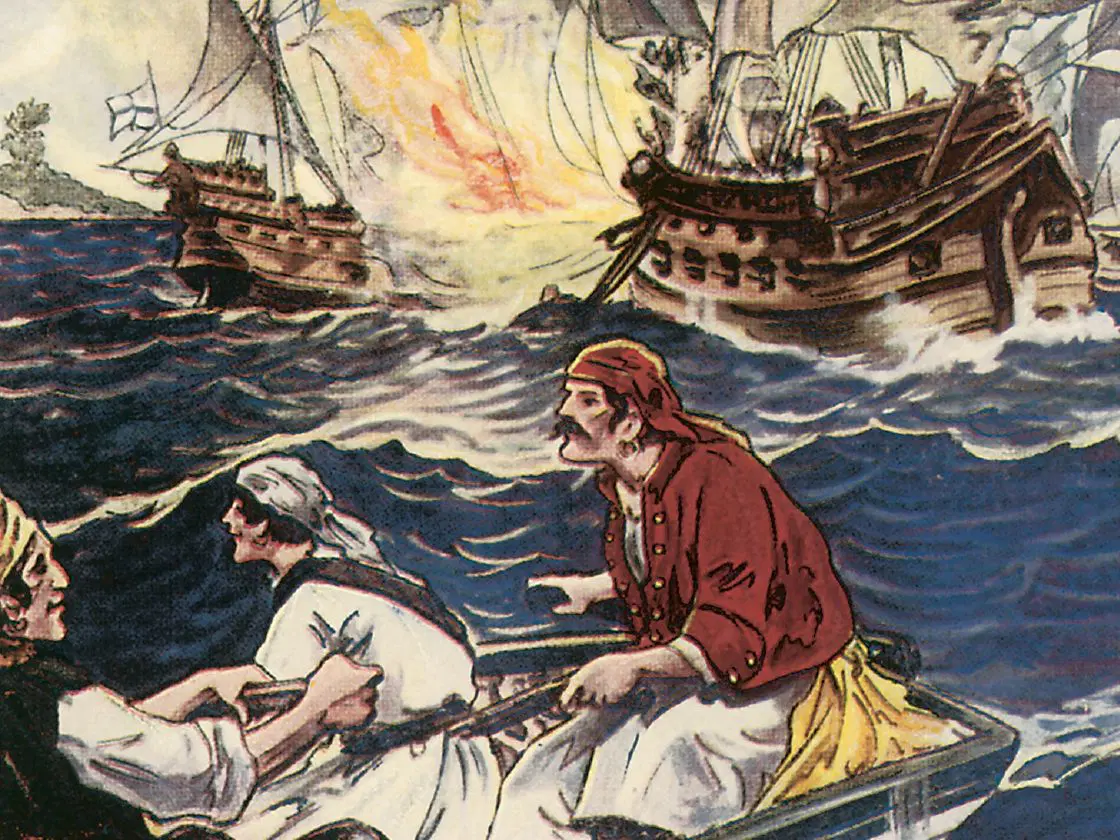
Un pequeño bote de remos con tres personas navega por mares agitados mientras dos grandes barcos luchan al fondo, con humo y fuego visibles.

Unit 8

Treasure Island/La Isla del Tesoro

How dSeek the treasure of plot in this detailed study of a classic fiction adventure.

Unit 1

Personal Narratives/Narrativas personales

Through writing and sharing their writing, students begin to identify themselves as writers.

Unit 2

Early American Civilizations/Las primeras civilizaciones americanas

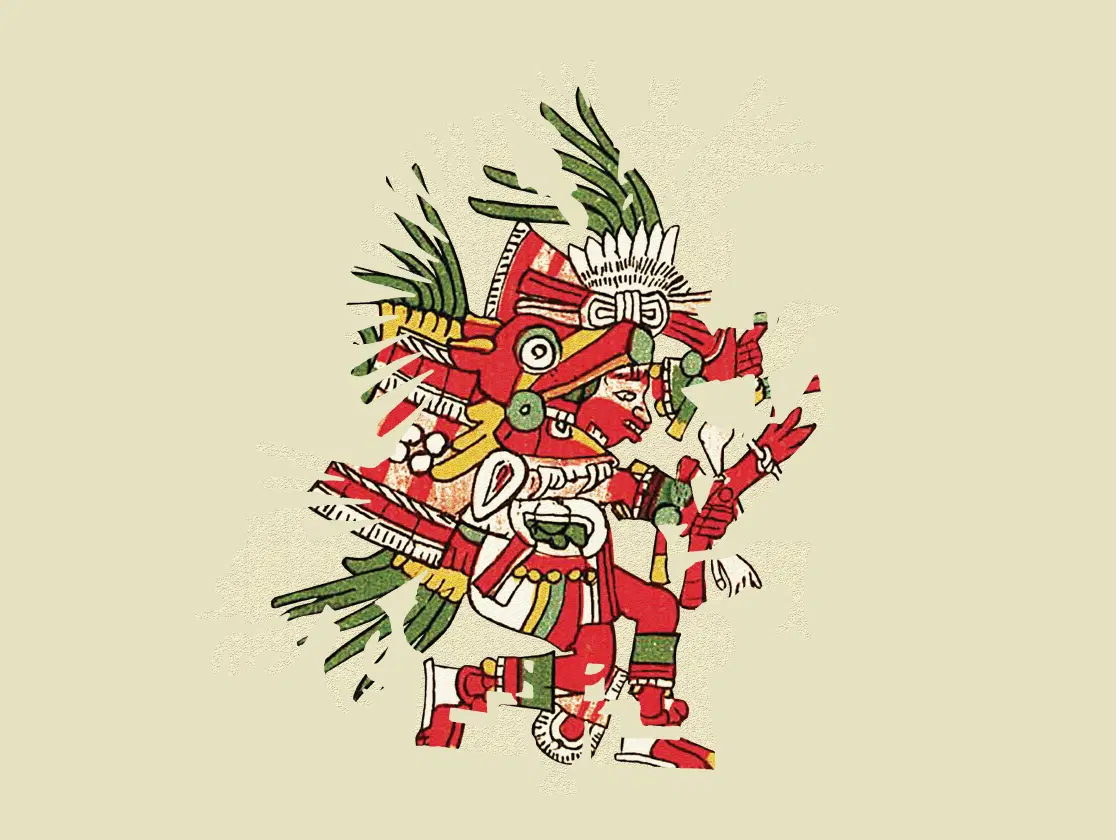
Students craft a codex to explain the rise and fall of the Maya, Aztec, and Inca people.

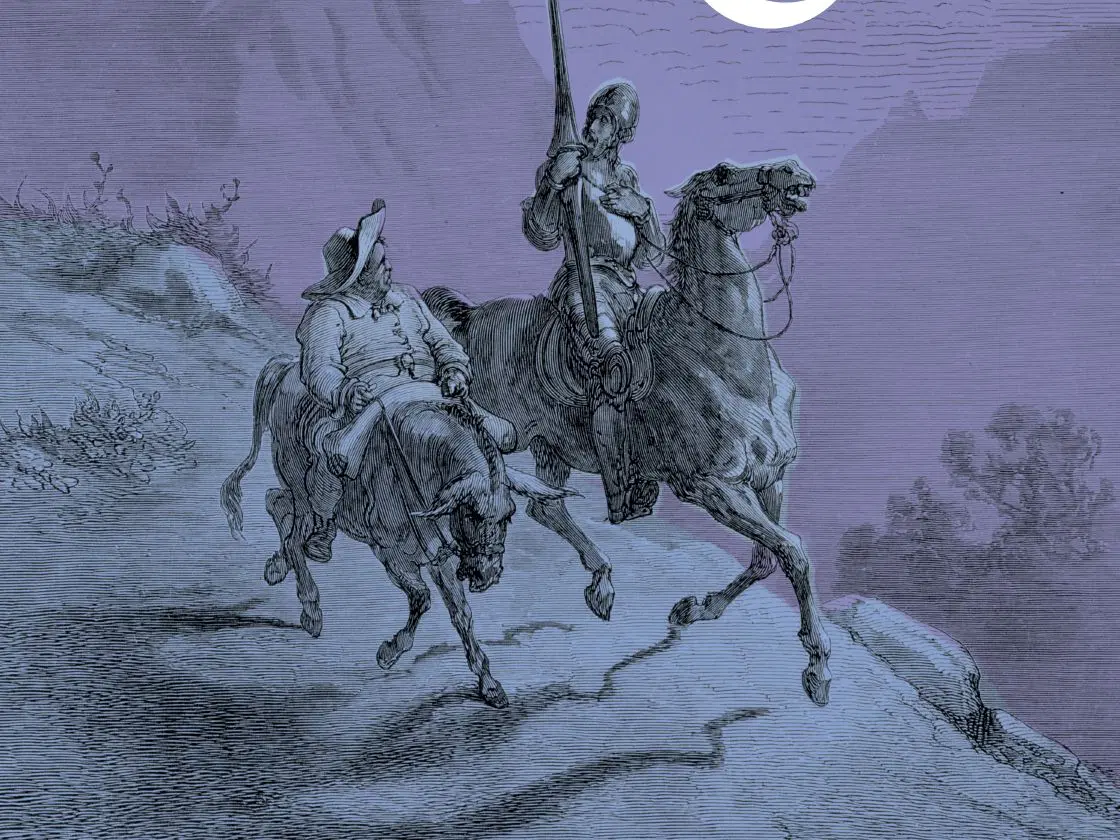
Dos jinetes medievales a caballo, uno de ellos con la espada en alto, avanzan por un terreno rocoso. El fondo presenta un paisaje brumoso bajo un tono violeta.

Unit 3

Poetry/Poesía

Students close read many forms of poetry… and learn to write them.

Collage ilustrado con un paraguas, un cuervo, un sextante náutico, estrellas, una luna creciente y una brújula sobre un fondo beige texturizado.

Unit 4

Adventures of Don Quixote/Las Aventuras de Don Quijote

Was Don Quixote right to fight the windmill? In this full-length novel study, students decide.

Unit 5

The Renaissance/El Renacimiento

Exploring the art and literature of the Renaissance through the works of its masters.

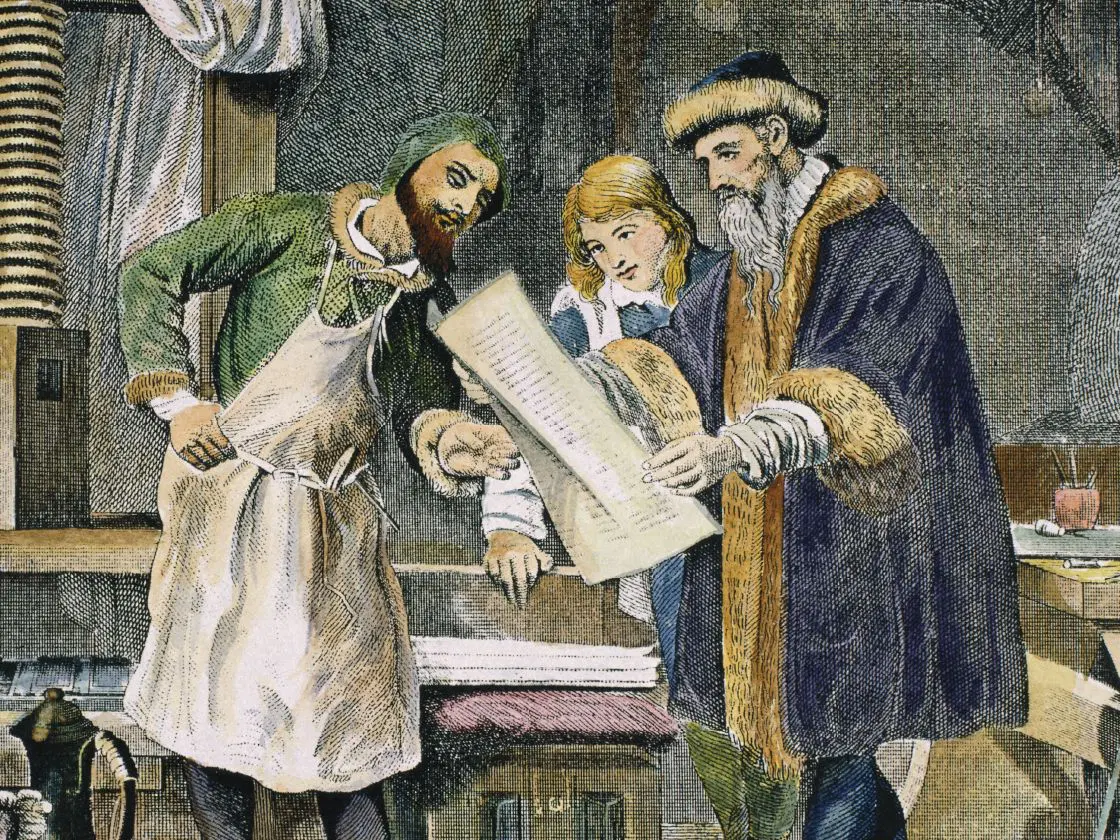
Tres hombres vestidos con ropa de época examinan una gran hoja de papel dentro de una imprenta. Un hombre parece llevar un delantal, mientras que otro señala el papel y el tercero observa de cerca.

Unit 6

The Reformation/La Reforma

How did the printing press transform the religion and society of Europe?

Patrón botánico morado y lila con hojas, plantas y formas abstractas, incluida una luna creciente y estrellas, sobre un fondo violeta oscuro.

Unit 7

William Shakespeare’s A Midsummer Night’s Dream/Sueño de Una Noche de Verano de William Shakespeare

Students enter the world of Shakespeare by reading, designing, and acting out his work.

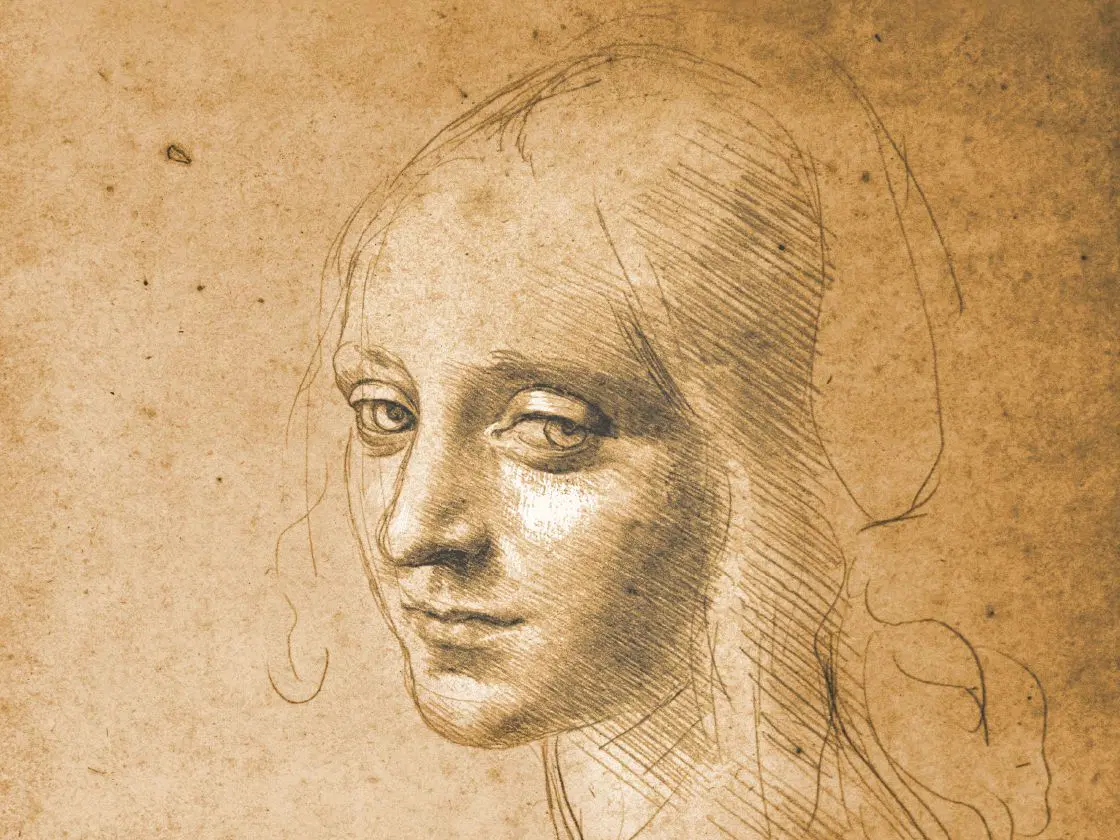
Retrato en tonos sepia de una joven de pelo largo, con un collar de pedrería y un chal drapeado.

Unit 8

Native Americans/Los nativos americanos

How did the policies of the U.S. government impact Native American culture and lives?

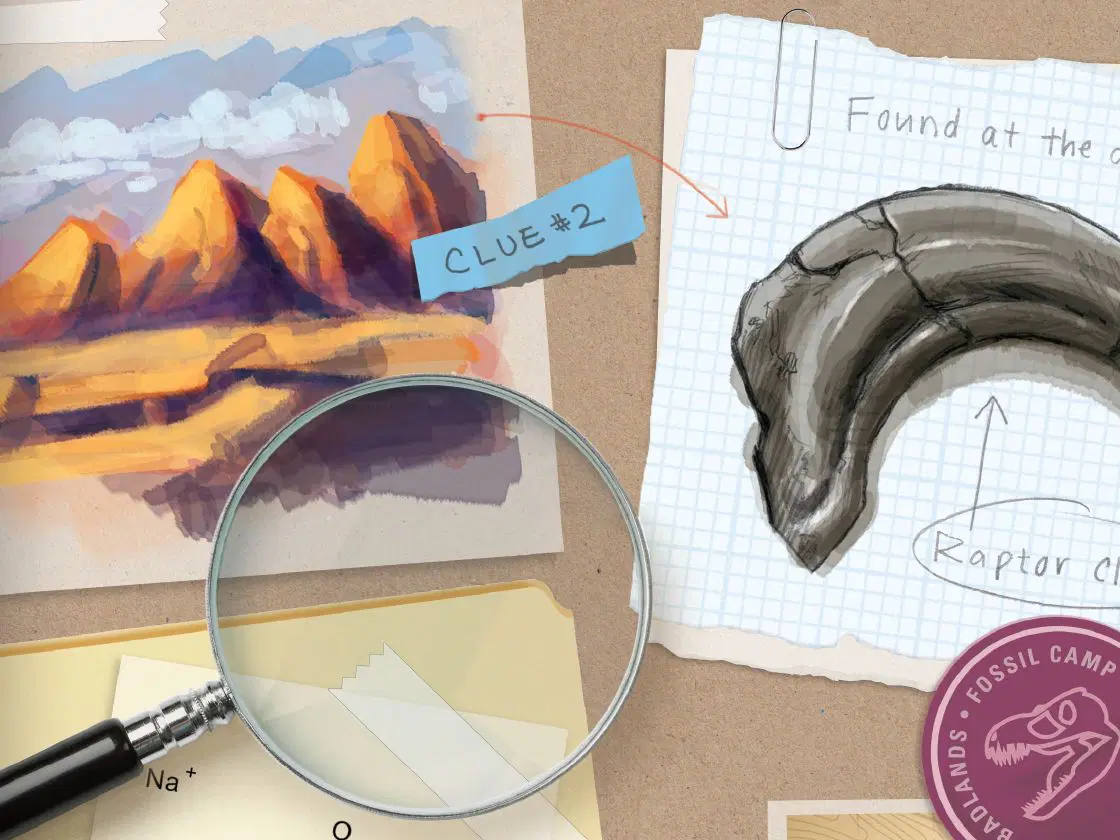
Una lupa sobre documentos que contienen una pintura de paisaje de montañas, un dibujo con la etiqueta "Raptor Claw" y una nota adhesiva con la "Pista n.° 2". También se ven un sobre y una insignia exterior.

Unit 9

Chemical Matter/Química

Students use knowledge of chemistry to solve a mystery.

Print & digital components

The program includes instructional guidance and student materials for a year of instruction, with lessons and activities that keep students engaged every day.

Component

FORMAT

Knowledge (Conocimientos) Teacher Guides (K–2)

Knowledge Strand Teacher Guides contain Amplify CKLA’s cross-curricular read-alouds and application activities, all of which are standards-based to build mastery of content knowledge and literacy skills. There is one Teacher Guide per Knowledge Domain.

Print and digital

Knowledge Image Cards (K–2)

Amplify Caminos includes Image Cards for each Knowledge Domain to bring each topic to life through vivid visuals.

Print and digital

Knowledge Flip Books (K–2)

Projectable Flip Books are provided to accompany the read-alouds in each Knowledge Domain.

Digital

Teacher Guides (3–5)

Teacher Guides for grades 3–5 units are based on content-rich topics and incorporate reading, writing, speaking, and listening skills in the context of background knowledge. There is one Teacher Guide per unit.

Print or digital

Teacher Resource Site (K–5)

The program includes a one-stop-shop website for lesson projections, digital versions of all Amplify Caminos materials, lesson planning resources, multimedia (such as eBooks), and more.

Digital

Professional Learning Site (K–5)

The Professional Learning site includes training materials, best practices, and other resources to develop program expertise. Access professional development anywhere, anytime.

Digital

Component

FORMAT

Knowledge (Conocimiento) Activity Books (K–2)

Activity Books provide students with the opportunity to deepen world and word knowledge by responding to text in a diversity of ways.

Print

Student Readers (3–5)

Student Readers serve as content-rich anchor texts for each unit. Units such as Poetry and Contemporary Fiction feature authentic texts originally written in Spanish.

Activity Books (3–5)

Activity Books in grades 3–5 provide daily opportunities for students to hone reading and writing skills within the context of each unit.

Print and digital

Explore more programs

Our programs are designed to support and complement one another. Learn more about our related programs.

¡Les damos la bienvenida, familias de Amplify ELA!

Nos complace darles la bienvenida a usted y a su estudiante al programa Amplify ELA para el nuevo año escolar y brindarles oportunidades de aprendizaje excepcionales a través de ELA. Hemos reunido una serie de recursos y guías que ayudarán a que su estudiante aproveche al máximo nuestra plataforma. Ponemos a su disposición estos materiales para que también usted pueda brindar apoyo a su estudiante a lo largo de todo el año.

Para la versión en inglés, haga clic aquí.

Illustrated collage with people playing sports, riding bikes, and a thoughtful person’s portrait, framed by natural elements and a rocket launching, next to an "EdReports Review Year 2020" badge.

¿Qué es Amplify ELA?

Amplify ELA ayuda a los estudiantes de los grados 6 a 8 a leer y comprender textos complejos que los alientan a abordar ideas interesantes y a descubrir, por sí mismos, la relevancia de estos textos. Amplify ELA es un programa mixto que incluye materiales digitales e impresos, pero también se puede utilizar solo de manera impresa. Los estudiantes que usan Amplify ELA leen textos con atención, interpretan lo que encuentran, comparten sus ideas con sus compañeros y desarrollan sus ideas por escrito. La estructura de la lección es fácil de seguir, pero lo suficientemente flexible para permitir diversas experiencias de aprendizaje y lo suficientemente variada para mantener a los estudiantes interesados.

Las características incluyen:

  • Funcionalidad que permite a cada estudiante trabajar en su propio nivel y enfrentar, al mismo tiempo, desafíos adecuados.
  • Herramientas integradas que permiten a los maestros realizar un seguimiento y responder al trabajo de los estudiantes.
  • La biblioteca digital (Amplify Library), que contiene más de 700 libros completos de ficción y no ficción descargables.
  • La aplicación de vocabulario (Vocab App), que utiliza actividades lúdicas para ayudar a que los estudiantes dominen las palabras clave de los textos del programa. (Los estudiantes que utilicen materiales impresos verán las palabras clave resaltadas.)
  • Tareas de escritura independientes llamadas Solos, disponibles en dispositivos móviles.
  • Proyectos interactivos llamados Quests que acompañan a ciertas unidades para proporcionar práctica adicional en las habilidades analíticas de lectura, escritura, habla y escucha.

Primeros pasos

Cómo apoyar a su estudiante en casa:

  • Si es posible, lea con su estudiante a diario; incluso 15 minutos de lectura juntos al día pueden tener un gran impacto. Pueden leer juntos en voz alta secciones del texto; a muchos estudiantes de secundaria les gusta adoptar el papel de un personaje de una obra de teatro e interpretar parte de sus diálogos o añadir un toque dramático a un poema en el que estén trabajando. Si su estudiante tiene dificultad para leer en voz alta, intente leerle el texto con expresividad y después pida a su estudiante que haga lo mismo. Los días flexibles del programa (Flex Days) tienen una variedad de actividades de fluidez en la lectura que sirven como práctica adicional. Pídale a su estudiante que le ayude a encontrar estas actividades.
  • Busquen momentos para conversar sobre lo que están leyendo y descubriendo. Por ejemplo, usted podría preguntarle:¿Qué te llamó la atención de lo que leíste hoy? ¿Alguna frase o palabra te resultó confusa? ¿Qué te sorprendió más? ¿Qué crees que intentaba comunicar el autor? ¿Estás de acuerdo con sus ideas o descripciones? ¿Qué conexiones puedes establecer entre lo que lees y tu propia vida u otros temas que hayas escuchado?
  • Escuche a su estudiante leer sus respuestas escritas o pídale que las comparta con un amigo por teléfono o en una videollamada.
  • Explore Amplify Library para encontrar libros que su estudiante pueda disfrutar y leer con fluidez por su cuenta.
  • Consulte el artículo Proteja a los niños en internet de la Comisión Federal de Comercio, cuyo tema es la seguridad digital.

Cómo acceder a textos en Amplify Library.

¡Invitamos a que los estudiantes utilicen los textos básicos de Amplify Library en casa! Por favor, siga los siguientes pasos para poder descargar un texto y poder leerlo sin contar con acceso a internet:

1. Diríjase al menú Programs & Apps (Programas y aplicaciones) ubicado en la parte superior de la pantalla y desplácese hacia abajo hasta encontrar el icono de Amplify Library. Cuando lo seleccione, Amplify Library se abrirá en una nueva pestaña.

A digital menu displays various educational tools and resources, with "Amplify ELA" highlighted at the top and the "Library" option outlined in orange.

2.  Si se le solicita, siga las instrucciones para configurar un pin para Amplify Library; de lo contrario, continúe con el siguiente paso.

A pop-up window prompts the user to create a four-character PIN of lowercase letters and/or numbers for offline reading, with Cancel and Submit buttons.

3. En la esquina superior derecha de la pantalla, busque el libro que desea descargar. Por ejemplo: The Secret of the Yellow Death: A True Story of Medical Sleuthing.

A digital library search page displays "yellow death" in the search bar with no results found for title, authors, or genre. Book covers are visible in the left sidebar.

4. Seleccione el botón Download (Descargar).

A digital library interface displays the book "The Secret of the Yellow Death" by Suzanne Jurmain, showing its cover, synopsis, and options to read or download.

5. Si pierde el acceso a internet mientras está en Amplify Library, podrá seguir accediendo y leyendo los libros descargados. Si la página se actualiza sin tener conexión a internet o usted intenta iniciar sesión en otro dispositivo sin tener conexión, perderá el acceso a los libros descargados hasta que se restablezca la conexión.

A dropdown menu under "My Library" shows options: Recently Read, Favorites, Downloaded (highlighted), and All Books. Below, a Recently Read section displays three book covers.

Para recuperar los textos descargados:

  1. Desde la aplicación de Amplify Library, abra el menú desplegable My Library (Mi biblioteca) ubicado en la esquina superior izquierda.
  2. Seleccione Downloaded (Descargados).
  3. Elija el texto que desea leer de entre todos los textos previamente descargados.

Vistazo general a los materiales

No todas las escuelas funcionan de la misma manera, pero los estudiantes que asisten a escuelas que tienen las ediciones impresas y digitales del programa probablemente tienen los siguientes materiales impresos en casa:

  • Edición para estudiantes (Student Edition): Incluye todas las lecturas y actividades necesarias para la instrucción a lo largo del año. Los estudiantes pueden leer las selecciones tanto en formato digital como impreso y anotar en ambos formatos. Las lecciones de la Edición para estudiantes impresa reflejan cada lección digital, pero se han modificado para que funcionen eficazmente en formato impreso.
  • Diarios de escritura (Writing Journals): Este espacio proporciona a los estudiantes la posibilidad de responder a indicaciones de escritura (Writing Prompts) y completar otras tareas escritas.

En el caso de que los estudiantes no tengan acceso a dispositivos o Internet, pueden continuar completando tareas clave de lectura y escritura utilizando las Ediciones para estudiantes impresas y los Diarios de escritura para estudiantes.

Los maestros también pueden acceder a, imprimir y enviar por correo las guías de novelas (Novel Guides) para estudiantes. Las guías abarcan hasta 12 novelas que suelen enseñarse en las escuelas. Seis de estas novelas están disponibles en Amplify Library y la mayoría debería estar disponible en una biblioteca pública.

Reseñas de unidades

A continuación, se presentan breves descripciones generales de cada unidad que su estudiante estudiará en su grado a lo largo del año. Con cada unidad se incluye una guía descargable que ofrece un repaso más detallado del contenido cubierto y de cómo puede ayudar a su estudiante a profundizar en la comprensión de los temas.

Unidad 6A

La narrativa de Dahl

Cada estudiante comienza con escritura narrativa para aumentar rápidamente su producción de escritura, aprender la destreza básica de enfoque y familiarizarse con los hábitos y rutinas clave del salón de clases que utilizarán todo el año. Luego, aplica su nueva capacidad de observación a entretenidas lecturas de la biografía de Roald Dahl, Boy, y aprende a trabajar de cerca con evidencias del texto.

Unidad 6B

Misterios e investigaciones

Cada estudiante lee con la atención propia de un investigador, embarcándose en un estudio del cautivante mundo del trabajo de detective en distintos géneros literarios. Al final de la unidad, el niño o la niña escribe una composición para explicar cuál es el rasgo más útil de un investigador en la resolución de problemas.

Unidad 6C

Colección acerca del chocolate

Los aztecas lo usaban como moneda, Robert Falcon Scott lo llevó a la Antártida, los nazis diseñaron con él una bomba para matar a Churchill. La historia del chocolate se remonta a 3,700 años en el pasado y está repleta de vicisitudes que la vuelven un tema de investigación gratificante. En esta unidad los y las estudiantes analizan documentos de primera fuente y conducen investigaciones independientes para entender mejor la extraña y maravillosa gama de roles que el chocolate ha desempeñado en el mundo a lo largo de los siglos.

Unidad 6D

Los griegos

Los mitos griegos nos ayudan a entender no solo la cultura griega antigua, sino también el mundo que nos rodea y la función que cumplimos en él. Partiendo de las rutinas y destrezas establecidas en las unidades anteriores, estas lecciones motivan a cada estudiante a dejar atrás el enfoque en una sola persona —él mismo o ella misma o un personaje— para contemplar cuestiones más amplias sobre el papel que las personas desempeñan en el mundo y en las comunidades donde residen.

Unidad 6E

El verano de las mariposas

Las tierras fronterizas de Estados Unidos y México son lugares poblados de leyendas, tanto verdaderas como ficticias. El verano de las mariposas, de Guadalupe García McCall, implanta una versión de la Odisea en este entorno, embarcando a cinco hermanas en una aventura que transcurre en un mundo de héroes y malhechores inspirado en mitos aztecas y leyendas latinoamericanas. La experiencia ayuda a las hermanas a aceptar la disolución del matrimonio de sus padres y a encontrar fortaleza renovada en su identidad de hermanas y en su conexión a un linaje azteca. En esta unidad, cada estudiante analiza el uso que McCall da a la estructura de una epopeya para crear una narración emocionante de aventuras, y cómo la autora hace uso de la narración para celebrar el poder femenino, su herencia latina y una definición más amplia de lo que es una familia. Cada estudiante también tiene oportunidad de comparar el viaje ficticio de las jóvenes a México con la descripción del viaje real de un jovencito a Estados Unidos.

Unidad 6F

Colección acerca del Titanic

Para aprender a diferenciar las fuentes primarias, secundarias y terciarias, determinar si una fuente dada es fiable y entender los usos éticos de la información, cada estudiante formula sus propias preguntas de investigación y busca las respuestas en internet. Asumirá así el papel de uno de los pasajeros o pasajeras de la lista de embarque del Titanic y considerará cuestiones de clase y género, a medida que investiga y escribe relatos desde el punto de vista de los viajeros.

Unidad 6F y unidad 6G

Comenzar a escribir un cuento

En esta unidad cada estudiante puede poner en práctica sus destrezas de escritura creativa, para aprender elementos de narración y desarrollo de personajes, y la importancia del lenguaje vívido. Cada estudiante consigue una noción de propiedad sobre su propia escritura a medida que experimenta los diferentes impactos de sus decisiones autorales en oraciones, lenguaje, rasgos de personajes y giros de la trama.

Unidad 6F

Gramática

En esta unidad cada estudiante completa instrucciones para seguir un aprendizaje autoguiado y practica lo que el maestro y la maestra le asignará durante el año.

Unidad 7A

La narrativa y La joven del pañuelo rojo

En esta unidad se presenta la autobiografía sumamente cautivante de una joven cuya vida transcurre en China durante la Revolución Cultural. Cada estudiante aprende la historia y el contexto político de este periodo, enfocándose en el relato de alguien que vivió en la época de la revolución. A medida que cada estudiante recorre el camino de la protagonista en ese mundo convulsionado, puede apreciar los cambios que se produjeron en los sentimientos y motivaciones de la joven a lo largo del tiempo.

Unidad 7B

Carácter y conflicto

Leyendo Una pasa al sol y Inocentón, cada estudiante explora el tema de las personas que, al enfrentar adversidades, pueden infligir daño en quienes los rodean sin intención de hacerlo. Las dos narrativas se complementan para brindar a cada estudiante oportunidades de analizar las respuestas de los personajes al conflicto y el desarrollo de ideas del autor o la autora en una obra de ficción.

Unidad 7C

La ciencia del cerebro
¿Podrías sobrevivir después de que una vara de hierro te atravesara el cráneo? Phineas Gage lo hizo y su historia, escalofriante pero real, permite desarrollar la información de contexto y analizar otros textos informativos, incluyendo los contemporáneos El hombre que confundió a su mujer con un sombrero y el obviamente relevante La desmitificación del cerebro adolescente.

Unidad 7D

La poesía y Poe

Los textos de Poe siempre tienen mucho para observar, descifrar, comentar y… crisparnos los nervios. Dado que las cosas no siempre son lo que aparentan, cada estudiante usa las destrezas de lectura atenta para cuestionar si debería creer lo que el narrador de Poe les está contando.

Unidad 7E

Colección acerca de Frida y Diego

Los artistas más famosos y provocativos de México, Diego Rivera y Frida Kahlo, formaron una pareja extraordinaria que vivió en tiempos extraordinarios. Eran almas gemelas con personalidades totalmente opuestas. Las obras de Diego Rivera y Frida Kahlo y sus vidas multifacéticas ofrecen a cada estudiante un tema fértil y fascinante para examinar documentos de fuente primaria y conducir investigaciones independientes.

Unidad 7F

Colección acerca de La fiebre del oro

Cada estudiante elige entre una extensa colección de fuentes primarias y secundarias para aprender acerca de la amplia diversidad de personas que participaron en La fiebre del oro de California.

Unidad 7G

Escribir un cuento: nivel intermedio

En esta unidad cada estudiante puede poner en práctica sus destrezas de escritura creativa para aprender elementos de narración y desarrollo de personajes, y la importancia del lenguaje vívido.

Unidad 7

Gramática

En esta unidad cada estudiante completa instrucciones para seguir un aprendizaje autoguiado que el maestro o la maestra le asignará durante el año. Las sub unidades están organizadas por temas clave de gramática, de manera de que el maestro o la maestra pueda asignar el contenido que mejor se acomoda a las necesidades de sus estudiantes mientras se asegura de que trabajen con temas clave de gramática apropiados para su grado.

Unidad 8A

Perspectivas y narrativa
Esta unidad procura enseñar a cada estudiante a leer como un escritor o una escritora. Así, pone en práctica la destreza de prestar atención al oficio de la escritura: las decisiones que toma un buen escritor o escritora para darle forma a nuestra percepción de una escena o a nuestros sentimientos hacia un personaje, y para despertar nuestras emociones, sorprendernos o dejarnos pensando en lo que podría suceder después. Cada estudiante lee atentamente ejemplos de narrativas de no ficción, analiza las técnicas que usa cada autor para que sus textos evoquen emociones y practica la aplicación de estas técnicas en sus propios textos narrativos.

Unidad 8B

Libertad e igualdad
Analizamos las palabras de varios creadores —desde el poeta Walt Whitman hasta el abolicionista Frederick Douglass y el presidente Abraham Lincoln— para descubrir cómo sus escritos y obras contribuyeron a los cambios extremos de la organización social: un concepto totalmente nuevo de lo que significaba considerar a las personas “iguales”.

Unidad 8C

Ciencias y ciencia ficción
Cada estudiante leerá la obra Frankenstein de Gris Grimly, una novela gráfica que integra ilustraciones cautivantes en una versión abreviada de la edición de 1818 del libro de Mary Shelley. Combinadas con el texto de Shelley, las inquietantes —y a veces espeluznantes— representaciones de la criatura de Frankenstein diseñadas por Grimly impulsan a cada estudiante a contemplar algunos de los temas centrales del texto: el origen de la humanidad y la raíz del mal. Luego escribe un ensayo, en el cual, después de argumentar a favor de ambos lados de la cuestión, determina si en última instancia la criatura de Frankenstein debería considerarse humana.

Unidad 8D

Romeo y Julieta, de Shakespeare
Romeo y Julieta combina romance y acción, ofreciendo una amplia gama de temas y escenas que cada estudiante puede leer y representar actuando. Cada estudiante de nivel intermedio tiene la edad adecuada para identificarse con los sentimientos intensos de los amantes, y ha alcanzado la madurez suficiente como para analizar de forma crítica las decisiones que toman Romeo y Julieta.

Unidad 8E

El Holocausto: memoria y significado
Esta unidad usa una variedad de artículos, imágenes y videos de primera fuente, así como textos de no ficción literaria y no ficción gráfica, para estudiar los sucesos que hicieron posibles las atrocidades del Holocausto. Cada estudiante investiga cómo se generó y se empleó la propaganda para crear un ambiente político que llegó a corromper a toda una sociedad. Las Olimpiadas se observan a través de la lente de una campaña de propaganda internacional, al amparo de la cual los nazis comenzaron a eliminar de su cultura a las personas que no eran de lo que consideraban “raza aria”. La sub unidad final examina los resultados de la doctrina nazi y su impacto en las víctimas y sobrevivientes judíos.

Unidad 8F

Colección acerca de La carrera espacial
Cada estudiante usa internet para poner a prueba sus destrezas de investigación y lectura atenta, y distingue entre fuentes fiables y fuentes no fiables.

En esta colección los estudiantes exploran documentos primarios y llevan a cabo investigación independiente para comprender mejor esta carrera espacial entre los dos superpoderes del planeta. La dramática historia de la carrera espacial ofrece a cada estudiante un generoso tema de investigación para explorar, mientras desarrollan destrezas de lectoescritura informativa, y aprenden cómo elaborar sus propias preguntas de investigación y exploran Internet en busca de respuestas.

Unidad 8

Gramática

En esta unidad cada estudiante completan instrucciones para seguir un aprendizaje autoguiado que el maestro o la maestra le asignará durante el año. Las sub unidades están organizadas por temas clave de gramática, de manera de que el maestro o la maestra pueda asignar el contenido que mejor se acomoda a las necesidades de sus estudiantes mientras se aseguran de que trabajen con temas clave de gramática apropiados para su grado.

Unidad 8G

Escribir un cuento: nivel avanzado

En esta unidad cada estudiante pueden poner en práctica sus destrezas de escritura creativa, para aprender elementos de narración y desarrollo de personajes. También aprende la importancia del lenguaje vívido para enganchar a sus lectores y atraerles al cuento.

Actividades adicionales

Quests:

Quizás observe que su estudiante trabaja con sus compañeros en el mismo proyecto interactivo durante varios días, intentando resolver un misterio o explicar un acontecimiento histórico. Eso es lo que sucede cuando un maestro asigna una misión (Quest): una exploración minuciosa de una semana que requiere colaboración y ayuda a profundizar la interacción con los textos y con los temas tratados.

Vocab App:

La aplicación de vocabulario (Vocab App) ayuda a los estudiantes a dominar las palabras del vocabulario a través de actividades lúdicas que los hacen pensar en la morfología, la analogía y los sinónimos y antónimos, y a descifrar el significado a través del contexto.

¿Tiene alguna pregunta sobre Amplify ELA?

Visite nuestra biblioteca de ayuda (en inglés) y busque respuestas a sus preguntas sobre el programa en nuestros artículos de ayuda.

Para obtener apoyo curricular adicional, comuníquese con su maestro.

What’s included in our Spanish language arts curriculum

Amplify Core Knowledge Language Arts® (CKLA) is available in both English and Spanish. Amplify Caminos al Conocimiento Esencial, our robust Spanish language arts companion for grades K–5, supports multiple teaching models, including dual language immersion and transitional classrooms.

A laptop screen displays a kindergarten instructional webpage in Spanish, showing lesson categories with illustrated thumbnails and navigation options.

Year at a glance

The program’s intentional Knowledge Sequence from K–5 connects knowledge and vocabulary within a grade level and across grade levels, for deeper reading comprehension and preparation for college, career, and life. Instead of “activating prior knowledge,” Amplify Caminos helps you build it in the classroom from day one, for every child, expanding each student’s knowledge base long before they transition to reading to learn.

Curriculum flowchart showing reading themes and activities from Kindergarten to Grade 5, organized by grade level and literary theme, with interconnected boxes for each topic.

Units & domains at a glance

Each Knowledge Domain in grades K–2 and Unit in grades 3–5 varies in the number of days based on instructional purpose. Just as with our top-rated Amplify CKLA program, the Amplify Caminos materials engage and delight young learners with resources that are both appealing and original.

Una mujer rubia con un vestido azul cuida ovejas blancas y negras, sosteniendo un bastón de pastor. Un cerdo vestido de azul corre y un hombre de negro toca el violín en una valla. Al fondo hay una casa.

Domain

Nursery Rhymes and Fables/Rimas y fábulas infantiles

Start learning about literature with these classic Mother Goose rhymes.

Ilustración de tres personas en un paisaje cubierto de hierba, una tratando de atrapar mariposas con una red, otra escondiéndose detrás de una escultura alta y frondosa de una mano y otra con binoculares.

Domain

The Five Senses/Los cinco sentidos

Learning about the body starts with learning about how we experience the world.

Una ilustración que representa a un gran lobo con sombrero de copa liderando un desfile de animales y personas con instrumentos musicales a través de un paisaje montañoso.

Domain

Stories/Cuentos

Learn about the parts of a book and some of the stories that go in one.

Una ilustración vibrante de una escena rural con colinas, una granja, una mariposa, un sol brillante, varias verduras como tomates y lechugas, y un gusano en el suelo.

Domain

Plants/Plantas

Discover the lifecycle of plants and the history of George Washington Carver.

Ilustración de una escena de granja que muestra un camión rojo que transporta verduras, campos de cultivo, vacas pastando en una colina, un granero y un molino de viento contra un cielo azul.

Domain

Farms/Granjas

Now we know how plants make their food… but what about animals?

Ilustración de un nativo remando en una canoa en un río con búfalos pastando en un campo, tipis al fondo y pájaros volando en el cielo bajo un sol brillante.

Domain

Native Americans/Los nativos americanos

Who were the first people in America? A look at the Lenape, Wampanoag, and Lakota Sioux.

Una ilustración muestra un rey y una reina en tronos, un castillo en un acantilado y una mujer con enanos cerca de un árbol. Cortinas rojas enmarcan la escena.

Domain

Kings and Queens/Reyes y reinas

To understand fairy tales, it’s best to first understand royalty.

Ilustración que muestra las cuatro estaciones: primavera con flores, verano con árboles verdes, otoño con hojas que caen e invierno con nieve y gente en trineo. Un niño lee debajo de un árbol.

Domain

Seasons and Weather/Las estaciones y el tiempo

The study of natural cycles continues with the weather and why it happens.

Un velero de madera con símbolos de cruz roja en sus velas navega cerca de una isla tropical con exuberante vegetación y palmeras. A lo lejos se ven otros dos barcos en el agua.

Domain

Columbus and the Pilgrims/Colón y los peregrinos

A look at the first contact between Europe and the Americas, and some of its results.

Una escena histórica muestra gente afuera de una gran mansión de estilo colonial con dos chimeneas. En primer plano se ve un carruaje tirado por caballos y a la izquierda se ve una casa más pequeña.

Domain

Colonial Towns and Townspeople/Las colonias y sus habitantes

Before the War for Independence, how did the town and country depend on one another?

Ilustración de personas clasificando materiales reciclables en un parque cerca de un río contaminado. Las fábricas emiten humo al fondo, mientras que las mariposas, las flores y los árboles están presentes en el primer plano.

Domain

Taking Care of the Earth/Cuidar el planeta Tierra

We only have one Earth—here are some ways to help care for it.

Ilustración del Monte Rushmore con los rostros tallados de cuatro presidentes de Estados Unidos. Un águila vuela en primer plano.

Domain

Presidents and American Symbols/Presidentes y símbolos de los Estados Unidos

Start learning about government through the lives of five presidents.

Una ilustración caprichosa que muestra animales de granja alrededor de una casa en un árbol junto a un río. Un zorro, un conejo y una oveja interactúan mientras la gente acampa junto a una fogata al fondo. Una araña cuelga del árbol.

Domain

Fables and Stories/Fábulas y cuentos

Learn some of the key elements of a story through classic fables.

Ilustración que presenta anatomía humana, actividades de estilo de vida saludable, profesionales médicos, símbolos dietéticos, una ambulancia y microorganismos, destacando la conexión entre salud, nutrición y ejercicio.

Domain

The Human Body/El cuerpo humano

What are germs? What are the organs? And what does it all have to do with health?

Una ilustración que presenta varias escenas de cuentos de hadas y folclore, incluida una calabaza grande, un tigre, Caperucita Roja, personas con atuendos tradicionales y una pagoda roja con una montaña de fondo.

Domain

Different Lands, Similar Stories/Tierras diferentes, cuentos similares

A world tour of storytelling, and the stories that stay the same across the world.

Ilustración que muestra el antiguo Egipto con pirámides, la Esfinge, agricultores arando un campo con bueyes y ganado pastando bajo un cielo soleado.

Domain

Early World Civilizations/Antiguas civilizaciones del mundo

Rivers, farming, writing, and laws: just what does it take to build a civilization?

Escena ilustrada de la antigua Mesoamérica con maíz, un río, agricultores y pirámides al fondo. En primer plano se ve a una persona con traje tradicional.

Domain

Early American Civilizations/Antiguas civilizaciones de América

What will we find in the great temples of the Aztec, Maya, and Inca civilizations?

Ilustración de la exploración espacial: se lanza un cohete, un astronauta se para cerca de un módulo de aterrizaje, una persona usa un telescopio y aparece un planeta distante con anillos sobre un fondo estrellado.

Domain

Astronomy/Astronomía

How the Earth relates to the moon, the sun, and the rest of the planets.

Dos paleontólogos en un paisaje volcánico examinan fósiles en primer plano, mientras un volcán emite humo y lava al fondo.

Domain

The History of the Earth/La historia de la Tierra

Just what lies beneath the Earth’s surface, and what can it teach us about the past?

Una escena de vida silvestre diversa que presenta un cactus del desierto con un pájaro, un conejo, elefantes, un león, un oso polar sobre el hielo y montañas distantes bajo un cielo nublado.

Domain

Animals and Habitats/Los animales y sus hábitats

A look at the connection between how animals live and where they make their homes.

Una princesa con un vestido rosa sostiene una rana junto a un arroyo con un castillo, árboles y gente al fondo. En primer plano camina un zorro con un sombrero con una pluma roja.

Domain

Fairy Tales/Cuentos de hadas

What do fairy tales have to teach us about how stories are told?

Ilustración que muestra una escena histórica con soldados, veleros y hombres con atuendo colonial discutiendo en el interior.

Domain

A New Nation: American Independence/Una nueva nación: la independencia de los Estados Unidos

The story of the birth of the United States out of the 13 Colonies.

Los pioneros con carros cubiertos y caballos señalan hacia un valle con tipis nativos, fogatas y humo elevándose. Un oso se encuentra sobre una roca y se ven montañas al fondo.

Domain

Frontier Explorers/Exploradores de la Frontera

The story of the journey west from the newborn U.S.A. to find the Pacific Ocean.

Un hombre con un hacha se encuentra entre paisajes exagerados con un castillo, un tren con humo, un buey azul y una persona con un mono observando la escena.

Domain

Fairy Tales and Tall Tales/Cuentos de hadas y cuentos exagerados

Learn about exaggeration and characterization on the frontier.

Ilustración de un paisaje vibrante que presenta diversos monumentos culturales, incluidos templos, palacios, pirámides, una escena de elefantes, montañas distantes y fuegos artificiales en el cielo.

Domain

Early Asian Civilizations/Antiguas civilizaciones de Asia

Tour the world of classical civilization, starting with India and China.

Ilustración que muestra la antigua Grecia con un anfiteatro, estatuas, soldados con armadura, un barco y un templo en una colina rodeada de vegetación.

Domain

Ancient Greek Civilization/La civilización griega antigua

The tour continues with the philosophy and politics of Greece.

Illustration of various mythological scenes including greek gods, a flying horse, and roman architecture under a sunny sky.

Domain

Greek Myths/Mitos griegos

Dive deep into the characters and storytelling of classic myths.

Ilustración de una batalla entre barcos británicos y estadounidenses cerca de un fuerte. El barco británico está a la izquierda con soldados, mientras que el barco estadounidense está a la derecha. La gente porta una gran bandera estadounidense en primer plano.

Domain

The War of 1812/La guerra de 1812

Learn about America’s “Second War for Independence.”

Un paisaje nevado con un zorro durmiendo en una madriguera, gente corriendo y andando en bicicleta por un sendero y árboles que muestran los cambios estacionales.

Domain

Cycles in Nature/Los ciclos de la naturaleza

Introducing the natural cycles that make our lives possible.

Ilustración de carros cubiertos tirados por caballos a lo largo de un sendero en el desierto, con un coyote aullando sobre una alta formación rocosa y un tren de vapor al fondo.

Domain

Westward Expansion/La expansión hacia el oeste

Why did pioneers go west? What happened to the people who were there?

Ilustración de un jardín vibrante con flores, abejas, mariposas, una oruga en una hoja, una crisálida y un apicultor que maneja una colmena junto a un estanque.

Domain

Insects/Los insectos

Lay the grounds for animal classification by looking at solitary and social insects.

Ilustración de una escena histórica con gente escuchando el discurso de un hombre en una plataforma. Al fondo se ve un río y una procesión de personas. En primer plano hay un documento de proclamación.

Domain

The U.S. Civil War/La Guerra Civil de los Estados Unidos

Begin to grapple with U.S. history’s central crisis over slavery.

Una escena en la que aparece una persona explicando un diagrama anatómico humano, otra persona haciendo ejercicio, una cadena de ADN, campos y un microscopio de fondo.

Domain

Human Body: Building Blocks and Nutrition/El cuerpo humano: componentes básicos y nutrición

A deeper dive into the digestive system and the nutrition process.

Un grupo diverso de personas se encuentra en un muelle con vistas a un bullicioso puerto con barcos y un gran barco, un avión volando por encima y la Estatua de la Libertad al fondo.

Domain

Immigration/La inmigración

Why did people immigrate to the United States, and what did they find here?

Women in early 20th-century clothing march with signs for voting rights and justice in front of a yellow bus labeled "Cleveland Ave.," making history that can inspire lessons in a K–2 language arts curriculum.

Domain

Fighting for a Cause/Luchar por una causa

How people can do extraordinary things to make the world better for everyone.

Dos ratones antropomórficos en un bote de remos, uno de ellos remando, navegan por un río tranquilo rodeado de exuberante vegetación y árboles. El ratón que rema lleva una chaqueta azul y el otro ratón parece conversar.

Unit 1

Classic Tales: The Wind in the Willows/Cuentos Clásicos: El viento en los sauces

A deep dive into character, theme, and POV in classic stories from around the world.

Ilustración de un jaguar, una garza, una rana roja, una tortuga y un pez en un paisaje vibrante con montañas y vegetación bajo un cielo soleado.

Unit 2

Animal Classification/La clasificación de los animales

How do we classify different animals by their appearance and behavior?

Ilustración de una figura humana que muestra la anatomía interna, incluidos el cerebro, los pulmones, el corazón, el sistema digestivo y una articulación de la cadera resaltada sobre un fondo degradado.

Unit 3

The Human Body: Systems and Senses/El cuerpo humano: sistemas y sentidos

Let’s take a closer look at how the skeleton, muscles, and nervous system all work.

Un ángel se arrodilla ante una mujer sentada en un sofá dorado encima de un templo en una noche estrellada. Unas escaleras conducen al templo en un paisaje montañoso.

Unit 4

The Ancient Roman Civilization/La civilización romana antigua

What is Rome’s greatest cultural contribution? In this unit, your students decide.

Ilustración de un perro saltando bajo un árbol, persiguiendo una abeja, con una mesa en primer plano sosteniendo una jarra y vasos de limonada. El sol brilla intensamente en el cielo.

Unit 5

Light and Sound/La luz y el sonido

The science behind all the ways we see and hear the world.

Un barco vikingo con una proa en forma de dragón navega en el océano bajo un cielo azul con nubes. El barco tiene una sola vela grande y varios escudos recubren sus costados.

Unit 6

The Viking Age/La era vikinga

An immersive narrative experience about what life was like in Viking communities.

Ilustración de una escena espacial con varios planetas y anillos sobre un fondo de estrellas. Dos planetas grandes dominan el primer plano y se ven planetas más pequeños al fondo.

Unit 7

Astronomy: Our Solar System and Beyond/Astronomía: nuestro sistema solar y más allá

More about our universe, including a writing project about daily life on a space station.

Una persona sentada en el borde de un acantilado con vistas a un vasto paisaje desértico con nubes arremolinadas en el cielo.

Unit 8

Native Americans: Regions and Cultures/Los nativos americanos: regiones y culturas

How did Native American nations change their way of life in different parts of the world?

Ilustración de un velero en el océano con la costa este de América del Norte visible a la izquierda.

Unit 9

Early Explorations of North America/La exploración europea de América del Norte

What was it like to sail to North America with the early European explorers?

Una pintura representa una escena del siglo XVII con colonos, un velero al fondo y un hombre conduciendo un carro tirado por caballos cargado de mercancías. Se ve a otras personas descargando y trabajando cerca.

Unit 10

Colonial America/La época colonial en los Estados Unidos

A study of the very different ways of life in the different pre-U.S. colonies.

Ilustración que muestra el ciclo de la vida: un esqueleto en el suelo, un pájaro posado en una cerca, otro pájaro en una planta y un ave rapaz más grande arriba, todos conectados por flechas circulares.

Unit 11

Ecology/Ecología

Students keep ecologist’s journals to learn about our world and how best to protect it.

Una mano alcanza una manzana verde en una rama. Cerca hay una brújula, un termómetro, un lápiz, notas musicales y un granero rojo sobre un paisaje cubierto de hierba.

Unit 1

Personal Narratives/Narrativas personales

Read stories of personal experience… and learn to reflect on your own.

Ilustración medieval que representa un grupo de figuras con armadura a la entrada de un alto castillo gris con puente levadizo, adornado con banderas y rodeado por un paisaje decorado y fondos ornamentados.

Unit 2

Empires in the Middle Ages/Los imperios en la Edad Media, parte 1 & Los imperios en la Edad Media, parte 2

Explore the medieval history of Europe and the Middle East.

Ilustración dorada de un dragón con alas sobre fondo beige, rodeado de diversos elementos decorativos como estrellas, hojas y estampados abstractos.

Unit 3

Poetry/Poesía

Study the poetry of many nations using licensed text anthologies, and begin to write your own.

Vintage styled illustrations of a microscope, an old telephone, and a clock on textured background with geometric patterns.

Unit 4

Eureka! Student Inventor/¡Eureka! Estudiante inventor

Transform the class into a lab for students to build and present inventions.

Formaciones rocosas en un paisaje desértico con capas vibrantes y arremolinadas de arenisca roja, naranja y amarilla bajo un cielo parcialmente nublado.

Unit 5

Geology/Geología

Plate tectonics, volcanoes, erosion: all the forces that shape the Earth.

Una imagen abstracta y colorida que representa varias formas geométricas de edificios sobre un fondo azul estampado.

Unit 6

Contemporary Fiction with excerpts from The House on Mango Street/Ficción Contemporánea con Fragmentos de La Casa en Mango Street

Explore The House on Mango Street… and write a book while doing it.

Cuadro que representa a un hombre y un niño tocando una gran campana en una torre, con espectadores al fondo y un cartel de "LIBERTAD" visible.

Unit 7

American Revolution/La Revolución estadounidense

Why did America seek independence? Let’s investigate the causes and effects.

Un pequeño bote de remos con tres personas navega por mares agitados mientras dos grandes barcos luchan al fondo, con humo y fuego visibles.

Unit 8

Treasure Island/La Isla del Tesoro

How dSeek the treasure of plot in this detailed study of a classic fiction adventure.

Unit 1

Personal Narratives/Narrativas personales

Through writing and sharing their writing, students begin to identify themselves as writers.

Unit 2

Early American Civilizations/Las primeras civilizaciones americanas

Students craft a codex to explain the rise and fall of the Maya, Aztec, and Inca people.

Dos jinetes medievales a caballo, uno de ellos con la espada en alto, avanzan por un terreno rocoso. El fondo presenta un paisaje brumoso bajo un tono violeta.

Unit 3

Poetry/Poesía

Students close read many forms of poetry… and learn to write them.

Collage ilustrado con un paraguas, un cuervo, un sextante náutico, estrellas, una luna creciente y una brújula sobre un fondo beige texturizado.

Unit 4

Adventures of Don Quixote/Las Aventuras de Don Quijote

Was Don Quixote right to fight the windmill? In this full-length novel study, students decide.

Unit 5

The Renaissance/El Renacimiento

Exploring the art and literature of the Renaissance through the works of its masters.

Tres hombres vestidos con ropa de época examinan una gran hoja de papel dentro de una imprenta. Un hombre parece llevar un delantal, mientras que otro señala el papel y el tercero observa de cerca.

Unit 6

The Reformation/La Reforma

How did the printing press transform the religion and society of Europe?

Patrón botánico morado y lila con hojas, plantas y formas abstractas, incluida una luna creciente y estrellas, sobre un fondo violeta oscuro.

Unit 7

William Shakespeare’s A Midsummer Night’s Dream/Sueño de Una Noche de Verano de William Shakespeare

Students enter the world of Shakespeare by reading, designing, and acting out his work.

Retrato en tonos sepia de una joven de pelo largo, con un collar de pedrería y un chal drapeado.

Unit 8

Native Americans/Los nativos americanos

How did the policies of the U.S. government impact Native American culture and lives?

Una lupa sobre documentos que contienen una pintura de paisaje de montañas, un dibujo con la etiqueta "Raptor Claw" y una nota adhesiva con la "Pista n.° 2". También se ven un sobre y una insignia exterior.

Unit 9

Chemical Matter/Química

Students use knowledge of chemistry to solve a mystery.

Print & digital components

The program includes instructional guidance and student materials for a year of instruction, with lessons and activities that keep students engaged every day.

Component

FORMAT

Knowledge (Conocimientos) Teacher Guides (K–2)

Knowledge Strand Teacher Guides contain Amplify CKLA’s cross-curricular read-alouds and application activities, all of which are standards-based to build mastery of content knowledge and literacy skills. There is one Teacher Guide per Knowledge Domain.

Print and digital

Knowledge Image Cards (K–2)

Amplify Caminos includes Image Cards for each Knowledge Domain to bring each topic to life through vivid visuals.

Print and digital

Knowledge Flip Books (K–2)

Projectable Flip Books are provided to accompany the read-alouds in each Knowledge Domain.

Digital

Teacher Guides (3–5)

Teacher Guides for grades 3–5 units are based on content-rich topics and incorporate reading, writing, speaking, and listening skills in the context of background knowledge. There is one Teacher Guide per unit.

Print or digital

Teacher Resource Site (K–5)

The program includes a one-stop-shop website for lesson projections, digital versions of all Amplify Caminos materials, lesson planning resources, multimedia (such as eBooks), and more.

Digital

Professional Learning Site (K–5)

The Professional Learning site includes training materials, best practices, and other resources to develop program expertise. Access professional development anywhere, anytime.

Digital

Component

FORMAT

Knowledge (Conocimiento) Activity Books (K–2)

Activity Books provide students with the opportunity to deepen world and word knowledge by responding to text in a diversity of ways.

Print

Student Readers (3–5)

Student Readers serve as content-rich anchor texts for each unit. Units such as Poetry and Contemporary Fiction feature authentic texts originally written in Spanish.

Activity Books (3–5)

Activity Books in grades 3–5 provide daily opportunities for students to hone reading and writing skills within the context of each unit.

Print and digital

Explore more programs

Our programs are designed to support and complement one another. Learn more about our related programs.

Welcome, K–5 Atlanta Public Schools!

To view this protected page, enter the password below:


Overview

With Amplify Science, students don’t just passively learn about science concepts. Instead, they take on the role of scientists and engineers to actively investigate and figure out real-world phenomena. They do this through a blend of cohesive and compelling storylines, hands-on investigations, collaborative discussions, literacy-rich activities, and interactive digital tools.

Watch the videos below to learn how our program empowers students to think, read, write, and argue like real scientists and engineers every day.

Overview

What Educators Say

The NGSS classroom

EdReports

Amplify Science for grades K–8 has been rated all-green by EdReports..

Read the review on Edreports.

Program structure

Our cyclical lesson design ensures students receive multiple exposures to concepts through a variety of modalities. As they progress through the lessons within a unit, students build and deepen their understanding, increasing their ability to develop and refine complex explanations of the unit’s phenomenon.

It’s this proven program structure and lesson design that enables Amplify Science to teach less, but achieve more. We designed our program to address 100% of the NGSS in just 66 days for grades K–2 and 88 days for grades 3–5.

Unit sequence

Our lessons follow a structure that is grounded in regular routines while still being flexible enough to allow for a variety of learning experiences.

In fact, our multi-modal instruction offers more opportunities for students to construct meaning, and practice and apply concepts than any other program. What’s more, our modular design means our units can be flexibly arranged to support your instructional goals.

Unit sequence
Mariposa en vuelo sobre plantas en macetas sobre una mesa, con una oruga en un tallo frondoso cerca, una regadera roja a la izquierda y un paisaje brillante al fondo.

Needs of Plants and Animals

Domains: Life Science, Earth and Space Science, Engineering Design

Unit type: Investigation

Student role: Scientists

Phenomenon: There are no monarch caterpillars in the Mariposa Grove community garden since vegetables were planted. 
Una mano tirando de una cuerda atada a una bola blanca, que interactúa con un tablero de madera con varias clavijas y bandas elásticas.

Pushes and Pulls

Domains: Physical Science, Engineering Design

Unit type: Engineering design

Student role: Pinball engineers

Phenomenon: Pinball machines allow people to control the direction and strength of forces on a ball. 
An illustration from the Sunlight and Weather unit

Sunlight and Weather

Domains: Earth and Space Science, Life Science, Engineering Design

Unit type: Modeling

Student role: Weather scientists

Phenomenon: Students at Carver Elementary School are too cold during morning recess, while students at Woodland Elementary School are too hot during afternoon recess. 
Una ilustración de una tortuga marina nadando bajo el agua, acompañada por una tortuga más pequeña, una tortuga más grande y un tiburón distante. Al fondo se ven algas.

Animal and Plant Defenses

Domain: Life Science

Unit type: Modeling

Student role: Marine scientists

Phenomenon: Spruce the Sea Turtle lives in an aquarium and will soon be released back into the ocean, where she will survive despite ocean predators. 
An illustration from the Light and Sound unit

Light and Sound

Domains: Physical Science, Engineering Design

Unit type: Engineering design

Student role: Light and sound engineers

Phenomenon: A puppet show company uses light and sound to depict realistic scenes in puppet shows. 
Ilustración que muestra un paisaje urbano dividido en noche a la izquierda con una luna y estrellas, y día a la derecha con un sol, nubes y un avión.

Spinning Earth

Domain: Earth and Space Science

Unit type: Investigation

Student role: Sky scientists

Phenomenon: The sky looks different to Sai and his grandma when they talk on the phone. 
Un elefante se encuentra debajo de un árbol y usa su trompa para arrancar un trozo de fruta.

Plant and Animal Relationships

Domains: Life Science, Engineering Design

Unit type: Investigation

Student role: Plant scientists

Phenomenon: No new chalta trees are growing in the fictional Bengal Tiger Reserve in India. 
A hand holds a red bean on a table, while a wooden stick spreads white glue and scattered beans. Also on the table are a white cup and a yellow pen.

Properties of Materials

Domains: Physical Science, Engineering Design

Unit type: Engineering design

Student role: Glue engineers

Phenomenon: Different glue recipes result in glues that have different properties. 
An illustration from the Changing Landforms unit

Changing Landforms

Domain: Earth and Space Science

Unit type: Modeling

Student role: Geologists

Phenomenon: The cliff that Oceanside Recreation Center is situated on appears to be receding over time. 
An illustration from the Balancing Forces unit

Balancing Forces

Domain: Physical Science

Unit type: Modeling

Student role: Engineers

Phenomenon: The town of Faraday is getting a new train that floats above its tracks. 
An illustration from the Inheritance and Traits unit

Inheritance and Traits

strong>Domain: Life Science

Unit type: Investigation

Student role: Wildlife biologists

Phenomenon: An adopted wolf in Graystone National Park (Wolf 44) has some traits that appear similar to one wolf pack in the park and other traits that appear to be similar to a different wolf pack. 
An illustration from the Environments and Survival unit

Environments and Survival

Domains: Life Science, Engineering Design

Unit type: Engineering design

Student role: Biomimicry engineers

Phenomenon: Over the last 10 years, a population of grove snails has changed: The number of grove snails with yellow shells has decreased, while the number of snails with banded shells has increased. 
Un orangután con un pelaje naranja cuelga de una enredadera en una densa y verde jungla con árboles y plantas, mientras el sol brilla de fondo.

Weather and Climate

Domains: Earth and Space Science, Engineering Design

Unit type: Argumentation

Student role: Meteorologists

Phenomenon: Three different islands, each a contender for becoming an Orangutan reserve, experience different weather patterns. 
An illustration from the Energy Conversions unit

Energy Conversions

Domains: Physical Science, Earth and Space Science, Engineering Design

Unit type: Engineering design

Student role: System engineers

Phenomenon: The fictional town of Ergstown experiences frequent blackouts. 
An illustration from the Vision and Light unit

Vision and Light

Domain: Physical Science, Life Science, Engineering Design

Unit type: Investigation

Student role: Conservation biologists

Phenomenon: The population of Tokay geckos in a rain forest in the Philippines has decreased since the installation of new highway lights. 
Ilustración de una costa rocosa con acantilados angulares en tonos rojizos a la izquierda y una masa de agua azul debajo.

Earth's Features

Domain: Earth and Space Science

Unit type: Argumentation

Student role: Geologists

Phenomenon: A mysterious fossil is discovered in a canyon within the fictional Desert Rocks National Park. 
An illustration from the Waves, Energy, and Information unit

Waves, Energy, and Information

Domains: Physical Science, Life Science, Earth and Space Science, Engineering Design

Unit type: Modeling

Student role: Marine scientists

Phenomenon: Mother dolphins in the fictional Blue Bay National Park seem to be communicating with their calves when they are separated at a distance underwater. 
An illustration from the Patterns of Earth and Sky unit

Patterns of Earth and Sky

Domains: Physical Science, Earth and Space Science

Unit type: Investigation

Student role: Astronomers

Phenomenon: An ancient artifact depicts what we see in the sky at different times — the sun during the daytime and different stars during the nighttime — but it is missing a piece. 
An illustration from the Modeling Matter unit

Modeling Matter

Domain: Physical Science

Unit type: Modeling

Student role: Food scientists

Phenomenon: Chromatography is a process for separating mixtures. Some solids dissolve in a salad dressing while others do not. Oil and vinegar appear to separate when mixed in a salad dressing. 
An illustration from the Earth System unit

The Earth System

Domains: Earth and Space Science, Physical Science, Engineering Design

Unit type: Engineering Design

Student role: Water resource engineers

Phenomenon: East Ferris, a city on one side of the fictional Ferris Island, is experiencing a water shortage, while West Ferris is not. 
An illustration from the Ecosystem Restoration unit

Ecosystem Restoration

Domains:Physical Science, Life Science, Earth and Space Science, Engineering Design

Unit type: Argumentation

Student role: Ecologists

Phenomenon: The jaguars, sloths, and cecropia trees in a reforested section of a Costa Rican rain forest are not growing and thriving. 

Access program

Watch the video to the right showing you how to navigate our digital platform. When you’re ready, follow the instructions below to log into your live demo account.

  • Click the orange button below to access the platform.
  • Explore as a teacher with this username (t1.cartwrightsd@demo.tryamplify.net) and this password (Amplify1-cartwrightsd).
  • Explore as a student with this username (s1.cartwrightsd@demo.tryamplify.net) and this password (Amplify1-cartwrightsd).
  • Choose your grade level from the drop-down menu.


Access the digital platform now

Resources

Amplify Tutor Fingerprinting

To view this protected page, enter the password below:


The English language arts program designed to prepare Arkansas middle schoolers for high school and beyond.

Amplify ELA is a blended English language arts curriculum designed specifically to support students in grades 6–8 and prepare them for high school and beyond. With Amplify ELA, students learn to tackle any complex text and make observations, grapple with interesting ideas, and find relevance for themselves.

  • An illustration from Amplify ELA
  • A student reading "Summer of the Mariposas"
  • students collaborating and using laptops
  • An illustration of the Space Race from Amplify ELA

Built for middle school teachers and students

Built specifically for middle school, Amplify ELA is an interactive core curriculum that brings complex texts to life. Amplify ELA’s 100-Day Pathway is a built-in guide to covering required content for each grade level while allowing teachers time to add supplemental lessons and activities.

Circular logo of edreports featuring "read the ELA report review year 2020" with a partial bar graph and a book symbol in yellow and blue.

All-green rating on EdReports

The results are in! Amplify ELA received a near-perfect score by the independent review group.

Our approach

Amplify ELA is the ELA program designed for middle school. It offers rich texts that are a delight to teach, better connections with your students through powerful differentiation and assessment tools, and step-by-step instructional guides that save you time and simplify your day.

Explore more research behind the program

We empower students to become critical thinkers.

With text always at the center, students are encouraged to make meaning for themselves. Rather than focusing on right or wrong answers, they develop ideas and opinions on relevant, real-world, texts.

Una mujer joven que usa atentamente una tableta para acceder al programa Amplify ELA en una habitación iluminada por el sol, con el cabello castaño recogido.
A student using a laptop

We provide six levels of differentiation.

Multiple entry points and differentiated supports allow every student, regardless of fluency or ability level, to engage deeply with the same complex texts and rigorous curriculum.

We assess while you instruct.

Formative assessment reports provide a continually updated picture of how each student is progressing with key skills and standards. Each learning moment provides a small piece of data, allowing you to keep teaching while building a clear understanding of student performance.

A teacher assists two students with a laptop in a classroom, one wearing a hijab, conveying a supportive educational environment.
guide icon

Download a free white paper

Beyond “make it fun”: Four principles of true engagement in middle school ELA

Download the white paper

What’s included

Amplify ELA is a rigorous core curriculum that empowers teachers and engages middle school students.

Student edition

Available digitally and in print, the student materials guide middle schoolers through complex texts and writing by:

  • engaging students with high-quality narrative and informational texts
  • providing videos, audio supports, and digital experiences that capture their attention
  • keeping all of their writing in one place with a personal writing journal

Teacher Edition

Available digitally and in print, the Teacher Edition contains all the information teachers need to facilitate classroom instruction, including:

  • detailed lesson plans
  • video teacher tips embedded in the lesson
  • standards alignment and exit tickets
  • real-time differentiation strategies
  • robust reporting

Interactive Quests

Quests are fun, week-long immersions into a specific, multilayered topic. They enable students to practice analytical reading, writing, speaking, and listening skills—all while building a strong classroom community.

Digital library for independent reading

The expansive Amplify Library includes more than 650 digital fiction, nonfiction, classic, and contemporary titles.

ELA_teacher_resources_1

Amplify ELA makes teachers’ lives easier

We help teachers make sure the standards are covered, the skills are taught, your students are scaffolded and encouraged, and the test is prepped.

  • Embedded differentiation to support all readers.
  • Informative and streamlined assessment system.
  • Robust reporting that tracks progress.
  • Powerful feedback tools.

Website Terms of Use

Description of Site Services; Acceptance of Terms of Use

Welcome to www.amplify.com (together with any successor sites and the Site Services and Company Content (each as defined below), in whole and in part, the “Site”). The Site is operated by Amplify Education, Inc. (“Company” or “we”). The services that Company makes available on or through the Site include education-related articles, information and instructional services, purchasing functionality, support chat functionality and any other features, content, services, functionality and applications offered from time to time by Company on or through the Site (collectively, “Site Services”).

BY ACCESSING OR USING THE SITE, YOU REPRESENT AND WARRANT THAT YOU ARE OF LEGAL AGE TO ENTER INTO THIS TERMS OF USE AGREEMENT (“AGREEMENT”) AND YOU AGREE TO BE BOUND BY THE TERMS AND CONDITIONS OF THIS AGREEMENT. BY PURCHASING GOODS AND SERVICES ON THE SITE, YOU ARE ACCEPTING THE PRACTICES DESCRIBED IN THIS AGREEMENT AS WELL AS ANY ADDITIONAL TERMS OF USE THAT MAY BE ASSOCIATED WITH THE PARTICULAR GOODS AND SERIVICES YOU ARE PURCHASING.

Please read this Agreement carefully. If you are an employee or other representative of a school or other organization who is accessing or using the Site on behalf of such organization, then you are agreeing to this Agreement on behalf of yourself and such organization. We may modify this Agreement at any time in our discretion, and we may provide such modifications to you by any reasonable means, including by posting the revised version of this Agreement on the Site. You can determine when this Agreement was last revised by referring to the “LAST UPDATED” legend at the top of this Agreement. Your access to or use of the Site following any changes to this Agreement will constitute your acceptance of those changes. Notwithstanding the foregoing, any changes to this Agreement shall not apply to any dispute between you and us arising prior to the date on which we posted the revised version of this Agreement incorporating such changes or otherwise notified you of such changes. If you do not agree to be bound by this Agreement, you must not access or use the Site. Your access to and use of certain parts of the Site may require you to accept additional terms and conditions, and may require you to download certain Software or Content (each as defined below).

Jurisdictional Issues

The Site is controlled and operated by Company from the United States, and is not intended to subject Company to the laws or jurisdiction of any state, country or territory other than that of the United States. Company does not represent or warrant that the Site is appropriate or available for use in any particular jurisdiction other than the United States. In choosing to access and use the Site, you do so on your own initiative and at your own risk, and you are responsible for complying with all local laws, rules and regulations. You are also subject to United States export controls and are responsible for any violations of such controls, including any United States embargoes and other federal rules and regulations restricting exports. We may limit the Site’s availability to any person, geographic area or jurisdiction we choose, at any time and in our discretion. Not all products or services described on the Site are available in all states or territories.

Company content

The Site contains information, text, files, images, video, sounds, musical works, computer code, works of authorship, applications, and other materials and content (collectively, “Content”) of Company or its licensors (“Company Content”). The Site (including the Company Content) is protected by copyright, trademark, trade secret and other laws, and as between you and Company, Company owns and retains all rights in the Site. Company hereby grants to you a limited, revocable, non-sublicensable license, during the term of the Agreement, to access, display and perform the Company Content (excluding any computer code) solely for your personal, non-commercial use and solely as necessary to access and use the Site. Except as expressly permitted by Company in this Agreement or on the Site, you may not copy, download, stream, capture, reproduce, duplicate, archive, upload, modify, translate, create derivative works based upon, publish, broadcast, transmit, retransmit, distribute, perform, display, sell or otherwise use or transfer any Content. You may not, either directly or through the use of any device, software, online resource or other means, remove, alter, bypass, avoid, interfere with or circumvent any copyright, trademark or other proprietary notice on the Content or any digital rights management mechanism, device, or other content protection or access control measure associated with the Content.

User content

You may not access or use the Site for any commercial purpose. You are responsible for all Content that you post, upload, transmit, e-mail or otherwise make available on, through or in connection with the Site (collectively, “User Content”). Please choose carefully the Content that you make available on, through or in connection with the Site. Company does not control any Content other than Company Content, and as such you may be exposed to offensive, indecent, inaccurate or otherwise objectionable Content by accessing or using the Site. Company is not responsible or liable for any Content or the conduct of any Site user. If you become aware of any misuse of the Site, please report such misuse immediately to Company at general@amplify.com. Company reserves the right (but has no obligation) to monitor the Site, including for inappropriate Content or conduct, and to remove any Content in Company’s discretion and without liability to you or any third party.

Your proprietary rights

You retain any ownership rights that you have in your User Content. You hereby grant to Company and its affiliates, licensees and authorized users, a perpetual, non-exclusive, fully paid-up and royalty-free, sublicensable (through multiple tiers), transferable (in whole or in part), worldwide license to use, modify, excerpt, adapt, create derivative works and compilations based upon, publicly perform, publicly display, reproduce and distribute such User Content on, through or in connection with the Site and/or any other commercial or non-commercial endeavor of Company or any of its affiliates, including in connection with any distribution or syndication thereof to Third Party Services (as defined below), on and through all media formats now known or hereafter devised, for any and all purposes including promotional, marketing, trade and commercial purposes. The exercise of such rights shall not require any further permission or notice, payment or attribution to you or any third party. Company reserves the right to limit the storage capacity made available for User Content.

You represent and warrant that: (a) you own the User Content made available by you, or otherwise have the right to grant the license set forth in this Section, and (b) the posting of such User Content through or in connection with the Site does not violate the privacy rights, publicity rights, copyrights, contract rights or any other rights of any person or entity. You agree to pay for all royalties, fees and any other monies owing to any person or entity by reason of the use of such User Content.

Use of the site

You agree not to:

  • Post, upload or otherwise transmit or link to Content that is: unlawful; threatening; harmful; abusive; pornographic or includes nudity; offensive; harassing; excessively violent; tortious; defamatory; false or misleading; obscene; vulgar; libelous; hateful; or discriminatory.
  • Violate the rights of others, including patent, trademark, trade secret, copyright, privacy, publicity, contract or other proprietary rights.
  • Harass or harm another person.
  • Exploit or endanger a minor.
  • Impersonate any person or entity.
  • Introduce or engage in activity that involves the use of viruses, bots, worms, Trojan horses, Easter eggs, time bombs, spyware or any other computer code, files or programs that interrupt, destroy or limit the functionality of any computer software or hardware or telecommunications equipment, or otherwise permit the unauthorized access to or use of a computer or a computer network.
  • Interfere with, damage, disable, disrupt, impair, create an undue burden on, or gain unauthorized access to the Site or any Account, or Company’s servers or networks;
  • Restrict or inhibit any other person from using the Site (including by hacking or defacing the Site). Cover, remove, disable, block or obscure the Site (including advertisements on the Site).
  • Use technology or any automated system, such as scripts or bots, to collect user names, passwords, e-mail addresses or any other data from or through the Site, or to circumvent or modify any security technology or software that is part of the Site.
  • Send or cause to send (directly or indirectly) unsolicited bulk messages or other unsolicited bulk communications of any kind through the Site. If you do so, you acknowledge you will have caused substantial harm to Company, and that the amount of such harm would be extremely difficult to measure. As a reasonable estimation of such harm, you agree to pay to Company $50.00 for each actual or intended recipient of such communication.
  • Modify, adapt, translate, reverse engineer, decompile or disassemble the Site.
  • Solicit, collect or request any information for commercial or unlawful purposes.
  • Post, upload or otherwise transmit an image or video of another person without that person’s consent.
  • Use the Site to advertise, promote or engage in any commercial activity (including engaging in sales, contests or sweepstakes) without Company’s prior written consent.
  • Frame or mirror the Site without Company’s express prior written consent.
  • Use the Site in a manner inconsistent with any applicable law, rule or regulation.
  • Use any robot, spider, site search/retrieval application or other manual or automatic device to retrieve, index, “scrape,” “data mine,” or in any way gather content of the Site or reproduce or circumvent the navigational structure or presentation of the Site without Company’s express prior written consent. Notwithstanding the foregoing, Company grants to the operators of public search engines the permission to use spiders to copy material from the Site for the sole purpose of, and solely to the extent necessary for, creating publicly-available searchable indices of such material, but not caches or archives of such material. Company reserves the right to revoke these exceptions either generally or in specific cases.
  • Attempt, facilitate or encourage others to do any of the foregoing.

Company reserves the right to investigate and take appropriate legal action against anyone who, in Company’s discretion, violates this Agreement or attempts to do so, including terminating or suspending a user’s Account or access to or use of the Site, or reporting any User Content or conduct to law enforcement authorities.

You (and not Company) are responsible for obtaining and maintaining all telecommunications, broadband and computer hardware, equipment and services needed to access and use the Site, and for paying all charges related thereto.

User disputes

You are solely responsible for your interactions with other users of the Site, providers of Third Party Services (as defined below) or any other third parties with whom you interact on, through or in connection with the Site.

Purchases

Company may make available products and services for purchase through the Site, and may use third-party suppliers and service providers to enable e-commerce functionality on the Site. You may only purchase products and services that appear on the Site and that are delivered to an address located in the United States. You may only purchase products and services for personal, non-commercial use by you, your educational institution or students of your educational institution. We may limit quantities or refuse any order for any reason or no reason, including if we have reasonable cause to believe an order is for onward sale or resale other than through distribution channels approved by us. We make no promise that products or services available on the Site are appropriate or available for use in locations outside the United States, and purchasing products or services for delivery to or use in territories where their contents are unlawful is prohibited. If you choose to purchase products or services from locations outside the United States, you do so at your own risk. It is your responsibility to ascertain and obey all applicable local, state, federal and international laws (including minimum age requirements) in regard to the possession, use and sale of any product or service made available through the Site.

If you wish to purchase any product or service made available through the Site, you may be asked to supply certain information relevant to your transaction, including your credit card number, the expiration date of your credit card, your billing address and your shipping information. YOU REPRESENT AND WARRANT THAT YOU HAVE THE LEGAL RIGHT TO USE ANY CREDIT CARD(S) USED IN CONNECTION WITH ANY TRANSACTION. By submitting such information, you grant to Company the right to provide such information to third parties for purposes of facilitating the completion of transactions initiated by you or on your behalf. Verification of information may be required prior to the acknowledgement or completion of any transaction. While it is our practice to confirm orders by e-mail, the receipt of an e-mail order confirmation does not constitute our acceptance of an order or our confirmation of an offer to sell a product or service.

Details of the products and services available for purchase are set forth on the Site. All prices are displayed exclusive of all taxes and shipping/freight charges. Available payment methods, methods of shipping and shipping charges (including charges for expedited shipping, if available) are detailed on the Site. Company may also collect and remit sales tax on your purchase as required by United States law. If you are a tax-exempt entity, please enter the appropriate information where requested on your order form and we will not collect sales tax on your purchase.

Generally, credit and debit cards are not charged until we either ship the product(s) or confirm store availability (at which time you will be charged only for the products we have actually shipped along with any applicable taxes and shipping charges). However, we may pre-authorize your order amount with your credit or debit card issuer at the time you place the order, which may have an effect on your available credit line. When paying for a preorder with a debit card, you will be charged at the time you place your preorder. Please contact your credit or debit card issuer for more information. If you ordered a special delivery product, you will be charged once a delivery time is confirmed. For digitally delivered orders, your credit or debit card will be charged at the time that you initiate the download of the product.

All purchases made through the Site are made pursuant to a shipment contract. As a result, risk of loss and title for products purchased through the Site pass to you upon delivery of the products to the carrier. You are responsible for filing any claims with carriers for damaged and/or lost shipments. Please note that all shipping addresses must be compliant with the shipping restrictions contained on the Site.

Products, services and specifications

All products and services described or depicted on the Site, and all related features, content, specifications and prices, are subject to change at any time without notice. Certain weights, measures and similar descriptions are approximate and are provided for convenience purposes only. Packaging may vary from that shown. We make reasonable efforts to accurately display the attributes of our products, including the applicable colors; however, the actual color you see will depend on your computer system, and we cannot guarantee that your computer will accurately display such colors. The inclusion of any product or service on the Site at a particular time does not imply or warrant that such product or service will be available at any time. Occasionally, the manufacture or distribution of a certain product or service may be delayed for a number of reasons. In such event, we will make reasonable efforts to notify you of the delay and keep you informed of the revised delivery schedule. By placing an order, you represent that the products and services ordered will be used only in a lawful manner. All DVDs and similar products are sold for private, non-commercial home use (where no admission fee is charged), non-public performance, or classroom or instructional use only, and may not be duplicated.

Return and exchange policy

Unless otherwise specified in the terms associated with a particular product, you may return or exchange any product purchased through the Site within fourteen (14) days of receipt, by calling our customer service hotline, 1–800–823–1969, in the event that the purchased product is defective or you received the wrong product. Except for the foregoing, you may not return, cancel or exchange any product or service. Certain jurisdictions may provide additional statutory rights. Nothing herein is meant to limit your return or cancellation rights under local law. In the event that a return or exchange is due to an incorrect order or faulty product, we will be responsible for the shipping costs associated with such return. We will ship a replacement product upon receiving your defective or incorrect product and verifying the reason for the return or exchange.

Accuracy of information

We attempt to ensure that information on the Site is complete, accurate and current. Despite our efforts, the information on the Site may occasionally be inaccurate, incomplete or out of date. We make no representation as to the completeness, accuracy or currency of any information on the Site. For example, products or services included on the Site may be unavailable, may have different attributes than those listed, or may carry a different price than that stated on the Site. If an item’s correct price is higher than our stated price, we will, at our discretion, either contact you for instructions before shipping or cancel your order and notify you of such cancellation. Items in your “Shopping Bag” reflect the current price displayed on the item’s product detail page. Please note that this price may differ from the price displayed when the item was first placed in your Shopping Bag. In addition, we may make changes in information about price and availability without notice.

Chemicals, agricultural materials, and other hazardous materials

Certain products made available through the Site may include chemicals, agricultural materials or other material that may be subject to regulations or restrictions with respect to import or export, or to whom we may sell such material or where or how such material may be used. It is your responsibility to read and abide by all warning notices that accompany any products that you purchase. In addition, we reserve the right to request additional information from you, verify your identity, limit sales to certified educational or research institutions, or cancel or delay your order if required by law or if we believe it is necessary or advisable. Due to special shipping and handling requirements, freight companies routinely impose a surcharge on each package of hazardous material shipped. In such event, we will add such surcharge to your order.

Registration and account security

You may have the ability to create an account on or through the Site (an “Account”). If you submit registration information to create an Account, you represent and warrant that all information submitted to Company in connection with such registration is complete and accurate, and that you will update such information if it changes. If you create an Account, you are responsible for all use of your Account, and for maintaining the confidentiality of the information used to access your Account (including user name and password). You agree not to share your user name or password with anyone, or use anyone else’s Account at any time. You agree to notify Company immediately if you suspect any unauthorized use of, or access to, your Account (including your user name and password). You acknowledge that the reuse of your password in connection with accounts on other websites increases the risk that the security of your Account may be compromised.

The Site may make available, or third parties may provide, links to other websites, applications, resources, advertisements, Content or other products or services created, hosted or made available by third parties (“Third Party Services”), and such third party may use other third parties to provide portions of the Third Party Service to you, such as technology, development or payment services. When you access or use a Third Party Service, you are interacting with the applicable third party, not with Company, and you do so at your own risk. Company is not responsible for and makes no warranties, express or implied, as to the Third Party Services or the providers of such Third Party Services (including the accuracy or completeness of the information provided by such Third Party Service or the privacy practices of any third party). Inclusion of any Third Party Service or a link thereto on the Site does not imply approval or endorsement of such Third Party Service. Company is not responsible or liable for the content or practices of any Third Party Service or third party, even if such Third Party Service links to or is linked by the Site, and even if such Third Party Service is operated by an affiliate of Company or a company otherwise connected with us or the Site

Feedback

Unless we expressly agree otherwise in writing, if you provide us with any ideas, proposals, suggestions or materials (“Feedback”), whether related to the Site or otherwise, you hereby acknowledge and agree that (a) your provision of any Input is gratuitous, unsolicited and without restriction and does not place Company under any fiduciary or other obligation; and (b) any Feedback is not confidential and Company has no confidentiality obligations with respect to such Feedback.. You hereby grant to us a world-wide, royalty-free, fully paid-up, exclusive, perpetual, irrevocable, transferable and fully sublicensable (through multiple tiers) license, without additional consideration to you or any third party, to reproduce, distribute, perform and display (publicly or otherwise), adapt, modify and otherwise use and exploit such Feedback, in any format or media now known or hereafter developed, and you hereby represent and warrant that you have all necessary rights to grant the foregoing license. We may use Feedback for any purpose whatsoever without permission or notice, compensation or attribution to you or any third party. You are and remain responsible and liable for the content of any Feedback.

Privacy

Please review the Privacy Policy for the Site, available at http://www.amplify.com/privacy, to learn about our information collection, usage and disclosures practices with respect to information collected by us through the Site. Please note that certain products or services made available by us, other than the Site, may be subject to different privacy policies. In addition, the Site’s Privacy Policy does not address, and we are not responsible or liable for, the information collection, usage and disclosures practices of any third party or Third Party Service.

Disclaimers

THE SITE, USER CONTENT, THIRD PARTY SERVICES, AND ALL PRODUCTS AND SERVICES SOLD THROUGH THE SITE (COLLECTIVELY, THE “SITE PRODUCTS”) ARE MADE AVAILABLE “AS-IS” AND “AS AVAILABLE” AND COMPANY DOES NOT GUARANTEE OR PROMISE ANY SPECIFIC RESULTS FROM USE OF THE SITE PRODUCTS. COMPANY AND ITS AFFILIATES EXPRESSLY DISCLAIM ANY WARRANTIES AND CONDITIONS OF ANY KIND, WHETHER EXPRESS OR IMPLIED, INCLUDING THE IMPLIED WARRANTIES OF MERCHANTABILITY, FITNESS FOR A PARTICULAR PURPOSE AND NON-INFRINGEMENT. IN PARTICULAR, COMPANY AND ITS AFFILIATES MAKE NO WARRANTY THAT THE SITE OR USER CONTENT OR THIRD PARTY SERVICES, OR YOUR ACCESS TO OR USE THEREOF, WILL BE UNINTERRUPTED, TIMELY, SECURE, ERROR-FREE, ACCURATE OR RELIABLE. UNDER NO CIRCUMSTANCES SHALL WE BE LIABLE FOR ANY CONSEQUENCES OF ANY UNAUTHORIZED USE OF THE SITE PRODUCTS THAT VIOLATES ANY APPLICABLE LAW OR REGULATION. CERTAIN STATE LAWS DO NOT ALLOW LIMITATIONS ON IMPLIED WARRANTIES OR THE EXCLUSION OR LIMITATION OF CERTAIN DAMAGES. IF THESE LAWS APPLY TO YOU, SOME OR ALL OF THE ABOVE DISCLAIMERS, EXCLUSIONS, OR LIMITATIONS MAY NOT APPLY TO YOU, AND YOU MIGHT HAVE ADDITIONAL RIGHTS.

Under no circumstances will Company or its affiliates be responsible for any loss or damage, including property damage, personal injury or death, resulting from use of the Site, Products, problems or technical malfunction in connection with use of the Site, Products, attendance at any Company event or the conduct of any Site users, whether online or offline. Your use of the Site, Products is solely your responsibility and at your own risk. The User Content and Third Party Services do not necessarily reflect the opinions or policies of Company or its affiliates.

Limitations on liability

IN NO EVENT WILL COMPANY OR ITS AFFILIATES BE LIABLE TO YOU OR ANY THIRD PARTY FOR ANY INDIRECT, CONSEQUENTIAL, EXEMPLARY, INCIDENTAL, SPECIAL OR PUNITIVE DAMAGES, INCLUDING LOST PROFIT DAMAGES, ARISING FROM YOUR USE OF THE SITE PRODUCTS, EVEN IF COMPANY OR ONE OF ITS AFFILIATES HAS BEEN ADVISED OF THE POSSIBILITY OF SUCH DAMAGES. NOTWITHSTANDING ANYTHING TO THE CONTRARY CONTAINED HEREIN, THE TOTAL LIABILITY OF COMPANY AND ITS AFFILIATES TO YOU FOR ANY CAUSE WHATSOEVER AND REGARDLESS OF THE FORM OF THE ACTION, WILL AT ALL TIMES BE LIMITED TO THE AMOUNT PAID, IF ANY, BY YOU TO COMPANY FOR THE SITE PRODUCTS.

Indemnity

You agree to indemnify and hold harmless Company, its affiliates, subcontractors and other partners, and each of their respective officers, agents, partners and employees, from any losses, costs, expenses (including reasonable attorneys’ fees), liabilities, claims or demands, due to or arising out of your use of the Site, your breach or alleged breach of this Agreement, your violation or alleged violation of any rights of another, or any Content that you post or otherwise submit on, through or in connection with the Site.

Termination

This Agreement remains in full force and effect while you access or use the Site. If you create an Account, you may terminate your Account at any time, for any reason, by contacting us at general@amplify.com. Company may terminate or suspend your Account and/or your access to or use of the Site at any time, for any or no reason, with or without prior notice or explanation, and without liability. Upon any such suspension or termination, your right to access and use the Site will immediately cease, and Company may immediately deactivate or delete your Account and all files and other information associated with it, and/or bar any further access to such files and other information. Company shall not be liable to you or any third party for any suspension or termination of your Account or of access to or use of the Site or any such files or other information, and shall not be required to make such files and other information available to you after any such suspension or termination. Sections 2, 5, 13, 17, 18, 19, 22, and 26 shall survive any expiration or termination of this Agreement.

U.S. export controls

All software made available in connection with the Site (“Software”) may be subject to United States export controls. No Software may be downloaded from or through the Site or otherwise exported or re-exported in violation of U.S. export laws.

Governing law

The terms of this Agreement are governed by the laws of the State of New York, U.S.A., without regard to its conflicts of law provisions, and regardless of your location.

Arbitration

EXCEPT FOR DISPUTES THAT QUALIFY FOR SMALL CLAIMS COURT, ALL DISPUTES ARISING OUT OF OR RELATED TO THIS AGREEMENT, WHETHER BASED IN CONTRACT, TORT, STATUTE, FRAUD, MISREPRESENTATION OR ANY OTHER LEGAL THEORY, WILL BE RESOLVED THROUGH FINAL AND BINDING ARBITRATION BEFORE A NEUTRAL ARBITRATOR INSTEAD OF IN A COURT BY A JUDGE OR JURY, AND YOU AGREE THAT COMPANY AND YOU ARE EACH WAIVING THE RIGHT TO TRIAL BY A JURY. YOU AGREE THAT ANY ARBITRATION UNDER THIS AGREEMENT WILL TAKE PLACE ON AN INDIVIDUAL BASIS; CLASS ARBITRATIONS AND CLASS ACTIONS ARE NOT PERMITTED AND YOU ARE AGREEING TO GIVE UP THE ABILITY TO PARTICIPATE IN A CLASS ACTION.

Arbitration procedure

Any arbitration under Section 23 above will be administered by the American Arbitration Association under its Commercial Arbitration Rules and Supplementary Procedures for Consumer-Related Disputes (“Supplementary Procedures”), as amended by this Agreement. The Supplementary Procedures are available online at http://www.adr.org/aaa/ShowPDF?doc=ADRSTG_015820. The arbitrator will conduct hearings, if any, by teleconference or videoconference, rather than by personal appearances, unless the arbitrator determines upon request by you or by us that an in-person hearing is appropriate. Any in-person appearances will be held at a location which is reasonably convenient to both parties with due consideration of their ability to travel and other pertinent circumstances. If the parties are unable to agree on a location, such determination should be made by the AAA or by the arbitrator. The arbitrator’s decision will follow the terms of this Agreement and will be final and binding. The arbitrator will have authority to award temporary, interim or permanent injunctive relief or relief providing for specific performance of this Agreement, but only to the extent necessary to provide relief warranted by the individual claim before the arbitrator. The award rendered by the arbitrator may be confirmed and enforced in any court having jurisdiction thereof. Notwithstanding any of the foregoing, nothing in this Agreement will preclude you from bringing issues to the attention of federal, state, or local agencies, and, if the law allows, they can seek relief against us for you.

Employment opportunities

Company may, from time to time, post Company employment opportunities on the Site and/or invite users to submit resumes to Company. If you choose to submit your name, contact information, resume and/or other personal information to Company in response to such employment listings, you are authorizing Company to use this information for all lawful and legitimate hiring, employment and other business purposes. Company also reserves the right, at its discretion, to forward such information to Company’s affiliates for their legitimate business purposes. Nothing in this Agreement or contained on the Site will constitute a promise by Company to review any such information, or to contact, interview, hire or employ any individual who submits such information.

The Digital Millennium Copyright Act of 1998 (“DMCA”) provides recourse for copyright owners who believe that material appearing on the Internet infringes their rights under U.S. copyright law. If you believe that any material residing on or linked to from the Site infringes your copyright, please send (or have your agent send) to Company’s Copyright Agent a notification of claimed infringement with all of the following information: (a) identification of the copyrighted work claimed to have been infringed, or, if multiple copyrighted works are covered by a single notification, a representative list of such works; (b) identification of the claimed infringing material and information reasonably sufficient to permit us to locate the material on the Site (such as the URL(s) of the claimed infringing material); (c) information reasonably sufficient to permit us to contact you, such as an address, telephone number, and, if available, an e-mail address; (d) a statement by you that you have a good-faith belief that the disputed use is not authorized by the copyright owner, the copyright owner’s agent or the law; (e) a statement by you that the above information in your notification is accurate and a statement by you, made under penalty of perjury, that you are the owner of an exclusive right that is allegedly infringed or are authorized to act on such owner’s behalf; and (f) your physical or electronic signature. Company’s Copyright Agent for notification of claimed infringement can be reached as follows: Copyright Agent, Amplify Education, Inc., 55 Washington Street, Brooklyn, NY 11201; Facsimile: 212-796-2311; Attn: Legal. Company’s Copyright Agent for notification of claimed infringement can also be reached electronically at: legal@amplify.com. Company reserves the right to terminate infringers’ and suspected infringers’ Accounts or their access to or use of the Site.

Notice for California residents

Under California Civil Code Section 1789.3, California users are entitled to the following consumer rights notice: If you have a question or complaint regarding the Site, please contact us by writing to Amplify Education, Inc., 55 Washington Street, Brooklyn, NY 11201 or by calling us at 212–213–8177 or sending a fax to 212–796–2311. California residents may reach the Complaint Assistance Unit of the Division of Consumer Services of the California Department of Consumer Affairs by mail at 1625 North Market Blvd., Sacramento, CA 95834, or by telephone at (916) 445–1254 or (800) 952–5210.

Other terms

This Agreement does not, and shall not be construed to, create any partnership, joint venture, employer-employee, agency or franchisor-franchisee relationship between you and Company. You may not assign, transfer or sublicense any or all of your rights or obligations under this Agreement without our express prior written consent. We may assign, transfer or sublicense any or all of our rights or obligations under this Agreement without restriction. The failure of Company to exercise or enforce any right or provision of this Agreement will not operate as a waiver of such right or provision. The Section titles in this Agreement are for convenience only and have no legal or contractual effect. References to and mentions of the word “include,” “includes,” “including,” or “e.g.” will mean “including, without limitation.” References to “discretion” will mean “sole discretion.” This Agreement operates to the fullest extent permissible by law. If any provision of this Agreement is unlawful, void or unenforceable, that provision is deemed severable from this Agreement and does not affect the validity or enforceability of any remaining provisions. Without limitation, you agree that a printed version of this Agreement and of any notice given in electronic form shall be admissible in judicial or administrative proceedings based upon or relating to this Agreement to the same extent and subject to the same conditions as other business documents and records originally generated and maintained in printed form. Company will not be responsible for failures to fulfill any obligations due to causes beyond its control.

Please contact us at legal@amplify.com with any questions regarding this Agreement.

Welcome, Achieve reviewers!

Authored by UC Berkeley’s Lawrence Hall of Science, Amplify Science was designed from the ground up for the Next Generation Science Standards to teach students to think, read, write, and argue like real scientists and engineers. The program combines literacy-rich activities with hands-on learning and digital tools to engage students in exploring a compelling real-world phenomenon in every unit.

On this site, you will find easy-to-follow instructions and resources to support your review.

  • Un niño que usa gafas de seguridad examina un objeto cerca de su cara mientras sostiene un pequeño trozo de material blanco.
  • Dos niñas en un salón de clases realizan un experimento científico con agua y una pajita, una sostiene una taza y la otra observa. Las hojas de trabajo y los materiales están sobre la mesa.
  • Un oso polar se encuentra sobre un pequeño témpano de hielo en el océano con un sol naranja en el cielo y lejanas montañas heladas al fondo.
  • Mariposa en vuelo sobre plantas en macetas sobre una mesa, con una oruga en un tallo frondoso cerca, una regadera roja a la izquierda y un paisaje brillante al fondo.

Units for review

Amplify Science is a blended learning program where students take on the roles of scientists and engineers to solve real-world problems.

As a reviewer, you’ll have access to three Amplify Science units:

  • Grade 1: Plant and Animal Defenses
  • Grade 3: Weather and Climate
  • Middle School: Light Waves

Below you will find log in instructions for the digital curriculum.

Teacher account

Click the orange button and choose “Log in with Amplify” using the login information below:

Username: t1.achievereview@tryamplify.net
Password: AmplifyNumber1

Click here to view the full program guide.

If you have logged into Amplify Science in the past, you will need to log in with the new credentials above.

When you are finished reviewing, sign out of the digital curriculum. Need help?

Grade K

  • Needs of Plants and Animals
  • Pushes and Pulls
  • Sunlight and Weather

Grade 1

  • Animal and Plant Defenses
  • Light and Sound
  • Spinning Earth

Grade 2

  • Plant and Animal Relationships
  • Properties of Materials
  • Changing Landforms

Grade 3

  • Balancing Forces
  • Inheritance and Traits
  • Environments and Survival
  • Weather and Climate

Grade 4

  • Energy and Conversions
  • Vision and Light
  • Earth’s Features
  • Waves, Energy, and Information

Grade 5

  • Patterns of Earth and Sky
  • Modeling Matter
  • The Earth System
  • Ecosystem Restoration

Earth and Space Science

  • Launch: Geology on Mars
  • Plate Motion
  • Engineering Internship: Plate Motion
  • Rock Transformations
  • Earth, Moon, and Sun
  • Ocean, Atmosphere, and Climate
  • Weather Patterns
  • Earth’s Changing Climate
  • Engineering Internship: Earth’s Changing Climate

Life Science

  • Launch: Microbiome
  • Metabolism
  • Engineering Internship: Metabolism
  • Traits and Reproduction
  • Populations and Resources
  • Matter and Energy in Ecosystems
  • Natural Selection
  • Engineering Internship: Natural Selection
  • Evolutionary History

Physical Science

  • Launch: Harnessing Human Energy
  • Force and Motion
  • Engineering Internship: Force and Motion
  • Magnetic Fields
  • Thermal Energy
  • Phase Change
  • Engineering Internship: Phase Change
  • Chemical Reactions
  • Light Waves

¡El programa Boost Reading da la bienvenida a las familias!

Nos complace darle la bienvenida a usted y a su estudiante al Boost Reading Caregiver Hub en el nuevo año escolar. A continuación incluimos una serie de recursos y guías para ayudar a que su estudiante aproveche al máximo nuestra plataforma a lo largo del año. For English version, please click here.

¿Qué es Boost Reading?

Boost Reading es un programa de aceleración y refuerzo en lectoescritura basado en la Ciencia de la lectura que usa tecnología adaptativa para proveer aprendizaje personalizado a estudiantes de K a 5.º grado. El apasionante mundo de Boost Reading se adapta a cada lector o lectora en particular. Su estudiante puede usar el programa durante las horas escolares y, de manera independiente, en casa.

¡Le damos la bienvenida a Boost Reading!

¿Cuál es mi rol?

Asegurarse de que su estudiante pueda iniciar sesión por cuenta propia

Recomendamos que los cuidadores ayuden a su estudiante a iniciar sesión en casa.

Tenga en cuenta que pueden iniciar sesión a través de Clever u otra plataforma. El maestro o la maestra de su estudiante también puede descargar e imprimir un código QR o un usuario y contraseña únicos que los estudiantes pueden usar para iniciar sesión. Contacte al maestro o la maestra si tiene dudas o no recibió la información para el inicio de sesión.

Sugerencias

  • Practique el inicio de sesión con su estudiante de manera regular hasta que él/ella pueda iniciar sesión por su propia cuenta.
  • ¡Mantenga la información de inicio de sesión en un solo lugar para que sepa adónde ir si la olvida!

Dar a los estudiantes tiempo y espacio para que jueguen de forma independiente

Prepare a su estudiante para usar Boost Reading en casa asegurándose de que tenga auriculares y un lugar tranquilo para jugar. Boost Reading está personalizado según las necesidades de cada estudiante, así que usted no necesitará ayudarle con su aprendizaje. Una vez que él/ella pueda iniciar sesión, podrá comenzar a usar el programa.

Algunos estudiantes comenzarán con una actividad de nivelación que ayuda al programa a asignarles el mejor contenido. Para garantizar la nivelación más precisa posible, es importante que los estudiantes realicen cada actividad de manera independiente ¡Siempre será útil animar a su estudiante a divertirse y a hacer su mejor esfuerzo!

Recomendamos que lea el artículo Proteja a los niños en internet de la Comisión Federal de Comercio sobre seguridad digital.

¡Únase a la diversión!

Dentro del programa, cada estudiante tiene un compañero digital llamado Curioso. ¡Imprima las Páginas para colorear a Curioso para que su estudiante pueda decorar a su propio Curioso en papel!

Páginas para colorear a Curioso

Cómo obtener ayuda

¡Estamos aquí para ayudarle!

¿Tiene alguna pregunta sobre Boost Reading?
Visite nuestra biblioteca de ayuda (disponible en inglés) para encontrar artículos con las respuestas a sus preguntas sobre el programa.

Si necesita ayuda adicional, comuníquese con el maestro o la maestra de su estudiante.
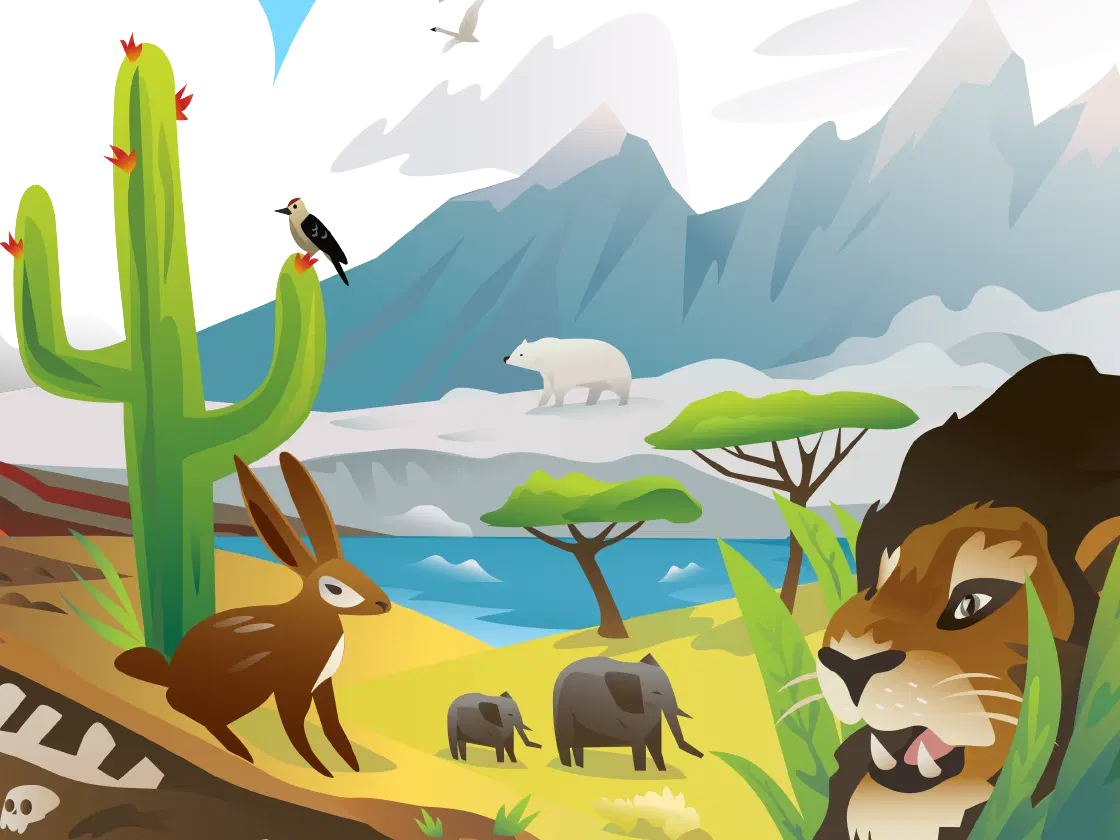
Preguntas frecuentes de los cuidadores

Como los estudiantes pueden usar Boost Reading durante la jornada escolar, recomendamos ponerse en contacto con el maestro o la maestra de su estudiante para determinar cuánto tiempo debería usar este programa en casa. Nuestra orientación general es la siguiente:

Boost Reading
Los estudiantes que usan Boost Reading en los grados K–3.º deberían jugar durante un total de 30–45 minutos por semana, repartidos en sesiones de 10–15 minutos cada una. Los estudiantes que usan Boost Reading en los grados 4.º y 5.º deberían jugar durante un total de 40–60 minutos por semana, repartidos en sesiones de 20–30 minutos cada una.

Boost Reading y Boost Lectura
Recomendamos que, tanto en Boost Reading como en Boost Lectura, los estudiantes deben aspirar a usar ambos programas durante aproximadamente 40 minutos por semana.

Si su estudiante tiene problemas con el contenido, Boost Reading se adaptará para proporcionarle apoyo e instrucciones adicionales dentro del juego. Por esta razón, no se recomienda que los cuidadores brinden ayuda. Aunque puede ser difícil no ofrecer ayuda a su estudiante, el programa fue diseñado cuidadosamente para proporcionar el nivel de apoyo que cada estudiante necesita para avanzar.

2025

September 18, 2025

Edutopia: “Using Virtual Manipulatives in Math Class”

Read Full Article

August 19, 2025

Education Week: “Here’s Why It’s Important for Teachers to Have a Say in Curriculum”

Read Full Article

August 18, 2025

Investors Hangout: “Amplify Classroom Revolutionizes K-12 Teaching Experience”

Read Full Article

August 5, 2025

WhaTech: “K-12 Online Education Market Set for Strong Expansion, Reaching $349.77 Billion by 2029”

Read Full Article

August 4, 2025

Education Week: “Districts Using ‘High-Quality’ Reading Curricula Still Supplement With Other Materials. Why?”

Read Full Article

July 9, 2025

K-12 Dive: “Youngest students see big reading gains post-COVID on DIBELS assessment”

Read Full Article

June 25, 2025

The 74: “How Districts in Georgia, Maryland and D.C. Are Raising Reading Proficiency”

Read Full Article

May 28, 2025

Open PR: “K-12 Online Education Market Forecast 2025-2034: Comprehensive Analysis And Growth Opportunities”

Read Full Article

May 27, 2025

District Administration: “Early literacy: How to implement programs that start strong”

Read Full Article

May 20, 2025

EdSource: “California schools prepare to introduce universal reading screening”

Read Full Article

April 23, 2025

The 74: “Eric Adams Expands Reading, Math Curriculum Mandates to All NYC Middle Schools”

Read Full Article

April 21, 2025

Daily News: “NYC expanding reading, math curriculum overhaul to more schools”

Read Full Article

March 19, 2025

Education Next: “School Reinvention in Practice”

Read Full Article

February 28, 2025

K-12 Dive, “Test yourself on this week’s K-12 news”

Read Full Article

February 26, 2025

K-12 Dive: “Only 56% of K-2 students are ready to read”

Read Full Article

January 24, 2025

Chalkbeat Philadelphia: “Two AI-powered charter schools could soon open in Pennsylvania”

Read Full Article

January 16, 2025

Tech & Learning: “What is Polypad and How Can Teachers Use It?”

Read Full Article

2024

December 18, 2024

EdSource: “State takes another step toward mandatory testing for reading difficulties in 2025”

Read Full Article

December 6, 2024

Chalkbeat Philadelphia: “Philadelphia is now spending over $100 million on its curriculum overhaul. Here’s a breakdown.”

Read Full Article

November 27, 2024

Lincoln Journal Star: “Lincoln Public Schools drops a classification rating on statewide assessment”

Read Full Article

November 6, 2024

EdNC: “New K-3 literacy data shows growth in skills for North Carolina students”

Read Full Article

October 1, 2024

The 74: “As NY District Implements Science of Reading, Parents Push for New Focus on Math”

Read Full Article

September 18, 2024

Tech & Learning: “Tech & Learning Announces Winners of Best for Back to School 2024”

Read Full Article

August 22, 2024

Chalkbeat Philadelphia: “Philadelphia school board renews charters, funds tutoring and a new science curriculum”

Read Full Article

August 2, 2024

EdNC: “‘Dedication of our teachers’ praised in an update on the state’s science of reading journey”

Read Full Article

July 31, 2024

The 74: “Classroom Case Study: To Maximize the Impact of Curriculum Mandates, Follow the Science of Reading”

Read Full Article

July 23, 2024

Chalkbeat: “Should teachers customize their lessons or just stick to the ‘script’?”

Read Full Article

July 7, 2024

The Economist: “Will artificial intelligence transform school?”

Read Full Article

June 24, 2024

Chalkbeat: “Math instruction overhaul: NYC unveils new curriculum mandate for middle and high schools”

Read Full Article

June 6, 2024

EdNC: “Perspective | Teachers are the heroes of the literacy story in North Carolina”

Read Full Article

May 24, 2024

The Dallas Morning News: “How Don Quixote changed a Dallas public school classroom”

Read Full Article

May 2, 2024

Akron.com: “Tutoring program at Summit Academy Akron Elementary School attracts national interest”

Read Full Article

April 25, 2024

Edutopia: “Using Tech Tools to Energize Young Students’ Math Learning”

Read Full Article

April 4, 2024

EdNC: “State Board hears update on district ESSER spending, literacy data, and Restart schools”

Read Full Article

March 22, 2024

Thomas B Fordham Institute: “Five takeaways from Ohio’s baseline survey of elementary reading curricula”

Read Full Article

March 15, 2024

The 74: “New Data: Despite K-2 Reading Gains, Students Face a ‘Much Harder Journey’ Ahead”

Read Full Article

March 5, 2024

The 74: “Case Study: How One Texas School District Is Repurposing Staff Development Time to Embrace the Science of Reading”

Read Full Article

February 21, 2024

Times Record News: “UPDATED: Texas Education Commissioner Mike Morath likes what he sees at local school”

Read Full Article

February 19, 2024

Chalkbeat: “Chicago Public Schools recover from pandemic declines more than other districts, study shows”

Read Full Article

February 7, 2024

The 74: “Building Oral Language Skills and Equity Through High-Quality Reading Curriculum”

Read Full Article

2023

December 19, 2023

The 74: “Best Education Articles of 2023: Our 23 Most Important Stories About Students, Schools & Learning Recovery ”

Read Full Article

December 8, 2023

Education Week: “Aligned Science Curriculum, Better Scores? Research Finds a Connection”

Read Full Article

December 6, 2023

WRAL News: “Reading readiness rises in NC’s K-3 classrooms, new data shows”

Read Full Article

November 27, 2023

The Dallas Morning News: “Dallas’ new lessons aim to keep kids on track, but some worry about limiting teachers”

Read Full Article

November 2, 2023

Fort Worth Report: “Black students in Fort Worth ISD still struggle to read at grade level”

Read Full Article

October 31, 2023

Chicago Tribune: “Lake Forest-area schools take stock of state grades; ‘While we celebrate our successes, we acknowledge that the journey … is ongoing’”

Read Full Article

October 19, 2023

Chalkbeat: “NYC eyes middle and high school literacy overhaul. It’s asking families to weigh in.”

Read Full Article

October 16, 2023

The 74: “As Virginia Rolls Out Ambitious Statewide High-Dosage Tutoring Effort This Week, 3 Keys to Success”

Read Full Article

October 6, 2023

Language Magazine: “Embracing Bilingual Assessment”

Read Full Article

September 18, 2023

Tech & Learning: “Best for Back to School 2023”

Read Full Article

September 18, 2023

Chalkbeat: “Chicago Public Schools hired hundreds of tutors with federal COVID money. Can they keep them?”

Read Full Article

September 7, 2023

EdNC: “Perspective | Union County Public Schools empowers educators, elevates readers”

Read Full Article

August 14, 2023

Chicago Parent: “Common Core Math: How to Help Your Kids”

Read Full Article

August 6, 2023

The News & Observer: “NC sees big increase in reading skills among K-3 students. Is the state back on track?”

Read Full Article

August 4, 2023

The 74: “Slow Literacy Gains, Long COVID in Kids: 7 Insights into Pandemic Recovery and Aftermath in U.S. Schools”

Read Full Article

August 3, 2023

EdNC: “State Board of Education: New reading data, parental leave, and a call to support public schools”

Read Full Article

July 28, 2023

Houston Public Media: “New literacy curriculum is among the many changes coming to HISD”

Read Full Article

July 17, 2023

Houston Chronicle: “Mike Miles says HISD schools will teach the ‘science of reading.’ Here’s what that means.”

Read Full Article

July 11, 2023

The 74: “‘Education’s Long COVID’: New Data Shows Recovery Stalled for Most Students”

Read Full Article

July 6, 2023

Houston Chronicle: “HISD superintendent gives voluntary schools one last chance to back out of New Education System”

Read Full Article

June 29, 2023

The Report Card: “Larry Berger on Curriculum”

Read Full Article

June 2, 2023

EdWeek Market Brief:”K-12 Dealmaking: Substitute Teaching Startup Secures $38M; Amplify Raises Undisclosed Series C”

Read Full Article

May 25, 2023

The 74: “Expanding Access to Tutors: Nonprofit Grants $6 Million to 32 Learning Organizations Across 20 States to Help More Students”

Read Full Article

April 21, 2023

The 74: “The ‘Transformation is Real’ as Science of Reading Takes Hold in N.C. Schools”

Read Full Article

April 18, 2023

The 74: “Louisiana District Ravaged by Hurricane & COVID is Bouncing Back with Science”

Read Full Article

April 5, 2023

WFAE: “NC midyear reading data shows gains, but third-grade goals remain elusive”

Read Full Article

April 5, 2023

EdNC: “K-3 students show growth in literacy skills, mid-year DPI data show”

Read Full Article

March 24, 2023

The 74: “COVID & School Recovery: Critics Warn Washington Bill Would Reduce Classroom Learning Time By 4 Hours a Week”

Read Full Article

March 24, 2023

Edutopia: “Using Collective Leadership to Make a Major Shift in Your District”

Read Full Article

March 15, 2023

K-12 Dive: “California at center of latest push for science-based reading approaches”

Read Full Article

March 7, 2023

District Administration: “ESSER pressure: How one district intends to spend wisely as deadline looms”

Read Full Article

March 3, 2023

The 74: “‘The Other Long COVID’ Affecting Kids: Missed Opportunities”

Read Full Article

March 2, 2023

3 WTKR: “More students on track to learn to read in 2022-2023 school year since start of pandemic, researchers say”

Read Full Article

March 2, 2023

ABC 7: “Reading skills rebounding for young students following pandemic disruptions”

Read Full Article

March 1, 2023

K-12 Dive: “By The Numbers: DIBELS testing shows improved reading progress over last two years”

Read Full Article

February 27, 2023

The 74: “Exclusive: Despite K-2 Reading Gains, Results Flat for 3rd Grade ‘COVID Kids’”

Read Full Article

February 27, 2023

Education Week: “Students’ Early Literacy Skills Are Rebounding. See What the Data Show”

Read Full Article

February 7, 2023

The 74: “Using High-Quality Curriculum Doesn’t Mean You Can’t Still Have Fun Learning”

Read Full Article

January 13, 2023

NPR: “Can a middle school class help scientists create a cooler place to play?”

Read Full Article

January 6, 2023

News & Record: “After a numbing low, NC students now heading in ‘right direction’ in reading, math”

Read Full Article

January 5, 2023

CBS17.com: “K-3 students in NC make significant strides on literacy exams, DPI says”

Read Full Article

2022

December 20, 2022

District Administration: “Literacy Under the Lights: 10 ways to bring the community back together”

Read Full Article

December 14, 2022

The 74: “14 Charts This Year That Helped Us Better Understand Covid’s Impact On Students Teachers and Schools”

Read Full Article

December 14, 2022

The 74: “Learning Loss Is Worse than NAEP Showed. Middle School Math Must Be the Priority”

Read Full Article

November 21, 2022

Voicebot.ai: “SoapBox Labs Brings Child-Centered Voice AI to Dyslexia Detection Assessment”

Read Full Article

October 24, 2022

Education Week: “Two Decades of Progress, Nearly Gone: National Math, Reading Scores Hit Historic Lows”

Read Full Article

October 20, 2022

The 74: “Exclusive Literacy Data: Small Gains Since Last Fall, But No Reading Rebound”

Read Full Article

August 30, 2022

The 74: “Test English Learners in the Languages They Speak at School and at Home”

Read Full Article

August 29, 2022

WTKR TV NC: “News 3 investigates childhood literacy rates, raising money to give books to local kids for new school year”

Read Full Article

August 28, 2022

EdNC: “Elementary students made growth last year in skills that lead to reading proficiency, new data show”

Read Full Article

August 18, 2022

SHRM Blog: “The Great Resignation Skipped Us. Here’s why.”

Read Full Article

August 16, 2022

Forbes: “Curious About Knowledge-Building Curricula? Check Out This Website”

Read Full Article

July 20, 2022

District Administration: “Out-of-school STEM learning is much more powerful when it’s inclusive”

Read Full Article

July 19, 2022

Chalkbeat: “The state of learning loss: 7 takeaways from the latest data”

Read Full Article

June 28, 2022

The Preschool Podcast: “Early literacy strategies that stick with Darryl from Run-DMC and Makeda from Nickelodeon [Podcast]”

Listen To The Podcast

May 24, 2022

Forbes: “States That Want To Boost Literacy Should Keep An Eye On Texas”

Read Full Article

April 24, 2022

Business Ecosystem Alliance: “Ecosystems in Education–Collaborating to Efficiently Serve the End User”

Watch Full Video

April 18, 2022

KQED Mind Shift: “Weighing the best strategies for reading intervention”

Read Full Article

April 15, 2022

Fordham Institute: “Assessing a standards-aligned physical science curriculum”

Read Full Article

March 23, 2022

The Baltimore Sun: “National test scores show student gains from in-person learning in all but a critical group: new and pre-readers | COMMENTARY”

Read Full Article

March 15, 2022

NPR: “Two years ago schools shut down around the world. These are the biggest impacts”

Read Full Article

March 11, 2022

The Hub – Dallas ISD: “Students at Greiner and Anson Jones Elementary find success in reading and writing with a new program”

Read Full Article

March 10, 2022

NY Daily News: “Read it and weep: The new reading instruction emergency”

Read Full Article

March 10, 2022

WISH TV Indianapolis: “Study shows student performance plummeted during pandemic”

Read Full Article

March 9, 2022

New York Post: “Young students have suffered ‘alarming’ drops in reading skills during pandemic”

Read Full Article

March 9, 2022

The Daily Caller: “Childhood Literacy Plummeted Following Pandemic Shutdowns, Studies Show”

Read Full Article

March 8, 2022

The New York Times: “It’s ‘Alarming’: Children Are Severely Behind in Reading”

Read Full Article

March 7, 2022

Education Next: “The Education Exchange: Pandemic Hurt Younger Students’ Learning Worse, Amplify Data Suggest”

Listen to the Podcast

February 28, 2022

The 74: “Our 12 Best Education Articles in February: Reflections on 700 Days of COVID Chaos, Setting a Bar for Unmasking in Schools, Burying Schools in Record Requests & More”

Read Full Article

February 24, 2022

The Daily Advertiser: “Reading scores improve slightly, but pre-COVID reading levels are ‘the wrong goal’”

Read Full Article

February 24, 2022

Wall Street Journal: “The School Shutdowns and Lost Literacy”

Read Full Article

February 23, 2022

K-12 Dive: “DIBELS data illustrates pandemic reading setbacks”

Read Full Article

February 22, 2022

ABC 7 Buffalo: “Children falling behind in reading”

Read Full Article

February 18, 2022

The Carolina Journal: “Report: Elementary students lag in literacy due to pandemic”

Read Full Article

February 16, 2022

The 74: “‘We Have First-Graders Who Can’t Sing the Alphabet Song’: Pandemic Continues to Push Young Readers Off Track, New Data Shows”

Read Full Article

February 16, 2022

Education Week: “More Than 1 in 3 Children Who Started School in the Pandemic Need ‘Intensive’ Reading Help”

Read Full Article

February 4, 2022

Literary Hub: “EXCLUSIVE: Watch Joshua Bennett Discuss A.R. Ammons’s poem “Cascadilla Falls”

Read Full Article

January 26, 2022

The Ross Kaminsky Show: “Susan Lambert and the Literacy Gap”

Listen to the podcast

January 19, 2022

K-12 Dive: “Report: Colorado reading law update boosts quality of literacy curriculum”

Read Full Article

2021

December 15, 2021

Chalkbeat: “How Denver plans to address a drop in early elementary reading scores”

Read full article

December 8, 2021

The SHRM Blog: “What’s the Best Work Perk of All? Contributing to the Social Good”

Read full article

November 13, 2021

Hechinger Report: ‘The Reading Year’: First grade is critical for reading skills, but kids coming from disrupted kindergarten experiences are way behind”

Read full article

October 20, 2021

Hechinger Report: “OPINION: Younger students were among those most hurt during the pandemic”

Read full article

September 2, 2021

EdSurge: “An Edtech User’s Glossary to Speech Recognition and AI in the Classroom”

Read full article

September, 2021

SIIA Education: “ED TECH SUCCESS STORIES”

Read full article

August 23, 2021

CNN: “Irish tech firm helps kids’ voices be heard”

Read full article

August 18, 2021

SoapBox Labs: “Can Speech Recognition Help Children Learn to Read?”

Read full article

August 12, 2021

FOX Chicago Broadcast Interview: “Pandemic widens literacy gap for students”

Read full article

August 3, 2021

T.H.E Journal: “More Students of Color at Risk in Reading After Pandemic”

Read full article

July 28, 2021

The 74: “Early Reading Skills See a Rebound From In-Person Learning, But Racial Gaps Have Grown Wider, Tests Show”

Read full article

July 28, 2021

K-12 Dive: “Reports: Math, reading progress slowed during first full school year of pandemic”

Read full article

July 20, 2021

EdNC: “The mCLASS reading assessment tool is back in North Carolina classrooms, but it’s going to look different”

Read full article

July 5, 2021

WBAL: “Baltimore students from all socio-economic backgrounds get a chance to ‘Amplify’ their learning skills”

Read full article

June 15, 2021

Language Magazine: “Using Evidence to Overcome Adversity”

Read full article

May 7, 2021

The Dallas Morning News: “How can a one-minute kindergarten test help teachers tackle the ‘COVID slide’?”

Read full article

April 20, 2021

Education Week: “How Teachers and Curriculum Will Shape Ed Tech’s Future: A CEO Makes the Case”

Read full article

March 24, 2021

The Hechinger Report: “OPINION: Children will need summer tutors to make up for pandemic learning loss”

Read full article

March 23, 2021

Education Week: “Most States Fail to Measure Teachers’ Knowledge of the ‘Science of Reading,’ Report Says”

Read full article

March 17, 2021

Axios: “How online education and tutoring could fight COVID learning loss”

Read full article

March 16, 2021

USA Today: “Students are struggling to read behind masks and screens during COVID-19, but ‘expectations are no different’”

Read full article

March 16, 2021

The 74: “Schools and COVID, a Year Later: 12 Months After Classrooms Closed, 12 Key Things We’ve Learned About How the Pandemic Disrupted Student Learning”

Read full article

February 25, 2021

K–12 Dive: “Reading gaps widen in mid-year data, especially for K-1 students of color”

Read full article

February 24, 2021

The 74: “One Year into Pandemic, Far Fewer Young Students are on Target to Learn How to Read, Tests Show”

Read full article

February 17, 2021

NBC Los Angeles: “Local Students Design Rovers in Mission to Mars Student Challenge”

Read full article

February 5, 2021

District Administration: “To save literacy, focus first on high-quality core instruction”

Read full article

February 4, 2021

The Hechinger Report: “5 ways schools hope to fight Covid-19 learning loss”

Read full article

January 5, 2021

The 74: “Science Matters Now More than Ever. The Time to Start Teaching It Is in Elementary School”

Read full article

2020

December 15, 2020

Education Week: “Students’ Reading Losses Could Strain Schools’ Capacity to Help Them Catch Up”

Read full article

December 9, 2020

Education Post: “How to Help Beginning Readers During the Pandemic”

Read full article

December 3, 2020

American Consortium for Equity in Education: “The Importance of Quality Curriculum With Industry Voice”

Read full article

September 29, 2020

The 74: “Beyond the Scantron: Ed Tech CEO Larry Berger on Why the Pandemic Is No Excuse to Abscond Accountability and ‘Disruptions Are Great Opportunities to Try Something New’”

Read full article

May 25, 2020

The 74: “Class Disrupted Podcast Episode 2: Why Is My Child Doing So Many Worksheets Right Now?”

Read full article

February 5, 2020

Getting Smart Podcast: “Larry Berger on EdTech Past and Future”

Read full article

Overview

With Amplify Science, students don’t just passively learn about science concepts.

No matter where your students are learning, they take on the role of scientists and engineers to actively investigate and make sense of real-world phenomena. They do this through a blend of cohesive and compelling storylines, hands-on investigations, collaborative discussions, literacy-rich activities, and interactive digital tools.

Watch the videos below to learn how the program empowers students to think, read, write, and argue like real scientists and engineers every day.

Grades 6–8

EdReports All-Green

Amplify Science for grades K–8 has been rated all-green by EdReports.

Read the review on EdReports.

Program structure

Our cyclical lesson design ensures students receive multiple exposures to concepts through a variety of modalities.

As they progress through the lessons within a unit, students build and deepen their understanding, increasing their ability to develop and refine complex explanations of the unit’s phenomenon. It’s this proven program structure and lesson design that enables Amplify Science to address 100% of the NGSS in fewer days than other programs.

Unit sequence

Our lessons follow a structure that is grounded in regular routines while still being flexible enough to allow for a variety of learning experiences.

In fact, our multi-modal instruction offers more opportunities for students to construct meaning, and practice and apply concepts than any other program. What’s more, our modular design means our units can be flexibly arranged to support your instructional goals.

Unit 1

Geology on Mars

Domain: Earth and Space Science

Unit type: Launch

Student role: Planetary geologists

Phenomenon: Analyzing data about landforms on Mars can provide evidence that Mars may have once been habitable.  

Unit 2

Plate Motion

Domain: Earth and Space Science

Unit type: Core

Student role: Geologists

Phenomenon: Mesosaurus fossils have been found on continents separated by thousands of kilometers of ocean, even though the Mesosaurus species once lived all together.  

Unit 3

Plate Motion Engineering Internship

Domains: Earth and Space Science, Engineering Design

Unit type: Engineering internship

Student role: Mechanical engineering interns

Phenomenon: Patterns in earthquake data can be used to design an effective tsunami warning system.    

Unit 4

Rock Transformations

Domain: Earth and Space Science

Unit type: Core

Student role: Geologists

Phenomenon: Rock samples from the Great Plains and from the Rocky Mountains — regions hundreds of miles apart — look very different, but have surprisingly similar mineral compositions.   

Unit 5

Earth, Moon, and Sun

Domains: Earth and Space Science, Physical Science

Unit type: Core

Student role: Astronomers

Phenomenon: An astrophotographer can only take pictures of specific features on the Moon at certain times.  

Unit 6

Ocean, Atmosphere, and Climate

Domains: Earth and Space Science, Physical Science

Unit type: Core

Student role: Climatologists

Phenomenon: During El Niño years, the air temperature in Christchurch, New Zealand is cooler than usual.  

Unit 7

Weather Patterns

Domains: Earth and Space Science, Physical Science

Unit type: Core

Student role: Forensic meteorologists

Phenomenon: In recent years, rainstorms in Galetown have been unusually severe.  

Unit 8

Earth’s Changing Climate

Domains: Earth and Space Science, Life Science

Unit type: Core

Student role: Climatologists

Phenomenon: The ice on Earth’s surface is melting.  

Unit 9

Earth’s Changing Climate Engineering Internship

Domains: Earth and Space Science, Engineering Design

Unit type: Engineering internship

Student role: Civil engineers

Phenomenon: Designing rooftops with different modifications can reduce a city’s impact on climate change.  

Metabolism Engineering Internship

Domains: Life Science, Engineering Design

Unit type: Engineering internship

Student role: Food engineers

Phenomenon: Designing health bars with different molecular compositions can effectively meet the metabolic needs of patients or rescue workers.  

Rock Transformations

Domain: Earth and Space Science

Unit type: Core

Student role: Geologists

Phenomenon: Rock samples from the Great Plains and from the Rocky Mountains — regions hundreds of miles apart — look very different, but have surprisingly similar mineral compositions.   

Evolutionary History

Domains: Life Science, Earth and Space Science

Unit type: Core

Student role: Paleontologists

Phenomenon: A mystery fossil at the Natural History Museum has similarities with both wolves and whales.    

Unit 1

Microbiome

Domain: Life Science

Unit type: Launch

Student role: Microbiological researchers

Phenomenon: The presence of 100 trillion microorganisms living on and in the human body may keep the body healthy.  

Unit 2

Metabolism

Domain: Life Science

Unit type: Core

Student role: Medical researchers

Phenomenon: Elisa, a young patient, feels tired all the time.  

Unit 3

Metabolism Engineering Internship

Domains: Life Science, Engineering Design

Unit type: Engineering internship

Student role: Food engineers

Phenomenon: Designing health bars with different molecular compositions can effectively meet the metabolic needs of patients or rescue workers.  

Unit 4

Traits and Reproduction

Domain: Life Science

Unit type: Core

Student role: Biomedical students

Phenomenon: Darwin’s bark spider offspring have different silk flexibility traits, even though they have the same parents.  

Unit 5

Populations and Resources

Domains: Life Science, Earth and Space Science

Unit type: Core

Student role: Biologists

Phenomenon: The size of the moon jelly population in Glacier Sea has increased.    

Unit 6

Matter and Energy in Ecosystems

Domains: Life Science, Earth and Space Science, Physical Science

Unit type: Core

Student role: Ecologists

Phenomenon: The biodome ecosystem has collapsed.   

Unit 7

Natural Selection

Domains: Life Science, Earth and Space Science

Unit type: Core

Student role: Biologists

Phenomenon: The newt population in Oregon State Park has become more poisonous over time.  

Unit 8

Natural Selection Engineering Internship

Domains: Engineering Design, Life Science

Unit type: Engineering internship

Student role: Clinical engineers

Phenomenon: Designing malaria treatment plans that use different combinations of drugs can reduce drug resistance development while helping malaria patients.  

Unit 9

Evolutionary History

Domains: Life Science, Earth and Space Science

Unit type: Core

Student role: Paleontologists

Phenomenon: A mystery fossil at the Natural History Museum has similarities with both wolves and whales.     

Unit 1

Harnessing Human Energy

Domains: Physical Science, Earth and Space Science, Engineering Design

Unit type: Launch

Student role: Energy scientists

Phenomenon: Rescue workers can use their own human kinetic energy to power the electrical devices they use during rescue missions.   

Unit 2

Force and Motion

Domain: Physical Science

Unit type: Core

Student role: Physicists

Phenomenon: The asteroid sample-collecting pod failed to dock at the space station as planned.  

Unit 3

Force and Motion Engineering Internship

Domains: Engineering Design, Physical Science

Unit type: Engineering internship

Student role: Mechanical engineering interns

Phenomenon: Designing emergency supply delivery pods with different structures can maintain the integrity of the supply pods and their contents.  

Unit 4

Magnetic Fields

Domain: Physical Science

Unit type: Core

Student role: Physicists

Phenomenon: During a test launch, a spacecraft traveled much faster than expected.  

Unit 5

Thermal Energy

Domain: Physical Science

Unit type: Core

Student role: Thermal scientists

Phenomenon: One of two proposed heating systems for Riverdale School will best heat the school.   

Unit 6

Phase Change

Domains: Physical Science, Earth and Space Science

Unit type: Core

Student role: Chemists

Phenomenon: A methane lake on Titan no longer appears in images taken by a space probe two years apart.  

Unit 7

Phase Change Engineering Internship

Domains: Engineering Design, Physical Science

Unit type: Engineering internship

Student role: Chemical engineering interns

Phenomenon: Designing portable baby incubators with different combinations of phase change materials can keep babies at a healthy temperature.  

Unit 8

Chemical Reactions

Domains: Physical Science, Life Science, Earth and Space Science

Unit type: Core

Student role: Forensic chemists

Phenomenon: A mysterious brown substance has been detected in the tap water of Westfield.  

Unit 9

Light Waves

Domains: Physical Science, Life Science, Earth and Space Science

Unit type: Core

Student role: Spectroscopists

Phenomenon: The rate of skin cancer is higher in Australia than in other parts of the world.  

Access program

Watch the video to the right plus the ones below showing you how to navigate our digital platform. When you’re ready, follow the instructions below to log into our live demo account.

  • Click the orange button below to access the platform.
  • To explore as a teacher, enter this username (t1.cartwrightsd@demo.tryamplify.net) and this password (Amplify1-cartwrightsd).
  • To explore as a student, enter this username (s1.cartwrightsd@demo.tryamplify.net) and this password (Amplify1-cartwrightsd).
  • Choose your grade level from the drop-down menu.


Access the digital platform now

Navigating an Engineering Internship (Part 1)

This Part 1 video demonstrates how Engineering Internship units invite students to design solutions for real-world problems as interns for a fictional company called Futura. In the process, they apply and deepen their learning from Core units.

Navigating an Engineering Internship (Part 2)

This Part 2 video demonstrates how to use the Futura Workspace to manage the immersive experience of the Engineering Internship units. This includes guidance on how to create student groups, how to review student work, and how to send students targeted feedback on their designs.

Navigating a Launch Unit

Launch units are the first units taught in each year of the program. The goal of a Launch unit is to introduce students to norms, routines, and practices that will be built on throughout the year.

Navigating a Core Unit

Core units introduce a real-world problem and support students as they figure out the anchoring phenomenon and gain an understanding of the unit’s DCIs, SEPs, and CCCs.

Navigating our reporting tools

Teachers of Amplify Science grades 6–8 have access to a feature called Reporting. When unit assessments are administered digitally, the Reporting tool enables teachers to analyze student performance on the unit assessments.

Differentiation post-assessment

Every core unit of Amplify Science 6–8 features a formal formative assessment opportunity at the mid-way point, or Critical Juncture, of the unit, which provides an important opportunity for differentiation.

Navigating an Engineering Internship

Engineering Internship units invite students to design solutions for real-world problems as interns for a fictional company called Futura. In the process, they apply and deepen their learning from Core units.

Navigating Classwork and Reporting

Classwork is our new online grading tool that gives you quick and easy access to unreviewed work, student portfolios of work, and automatically generated differentiation groups.

Resources

Desmos Math 6–A1 is available now for Texas classrooms!

Brought to you by the team behind Desmos Classroom activities, Desmos Math 6–A1 is available for grades 6–8 now, with Algebra 1 units rolling out over the course of the 2022–2023 school year.

Illustration of two students hiking and looking at a map, with a texas-shaped logo and text stating "aligned to the TEKS!" in a Desmos Math speech bubble.

What’s Desmos Math
6–A1?

Laptop screen displaying an illustrative mathematics pattern on a grid in a graphics editing software interface, with annotations and tool icons visible.

TEKS-aligned lessons that help students express their brilliance every day

Every student is brilliant, but not every student feels brilliant in math class. We designed our program to put students’ ideas at its center. Our lessons pose problems that invite a variety of approaches, and our technology helps teachers celebrate and develop all of that interesting thinking in their classrooms.

A blend of paper and technology meets the needs of Texas classrooms

Leveraging our expertise in technology, pedagogy, and design, we based Desmos Math 6–A1 on the top-rated programs from Illustrative Mathematics® and Open Up Resources to create dynamic and interactive digital learning experiences, offered alongside flexible and creative print activities.

Tablet displaying a colorful sketch of a beach with waves and shells, next to illustrative mathematics worksheets and a pen, on an educational website.
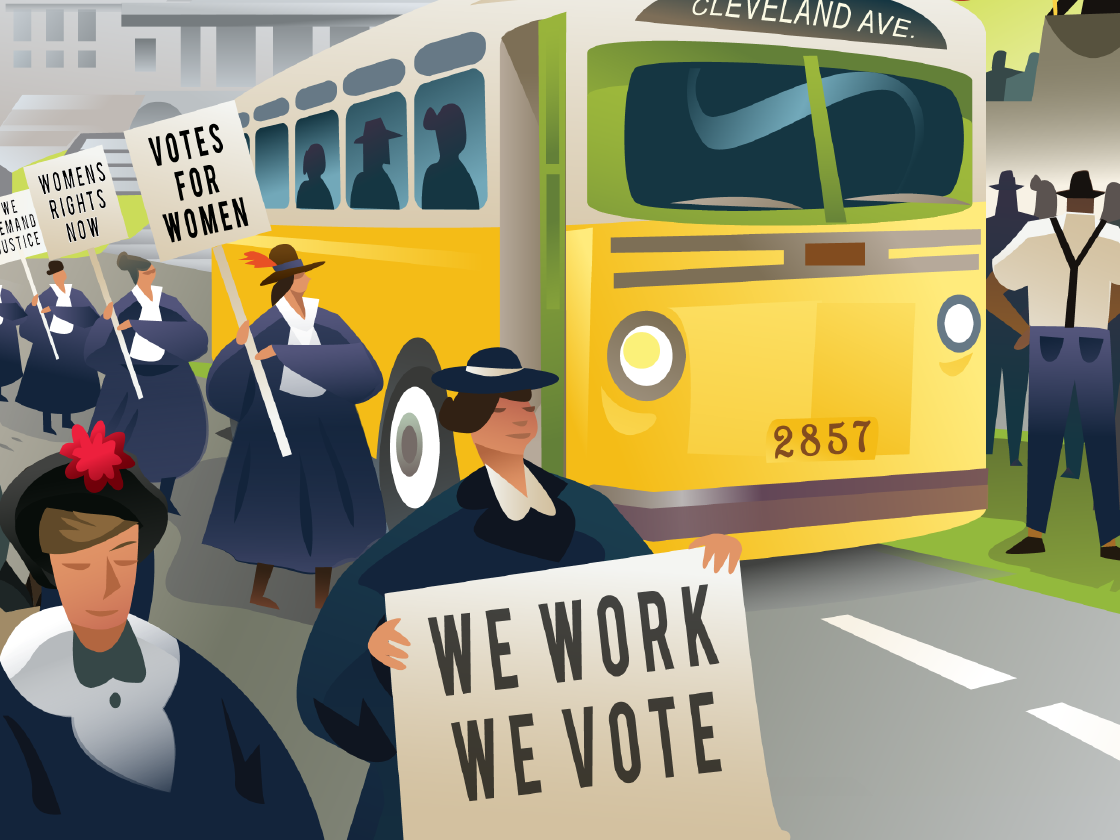
Computer screen displaying a colorful educational program for teaching operations with polynomials, featuring various interactive modules and Illustrative Mathematics exercises.

Powerful facilitation tools for teachers

Our student-centered lessons empower students to explore new ideas, and our teacher dashboard helps teachers bridge those ideas together. Whether teachers are observing student learning on our lesson summary page or guiding productive discussions with our conversation toolkit, our facilitation tools make teaching more effective and more fun.

Built-in resources support Texas teachers and students

Desmos Math 6–A1 provides powerful resources teachers need to prepare their students for STAAR and beyond. Better yet, students are provided with an opportunity to practice with the same tools they’ll use on the STAAR exam!

Illustration showing "Texas resources" including a cowboy hat and boots, surrounded by icons for illustrative mathematics, STAAR review, templates, and coaching guides.
Screenshot of an educational webpage section titled "Dinopops: Graphs of Proportional Relationships," highlighting Common Core standards and learning goals, with an arrow pointing to standards. This section is part

TEKS objectives are identified for each lesson at point of use

Both ‘Addressing’ and ‘Building Towards’ TEKS are identified making it easy for teachers to see exactly what students are learning and what is ahead.

What are people saying?

“I have been a teacher for 23 years and this is the most engaged I have seen students in a mathematics classroom.”

Rebecca Moore

Math Coach, Naugatuck, CT

What are people saying?

“If you’re teaching math and not utilizing Desmos, you may as well be climbing a mountain with your hands tied behind your back.”

Mike Del Greco

Math Teacher, Sudbury, MA

What are people saying?

“Every lesson that I preview, I fall in love a little more ❤ thank you for this work and thank you for reflecting and listening to the feedback!”

Jenny Ainslie

Secondary Math Facilitator, Orange County, NC

Try a warm-up activity from Desmos Math 6-A1

Students’ ideas are the engine of our lessons. Their sketches power simulations and their mathematical thinking powers classroom conversations. In this lesson about functions, teachers help students make connections between scenarios and the graphs that represent them. Interact with a warm-up activity below!

Want to learn more?

Request more information

Contact us

What are the results?

We surveyed 70 teachers and 1,500 students who piloted our program, asking them to compare it to their prior program. Here’s what they shared with us…

Map of the USA with marked locations across all states, illustrated in a clear vector style with blue pins and a multicolored background inspired by illustrative mathematics.
DM6-A1_CurriculumMigration_Chart-StudentsLearn-Update

Students learn more math

We design student-centered lessons that promote mathematical curiosity and student engagement, building on the coherence and rigor of the Illustrative Mathematics program. Each unit includes student notes, skill practices, and rich assessments to help students show what they know and can do.

The result: Students and teachers in the pilot both said that students learned more with Desmos Math 6–A1 than with their prior program.

Students enjoy math more

We help students experience the need for new mathematical ideas, and our interactive feedback shows them the value of their own thinking.

The result: Teachers in the pilot said their students were more engaged using Desmos Math 6–A1 than in their prior program, and students reported enjoying math class more.
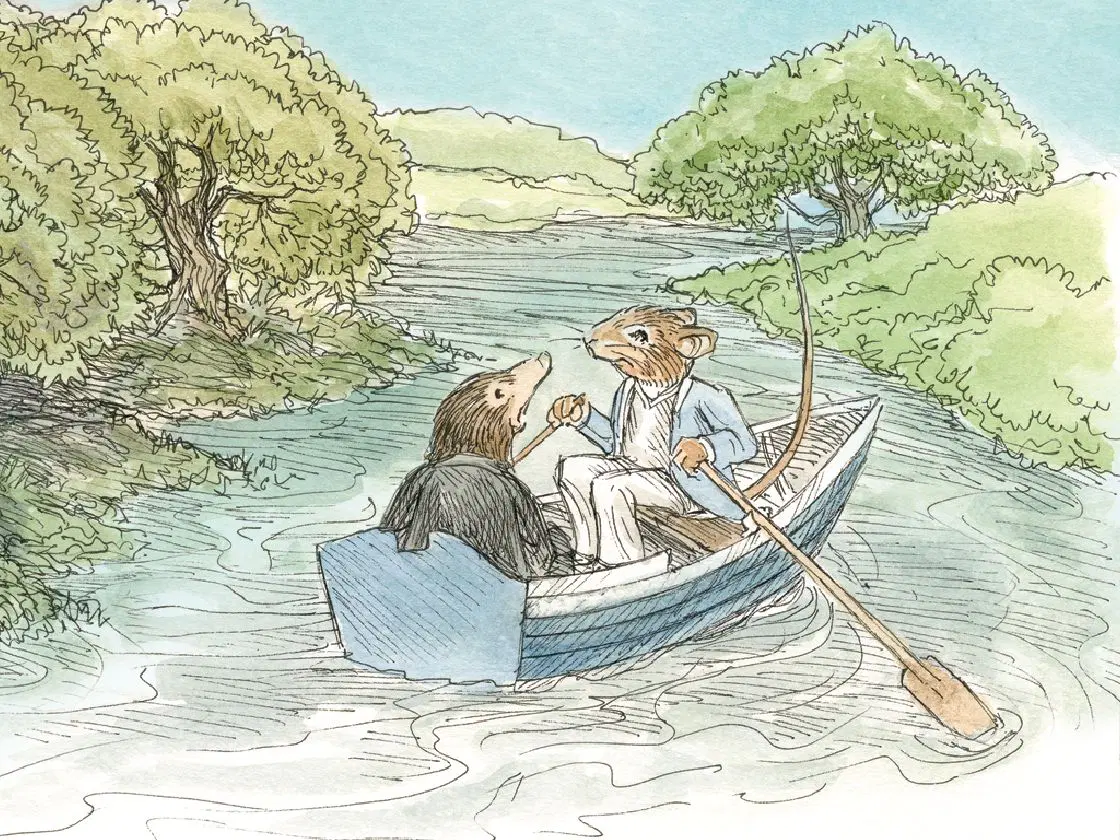
DM6-A1_CurriculumMigration_Chart-StudentsEnjoy-Update
DM6-A1_CurriculumMigration_Chart

Teachers enjoy teaching more

We pair your entire teaching team with a dedicated coach who will support your team’s onboarding and instruction throughout the year. Additionally, we offer just-in-time lesson preview emails, unit overview webinars, and other supports to help your team succeed.
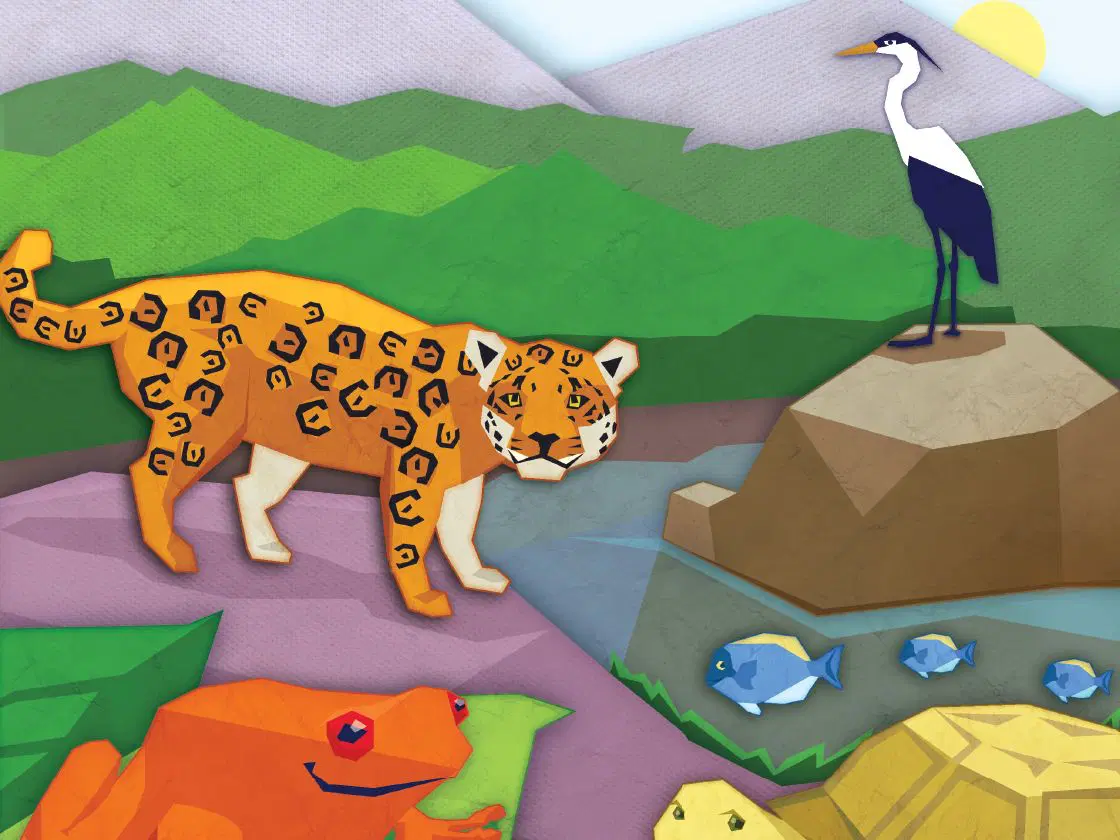
The result: Teachers in the pilot felt better supported with Desmos Math 6–A1 than with their prior program.

Questions?

Please reach out to
texas@amplify.com

Contact us

Season 7, Episode 10

From football to phonics, with Malcolm Mitchell

Growing up, Malcolm Mitchell considered reading and academics to be a bare minimum means to get the opportunity to play football. While his journey with football led to playing in the NFL, the work he is most proud of today is his literacy work and his own journey of learning to love reading, advocating for literacy, and writing children’s books. In this conversation with Susan Lambert at the 2023 Plain Talk Conference—where Malcolm was the keynote speaker—Malcolm dives into his own process of teaching himself to become a proficient reader at the age of 19. Through the lens of his own struggles and triumphs, Malcolm shares a powerful testimony to the importance of cultural connection, access to books, community building, and understanding the true “why” behind reading to get students motivated to read.

Meet Our Guest(s):

Malcolm Mitchell

Malcolm Mitchell

Malcolm Mitchell, a native of Valdosta, Georgia, and an Under Armour All-American football player, developed a love of reading during his freshman year in college. He authored and published the children’s book, The Magician’s Hat, created a youth literacy initiative called Read with Malcolm, and went on to establish the nonprofit Magic Foundation organization, with a sole purpose—to transform children’s lives through literacy.

His inspirational story has been featured nationally on CBS Evening News, CBS Sunday Morning, CBS Sports, ESPN, in USA Today, CNN, MSNBC and the NFL Network and has been used by many schools as encouragement for students to embrace the importance of reading. In May 2016, Malcolm was drafted by the New England Patriots, and in 2017 he became a Super Bowl champion. Malcolm has earned numerous awards and accomplishments both on and off the field, but considers discovering a love of reading one of his greatest achievements.

Meet our host, Susan Lambert

Susan Lambert is the Chief Academic Officer of Elementary Humanities at Amplify, and the host of Science of Reading: The Podcast. Her career has been focused on creating high-quality learning environments using evidence-based practices. Susan is a mom of four, a grandma of four, a world traveler, and a collector of stories.

As the host of Science of Reading: The Podcast, Susan explores the increasing body of scientific research around how reading is best taught. As a former classroom teacher, administrator, and curriculum developer, Susan is dedicated to turning theory into best practices that educators can put right to use in the classroom, and to showcasing national models of reading instruction excellence.

Retrato de una mujer caucásica sonriente con cabello rubio corto, involucrada en un podcast sobre la ciencia de la lectura, con gafas, lápiz labial rojo y un collar de perlas.

Quotes

“Reading is the most self empowering tool a person could possess.”

—Malcolm Mitchell

“So many of these successful people were saying the same thing. I thought to myself, if I want to have any sustainable success in my life, whether I'm an athlete or not, I need to be a proficient reader.”

—Malcolm Mitchell