Amplify ELA – Atlanta Review3
Welcome, Atlanta reviewers!
Welcome, San Diego reviewers!
The answer is a big YES!
You’ve probably taken a look through your Teacher Guide and thought: Will my students even be able to understand these higher-level CKLA topics (e.g., Early World Civilizations in Grade 1)? Will my students even be interested in this?
The answer is a big YES!
Students can listen on a higher language level than they can read, so listening provides a way to improve student’s language skills <link open in new tab>, making complex ideas more accessible and exposing students to vocabulary and language patterns that are not part of their everyday speech.
Consider this new CKLA case study conducted in Hamilton Local School District, just outside of Columbus. You can observe these changes in their literacy growth since implementing CKLA, especially in students not just passing the state test, but placing at an Advanced level.
Watch this video with a few tips and a segment from the educator panel.
Watch the full panel on CKLA
You can also watch the full Amplify CKLA educators panel.
The topics in CKLA are powerful and help students build background knowledge on a variety of different subjects. Your students will love these topics, and you shouldn’t be afraid to make them your own. As Natalie Wexler states in The Knowledge Gap, “Kids love stories,” especially when referencing texts about science and social studies during core ELA instruction.
“These stories are such a fun, magical part of CKLA’s lessons. As a former K–2 CKLA teacher, I loved doing this with my students. It gives students the opportunity to read-to-learn early on to develop background knowledge that will directly impact comprehension.”
—Megan
CKLA’s instructional road map empowers teachers to deliver content-rich stories about science, history, literature, and art in a developmentally appropriate manner that engages the whole classroom. Students are then able to access and think critically about the wide range of texts they will encounter throughout their lives. The CKLA Knowledge Lesson video provides insight into how students are active, engaged participants during the read-aloud.
See some inspiration for making CKLA your own on Twitter with #CKLA, plus a few of my favorites in the Pictures section below!
Teaching with heart, starring Joyce Abbott
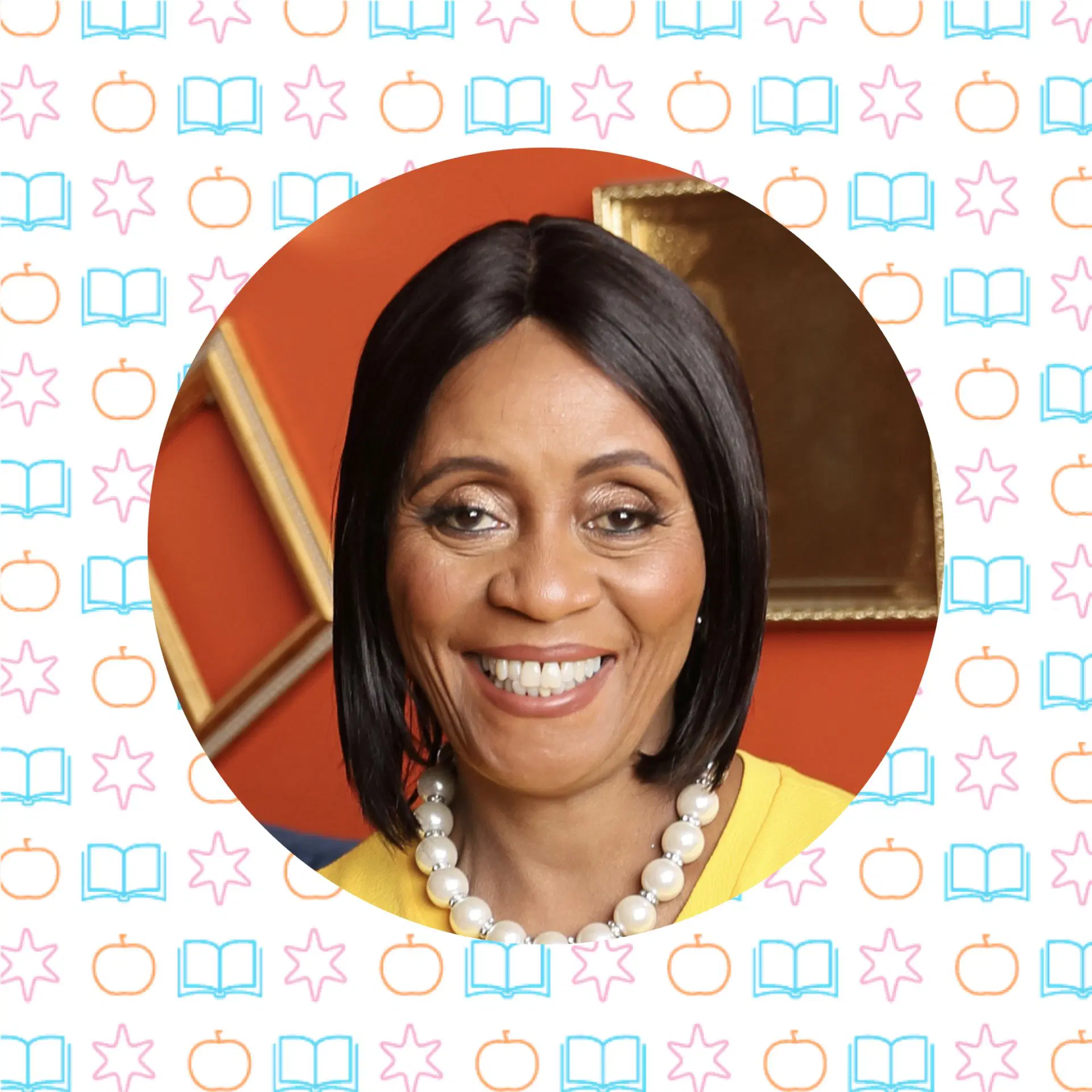
Meet Our Guest(s):

Joyce Abbott
Joyce Abbott is a dynamic retired educator from the School District of Philadelphia. Her journey began with a ten-year service in the U.S. Army, earning her the rank of Staff Sergeant. Following her honorable discharge and numerous awards, her pathway to education was paved through the nationally acclaimed Troops to Teachers program. Joyce commanded respect and admiration for her instructional practices and classroom management, leading to multiple awards and features in the Philadelphia Daily News.
In her role as Climate Manager at Andrew Hamilton School, Joyce made commendable strides in improving the school’s climate and culture. She was also the inspiration behind the Emmy-winning show “Abbott Elementary,” created by her former student Quinta Brunson. She recently received recognition for her work from the city of Philadelphia, which proclaimed Sept. 26 Joyce Abbott Day. Joyce holds a Bachelor of Science in business and economics from the University of Maryland Eastern Shore and a Master of Education from Cheyney University.
Meet our host, Ana Torres.
Ana has been an educator for 30 years, working in both the K–8 and higher education sectors. She served as an administrator and instructor at various public and private colleges and universities and as a bilingual and dual language teacher, dual language math and reading interventionist, dual language instructional coach, assistant principal, and principal in K–8 schools. Ana is currently the Senior Biliteracy and Multilingual Product Specialist on Amplify’s Product Specialist team, and delivers literacy and biliteracy presentations across the nation. Ana’s passion and advocacy for biliteracy and multiculturalism has led her to educate leaders, teachers, and parents about the positive impact of bilingualism and biliteracy in our world.


Meet our Classroom Insider, Eric Cross.
Eric Cross is a middle school science teacher who hopes to someday be a lifelong educator, like the guests on Beyond My Years! In each episode, Eric connects with host Ana Torres to discuss her guests’ best insights gleaned from their long and rewarding careers in the classroom. Then, Eric talks about bringing some of their wisdom into his current classroom and busy life.
Transcripts and additional resources:
Quotes
“Sometimes your bad days are going to outweigh your good days, but when you … remain focused and see what your goal is, and you look at those students and say, ‘This is my main focus,’ that can be the greatest motivator.”
“A lot of times they are dependent upon you to teach them in every aspect of their life. When you understand the community, you can serve.”
“Me and my military buddies definitely had respect for each other. And we operated as a team, regardless of our differences, because sometimes you may not agree with every teacher on your team, which many times I did not. But you have to keep your focus toward our mission, [which] is to move a certain child or do this for the student body.”
“They know when you care. And they will have a whole different level of respect for you when they know you care. And you set the bar high for them. That shows that you care, because you know that they can do it and you believe in them.” —Joyce Abbott
“I think it’s so important in the schools that they embrace the younger teachers, because you only get better through learning and through support.”
“When you’re passionate about a profession and committed to the goal of the whole school, you’re going to do what you can to help these new teachers because they have to learn. So many leave because they’re encountering so many problems and they don’t feel that they’re supported effectively.”
Finding fluency at the heart of comprehension, with Doug Lemov



Transcripts and additional resources:
Meet Our Guest(s):
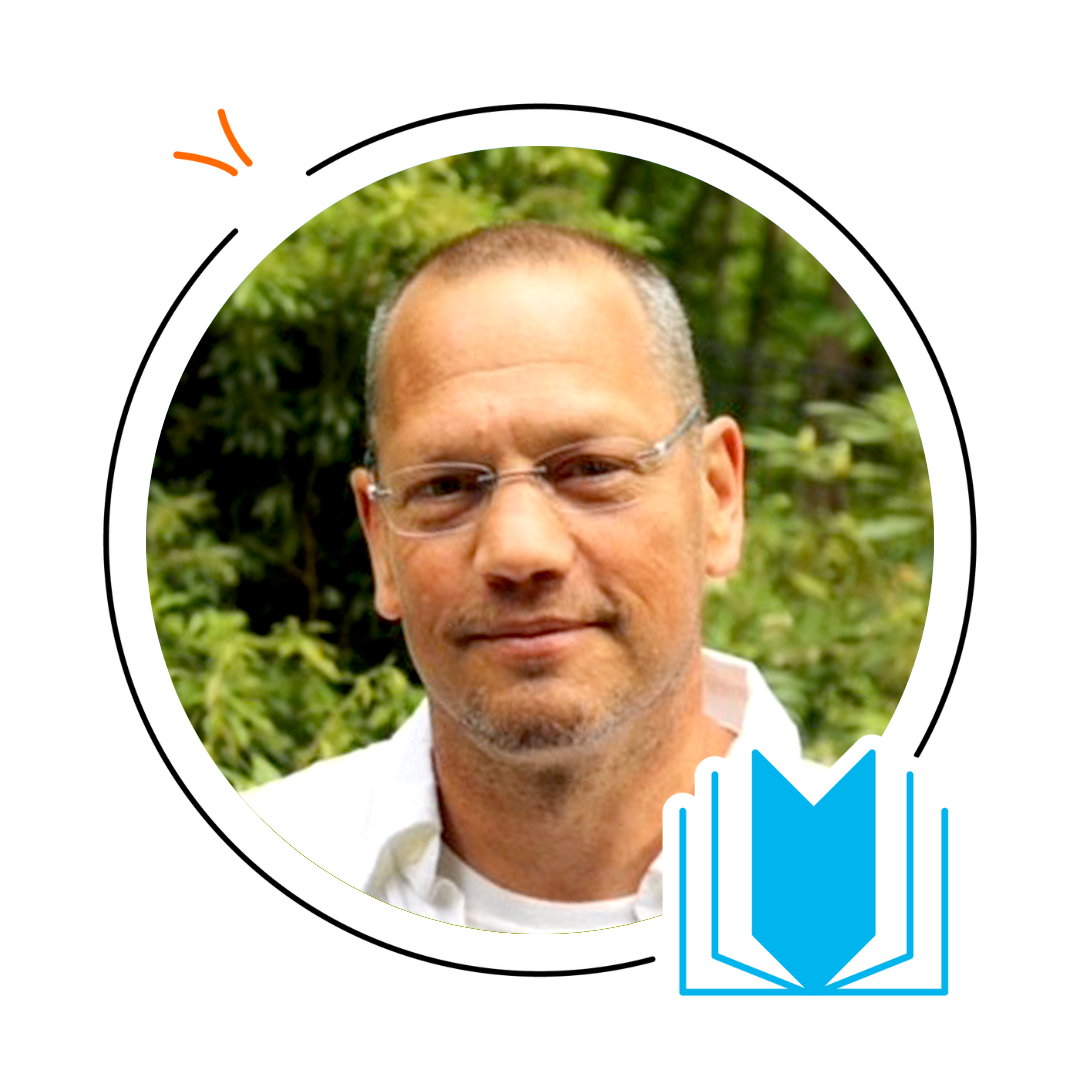
Doug Lemov
Doug Lemov is a former teacher and school principal whose books describe the techniques of high-performing teachers. His best-known book, Teach Like a Champion, has been translated into more than a dozen languages. The Teach Like a Champion Guide to the Science of Reading, published in July 2025 and co-written with Colleen Driggs and Erica Woolway, looks at how cognitive science can be better applied to the teaching of reading. Doug holds a bachelor’s in English from Hamilton College, a master’s in English Literature from Indiana University, and a Master’s of Business Administration from the Harvard Business School.
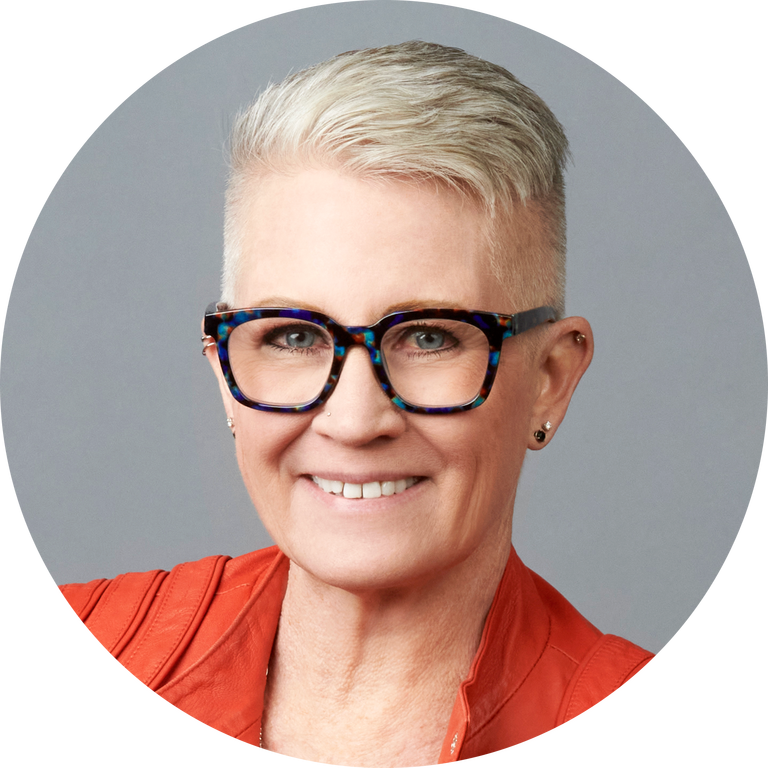
Meet our host, Susan Lambert
Susan Lambert is Chief Academic Officer of Literacy at Amplify and host of Science of Reading: The Podcast. Throughout her career, she has focused on creating high-quality learning environments using evidence-based practices. Lambert is a mom of four, a grandma of four, a world traveler, and a collector of stories.
As the host of Science of Reading: The Podcast, Lambert explores the increasing body of scientific research around how reading is best taught. A former classroom teacher, administrator, and curriculum developer, she’s dedicated to turning theory into best practices that educators can put right to use in the classroom, and to showcasing national models of reading instruction excellence.
Quotes
“When you know the science, you should have the autonomy to make real decisions and to solve problems in your classroom. That's how education works.”
“If you're not a fluent reader, you can't be a deep reader.”
“The research is clear that when you start to read expressively externally, then your internal reading voice while reading silently is much more expressive and therefore infused with more meaning.”
“Fluent reading, when it includes prosody, is meaning made audible.”
“I just think it's easy for us to overlook how profoundly groupish we are, how we yearn for group formation, how stories, when they're told well, when they're shared, they bind us together in an experience.”
“When we're sharing this experience that we're able to connect with the text itself, we're able to infuse some meaning through how we're reading that text. That lends us to a depth of comprehension that's really where we want any reader to get to.”
“Comprehension just isn't coming out of a book knowing what the author said; it’s deeply connected to the content that you just experienced.”
Brace for impact: Unifying classrooms through mission-based learning, with John Hattie


Transcripts and additional resources:
Meet Our Guest(s):

John Hattie
John Hattie is Emeritus Laureate Professor at the Melbourne Graduate School of Education at the University of Melbourne, and co-director of the Hattie Family Foundation. His Visible Learning research is based on a quarter billion students and he continues to update this research. He has published and presented over 1,000 papers, supervised 220 theses by students, and authored more than 60 books—including 40 on Visible Learning.
Meet our host, Susan Lambert
Susan Lambert is the Chief Academic Officer of Elementary Humanities at Amplify, and the host of Science of Reading: The Podcast. Her career has been focused on creating high-quality learning environments using evidence-based practices. Susan is a mom of four, a grandma of four, a world traveler, and a collector of stories.
As the host of Science of Reading: The Podcast, Susan explores the increasing body of scientific research around how reading is best taught. As a former classroom teacher, administrator, and curriculum developer, Susan is dedicated to turning theory into best practices that educators can put right to use in the classroom, and to showcasing national models of reading instruction excellence.
Quotes
“Your job is not to get through the curriculum, your job is not to get kids engaged in authentic, real-world, exciting tasks. Your job is to have an impact across those many notions.”
“We're very good at finding problems and fixing them but we're not as good—we're not having the courage—to study expertise and scale it up. And that's my mission. Scale up the expertise we have.”
“I'm an evidence-based person. Sometimes I don't like the results, but that doesn't mean you get to deny it. Some people want to deny it. Some people want to get angry with it. And sometimes evidence does get in the way of a good opinion.”